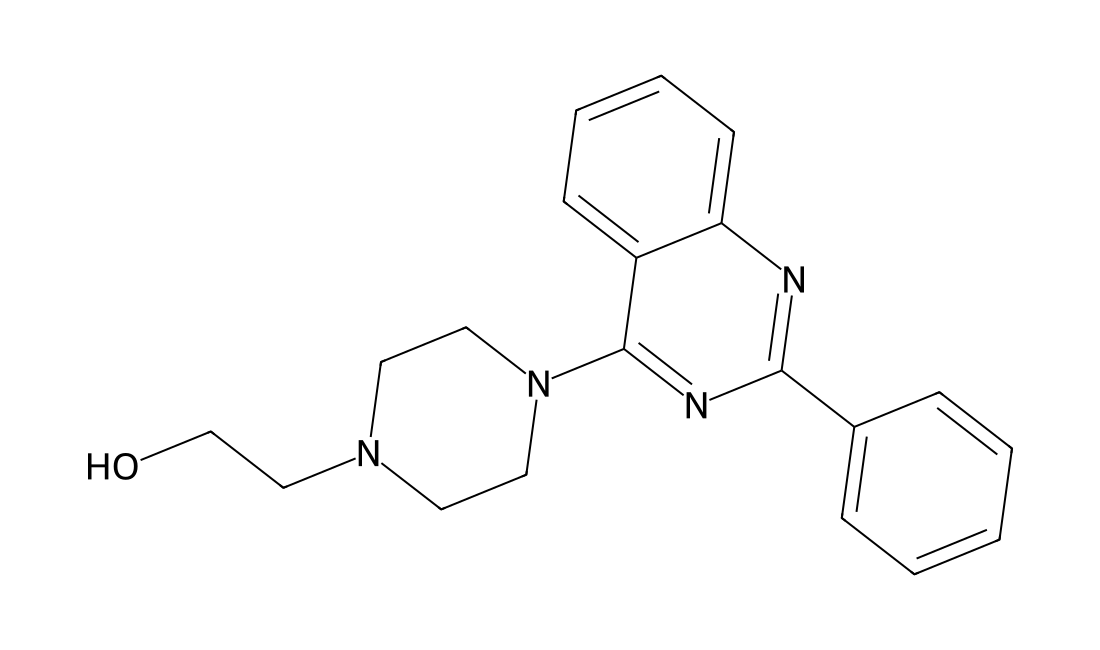
BVDV IN-1
CAS 345651-04-9
BVDV IN-1 is a non-nucleoside inhibitor of bovine viral diarrhea virus (BVDV), with an EC50 of 1.8 μM.

Antibacterial, antiviral, antifungal and antiparasitic research tools.
Products may appear in more than one category. Counts refer to distinct catalog numbers within each category.
Other Research Tools (75) · Additional reagents, building blocks and specialized research tools.
Combine a keyword, research category and target to narrow the product list.
Loading catalog filters…
CAS 345651-04-9
BVDV IN-1 is a non-nucleoside inhibitor of bovine viral diarrhea virus (BVDV), with an EC50 of 1.8 μM.
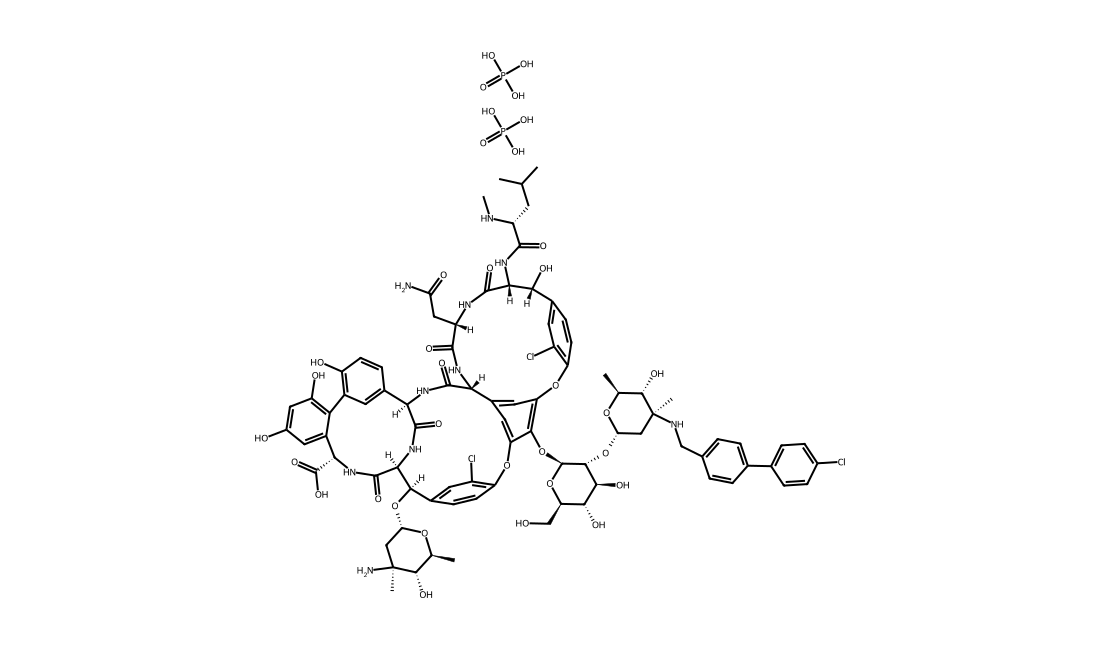
CAS 192564-14-0
Oritavancin is a semisynthetic glycopeptide antibiotic that inhibits the growth of Gram-positive bacteria.It inhibits transglycosylation and transpeptidation in the bacterial cell wall to disrupt membrane integrity.Oritavancin inhibits the growth of clinical isolates from skin and soft-tissue infections, including methicillin-resistant and -susceptible S. aureus (MRSA, MSSA), vancomycin-resistant and -susceptible E. faecium (VREF, VSRF), as well as other staphylococci, streptococci, and enterococci (MIC90s = ≤0.008-0.5 mg/L).Oritavancin inhibits growth of S. aureus in a neutropenic-mouse thigh model of infection (ED50 = 0.95 mg/kg for a single dose).It improves survival in a mouse inhalation model of B. anthracis Ames anthrax when administered prophylactically pre- and postexposure and when administered post symptom development.Formulations containing oritavancin have been used to treat bacterial skin infections.
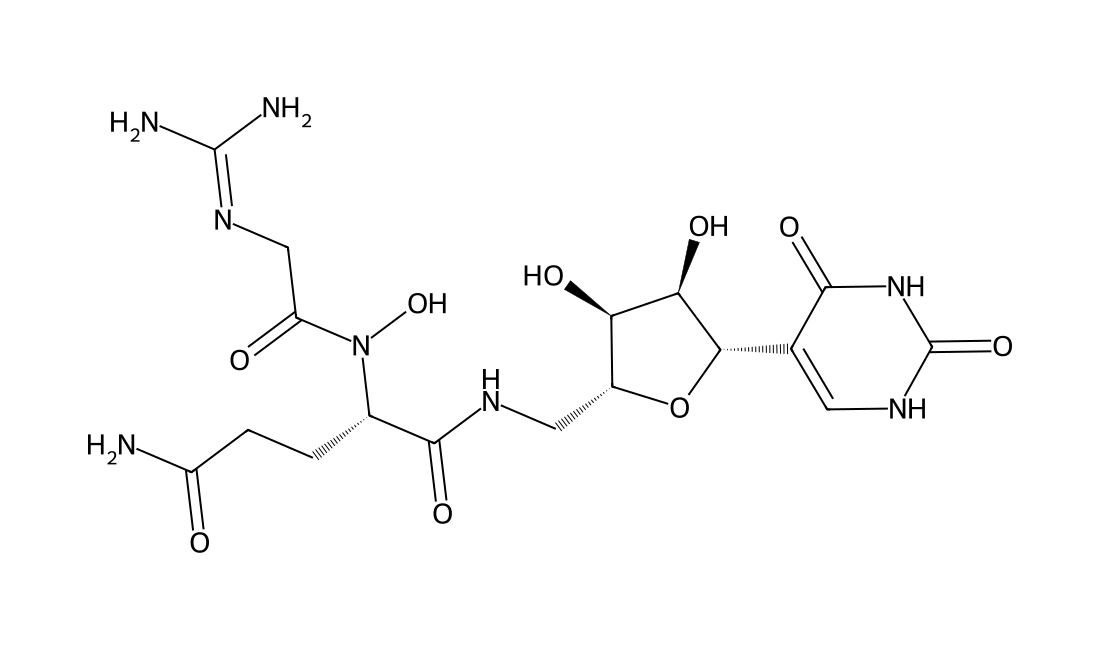
CAS 1566586-52-4
Pseudouridimycin (PUM), an antibiotic, is a selective bacterial RNA polymerase (RNAP) inhibitor. Pseudouridimycin is a C-nucleoside analogue that is effective against both Gram-negative and Gram-positive bacteria.
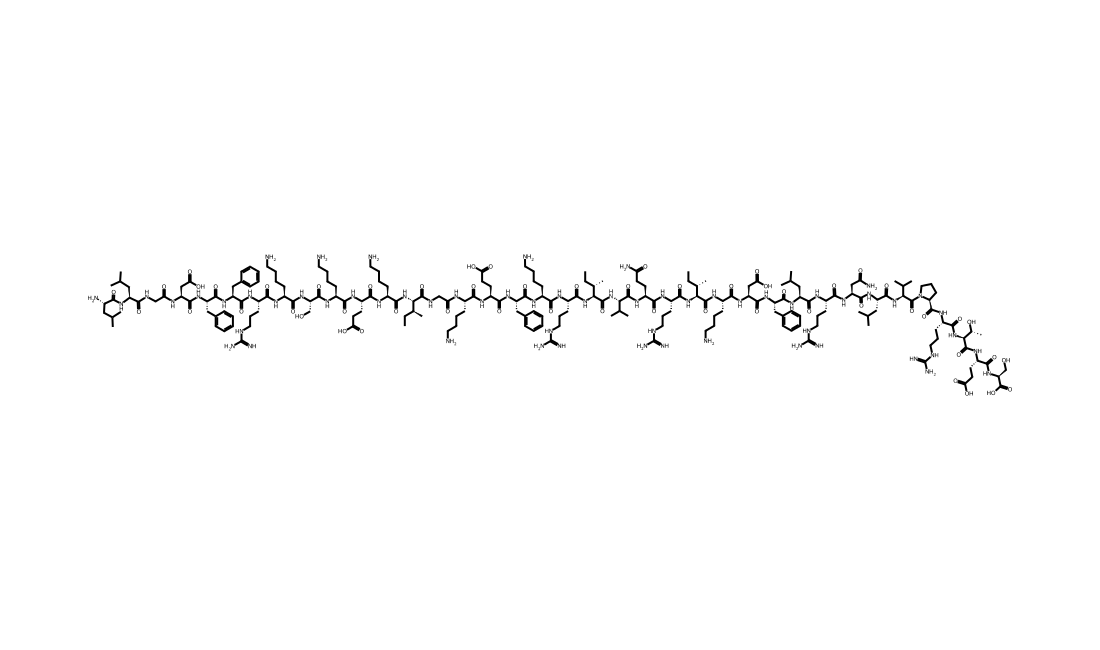
CAS 154947-66-7
LL-37, Human is a 37-residue, amphipathic, cathelicidin-derived antimicrobial peptide, which exhibits a broad spectrum of antimicrobial activity[1]. LL-37, Human could help protect the cornea from infection and modulates wound healing.
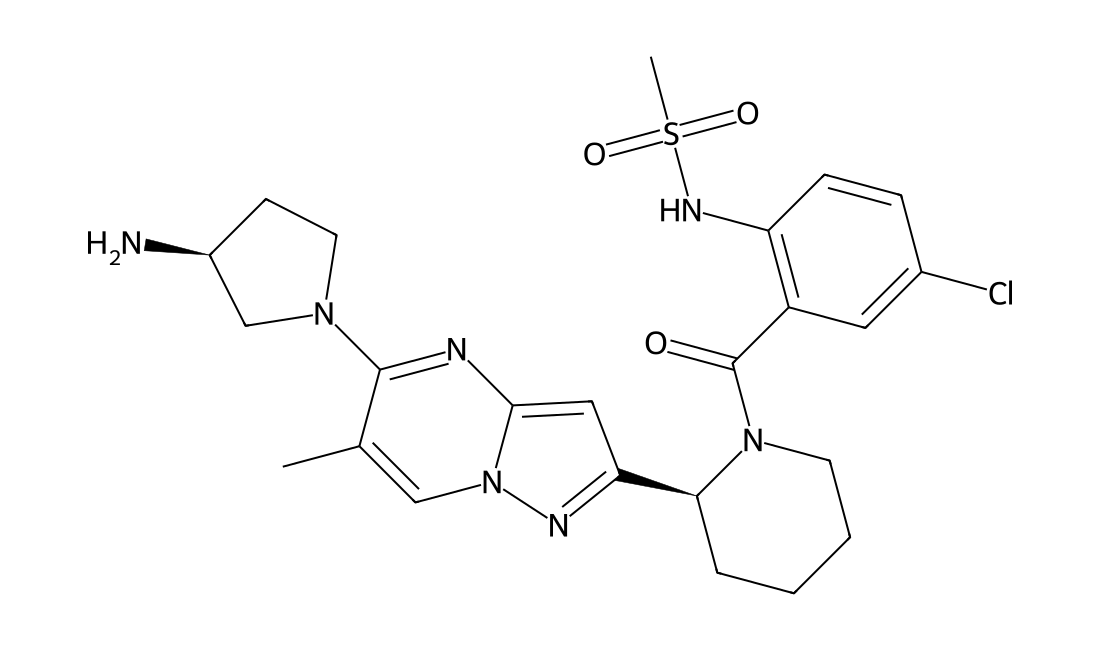
CAS 1353625-73-6
Presatovir (GS-5806) is a novel, orally bioavailable RSV fusion inhibitor with mean EC50 of 0.43 nM against a panel of 75 RSV A and B clinical isolates; exhibits low cytotoxicity in human cell lines and primary cell cultures (selectivity > 23,000-fold); shows excellent antiviral efficacy in the cotton rat model of RSV infection. RSV Infection Phase 2 Clinical
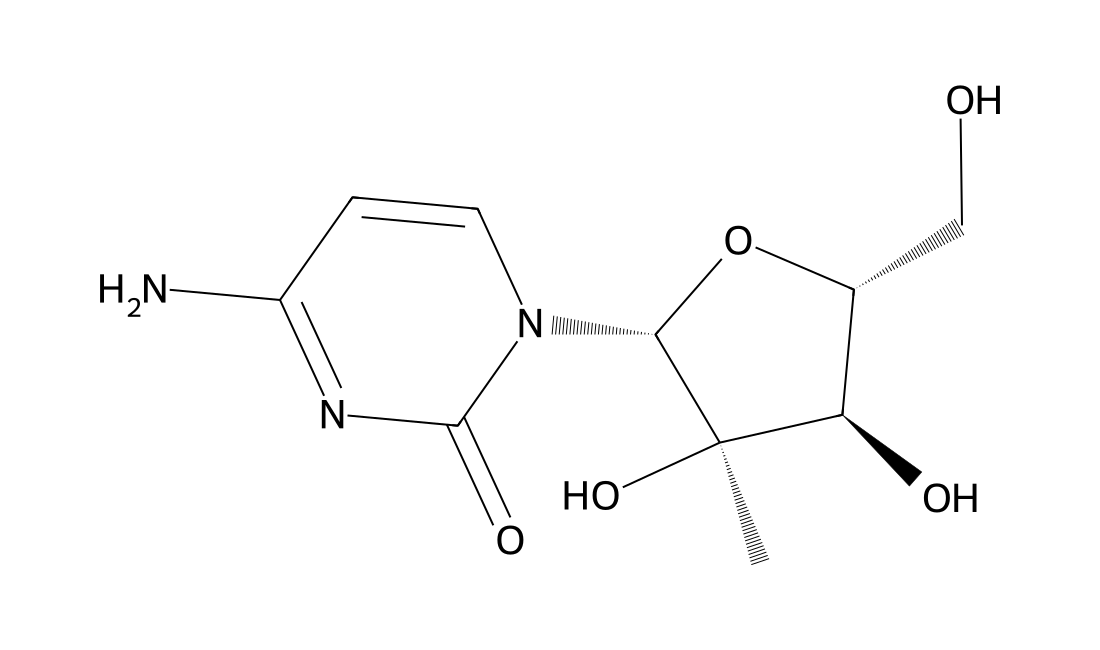
CAS 20724-73-6
A nucleoside inhibitor of HCV NS5B polymerase with EC50 of 1.23 uM against HCV 1b replicon cells; The active component of NM283.HCV InfectionPhase 2 Discontinued
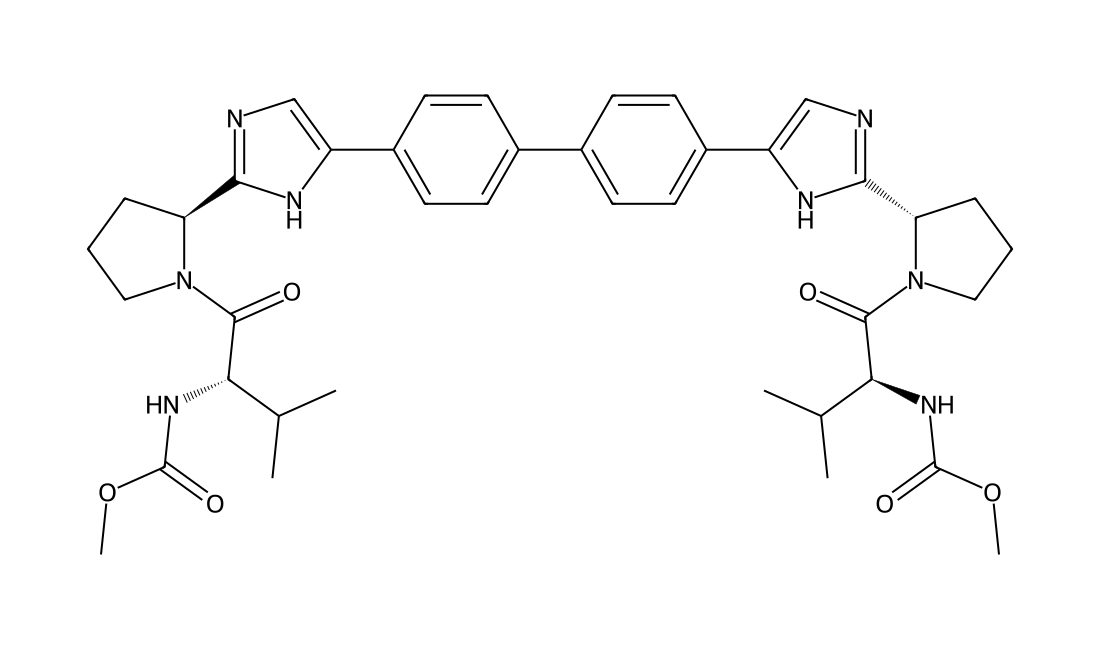
CAS 1009119-64-5
A potent HCV NS5A inhibitor with EC50 of <50 pM against genotype 1 replicons; exhibits picomolar EC(50) towards replicons expressing a broad range of HCV genotypes and the JFH-1 genotype 2a infectious virus in cell culture.HCV InfectionApproved
CAS 1198769-38-8
A triazole antifungal agent that blocks the synthesis of ergosterol by inhibiting of the enzyme lanosterol 14α-demethylase and accumulation of methylated sterol precursors, more potent at inhibiting 14α-demethylase than itraconazole.Fungal InfectionApproved
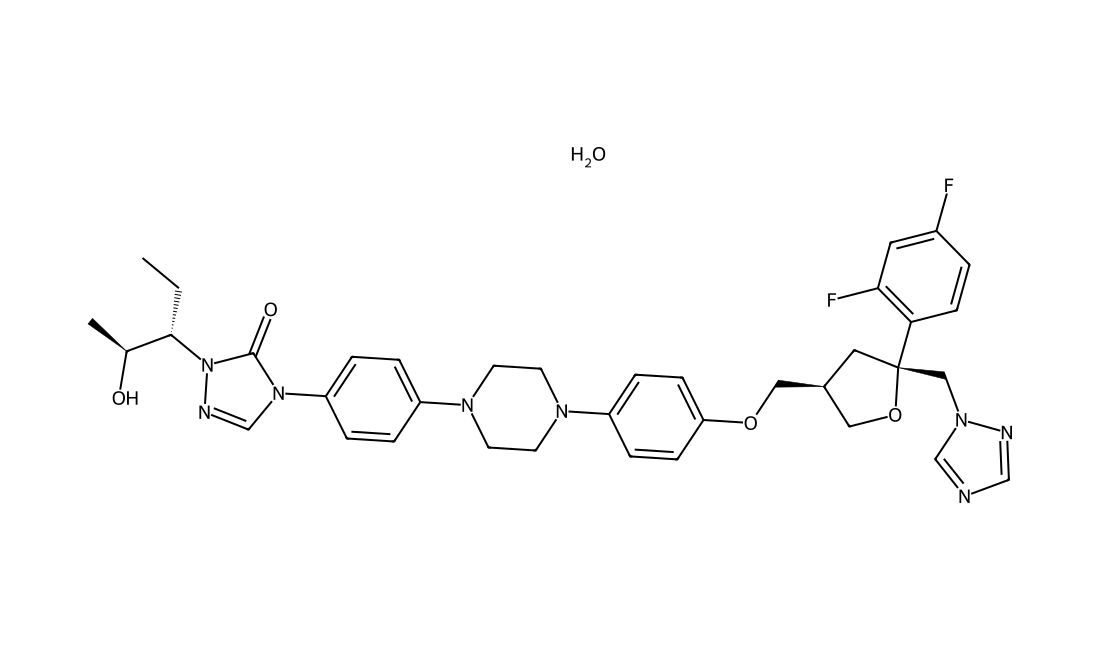
CAS 1397-89-3
Amphotericin B is a polyene antifungal agent against a wide variety of fungal pathogens. It binds irreversibly to ergosterol, resulting in disruption of membrane integrity and ultimately cell death.
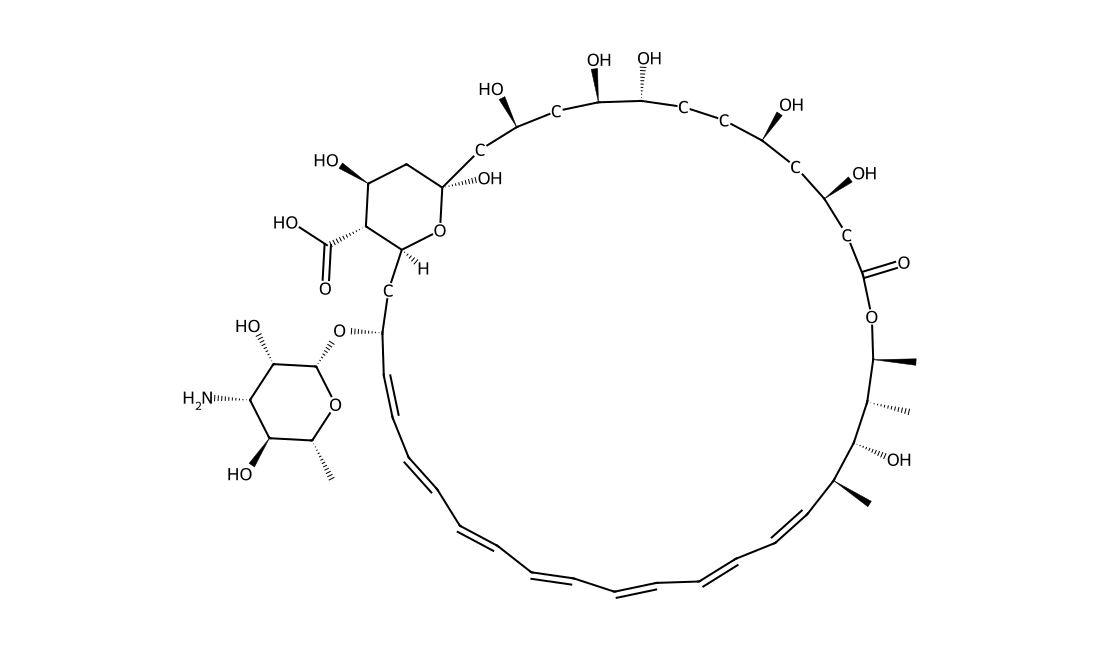
CAS 53-79-2
Puromycin blocks protein synthesis after aminoacyl-sRNA formation, and at the same time it leads to the accumulation of small peptides. Both of these effects appear to be due to the splitting of ribosome-bound peptidyl-sRNA,4 which results in release of incomplete peptide chains.. Puromycin, an analog of the 3' end of aminoacyl-tRNA, causes premature termination of translation by being linked non-specifically to growing polypeptide chains. Puromycin has two modes of inhibitory action. The first is by acting as an acceptor substrate which attacks peptidyl-tRNA in the P site to form a nascent peptide. The second is by competing with aminoacyl-tRNA for binding to the A' site. When used in minimal amounts, puromycin incorporation in neosynthesized proteins reflects directly the rate of mRNA translation in vitro. Puromycin immunodetection is an advantageous alternative to radioactive amino acid labeling. It allows the direct evaluation of translation activity in single cells by immunofluorescence microscopy and in heterogenous populations of cells by fluorescenceactivated cell sorting.
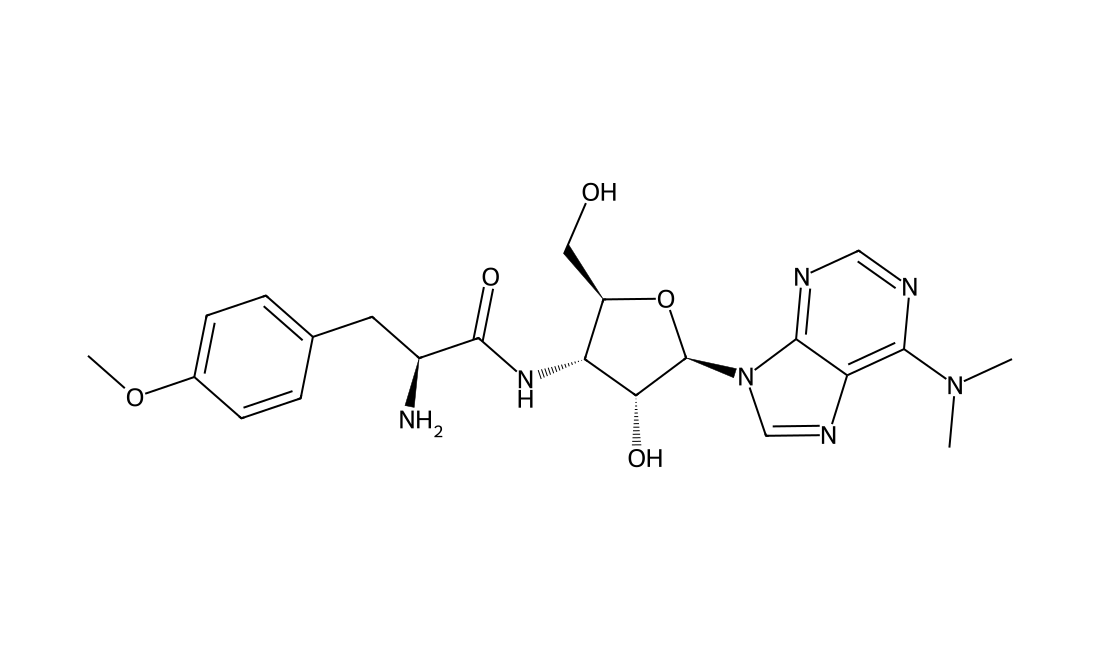
CAS 87156-01-2
EDA-DA is an unnatural dipeptide building block (an ethynyl-D-alanine and a D-alanine). It incorporates a biorthogonal alkyne group into peptidoglycan (PG) through MurF in the cytoplasmic pathway, which enables selective labeling via a click-chemistry reaction. EDA-DA allows labeling of PG in Gram-positive (B. subtilis), Gram-negative (E. coli and C. trachomatis), Mycobacterium (M. smegmatis) and moss plastids (P. patens) with azide modified fluorescent dyes such as Alexa Fluor 488.
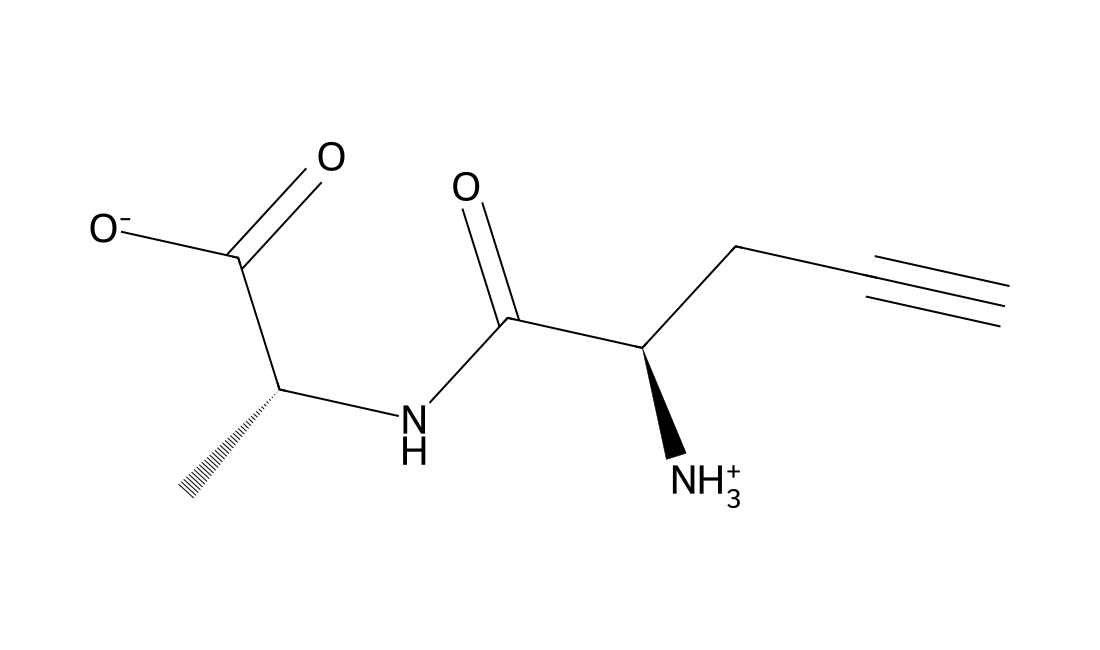
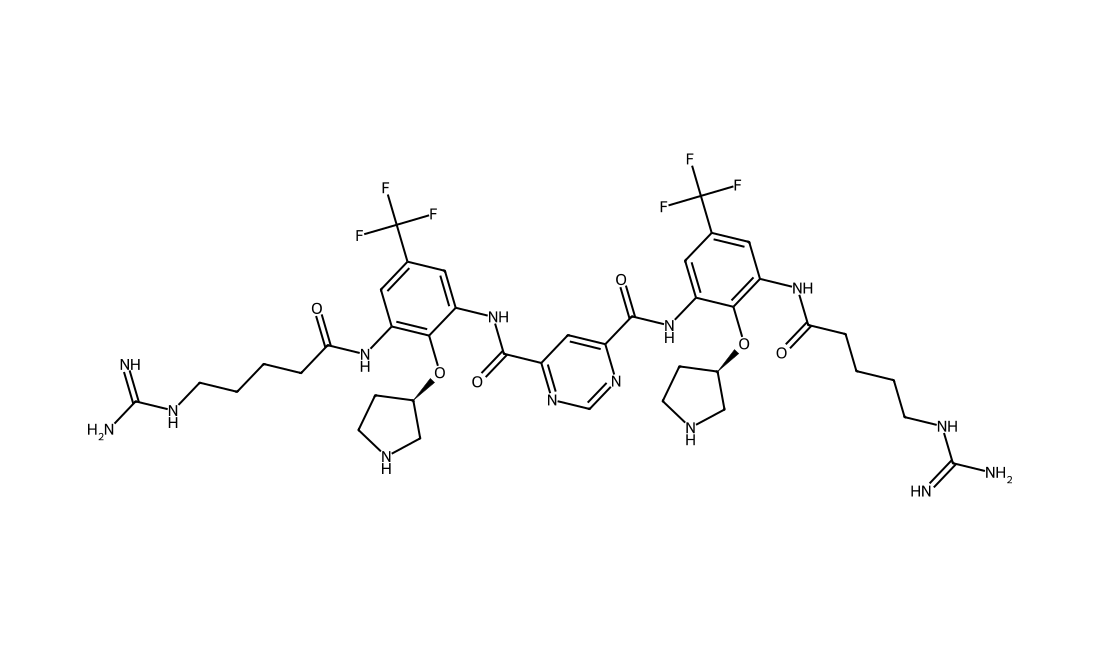
CAS 1224095-98-0
Brilacidin (PMX 30063) is an anti-infective antimicrobial with MIC90s of 1 and 8 μg/mL for Gram-positive bacteria Streptococcus pneumonia and Streptococcus viridans, and MIC90 of 8 and 4 μg/mL for Gram-negative bacteria Haemophilus influenza and Pseudomonas aeruginosa. Brilacidin is a defensin mimetic antibiotic compound.
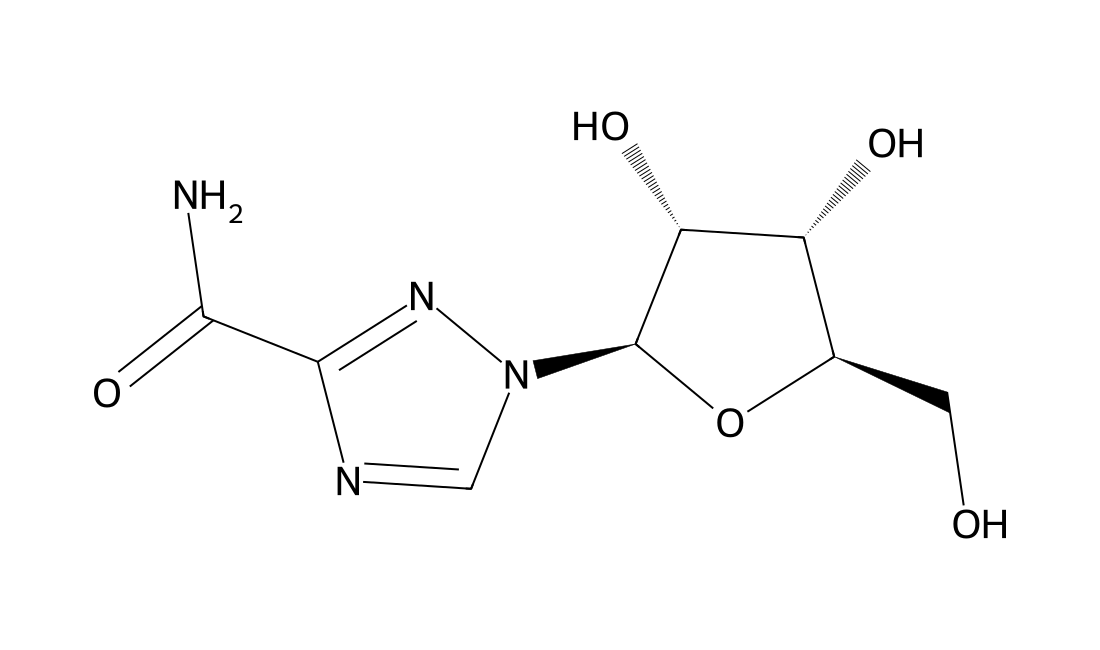
CAS 36791-04-5
Ribavirin is an antiviral agent against a broad spectrum of viruses including HCV, HIVl, and RSV.
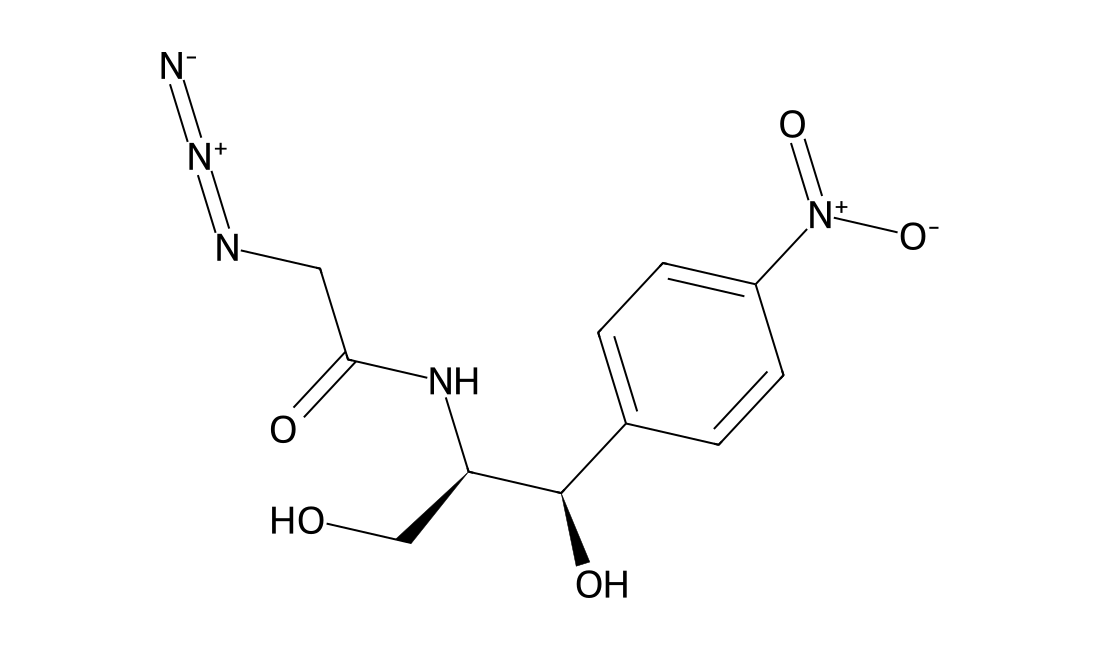
CAS 13838-08-9
Azidamfenicol is a broad-spectrum chloramphenicol-like antibiotic that is active against Gram-negative and Gram-positive bacteria.1 It inhibits ribosomal peptidyltransferase (Ki = 22 µM).2
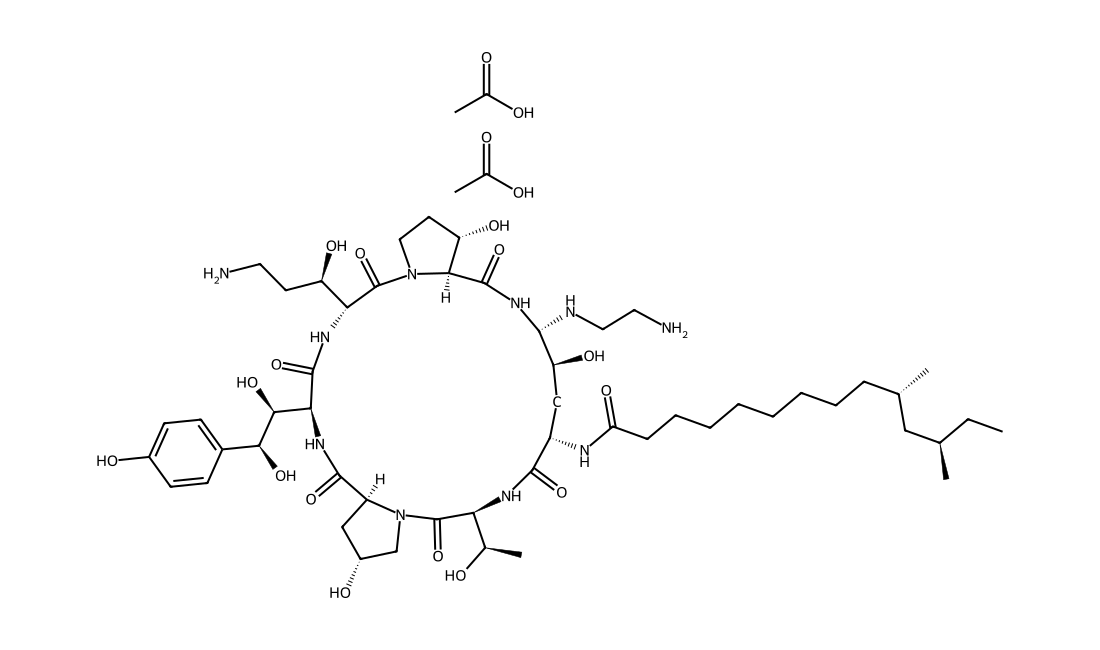
CAS 179463-17-3
Caspofungin (Acetate) is an antifungal drug, and noncompetitively inhibits 1,3-β-d glucan synthase activity.
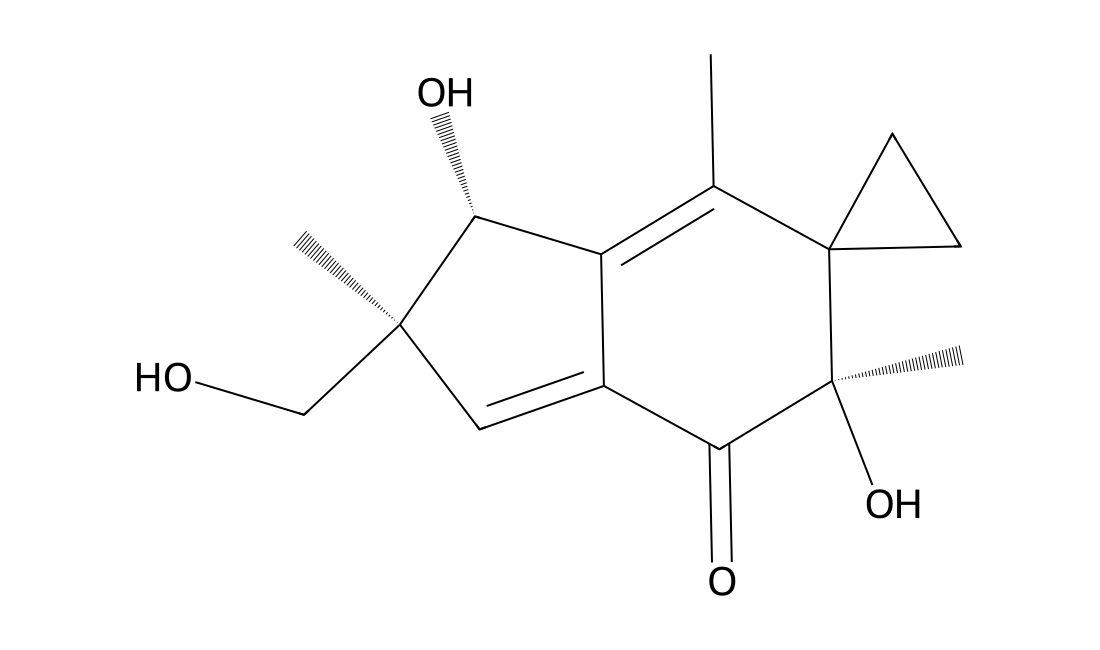
CAS 1149-99-1
Illudin S is a sesquiterpene toxin with strong anti-tumour and antiviral activities. Illudin S has genotoxic activities[1][2][3].
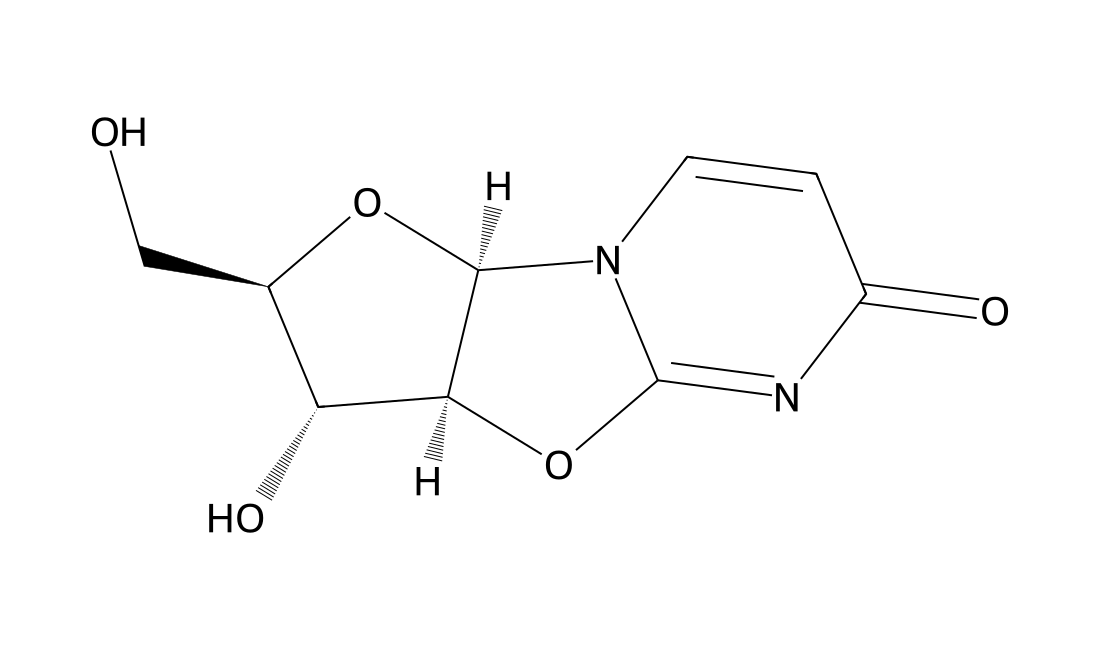
CAS 1365970-03-1
Glecaprevir is a novel HCV NS3/4A protease inhibitor, with IC50 values ranging from 3.5 to 11.3 nM.
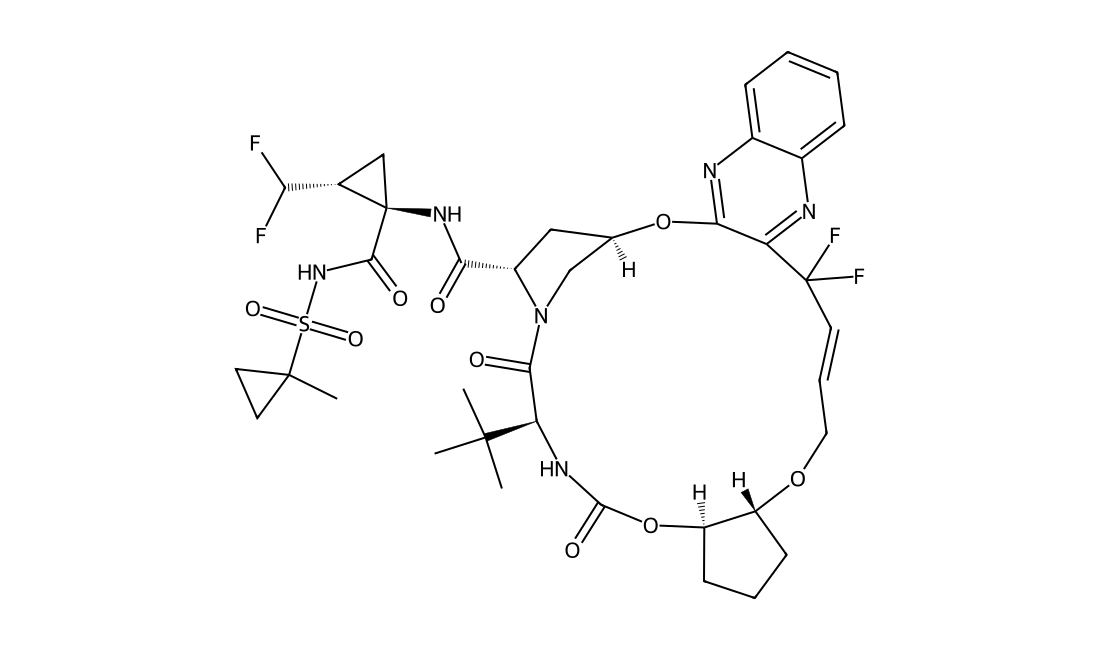
CAS 1350514-68-9
Grazoprevir (MK-5172) is a selective inhibitor of Hepatitis C virus NS3/4a protease with broad activity across genotypes and resistant variants, with Kis of 0.01 nM (gt1b), 0.01 nM (gt1a), 0.08 nM (gt2a), 0.15 nM (gt2b), 0.90 nM (gt3a), respectively.
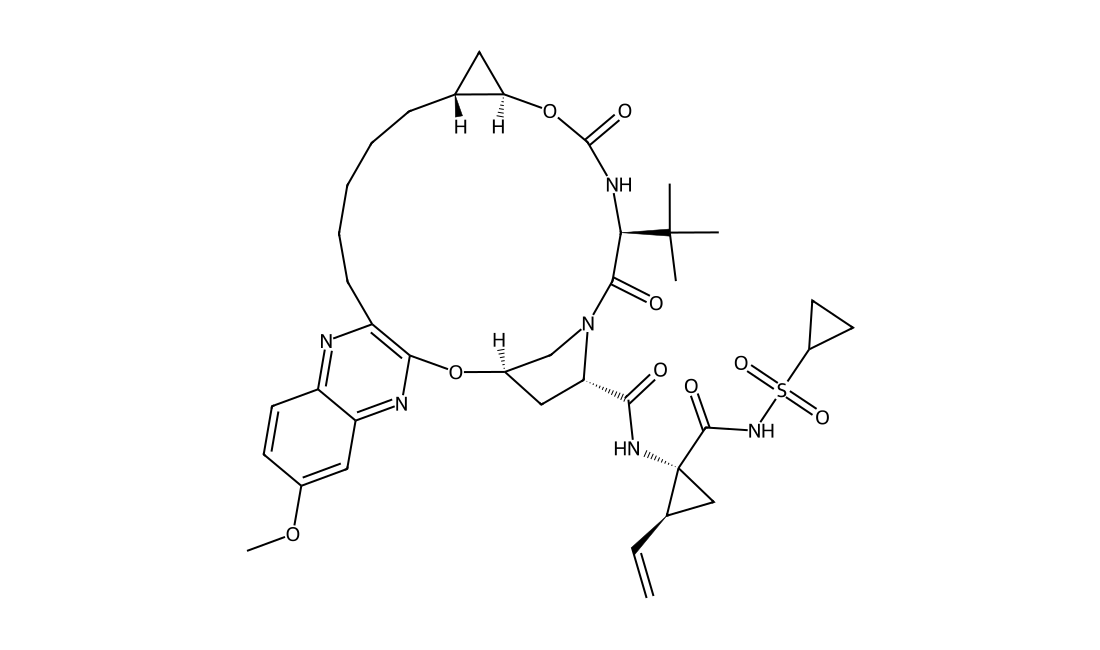
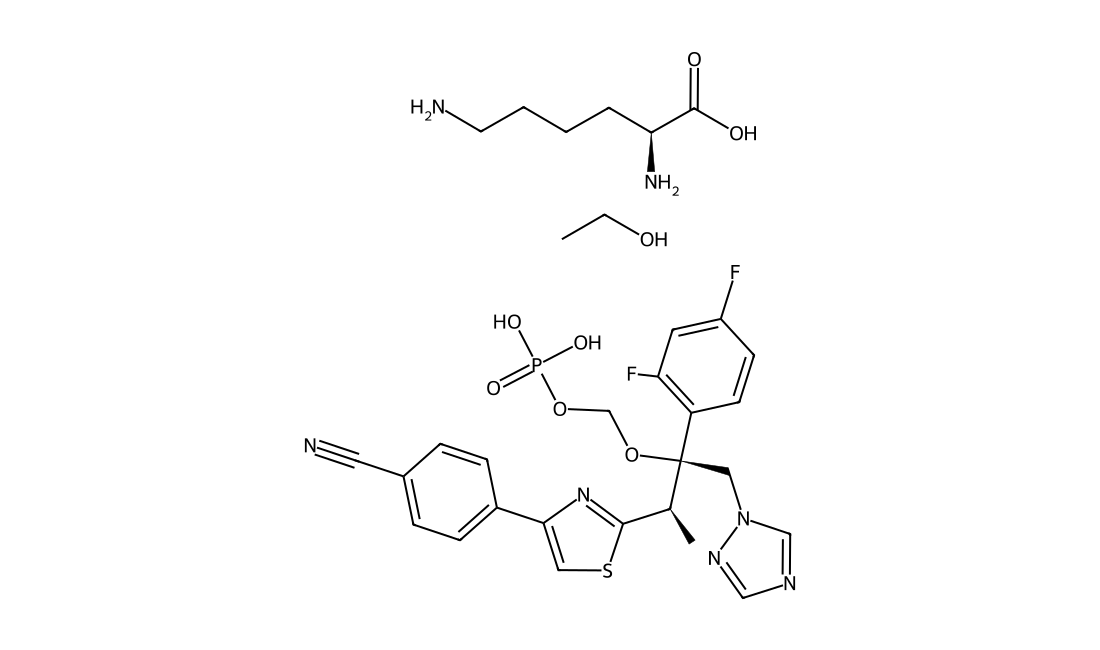
CAS 914361-45-8
Fosravuconazole L-lysine ethanolate (BMS-379224 L-lysine ethanolate), a prodrug of Ravuconazole, is an orally active broad spectrum antifungal agent. Fosravuconazole L-lysine ethanolate can be used for candidiasis, onychomycosis and parasitemia research.
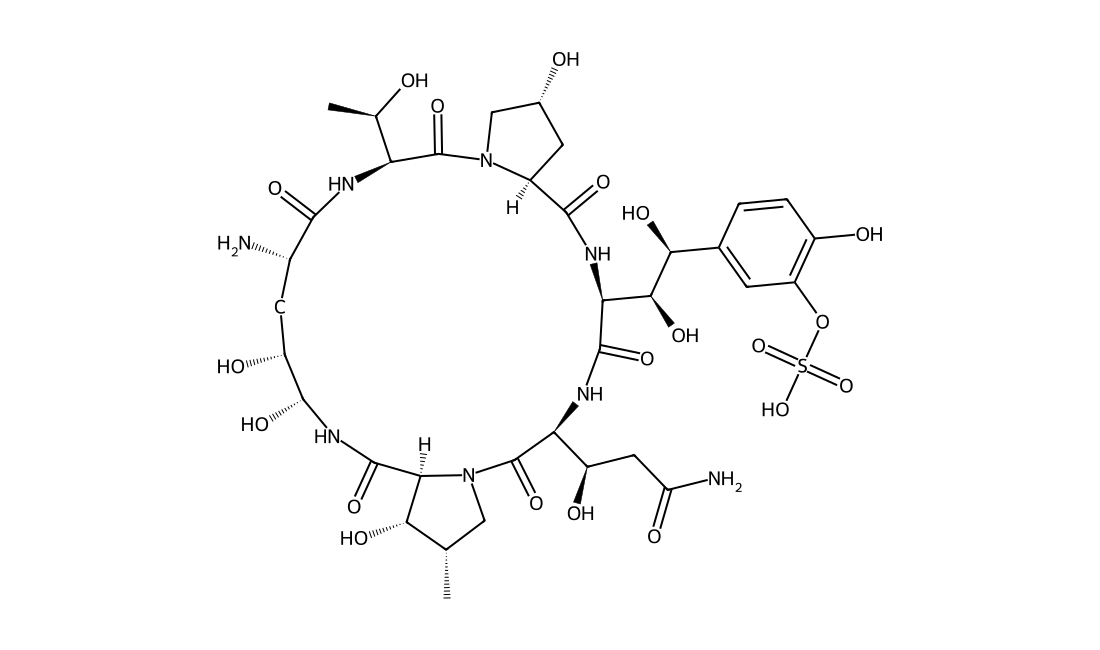
CAS 168110-44-9
FR179642 is a key intermediate in the synthesis of the echinocandin antifungal Micafungin[1]. FR179642 is the cyclic peptide nucleus of the echinocandin-like antifungal lipopeptide FR901379[2]
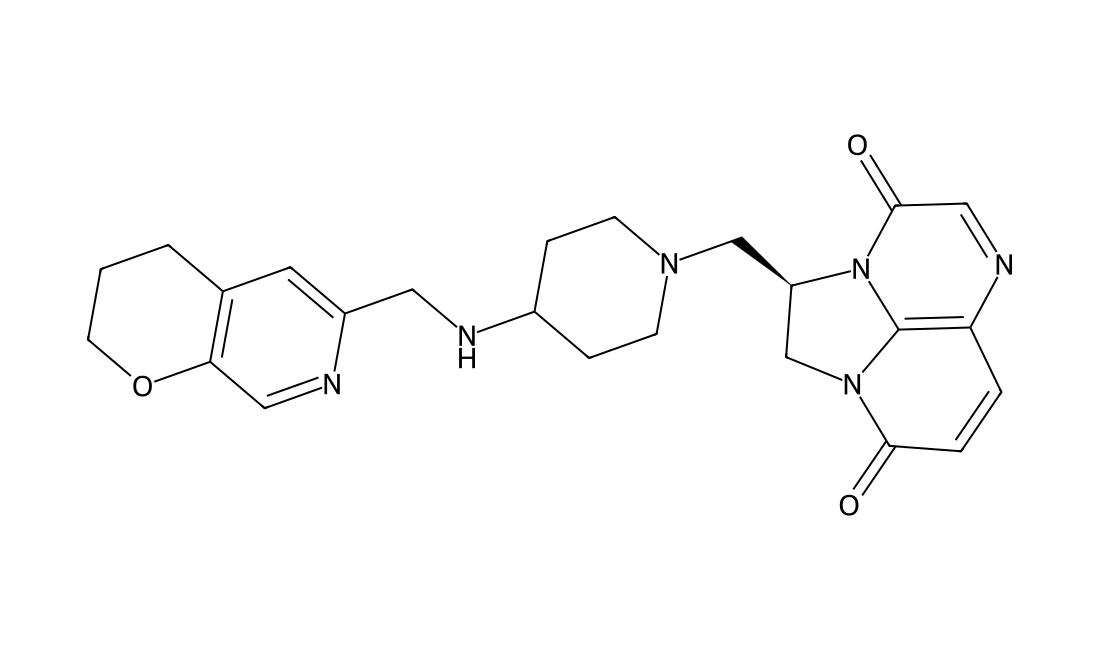
CAS 1075236-89-3
Gepotidacin is a novel, first-in-class, triazaacenaphthylene antibacterial that inhibits bacterial DNA gyrase and topoisomerase IV via a unique mechanism and has demonstrated in vitro activity against gram-negative and gram-positive bacterias , including drug-resistant strains, and also targets pathogens associated with other conventional and biothreat infections. The MIC50 and MIC90 for gepotidacin against the 25 N. gonorrhoeae isolates tested are 0.12 and 0.25 μg/mL, respectively. The gepotidacin MIC90s are as follows (in μg/mL): Streptococcus pyogenes, 0.25; Escherichia coli, 2; Moraxella catarrhalis, ≤0.06; Streptococcus pneumoniae, 0.25; Haemophilus influenzae, 1; Clostridium perfringens, 0.5; and Shigella spp., 1. Gepotidacin hasin vitroactivity against causative pathogens of acute bacterial skin and skin structure infections (ABSSSIs).GSK2140944 MICs are 0.125 to 0.5 mg/L against the six MRSA isolates. ELF penetration ratios range from 1.1 to 1.4. Observed maximal decreases are 1.1 to 3.1 log10 CFU in neutropenic mice. The mean fAUC/MIC ratios required for stasis and 1-log-unit decreases are 59.3 ± 34.6 and 148.4 ± 83.3, respectively.
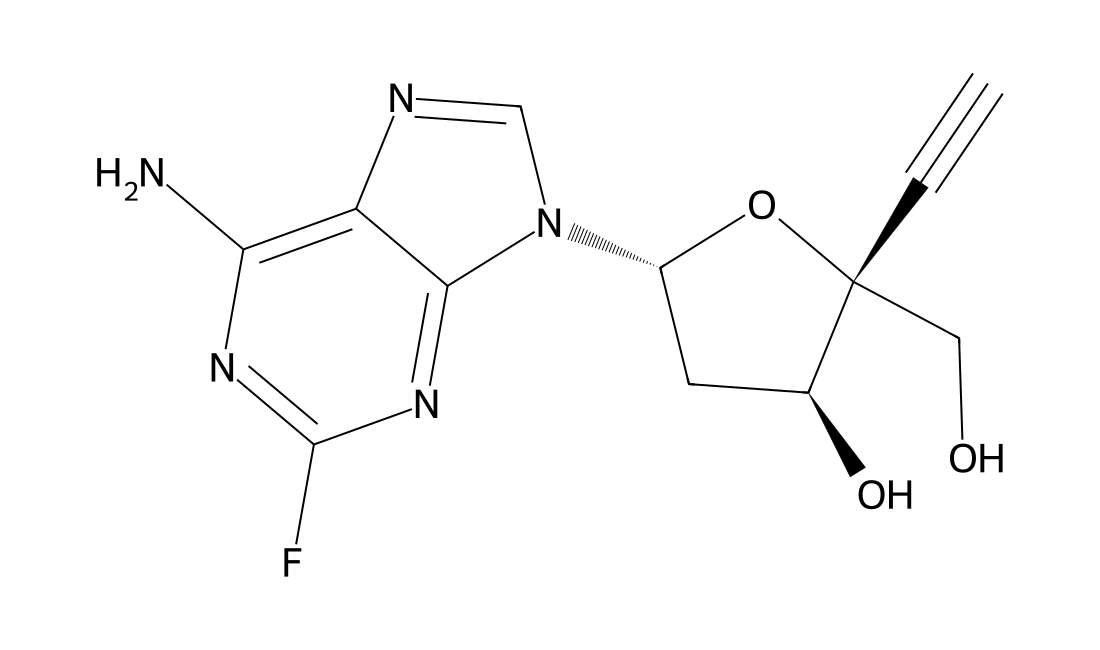
CAS 865363-93-5
MK-8591 is a potent anti-HIV-1 agent, acting as a nucleoside reverse transcriptase inhibitor, with EC50s of 0.068 nM, 3.1 nM and 0.15 nM for HIV-1 (WT), HIV-1 (M184V), HIV-1 (MDR), respectively. HIV Infection
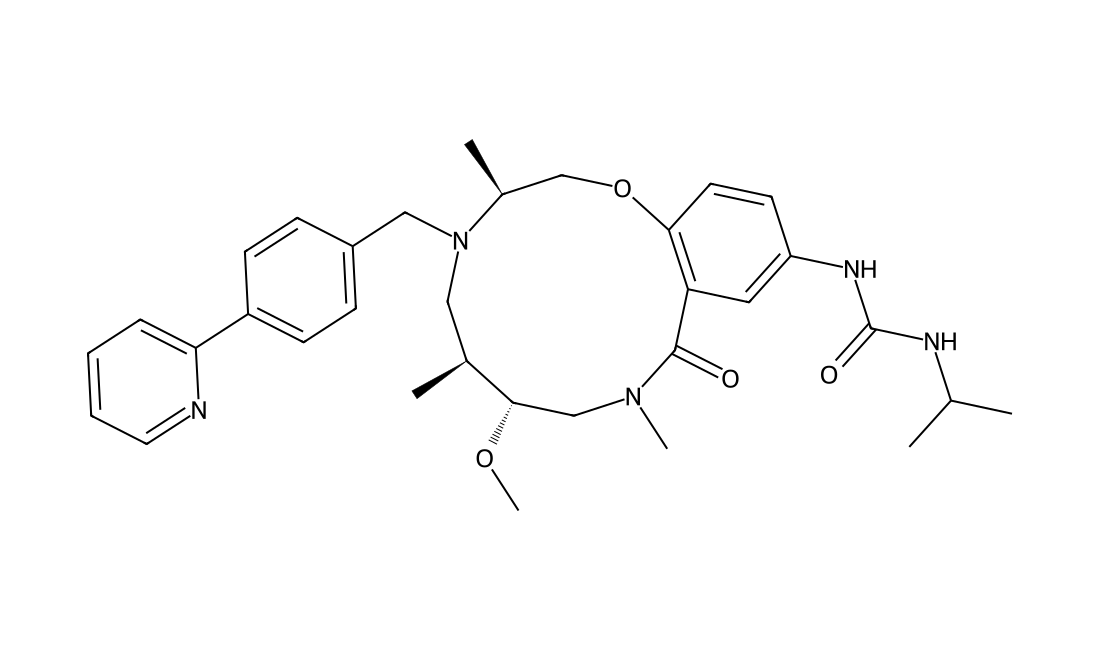
CAS 1357647-78-9
BRD-K98645985 is a class of 12-membered macrolactam and a BAF (Brg/Brahma-associated factors) transcriptional repression inhibitor with an EC50 of ~2.37 µM. BRD-K98645985 binds ARID1A-specific BAF complexes, prevents nucleosomal positioning, and potently reverses HIV-1 latency, and without T cell activation or toxicity[1].
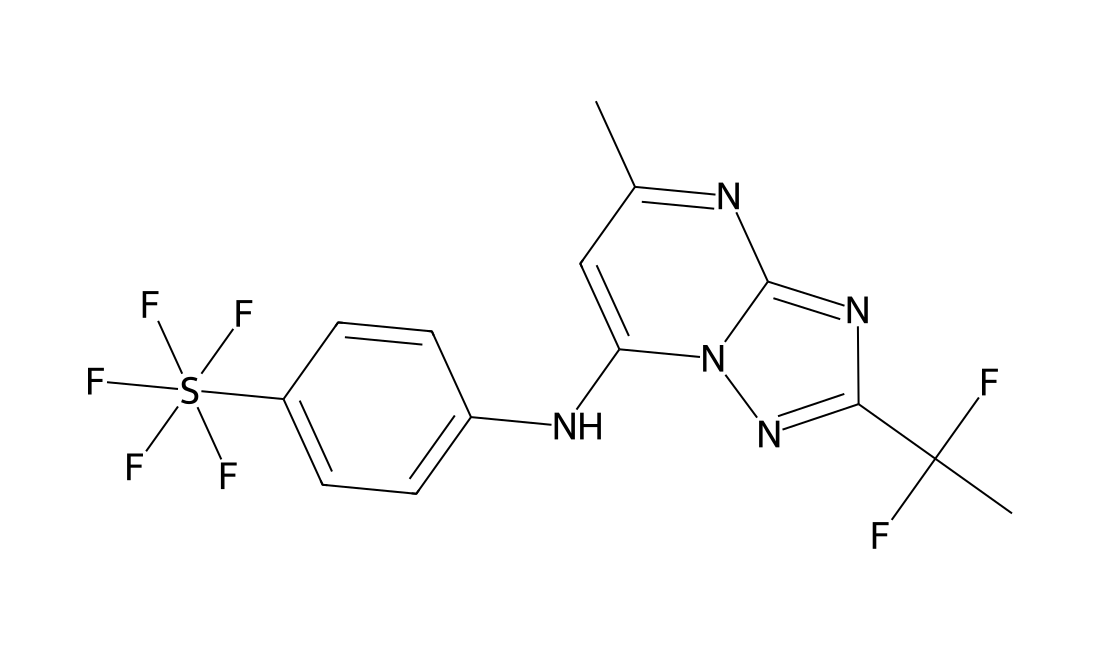
CAS 1282041-94-4
DSM265 is a PfDHODH inhibitor with an IC50 of 8.9 nM. DSM265 can also inhibit the growth of P. falciparum 3D7 parasites with an EC50 of 4.3 nM.
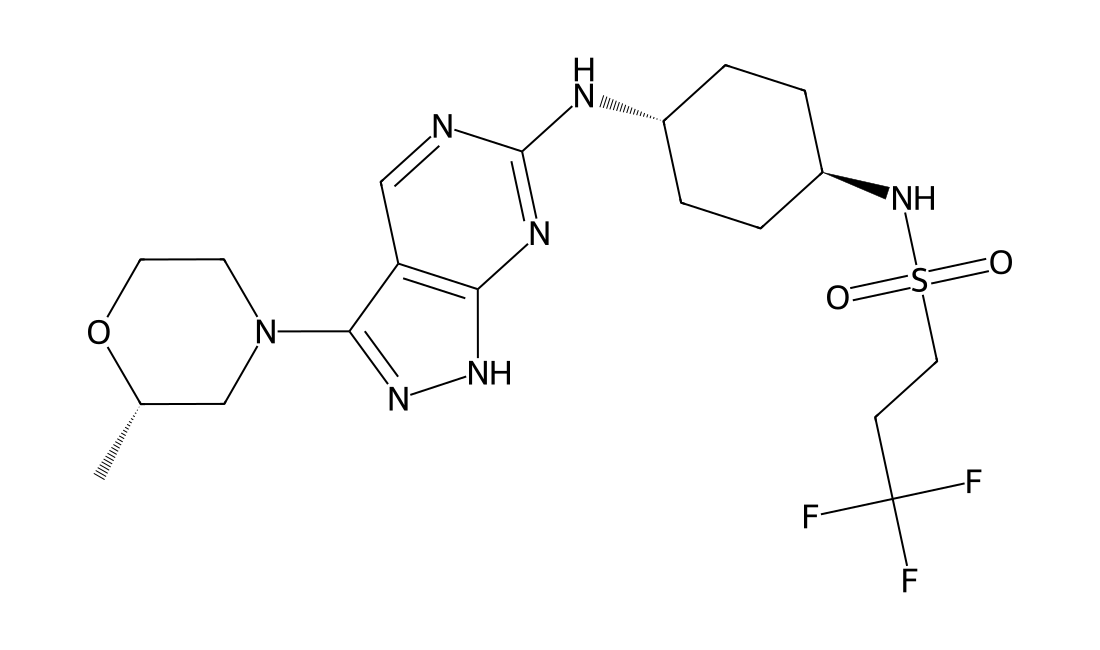
CAS 1972617-87-0
GSK 3186899 (GSK-3186899, DDD853651) is a novel specific inhibitor of parasite cdc-2-related kinase 12 (CRK12), shows activity against L. donovani in intra-macrophage assay with EC50 value of 1.4 uM, and shows good selectivity against mammalian THP-1 host cells (EC50> 50 uM).
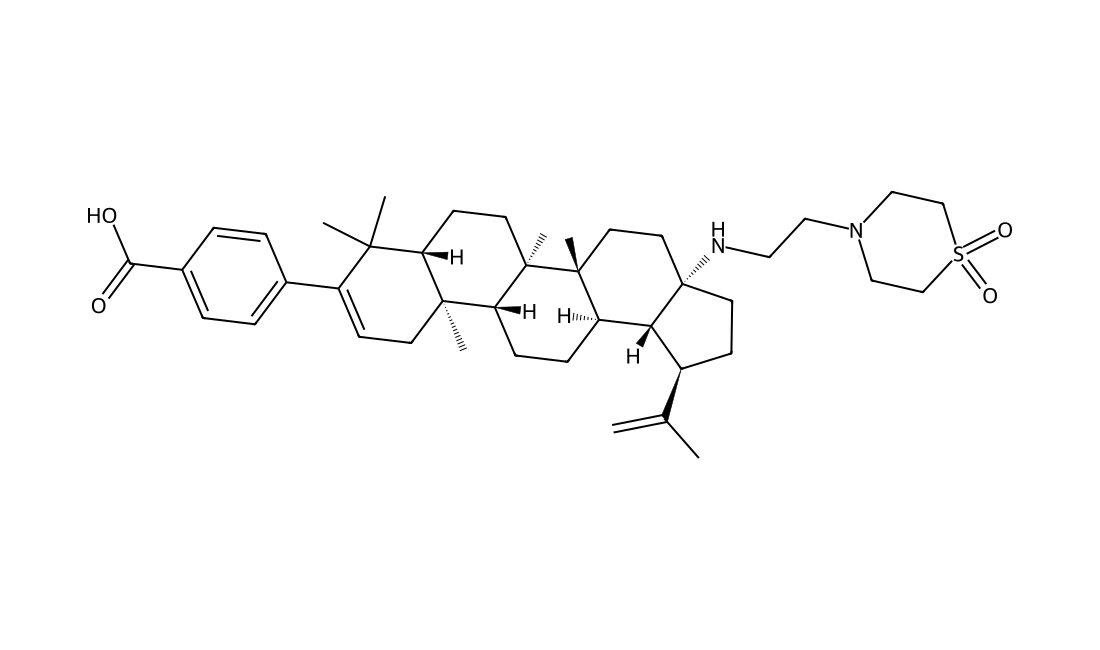
CAS 1392312-45-6
BMS-955176 (GSK-3532795) is a second-generation HIV-1 maturation inhibitor that exhibits potent activity (EC50=3.9±3.4 nM) against a library (n=87) of gag/pr recombinant viruses; exhibits median EC50 of 21 nM toward a library of subtype B clinical isolates assayed in PBMCs; inhibits HIV-1 protease cleavage at the CA/SP1 junction within Gag in VLPs and in HIV-1-infected cells, and binds reversibly and with high affinity to assembled Gag in purified HIV-1 VLPs; has a greatly improved preclinical profile compared to that of Bevirimat. HIV Infection Phase 2 Clinical
CAS 2080410-41-7
GSK3494245 (DDD01305143) is a potent, orally active, and selective inhibitor of the chymotrypsin-like activity of the parasite proteasome binding in a site sandwiched between the β4 and β5 subunits (IC50=0.16 μM for WT L. donovani proteasomes). GSK3494245 moderately inhibits chymotrypsin-like activity of human proteasome (IC50: purified 26S=13 µM; enriched THP-1 extracts IC50=40µM). GSK3494245 exhibits attractive biological and biosafety properties.
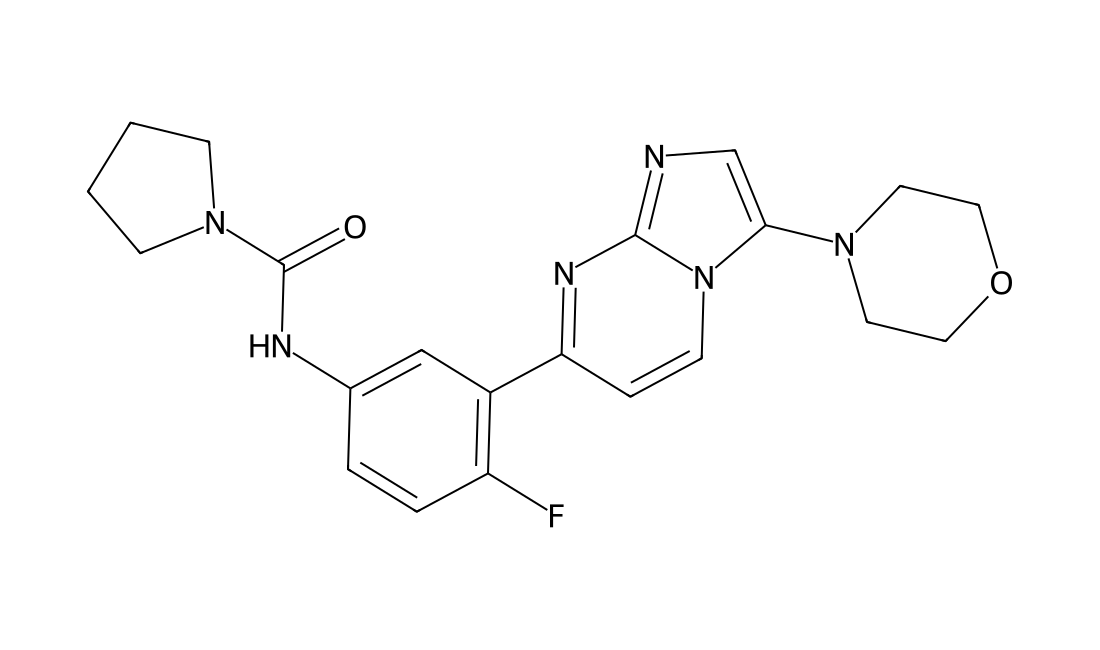
CAS 1422500-60-4
Ziresovir (RO-0529, AK0529) is a potent, selective and orally bioavailable respiratory syncytial virus (RSV) fusion (F) protein inhibitor with EC50 of 3 nM.
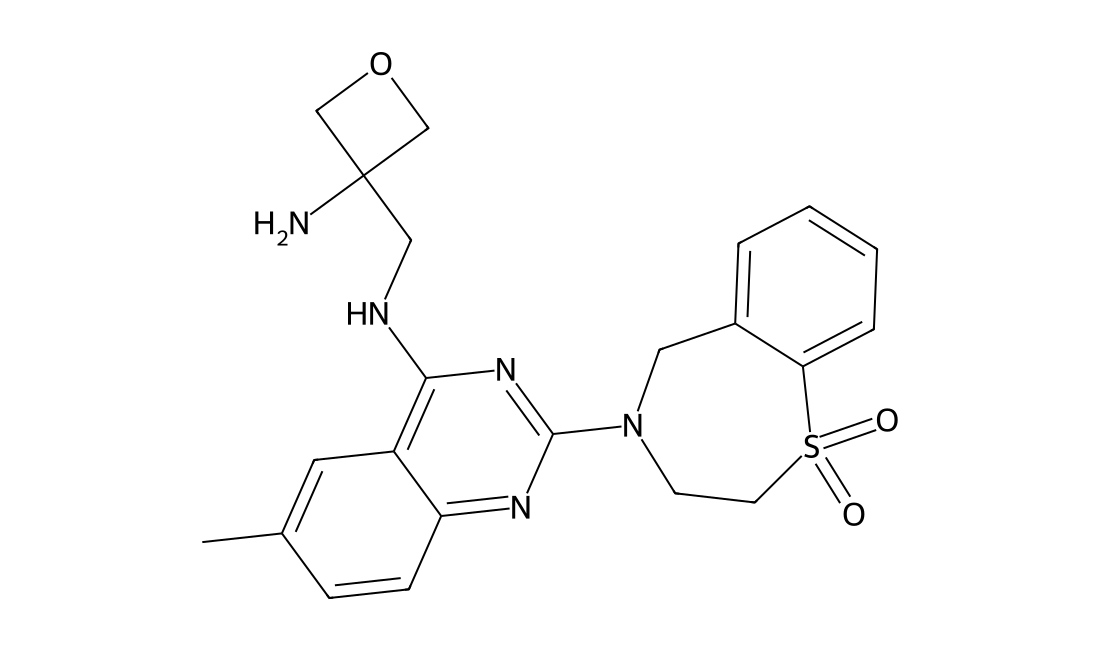
CAS 1340593-70-5
A novel selective, orally available fungal CYP51 (lanosterol 14-α-demethylase) inhibitor; displays greater selectivity for fungal enzyme than for mammalian CYP450 compared to the approved azole class of antifungal drugs; inhibits C. albicans and T. rubrum with MIC of <0.001 ug/mL, also demonstrated potent activities against Cryptococcusspecies as demonstrated by low MIC50 and MIC90 values.
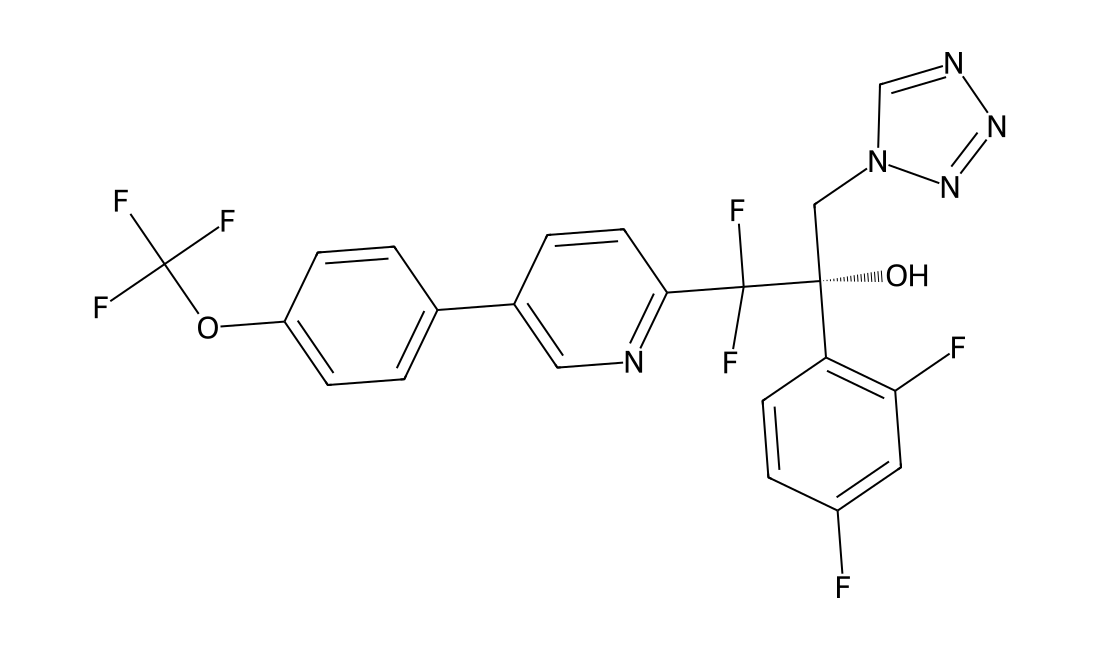
CAS 2089321-00-4
VT-1598 tosylate is an orally active and selective fungal inhibitor targeting CYP51. VT-1598 tosylate shows anti-fungal activity against C. auris.
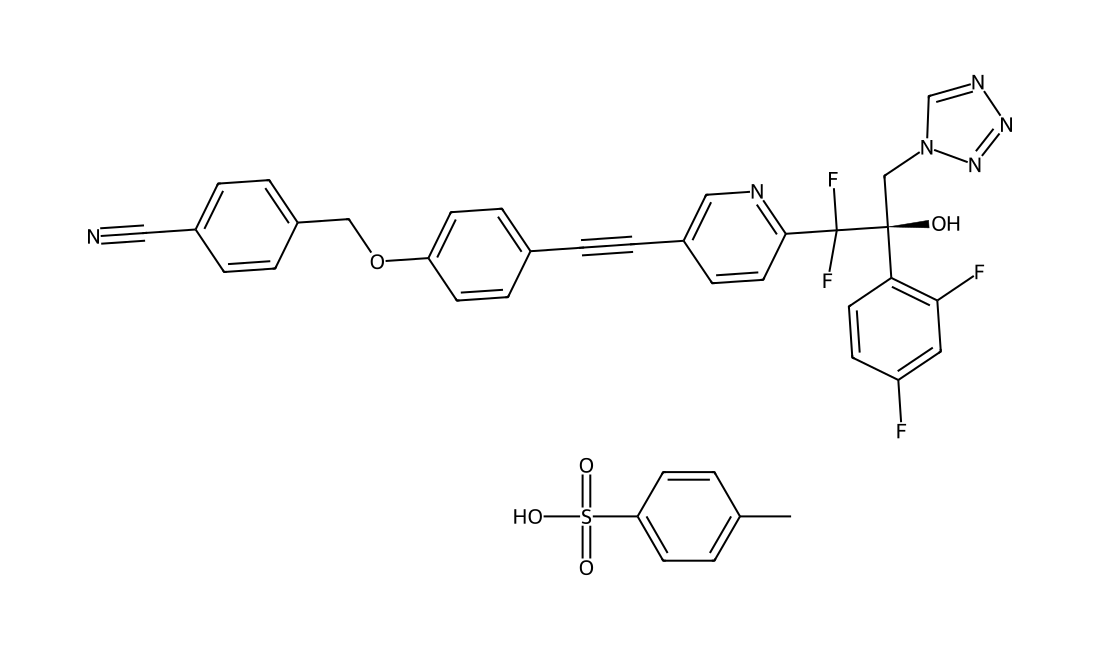
CAS 1340593-59-0
VT-1161 is a potent, highly-selective, and oral fungal CYP51 inhibitor with Kd of ≤ 39 nM; demonstrates >2,000-fold selectivit over human CYP51, weakly inhibits human CYP2C9, CYP2C19, and CYP3A4; exhibits excellent potency against key yeast and dermatophyte strains.Fungal InfectionPhase 2 Clinical
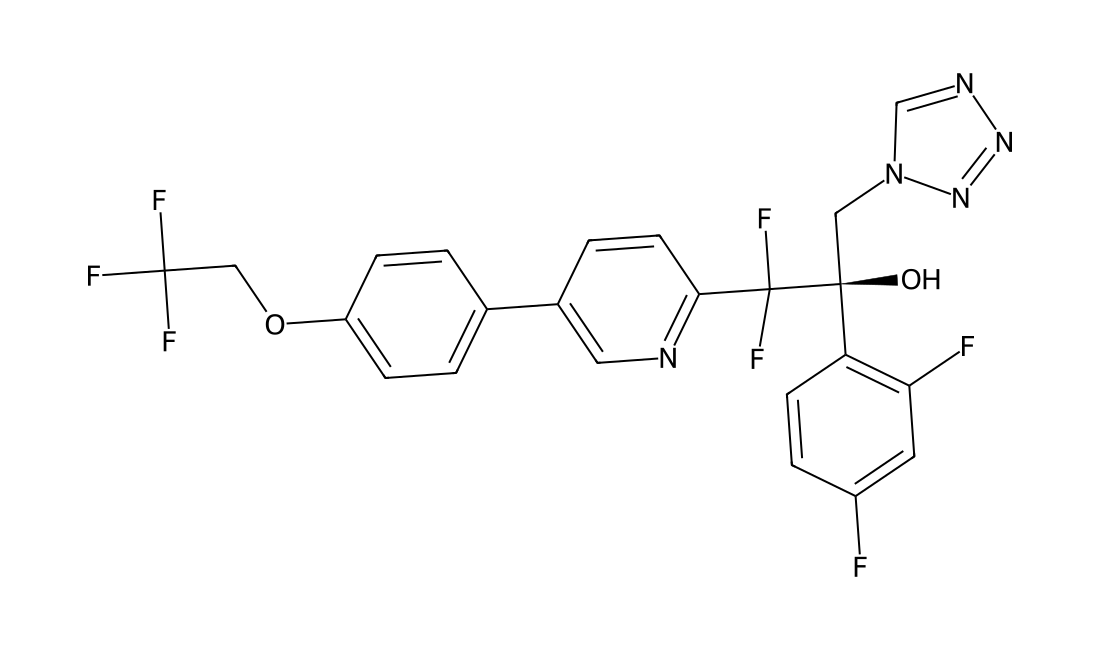
CAS 599179-03-0
Vicriviroc maleate is a potent, selective, oral bioavailable and CNS penetrated antagonist of CCR5, with a Ki of 2.5 nM, and also inhibits HIV-1 in PBMC cells, with IC90s of 3.3 nM (JrFL), 2.8 nM (ADA-M), 1.8 nM (301657), 4.9 nM (JV1083) and 10 nM (RU 570).
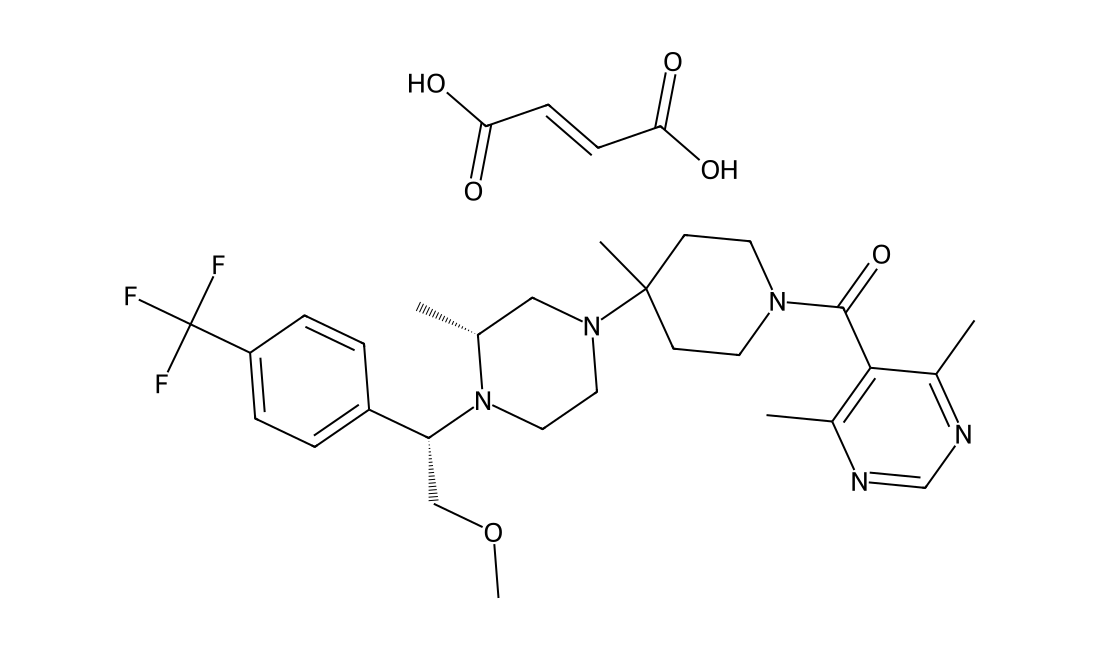
CAS 497223-28-6
Cenicriviroc is a dual CCR2/CCR5 antagonist, also inhibits both HIV-1 and HIV-2, and displays potent anti-inflammatory and antiinfective activity.
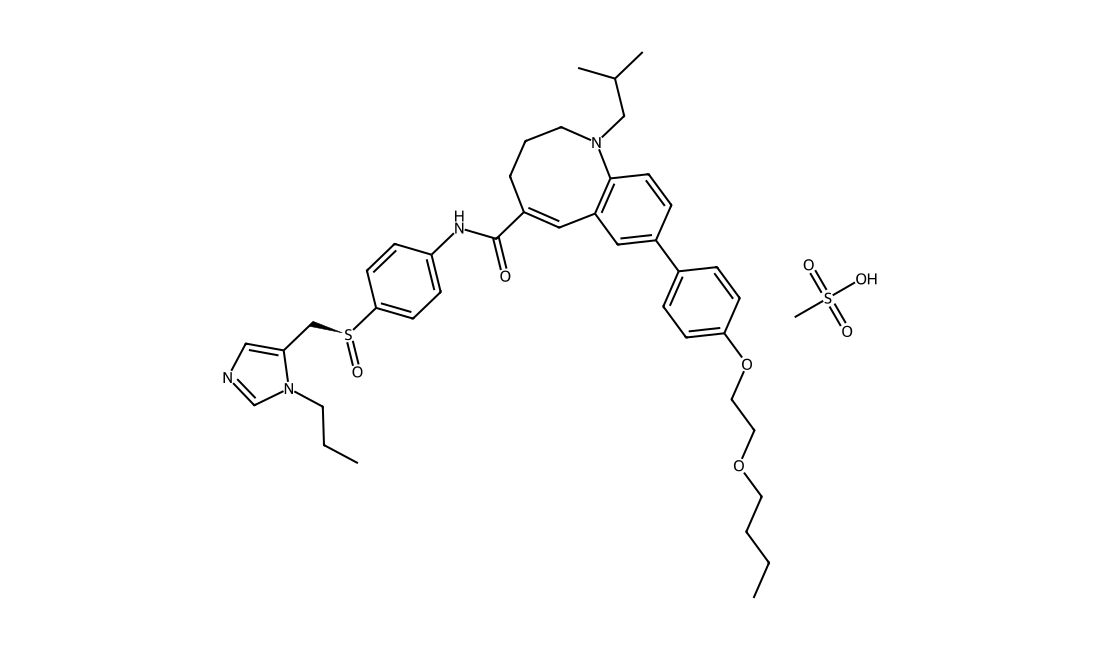
CAS 64268-93-5
VP-4604 is a potent anti-methicillin-resistant Staphylococcus aureus (MRSA) agent. VP-4604 exhibits significant microbial growth inhibition toward Staphylococcus aureus (ATCC 43300) with MIC of 4-8 µg/mL. VP-4604 inhibits the growth of methicillin‐resistant Staphylococcus aureus with growth inhibition >95%.
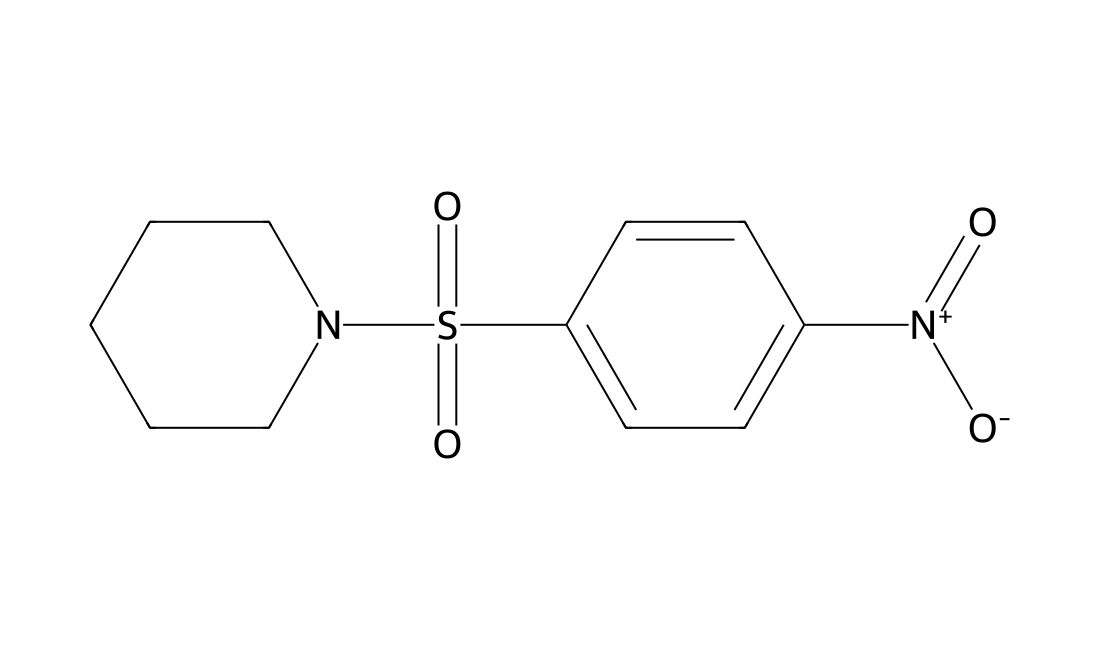
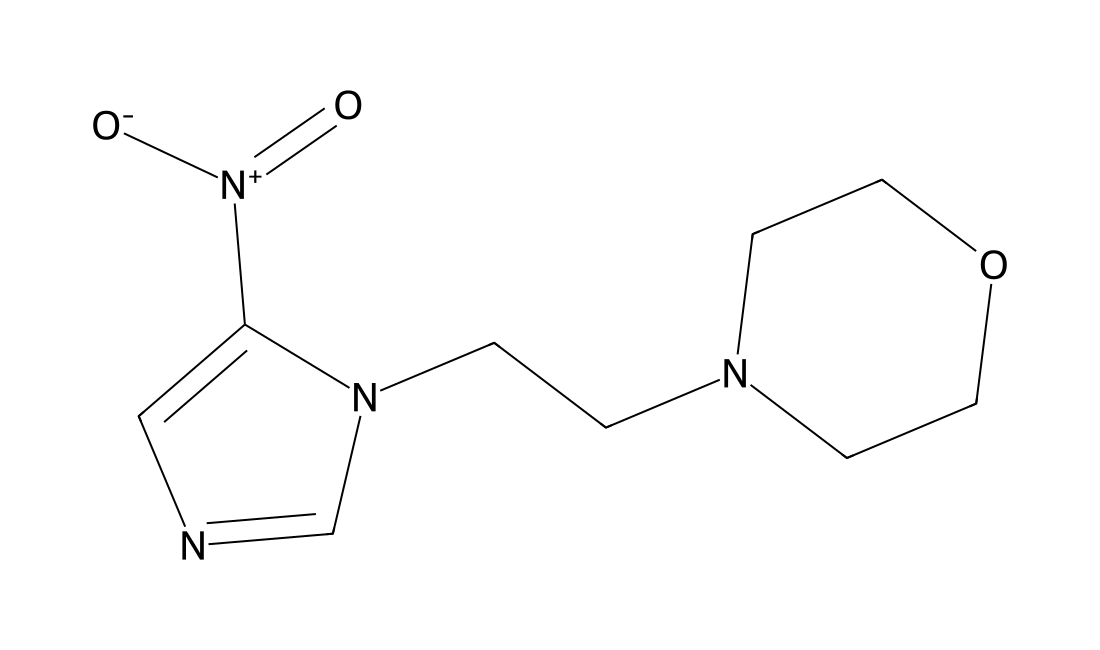
CAS 187235-37-6
Pretomanid (PA-824) is a small-molecule nitroimidazopyran drug candidate for the treatment of tuberculosis; the MIC values of PA-824 against a panel of MTB pan-sensitive and rifampin mono-resistant clinical isolates ranged from 0.015 to 0.25 ug/ml.
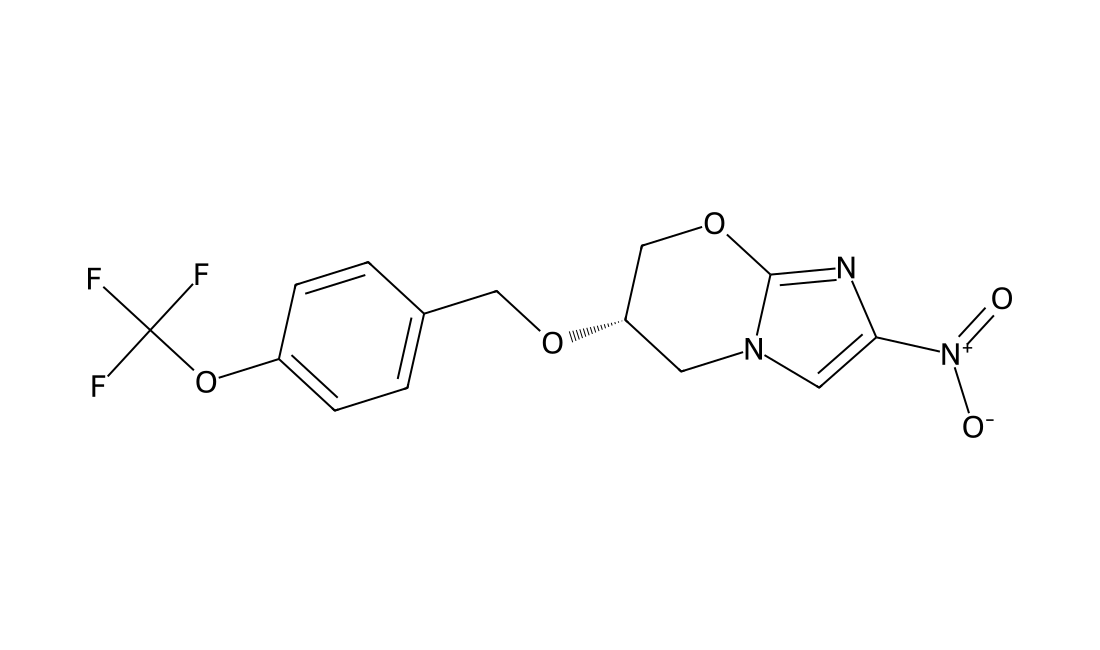
CAS 50357-45-4
Pentamidine Dihydrochloride(MP601205 dihydrochloride) is an antimicrobial agent.Pentamidine Dihydrochloride has a potent in vitro antiprotozoal activity. Pentamidine displays cytotoxic activity against L. infantum promastigotes with IC50 of 2.5 μM. 2.5 μM Pentamidine induces early programmed cell death in 49.6% of L. infantum promastigotes. 2.5 μM Pentamidine induces a notorious decrease in promastigotes in both G1 and S phases relative to the control-untreated samples (G1:77.0 vs 15.0%; S:11.0 vs 2.4% for control- and pentamidine-treated promastigotes, resp). Pentamidine is able to bind with calf-thymus DNA (CT-DNA) and induces conformational changes in the DNA double helix. Pentamidine also binds with ubiquitin to modifiy the β-cluster of ubiquitin [1]. Pentamidine is an inhibitor of phosphatase of regenerating liver (PRLs). 1 μg/mL of Pentamidine complete inhibits the activity of recombinant PTP1B in dephosphorylating a phos-photyrosine peptide. 10 μg/mL of Pentamidine completely inhibits the activities of recombinant PRL-1, PRL-2 and PRL-3 in dephosphorylating a phosphotyrosine peptide substrate. Incubation with Pentamidine (1 μg/mL) for 48 h reduces the activity of intracellular PRL phosphatases in transfected NIH3T3 cells by more than 85%. 10 μg/mL Pentamidine completely inhibits the growth of melanoma cell line (WM9), prostate carcinoma cell line (DU145 and C4-2), ovarian carcinoma cell line (Hey), colon carcinoma cell line (WM480), and lung carcinoma cell line (A549) which all express endogenous PRLs [2].
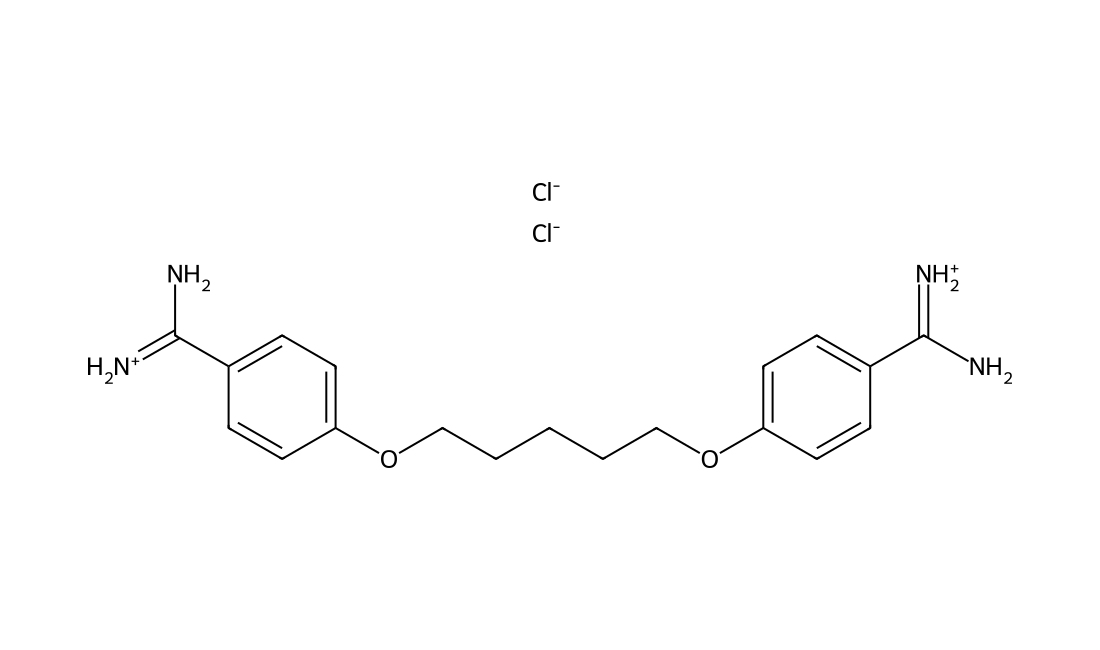
CAS 171228-49-2
Posaconazole is a broad-spectrum, second generation, triazole compound with antifungal activity.
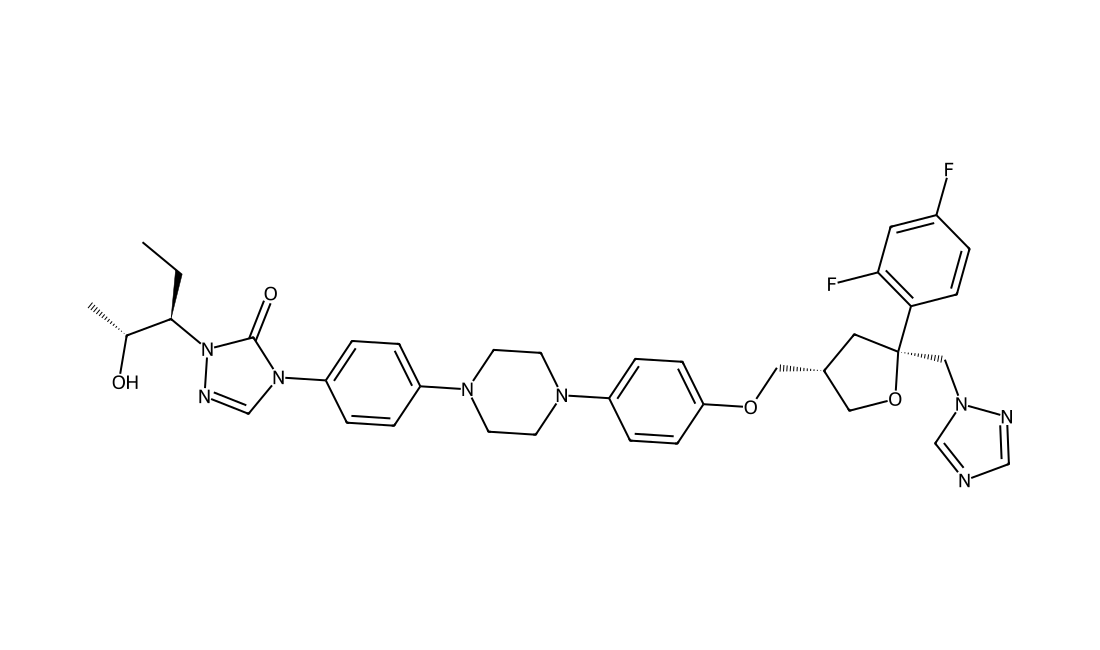
CAS 863329-66-2
PSI-6206 is the deaminated derivative of PSI-6130, which is a potent and selective inhibitor of HCV NS5B polymerase. PSI-6206 low potently inhibits HCV replicon with EC90 of >100 μM.
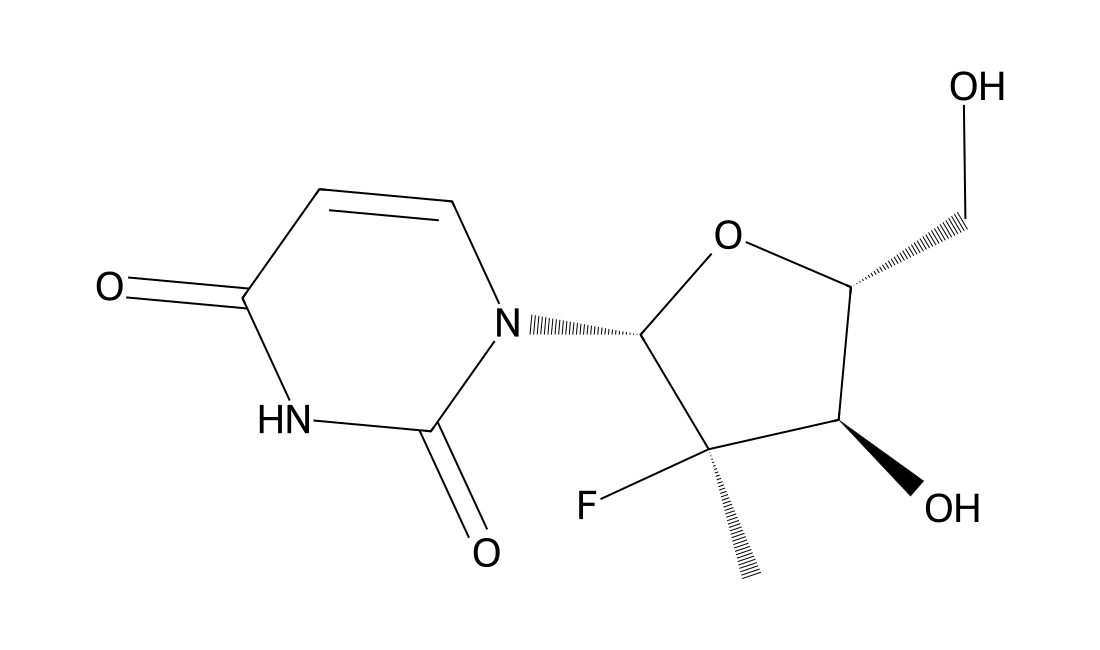
CAS 431980-38-0
RN-18 is a HIV-1 viral infectivity factor (HIV-1 Vif) inhibitor with an IC50 of 6 μM in nonpermissive H9 cells.
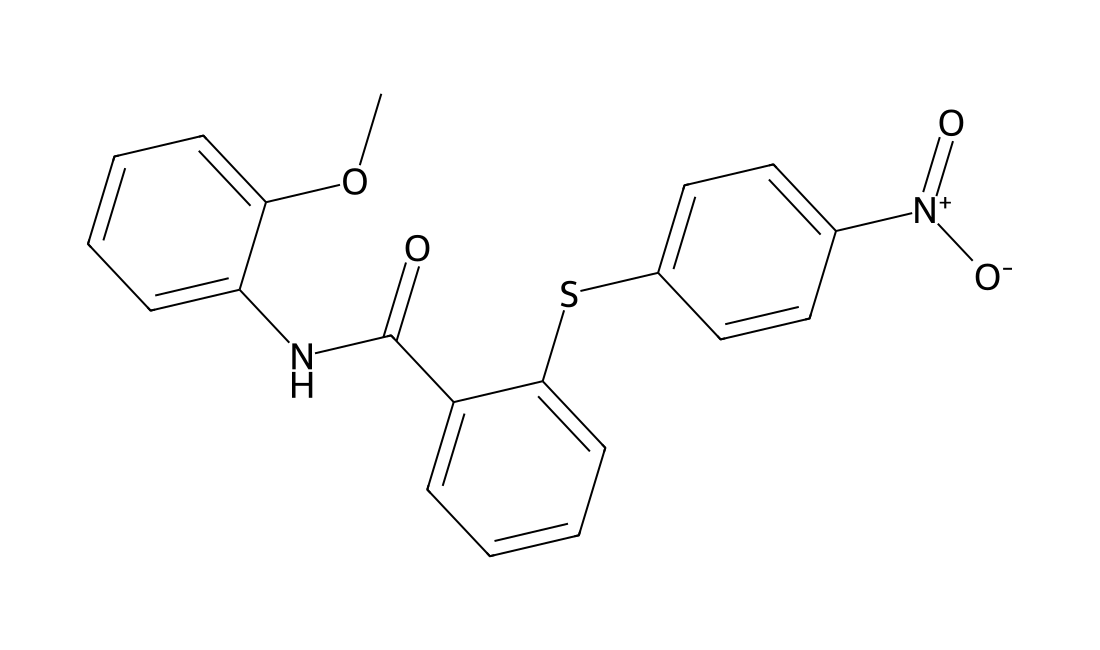
CAS 1192224-24-0
The N-dealkylated metabolite (M1) of Atazanavir (A790051), a HIV protease inhibitor.
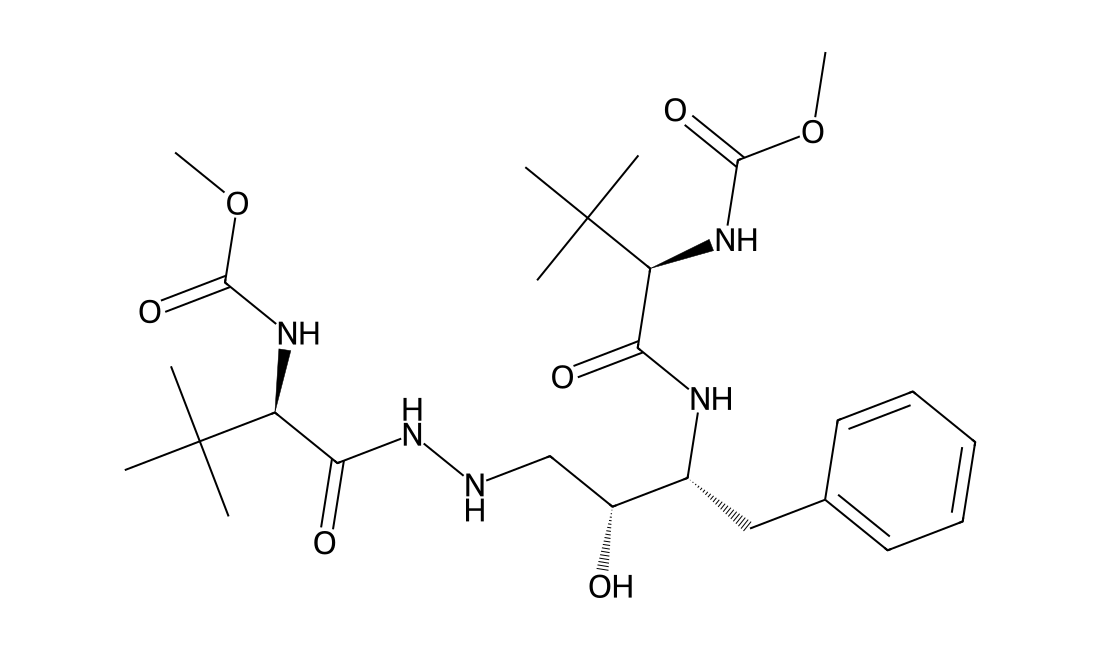
CAS 69-33-0
Tubercidin (7-Deazaadenosine) is an adenosine analog, is an antibiotic obtained from Streptomyces tubercidicus.Tubercidin inhibits the growth of Streptococcus faecalis by 50 % at a concentration of 20 nM. Tubercidin is not subject to cleavage by adenosine phosphorylase or to deamination by adenosine deaminase. The antibiotic served as a substrate for numerous enzymes involved in the anabolism of adenosine, as demonstrated by its incorporation into RNA and DNA, and by the formation of nicotinamide-deaza-adenine dinucleotide. Tubercidin proves to be a weak inhibitor of adenosine phosphorylase, and interfered with the phosphorylation of adenosine and AMP. The inhibition of the growth of S. faecalis by Tubercidin is prevented by purine and pyrimidine nucleosides, ribose 5-phosphate, pyruvate, and certain amino acids. In the presence of Tubercidin, growing cultures of the test organism used pyruvate instead of glucose, whereas in the absence of the antibiotic glucose served as the main source of energy. It is suggested, therefore, that the impairment of growth is due primarily to the interference of Tubercidin with the utilization of glucose.
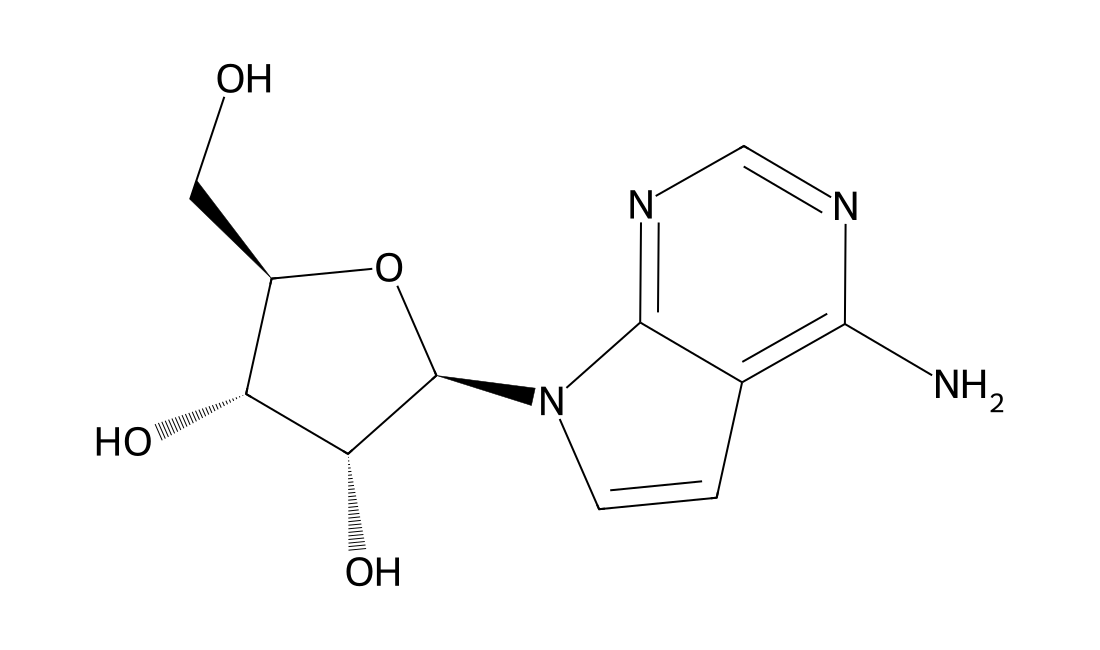
CAS 205304-86-5
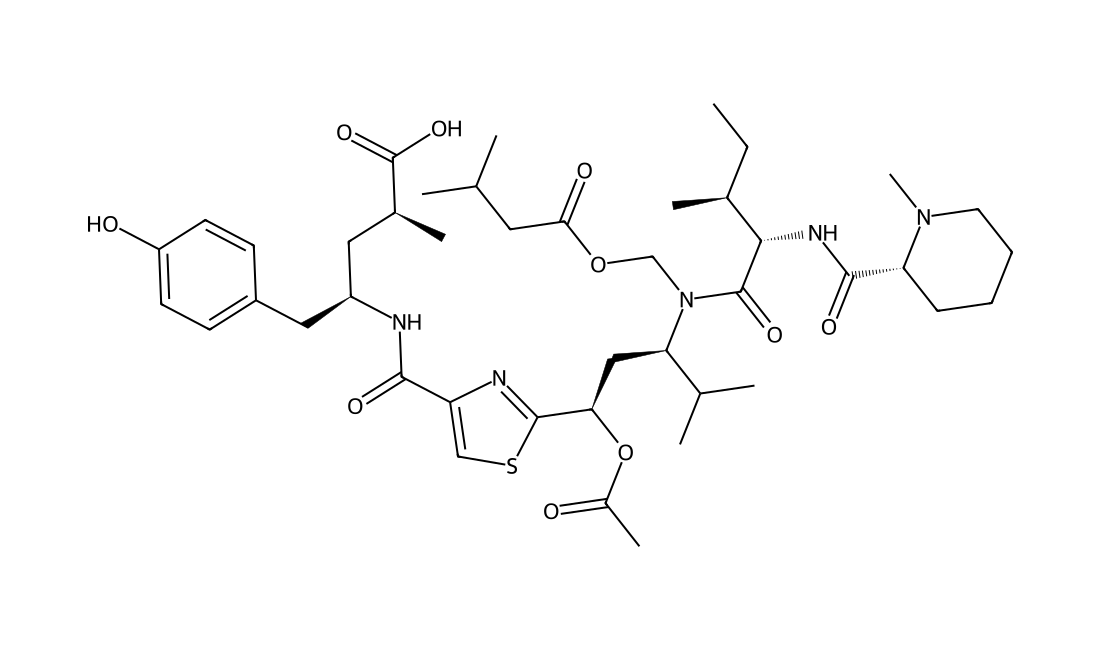
Tubulysin A(TubA) is a myxobacterial product that can function as an antiangiogenic agent in many in vitro assays; anti-microtubule, anti-mitotic, an apoptosis inducer, anticancer, anti-angiogenic, and antiproliferative.Tubulysin A is a novel antibiotic, which is anti-microtubule, anti-mitotic, apoptosis inducer, anticancer, anti-angiogenic, and antiproliferative. Tubulysins are cytotoxic peptides, which include 9 members (A-I). Tubulysin A has potential application as an anticancer agent. It arrests cells in the G2/M phase. Tubulysin A inhibits polymerization more efficiently than vinblastine and induces depolymerization of isolated microtubules. Tubulysin A has potent cytostatic effects on various tumor cell lines with IC50 in the picomolar range.
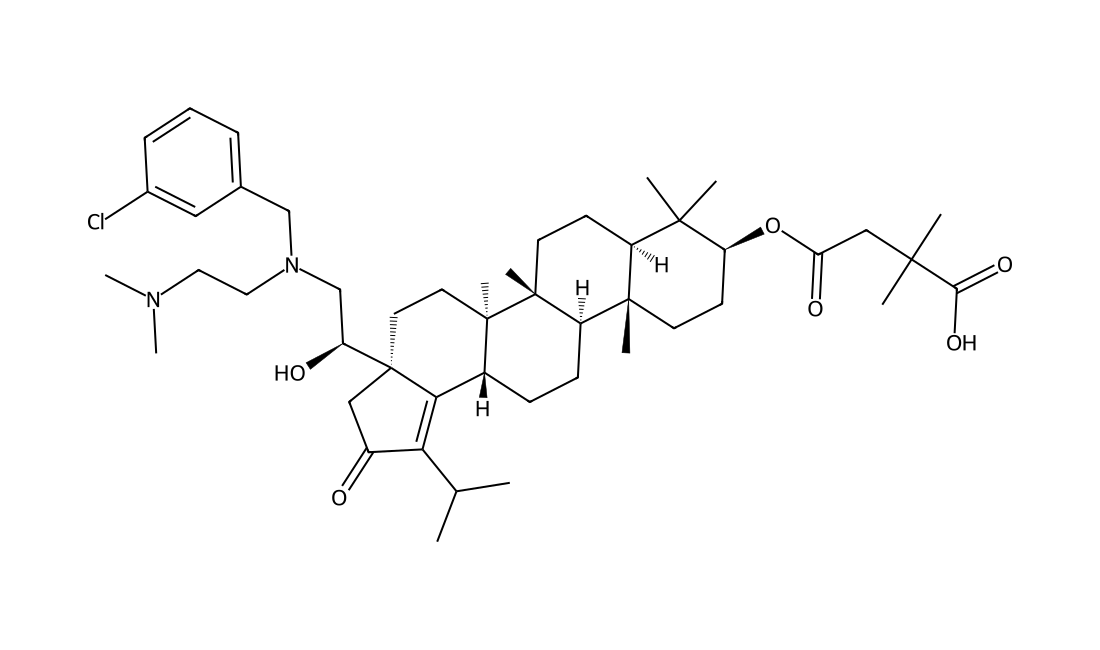
CAS 1443461-21-9
GSK2838232 is a novel human immune virus (HIV) maturation inhibitor being developed for the treatment of chronic HIV infection.
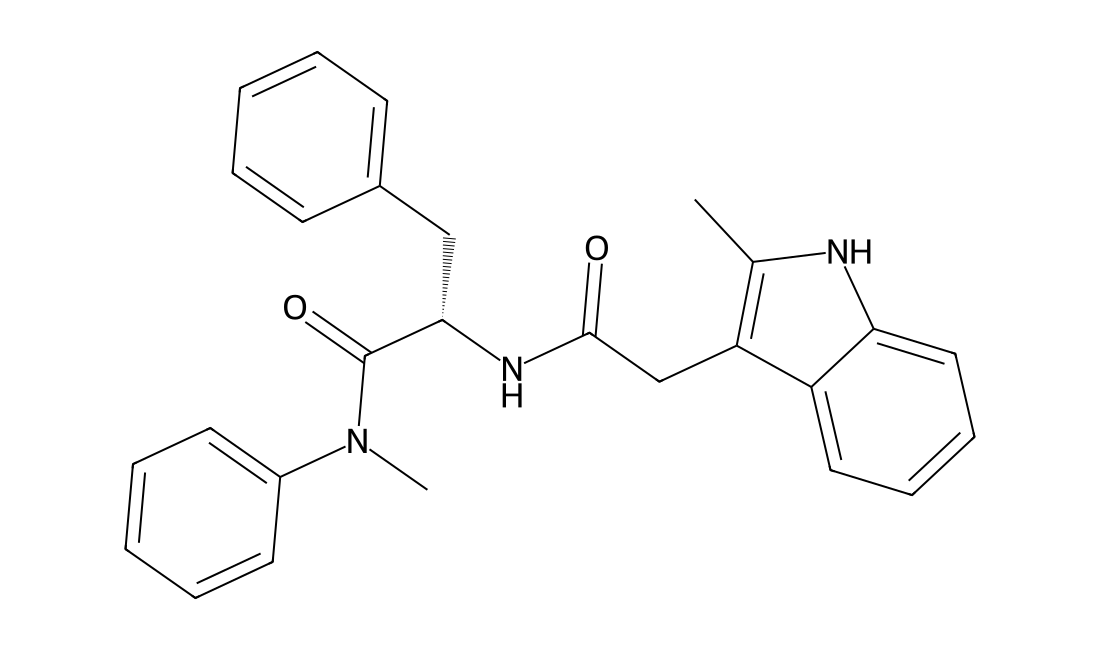
CAS 1352879-65-2
PF-3450074 (PF-74) is a specifical inhibitor of HIV-1 capsid protein (CA) and displays a broad-spectrum inhibition of HIV isolates with submicromolar potency (EC50=8-640 nM). PF-3450074 (PF-74) acts at an early stage of HIV-1 infection, inhibits viral replication by directly competing with the binding of CPSF6 and NUP153, and blocks the uncoating, assembly, and the reverse transcription steps of the viral life cycle[1][2]. CPSF6: nuclear host factors cleavage and polyadenylation specific factor 6; NUP153: nucleoporin 153.
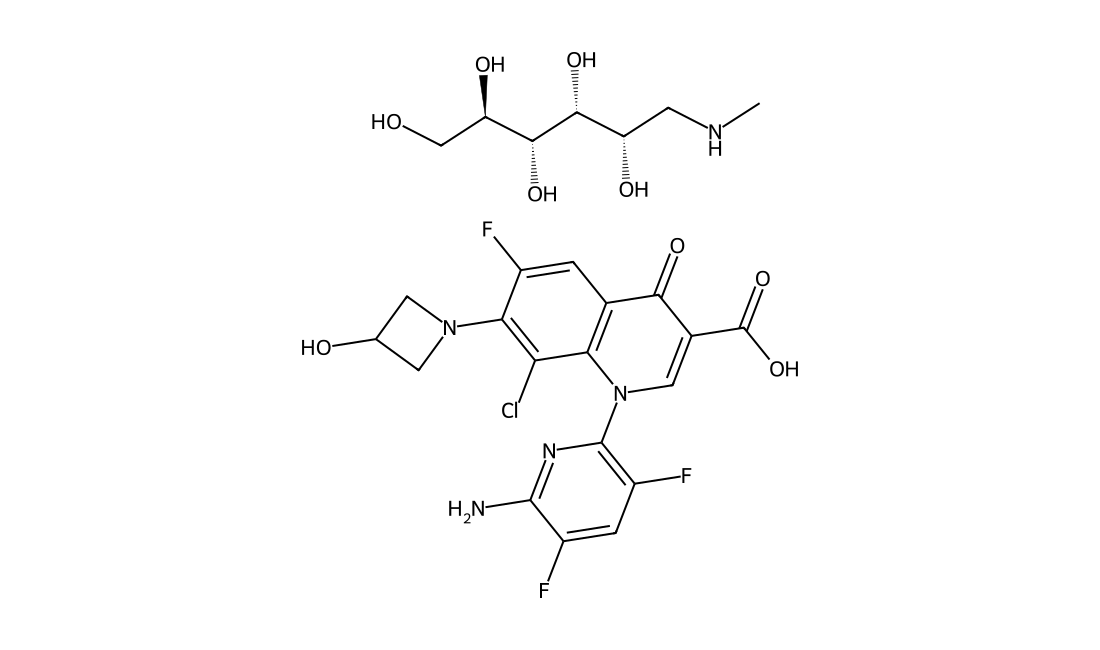
CAS 352458-37-8
Delafloxacin meglumine is a fluoroquinolone antibiotic agent.ABT-492 was more potent against quinolone-susceptible and -resistant gram-positive organisms, had activity similar to that of ciprofloxacin against certain members of the family Enterobacteriaceae, and had comparable activity against quinolone-susceptible, nonfermentative, gram-negative organisms.
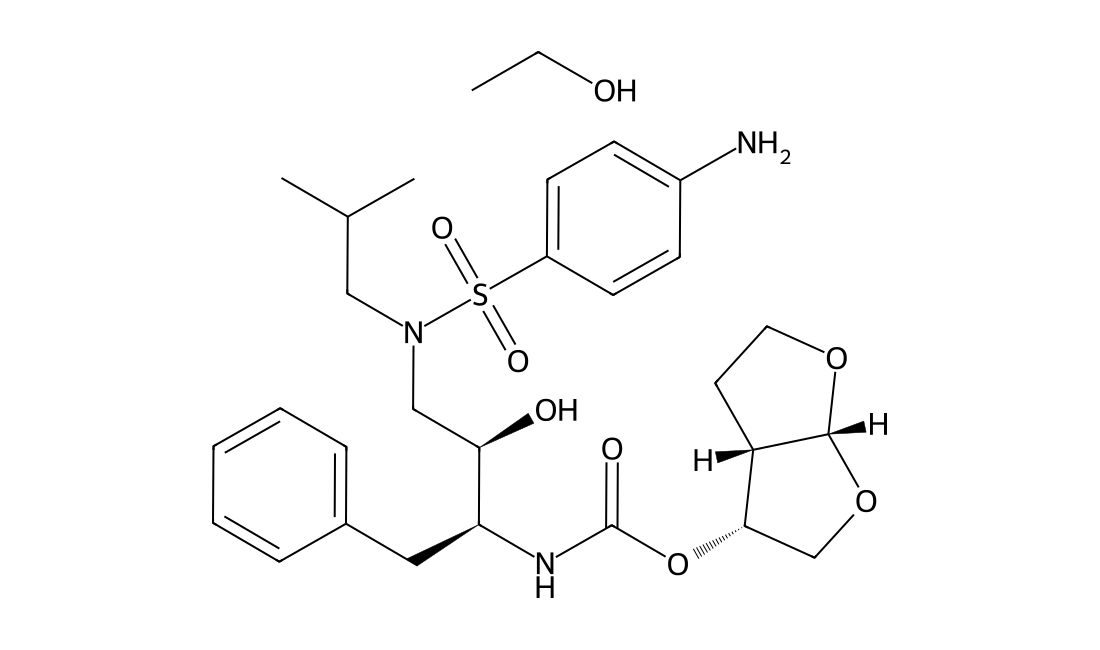
CAS 635728-49-3
Darunavir ethanolate (TMC114 ethanolate) is a potent HIV protease inhibitor used to treat and prevent HIV/AIDS. Darunavir has a Ki of 1 nM for wild type HIV-1 protease.