
Anti-infectives
Antibacterial, antiviral, antifungal and antiparasitic research tools.
Browse all research categories
Browse by research category
Products may appear in more than one category. Counts refer to distinct catalog numbers within each category.
Kinases & Cell Signaling1,548 products →938 products →Epigenetics & Gene Regulation410 products →277 products →DNA Damage, Repair & Cell Cycle342 products →228 products →Cell Death & Autophagy233 products →117 products →Protein Degradation & Proteostasis252 products →178 products →Immunology & Inflammation515 products →297 products →Neuroscience793 products →363 products →GPCRs & Receptor Biology1,219 products →428 products →Ion Channels & Transporters373 products →196 products →Metabolism & Endocrinology697 products →404 products →Cardiovascular & Hematology264 products →141 products →Anti-infectives453 products →205 products →Cancer Research1,049 products →532 products →ADCs & Bioconjugation61 products →38 products →Probes & Assay Reagents150 products →82 products →Natural Products424 products →73 products →Cell Biology & Intracellular Transport181 products →61 products →
Other Research Tools (75) · Additional reagents, building blocks and specialized research tools.
Anti-infectives products
Combine a keyword, research category and target to narrow the product list.
Loading catalog filters…
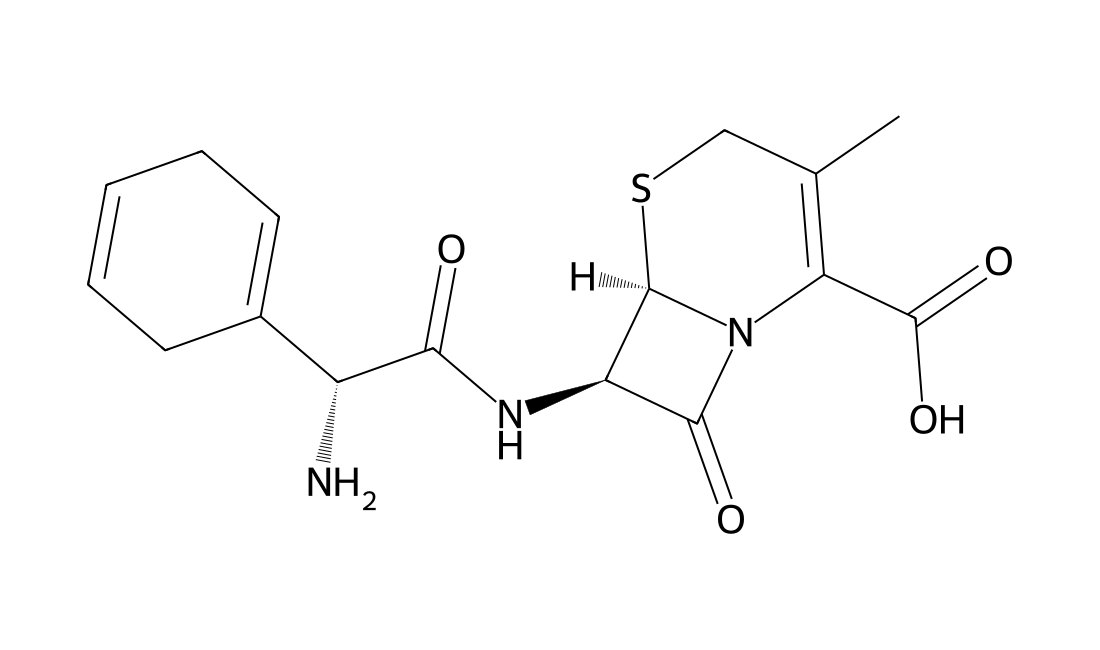
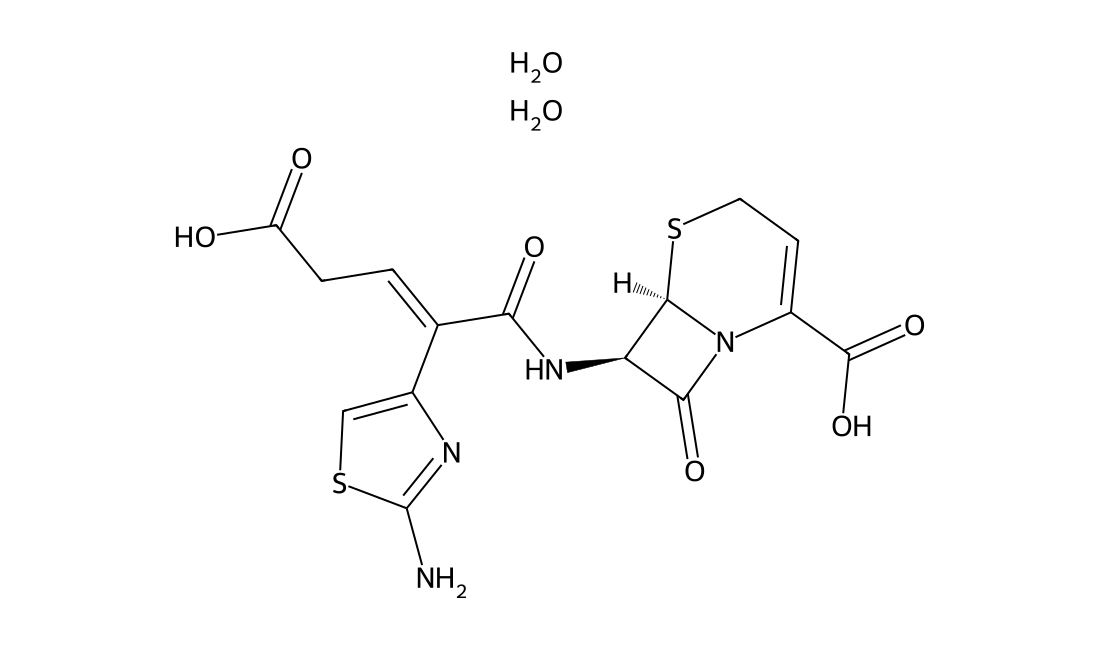
Ceftibuten (dihydrate)
CAS 118081-34-8
Ceftibuten dihydrate is a third-generation cephalosporin antibiotic.
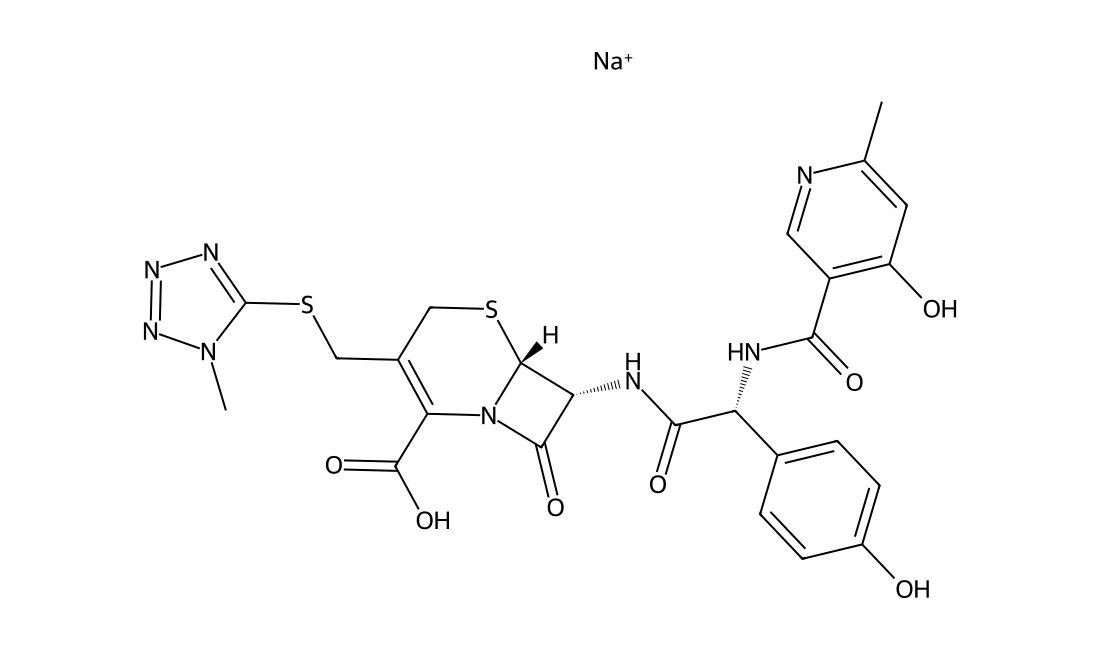
Cefpiramide (sodium)
CAS 74849-93-7
Cefpiramide sodium (SM-1652; Wy-44635) is a new Pseudomonas-active cephalosporin with a broad spectrum of antibacterial activity. Cefpiramide was moderately susceptible to hydrolysis by a variety of beta-lactamases from Gram-negative bacilli. cefpiramide was more active against Acinetobacter spp. and Pseudomonas spp. Like most other cephalosporins, cefpiramide inhibited methicillin-susceptible staphylococci, non-enterococcal streptococci, Neisseria gonorrhoeae, N. meningitidis and beta-lactamase-negative Haemophilus influenzae. Pharmacokinetic studies in mice showed that cefpiramide attained a peak serum concentration of 12 micrograms/ml and a serum half-life of 40 min, which are higher than attained by cefoperazone with values of 4 micrograms/ml and 18 min. These factors may have caused the combined cefpiramide-gentamicin therapy to result in significantly improved survival rates in mice as well as in higher bactericidal titers than the cefoperazone-gentamicin combination.Cefpiramide inhibited many Pseudomonas aeruginosa resistant to carbenicillin, piperacillin, and cefotaxime, but it was less active than ceftazidime and cefsulodin. Cefpiramide inhibited staphylococci and streptococci and had appreciable activity against Streptococcus faecalis and Listeria moncytogenes.
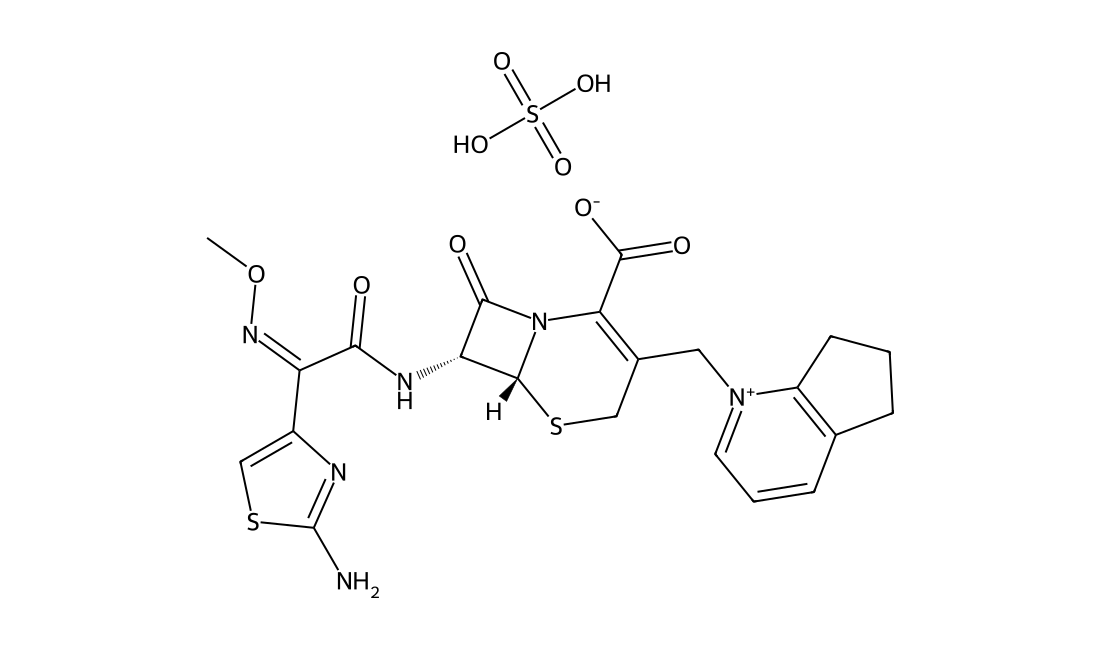
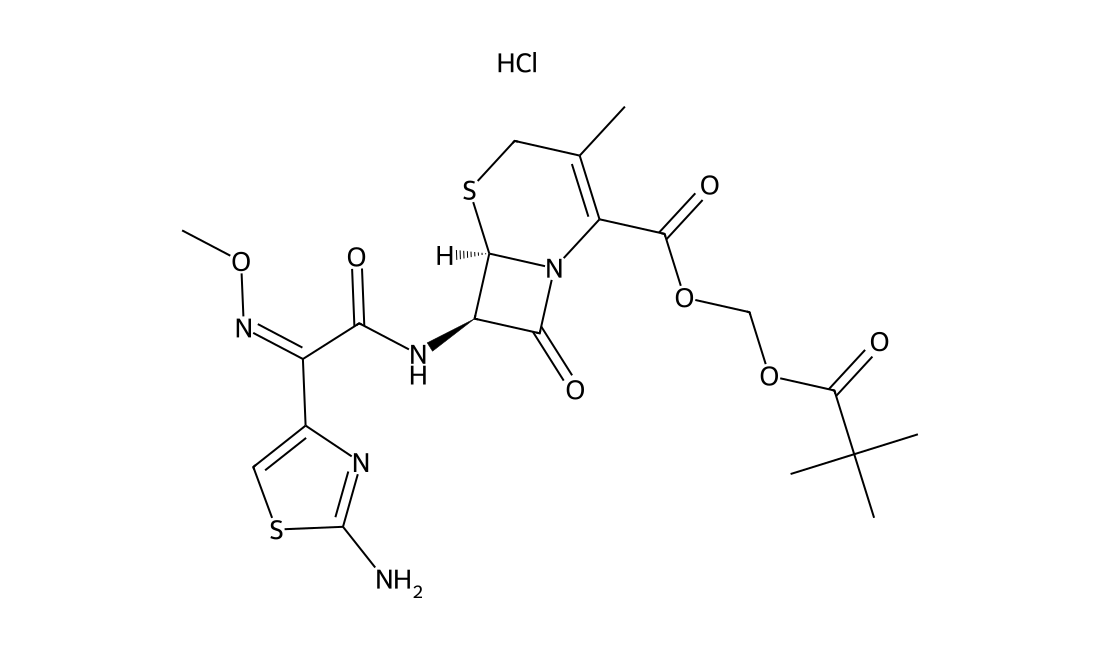
Cefetamet pivoxil hydrochloride
CAS 111696-23-2
Cefetamet pivoxil hydrochloride is an oral third generation cephalosporin antibiotic.
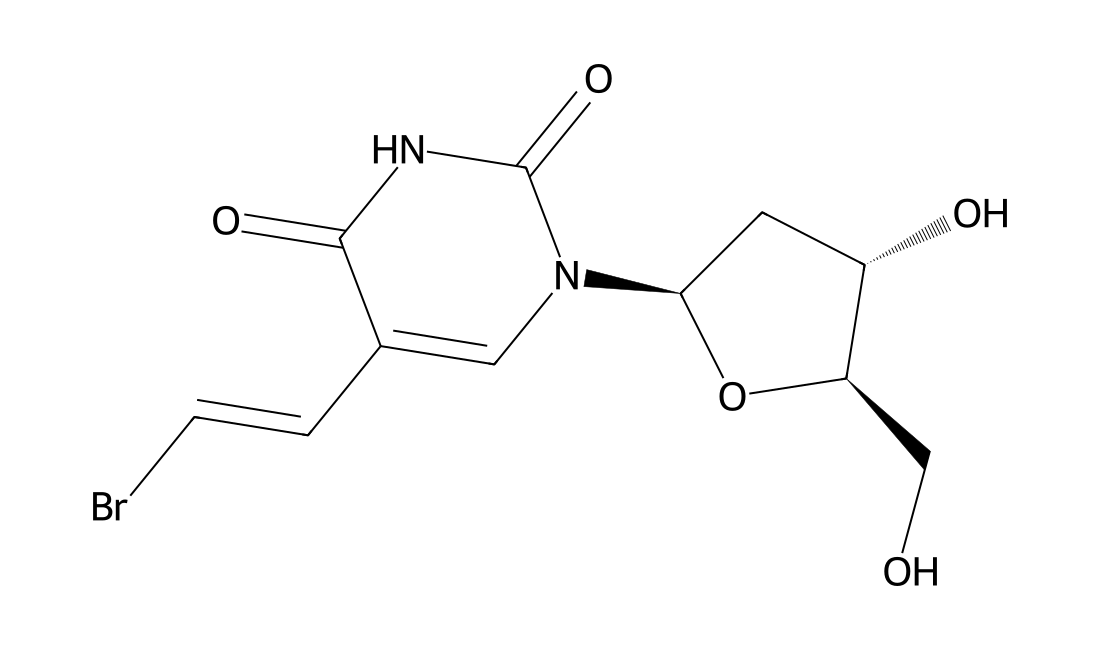
Brivudine
CAS 69304-47-8
Brivudine is an analog of thymidine, and is incorporated into the viral DNA. It blocks the action of DNA polymerases, thus inhibiting viral replication. It has a stronger antiviral effect against the varicella-zoster virus compared with reference compounds such as aciclovir or penciclovir. It has high, selective activity against varicella zoster virus (VZV), inhibiting VZV replication, possibly through competitive inhibition of viral DNA polymerase, or by acting as an alternative substrate to deoxythymidine triphosphate, causing viral DNA strand breakage.At a dose of 125 mg once daily, brivudine has proved to be superior to aciclovir with respect to reducing the period of new blister production, and has shortened the duration of post-herpetic neuralgia.
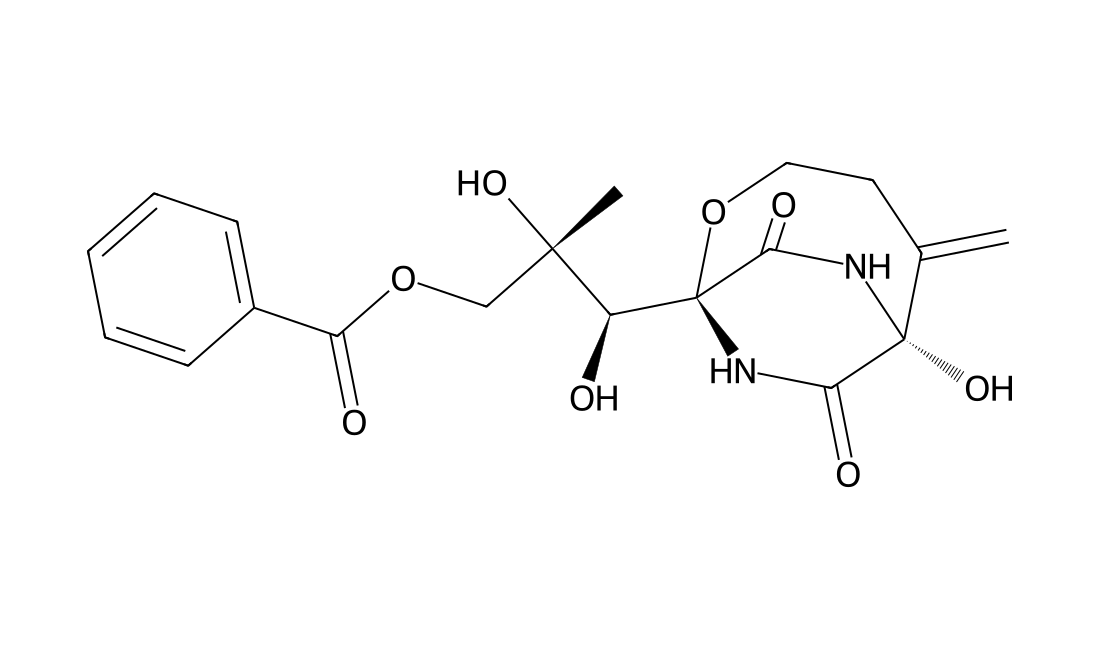
Bicyclomycin benzoate
CAS 37134-40-0
The primary action of bicyclomycin is due to interference with the biosynthesis of lipoprotein and its assembly to peptidoglycan in the cell envelope of E. coli. At the lethal level, bicyclomycin is shown to inhibit the synthesis of RNA and protein in the growing cells of E. coli 15 THU. Bicyclomycin targets the rho transcription termination factor in Escherichia coli. Bicyclomycin is a modest rho inhibitor, can disrupt the rho molecular machinery thereby leading to a catastrophic effect caused by the untimely overproduction of proteins not normally expressed constitutively, thus leading to a toxic effect on the cells. The inhibition of rho poly(C)-stimulated hydrolysis of ATP by bicyclomycin has been found to proceed by a non-competitive, reversible pathway with respect to ATP (Ki=20 μM).Bicyclomycin has low excretion rate after a single intramuscular dose of 50 mg/kg in rats. Bicyclomycin is well distributed in various tissues, and the highest concentration is observed in the kidney at 100 mg/kg.
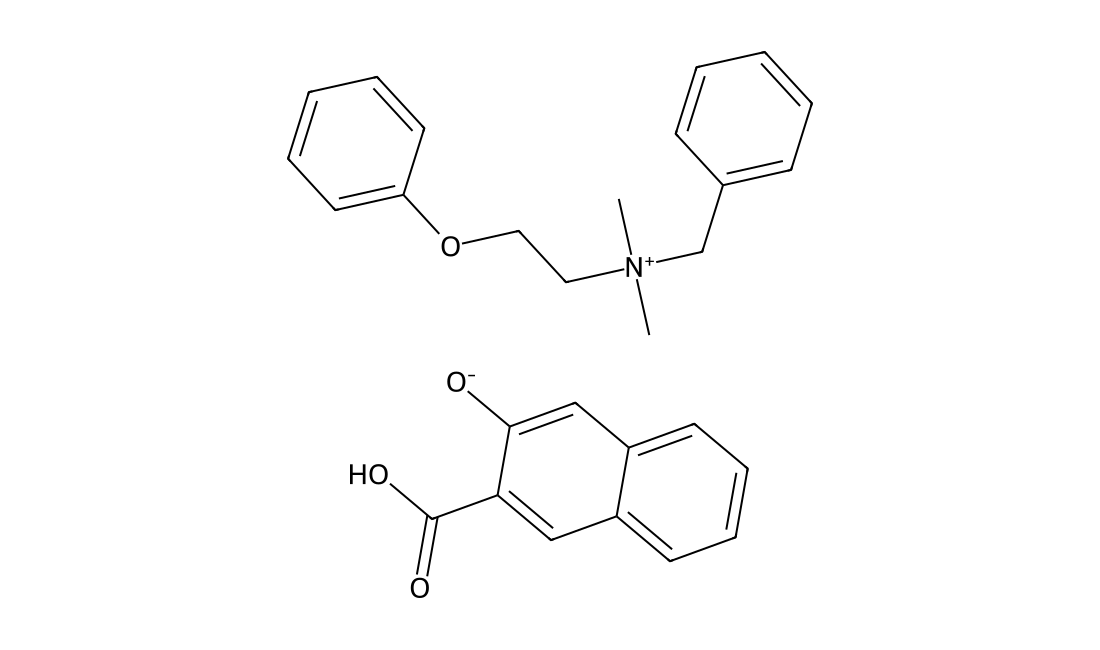
Bephenium hydroxynaphthoate
CAS 3818-50-6
Bephenium hydroxynaphthoate is an anthelmintic compound that acts as an activiator of nematode B-type nAChR, is used in the treatment of hookworm infections and ascariasis.
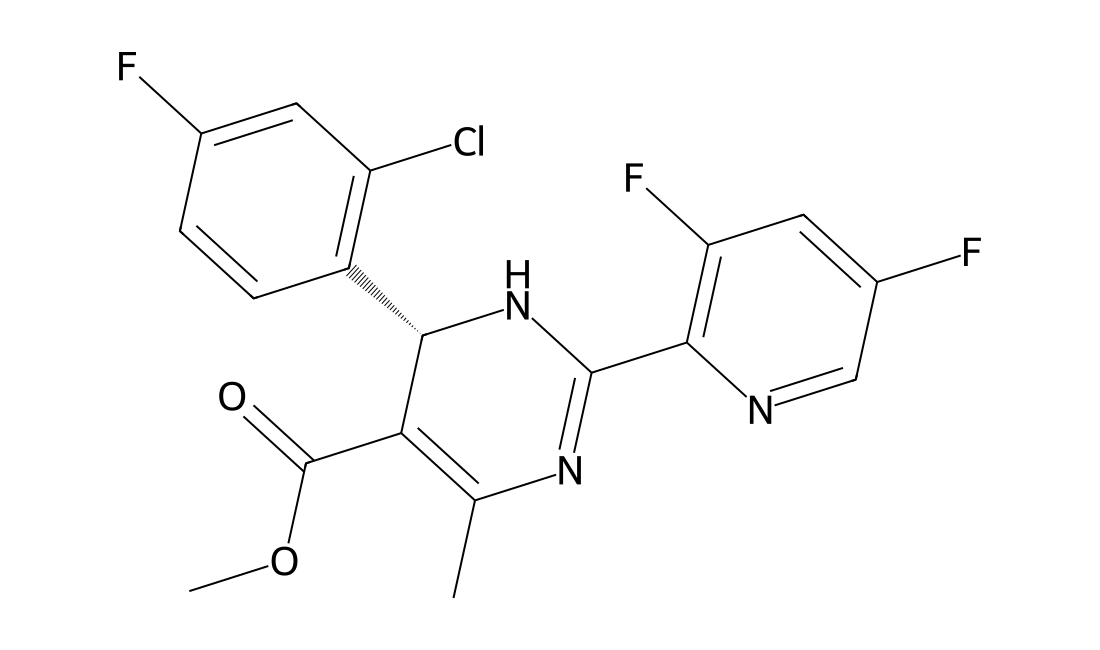
Bay 41-4109
CAS 298708-81-3
BAY 41-4109 is able to both accelerate and misdirect capsid assembly in vitro. Preformed capsids are stabilized by BAY 41-4109, up to a ratio of one inhibitor molecule per two dimers. BAY 41-4109 is equally effective at inhibiting HBV DNA release and the cytoplasmic HBcAg level, with IC50s of 32.6 and 132 nM in HepG2.2.15 cells, respectively. HBV DNA and HBcAg are inhibited in a dose-dependent manner, indicating that the anti-HBV mechanisms are associated with and dependent on the rate of HBcAg inhibition.BAY 41-4109 reduces viral DNA in the liver and in the plasma dose-dependently with efficacy comparable to 3TC. BAY 41 -4109 reduces hepatitis B virus core antigen (HBcAg) in livers of HBV-transgenic mice. Pharmacokinetic studies in mice have shown rapid absorption, a bioavailability of 30% and dose-proportional plasma concentrations, about 60% in rats and dogs.BAY41-4109 inhibits virus production in vivo by a mechanism that targets the viral capsid.
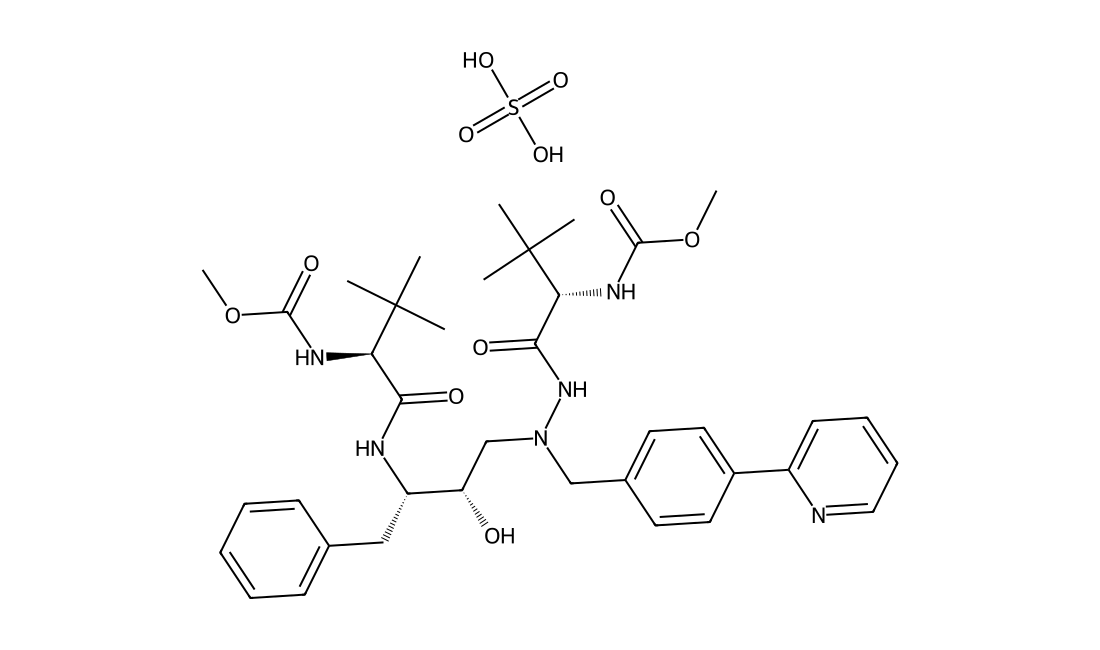
Atazanavir (sulfate)
CAS 229975-97-7
Atazanavir sulfate is a sulfate salt form of atazanavir that is an highly potent HIV-1 protease inhibitor. Atazanavir sulfate is a sulfate salt form of atazanavir that is an highly potent HIV-1 protease inhibitor. It has a pharmacokinetic profile that supports once-daily dosing and has demonstrated a unique resistance profile and superior virologic potency compared with other antiretrovirals in vitro. In subjects with HIV, atazanavir (400 mg once daily) produced rapid and sustained improvements in viral load and CD4 counts in both antiretroviral-naive as well as previously treated patients when used in combination with dual nucleoside reverse transcriptase inhibitor (NRTI) treatment. After intravenous (iv), oral (po) and intraportal (ip) administration of ATV at a dosage of 7 mg/kg, AUCs in HL rats were 12.41, 5.24 and 8.89 microg/mLh, respectively, and were significantly higher than those in control rats (4.09, 1.70 and 3.38 microg/mLh). Despite the decrease of distribution volume (Vd(ss)), the terminal half-life (t(1/2)) in HL tended to be shorter than in control, and hepatic distribution of ATV in HL rats was 4.8-fold increases. These results suggested that the uptake of ATV into liver might counteract the decrease of Vd(ss). On the other hand, there was no significant difference in bioavailability, and the lymphatic transport to AUC showed no statistical change. In conclusion, although the protein binding rate and AUC were significantly increased, the pharmacokinetics of ATV might be tolerated in HL.
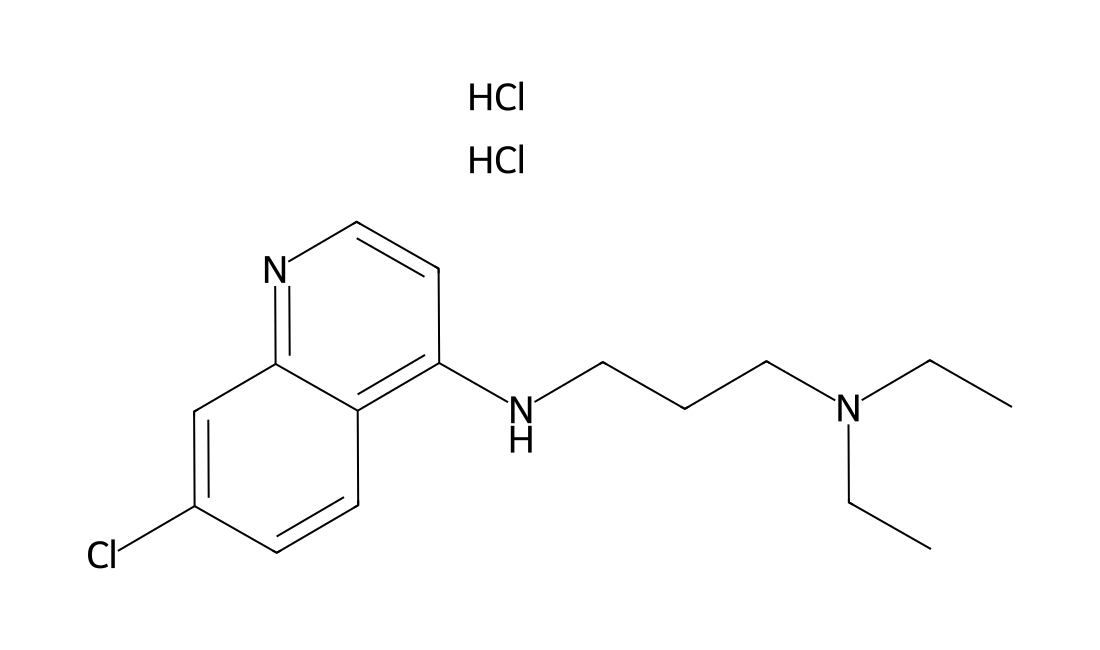
AQ-13 dihydrochloride
CAS 169815-40-1
In Vivo Slight decreases in the PCE/RBC ratio are observed in male and female rats treated with CQ and in females only treated with AQ-13; however, none of these changes is statistically significant.
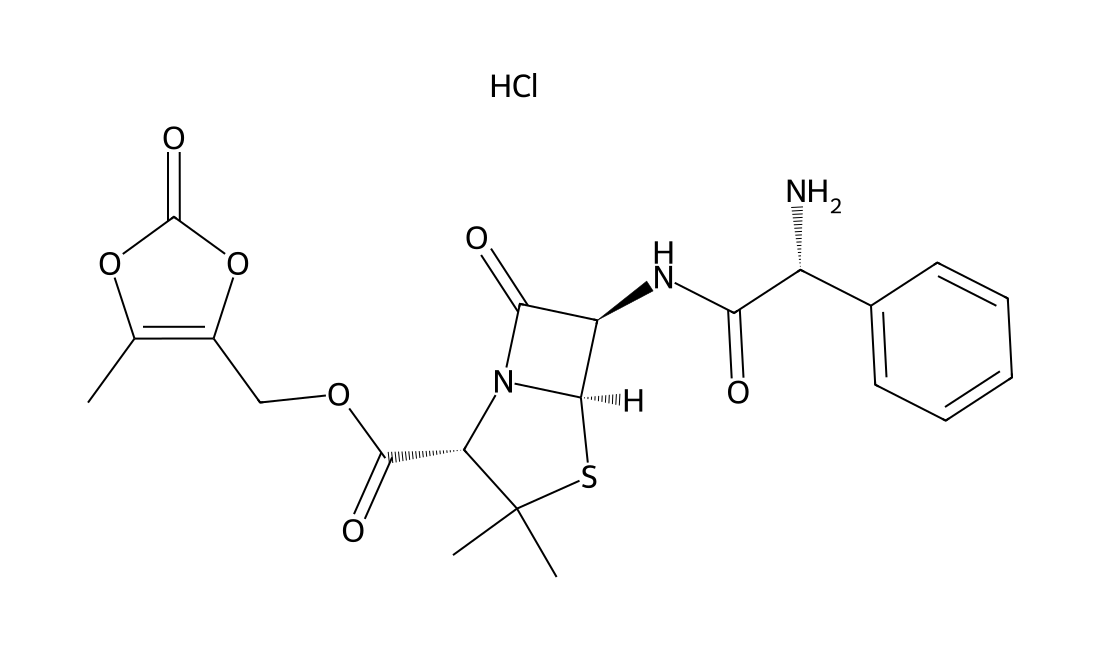
Lenampicillin hydrochloride
CAS 80734-02-7
An efficient prodrug of ampicillin with enhanced absorption and decreased side effects.
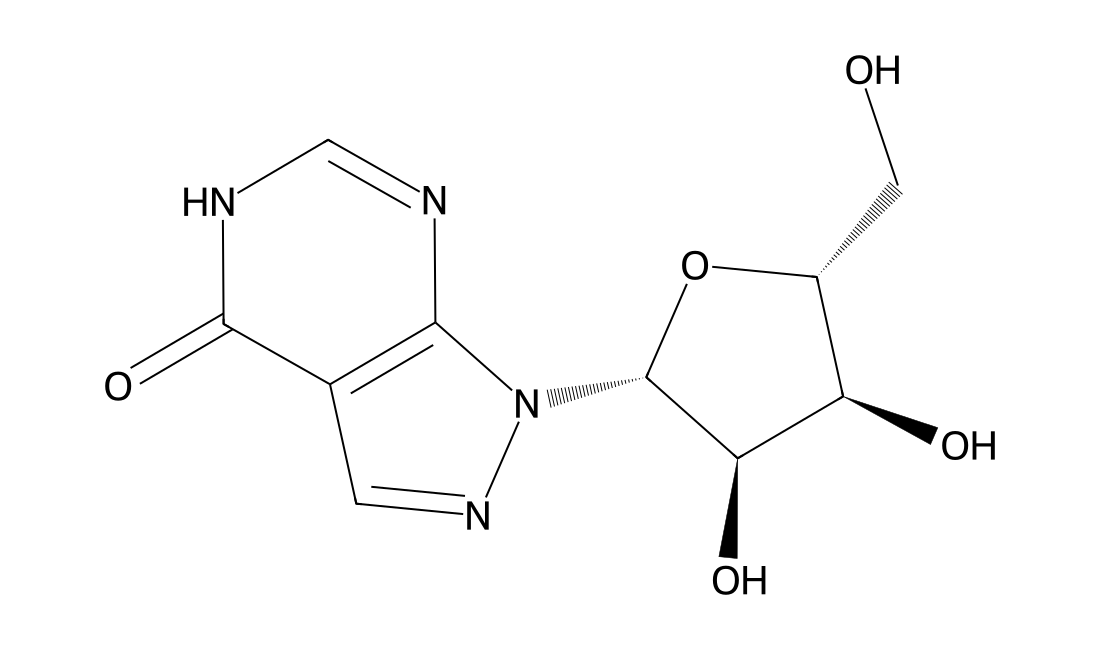
Allopurinol riboside
CAS 16220-07-8
Allopurinol-riboside competitively inhibits the action of purine nucleoside phosphorylase on inosine with a Ki of 277 μM. Lymphocyte blastogensis induced by PHA and Con A is significantly suppressed by allopurinol-riboside in a concentration-dependent manner. When LPS is used as a mitogen, the inhibition of allopurinol-ribosideon lymphocyte proliferation is less marked. Humoral immunity is not suppressed by allopurinol-riboside. Allopurinol riboside is an experimental agent for the treatment of leishmaniasis and American trypanosomiasis. Allopurinol riboside is effective against parasites, because a series of enzymes (analogous to those that mediate purine salvage in humans) convert it into 4-aminopyrazolopyrimidine ribonucleoside triphosphate, a cytotoxic product. Allopurinol riboside is selectively toxic, because it is not metabolized by the corresponding enzymes in humans.Allopurinol riboside peaks in plasma 1.6 hours after administration, has an elimination half-life of 3 hours, and steady-state concentrations in the therapeutic range. After oral administration, unexpectedly low levels of allopurinol riboside in plasma are attributable to incomplete absorption and rapid renal clearance. Probenecid reduces the renal clearance of allopurinol riboside, extends the half-life of allopurinol riboside in plasma, and triples the levels of allopurinol riboside in plasma.
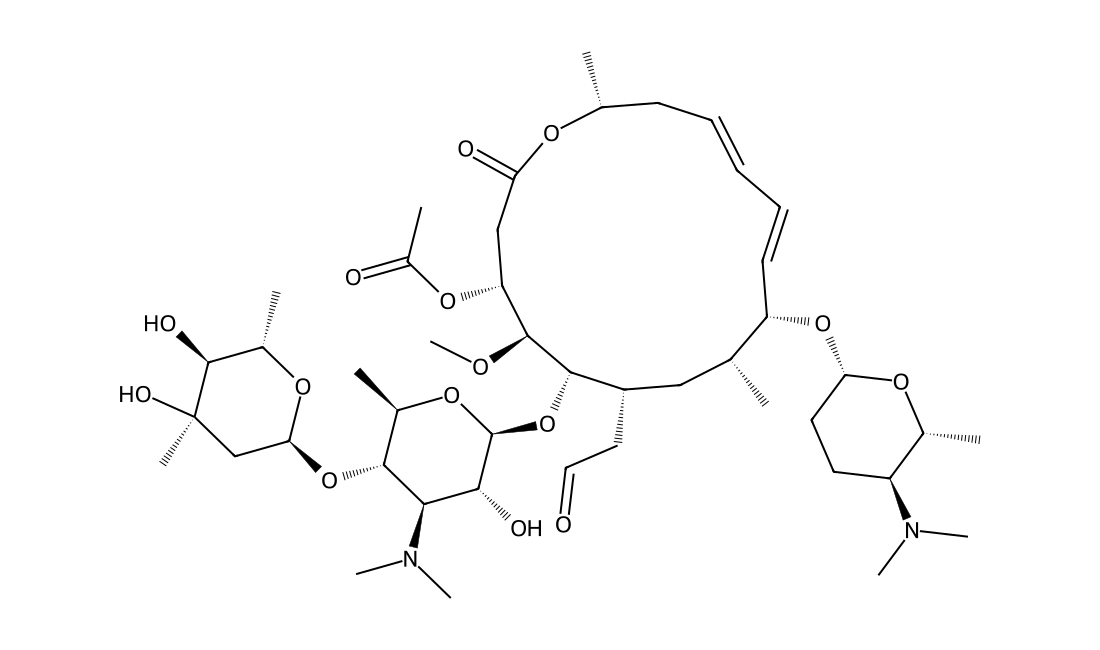
Abacavir
CAS 136470-78-5
Abacavir is a powerful nucleoside analog reverse transcriptase inhibitor (NRTI) used to treat HIV and AIDS.Abacavir is a nucleoside reverse transcriptase inhibitor marketed since 1999 for the treatment of infection with the human immunodeficiency virus type 1 (HIV). Despite its clinical efficacy, abacavir administration has been associated with serious and sometimes fatal toxic events. Abacavir has been reported to undergo bioactivation in vitro, yielding reactive species that bind covalently to human serum albumin, but the haptenation mechanism and its significance to the toxic events induced by this anti-HIV drug have yet to be elucidated. The mechanism underlying abacavir hypersensitivity syndrome is related to the change in the HLA-B*5701 protein product. Abacavir binds with high specificity to the HLA-B*5701 protein, changing the shape and chemistry of the antigen-binding cleft. This results in a change in immunological tolerance and the subsequent activation of abacavir-specific cytotoxic T cells, which produce a systemic reaction known as abacavir hypersensitivity syndrome.
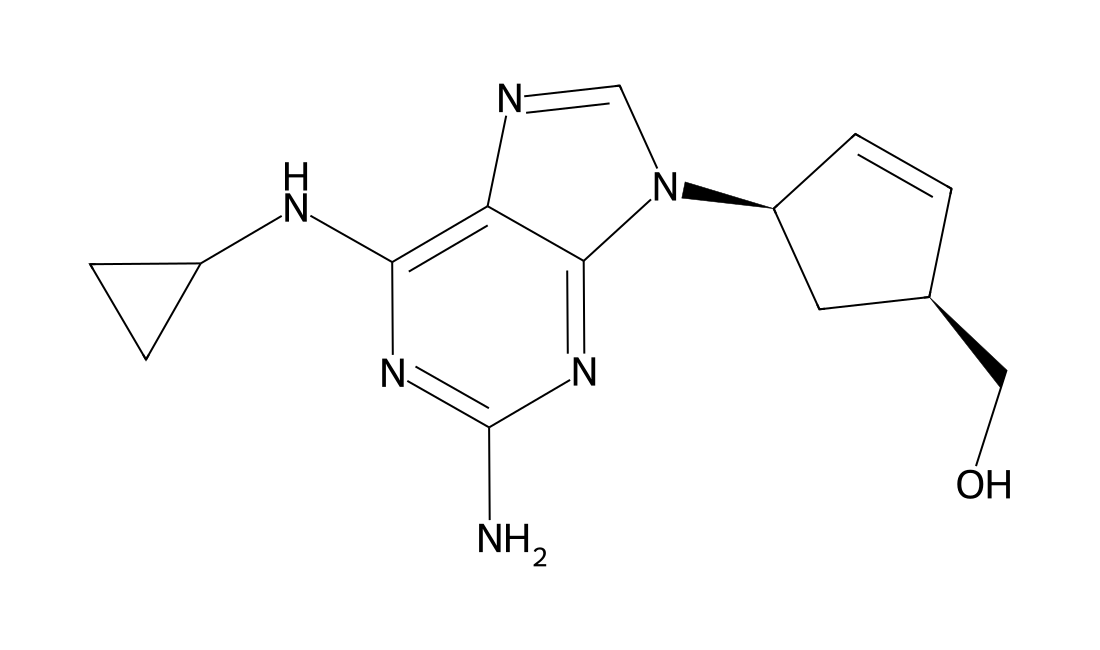
Vaniprevir
CAS 923590-37-8
A potent, selective, orally available inhibitor of HCV NS3/4A protease with Ki of 0.05 and 0.9 nM for GT1b and 2a protease, respectively; displays excellent selectivity against both a range of human proteases and a broad panel of pharmacologically relevant targets; has replicon EC50 of 3 and 9 nM for GT1b and 2a, respectively, has good plasma exposure and excellent liver exposure in multiple species.HCV InfectionApproved
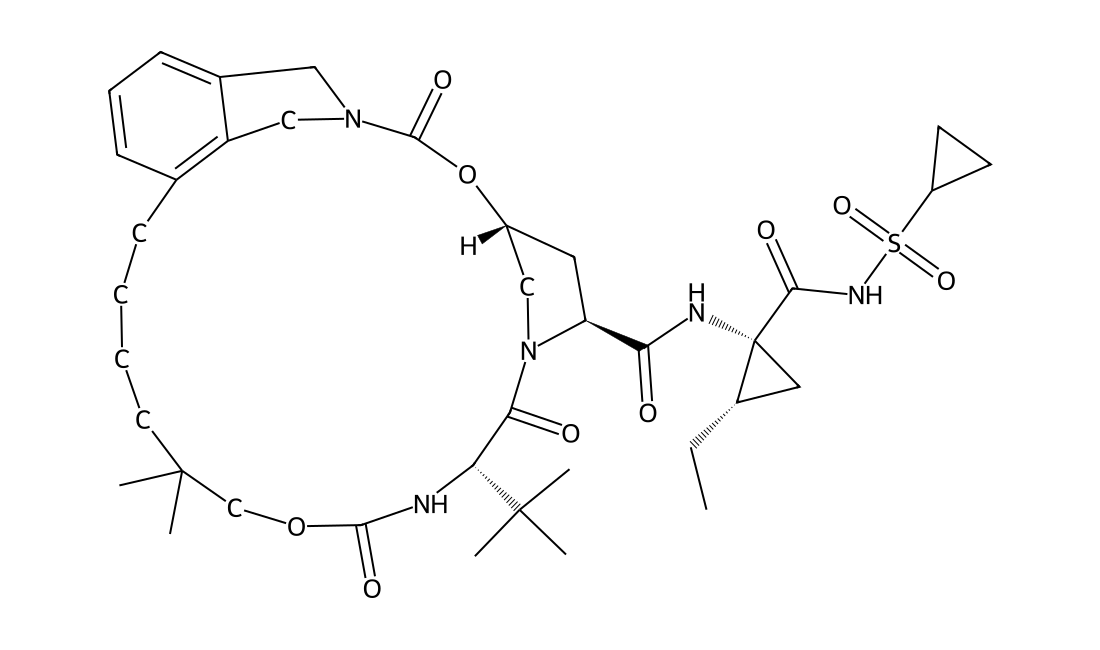
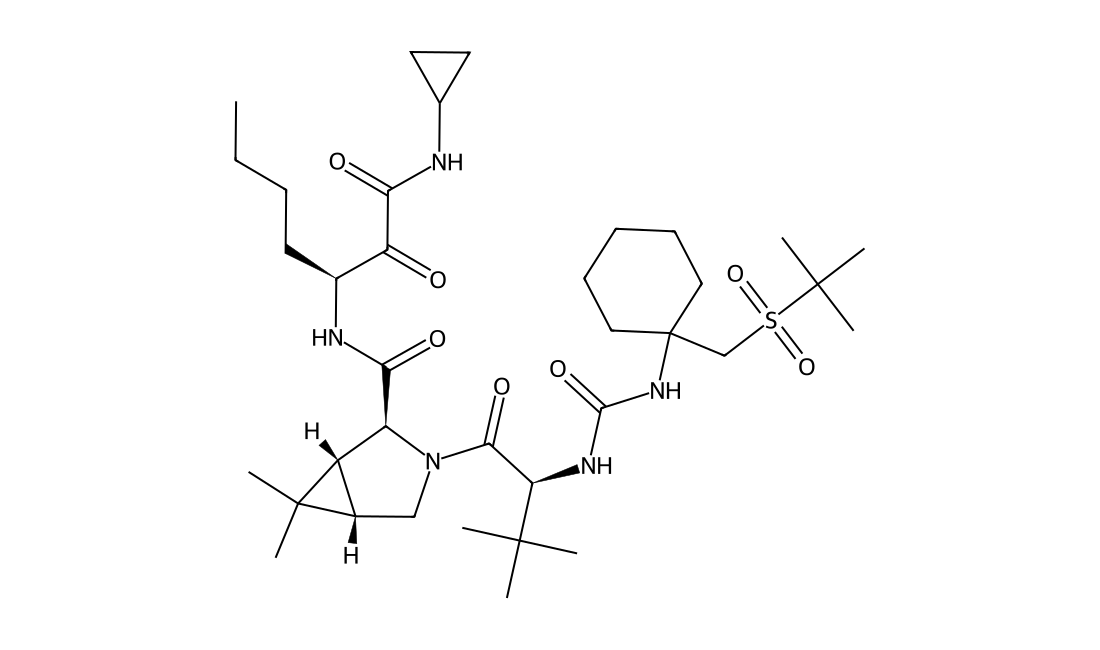
Narlaprevir
CAS 865466-24-6
A potent, second generation HCV NS3 serine protease inhibitor with Ki of 6 nM; displays no significant issues in the in vitro CYP or hERG assay; shows replicon EC90 of 40 nM; exhibits improved potency (∼10-fold over Boceprevir), pharmacokinetic profile and physicochemical characteristics.
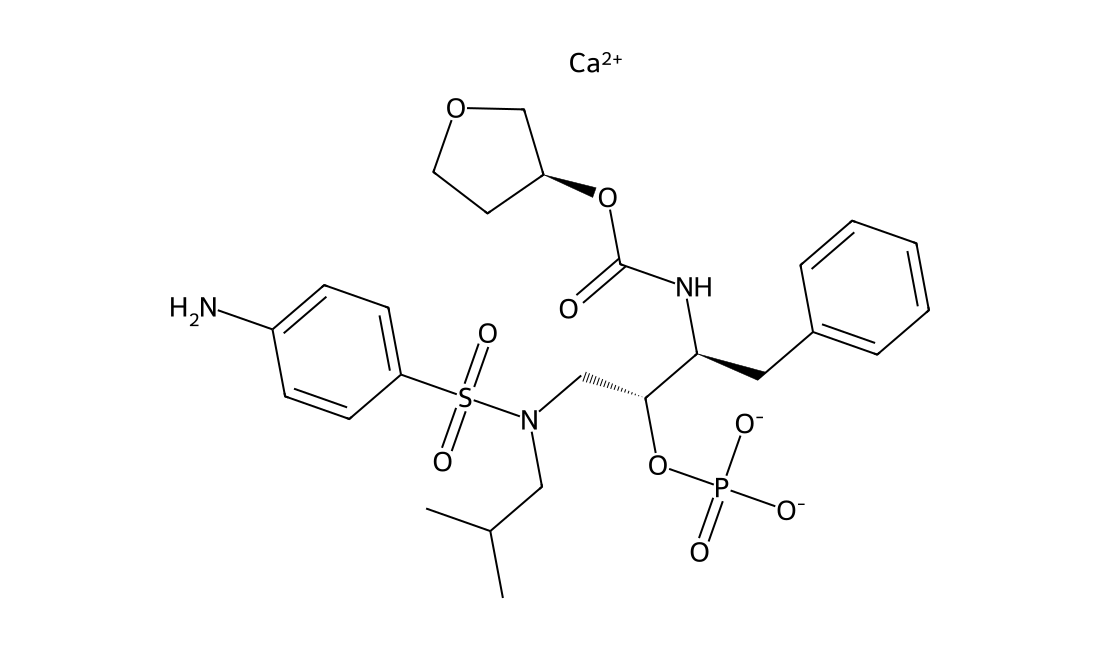
Fosamprenavir calcium
CAS 226700-81-8
A phosphate ester prodrug of the HIV-1 protease inhibitor amprenavir with improved solubility.HIV InfectionApproved
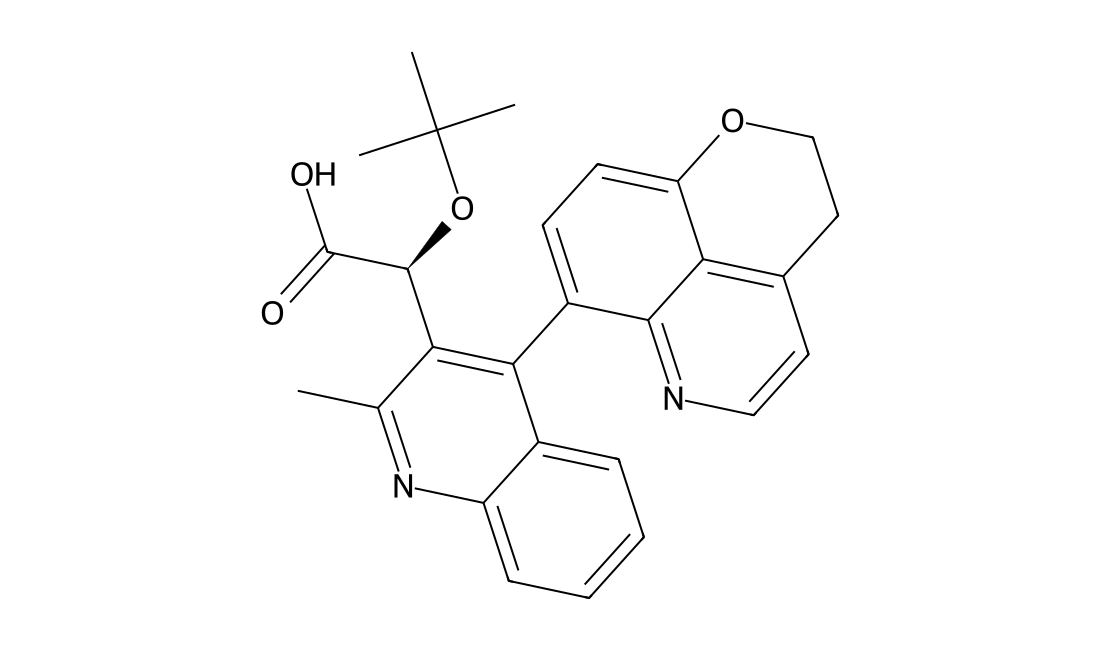
BI-224436
CAS 1155419-89-8
A novel HIV-1 non-catalytic-site integrase inhibitor (NCINI); shows antiviral EC50s of <15 nM against different HIV-1 laboratory strains and cellular cytotoxicity of >90 uM; has drug-like in vitro absorption, distribution, metabolism, and excretion (ADME) properties, including Caco-2 cell permeability, solubility, and low cytochrome P450 inhibition.HIV InfectionPhase 1 Clinical
Browse target & topic index A–Z (366)
11β-HSD (1)15-PGDH (2)5-HT Receptor (16)Acetyl-CoA Carboxylase (ACC) (3)Acetylcholinesterase (AChE) (2)Ack1 (TNK2) (1)Acyltransferase (1)ADC Cytotoxin (6)ADCs Linker/Click Chemistry (5)Adenosine Receptor (9)Adenylate Cyclase (2)Adrenergic Receptor (11)Akt (12)Alcoholism (2)Aldehyde Dehydrogenase (ALDH) (6)Allergy (5)Alzheimer Disease (13)Aminopeptidase (1)AMPK (8)Amyloids (4)Anaplastic Lymphoma Kinase (ALK) (9)Androgen Receptor (AR) (11)Anemia (4)Angiotensin Receptor (4)Antibody/Protein labeling dyes (1)Antifolate (2)Anxiety (1)Apoptosis Inducer (3)Arginase (1)Arp2/3 complex (1)Aryl hydrocarbon Receptor (AhR) (1)Asthma (5)Atherosclerosis (2)ATM/ATR (8)Aurora Kinase (10)Autophagy (6)Autophagy-related Protein (Atg) (2)Autotaxin (2)Bacterial (26)Bacterial Infection (17)Bcl-2 (14)Bcr-Abl (5)BCRP (1)Beta-catenin (4)Beta-secretase (BACE) (4)Blood Cancer (91)BMI-1 (1)Bone Cancer (6)Brain Cancer (6)Breast Cancer (30)Bromodomain (22)BTK (10)c-Fms (CSF1R) (5)c-Fos/AP-1 (1)c-Kit (6)c-Met (HGFR) (11)c-Myc (2)Calcium Channel (4)Calcium-sensing Receptor (CaSR) (1)CaMK (4)Cannabinoid Receptor (6)Carbonic Anhydrase (1)Carboxypeptidase (1)Casein Kinase (6)Caspase (4)Cathepsin (6)Cdc2-like Kinase (CLK) (1)CETP (2)CFTR (7)Checkpoint Kinase (Chk) (8)Chemokine Receptor (CCR and CXCR) (14)Chemotherapeutic Agents (19)Chloride Channel (1)CMV (2)CMV Infection (2)Colon Cancer (9)Complement System (1)COPD (3)CREB/CBP (2)CRF Receptor (2)CRISPR/Cas9 (1)Cushing Disease (1)Cyclin-dependent Kinase (CDK) (39)Cyclooxygenase (COX) (4)Cytochrome P450 (CYPs) (5)Depression (2)Dermatitis (2)Deubiquitinase (DUB) (7)Diabetes (20)Dipeptidyl Peptidase (DPP) (3)Discoidin Domain Receptor (DDR) (1)DNA Alkylator/Crosslinker (10)DNA Methyltransferase (DNMT) (1)DNA Repair Protein (1)DNA-PK (2)DNA/RNA Synthesis (5)Dopamine beta-hydroxylase (1)Dopamine Receptor (7)Drug Metabolite (1)Drug-Linker Conjugates (11)Dyes (4)DYRK (1)Dyslipidemia (9)E3 Ligase Ligand (6)E3 Ligase Ligand-Linker Conjugate (1)E3 Ubiquitin Ligase (4)Ebola Virus Infection (1)EGFR (32)Elastase (2)Endothelin Receptor (5)Enzymes substrates (13)Epigenetic Reader Domain (3)Epilepsy (4)ERK (4)Estrogen Receptor/ERR (13)Eukaryotic Initiation Factor (eIF) (2)Exportin-1 (CRM1,XPO1) (2)FABP (1)Factor Xa (5)Farnesoid X Receptor (FXR) (5)Farnesyl transferase (FTase) (1)Ferroptosis (6)FGFR (15)Fibrosis (5)FLT3 (6)Focal Adhesion Kinase (FAK) (11)Foxo1 (1)Free Fatty Acid Receptor (FFAR) (5)Fungal (2)Fungal Infection (1)GABA Receptor (13)Galectin (1)Gastric Cancer (8)Ghrelin Receptor (GHSR) (3)Glucagon Receptor (4)Glucokinase (2)Glucose Transporter (GLUT) (2)Glutamate Transporter (2)GPCR (1)GPER (GPR30) (1)GPR139 (1)GPR183 (EBI2) (2)GPR39 (1)GPR55 (1)GPR84 (1)GRK (GPCRK) (2)Growth Hormone Deficiency (2)GSK-3 (8)Guanylate Cyclase (3)HBV (1)HBV Infection (1)HCN Channel (2)HCV (8)HCV Infection (9)HDAC (38)Heart Arrhythmia (2)Heart Failure (5)Heat Shock Protein (HSP) (15)Hedgehog (Hh) (1)HIF/HIF Prolyl-hydroxylase (8)Histamine Receptor (6)Histone Acetyltransferase (HAT) (5)Histone Demethylase (11)Histone Methyltransferase (HMTase) (31)HIV (12)HIV Infection (11)HMG-CoA Reductase (HMGCR) (3)HSV (1)HSV Infection (1)Hypercholesterolemia (1)Hyperparathyroidism (1)Hypertension (8)IAP (1)IGF-1R (3)iGluR (15)Indoleamine 2,3-Dioxygenase (IDO) (4)Infection (1)Influenza (6)Influenza Virus (6)Insulin Receptor (2)Integrin (6)Interleukin Receptor (1)IRAK (2)IRE1 (4)Irritable Bowel Syndrome (2)Ischemia (1)Isocitrate Dehydrogenase (IDH) (5)ITK (1)IκB kinase (IKK) (7)JAK (32)JNK (3)Keap1-Nrf2 (6)Kidney Cancer (10)Kinesin (5)Kruppel-like Factor (KLF) (1)Kynurenine 3-Monooxygenase (KMO) (1)Leukotriene Receptor (1)LIM Kinase (LIMK) (3)Lipids fragment (1)Liver Cancer (6)Liver X Receptor (LXR) (3)LRRK2 (9)Lung Cancer (39)Lysophospholipid Receptor (12)LYTACs (3)mAChR (9)MALT1 (2)MAP4K (1)Matrix Metalloproteinase (MMP) (10)MDM2-p53 (9)MEK (MAP2K) (14)MEKK (MAP3K) (1)Melanocortin Receptor (2)MELK (1)mGluR (7)MicroRNA (1)Microtubule/Tubulin (5)Mineralocorticoid Receptor (MLR) (1)MITF (1)Mixed Lineage Kinase (MLK) (3)MNK (2)Molecular Glues (13)Monoamine Transporter (5)Monocarboxylate Transporter (MCT) (1)Monopolar Spindle 1 (Mps1/TTK) (3)mTOR (13)Multiple Sclerosis (6)Myosin (1)Na-K-Cl Cotransporter (NKCC) (2)nAChR (2)NADPH Oxidase (NOX) (2)NAMPT (3)Natural products (37)Neprilysin (1)Neurokinin Receptor (3)Neuropeptide Y Receptor (3)NF-κB (5)Nitric Oxide Synthase (NOS) (1)NOD-like Receptor (NLR) (3)Notch (2)Nucleoside Antimetabolite/Analog (10)Nur77 (NR4A1) (1)Obesity (1)Oct3/4 (1)Opioid Receptor (5)Orexin Receptor (7)Osteoporosis (2)Ovarian Cancer (14)Oxytocin Receptor (OXTR) (2)P-glycoprotein (P-gp) (3)p21-activated Kinase (PAK) (1)P2X Receptor (2)P2Y Receptor (1)p38 MAPK (10)p97/VCP (1)Pain (12)Pancreatic Cancer (10)Parasite (5)Parasite Infection (2)Parkinson Disease (2)PARP (19)PCSK9 (1)PD-1/PD-L1 (4)PDGFR (4)PDK1 (2)PEGn (1)PERK (2)PGE synthase (2)Phosphodiesterase (PDE) (9)Phospholipase (4)PI3K (32)PI4K (2)Piezo Channel (1)PIKfyve (3)Pim (9)PKC (12)PKD (1)Plasminogen Activator Inhibitor-1 (PAI-1) (3)Polo-like Kinase (PLK) (4)Porcupine (3)Potassium Channel (13)PPAR (13)Pregnane X Receptor (PXR) (1)Progesterone Receptor (2)Prostaglandin Receptor (11)Prostate Cancer (7)PROTACs (35)Protease-activated Receptor (PAR) (3)Proteasome (12)Protein Disulfide Isomerase (PDI) (1)Protein Phosphatase/PTP (6)Proton Pump (1)Psoriasis (5)RAD51 (1)Radioligand precursors (15)Raf (18)RAR/RXR (3)Ras (17)Renin (2)RET Tyrosine Kinase (c-RET) (3)Rheumatoid Arthritis (16)Ribosomal S6 Kinase (RSK) (5)RIG-I-like Receptor (RLR) (2)RIP kinase (7)ROCK (12)ROR (2)RSV (4)RSV Infection (3)RUNX1-CBFβ (1)S-nitrosoglutathione reductase (GSNOR) (1)Saccharides and Glycosides (1)Salt Inducible Kinase (SIK) (2)SARS-CoV (16)SARS-CoV Infection (34)Schizophrenia (4)Sexual Dysfunction (1)SGLT (4)Sigma Receptor (4)Sirtuin (9)Skin Cancer (13)Sleep Disorder (7)SMN2 Modulator (1)Smoothened (Smo) (9)Sodium Channel (12)Solid Tumors (35)Somatostatin Receptor (2)Sphingosine kinase (SphK) (2)Src (7)STAT (5)Stearoyl-CoA Desaturase (SCD) (1)Steatohepatitis (7)Sterol lipids (1)STING (14)Syk (6)T Cell Receptor (TCR) (1)TAK1 (2)TAM Receptor (Tyro3-Axl-Mer) (4)Taste Receptor (1)Telomerase (2)TGF beta Receptor (TGFBR) (12)Thrombin (3)Thrombosis (13)Thyroid Cancer (1)Thyroid Hormone Receptor (THR) (1)Thyrotropin Receptor (2)TNIK (1)Toll-like Receptor (TLR) (2)TOPK (1)Topoisomerase (11)TRAIL (1)Translocator Protein (TSPO) (1)Trk Receptor (4)TRP Channel (13)Tryptophan Hydroxylase (TPH) (1)Ubiquitin-activating Enzyme (E1) (2)Ubiquitin-conjugating Enzyme (E2) (2)Ulcer (1)ULK (3)Vasopressin Receptor (2)VEGFR (25)Vitamin D Receptor (VDR) (3)Wee1 (1)WNK Kinase (1)Wnt (5)Yes-associated Protein (YAP) (4)γ-secretase (5)