Home/Small Molecules/Anti-infectives

Anti-infectives

Antibacterial, antiviral, antifungal and antiparasitic research tools.

Browse all research categories

Browse by research category

Products may appear in more than one category. Counts refer to distinct catalog numbers within each category.

Other Research Tools (75) · Additional reagents, building blocks and specialized research tools.

Anti-infectives products

Combine a keyword, research category and target to narrow the product list.

Loading catalog filters…

453 products · Showing 385–432

DCAPI1085

Clevudine (Levovir)

CAS 163252-36-6

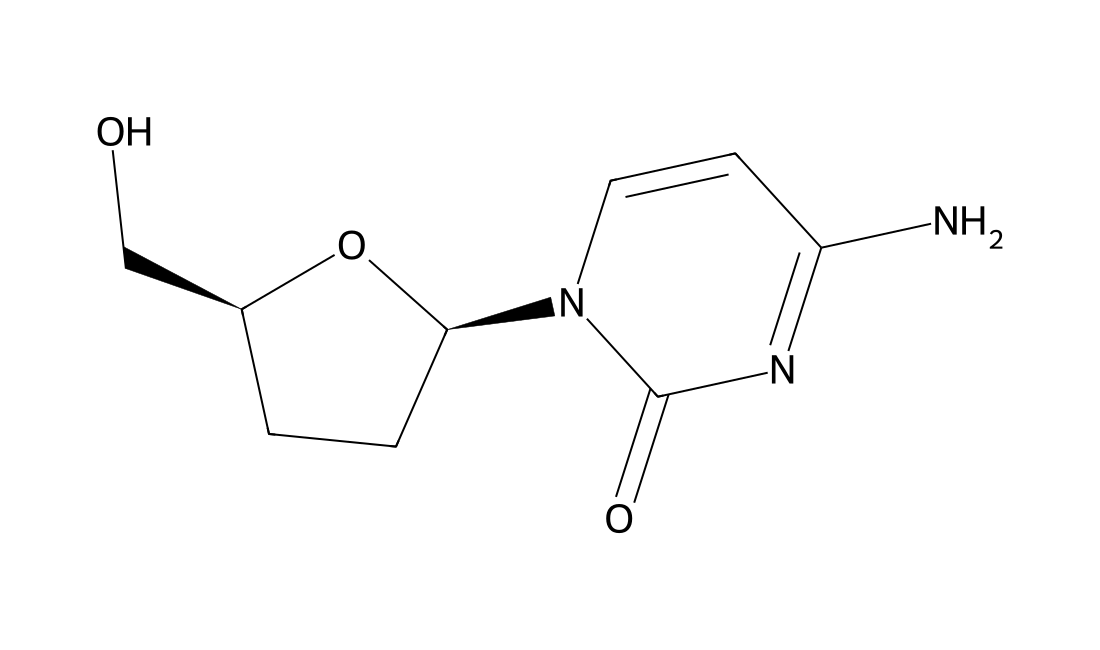
Clevudine is an antiviral drug for the treatment of hepatitis B. Target: HBVClevudine is a nucleoside analog with an unnatural beta-L configuration. Clevudine showed potent antiviral activity during therapy and induced a sustained posttreatment antiviral effect for 6 months after a 12-week treatment period, and this was associated with a sustained normalization of ALT levels [1]. Clevudine showed a potent antiviral response, and its effect was higher in HBeAg-negative patients, with rapid viral load reduction after therapy. However, long-term therapy for more than 1 year resulted in the development of considerable resistance and myopathy. Therefore, we should consider alternative antiviral agents if clevudine resistance or clevudine-induced myopathy is developed in patients on clevudine for the treatment of CHB [2].
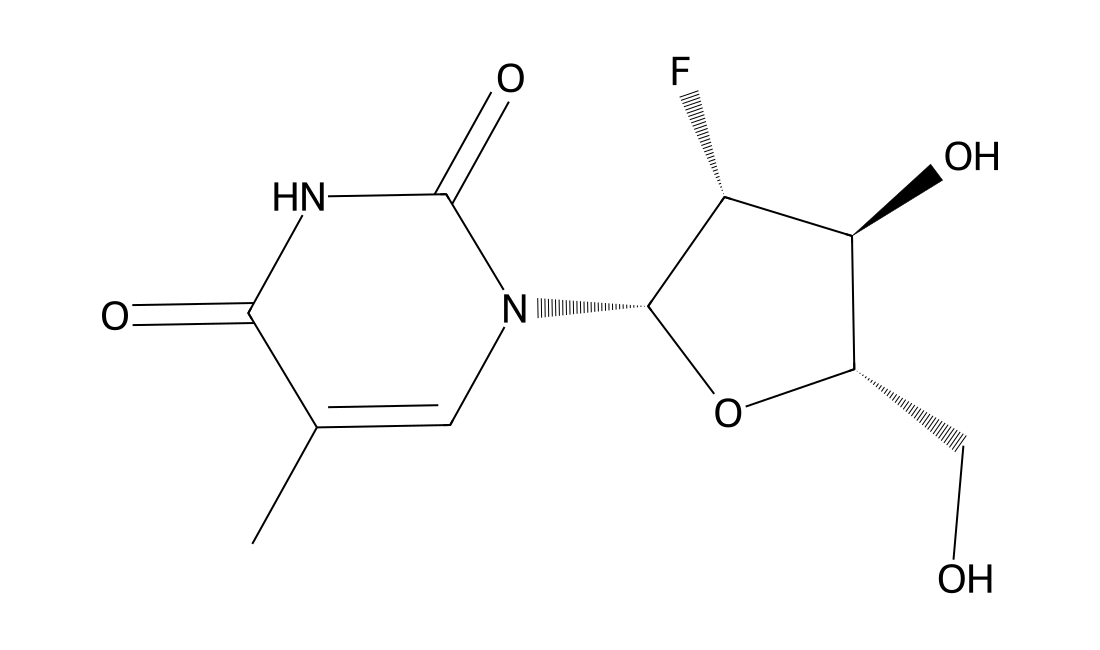
Clevudine (Levovir) chemical structure
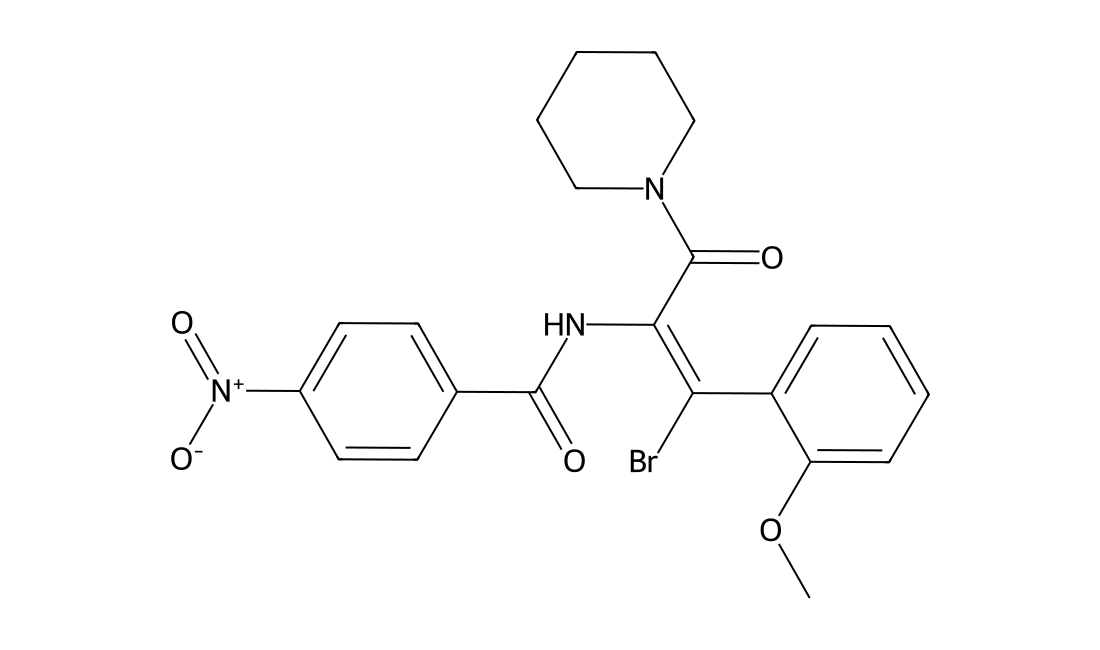
DC22832

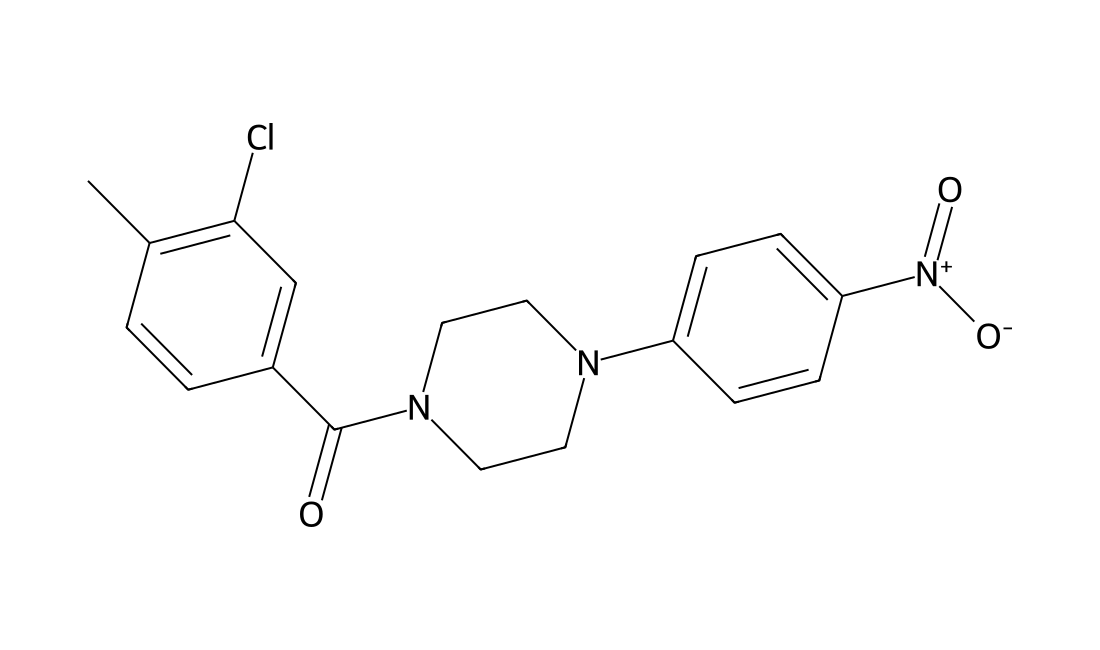
Filastatin

CAS 431996-53-1

Filastatin is a long-lasting inhibitor of Candida albicans filamentation. Filastatin inhibits adhesion by multiple pathogenic Candida species with an IC50 of ~3 μM in the GFP-based adhesion assay. Filastatin inhibits fungal adhesion to polystyrene and human cells, the yeast-to-hyphal morphological transition, induction of the hyphal-specific HWP1 promoter. Filastatin has potent antifungal effect[1].

Filastatin chemical structure
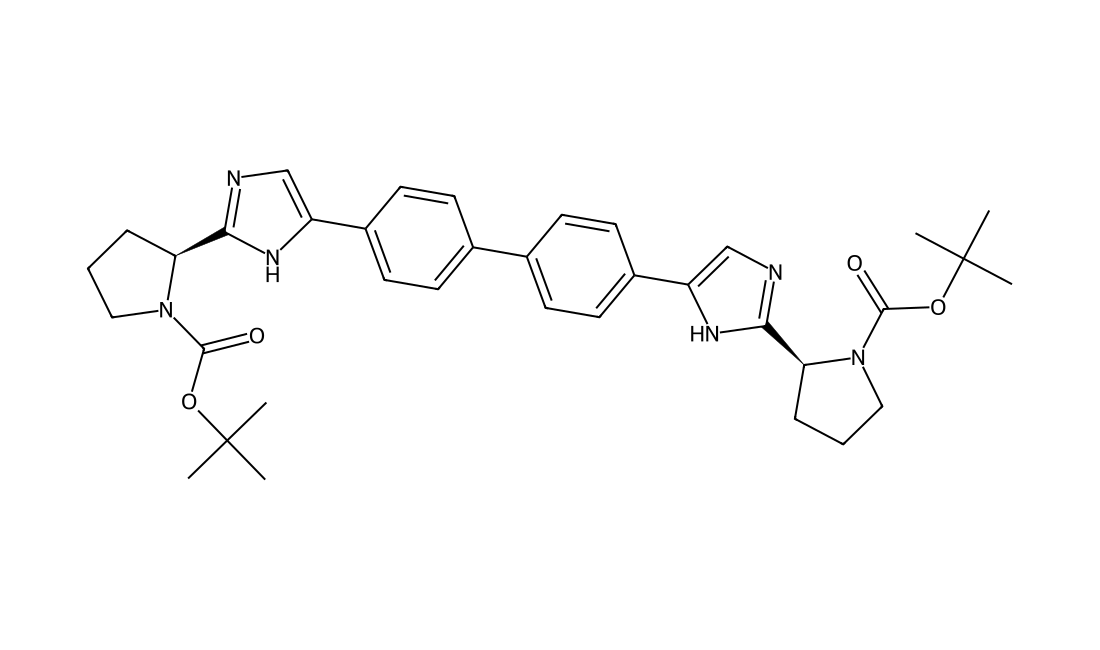
DC21526

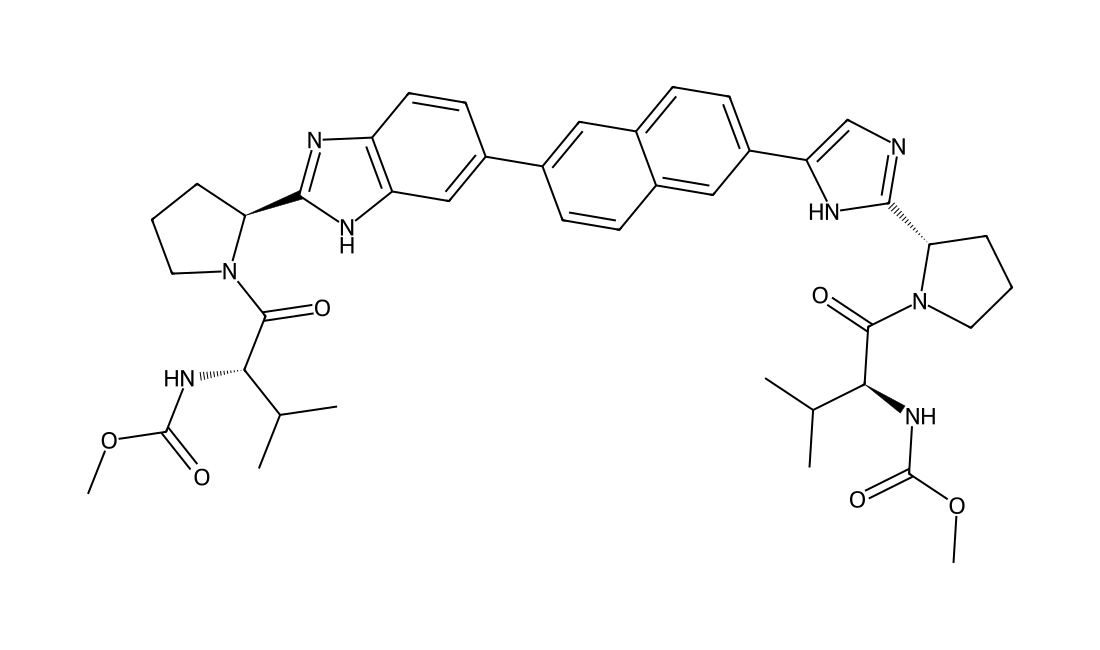
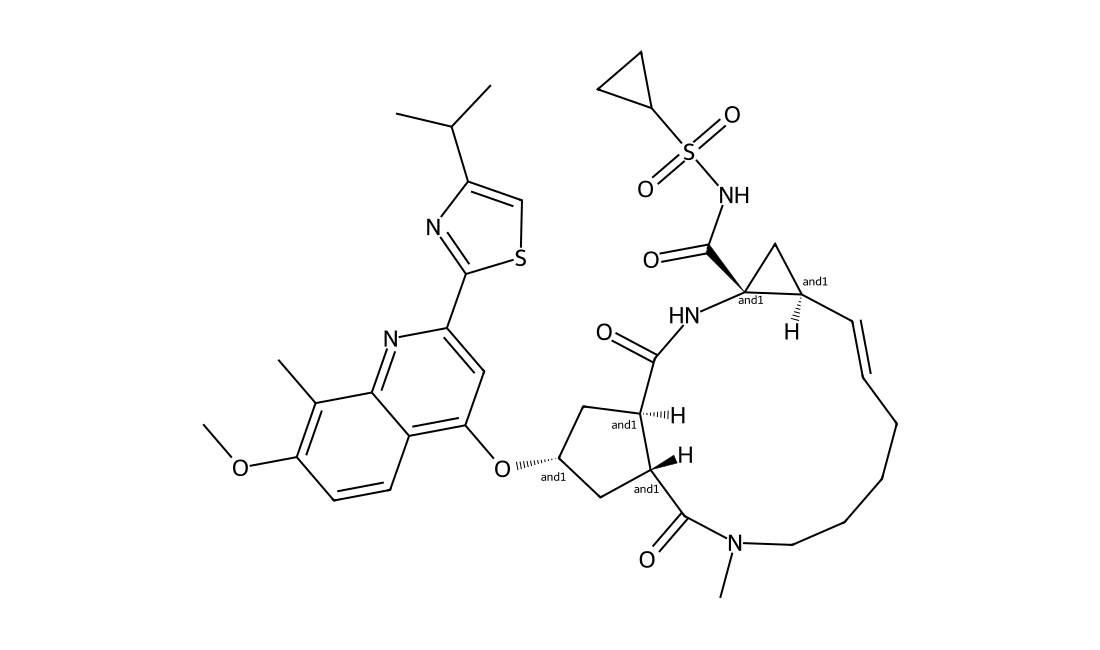
Ravidasvir free base

CAS 1242087-93-9

Ravidasvir (PPI-668;BI 238630) is a potent pan-genotypic HCV NS5A inhibitor with IC50 of 0.12/0.01/1.14 nM for HCV gt-1a/1b/3a in replicon luciferase assay;

Ravidasvir free base chemical structure
DC22347

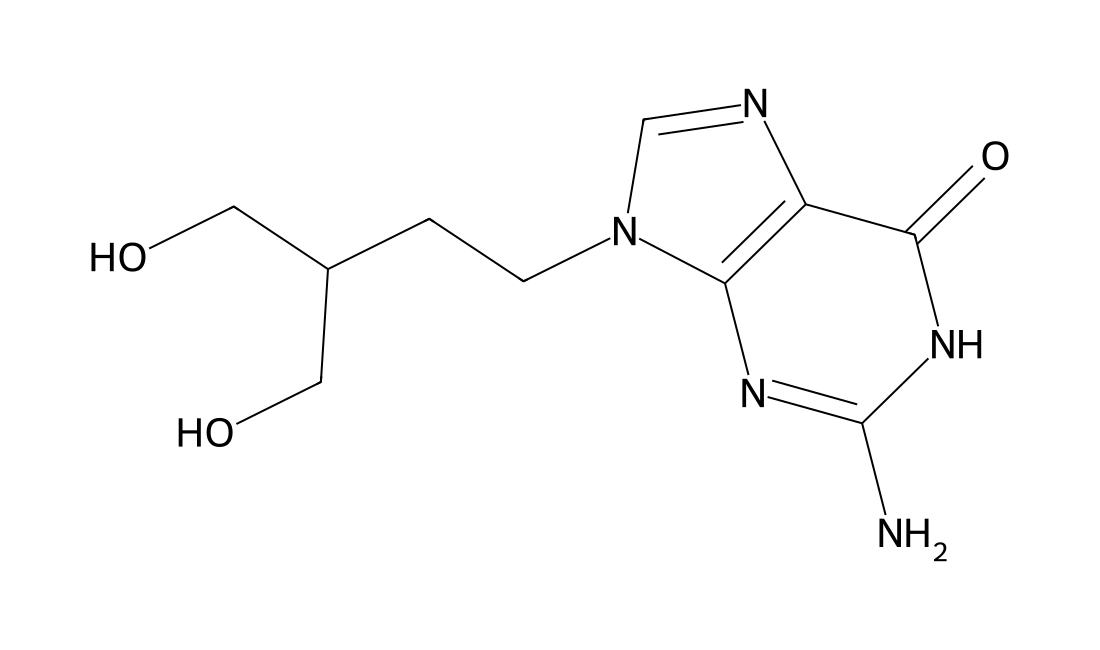
Penciclovir

CAS 39809-25-1

Penciclovir is reported to be potent against HSV types 1 and 2 with IC50 of 0.04-1.8 μg/mL and 0.06-4.4 μg/mL, respectively.

Penciclovir chemical structure
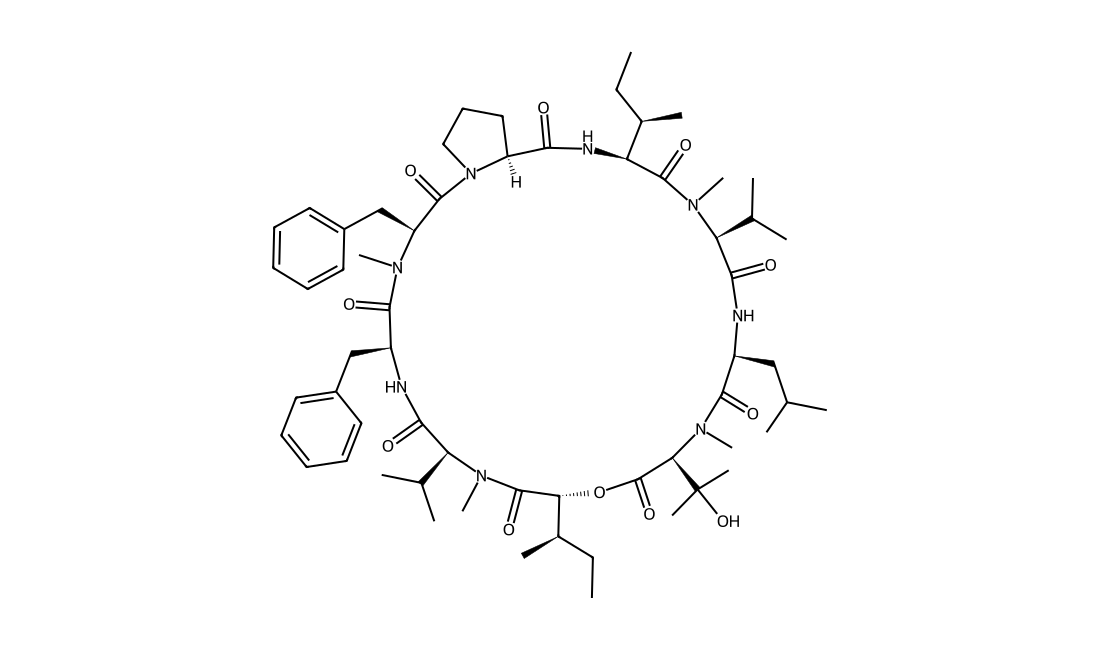
DC46180

Aureobasidin A(Basifungin)

CAS 127785-64-2

Aureobasidin A (Basifungin), a cyclic depsipetide, is an antifungal antibiotic. Aureobasidin A (Basifungin) A is an inhibitor of the inositolphosphorylceramide synthase AUR1[1][2].
Aureobasidin A(Basifungin) chemical structure
DC20699

AT-130

CAS 211364-06-6

AT-130 is a potent inhibitor of HBV capsid assembly, inhibits wild-type HBV replication with IC50 of 2.4 uM; inhibits replication of wild-type and lamivudine-resistant strains of hepatitis B virus in vitro with same sensitivity (rtL180M, rtM204I, and rtL180M + rtM204V); blocks HBV replication at the level of viral RNA packaging, interferes with capsid morphogenesis, shows activity against the main lamivudine- and adefovir-resistant mutants.

AT-130 chemical structure
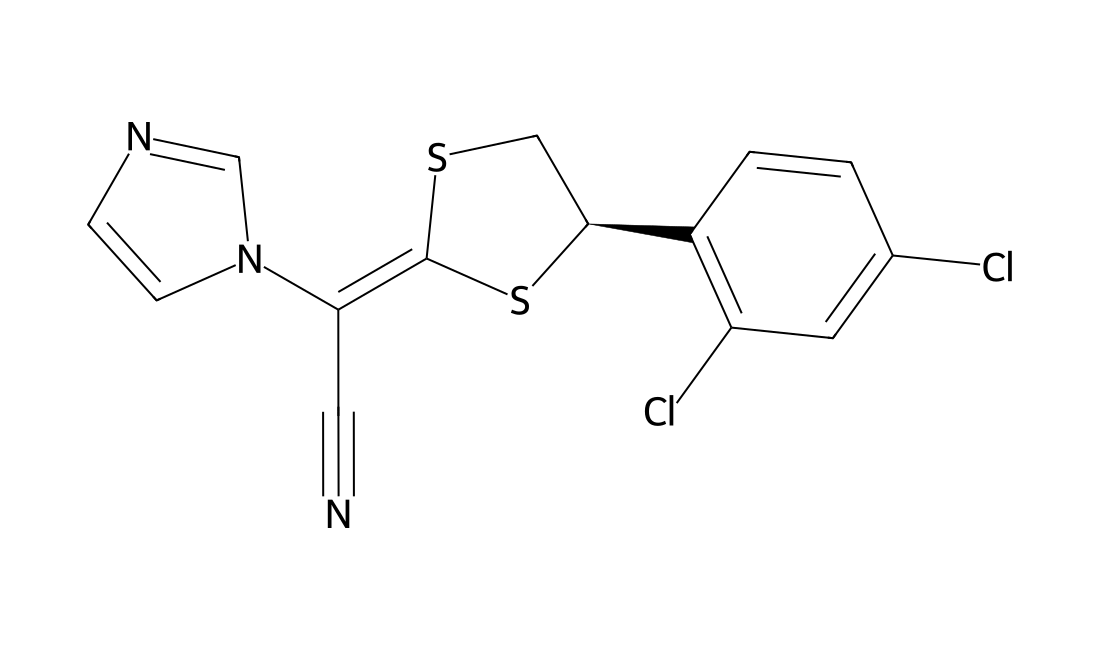
DC8611

Luliconazole

CAS 187164-19-8

Luliconazole(NND 502) is an azole antifungal indicated for the topical treatment of interdigital tinea pedis.IC50 Value: Target: AntifungalLuliconazole is an antifungal that belongs to the azole class. Although the exact mechanism of action against dermatophytes is unknown, luliconazole appears to inhibit ergosterol synthesis by inhibiting the enzyme lanosterol demethylase. Inhibition of this enzyme’s activity by azoles results in decreased amounts of ergosterol, a constituent of fungal cell membranes, and a corresponding accumulation of lanosterol. In a fertility study in rats, subcutaneous doses of 1, 5 and 25 mg/kg/day luliconazole were administered prior to and during mating and through early pregnancy. Treatment related effects on reproductive function were noted in females (decreased live embryos and decreased corpus luteum) at 5 and 25 mg/kg/day and males (decreased sperm counts) at 25 mg/kg/day. No treatment related effects on fertility or reproductive function were noted at 1 mg/kg/day (0.1X MRHD based on BSA comparisons).

Luliconazole chemical structure
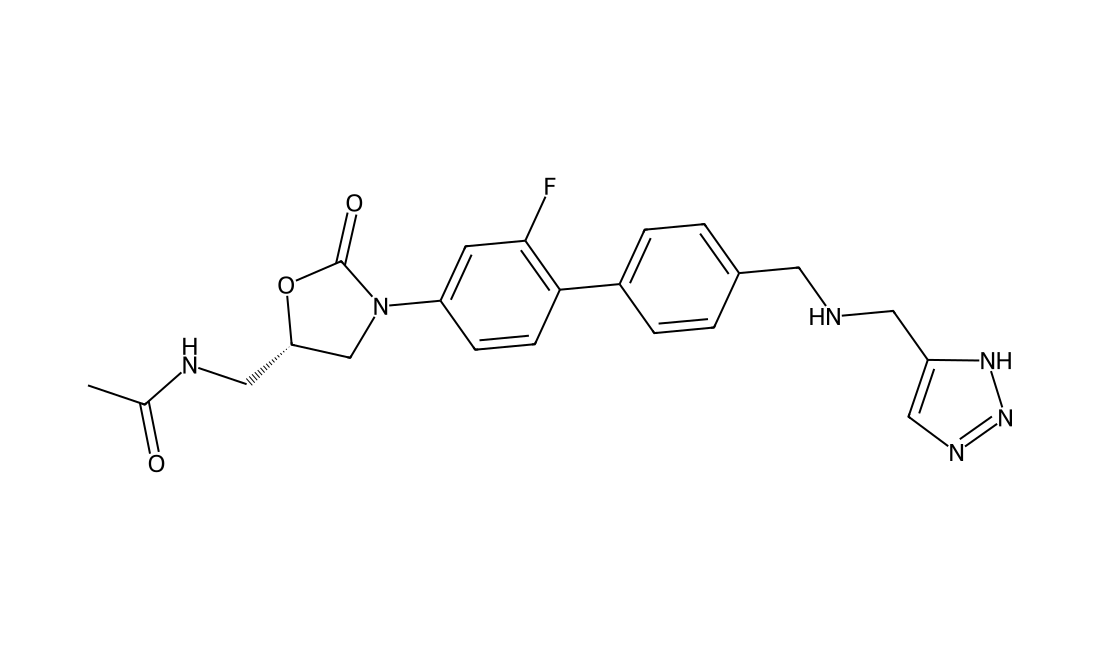
DC9351

Radezolid

CAS 869884-78-6

Radezolid (RX-1741) is a novel oxazolidinone antibiotic agent. Radezolid is a novel oxazolidinone antibiotic being developed by Rib-X Pharmaceuticals, Inc. for the treatment of serious multi-drug–resistant infections. Radezolid has completed two phase-II clinical trials. One of these clinical trials was for uncomplicated skin and skin-structure infections (uSSSI) and the other clinical trial was for community acquired pneumonia (CAP). From Wikipedia

Radezolid chemical structure
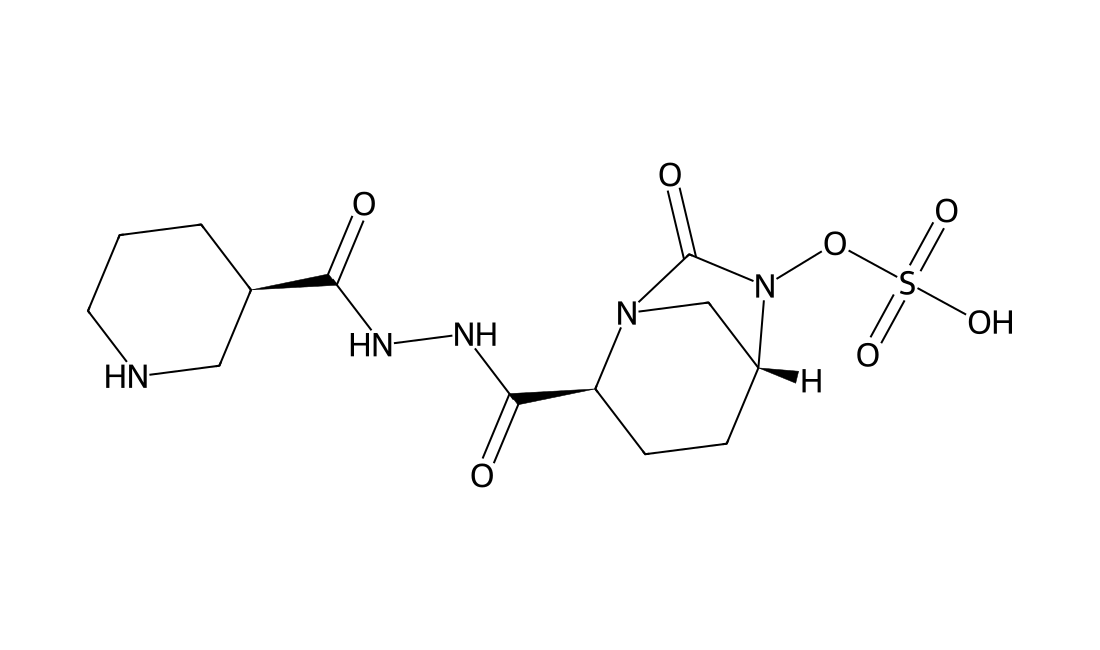
DC31929

Zidebactam

CAS 1436861-97-0

Zidebactam (WCK-5107) is a potent β-lactamase inhibitor[1]. Zidebactam also is a penicillin-binding protein2 (PBP2) inhibitor with an IC50 of 0.26 μg/mL[2].
Zidebactam chemical structure
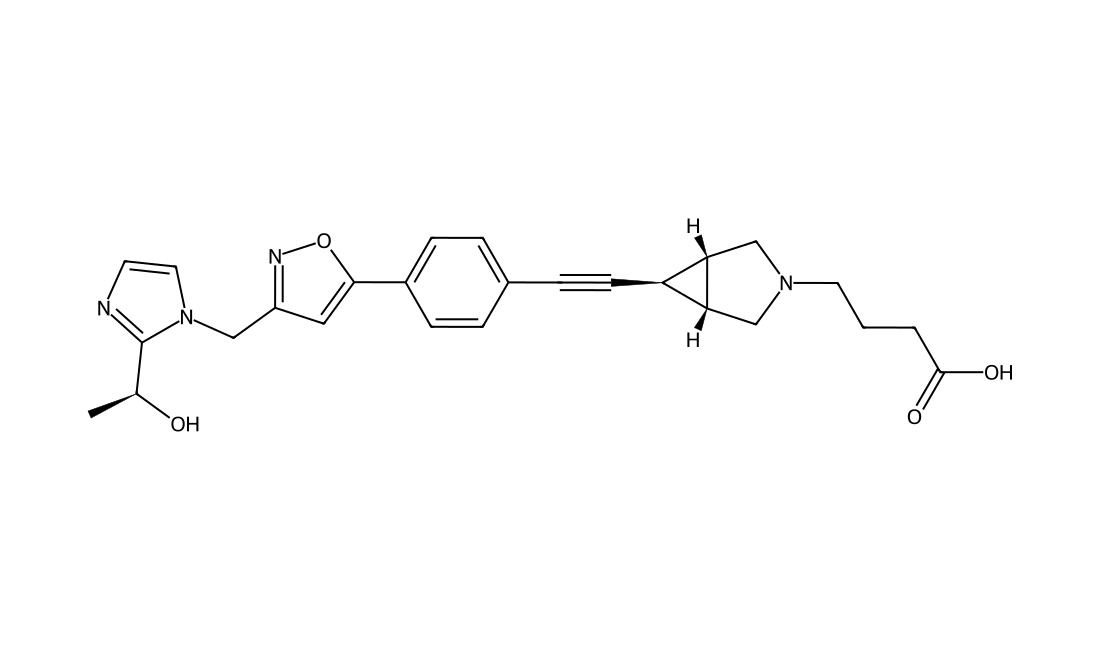
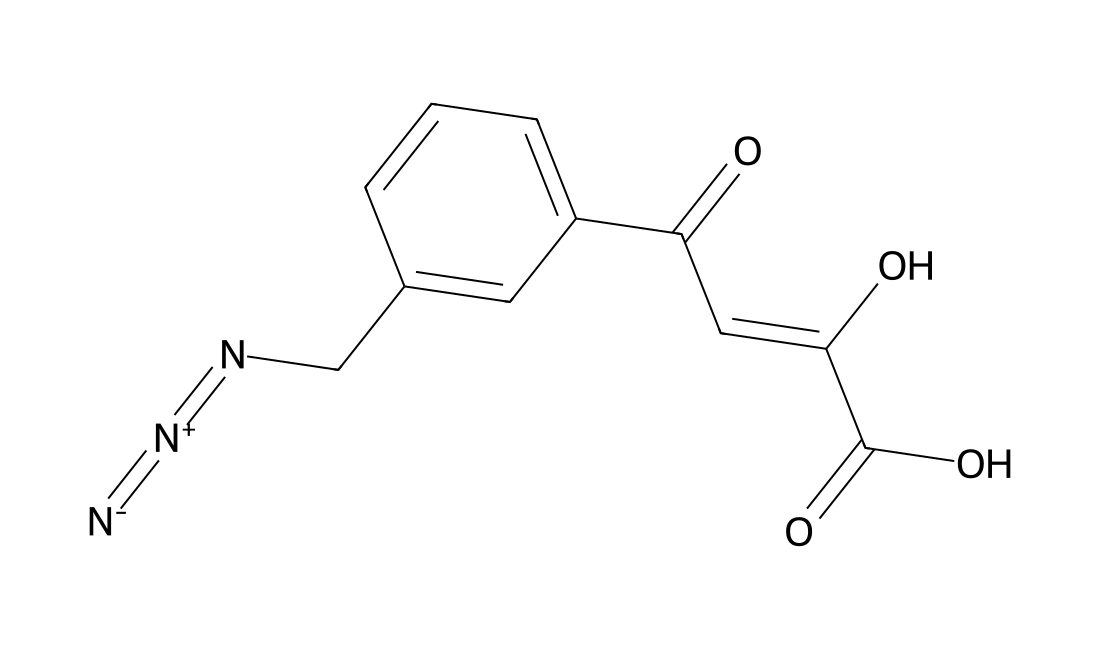
DC46625

HCV-IN-30

CAS 1007882-23-6

HCV-IN-30 (compound 48) is a HCV NS5A replication complex inhibitor, with IC50s of 901 and 102 nM for genotypes 1a and 1b replicons, respectively[1].
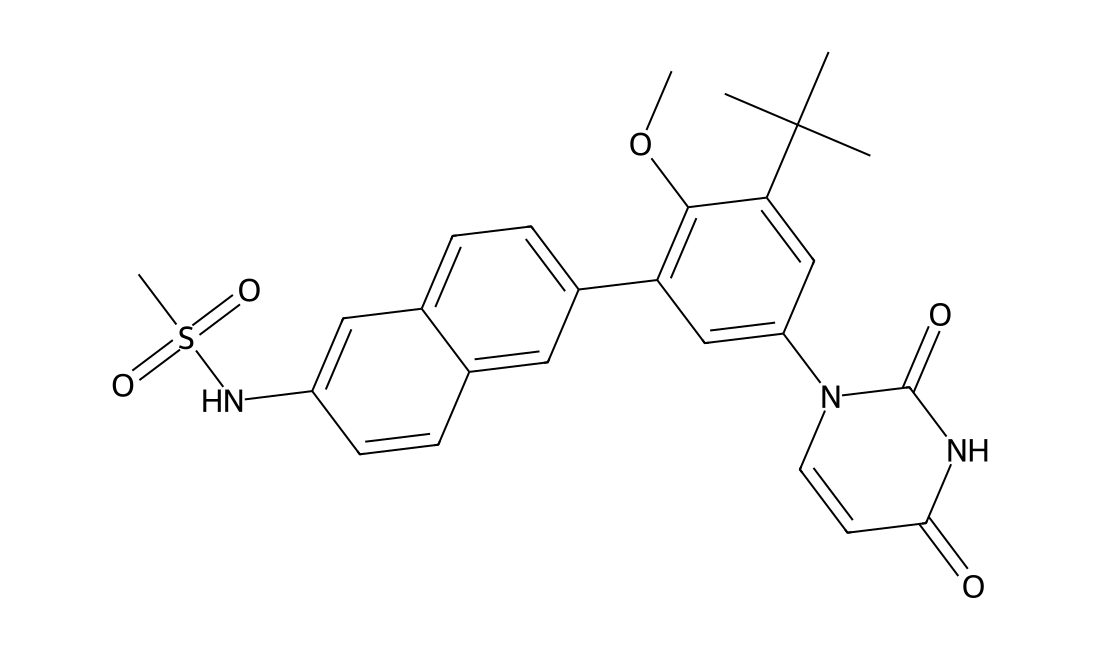
HCV-IN-30 chemical structure
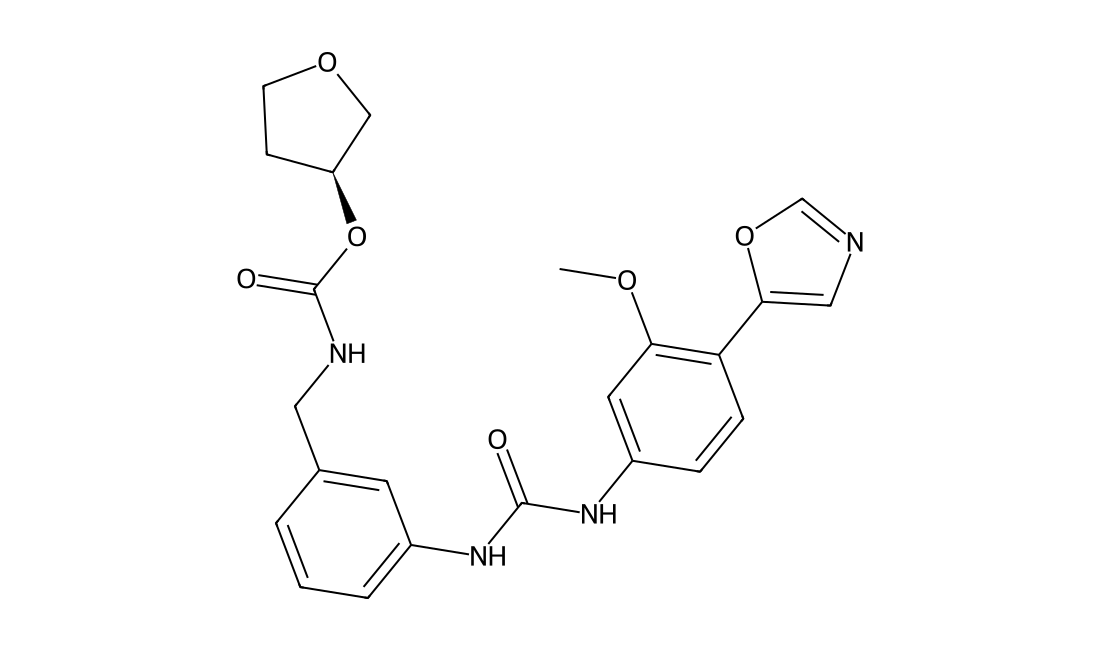
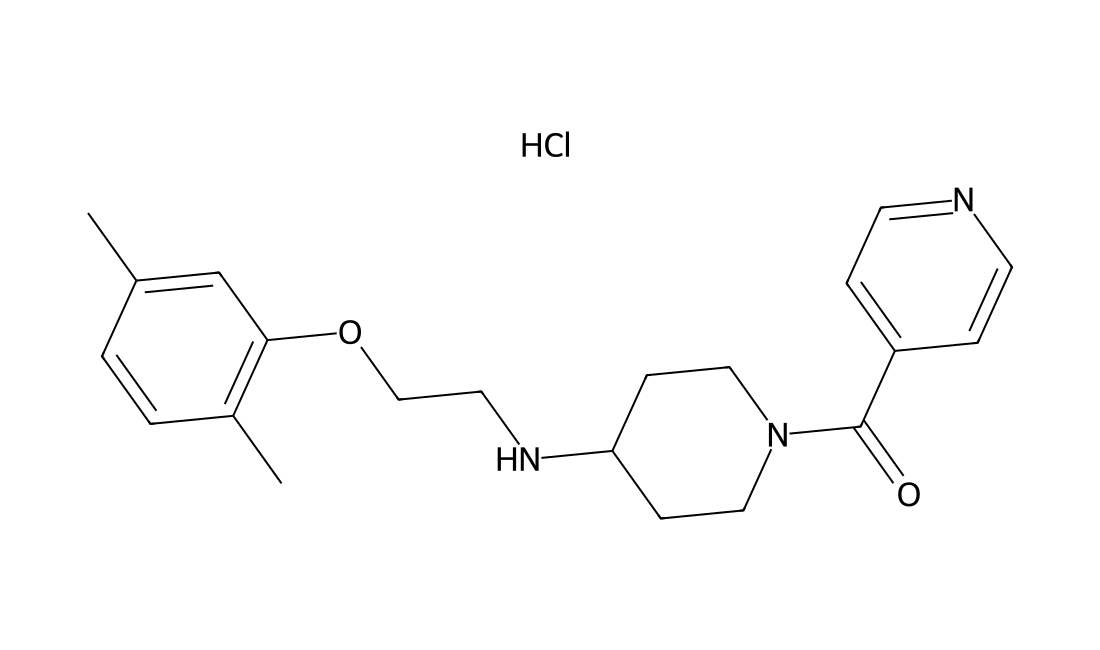
DC40721

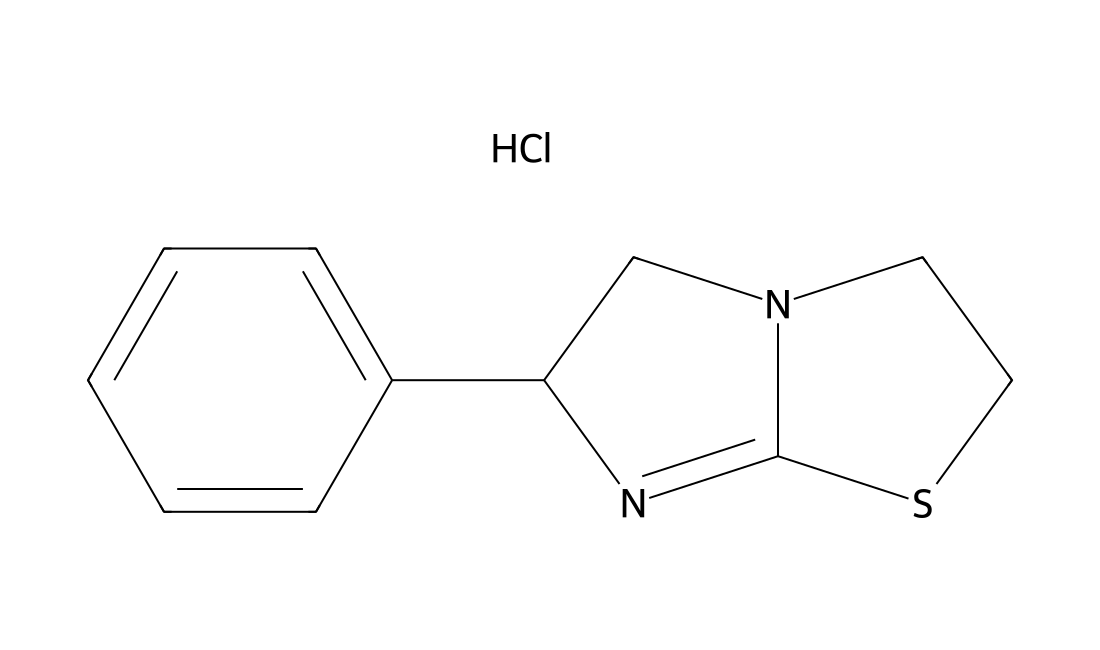
GRP-60367 hydrochloride

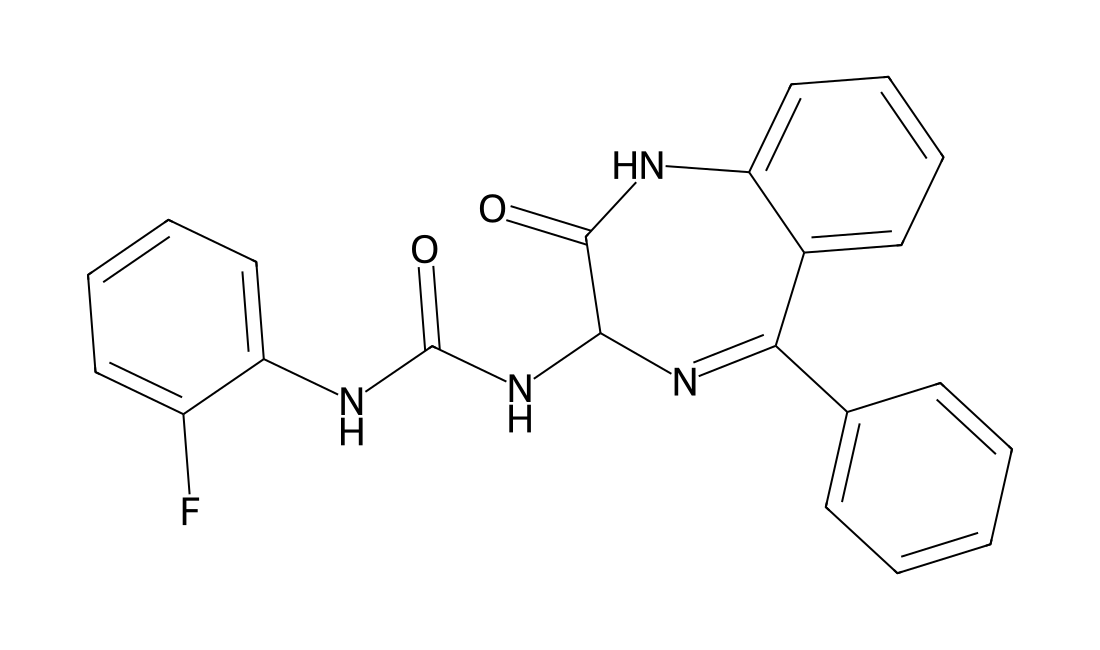
GRP-60367 hydrochloride is a first-in-class small-molecule rabies virus (RABV) entry inhibitor with nanomolar potency against some RABV strains. GRP-60367 hydrochloride specifically targets the RABV G protein.
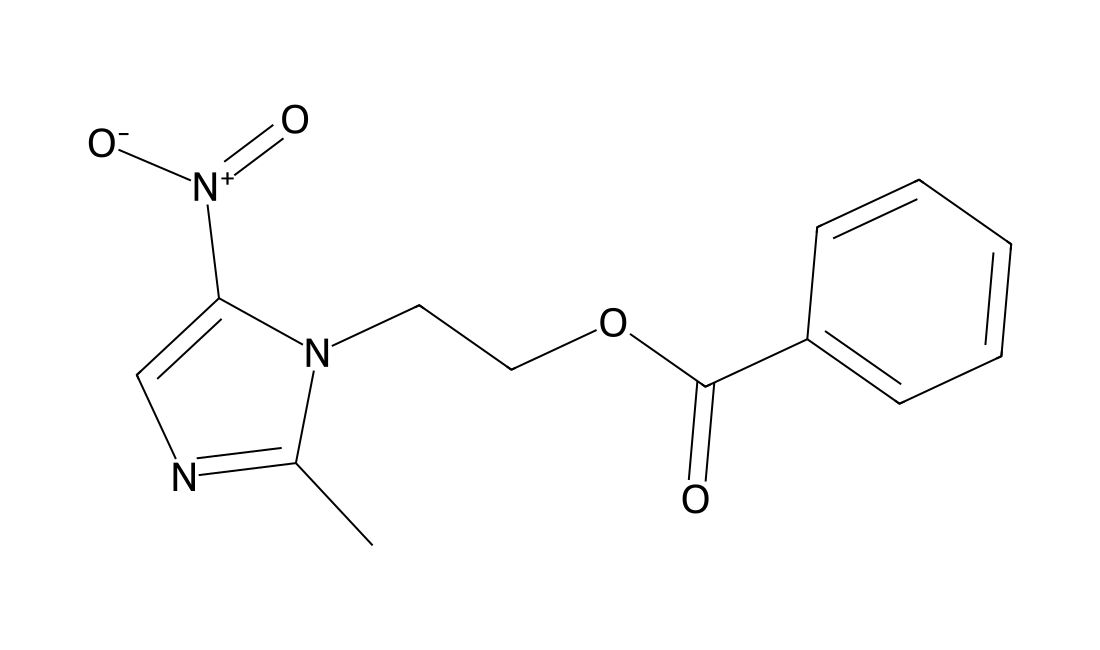
GRP-60367 hydrochloride chemical structure
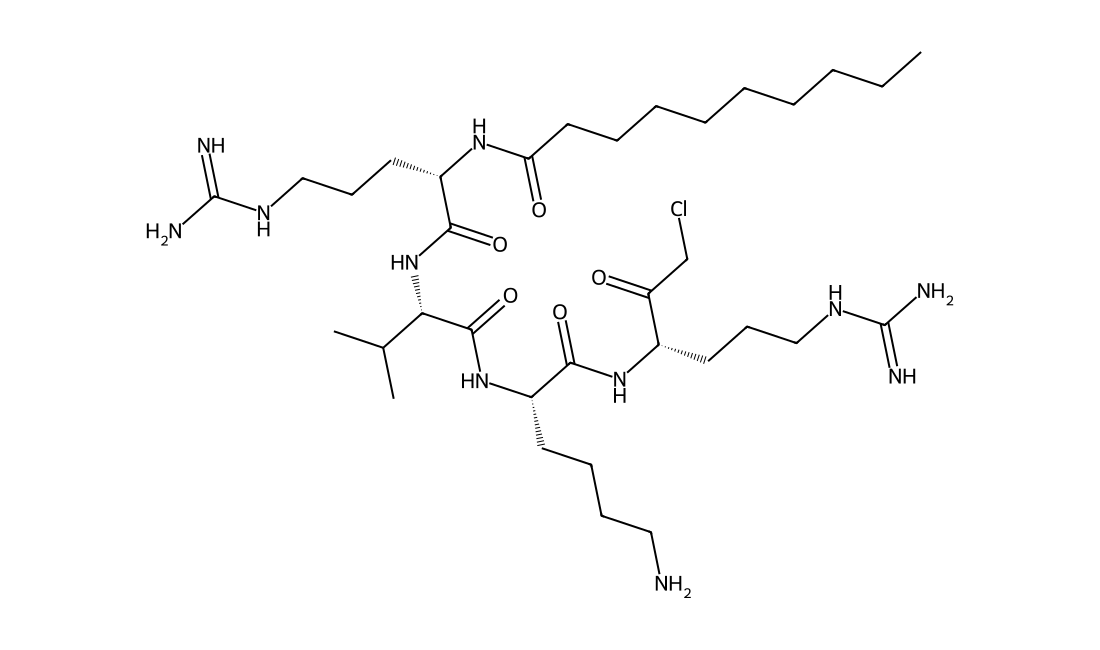
DC26230

Furin Inhibitor I

CAS 150113-99-8

Furin inhibitor I is a selective, irreversible, and cell-permeable competitive inhibitor of proprotein convertases, including furin/SPC1 (Ki = ~1 nM), SPC2/PC2 (Ki = 0.36 nM), SPC3/PC1/PC3 (Ki = 2.0 nM), SPC4/PACE4 (Ki = 3.6 nM), SPC6/PC5/PC6, and SPC7/LPC/PC7/PC8 (Ki = 0.12 nM). Because furin activates viral glycoproteins, this inhibitor is a useful antiviral agent.In addition, it inhibits furin-dependent pro-MMP-2 activation in mononuclear inflammatory cells.

Furin Inhibitor I chemical structure
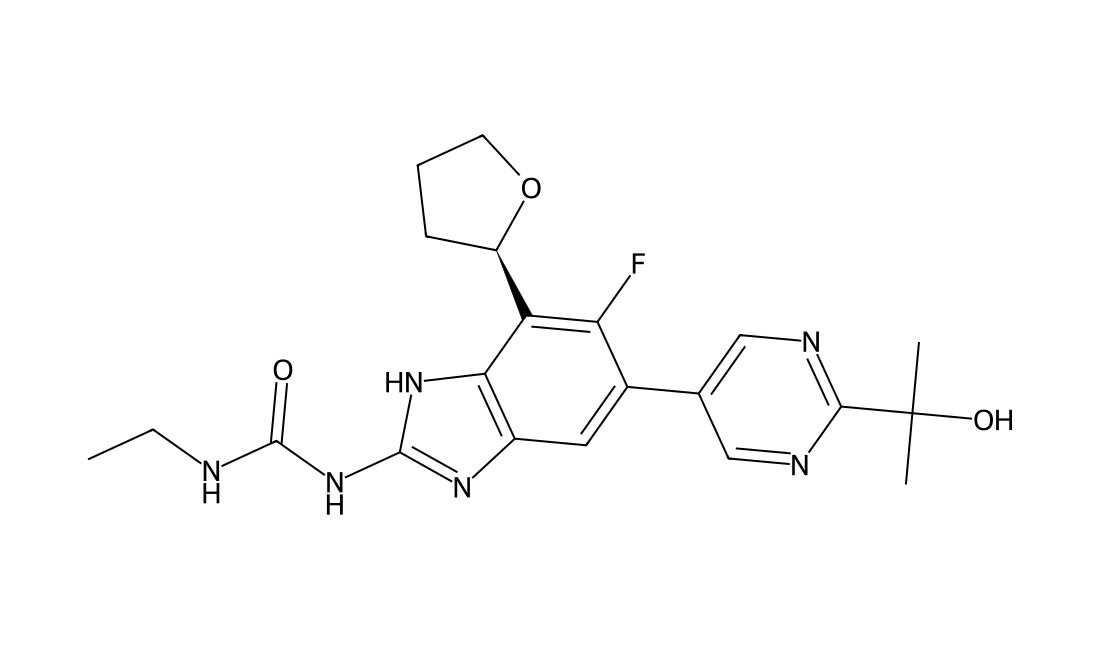
DC10497

VXc-486

CAS 1384984-18-2

VXc-486, which targets gyrase B, potently inhibits multiple drug-sensitive isolates and drug-resistant isolates of Mycobacterium tuberculosis in vitro (MICs of 0.03 to 0.30 ug/ml and 0.08 to 5.48 u g/ml, respectively) and reduces mycobacterial burdens in lungs of infected mice in vivo.VXc-486 is active against drug-resistant isolates, has bactericidal activity, and kills intracellular and dormant M. tuberculosis bacteria in a low-oxygen environment. Furthermore, VXc-486 inhibits the growth of multiple strains of M.abscessus, M. avium complex, and M. kansasii (MICs of 0.1 to 2.0 u g/ml), as well as that of several strains of Nocardia spp. (MICs of 0.1 to 1.0 u g/ml).

VXc-486 chemical structure
DC4236

VCH-916

CAS 1200133-34-1

VCH-916 is a novel allosteric inhibitor of HCV NS5B polymerase. The RNA-dependent RNA polymerase (NS5B) of HCV is one of the attractive validated targets for development of new drugs to block HCV infection.

VCH-916 chemical structure
DC23239

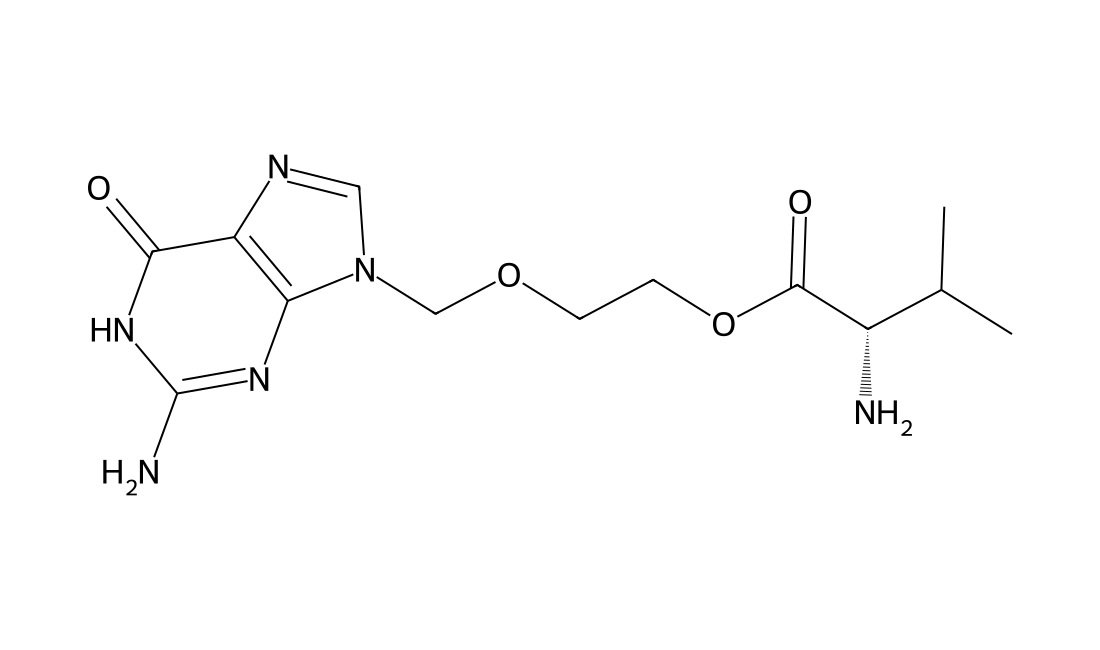
Valacyclovir

CAS 124832-26-4

Valacyclovir is an antiviral agent that acts as a very potent inhibitor of viral DNA polymerase; a prodrug of aciclovir for management of herpes simplex (HSV), herpes zoster and herpes B infection. HSV Infection Approved

Valacyclovir chemical structure
DC10286

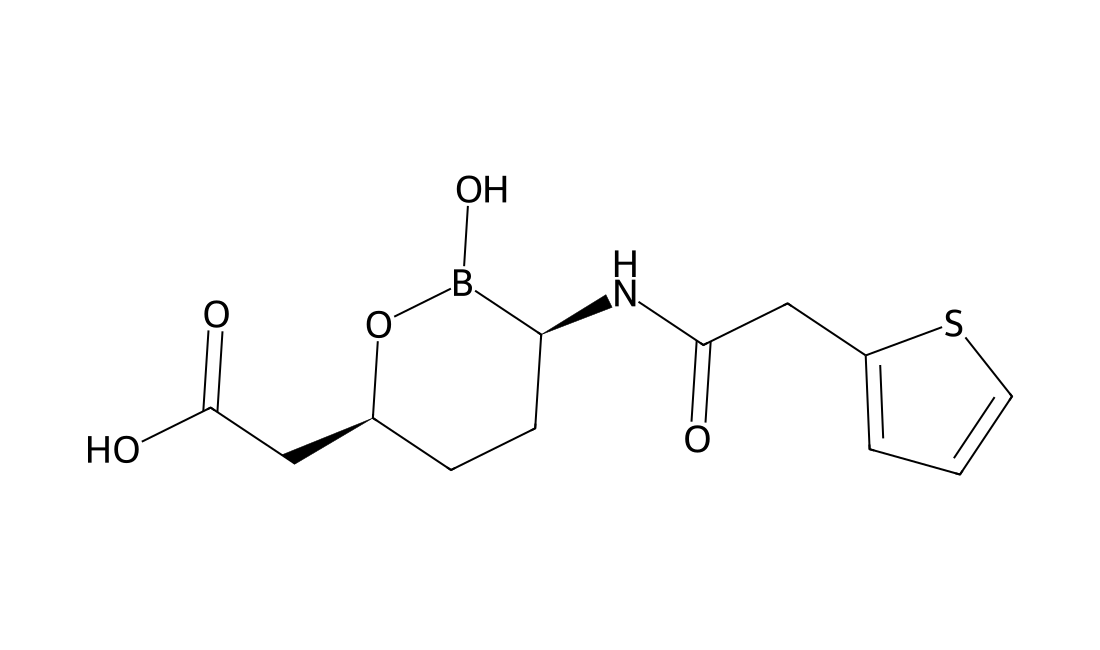
Vaborbactam

CAS 1360457-46-0

Vaborbactam is a broad spectrum of inhibition of β-lactamases, with particularly potent activity against KPC, CTX-M, SHV, and CMY enzymes. Vaborbactam restores meropenem activity for 72.7 to 98.1% of CPE isolates at ≤2 μg/mL, and maximum potentiation is achieved with fixed concentrations of ≥8 μg/mL of the inhibitor (≥96.5% of isolates are inhibited at ≤2 μg/mL of meropenem-vaborbactam). Meropenem-vaborbactam with a fixed concentration of 8 μg/mL of the inhibitor (MIC50, ≤0.06 μg/mL for all organisms) inhibits 93.7% of the CPE isolates displaying elevated meropenem MICs at ≤1 μg/mL. By forming a reversible dative bond with the blactamase, vaborbactam acts as a competitive inhibitor and is not hydrolyzed by the b-lactamase.Vaborbactam is well tolerated and has a half-life of 1.23 h, and steadystate volume of distribution of 21.0 L in subjects.

Vaborbactam chemical structure
DC4167

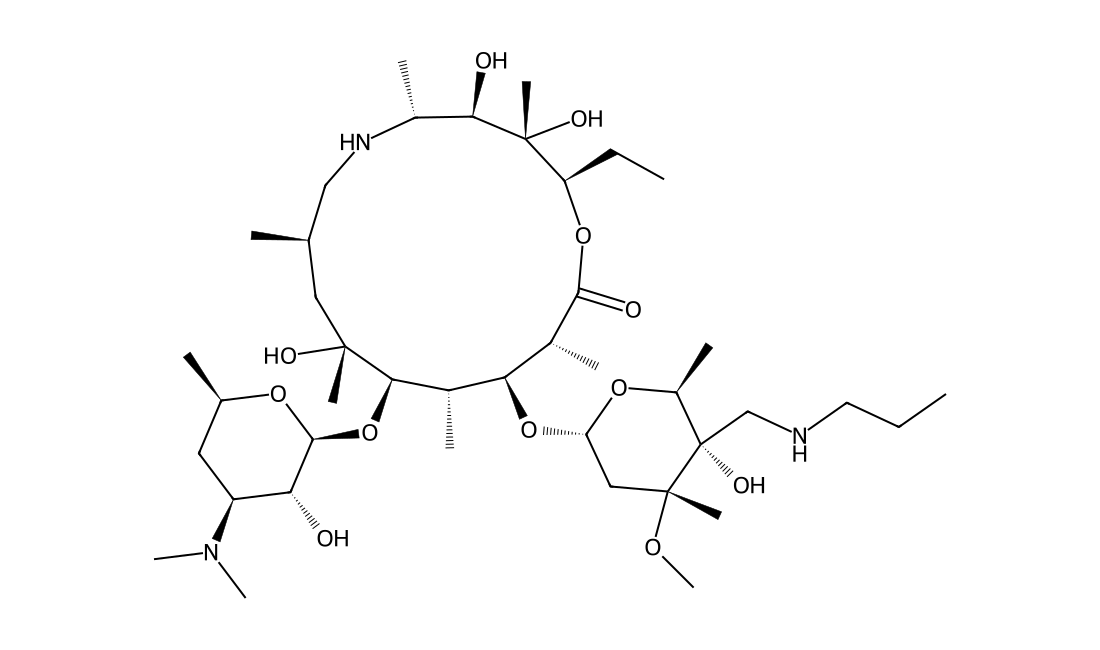
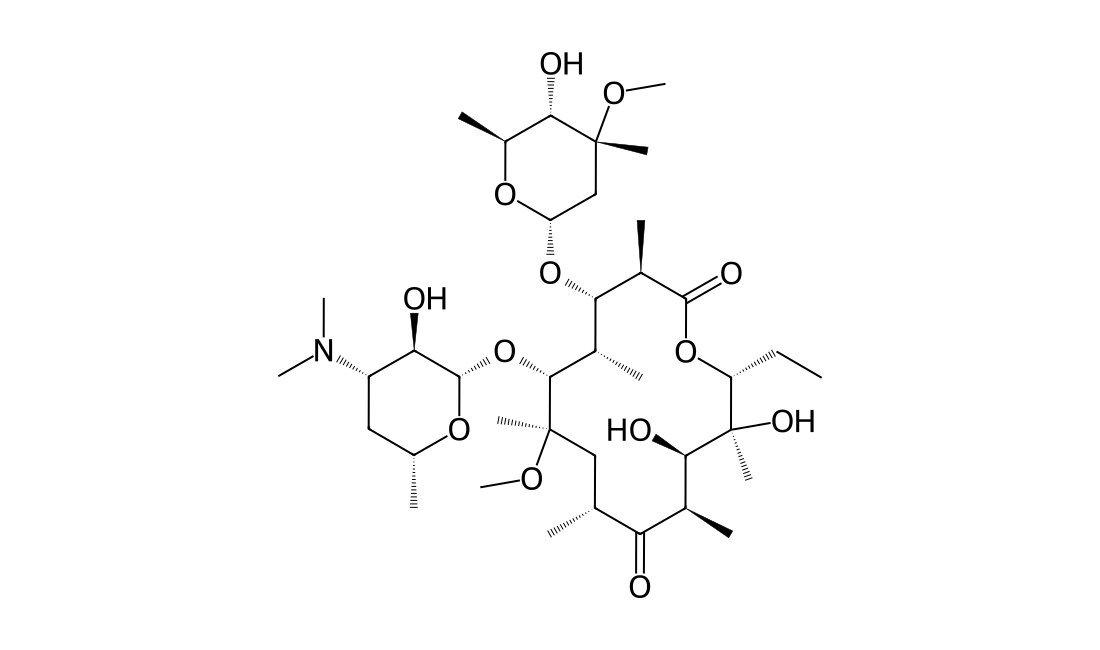
Tulathromycin A

CAS 217500-96-4

Tulathromycin is a new semi-synthetic member of the macrolide group of antibiotics that is recommended for treatment and prevention of bacterial respiratory disease in cattle and pigs.

Tulathromycin A chemical structure
DC8924

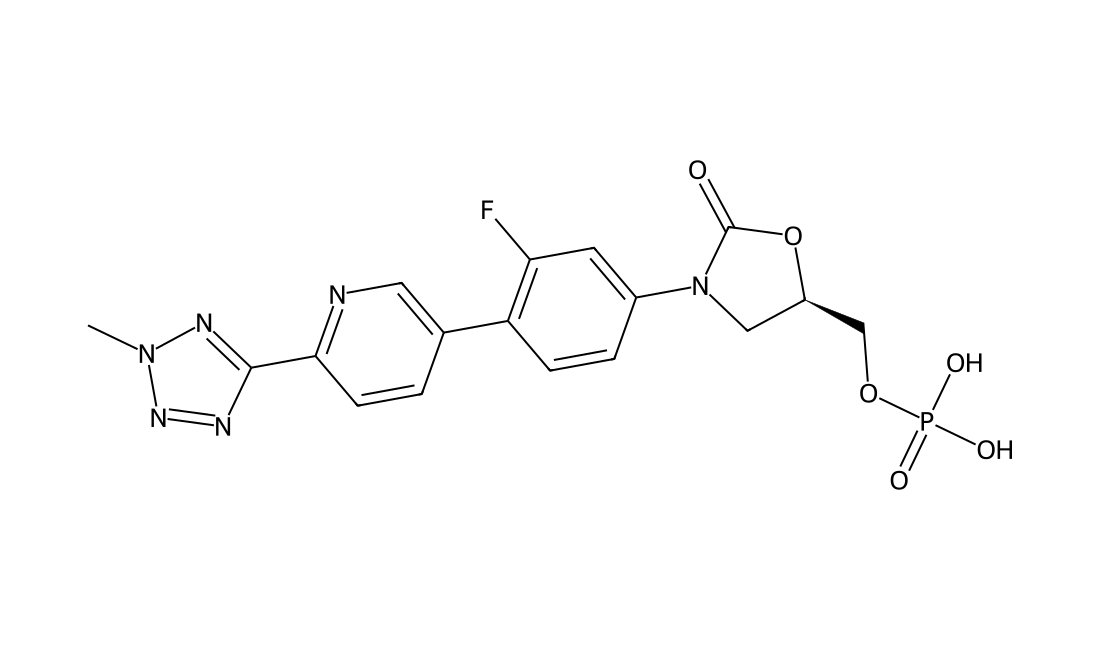
Torezolid phosphate

CAS 856867-55-5

Torezolid phosphate is a novel oxazolidinone for gram-positive infections, has an IC50 of 8.7 μM and 5.7 μM for monoamine oxidase (MAO)-A and MAO-B, respectively.

Torezolid phosphate chemical structure
DC8656

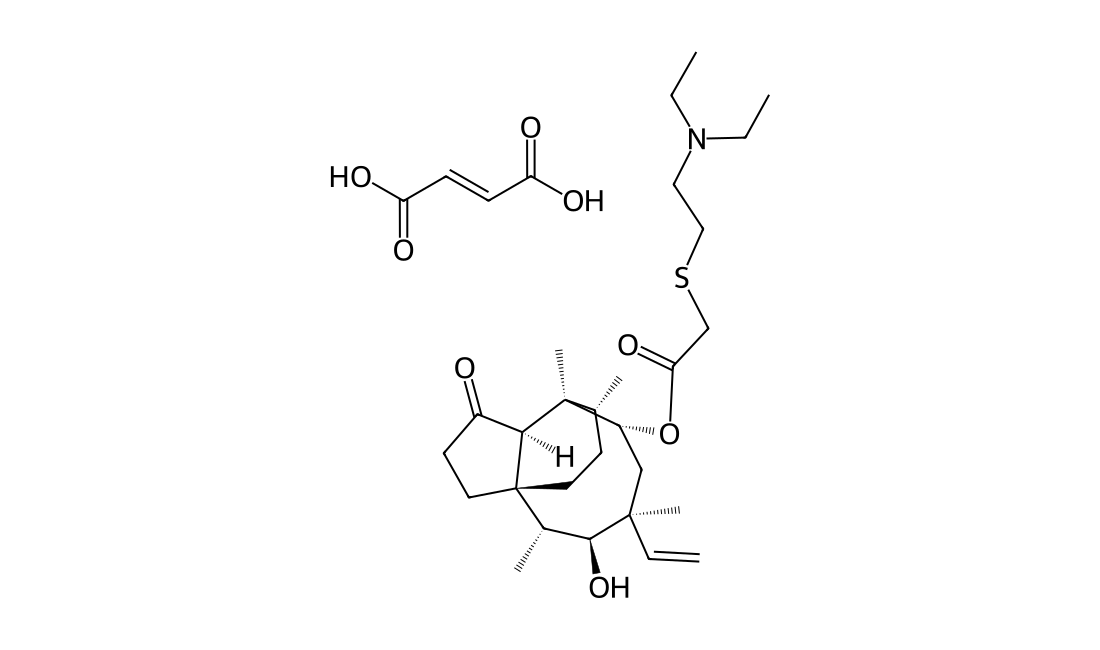
Tiamulin fumarate

CAS 55297-96-6

Tiamulin is a diterpenic veterinary drug widely used in swine for the control of infectious diseases, including swine dysentery and enzootic pneumonia.

Tiamulin fumarate chemical structure
DC8926

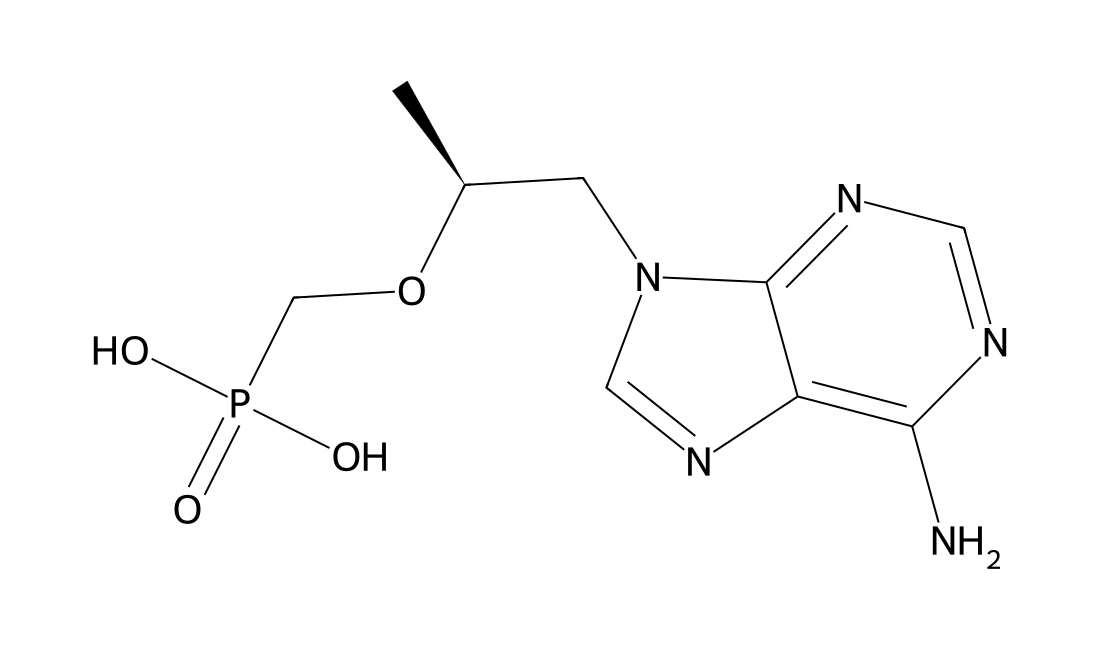
Tenofovir

CAS 147127-20-6

Tenofovir(GS 1278, PMPA) is an antiretroviral drug known as nucleotide analogue reverse transcriptase inhibitors (NRTIs), which block reverse transcriptase, a crucial virus enzyme in HIV-1 and HBV.

Tenofovir chemical structure
DC7940

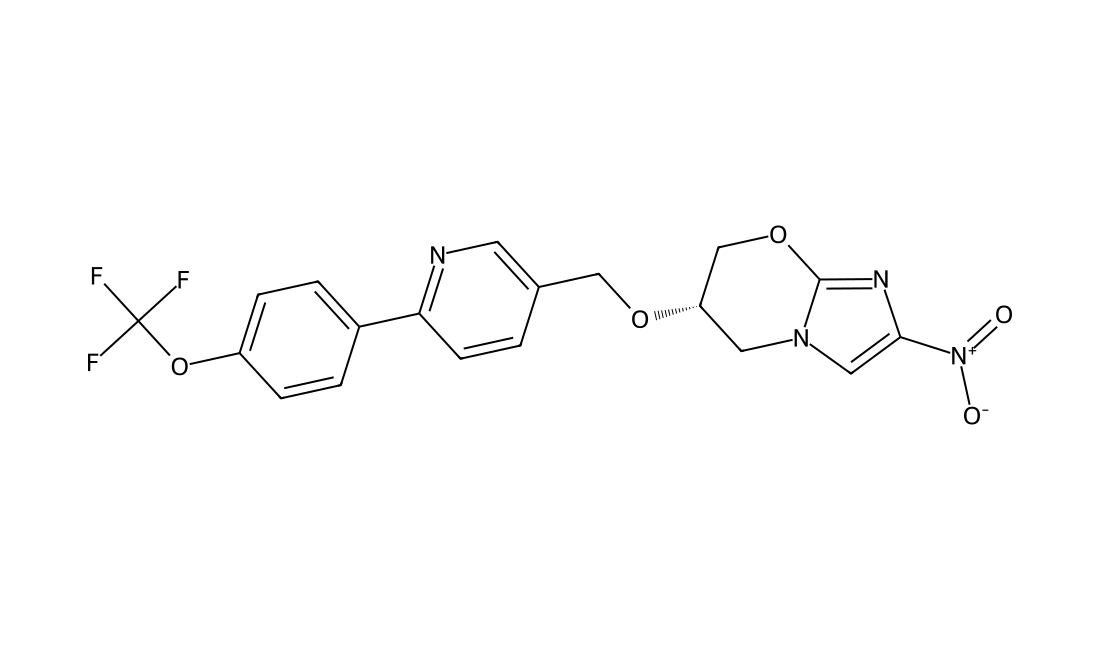
TBA-354

CAS 1257426-19-9

TBA-354 is narrow spectrum and bactericidal in vitro against replicating and nonreplicating Mycobacterium tuberculosis, with potency similar to that of delamanid and greater than that of PA-824. TBA-354 maintains activity against Mycobacterium tuberculosis H37Rv isogenic monoresistant strains and clinical drug-sensitive and drug-resistant isolates . TBA-354 is 5 to 10 times more potent than PA-824, but selected mutants are cross-resistant to PA-824 and delamanid. TBA-354 is 2 to 4 times more potent than PA-824 when combined with bedaquiline, and when administered at a dose equivalent to that of PA-824, TBA-354 demonstrated superior sterilizing efficacy For the detailed information of TBA-354 , the solubility of TBA-354 in water, the solubility of TBA-354 in DMSO, the solubility of TBA-354 in PBS buffer, the animal experiment (test) of TBA-354 , the cell expriment (test) of TBA-354 , the in vivo, in vitro and clinical trial test of TBA-354 , the EC50, IC50,and affinity,of TBA-354 , Please contact DC Chemicals.

TBA-354 chemical structure
DC9864

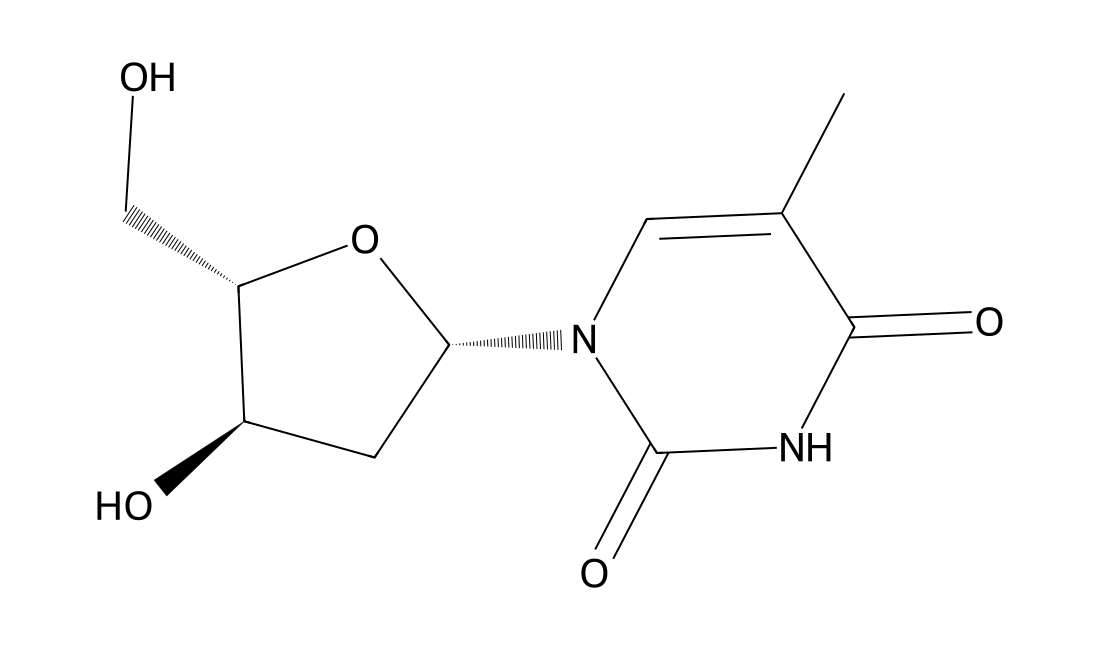
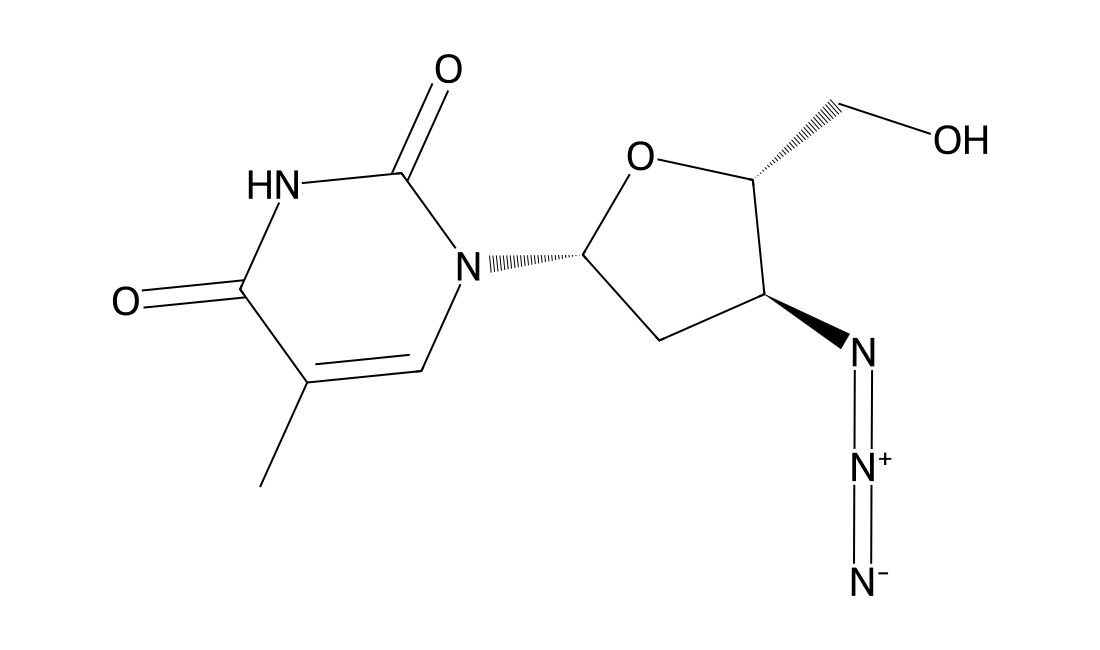
Azidothymidine (AZT)

CAS 30516-87-1

Selective reverse transcriptase inhibitor. Exhibits 100-fold selectivity for HIV reverse transcriptase over DNA polymerase α. Suppresses HIV-1 replication and enhances cell viability in HIV-1 infected T cells. Attenuates growth of multiple myeloma (MM) cells in vitro and reduces growth of MM tumor xenografts in mice. Orally bioavailable and brain penetrant. Antiretroviral agent. Also decreases CRISPR-mediated homology directed repair (HDR) efficiency.

Azidothymidine (AZT) chemical structure
DC23909

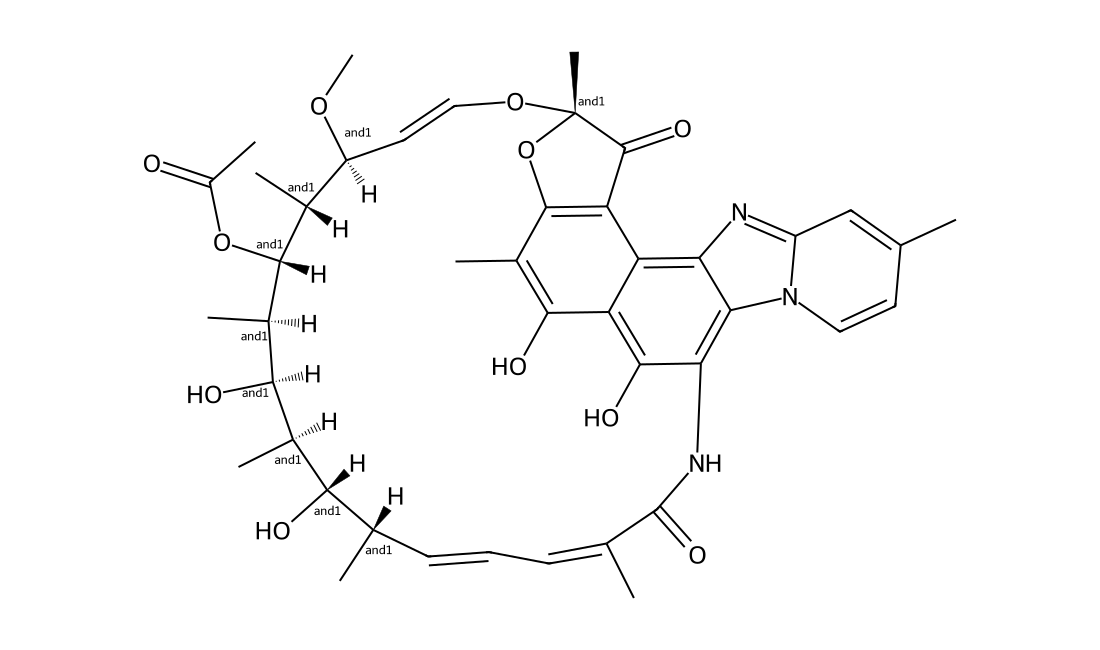
Rifaximin

CAS 80621-81-4

Rifaximin is an oral, semi-synthetic antibiotic derived from Rifamycin SV with antibacterial activity, interferes with transcription by binding to the β-subunit of bacterial RNA polymerase; Rifaximin is widely used to treat traveler's diarrhea, irritable bowel syndrome, and hepatic encephalopathy.Bacterial InfectionApproved

Rifaximin chemical structure
DC9656

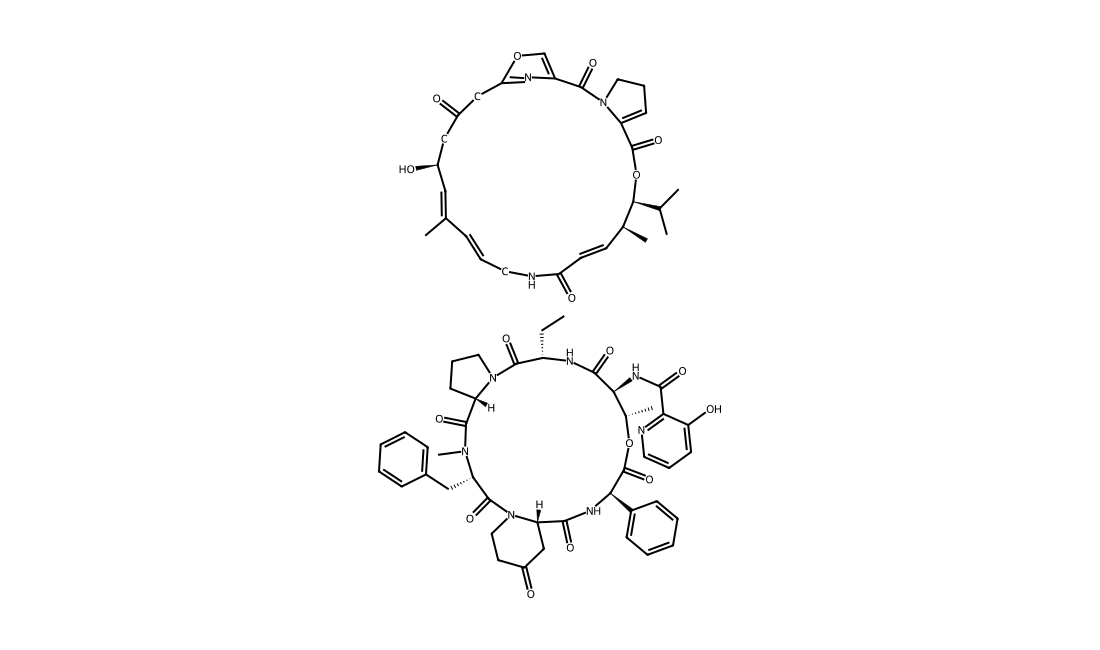
Pristinamycin

CAS 11006-76-1

Pristinamycin is an antibiotic used primarily in the treatment of staphylococcal infections, and to a lesser extent streptococcal infections.

Pristinamycin chemical structure
DC11335

Ombitasvir

CAS 1258226-87-7

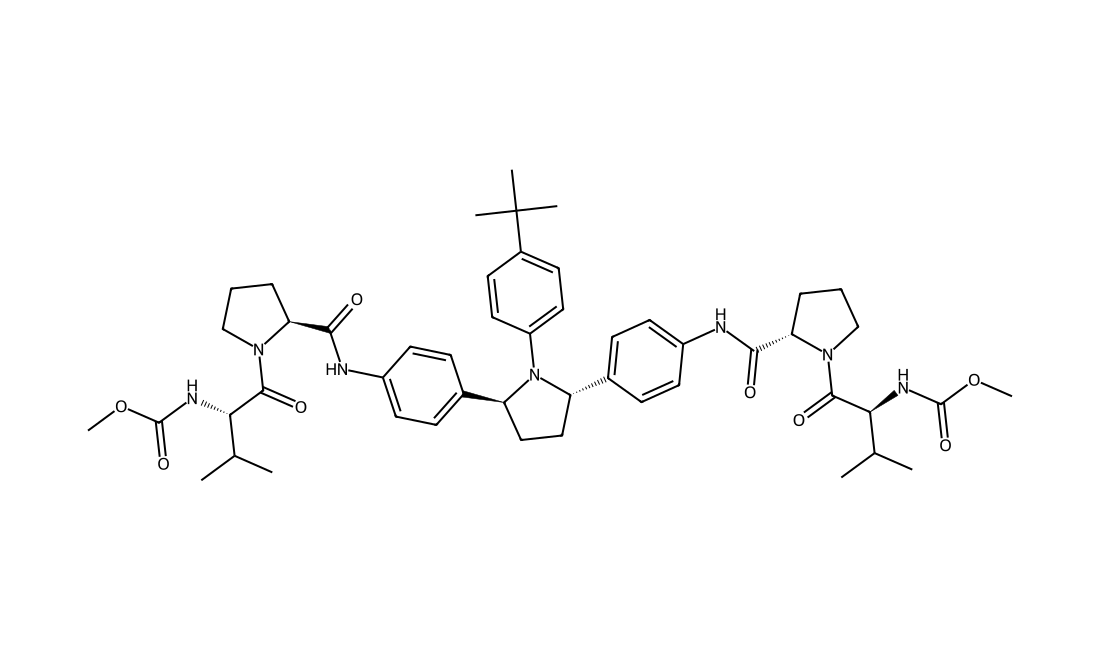
Ombitasvir is an orally bioavailable and potent inhibitor of the hepatitis C virus (HCV) non-structural protein 5A (NS5A).It reduces HCV replication in stable replicon cell lines with EC50 values ranging from 0.82 to 19.3 pM against genotypes 1a, 1b, 2a, 2b, 3a, 4a, and 5a and an EC50 value of 366 pM for genotype 6a.Against subgenomic replicons from clinical isolates of genotypes 1a-6a expressed in Huh-7 derived cells, ombitasvir inhibits HCV replication with EC50 values ranging from 0.1 pM for genotype 4a to 68 pM for genotype 6a.Formulations containing ombitasvir have been used in the treatment of HCV genotypes 1 and 4.

Ombitasvir chemical structure
DC44013

(Rac)-X77

CAS 2144491-78-9

(Rac)-X77 is a racemate of X77. X77 is a potent non-covalent inhibitor of the main protease of SARS-CoV-2 (SARS-CoV-2 Mpro). X77 binds to SARS-CoV-2 Mpro with a Kd value of 0.057 μM.

(Rac)-X77 chemical structure
DC7352

ABT-333

CAS 1132935-63-7

Dasabuvir (ABT-333) is a nonnucleoside inhibitor of the RNA-dependent RNA polymerase encoded by the HCV NS5B gene, inhibits recombinant NS5B polymerases derived from HCV genotype 1a and 1b clinical isolates, with IC50 between 2.2 and 10.7 nM.

ABT-333 chemical structure
DC12324

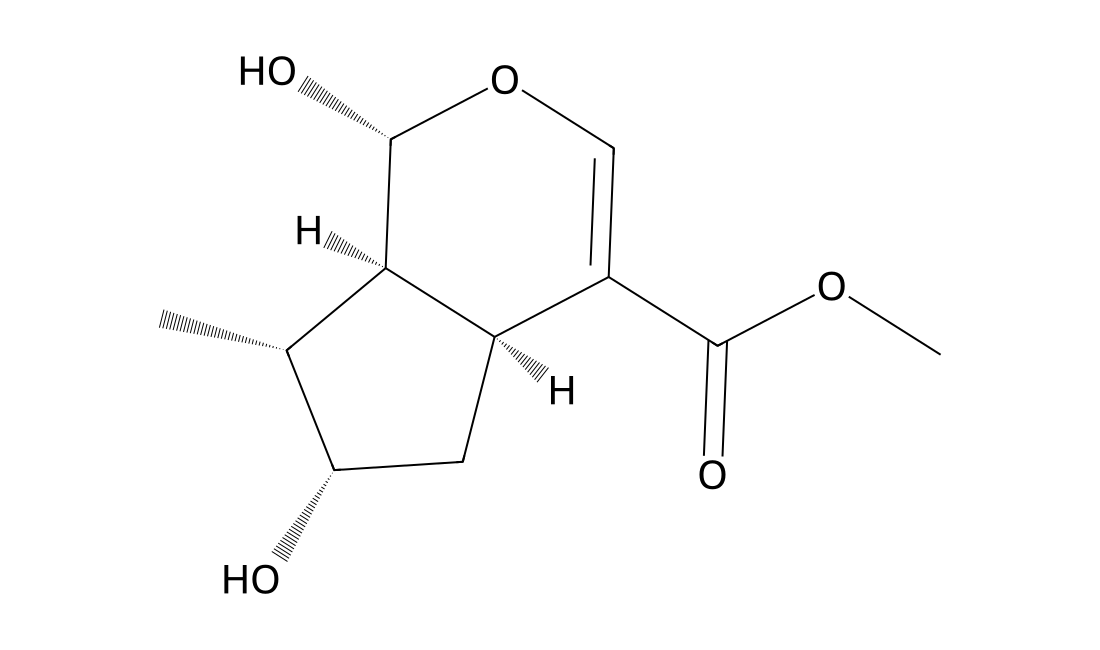
Loganetin

CAS 29748-10-5

In Vitro Although Loganetin does not possess antibacterial activity of its own, but in combination, it appreciably reduces the minimum inhibitory concentration (MIC) of nalidixic acid (NA) against nalidixic acid resistant (NAREC) and nalidixic acid sensitive (NASEC) strains of Escherichia coli. Loganetin, a very common, inexpensive, and non-toxic natural product may finds its application in the antibacterial drug development for treating multidrug-resistant Gram negative infections.

Loganetin chemical structure
DC10216

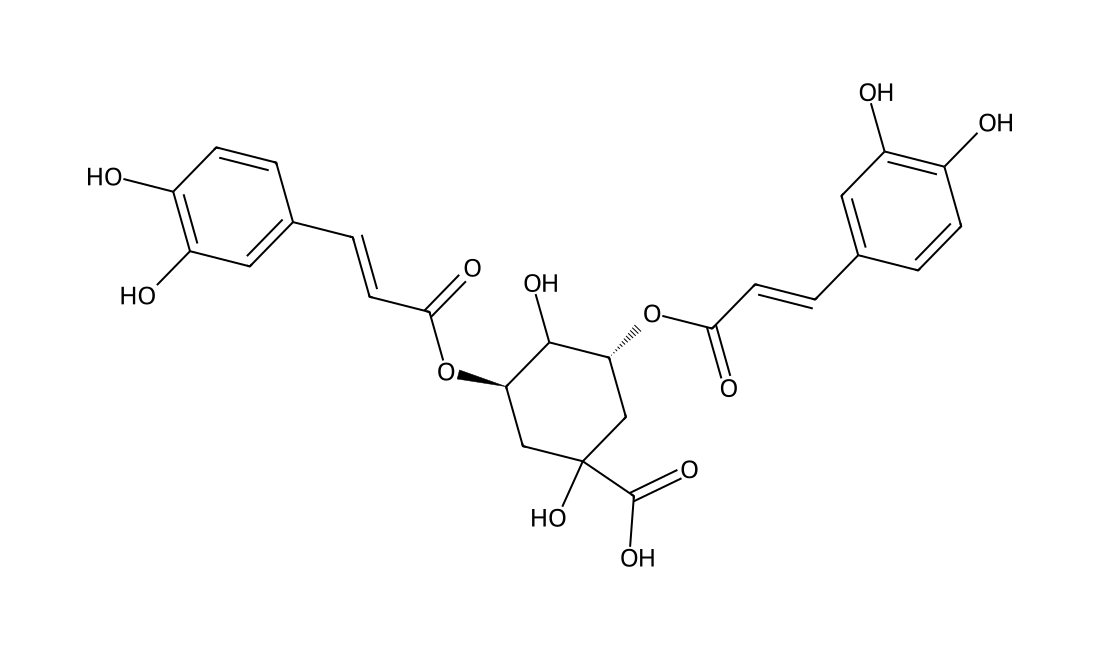
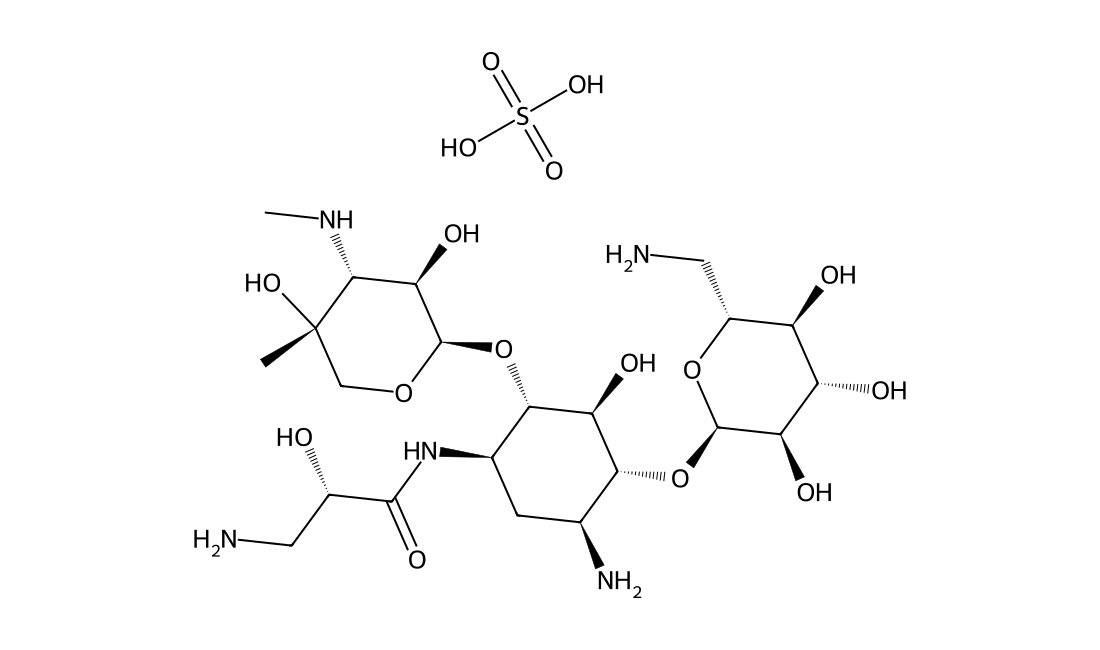
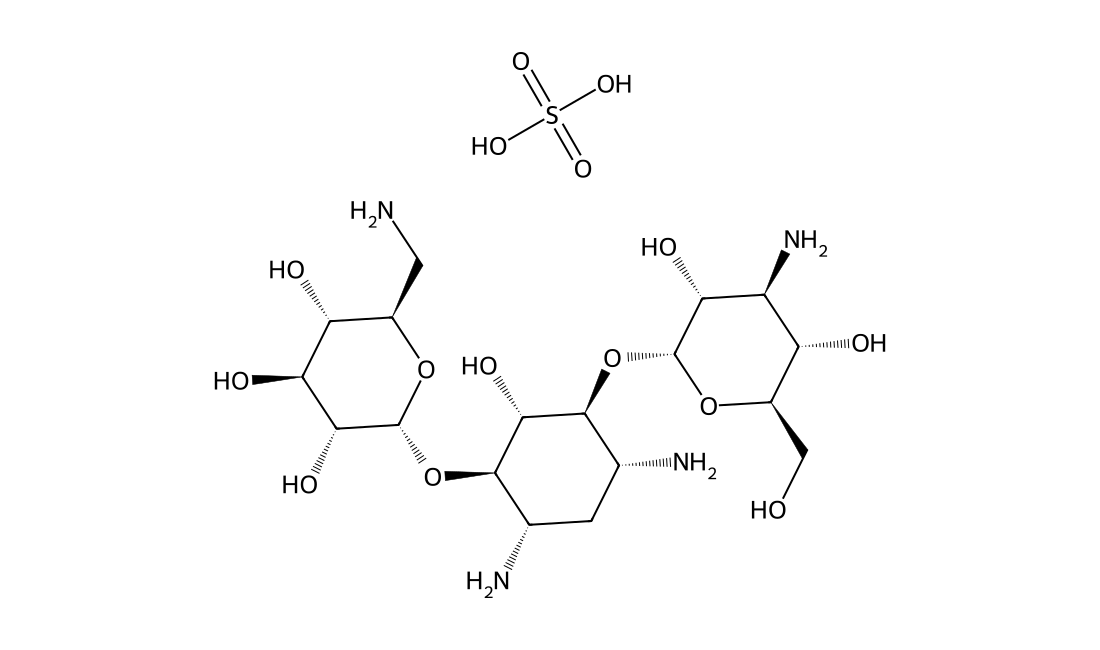
Kanamycin sulfate

CAS 25389-94-0

Kanamycin sulfate(Kanamycin monosulfate) is an aminoglycoside antibiotic, available in oral, intravenous, and intramuscular forms, and used to treat a wide variety of infections.

Kanamycin sulfate chemical structure
DC10240

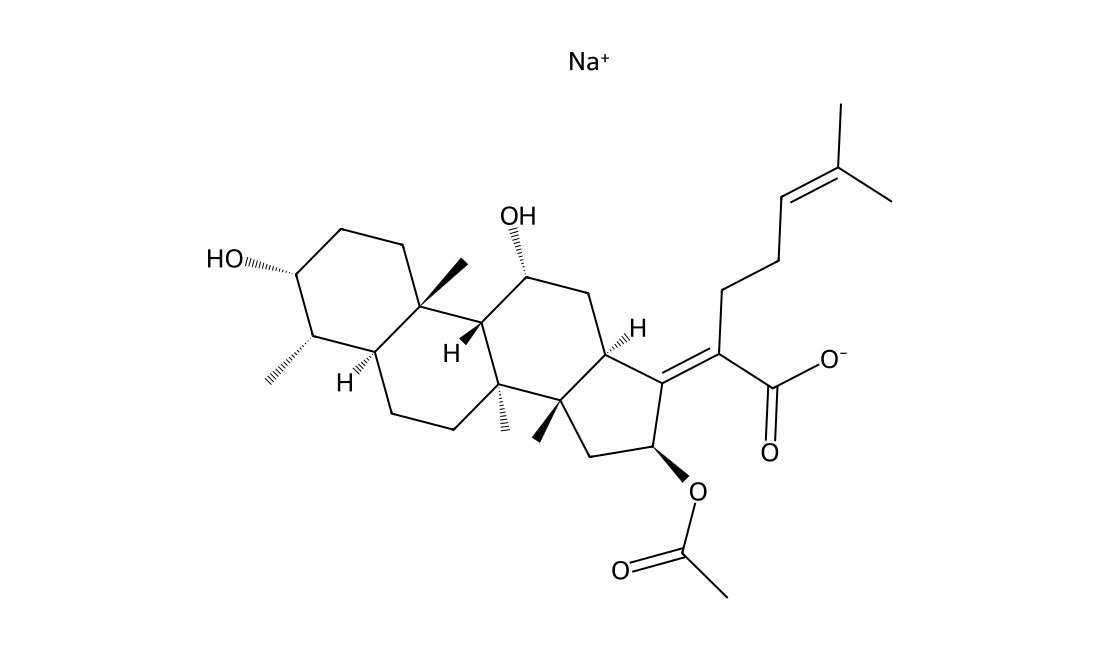
Fusidate Sodium

CAS 751-94-0

Fusidate Sodium is a sodium salt form of fusidic acid, a bacteriostatic antibiotic derived from the fungus Fusidium coccineum and used as a topical medication to treat skin infections.

Fusidate Sodium chemical structure
DC9350

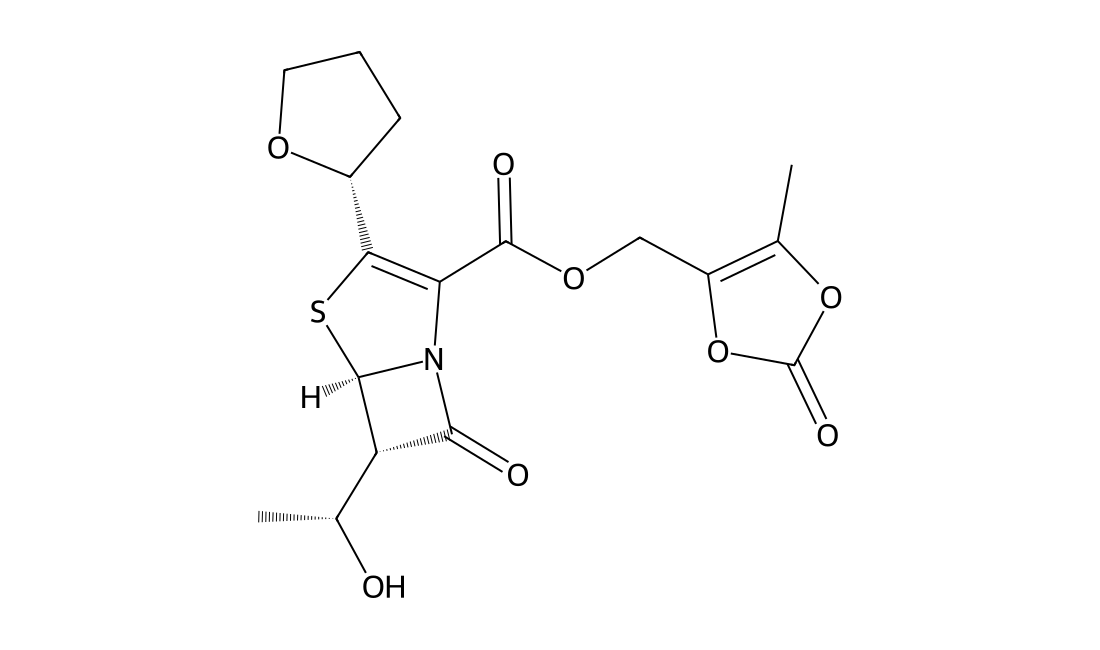
Faropenem daloxate

CAS 141702-36-5

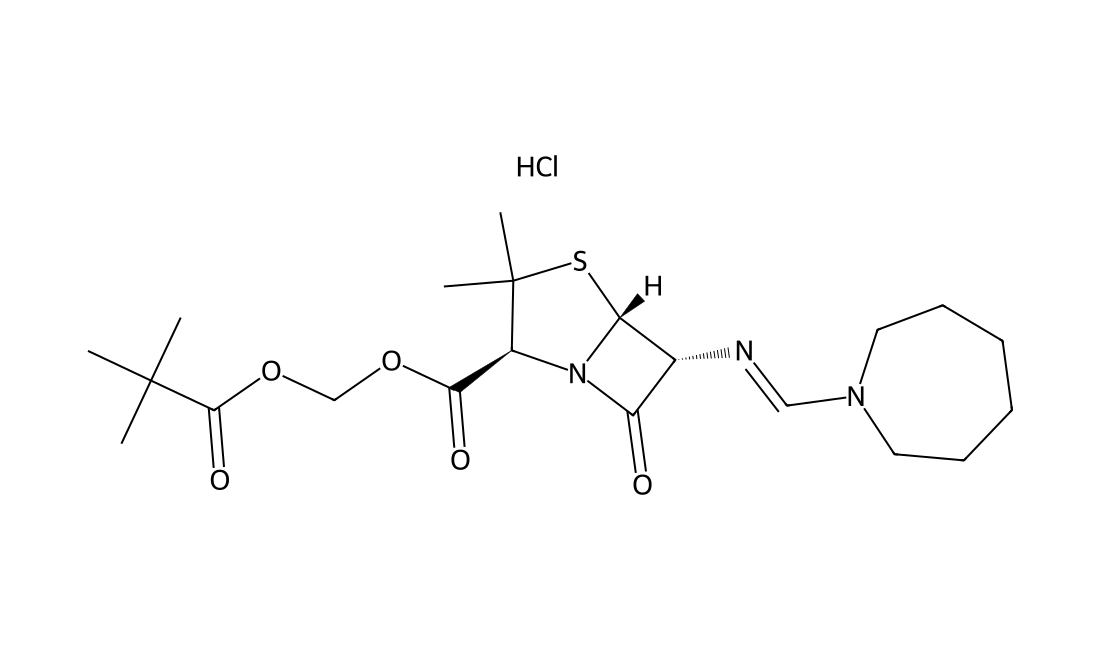
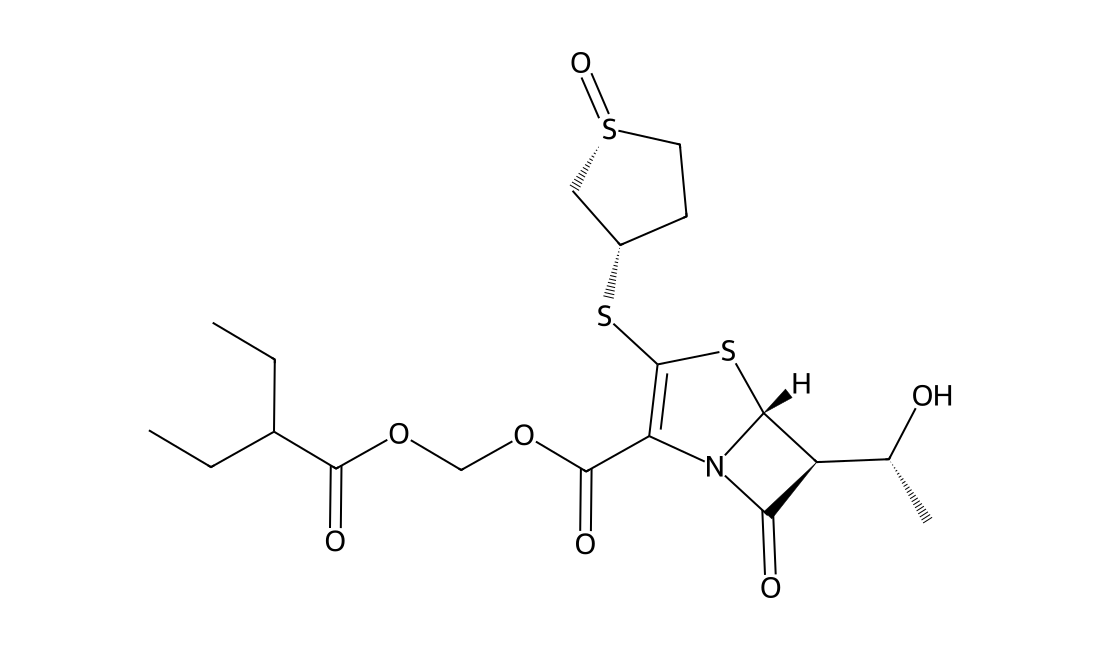
Faropenem daloxate is the first oral penem in a new class of beta-lactam antibiotics. Faropenem daloxate is useful for penem and antibiotics. Faropenem medoxomil has excellent in vitro activity against Streptococcus pneumoniae, Haemophilus influenzae and other key pathogens implicated in acute bacterial rhinosinusitis. Clinical studies have demonstrated that, in the treatment of acute bacterial rhinosinusitis in adults, 7 days of treatment with faropenem medoxomil is as clinically and bacteriologically effective as 10 days of treatment with cefuroxime axetil. One study showed faropenem medoxomil to be superior to cefuroxime axetil. Overall, the safety profile of faropenem medoxomil is similar to that of most comparators.

Faropenem daloxate chemical structure
DC9481

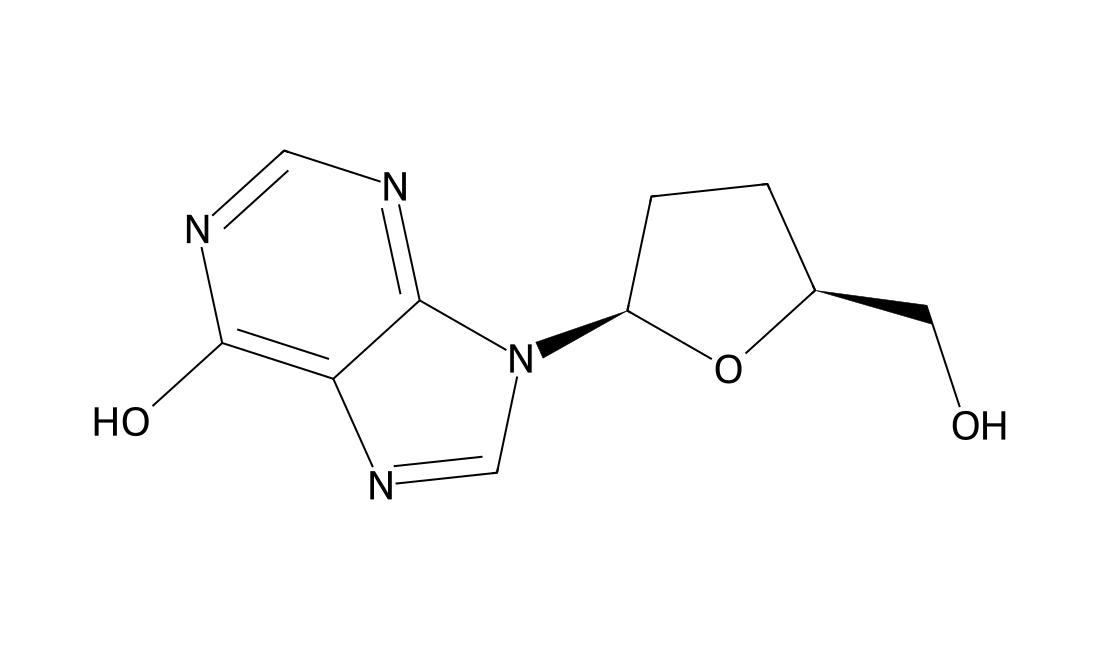
Didanosine

CAS 69655-05-6

Didanosine(Videx) is a reverse transcriptase inhibitor with an IC50 of 0.49 μM. Didanosine is a dideoxynucleoside compound in which the 3'-hydroxy group on the sugar moiety has been replaced by a hydrogen. This modification prevents the formation of phosphodiester linkages which are needed for the completion of nucleic acid chains. Didanosine is a potent inhibitor of HIV replication, acting as a chain-terminator of viral DNA by binding to reverse transcriptase. Didanosine demonstrated linear pharmacokinetic behavior over the dose ranges of 0.4 to 16.5 mg/kg intravenously and 0.8 to 10.2 mg/kg orally. Bioavailability of didanosine when administered as a solution with an antacid was approximately 43% for doses from 0.8 to 10.2 mg/kg in patients with AIDS and advanced AIDS-related complex. Bioavailability of didanosine from the citrate-phosphate-buffered solution, the formulation currently used in phase II and expanded access studies, was comparable to the formulation used in the phase I trials. ddI might be responsible for fulminant hepatitis in all three AIDS patients. This toxic effect may be added to the list of potential adverse events occurring during ddI therapy.

Didanosine chemical structure
DC11374

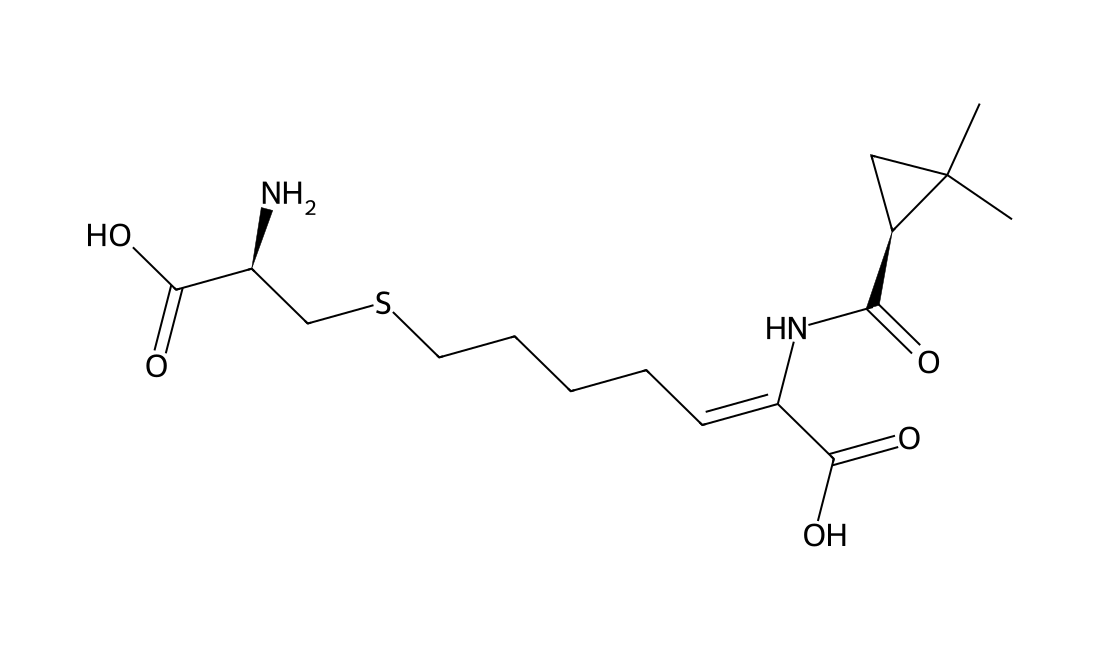
Cilastatin

CAS 82009-34-5

Cilastatin is an inhibitor of dipeptidase (dehydropeptidase I), a renal dipeptidase.It inhibits human renal dipeptidase (Ki = 0.7 μM), porcine dipeptidase (IC50 = 0.11 μM), and bacterial metallo-β-lactamase CphA from A. hydrophila (IC50 = 178 μM).Cilastatin (200 μg/ml) protects primary porcine renal proximal tubular epithelial cells from nephrotoxicity and apoptosis induced by vancomycin.In a mouse model of systemic infection, cilastatin in combination with imipenem (Item No. 16039) protects mice from S. aureus, E. coli, and P. aeruginosa infection.Cilastatin was designed to inhibit renal metabolism of imipenem and prolong its half-life.Formulations containing cilastatin in combination with imipenem have been used to treat susceptible bacterial infections.

Cilastatin chemical structure
Browse target & topic index A–Z (366)
11β-HSD (1)15-PGDH (2)5-HT Receptor (16)Acetyl-CoA Carboxylase (ACC) (3)Acetylcholinesterase (AChE) (2)Ack1 (TNK2) (1)Acyltransferase (1)ADC Cytotoxin (6)ADCs Linker/Click Chemistry (5)Adenosine Receptor (9)Adenylate Cyclase (2)Adrenergic Receptor (11)Akt (12)Alcoholism (2)Aldehyde Dehydrogenase (ALDH) (6)Allergy (5)Alzheimer Disease (13)Aminopeptidase (1)AMPK (8)Amyloids (4)Anaplastic Lymphoma Kinase (ALK) (9)Androgen Receptor (AR) (11)Anemia (4)Angiotensin Receptor (4)Antibody/Protein labeling dyes (1)Antifolate (2)Anxiety (1)Apoptosis Inducer (3)Arginase (1)Arp2/3 complex (1)Aryl hydrocarbon Receptor (AhR) (1)Asthma (5)Atherosclerosis (2)ATM/ATR (8)Aurora Kinase (10)Autophagy (6)Autophagy-related Protein (Atg) (2)Autotaxin (2)Bacterial (26)Bacterial Infection (17)Bcl-2 (14)Bcr-Abl (5)BCRP (1)Beta-catenin (4)Beta-secretase (BACE) (4)Blood Cancer (91)BMI-1 (1)Bone Cancer (6)Brain Cancer (6)Breast Cancer (30)Bromodomain (22)BTK (10)c-Fms (CSF1R) (5)c-Fos/AP-1 (1)c-Kit (6)c-Met (HGFR) (11)c-Myc (2)Calcium Channel (4)Calcium-sensing Receptor (CaSR) (1)CaMK (4)Cannabinoid Receptor (6)Carbonic Anhydrase (1)Carboxypeptidase (1)Casein Kinase (6)Caspase (4)Cathepsin (6)Cdc2-like Kinase (CLK) (1)CETP (2)CFTR (7)Checkpoint Kinase (Chk) (8)Chemokine Receptor (CCR and CXCR) (14)Chemotherapeutic Agents (19)Chloride Channel (1)CMV (2)CMV Infection (2)Colon Cancer (9)Complement System (1)COPD (3)CREB/CBP (2)CRF Receptor (2)CRISPR/Cas9 (1)Cushing Disease (1)Cyclin-dependent Kinase (CDK) (39)Cyclooxygenase (COX) (4)Cytochrome P450 (CYPs) (5)Depression (2)Dermatitis (2)Deubiquitinase (DUB) (7)Diabetes (20)Dipeptidyl Peptidase (DPP) (3)Discoidin Domain Receptor (DDR) (1)DNA Alkylator/Crosslinker (10)DNA Methyltransferase (DNMT) (1)DNA Repair Protein (1)DNA-PK (2)DNA/RNA Synthesis (5)Dopamine beta-hydroxylase (1)Dopamine Receptor (7)Drug Metabolite (1)Drug-Linker Conjugates (11)Dyes (4)DYRK (1)Dyslipidemia (9)E3 Ligase Ligand (6)E3 Ligase Ligand-Linker Conjugate (1)E3 Ubiquitin Ligase (4)Ebola Virus Infection (1)EGFR (32)Elastase (2)Endothelin Receptor (5)Enzymes substrates (13)Epigenetic Reader Domain (3)Epilepsy (4)ERK (4)Estrogen Receptor/ERR (13)Eukaryotic Initiation Factor (eIF) (2)Exportin-1 (CRM1,XPO1) (2)FABP (1)Factor Xa (5)Farnesoid X Receptor (FXR) (5)Farnesyl transferase (FTase) (1)Ferroptosis (6)FGFR (15)Fibrosis (5)FLT3 (6)Focal Adhesion Kinase (FAK) (11)Foxo1 (1)Free Fatty Acid Receptor (FFAR) (5)Fungal (2)Fungal Infection (1)GABA Receptor (13)Galectin (1)Gastric Cancer (8)Ghrelin Receptor (GHSR) (3)Glucagon Receptor (4)Glucokinase (2)Glucose Transporter (GLUT) (2)Glutamate Transporter (2)GPCR (1)GPER (GPR30) (1)GPR139 (1)GPR183 (EBI2) (2)GPR39 (1)GPR55 (1)GPR84 (1)GRK (GPCRK) (2)Growth Hormone Deficiency (2)GSK-3 (8)Guanylate Cyclase (3)HBV (1)HBV Infection (1)HCN Channel (2)HCV (8)HCV Infection (9)HDAC (38)Heart Arrhythmia (2)Heart Failure (5)Heat Shock Protein (HSP) (15)Hedgehog (Hh) (1)HIF/HIF Prolyl-hydroxylase (8)Histamine Receptor (6)Histone Acetyltransferase (HAT) (5)Histone Demethylase (11)Histone Methyltransferase (HMTase) (31)HIV (12)HIV Infection (11)HMG-CoA Reductase (HMGCR) (3)HSV (1)HSV Infection (1)Hypercholesterolemia (1)Hyperparathyroidism (1)Hypertension (8)IAP (1)IGF-1R (3)iGluR (15)Indoleamine 2,3-Dioxygenase (IDO) (4)Infection (1)Influenza (6)Influenza Virus (6)Insulin Receptor (2)Integrin (6)Interleukin Receptor (1)IRAK (2)IRE1 (4)Irritable Bowel Syndrome (2)Ischemia (1)Isocitrate Dehydrogenase (IDH) (5)ITK (1)IκB kinase (IKK) (7)JAK (32)JNK (3)Keap1-Nrf2 (6)Kidney Cancer (10)Kinesin (5)Kruppel-like Factor (KLF) (1)Kynurenine 3-Monooxygenase (KMO) (1)Leukotriene Receptor (1)LIM Kinase (LIMK) (3)Lipids fragment (1)Liver Cancer (6)Liver X Receptor (LXR) (3)LRRK2 (9)Lung Cancer (39)Lysophospholipid Receptor (12)LYTACs (3)mAChR (9)MALT1 (2)MAP4K (1)Matrix Metalloproteinase (MMP) (10)MDM2-p53 (9)MEK (MAP2K) (14)MEKK (MAP3K) (1)Melanocortin Receptor (2)MELK (1)mGluR (7)MicroRNA (1)Microtubule/Tubulin (5)Mineralocorticoid Receptor (MLR) (1)MITF (1)Mixed Lineage Kinase (MLK) (3)MNK (2)Molecular Glues (13)Monoamine Transporter (5)Monocarboxylate Transporter (MCT) (1)Monopolar Spindle 1 (Mps1/TTK) (3)mTOR (13)Multiple Sclerosis (6)Myosin (1)Na-K-Cl Cotransporter (NKCC) (2)nAChR (2)NADPH Oxidase (NOX) (2)NAMPT (3)Natural products (37)Neprilysin (1)Neurokinin Receptor (3)Neuropeptide Y Receptor (3)NF-κB (5)Nitric Oxide Synthase (NOS) (1)NOD-like Receptor (NLR) (3)Notch (2)Nucleoside Antimetabolite/Analog (10)Nur77 (NR4A1) (1)Obesity (1)Oct3/4 (1)Opioid Receptor (5)Orexin Receptor (7)Osteoporosis (2)Ovarian Cancer (14)Oxytocin Receptor (OXTR) (2)P-glycoprotein (P-gp) (3)p21-activated Kinase (PAK) (1)P2X Receptor (2)P2Y Receptor (1)p38 MAPK (10)p97/VCP (1)Pain (12)Pancreatic Cancer (10)Parasite (5)Parasite Infection (2)Parkinson Disease (2)PARP (19)PCSK9 (1)PD-1/PD-L1 (4)PDGFR (4)PDK1 (2)PEGn (1)PERK (2)PGE synthase (2)Phosphodiesterase (PDE) (9)Phospholipase (4)PI3K (32)PI4K (2)Piezo Channel (1)PIKfyve (3)Pim (9)PKC (12)PKD (1)Plasminogen Activator Inhibitor-1 (PAI-1) (3)Polo-like Kinase (PLK) (4)Porcupine (3)Potassium Channel (13)PPAR (13)Pregnane X Receptor (PXR) (1)Progesterone Receptor (2)Prostaglandin Receptor (11)Prostate Cancer (7)PROTACs (35)Protease-activated Receptor (PAR) (3)Proteasome (12)Protein Disulfide Isomerase (PDI) (1)Protein Phosphatase/PTP (6)Proton Pump (1)Psoriasis (5)RAD51 (1)Radioligand precursors (15)Raf (18)RAR/RXR (3)Ras (17)Renin (2)RET Tyrosine Kinase (c-RET) (3)Rheumatoid Arthritis (16)Ribosomal S6 Kinase (RSK) (5)RIG-I-like Receptor (RLR) (2)RIP kinase (7)ROCK (12)ROR (2)RSV (4)RSV Infection (3)RUNX1-CBFβ (1)S-nitrosoglutathione reductase (GSNOR) (1)Saccharides and Glycosides (1)Salt Inducible Kinase (SIK) (2)SARS-CoV (16)SARS-CoV Infection (34)Schizophrenia (4)Sexual Dysfunction (1)SGLT (4)Sigma Receptor (4)Sirtuin (9)Skin Cancer (13)Sleep Disorder (7)SMN2 Modulator (1)Smoothened (Smo) (9)Sodium Channel (12)Solid Tumors (35)Somatostatin Receptor (2)Sphingosine kinase (SphK) (2)Src (7)STAT (5)Stearoyl-CoA Desaturase (SCD) (1)Steatohepatitis (7)Sterol lipids (1)STING (14)Syk (6)T Cell Receptor (TCR) (1)TAK1 (2)TAM Receptor (Tyro3-Axl-Mer) (4)Taste Receptor (1)Telomerase (2)TGF beta Receptor (TGFBR) (12)Thrombin (3)Thrombosis (13)Thyroid Cancer (1)Thyroid Hormone Receptor (THR) (1)Thyrotropin Receptor (2)TNIK (1)Toll-like Receptor (TLR) (2)TOPK (1)Topoisomerase (11)TRAIL (1)Translocator Protein (TSPO) (1)Trk Receptor (4)TRP Channel (13)Tryptophan Hydroxylase (TPH) (1)Ubiquitin-activating Enzyme (E1) (2)Ubiquitin-conjugating Enzyme (E2) (2)Ulcer (1)ULK (3)Vasopressin Receptor (2)VEGFR (25)Vitamin D Receptor (VDR) (3)Wee1 (1)WNK Kinase (1)Wnt (5)Yes-associated Protein (YAP) (4)γ-secretase (5)

Cart

Request quotation