Dapson
CAS 80-08-0
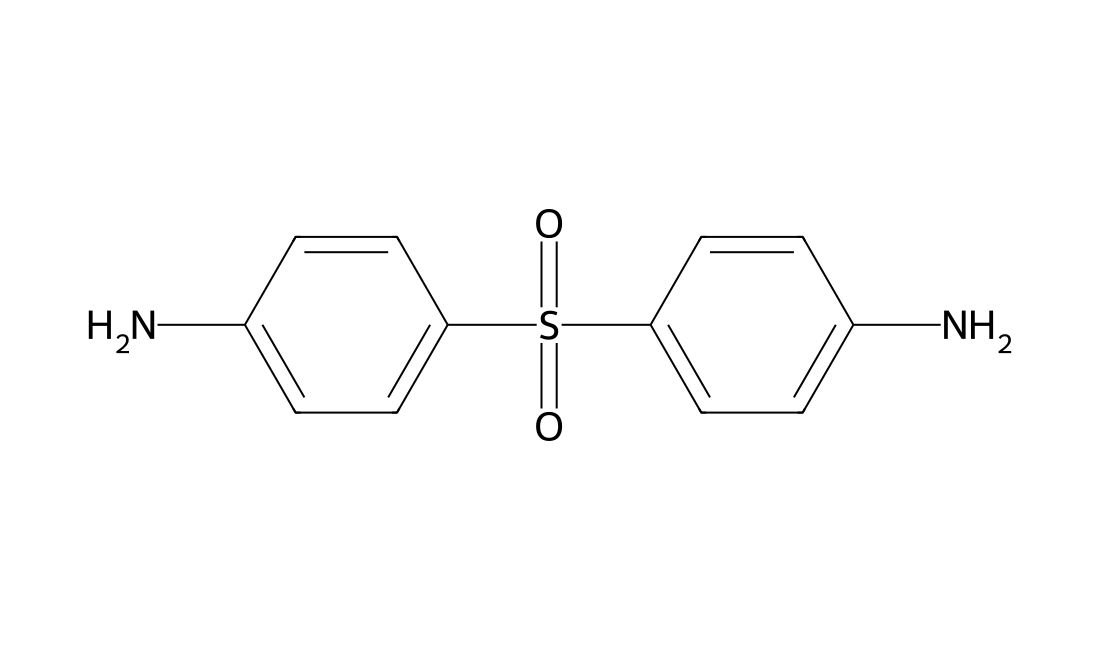
Dapsone, also known as diaminodiphenyl sulfone (DDS), is an antibiotic commonly used in combination with rifampicin and clofazimine for the treatment of leprosy.

Antibacterial, antiviral, antifungal and antiparasitic research tools.
Products may appear in more than one category. Counts refer to distinct catalog numbers within each category.
Other Research Tools (75) · Additional reagents, building blocks and specialized research tools.
Combine a keyword, research category and target to narrow the product list.
Loading catalog filters…
CAS 80-08-0
Dapsone, also known as diaminodiphenyl sulfone (DDS), is an antibiotic commonly used in combination with rifampicin and clofazimine for the treatment of leprosy.
CAS 193022-04-7
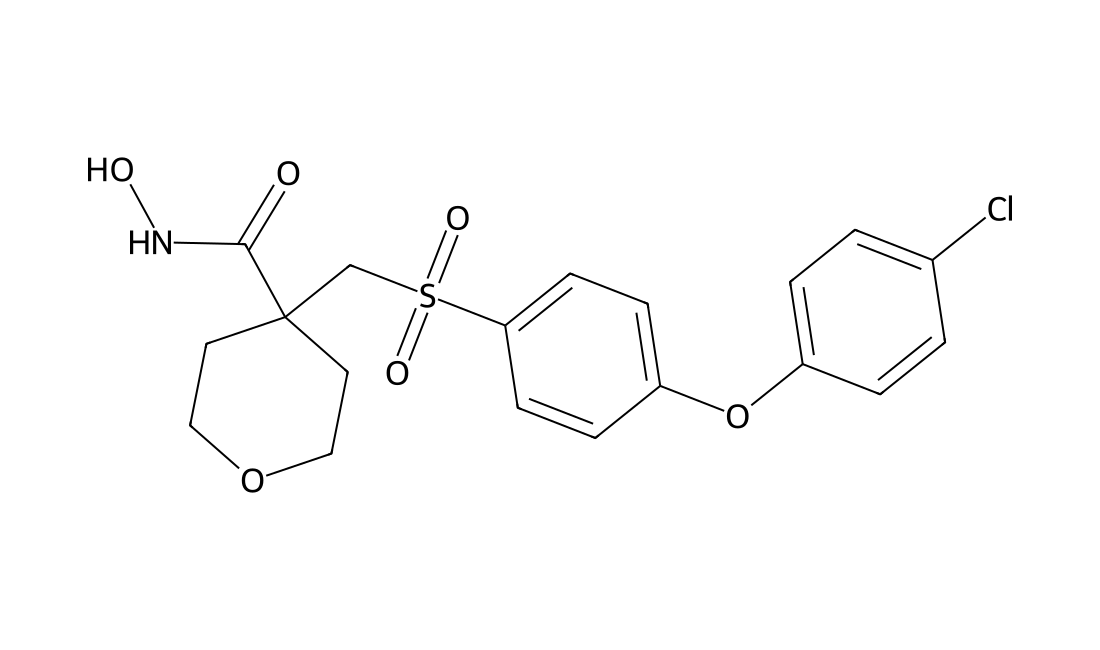
CTS-1027 is a potent small molecule inhibitor of MMPs(IC50=0.4 nM/0.6 nM for MMP2/MMP13); >1,000 fold selectivity over MMP1. CTS-1027 inhibits individual members of the MMP family that are believed to be important in inflammation and tissue damage. CTS-1027 was specifically designed, however, not to inhibit MMP 1, as inhibition of MMP 1 was believed to be associated with musculoskeletal side effects.
CAS 483-63-6
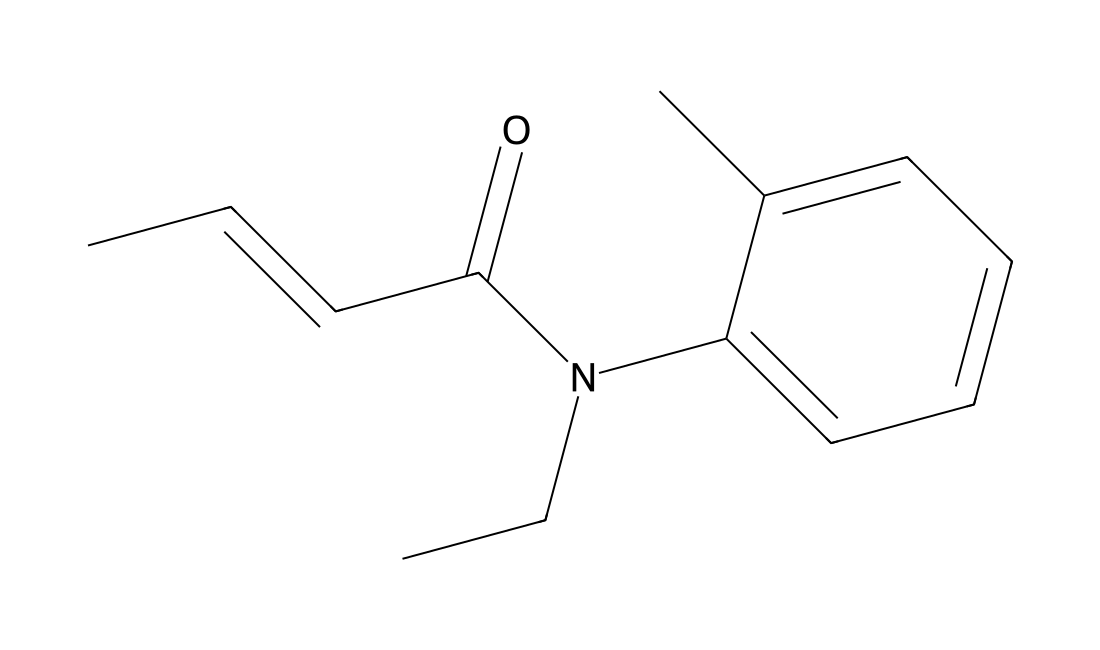
Crotamiton is a drug that is used both as a scabicidal (for treating scabies) and as a general antipruritic. It is a prescription lotion based medicine that is applied to the whole body to get rid of the scabies parasite.
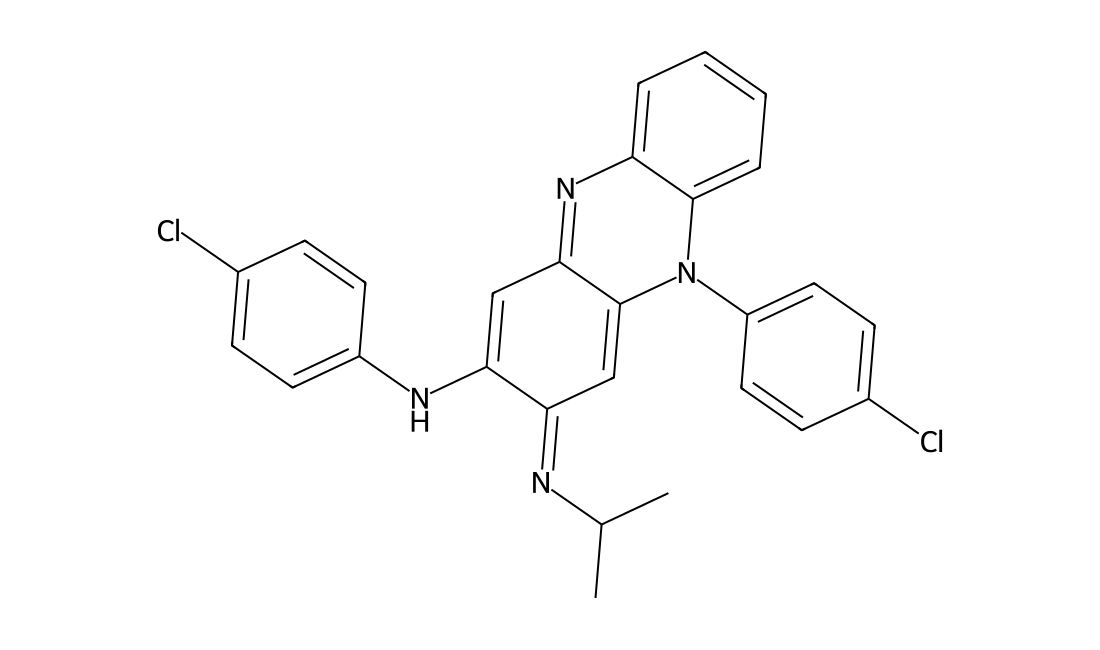
CAS 2030-63-9
Clofazimine is a fat-soluble iminophenazine dye, has a marked anti-inflammatory effect, has been used in combination with other antimycobacterial drugs to treat AIDS and Crohn's disease.
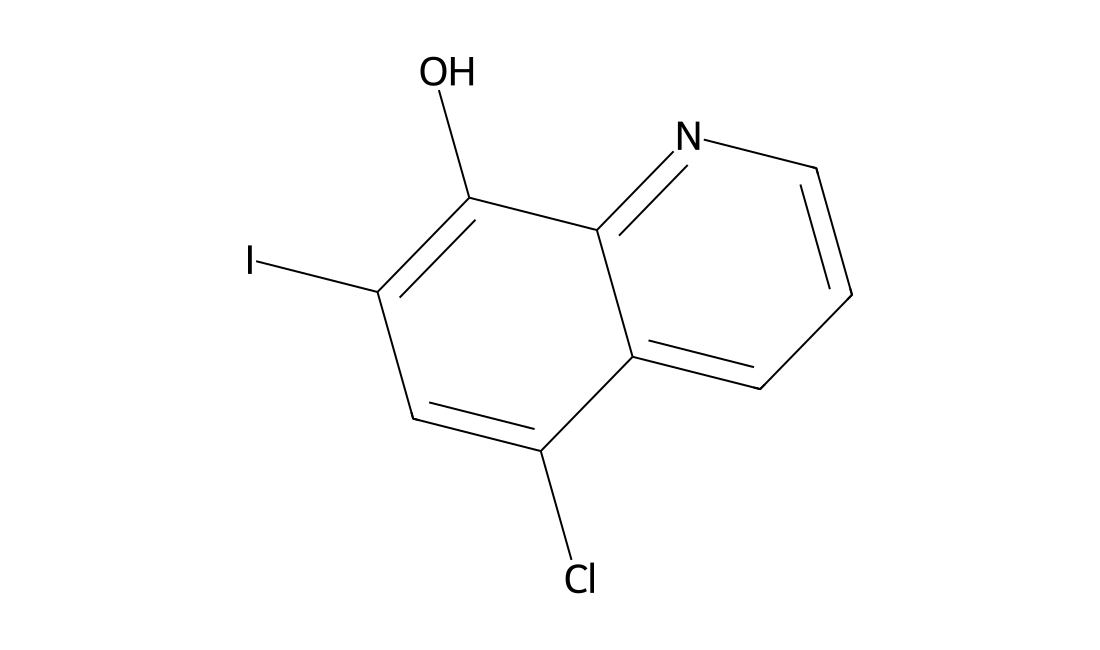
CAS 130-26-7
Clioquinol is an orally bioavailable, lipophilic, copper-binding, halogenated 8-hydroxyquinoline with antifungal, antiparasitic and potential antitumor activities.
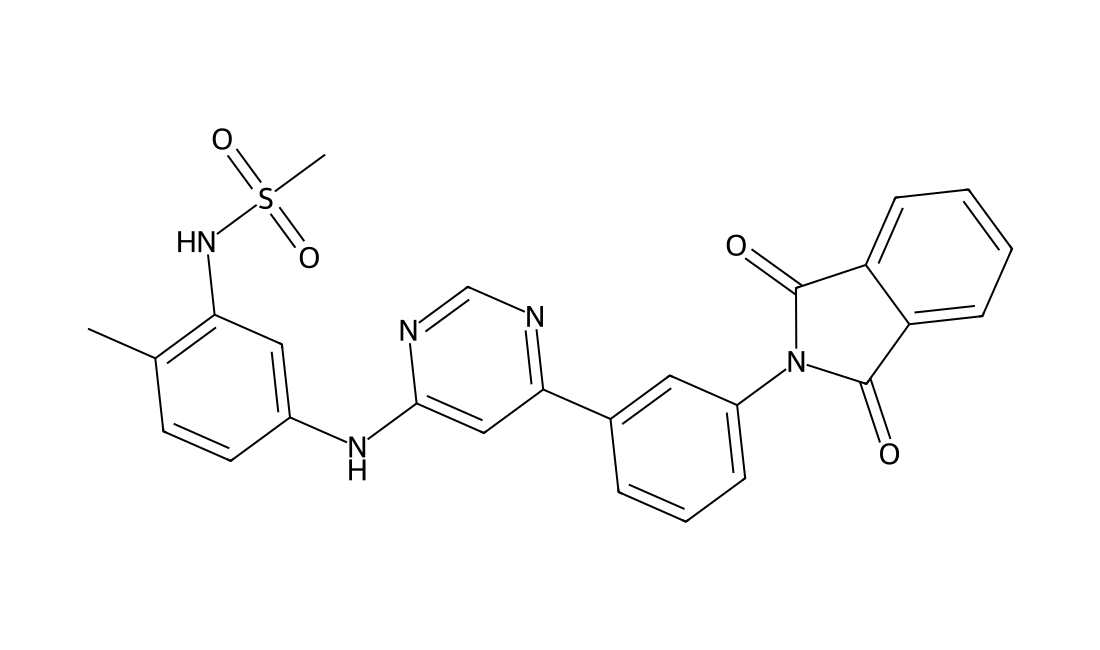
CAS 1415559-43-1
CDK9-IN-1 is a novel, selective CDK9 inhibitor for the treatment of HIV infection. Among CDKs, CDK9 is a validated pathological target in HIV infection, inflammation and cardiac hypertrophy; however selective CDK9 inhibitors are still not available. We present a selective inhibitor family of CDK9 based on the 4-phenylamino-6- phenylpyrimidine nucleus. We show a convenient synthetic method to prepare a useful intermediate and its derivatisation resulting in novel compounds. The CDK9 inhibitory activity of the derivatives was measured in specific kinase assay and the CDK inhibitory profile of the best ones (IC50 > 100nM) was determined. The most selective compounds had high selectivity over CDK1, 2, 3, 5, 6, 7 and showed at least one order of magnitude higher inhibitory activity over CDK4 inhibition. The most selective molecules were examined in cytotoxicity assays and their ability to inhibit HIV-1 replication was determined in cellular assays.
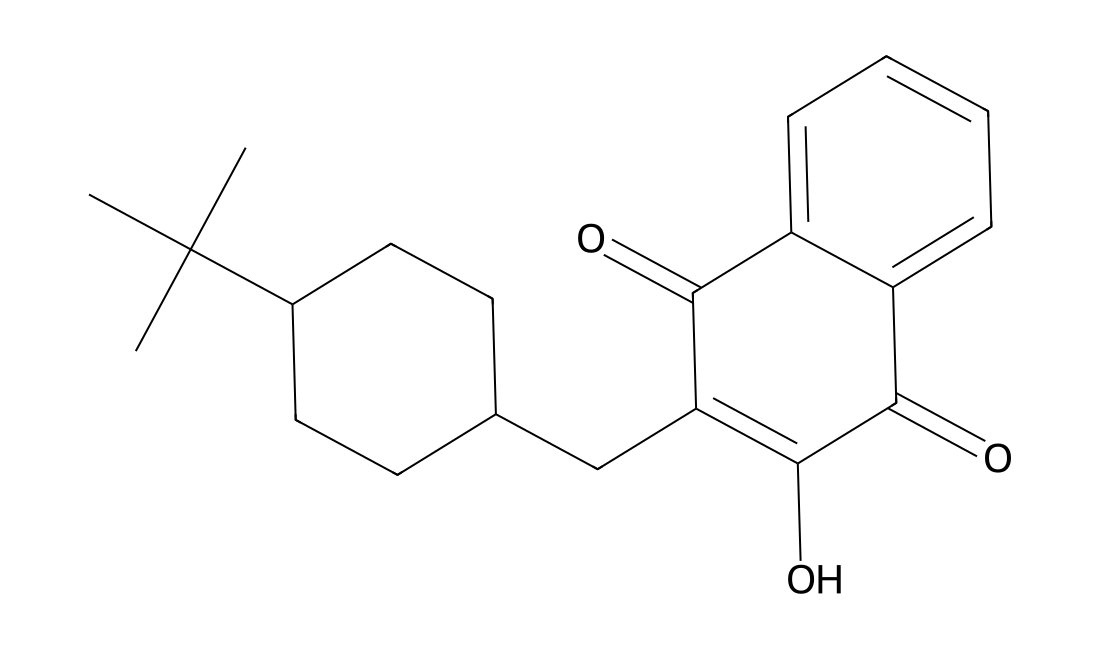
CAS 88426-33-9
Buparvaquone(Butalex) is a hydroxynaphthoquinone antiprotozoal drug related to parvaquone and atovaquone; it is a promising compound for the therapy and prophylaxis of all forms of theileriosis.
CAS 543730-41-2
For the detailed information of BMS-538203, the solubility of BMS-538203 in water, the solubility of BMS-538203 in DMSO, the solubility of BMS-538203 in PBS buffer, the animal experiment (test) of BMS-538203, the cell expriment (test) of BMS-538203, the in vivo, in vitro and clinical trial test of BMS-538203, the EC50, IC50,and Affinity of BMS-538203, Please contact DC Chemicals.
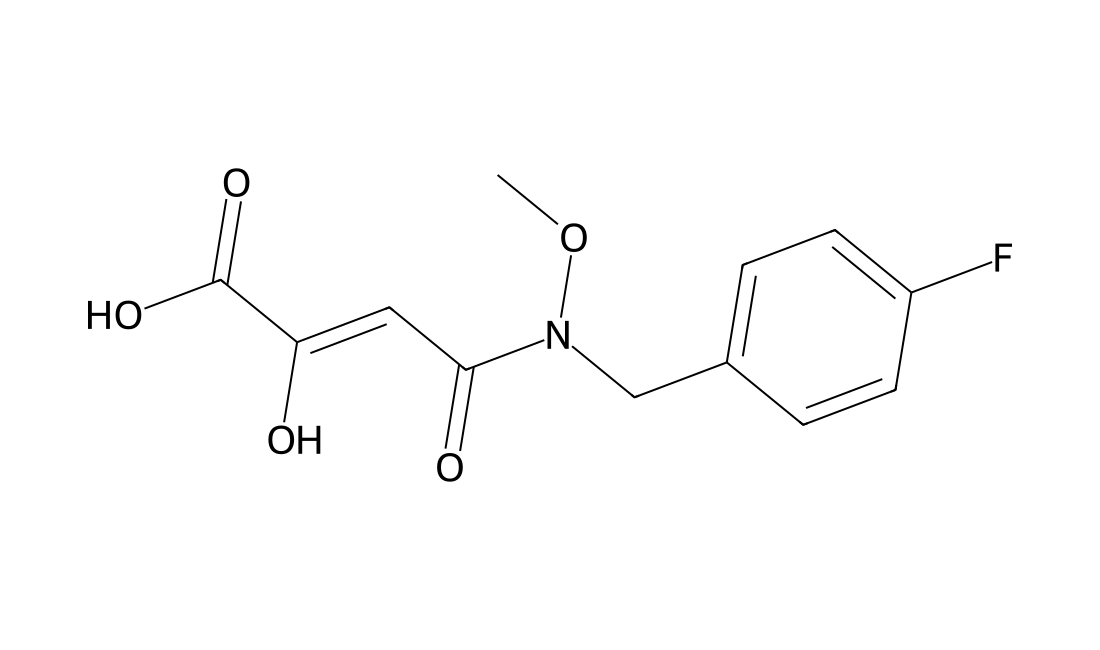
CAS 123-99-9
Azelaic acid is an organic compound produced by the ozonolysis of oleic acid and possesses antibacterial, keratolytic, comedolytic, and anti-oxidant activity.
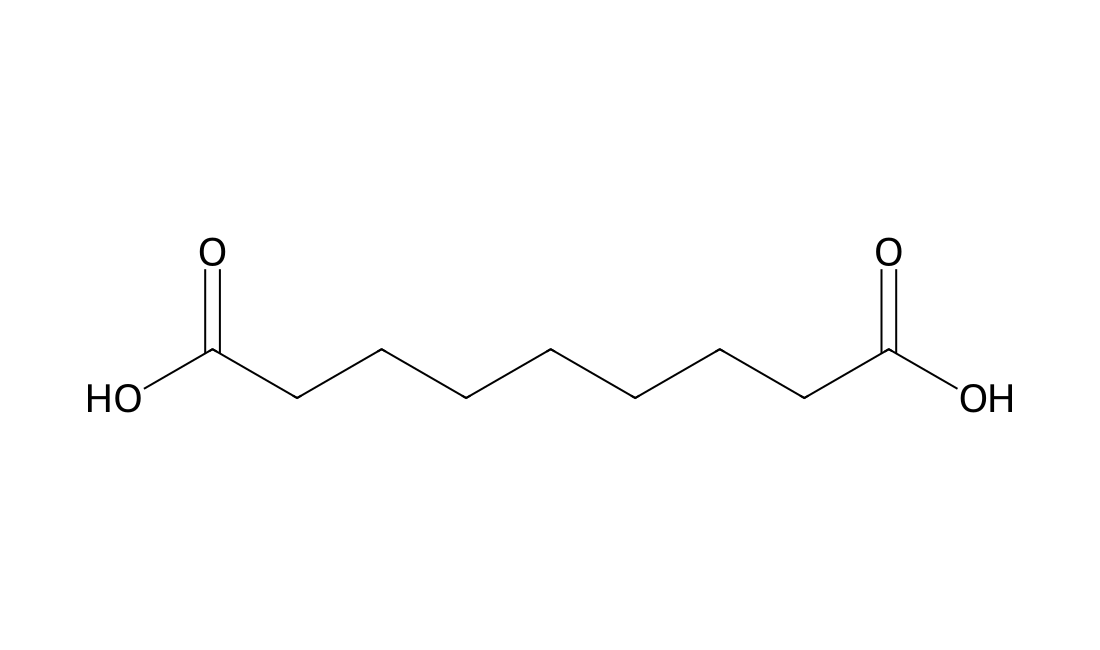
CAS 174672-06-1
In Vitro AN2718 inhibits cytoplasmic LeuRS from molds, A. fumigatus, and from yeasts, C. albicans, with an IC50 of 2 μM and 4.2 μM, respectively. AN2718 has good MIC90 activity against the dermatophytes, T. rubrum and T.mentagrophytes.
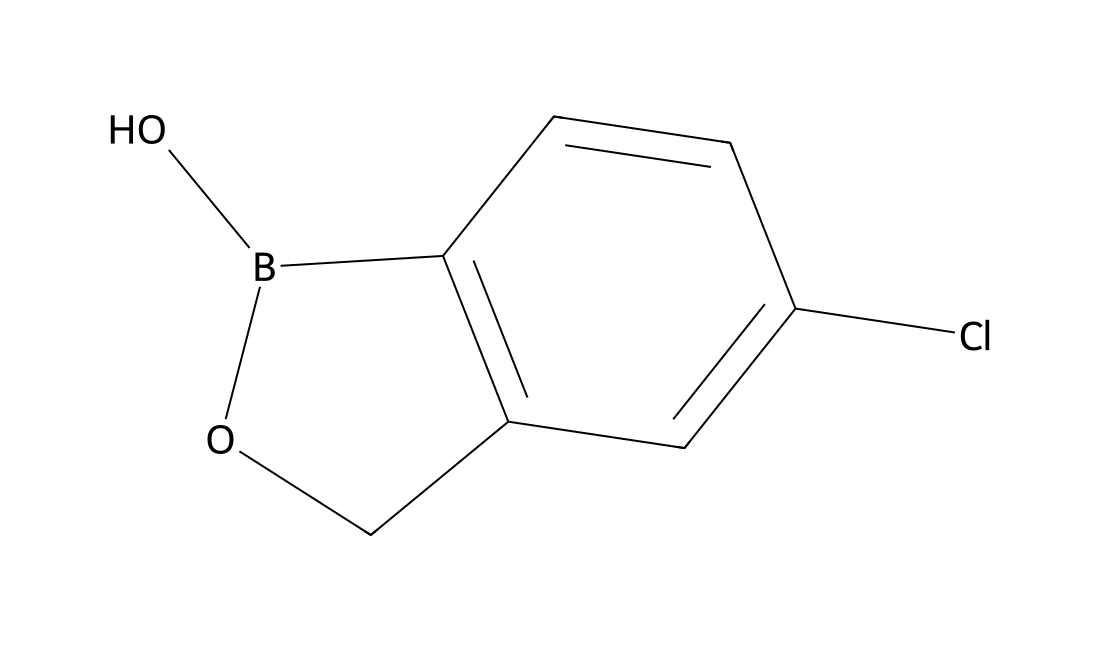
CAS 174671-46-6
AN-2690, a broad-spectrum drug, is a very promising candidate for treatment of ungual and periungual infections with improved nail penetration and low keratin binding. AN-2690 is an antifungal agent with activity against Trichophyton species. AN-2690 inhibits yeast cytoplasmic leucyl-tRNA synthetase by Formation of a stable tRNA(Leu)-AN2690 adduct in the editing site of the enzyme. AN-2690 is currently in clinical trials For onychomycosis topical treatment.For the detailed information of AN-2690(Tavaborole), the solubility of AN-2690(Tavaborole) in water, the solubility of AN-2690(Tavaborole) in DMSO, the solubility of AN-2690(Tavaborole) in PBS buffer, the animal experiment (test) of AN-2690(Tavaborole), the cell expriment (test) of AN-2690(Tavaborole), the in vivo, in vitro and clinical trial test of AN-2690(Tavaborole), the EC50, IC50,and Affinity of AN-2690(Tavaborole), Please contact DC Chemicals.
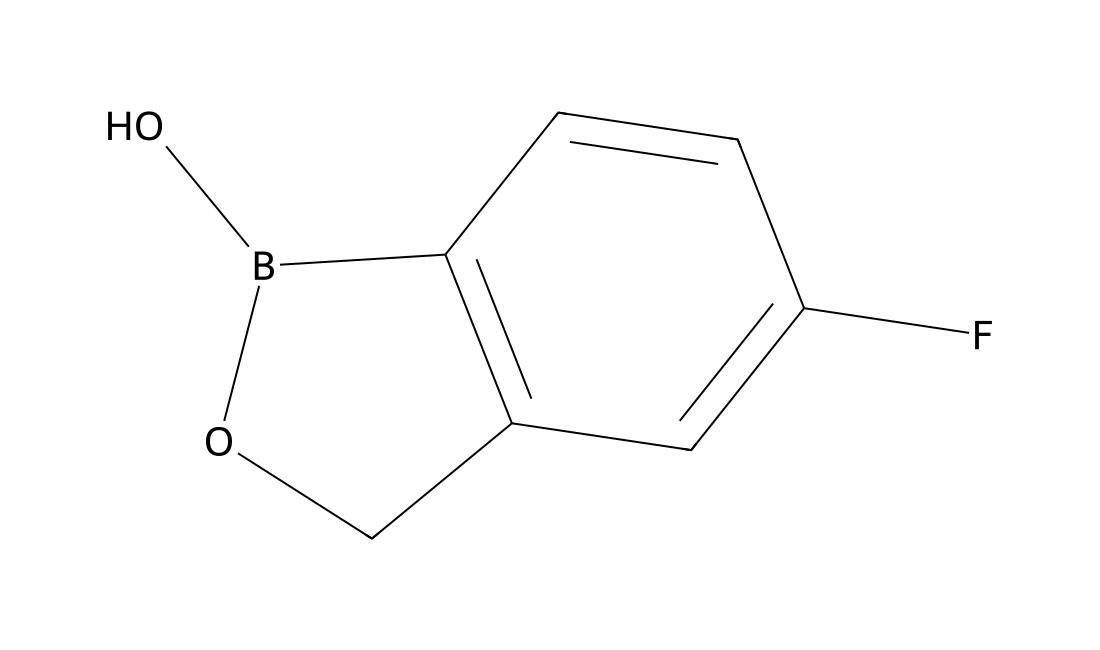
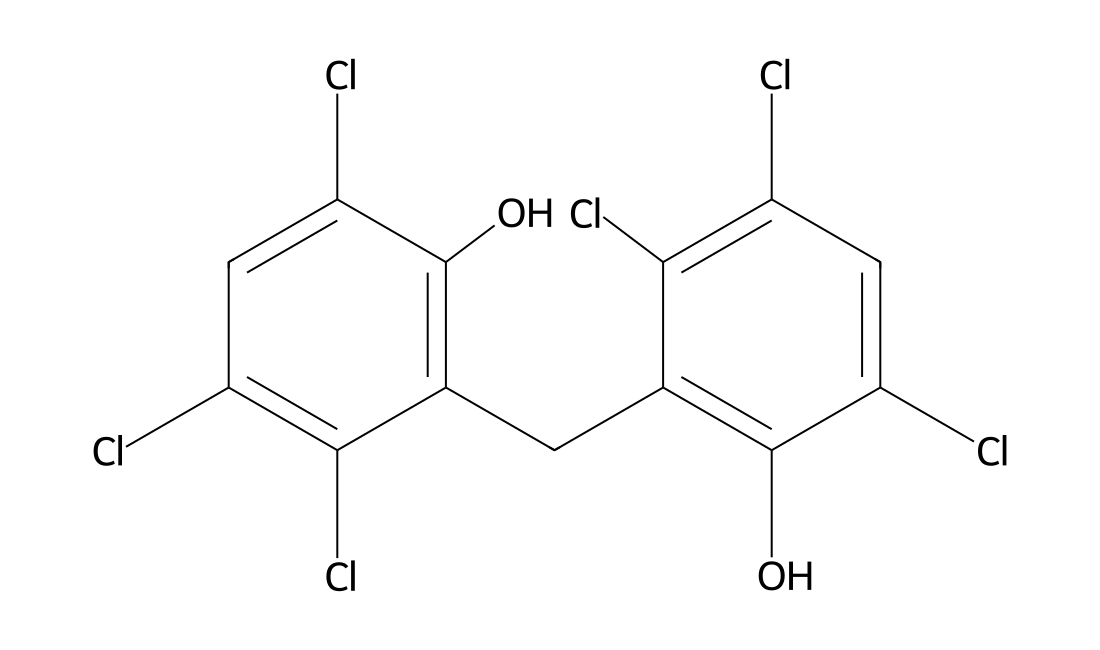
CAS 70-30-4
An anti-infective, anti-bacterial agent; also blocks calcium-activated chloride channel (CaCC) TMEM16A with IC50 of 10 uM in HEK293 cells; inhibits Wnt/beta-catenin signaling and represses the expression of cyclin D1.
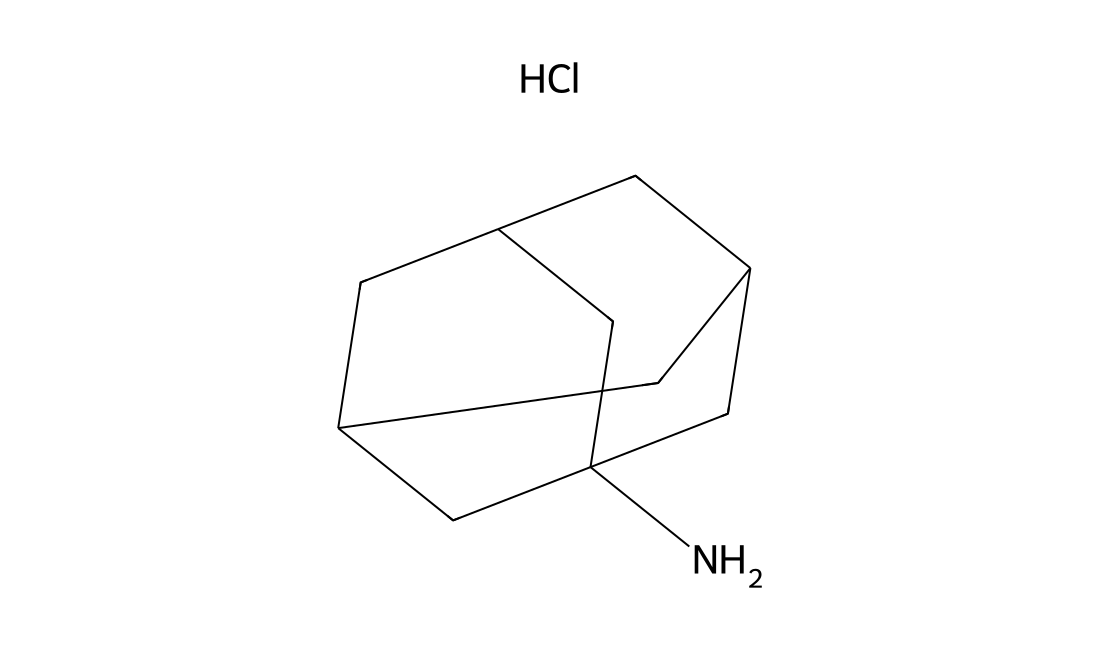
CAS 665-66-7
Amantadine Hydrochloride is an antiviral and an antiparkinsonian drug.Amantadine is an antiviral that is used in the prophylactic or symptomatic treatment of influenza A. It is also used as an antiparkinsonian agent, to treat extrapyramidal reactions, and for postherpetic neuralgia. Amantadine binding of M2, based on studies of a peptide representing the M2 transmembrane segment in dodecylphosphocholine micelles. Amantadine competes with protons for binding to the deprotonated tetramer, thereby stabilizing the tetramer in a slightly altered conformation. This model accounts for the observed inhibition of proton flux by amantadine. In contrast to most other described channel-blocking molecules, amantadine causes the channel gate of NMDA receptors to close more quickly. Amantadine binding inhibits current flow through NMDA receptor channels but show that its main inhibitory action at pharmaceutically relevant concentrations results from stabilization of closed states of the channel.
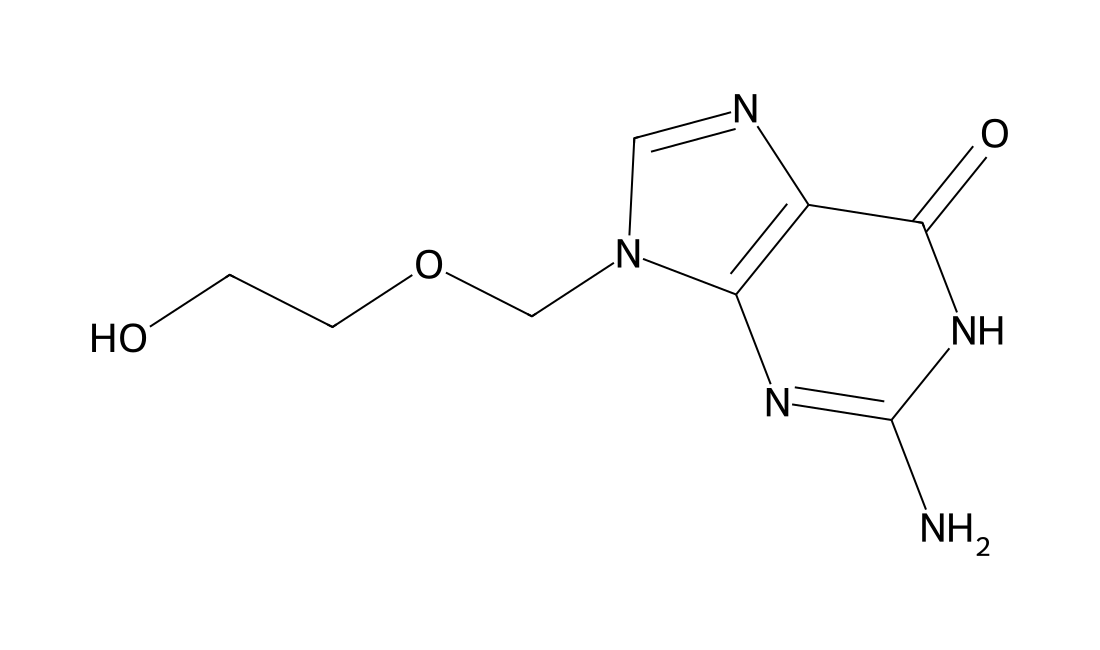
CAS 59277-89-3
For the detailed information of Acyclovir (Aciclovir), the solubility of Acyclovir (Aciclovir) in water, the solubility of Acyclovir (Aciclovir) in DMSO, the solubility of Acyclovir (Aciclovir) in PBS buffer, the animal experiment(test) (test) of Acyclovir (Aciclovir), the cell expriment (test) of Acyclovir (Aciclovir), the in vivo, in vitro and clinical trial test of Acyclovir (Aciclovir), the EC50, IC50,and Affinity of Acyclovir (Aciclovir),, please contact DC Chemicals.
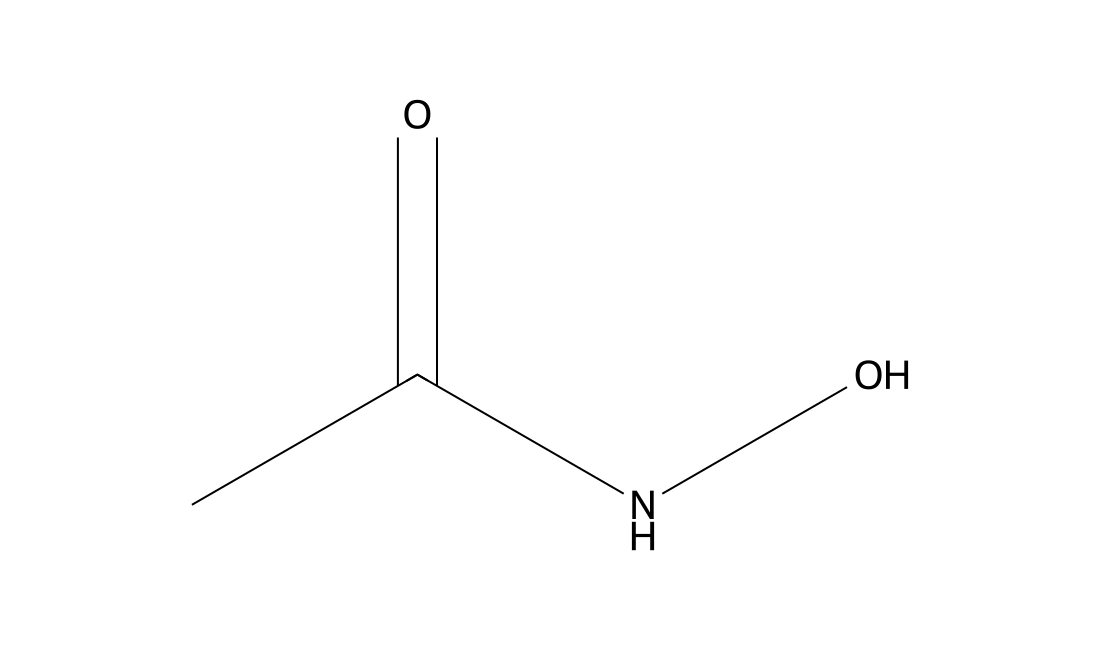
CAS 546-88-3
Acetohydroxamic acid is an Urease Inhibitor. In the urine, it acts as an antagonist of the bacterial enzyme urease.
CAS 88678-31-3
For the detailed information of liranaftate, the solubility of liranaftate in water, the solubility of liranaftate in DMSO, the solubility of liranaftate in PBS buffer, the animal experiment(test) (test) of liranaftate, the cell expriment (test) of liranaftate, the in vivo, in vitro and clinical trial test of liranaftate, the EC50, IC50,and Affinity of liranaftate,, please contact DC Chemicals.
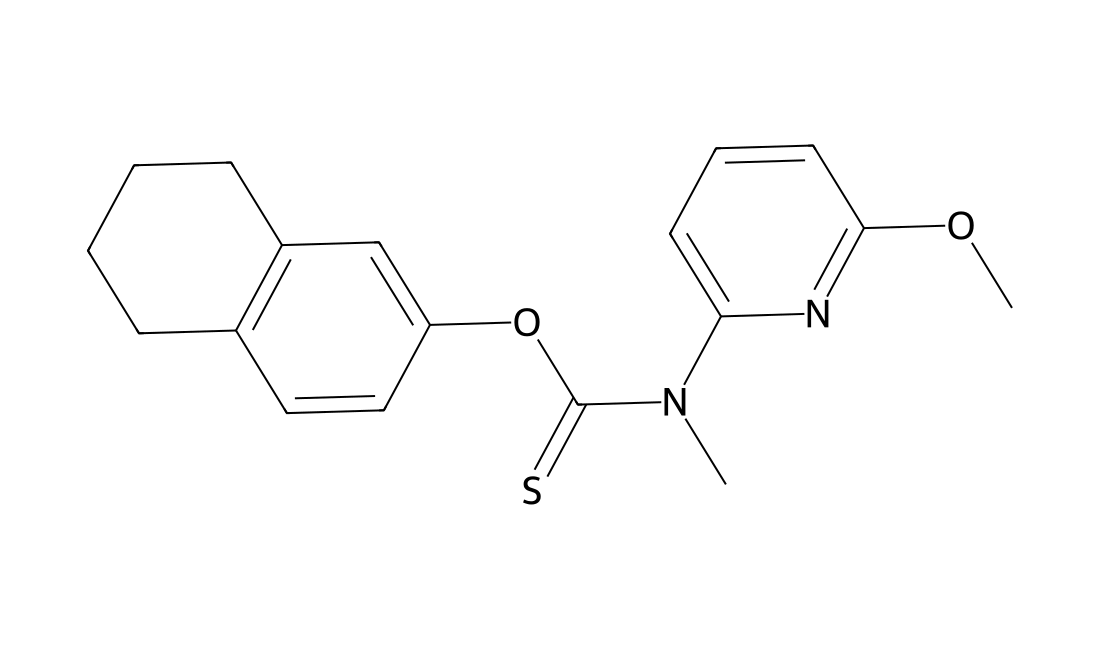
CAS 497836-10-9
A potent inhibitor of HIV-1 integrase-LEDGF/p75 interaction; binds to IN and IN(T125A) with Kd of 5.81 and 15.2 uM; affects the HIV-1 IN nuclear distribution thus exhibiting antiretroviral activity.HIV InfectionPreclinical
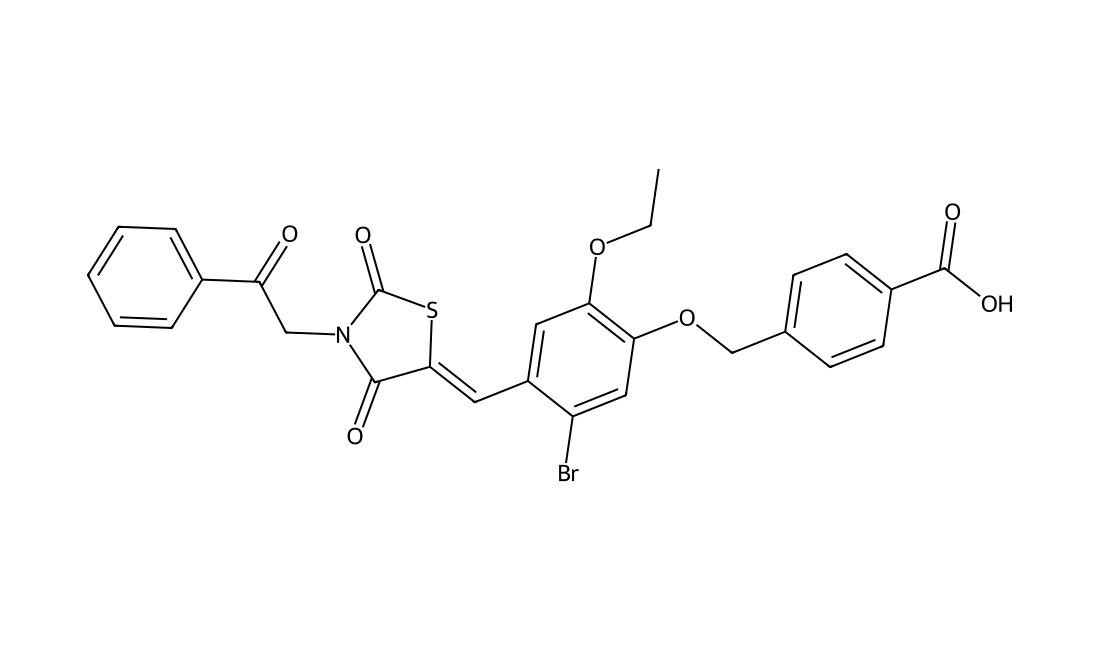
CAS 952849-76-2
KKL-10 is a small-molecule ribosome rescue inhibitor with broad-spectrum antimicrobial activity against bacteria.
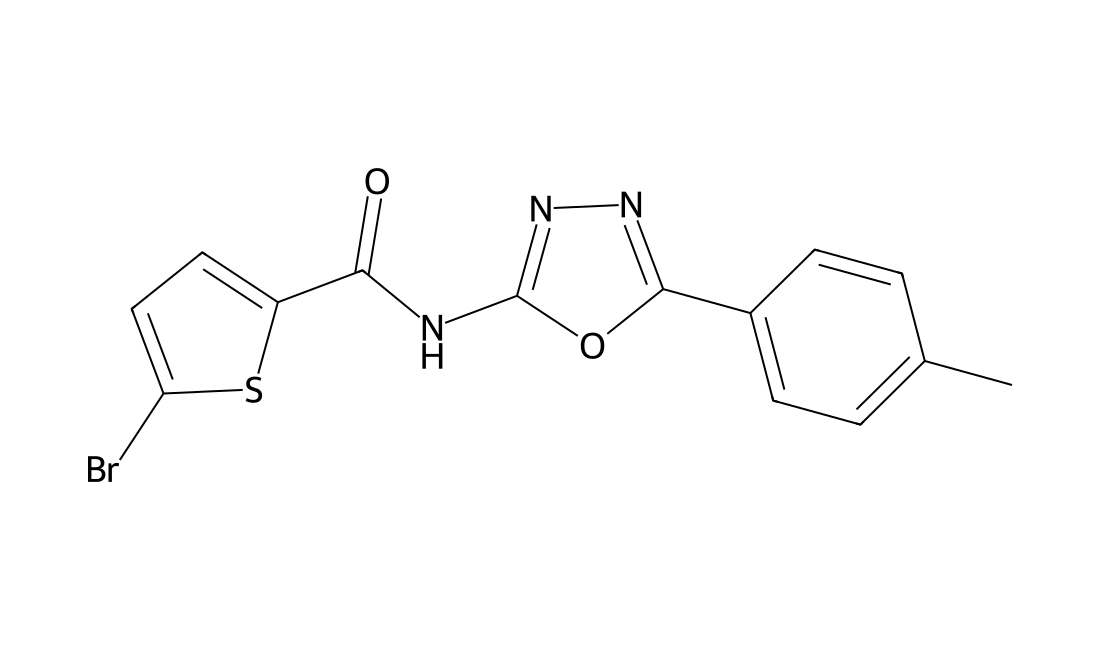
CAS 106017-08-7
Rufloxacin is a fluoroquinolone antibiotic.It is active against S. aureus, E. coli, P. aeruginosa, P. morganii, K. pneumoniae, and E. cloacae in vitro (MICs = 0.78, 0.78, 12.5, 1.56, <0.39, and <0.39 μg/ml, respectively).2 Rufloxacin inhibits M. luteus DNA gyrase with an IC50 value of 1.5 mM and inhibits DNA synthesis in S. aureus, E. coli, P. aeruginosa, K. pneumoniae, and E. cloacae (IC50s = 0.93, 1.03, 38.8, 0.55, and 0.66 μg/ml, respectively). Rufloxacin (50 mg/kg, p.o.) reduces bacterial burden in the spleen and liver in a mouse model of systemic S. typhimurium infection.
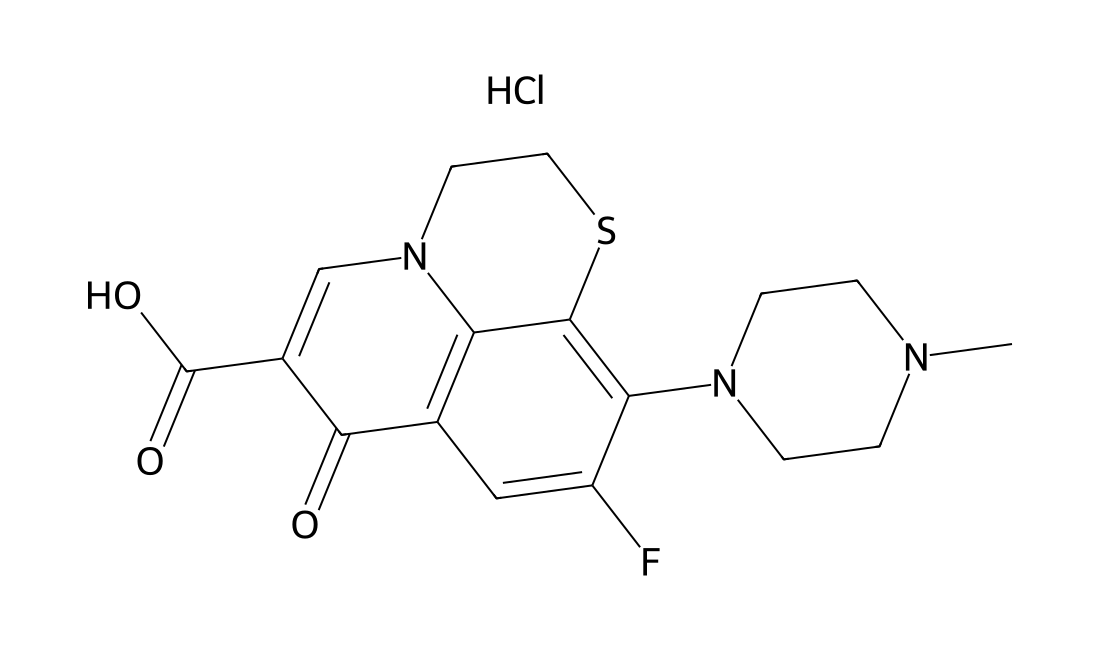
CAS 147221-93-0
Delavirdine is a non-nucleoside reverse transcriptase inhibitor (NNRTI) that selectively inhibits HIV-1 reverse transcriptase over DNA polymerase α and δ in vitro (IC50s = 0.26, 440, and >550 μM, respectively).It inhibits growth of clinical isolates of HIV-1 (ED50s = <0.005-0.69 μM). Delavirdine blocks replication of 25 primary HIV-1 isolates, including strains resistant to 3'-azido-2',3'-deoxythymidine (AZT) or 2',3'-dideoxyinosine, with a mean ED50 value of 0.066 μM. Delavirdine also inhibits growth of L. infantum promastigotes (IC50 = 26.1 μM).Formulations containing delavirdine have been used in the treatment of HIV.
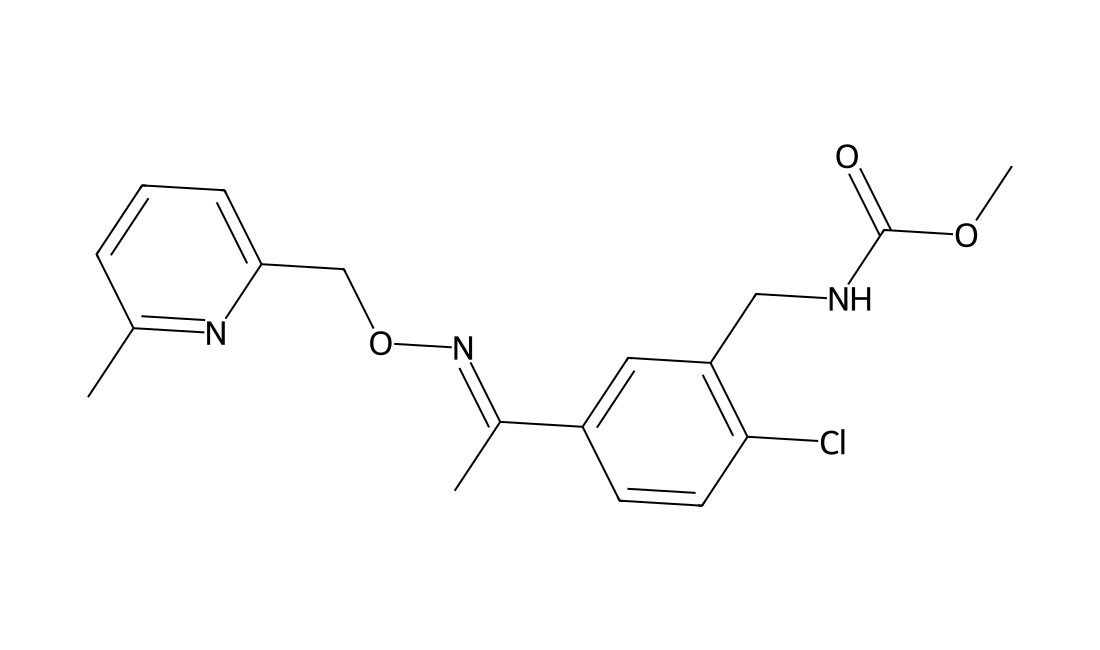
CAS 799247-52-2
Pyribencarb is a benzylcarbamate-type fungicide, which is active against a wide range of plant pathogenic fungi. Pyribencarb is a potent Qo inhibitor of cytochrome b. Pyribencarb is especially active against Botrytis cinerea and Sclerotinia sclerotirum.
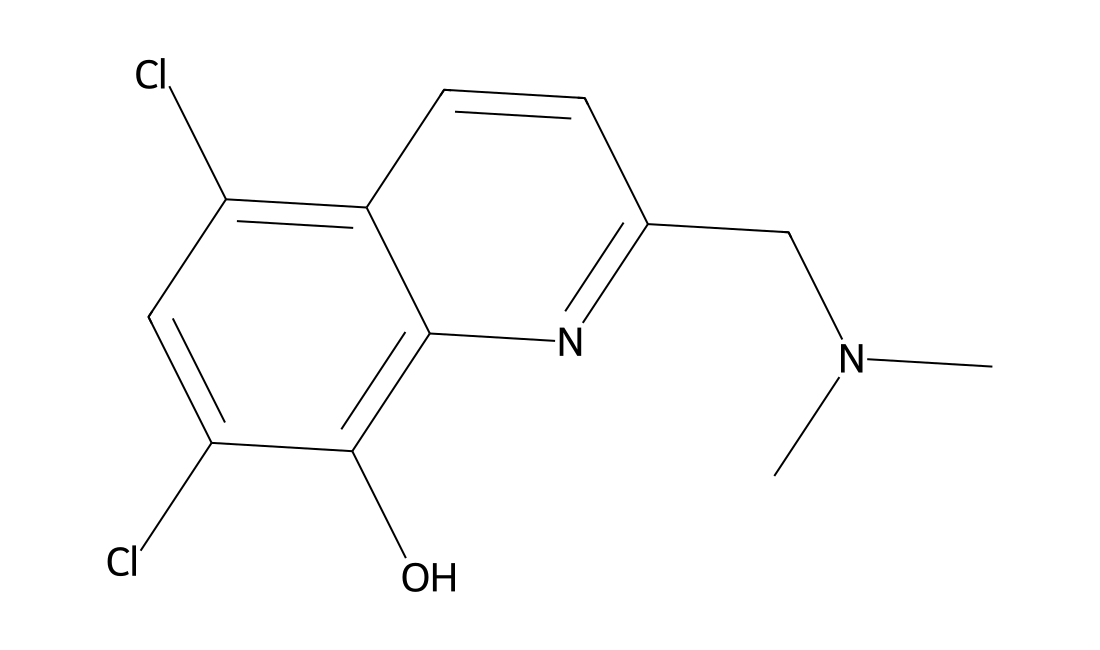
CAS 747408-78-2
PBT 1033 (PBT 2) is an orally active copper/zinc ionophore. PBT 1033 restores cognition in mouse models of Alzheimer's disease (AD). PB 1033 also has antibacterial activity against Gram-positive bacteria.
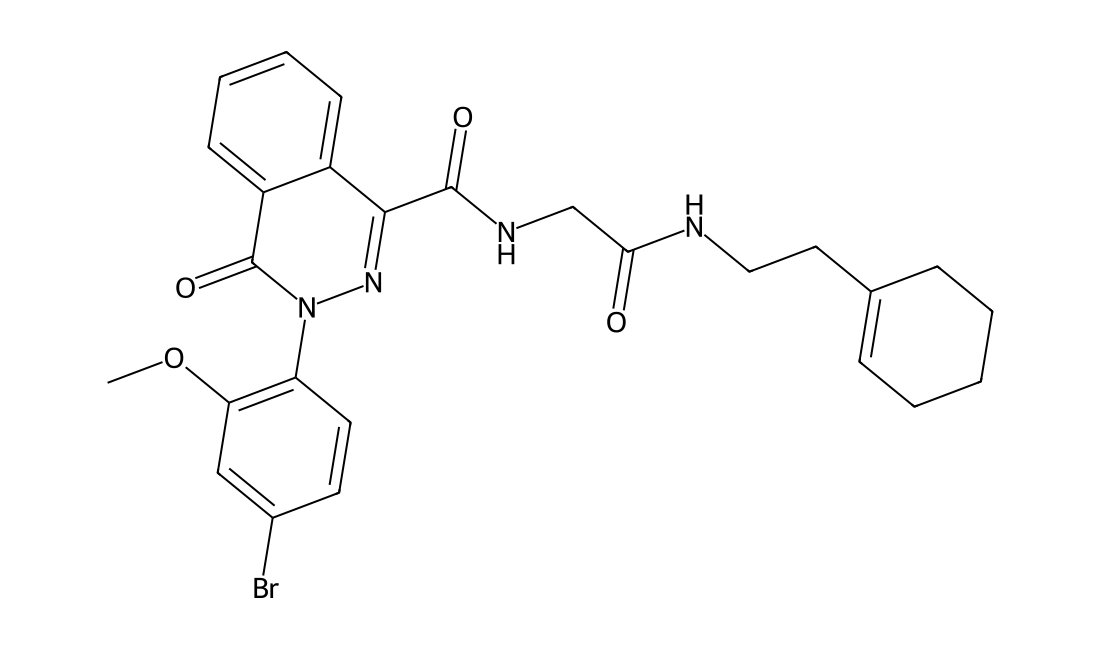
CAS 2085274-00-4
Antifungal agent 35 (compound 24) is a potent antifungal agent. Antifungal agent 35 is a potent enhancer of antifungal activity of Fluconazole against C. albicans.
CAS 380576-68-1
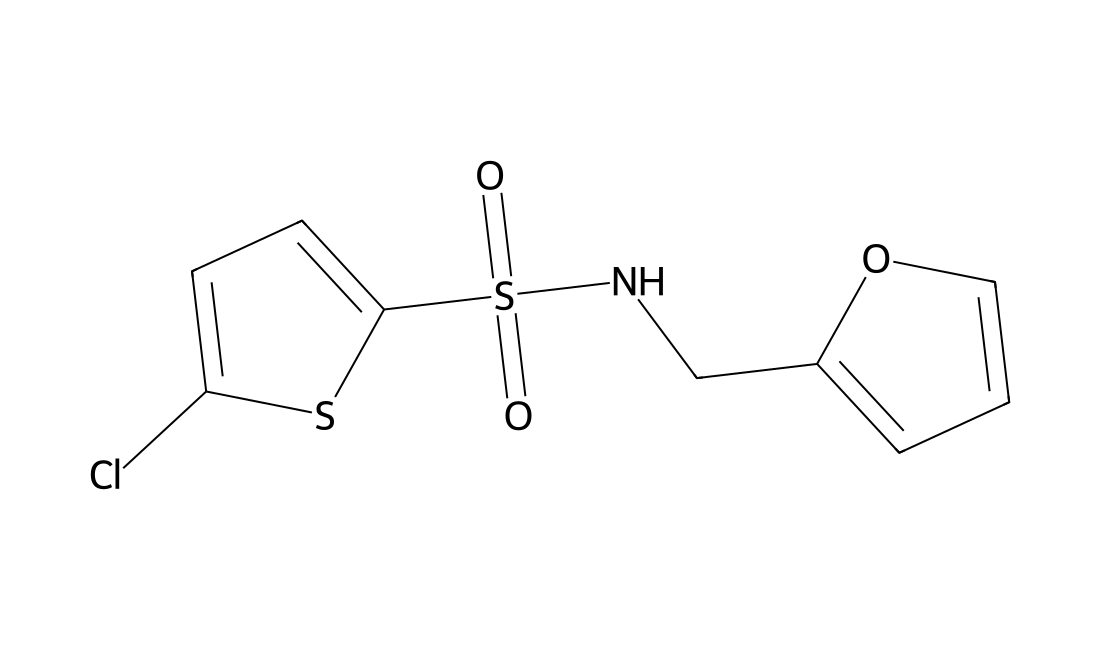
Antimicrobial agent-14, a benzyl thiophene sulfonamide derivative is an antimicrobial agent, with a MIC of 200 μM against Campylobacter coli ATCC33559. Antimicrobial agent-14 can be used for the research of bacterial foodborne gastroenteritis.
CAS 101784-44-5
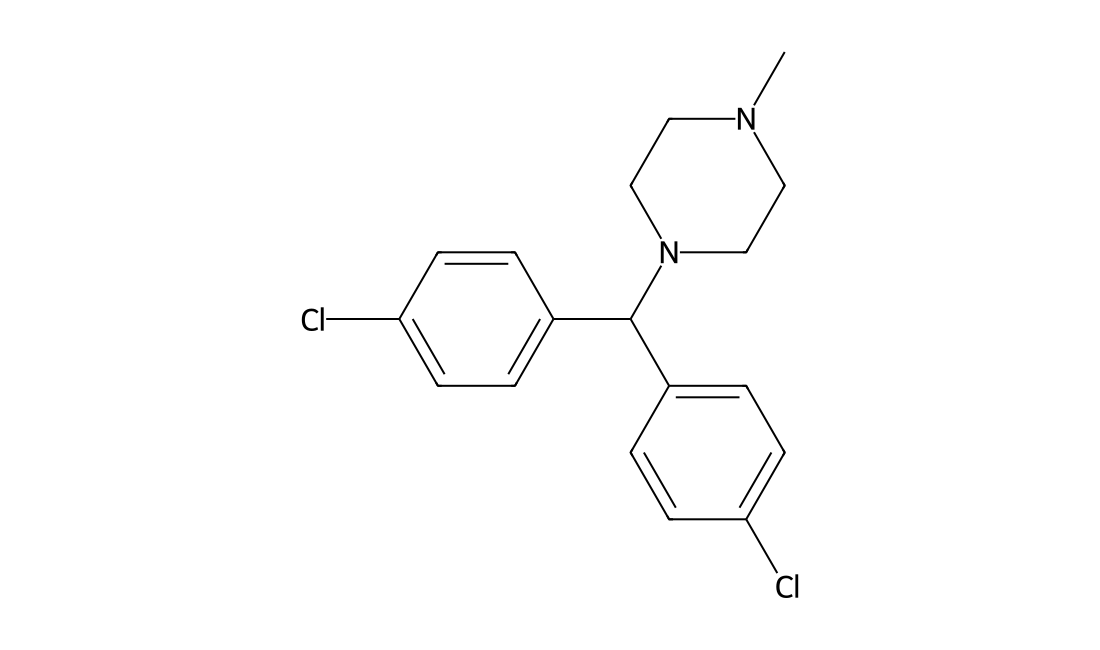
Antiviral agent 52 (Compound 30) is a Chlorcyclizine (HY-112067) derivative that exhibits antiviral activity against hepatitic C virus (HCV) with an EC50 of 17 nM. Antiviral agent 52 reveals cytotoxicity in cell Huh7.5.1 with CC50 of 21.3 μM.
CAS 1274611-43-6
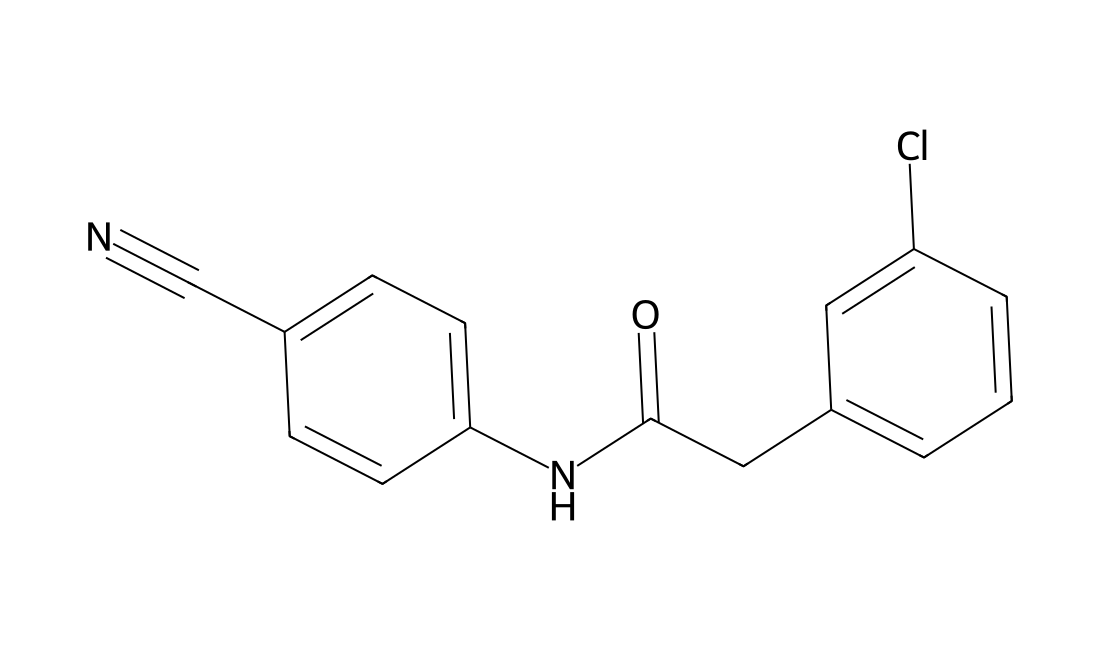
Antibacterial agent 125 is an antibacterial agent. Antibacterial agent 125 has a potent antimicrobial activity against clinically relevant Gram-positive pathogens with MIC50 values range from 0.25 - 8 μM. Antibacterial agent 125 can be used for the research of antimicrobial resistance.
CAS 330461-34-2
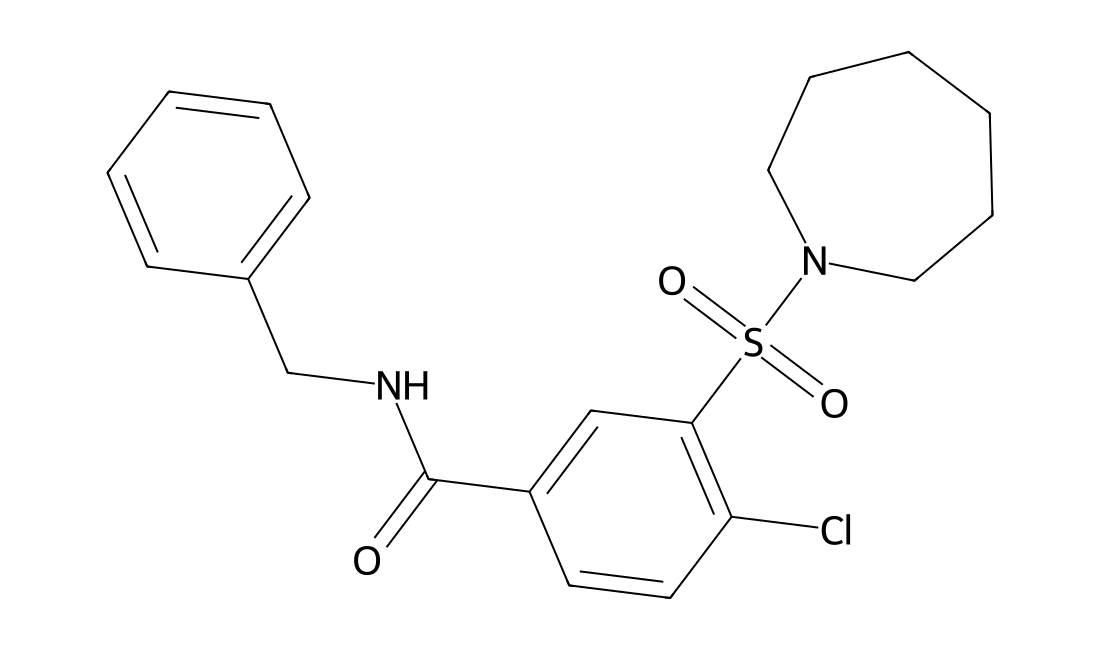
DVR-01 is a HBV inhibitor with EC50 values of 1.7 and 1.6 μM in AML12HBV10 and HepDES19 cells, respectively. DVR-01 shows antiviral activity against drug-resistant HBV mutants with EC50s of 2.403-3.273 μM. DVR-01 can be used for the research of HBV infection and related diseases.
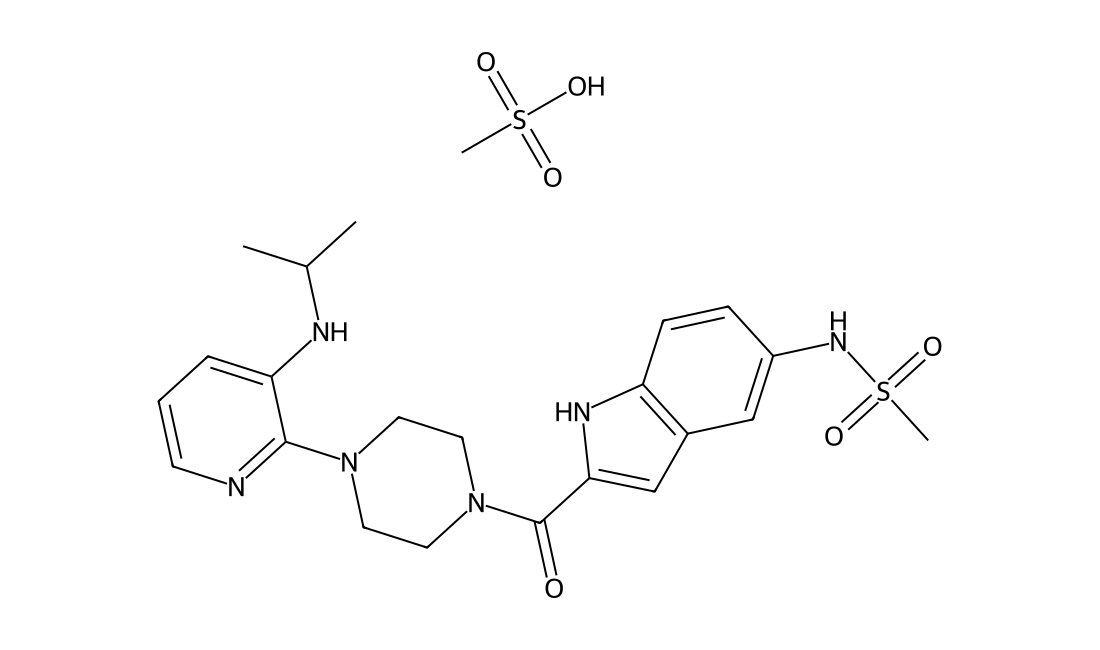
CAS 1428333-96-3
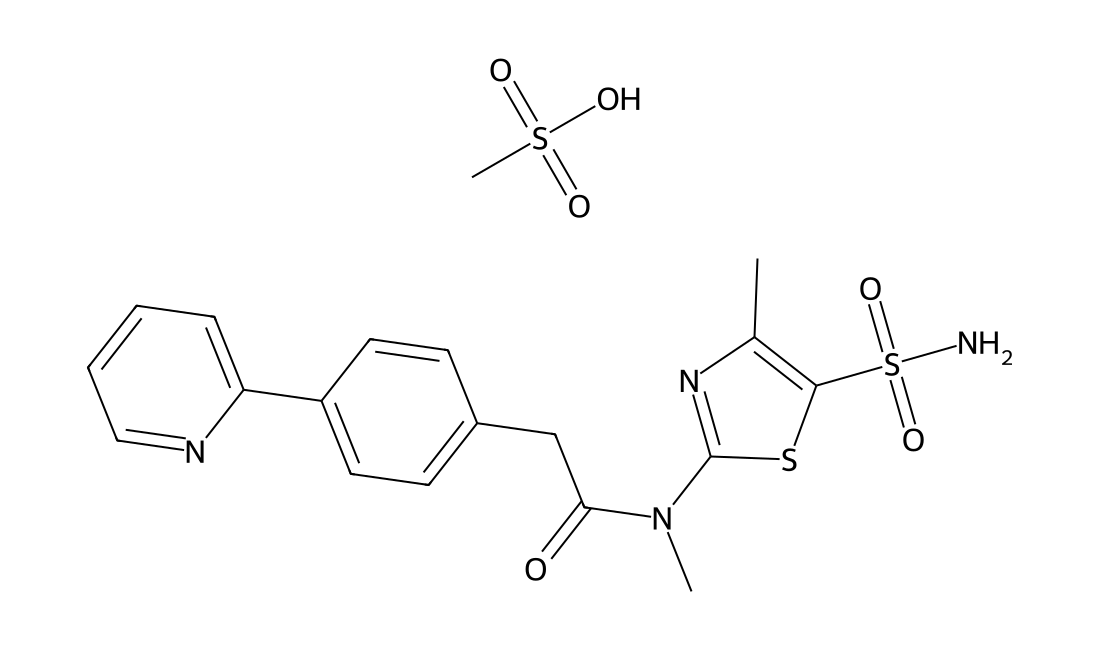
Pritelivir mesylate (BAY 57-1293 mesylate), an inhibitor of the viral helicase-primase complex, exhibits antiviral activity in vitro and in animal models of herpes simplex virus (HSV) infection. Pritelivir mesylate is active against herpes simplex virus types 1 and 2 (HSV-1 and HSV-2) with the IC50 of 0.02 μM against HSV1-2[1].
CAS 342434-07-5
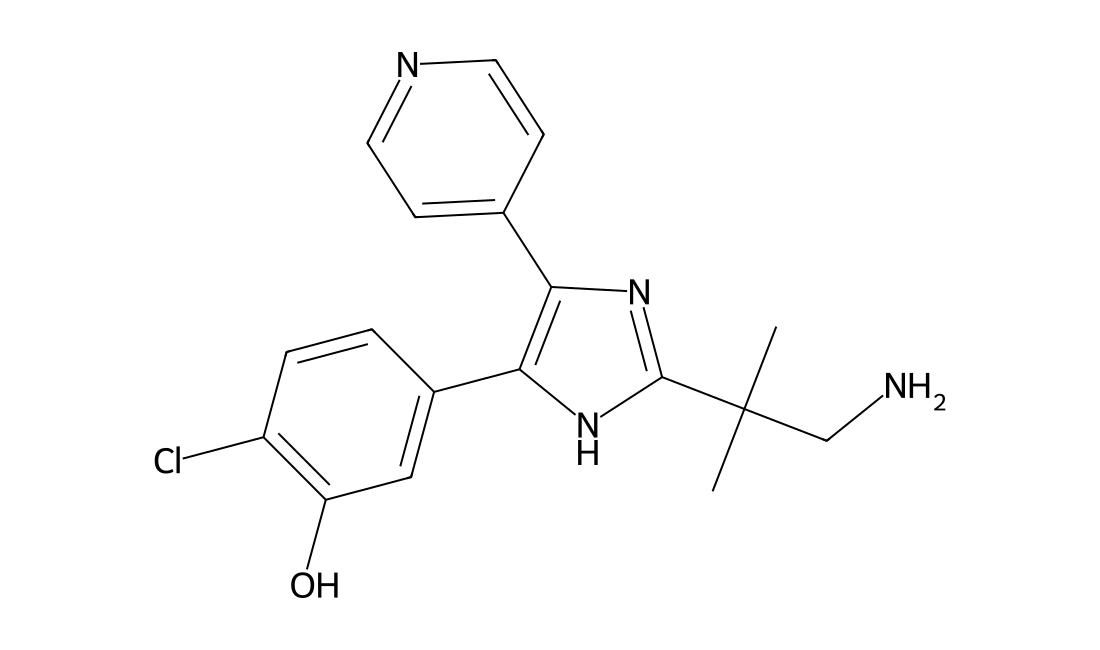
MMV030084 (MMV-030084) is a potent, specific P. falciparum cGMP-dependent protein kinase (PKG) inhibitor (Kdapp=9-16 nM), inhibits invasion of P. berghei ANKA parasites into HepG2 liver cells with IC50 of 199 nM.MMV030084 potently inhibits hepatocyte invasion by Plasmodium sporozoites, merozoite egress from asexual blood stage schizonts, and male gamete exflagellation, shows potent activity against liver, asexual, and sexual blood stage development.MMV030084 showed an IC50 of 109 nM against the drug-sensitive 3D7-A10 line, and an IC50 of 120 nM against multidrug-resistant Dd2-B2 parasites in a 72-h growth inhibition assay against Pf ABS parasites.MMV030084 inhibited male gamete exflagellation at an IC50 of 141 nM when gametocytes were stimulated to develop into male gametes.MMV030084 is a promising Plasmodium PKG-targeting chemotype.
CAS 1275582-97-2
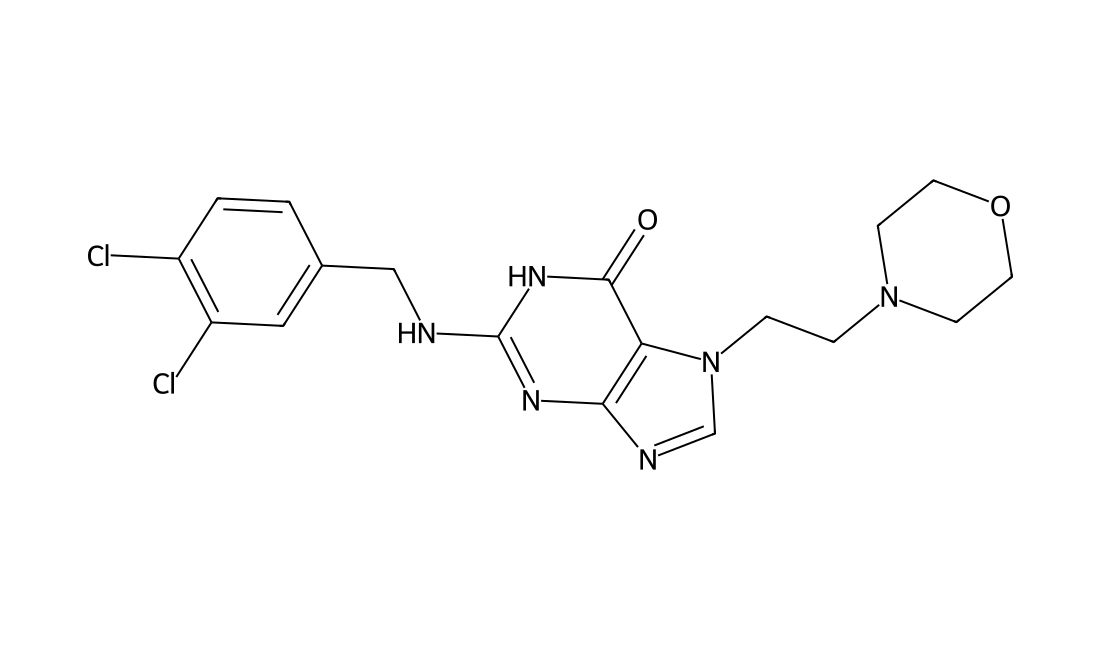
Ibezapolstat (ACX-362E) is a first-in-class, orally active DNA polymerase IIIC (pol IIIC) inhibitor, with a Ki of 0.325 μM for the DNA pol IIIC from C. difficile. Ibezapolstat is developed for the research of C. difficile infection(CDI).
CAS 1383450-81-4
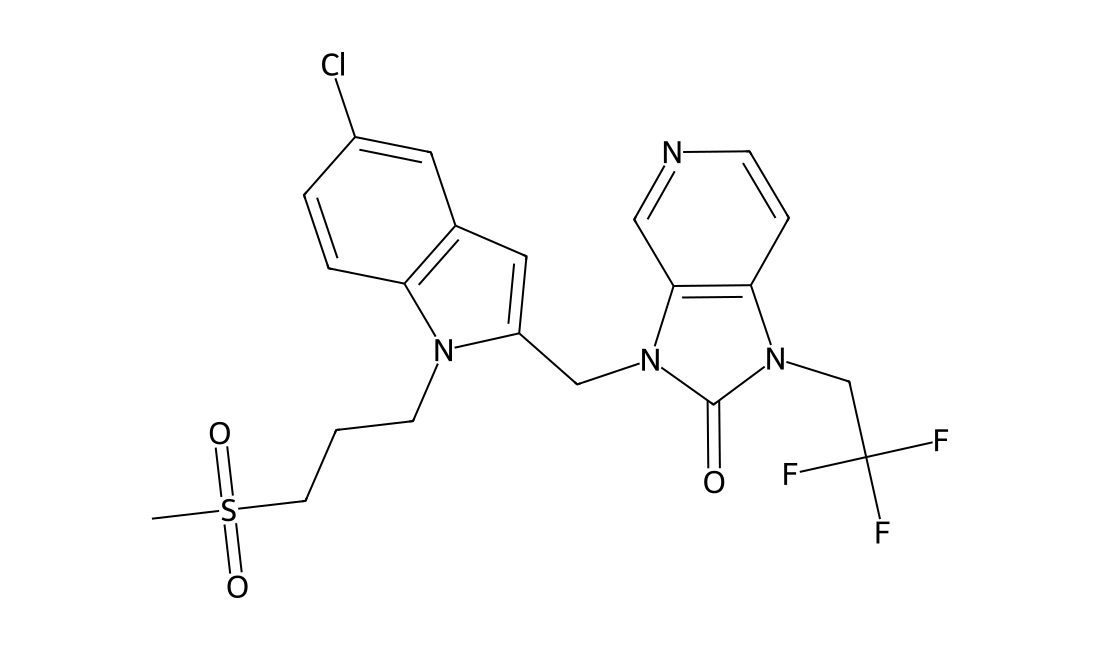
JNJ-53718678 (JNJ53718678, JNJ-678) is a potent (Kd=7.4 nM), small-molecule inhibitor of the F-glycoprotein-mediated complex membrane fusion process of the RSV; displays very potent antiviral activity and low cytotoxicity; inhibits ESV replication in HBECs with IC50 of 1.2 nM, efficiently inhibits RSV infection in vivo. RSV Infection Phase 2 Clinical
CAS 146204-42-4
BM212 exerts bactericidal activity against intracellular bacilli residing, completely inhibits the intracellular mycobacteria.
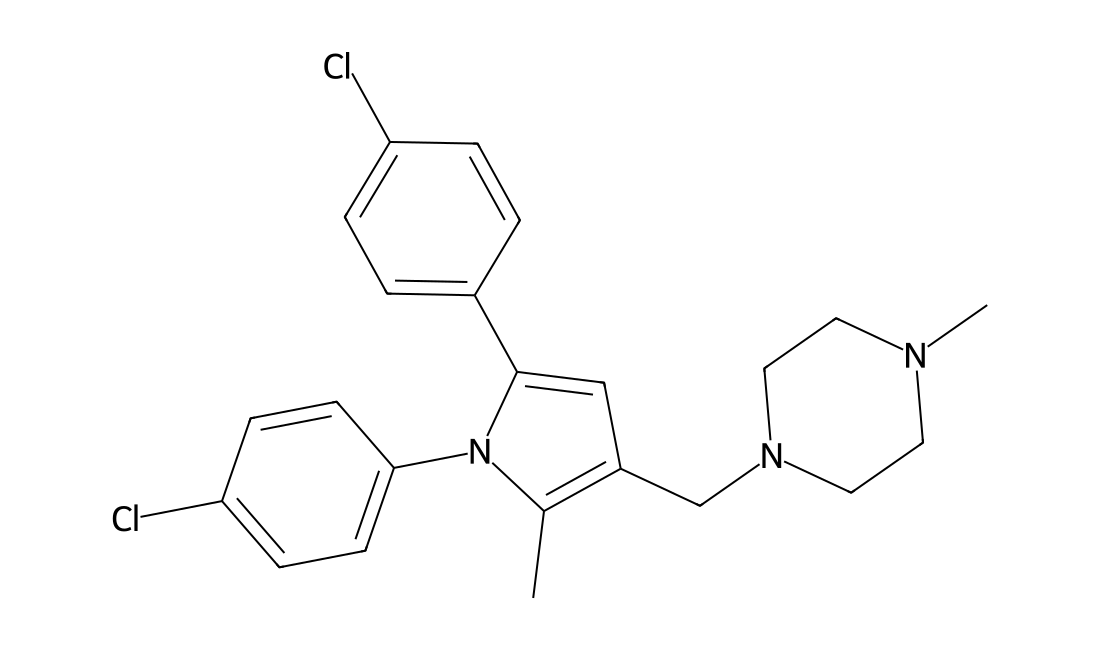
CAS 442-52-4
Clemizole is an H1 histamine receptor antagonist, is found to substantially inhibit HCV replication. The IC50 of Clemizole for RNA binding by NS4B is 24±1 nM, whereas its EC50 for viral replication is 8 µM.
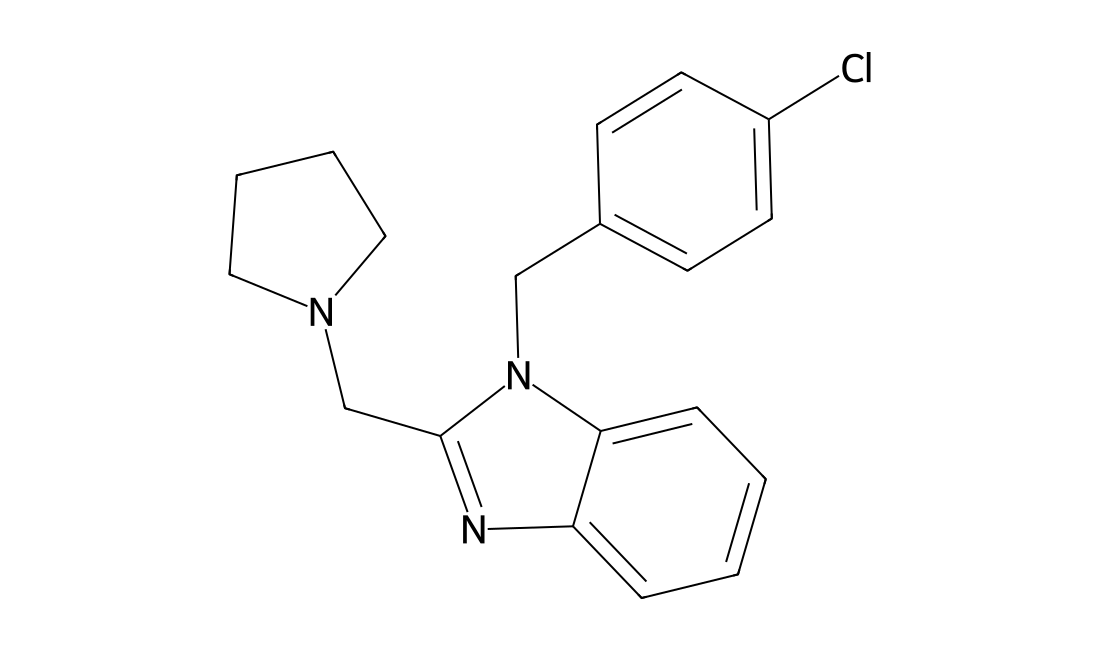
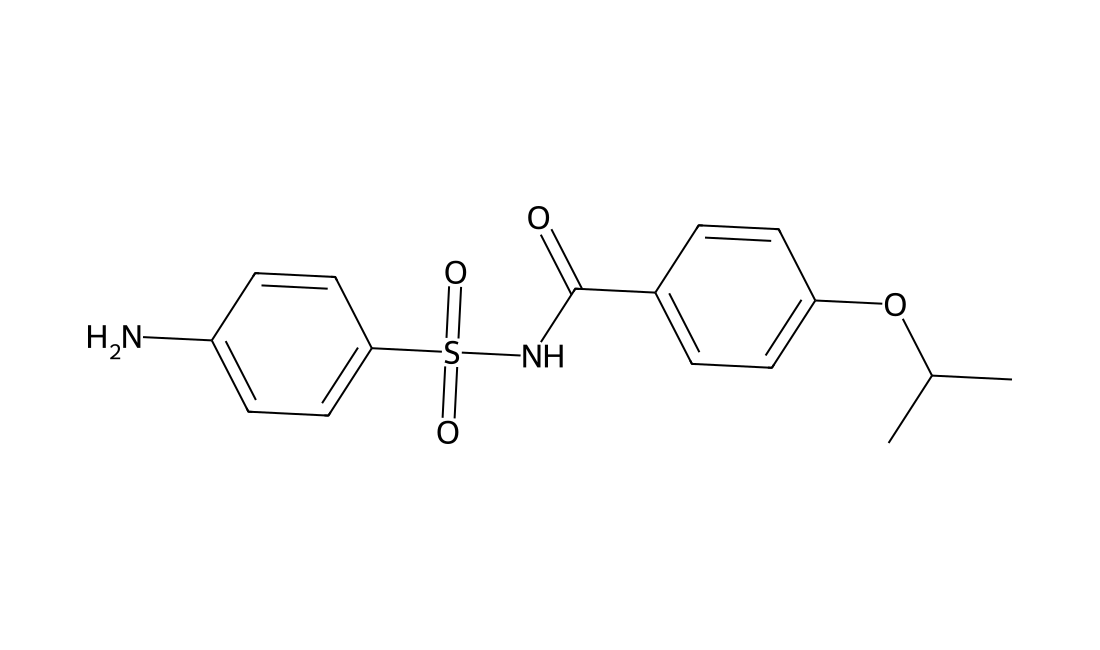
CAS 1613465-33-0
ML336 is an inhibitor of of the Venezuelan equine encephalitis virus (VEEV) strain TC-83.
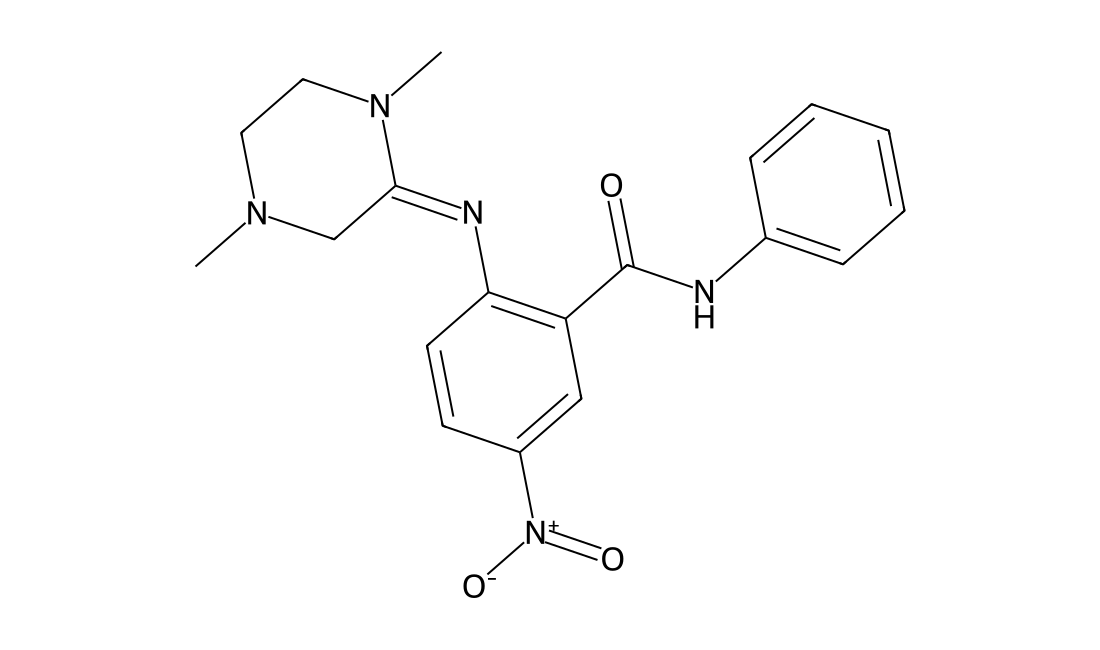
CAS 102-76-1
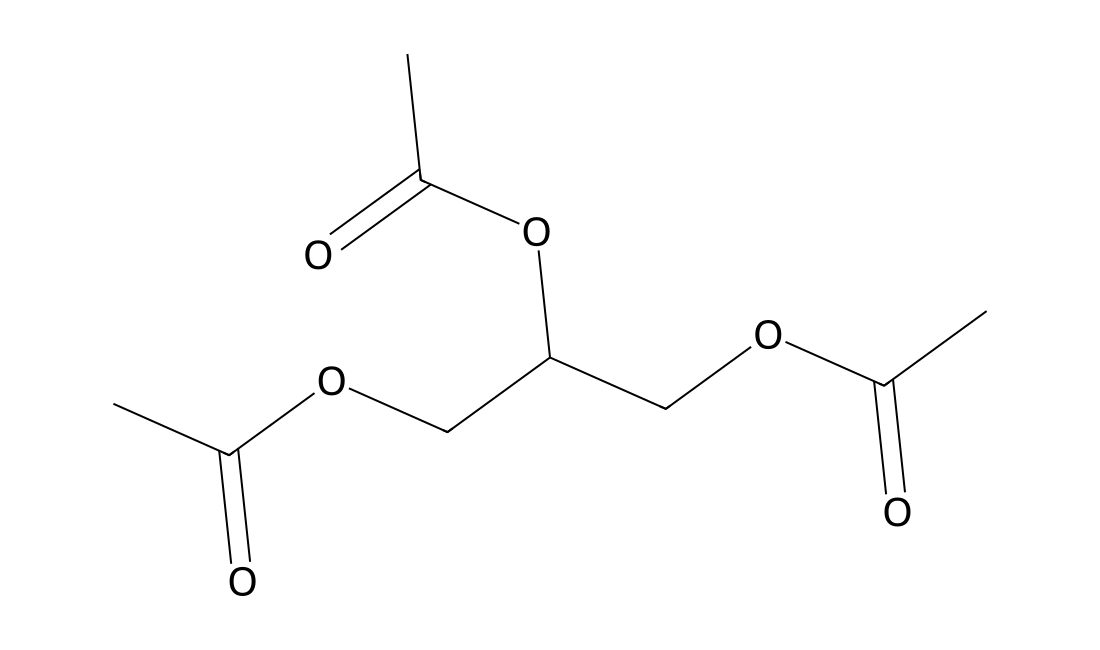
Triacetin, the triglyceride 1,2,3-triacetoxypropane is more generally known as triacetin and glycerin triacetate. It is the triester of glycerol and acetylating agents, such as acetic acid and acetic anhydride. It is an antifungal agent.
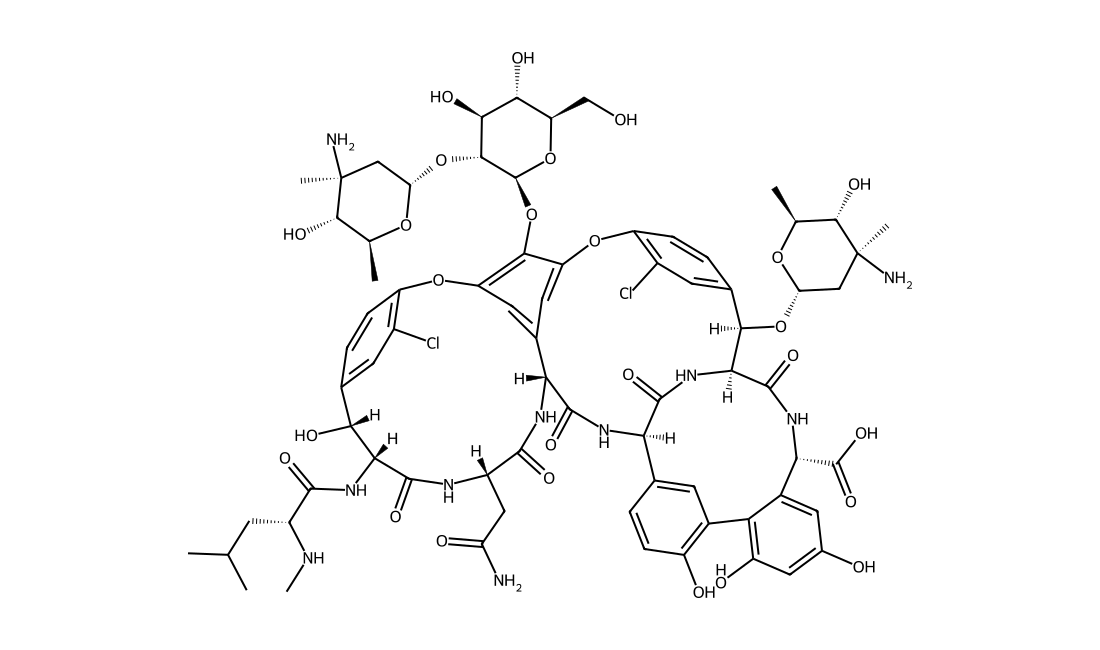
CAS 118395-73-6
Chloroorienticin A (A82846B) is a glycopeptide antibiotic. Chloroorienticin A exhibits excellent activity against staphylococci and streptococci.
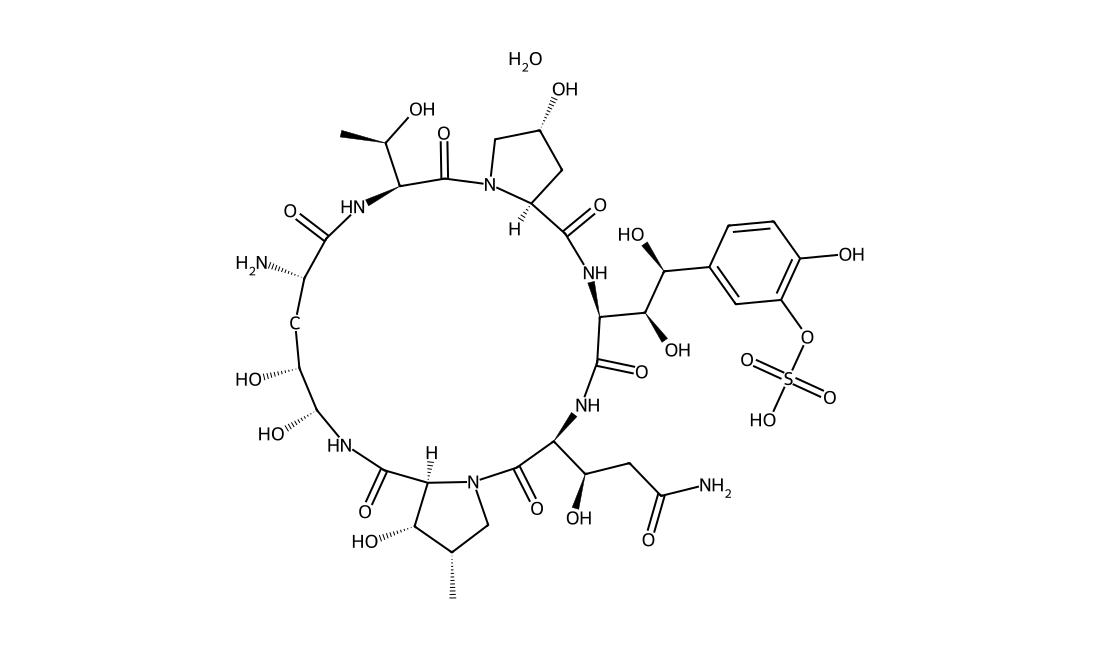
CAS 1392483-15-6
FR179642 hydrate is the cyclic peptide nucleus of the lipopeptide antifungal FR901379 and an intermediate in the synthesis of the echinocandin antifungal FK463.
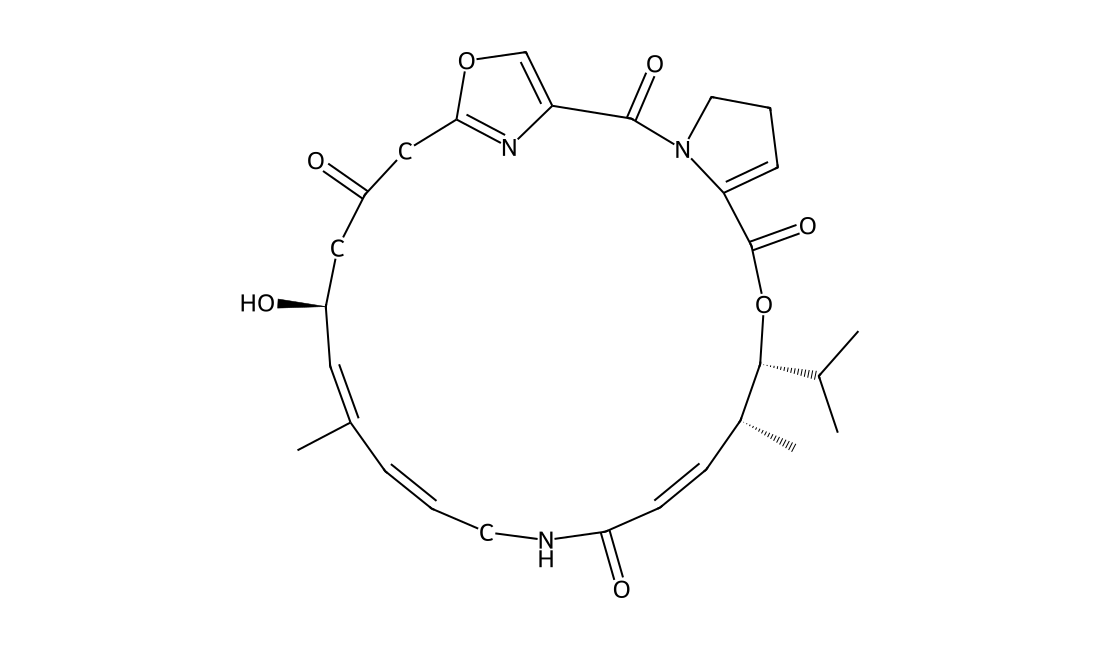
CAS 21411-53-0
Virginiamycin M1 (Pristinamycin IIA; Ostreogrycin A), produced by Streptomyces virginiae, is an polyunsaturated macrocyclic lactone antibiotic and acts as a component of Virginiamycin (HY-112665). Virginiamycin M1 alone is against Staphylococcus aureus with a MIC of 0.25 μg/mL.
CAS 155030-63-0
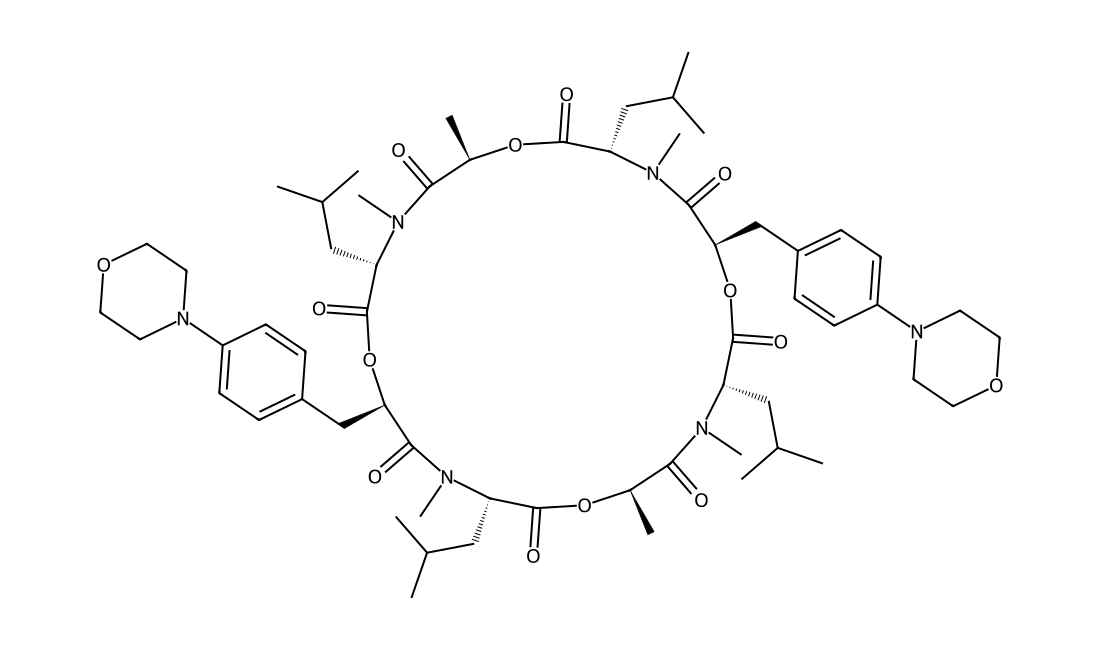
Emodepside (PF 1022-221) is a cyclooctadepsipeptide with broad-spectrum anthelmintic activity.
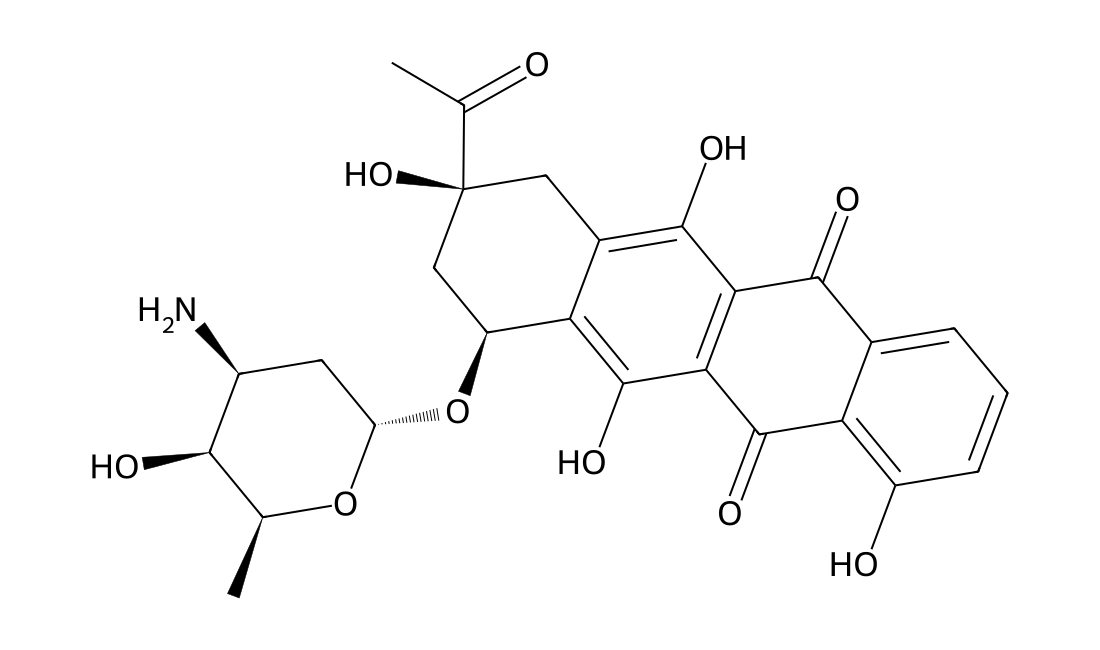
CAS 50935-04-1
Carubicin is an anthracycline antineoplastic antibiotic isolated from the bacterium Actinomadura carminata. Carubicin intercalates into DNA and interacts with topoisomerase II, thereby inhibiting DNA replication and repair and RNA and protein synthesis. For the detailed information of Carubicin, the solubility of Carubicin in water, the solubility of Carubicin in DMSO, the solubility of Carubicin in PBS buffer, the animal experiment (test) of Carubicin, the cell expriment (test) of Carubicin, the in vivo, in vitro and clinical trial test of Carubicin, the EC50, IC50,and affinity,of Carubicin, For the detailed information of Carubicin, the solubility of Carubicin in water, the solubility of Carubicin in DMSO, the solubility of Carubicin in PBS buffer, the animal experiment (test) of Carubicin, the cell expriment (test) of Carubicin, the in vivo, in vitro and clinical trial test of Carubicin, the EC50, IC50,and affinity,of Carubicin, Please contact DC Chemicals.
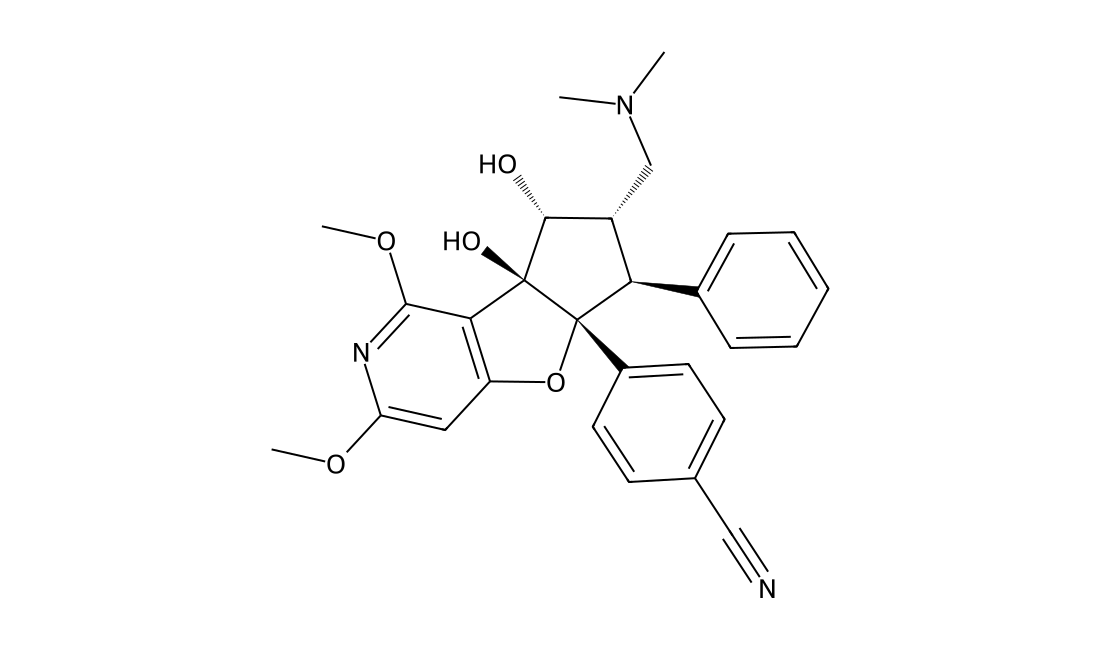
CAS 2098191-53-6
Zotatifin (eFT226) is a potent, selective, and well-tolerated eIF4A inhibitor. Zotatifin promotes eIF4A binding to specific mRNA sequences with recognition motifs in the 5’-UTRs (IC50=2 nM) and interferes with the assembly of the eIF4F initiation complex. Zotatifin shows robust antiviral effects, it effectively reduces viral infectivity by inhibiting SARS-CoV-2 NP protein biogenesis (IC90=37 nM). Zotatifin induces cell apoptosis.
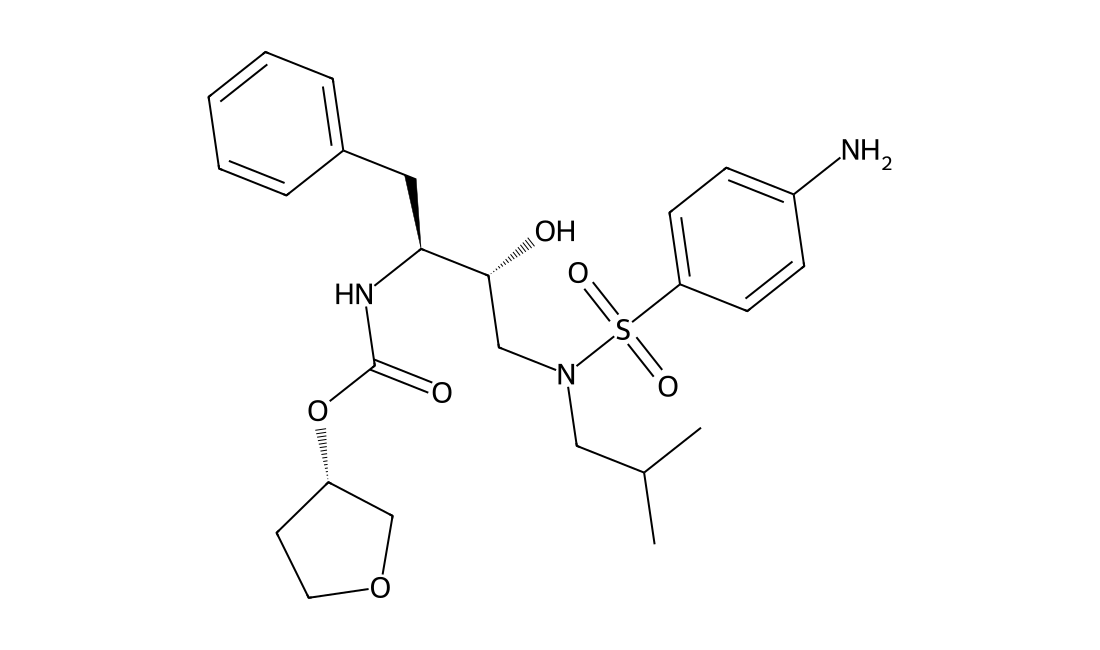
CAS 161814-49-9
Amprenavir is an human immunodeficiency virus (HIV) protease inhibitor with IC50 of 14.6 ± 12.5 ng/ml For wild-type HIV isolates. Like all HIV protease inhibitors, amprenavir interrupts the maturation phase of the HIV replicative cycle by Forming an inhibitor-enzyme complex, which prevents HIV protease from binding with its normal substrates. It has an enzyme inhibition constant (Ki = 0.6 nM) that falls within the Ki range of the other protease inhibitors. For the detailed information of Amprenavir, the solubility of Amprenavir in water, the solubility of Amprenavir in DMSO, the solubility of Amprenavir in PBS buffer, the animal experiment (test) of Amprenavir, the cell expriment (test) of Amprenavir, the in vivo, in vitro and clinical trial test of Amprenavir, the EC50, IC50,and Affinity of Amprenavir, Please contact DC Chemicals.
CAS 1486482-16-9
ML251, a potent nanomolar T. brucei and T. cruzi phosphofructokinase (PFK) inhibitor, inhibits T. brucei PFK (IC50=0.37 μM) and T. cruzi PFK (IC50=0.13 μM). ML251 can be used for the research of parasite[1].
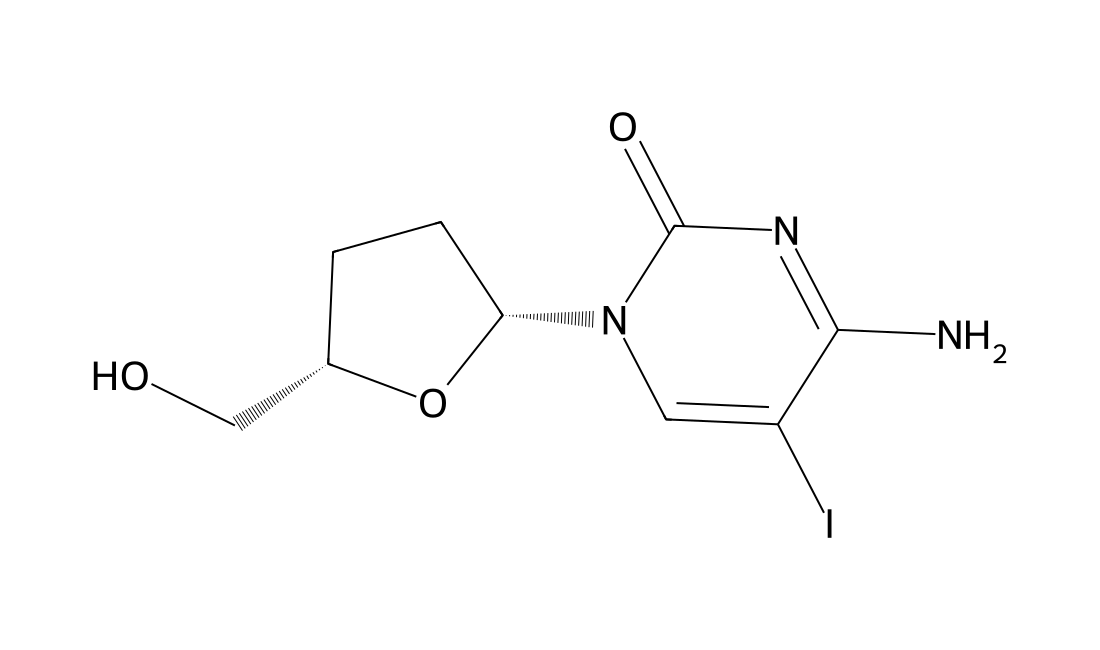
CAS 114748-57-1
2',3'-Dideoxy-5-iodocytidine is used for gene sequencing can be used as an antibiotic. 2',3'-Dideoxy-5-iodocytidine is particular effective against Mycobacterium.
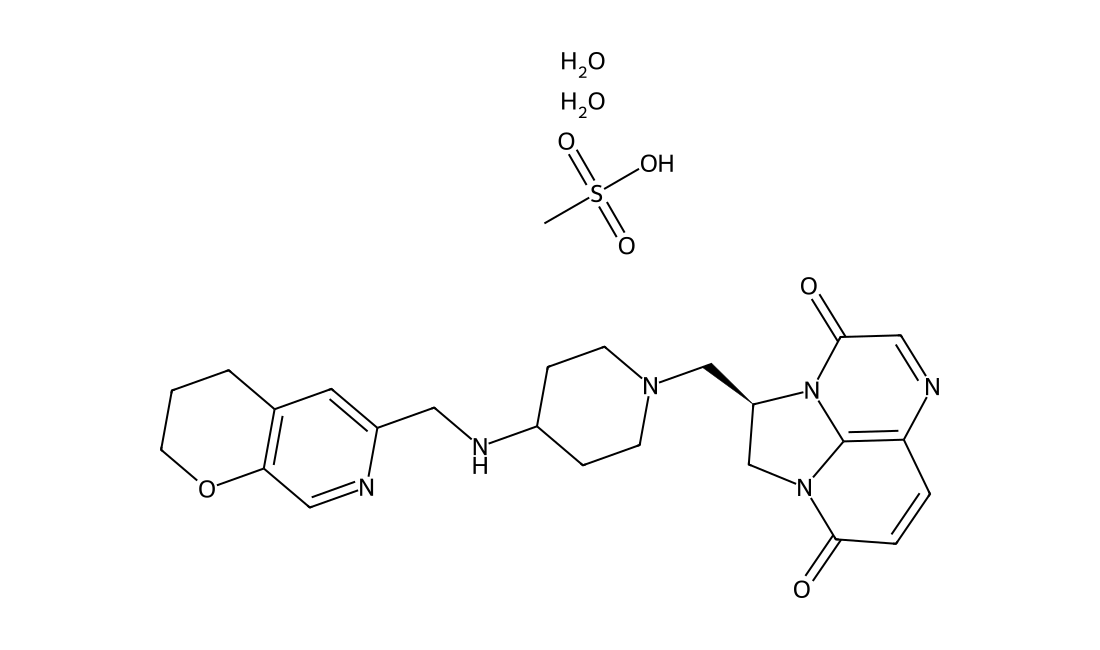
CAS 1624306-20-2
Gepotidacin, also known as GSK-2140944, is a potent Type II DNA topoisomerase inhibitor. Gepotidacin is a novel antibacterial drug candidate. Gepotidacin Demonstrates Absence of Fluoroquinolone-Like Arthropathy in Juvenile Rats. Gepotidacin is efficacious in a nonhuman primate model of pneumonic plague. When tested against Gram-negative (n = 333) and Gram-positive (n = 225) anaerobes by agar dilution, gepotidacin inhibited 90% of isolates at concentrations of 4 and 2 μg/mL, respectively.
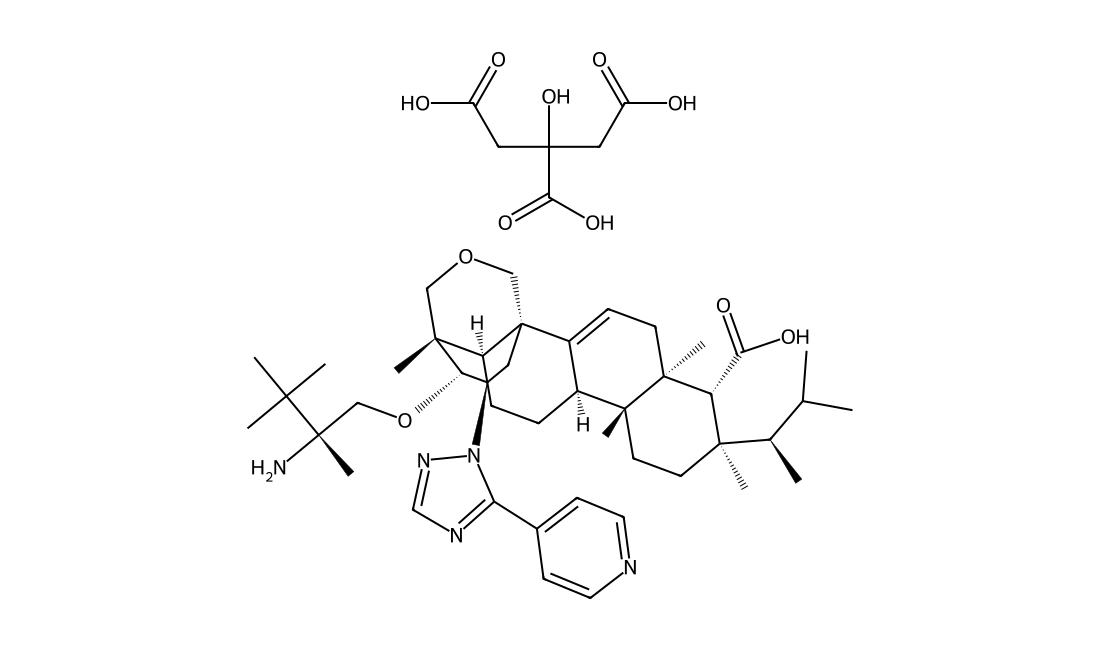
CAS 1965291-08-0
Ibrexafungerp citrate is a triterpenoid antifungal. Similarly to echinocandins, it inhibits the synthesis of 1,3-β-d-glucan. However, it binds to a different site on the enzyme than echinocandins, resulting in limited cross-resistance. Ibrexafungerp exerts concentration-dependent fungicidal activity against Candida species and retains in vitro activity against most fluconazole-resistant strains.
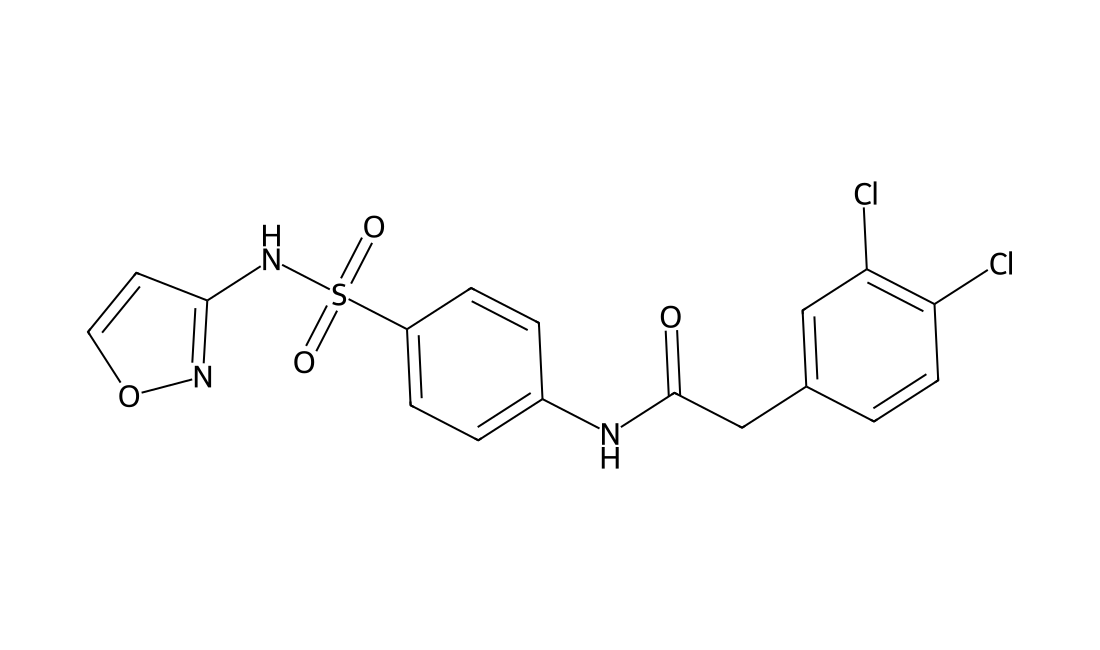
CAS 2102393-11-1
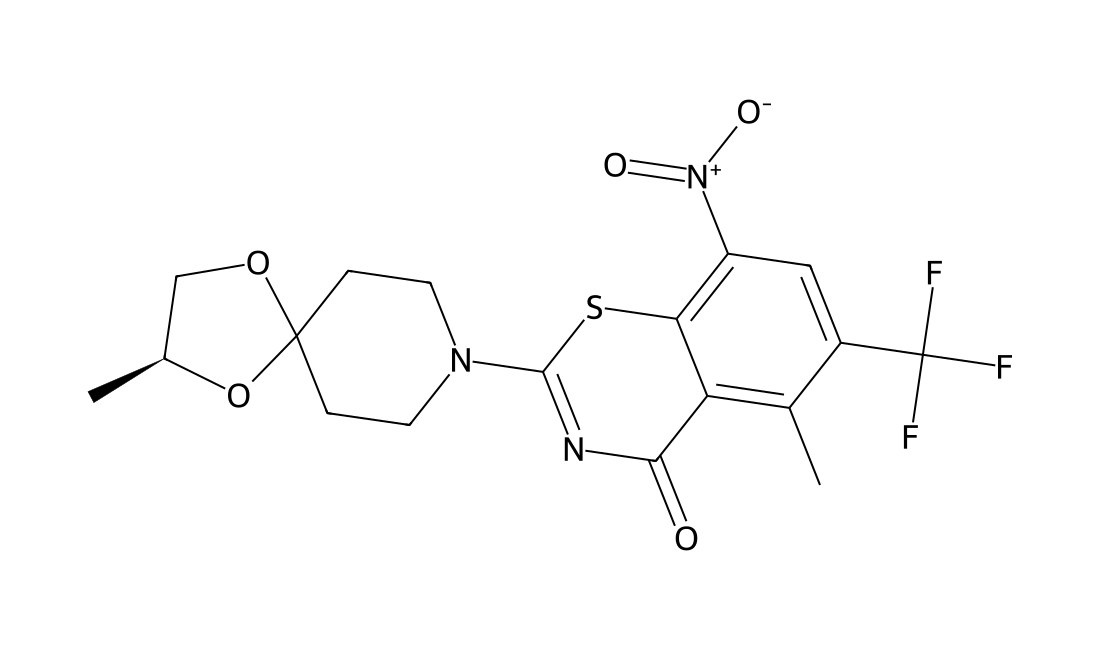
HKI12134085 (compound 3) is an orally available antibacterial nitrobenzothiazinone (BTZ) derivative with activity against Mycobacterium tuberculosis. HKI12134085 has in vivo inhibitory potency in a BALB/c mouse model of Mycobacterium tuberculosis infection.