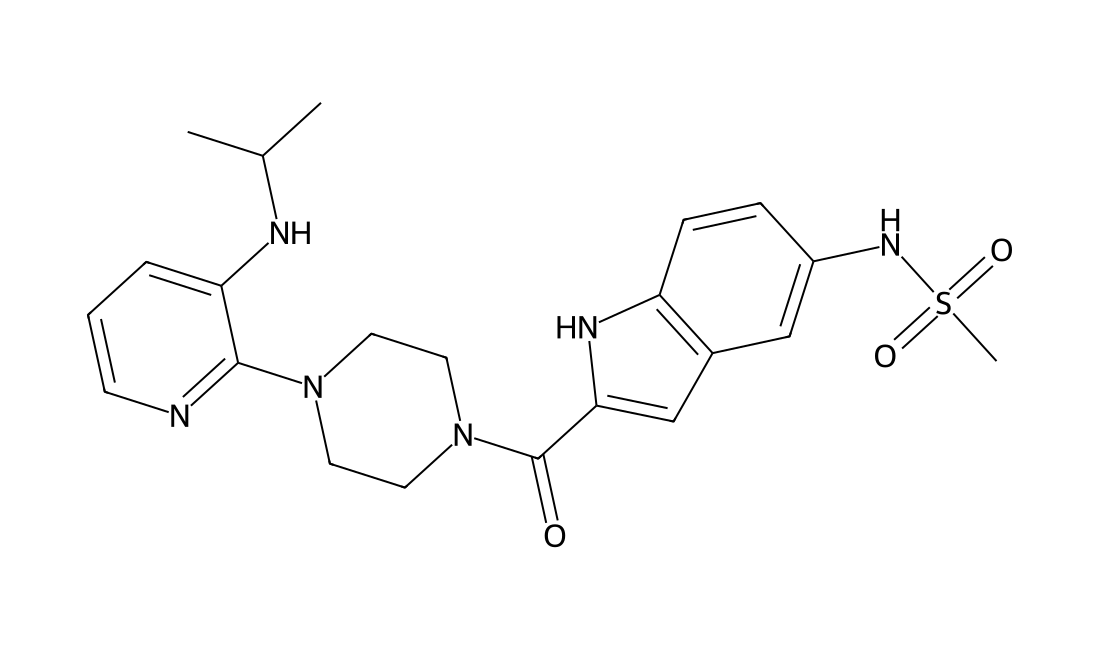
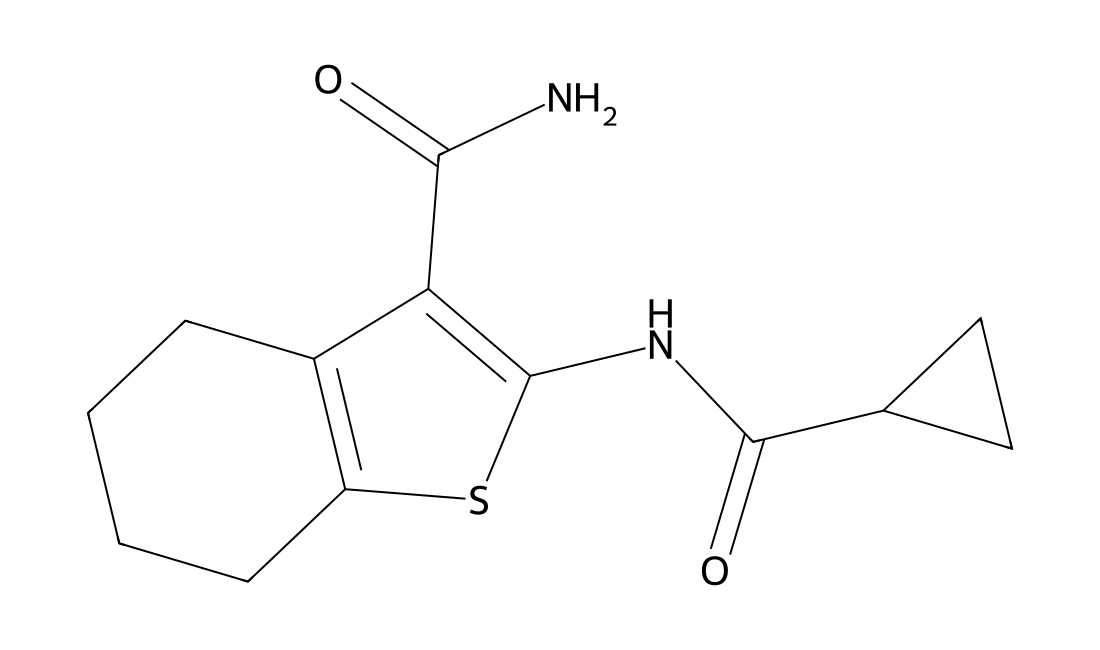
Cruzain-IN-1(ML092)
CAS 1199523-24-4
ML092 is a covalent and reversible Cruzain inhibitor, with an IC50 of 10 nM.

Antibacterial, antiviral, antifungal and antiparasitic research tools.
Products may appear in more than one category. Counts refer to distinct catalog numbers within each category.
Other Research Tools (75) · Additional reagents, building blocks and specialized research tools.
Combine a keyword, research category and target to narrow the product list.
Loading catalog filters…
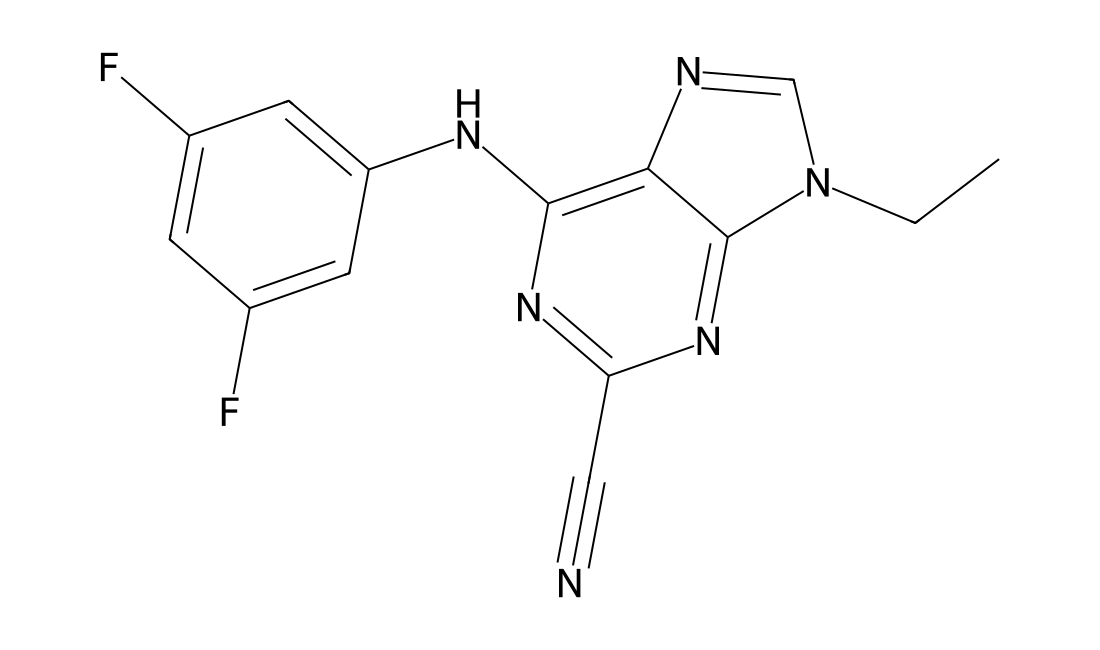
CAS 1199523-24-4
ML092 is a covalent and reversible Cruzain inhibitor, with an IC50 of 10 nM.
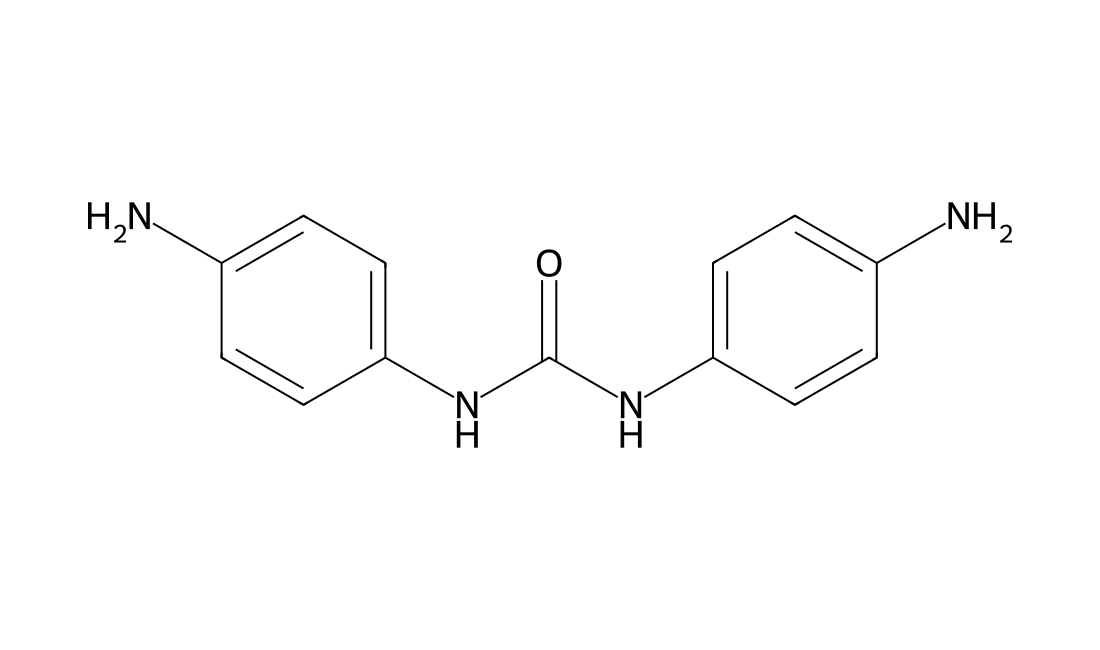
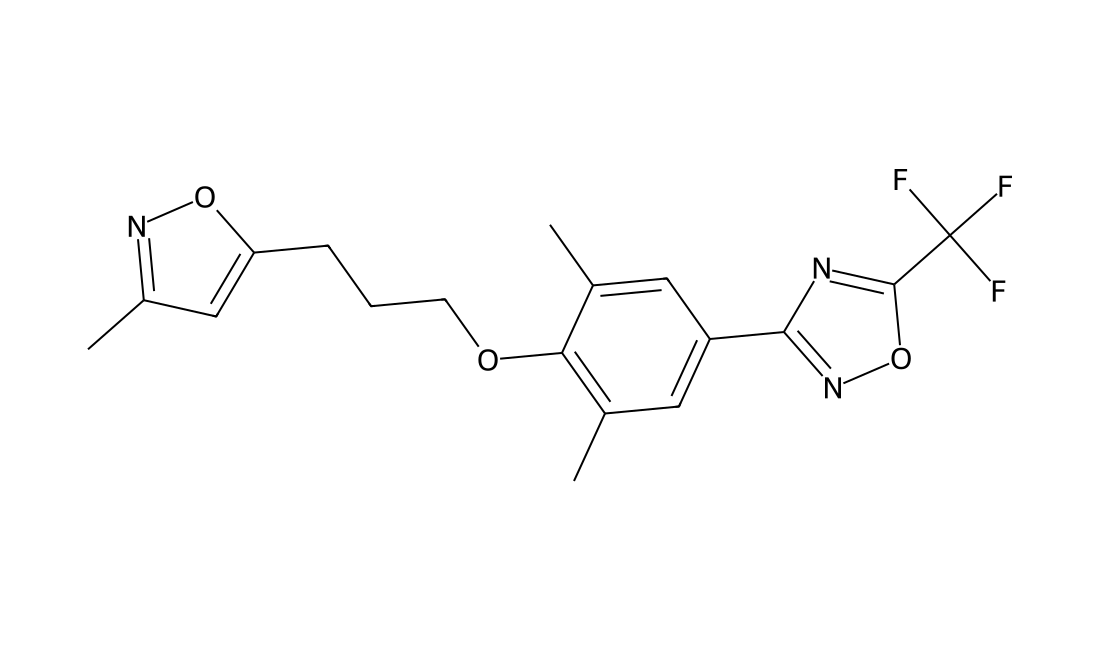
CAS 124436-59-5
Pirodavir (R 77975) is the prototype of a novel class of broad-spectrum antipicornavirus compounds; potent human rhinovirus (HRV) capsid-binding inhibitor.
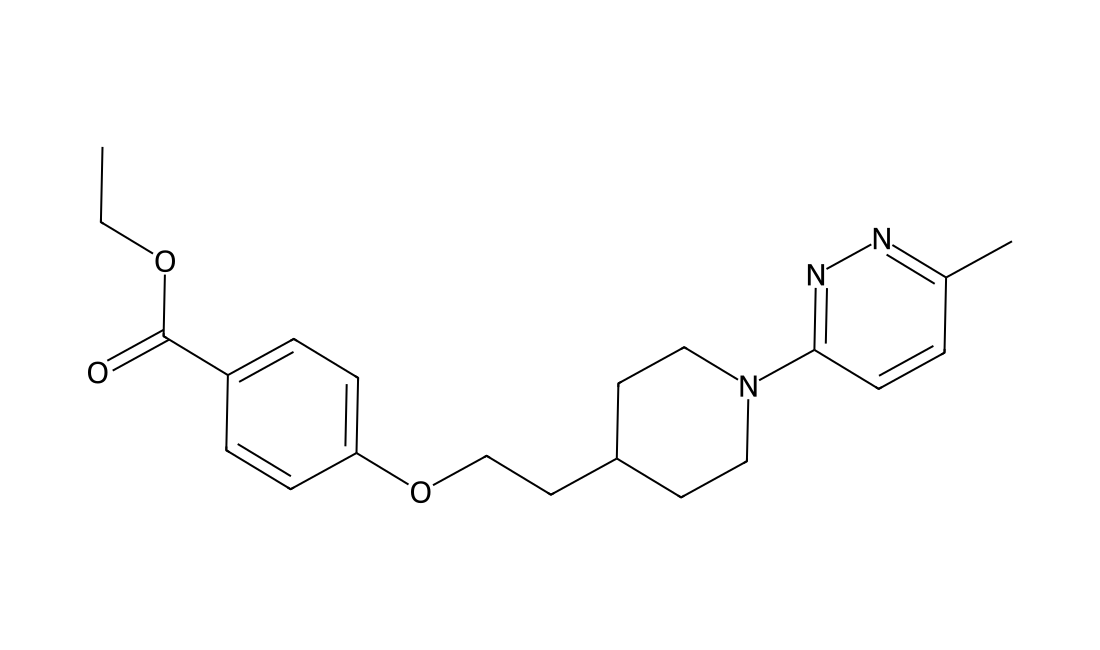
CAS 1200443-21-5
Targocil is a novel antibiotics against Methicillin-resistant Staphylococcus aureus (MRSA).
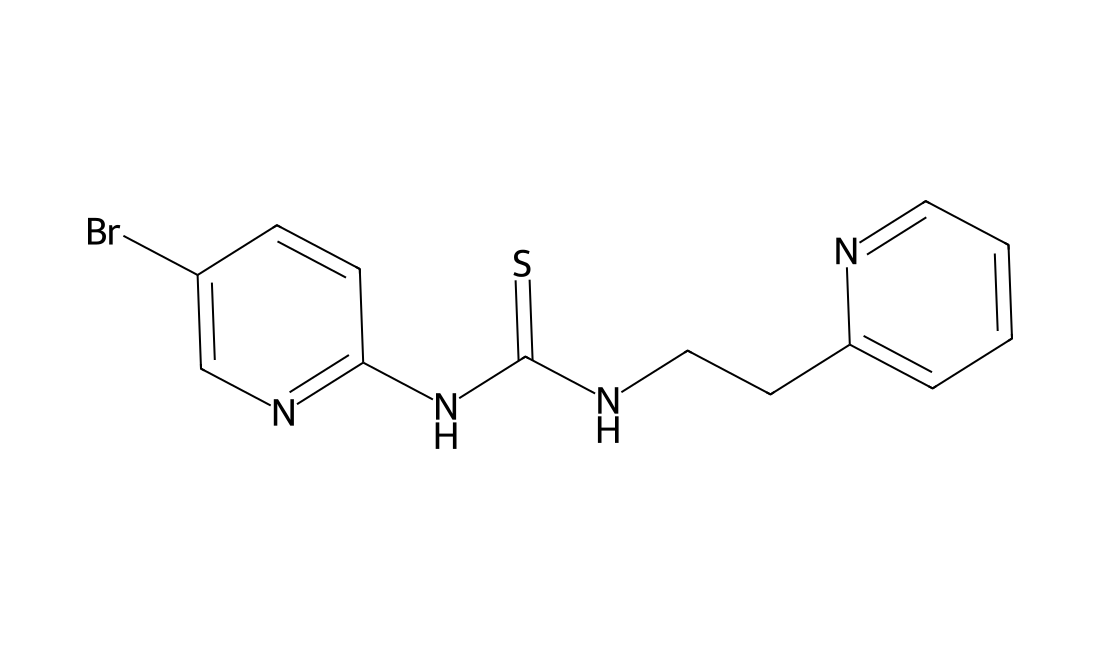
CAS 149488-17-5
Trovirdine inhibits HIV-1 RT with an IC50 of 7 nM when employing heteropolymeric primer/template (oligo-DNA/ribosomal RNA)and dGTP as substrate.
CAS 144217-65-2
YYA-021 is a small-molecule CD4 mimic that inhibits HIV entry, with high anti-HIV activity and low cytotoxicity.
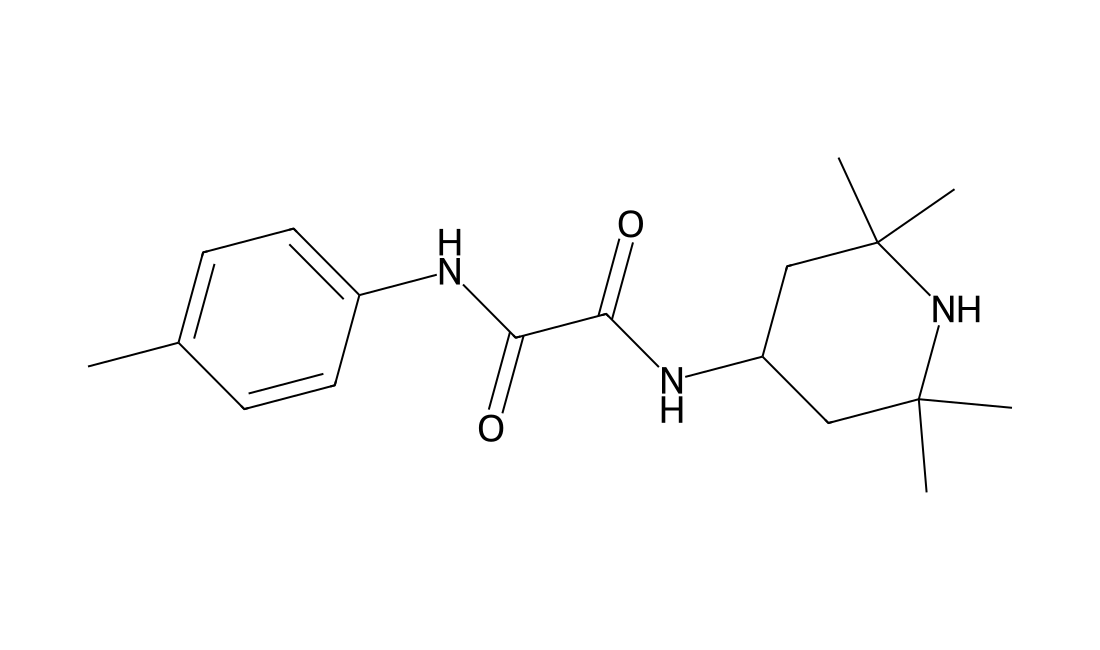
CAS 482-27-9
Isopimpinellin has chemopreventive effects, it effectively inhibits mouse COH activity (IC50 values 19-40 microM).Isopimpinellin is a new inhibitor against the Leishmania APRT enzyme.
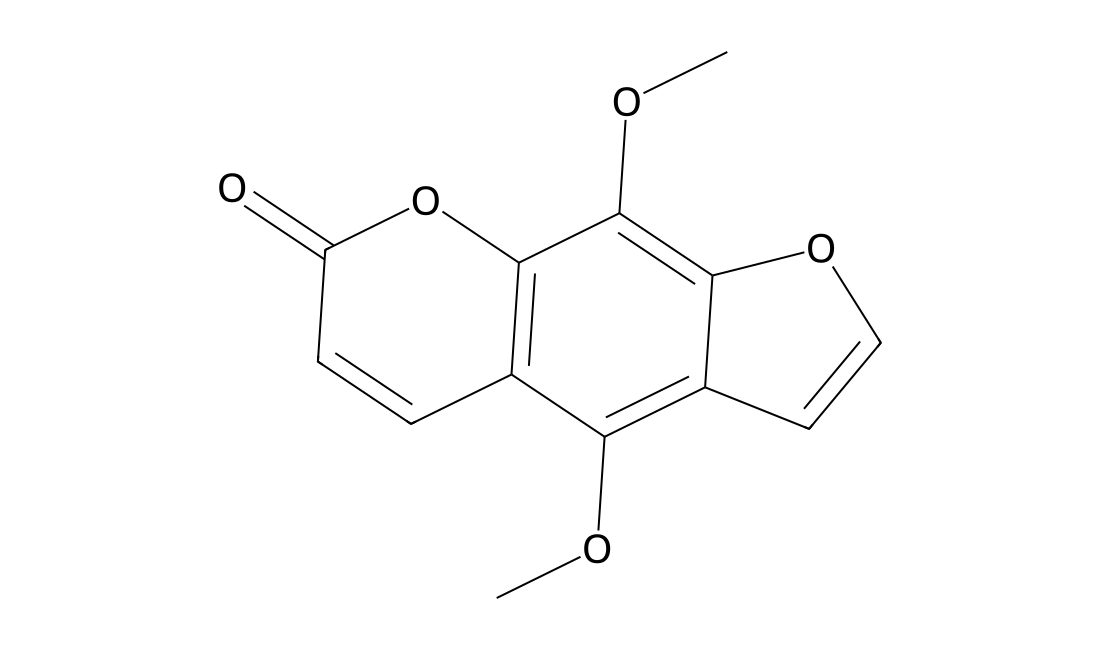
CAS 1443138-53-1
GSK2200150A is an antimycobacterial agent against Mycobacterium tuberculosis and Mycobacterium bovis BCG.
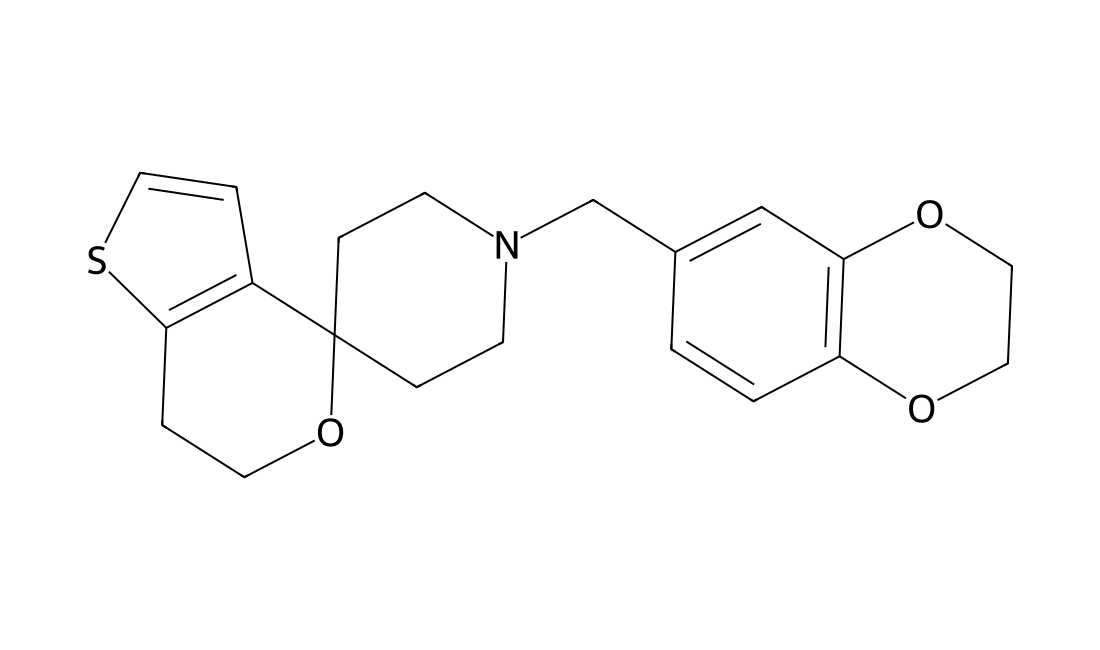
CAS 1010411-21-8
GSK369796 shows antimalerial activity with IC50 values of 11.2 nM for 3D7 strain, 12.6 nM for HB3 strain, 17.6 nM for K1 strain
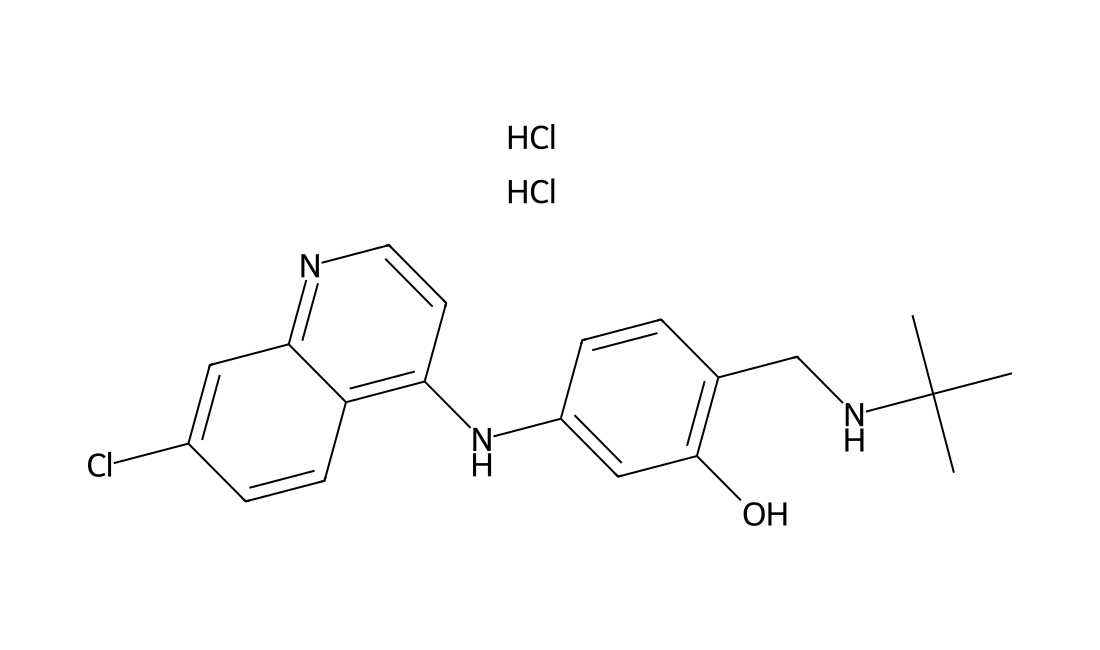
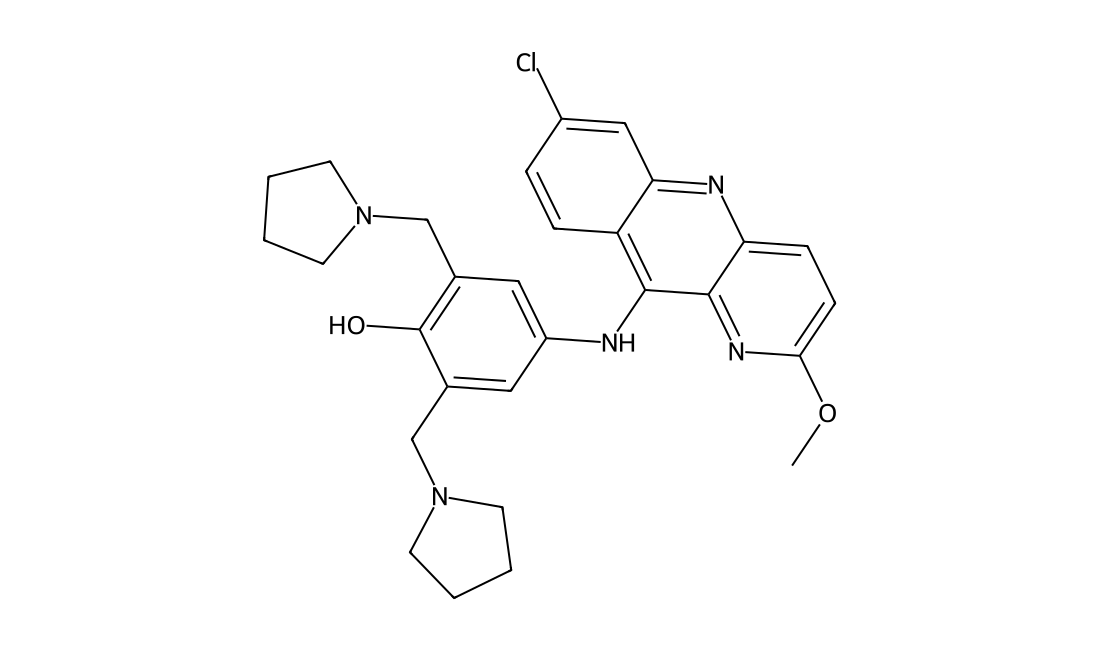
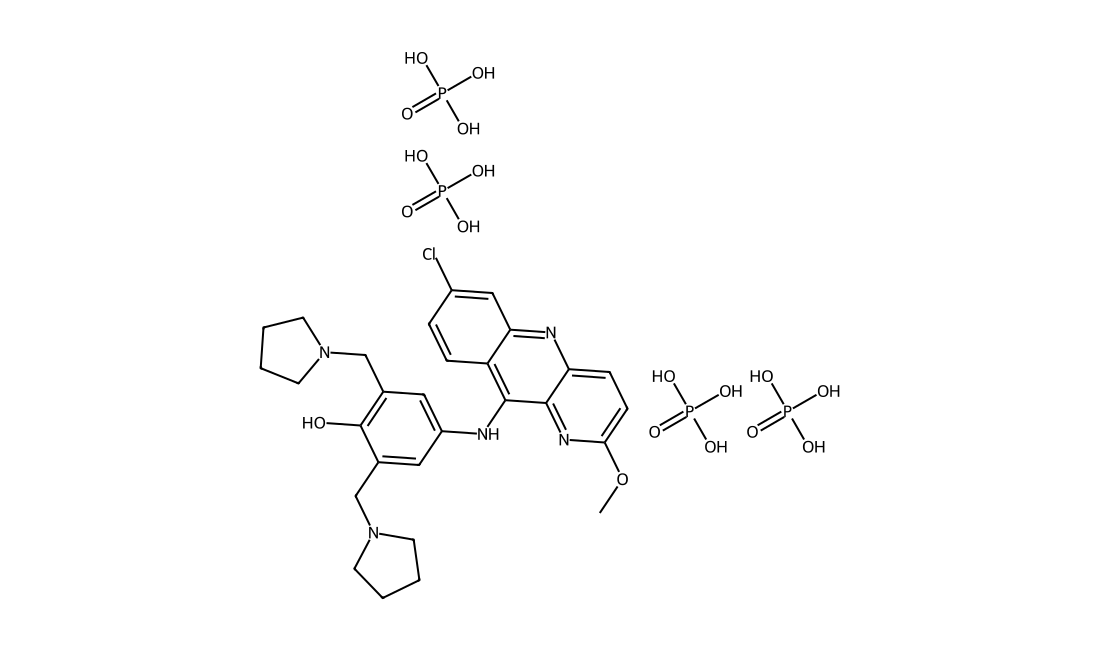
CAS 76748-86-2
Pyronaridine tetraphosphate is a Mannich base anti-malarial with demonstrated efficacy against drug resistant Plasmodium falciparum, P. vivax, P. ovale and P. malariae.
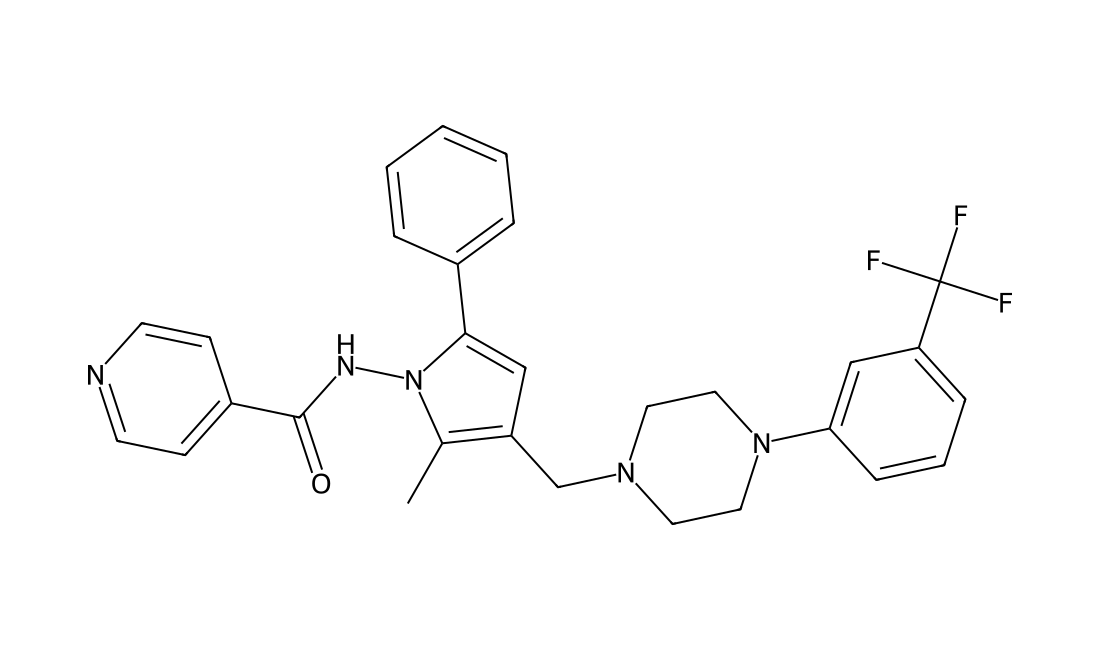
CAS 902688-24-8
QStatin is a novel, potent, and selective Vibrio quorum sensing (QS) inhibitor, shows pan-QS inhibitor activity in diverse Vibrio species.
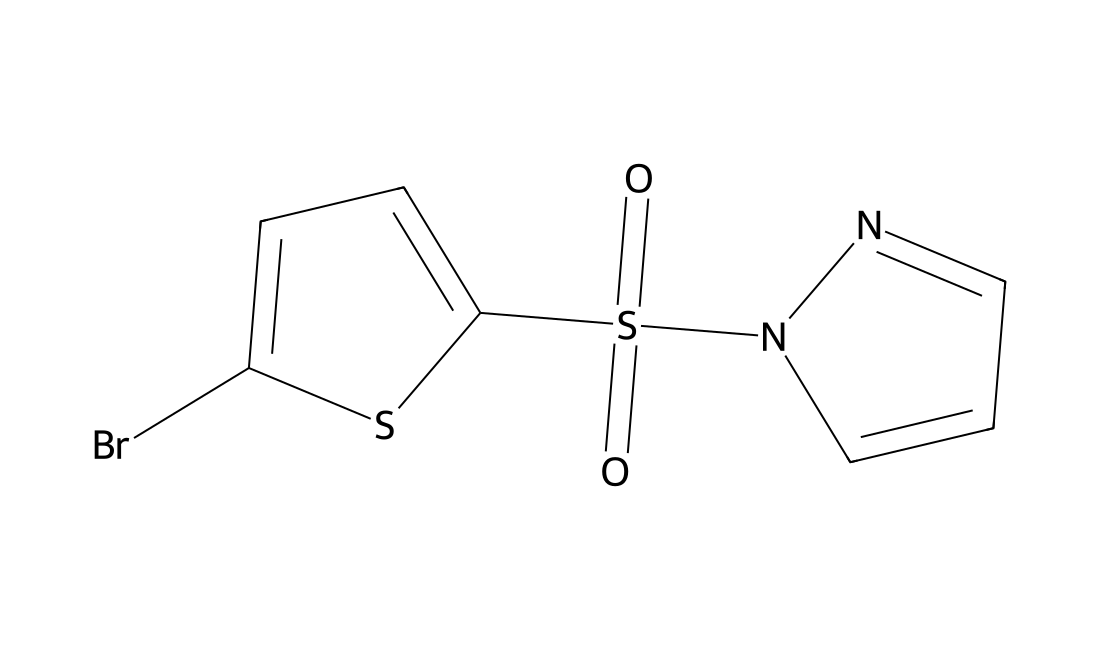
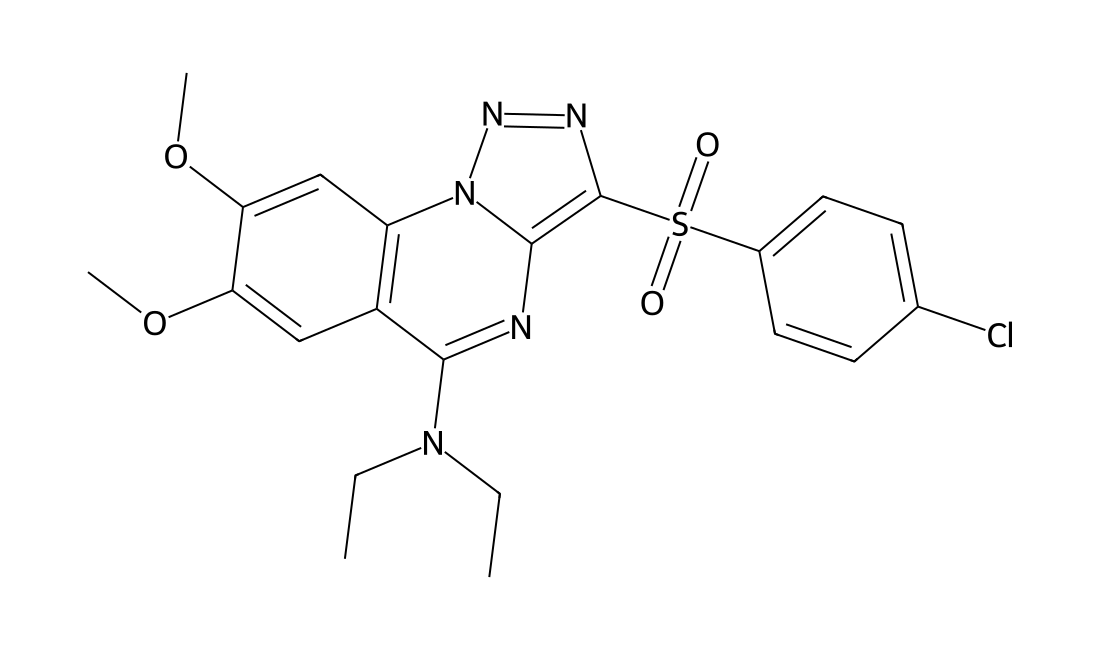
CAS 1000787-75-6
Tegobuvir (GS-9190; GS 333126) is a non-nucleoside nonstructural protein (NS)5B polymerase inhibitor.
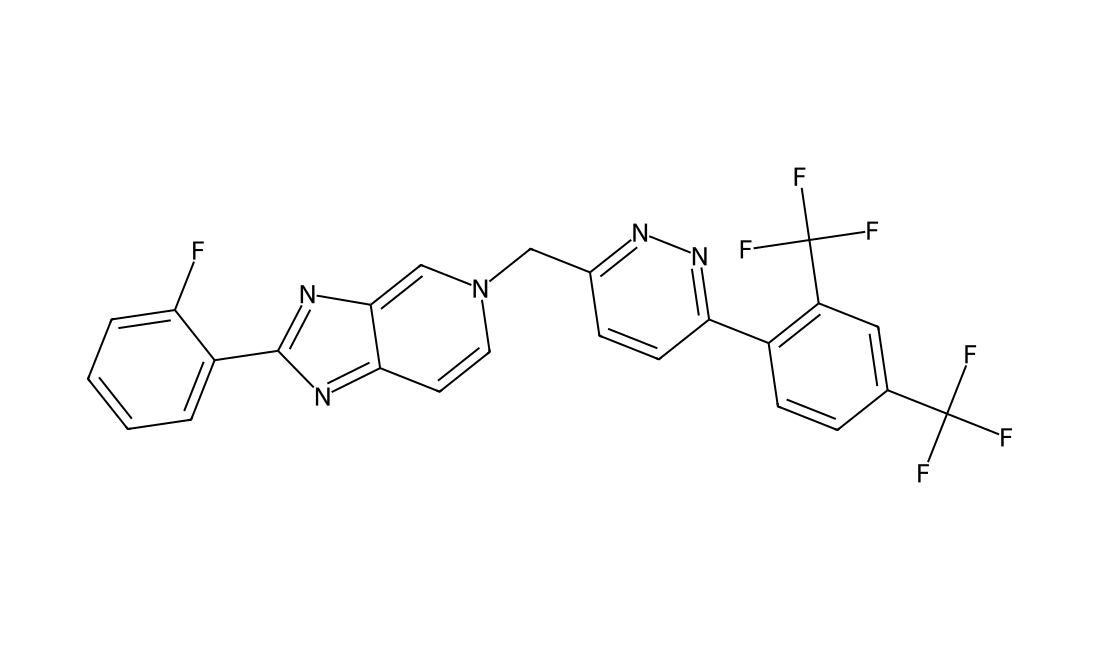
CAS 865285-29-6
A small molecule inhibitor of trans-translation that has broad-spectrum antibiotic activity.
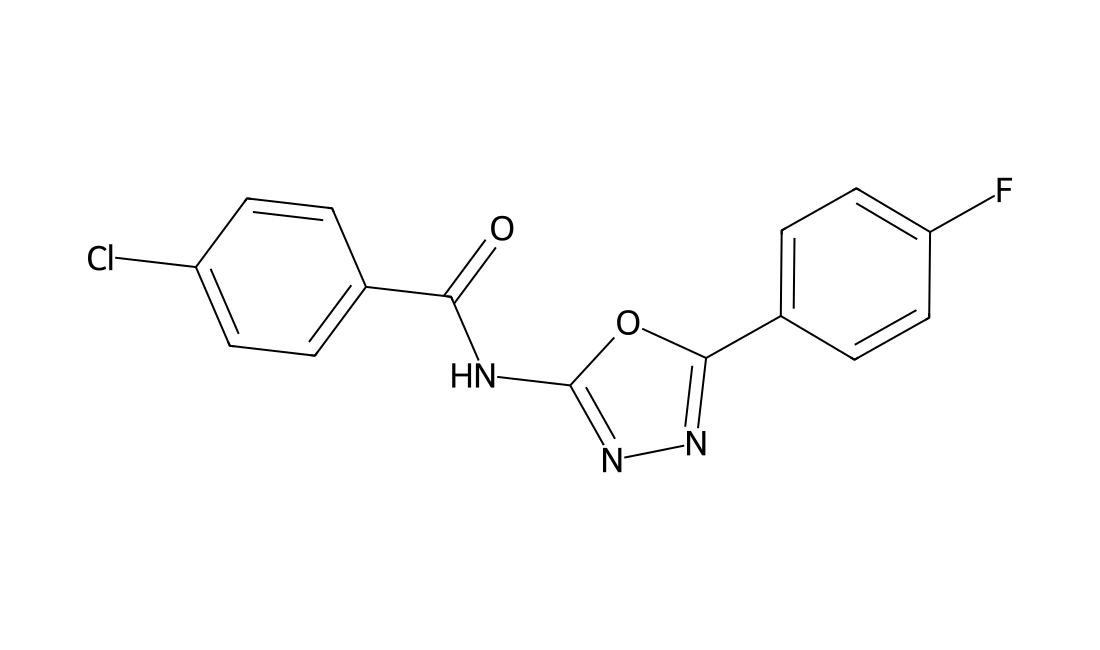
CAS 774589-47-8
ML406 is a small molecule Mtb bioA (DAPA synthase) enzyme inhibitor (IC50=30 nM) that shows anti-tubercular activity, dispalys >100-fold selectivity over bioD.
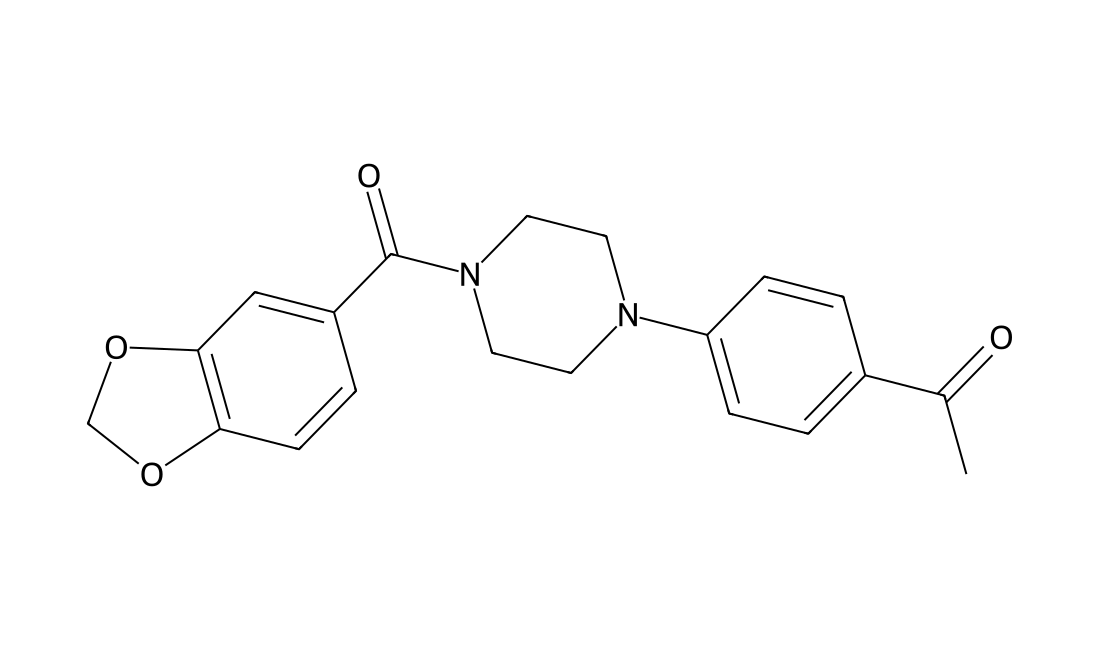
CAS 443639-96-1
S119-8 is a novel broad spectrum inhibitor of influenza virus replication (IC50=1.43 nM) by targeting the viral Nucleoprotein (NP), with no detectable cytotoxicity (CC50>50 uM).
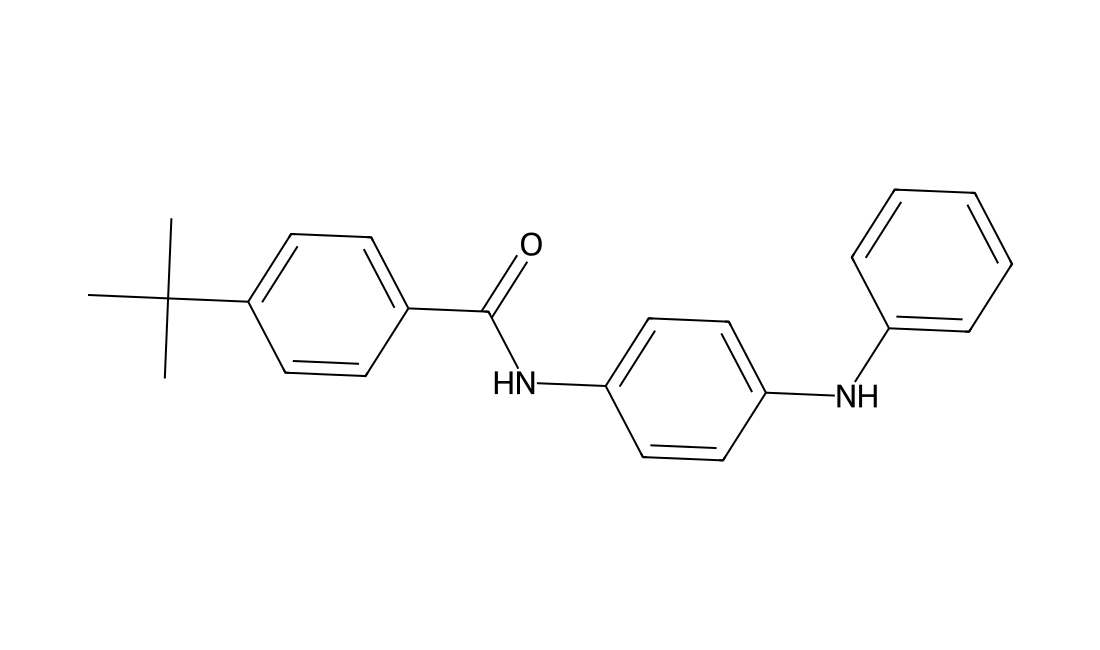
CAS 473921-12-9
Lersivirine (UK-453061) is a next-generation non-nucleoside reverse transcriptase inhibitor (NNRTI) under development for the treatment of HIV-1 infection.
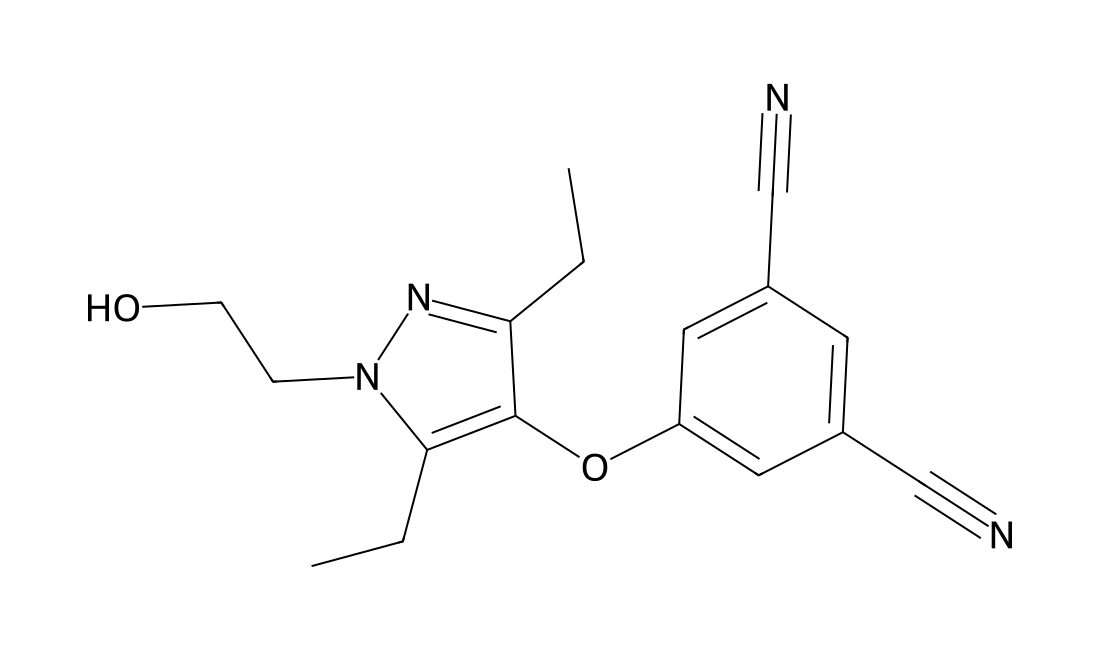
CAS 329221-38-7
AX20017 is a small-molecule protein kinase G (PknG) inhibitor with an IC50 of 0.39 μM.
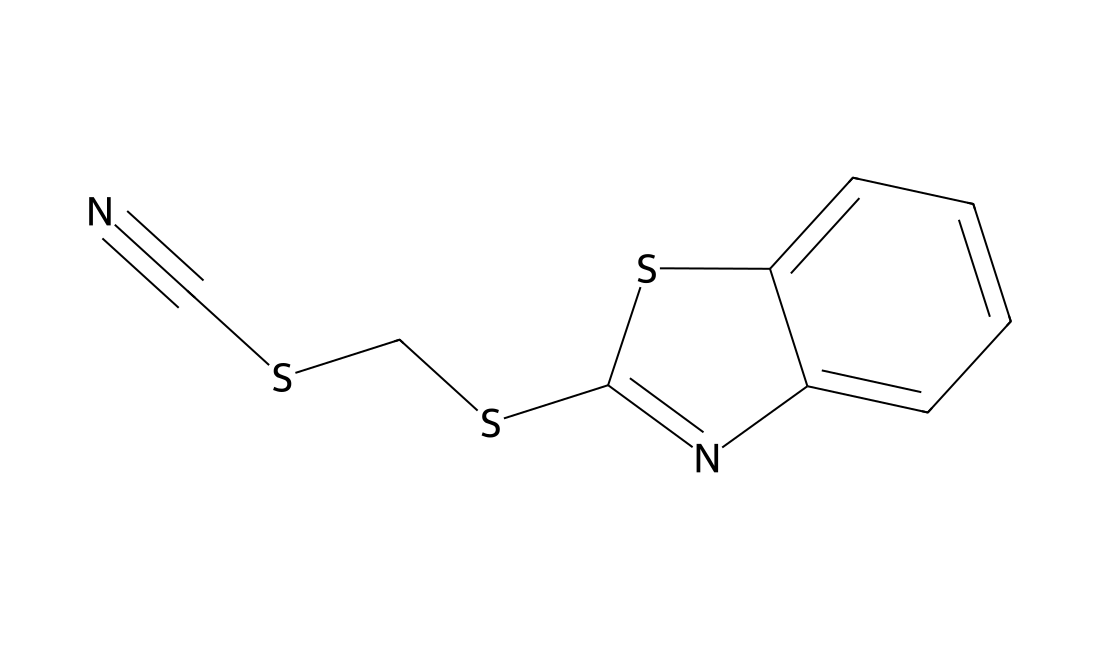
CAS 142340-99-6
Adefovir Dipivoxil(Preveon, Hepsera) works by blocking reverse transcriptase, an enzyme that is crucial for the hepatitis B virus (HBV) to reproduce in the body.
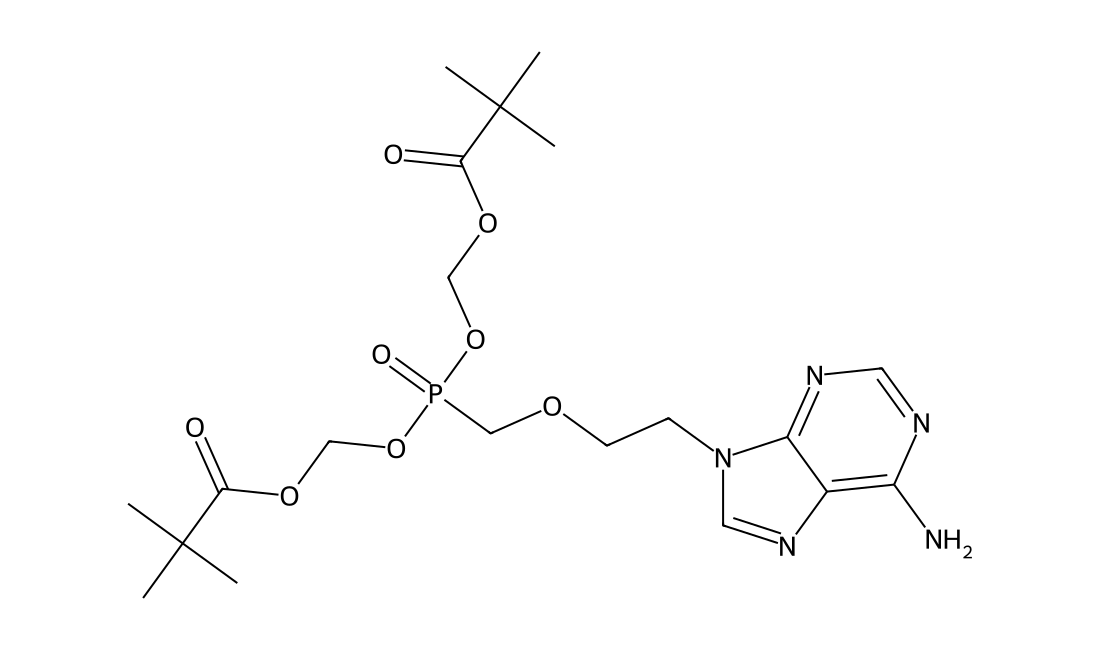
CAS 101827-46-7
A synthetic benzylamine antifungal that inhibits the synthesis of ergosterol by inhibiting squalene epoxidase.
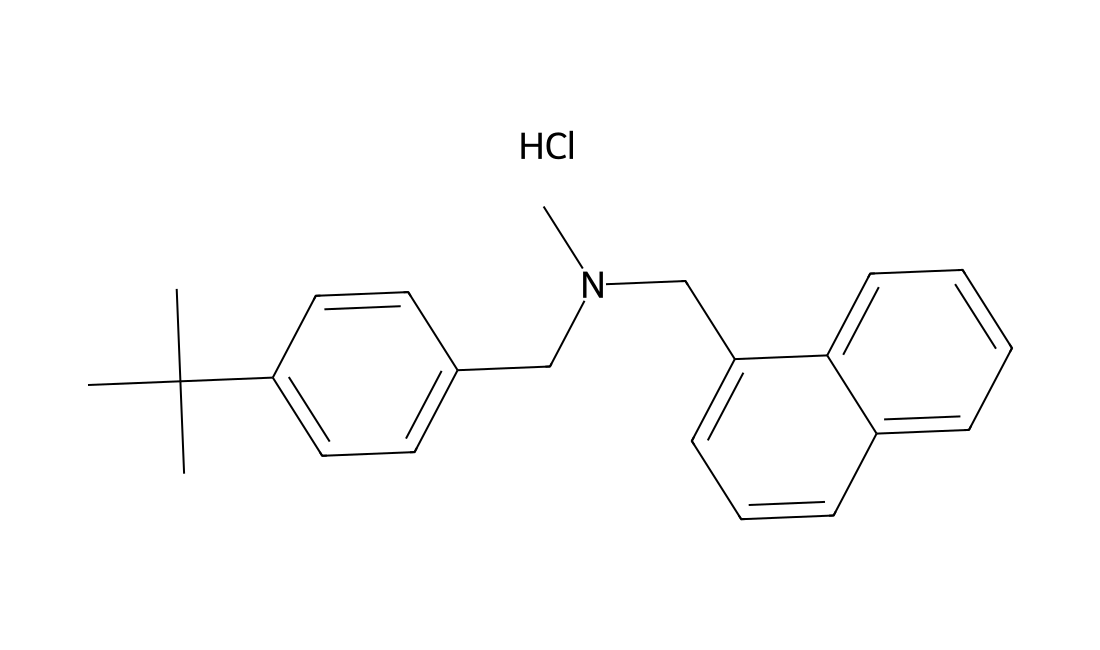
CAS 72236-23-8
DCBA is a metabolite of insect repellent N-N-diethyl-meta-toluamide (DEET). The concentration of DCBA in urine can assess exposure to DEET.
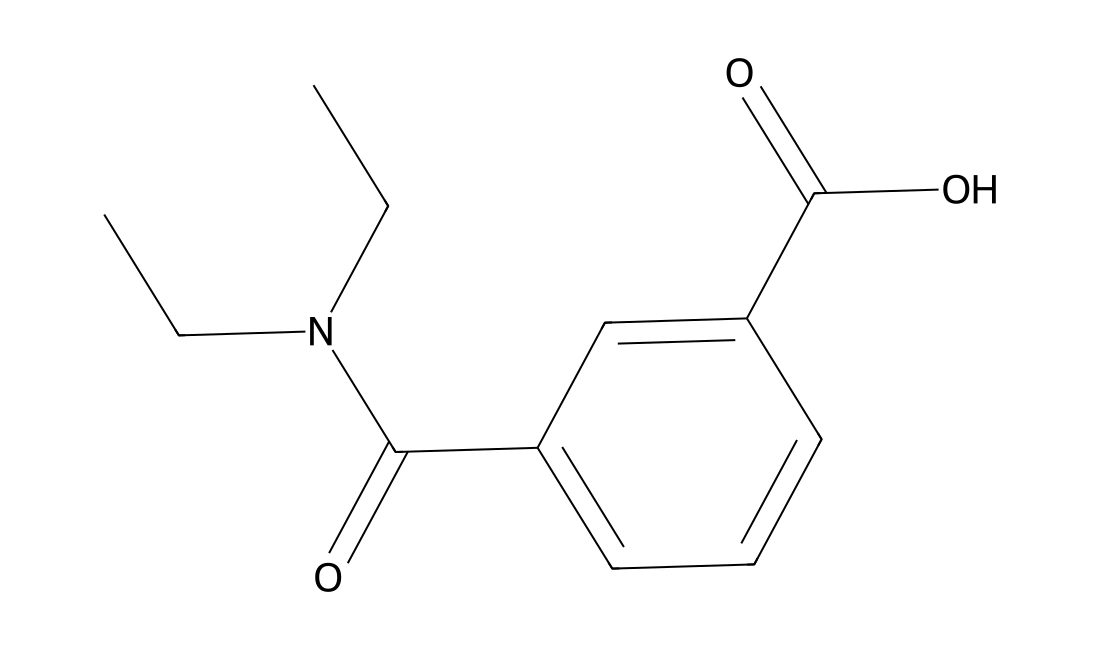
CAS 2479465-67-1
EBOV/MARV-IN-1 is a potent inhibitor of Ebola virus (EBOV) and Marburg virus (MARV), with broad-spectrum activity (EC50=0.31, and 0.82 μM, respectively) and low cytotoxicity (SI>100) in HeLa cells.
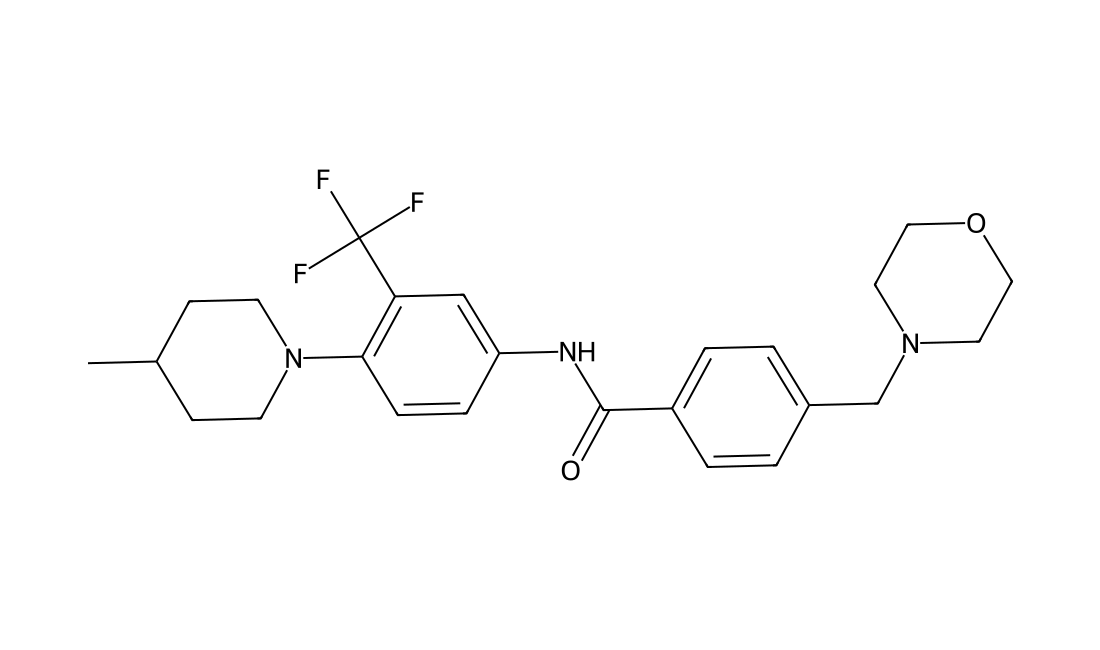
CAS 864953-29-7
HIV-1 attachment inhibitor,a prodrug of the small-molecule inhibitor BMS-626529
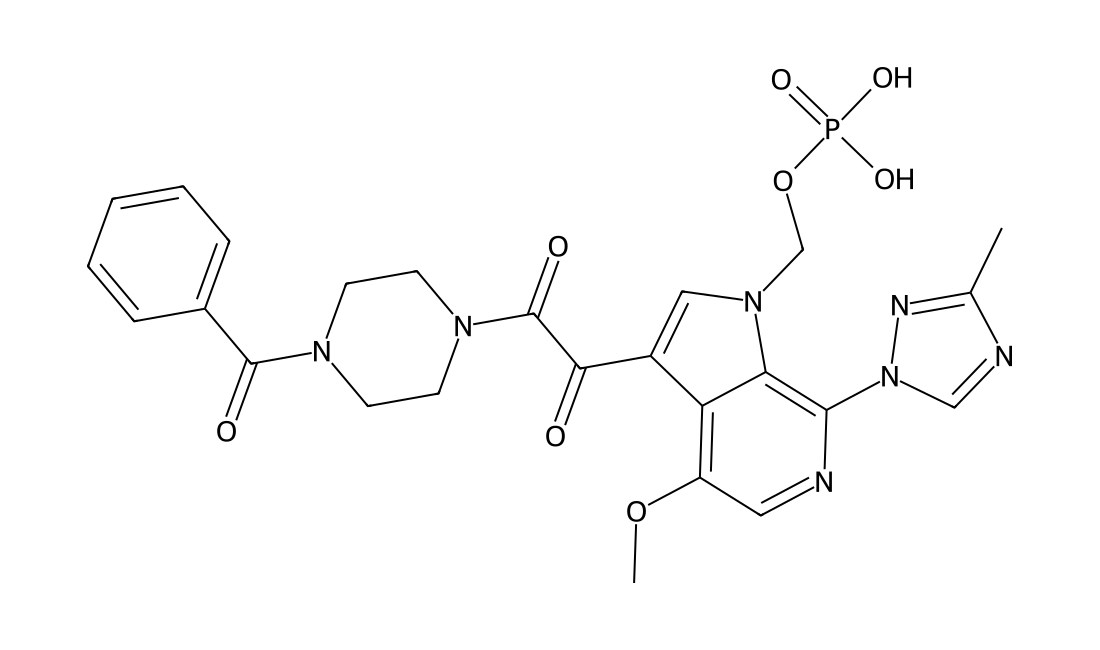
CAS 84176-65-8
AH10639 is a novel inhibitor of Pneumocystis carinii and Toxoplasma gondii dihydrofolate reductase.
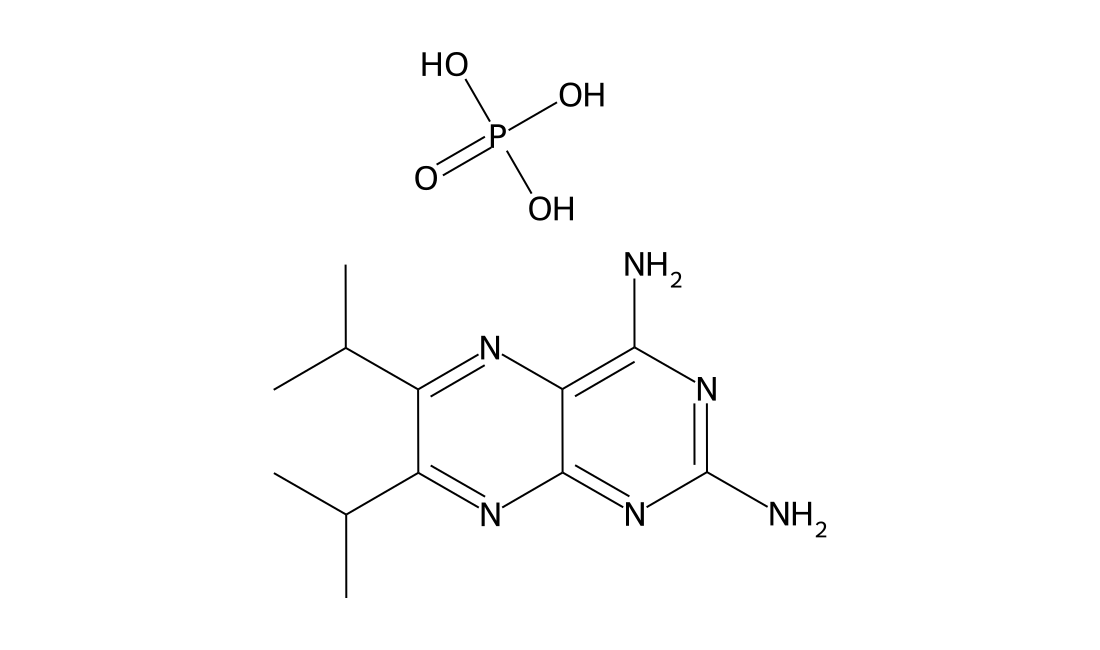
CAS 868046-19-9
A new-generation non-nucleoside reverse transcriptase inhibitor (NNRTI) for the treatment of HIV-1 infections, the prodrug of the active compound VM-1500A..
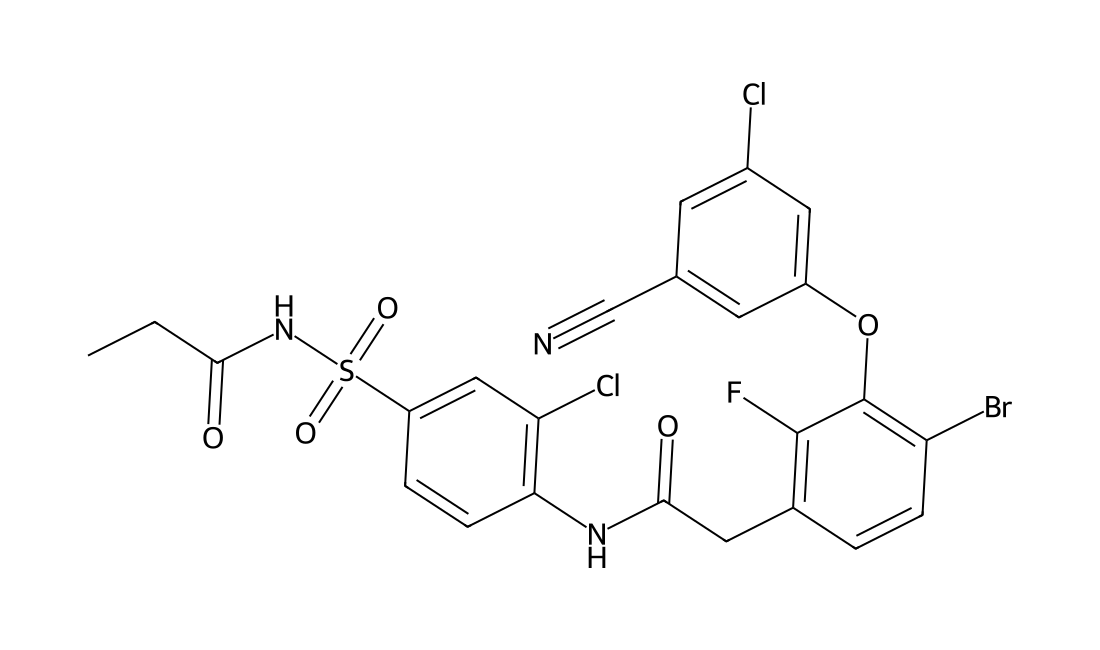
CAS 119139-23-0
Bisindolylmaleimide IV (Arcyriarubin A) is a potent protein kinase C (PKC) inhibitor, with IC50s ranging from 0.1 to 0.55 μM. Bisindolylmaleimide IV also inhibits PKA (IC50=3.1-11.8μM). Bisindolylmaleimide IV is a potent, selective inhibitor of human cytomegalovirus (HCMV) replication in cell culture with an IC50 of 0.2 μM.
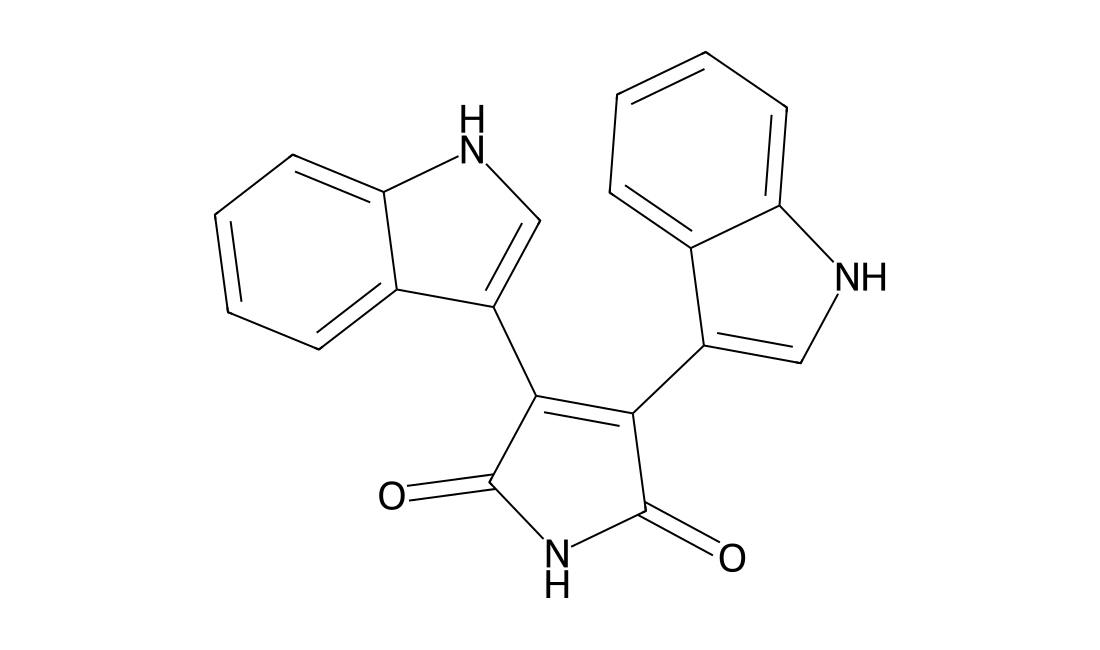
CAS 553-19-5
In Vitro Xanthyletin inhibits symbiotic fungus cultivated by leaf-cutting ants. Xanthyletin (25, 50, and 100 µg/mL) shows a total inhibition on the fungus.
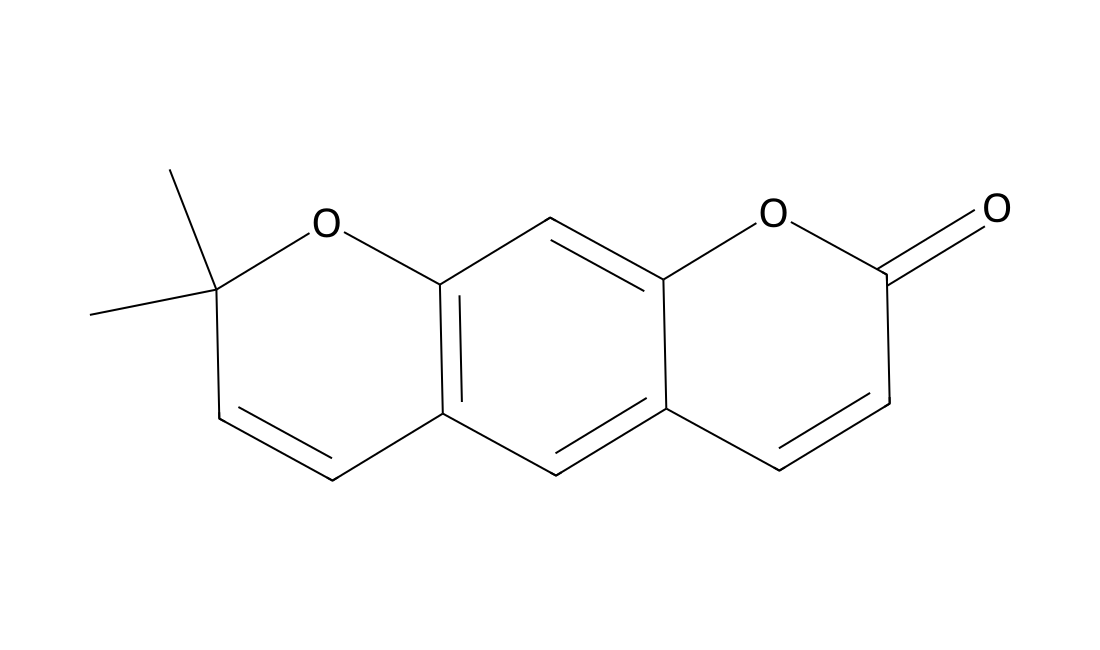
CAS 69004-04-2
Ponazuril (INN, Toltrazuril sulfone), sold by the Bayer Corporation under the trade name Marquis, is a drug currently approved for the treatment of equine protozoal myeloencephalitis in horses, caused by Sarcocystis neurona. More recently, veterinarians have been preparing a formulary version of the medication for use in small animals such as cats and dogs against coccidia, an intestinal parasite. Coccidia treatment is far shorter than treatment for EPM. Ponazuril (INN, Toltrazuril sulfone) is useful for Antiprotozoal.
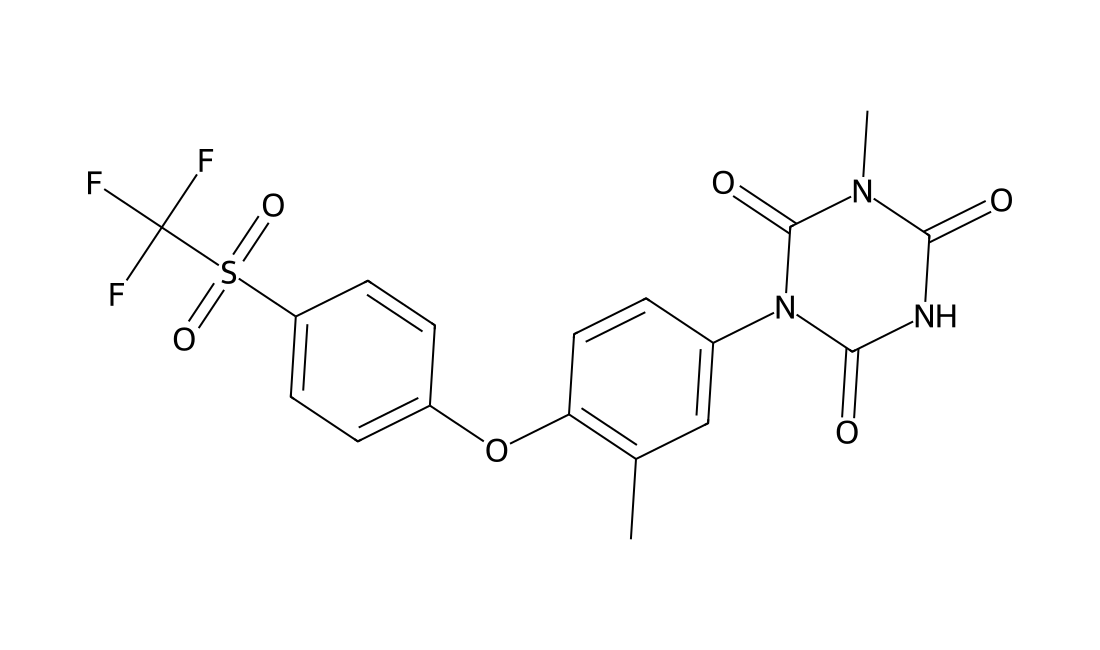
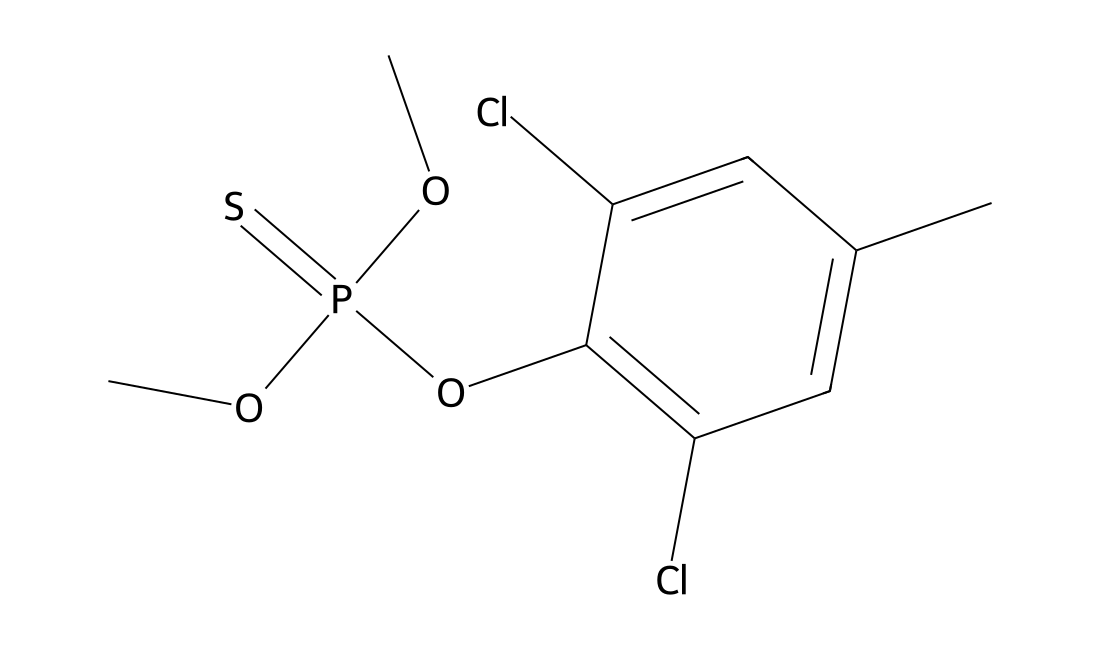
CAS 57018-04-9
Tolclofos-methyl is a broad-spectrum aromatic hydrocarbon fungicide that is used as a see treatment for protection against soil-borne and seed borne fungal pathogens that caused seed decay and seedling blights.
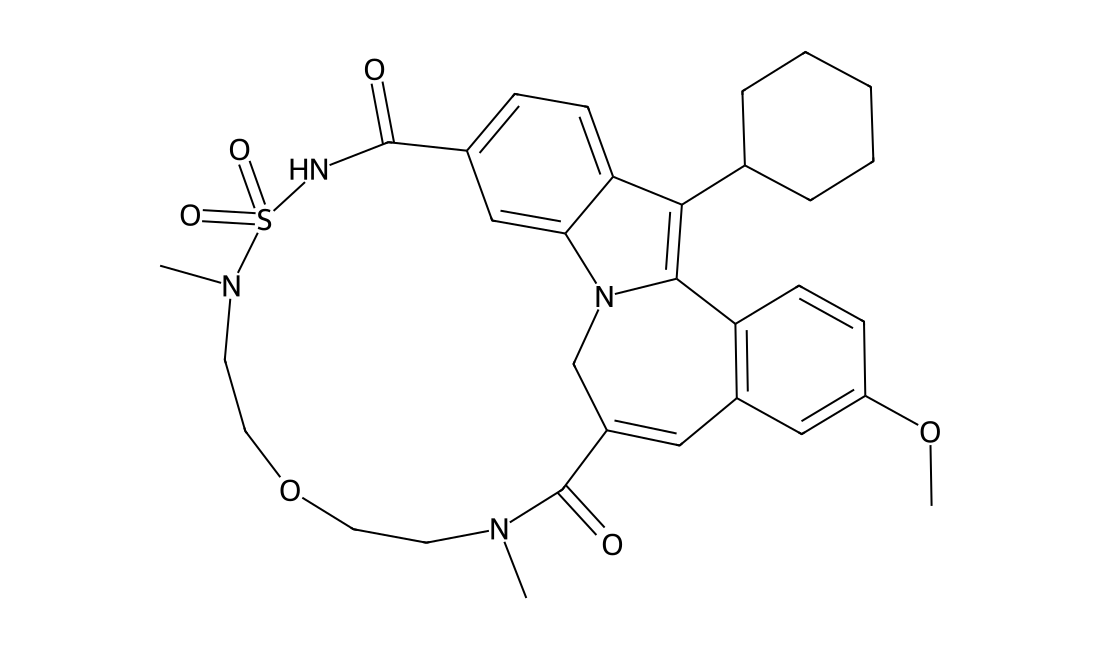
CAS 1204416-97-6
TMC647055 is a potent nonnucleoside NS5B polymerase inhibitor of HCV replication with a promising in vitro biochemical, kinetic, and virological profile that is currently undergoing clinical evaluation. For the detailed information of TMC647055, the solubility of TMC647055 in water, the solubility of TMC647055 in DMSO, the solubility of TMC647055 in PBS buffer, the animal experiment (test) of TMC647055, the cell expriment (test) of TMC647055, the in vivo, in vitro and clinical trial test of TMC647055, the EC50, IC50,and affinity,of TMC647055, Please contact DC Chemicals.
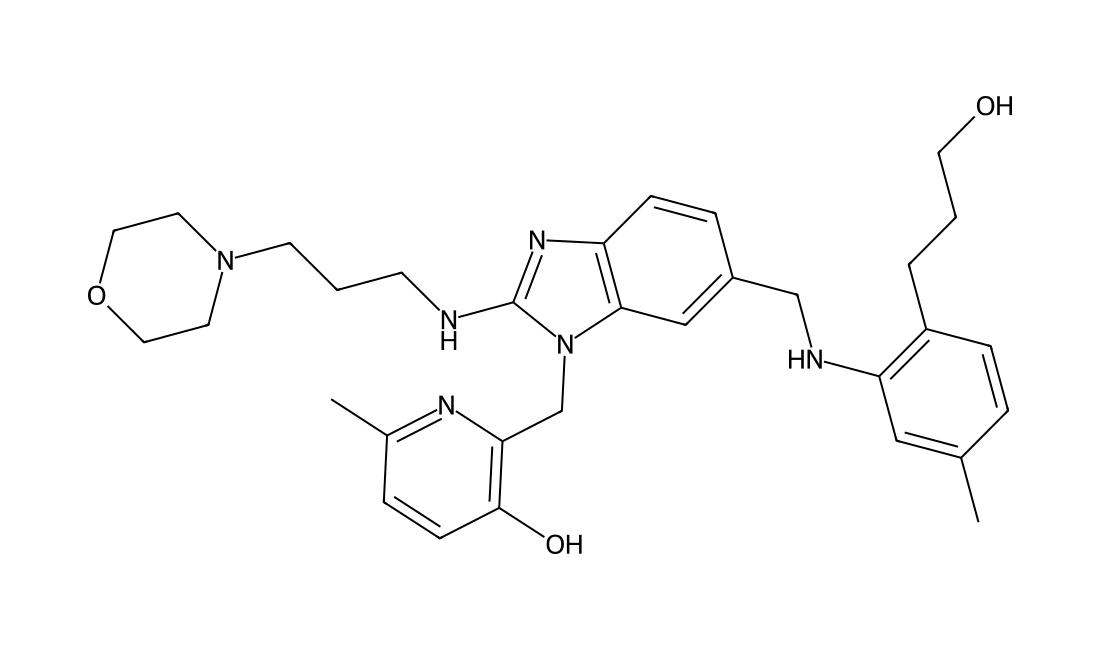
CAS 857066-90-1
TMC353121 is a potent RSV fusion inhibitor with pEC50 of 9.9(t1/2 in lung = 25 h). The activity profile of 56d(TMC353121) was found to be identical to the profile of JNJ-2408068. After iv administration, 56d was rapidly eliminated with a plasma clearance of 5.4 L/h/kg. The plasma concentrations dropped quickly within the first hour after dosing and then much more slowly. The plasma half-life determined between 4 and 24 h (last blood sampling time point) was about 10 h. 56d was shown to be active by intravenous, oral, and aerosol administration in the cotton rat model at doses of 10 mg/kg, 40 mg/kg, and 5 mg/mL, respectively.
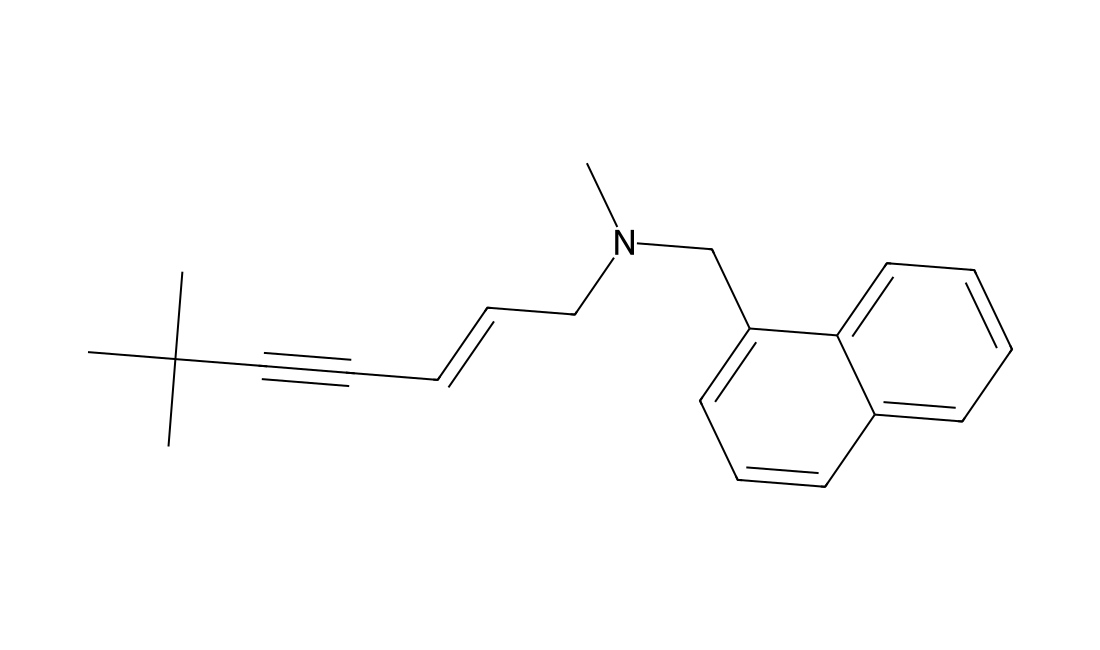
CAS 91161-71-6
For the detailed information of Terbinafine (Lamisil, Terbinex), the solubility of Terbinafine (Lamisil, Terbinex) in water, the solubility of Terbinafine (Lamisil, Terbinex) in DMSO, the solubility of Terbinafine (Lamisil, Terbinex) in PBS buffer, the animal experiment(test) (test) of Terbinafine (Lamisil, Terbinex), the cell expriment (test) of Terbinafine (Lamisil, Terbinex), the in vivo, in vitro and clinical trial test of Terbinafine (Lamisil, Terbinex), the EC50, IC50,and Affinity of Terbinafine (Lamisil, Terbinex),, please contact DC Chemicals.
CAS 55321-99-8
T-1105 is a broad-spectrum antiviral inhibitor that demonstrates good activity for various RNA viruses, including influenza virus, arenaviruses, bunyaviruses, West Nile virus (WNV), yellow fever virus (YFV), FMDV, and ZIKV; inhibits ZIKV replication with EC50 of 35 uM in a virus yield reduction assay.
CAS 489416-12-8
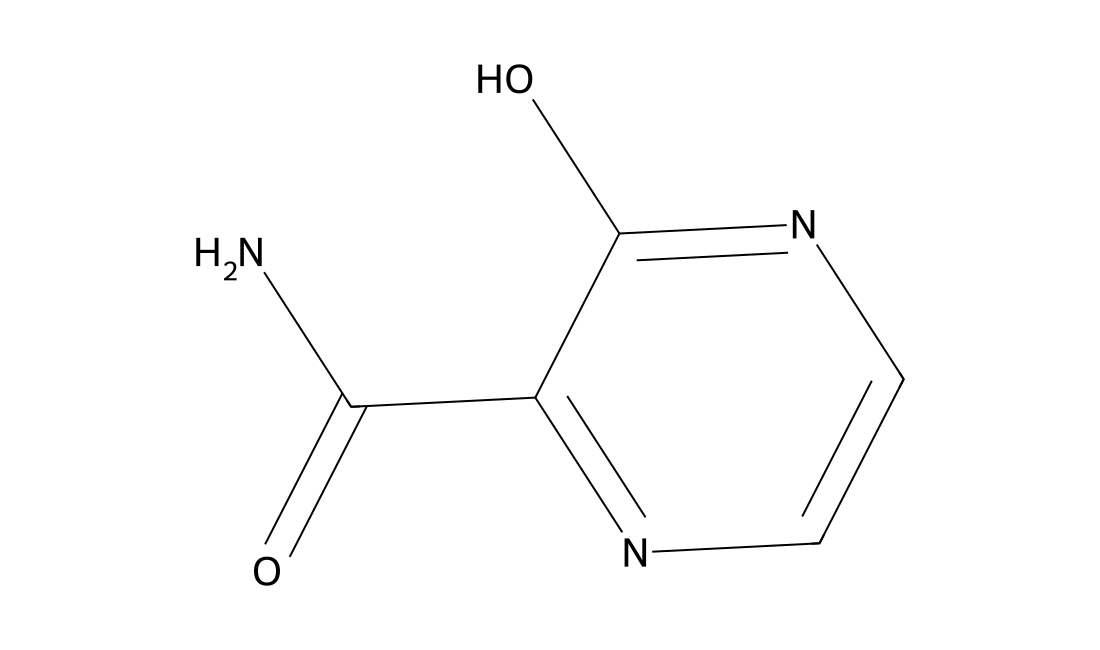
ST-193 inhibits LASV pseudotypes with an IC50 of 1.6 nM. ST-193 inhibits pseudotypes generated with other arenavirus envelopes as well, including the remaining four commonly associated with hemorrhagic fever (IC50s for Junín, Machupo, Guanarito, and Sabiá are in the 0.2 to 12 nM range) but exhibits no antiviral activity against pseudotypes incorporating either the GP from the LASV-related arenavirus lymphocytic choriomeningitis virus or the unrelated G protein from vesicular stomatitis virus, at concentrations of up to 10 μM.ST-193 is found to be tolerated well when administered daily as an intraperitoneal injection of either 25 or 100 mg/kg/day for 14 days. ST-193-treated animals exhibit fewer signs of disease and enhance survival when compared to the ribavirin or vehicle groups. Body temperatures in all groups are elevated by day 9, but returned to normal by day 19 postinfection in the majority of ST-193-treated animals. ST-193 treatment mediates a 2- to 3-log reduction in viremia relative to vehicle-treated controls. The overall survival rate for the ST-193-treated guinea pigs is 62.5% (10/16) compared with 0% in the ribavirin (0/8) and vehicle (0/7) groups.
CAS 861139-16-4
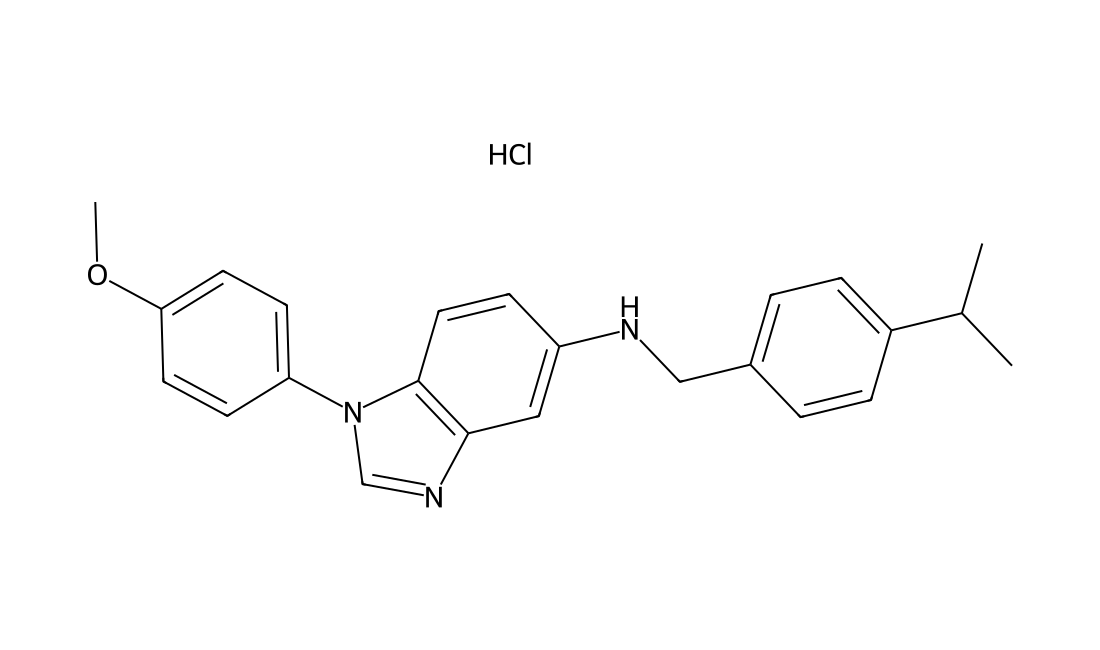
In Vitro The concentration of P13 that reduces the number of RSV plaques in HEp-2 cells by 50% (IC50) is 0.11 μM. The concentration of P13 that reduces the viability of HEp-2 by 50% (CC50) is 310 μM. Note that some cytotoxicity of P13 observed at 500 μM might be due to DMSO solvent. Hence, the selective index (CC50/IC50) values is 2818 for P13. Note that even at the relatively high concentrations P13 does not completely block the development of RSV plaques. These escape plaques are of smaller size and of non-syncytial phenotype as compared to plaques formed in the absence of inhibitor.
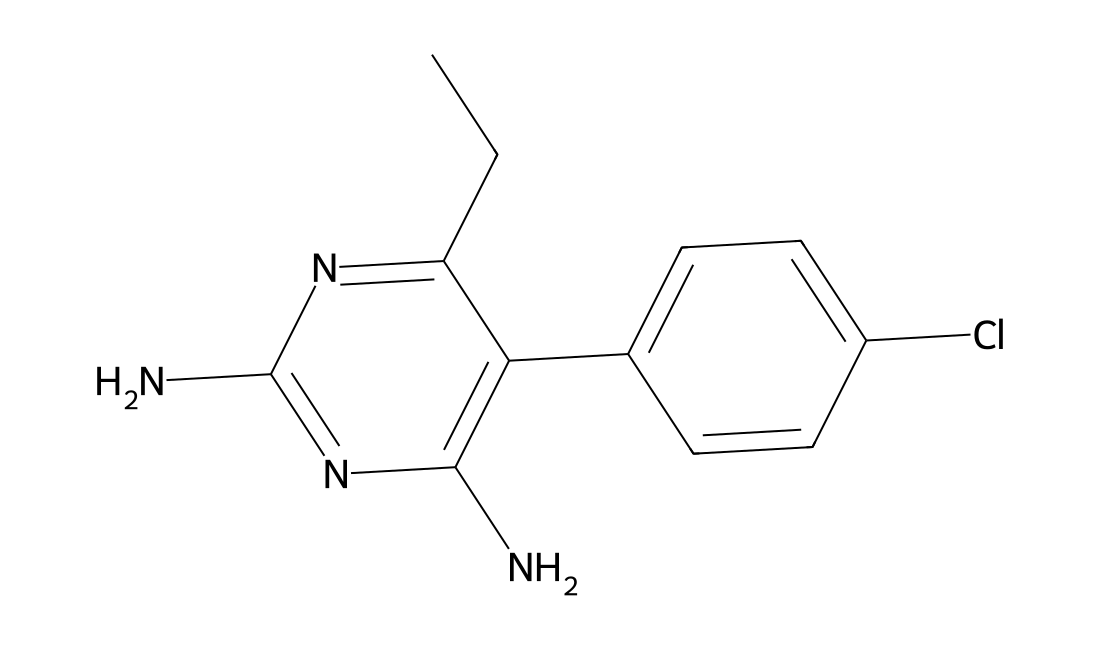
CAS 58-14-0
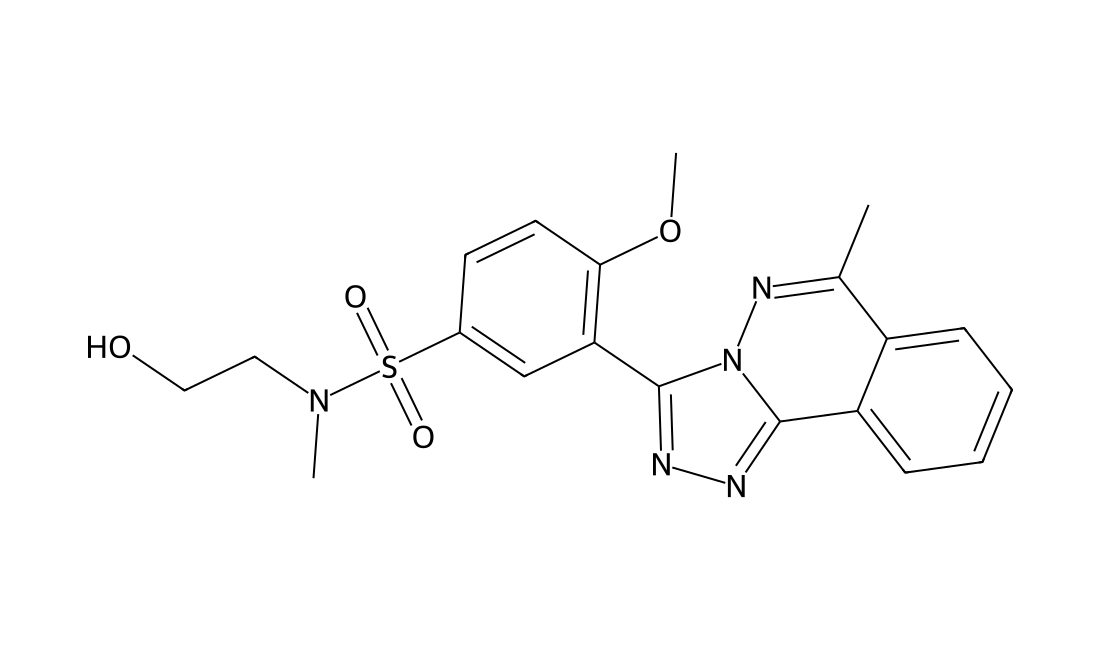
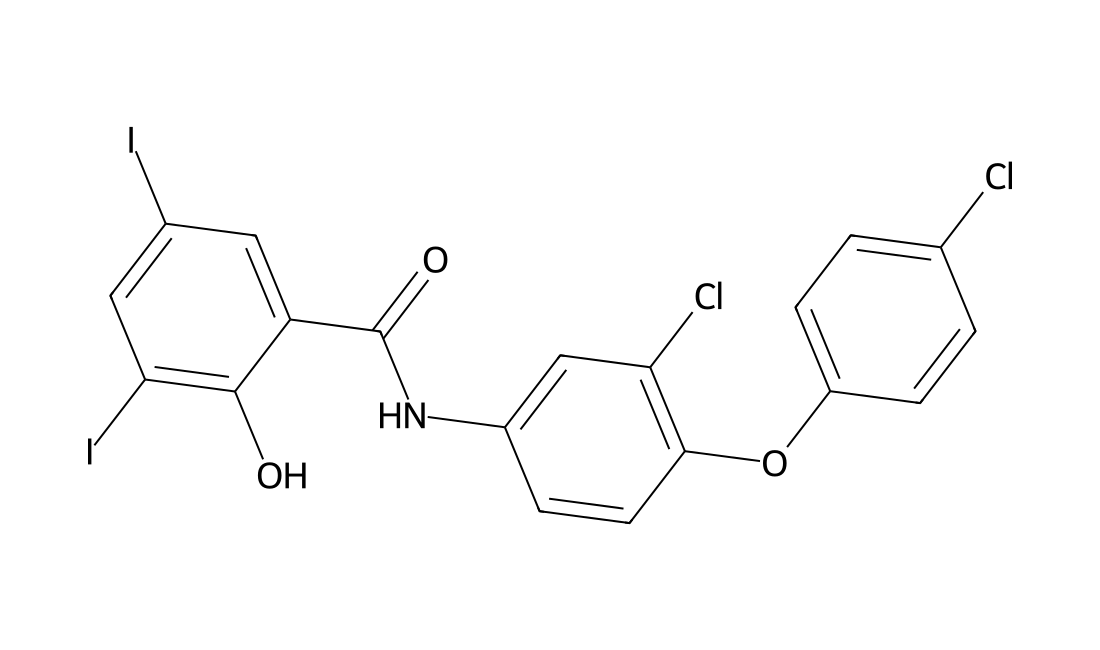
For the detailed information of Pyrimethamine, the solubility of Pyrimethamine in water, the solubility of Pyrimethamine in DMSO, the solubility of Pyrimethamine in PBS buffer, the animal experiment(test) (test) of Pyrimethamine, the cell expriment (test) of Pyrimethamine, the in vivo, in vitro and clinical trial test of Pyrimethamine, the EC50, IC50,and Affinity of Pyrimethamine,, please contact DC Chemicals.
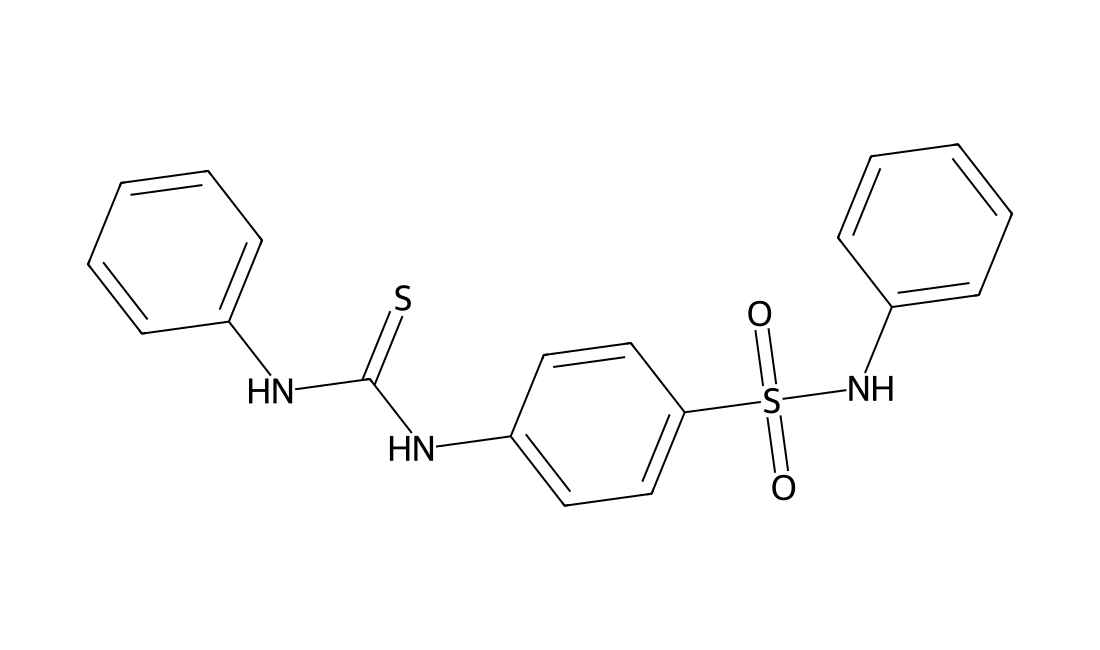
CAS 333352-59-3
NBD-557 is a potentially HIV-1 inhibitor. NBD-557, is small molecule organic compounds with drug-like properties. It showed potent cell fusion and virus-cell fusion inhibitory activity at low micromolar levels. A systematic study showed that NBD-557 target viral entry by inhibiting the binding of HIV-1 envelope glycoprotein gp120 to the cellular receptor CD4 but did not inhibit reverse transcriptase, integrase, or protease, indicating that they do not target the later stages of the HIV-1 life cycle to inhibit HIV-1 infection. NBD-557 potent inhibitors of both X4 and R5 viruses tested in CXCR4 and CCR5 expressing cell lines, respectively, indicating that its anti-HIV-1 activity is not dependent on the coreceptor tropism of the virus. A surface plasmon resonance study, which measures binding affinity, clearly demonstrated that NBD-557 bind to unliganded HIV-1 gp120 but not to the cellular receptor CD4. NBD-557 was active against HIV-1 laboratory-adapted strains including an AZT-resistant strain and HIV-1 primary isolates, indicating that NBD-557 can potentially be further modified to become potent HIV-1 entry inhibitors.
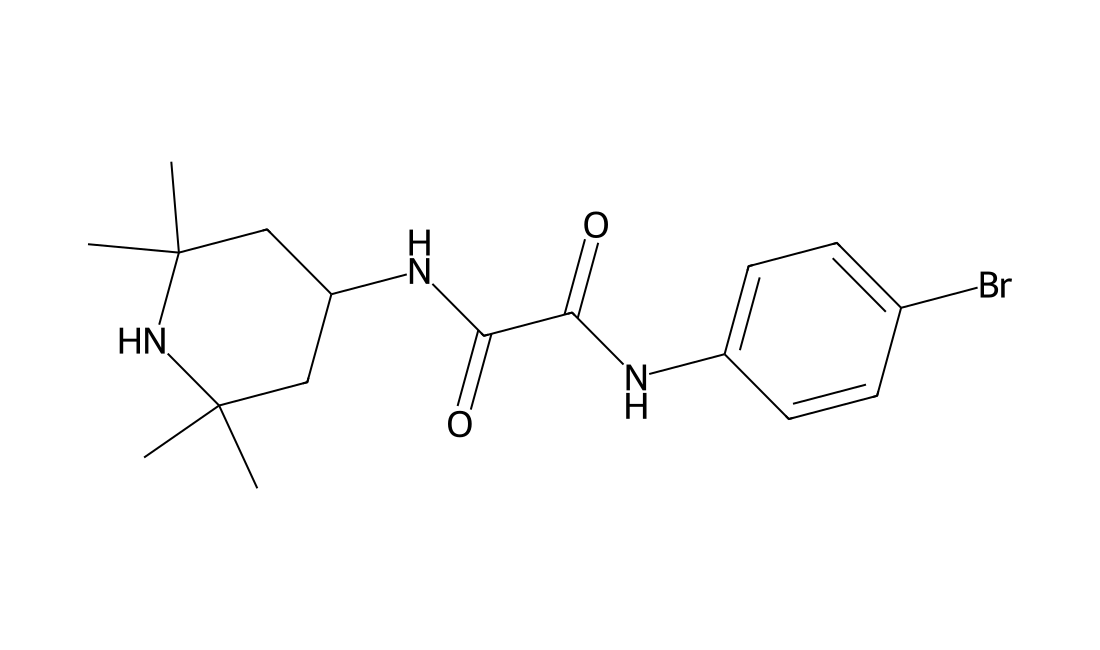
CAS 245342-14-7
LED209 is a potent QseC inhibitor that blocks both norepinephrine- and epinephrine-triggered QseC-dependent virulence gene expression at 5 pM in vitro.
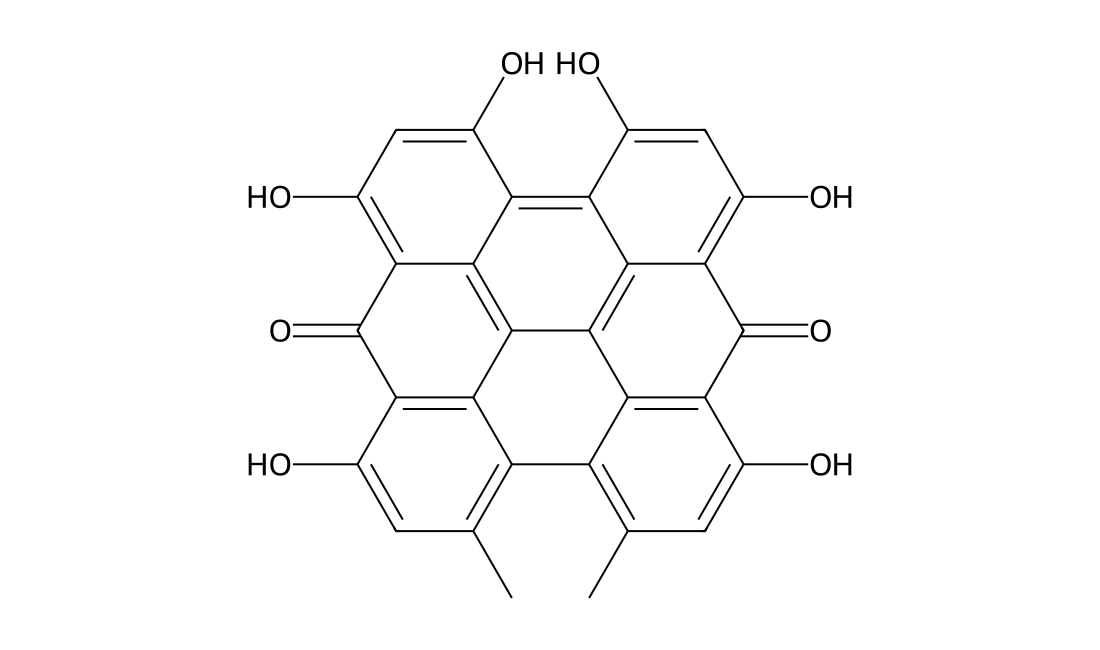
CAS 548-04-9
Hypericin is a photosensitive antiviral with anticancer and antidepressant agent derived from Hypericum perforatum. It can inhibit tyrosine kinases with IC50 of 7.5 μM. In vitro:The photosensitive of hypericin can induce both apoptosis and necrosis in a concentration and light dose-dependent fashion. PDT with hypericin results in the activation of multiple pathways that can either promote or counteract the cell death program. It can effect cytotoxic to tumor cells by visible light.
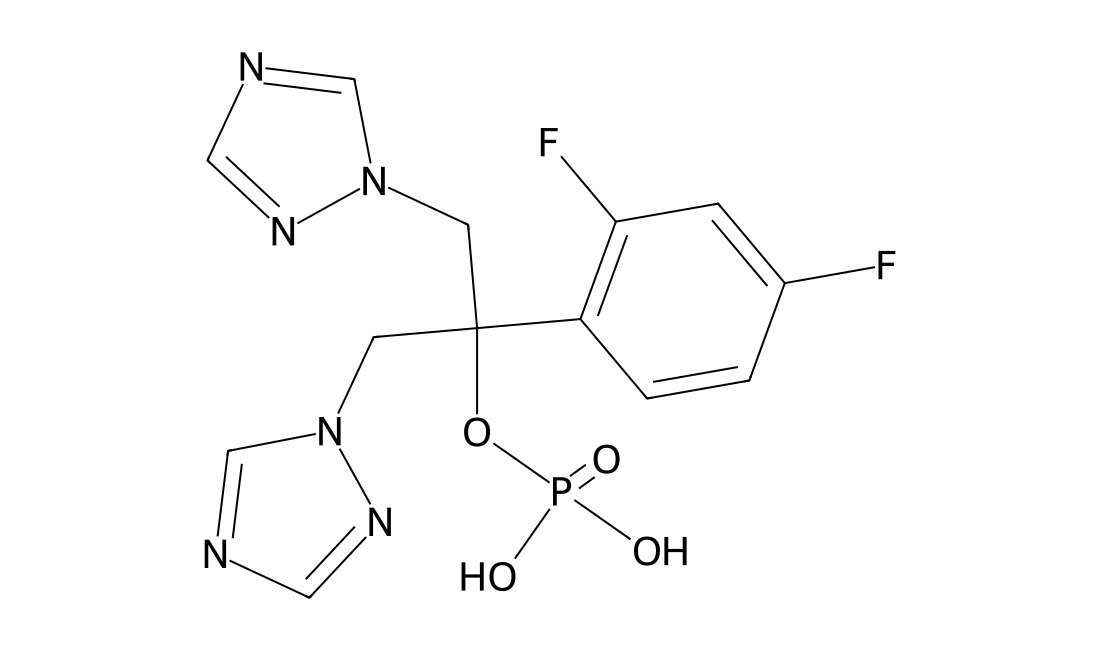
CAS 194798-83-9
For the detailed information of Fosfluconazole, the solubility of Fosfluconazole in water, the solubility of Fosfluconazole in DMSO, the solubility of Fosfluconazole in PBS buffer, the animal experiment (test) of Fosfluconazole, the cell expriment (test) of Fosfluconazole, the in vivo, in vitro and clinical trial test of Fosfluconazole, the EC50, IC50,and affinity,of Fosfluconazole, Please contact DC Chemicals.
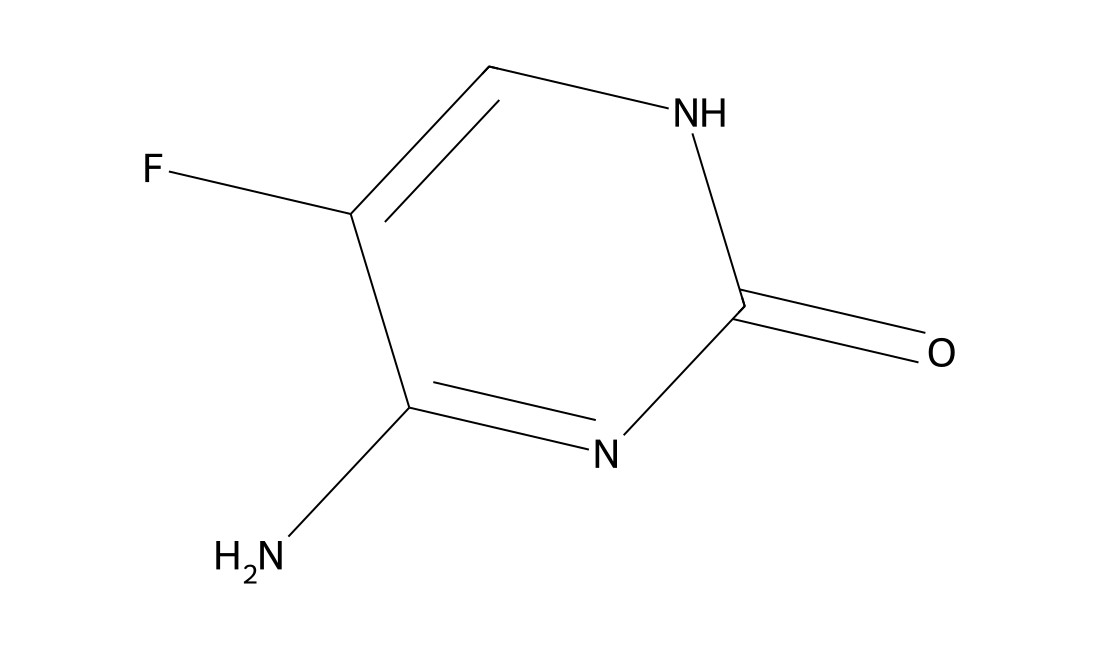
CAS 2022-85-7
For the detailed information of Flucytosine (Ancobon), the solubility of Flucytosine (Ancobon) in water, the solubility of Flucytosine (Ancobon) in DMSO, the solubility of Flucytosine (Ancobon) in PBS buffer, the animal experiment(test) (test) of Flucytosine (Ancobon), the cell expriment (test) of Flucytosine (Ancobon), the in vivo, in vitro and clinical trial test of Flucytosine (Ancobon), the EC50, IC50,and Affinity of Flucytosine (Ancobon),, please contact DC Chemicals.
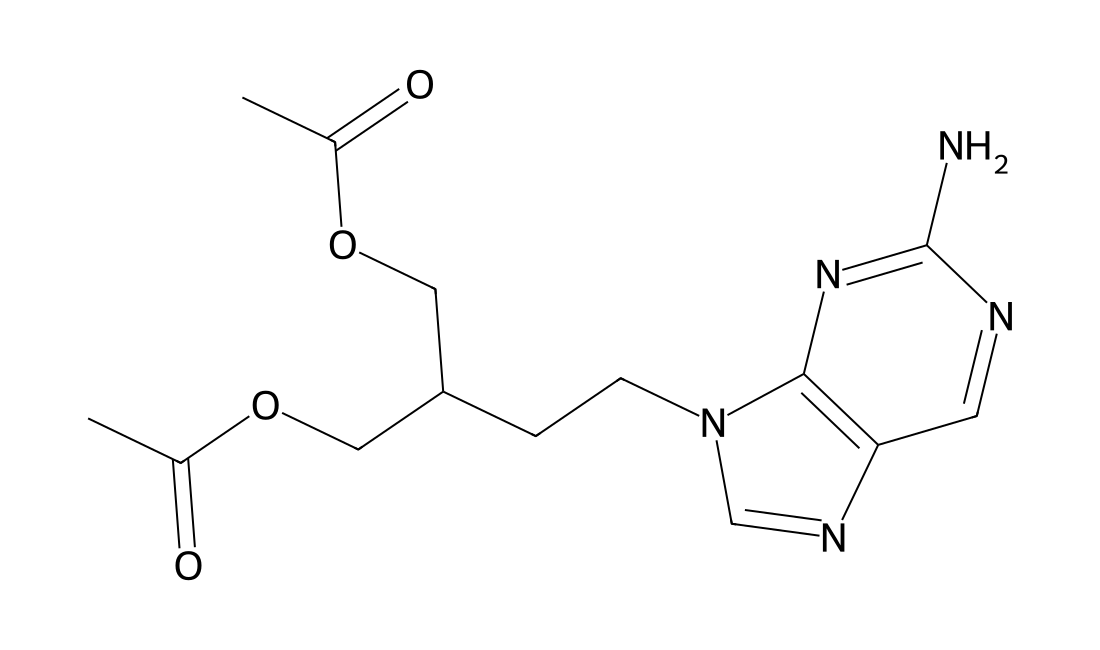
CAS 104227-87-4
For the detailed information of Famciclovir (Famvir), the solubility of Famciclovir (Famvir) in water, the solubility of Famciclovir (Famvir) in DMSO, the solubility of Famciclovir (Famvir) in PBS buffer, the animal experiment(test) (test) of Famciclovir (Famvir), the cell expriment (test) of Famciclovir (Famvir), the in vivo, in vitro and clinical trial test of Famciclovir (Famvir), the EC50, IC50,and Affinity of Famciclovir (Famvir),, please contact DC Chemicals.
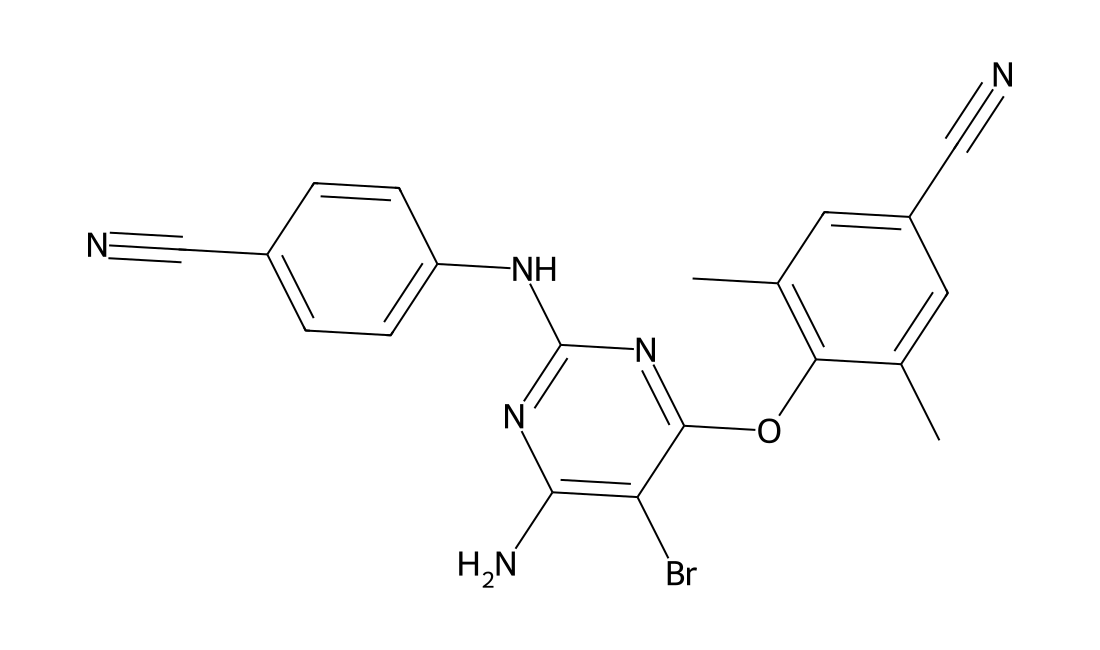
CAS 269055-15-4
For the detailed information about the solubility of Etravirine in water, the solubility of Etravirine in DMSO, the solubility of Etravirine in PBS buffer, the animal experiment(test) of Etravirine,the in vivo,in vitro and clinical trial test of Etravirine,the cell experiment(test) of Etravirine,the IC50, EC50 and Affinity of Etravirine, please contact DC Chemicals.
CAS 136817-59-9
Delavirdine(U 90152) is a potent non-nucleoside reverse transcriptase inhibitor (NNRTI).