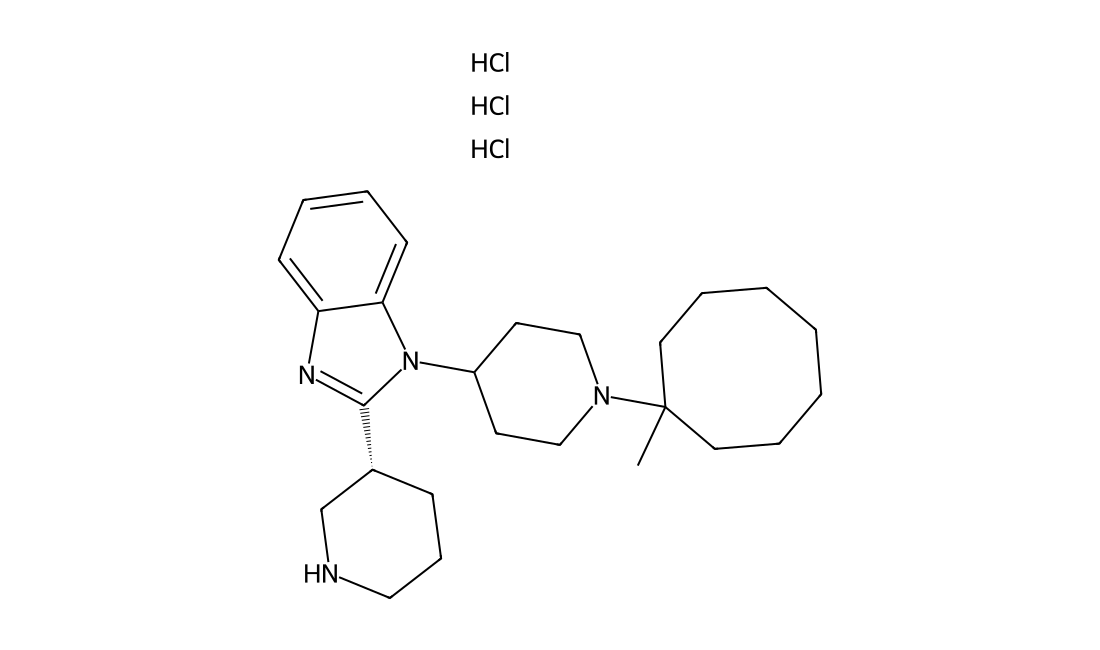
Mirogabalin
CAS 1138245-13-2
Mirogabalin (DS-5565) is a novel, preferentially selective α2δ-1 ligand characterized by high potency and selectivity to the α2δ-1 subunit of voltage-sensitive calcium channel complexes in the CNS.
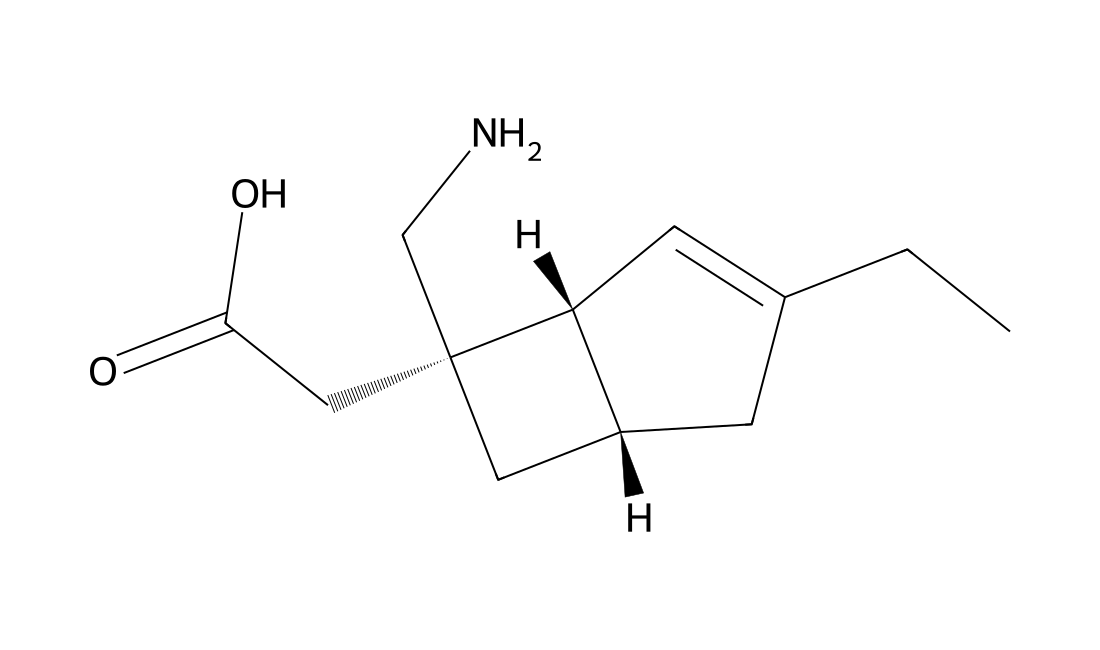

Neurotransmission, neural targets and neurological research.
Products may appear in more than one category. Counts refer to distinct catalog numbers within each category.
Other Research Tools (75) · Additional reagents, building blocks and specialized research tools.
Combine a keyword, research category and target to narrow the product list.
Loading catalog filters…
CAS 1138245-13-2
Mirogabalin (DS-5565) is a novel, preferentially selective α2δ-1 ligand characterized by high potency and selectivity to the α2δ-1 subunit of voltage-sensitive calcium channel complexes in the CNS.
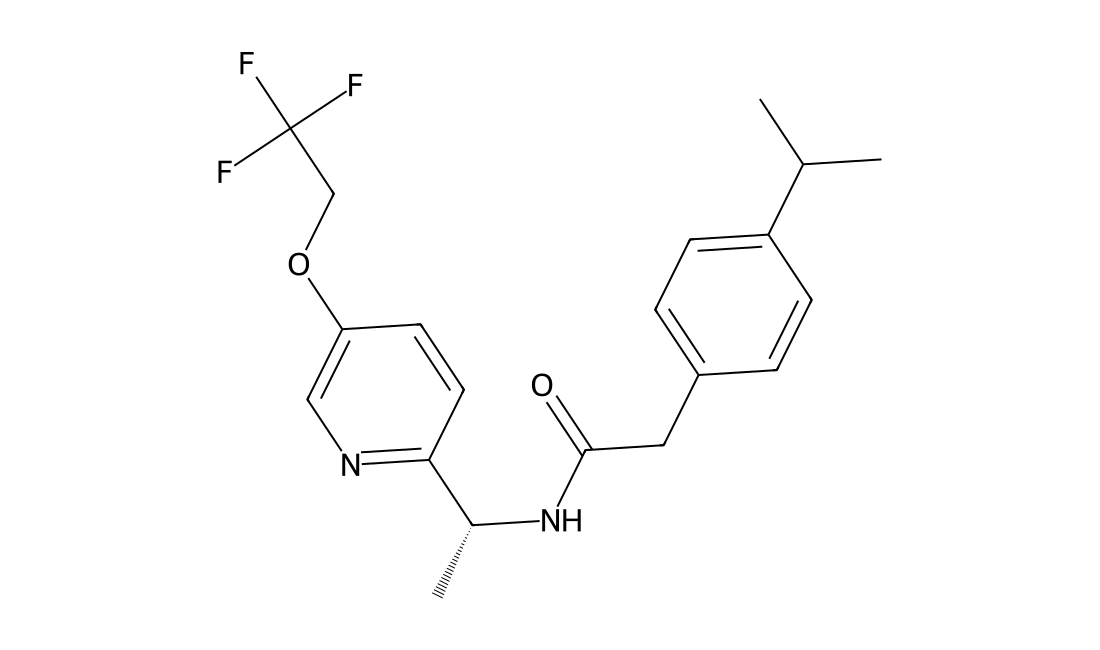
CAS 2097117-06-9
Lu AF27139 is a novel rodent-active and CNS-penetrant P2X7 receptor antagonist. Lu AF27139 is highly selective and potent against rat, mouse, and human forms of the receptors. The rat pharmacokinetic profile is favorable with high oral bioavailability, modest clearance (0.79 L/(h kg)), and good CNS permeability. Importantly, Lu AF27139 was without effect in standard in vitro and in vivo toxicity studies. Lu AF27139 is a valuable tool for probing the role of the P2X7 receptor in rodent models of CNS diseases.
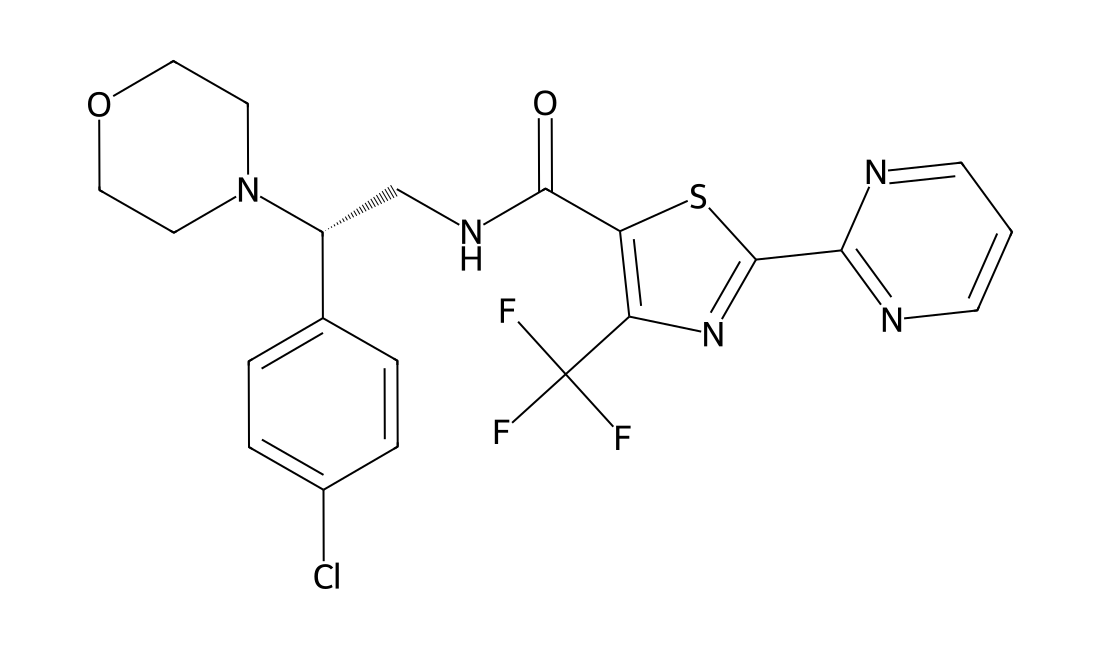
CAS 923287-50-7
Opicapone is an available catechol-O-methyltransferase (COMT) inhibitor. Opicapone decreases the ATP content of the cells with IC50 values of 98 μM.
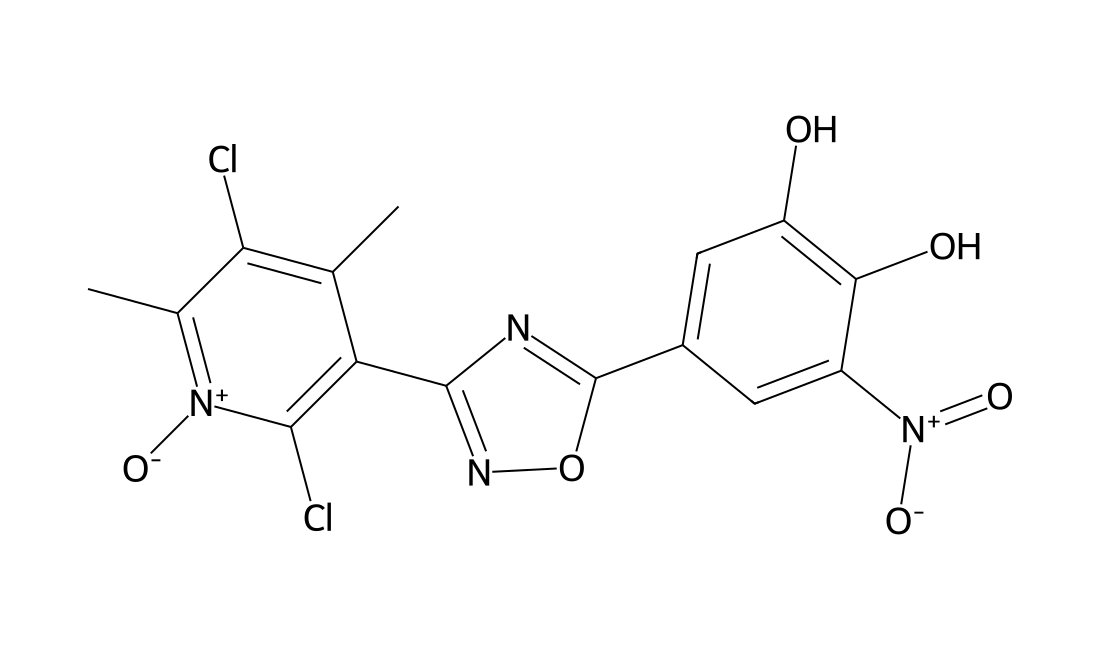
CAS 1414976-20-7
Vazegepant (BHV-3500) hydrochloride is a highly affinity CGRP receptor antagonist (hCGRP Ki= 0.023 nM). Vazegepant hydrochloride is the first intranasal gepant for migraine. Vazegepant hydrochloride may be helpful in effective management of COVID-19 associated pulmonary inflammation[1][2][3].
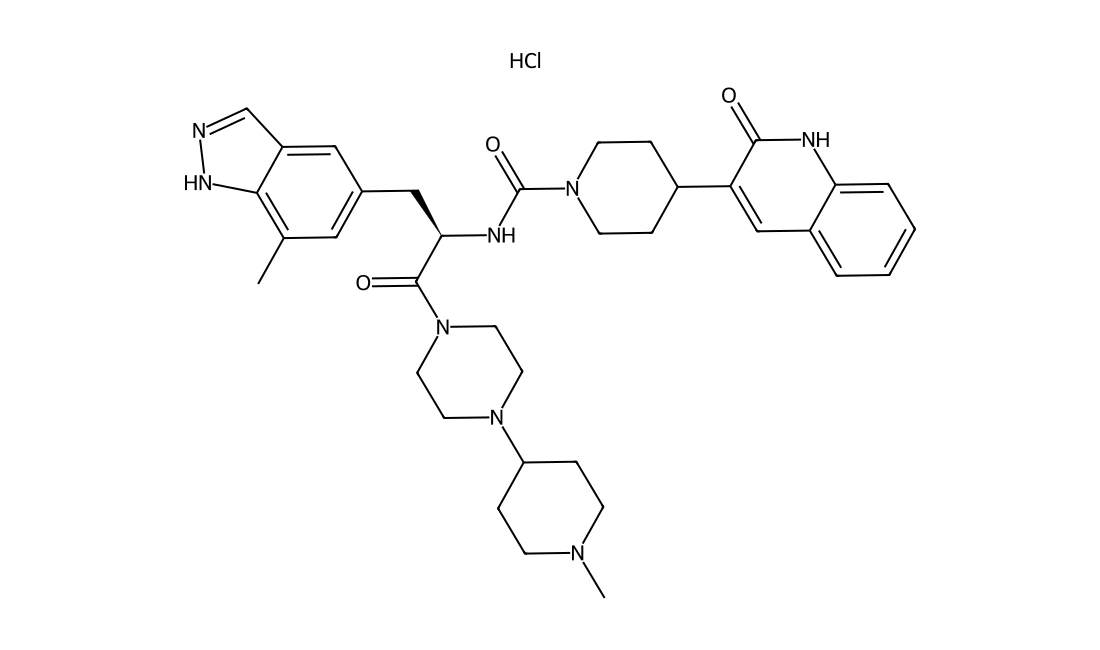
CAS 1929519-13-0
TAK-041 is a potent and selective GPR139 agonist with an EC50 of 22 nM. TAK-041 has the potential for the research of negative symptoms associated with schizophrenia[1].
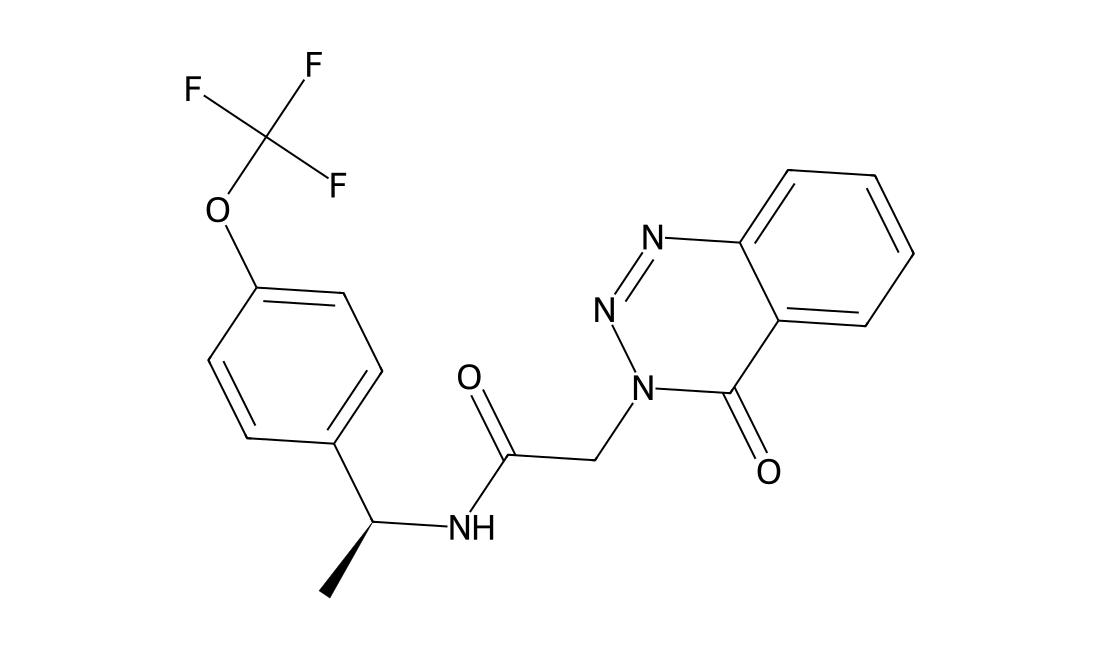
CAS 2711717-77-8
Difelikefalin is a κ-opioid receptor (KOR) agonist. It activates KOR in HEK293 cells expressing the human receptor (EC50 = 0.16 nM in a transactivation assay) and inhibits forskolin-induced cAMP production in R1.G1 mouse thyoma cells (EC50 = 0.048 nM). Difelikefalin is selective for KOR over the μ-opioid receptor.
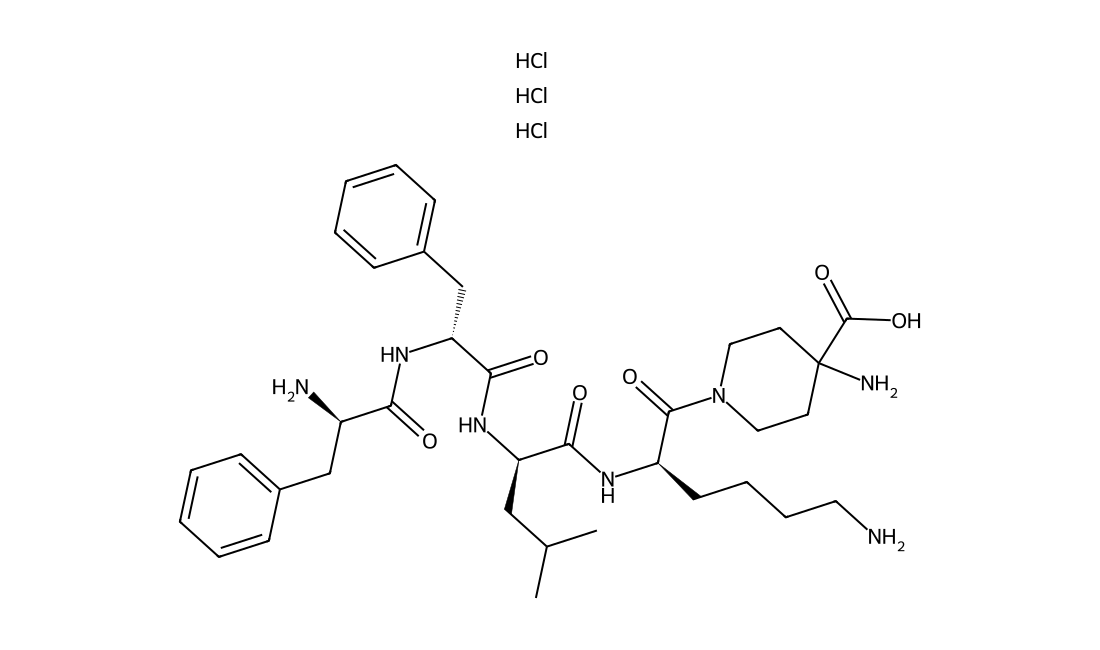
CAS 2369979-68-8
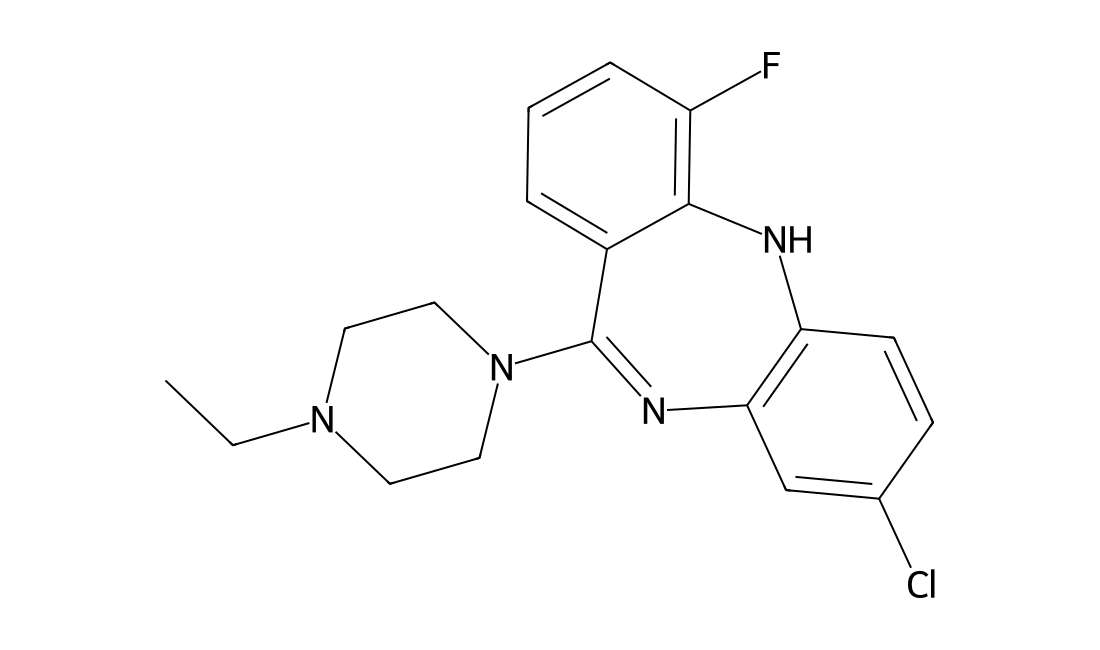
JHU37160 is a potent and brain-penetrant DREADD agonist, with EC50s of 18.5 nM and 0.2 nM for hM3Dq and hM4Di DREADDs in HEK-293 cells, respectively. JHU37160 exhibits selective [3H]Clozapine displacement from DREADDs and not from other Clozapine-binding sites in mice brain tissue.
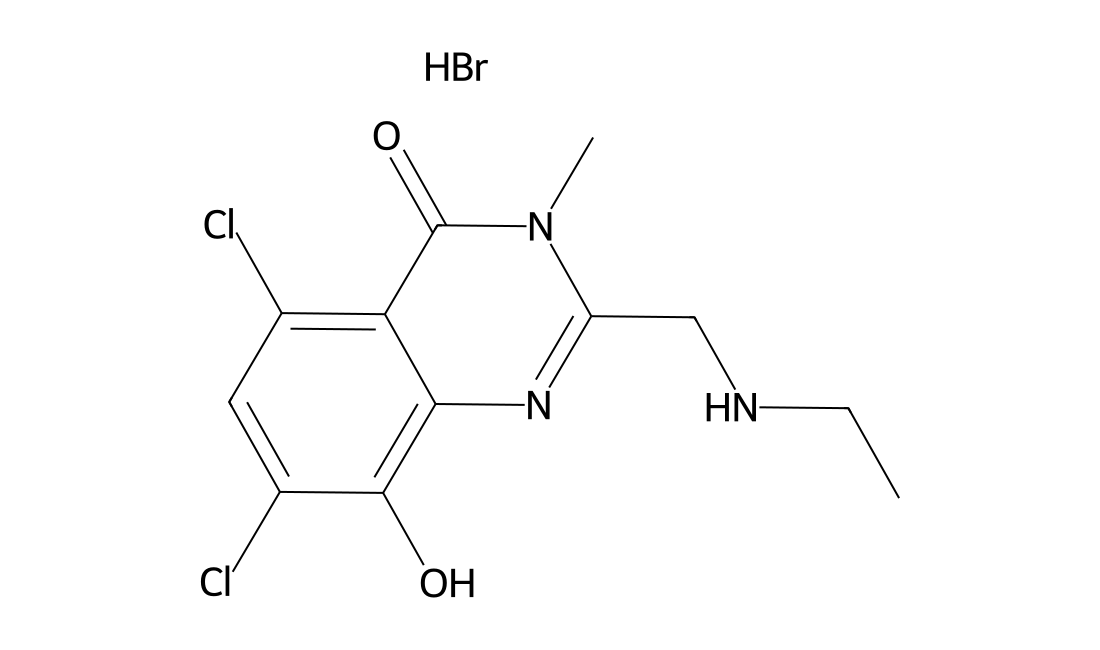
CAS 1232841-78-9
PBT434 is a novel quinazolinone compound with effect of lowering cellular iron levels, prevents iron mediated neurodegeneration and α-synuclein toxicity in multiple models of Parkinson disease; inhibits iron-mediated redox activity and iron-mediated aggregation of α-synuclein, a protein that aggregates in the neuropathology; prevents loss of substantia nigra pars compacta neurons (SNpc), lowers nigral α-synuclein accumulation, and rescues motor performance in mice model of PD.
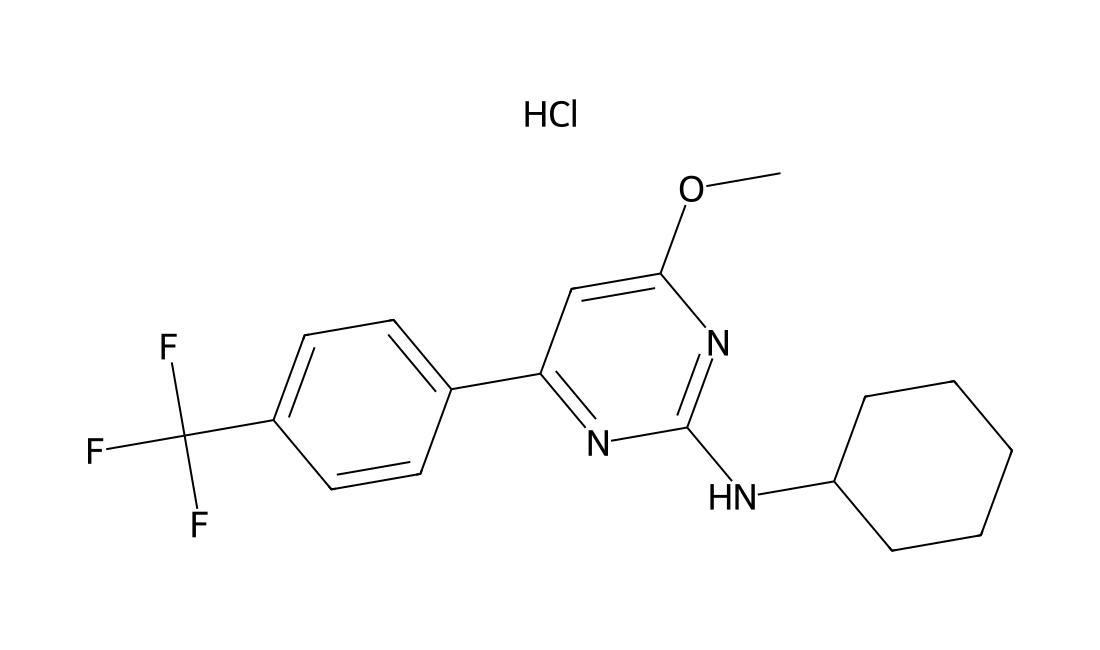
CAS 2319790-02-6
SSD114 is a novel GABAB positive allosteric modulator. SSD114 potentiates the GABA inhibition of adenylyl-cyclase mediated by GABAB receptors. SSD114 is also effective in vivo potentiating baclofen-induced sedation/hypnosis in mice, with no effect when tested alone. These findings indicate that SSD114, a molecule with a different chemical structure compared to known GABAB PAMs, is a novel GABAB PAM with potential usefulness in the GABAB-receptor research field.
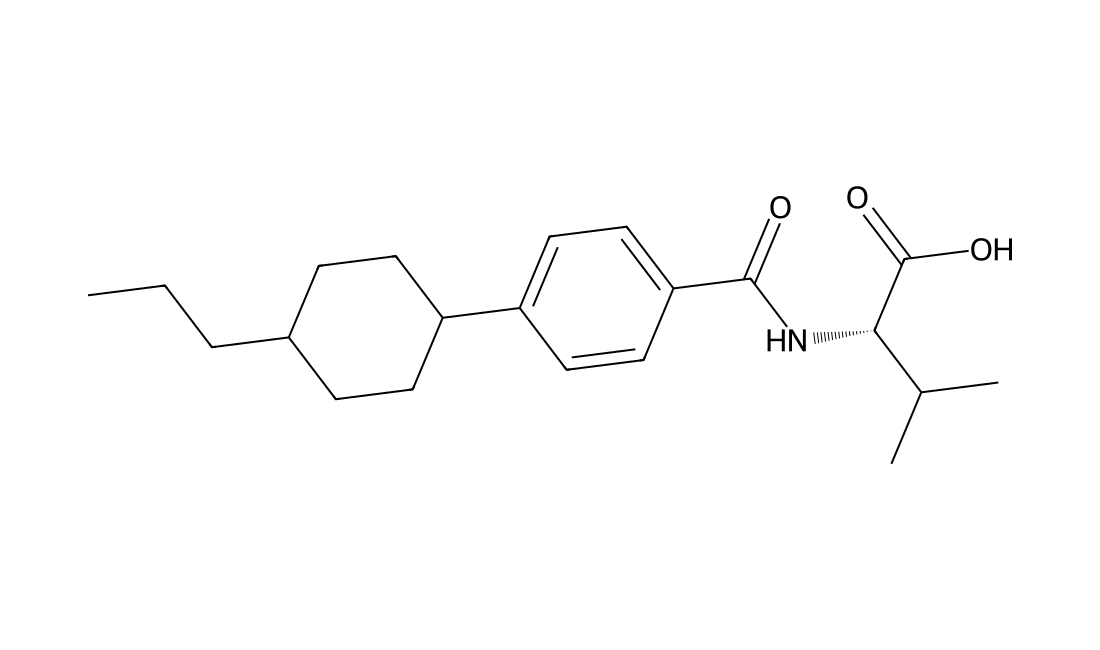
CAS 1241902-40-8
GNE-0439 is a novel potent, selective inhibitor of Nav1.7 channel with IC50 of 0.34 uM, shows high selectivity over Nav1.5 (IC50=38.3 uM); also inhibits mutant N1742K channels with IC50 of 0.37 uM in membrane potential assays, but not mutation of R1608A (IC50>50 uM), and is unique compared with known selective VSD4 binders such as the arylsulfonamides (GX-936 and PF-05089771).
CAS 1998725-11-3
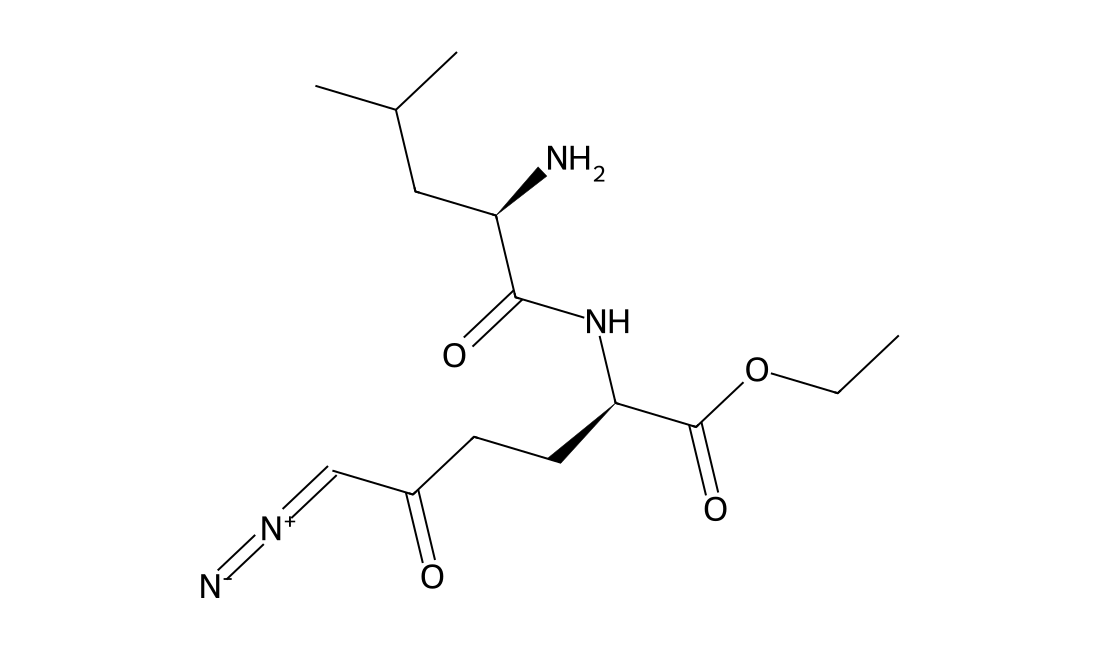
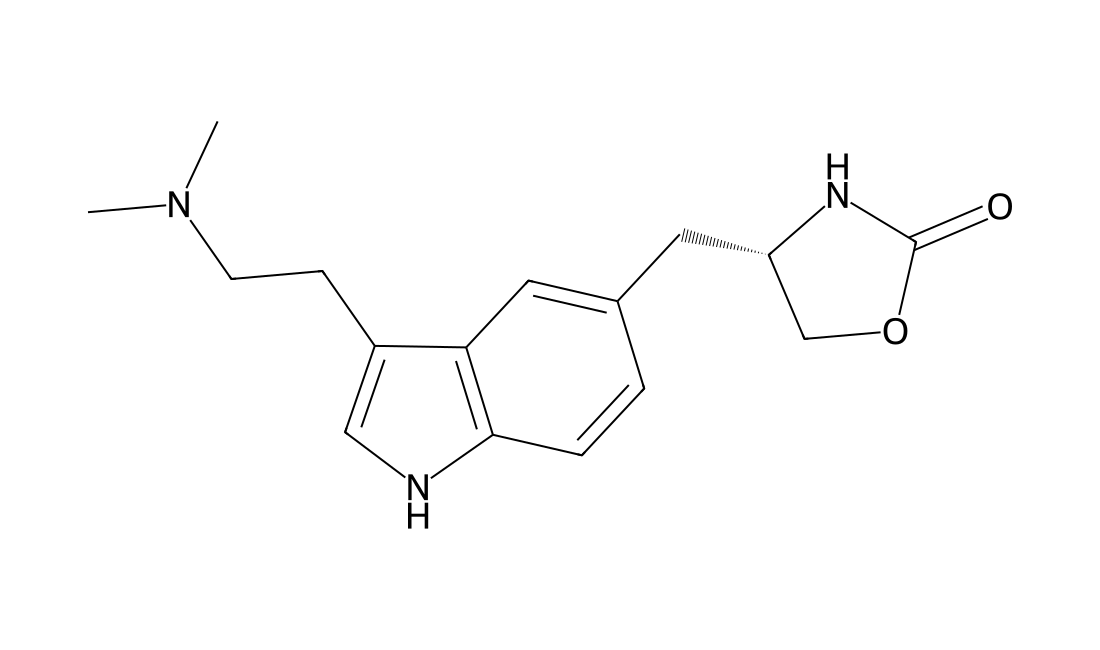
JHU-083 inhibits increased glutaminase activity in isolated CD11b+ cells, but not other cells in the prefrontal cortex and hippocampus of mice subjected to CSDS. JHU-083 suppresses CSDS-induced upregulation of proinflammatory cytokines in CD11b+ cells. [1
CAS 199433-58-4
Y-39983 (Y39983) is a potent and selective p160 ROCK inhibitor with Ki of 140 nM; displays > 200-fold selectivity for p160ROCK than PKC, cAMP-dependent protein kianse and Mypsin light-chain kinase; promotes regeneration of crushed axons of retinal ganglion cells into the optic nerve of adult cats, shows therapeutic potential for axonal regeneration of RGCs in the treatment of diseases with degenerating axons of RGCs including glaucoma.
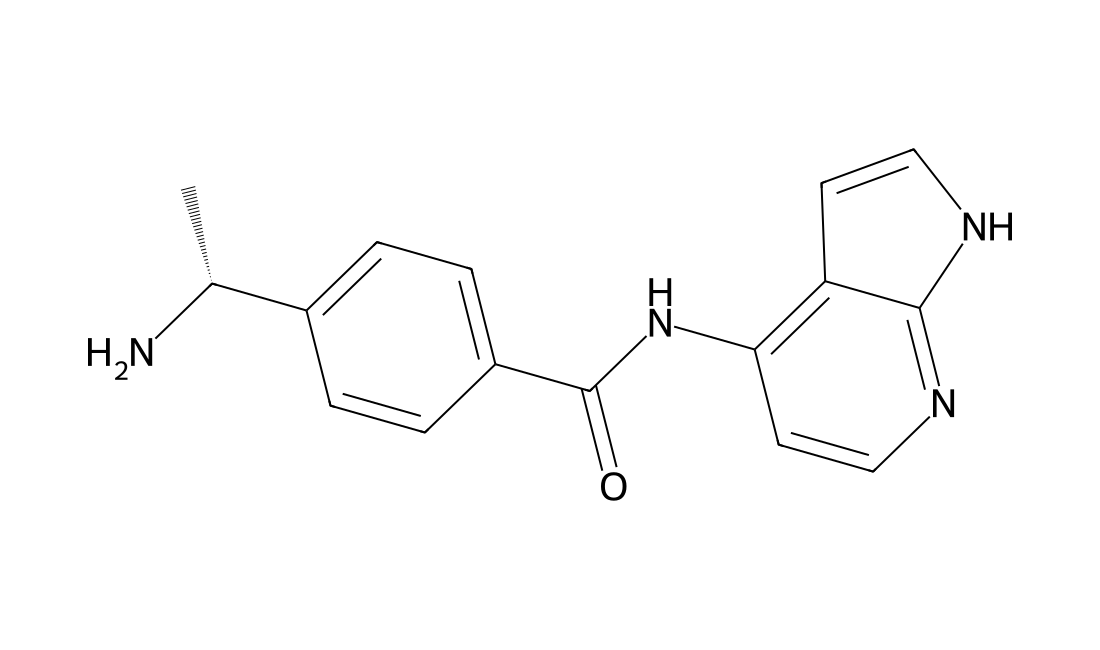
CAS 42971-09-5
Vinpocetine (Ethyl apovincaminate) is a synthetic derivative of the vinca alkaloid vincamine, selectively inhibits PDE1 in isolated rabbit aorta with IC50 of 21 uM; inhibits IKK preventing IκB degradation and the following translocation of NF-κB to the cell nucleus, potently inhibits TNF-alpha- or LPS-induced up-regulation of proinflammatory mediators, including TNF-alpha, IL-1beta, and macrophage inflammatory protein-2, and decreases interstitial infiltration of polymorphonuclear leukocytes in mouse model of lung inflammation; demonstrates cerebral blood-flow enhancing and neuroprotective effects in vivo.
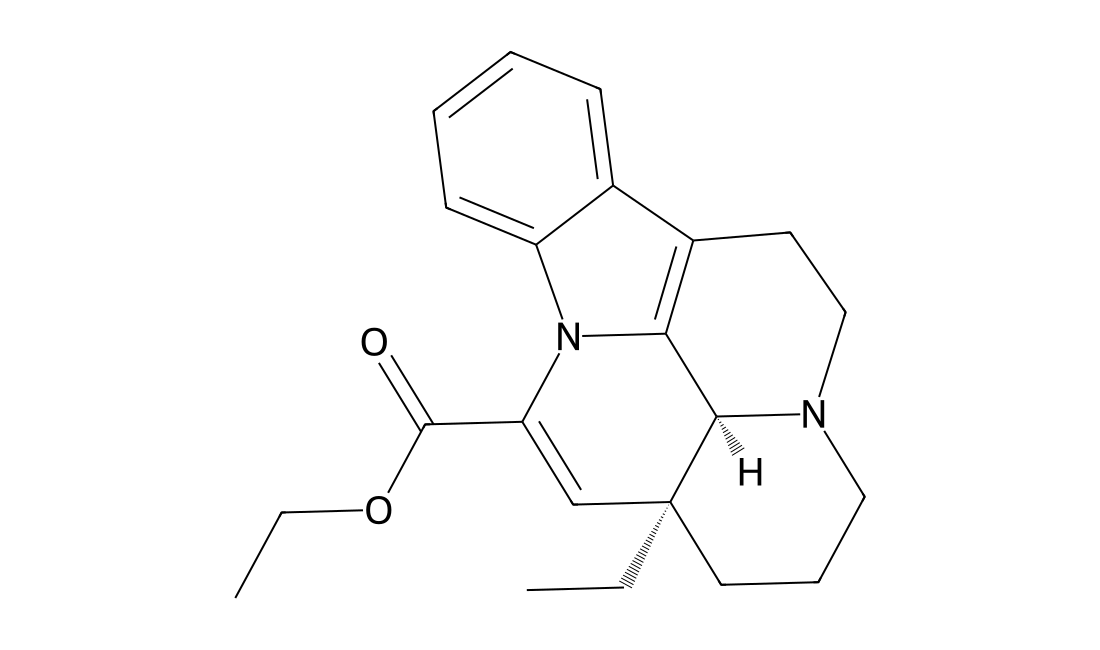
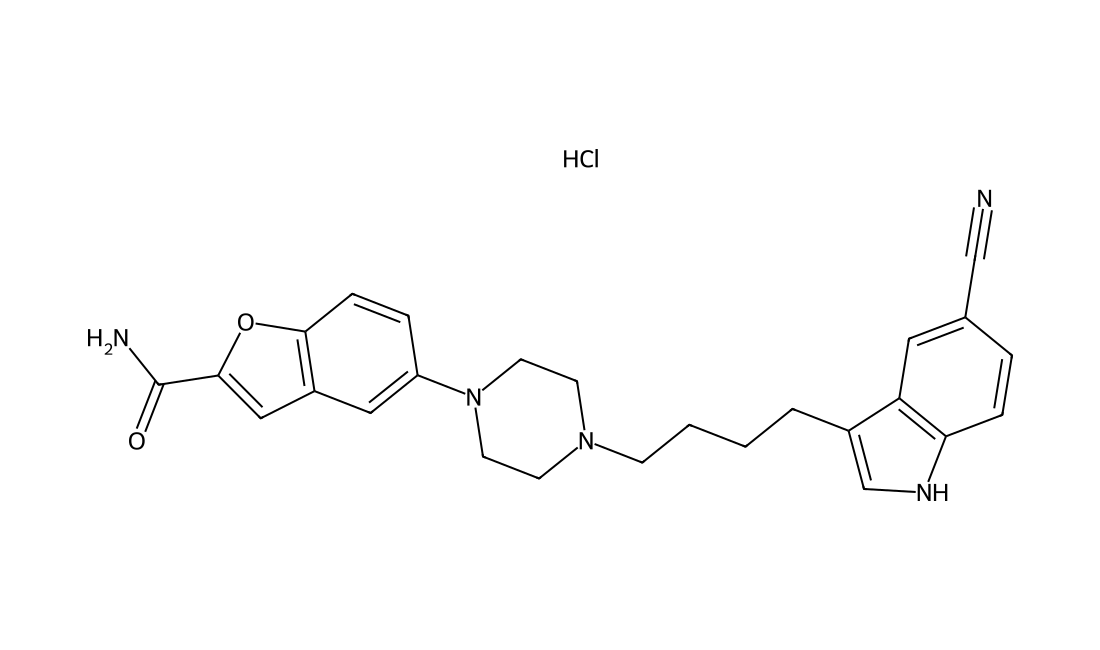
CAS 163521-08-2
Vilazodone (EMD 68843) is a combined serotonin specific reuptake inhibitor (SSRI) and 5-HT1A receptor partial agonist currently under clinical evaluation.
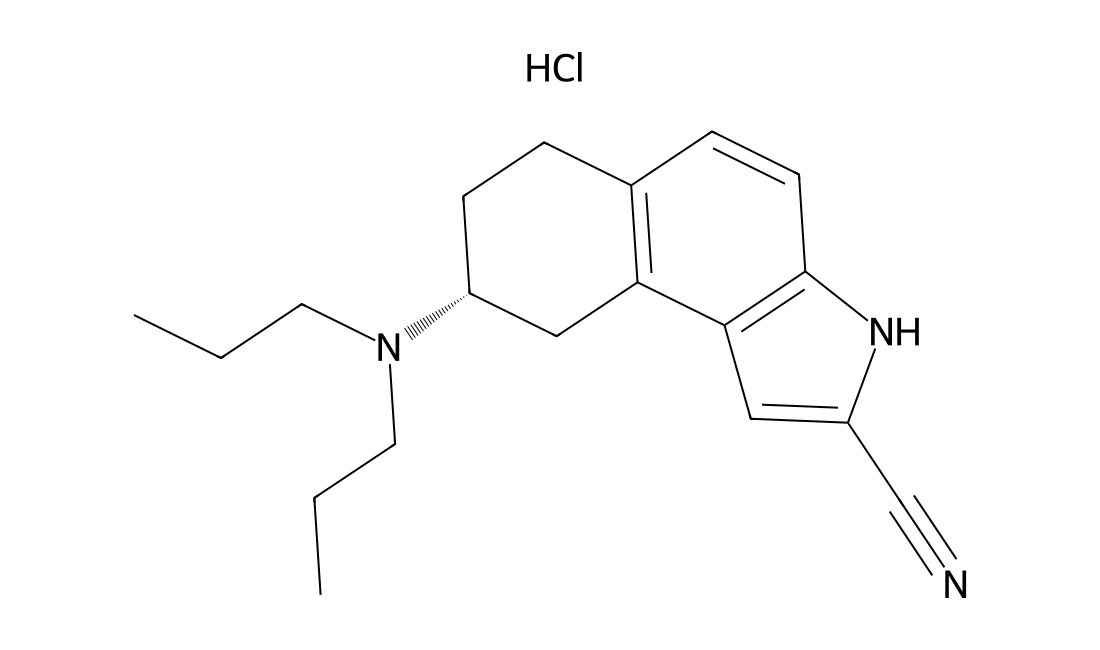
CAS 149654-41-1
U-92016A is an agonist of the serotonin (5-HT) receptor subtype 5-HT1A (Ki = 0.4 nM).It is selective for 5-HT1A over 5-HT1D, 5-HT2, dopamine D1 and D2, and α1- and α2-adrenergic receptors (Kis = 7.7, >1,000, >1,000, 36, >1,000, and >1,000 nM, respectively). U-92016A inhibits forskolin-stimulated cAMP synthesis in CHO cells transfected with human 5-HT1A. In vivo, U-92016A induces hypothermia in mice (ED50 = 0.041 mg/kg). It induces 5-HT syndrome, as measured by increased flat body posture and reciprocal forepaw treading, as well as decreases accumulation of 5-HT and dopamine in rats when administered at a dose of 5 mg/kg. U-92016A also decreases arterial blood pressure and heart rate in a dose-dependent manner in spontaneously hypertensive rats and reverses isolation-induced aggression in mice.
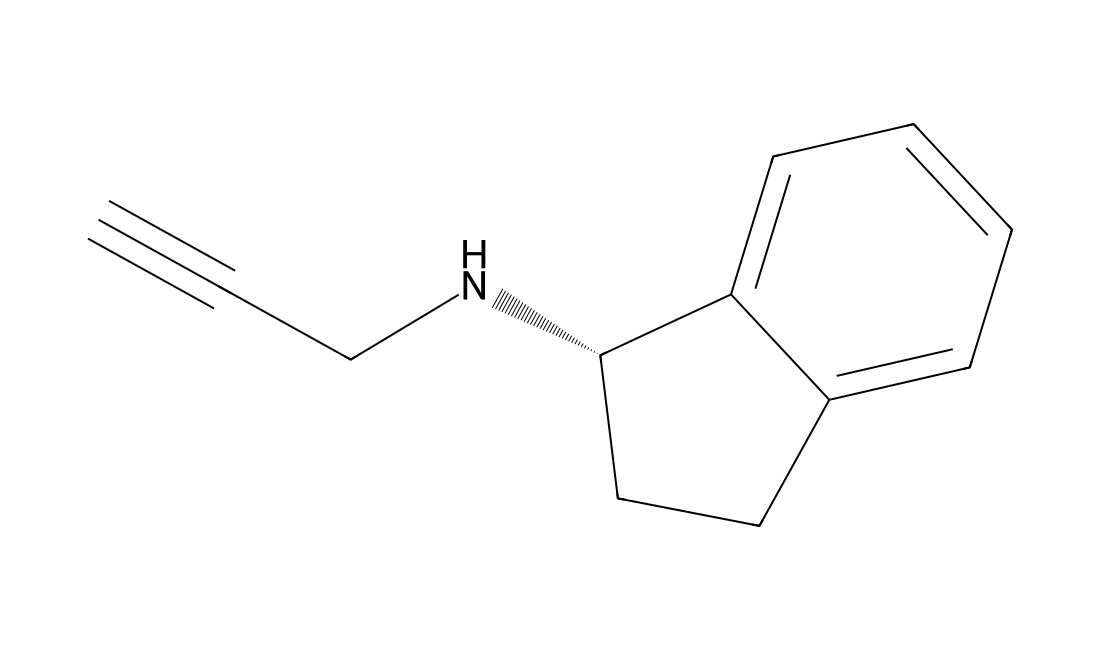
CAS 185517-74-2
TVP1022 is the S-isomer of rasagiline, which is an anti-Parkinson drug, appears to have the same neuroprotective activity as the R-isomer, but is 1000-fold less active as an MAO-B inhibitor.
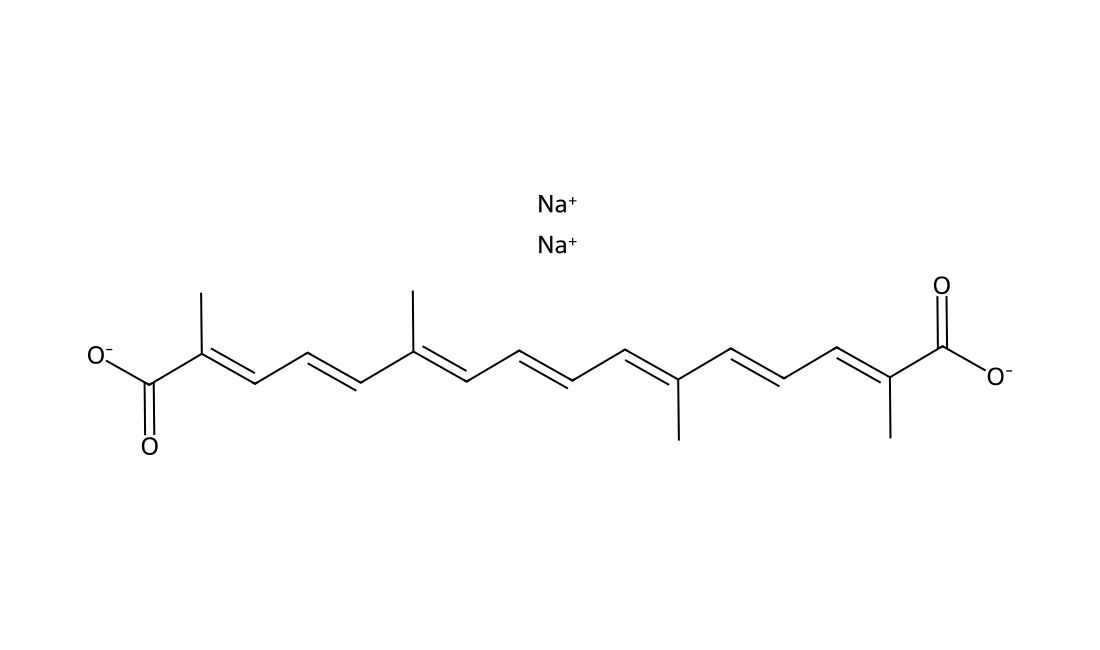
CAS 591230-99-8
In Vitro Transcrocetinate (Transcrocetin, trans-Crocetin), a saffron metabolite originating from the crocin apocarotenoids, has been shown to exert strong NMDA receptor affinity and is thought to be responsible for the CNS activity of saffron.To ensure unchanged viability of Caco-2 cells throughout the transport experiments, cellular mitochondrial dehydrogenase activity of Caco-2 cells is measured by MTT assay after a 24 h incubation period with the test compounds: Hydroalcoholic saffron extract saffron extract (SE, 0.5-1 mg/mL) and crocin-1 (250-1000 µM) reveal no negative significant changes in cellular viability. Transcrocetinate at 10 µM level does not change viability while higher concentrations (40-160 µM) reduces significantly cellular viability.
CAS 97240-79-4
Topiramate is an anticonvulsant that antagonizes GluR5 receptors and acts as a positive allosteric modulator of GABA receptor-mediated currents.Topiramate (Topamax) is a structurally novel broad-spectrum antiepileptic drug (AED) with established efficacy as monotherapy or adjunctive therapy in the treatment of adult and paediatric patients with generalised tonic-clonic seizures, partial seizures with or without generalised seizures, and seizures associated with Lennox-Gastaut syndrome. topiramate has been believed to be a type of antiepileptic drug that blocks spread of seizures. Thus far, the mechanisms of its actions have been proven to include use-dependent inhibition of voltage-dependent Na+ channels in neurons, potentiation of GABA (gamma-amino-butyric acid)-induced Cl- influx, and inhibitory effects on inward currents by antagonizing kainate/alpha-amino-3-hydroxy-5-methylisoxazole-4-propionic acid (AMPA) receptors. Topiramate (median average dosage 5.1 mg/kg/day) was also found to be useful as adjunctive therapy in the management of Lennox-Gastaut syndrome and significantly reduced the mean frequency of drop attacks by 14.8% compared with an increase of 5.1% with placebo. Further gains in seizure control were made in a nonblind extension of this trial where the mean topiramate dosage was 10 mg/kg/day. Nine of 11 patients in 1 pilot trial of children with otherwise intractable West syndrome, and 5 of 10 in another, achieved a > or =50% reduction in seizure rate with topiramate (target dosage up to 24 mg/kg/day).
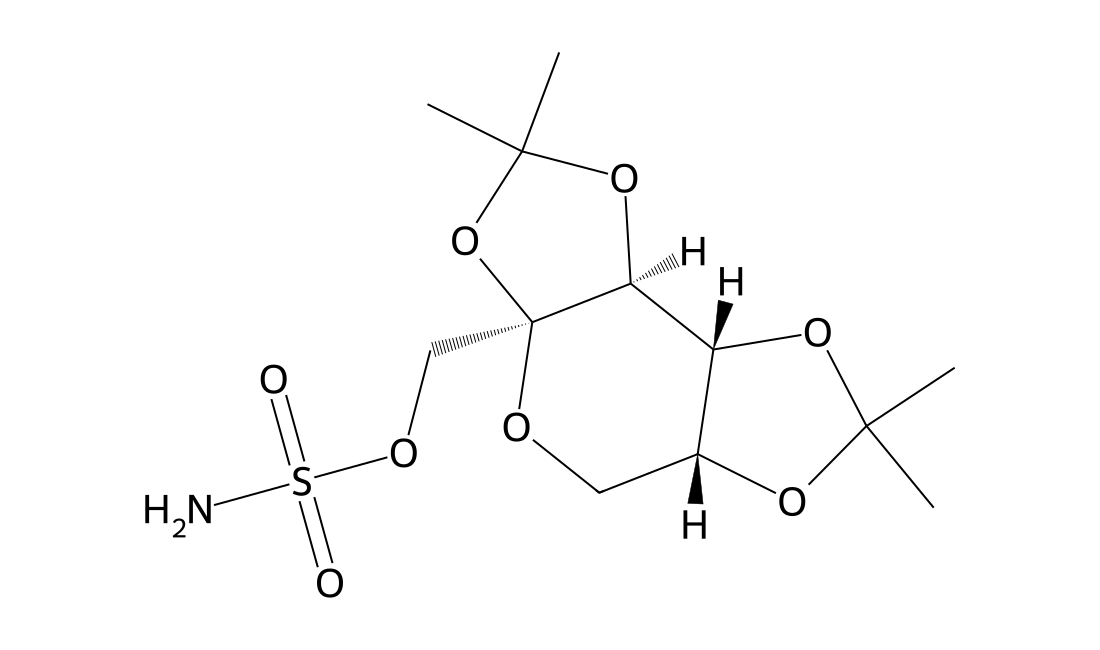
CAS 68252-28-8
the R-enantiomer of the nootropic drug oxiracetam (ISF 2522), which is a nootropic drug of the racetam family and stimulant.
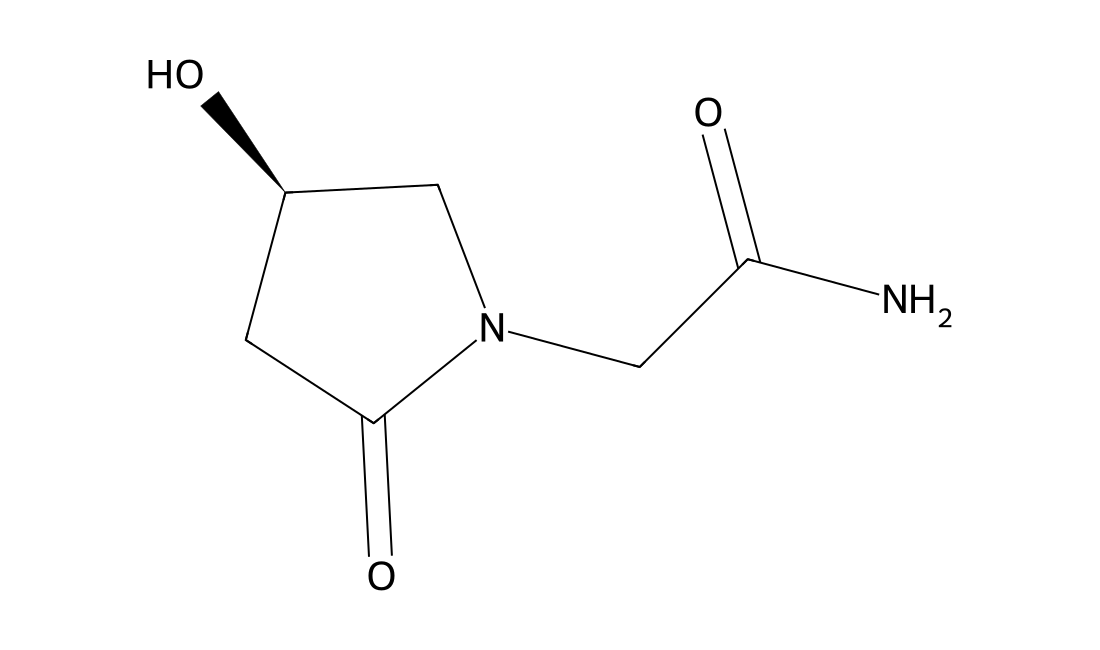
CAS 79559-97-0
Sertraline hydrochloride is an antidepressant of the selective serotonin reuptake inhibitor (SSRI) class.Sertraline is an antidepressant of the selective serotonin reuptake inhibitor (SSRI) class. It was introduced to the market by Pfizer in 1991. Sertraline is primarily prescribed for major depressive disorder in adult outpatients as well as obsessive–compulsive, panic, and social anxiety disorders in both adults and children. In 2011, it was the second-most prescribed antidepressant on the U.S. retail market, with 37,208,000 prescriptions. Sertraline is used for a number of conditions including: major depression, obsessive-compulsive disorder (OCD), body dysmorphic disorder (BDD), posttraumatic stress disorder (PTSD), premenstrual dysphoric disorder (PMDD), panic disorder and social phobia (social anxiety disorder). It has also been used for premature ejaculation and vascular headaches but evidence of the effectiveness in treating those conditions is less robust.
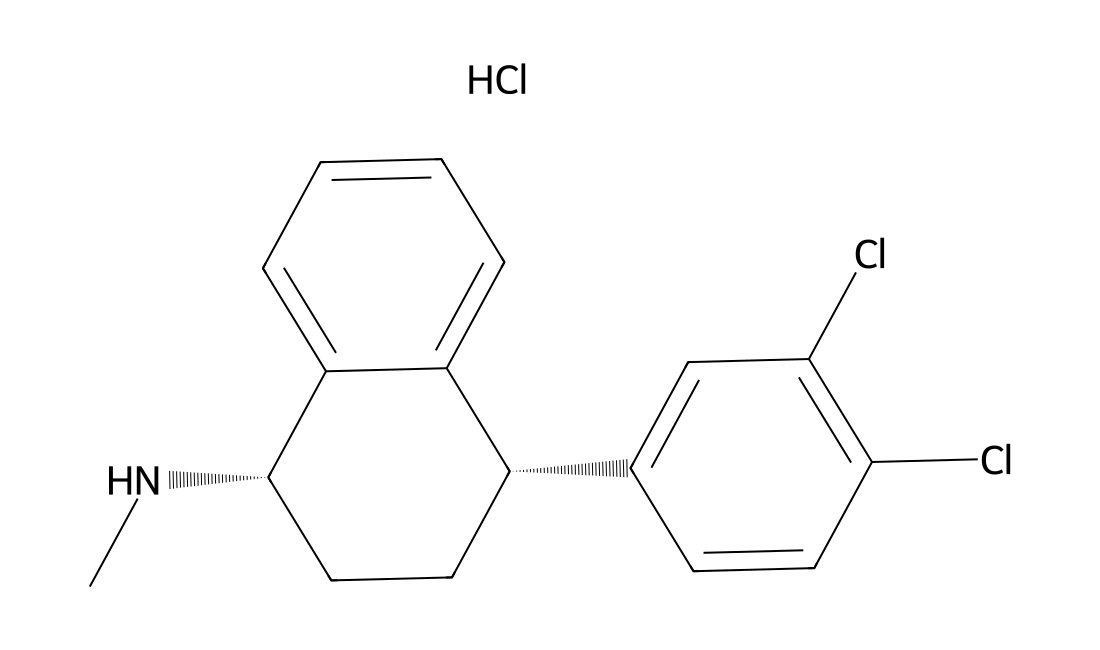
CAS 174575-17-8
SDZ 220-581 is a potent, competitive antagonist at the NMDA glutamate receptor subtype(pKi= 7.7). in vitro: Wake-promoting doses of LSN2463359 and LSN2814617 attenuated deficits in performance induced by the competitiveNMDA receptor antagonist SDZ 220,581 in two tests of operant behaviour: the variable interval 30 s task and the DMTP task. in vivo: Administration of SDZ 220-581 or CGS 19755 was associated with a robust reduction in PPI, whereas L-701,324, 4-Cl-KYN or MLA failed to alter PPI. With the most active agent, SDZ 220-581, full protection against maximal electroshock seizures (MES) was obtained at oral doses of 10 mg/kg in rats and in mice. The compound had a fast onset (< or = 1 hr) and a long duration (> or = 24 hr) of action. Rats were pretreated with clozapine (0 or 5.0 mg/kg) or haloperidol (0 or 0.1 mg/kg), together with SDZ 220-581 (0 or 2.5 mg/kg), and tested. SDZ 220-581 and SDZ EAB-515 decreased PPI without affecting startle magnitude.
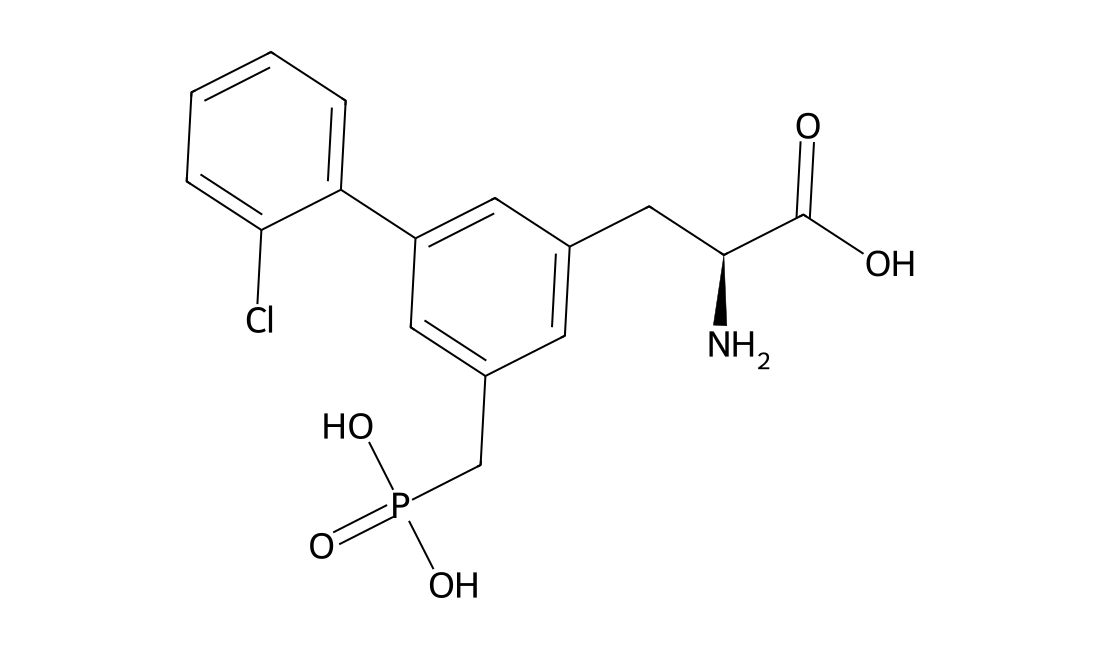
CAS 179411-93-9
SDZ 220-581 Hcl is a potent, competitive antagonist at the NMDA glutamate receptor subtype. in vitro: Wake-promoting doses of LSN2463359 and LSN2814617 attenuated deficits in performance induced by the competitiveNMDA receptor antagonist SDZ 220,581 in two tests of operant behaviour: the variable interval 30 s task and the DMTP task. in vivo: Administration of SDZ 220-581 or CGS 19755 was associated with a robust reduction in PPI, whereas L-701,324, 4-Cl-KYN or MLA failed to alter PPI. With the most active agent, SDZ 220-581, full protection against maximal electroshock seizures (MES) was obtained at oral doses of 10 mg/kg in rats and in mice. The compound had a fast onset (< or = 1 hr) and a long duration (> or = 24 hr) of action. Rats were pretreated with clozapine (0 or 5.0 mg/kg) or haloperidol (0 or 0.1 mg/kg), together with SDZ 220-581 (0 or 2.5 mg/kg), and tested. SDZ 220-581 and SDZ EAB-515 decreased PPI without affecting startle magnitude.
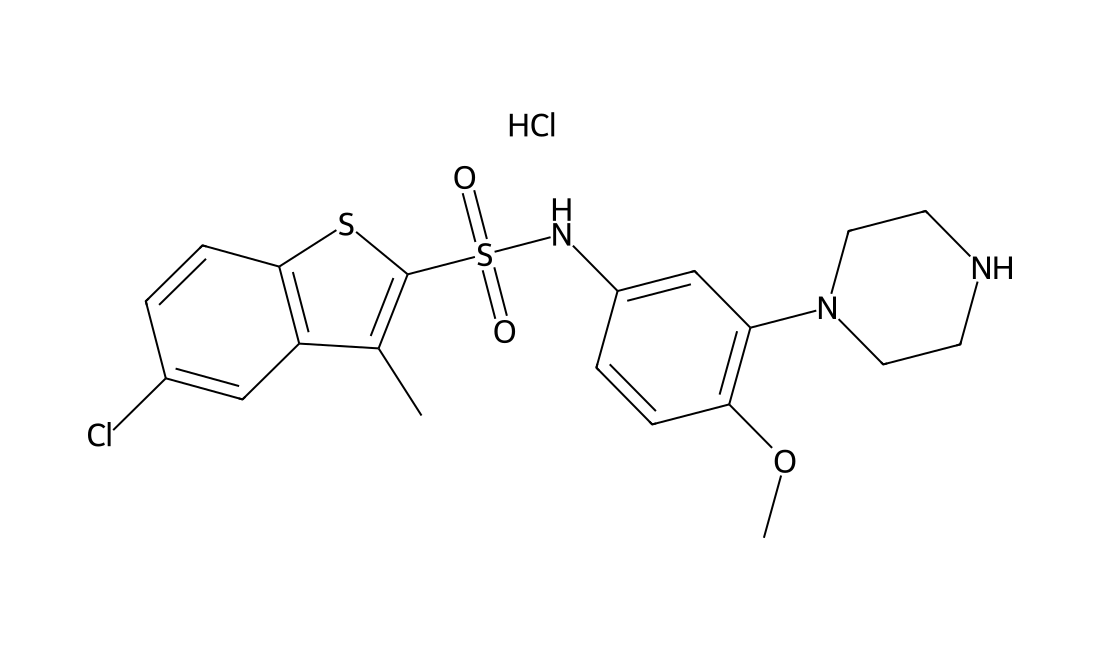
CAS 209481-24-3
SB271046 Hcl is a potent, selective and orally active 5-HT6 receptor antagonist with pKi of 8.9. in vitro: SB 271046 hydrochloride is a sulfonamidal benzothiophene derivative that has been shown to act as a selective 5-HT6 antagonist with pKi values of 9.02-8.92, 6.55, 6.35, 6.27, 6.05, 5.95, 5.76, 5.73, 5.62, 5.55, 5.41, 5.39, 5.27 and < 4.99 for 5-HT6, 5-HT1D, 5-HT1A, D3, 5-HT1B, 5-HT1F, α1B, 5-HT2C, 5-HT2A, D2, 5-HT2B, 5-HT7, 5-HT4 and 5-HT1E respectively, and is > 200-fold selective over 55 other receptors, enzymes and ion channels. in vivo: SB-271046 is moderately brain penetrant (10%), subject to low blood clearance (7.7 mL/min/kg) with a good half-life in rats (4.8 hours), and has excellent oral bioavailability (>80%). SB-271046 produces 3-fold and 2-fold increases in extracellular glutamate levels in both frontal cortex and dorsal hippocampus of rats, respectively, which may be used for the treatment of cognitive and memory dysfunction. SB-271046 (20 mg/kg, orally gavage) 30 min prior to training Wistar rats, is found to reverse significantly the amnesia produced by administering scopolamine (0.8 mg/kg, i.p.) in the 6 hours post-training period. SB-271046 progressively and significantly decreases platform swim angle and escape latencies over the five sequential trials on four consecutive daily sessions compared to vehicle-treated controls in aged rats. SB-271046 also improves task recall as measured by significant increases in the searching of the target quadrant on post-training days 1 and 3. SB-271046 (10 mg/kg, s.c.) produces a significant, tetrodotoxin-dependent, increase in extracellular levels of both glutamate and aspartate within the frontal cortex of rats, reaching maximum values of 375.4% and 215.3% of preinjection values, respectively.
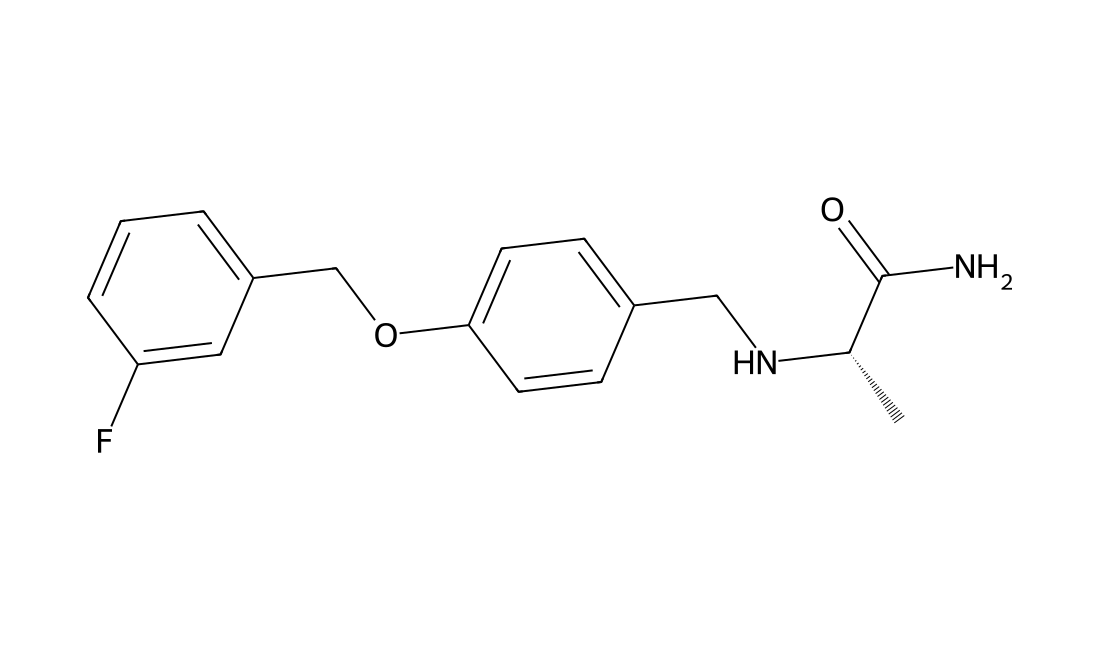
CAS 133865-89-1
Safinamide (EMD 1195686; FCE 26743; ) is a highly selective and reversible monoamine oxidase type B (MAO-B) inhibitor that increases neostriatal dopamine concentration. In addition, Safinamide (EMD 1195686; FCE 26743; ) is voltage-dependent sodium and calcium channel blocker. Safinamide (EMD 1195686; FCE 26743; ) appears to bind to the batrachotoxin-sensitive site 2 of the voltage-sensitive sodium channels. Safinamide blocks N and L-type calcium channels and inhibits glutamate and aspartate release from synaptic terminals.。For the detailed information about the solubility of Safinamide in water, the solubility of Safinamide in DMSO, the solubility of Safinamide in PBS buffer, the animal experiment(test) of Safinamide,the in vivo,in vitro and clinical trial test of Safinamide,the cell experiment(test) of Safinamide,the IC50, EC50 and Affinity of Safinamide, please contact DC Chemicals.
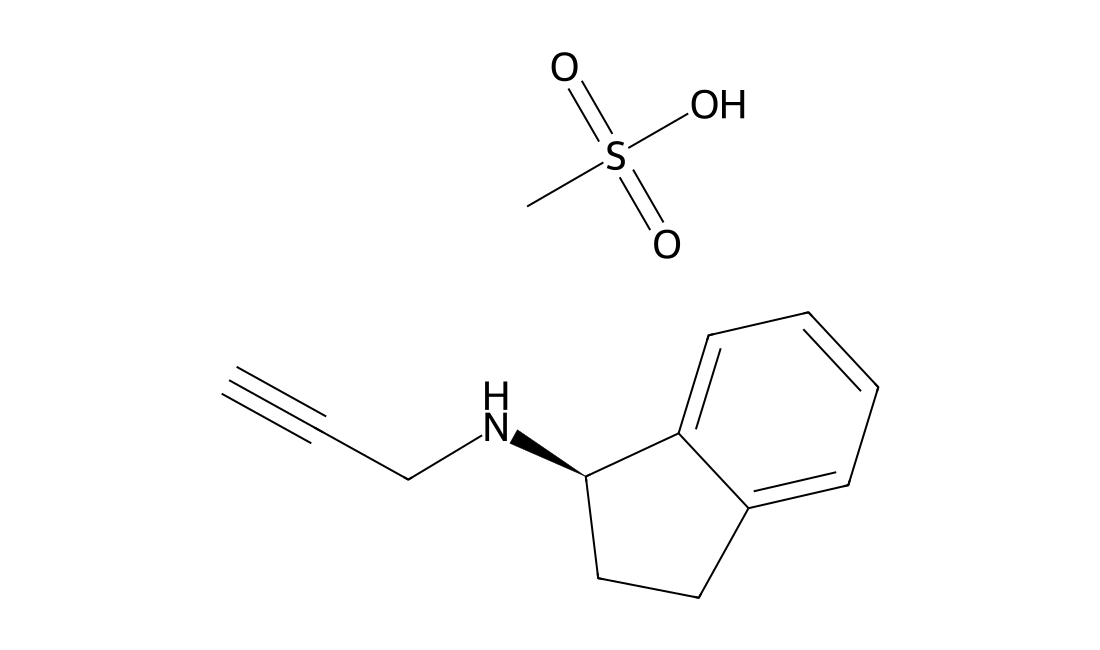
CAS 161735-79-1
Rasagiline Mesylate is an antiparkinsonian and a selective irreversible MAO-B inhibitor.
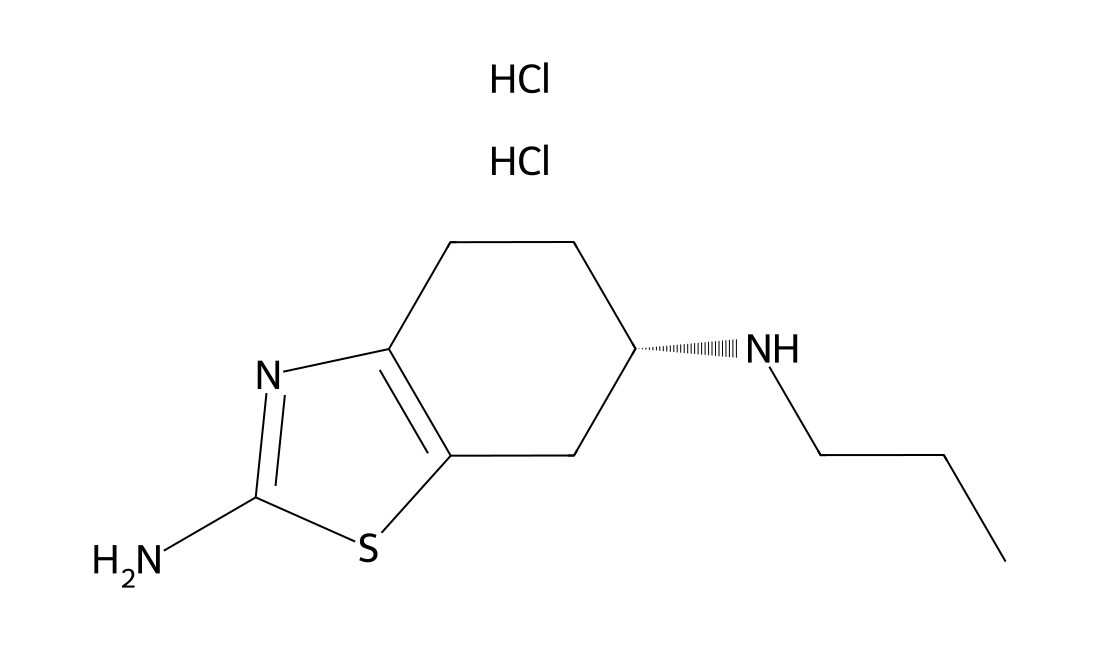
CAS 104632-25-9
Pramipexole (Mirapex, Mirapexin, Sifrol) is a dopamine agonist of the non-ergoline class indicated For treating early-stage Parkinson's disease (PD) and restless legs syndrome (RLS). It is also sometimes used off-label as a treatment For cluster headache and to counteract problems with sexual dysfunction experienced by some users of selective serotonin reuptake inhibitor (SSRI) antidepressants. Pramipexole has shown robust effects on pilot studies in a placebo-controlled proof of concept study in bipolar disorder. It is also being investigated For the treatment of clinical depression and fibromyalgia. For the detailed information about the solubility of Pramipexole dihydrochloride in water, the solubility of Pramipexole dihydrochloride in DMSO, the solubility of Pramipexole dihydrochloride in PBS buffer, the animal experiment(test) of Pramipexole dihydrochloride,the in vivo,in vitro and clinical trial test of Pramipexole dihydrochloride,the cell experiment(test) of Pramipexole dihydrochloride,the IC50, EC50 and Affinity of Pramipexole dihydrochloride, please contact DC Chemicals.
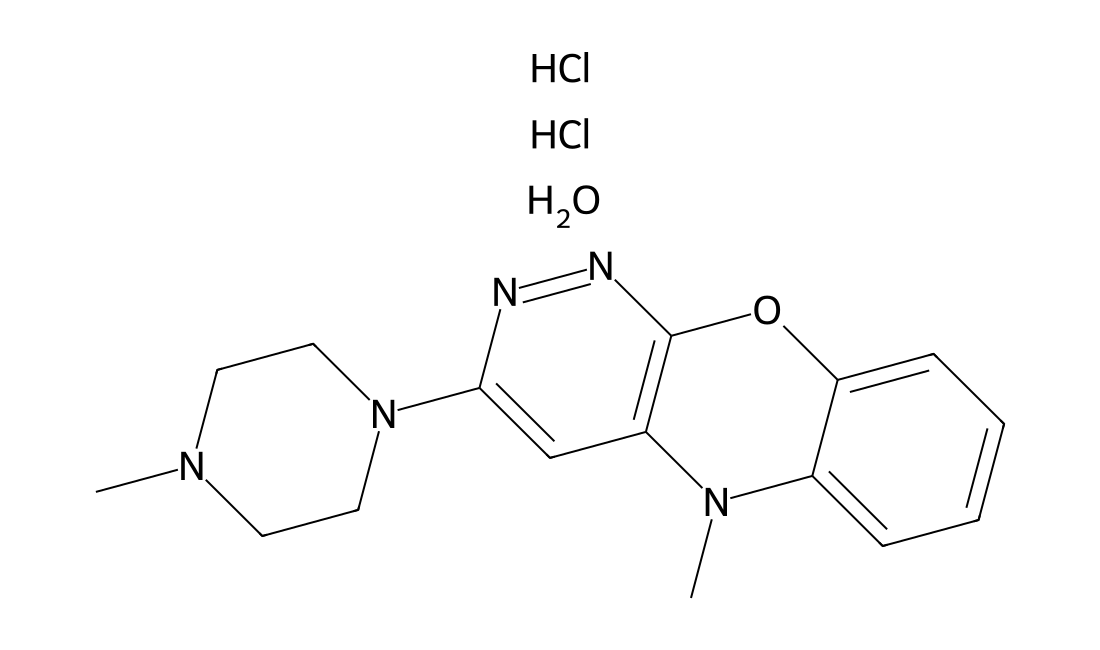
CAS 63302-99-8
Pipofezine(Azafen or Azaphen) is a potent inhibitor of the reuptake of serotonin. Pipofezine is a tricyclic antidepressant (TCA) approved in Russia for the treatment ofdepression. In addition to its antidepressant action, pipofezine has sedative effects as well, indicating antihistamine activity.
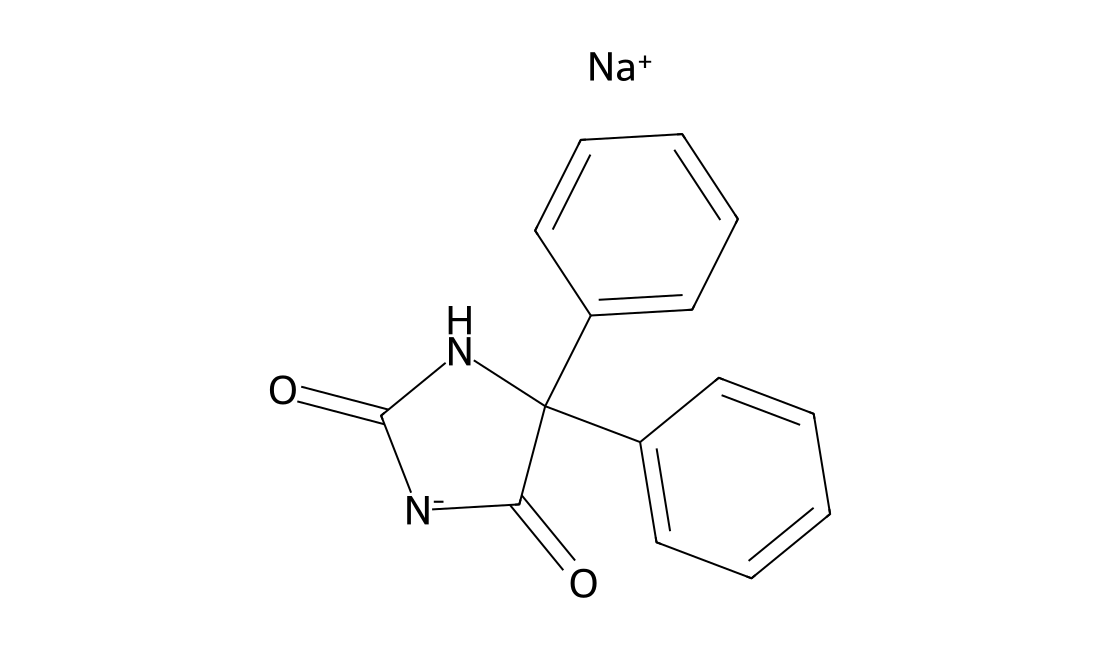
CAS 630-93-3
Phenytoin sodium is an inactive voltage-gated sodium channel stabilizer.Phenytoin sodium is an antiepileptic drug. It is useful to treat partial seizures and generalized tonic-clonic seizures but not primary generalized seizures such as absence seizures or myoclonic seizures. Phenytoin is believed to protect against seizures by causing voltage-dependent block of voltage-gated sodium channels. Phenytoin has low affinity for resting sodium channels at hyperpolarized membrane potentials. When neurons are depolarized and the channels transition into the open and inactivated states, greater binding and block occur. The inhibitory potency is strongly use dependent, so that block accumulates with prolonged or repetitive activation, such as occurs during a seizure discharge. The blocking of sodium channels by phenytoin is of slow onset. The time course of fast sodium currents is therefore not altered in the presence of the drug and action potentials evoked by synaptic depolarizations of ordinary duration are not blocked. Thus phenytoin is able to selectively inhibit pathological hyperexcitability in epilepsy without unduly impairing ongoing activity. Phenytoin also blocks persistent sodium current and this may be of particular importance in seizure control. Phenytoin is a class 1b antiarrhythmic.
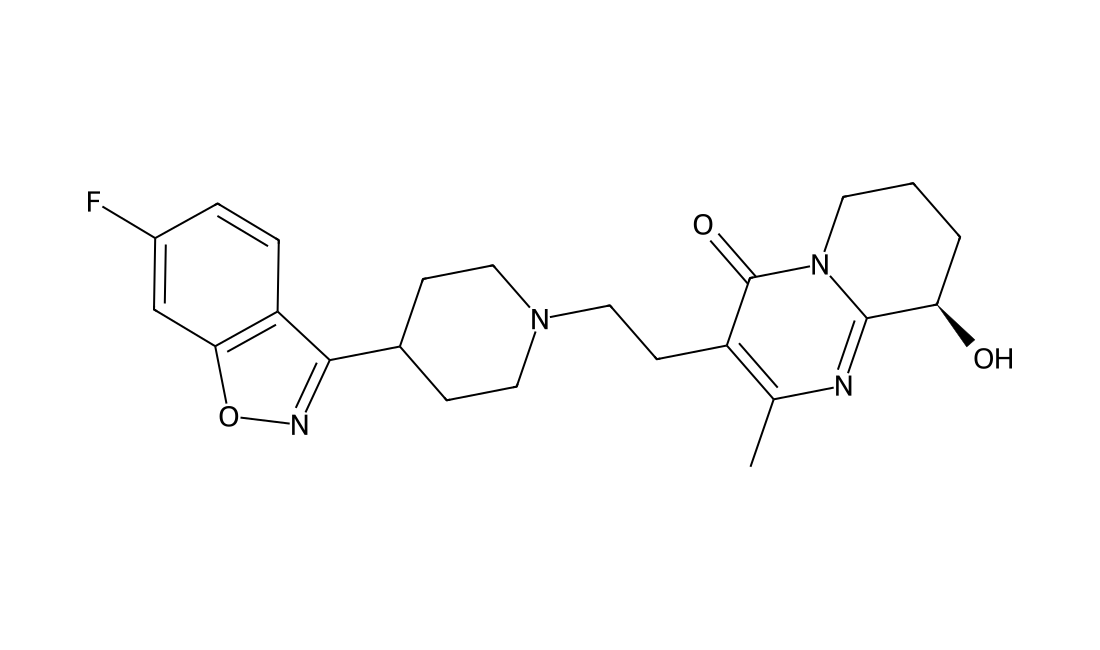
CAS 144598-75-4
Paliperidone (9-hydroxyrisperidone) is a dopamine antagonist of the atypical antipsychotic class of medications.in vitro: Paliperidone inhibited MK-801 induced neurotoxicity both in MTT metabolism assay (p<0.01) and in lactate dehydrogenase (LDH) activity assay (p<0.01). Moreover, paliperidone could significantly retard MK-801-mediated inhibition of neurite outgrowth (p<0.01) and reverse MK-801-induced decreases of gene expression and phosphorylation of Akt1 and GSK3β (both p<0.01). Furthermore, these protective effects of paliperidone were blocked by pretreatment with a PI3K inhibitor LY294002. paliperidone works finely at low concentrations (10 and 50 μM) against Aβ(25-35) and MPP(+) and solely protected SH-SY5Y from hydrogen peroxide. At 100 μM, paliperidone completely diminished cell reduction induced by different stressors, regardless of their dosages. Paliperidone was demonstrated with a higher oxidative stress-scavenging properties than other APDs in several aspects, such as generated bulk glutathione, low HNE, and protein carbonyl productions. in vivo: The 9OHRIS (4 mg/bwkg) was administred by gastric tube. Four groups were formed depending on the treatment: (1) control, (2) stress, (3) 9OHRIS, (4) stress and parallel 9OHRIS treatment (n=5-6). The expression of APP, MAPK1, β-actin mRNAs from the perfused brain samples was measured with real-time PCR technique.Male offspring were treated orally via drinking water with vehicle, risperidone (0.01mg/kg/day), or paliperidone (0.01mg/kg/day) between postnatal days 35 and 56 (periadolescence) and extracellular glutamate levels in the prefrontal cortex were determined by microdialysis at PD 56.
CAS 586368-06-1
Olcegepant possesses higher affinity for the human CGRP receptor than the endogenous ligand CGRP and 150-fold higher affinity compared to the peptidic antagonist CGRP8-37. Olcegepant reverses CGRP-mediated vasodilation in human cerebral vessels and inhibits neurogenic vasodilation in a surrogate animal model of migraine pathophysiology. Olcegepant (BIBN4096BS) is extremely potent at primate CGRP receptors exhibiting an affinity (Ki) for human CGRP receptors of 14.4±6.3 (n=4) pM. Several lines of evidence suggest that a calcitonin-gene related peptide (CGRP) receptor antagonist may serve as a novel abortive migraine treatment. Olcegepant (BIBN4096BS) exhibits competitive antagonism at the CGRP receptor present in SK-N-MC cells. Isolated human cerebral, coronary, and omental arteries are studied with a sensitive myograph technique. CGRP induces a concentration-dependent relaxation that is antagonized by Olcegepant in a competitive manner.Olcegepant (BIBN4096BS) in doses between 1 and 30 μg/kg (i.v.) inhibits the effects of CGRP, released by stimulation of the trigeminal ganglion, on facial blood flow in marmoset monkeys. Pre-treatment with Olcegepant (900 μg/kg) inhibits the capsaicin-induced expression of Fos throughout the spinal trigeminal nucleus by 57%. In contrast, the expression of phosphorylated extracellular signal-regulated kinase in the trigeminal ganglion is not changed by Olcegepant pre-treatment. Olcegepant (0.3 to 0.9 mg/kg, i.v.) markedly reduces mechanical allodynia in CCI-ION rats. Olcegepant (0.6 mg/kg, i.v.) significantly reduces the number of c-Fos immunolabeled cells in spinal nucleus of the trigeminal nerve and upregulation of ATF3 transcript (a marker of neuron injury) but not that of interleukin-6 in trigeminal ganglion of CCI-ION rats[5].
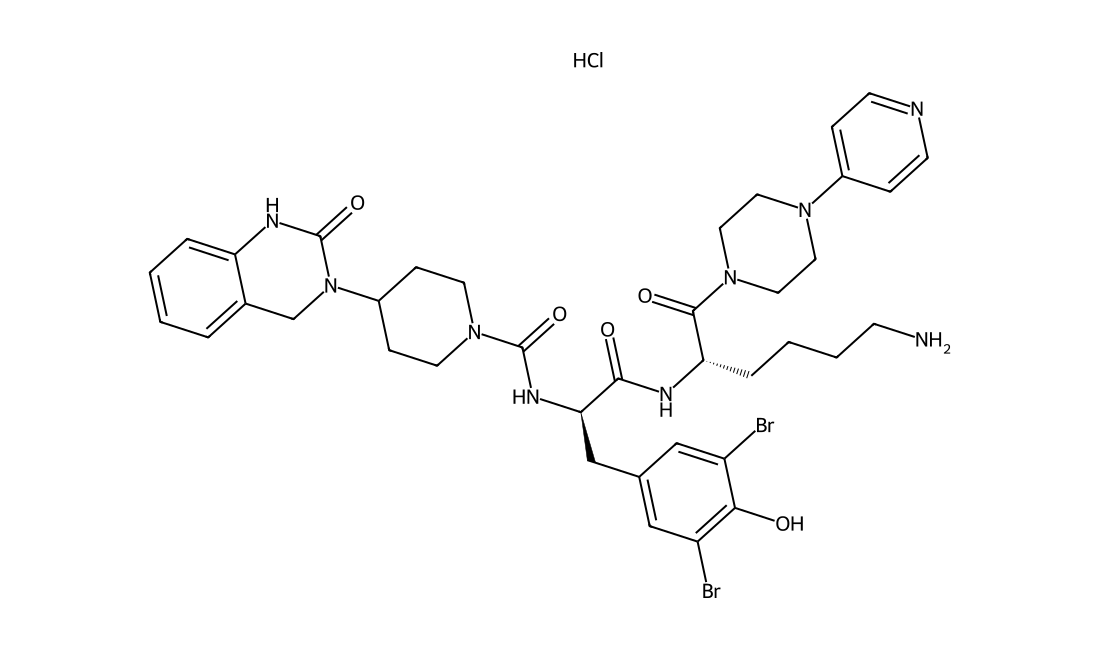
CAS 157115-85-0
Noopept (GVS-111) is a medication promoted and prescribed in Russia and neighbouring countries as a nootropic. in vitro: Nooglutil exhibits pharmacologically significant competition with a selective agonist of AMPA receptors ([G-3H]Ro 48-8587) for the receptor binding sites (with IC50 = 6.4 +/- 0.2 microM), while the competition of noopept for these receptor binding sites was lower by an order of magnitude (IC50 = 80 +/- 5.6 microM). GVS-111 significantly increased neuronal survival after H(2)O(2)-treatment displaying a dose-dependent neuroprotective activity from 10 nM to 100 microM, and an IC(50) value of 1.21+/-0.07 microM. GVS-111 inhibited the accumulation of intracellular free radicals and lipid peroxidation damage in neurons treated with H(2)O(2) or FeSO(4), suggesting an antioxidant mechanism of action. in vivo: N-Phenylacetyl-L-prolylglycine ethyl ester (GVS-111) administered intravenously at a dose of 0.5 mg/kg/day, for the first time 1 h after ischaemic lesion and then for 9 post-operative days, with the last administration 15 min before testing, attenuated the deficit. GVS-111 itself was not found in rat brain 1 h after 5 mg/kg i.p. administration up to limit of detection (LOD) under high performance liquid chromatography (HPLC) conditions. The most pronounced antiinflammatory effect of dipeptide was observed on the model of adjuvant arthritis in rats, where the drug administered over 25 days in a daily dose of 0.5 mg/kg (i.m.) or 5 mg/kg (p.o.) significantly reduced the chronic immune inflammation (on the 12th day, by 94.0 and 74.1%, respectively). Toxicity: Noopept administered in this dose range induced no irreversible pathologic changes in the organs and systems studied and exhibited no allergenic, immunotoxic, and mutagen activity.
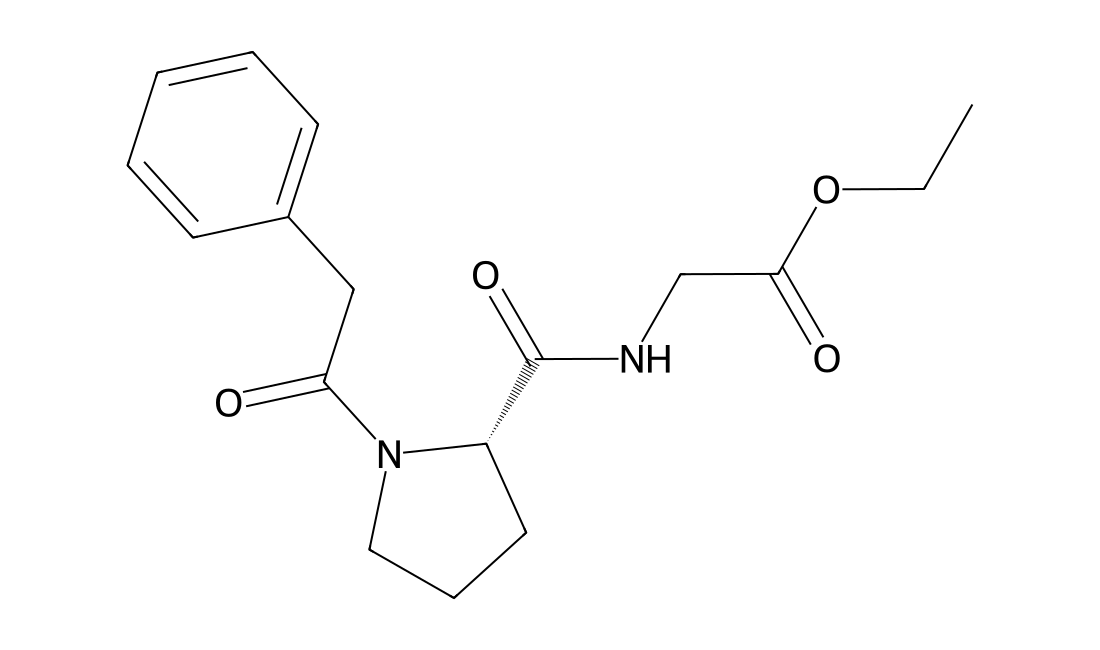
CAS 177707-12-9
NKP608 is a non-peptidic derivative of 4-aminopiperidine which acts as a selective, specific and potent antagonist at the neurokinin-1 (NK-1) receptor both in vitro(IC50=2.6 nM) and in vivo. In vitro, the binding of NKP608 to bovine retina was characterized by an IC50 of 2.6+/-0.4 nM, whereas the compound's affinity to other receptor binding sites, including NK-2 and NK-3, was much lower. Species differences in IC(50) values with NKP608 were less pronounced than with previously described NK-1 receptor antagonists, being 13+/-2 and 27+/-2 nM in gerbil midbrain and rat striatum, respectively. In vivo, using the hind foot thumping model in gerbils, NKP608 exhibited a potent NK-1 antagonistic activity following oral administration (ID(50)=0.23 mg/kg; 2 h pretreatment), supporting a central activity of NKP608. NKP608 may prove a useful anxiolytic compound.
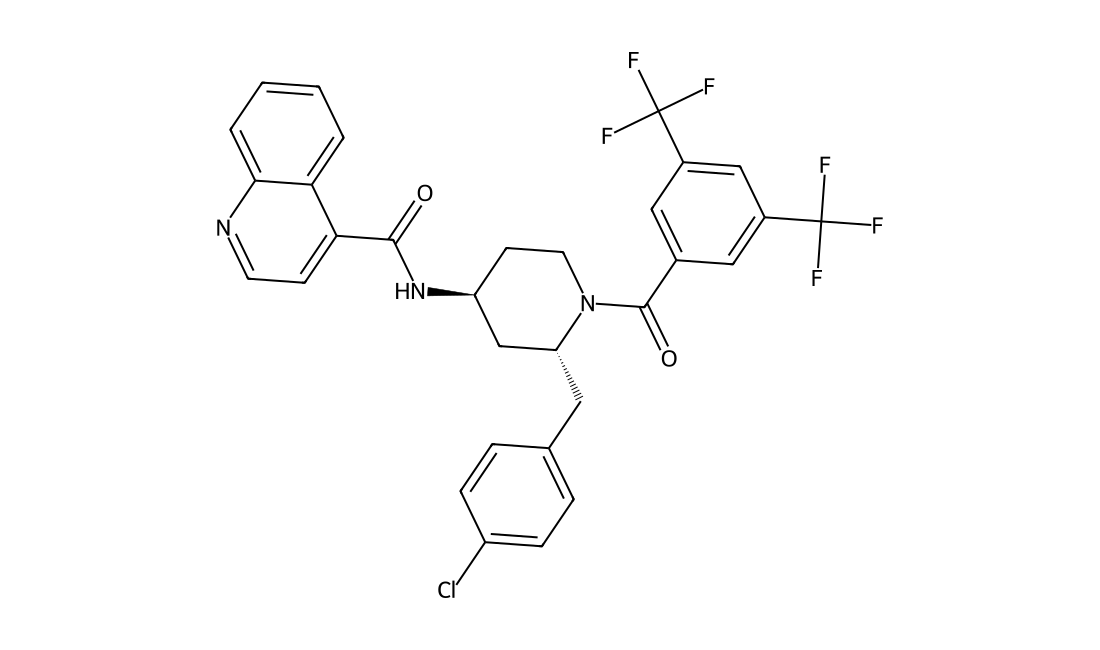
CAS 51-60-5
Neostigmine Methyl Sulfate is a reversible acetylcholinesterase inhibitor. This compound blocks the breakdown of acetylcholine in the synaptic space, leading to prolonged signaling and thus increased muscle contractions.
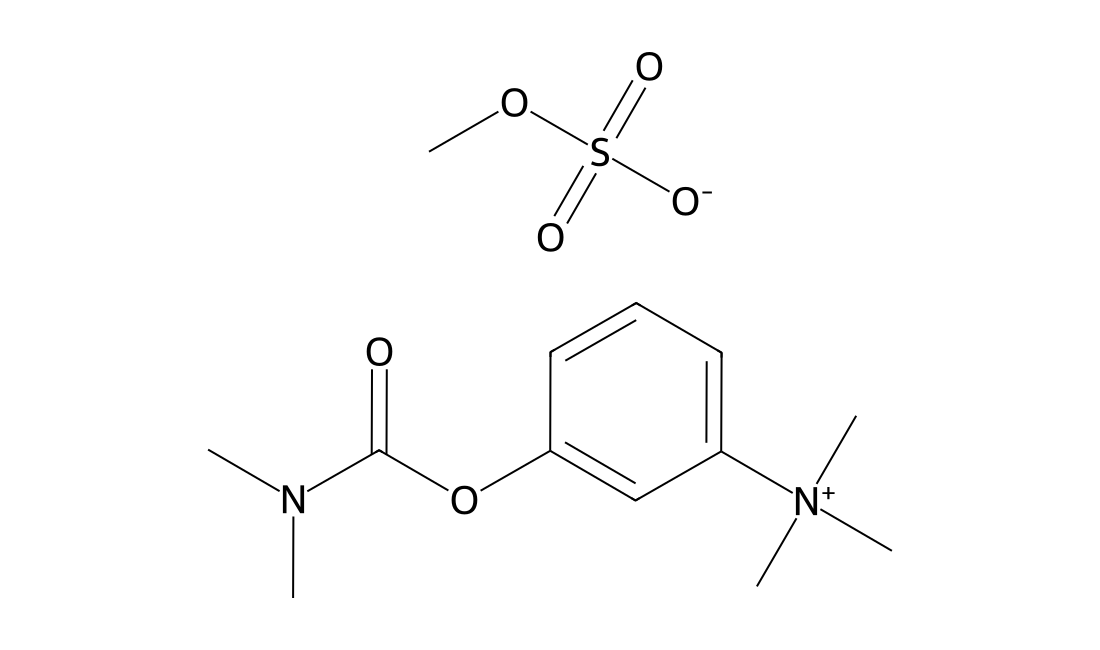
CAS 114-80-7
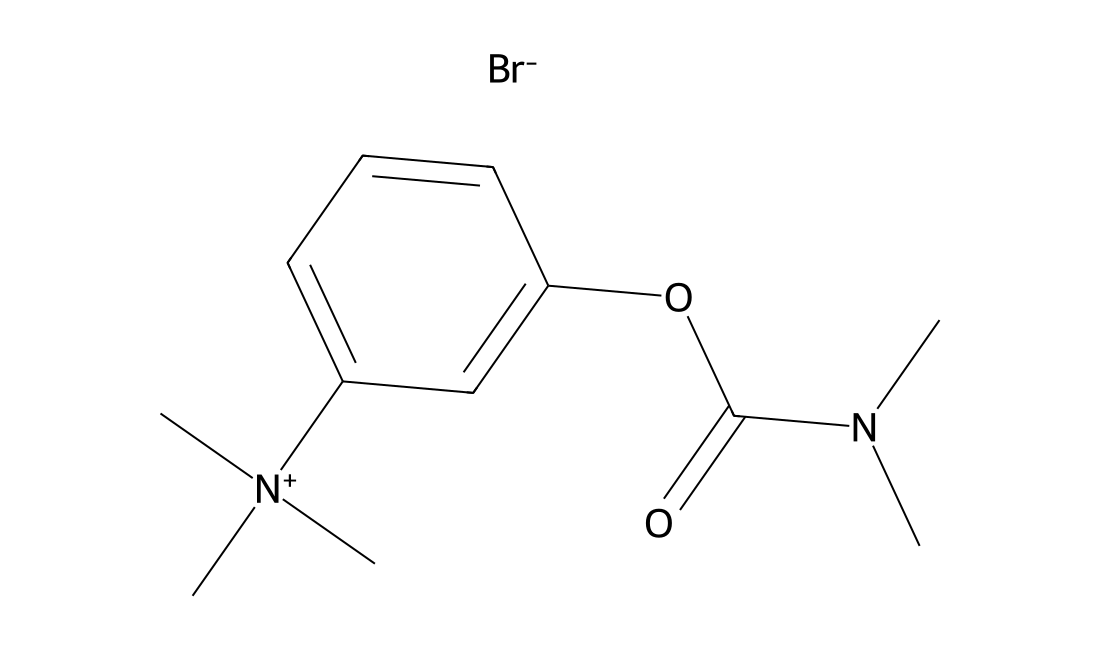
Neostigmine Bromide is a cholinesterase inhibitor used in the treatment of myasthenia gravis.Neostigmine is a parasympathomimetic that acts as a reversible acetylcholinesterase inhibitor. Neostigmine enhances excitatory parasympathetic activity by competing with acetylcholine for attachment to acetylcholinesterase at sites of cholinergic transmission and enhancing cholinergic action. Neostigmine is a safe and effective treatment for acute colonic pseudo-obstruction.
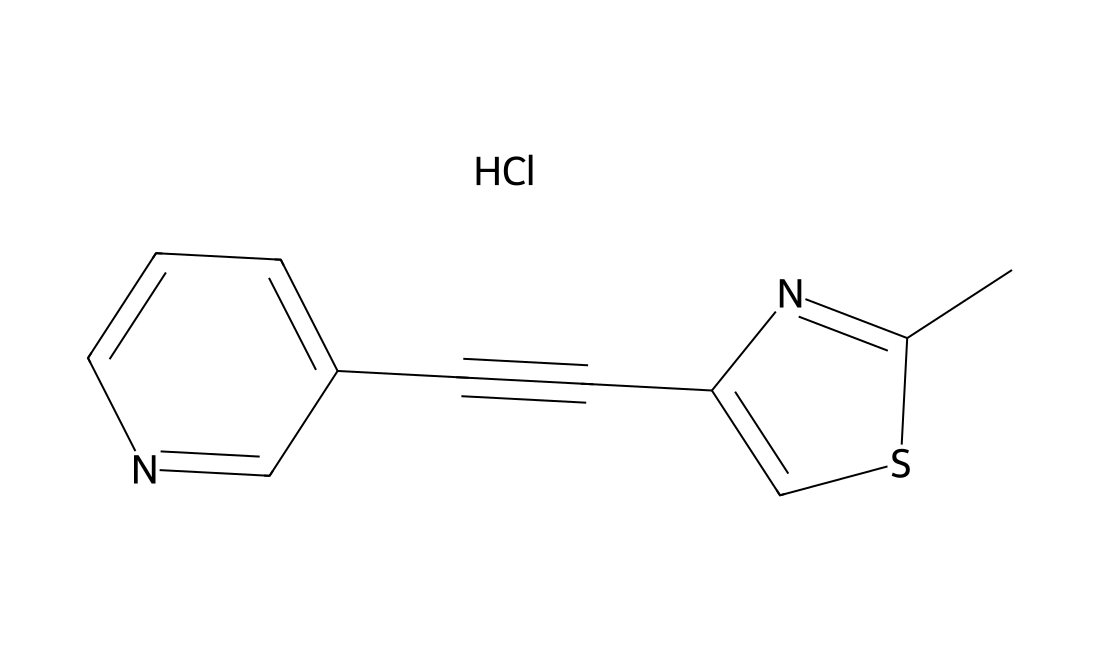
CAS 1186195-60-7
MTEP Hcl is a potent, selective and non-competitive mGlu5 antagonist with IC50 and Ki of 5 nM and 16 nM, respectively. MTEP occupied mGlu5 receptors in a dose-dependent manner with essentially full receptor occupancy at the highest dose tested (10 mg/kg, i.p.). At doses appropriate for mGlu5 receptor-mediated effects, MTEP significantly reduced fear-potentiated startle and increased punished responding in a modified Geller-Seifter conflict model consistent with an anxiolytic-like profile. MTEP decreased unpunished responding to a lesser extent than diazepam and had no effect on rotarod performance when administered either alone or in combination with ethanol. Repeated dosing with MTEP in this model eliminated the increase in punished responding observed with acute dosing.
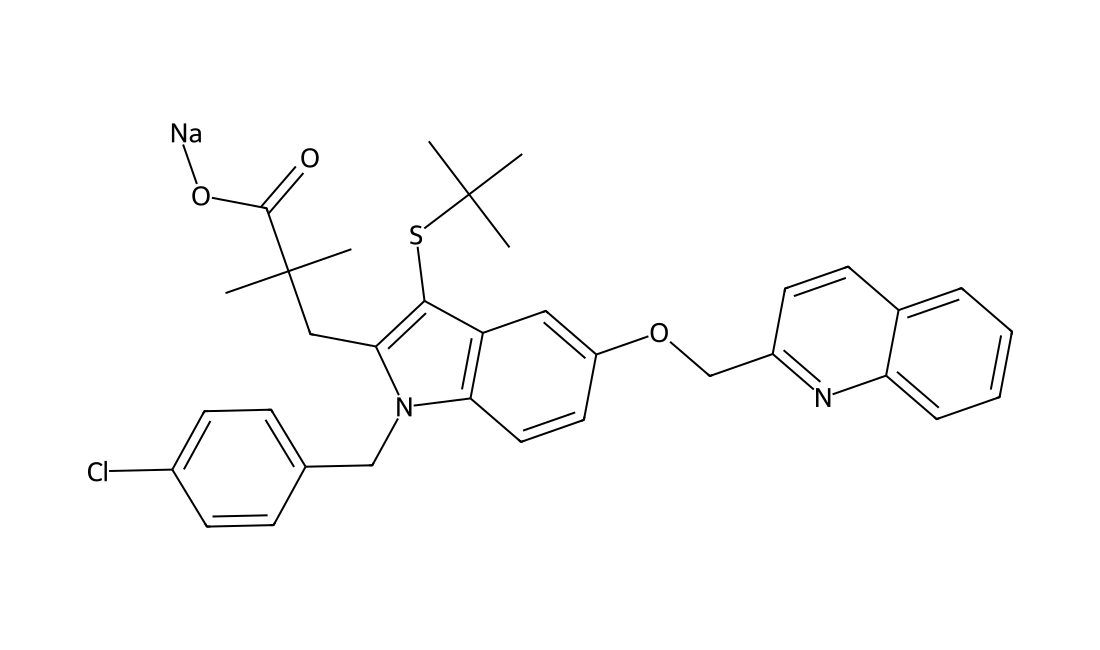
CAS 147030-01-1
MK591(Quiflapon sodium) is a selective and specific 5-Lipoxygenase-activating protein (FLAP) inhibitor. MK591 is a synthetic compound which specifically inhibits the activity of 5-Lox and is currently under development for the treatment of asthma. Research of involvement of 5-lipoxygenase activating protein in the amyloidotic phenotype of an Alzheimer's disease mouse model showed that a novel functional role for 5-lipoxygenase activating protein in the pathogenesis of Alzheimer's disease-like amyloidosis, and suggest that its pharmacological inhibition could provide a novel therapeutic opportunity for Alzheimer's disease. Another research showed 5-Lipoxygenase-activating protein (FLAP) inhibitor MK-0591 prevents aberrant alveolarization in newborn mice exposed to 85% oxygen in a dose- and time-dependent manner.
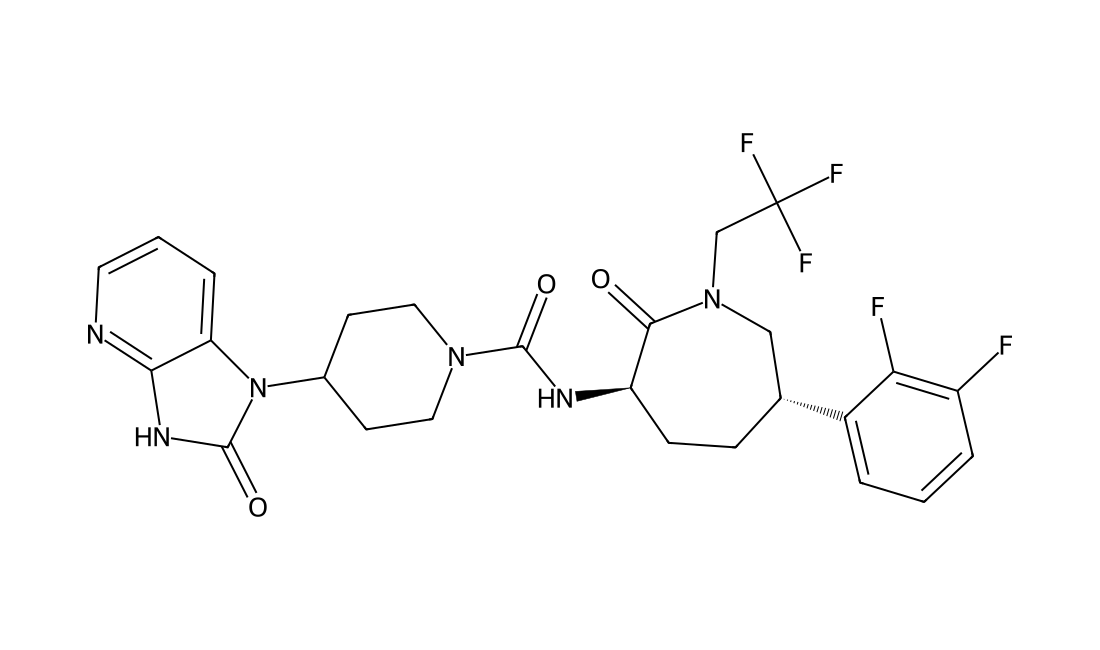
CAS 781649-09-0
MK-0974(Telcagepant) is a highly potent, selective, and orally bioavailable CGRP receptor antagonist with Ki values of 0.77 nM and 1.2 nM for human and rhesus CGRP receptors respectively; displays >1500-fold lower affinity for the canine and rat receptors. in vitro: MK-0974 is a potent antagonist of the human (K(i) = 0.77 nM) and rhesus (K(i) = 1.2 nM) CGRP receptors but displays >1500-fold lower affinity for the canine and rat receptors as determined via (125)I-human CGRP competition binding assays. [(3)H]MK-0974 displayed reversible and saturable binding to both SK-N-MC membranes and rhesus cerebellum with a K(D) of 1.9 nM and 1.3 nM, respectively. in vivo: In monkeys, MK-0974 displayed moderate clearance (14-20 ml min(-1) kg(-1)), while oral bioavailability was 6%. The pharmacokinetics of MK-0974 remained linear across 0.5-10 mg kg(-1) intravenous dose in monkeys, but the oral area under the plasma concentration-time curve (AUC) increase (5-30 mg kg(-1)) was 15-fold over dose-proportional.
CAS 96946-42-8
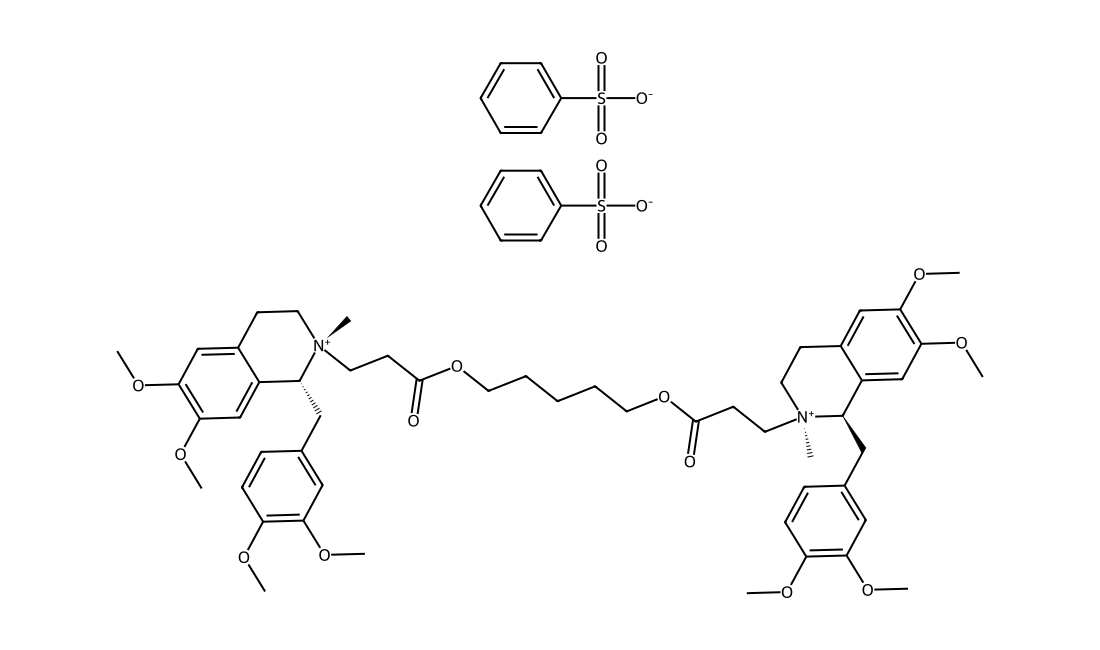
Cisatracurium Besylate is a nondepolarizing neuromuscular blocking agent, antagonizing the action of acetylcholine by inhibiting neuromuscular transmission. Cisatracurium is a neuromuscular-blocking drug or skeletal muscle relaxant in the category of non-depolarizing neuromuscular-blocking drugs, used adjunctively in anesthesia to facilitate endotracheal intubation and to provide skeletal muscle relaxation during surgery or mechanical ventilation. It is a bisbenzyltetrahydroisoquinolinium agent with an intermediate duration of action. Cisatracurium is one of the ten isomers of the parent molecule, atracurium. Moreover, cisatracurium represents approximately 15% of the atracurium mixture.
CAS 1307245-86-8
LY2940094 is a potent, selective and orally available nociceptin receptor (NOP) antagonist with an Ki of 0.105 nM.
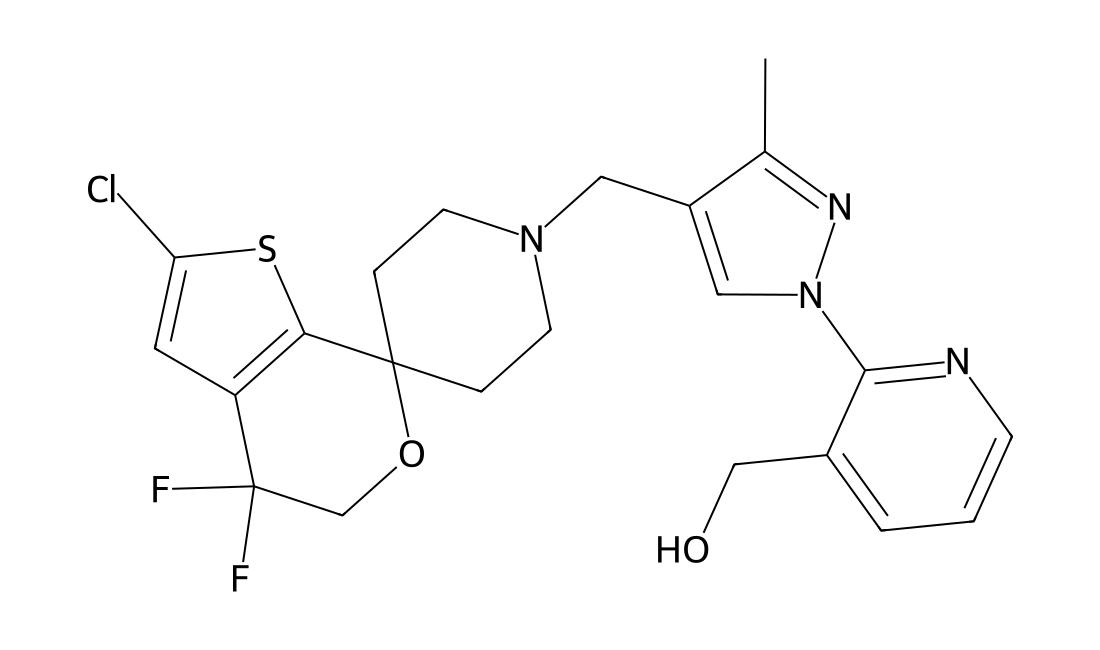
CAS 1239987-91-7
GPR52-IN-43(CAY10786) is a novel GPR52 antagonist, reducing mHTT levels by targeting GPR52 and promoting survival of mouse primary striatal neurons, and also reducing HD-related phenotypes in HdhQ140.
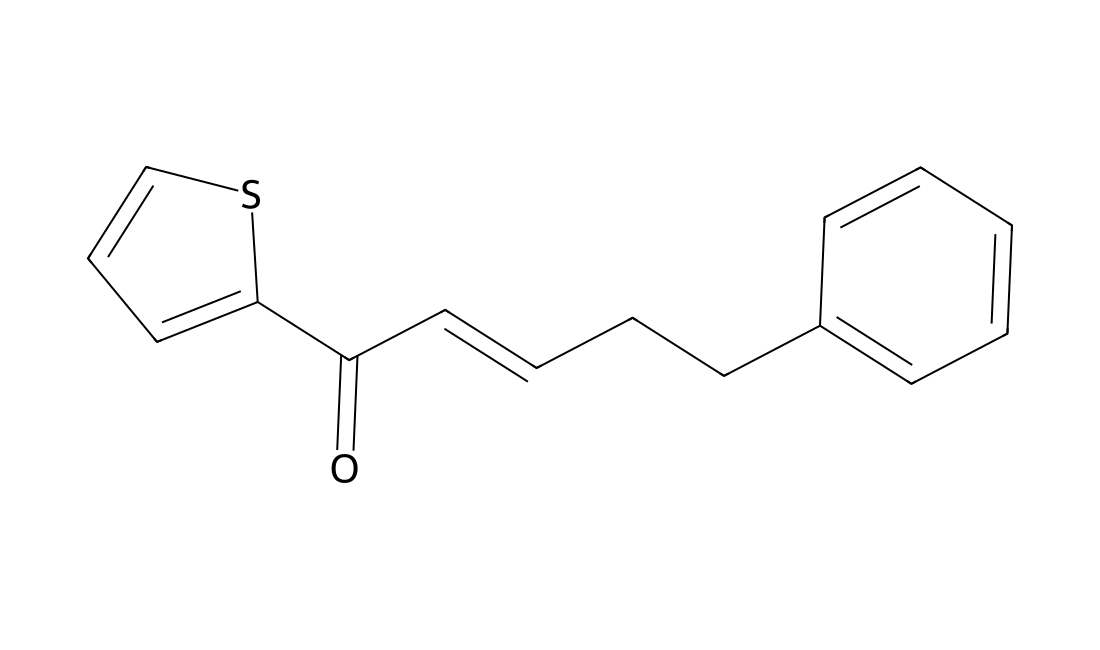
CAS 1213669-91-0
CTP354, also known as C-21191, a novel deuterated subtype-selective GABA(A) modulator. CTP may be potentially useful for treatment of neuropathic pain, spasticity and anxiety disorders. GABAA receptors are found in the nervous system and, when activated, reduce the transmission of certain nerve signals. Several classes of widely used drugs target GABAA receptors, including benzodiazepines, but do not have the receptor subtype selectivity of CTP-354.
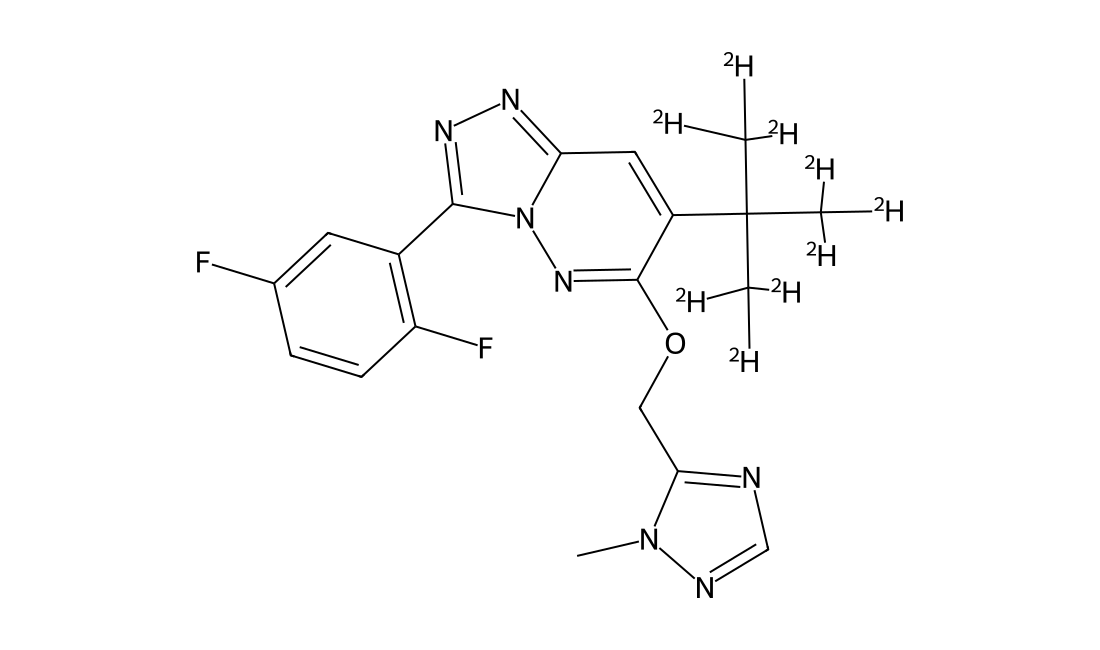
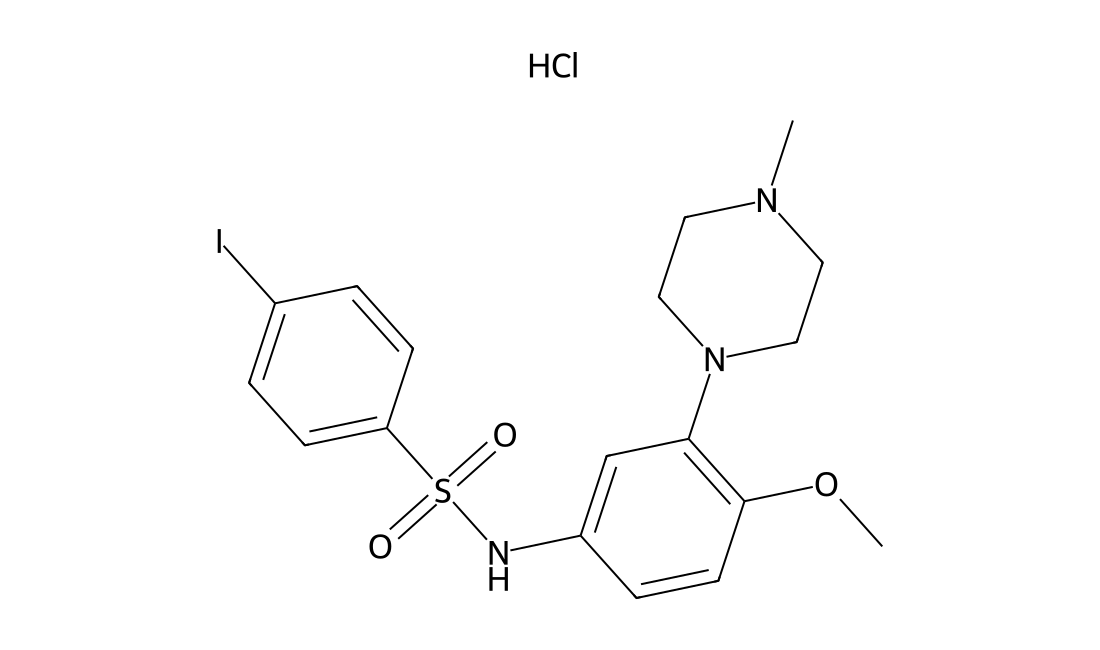
CAS 1216468-02-8
Potent and selective 5-HT6 receptor antagonist (pKi = 8.6); displays > 160-fold selectivity over other 5-HT receptor subtypes.For the detailed information of SB 258585 hydrochloride, the solubility of SB 258585 hydrochloride in water, the solubility of SB 258585 hydrochloride in DMSO, the solubility of SB 258585 hydrochloride in PBS buffer, the animal experiment (test) of SB 258585 hydrochloride, the cell expriment (test) of SB 258585 hydrochloride, the in vivo, in vitro and clinical trial test of SB 258585 hydrochloride, the EC50, IC50,and Affinity of SB 258585 hydrochloride, Please contact DC Chemicals.
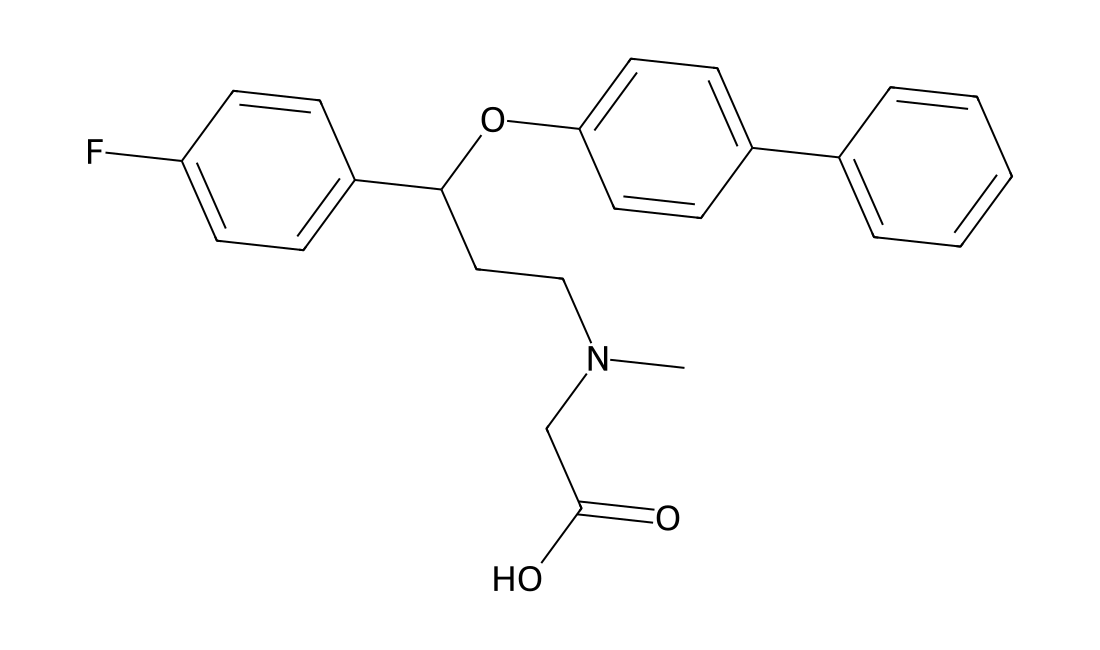
CAS 405225-21-0
NFPS (ALX-5407) is a potent, selective GlyT1 inhibitor with IC50 of 2.8 and 9.8 nM for hGlyT1 and rGlyT1 respectively, >5,000-fold selectivity over rGlyT2; inhibits glycine transport by the GlyT1a, b and c subtypes of glycine transporters, but has no effect on the GLYT2a subtype of transporter; reverses PCP-induced changes in EEG power spectra in conscious rats (1-10 mg/kg i.p.), significantly enhances long-term potentiation in the hippocampal dentate gyrus in vivo.
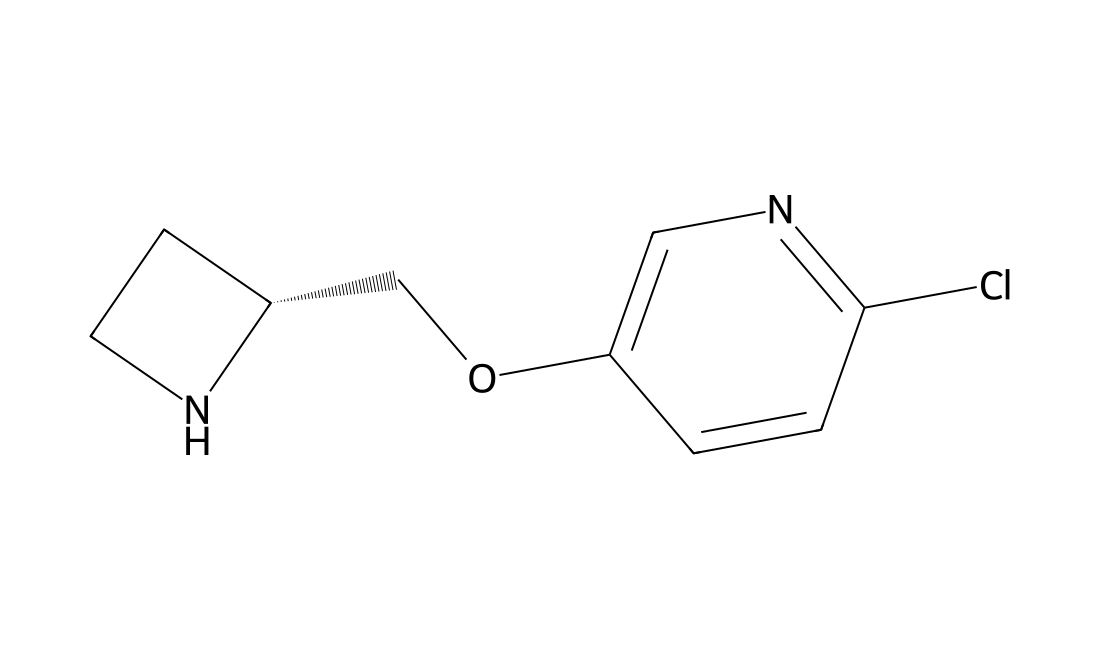
CAS 198283-73-7
ABT-594 represents a novel class of broad-spectrum analgesics whose primary mechanism of action is activation of the neuronal nicotinic acetylcholine receptors.
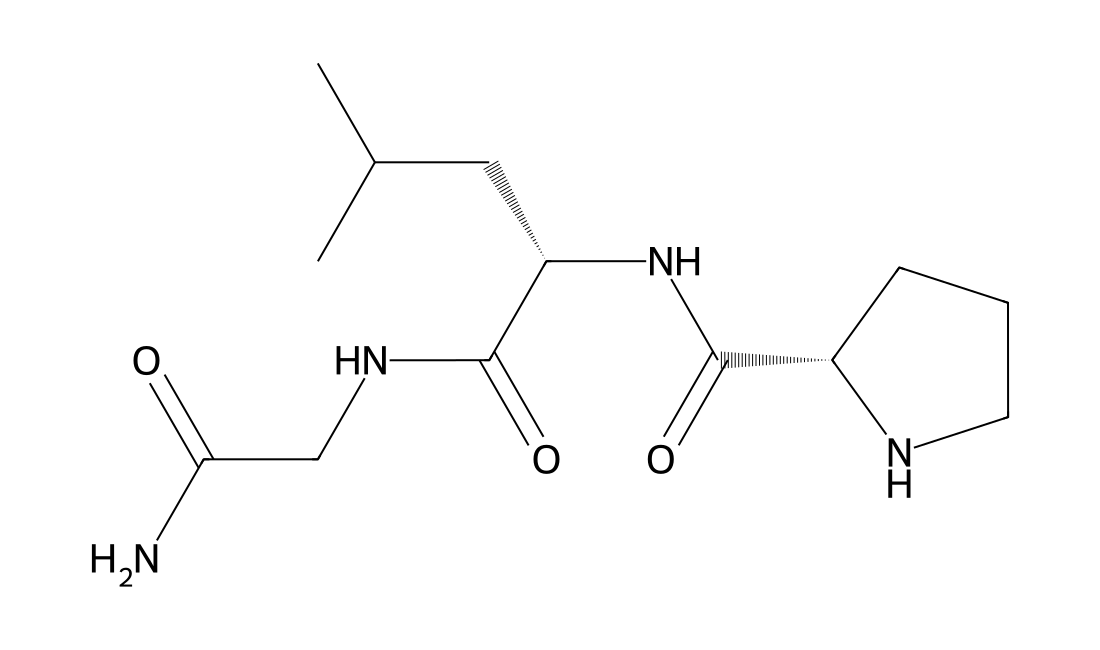
CAS 2002-44-0
Melanocyte-stimulating hormone release-inhibiting factor (MSH-R-IF) is a hypothalamic tripeptide that binds to rat striatum (Kd = 4.69 nM) and has diverse biological activities.In vivo, MSH-R-IF (0.1 mg/kg) decreases immobility of mice in the forced swim test, indicating antidepressant-like activity.MSH-R-IF (20 mg/kg) increases striatal concentration of dopamine and the dopamine metabolites DOPAC, 3-methoxy tyramine, and homovanillic acid (HVA) in a mouse model of Parkinson's disease induced by MPTP.It decreases vacuous chewing movements induced by haloperidol in a rat model of tardive dyskinesia when administered at a dose of 2 mg/kg.4 MSH-R-IF also has anti-opiate effects, reversing analgesia induced by morphine and an enkephalin in mice in a radiant heat tail-flick assay.
CAS 1108147-88-1
MCOPPB 3Hcl is a nociceptin receptor agonist with pKi of 10.07; weaker activity at other opioid receptors.