Home/Small Molecules/Neuroscience

Neuroscience

Neurotransmission, neural targets and neurological research.

Browse all research categories

Browse by research category

Products may appear in more than one category. Counts refer to distinct catalog numbers within each category.

Other Research Tools (75) · Additional reagents, building blocks and specialized research tools.

Neuroscience products

Combine a keyword, research category and target to narrow the product list.

Loading catalog filters…

793 products · Showing 673–720

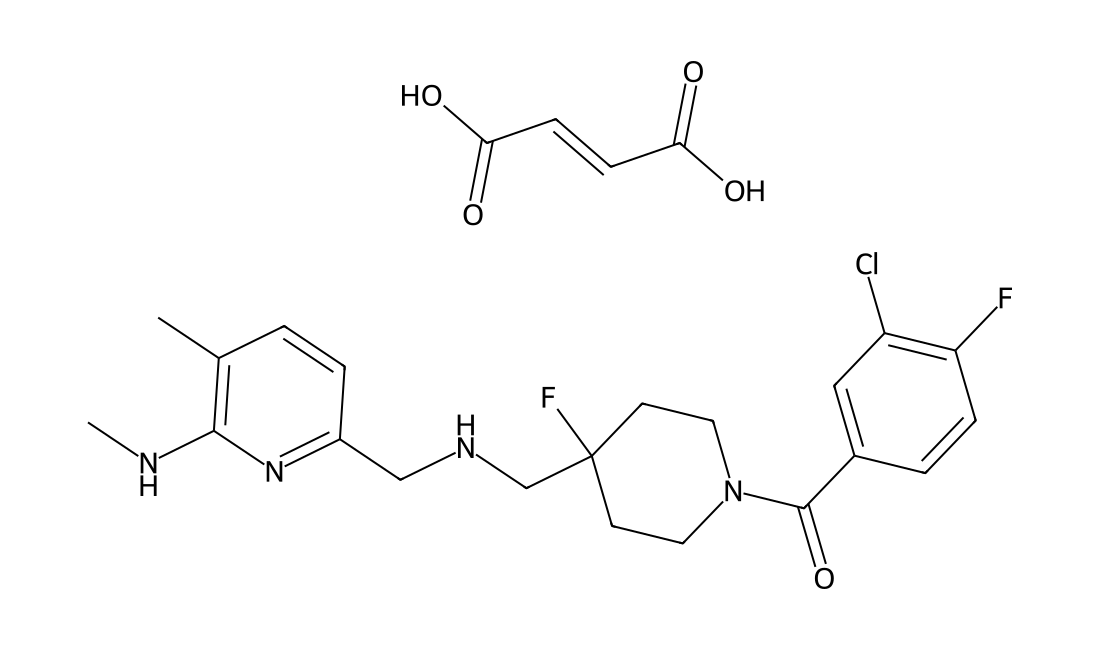
DC65629

Deslorelin

CAS 57773-65-6

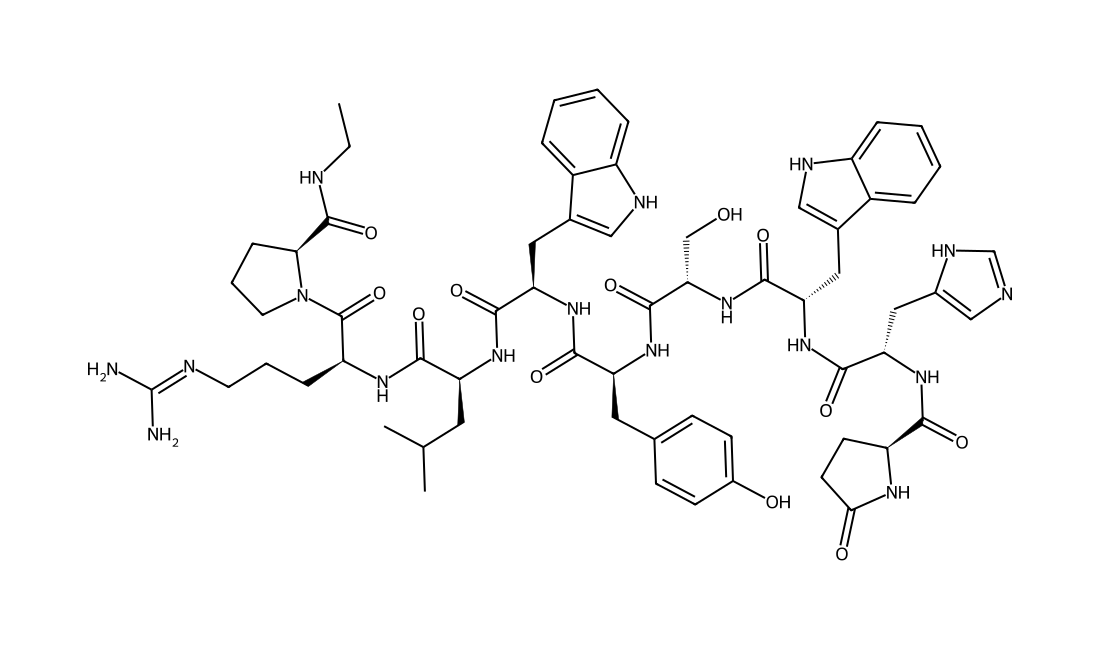
Deslorelin is a GnRH agonist. Deslorelin implants can be used as an alternative to dopamine agonists to induce fertil eoestrus in the bitch in anoestrus. The deslorelin implant can be used successfully in the queen for oestrus inhibition. Deslorelin acetate did not significantly affect the spontaneous contraction amplitude but caused a decrease in the frequency in the dorsal and ventral parts of the bladder.

Deslorelin chemical structure
DC48112

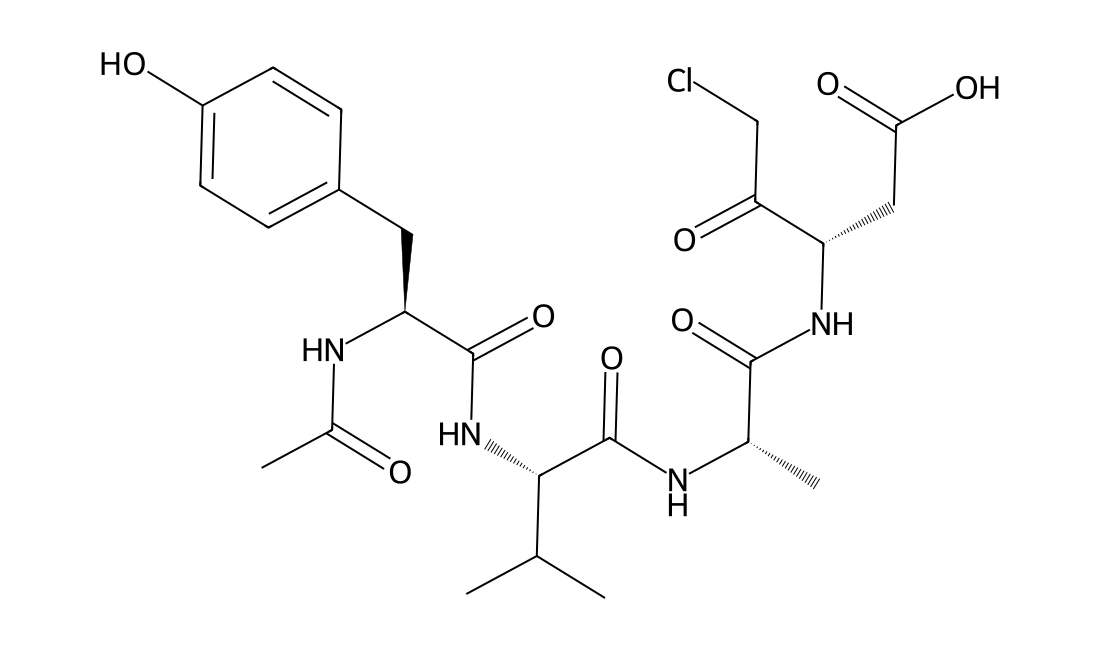
Ac-YVAD-cmk

CAS 178603-78-6

Ac-YVAD-cmk (Caspase-1 Inhibitor II) is a selective caspase-1 (IL-1beta converting enzyme, ICE)) inhibitor with neuroprotective and anti-inflammatory effects. Ac-YVAD-cmk effectively suppresses the expression of IL-1β and IL-18. Ac-YVAD-cmk inhibits pyroptosis in many diseases.

Ac-YVAD-cmk chemical structure
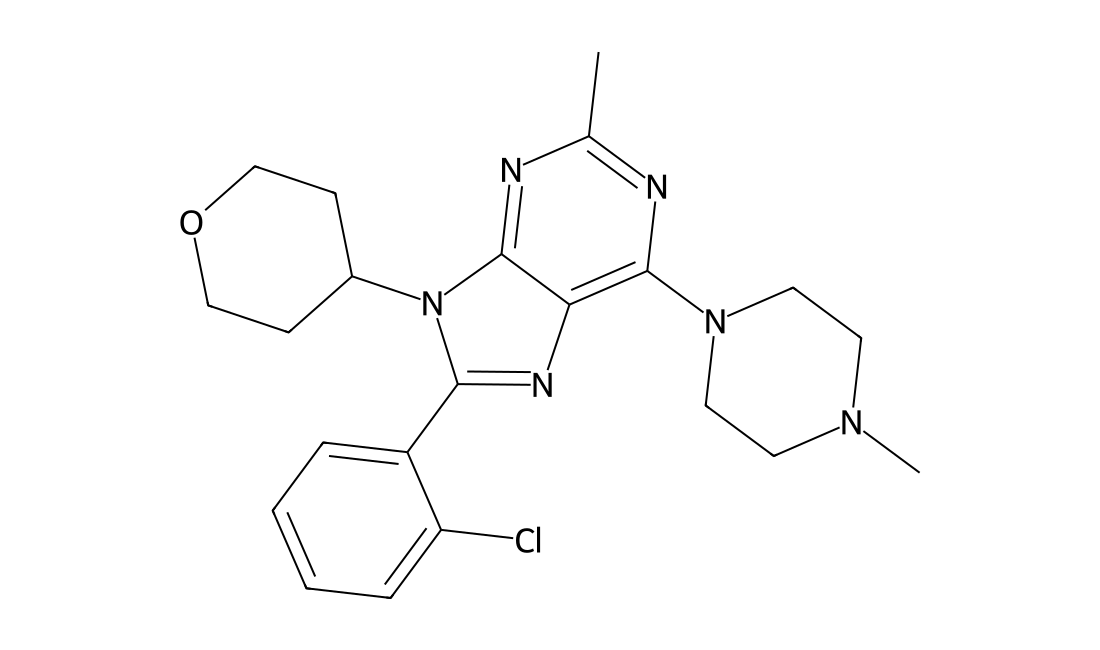
DC41010

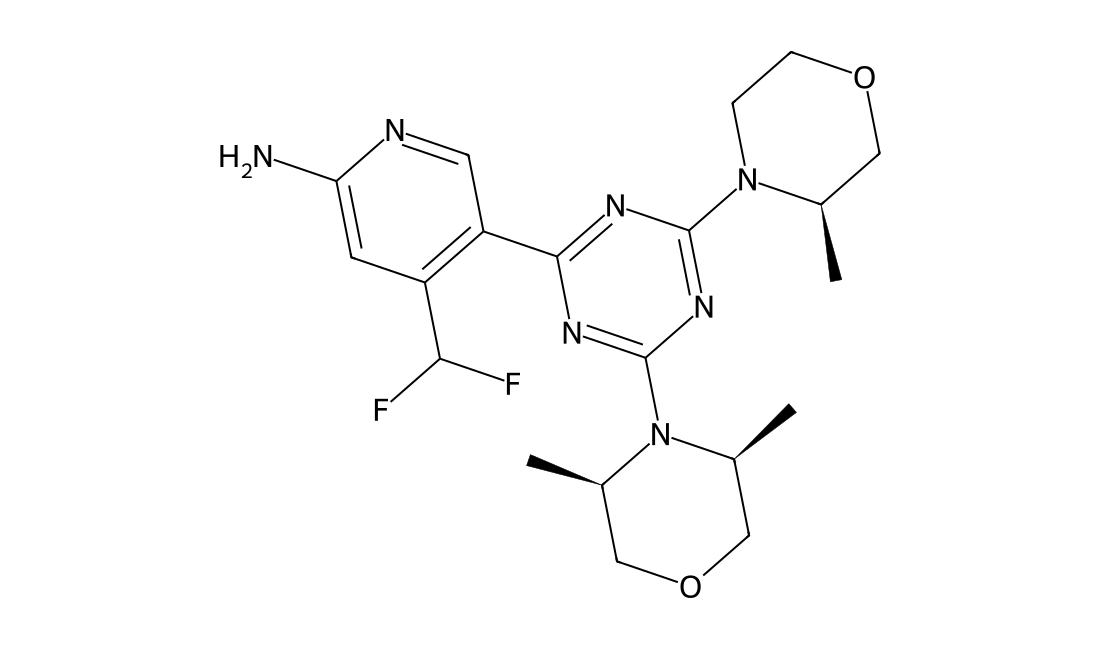
PQR626

CAS 1927857-98-4

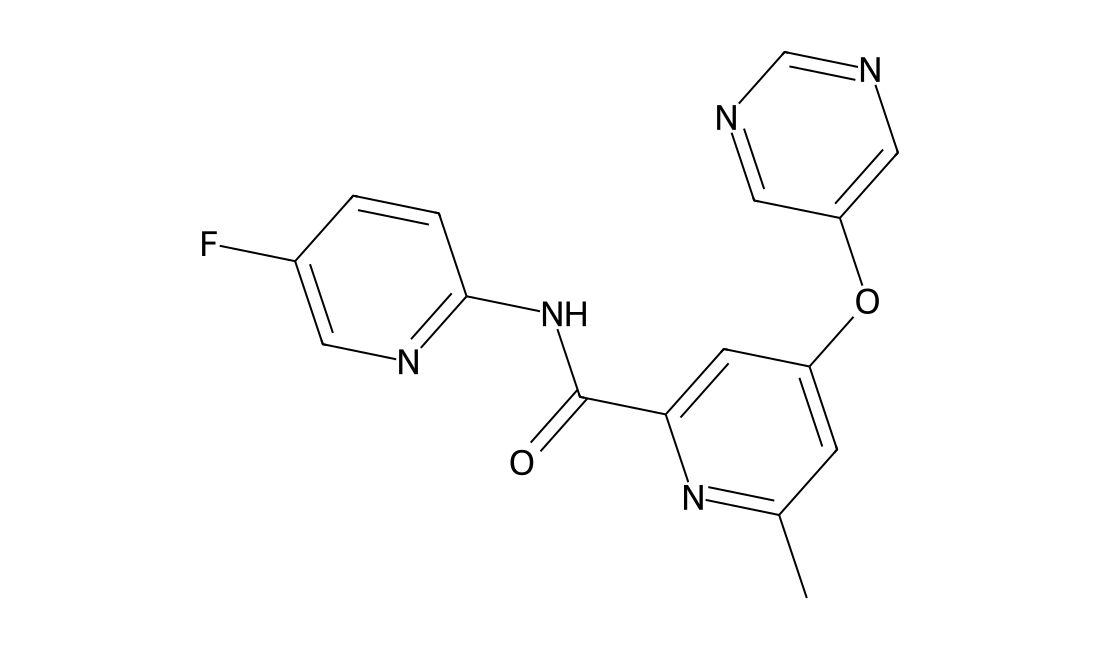
PQR626 is an orally available, and brain-penetrant mTOR inhibitor extracted from patent WO2017198346A1, compound example 44, has an IC50 of 5 nM for mTOR. PQR626 can be used for the research of neurological disorder.

PQR626 chemical structure
DC23570

MIDD0301

CAS 2187489-08-1

MIDD0301 is a potent, positive allosteric, α5β3γ2 selective, GABAA receptor (GABAAR) ligand with EC50 of 17 nM, shows no significant binding at the peripheral GABAAR at 10 uM; causes amplification of GABA induced current mediated by α1-3,5β3γ2 GABAARs in the presence of MIDD0301 in automated patch clamp test; relaxes airway smooth muscle at single micromolar concentrations as demonstrated with ex vivo guinea pig tracheal rings, also attenuates airway hyperresponsiveness (AHR) in an ovalbumin murine model of asthma by oral administration, with low brain distribution; reduces lung cytokine expression of IL-17A, IL-4, and TNF-α, as wells as the number of CD4+ T cells.

MIDD0301 chemical structure
DC12606

T-448

CAS 1597426-53-3

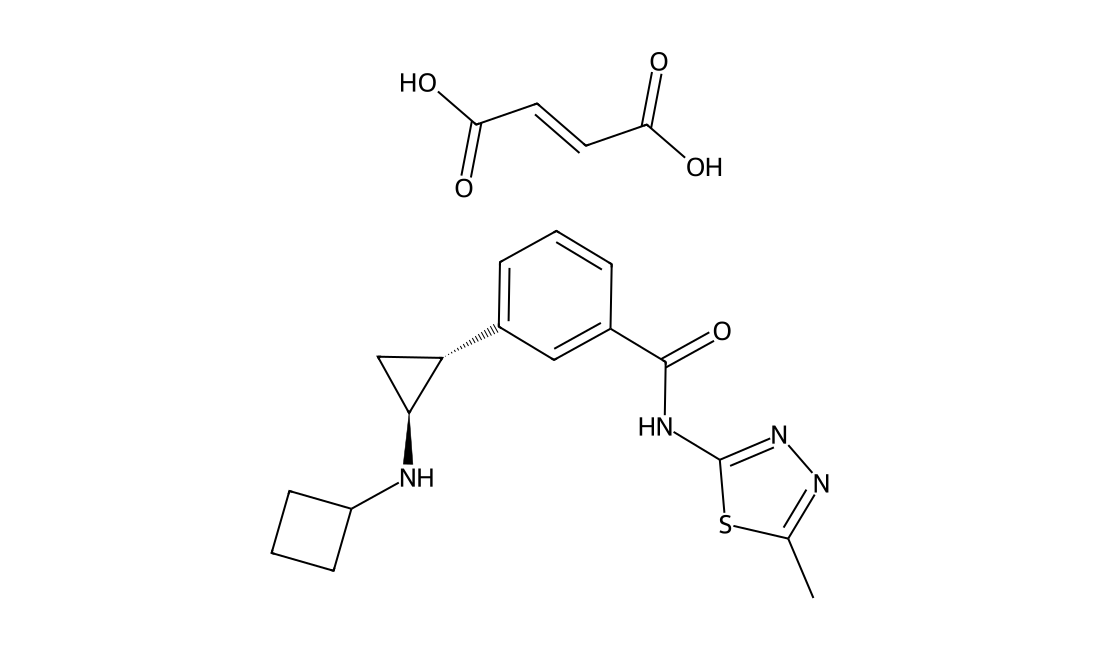
T-448 (T448) is a specific inhibitor of LSD1 enzyme activity, enhances H3K4 methylation in primary cultured rat neurons but has little impact on LSD1-GFI1B complex in human TF-1a erythroblasts; increases brain H3K4 methylation and partially restored learning function in mice with NMDA receptor hypofunction, shows unique therapeutic approaches for central nervous system disorders associated with epigenetic dysregulation.

T-448 chemical structure
DC20071

VU0424238

CAS 1396337-04-4

In Vitro VU0424238 with an IC50 value of 14 nM in HEK293A cells. It also binding a known allosteric site with K i value of 4.4 nM in HEK293A cells. In Vivo VU0424238 had a clearance of 19.3 mL/min/kg in rats and demonstrates 50% mGlu5 PET ligand occupancy at an oral dose of 0.8 mg/kg in rats. Plus, it also had a clearance of 15.5 mL/min/kg in cynomolgus monkeys and demonstrates 50% mGlu5 PET ligand occupancy at an oral dose of 0.06 mg/kg in baboons.

VU0424238 chemical structure
DC11382

NYX-2925

CAS 2012536-16-0

NYX-2925 has a low potential for "off-target" activity, as it did not exhibit any significant affinity for a large panel of neuroactive receptors, including hERG receptors. NYX-2925 increased MK-801 binding to human N-methyl-D-aspartate receptor NR2A-D subtypes expressed in HEK cells and enhanced N-methyl-D-aspartate receptor current and long-term potentiation (LTP) in rat hippocampal slices (100-500 nM). Single dose ex vivo studies showed increased metaplasticity in a hippocampal LTP paradigm and structural plasticity 24 hours after administration (1 mg/kg p.o.). Significant learning enhancement in both novel object recognition and positive emotional learning paradigms were observed (0.01-1 mg/kg p.o.), and these effects were blocked by the N-methyl-D-aspartate receptor antagonist CPP. NYX-2925 does not show any addictive or sedative/ataxic side effects and has a therapeutic index of >1000. NYX-2925 (1 mg/kg p.o.) has a cerebrospinal fluid half-life of 1.2 hours with a Cmax of 44 nM at 1 hour.NYX-2925, like rapastinel, activates an NMDA receptor-mediated synaptic plasticity process and may have therapeutic potential for a variety of NMDA receptor-mediated central nervous system disorders.

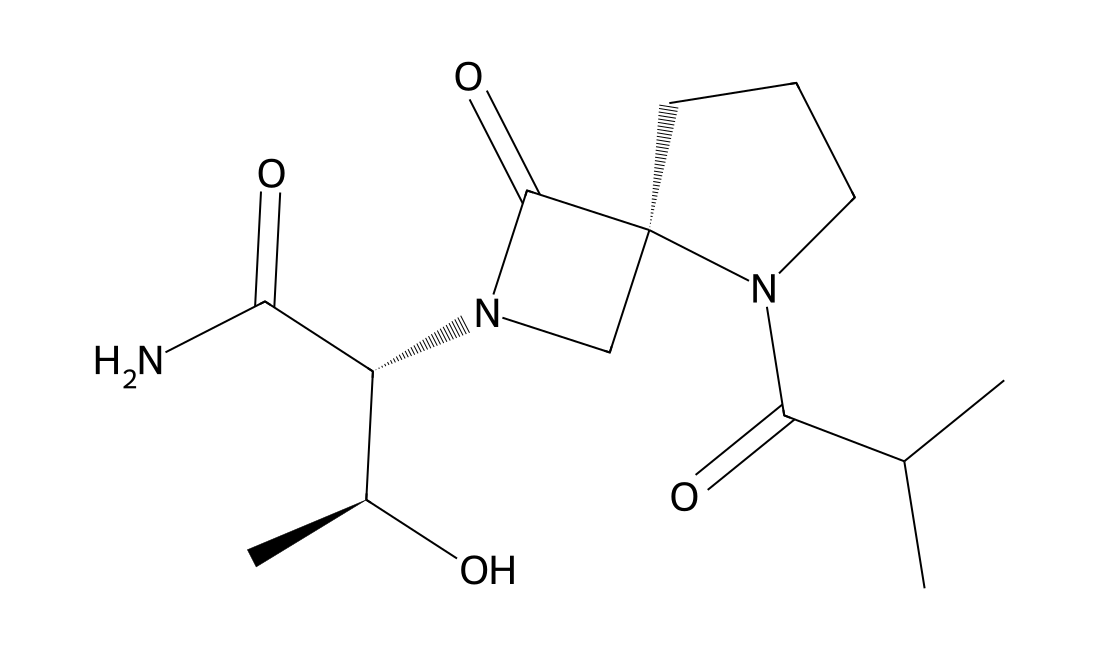
NYX-2925 chemical structure
DC65073

AZD9898

CAS 2042347-69-1

AZD9898 is an orally active leukotriene-C4 synthetase (LTC4S, glutathione S-transferase II) inhibitor, with an IC50 of 0.28 nM. AZD9898 mitigates the GABA binding and hepatic toxicity signal. AZD9898 has the potential to treat asthma.

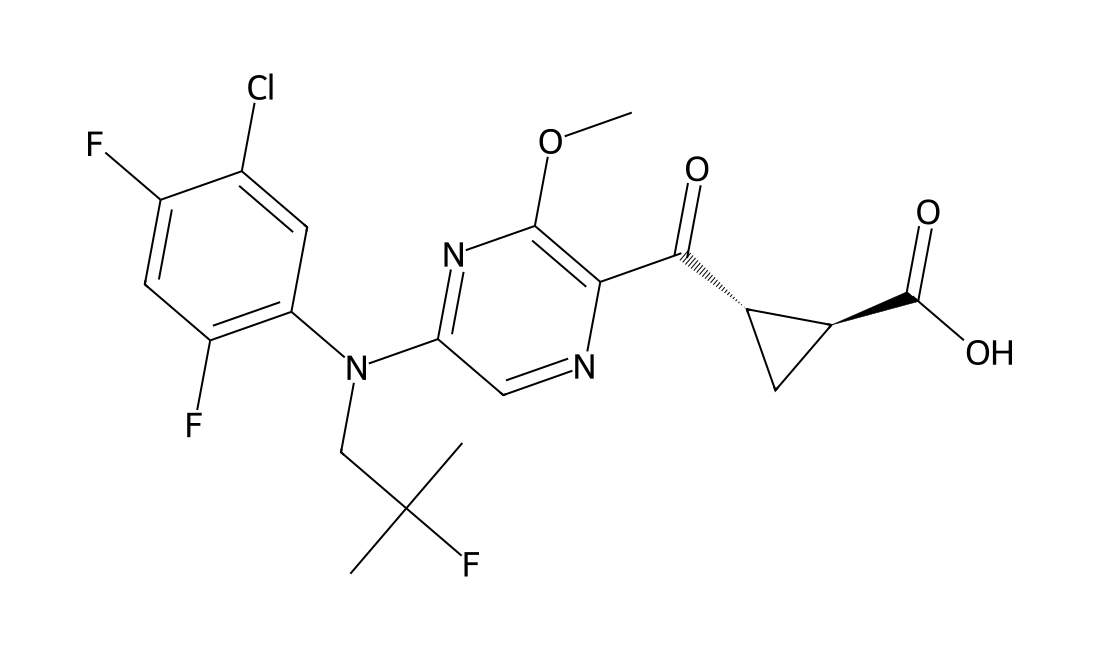
AZD9898 chemical structure
DC60319

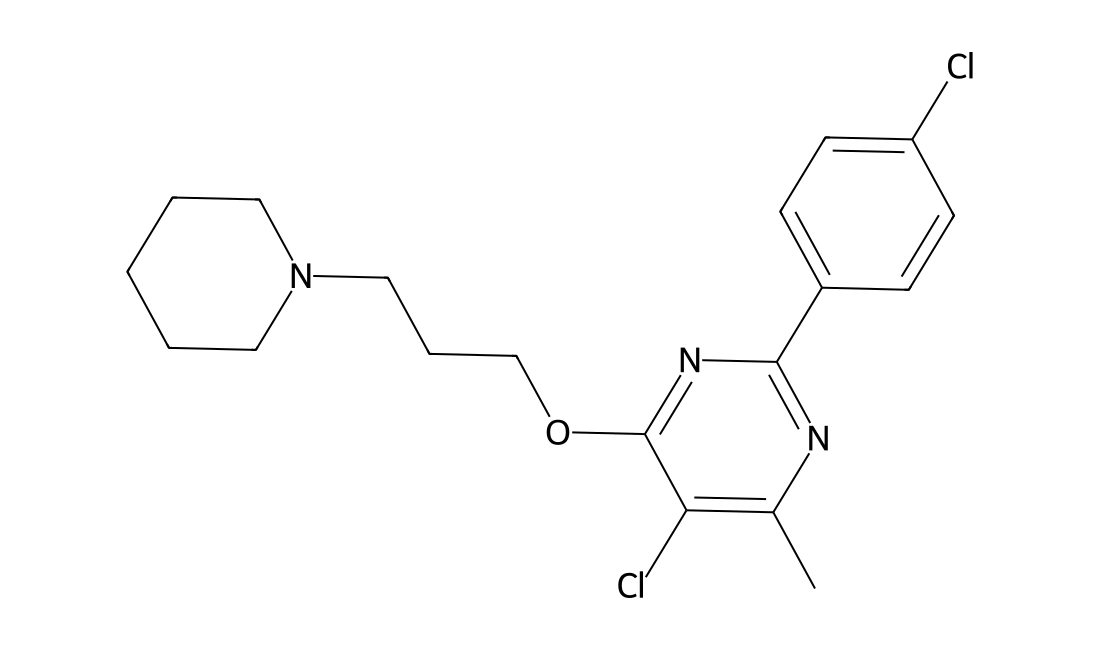
sigma-1 Receptor antagonist 1

CAS 1639220-19-1

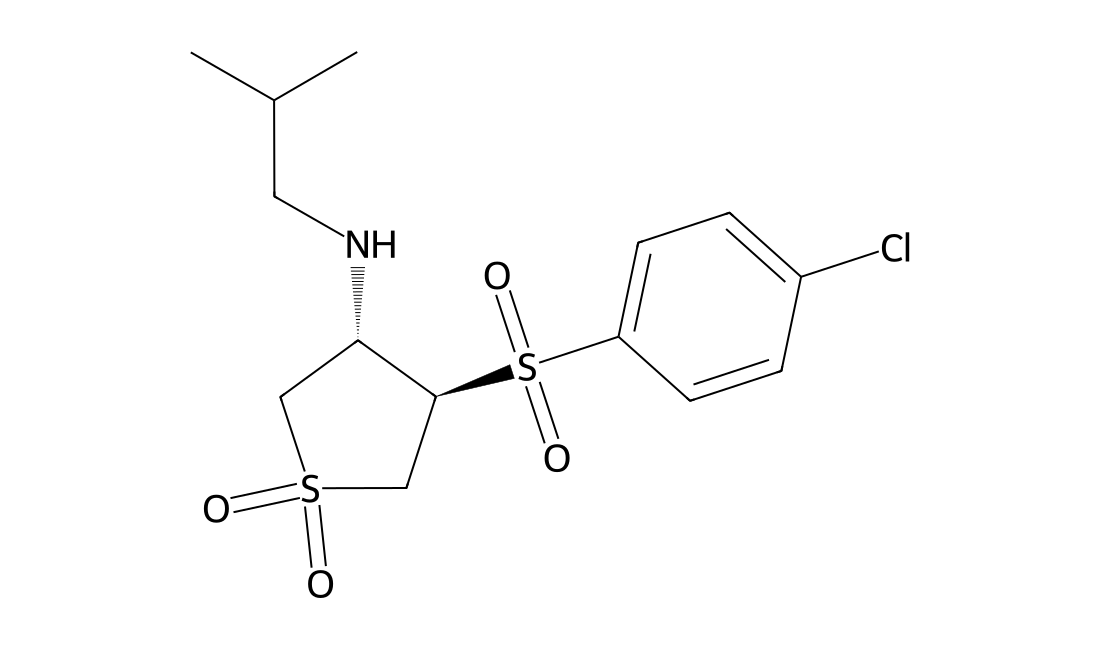
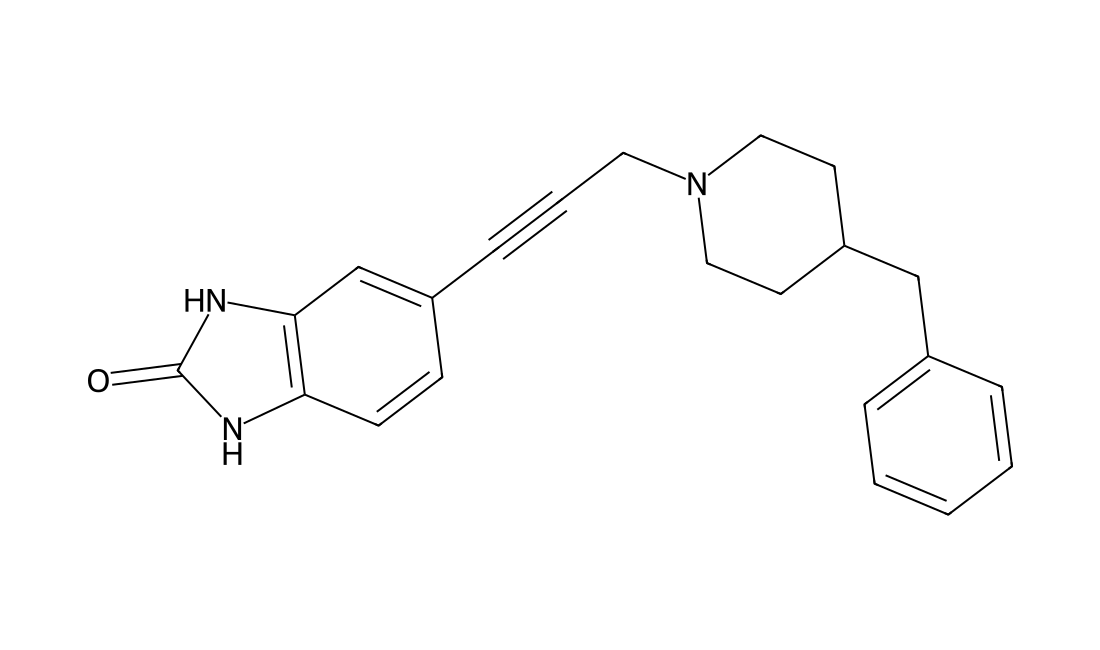
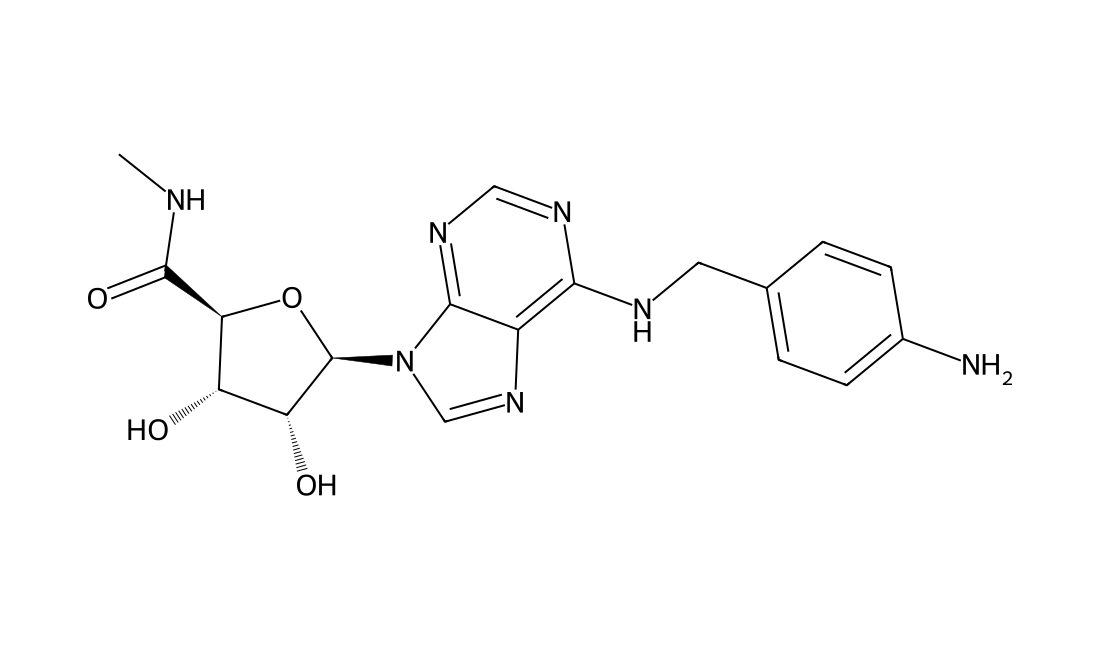
Sigma‑1 receptor antagonist 1 (compound 137) is a potent and selective sigma-1 receptor (σ1R) antagonist, with a high binding affinity to σ1R receptor (Ki = 1.06 nM). Sigma‑1 receptor antagonist 1 exhibits antineuropathic pain activity and acts as a promising agent for the treatment of neuropathic pain[1].

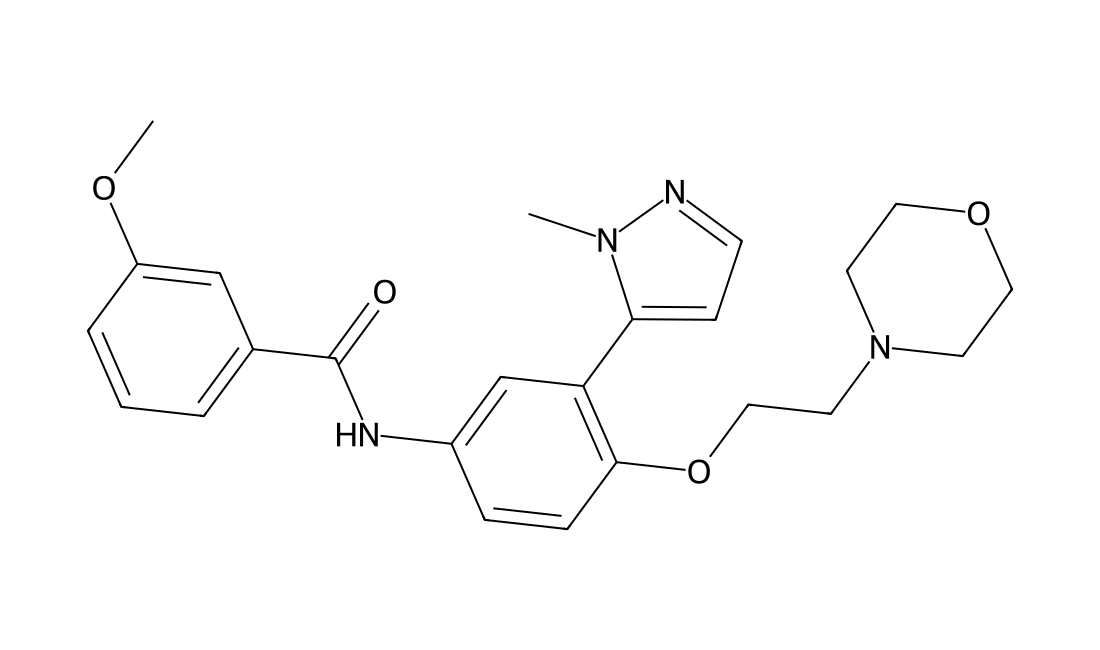
sigma-1 Receptor antagonist 1 chemical structure
DC32110

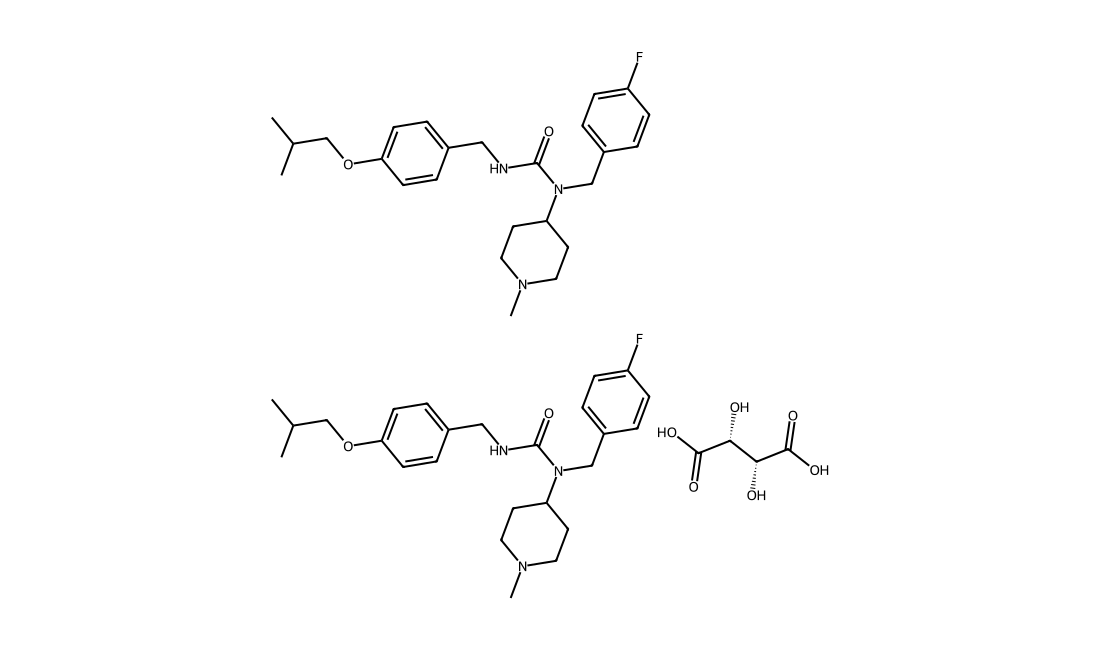
Pimavanserin tartrate

CAS 706782-28-7

Pimavanserin, also known as ACP-103, is a non-dopaminergic atypical antipsychotic for the treatment of Parkinson's disease psychosis and schizophrenia. Pimavanserin has a unique mechanism of action relative to other antipsychotics, behaving as a selective inverse agonist of the serotonin 5-HT2A receptor, with 40-fold selectivity for this site over the 5-HT2C receptor and no significant affinity or activity at the 5-HT2B receptor or dopamine receptors. It was approved by the FDA to treat hallucinations and delusions associated with psychosis experienced by some people with Parkinson's disease on April 29, 2016.

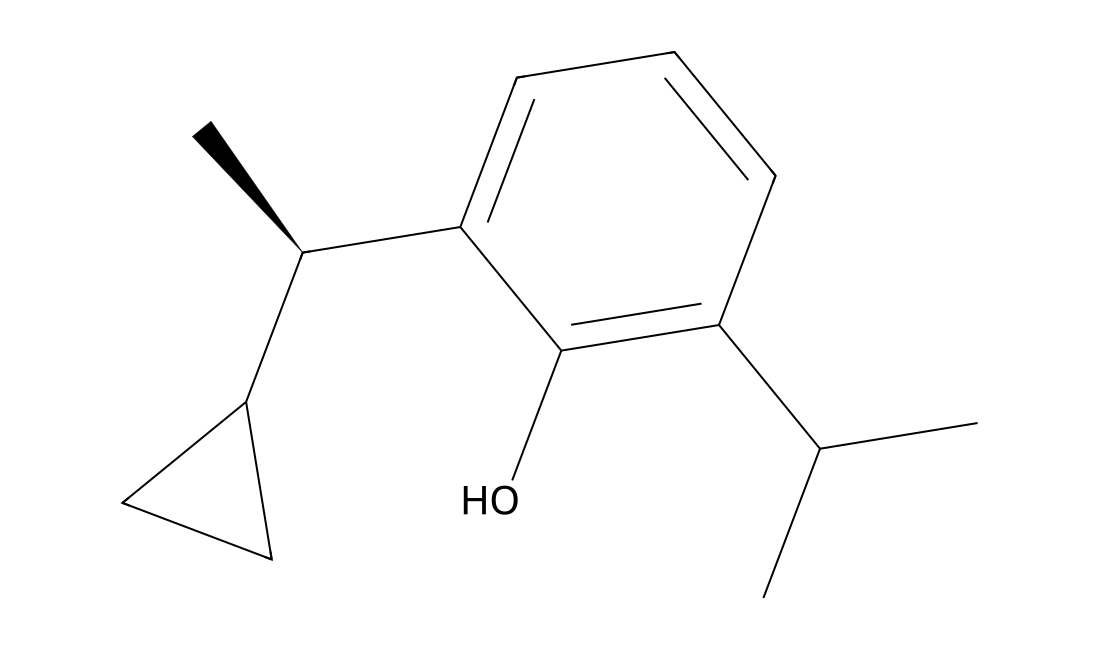
Pimavanserin tartrate chemical structure
DC7287

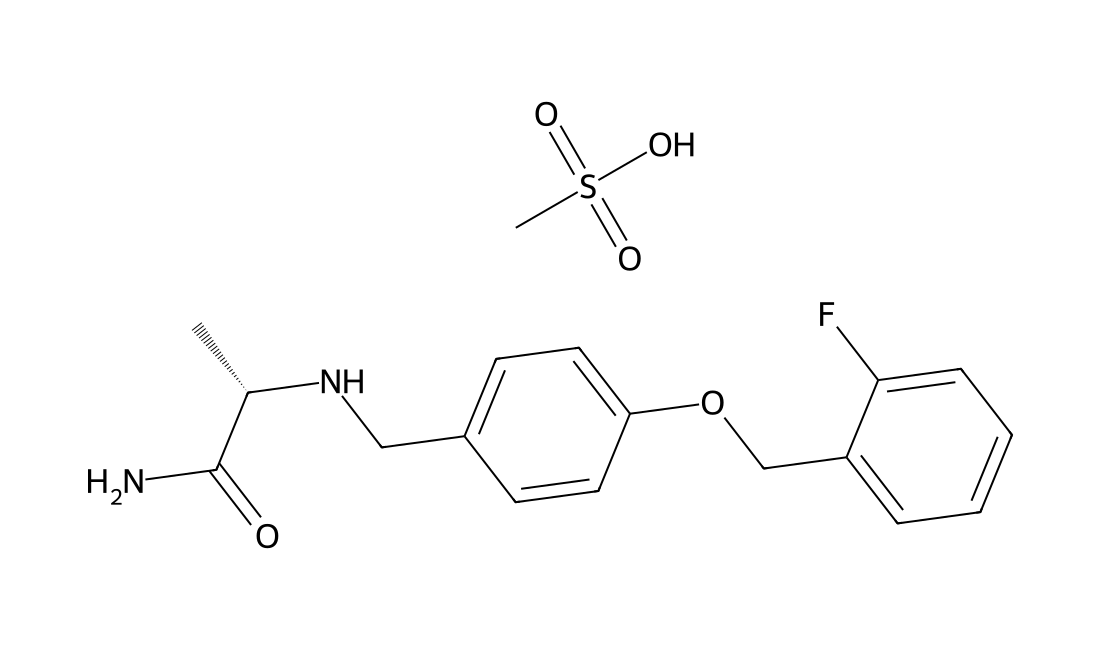
Ralfinamide

CAS 202825-45-4

Selective Na+ blocker. Suppresses tetrodotoxin-resistant Na+ currents. Shows antiparkinsonian, antinociceptive and potent anticonvulsant effects in vivo. Orally active.For the detailed information of Ralfinamide, the solubility of Ralfinamide in water, the solubility of Ralfinamide in DMSO, the solubility of Ralfinamide in PBS buffer, the animal experiment (test) of Ralfinamide, the cell expriment (test) of Ralfinamide, the in vivo, in vitro and clinical trial test of Ralfinamide, the EC50, IC50,and Affinity of Ralfinamide, Please contact DC Chemicals.

Ralfinamide chemical structure
DC22213

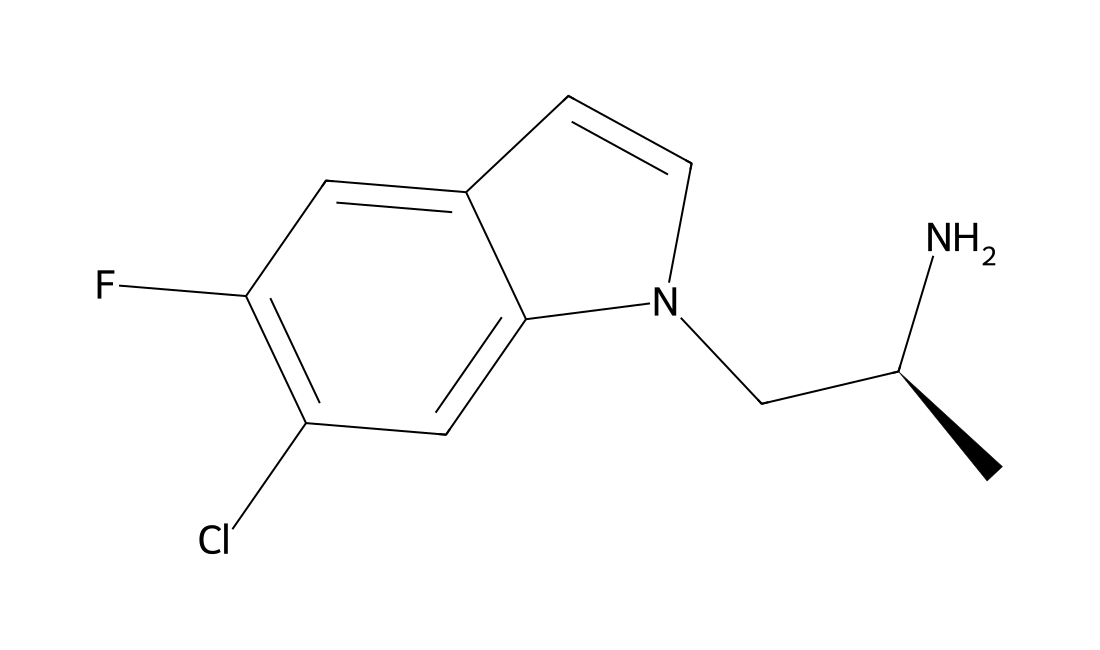
Ro 60-0175

CAS 169675-08-5

Ro 60-0175 is a potent, selective 5-HT2C receptor agonist with pKi of 9, 7.5, 5.4, 5.2 and 5.6 for human 5-HT2C, 2A, 1A, 6 and 7 receptors respectively; induces hypolocomotion in rats at doses greater than 0.5 mg/kg s.c.; (0.3 and 1 mg/kg s.c.) simultaneously reduces both unpunished and punished lever pressing, a profile consistent with sedation, induces sedative-like responses via 5-HT(2C) receptor activation in vivo.

Ro 60-0175 chemical structure
DC32099

Ro 16-6028

CAS 84379-13-5

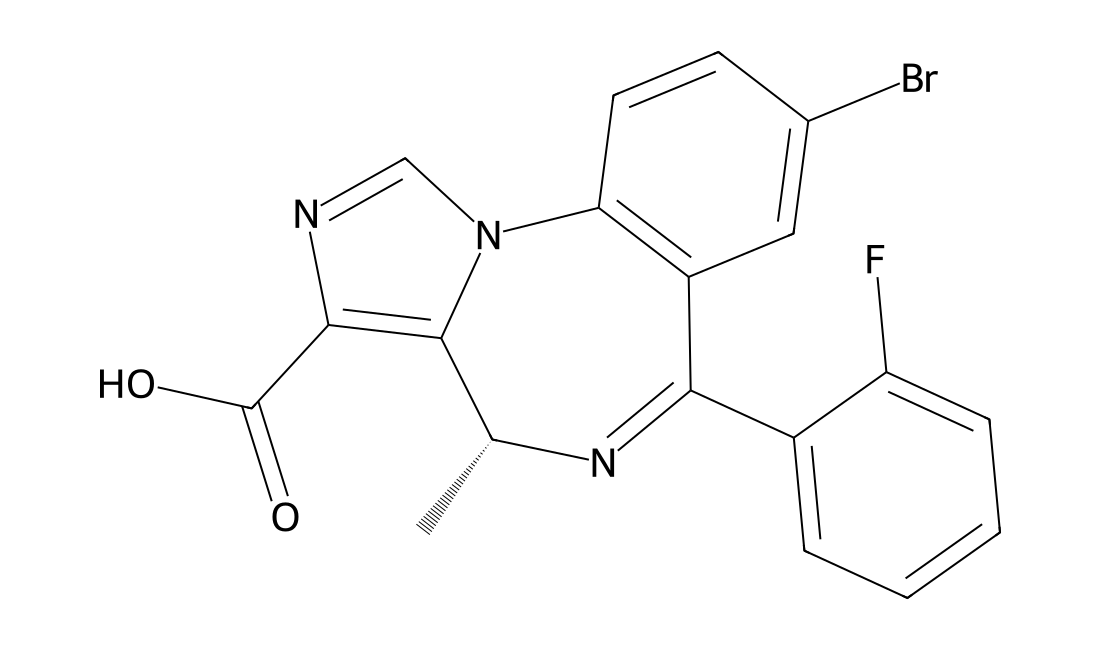
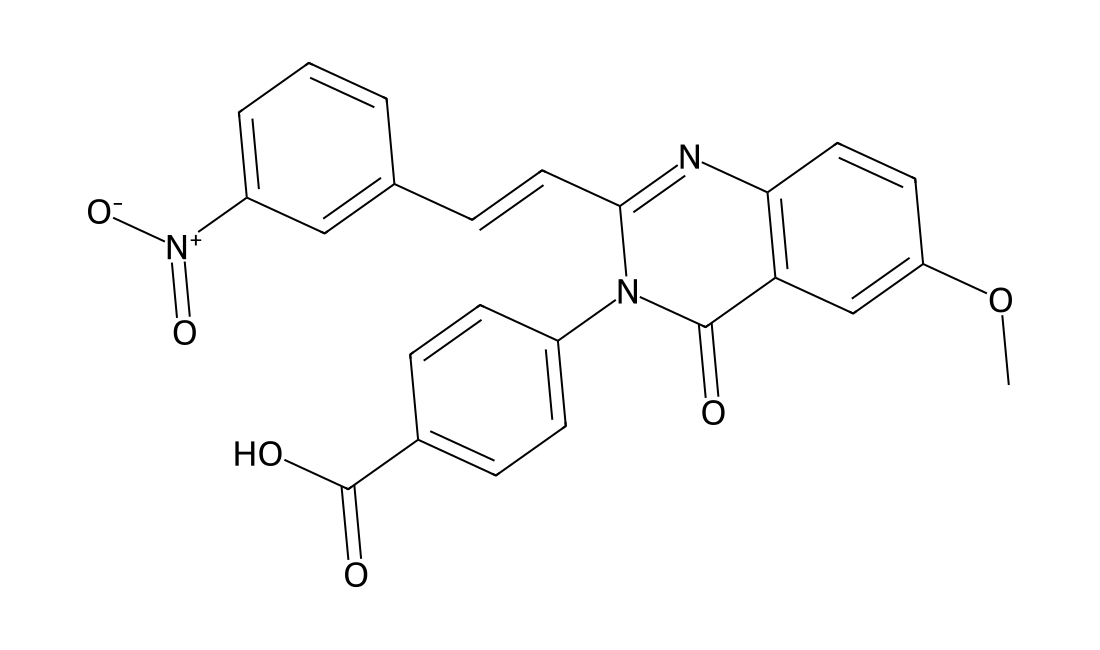
Bretazenil, also known as Ro 16-6028, is GABA A receptor agonist potentially for the treatment of anxiety disorders. Bretazenil differs from traditional 1,4-benzodiazepines by being a partial agonist and because it binds to α1, α2, α3, α4, α5 and α6 subunit containing GABAA receptor benzodiazepine receptor complexes. 1,4-benzodiazepines bind only to α1, α2, α3 and α5 GABAA benzodiazepine receptor complexes.

Ro 16-6028 chemical structure
DC8307

QNZ46

CAS 1237744-13-6

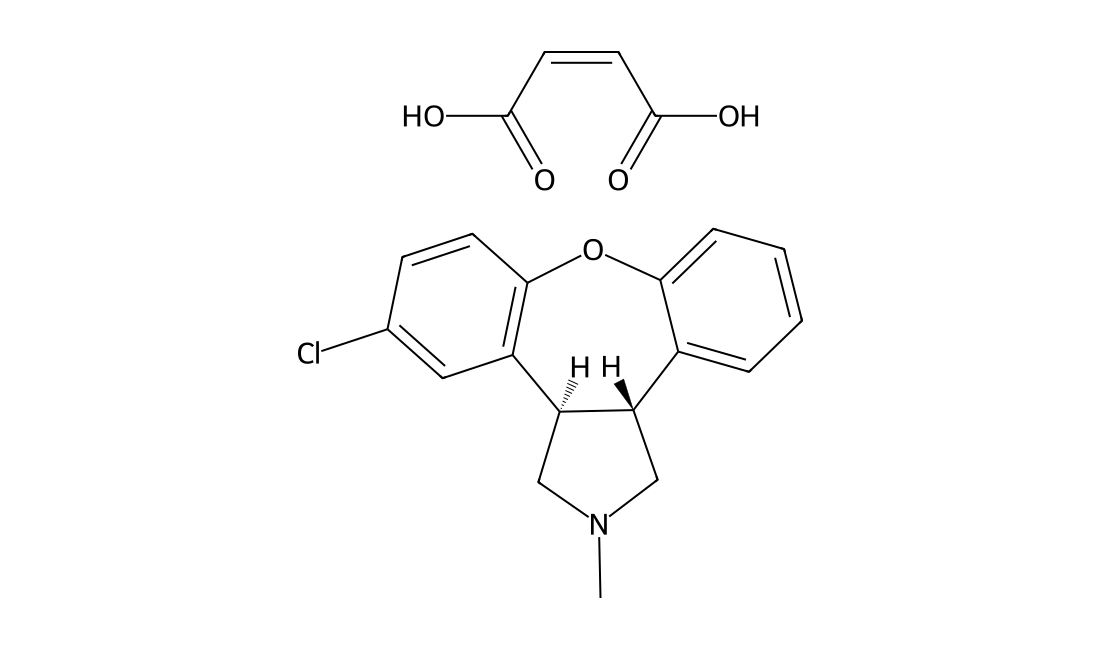
QNZ46 is a NR2C/NR2D-selective NMDA receptor non-competitive antagonist (IC50 values are 3, 6, 229, and >300, >300 μM for NR2D, NR2C, NR2A, NR2B, and GluR1, respectively).

QNZ46 chemical structure
DC9322

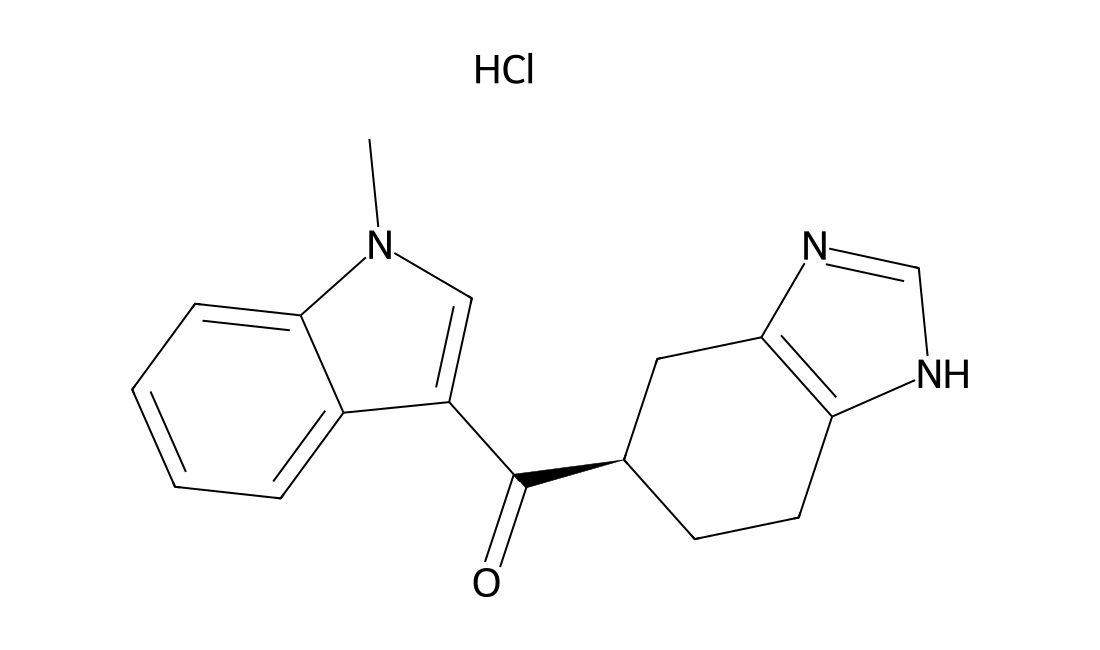
Ramosetron (Hydrochloride)

CAS 132907-72-3

Ramosetron Hydrochloride(YM060 Hydrochloride) is a serotonin 5-HT3 receptor antagonist for the treatment of nausea and vomiting.Ramosetron hydrochloride selectively blocks serotonin receptors (5-HT3). Serotonin plays a vital role in vomiting, serotonin-induced bradycardic reflex and peristalsis. The pharmacological action of Ramosetron hydrochloride is sustained and potent.

Ramosetron (Hydrochloride) chemical structure
DC8175

Rapastinel(GLYX-13)

CAS 117928-94-6

Rapastinel (GLYX-13) is an N-methyl-D-aspartate receptor (NMDAR) modulator that has characteristics of a glycine site partial agonist. Rapastinel is a robust cognitive enhancer and facilitates hippocampal long-term potentiation (LTP) of synaptic transmission in slices.

Rapastinel(GLYX-13) chemical structure
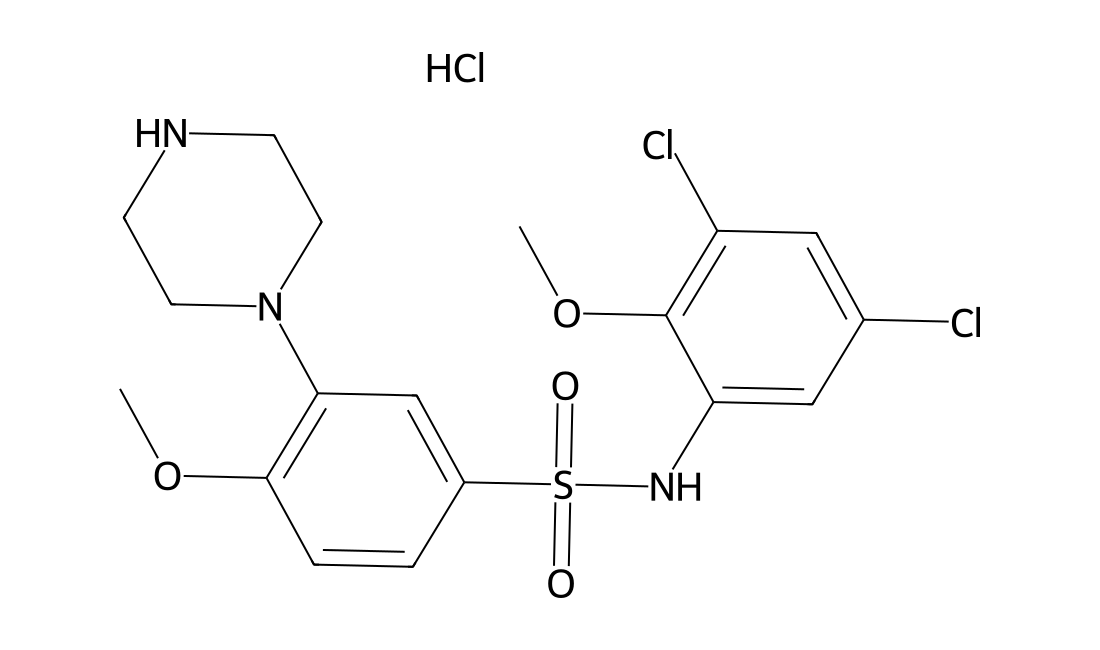
DC8483

SB-399885 HCl

CAS 402713-80-8

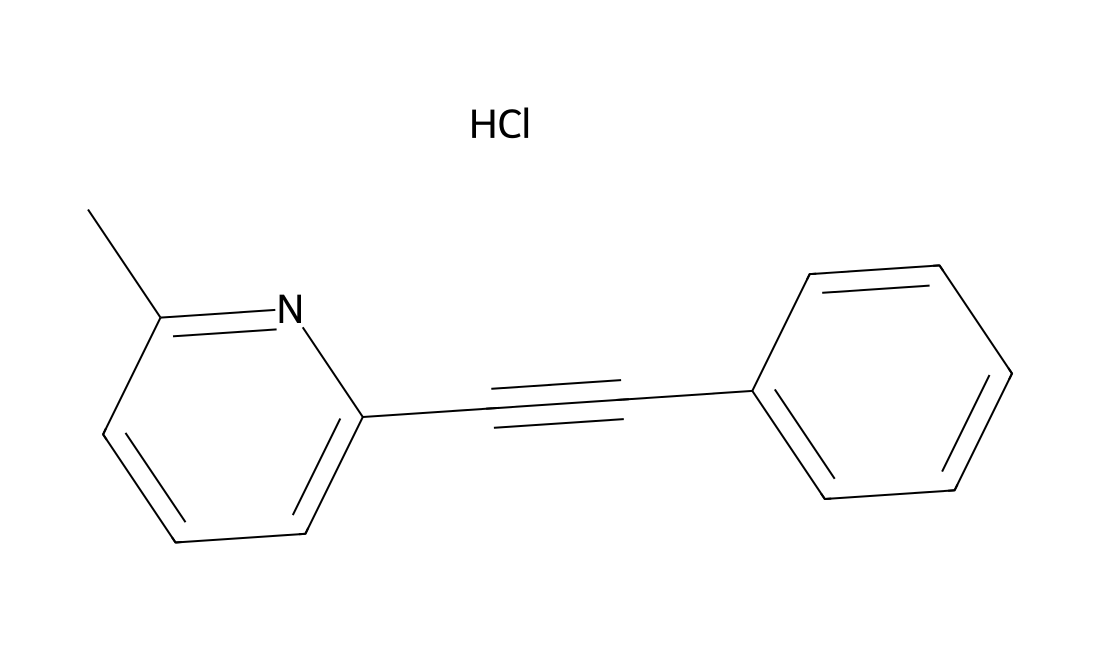
Potent, brain penetrant, orally active 5-HT6 antagonist. Displays > 200-fold selectivity for 5-HT6 over other 5-HT receptors (pKi values are 9.11, 8.81 and 9.02 for human recombinant, native rat and native human 5-HT6 receptors respectively).

SB-399885 HCl chemical structure
DC9977

VU0155041

CAS 1093757-42-6

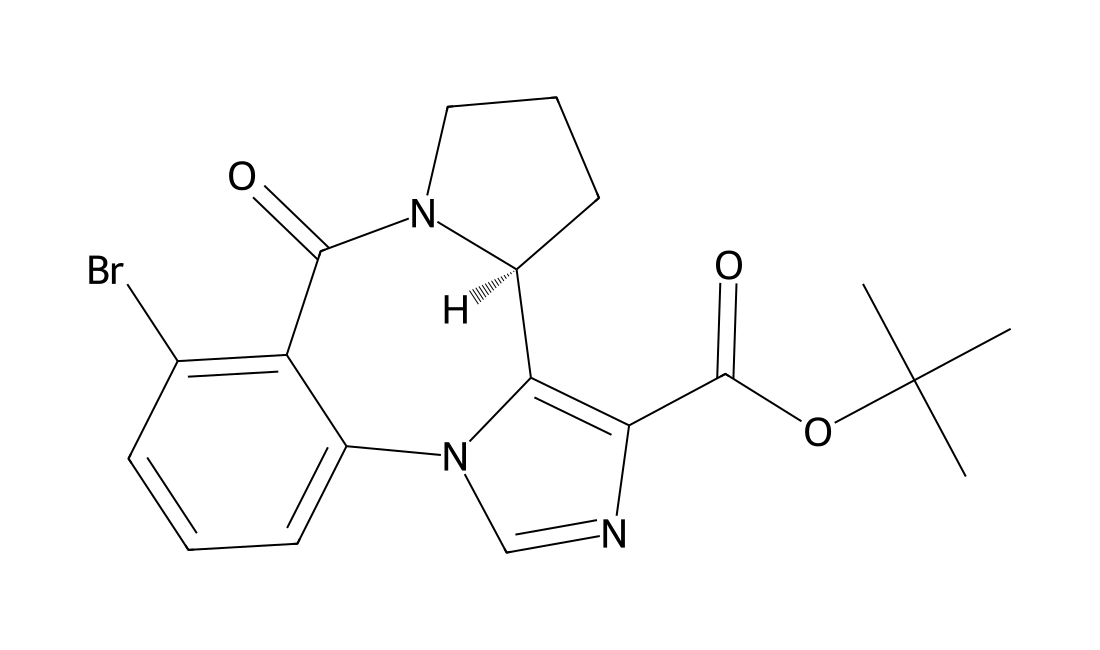
VU0155041 is a potent, selective and mixed allosteric agonist/positive allosteric modulator (PAM) of mGluR4, with EC50s of 798 nM and 693 nM for human and rat mGluR4, respectively. VU0155041 is a partial agonist of mGluR4 that activates the receptor by interacting with a site that is distinct from the glutamate binding site[1].

VU0155041 chemical structure
DC4171

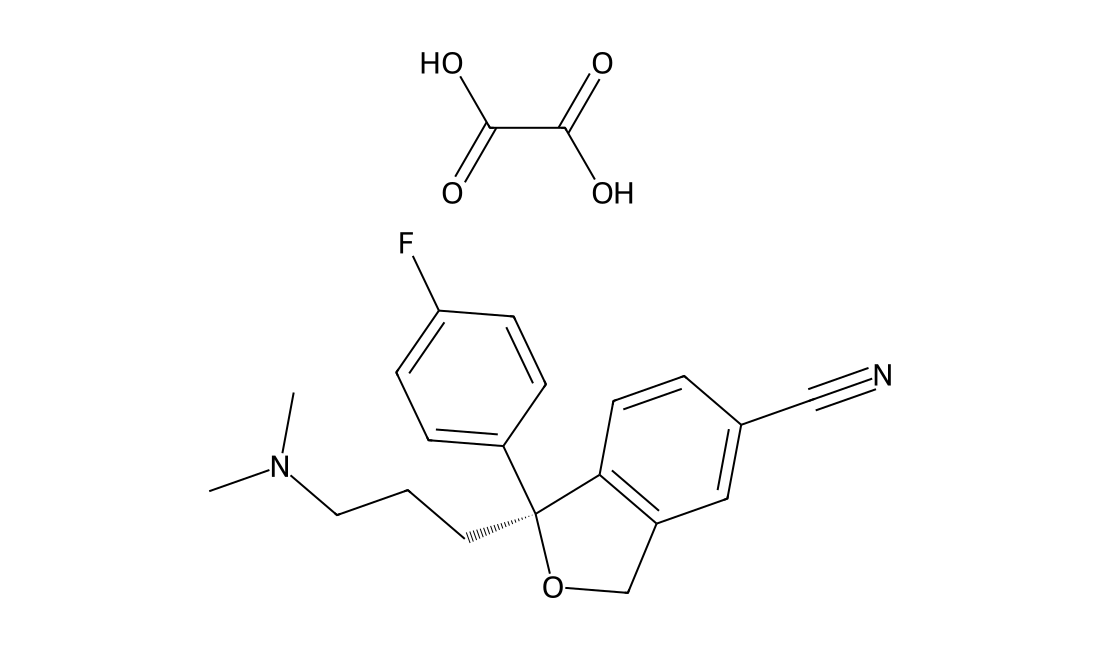
Escitalopram oxalate

CAS 219861-08-2

Escitalopram is a selective serotonin reuptake inhibitor (SSRI) with Ki of 0.89 nM.Escitalopram, the S-enantiomer of citalopram, belongs to a class of antidepressant agents known as selective serotonin-reuptake inhibitors (SSRIs). Escitalopram may be used to treat major depressive disorder (MDD) and generalized anxiety disorder (GAD). Escitalopram has no significant affinity for adrenergic (alpha1, alpha2, beta), cholinergic, GABA, dopaminergic, histaminergic, serotonergic (5HT1A, 5HT1B, 5HT2), or benzodiazepine receptors; antagonism of such receptors has been hypothesized to be associated with various anticholinergic, sedative, and cardiovascular effects for other psychotropic drugs. The chronic administration of escitalopram is found to downregulate brain norepinephrine receptors, as has been observed with other drugs effective in the treatment of major depressive disorder. Escitalopram does not inhibit monoamine oxidase.

Escitalopram oxalate chemical structure
DC11755

L-732138

CAS 148451-96-1

L-732138 is a selective, potent and competitive neurokinin-1 (NK-1) receptor antagonist with an IC50 of 2.3 nM. L-732138 has 200-fold more potent in cloned human NK-1 receptors than cloned rat NK-1 receptors, and has > 1000-fold more potent than human NK-2 and NK-3 receptors. L-732138 can reduce hyperalgesia and has antitumor action[1][2].

L-732138 chemical structure
DC9662

JNJ-42165279

CAS 1346528-50-4

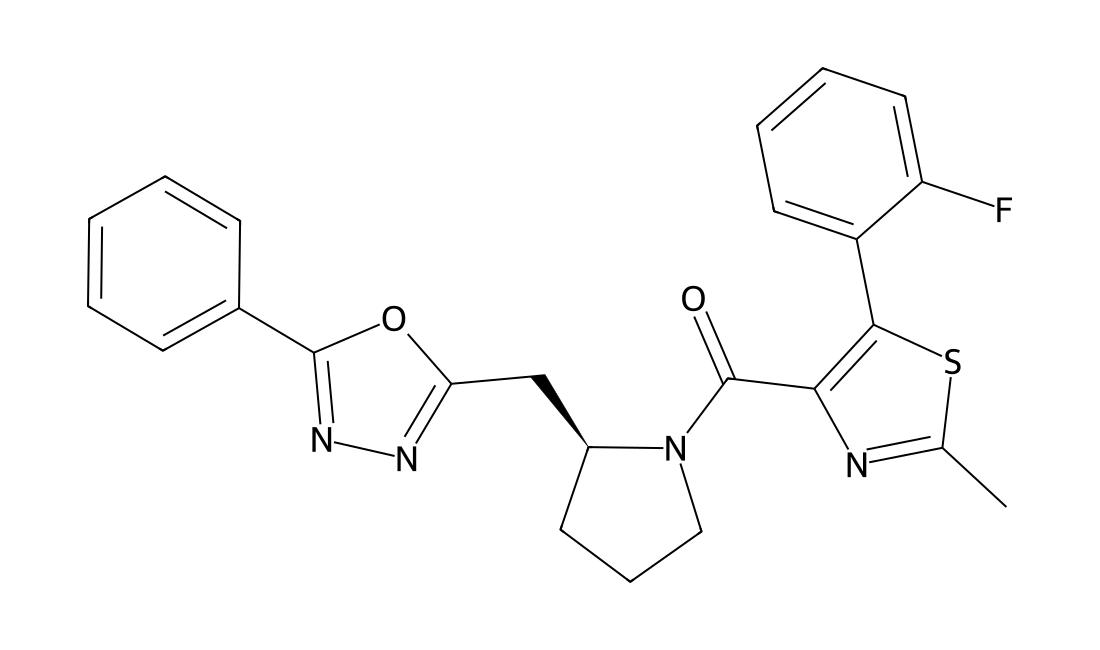
JNJ-42165279 is a FAAH inhibitor with IC50 of 70 ± 8 nM and 313 ± 28 nM for hFAAH and rFAAH, respectively.IC50 value: 70 ± 8 nM (for hFAAH), 313 ± 28 nM (for rFAAH )Target:FAAHJNJ-42165279 covalently inactivates the FAAH enzyme, but is highly selective with regard to other enzymes, ion channels, transporters, and receptors. JNJ-42165279 exhibits high selectivity against a panel of 50 receptors, enzymes, transporters, and ion-channels at 10 μM, at which concentration it does not produce >50% inhibition of binding to any of the targets. Fortunately, JNJ-42165279 also does not inhibit CYPS (1A2, 2C8, 2C9, 2C19, 2D6, 3A4) or hERG when tested at a 10 μM compound concentration. [1]in vivo: JNJ-42165279 exhibits excellent ADME and pharmacodynamic properties as evidenced by its ability to block FAAH in the brain and periphery of rats and thereby cause an elevation of the concentrations of anandamide (AEA), oleoyl ethanolamide (OEA), and palmitoyl ethanolamide (PEA). The compound was also efficacious in the spinal nerve ligation (SNL) model of neuropathic pain. JNJ-42165279 exhibits relatively rapid clearance in the course of rat pharmacokinetic experiments, manifesting as a low AUC and Cmax; however, sufficiently high exposures were obtainable to support preclinical animal models. In a subsequent higher dose (20 mg/kg) oral PK experiment, compound concentrations were determined both in the plasma and brain of rats. [1]

JNJ-42165279 chemical structure
DC8352

JZL-195

CAS 1210004-12-8

JZL195 is a selective and efficacious dual FAAH/MAGL inhibitor with IC50 of 13 nM and 19 nM for mouse brain FAAH and MAGL respectively.IC50 value: 13 nM/19 nM (mouse brain FAAH/MAGL) [1]Target: dual FAAH/MAGL inhibitorin vitro: JZL195 shows only modest and incomplete inhibitory activity against NTE (IC50 >5 uM). At higher concentrations, JZL195 inhibited ABHD6 but not any of the other brain serine hydrolases detected in our competitive ABPP assays. JZL195 also inhibited rat and human FAAH and MAGL enzymes with IC50 values in the range of 10–100 nM based on competitive ABPP assays [1].in vivo: A time course analysis of mice given one administration ofJZL195 (20 mg/kg, i.p.) revealed that blockade of FAAH andMAGL lasted at least 10 h as judged by gel-based ABPP or AEAand 2-AG hydrolysis assays [1]. The effect of systemic injections of a range of doses of JZL195 and the pan-cannabinoid receptor agonist WIN55212 were performed 1 day following intraplantar injection of CFA in C57BL/6 mice. JZL195 and WIN55212 both reduced mechanical allodynia and thermal hyperalgesia, and produced catalepsy and sedation in a dose dependent manner. Unlike WIN55212, JZL195 reduced allodynia at doses below those at which side-effects were observed [2].

JZL-195 chemical structure
DC10669

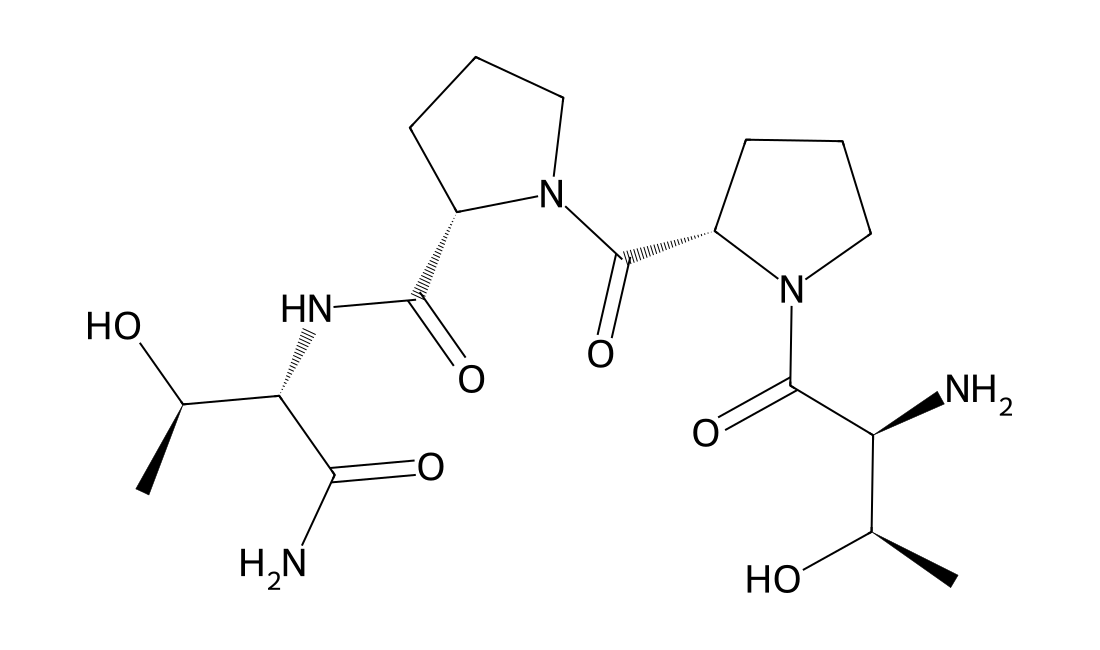
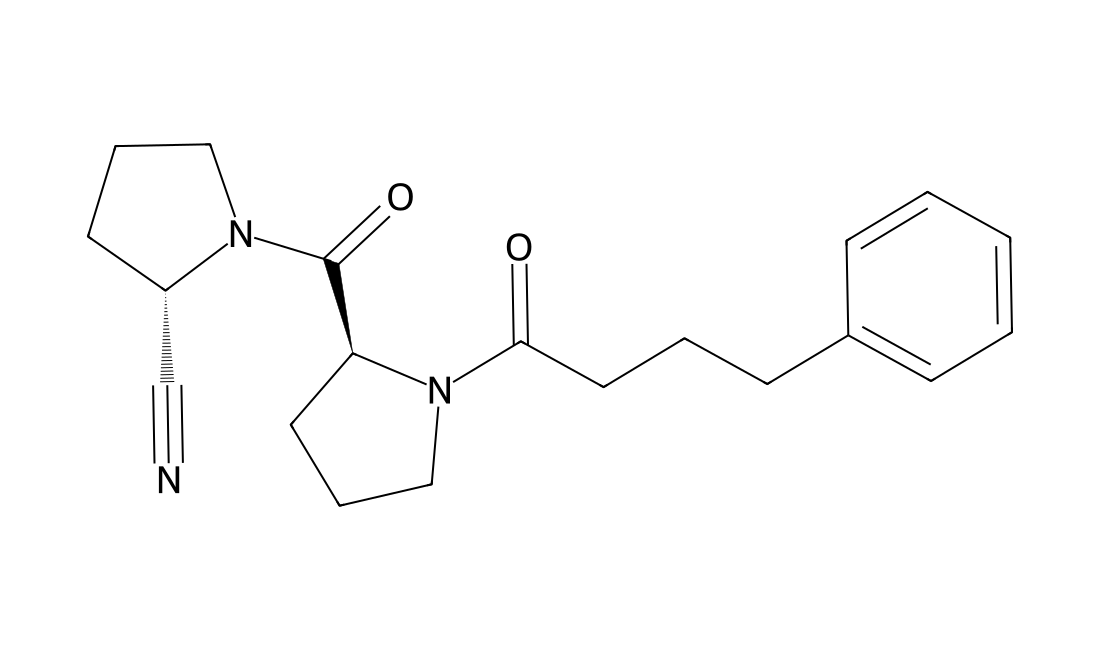
KYP-2047

CAS 796874-99-2

KYP-2047 is a very potent, selective inhibitor of Prolyl oligopeptidase (POP), also known as prolyl endopeptidase (PEP or PE). Ki = .023nM (porcine).

KYP-2047 chemical structure
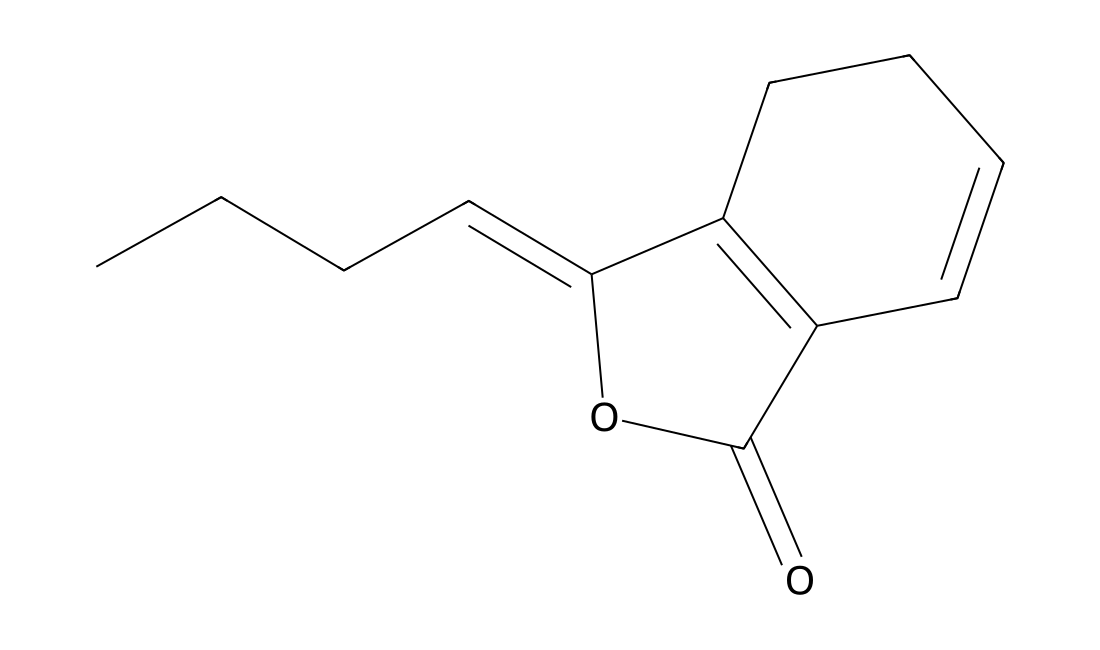
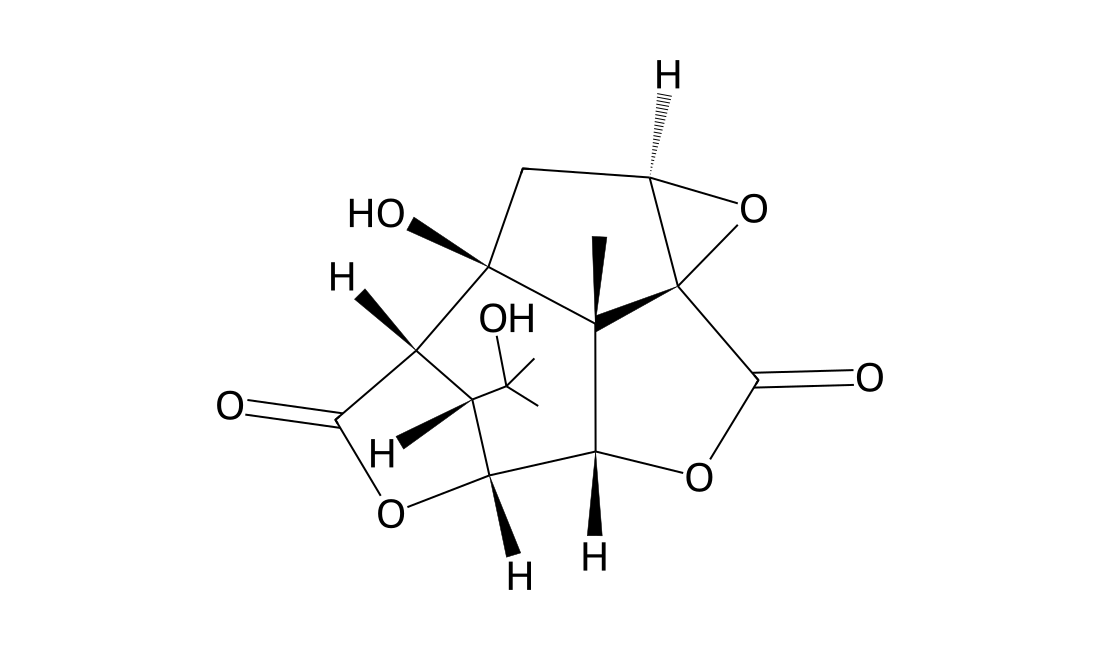
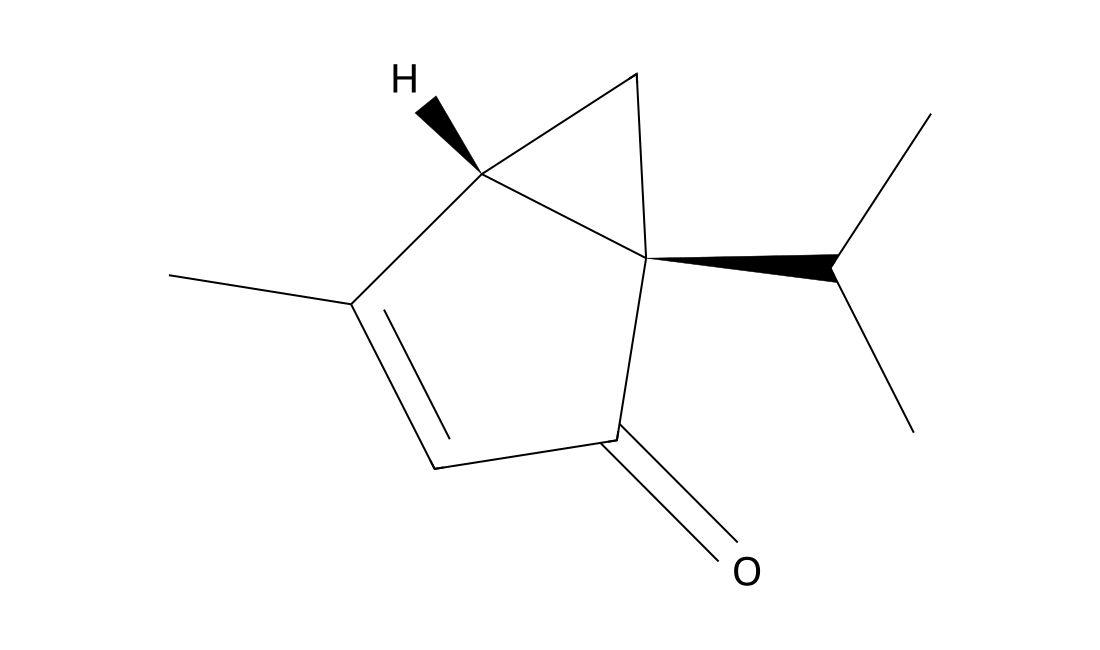
DC23065

Ligustilide

CAS 4431-01-0

Ligustilide is an effective constituent extracted from Angelica sinensis.IC50 value:Target:In vitro: To investigate the neuroprotective of ligustilide (LIG) against glutamate-induced apoptosis of PC12 cells, cell viability were examined by MTT assay. Pretreatment with ligustilide (1, 5, 15 μmol · L(-1)) significantly improved cell viability. The apoptosis rate in glutamate-induced PC12 cells was 13.39%, and decreased in the presence of ligustilide (1, 5, 15 μmol · L(-1)) by 9.06%, 6.48%, 3.82%, separately. Extracellular accumulation of Ca2+ induced by glutamate were significantly reduced by ligustilide [1].

Ligustilide chemical structure
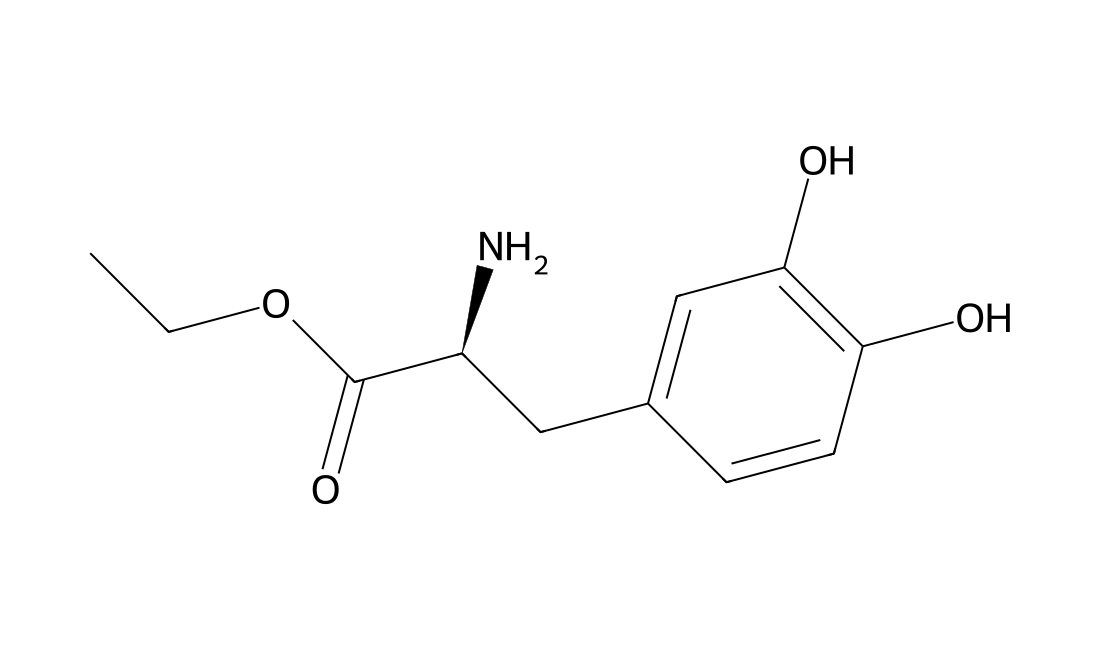
DC28353

Etilevodopa

CAS 37178-37-3

Etilevodopa (L-Dopa ethyl ester), an ethyl-ester prodrug of Levodopa, is rapidly hydrolyzed to Levodopa and ethanol by nonspecific esterases in the gastrointestinal tract. Etilevodopa is used for the treatment of Parkinson disease (PD). Levodopa is the direct precursor of dopamine and is a suitable prodrug as it facilitates CNS penetration and delivers dopamine[1][2][3].

Etilevodopa chemical structure
DC29172

Obidoxime dichloride

CAS 114-90-9

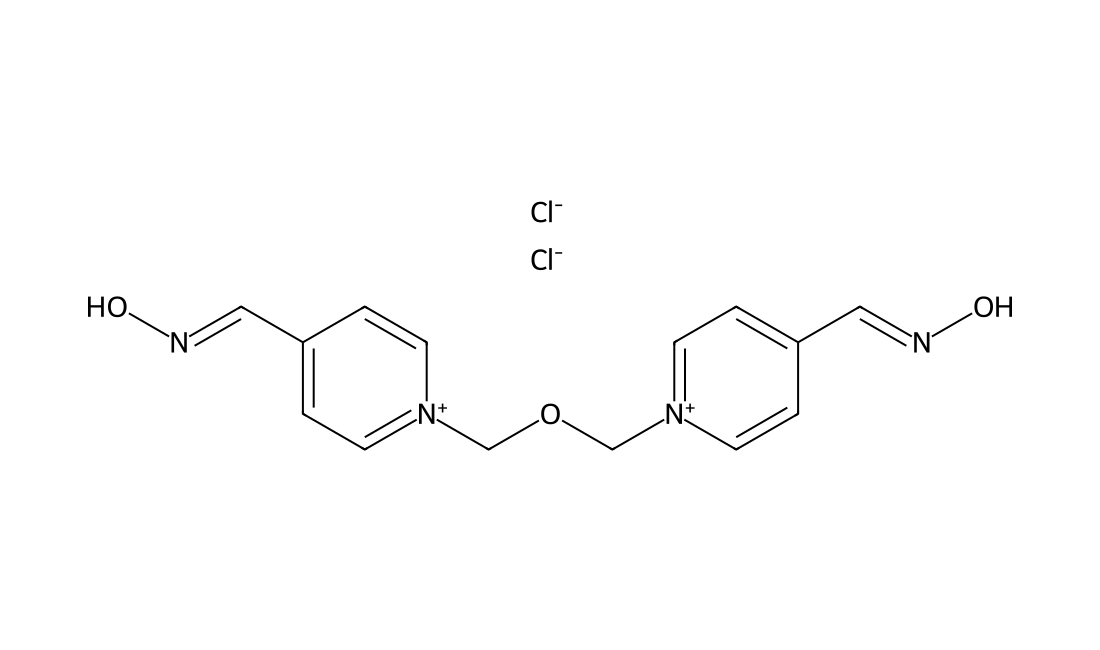
Obidoxime dichloride is a non-full spectrum oxime agent and can be used as an antidote for organophosphate nerve agent poisoning. Obidoxime dichloride reactivates sarin-inhibited acetylcholinesterase (AChE) and reduces acute toxicity of sarin-evaluated[1].

Obidoxime dichloride chemical structure
DC9573

SB-674042

CAS 483313-22-0

SB-674042 is a potent and selective non-peptide orexin OX1 receptor antagonist (Kd = 3.76 nM); exhibits 100-fold selectivity for OX1 over OX2 receptors. SB-674042 has no effect at serotonergic, dopaminergic, adrenergic or purinergic receptors. Inhibits orexin 1-induced Ca2+ mobilization in CHO-DG44 cells stably transfected with the OX1 receptor.

SB-674042 chemical structure
Browse target & topic index A–Z (366)
11β-HSD (1)15-PGDH (2)5-HT Receptor (16)Acetyl-CoA Carboxylase (ACC) (3)Acetylcholinesterase (AChE) (2)Ack1 (TNK2) (1)Acyltransferase (1)ADC Cytotoxin (6)ADCs Linker/Click Chemistry (5)Adenosine Receptor (9)Adenylate Cyclase (2)Adrenergic Receptor (11)Akt (12)Alcoholism (2)Aldehyde Dehydrogenase (ALDH) (6)Allergy (5)Alzheimer Disease (13)Aminopeptidase (1)AMPK (8)Amyloids (4)Anaplastic Lymphoma Kinase (ALK) (9)Androgen Receptor (AR) (11)Anemia (4)Angiotensin Receptor (4)Antibody/Protein labeling dyes (1)Antifolate (2)Anxiety (1)Apoptosis Inducer (3)Arginase (1)Arp2/3 complex (1)Aryl hydrocarbon Receptor (AhR) (1)Asthma (5)Atherosclerosis (2)ATM/ATR (8)Aurora Kinase (10)Autophagy (6)Autophagy-related Protein (Atg) (2)Autotaxin (2)Bacterial (26)Bacterial Infection (17)Bcl-2 (14)Bcr-Abl (5)BCRP (1)Beta-catenin (4)Beta-secretase (BACE) (4)Blood Cancer (91)BMI-1 (1)Bone Cancer (6)Brain Cancer (6)Breast Cancer (30)Bromodomain (22)BTK (10)c-Fms (CSF1R) (5)c-Fos/AP-1 (1)c-Kit (6)c-Met (HGFR) (11)c-Myc (2)Calcium Channel (4)Calcium-sensing Receptor (CaSR) (1)CaMK (4)Cannabinoid Receptor (6)Carbonic Anhydrase (1)Carboxypeptidase (1)Casein Kinase (6)Caspase (4)Cathepsin (6)Cdc2-like Kinase (CLK) (1)CETP (2)CFTR (7)Checkpoint Kinase (Chk) (8)Chemokine Receptor (CCR and CXCR) (14)Chemotherapeutic Agents (19)Chloride Channel (1)CMV (2)CMV Infection (2)Colon Cancer (9)Complement System (1)COPD (3)CREB/CBP (2)CRF Receptor (2)CRISPR/Cas9 (1)Cushing Disease (1)Cyclin-dependent Kinase (CDK) (39)Cyclooxygenase (COX) (4)Cytochrome P450 (CYPs) (5)Depression (2)Dermatitis (2)Deubiquitinase (DUB) (7)Diabetes (20)Dipeptidyl Peptidase (DPP) (3)Discoidin Domain Receptor (DDR) (1)DNA Alkylator/Crosslinker (10)DNA Methyltransferase (DNMT) (1)DNA Repair Protein (1)DNA-PK (2)DNA/RNA Synthesis (5)Dopamine beta-hydroxylase (1)Dopamine Receptor (7)Drug Metabolite (1)Drug-Linker Conjugates (11)Dyes (4)DYRK (1)Dyslipidemia (9)E3 Ligase Ligand (6)E3 Ligase Ligand-Linker Conjugate (1)E3 Ubiquitin Ligase (4)Ebola Virus Infection (1)EGFR (32)Elastase (2)Endothelin Receptor (5)Enzymes substrates (13)Epigenetic Reader Domain (3)Epilepsy (4)ERK (4)Estrogen Receptor/ERR (13)Eukaryotic Initiation Factor (eIF) (2)Exportin-1 (CRM1,XPO1) (2)FABP (1)Factor Xa (5)Farnesoid X Receptor (FXR) (5)Farnesyl transferase (FTase) (1)Ferroptosis (6)FGFR (15)Fibrosis (5)FLT3 (6)Focal Adhesion Kinase (FAK) (11)Foxo1 (1)Free Fatty Acid Receptor (FFAR) (5)Fungal (2)Fungal Infection (1)GABA Receptor (13)Galectin (1)Gastric Cancer (8)Ghrelin Receptor (GHSR) (3)Glucagon Receptor (4)Glucokinase (2)Glucose Transporter (GLUT) (2)Glutamate Transporter (2)GPCR (1)GPER (GPR30) (1)GPR139 (1)GPR183 (EBI2) (2)GPR39 (1)GPR55 (1)GPR84 (1)GRK (GPCRK) (2)Growth Hormone Deficiency (2)GSK-3 (8)Guanylate Cyclase (3)HBV (1)HBV Infection (1)HCN Channel (2)HCV (8)HCV Infection (9)HDAC (38)Heart Arrhythmia (2)Heart Failure (5)Heat Shock Protein (HSP) (15)Hedgehog (Hh) (1)HIF/HIF Prolyl-hydroxylase (8)Histamine Receptor (6)Histone Acetyltransferase (HAT) (5)Histone Demethylase (11)Histone Methyltransferase (HMTase) (31)HIV (12)HIV Infection (11)HMG-CoA Reductase (HMGCR) (3)HSV (1)HSV Infection (1)Hypercholesterolemia (1)Hyperparathyroidism (1)Hypertension (8)IAP (1)IGF-1R (3)iGluR (15)Indoleamine 2,3-Dioxygenase (IDO) (4)Infection (1)Influenza (6)Influenza Virus (6)Insulin Receptor (2)Integrin (6)Interleukin Receptor (1)IRAK (2)IRE1 (4)Irritable Bowel Syndrome (2)Ischemia (1)Isocitrate Dehydrogenase (IDH) (5)ITK (1)IκB kinase (IKK) (7)JAK (32)JNK (3)Keap1-Nrf2 (6)Kidney Cancer (10)Kinesin (5)Kruppel-like Factor (KLF) (1)Kynurenine 3-Monooxygenase (KMO) (1)Leukotriene Receptor (1)LIM Kinase (LIMK) (3)Lipids fragment (1)Liver Cancer (6)Liver X Receptor (LXR) (3)LRRK2 (9)Lung Cancer (39)Lysophospholipid Receptor (12)LYTACs (3)mAChR (9)MALT1 (2)MAP4K (1)Matrix Metalloproteinase (MMP) (10)MDM2-p53 (9)MEK (MAP2K) (14)MEKK (MAP3K) (1)Melanocortin Receptor (2)MELK (1)mGluR (7)MicroRNA (1)Microtubule/Tubulin (5)Mineralocorticoid Receptor (MLR) (1)MITF (1)Mixed Lineage Kinase (MLK) (3)MNK (2)Molecular Glues (13)Monoamine Transporter (5)Monocarboxylate Transporter (MCT) (1)Monopolar Spindle 1 (Mps1/TTK) (3)mTOR (13)Multiple Sclerosis (6)Myosin (1)Na-K-Cl Cotransporter (NKCC) (2)nAChR (2)NADPH Oxidase (NOX) (2)NAMPT (3)Natural products (37)Neprilysin (1)Neurokinin Receptor (3)Neuropeptide Y Receptor (3)NF-κB (5)Nitric Oxide Synthase (NOS) (1)NOD-like Receptor (NLR) (3)Notch (2)Nucleoside Antimetabolite/Analog (10)Nur77 (NR4A1) (1)Obesity (1)Oct3/4 (1)Opioid Receptor (5)Orexin Receptor (7)Osteoporosis (2)Ovarian Cancer (14)Oxytocin Receptor (OXTR) (2)P-glycoprotein (P-gp) (3)p21-activated Kinase (PAK) (1)P2X Receptor (2)P2Y Receptor (1)p38 MAPK (10)p97/VCP (1)Pain (12)Pancreatic Cancer (10)Parasite (5)Parasite Infection (2)Parkinson Disease (2)PARP (19)PCSK9 (1)PD-1/PD-L1 (4)PDGFR (4)PDK1 (2)PEGn (1)PERK (2)PGE synthase (2)Phosphodiesterase (PDE) (9)Phospholipase (4)PI3K (32)PI4K (2)Piezo Channel (1)PIKfyve (3)Pim (9)PKC (12)PKD (1)Plasminogen Activator Inhibitor-1 (PAI-1) (3)Polo-like Kinase (PLK) (4)Porcupine (3)Potassium Channel (13)PPAR (13)Pregnane X Receptor (PXR) (1)Progesterone Receptor (2)Prostaglandin Receptor (11)Prostate Cancer (7)PROTACs (35)Protease-activated Receptor (PAR) (3)Proteasome (12)Protein Disulfide Isomerase (PDI) (1)Protein Phosphatase/PTP (6)Proton Pump (1)Psoriasis (5)RAD51 (1)Radioligand precursors (15)Raf (18)RAR/RXR (3)Ras (17)Renin (2)RET Tyrosine Kinase (c-RET) (3)Rheumatoid Arthritis (16)Ribosomal S6 Kinase (RSK) (5)RIG-I-like Receptor (RLR) (2)RIP kinase (7)ROCK (12)ROR (2)RSV (4)RSV Infection (3)RUNX1-CBFβ (1)S-nitrosoglutathione reductase (GSNOR) (1)Saccharides and Glycosides (1)Salt Inducible Kinase (SIK) (2)SARS-CoV (16)SARS-CoV Infection (34)Schizophrenia (4)Sexual Dysfunction (1)SGLT (4)Sigma Receptor (4)Sirtuin (9)Skin Cancer (13)Sleep Disorder (7)SMN2 Modulator (1)Smoothened (Smo) (9)Sodium Channel (12)Solid Tumors (35)Somatostatin Receptor (2)Sphingosine kinase (SphK) (2)Src (7)STAT (5)Stearoyl-CoA Desaturase (SCD) (1)Steatohepatitis (7)Sterol lipids (1)STING (14)Syk (6)T Cell Receptor (TCR) (1)TAK1 (2)TAM Receptor (Tyro3-Axl-Mer) (4)Taste Receptor (1)Telomerase (2)TGF beta Receptor (TGFBR) (12)Thrombin (3)Thrombosis (13)Thyroid Cancer (1)Thyroid Hormone Receptor (THR) (1)Thyrotropin Receptor (2)TNIK (1)Toll-like Receptor (TLR) (2)TOPK (1)Topoisomerase (11)TRAIL (1)Translocator Protein (TSPO) (1)Trk Receptor (4)TRP Channel (13)Tryptophan Hydroxylase (TPH) (1)Ubiquitin-activating Enzyme (E1) (2)Ubiquitin-conjugating Enzyme (E2) (2)Ulcer (1)ULK (3)Vasopressin Receptor (2)VEGFR (25)Vitamin D Receptor (VDR) (3)Wee1 (1)WNK Kinase (1)Wnt (5)Yes-associated Protein (YAP) (4)γ-secretase (5)

Cart

Request quotation