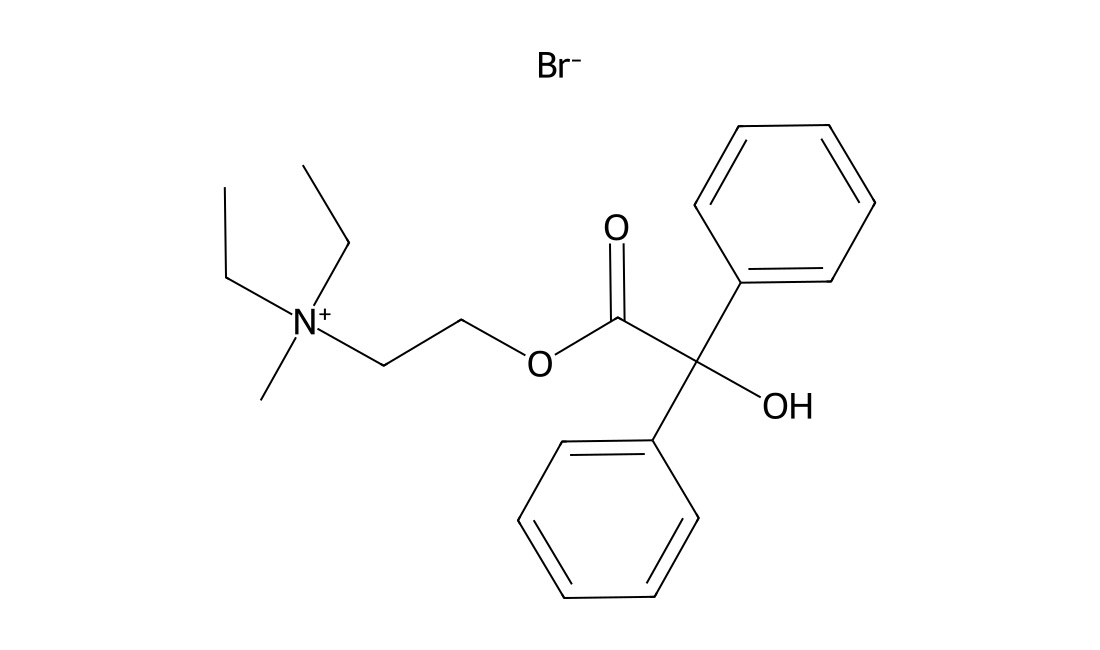
Home/Small Molecules/Neuroscience

Neuroscience

Neurotransmission, neural targets and neurological research.

Browse all research categories

Browse by research category

Products may appear in more than one category. Counts refer to distinct catalog numbers within each category.

Other Research Tools (75) · Additional reagents, building blocks and specialized research tools.

Neuroscience products

Combine a keyword, research category and target to narrow the product list.

Loading catalog filters…

793 products · Showing 769–793

DC11323

LY354740

CAS 176199-48-7

LY354740 is an agonist of the group II metabotropic glutamate receptor (mGluR) subtypes mGluR2 and mGluR3 (Kis = 99 and 94 nM, respectively).It inhibits forskolin-stimulated cAMP accumulation in cells expressing human mGluR2 and mGluR3 (EC50s = 5.1 and 24.3 nM, respectively) and is selective for mGluR2 and mGluR3 over mGluR4, mGluR7, mGluR1a, and mGluR5a (EC50s = >100 µM).LY354740 suppresses electrically stimulated excitatory postsynaptic potentials (EPSPs) in rat striatal neurons (EC50 = 20 nM) and excitatory postsynaptic currents (EPSCs) induced by serotonin in rat medial prefrontal cortex in vitro (EC50 = 89.1 nM).LY354740 (5 mM) iontophoretically ejected into the ventrobasal thalamus of rats reduces sensory inhibition by 20% compared to control in an alternating test, condition-test paradigm.It attenuates the effects of PCP on working memory, stereotypy, locomotion, and cortical glutamate efflux in a rat model of schizophrenia when administered at a dose of 10 mg/kg.LY354740 also shows efficacy in animal models of anxiety, epilepsy, and withdrawal from nicotine and morphine.
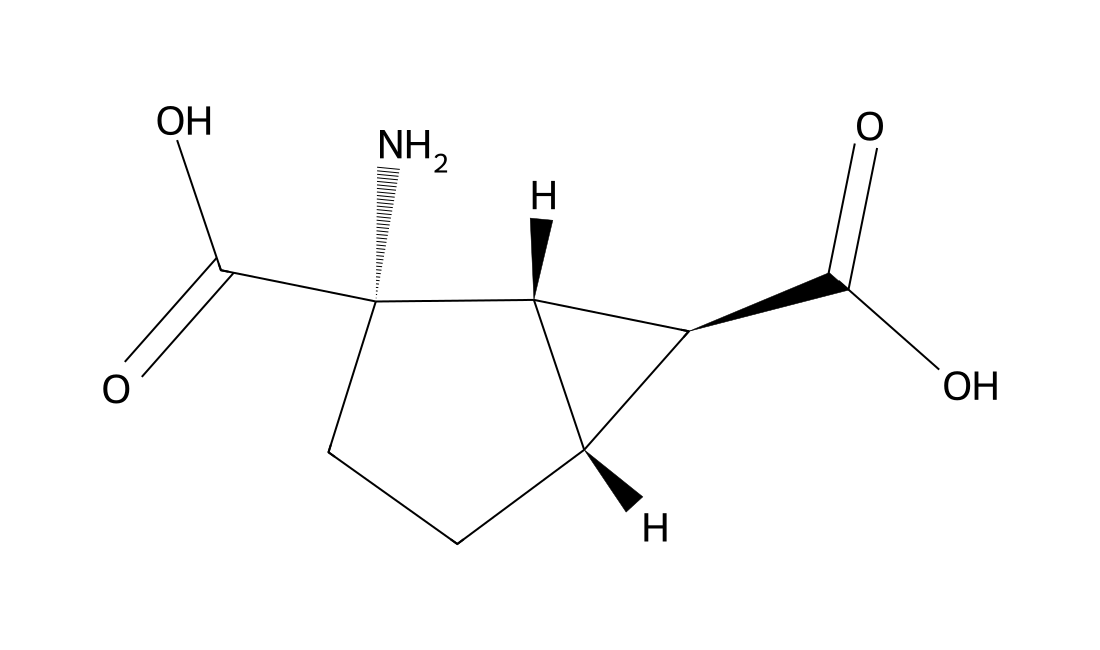
LY354740 chemical structure
DC9314

LY 344864

CAS 186544-26-3

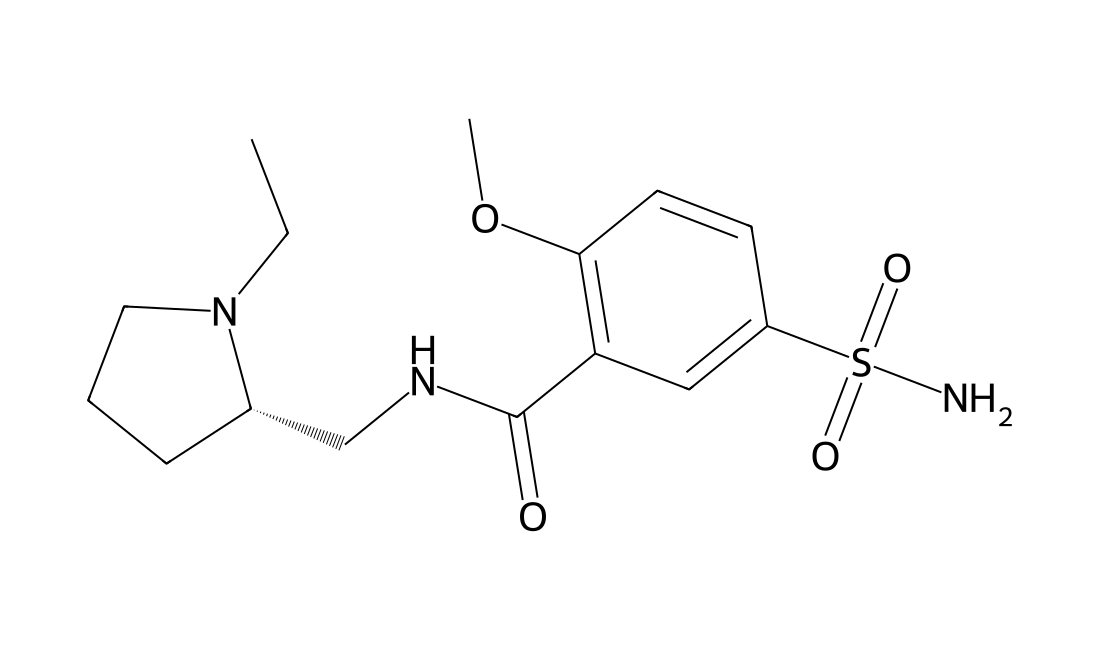
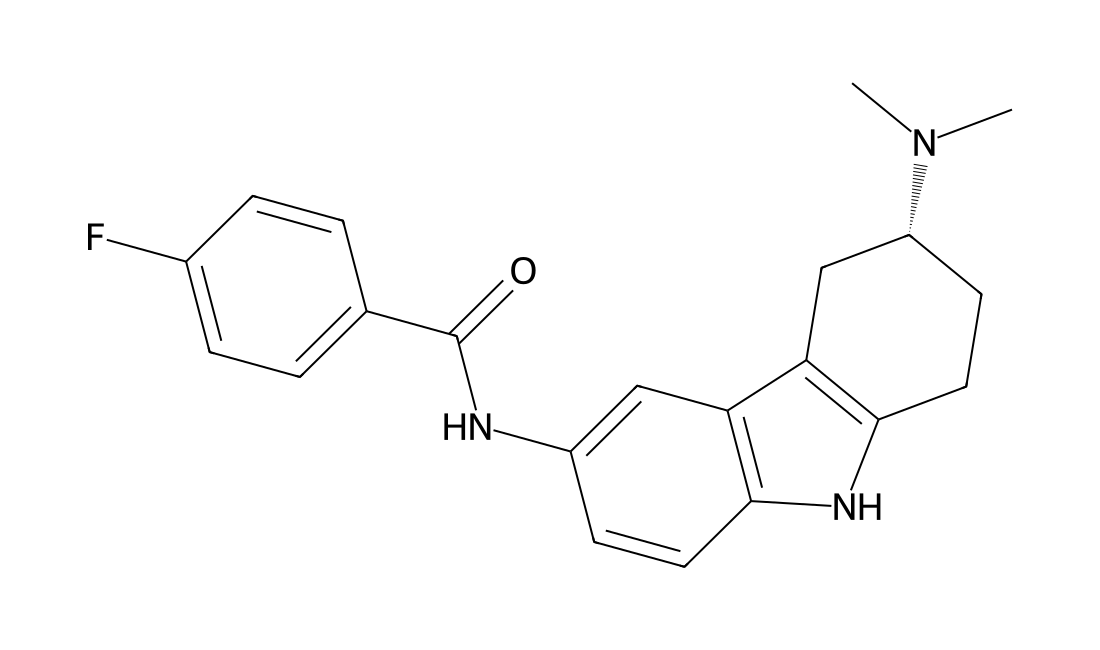
LY344864 is a selective receptor agonist with an affinity of 6 nM (Ki) at the recently cloned 5-HT1F receptor. LY344864 possesses little affinity for the 56 other serotonergic and non-serotonergic neuronal binding sites examined. in vitro: he 5-HT1A, 5-HT1B and 5-HT1D receptor agonists 8-OH-DPAT (3 microM), CP93129 (3 microM) and L694247 (3 microM), but not the 5-HT1F receptor agonist LY344864 (1 - 3 microM) inhibited evoked IPSCs. in vivo: After an intravenous dose of 1 mg/kg, rat plasma LY344864 levels declined with time whereas brain cortex levels remained relatively constant for the first 6 hours after injection. Oral and intravenous LY344864 administration potently inhibited dural protein extravasation caused by electrical stimulation of the trigeminal ganglion in rats. Sumatriptan, zolmitriptan, rizatriptan, and naratriptan all contracted the rabbit saphenous vein from baseline tone, whereas LY344864 in concentrations up to 10(-4) M did not contract the rabbit saphenous vein. Furthermore, vascular contractions to sumatriptan were markedly augmented in the presence of prostaglandin F(2alpha) (PGF(2alpha)). However, even in the presence of PGF(2alpha) (3 x 10(-7) M), LY344864 did not contract the rabbit saphenous vein in concentrations well in excess of its 5-HT(1F) receptor affinity (pK(i) = 8.2) .

LY 344864 chemical structure
DC9524

JDTic (dihydrochloride)

CAS 785835-79-2

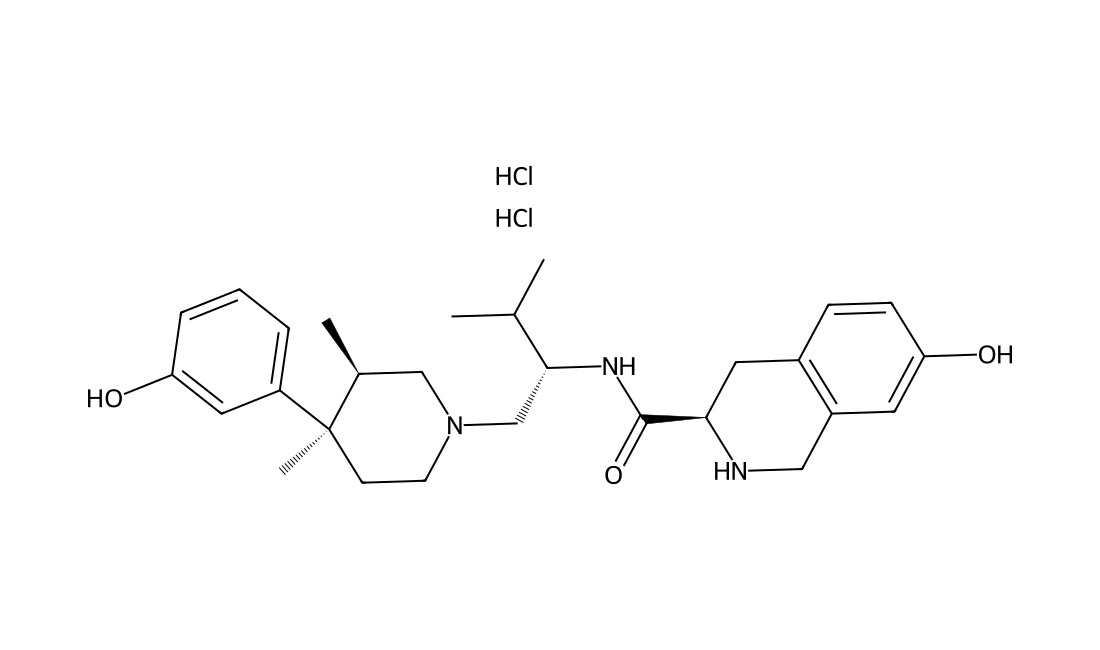
JDTic 2Hcl is a highly selective antagonist for the κ-opioid receptor; without affecting the μ- or δ-opioid receptors. JDTic is a 4-phenylpiperidine derivative, distantly structurally related to analgesic drugs such as meperidine and ketobemidone, and more closely to the mu opioid antagonist alvimopan, and is structurally distinct from other kappa antagonists such as norbinaltorphimine. JDTic has a very long duration of action, with effects in animals seen for up to several weeks after administration of a single dose, although its binding to the kappa opioid receptor is not irreversible and its long-acting effects are instead caused by altered activity of c-Jun N-terminal kinases. Animal studies suggest that it may produce antidepressant and anxiolytic effects, as well as having possible application in the treatment of addiction to cocaine and morphine.
JDTic (dihydrochloride) chemical structure
DC12076

Guanidinosuccinic acid

CAS 6133-30-8

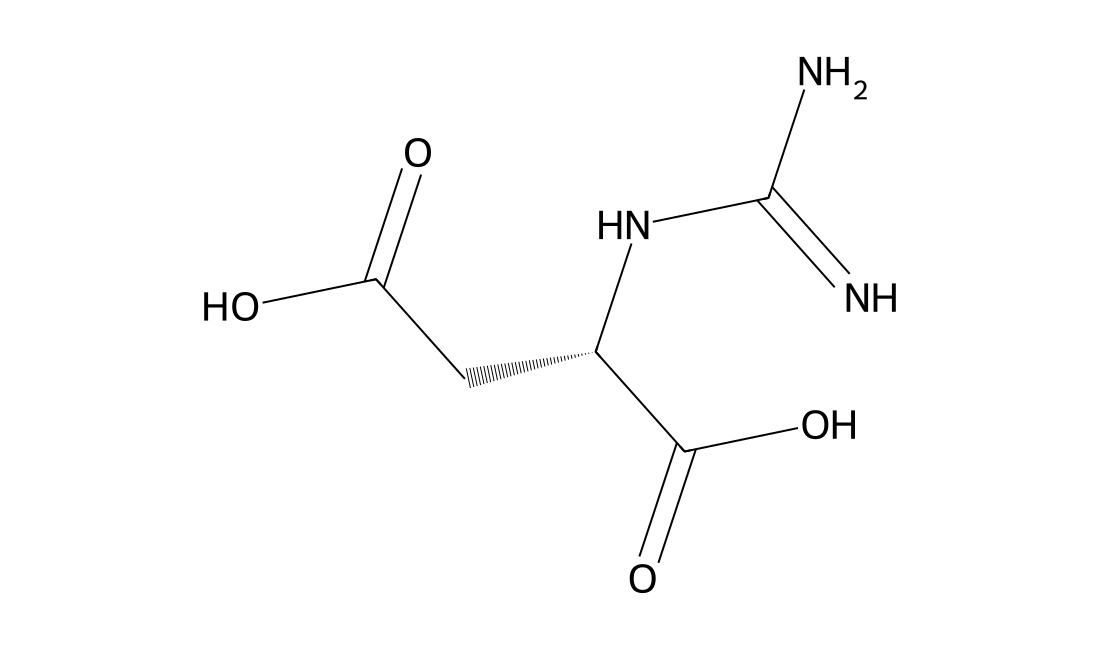
In Vivo Guanidinosuccinic acid, a constituent of normal urine, is elevated in the urine and serum of azotemic patients. Guanidinosuccinic acid (GSA), a guanidino compound found to be greatly increased in uremia, is administered by intraperitoneal (i.p.) injection to adult albino mice and to young mice 7, 14 and 21 days old. Epileptogenic and toxic properties are assessed and Guanidinosuccinic acid brain levels following i.p. injection ae determined. In adult mice, Guanidinosuccinic acid induces long-lasting generalized clonic and clonic-tonic convulsions in a dose-dependent manner with a CD50 (and 95% confidence interval) of 363 (287-458) mg/kg (n=35), and an LD50 of 579 (445-756) mg/kg. The CD50 of Guanidinosuccinic acid corresponded with a brain concentration of 56 nmol/g tissue. Electrocorticographic recording in five adult mice revealed epileptiform discharges (spikes, spike-waves, and polyspike-waves) which appeared concomitant with the convulsions, When young mice are i.p. injected with a (for adults) subconvulsive dose of Guanidinosuccinic acid (250 mg/kg), an age-dependent decrease is noted in Guanidinosuccinic acid-induced convulsions and in the resulting brain concentration.

Guanidinosuccinic acid chemical structure
DC9381

Gabapentin (hydrochloride)

CAS 60142-95-2

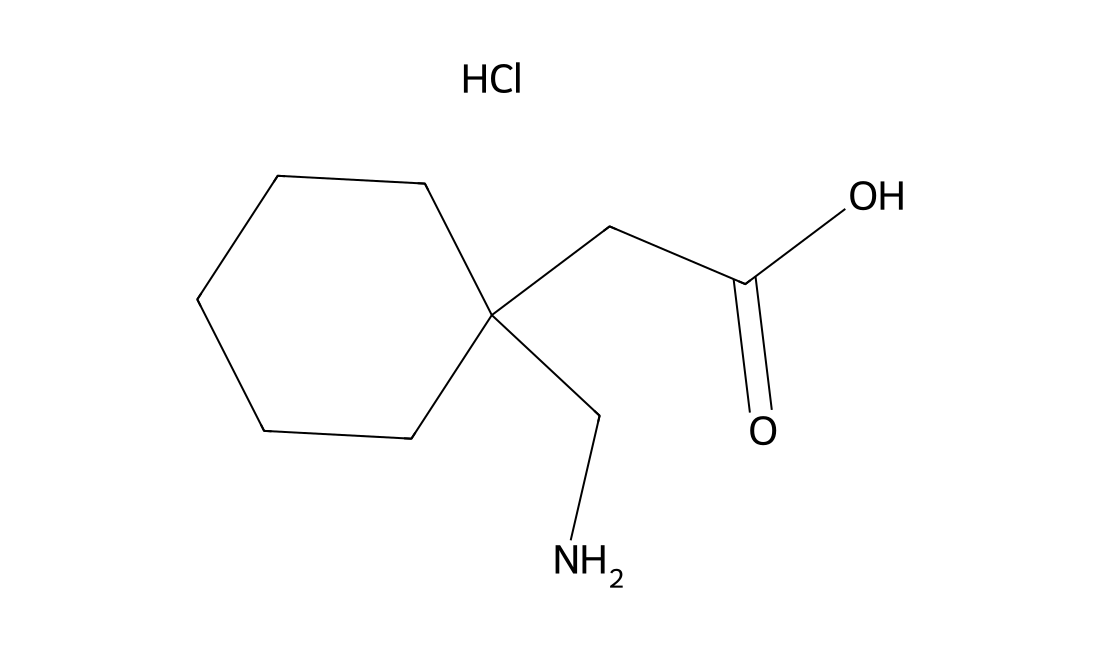
Gabapentin (Neurontin) is a pharmaceutical drug, specifically a GABA analog. It was originally developed to treat epilepsy, and currently is also used to relieve neuropathic pain. in vitro: Gabapentin, baclofen and CGP 44532 all reduced the electrically stimulated release of [3H]glutamic acid (IC50=20 microM, 0.8 microM and 2 microM, respectively). Gabapentin was without effect on the release of [3H]GABA, whilst baclofen (IC50=8 microM) and CGP 44532 (IC50=1 microM) inhibited [3H]GABA release. A large inhibition of calcium currents by gabapentin was observed in pyramidal neocortical cells (up to 34%). Significantly, the gabapentin-mediated inhibition of calcium currents saturated at particularly low concentrations (around 10 microM), at least in neocortical neurons (IC50 about 4 microM). in vivo: Gabapentin produced an anti-allodynic effect over the 7-day period, reducing the expression of pro-inflammatory cytokines but increasing the expression of IL-10 (TNF-α, 316.0 ± 69.7 pg/mL vs 88.8 ± 24.4 pg/mL; IL-1β, 1,212.9 ± 104.5 vs 577.4 ± 97.1 pg/mL; IL-6, 254.0 ± 64.8 pg/mL vs 125.5 ± 44.1 pg/mL; IL-10, 532.1 ± 78.7 pg/mL vs 918.9 ± 63.1 pg/mL). The suppressive effect of gabapentin on pro-inflammatory cytokine expression was partially blocked by the anti-IL-10 antibody.

Gabapentin (hydrochloride) chemical structure
DC12325

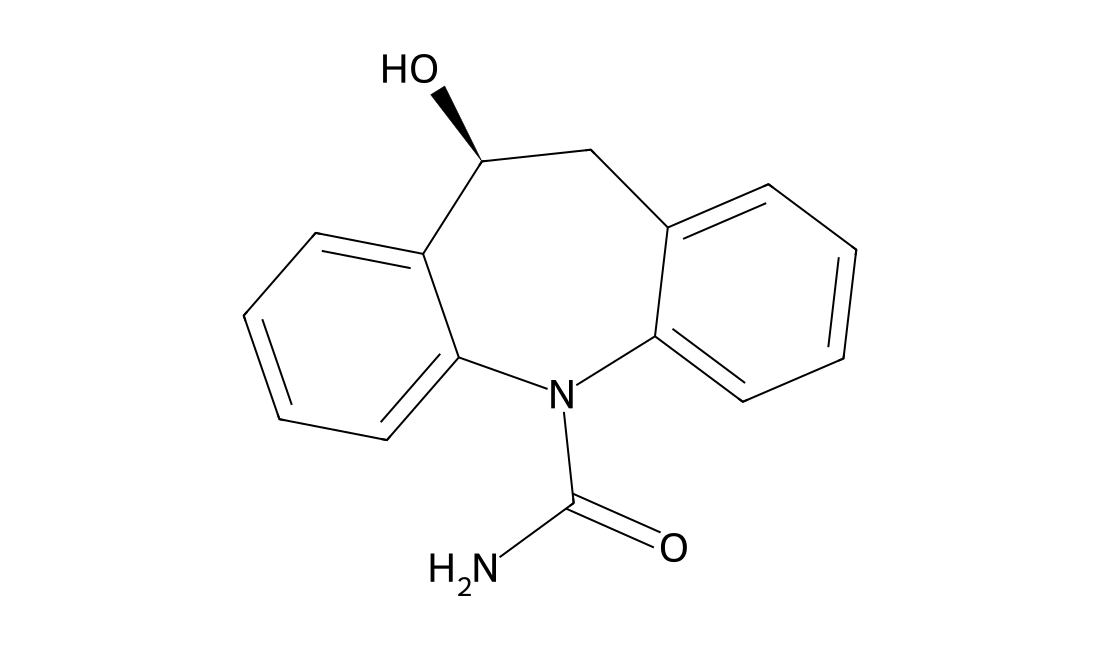
Eslicarbazepine (BIA 2-194)

CAS 104746-04-5

In Vivo Eslicarbazepine is an anti-epileptic drug, chemically related to carbamazepine but with a more favorable safety profile. Eslicarbazepine acetate is a prodrug for eslicarbazepine (S-licarbazepine), which is a dual a dual Inhibitor of β-Secretase and voltage-gated sodium channel.

Eslicarbazepine (BIA 2-194) chemical structure
DC9565

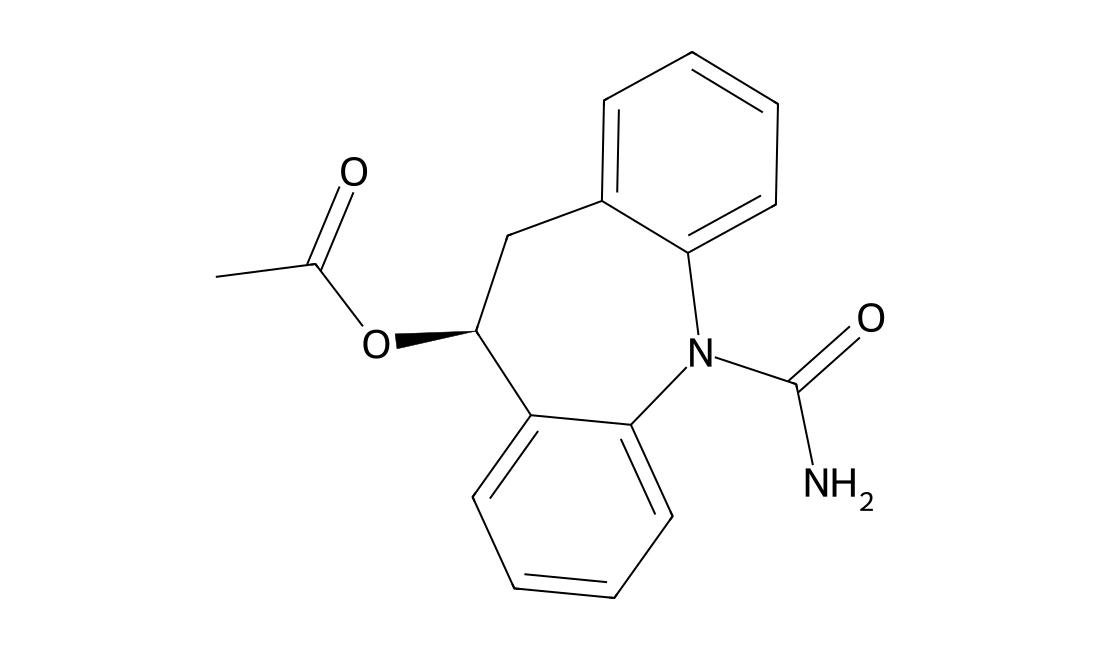
Eslicarbazepine (acetate)

CAS 236395-14-5

Eslicarbazepine acetate (BIA 2-093) is an antiepileptic drug. Eslicarbazepine acetate (BIA 2-093) is an antiepileptic drug. It is a prodrug which is activated to eslicarbazepine (S-licarbazepine), an active metabolite of oxcarbazepine. Eslicarbazepine acetate is a prodrug for (S)-(+)-licarbazepine, the major active metabolite of oxcarbazepine. Its mechanism of action is therefore identical to that of oxcarbazepine. There may, however, be pharmacokinetic differences. Eslicarbazepine acetate may not produce as high peak levels of (S)-(+)-licarbazepine immediately after dosing as does oxcarbazepine which could theoretically improve tolerability.

Eslicarbazepine (acetate) chemical structure
DC10314

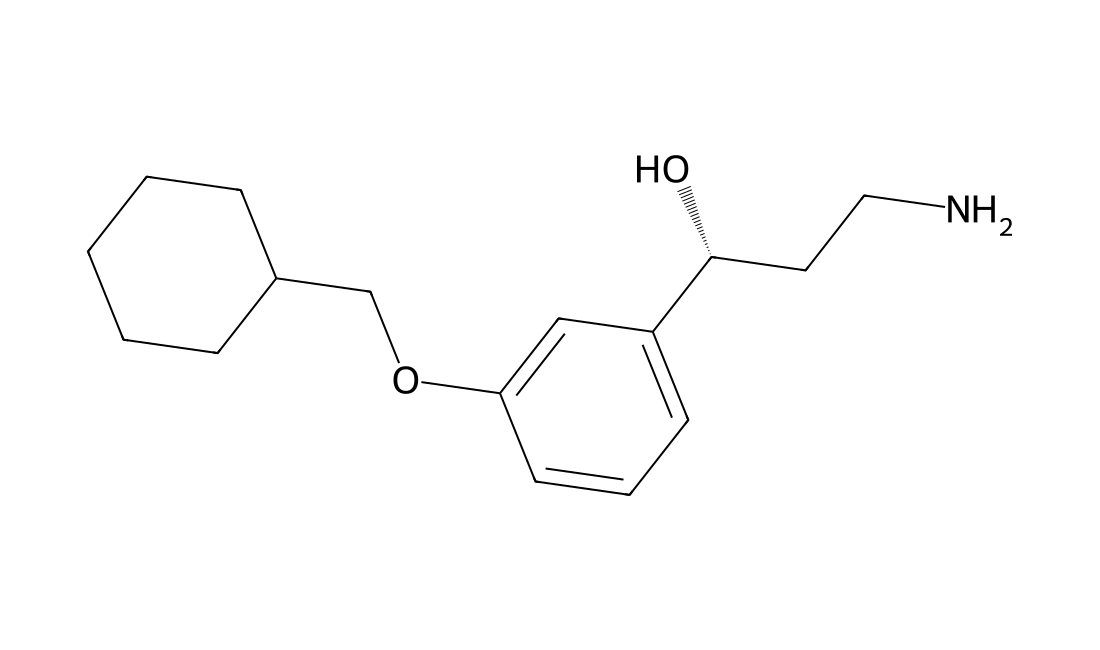
Emixustat

CAS 1141777-14-1

Emixustat potently inhibits isomerase activity in vitro (IC50=4.4 nM). Treatment of emixustat shows a concentration dependent reduction of 11-cis-ROL production . Emixustat strongly inhibits 11-cis-retinol production with an IC50 value of 232±3 nM.Emixustat reduces the production of visual chromophore (11-cis retinal) in wild-type mice following a single oral dose (ED50=0.18mg/kg). In albino mice, emixustat is shown to be effective in preventing photoreceptor cell death caused by intense light exposure. Pre-treatment with a single dose of emixustat (0.3 mg/kg) provids a 50%protective effect against light-induced photoreceptor cell loss, while higher doses (1-3 mg/kg) are nearly 100%effective. In Abca4-/- mice, chronic (3 month) emixustat treatment markedly reduces lipofuscin autofluorescence and reduces A2E levels by 60%( ED50=0.47 mg/kg). In the retinopathy of prematurity rodent model, treatment with emixustat during the period of ischemia and reperfusion injury produces a 30%reduction in retinal neovascularization (ED50=0.46mg/kg).

Emixustat chemical structure
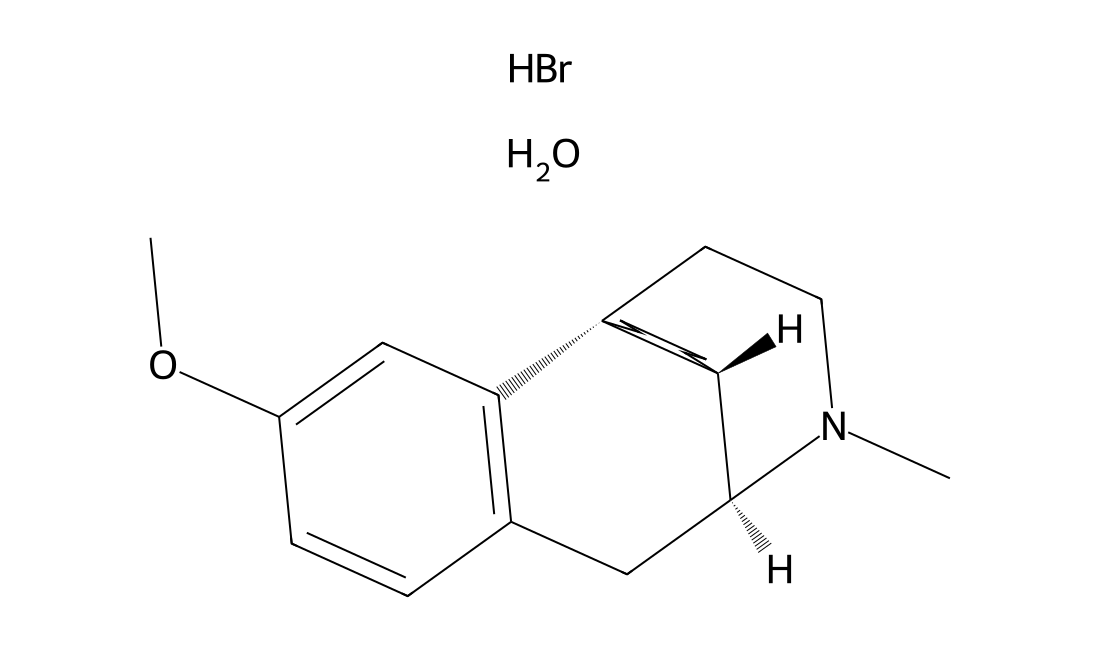
DC9093

Dextromethorphan HBr

CAS 6700-34-1

Dextromethorphan hydrobromide hydrate is an antitussive drug.Dextromethorphan (DXM) is an antitussive (cough suppressant) drug. It is one of the active ingredients in many over-the-counter cold and cough medicines. Dextromethorphan has also found other uses in medicine, ranging from pain relief to psychological applications. DXM is also used recreationally. When exceeding label-specified maximum dosages, dextromethorphan acts as a dissociative hallucinogen. Its mechanism of action is via multiple effects, including actions as a nonselective serotonin reuptake inhibitor and a sigma-1 receptor agonist. The major metabolite of DXM, dextrorphan, also acts as an NMDA receptor antagonist.

Dextromethorphan HBr chemical structure
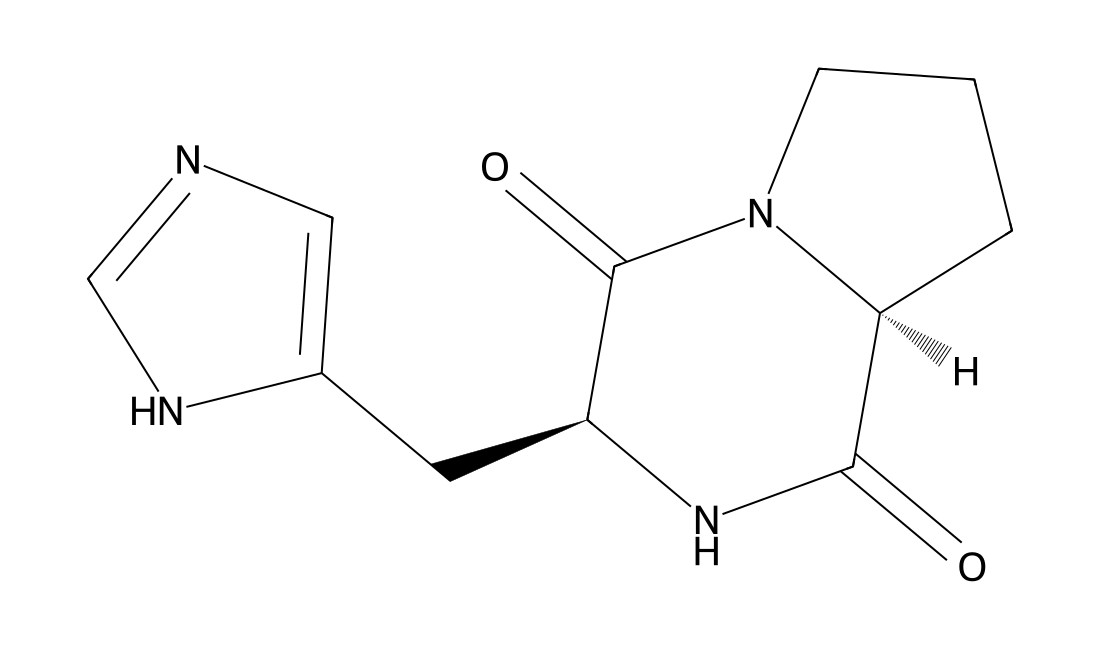
DC10368

Cyclo(his-pro)

CAS 53109-32-3

Cyclo(His-Pro) is a cyclic dipeptide derived from the hydrolytic removal of the amino-terminal pyroglutamic acid residue of the hypothalamic thyrotropin-releasing hormone. Cyclo(His-Pro) is ubiquitous in the central nervous system and is a key substrate of organic cation transporters, which are strongly linked to neuroprotection. The cyclic dipeptide can also cross the brain-blood-barrier and, once in the brain, can affect diverse inflammatory and stress responses by modifying the Nrf2-NF-κB signaling axis. Cyclo(His-Pro) inhibits NF-κB nuclear accumulation induced by paraquat in rat pheochromocytoma PC12 cells via the Nrf2/heme oxygenase-1 pathway.Mice that receives cyclo(His-Pro) pre-treatment shows a significant decrease in the oedematogenic response, confirming that the cyclic dipeptide can exert anti-inflammatory effect. Cyclo(His-Pro) exerts in vivo anti-inflammatory effects in the central nervous system by down-regulating hepatic and cerebral TNFα expression thereby counteracting LPS-induced gliosis. Moreover, by up-regulating Bip, cyclo(His-Pro) increases the ER stress sensitivity andtriggers the unfolded protein response to alleviate the ER stress.

Cyclo(his-pro) chemical structure
DC9317

CP-809101 (hydrochloride)

CAS 1215721-40-6

CP-809101 Hcl is a potent and selective 5-HT2C receptor agonist with pEC50 of 9.96/7.19/6.81 for human 5-HT2C/5-HT2B/5-HT2A receptors respectively. CP-809101 is a potent, functionally selective 5-HT2C agonist that displays approximately 100% efficacy in vitro. The aim of the present studies was to assess the efficacy of a selective 5-HT2C agonist in animal models predictive of antipsychotic-like efficacy and side-effect liability. Similar to currently available antipsychotic drugs, CP-809101 dose-dependently inhibited conditioned avoidance responding (CAR, ED50 = 4.8 mg/kg, sc). CP-809101 antagonized both PCP- and d-amphetamine-induced hyperactivity with ED50 values of 2.4 and 2.9 mg/kg (sc), respectively and also reversed an apomorphine induced-deficit in prepulse inhibition. At doses up to 56 mg/kg, CP-809101 did not produce catalepsy. Thus, the present results demonstrate that the 5-HT2C agonist, CP-809101, has a pharmacological profile similar to that of the atypical antipsychotics with low extrapyramidal symptom liability. CP-809101 was inactive in two animal models of antidepressant-like activity, the forced swim test and learned helplessness.

CP-809101 (hydrochloride) chemical structure
DC9062

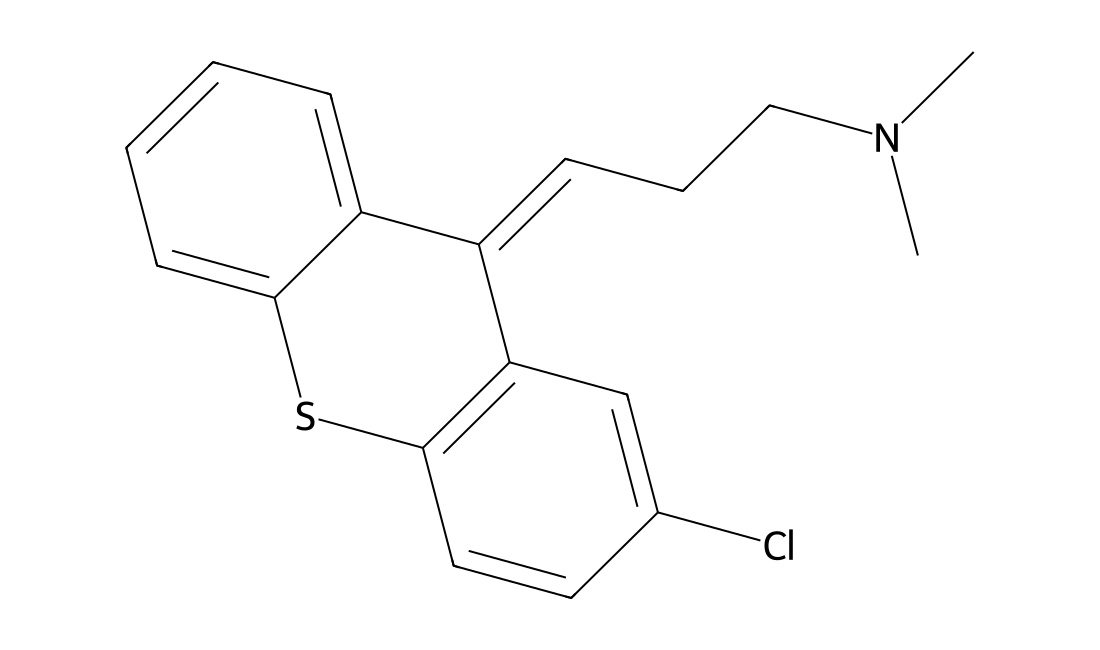
Chlorprothixene

CAS 113-59-7

Chlorprothixene has strong binding affinities to dopamine and histamine receptors, such as D1, D2, D3, D5, H1, 5-HT2, 5-HT6 and 5-HT7, with Ki of 18 nM, 2.96 nM, 4.56 nM, 9 nM, 3.75 nM, 9.4 nM, 3 nM and 5.6 nM, respectively.Chlorprothixene exerts strong binding affinities to the dopamine and histamine receptors, such as D1, D2, D3, D5 and H1 with Ki values of 18nM, 2.96 nM, 4.56 nM, 9 nM and 3.75 nM, respectively, but has little affinity to H3 (Ki >1000 nM). Chlorprothixene also shows high affinities for both rat 5-HT6 from stably transfected HEK-293 cells, and rat 5-HT7 receptors from transiently expressed COS-7 cells, with Ki values of 3 nM and 5.6 nM, respectively. Administration of Chlorprothixene restores normal ceramide concentrations in murine bronchial epithelial cells, reduces inflammation in the lungs of mice with cystic fibrosis (CF) and prevents infection with Pseudomonas aeruginosa, by inhibiting acidsphingomyelinase (Asm) and not neutral sphingomyelinase (Nsm).

Chlorprothixene chemical structure
DC9849

CGP37849

CAS 127910-31-0

CGP-37849 is a competitive antagonist at the NMDA receptor. It is a potent, orally active anticonvulsant in animal models, and was researched for the treatment of epilepsy. It also has neuroprotective activity and shows antidepressant and anxiolytic effects.

CGP37849 chemical structure
DC8971

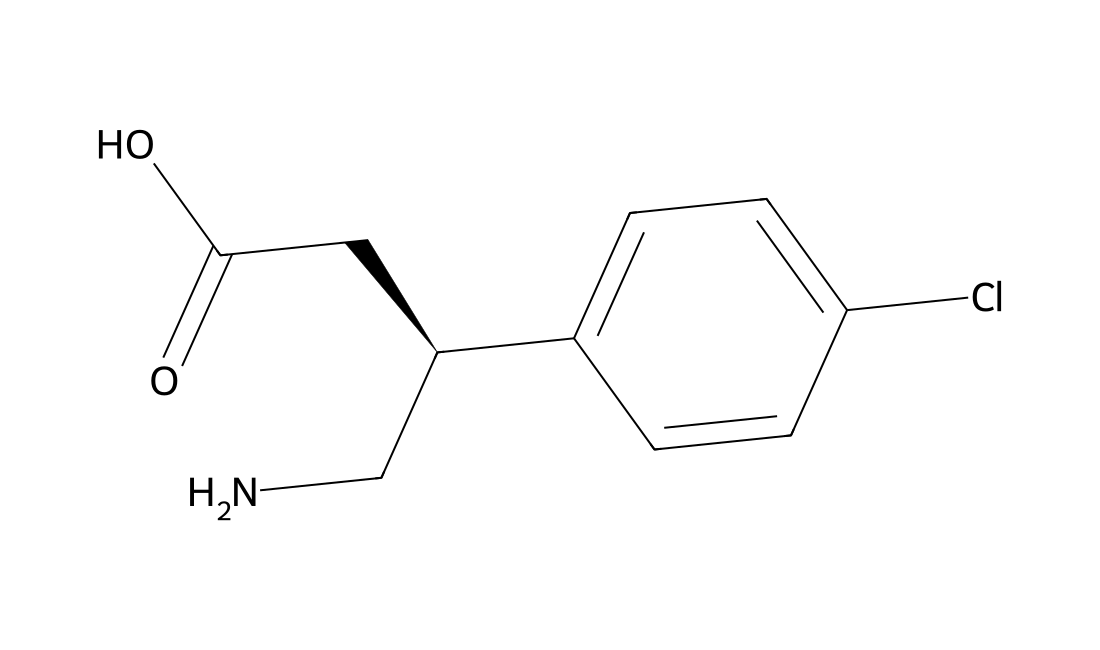
Baclofen

CAS 1134-47-0

Baclofen is a gamma-amino-butyric acid (GABA) derivative used as a skeletal muscle relaxant.Baclofen, a lipophilic analog of gamma-aminobutyric acid, is clinically used to control spasticity. Baclofen pretreatment (3 mg/kg) not only prolonged the time taken for animals to reach a core body temperature of 40 degrees C (P < 0.001), but also reduced the percentage of rats attaining a core body temperature of 40 degrees C. Baclofen overdose may result in coma, apnea, autonomic disturbances, cardiac conduction abnormalities, and seizures. Levels obtained shortly after overdose correlate with length of mechanical ventilation.

Baclofen chemical structure
DC9946

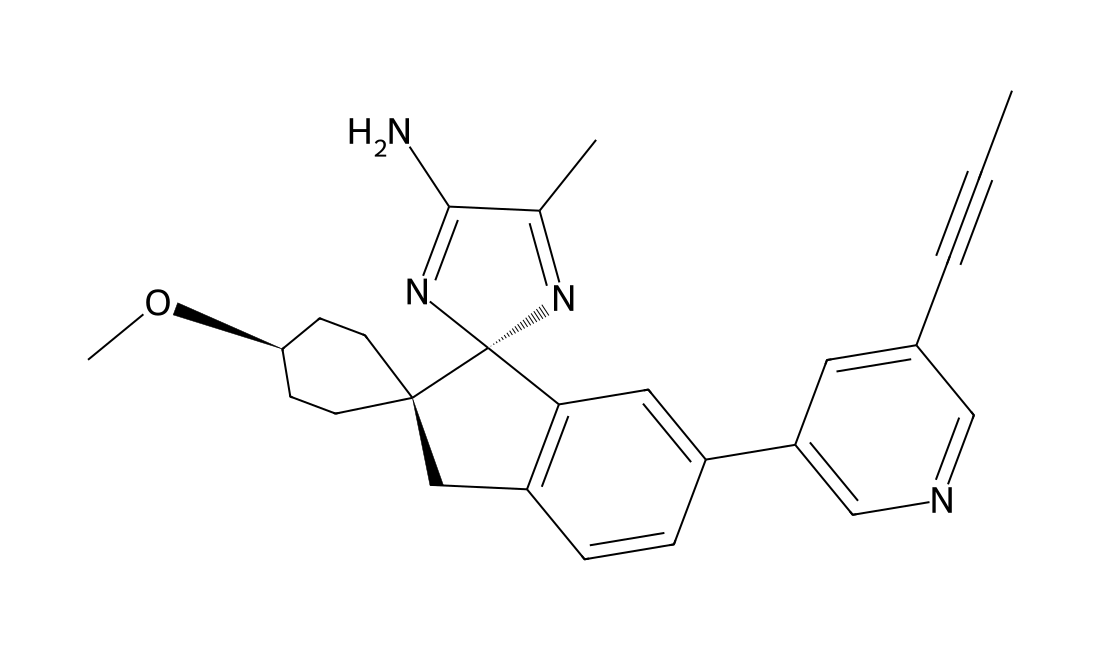
Lanabecestat(AZD3293,LY-3314814)

CAS 1383982-64-6

AZD3293 is an, orally administered, inhibitor of BACE1, the β-secretase sheddase that cleaves the APP protein to release APP's C99 fragment. This fragment then becomes a substrate for subsequent γ-secretase cleavage and Aβ peptide generation. The rationale is that inhibiting BACE1 will reduce amyloid-related toxicity in Alzheimer's disease. AZD3293 is one of several BACE1/2 inhibitors currently in development.

Lanabecestat(AZD3293,LY-3314814) chemical structure
DC9034

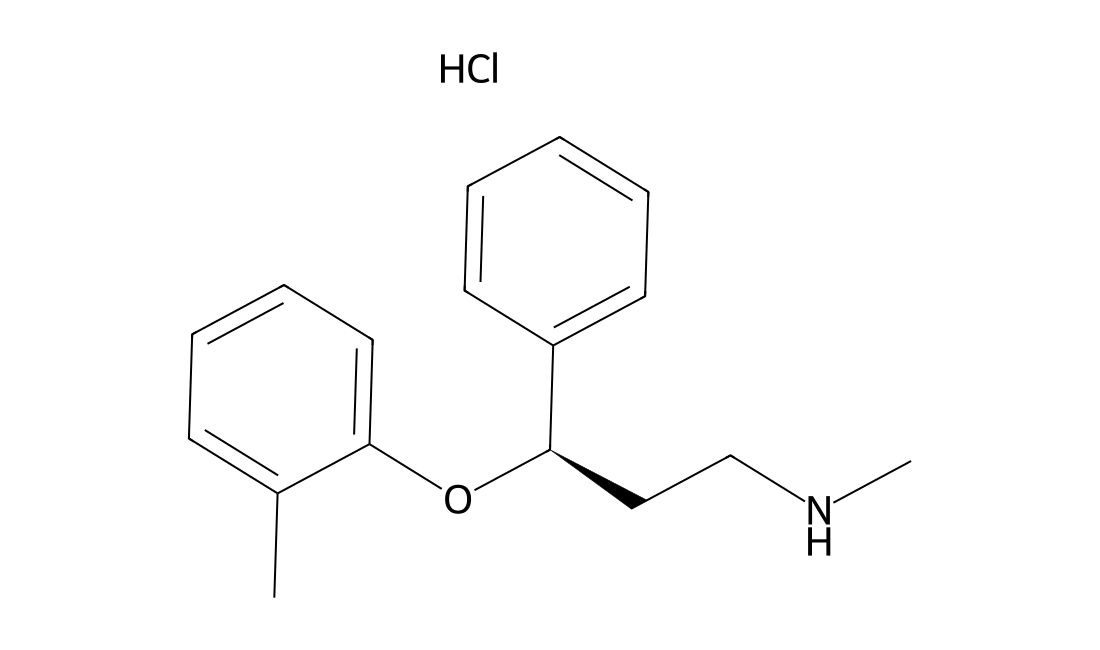
Atomoxetine HCl

CAS 82248-59-7

Atomoxetine Hcl(LY 139603; Tomoxetine Hcl) is a potent and selective noradrenalin re-uptake inhibitor (Ki values are 5, 77 and 1451 nM for inhibition of radioligand binding to human NET, SERT and DAT respectively).Atomoxetine displays minimal affinity for a range of other neurotransmitter receptors and transporters (Ki > 1 μM). Atomoxetine is antidepressant and a commonly used non-stimulant treatment for Attention deficit hyperactivity disorder (ADHD).

Atomoxetine HCl chemical structure
DC23971

LY450108

CAS 376594-67-1

A potent, selective, and centrally active positive allosteric modulator of AMPAR-mediated neurotransmission, which increase ion channel flux in the presence of agonist by suppressing desensitization and/or deactivation of the receptors.

LY450108 chemical structure
DC22358

Valproic acid sodium salt

CAS 1069-66-5

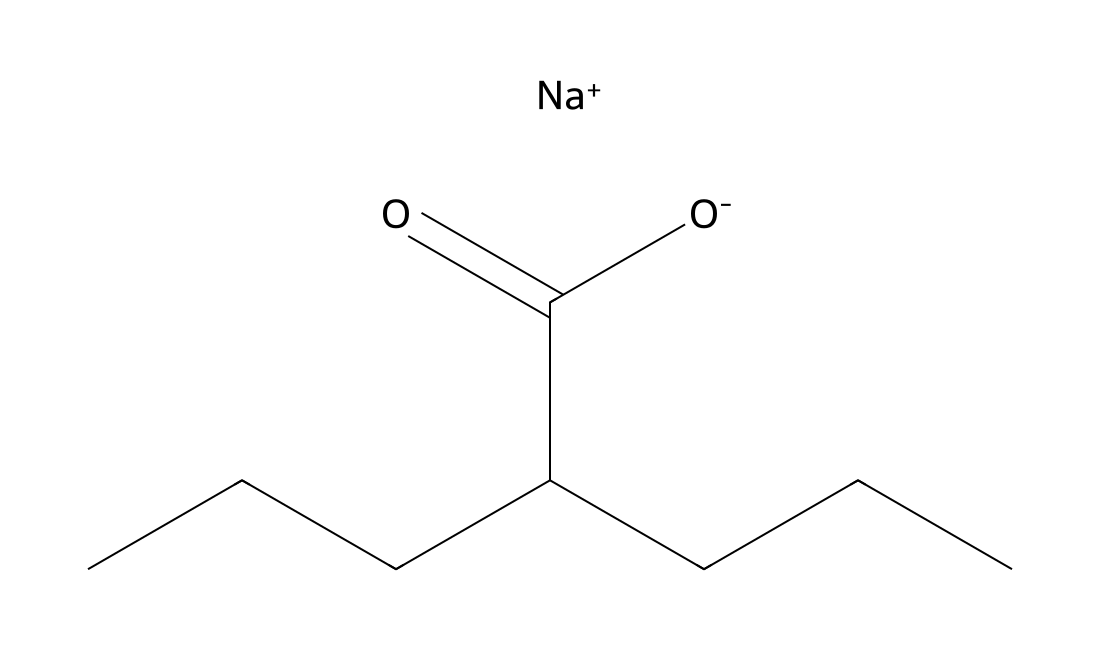
A HDAC inhibitor that selectively inhibits the catalytic activity of class I HDACs, and induces proteasomal degradation of HDAC2; induces differentiation of carcinoma cells, transformed hematopoietic progenitor cells and leukemic blasts from AML patients; reduces tumor growth and metastasis formation in animal model.MigraineApproved

Valproic acid sodium salt chemical structure
DC10186

8-O-Acetyl shanzhiside methyl ester

CAS 57420-46-9

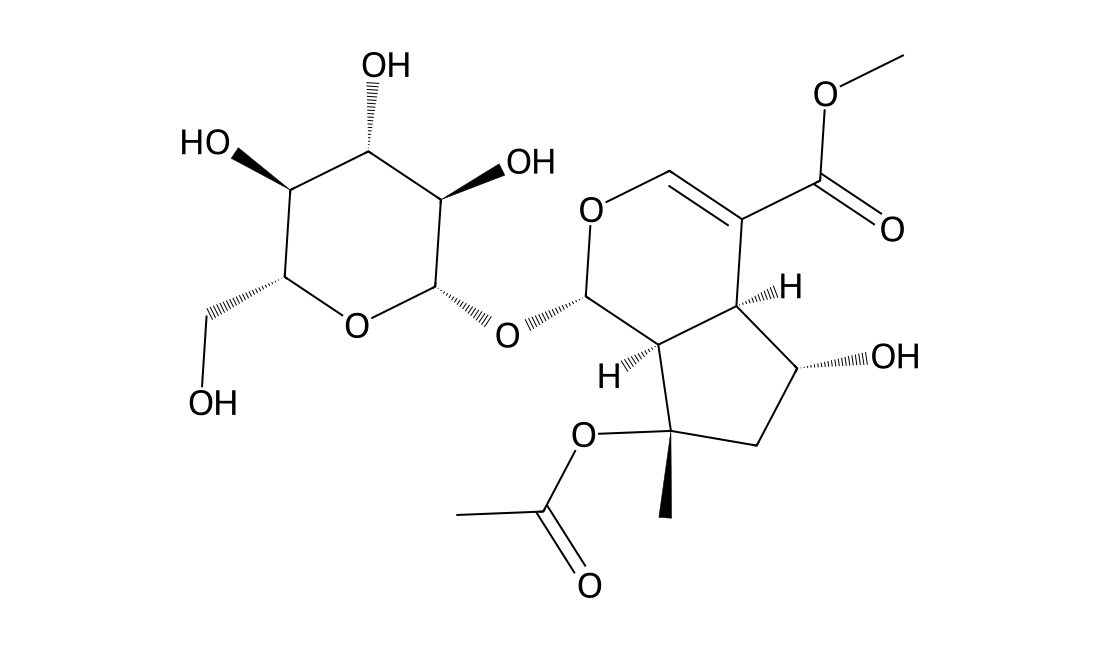
Treatment of SH-SY5Y cells with ND01 blocks TNF-α-induced nuclear transcription factor κB (NF-κB) activation and decreases high-mobility group box-1 (HMGB-1) expression. . Treatment of H9c2 cells with ND01 9 μM blocks TNF-α-induced NF-κB phosphorylation by blocking High-mobility group box1 (HMGB1) expression.8-O-Acetyl shanzhiside methyl ester 40 mg/kg demonstrates significant neuroprotective effect even after delayed administration at 4 hr after I/R. 8-O-Acetyl shanzhiside methyl ester 40 mg/kg attenuates the histopathological damage, decreases brain swelling, inhibits NF-κB activation and reduces HMGB-1 expression in ischaemic brain tissue. 8-O-Acetyl shanzhiside methyl ester significantly promotes angiogenesis in the ischaemic brain and improves functional outcome after stroke. 8-O-Acetyl shanzhiside methyl ester also significantly increases vascularization compared with vehicle treatment. It increases the expression of VEGF, Ang1, phosphorylation of Tie2 and Akt VEGF. 8-O-Acetyl shanzhiside methyl ester significantly shortens capillary blood clotting time and reduces blood loss volume, but does not influence mice activated partial thromboplastin time, prothrombin time or thrombin time. It significantly prolongs euglobulin clot lysis time in hyperfibrinolysis mice.

8-O-Acetyl shanzhiside methyl ester chemical structure
Browse target & topic index A–Z (366)
11β-HSD (1)15-PGDH (2)5-HT Receptor (16)Acetyl-CoA Carboxylase (ACC) (3)Acetylcholinesterase (AChE) (2)Ack1 (TNK2) (1)Acyltransferase (1)ADC Cytotoxin (6)ADCs Linker/Click Chemistry (5)Adenosine Receptor (9)Adenylate Cyclase (2)Adrenergic Receptor (11)Akt (12)Alcoholism (2)Aldehyde Dehydrogenase (ALDH) (6)Allergy (5)Alzheimer Disease (13)Aminopeptidase (1)AMPK (8)Amyloids (4)Anaplastic Lymphoma Kinase (ALK) (9)Androgen Receptor (AR) (11)Anemia (4)Angiotensin Receptor (4)Antibody/Protein labeling dyes (1)Antifolate (2)Anxiety (1)Apoptosis Inducer (3)Arginase (1)Arp2/3 complex (1)Aryl hydrocarbon Receptor (AhR) (1)Asthma (5)Atherosclerosis (2)ATM/ATR (8)Aurora Kinase (10)Autophagy (6)Autophagy-related Protein (Atg) (2)Autotaxin (2)Bacterial (26)Bacterial Infection (17)Bcl-2 (14)Bcr-Abl (5)BCRP (1)Beta-catenin (4)Beta-secretase (BACE) (4)Blood Cancer (91)BMI-1 (1)Bone Cancer (6)Brain Cancer (6)Breast Cancer (30)Bromodomain (22)BTK (10)c-Fms (CSF1R) (5)c-Fos/AP-1 (1)c-Kit (6)c-Met (HGFR) (11)c-Myc (2)Calcium Channel (4)Calcium-sensing Receptor (CaSR) (1)CaMK (4)Cannabinoid Receptor (6)Carbonic Anhydrase (1)Carboxypeptidase (1)Casein Kinase (6)Caspase (4)Cathepsin (6)Cdc2-like Kinase (CLK) (1)CETP (2)CFTR (7)Checkpoint Kinase (Chk) (8)Chemokine Receptor (CCR and CXCR) (14)Chemotherapeutic Agents (19)Chloride Channel (1)CMV (2)CMV Infection (2)Colon Cancer (9)Complement System (1)COPD (3)CREB/CBP (2)CRF Receptor (2)CRISPR/Cas9 (1)Cushing Disease (1)Cyclin-dependent Kinase (CDK) (39)Cyclooxygenase (COX) (4)Cytochrome P450 (CYPs) (5)Depression (2)Dermatitis (2)Deubiquitinase (DUB) (7)Diabetes (20)Dipeptidyl Peptidase (DPP) (3)Discoidin Domain Receptor (DDR) (1)DNA Alkylator/Crosslinker (10)DNA Methyltransferase (DNMT) (1)DNA Repair Protein (1)DNA-PK (2)DNA/RNA Synthesis (5)Dopamine beta-hydroxylase (1)Dopamine Receptor (7)Drug Metabolite (1)Drug-Linker Conjugates (11)Dyes (4)DYRK (1)Dyslipidemia (9)E3 Ligase Ligand (6)E3 Ligase Ligand-Linker Conjugate (1)E3 Ubiquitin Ligase (4)Ebola Virus Infection (1)EGFR (32)Elastase (2)Endothelin Receptor (5)Enzymes substrates (13)Epigenetic Reader Domain (3)Epilepsy (4)ERK (4)Estrogen Receptor/ERR (13)Eukaryotic Initiation Factor (eIF) (2)Exportin-1 (CRM1,XPO1) (2)FABP (1)Factor Xa (5)Farnesoid X Receptor (FXR) (5)Farnesyl transferase (FTase) (1)Ferroptosis (6)FGFR (15)Fibrosis (5)FLT3 (6)Focal Adhesion Kinase (FAK) (11)Foxo1 (1)Free Fatty Acid Receptor (FFAR) (5)Fungal (2)Fungal Infection (1)GABA Receptor (13)Galectin (1)Gastric Cancer (8)Ghrelin Receptor (GHSR) (3)Glucagon Receptor (4)Glucokinase (2)Glucose Transporter (GLUT) (2)Glutamate Transporter (2)GPCR (1)GPER (GPR30) (1)GPR139 (1)GPR183 (EBI2) (2)GPR39 (1)GPR55 (1)GPR84 (1)GRK (GPCRK) (2)Growth Hormone Deficiency (2)GSK-3 (8)Guanylate Cyclase (3)HBV (1)HBV Infection (1)HCN Channel (2)HCV (8)HCV Infection (9)HDAC (38)Heart Arrhythmia (2)Heart Failure (5)Heat Shock Protein (HSP) (15)Hedgehog (Hh) (1)HIF/HIF Prolyl-hydroxylase (8)Histamine Receptor (6)Histone Acetyltransferase (HAT) (5)Histone Demethylase (11)Histone Methyltransferase (HMTase) (31)HIV (12)HIV Infection (11)HMG-CoA Reductase (HMGCR) (3)HSV (1)HSV Infection (1)Hypercholesterolemia (1)Hyperparathyroidism (1)Hypertension (8)IAP (1)IGF-1R (3)iGluR (15)Indoleamine 2,3-Dioxygenase (IDO) (4)Infection (1)Influenza (6)Influenza Virus (6)Insulin Receptor (2)Integrin (6)Interleukin Receptor (1)IRAK (2)IRE1 (4)Irritable Bowel Syndrome (2)Ischemia (1)Isocitrate Dehydrogenase (IDH) (5)ITK (1)IκB kinase (IKK) (7)JAK (32)JNK (3)Keap1-Nrf2 (6)Kidney Cancer (10)Kinesin (5)Kruppel-like Factor (KLF) (1)Kynurenine 3-Monooxygenase (KMO) (1)Leukotriene Receptor (1)LIM Kinase (LIMK) (3)Lipids fragment (1)Liver Cancer (6)Liver X Receptor (LXR) (3)LRRK2 (9)Lung Cancer (39)Lysophospholipid Receptor (12)LYTACs (3)mAChR (9)MALT1 (2)MAP4K (1)Matrix Metalloproteinase (MMP) (10)MDM2-p53 (9)MEK (MAP2K) (14)MEKK (MAP3K) (1)Melanocortin Receptor (2)MELK (1)mGluR (7)MicroRNA (1)Microtubule/Tubulin (5)Mineralocorticoid Receptor (MLR) (1)MITF (1)Mixed Lineage Kinase (MLK) (3)MNK (2)Molecular Glues (13)Monoamine Transporter (5)Monocarboxylate Transporter (MCT) (1)Monopolar Spindle 1 (Mps1/TTK) (3)mTOR (13)Multiple Sclerosis (6)Myosin (1)Na-K-Cl Cotransporter (NKCC) (2)nAChR (2)NADPH Oxidase (NOX) (2)NAMPT (3)Natural products (37)Neprilysin (1)Neurokinin Receptor (3)Neuropeptide Y Receptor (3)NF-κB (5)Nitric Oxide Synthase (NOS) (1)NOD-like Receptor (NLR) (3)Notch (2)Nucleoside Antimetabolite/Analog (10)Nur77 (NR4A1) (1)Obesity (1)Oct3/4 (1)Opioid Receptor (5)Orexin Receptor (7)Osteoporosis (2)Ovarian Cancer (14)Oxytocin Receptor (OXTR) (2)P-glycoprotein (P-gp) (3)p21-activated Kinase (PAK) (1)P2X Receptor (2)P2Y Receptor (1)p38 MAPK (10)p97/VCP (1)Pain (12)Pancreatic Cancer (10)Parasite (5)Parasite Infection (2)Parkinson Disease (2)PARP (19)PCSK9 (1)PD-1/PD-L1 (4)PDGFR (4)PDK1 (2)PEGn (1)PERK (2)PGE synthase (2)Phosphodiesterase (PDE) (9)Phospholipase (4)PI3K (32)PI4K (2)Piezo Channel (1)PIKfyve (3)Pim (9)PKC (12)PKD (1)Plasminogen Activator Inhibitor-1 (PAI-1) (3)Polo-like Kinase (PLK) (4)Porcupine (3)Potassium Channel (13)PPAR (13)Pregnane X Receptor (PXR) (1)Progesterone Receptor (2)Prostaglandin Receptor (11)Prostate Cancer (7)PROTACs (35)Protease-activated Receptor (PAR) (3)Proteasome (12)Protein Disulfide Isomerase (PDI) (1)Protein Phosphatase/PTP (6)Proton Pump (1)Psoriasis (5)RAD51 (1)Radioligand precursors (15)Raf (18)RAR/RXR (3)Ras (17)Renin (2)RET Tyrosine Kinase (c-RET) (3)Rheumatoid Arthritis (16)Ribosomal S6 Kinase (RSK) (5)RIG-I-like Receptor (RLR) (2)RIP kinase (7)ROCK (12)ROR (2)RSV (4)RSV Infection (3)RUNX1-CBFβ (1)S-nitrosoglutathione reductase (GSNOR) (1)Saccharides and Glycosides (1)Salt Inducible Kinase (SIK) (2)SARS-CoV (16)SARS-CoV Infection (34)Schizophrenia (4)Sexual Dysfunction (1)SGLT (4)Sigma Receptor (4)Sirtuin (9)Skin Cancer (13)Sleep Disorder (7)SMN2 Modulator (1)Smoothened (Smo) (9)Sodium Channel (12)Solid Tumors (35)Somatostatin Receptor (2)Sphingosine kinase (SphK) (2)Src (7)STAT (5)Stearoyl-CoA Desaturase (SCD) (1)Steatohepatitis (7)Sterol lipids (1)STING (14)Syk (6)T Cell Receptor (TCR) (1)TAK1 (2)TAM Receptor (Tyro3-Axl-Mer) (4)Taste Receptor (1)Telomerase (2)TGF beta Receptor (TGFBR) (12)Thrombin (3)Thrombosis (13)Thyroid Cancer (1)Thyroid Hormone Receptor (THR) (1)Thyrotropin Receptor (2)TNIK (1)Toll-like Receptor (TLR) (2)TOPK (1)Topoisomerase (11)TRAIL (1)Translocator Protein (TSPO) (1)Trk Receptor (4)TRP Channel (13)Tryptophan Hydroxylase (TPH) (1)Ubiquitin-activating Enzyme (E1) (2)Ubiquitin-conjugating Enzyme (E2) (2)Ulcer (1)ULK (3)Vasopressin Receptor (2)VEGFR (25)Vitamin D Receptor (VDR) (3)Wee1 (1)WNK Kinase (1)Wnt (5)Yes-associated Protein (YAP) (4)γ-secretase (5)

Cart

Request quotation