Home/Small Molecules/Neuroscience

Neuroscience

Neurotransmission, neural targets and neurological research.

Browse all research categories

Browse by research category

Products may appear in more than one category. Counts refer to distinct catalog numbers within each category.

Other Research Tools (75) · Additional reagents, building blocks and specialized research tools.

Neuroscience products

Combine a keyword, research category and target to narrow the product list.

Loading catalog filters…

793 products · Showing 625–672

DC12013

NSC45586

CAS 6300-44-3

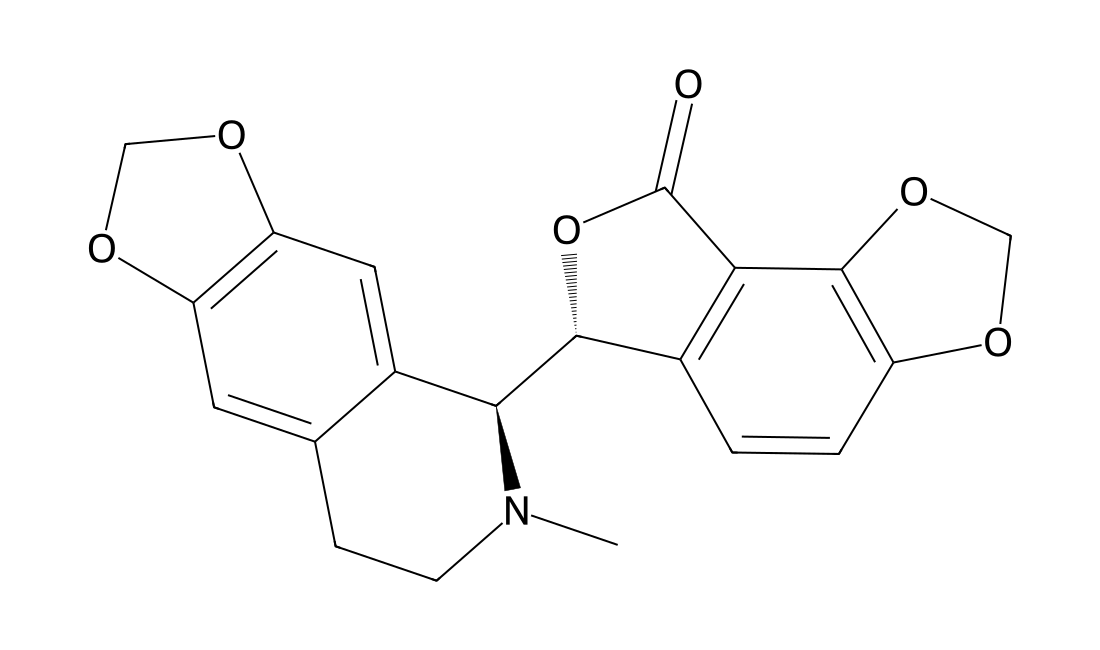
A selective protein phosphatase PHLPP inhibitor with IC50 of 4 uM for PP2C domain of PHLPP2; also inhibits PHLPP2, has no activities against other phosphatases; activates AKT and ameliorates staurosporine-induced cell death in neurons.

NSC45586 chemical structure
DC66716

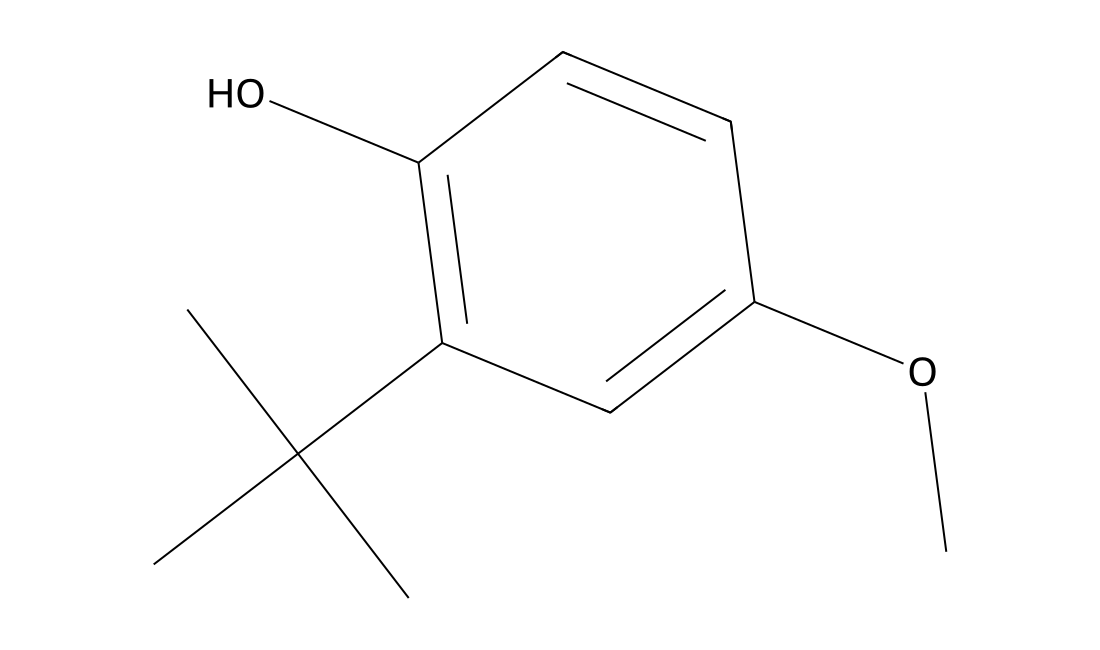
Butylhydroxyanisole

CAS 25013-16-5

Butylhydroxyanisole (Butylated hydroxyanisole) is an antioxidant used as a food additive preservative. Butylhydroxyanisole mediates liver toxicity, retardation in reproductive organ development and learning, and sleep deficit. Butylhydroxyanisole exerts neurotoxic effects and leads to disruption of the brain and nerve development. Butylhydroxyanisole is a ferroptosis inducer.

Butylhydroxyanisole chemical structure
DC33111

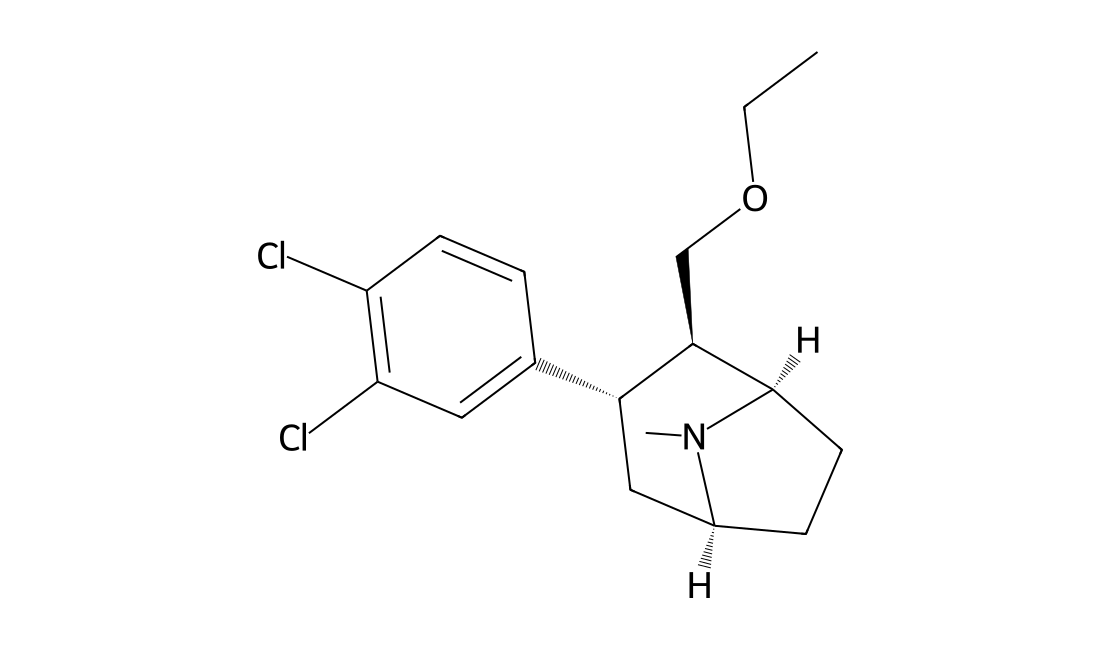
Tesofensine(NS-2330)

CAS 195875-84-4

Tesofensine (NS-2330) is a triple monoamine reuptake inhibitor inducing a potent inhibition of the re-uptake process in the synaptic cleft of the neurotransmitters dopamine (DA; IC50=6.5 nM), norepinephrine (NE;IC50=1.7 nM), and serotonin (5-HT;IC50=11 nM), and with potentials as an anti-obesity agent. Tesofensine is a CNS acting anti-obesity agent.

Tesofensine(NS-2330) chemical structure
DC29051

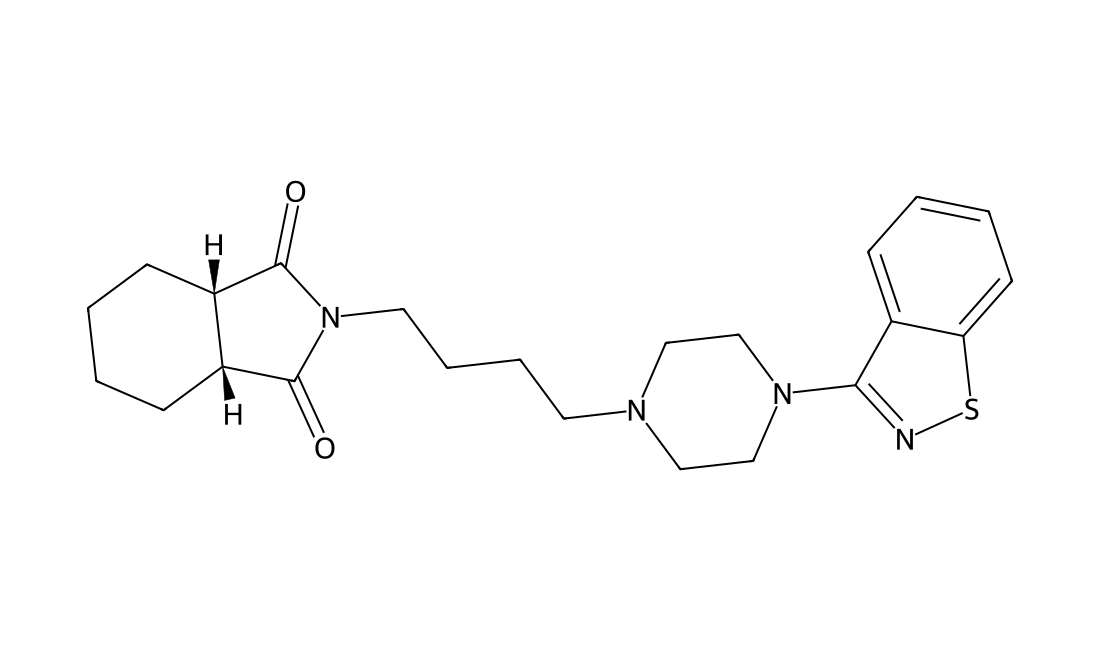
Perospirone

CAS 150915-41-6

Perospirone (SM-9018 free base) is an orally active antagonist of 5-HT2A receptor (Ki=0.6 nM) and dopamine D2 receptor (Ki=1.4 nM), and also a partial agonist of 5-HT1A receptor (Ki=2.9 nM). Perospirone is an atypical antipsychotic drug and has the potential for schizophrenic disease treatment.

Perospirone chemical structure
DC7245

SB 222200

CAS 174635-69-9

Potent and selective non-peptide NK3 receptor antagonist (Ki values are 4.4, > 100,000 and 250 nM For human NK3, NK1 and NK2 receptors respectively). Antihypertensive in vivo. Brain penetrant.For the detailed information of SB 222200, the solubility of SB 222200 in water, the solubility of SB 222200 in DMSO, the solubility of SB 222200 in PBS buffer, the animal experiment (test) of SB 222200, the cell expriment (test) of SB 222200, the in vivo, in vitro and clinical trial test of SB 222200, the EC50, IC50,and Affinity of SB 222200, Please contact DC Chemicals.

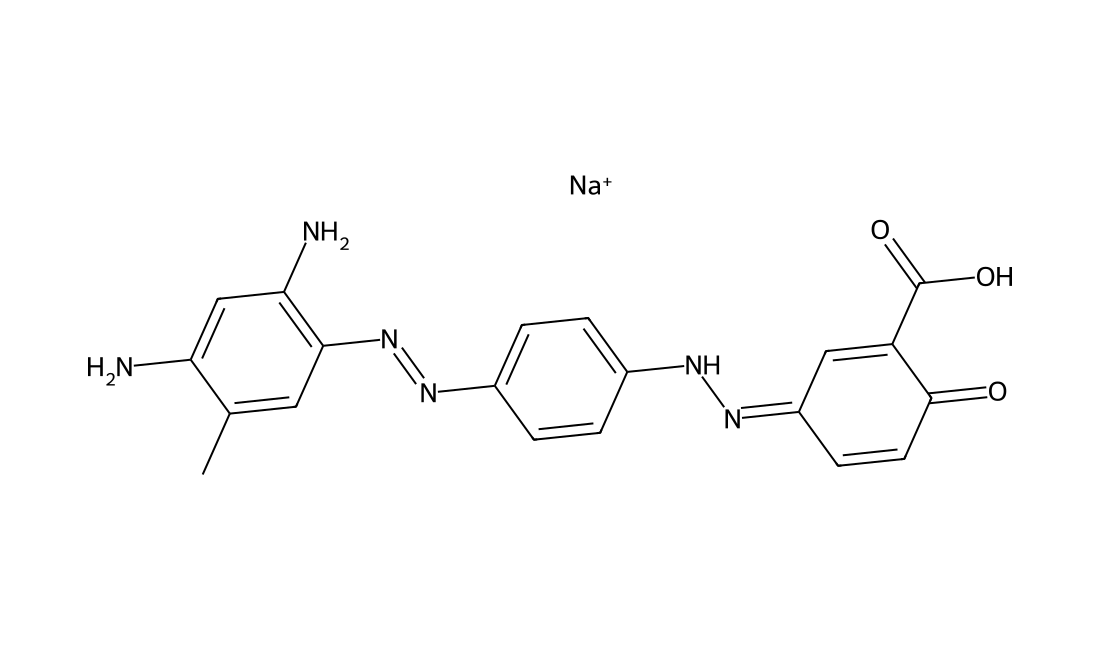
SB 222200 chemical structure
DC22900

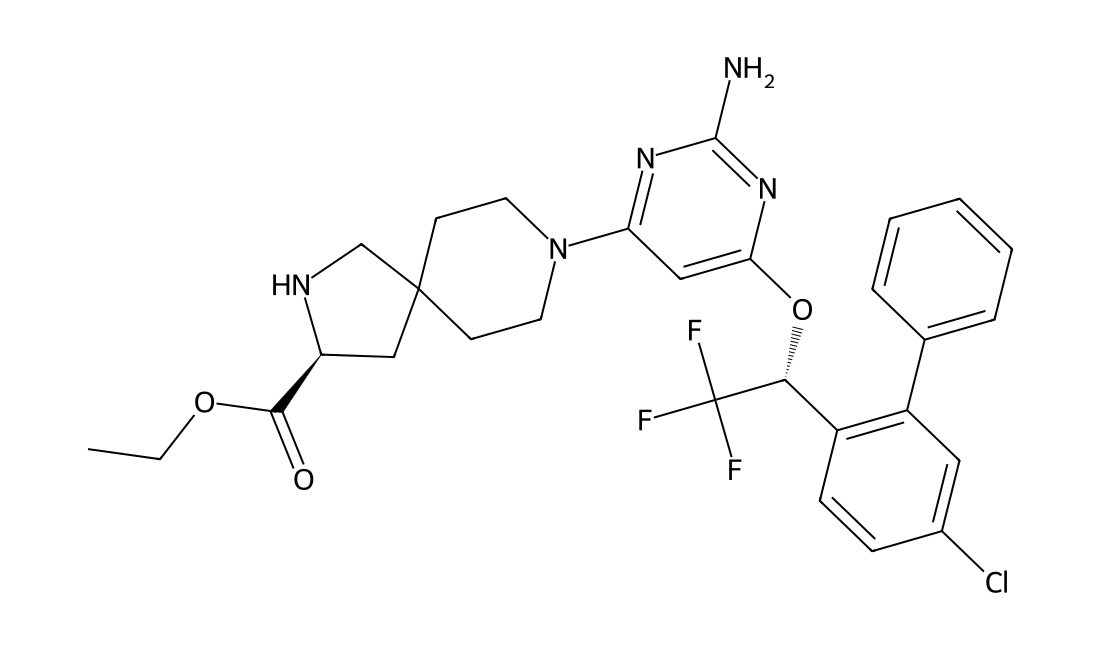
MLE-4901

CAS 941690-55-7

A potent, selective, orally active neurokinin 3 (NK3R) antagonist for the treatment of schizophrenia; demonstrates drug-like properties with low metabolic turnover rate in vitro and moderate human plasma protein binding.SchizophreniaPhase 2 Discontinued

MLE-4901 chemical structure
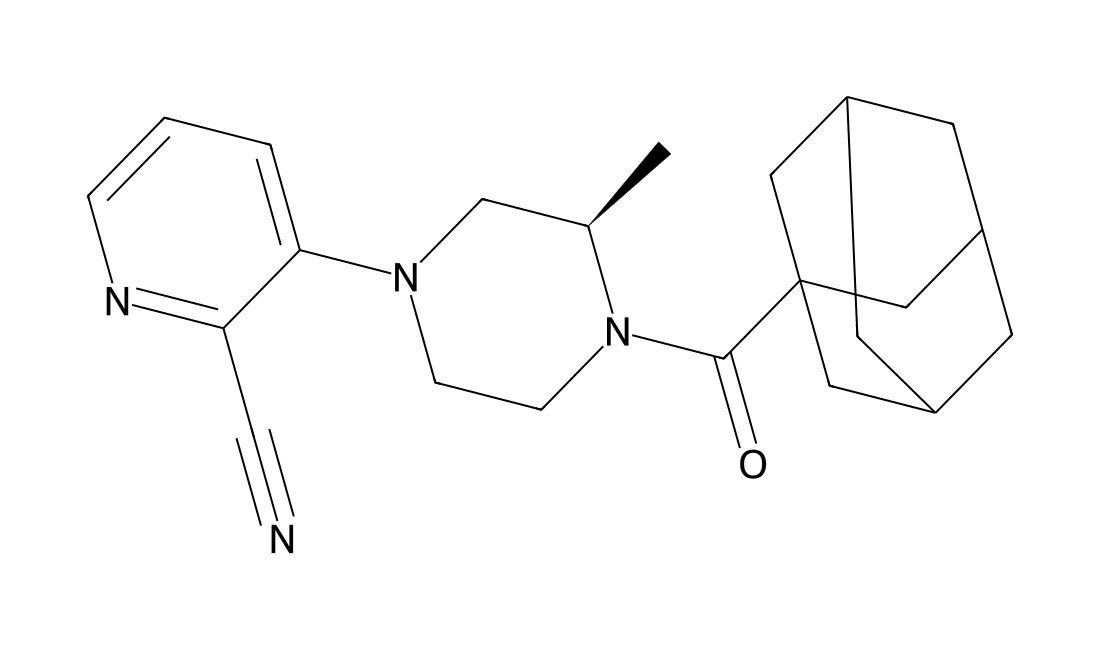
DC72873

MTK458

CAS 2499962-58-0

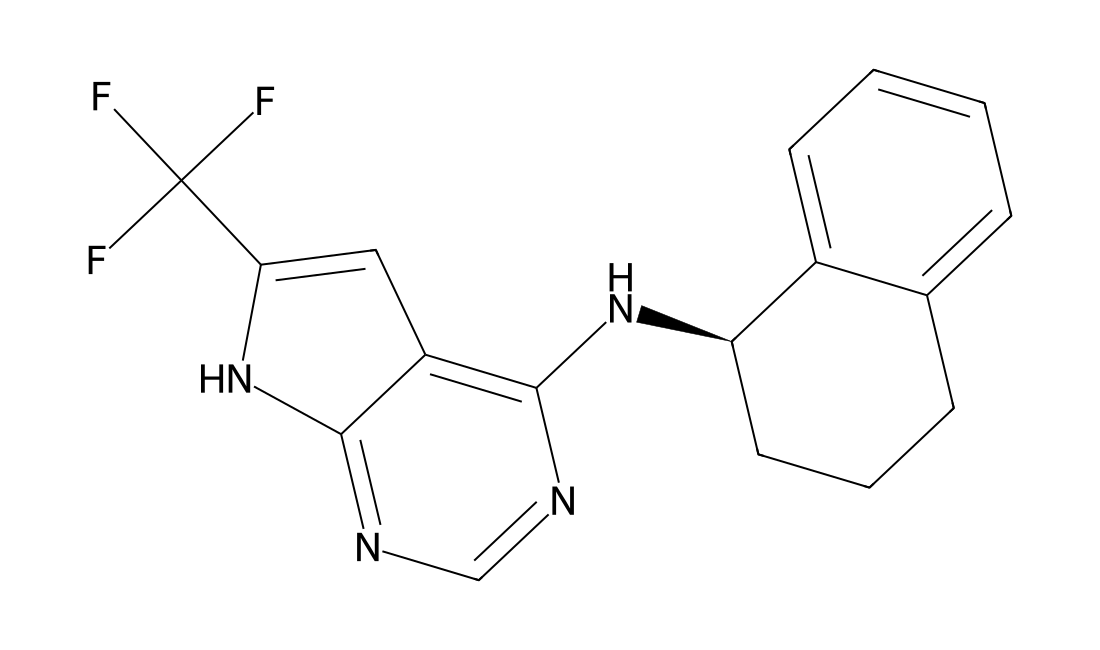
MTK458 (MTK-458) is a potent, selective and brain penetrant PINK1 activator, MTK-458 promotes the first step in mitophagy. MTK458 selectively activates PINK1 by stimulating dimerization and stabilization of the PINK1/TOM complex. MTK458 binds to PINK1 and stabilizes an active heterocomplex, thereby increasing mitophagy. MTK458 reduces the PINK1 substrate pS65-Ubiquitin (pUb) in primary neurons and in vivo. MTK458 drives clearance of pathologic α-synuclein in vitro and in vivo, decreases pS129 α-synuclein aggregates and normalized both brain and corresponding plasma pUb levels in both cellular and animal models of α-synuclein aggregation (PD-like pathology).

MTK458 chemical structure
DC67045

Solriamfetol

CAS 178429-62-4

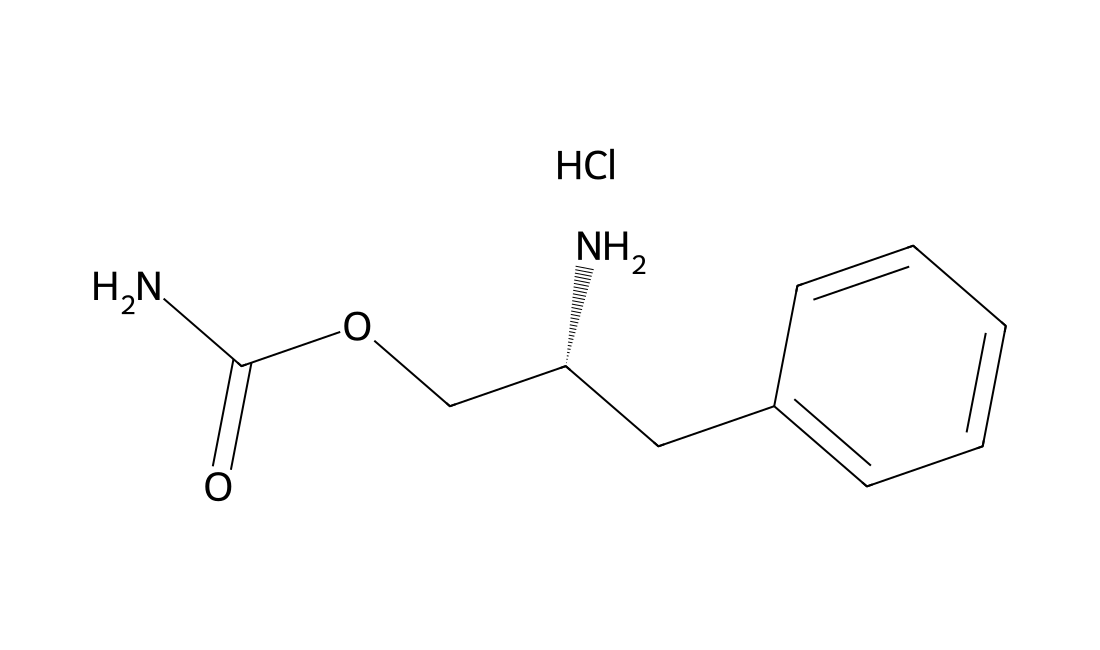
Solriamfetol (JZP-110) is a selective dopamine and norepinephrine reuptake inhibitor with robust wake-promoting effects. Solriamfetol binds to dopamine and norepinephrine transporters, so it can inhibit reuptake of dopamine and norepinephrine. Solriamfetol treatment significantly improves the ability to stay awake and subjective symptoms of excessive sleepiness in adults with narcolepsy.

Solriamfetol chemical structure
DC71747

Aripiprazole monohydrate

CAS 851220-85-4

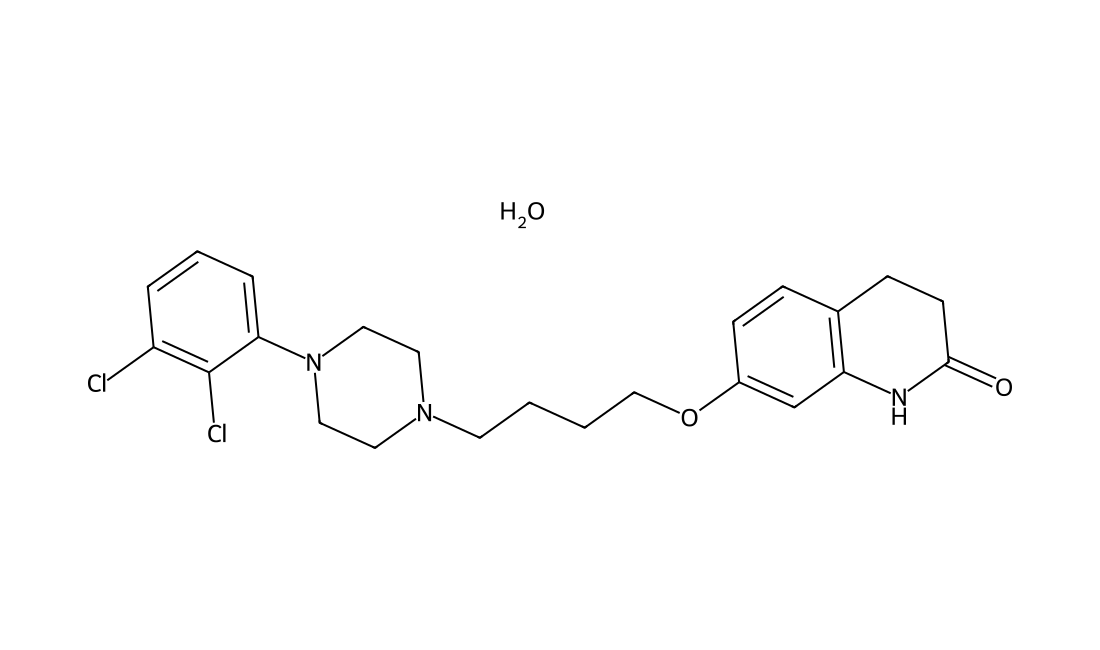
Aripiprazole (OPC-14597) monohydrate, an atypical antipsychotic, is a potent and high-affinity dopamine D2 receptor partial agonist. Aripiprazole monohydrate is an inverse agonist at 5-HT2B and 5-HT2A receptors and displays partial agonist actions at 5-HT1A, 5-HT2C, D3, and D4 receptors. Aripiprazole monohydrate can be used for the research of schizophrenia and COVID19.

Aripiprazole monohydrate chemical structure
DC12275

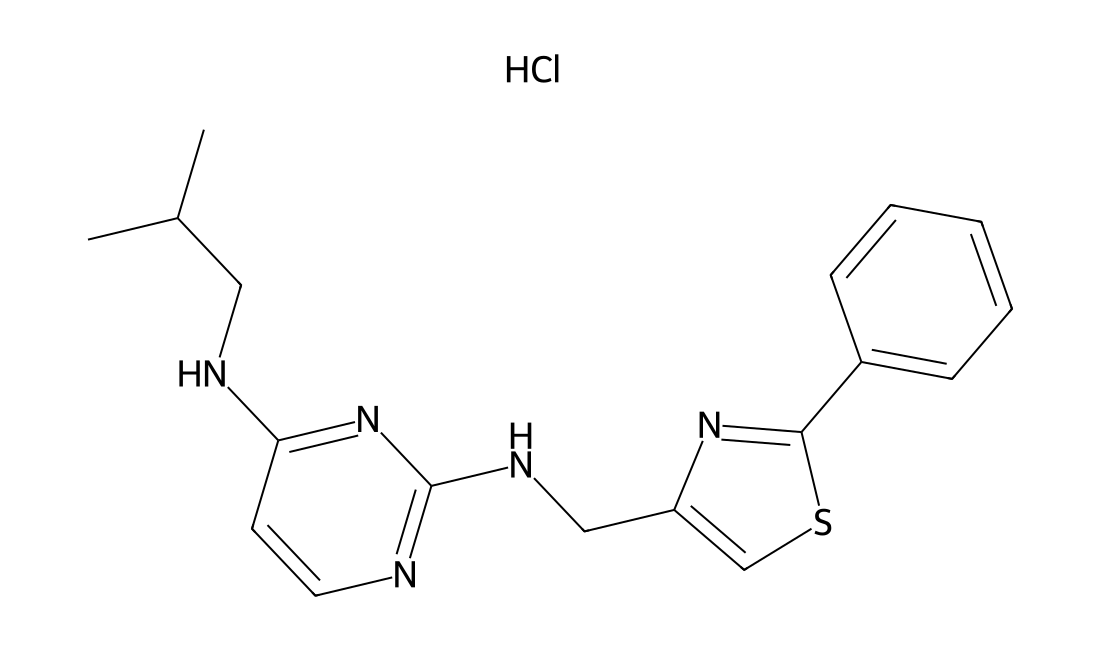
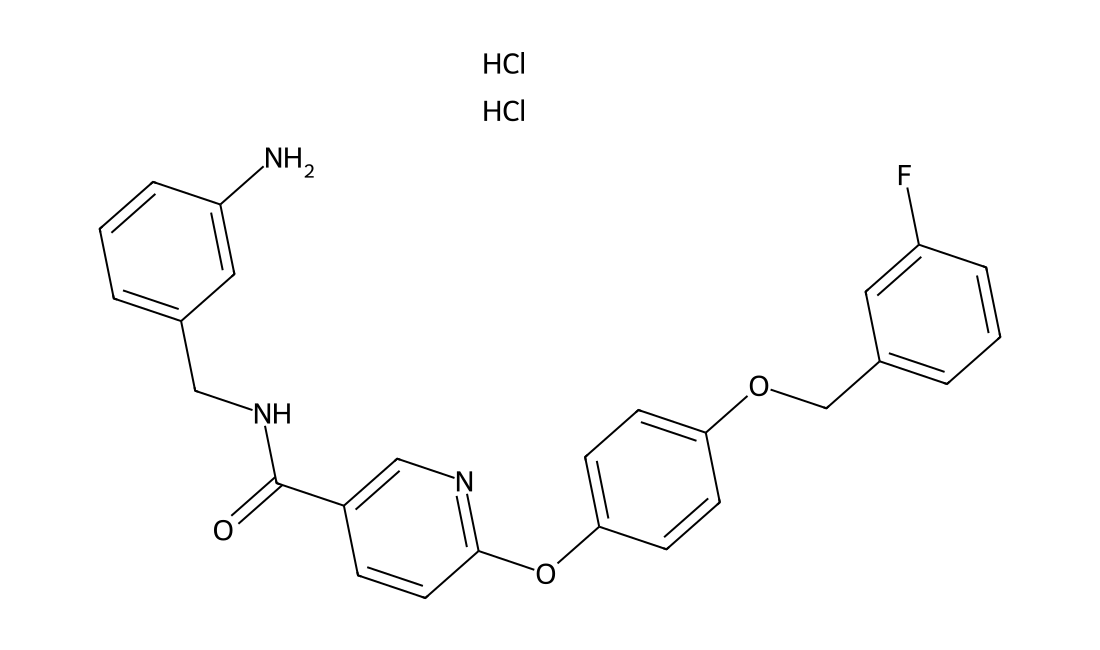
KHS101 hydrochloride

CAS 1784282-12-7

In Vitro KHS101 increases neuronal differentiation of adherently cultured rat NPCs in a dose-dependent fashion (EC50 ~1 μM). KHS101-induced neuron formation (40-60% TuJ1+ cells at 1.5–5 μM KHS101) is also observed under neurosphere-forming conditions in secondary neurospheres derived from both the hippocampus and the subventricular zone (SVZ) of adult rats. Moreover, hippocampal NPCs treated with KHS101 and cultured adherently on microelectrode arrays for 12 d exhibit neuronal morphologies as well as spontaneous spiking activity, hence indicating the presence of functional, maturing neurons. KHS101 markedly attenuates tumor cell growth as compared to the cells treated with the vehicle [dimethyl sulfoxide (DMSO)]. TACC3 is a known target of KHS101 in rodent neural progenitor cells. KHS101 has been shown to cause cellular destabilization of TACC3, hence reducing endogenous TACC3 protein levels over time. In Vivo Tumor cell proliferation is markedly reduced in KHS101-treated tumors (about twofold). KHS101-treated tumors show signs of elevated cell death (reduced cellularity/increased pyknosis) compared with tumors treated with vehicle control. KHS101 treatment markedly reduces both frontal-to-caudal tumor expansion and corpus callosum invasion of vimentin-positive GBM1 cells. It is also found that the survival of animals carrying GBMX1 tumors (established 2 or 6 weeks before treatment) is markedly increased by the KHS101 treatment regimen for 10 weeks. None of the mice have to be removed from the study because of adverse side effects of the treatment. An additional experiment using a continuous KHS101 treatment regimen until the experimental endpoints also shows a marked increase in the survival of GBMX1-bearing animals. Histological endpoint analysis of KHS101- and vehicle-treated animals confirms a significantly decreased tumor size in KHS101-treated mice.

KHS101 hydrochloride chemical structure
DC22515

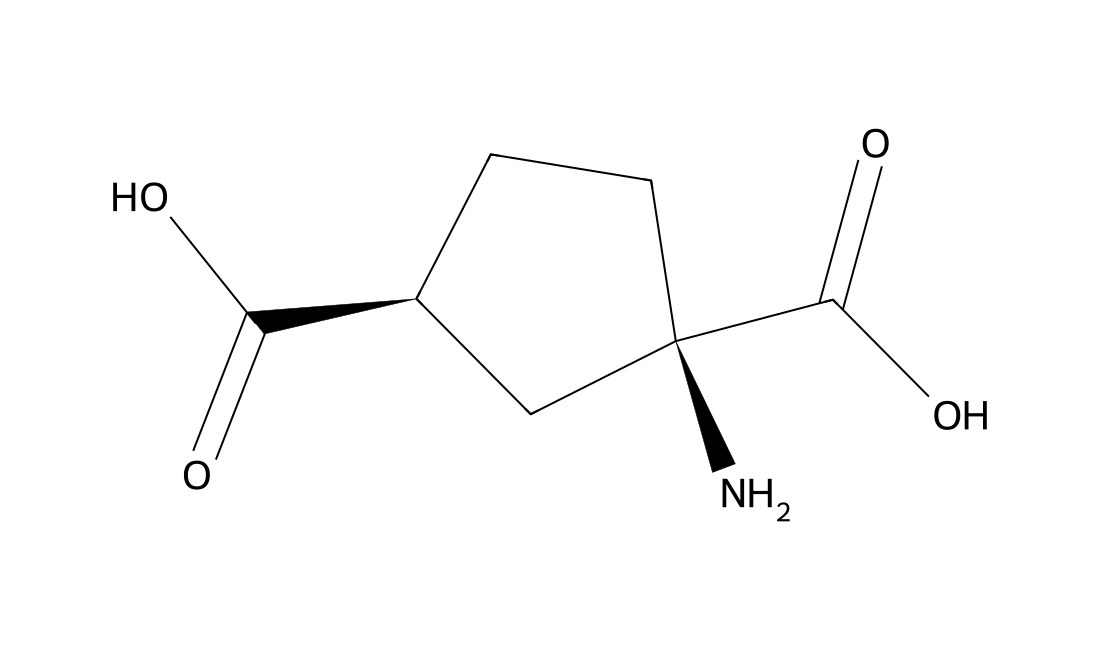
Trans-ACPD

CAS 67684-64-4

A equimolecular mixture of (1S,3R)- and (1R,3S)-ACPD; selective agonist for metabotropic glutamate receptors; active at both group I and group II mGlu receptors (EC50 values are 2, 15, 23 and ~800 uM at mGluR2, mGluR1, mGluR5 and mGluR4 respectively).

Trans-ACPD chemical structure
DC24055

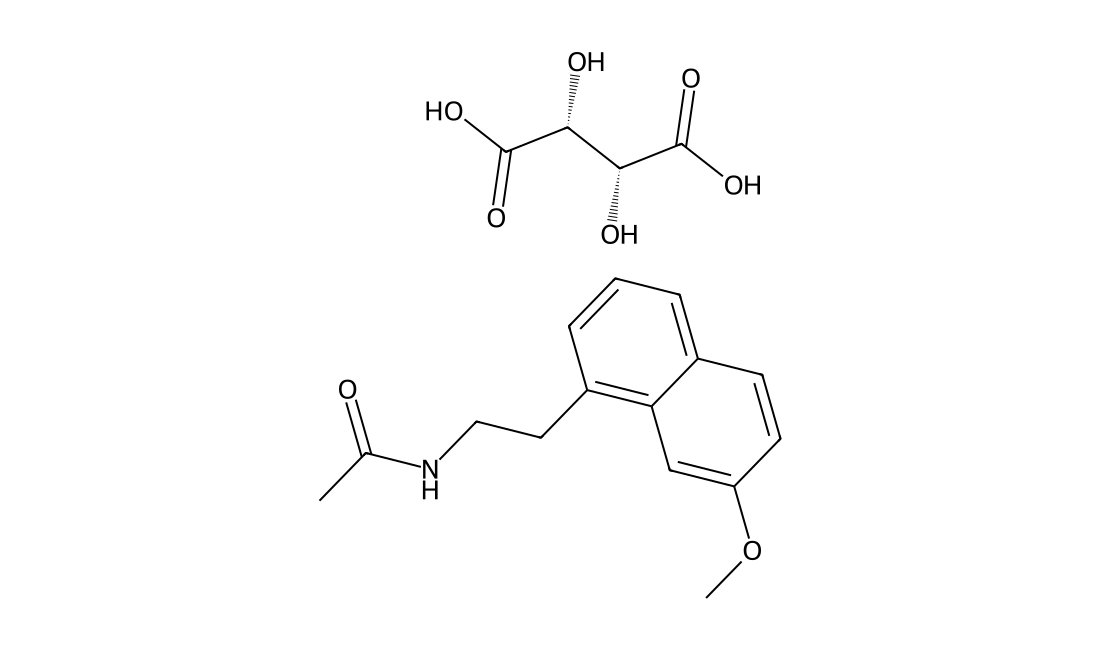
Agomelatine L(+)-Tartaric acid

CAS 824393-18-2

A melatonin receptor agonist of MT1 (Ki=0.1nM) and MT2 (Ki=0.12nM), and a 5-HT2C (Ki=631nM) receptor antagonist; has no effect on monoamine uptake and no affinity for adrenergic, histaminergic, cholinergic, dopaminergic and benzodiazepine receptors, nor other serotonergic receptors; a melatonergic antidepressant treatment of major depressive disorder with relatively favorable side effect profile. Depression Approved

Agomelatine L(+)-Tartaric acid chemical structure
DC23899

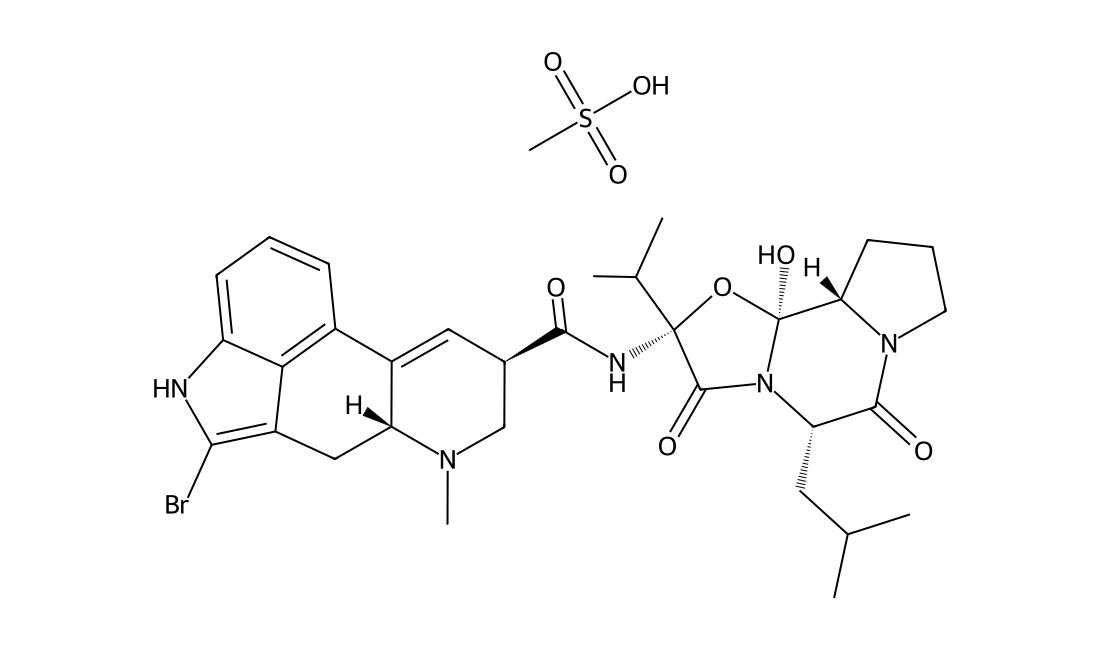
Bromocriptine mesylate

CAS 22260-51-1

Bromocriptine (CB-154) is a dopamine D2 receptor agonist (Ki=3 nM) and and various serotonin receptors, also inhibits the release of glutamate by reversing the glutamate GLT1 transporter; decreases body fat in animal and human models and increases lean muscle mass, improves glucose intolerance and insulin resistance, and reduces triglycerides and free fatty acids; also induces apoptosis and decreases colony formation in AML cells, shows synergy with standard agents and selectivity for the leukemic cell; reduces hyperphagia and adiposity in rats with diet-induced obesity.DiabetesApproved

Bromocriptine mesylate chemical structure
DC12414

ZLc002

CAS 308277-46-5

ZLc002 (ZLc-002) is a putative small-molecule inhibitor of nNOS interaction with NOS1AP, disrupts neuronal nitric oxide synthase-NOS1AP interaction in intact cells; exhibits anxiolytic-like efficacy in a mouse model of chronic mild stress without altering appetite, general activity, or locomotor activity or interfering with the resting potential of neurons, also inhibits co-immunoprecipitation of NOS1AP with nNOS in hippocampal cells; suppresses inflammatory nociception and chemotherapy-induced neuropathic pain and synergizes with paclitaxel to reduce tumor cell viability; suppresses formalin-evoked inflammatory pain in rats and reduced Fos protein-like immunoreactivity in the lumbar spinal dorsal horn (4-10 mg/kg i.p.).

ZLc002 chemical structure
DC65885

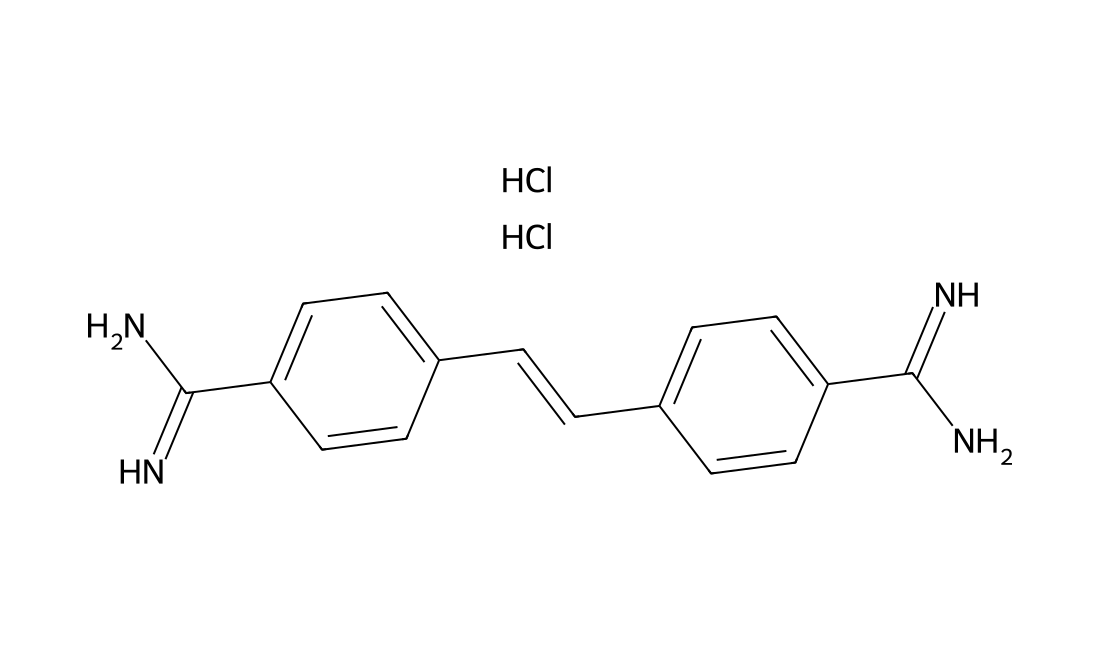
Stilbamidine dihydrochloride

CAS 6935-63-3

Stilbamidine dihydrochloride is a blocker of neuromuscular transmission and axonal conduction. It is used to study the distribution of the drug in the organs and tissues of rats following intravenous injection.

Stilbamidine dihydrochloride chemical structure
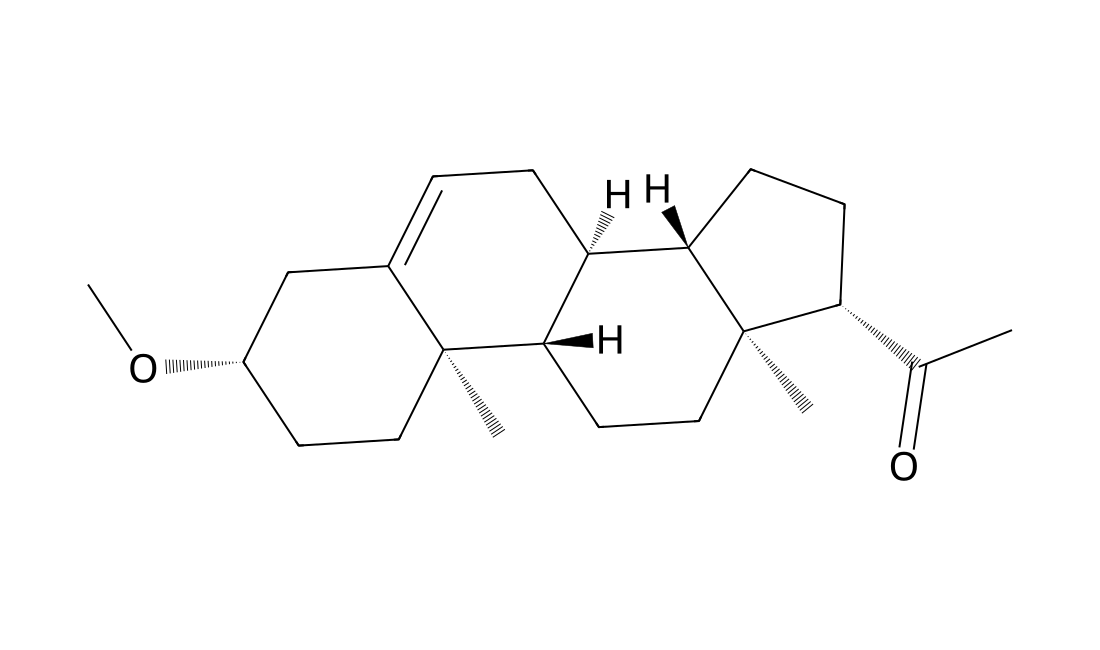
DC40078

MAP4343

CAS 511-26-2

MAP4343 is the 3-methylether derivative of Pregnenolone. MAP4343 binds in vitro to microtubule-associated protein 2 (MAP2), stimulates the polymerization of tubulin, enhances the extension of neurites and protects neurons against neurotoxic agents.

MAP4343 chemical structure
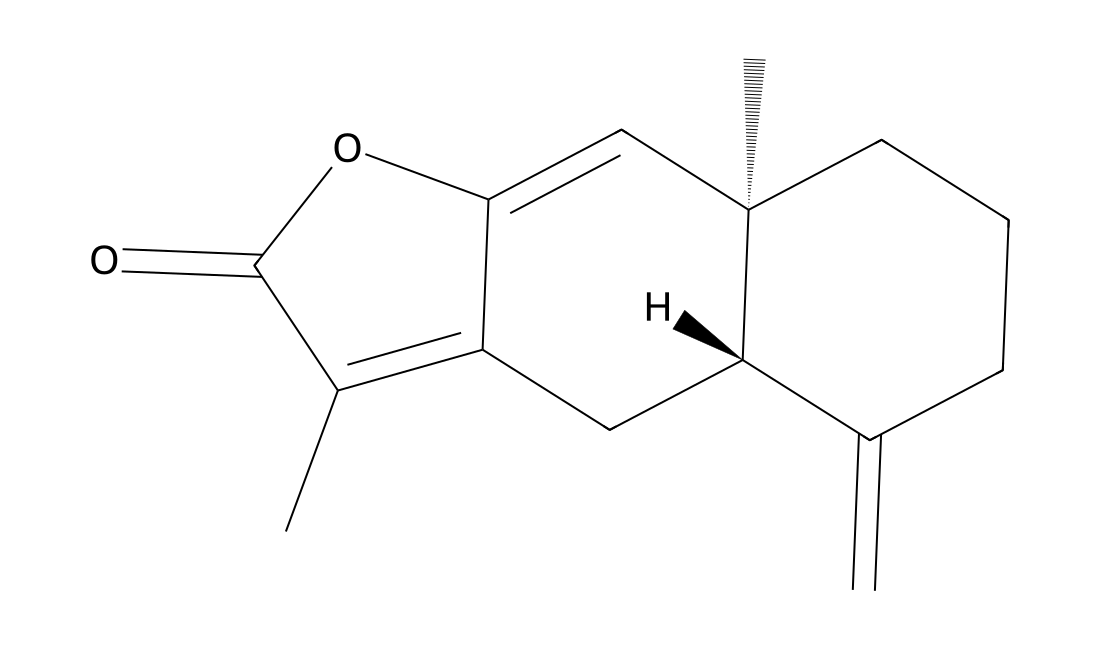
DC22287

Atractylenolide I

CAS 73069-13-3

Atractylenolide I is a sesquiterpene derived from the rhizome of Atractylodes macrocephala, possesses diverse bioactivities, such as neuroprotective, anti-allergic, anti-inflammatory and anticancer properties. Atractylenolide I reduces protein levels of phosphorylated JAK2 and STAT3 in A375 cells, and acts as a TLR4-antagonizing agent.

Atractylenolide I chemical structure
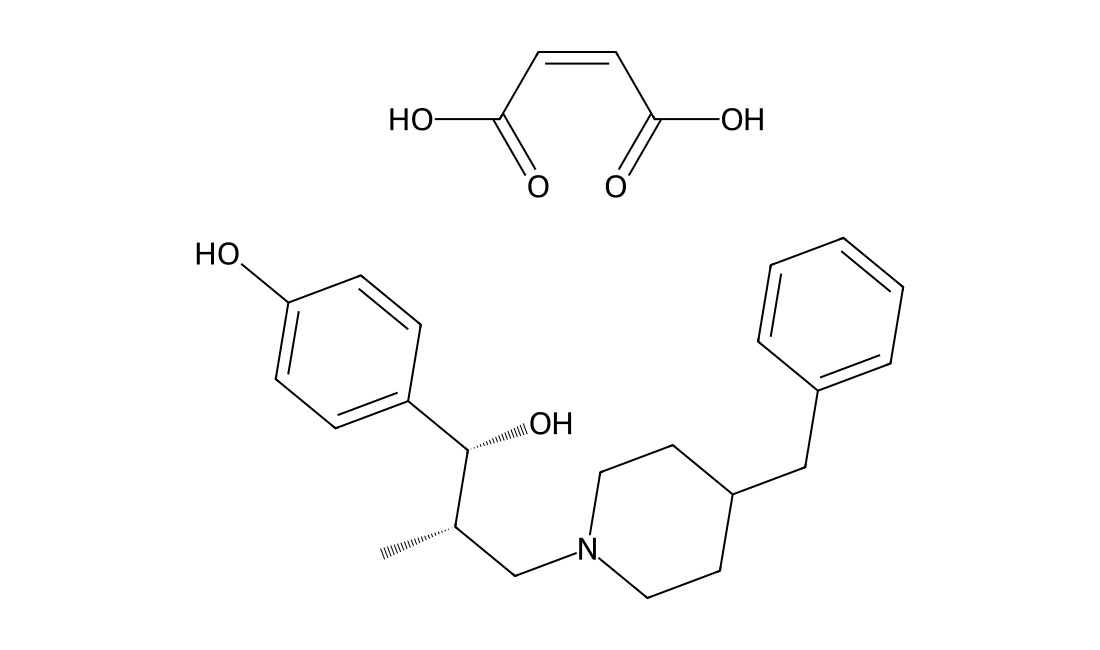
DC9852

Ro 25-6981 maleate

CAS 1312991-76-6

Ro 25-6981 Maleate is a potent and selective activity-dependent blocker of NMDA receptors containing the NR2B subunit. IC50 values are 0.009 and 52 μM for cloned receptor subunit combinations NR1C/NR2B and NR1C/NR2A respectively.

Ro 25-6981 maleate chemical structure
DC7148

LY 379268

CAS 191471-52-0

Highly selective group II mGlu receptor agonist (EC50 values are 2.69 and 4.48 nM For hmGlu2 and hmGlu3 respectively) that displays > 80-fold selectivity over group I and group III receptors. Provides protection against NMDA-mediated cell death in vitro and offers almost complete protection against CA1 hippocampal damage following global ischemia in gerbils. Orally and systemically active. For the detailed information of LY379268, the solubility of LY379268 in water, the solubility of LY379268 in DMSO, the solubility of LY379268 in PBS buffer, the animal experiment (test) of LY379268, the cell expriment (test) of LY379268, the in vivo, in vitro and clinical trial test of LY379268, the EC50, IC50,and Affinity of LY379268, Please contact DC Chemicals.
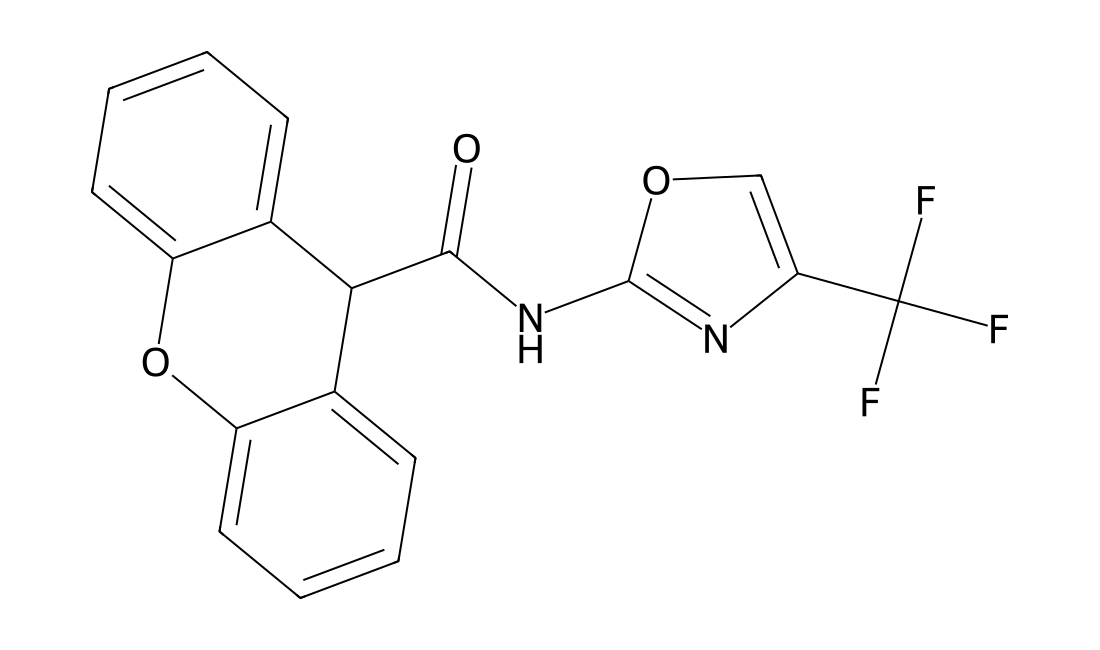
LY 379268 chemical structure
DC28200

LY367385

CAS 198419-91-9

LY367385 is a highly potent and selective mGluR1a antagonist. LY367385 has an IC50 of 8.8 μM for inhibits of quisqualate-induced phosphoinositide (PI) hydrolysis, compared with > 100 μM for mGlu5a. LY367385 has neuroprotective, anticonvulsant and antiepileptic effects[1][2].

LY367385 chemical structure
DC50090

SEP-363856 (hydrochloride)

CAS 1310422-41-3

SEP-363856 hydrochloride (SEP-856 hydrochloride), an orally active and CNS active psychotropic agent with a unique, non-D2/5-HT2A mechanism of action, exerts its antipsychotic-like effects. SEP-363856 hydrochloride (SEP-856 hydrochloride) has the potential for the study of schizophrenia.
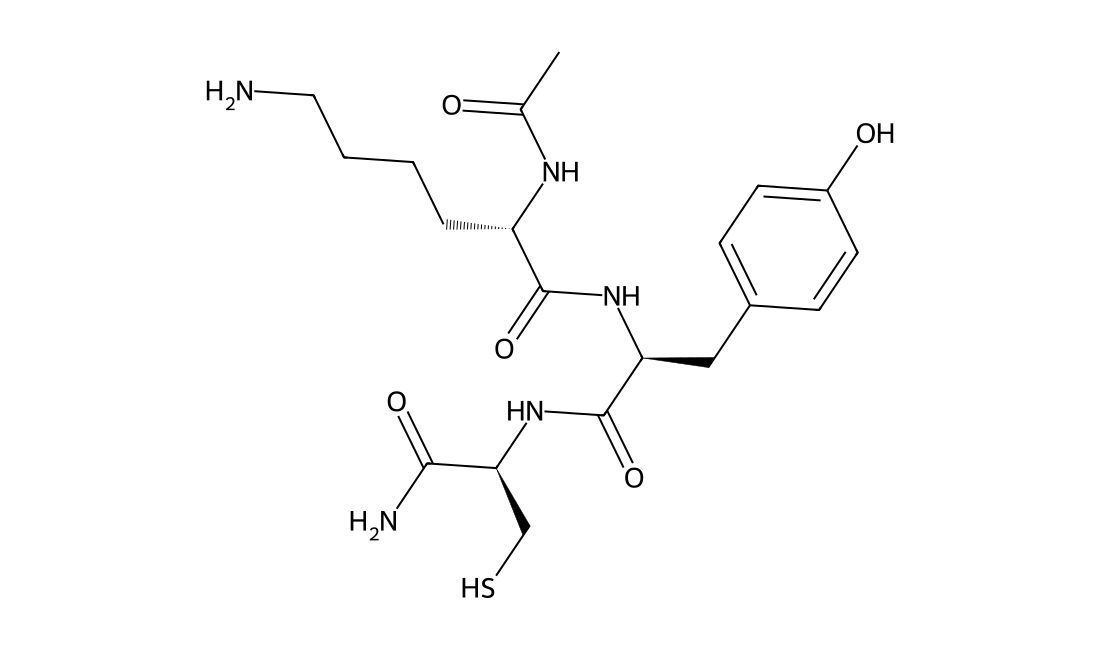
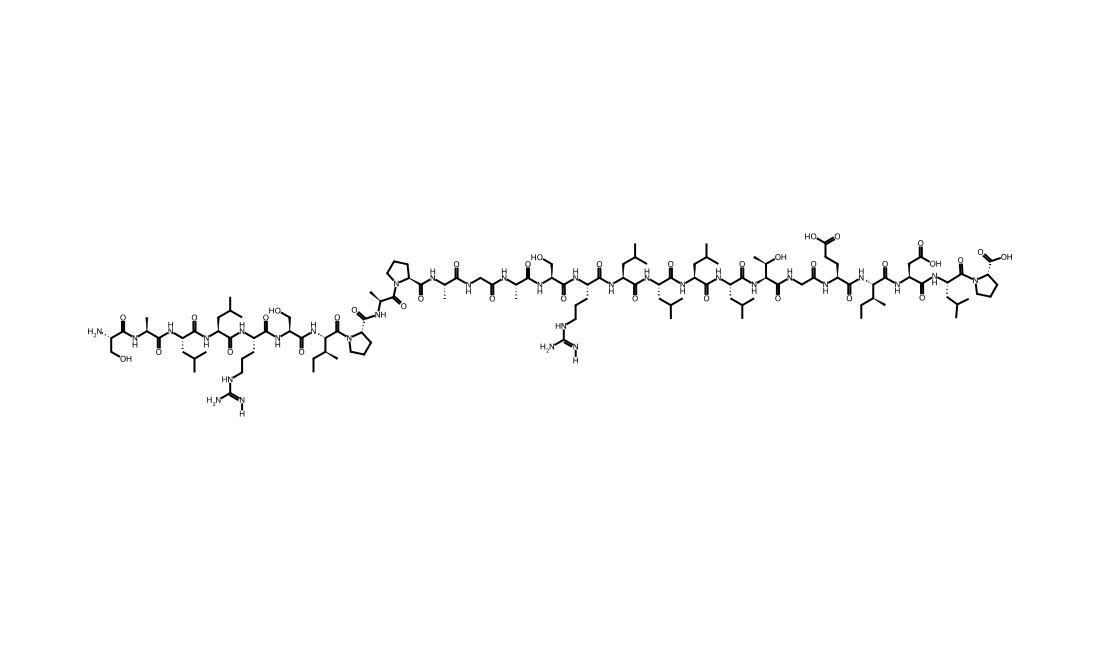
SEP-363856 (hydrochloride) chemical structure
DC21358

N-acetyl lysyltyrosylcysteine amide

CAS 1287585-40-3

N-acetyl lysyltyrosylcysteine amide (KYC) is a potent, tripeptide inhibitor of myeloperoxidase (MPO), inhibits MPO-mediated hypochlorous acid (HOCl) formation (IC50=7 uM) and nitration/oxidation of LDL; completely inhibits HOCl production at 25 uM, decreases vascular oxidative stress and increases vasodilatation in sickle cell disease mice; reduces oxidative stress-mediated inflammation, neuronal damage, and neural stem cell injury in murine model of stroke.

N-acetyl lysyltyrosylcysteine amide chemical structure
DC36237

Afobazol HCl

CAS 173352-39-1

Afobazol HCl(CM346 HCl) is an anxiolytic drug; produces anxiolytic and neuroprotective effects without any sedative or muscle relaxant actions.anxiolytic agent Afobazole's mechanism of action remains poorly defined however, with GABAergic, NGF and BDNF release promoting, MT1 receptor antagonism, MT3 receptor antagonism, and sigma agonism suggested as potential mechanisms. Afobazole was shown to inhibit MAO-A reversibly and there might be also some involvement with serotonin receptors. Afobazole has found little clinical use outside of Russia and has not been evaluated by the FDA.

Afobazol HCl chemical structure
DC32995

SCH 23390 maleate

CAS 87134-87-0

SCH-23390 maleate (R-(+)-SCH-23390 maleate) is a potent and selective dopamine D1-like receptor antagonist with Kis of 0.2 nM and 0.3 nM for the D1 and D5 receptor, respectively. SCH-23390 maleate is a potent and high efficacy human 5-HT2C receptor agonist with a Ki of 9.3 nM. SCH-23390 maleate also binds with high affinity to the 5-HT2 and 5-HT1C receptors. SCH-23390 maleate inhibits G protein-coupled inwardly rectifying potassium (GIRK) channels with an IC50 of 268 nM[1][2][3].

SCH 23390 maleate chemical structure
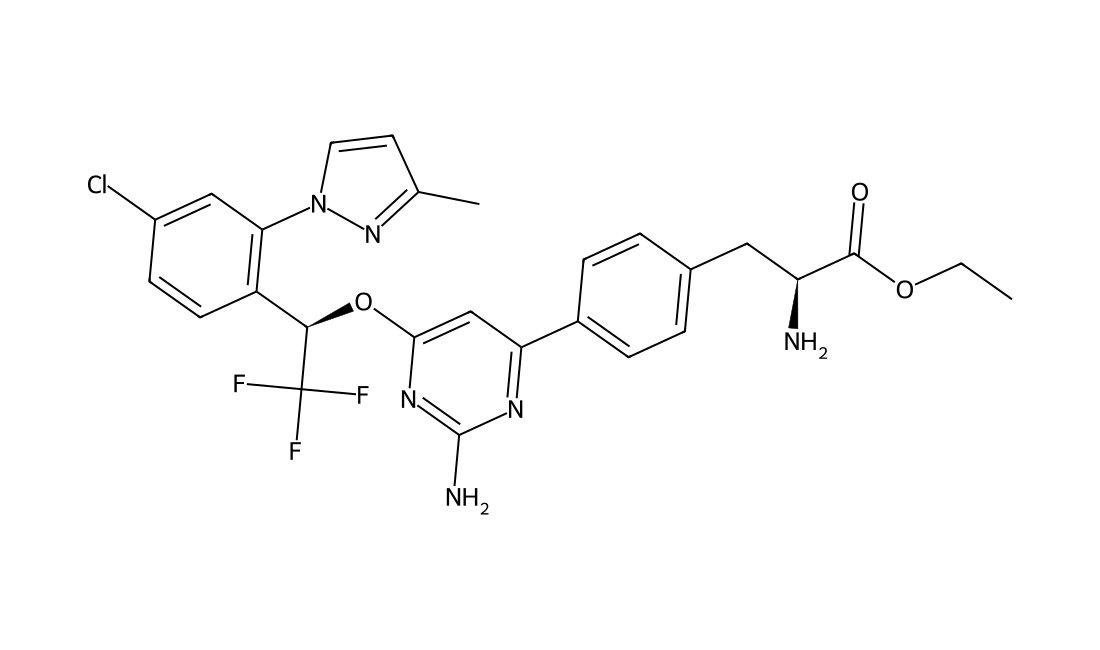
DC21199

KAR-5585

CAS 1673571-51-1

KAR-5585 (Rodatristat) is the prodrug of the potent TPH1 inhibitor KAR5417, shows robust reduction of intestinal serotonin (5-HT) levels in mice; generates high and sustained systemic exposure of the active parent KAR5417 in rats and dogs; orally bioavailable. Hypertension Phase 1 Clinical

KAR-5585 chemical structure
DC9244

LX-1606

CAS 1033805-22-9

Telotristat ethyl (LX1606) is a novel, orally-delivered inhibitor of tryptophan hydroxylase that reduces serotonin production.

LX-1606 chemical structure
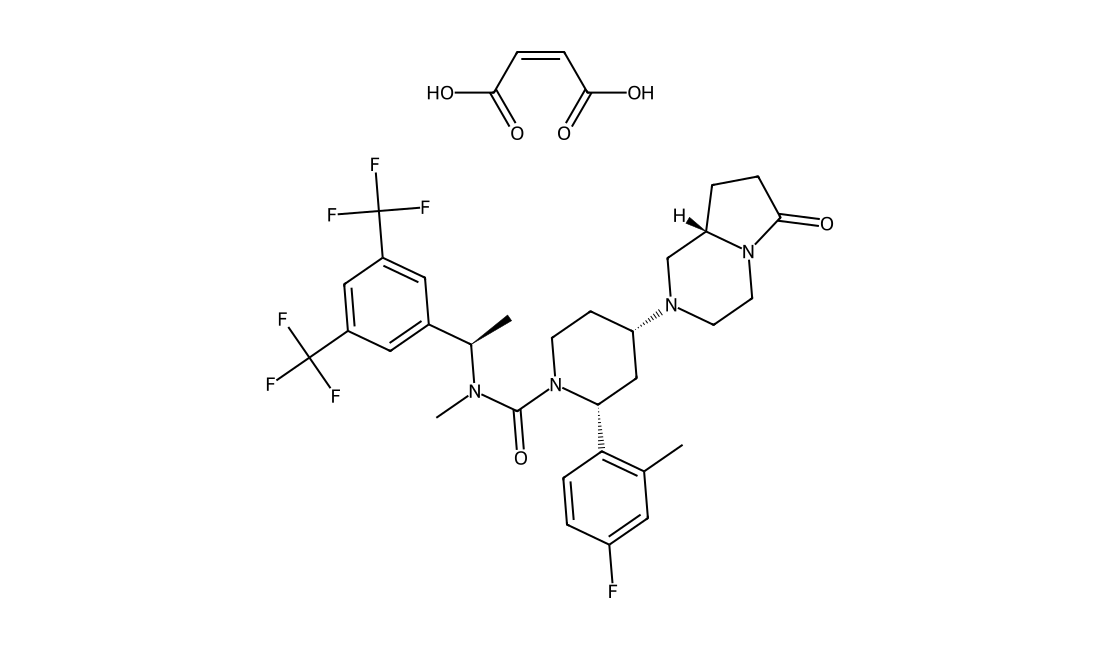
DC28435

Orvepitant maleate

CAS 579475-24-4

Orvepitant maleate (GW823296 maleate) is potent, selective, orally active and well-tolerated neurokinin-1 receptor (NK-1) antagonist with a pKi of 10.2 for human neurokinin-1 receptor. Orvepitant maleate can across the blood-brain barrier. Orvepitant maleate has the potential for depressive disorder and chronic refractory cough (CRC) treatment.

Orvepitant maleate chemical structure
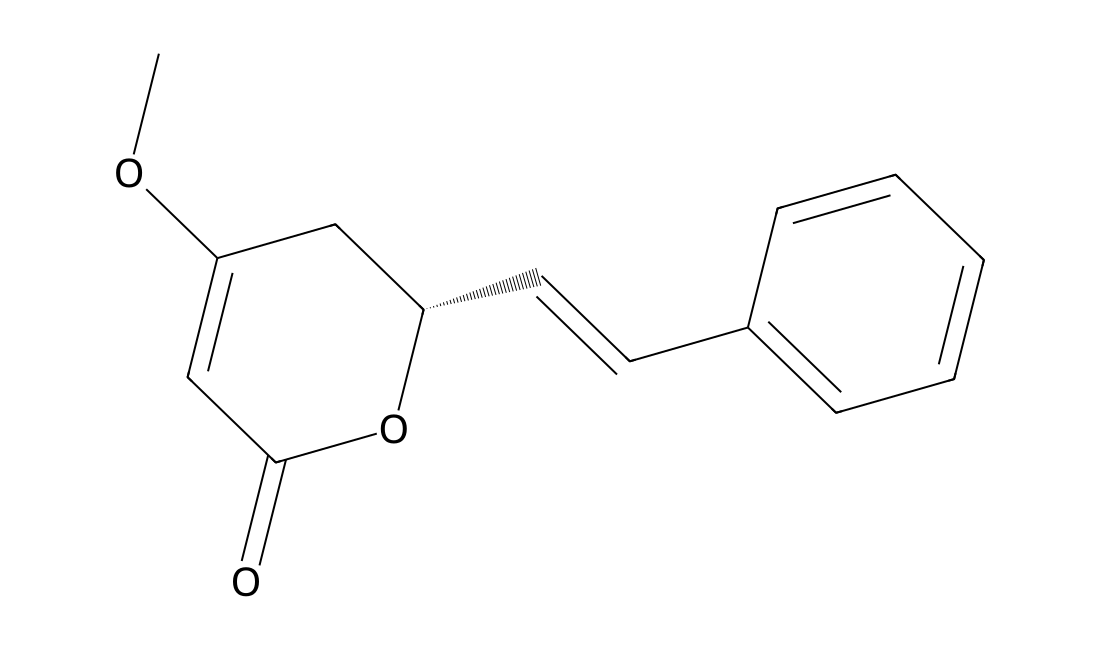
DC20149

(+)-Kavain

CAS 500-64-1

In Vitro (+)-Kavain (10-300 μM) enhances GABA-elicited responses in a concentration-dependent manner. The modulatory effect of Kavain is moderate, with only 170±23% of enhancement measured at 300 μM[2]. (+)-Kavain inhibits TNF-α secretion in cells via suppression of LITAF.

(+)-Kavain chemical structure
DC22403

Casopitant mesylate

CAS 414910-30-8

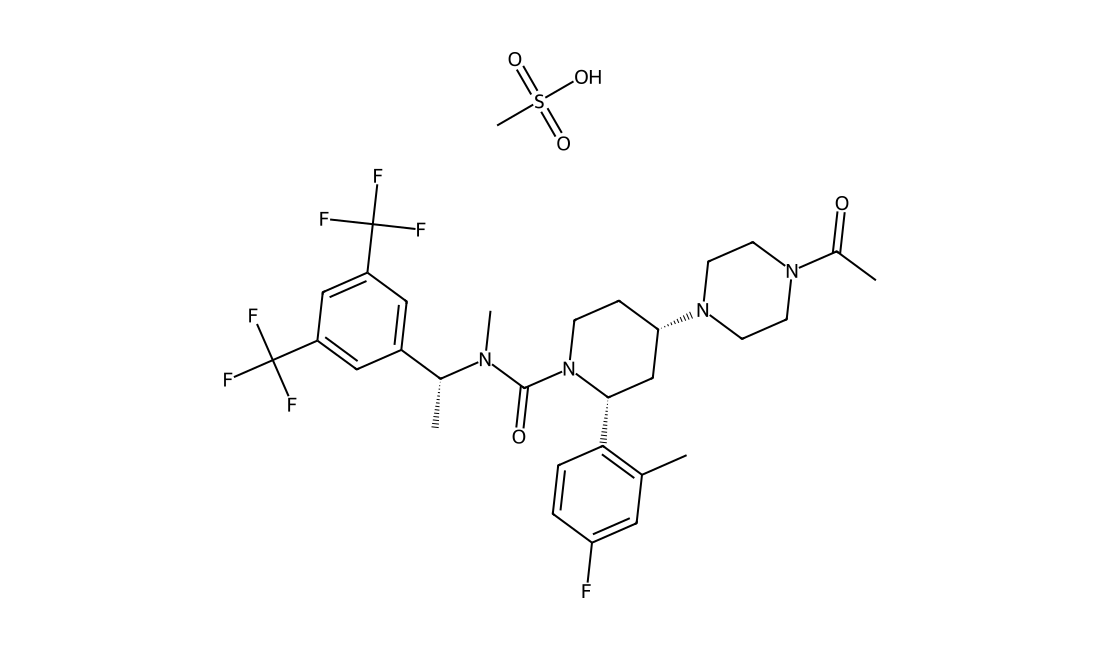
Casopitant (GW679769) is a potent, centrally-acting neurokinin 1 (NK1) receptor antagonist (pKi=9.48) with antidepressant and antiemetic activities; demonstrates potential for treatment of chemotherapy-induced nausea and vomiting (CINV).Chemotherapeutic AgentsPhase 2 Discontinued

Casopitant mesylate chemical structure
DC65650

Vialox

CAS 135679-88-8

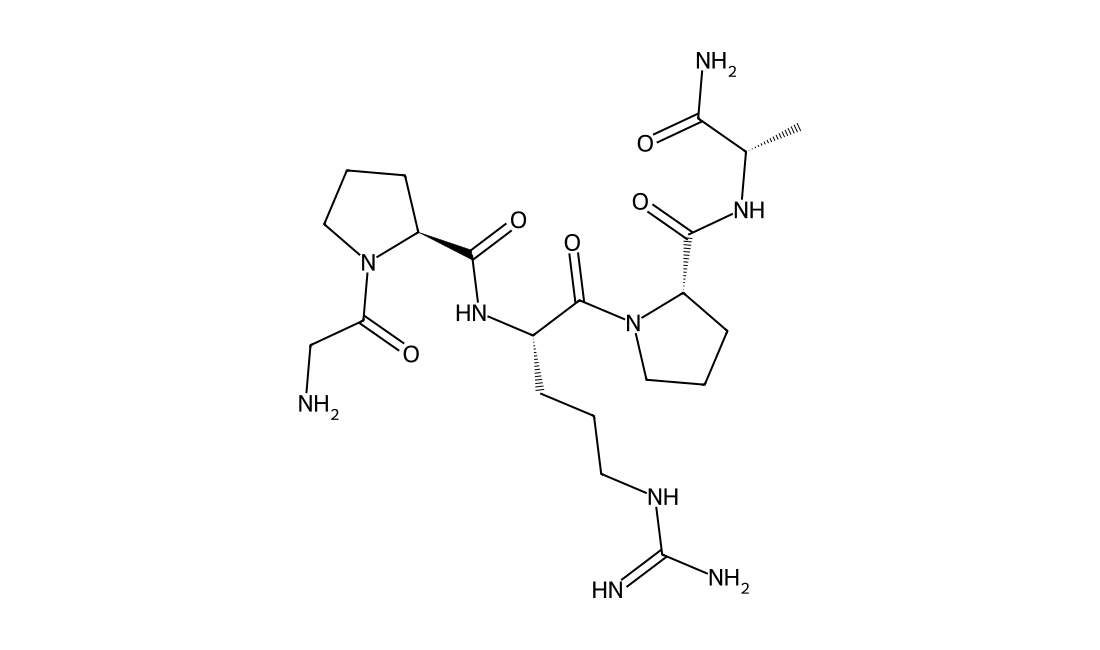
Pentapeptide-3 is a pentapeptide fragment of neurotoxin waglerin-1 from the venom of Temple Viper. Pentapeptide-3 is a competitive antagonist of nicotinic acetylcholine receptors (nAChRs), it can blocks nerves at the post-synaptic membrane. Pentapeptide-3 has anti-aging effects and it can be used together with other cosmetic peptides.

Vialox chemical structure
DC32010

Alarelin Acetate

CAS 79561-22-1

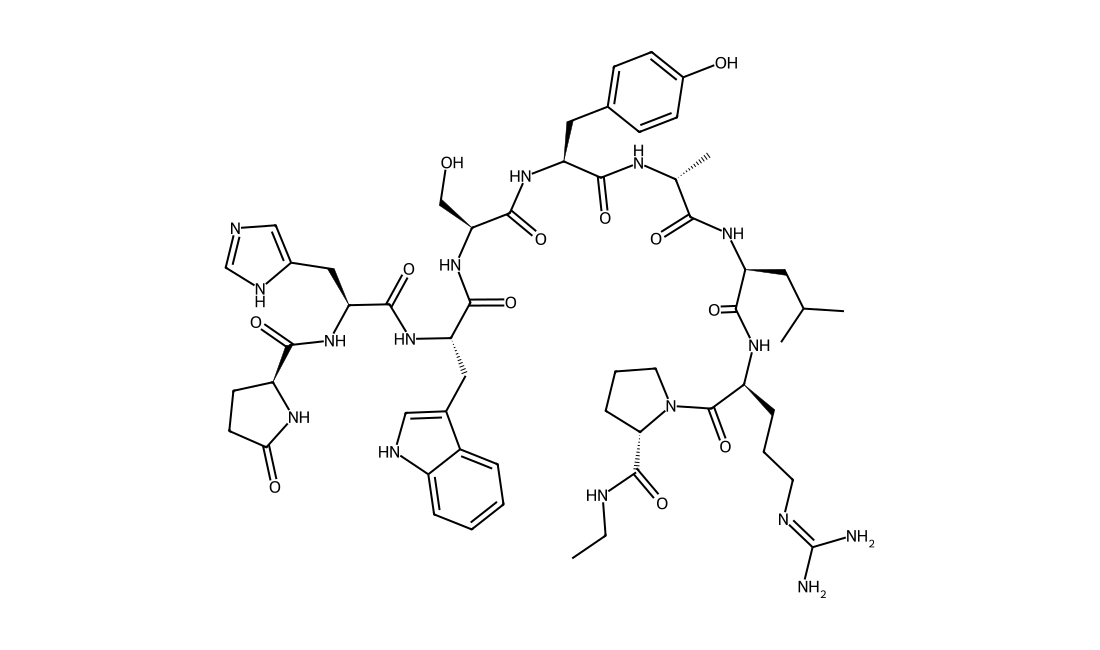
Alarelin is a potent LH-RH agonist in rats and mice. Alarelin reversibly delays sexual maturation in rats, stimulates spawning activity in fish. GnRH ( gonadotropin-releasing hormone, Glp-His-Trp-Ser-Tyr-Gly-Leu-Arg-Pro-Gly-NH2), which is also referred as LHRH (luteinizing hormone-releasing hormone) or gonadorelin, is crucial for mammalian reproduction and is released from hypothalamic neurons. It is responsible for the secretion of gonadotropins, luteinizing hormone (LH) and follicle-stimulating hormone (FSH), from the pituitary glands.

Alarelin Acetate chemical structure
Browse target & topic index A–Z (366)
11β-HSD (1)15-PGDH (2)5-HT Receptor (16)Acetyl-CoA Carboxylase (ACC) (3)Acetylcholinesterase (AChE) (2)Ack1 (TNK2) (1)Acyltransferase (1)ADC Cytotoxin (6)ADCs Linker/Click Chemistry (5)Adenosine Receptor (9)Adenylate Cyclase (2)Adrenergic Receptor (11)Akt (12)Alcoholism (2)Aldehyde Dehydrogenase (ALDH) (6)Allergy (5)Alzheimer Disease (13)Aminopeptidase (1)AMPK (8)Amyloids (4)Anaplastic Lymphoma Kinase (ALK) (9)Androgen Receptor (AR) (11)Anemia (4)Angiotensin Receptor (4)Antibody/Protein labeling dyes (1)Antifolate (2)Anxiety (1)Apoptosis Inducer (3)Arginase (1)Arp2/3 complex (1)Aryl hydrocarbon Receptor (AhR) (1)Asthma (5)Atherosclerosis (2)ATM/ATR (8)Aurora Kinase (10)Autophagy (6)Autophagy-related Protein (Atg) (2)Autotaxin (2)Bacterial (26)Bacterial Infection (17)Bcl-2 (14)Bcr-Abl (5)BCRP (1)Beta-catenin (4)Beta-secretase (BACE) (4)Blood Cancer (91)BMI-1 (1)Bone Cancer (6)Brain Cancer (6)Breast Cancer (30)Bromodomain (22)BTK (10)c-Fms (CSF1R) (5)c-Fos/AP-1 (1)c-Kit (6)c-Met (HGFR) (11)c-Myc (2)Calcium Channel (4)Calcium-sensing Receptor (CaSR) (1)CaMK (4)Cannabinoid Receptor (6)Carbonic Anhydrase (1)Carboxypeptidase (1)Casein Kinase (6)Caspase (4)Cathepsin (6)Cdc2-like Kinase (CLK) (1)CETP (2)CFTR (7)Checkpoint Kinase (Chk) (8)Chemokine Receptor (CCR and CXCR) (14)Chemotherapeutic Agents (19)Chloride Channel (1)CMV (2)CMV Infection (2)Colon Cancer (9)Complement System (1)COPD (3)CREB/CBP (2)CRF Receptor (2)CRISPR/Cas9 (1)Cushing Disease (1)Cyclin-dependent Kinase (CDK) (39)Cyclooxygenase (COX) (4)Cytochrome P450 (CYPs) (5)Depression (2)Dermatitis (2)Deubiquitinase (DUB) (7)Diabetes (20)Dipeptidyl Peptidase (DPP) (3)Discoidin Domain Receptor (DDR) (1)DNA Alkylator/Crosslinker (10)DNA Methyltransferase (DNMT) (1)DNA Repair Protein (1)DNA-PK (2)DNA/RNA Synthesis (5)Dopamine beta-hydroxylase (1)Dopamine Receptor (7)Drug Metabolite (1)Drug-Linker Conjugates (11)Dyes (4)DYRK (1)Dyslipidemia (9)E3 Ligase Ligand (6)E3 Ligase Ligand-Linker Conjugate (1)E3 Ubiquitin Ligase (4)Ebola Virus Infection (1)EGFR (32)Elastase (2)Endothelin Receptor (5)Enzymes substrates (13)Epigenetic Reader Domain (3)Epilepsy (4)ERK (4)Estrogen Receptor/ERR (13)Eukaryotic Initiation Factor (eIF) (2)Exportin-1 (CRM1,XPO1) (2)FABP (1)Factor Xa (5)Farnesoid X Receptor (FXR) (5)Farnesyl transferase (FTase) (1)Ferroptosis (6)FGFR (15)Fibrosis (5)FLT3 (6)Focal Adhesion Kinase (FAK) (11)Foxo1 (1)Free Fatty Acid Receptor (FFAR) (5)Fungal (2)Fungal Infection (1)GABA Receptor (13)Galectin (1)Gastric Cancer (8)Ghrelin Receptor (GHSR) (3)Glucagon Receptor (4)Glucokinase (2)Glucose Transporter (GLUT) (2)Glutamate Transporter (2)GPCR (1)GPER (GPR30) (1)GPR139 (1)GPR183 (EBI2) (2)GPR39 (1)GPR55 (1)GPR84 (1)GRK (GPCRK) (2)Growth Hormone Deficiency (2)GSK-3 (8)Guanylate Cyclase (3)HBV (1)HBV Infection (1)HCN Channel (2)HCV (8)HCV Infection (9)HDAC (38)Heart Arrhythmia (2)Heart Failure (5)Heat Shock Protein (HSP) (15)Hedgehog (Hh) (1)HIF/HIF Prolyl-hydroxylase (8)Histamine Receptor (6)Histone Acetyltransferase (HAT) (5)Histone Demethylase (11)Histone Methyltransferase (HMTase) (31)HIV (12)HIV Infection (11)HMG-CoA Reductase (HMGCR) (3)HSV (1)HSV Infection (1)Hypercholesterolemia (1)Hyperparathyroidism (1)Hypertension (8)IAP (1)IGF-1R (3)iGluR (15)Indoleamine 2,3-Dioxygenase (IDO) (4)Infection (1)Influenza (6)Influenza Virus (6)Insulin Receptor (2)Integrin (6)Interleukin Receptor (1)IRAK (2)IRE1 (4)Irritable Bowel Syndrome (2)Ischemia (1)Isocitrate Dehydrogenase (IDH) (5)ITK (1)IκB kinase (IKK) (7)JAK (32)JNK (3)Keap1-Nrf2 (6)Kidney Cancer (10)Kinesin (5)Kruppel-like Factor (KLF) (1)Kynurenine 3-Monooxygenase (KMO) (1)Leukotriene Receptor (1)LIM Kinase (LIMK) (3)Lipids fragment (1)Liver Cancer (6)Liver X Receptor (LXR) (3)LRRK2 (9)Lung Cancer (39)Lysophospholipid Receptor (12)LYTACs (3)mAChR (9)MALT1 (2)MAP4K (1)Matrix Metalloproteinase (MMP) (10)MDM2-p53 (9)MEK (MAP2K) (14)MEKK (MAP3K) (1)Melanocortin Receptor (2)MELK (1)mGluR (7)MicroRNA (1)Microtubule/Tubulin (5)Mineralocorticoid Receptor (MLR) (1)MITF (1)Mixed Lineage Kinase (MLK) (3)MNK (2)Molecular Glues (13)Monoamine Transporter (5)Monocarboxylate Transporter (MCT) (1)Monopolar Spindle 1 (Mps1/TTK) (3)mTOR (13)Multiple Sclerosis (6)Myosin (1)Na-K-Cl Cotransporter (NKCC) (2)nAChR (2)NADPH Oxidase (NOX) (2)NAMPT (3)Natural products (37)Neprilysin (1)Neurokinin Receptor (3)Neuropeptide Y Receptor (3)NF-κB (5)Nitric Oxide Synthase (NOS) (1)NOD-like Receptor (NLR) (3)Notch (2)Nucleoside Antimetabolite/Analog (10)Nur77 (NR4A1) (1)Obesity (1)Oct3/4 (1)Opioid Receptor (5)Orexin Receptor (7)Osteoporosis (2)Ovarian Cancer (14)Oxytocin Receptor (OXTR) (2)P-glycoprotein (P-gp) (3)p21-activated Kinase (PAK) (1)P2X Receptor (2)P2Y Receptor (1)p38 MAPK (10)p97/VCP (1)Pain (12)Pancreatic Cancer (10)Parasite (5)Parasite Infection (2)Parkinson Disease (2)PARP (19)PCSK9 (1)PD-1/PD-L1 (4)PDGFR (4)PDK1 (2)PEGn (1)PERK (2)PGE synthase (2)Phosphodiesterase (PDE) (9)Phospholipase (4)PI3K (32)PI4K (2)Piezo Channel (1)PIKfyve (3)Pim (9)PKC (12)PKD (1)Plasminogen Activator Inhibitor-1 (PAI-1) (3)Polo-like Kinase (PLK) (4)Porcupine (3)Potassium Channel (13)PPAR (13)Pregnane X Receptor (PXR) (1)Progesterone Receptor (2)Prostaglandin Receptor (11)Prostate Cancer (7)PROTACs (35)Protease-activated Receptor (PAR) (3)Proteasome (12)Protein Disulfide Isomerase (PDI) (1)Protein Phosphatase/PTP (6)Proton Pump (1)Psoriasis (5)RAD51 (1)Radioligand precursors (15)Raf (18)RAR/RXR (3)Ras (17)Renin (2)RET Tyrosine Kinase (c-RET) (3)Rheumatoid Arthritis (16)Ribosomal S6 Kinase (RSK) (5)RIG-I-like Receptor (RLR) (2)RIP kinase (7)ROCK (12)ROR (2)RSV (4)RSV Infection (3)RUNX1-CBFβ (1)S-nitrosoglutathione reductase (GSNOR) (1)Saccharides and Glycosides (1)Salt Inducible Kinase (SIK) (2)SARS-CoV (16)SARS-CoV Infection (34)Schizophrenia (4)Sexual Dysfunction (1)SGLT (4)Sigma Receptor (4)Sirtuin (9)Skin Cancer (13)Sleep Disorder (7)SMN2 Modulator (1)Smoothened (Smo) (9)Sodium Channel (12)Solid Tumors (35)Somatostatin Receptor (2)Sphingosine kinase (SphK) (2)Src (7)STAT (5)Stearoyl-CoA Desaturase (SCD) (1)Steatohepatitis (7)Sterol lipids (1)STING (14)Syk (6)T Cell Receptor (TCR) (1)TAK1 (2)TAM Receptor (Tyro3-Axl-Mer) (4)Taste Receptor (1)Telomerase (2)TGF beta Receptor (TGFBR) (12)Thrombin (3)Thrombosis (13)Thyroid Cancer (1)Thyroid Hormone Receptor (THR) (1)Thyrotropin Receptor (2)TNIK (1)Toll-like Receptor (TLR) (2)TOPK (1)Topoisomerase (11)TRAIL (1)Translocator Protein (TSPO) (1)Trk Receptor (4)TRP Channel (13)Tryptophan Hydroxylase (TPH) (1)Ubiquitin-activating Enzyme (E1) (2)Ubiquitin-conjugating Enzyme (E2) (2)Ulcer (1)ULK (3)Vasopressin Receptor (2)VEGFR (25)Vitamin D Receptor (VDR) (3)Wee1 (1)WNK Kinase (1)Wnt (5)Yes-associated Protein (YAP) (4)γ-secretase (5)

Cart

Request quotation