Home/Small Molecules/Cardiovascular & Hematology

Cardiovascular & Hematology

Vascular biology, coagulation, cardiac function, blood-pressure and hematology research.

Browse all research categories

Browse by research category

Products may appear in more than one category. Counts refer to distinct catalog numbers within each category.

Other Research Tools (75) · Additional reagents, building blocks and specialized research tools.

Cardiovascular & Hematology products

Combine a keyword, research category and target to narrow the product list.

Loading catalog filters…

264 products · Showing 193–240

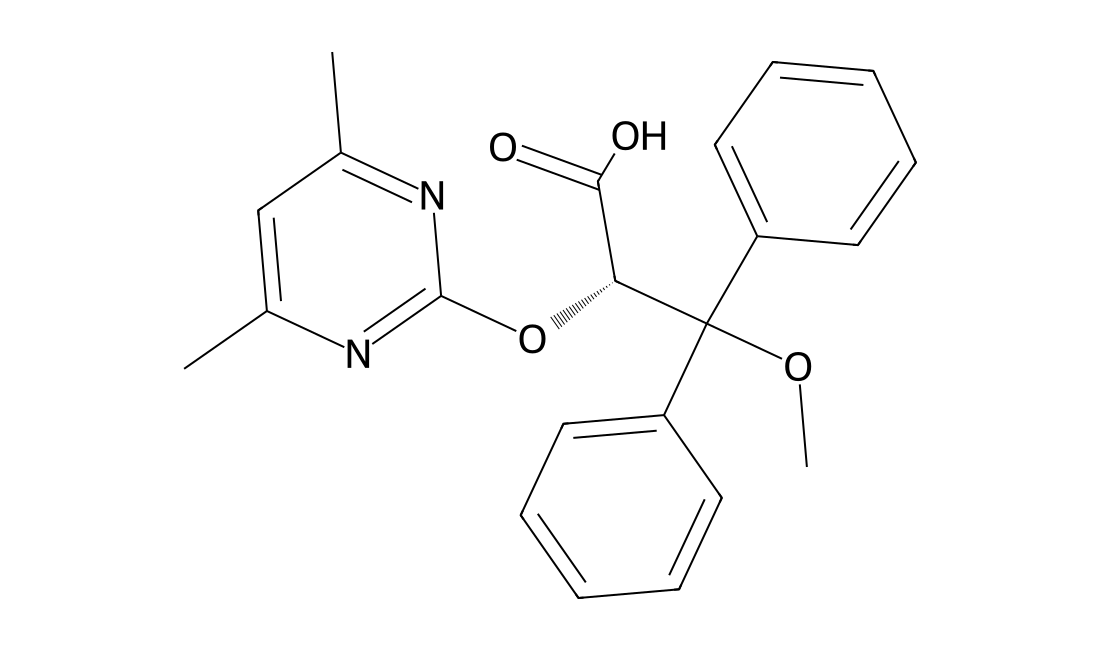
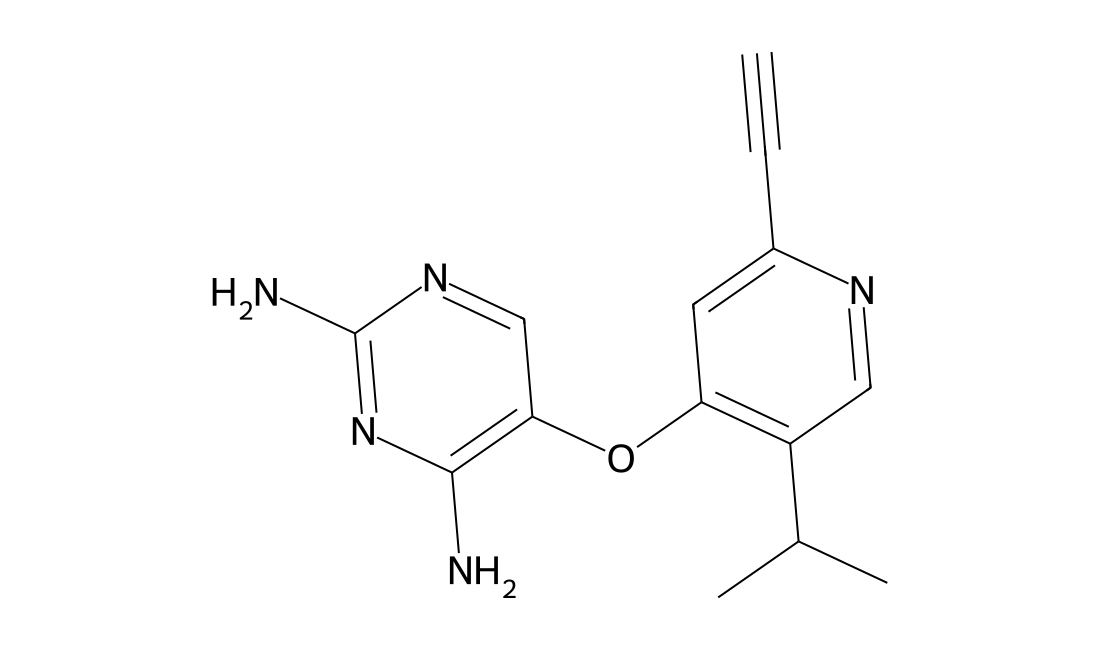
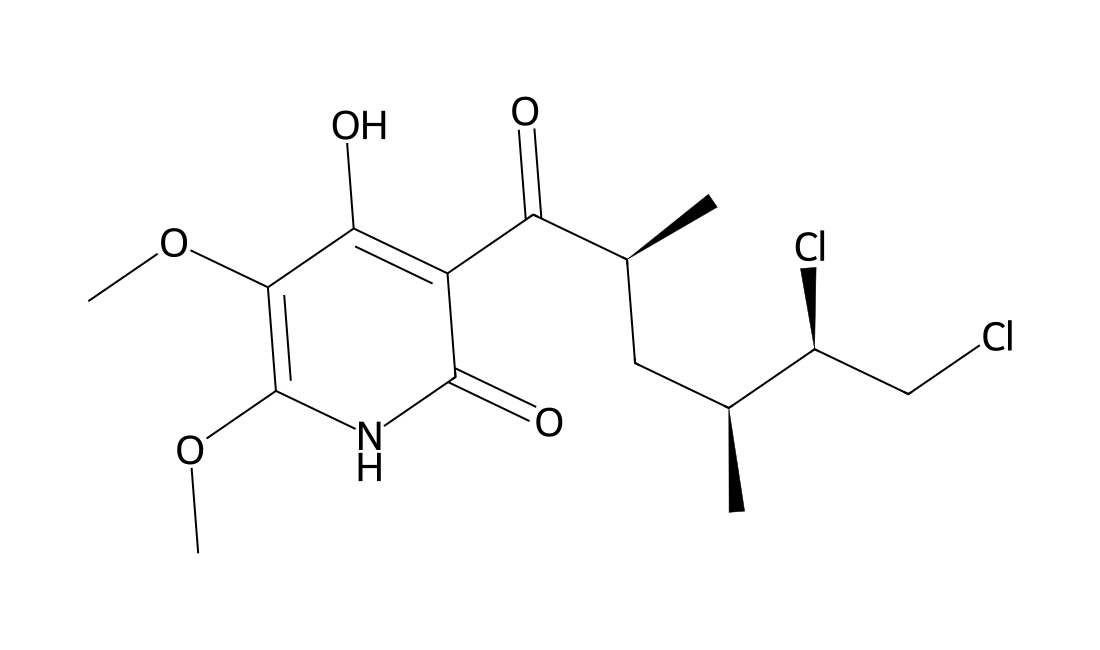
DCAPI1569

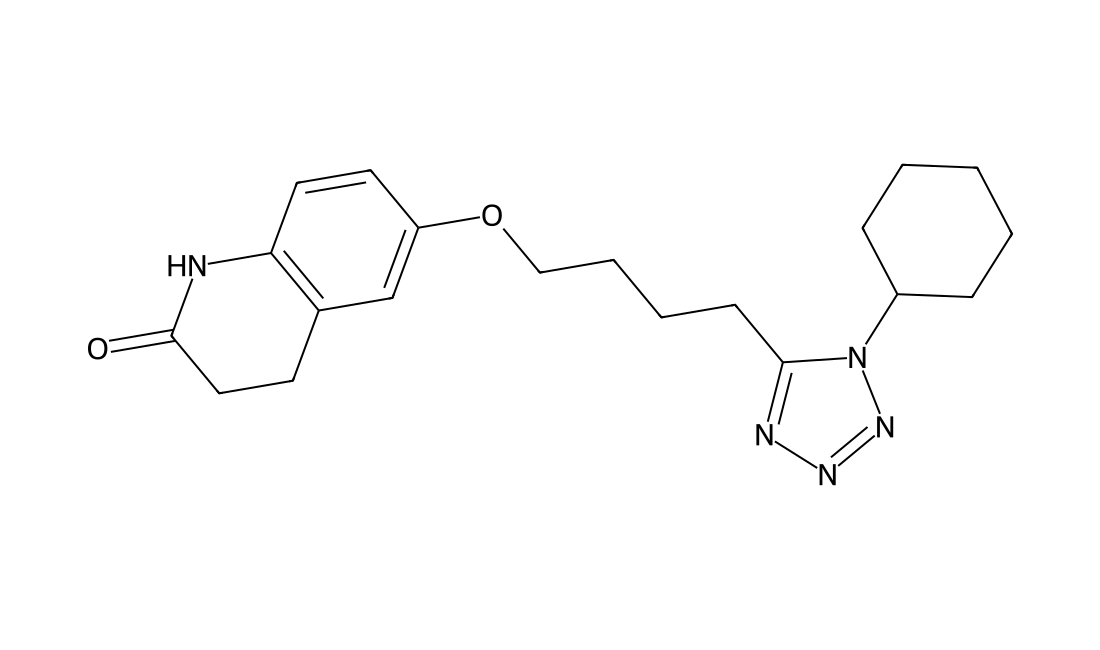
Cilostazol

CAS 73963-72-1

For the detailed information of Cilostazol, the solubility of Cilostazol in water, the solubility of Cilostazol in DMSO, the solubility of Cilostazol in PBS buffer, the animal experiment(test) (test) of Cilostazol, the cell expriment (test) of Cilostazol, the in vivo, in vitro and clinical trial test of Cilostazol, the EC50, IC50,and Affinity of Cilostazol,, please contact DC Chemicals.

Cilostazol chemical structure
DC7990

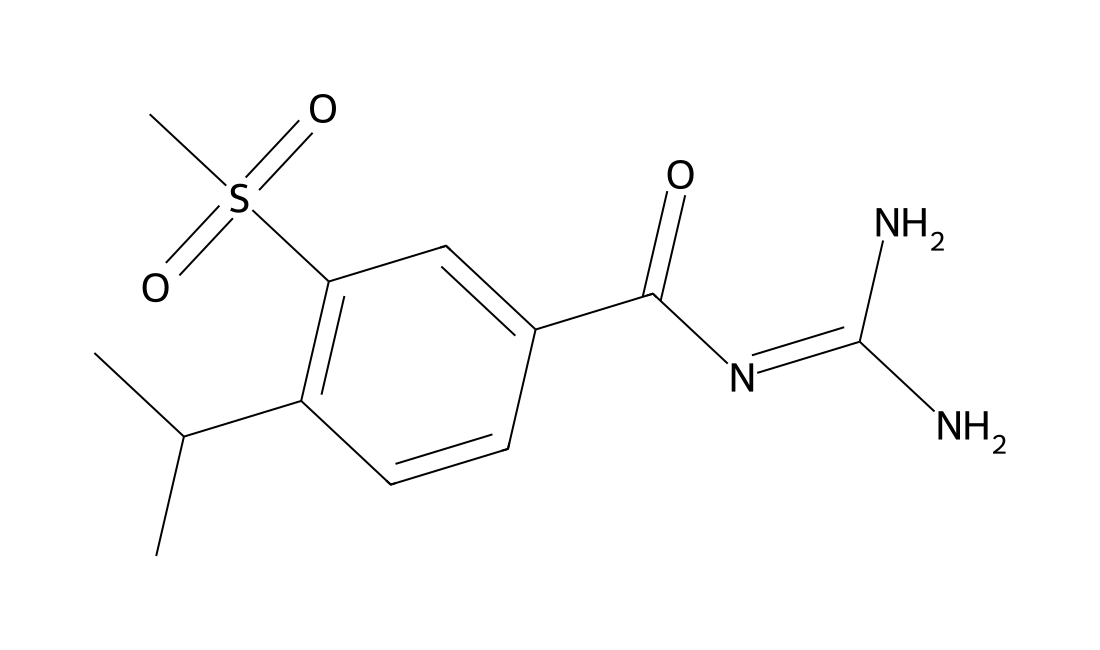
Cariporide

CAS 159138-80-4

Cariporide is a NHE-1 (sodium-hydrogen exchanger isoform-1) inhibitor. Rat studies indicate that cariporide blocks apoptosis of cardiac muscle cells. Additional studies show that the compound interacts with and weakens mitochondrial Ca2+ overload and the permeability transition pore (PTP). For the detailed information of Cariporide, the solubility of Cariporide in water, the solubility of Cariporide in DMSO, the solubility of Cariporide in PBS buffer, the animal experiment (test) of Cariporide, the cell expriment (test) of Cariporide, the in vivo, in vitro and clinical trial test of Cariporide, the EC50, IC50,and affinity,of Cariporide, Please contact DC Chemicals.

Cariporide chemical structure
DC9142

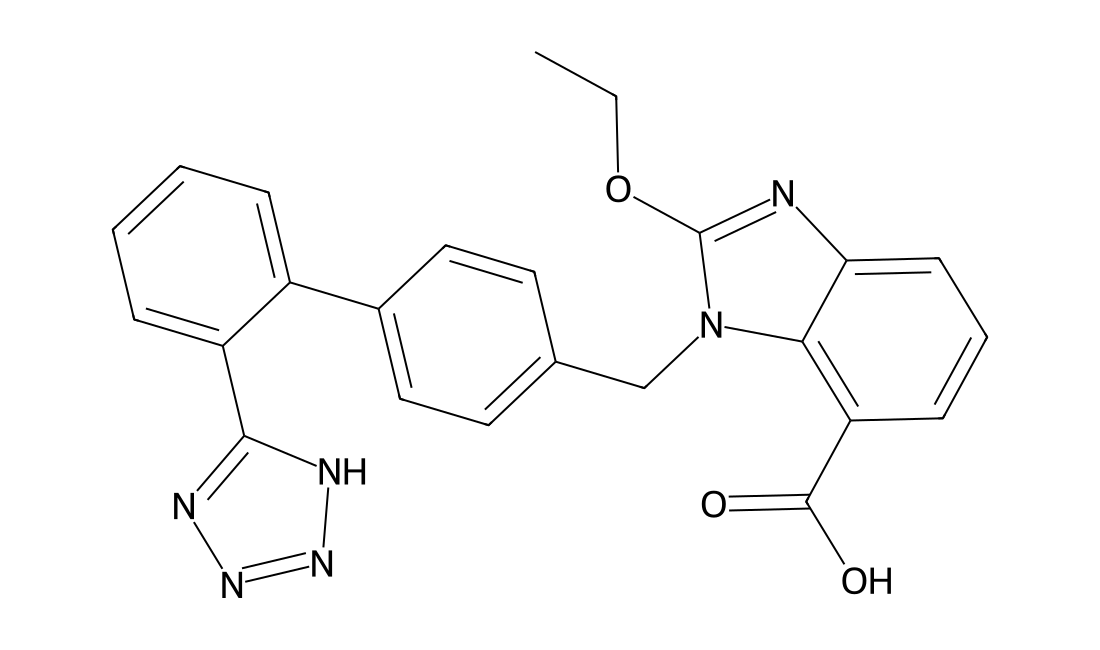
Candesartan

CAS 139481-59-7

Candesartan is an angiotensin II receptor antagonist with IC50 of 0.26 nM.candesartan is indicated for the treatment of hypertension. Results from the CHARM study in the early 2000s demonstrated the morbidity and mortality reduction benefits of candesartan therapy in congestive heart failure. Thus, while ACE inhibitors are still considered first-line therapy in heart failure, candesartan can be used in combination with an ACE to achieve improved mortality and morbidity vs. an ACE alone and additionally is an alternative in patients intolerant of ACE inhibitor therapy. Candesartan (0.5 mg/kg) decreases blood pressure and inhibits AT1 binding in the subfornical organ (SFO), paraventricular nucleus of the hypothalamus (PVN), nucleus of the solitary tract (NTS) and area postrema (AP) in WKY rats. Candesartan (0.3 mg/kg) pretreatment decreases the infarct area by 31% in adult spontaneously hypertensive rats, reduces the CBF decrease at the peripheral area of ischemia and the cortical volume of severe ischemic lesion.

Candesartan chemical structure
DC23222

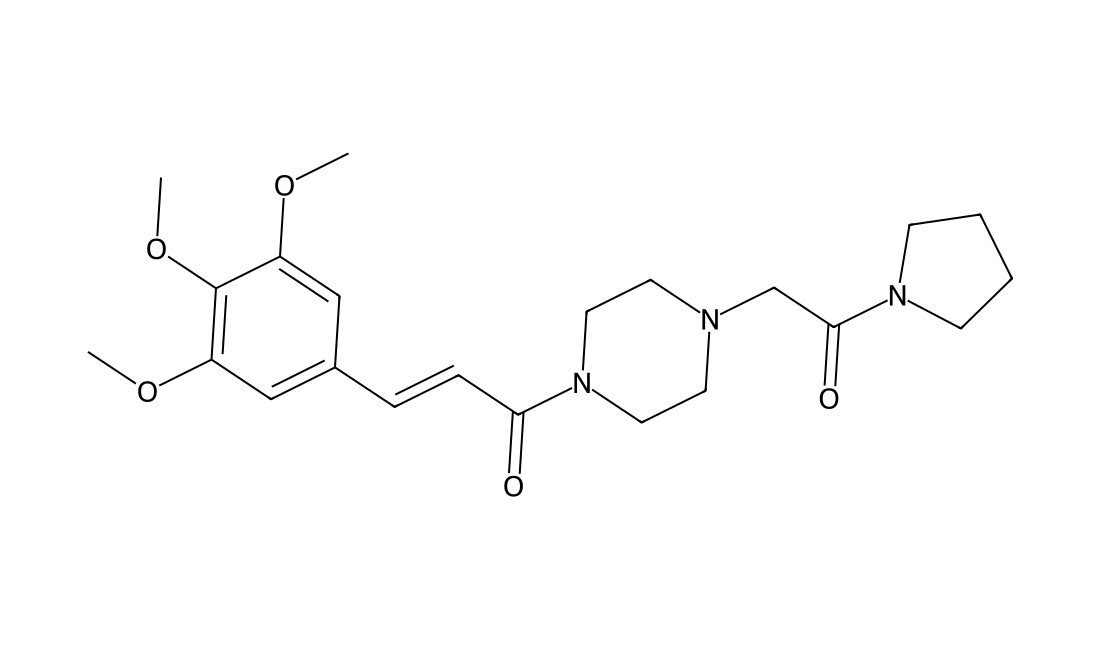
Cinepazide

CAS 23887-46-9

A cerebral vasodilator that acts as a calcium blocker; protect neuronal cells against OGD injury by suppressing OGD-induced oxidative stress and preserving mitochondrial functions.IschemiaApproved

Cinepazide chemical structure
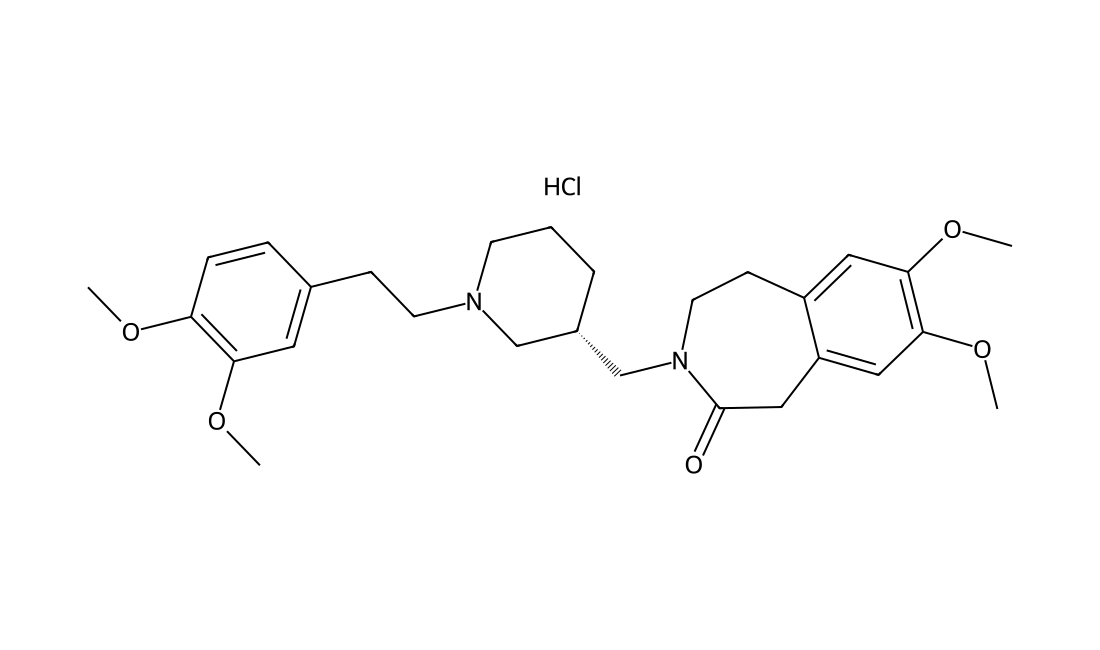
DC7753

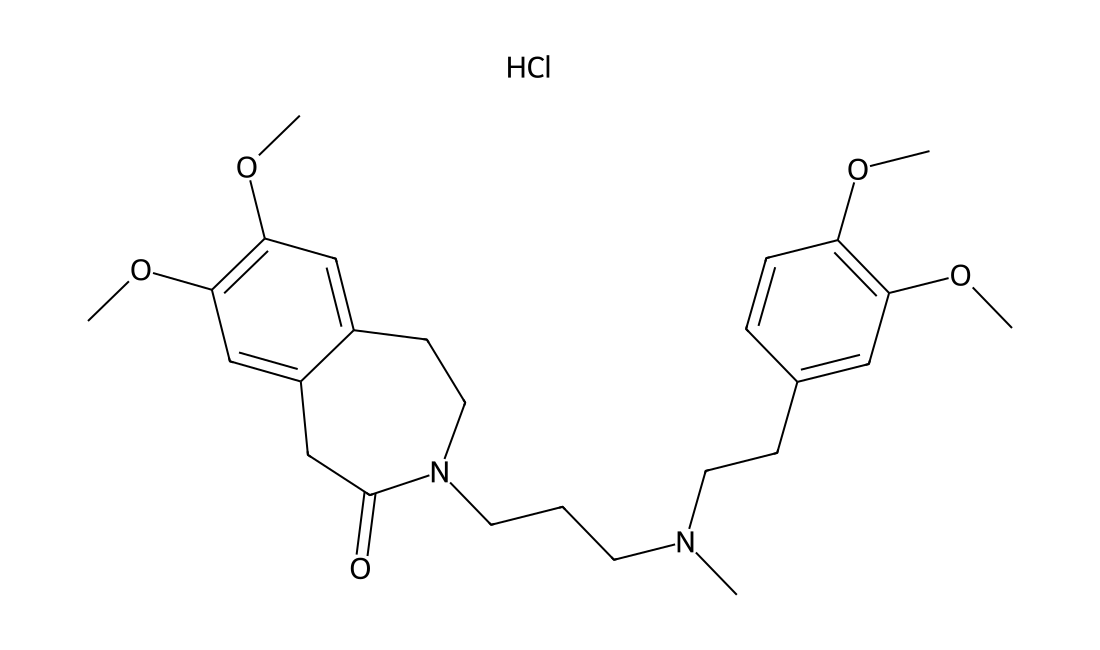
Zatebradine hydrochloride

CAS 91940-87-3

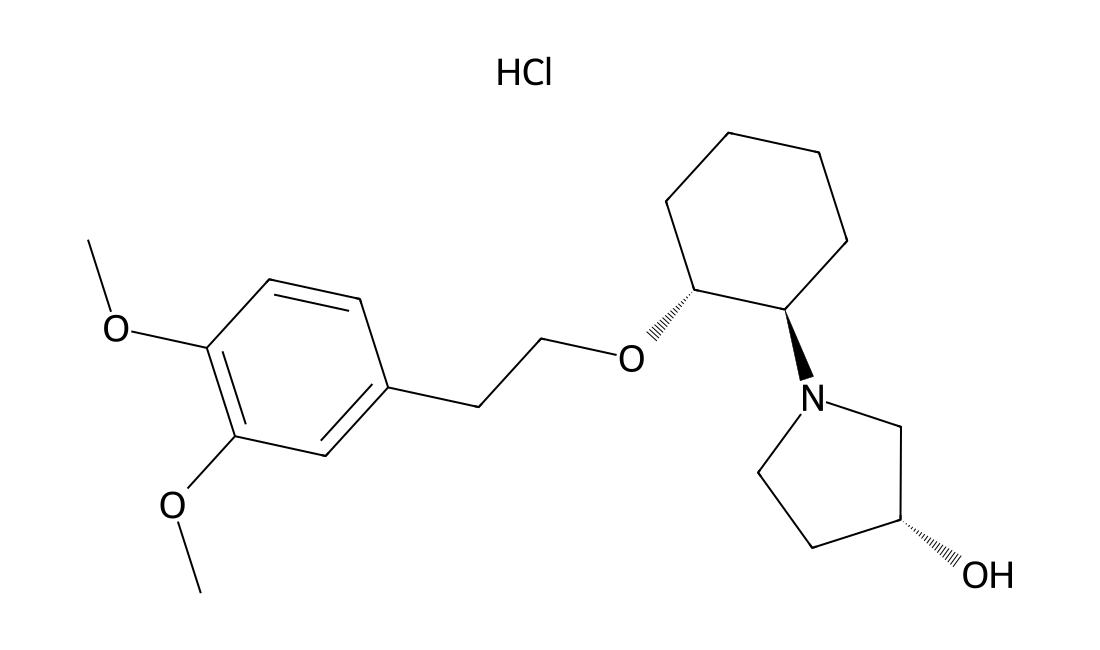
Zatebradine hydrochloride is a bradycardic agent that creates use-dependent inhibition of hyperpolarization-activated current (If) in sinoatrial node cells (EC50 = 480 nM) and Purkinje fibres. Displays negative chronotropic activity in isolated guinea pig atria (EC50 of 13.4μM).. For the detailed information of Zatebradine hydrochloride, the solubility of Zatebradine hydrochloride in water, the solubility of Zatebradine hydrochloride in DMSO, the solubility of Zatebradine hydrochloride in PBS buffer, the animal experiment (test) of Zatebradine hydrochloride, the cell expriment (test) of Zatebradine hydrochloride, the in vivo, in vitro and clinical trial test of Zatebradine hydrochloride, the EC50, IC50,and affinity,of Zatebradine hydrochloride, Please contact DC Chemicals.

Zatebradine hydrochloride chemical structure
DC49872

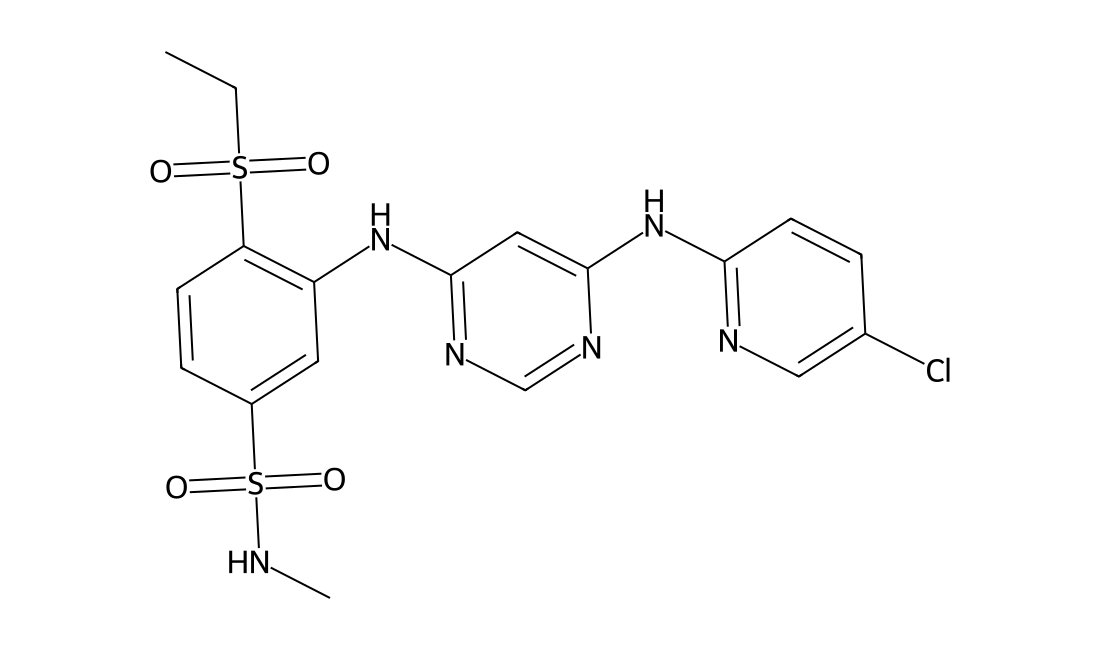
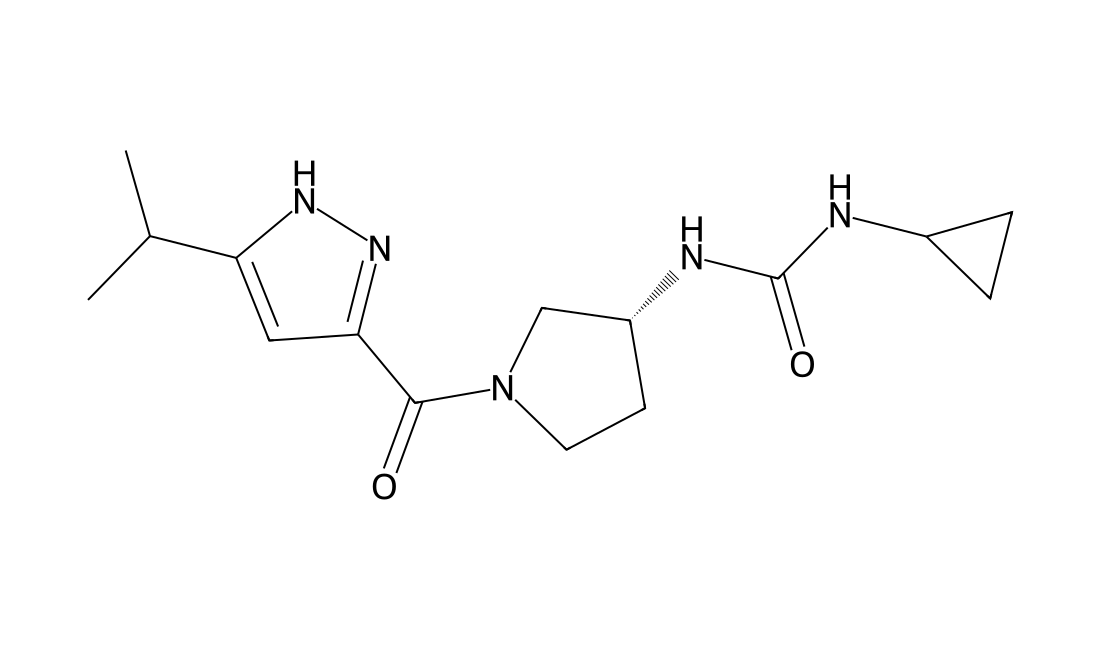
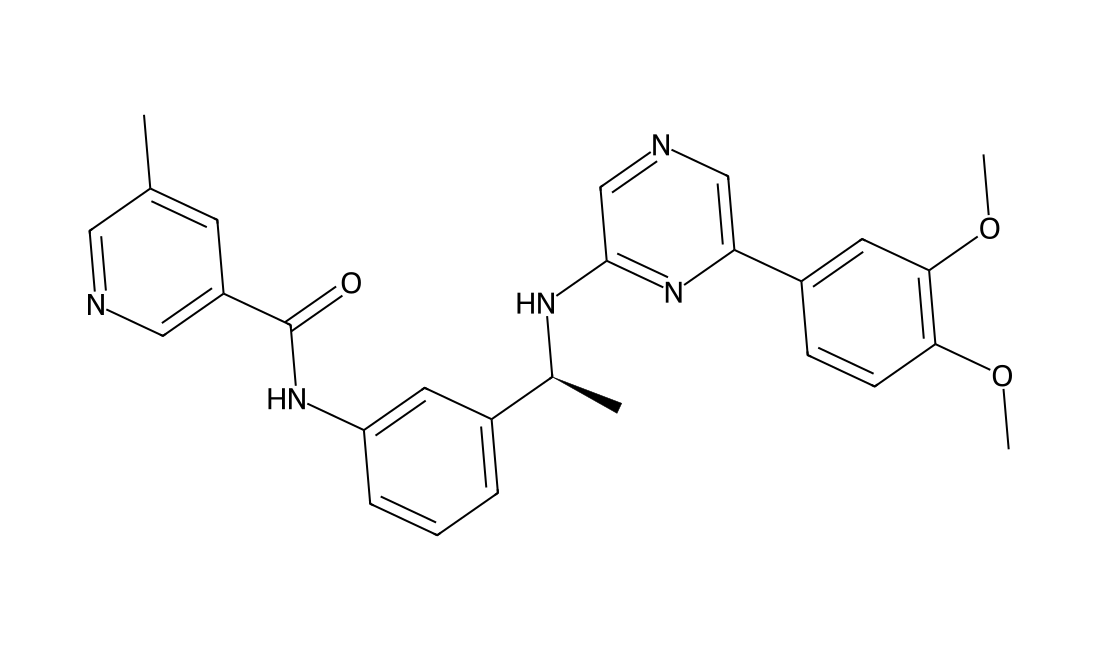
GSK854

CAS 1316059-00-3

GSK854 is a potent Inhibitor of Troponin I-Interacting Kinase (TNNI3K). GSK854 is a suitable lead for identifying new cardiac medicines and have been employed as in vivo tools in investigational studies aimed at defining the role of TNNI3K within heart failure.

GSK854 chemical structure
DC10496

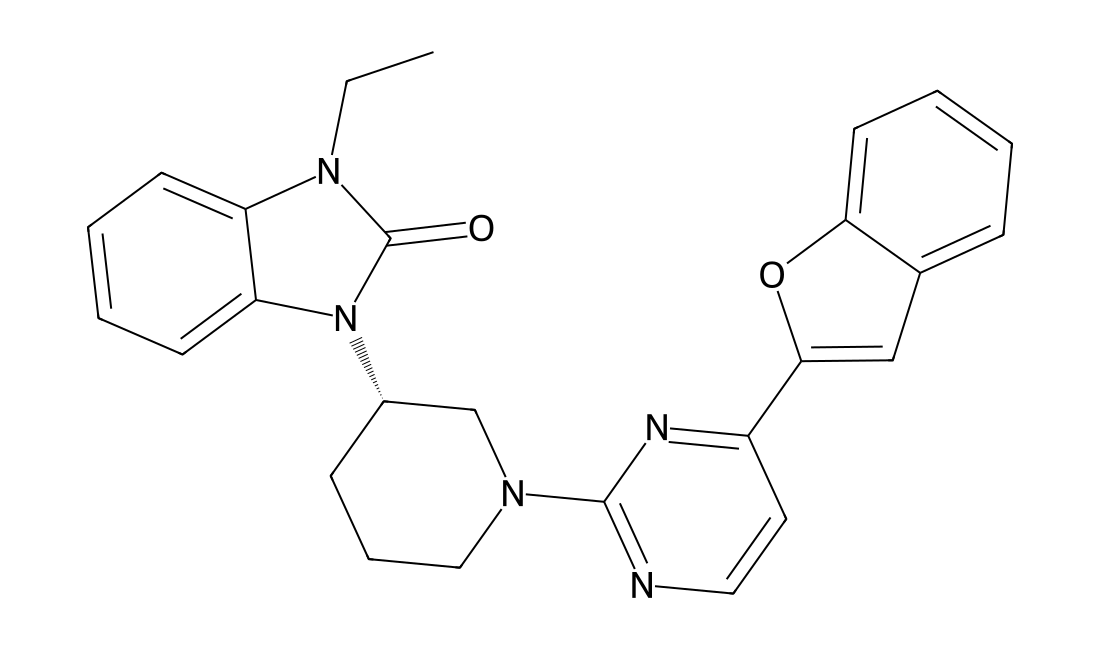
PF06260933

CAS 1811510-56-1

PF 06260933 is a potent and selective MAP4K4 inhibitor (IC50 value 3.7 nM for MAP4K4 a.k.a. HGK or ZC1) with suitable PK properties in mouse to be used as a tool in an in vivo model of diabetes, vascular inflammation and atherosclerosis. Robustly prevented TNF-α-mediated endothelial permeability in vitro, similar to MAP4K4 knockdown, and without alteration of plasma lipid content.

PF06260933 chemical structure
DC21825

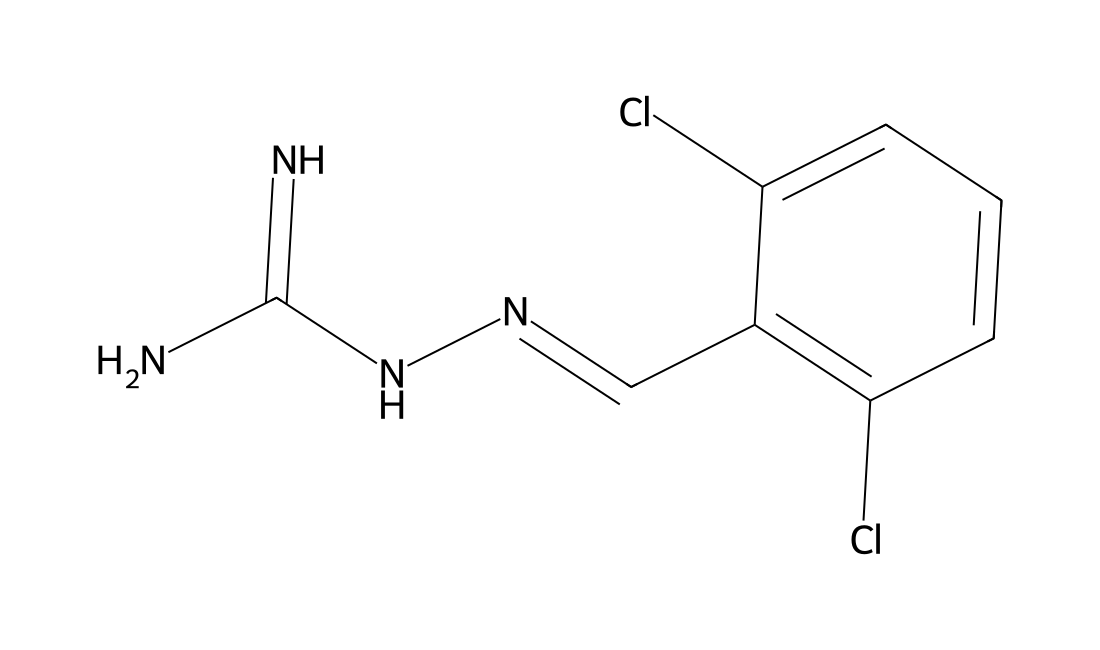
Guanabenz

CAS 5051-62-7

Guanabenz (WY 8678) is an α2 adrenergic receptor agonist that is used as an antihypertensive agent, also has been proposed to exert protective effects against misfolding by interfering with eIF2α-P dephosphorylation through selective disruption of a PP1-PPP1R15A holophosphatase complex; also has antiparasitic activity against replicative stages of Toxoplasma.Multiple SclerosisPhase 1 Clinical

Guanabenz chemical structure
DC32320

Alagebrium Chloride

CAS 341028-37-3

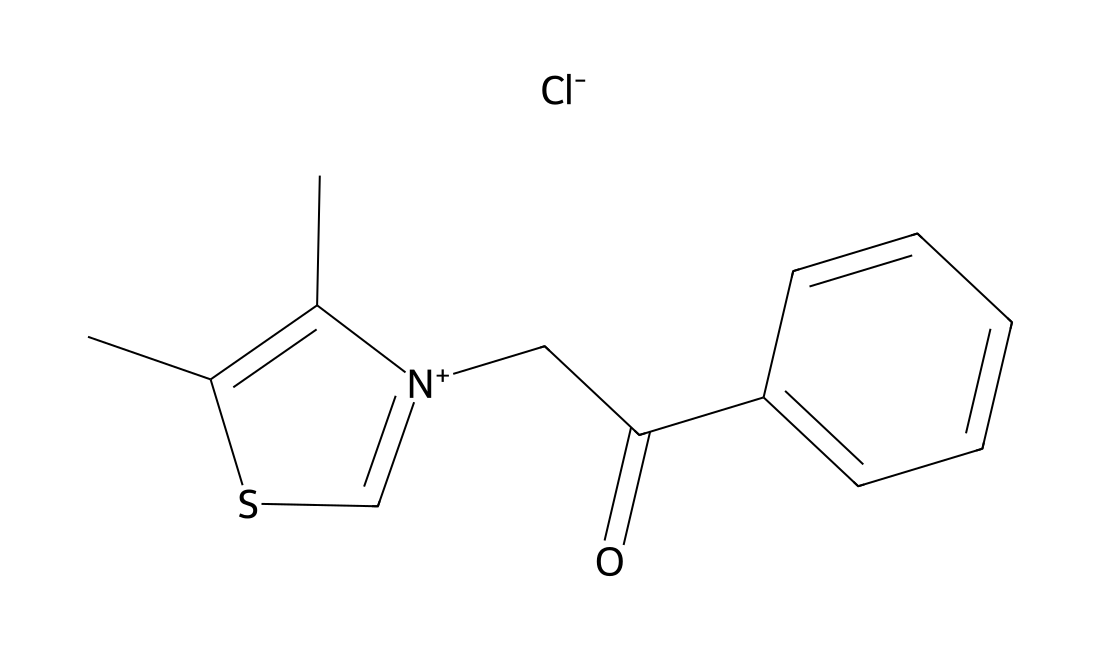
Alagebrium Chloride, identified as ALT711, emerged as a pioneering pharmaceutical candidate developed by Alteon, Inc. It marked the first clinical attempt to address the crosslinks formed by advanced glycation endproducts (AGEs), a key factor in the aging process. By targeting and disrupting these crosslinks, Alagebrium aims to counteract the stiffening of blood vessel walls, a condition linked to hypertension, cardiovascular disorders, and various age-related degenerative issues caused by protein crosslinking. Clinical studies have demonstrated its efficacy in lowering systolic blood pressure and offering therapeutic advantages for individuals with diastolic dysfunction.

Alagebrium Chloride chemical structure
DC20083

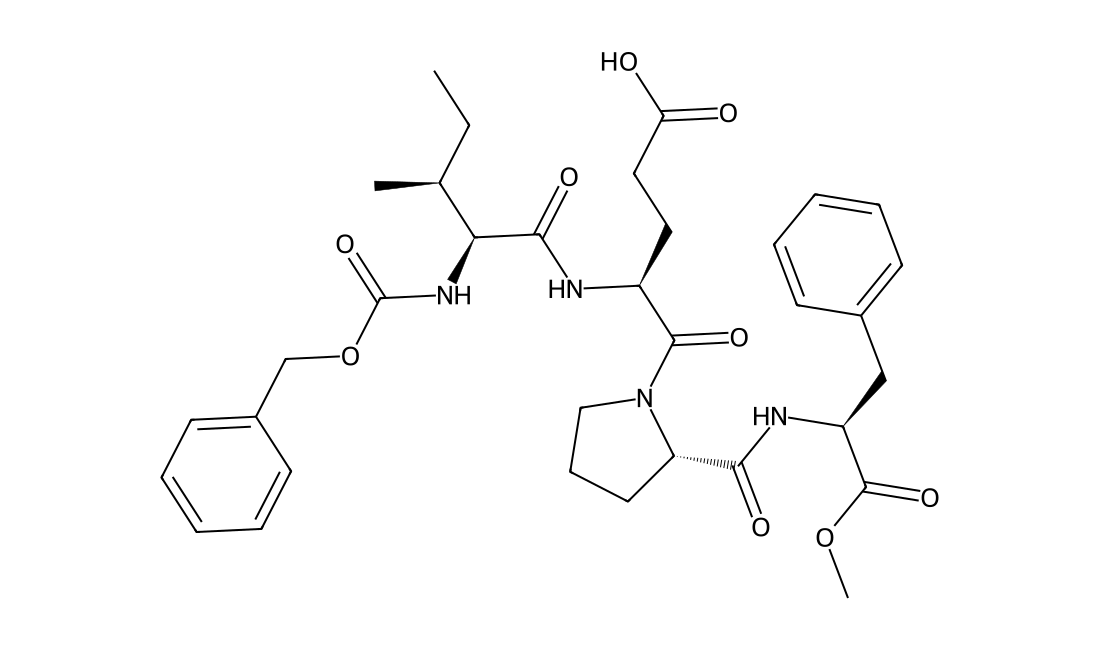
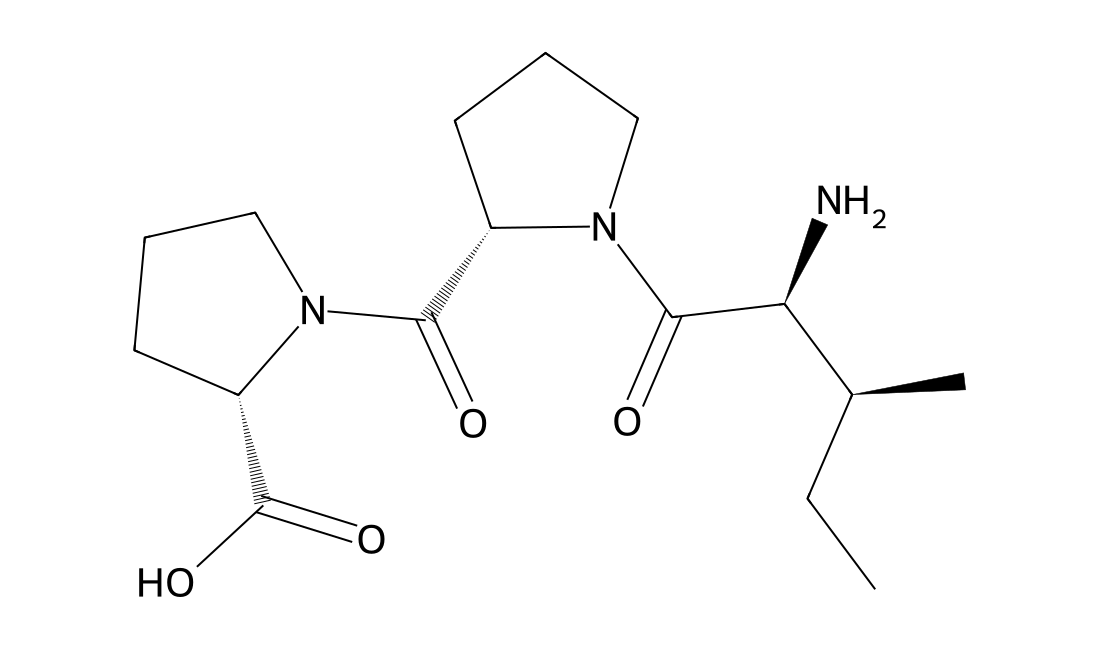
H-Ile-Pro-Pro-OH

CAS 26001-32-1

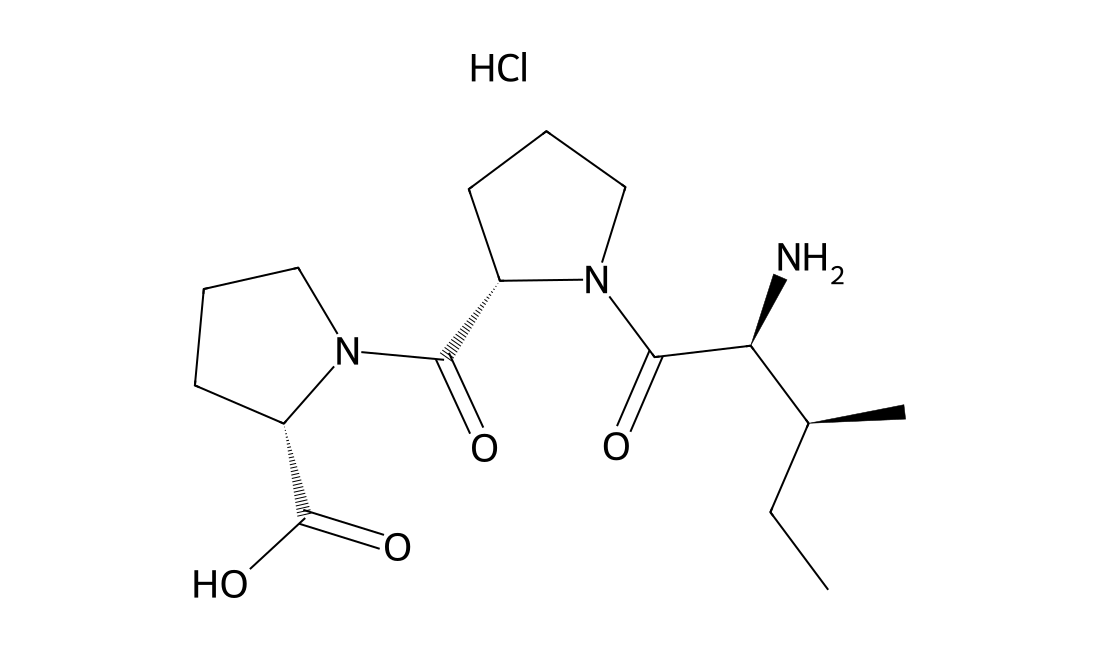
In Vitro Vitro: Ile-Pro-Pro (IPP) increases nitric oxide (NO) production in human umbilical vein endothelial cells (HUVECs). In Vivo Vivo: Ile-Pro-Pro attenuates arterial dysfunction in L-NAME-treated rats Ile-Pro-Pro (IPP) decreases blood pressure in spontaneously hypertensive rats (SHR). Ile-Pro-Pro (IPP) attenuates the development of atherosclerosis in apolipoprotein E-deficient (apoE(-/-)) mice.

H-Ile-Pro-Pro-OH chemical structure
DC37910

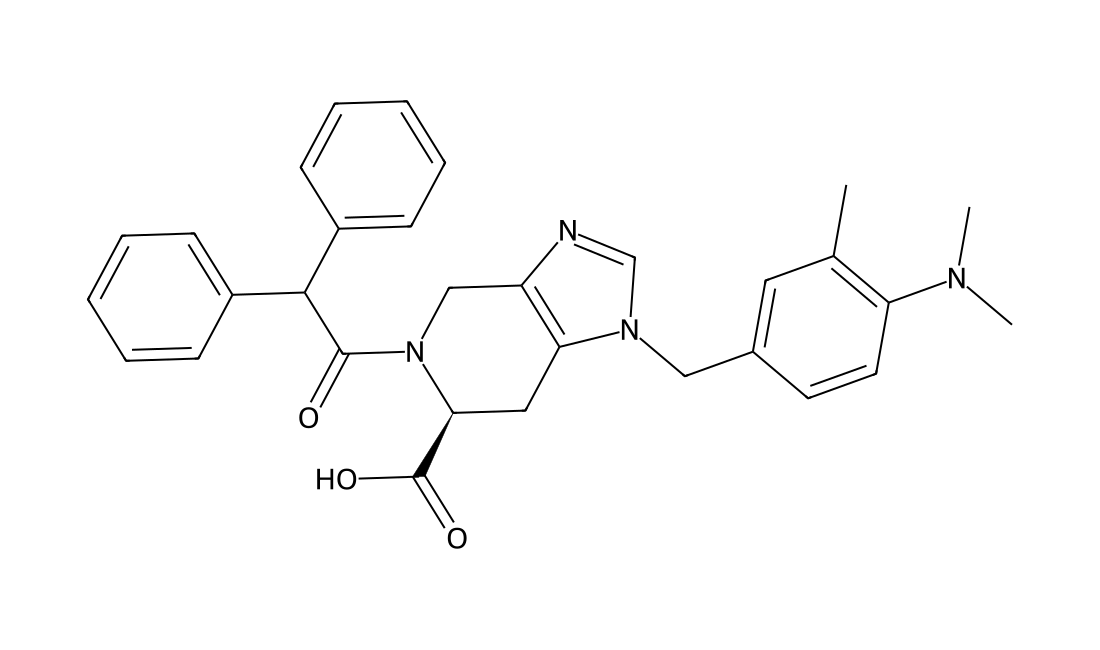
PD-166793

CAS 199850-67-4

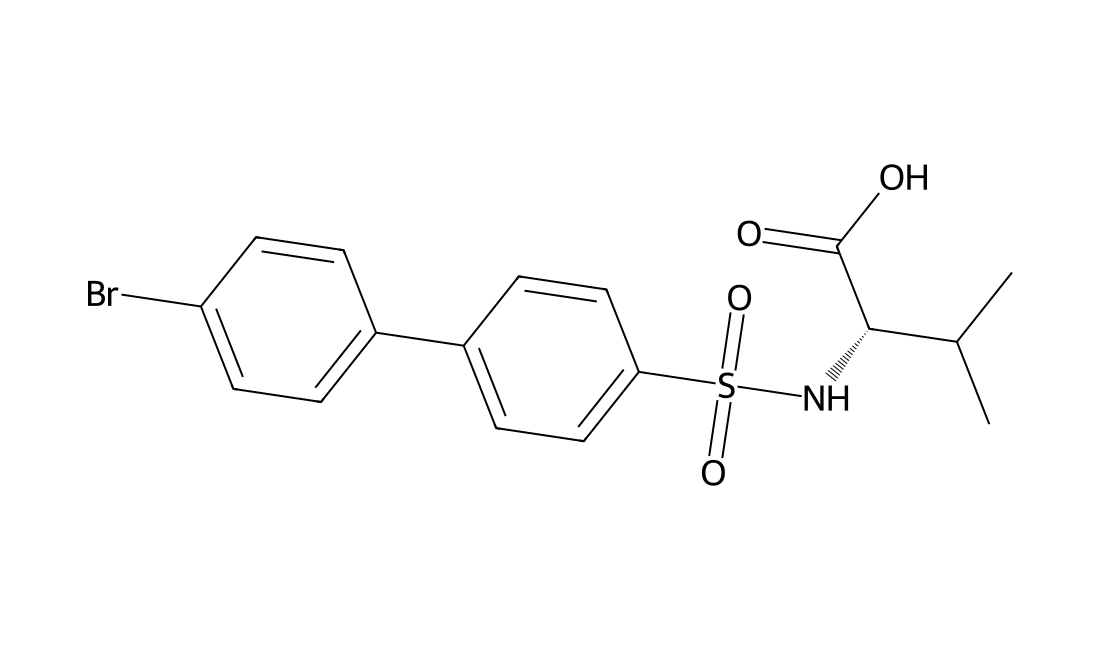
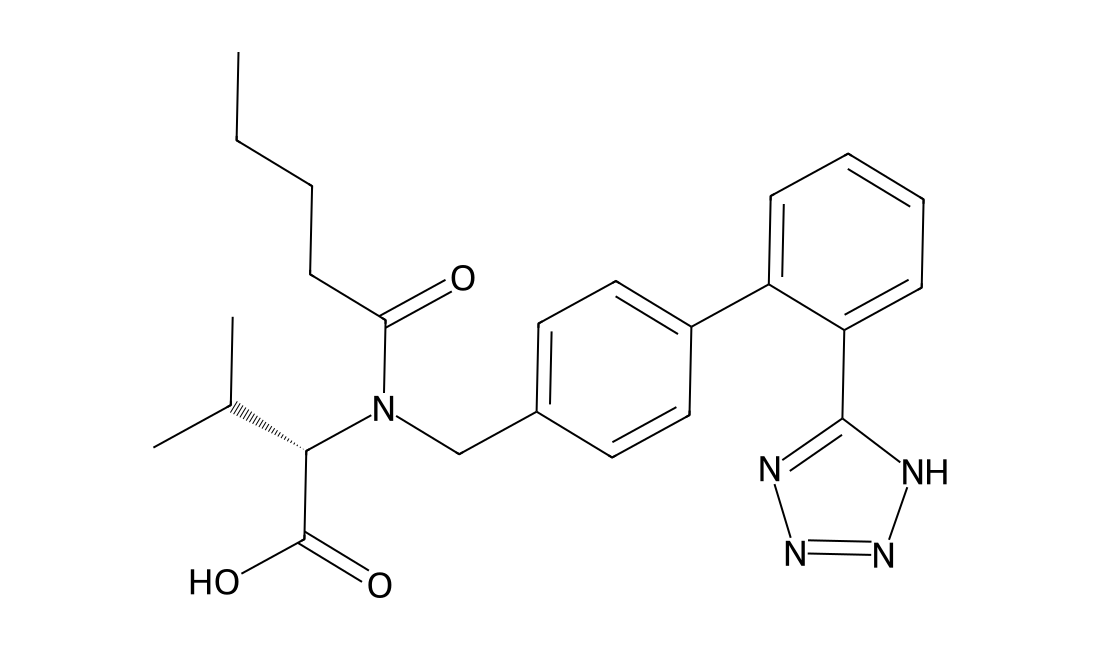
PD-166793 is a cell-permeable biphenylsulfonylvaline compound that acts as a potent inhibitor against MMP-2, -3, and -13 (IC50 = 47, 12, and 8 nM, respectively) and a weaker inhibitor against AMP deaminase (20% inhibition at 0.1 μM), MMP-1, -7, -9, and -14 (IC50 = 6.1, 7.2, 7.9, and 0.24 μM, respectively). Shown to offer therapeutic benefits in vivo in various animal models of heart failure and diabetes.

PD-166793 chemical structure
DC67174

TK-129

CAS 3031476-73-7

TK-129 is an orally active, low-toxicity, potent KDM5B inhibitor (with high affinity; IC50=44 nM). TK-129 exerts cardioprotective effects by inhibiting KDM5B and blocking the KDM5B-associated Wnt pathway. TK-129 reduces ang II-induced activation of cardiac fibroblasts in vitro and reduces isoprenaline-induced myocardial remodelling and fibrosis in vivo. TK-129 can be used in studies of cardiovascular disease.

TK-129 chemical structure
DC7224

PD 123319

CAS 136676-91-0

PD 123319 is shown to discriminate between two subclasses of AII receptors in many different tissues. 125I-AII specifically labeled two classes of binding sites For AII in a membrane preparation of bovine adrenal glomerulosa cells. The first class (DuP-753 sensitive) represents approximately 85% of the total binding sites For AII and possesses a high affinity (IC50 of 92.9 nM) For DuP-753. PD-123319 does not have any effect on 125I-AII binding to this site. The second class of binding sites is more sensitive to PD-123319, with an IC50 of 6.9 nM, and has a much lower affinity For DuP-753 (IC50 around 10 microM). PD 123319 has no effect on cerebral blood flow autoregulation. Acute AT2-receptor blockade does not influence CBF autoregulation. Intravenous administration of PD 123319 to conscious hypertensive rats elicites an immediate dose-dependent increase in MAP that is sustained For approximately 7.4 min with 3 mg/kg PD 123319.For the detailed information of PD 123319, the solubility of PD 123319 in water, the solubility of PD 123319 in DMSO, the solubility of PD 123319 in PBS buffer, the animal experiment (test) of PD 123319, the cell expriment (test) of PD 123319, the in vivo, in vitro and clinical trial test of PD 123319, the EC50, IC50,and Affinity of PD 123319, Please contact DC Chemicals.

PD 123319 chemical structure
DC9861

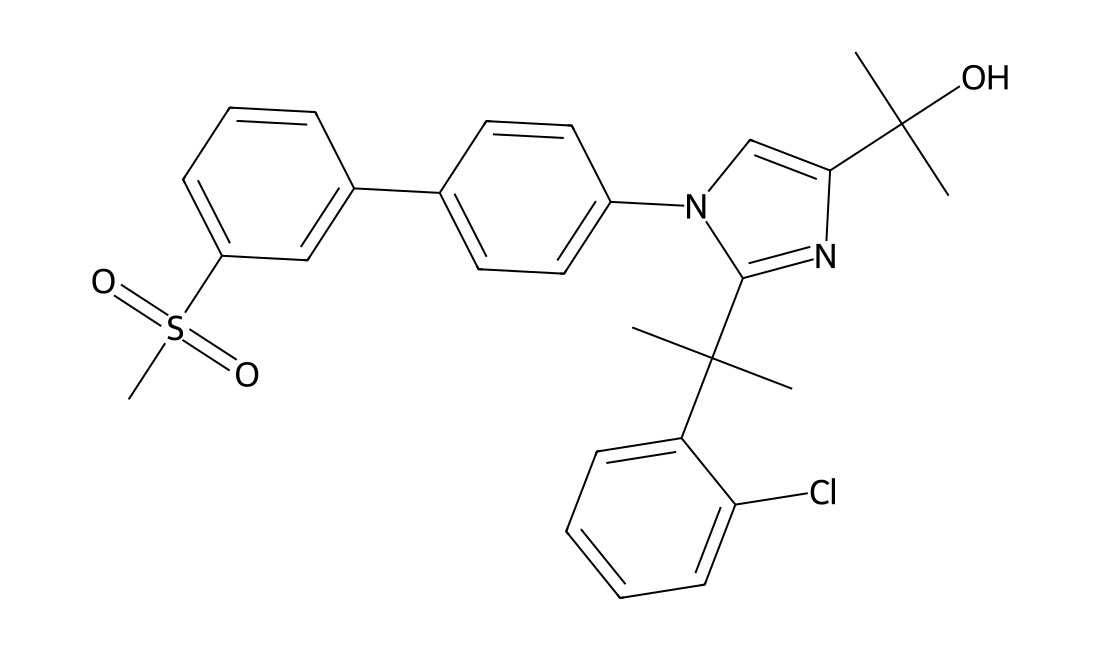
BMS-779788(XL-652)

CAS 918348-67-1

BMS-779788, also known as XL-652, EXEL 04286652 and BMS-788, is potent partial LXR agonist with LXRβ selectivity, which has an improved therapeutic window in the cynomolgus monkey compared with a full pan agonist. BMS-779788 induced LXR target genes in blood in vivo with an EC50 = 610 nM, a value similar to its in vitro blood gene induction potency. BMS-779788 was 29- and 12-fold less potent than the full agonist T0901317 in elevating plasma triglyceride and LDL cholesterol, respectively, with similar results for plasma cholesteryl ester transfer protein and apolipoprotein B.

BMS-779788(XL-652) chemical structure
DC9325

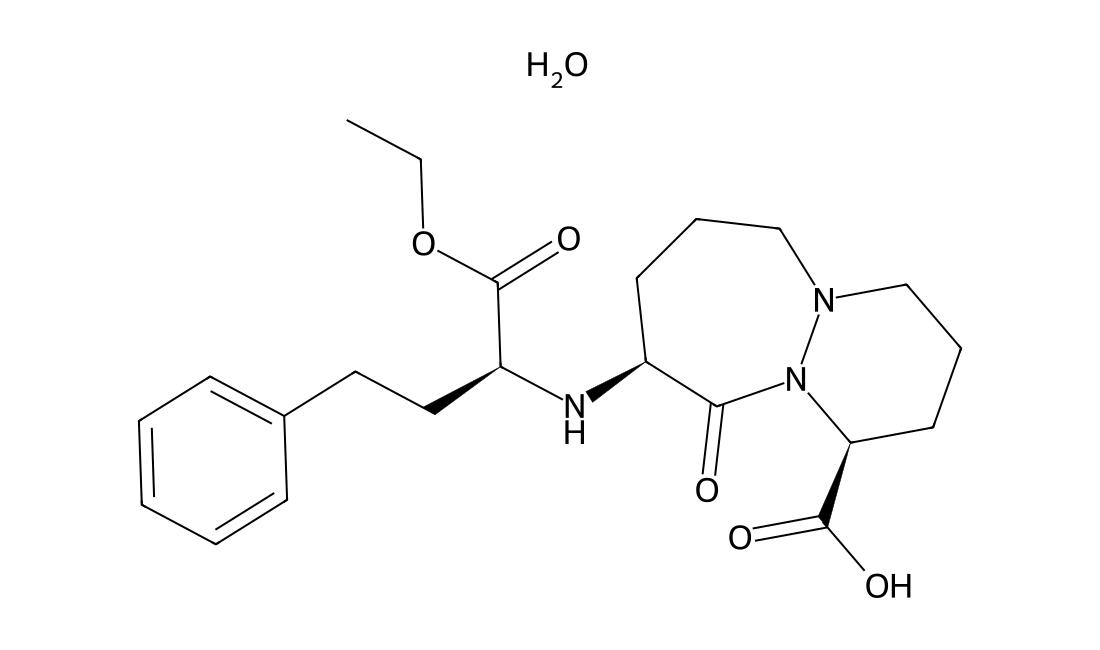
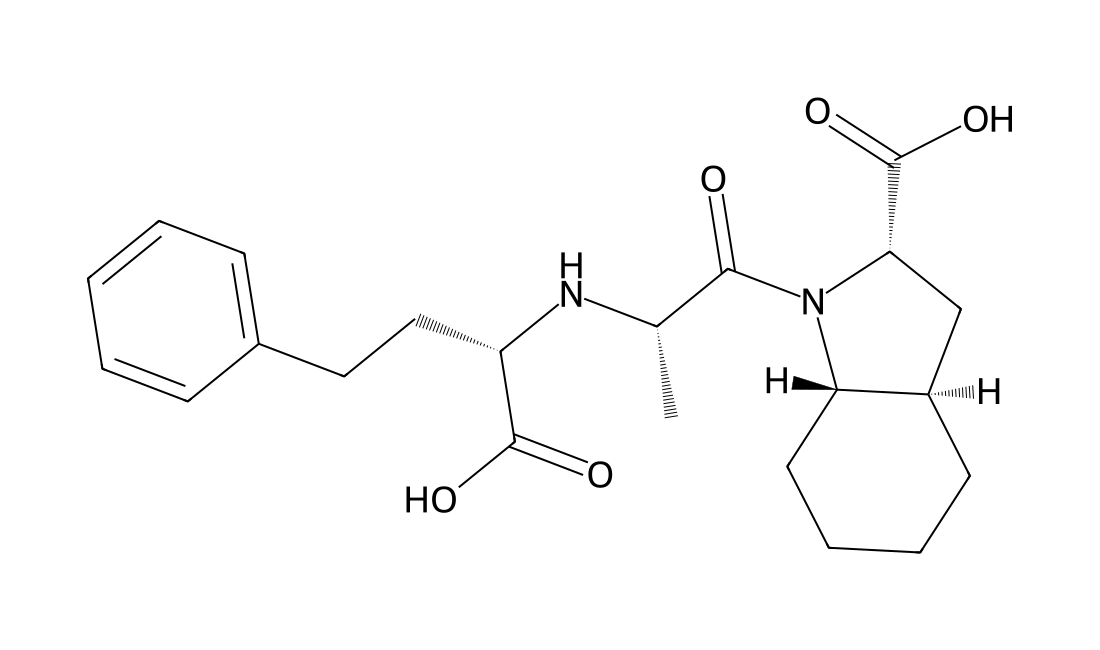
Cilazapril (monohydrate)

CAS 92077-78-6

Cilazapril Monohydrate is a angiotensin-converting enzyme (ACE) inhibitor used for the treatment of hypertension and congestive heart failure. Cilazapril is a new nonthiol group containing angiotensin converting enzyme (ACE) inhibitor. Cilazapril has been investigated in more than 4000 patients with all degrees of hypertension, as well as in the special patient groups such as the elderly, renally impaired, and patients with concomitant diseases, such as congestive cardiac failure or chronic obstructive pulmonary disease. Cilazapril is a very potent and highly effective converting enzyme inhibitor. Doses well below 5 mg/day will probably suffice for therapeutic efficacy.

Cilazapril (monohydrate) chemical structure
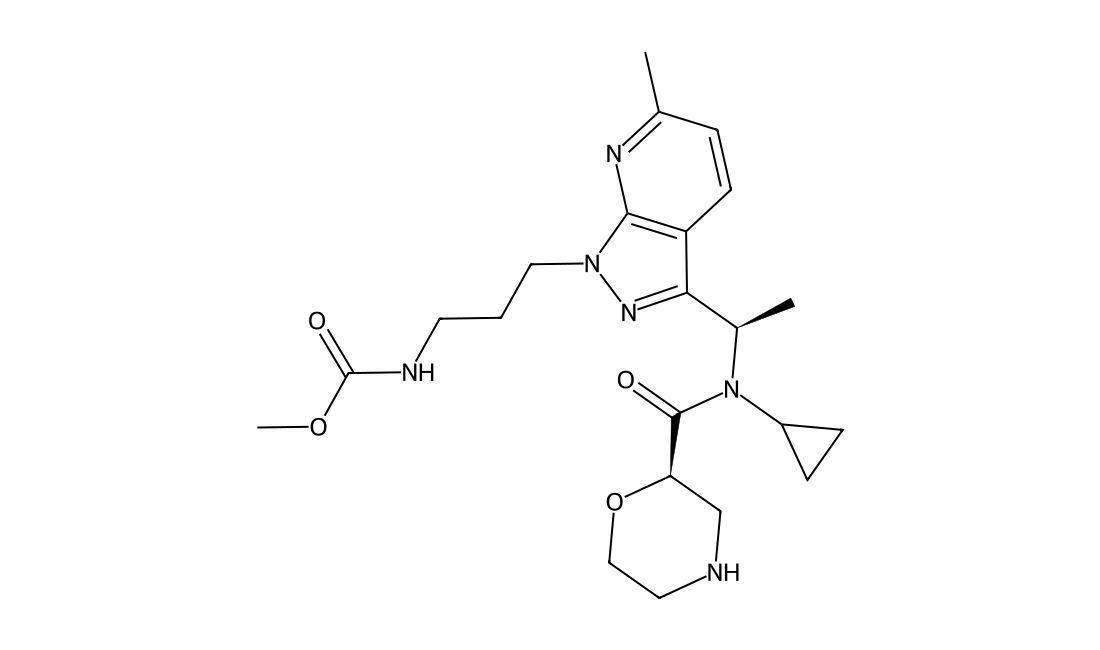
DC71814

SPH3127

CAS 1399849-02-5

SPH3127 (DRI 18) is a novel, highly potent, and orally active direct renin inhibitor (recombinant human-renin IC50=0.4 nM, human plasma renin activity IC50=0.45 nM). SPH3127 shows antihypertensive effect and can be used in essential hypertension research.

SPH3127 chemical structure
DC46132

Milvexian

CAS 1802425-99-5

Milvexian (BMS-986177), an effective antithrombotic agent, is an orally-bioavailable, reversible and direct inhibitor of human and rabbit factor XIa (FXIa) with Ki of 0.11, and 0.38 nM, respectively[1].

Milvexian chemical structure
DC7327

Tirofiban(L700462;MK383)

CAS 144494-65-5

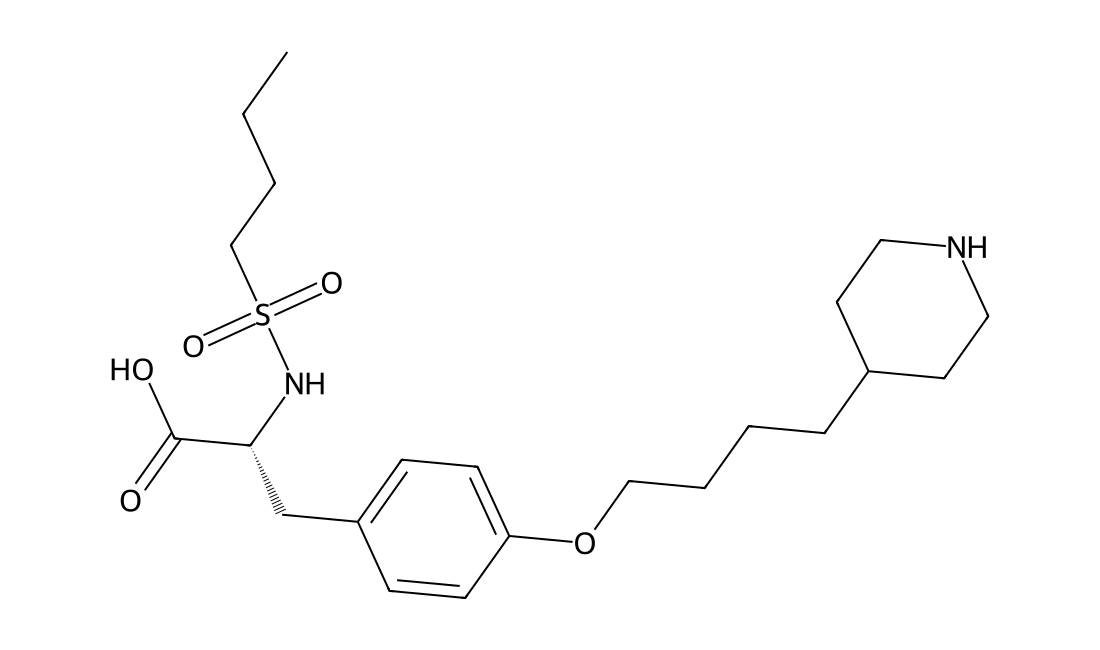
Tirofiban(L700462;MK383) is a potent non-peptide, glycoprotein IIb/IIIa (integrins alphaIIbbetaIII) antagonistTarget: integrin IIb/IIIa Tirofiban hydrochloride monohydrate blocks platelet aggregation and thrombus formation. Tirofiban is an antithrombotic used in the treatment of unstable angina.Tirofiban, in a concentration-dependent manner reduced platelet aggregation evoked by ADP (IC50 approximately 70 ng/ml), collagen (IC50 approximately 200 ng/ml), and thrombin (IC50 approximately 5,000 ng/ml).

Tirofiban(L700462;MK383) chemical structure
DC9579

Nortadalafil

CAS 171596-36-4

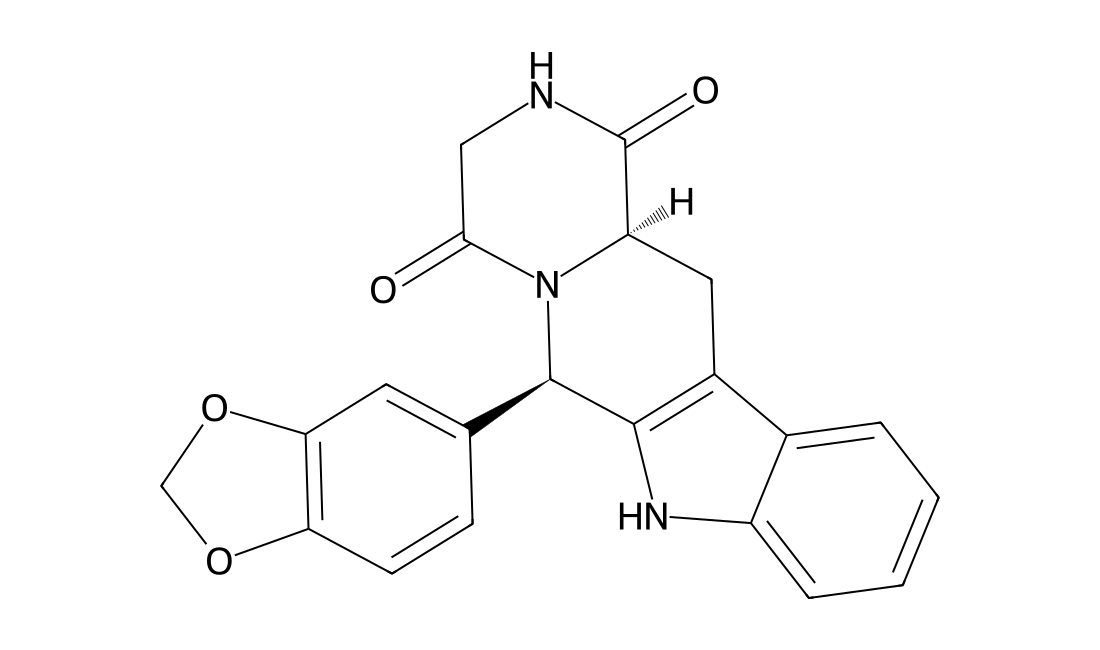
Nortadalafil is demethyl Tadalafil, which is a PDE5 inhibitor, currently marketed in pill form for treating erectile dysfunction (ED) under the name Cialis; and under the name Adcirca for the treatment of pulmonary arterial hypertension.

Nortadalafil chemical structure
DC23962

Cilobradine

CAS 186097-54-1

Cilobradine is an HCN Channel blocker; an open channel blocker of neuronal Ih and related cardiac If channels.Cilobradine is a HCN channel blocker that is about 3 times more potent than ZD7288. At a concentration of 10 μM, Cilobradine inhibits WT mHCN2 channel current by 86 ± 2% (n = 5). In contrast, I432A and A425G channel currents were only reduced by 14 ± 1% (n = 4) and 19 ± 2% (n = 8), respectively, by this concentration of Cilobradine. The double mutant (I432A/A425G) channel was even less sensitive to 10 μM Cilobradine (8 ± 2% inhibition; n = 4).

Cilobradine chemical structure
DC22364

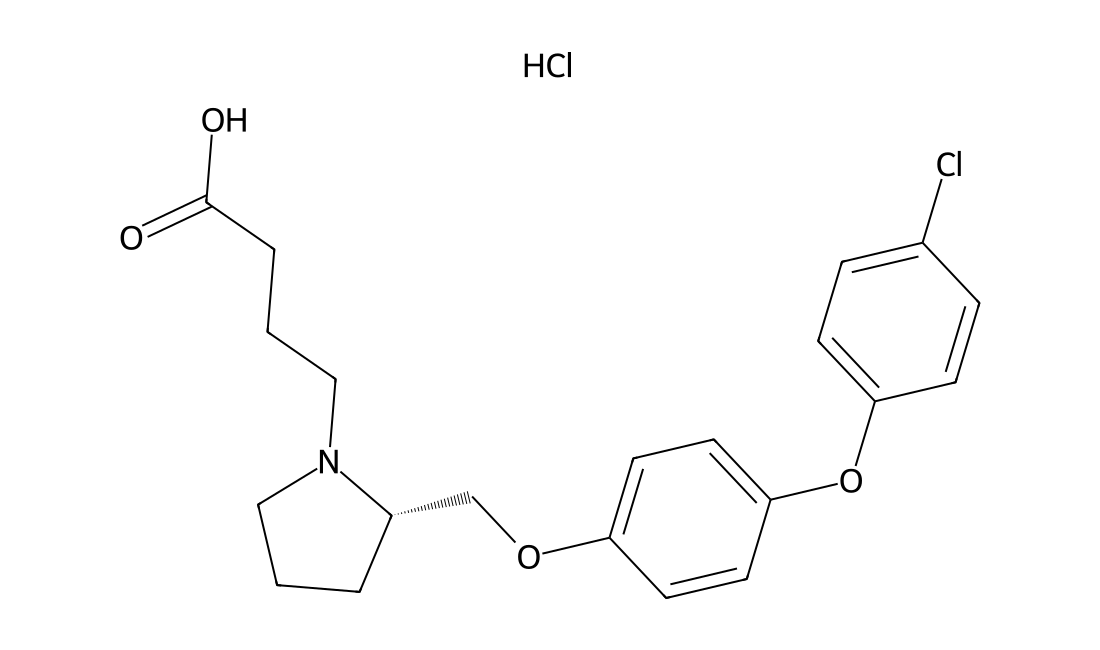
DG051

CAS 929915-58-2

A potent, selective LTA4H (Leukotriene A4 hydrolase) inhibitor (IC50/Kd=47/25 nM) of leukotriene B4 biosynthesis; dispalys selectivity over a panel of more than 50 targets including aminopeptidases, hERG, GPCRs; has high aqueous solubility (>30 mg/mL) and high oral bioavailability.Heart FailurePhase 2 Discontinued

DG051 chemical structure
DC23935

CH-5450

CAS 252557-97-4

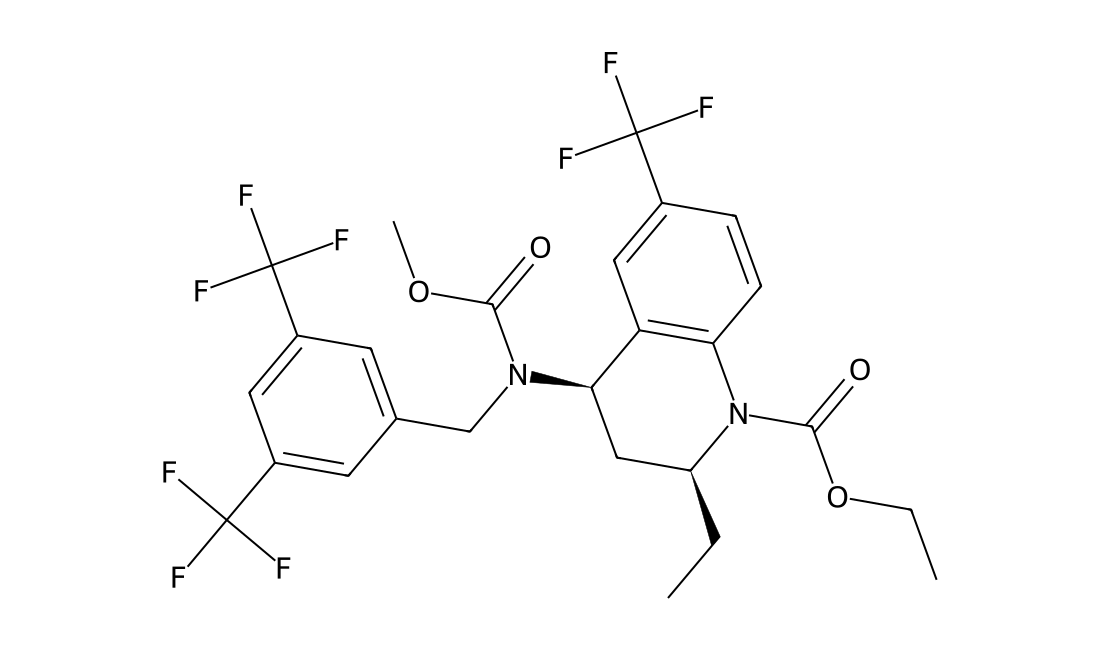
A potent, peptide-inhibitor of human chymase with Ki of 1 nM; causes an almost complete inhibition of the AI-induced contractions combined with Enalaprilat; depresses the (Pro11-,D-Ala12)-AI-induced contractions at 10 uM.

CH-5450 chemical structure
DC22560

TCV-309 chloride

CAS 121494-09-5

A highly potent and selective platelet activating factor (PAF) antagonist; inhibits PAF-induced aggregation of rabbit and human platelets with IC50s of 33 nM and 55 nM respectively; potently protects mice from death induced by PAF and due to anaphylactic shock with ED50 of 2.1 and 2.6 ug/kg (i.v.), respectively; also reverses PAF-induced hypotension and endotoxin-induced hypotension in rats.Coagulation DisorderPhase 2 Discontinued

TCV-309 chloride chemical structure
DC9327

Temocapril (hydrochloride)

CAS 110221-44-8

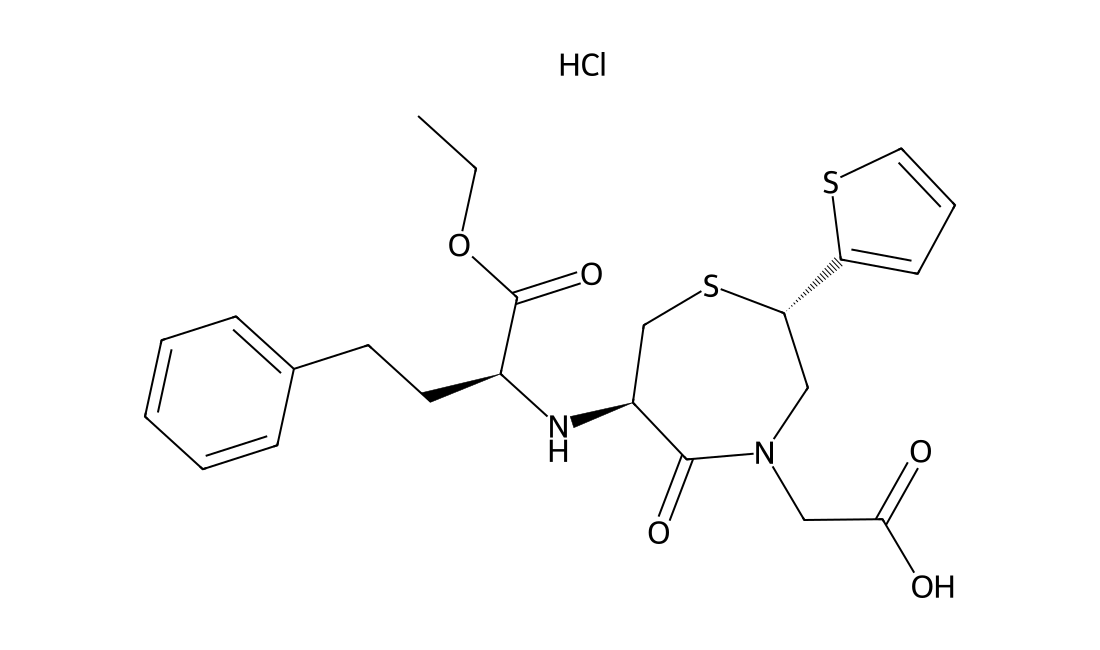
Temocapril Hydrochloride is a long-acting angiotensin-converting enzyme (ACE) inhibitor, used for the treatment of hypertension. Temocapril hydrochloride is a novel prodrug-type angiotensin-I converting enzyme (ACE) inhibitor, lowering of the dose of temocapril might be recommended only in patients with severe renal insufficiency. Temocapril is regarded as an ACE inhibitor the disposition and efficacy of which are little affected in patients with impaired liver function.

Temocapril (hydrochloride) chemical structure
DC8104

SAR407899 HCl

CAS 923262-96-8

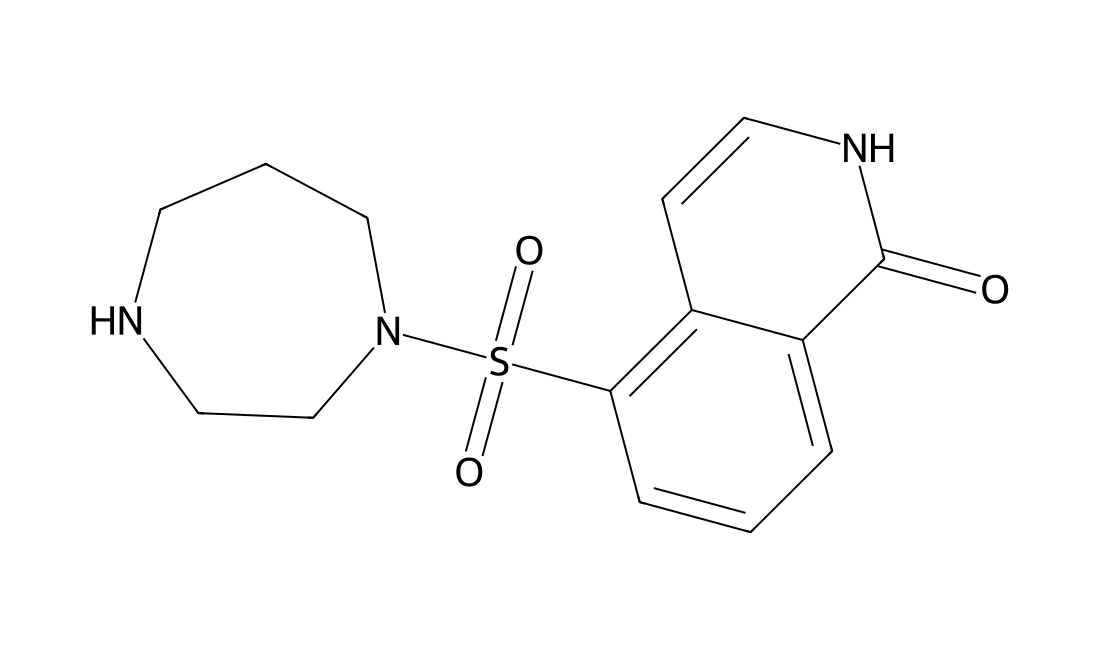
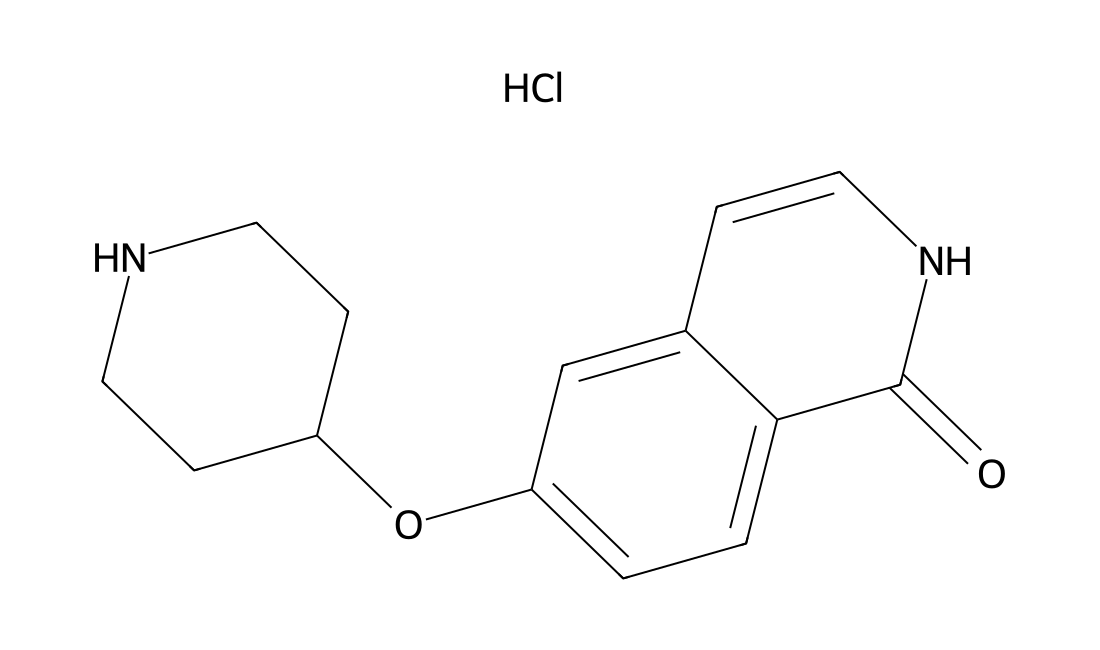
SAR407899 Hcl is a potent, ATP-competitive ROCK inhibitor woth Ki value of 36 nM/41 nM for human ROCK/Rat ROCK respectively. in vitro: SAR407899 is highly selective in panel of 117 receptor and enzyme targets. SAR407899 is ≈8-fold more active than fasudil. In vitro, SAR407899 demonstrated concentration-dependent inhibition of Rho-kinase–mediated phosphorylation of myosin phosphatase, thrombin-induced stress fiber formation, platelet-derived growth factor–induced proliferation, and monocyte chemotactic protein-1–stimulated chemotaxis. SAR407899 potently (mean IC50 values: 122 to 280 nM) and species-independently relaxed precontracted isolated arteries of different species and different vascular beds. SAR407899 dose-dependently relaxed the pre-contracted corpora cavernosa in all species, with similar potency and efficacy in healthy vs diabetic rats, WKY vs SHR rats, healthy vs diabetic rabbits (IC(50) range from 0.05 to 0.29 μM, Emax range 89 to 97%). in vivo: Over the dose range 3 to 30 mg/kg PO, SAR407899 lowered blood pressure in a variety of rodent models of arterial hypertension. SAR407899 was more effective than Y27632 in reducing ET-1-induced vasoconstriction in ZDF rat renal resistance arteries. Maximum ET-1-induced vasoconstriction in SAR407899-treated and Y27632-treated human renal resistance arteries was 23±5 and 48±6% of control values, respectively. For the detailed information of SAR-407899, the solubility of SAR-407899 in water, the solubility of SAR-407899 in DMSO, the solubility of SAR-407899 in PBS buffer, the animal experiment (test) of SAR-407899, the cell expriment (test) of SAR-407899, the in vivo, in vitro and clinical trial test of SAR-407899, the EC50, IC50,and affinity,of SAR-407899, For the detailed information of SAR-407899, the solubility of SAR-407899 in water, the solubility of SAR-407899 in DMSO, the solubility of SAR-407899 in PBS buffer, the animal experiment (test) of SAR-407899, the cell expriment (test) of SAR-407899, the in vivo, in vitro and clinical trial test of SAR-407899, the EC50, IC50,and affinity,of SAR-407899, Please contact DC Chemicals.

SAR407899 HCl chemical structure
DC5988

Salvianolic acid A

CAS 96574-01-5

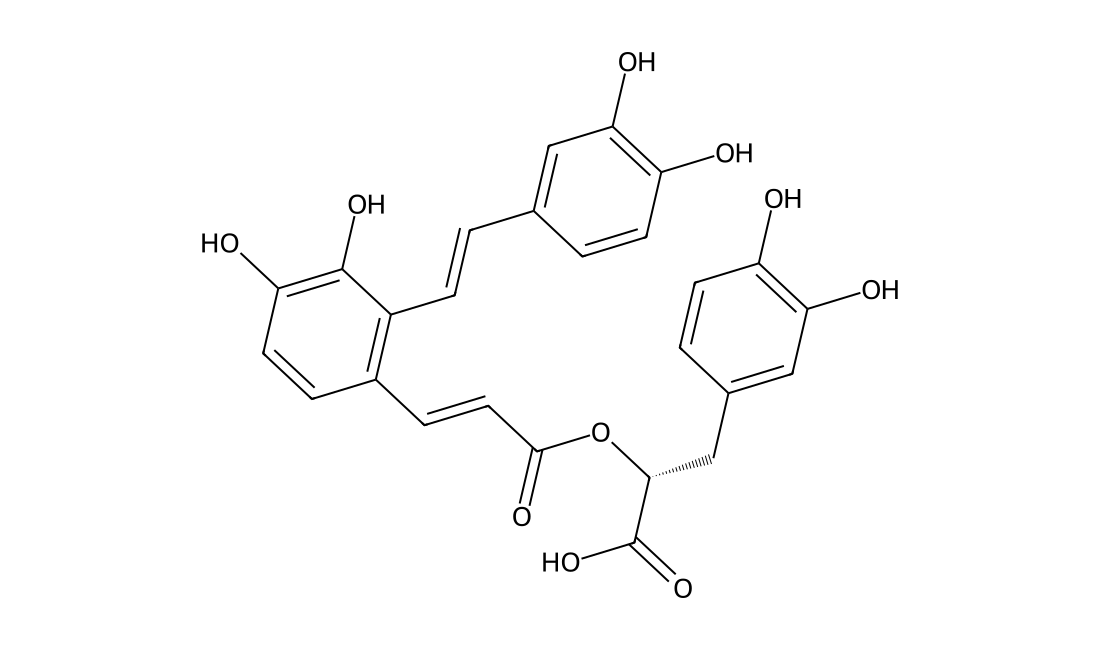
Salvianolic acid A is cell protective antioxidant originally isolated from Salvia. It has been found to attenuate PDGF-induced ROS formation in hepatic stellate cells and protected against isoproterenol-induced myocardial damage in rats. Salvianolic acid A acts as scavengers of reactive oxygen species, reduces the adherence of leukocytes to endothelial cells, inhibits matrix metalloproteinases and inflammation. It has cardioprotective effects as it suppresses apoptosis, reduces lipid peroxidation in damaged cardiac tissue and decreases the leakage of lactic acid dehydrogenase. For the detailed information of Salvianolic acid A, the solubility of Salvianolic acid A in water, the solubility of Salvianolic acid A in DMSO, the solubility of Salvianolic acid A in PBS buffer, the animal experiment(test) (test) of Salvianolic acid A, the cell expriment (test) of Salvianolic acid A, the in vivo, in vitro and clinical trial test of Salvianolic acid A, the EC50, IC50,and Affinity of Salvianolic acid A,, please contact DC Chemicals.
Salvianolic acid A chemical structure
Browse target & topic index A–Z (366)
11β-HSD (1)15-PGDH (2)5-HT Receptor (16)Acetyl-CoA Carboxylase (ACC) (3)Acetylcholinesterase (AChE) (2)Ack1 (TNK2) (1)Acyltransferase (1)ADC Cytotoxin (6)ADCs Linker/Click Chemistry (5)Adenosine Receptor (9)Adenylate Cyclase (2)Adrenergic Receptor (11)Akt (12)Alcoholism (2)Aldehyde Dehydrogenase (ALDH) (6)Allergy (5)Alzheimer Disease (13)Aminopeptidase (1)AMPK (8)Amyloids (4)Anaplastic Lymphoma Kinase (ALK) (9)Androgen Receptor (AR) (11)Anemia (4)Angiotensin Receptor (4)Antibody/Protein labeling dyes (1)Antifolate (2)Anxiety (1)Apoptosis Inducer (3)Arginase (1)Arp2/3 complex (1)Aryl hydrocarbon Receptor (AhR) (1)Asthma (5)Atherosclerosis (2)ATM/ATR (8)Aurora Kinase (10)Autophagy (6)Autophagy-related Protein (Atg) (2)Autotaxin (2)Bacterial (26)Bacterial Infection (17)Bcl-2 (14)Bcr-Abl (5)BCRP (1)Beta-catenin (4)Beta-secretase (BACE) (4)Blood Cancer (91)BMI-1 (1)Bone Cancer (6)Brain Cancer (6)Breast Cancer (30)Bromodomain (22)BTK (10)c-Fms (CSF1R) (5)c-Fos/AP-1 (1)c-Kit (6)c-Met (HGFR) (11)c-Myc (2)Calcium Channel (4)Calcium-sensing Receptor (CaSR) (1)CaMK (4)Cannabinoid Receptor (6)Carbonic Anhydrase (1)Carboxypeptidase (1)Casein Kinase (6)Caspase (4)Cathepsin (6)Cdc2-like Kinase (CLK) (1)CETP (2)CFTR (7)Checkpoint Kinase (Chk) (8)Chemokine Receptor (CCR and CXCR) (14)Chemotherapeutic Agents (19)Chloride Channel (1)CMV (2)CMV Infection (2)Colon Cancer (9)Complement System (1)COPD (3)CREB/CBP (2)CRF Receptor (2)CRISPR/Cas9 (1)Cushing Disease (1)Cyclin-dependent Kinase (CDK) (39)Cyclooxygenase (COX) (4)Cytochrome P450 (CYPs) (5)Depression (2)Dermatitis (2)Deubiquitinase (DUB) (7)Diabetes (20)Dipeptidyl Peptidase (DPP) (3)Discoidin Domain Receptor (DDR) (1)DNA Alkylator/Crosslinker (10)DNA Methyltransferase (DNMT) (1)DNA Repair Protein (1)DNA-PK (2)DNA/RNA Synthesis (5)Dopamine beta-hydroxylase (1)Dopamine Receptor (7)Drug Metabolite (1)Drug-Linker Conjugates (11)Dyes (4)DYRK (1)Dyslipidemia (9)E3 Ligase Ligand (6)E3 Ligase Ligand-Linker Conjugate (1)E3 Ubiquitin Ligase (4)Ebola Virus Infection (1)EGFR (32)Elastase (2)Endothelin Receptor (5)Enzymes substrates (13)Epigenetic Reader Domain (3)Epilepsy (4)ERK (4)Estrogen Receptor/ERR (13)Eukaryotic Initiation Factor (eIF) (2)Exportin-1 (CRM1,XPO1) (2)FABP (1)Factor Xa (5)Farnesoid X Receptor (FXR) (5)Farnesyl transferase (FTase) (1)Ferroptosis (6)FGFR (15)Fibrosis (5)FLT3 (6)Focal Adhesion Kinase (FAK) (11)Foxo1 (1)Free Fatty Acid Receptor (FFAR) (5)Fungal (2)Fungal Infection (1)GABA Receptor (13)Galectin (1)Gastric Cancer (8)Ghrelin Receptor (GHSR) (3)Glucagon Receptor (4)Glucokinase (2)Glucose Transporter (GLUT) (2)Glutamate Transporter (2)GPCR (1)GPER (GPR30) (1)GPR139 (1)GPR183 (EBI2) (2)GPR39 (1)GPR55 (1)GPR84 (1)GRK (GPCRK) (2)Growth Hormone Deficiency (2)GSK-3 (8)Guanylate Cyclase (3)HBV (1)HBV Infection (1)HCN Channel (2)HCV (8)HCV Infection (9)HDAC (38)Heart Arrhythmia (2)Heart Failure (5)Heat Shock Protein (HSP) (15)Hedgehog (Hh) (1)HIF/HIF Prolyl-hydroxylase (8)Histamine Receptor (6)Histone Acetyltransferase (HAT) (5)Histone Demethylase (11)Histone Methyltransferase (HMTase) (31)HIV (12)HIV Infection (11)HMG-CoA Reductase (HMGCR) (3)HSV (1)HSV Infection (1)Hypercholesterolemia (1)Hyperparathyroidism (1)Hypertension (8)IAP (1)IGF-1R (3)iGluR (15)Indoleamine 2,3-Dioxygenase (IDO) (4)Infection (1)Influenza (6)Influenza Virus (6)Insulin Receptor (2)Integrin (6)Interleukin Receptor (1)IRAK (2)IRE1 (4)Irritable Bowel Syndrome (2)Ischemia (1)Isocitrate Dehydrogenase (IDH) (5)ITK (1)IκB kinase (IKK) (7)JAK (32)JNK (3)Keap1-Nrf2 (6)Kidney Cancer (10)Kinesin (5)Kruppel-like Factor (KLF) (1)Kynurenine 3-Monooxygenase (KMO) (1)Leukotriene Receptor (1)LIM Kinase (LIMK) (3)Lipids fragment (1)Liver Cancer (6)Liver X Receptor (LXR) (3)LRRK2 (9)Lung Cancer (39)Lysophospholipid Receptor (12)LYTACs (3)mAChR (9)MALT1 (2)MAP4K (1)Matrix Metalloproteinase (MMP) (10)MDM2-p53 (9)MEK (MAP2K) (14)MEKK (MAP3K) (1)Melanocortin Receptor (2)MELK (1)mGluR (7)MicroRNA (1)Microtubule/Tubulin (5)Mineralocorticoid Receptor (MLR) (1)MITF (1)Mixed Lineage Kinase (MLK) (3)MNK (2)Molecular Glues (13)Monoamine Transporter (5)Monocarboxylate Transporter (MCT) (1)Monopolar Spindle 1 (Mps1/TTK) (3)mTOR (13)Multiple Sclerosis (6)Myosin (1)Na-K-Cl Cotransporter (NKCC) (2)nAChR (2)NADPH Oxidase (NOX) (2)NAMPT (3)Natural products (37)Neprilysin (1)Neurokinin Receptor (3)Neuropeptide Y Receptor (3)NF-κB (5)Nitric Oxide Synthase (NOS) (1)NOD-like Receptor (NLR) (3)Notch (2)Nucleoside Antimetabolite/Analog (10)Nur77 (NR4A1) (1)Obesity (1)Oct3/4 (1)Opioid Receptor (5)Orexin Receptor (7)Osteoporosis (2)Ovarian Cancer (14)Oxytocin Receptor (OXTR) (2)P-glycoprotein (P-gp) (3)p21-activated Kinase (PAK) (1)P2X Receptor (2)P2Y Receptor (1)p38 MAPK (10)p97/VCP (1)Pain (12)Pancreatic Cancer (10)Parasite (5)Parasite Infection (2)Parkinson Disease (2)PARP (19)PCSK9 (1)PD-1/PD-L1 (4)PDGFR (4)PDK1 (2)PEGn (1)PERK (2)PGE synthase (2)Phosphodiesterase (PDE) (9)Phospholipase (4)PI3K (32)PI4K (2)Piezo Channel (1)PIKfyve (3)Pim (9)PKC (12)PKD (1)Plasminogen Activator Inhibitor-1 (PAI-1) (3)Polo-like Kinase (PLK) (4)Porcupine (3)Potassium Channel (13)PPAR (13)Pregnane X Receptor (PXR) (1)Progesterone Receptor (2)Prostaglandin Receptor (11)Prostate Cancer (7)PROTACs (35)Protease-activated Receptor (PAR) (3)Proteasome (12)Protein Disulfide Isomerase (PDI) (1)Protein Phosphatase/PTP (6)Proton Pump (1)Psoriasis (5)RAD51 (1)Radioligand precursors (15)Raf (18)RAR/RXR (3)Ras (17)Renin (2)RET Tyrosine Kinase (c-RET) (3)Rheumatoid Arthritis (16)Ribosomal S6 Kinase (RSK) (5)RIG-I-like Receptor (RLR) (2)RIP kinase (7)ROCK (12)ROR (2)RSV (4)RSV Infection (3)RUNX1-CBFβ (1)S-nitrosoglutathione reductase (GSNOR) (1)Saccharides and Glycosides (1)Salt Inducible Kinase (SIK) (2)SARS-CoV (16)SARS-CoV Infection (34)Schizophrenia (4)Sexual Dysfunction (1)SGLT (4)Sigma Receptor (4)Sirtuin (9)Skin Cancer (13)Sleep Disorder (7)SMN2 Modulator (1)Smoothened (Smo) (9)Sodium Channel (12)Solid Tumors (35)Somatostatin Receptor (2)Sphingosine kinase (SphK) (2)Src (7)STAT (5)Stearoyl-CoA Desaturase (SCD) (1)Steatohepatitis (7)Sterol lipids (1)STING (14)Syk (6)T Cell Receptor (TCR) (1)TAK1 (2)TAM Receptor (Tyro3-Axl-Mer) (4)Taste Receptor (1)Telomerase (2)TGF beta Receptor (TGFBR) (12)Thrombin (3)Thrombosis (13)Thyroid Cancer (1)Thyroid Hormone Receptor (THR) (1)Thyrotropin Receptor (2)TNIK (1)Toll-like Receptor (TLR) (2)TOPK (1)Topoisomerase (11)TRAIL (1)Translocator Protein (TSPO) (1)Trk Receptor (4)TRP Channel (13)Tryptophan Hydroxylase (TPH) (1)Ubiquitin-activating Enzyme (E1) (2)Ubiquitin-conjugating Enzyme (E2) (2)Ulcer (1)ULK (3)Vasopressin Receptor (2)VEGFR (25)Vitamin D Receptor (VDR) (3)Wee1 (1)WNK Kinase (1)Wnt (5)Yes-associated Protein (YAP) (4)γ-secretase (5)

Cart

Request quotation