Home/Small Molecules/Cardiovascular & Hematology

Cardiovascular & Hematology

Vascular biology, coagulation, cardiac function, blood-pressure and hematology research.

Browse all research categories

Browse by research category

Products may appear in more than one category. Counts refer to distinct catalog numbers within each category.

Other Research Tools (75) · Additional reagents, building blocks and specialized research tools.

Cardiovascular & Hematology products

Combine a keyword, research category and target to narrow the product list.

Loading catalog filters…

264 products · Showing 241–264

DC8105

RPR-260243

CAS 668463-35-2

RPR260243 [(3R,4R)-4-[3-(6-methoxy-quinolin-4-yl)-3-oxo-propyl]-1-[3-(2,3,5-trifluoro-phenyl)-prop-2-yn-1-yl]-piperidine-3-carboxylic acid] was the first reported hERG channel activator. RPR260243 dramatically slows current deactivation in patch-clamp experiments, and its effect is temperature and voltage dependent. Though it is a weak inhibitor of the L-type Ca2+ channel, RPR260243 has no significant effects on the human cardiac Na+ channel or the KCNQ1/KCNE1 cardiac K+ channel, which are also linked with LQTS, thus showing high selectivity for hERG. Interestingly, RPR260243 inhibits the erg3 channel, which is in the same family as hERG, and a single S5 residue may account for this difference in pharmacology (Thr556 in hERG, Ile558 in rERG3). A Thr in this position favors agonist activity, whereas an Ile reveals a secondary blocking effect of RPR26024323. Additionally, RPR260243 enhances the delayed rectifier current in guinea pig myocytes and can, to some extent, reverse dofetilide-induced prolongation of action potential. Physiologically, it has been reported that RPR260243 can increase the T-wave amplitude, prolong the PR interval and shorten the QT interval in guinea pig hearts. For the detailed information of RPR-260243, the solubility of RPR-260243 in water, the solubility of RPR-260243 in DMSO, the solubility of RPR-260243 in PBS buffer, the animal experiment (test) of RPR-260243, the cell expriment (test) of RPR-260243, the in vivo, in vitro and clinical trial test of RPR-260243, the EC50, IC50,and affinity,of RPR-260243, For the detailed information of RPR-260243, the solubility of RPR-260243 in water, the solubility of RPR-260243 in DMSO, the solubility of RPR-260243 in PBS buffer, the animal experiment (test) of RPR-260243, the cell expriment (test) of RPR-260243, the in vivo, in vitro and clinical trial test of RPR-260243, the EC50, IC50,and affinity,of RPR-260243, Please contact DC Chemicals.
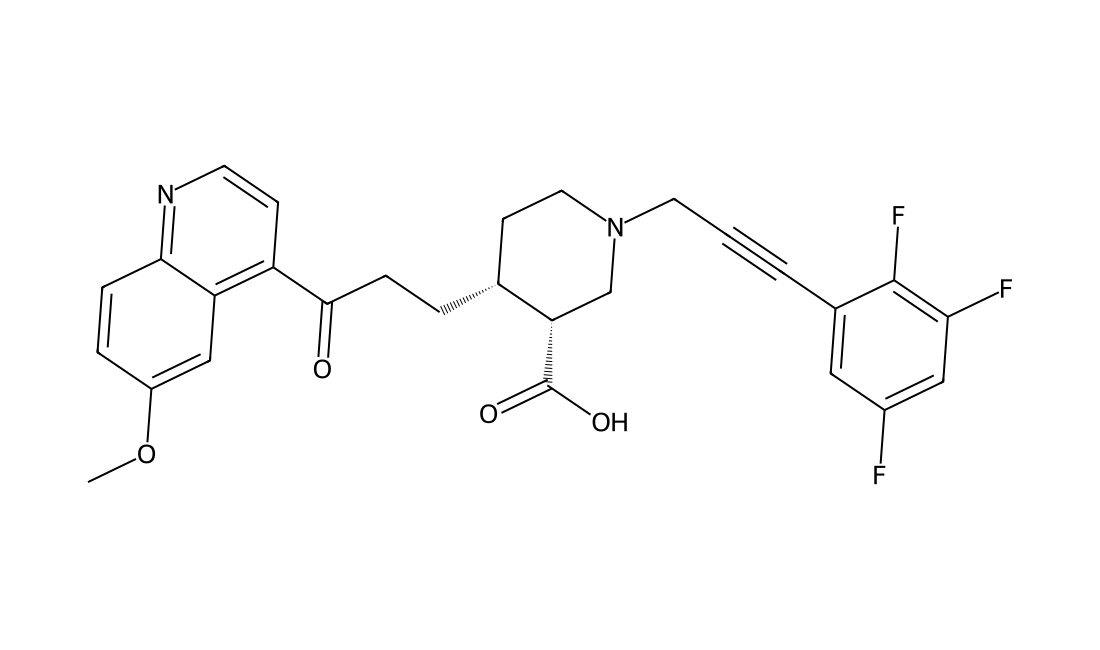
RPR-260243 chemical structure
DC7948

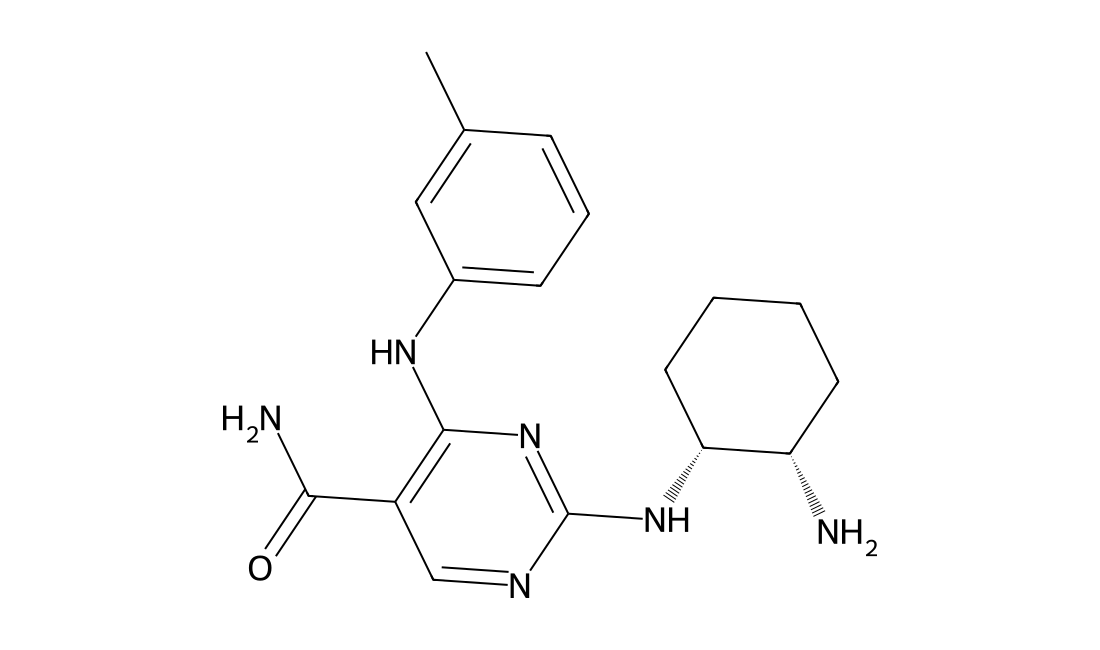
PRT-060318(PRT318)

CAS 1194961-19-7

PRT-060318, also known as PRT318 or P142–76, is a novel selective inhibitor of the tyrosine kinase Syk, as an approach to HIT treatment. PRT318 completely inhibited HIT immune complex-induced aggregation of both human and transgenic HIT mouse platelets. Transgenic HIT model mice were treated with KKO, a mouse monoclonal HIT-like antibody, and heparin. The experimental group received orally dosed PRT318, whereas the control group received vehicle. Nadir platelet counts of PRT318-treated mice were significantly higher than those of control mice. When examined with a novel thrombosis visualization technique, mice treated with PRT318 had significantly reduced thrombosis. The Syk inhibitor PRT318 thus prevented both HIT immune complex-induced thrombocytopenia and thrombosis in vivo, demonstrating its activity in HIT. (source: Blood. 2011 Feb 17;117(7):2241-6.) For the detailed information of PRT-060318 , the solubility of PRT-060318 in water, the solubility of PRT-060318 in DMSO, the solubility of PRT-060318 in PBS buffer, the animal experiment (test) of PRT-060318 , the cell expriment (test) of PRT-060318 , the in vivo, in vitro and clinical trial test of PRT-060318 , the EC50, IC50,and affinity,of PRT-060318 , Please contact DC Chemicals.
PRT-060318(PRT318) chemical structure
DC9445

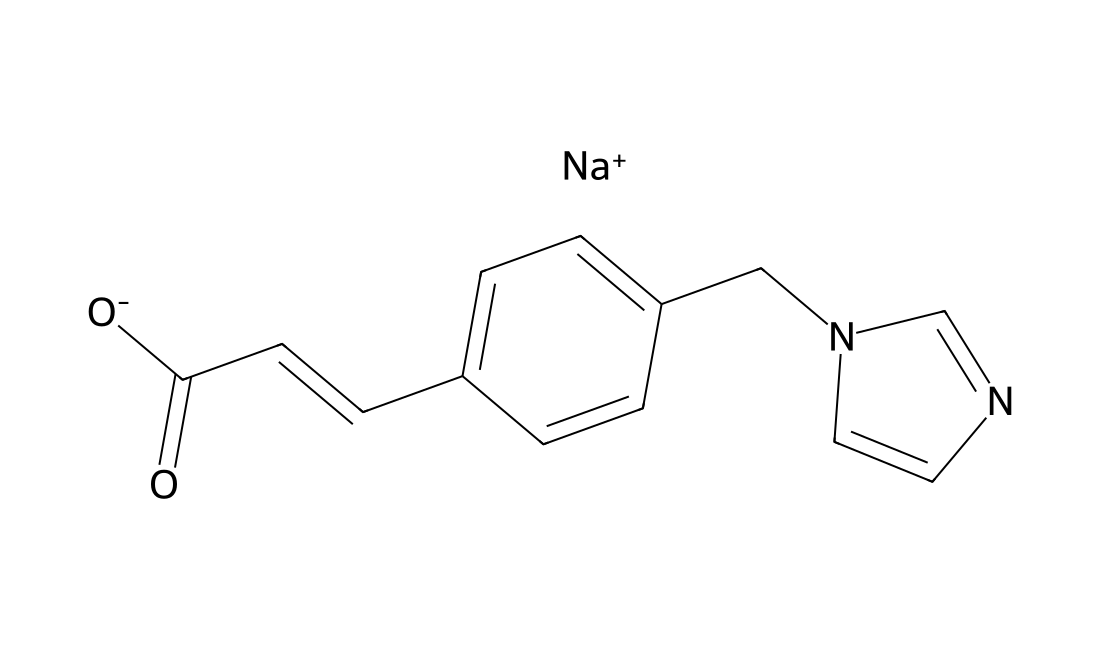
Ozagrel (sodium)

CAS 130952-46-4

Ozagrel(OKY-046) sodium salt is an antiplatelet agent working as a thromboxane A2 synthesis inhibitor. Ozagrel was selected as the best compound of highly selective inhibitors of TXA2 synthase. The inhibition of TXA2 synthase by ozagrel was more effective on human and rabbit enzymes than those of other species. Ozagrel increased 6-keto-PGF1 alpha, one of stable metabolites of PGI2, in various isolated cells and tissues perhaps via accumulated PG endoperoxides resulted by the inhibition of TXA2 synthase. Ozagrel was estimated to be a reversible mixed-type inhibitor of diphenolase activity with the constants (K (S1), K (S2), K (i1), and K (i2)) determined to be 2.21, 3.89, 0.454, and 0.799 mM, repectively. Infusion of OKY-046 significantly inhibited pulmonary thromboxane B2 delivery, attenuated the early increase in pulmonary vascular resistance, and blocked the increase in systemic vascular resistance. In addition, OKY-046 blunted and delayed the decrease in cardiac output and maintained end-systolic pressure-diameter relation, +dp/dt, and lung lymph flow at baseline values.

Ozagrel (sodium) chemical structure
DC9443

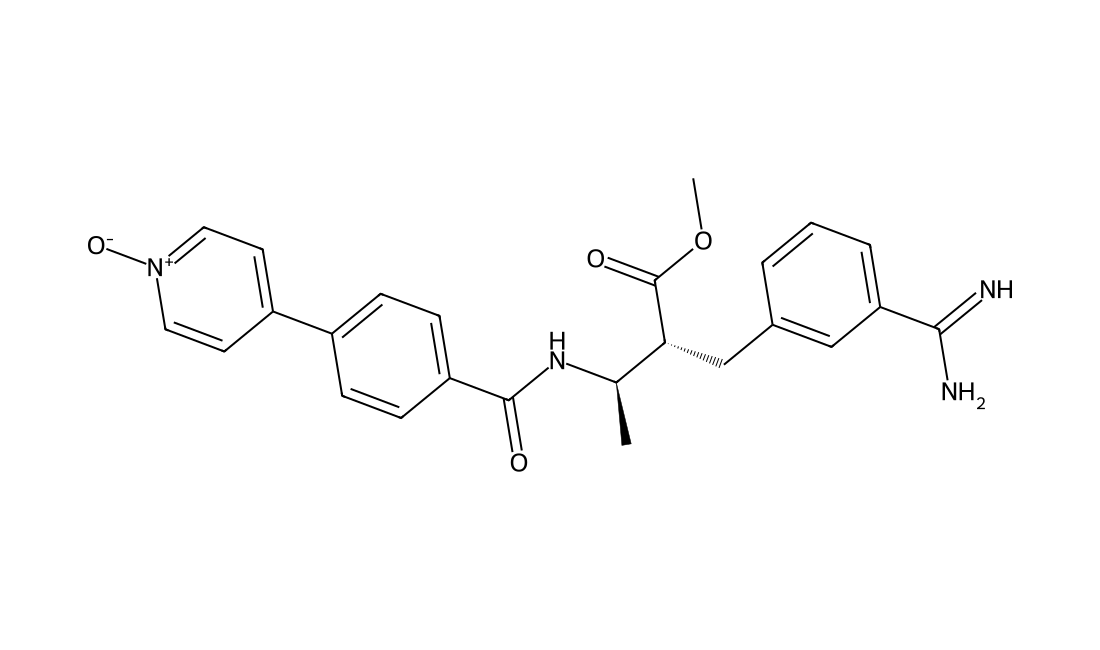
Otamixaban

CAS 193153-04-7

Otamixaban(FXV673) is a potent (Ki = 0.5 nM), selective, rapid acting, competitive and reversible fXa inhibitor that effectively inhibits both free and prothrombinase-bound fXa. Otamixaban is a potent (Ki = 0.5 nM), selective, rapid acting, competitive and reversible fXa inhibitor that effectively inhibits both free and prothrombinase-bound fXa. In vivo experiments have demonstrated that Otamixaban is highly efficacious in rodent, canine and porcine models of thrombosis. In addition, recent clinical findings indicate that Otamixaban is efficacious, safe and well tolerated in humans and therefore has considerable potential for the treatment of acute coronary syndrome. This review article chronicles the discovery and pre-clinical data surrounding the fXa inhibitor Otamixaban as well as the recent clinical findings in humans.

Otamixaban chemical structure
DC8969

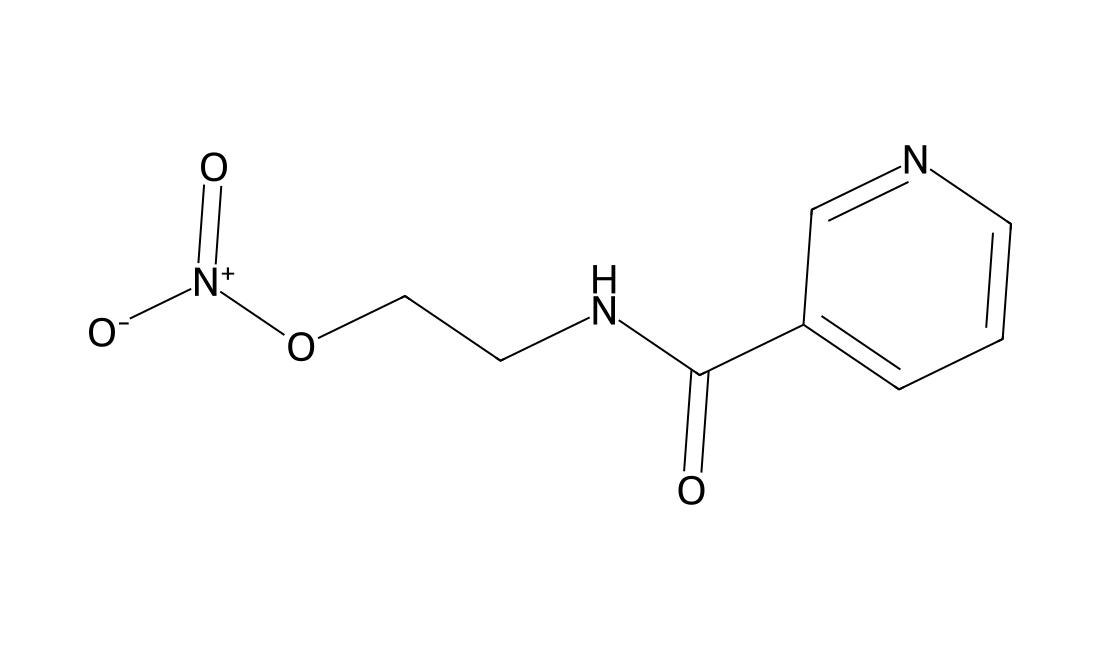
Nicorandil

CAS 65141-46-0

Nicorandil is potassium channel activator.Nicorandil is a vasodilatory drug used to treat angina. Nicorandil stimulates guanylate cyclase to increase formation of cyclic GMP (cGMP). cGMP activates protein kinase G (PKG) which phosphorylates and inhibits GTPase RhoA and decreases Rho-kinase activity. Reduced Rho-kinase activity permits an increase in myosin phosphatase activity, decreasing the calcium sensitivity of the smooth muscle. PKG also activates the sarcolemma calcium pump to remove activating calcium. PKG acts on K+ channels to promote K+ efflux and the ensuing hyperpolarization inhibits voltage-gated calcium channels. Overall, this leads to relaxation of the smooth muscle and coronary vasodilation.

Nicorandil chemical structure
DCAPI1592

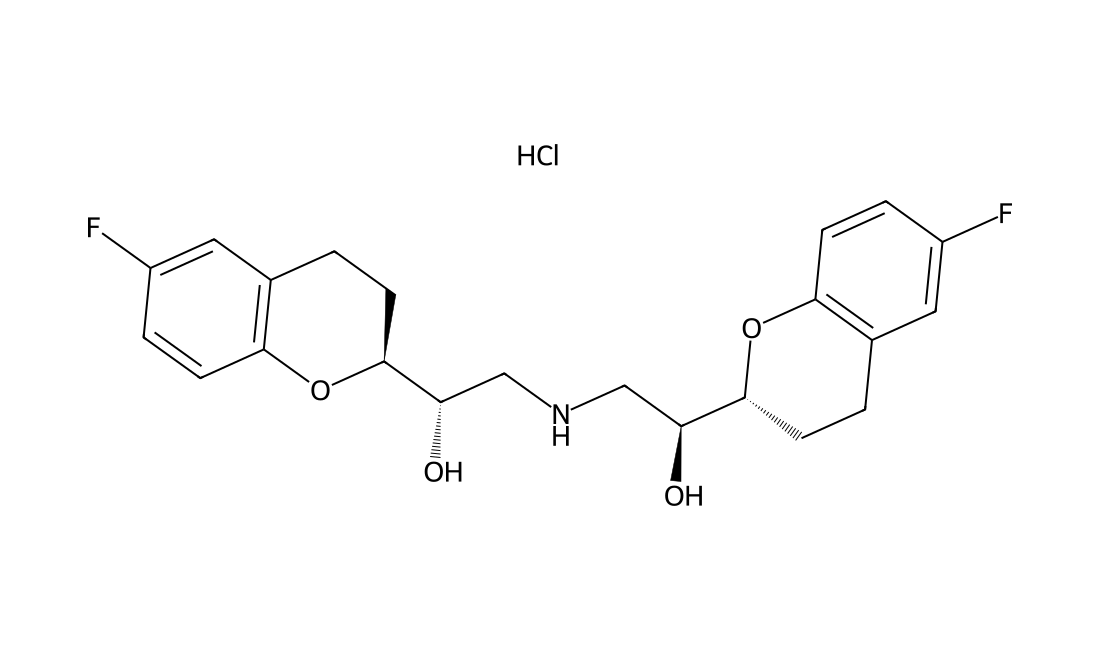
Nebivolol hydrochloride

CAS 152520-56-4

Nebivolol hydrochloride is the hydrochloride salt preparation of Nebivolol (sc-279910), a highly selective antagonist of the β1-adrenoceptor (Ki = 0.88 nM, β2-adrenoceptor Ki = 48 nM). Nebivolol is described to produce vasodilation through inducing vascular production of NO, mediated through Nebivolol agonism of the β3-adrenoceptor. Nebivolol demonstrates some affinity at the α1-adrenergic (Ki = 1160 nM), serotonin 5-HT1A (Ki = 20 nM) and 5-HT2 (Ki = 700 nM), dopamine D2 (Ki = 4000 nM), and histamine H1 (Ki = 2400 nM) receptors.For the detailed information of Nebivolol hydrochloride, the solubility of Nebivolol hydrochloride in water, the solubility of Nebivolol hydrochloride in DMSO, the solubility of Nebivolol hydrochloride in PBS buffer, the animal experiment (test) of Nebivolol hydrochloride, the cell expriment (test) of Nebivolol hydrochloride, the in vivo, in vitro and clinical trial test of Nebivolol hydrochloride, the EC50, IC50,and Affinity of Nebivolol hydrochloride, Please contact DC Chemicals.
Nebivolol hydrochloride chemical structure
DC8991

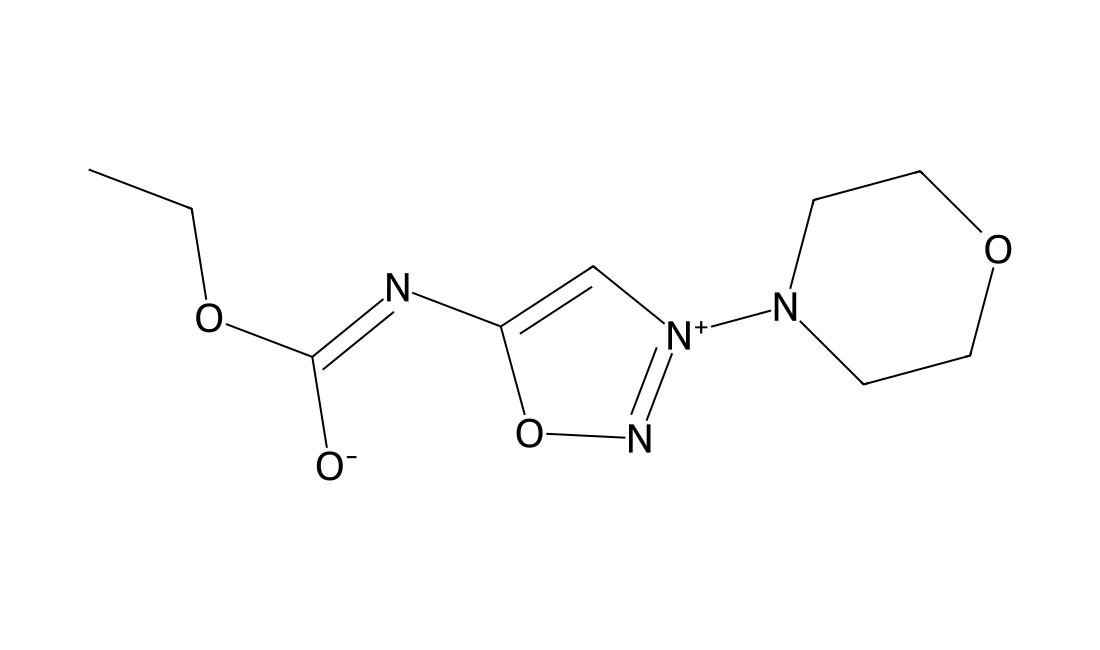
Molsidomine

CAS 25717-80-0

Molsidomine is an orally active, long acting vasodilating drug, metabolized in the liver to the active metabolite linsidomine, which is an unstable compound that releases nitric oxide (NO) upon decay as the actual vasodilating compound.

Molsidomine chemical structure
DC8968

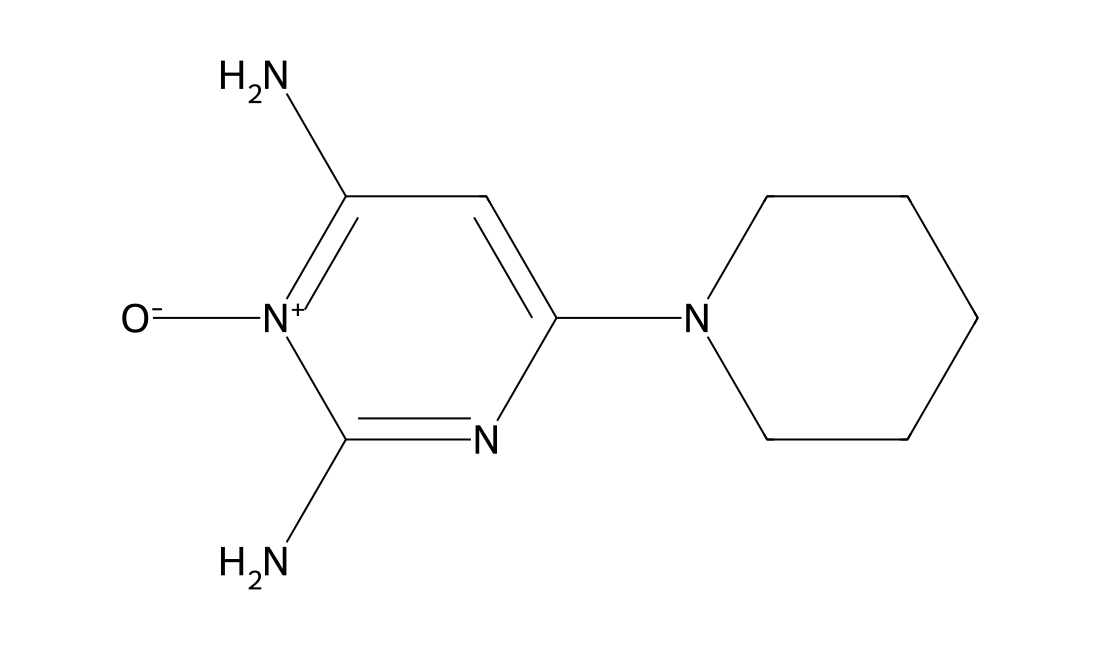
Minoxidil

CAS 38304-91-5

Minoxidil(U 10858) is an antihypertensive vasodilator medication.Minoxidil, a potent antihypertensive agent, induces generalized hypertrichosis when administered systemically, or localized hair regrowth when applied topically to sites of severe alopecia areata. The pharmacologic mechanisms by which minoxidil stimulates hair growth are unknown. This study was designed to examine whether minoxidil has direct effects on neonatal murine epidermal cells in culture. In the presence of minoxidil, cultures showed a marked dose-dependent second peak of DNA synthesis 8-10 days after culture initiation. In addition, two morphologically distinct cell types appeared. Indirect immunofluorescence staining with keratin-specific antibody revealed cytoplasmic keratin fibers, suggesting the epidermal origin of these cells. Our experiments demonstrate that minoxidil can affect epidermal cells in culture by altering their growth pattern and phenotypic appearance. Finite doses of minoxidil (2%, w/v) in formulations containing varying amounts of ethanol, propylene glycol (PG), and water (60:20:20, 80:20:0, and 0:80:20 by volume, respectively) were used. Minoxidil in SC (by tape stripping), appendages (by cyanoacrylate casting), and receptor fluid was determined by liquid scintillation counting. At early times (30 min, 2 h), ethanol-containing formulations (60:20:20 and 80:20:0) caused significantly greater minoxidil retention in SC and appendages, compared to the formulation lacking ethanol (0:80:20). A significant increase in minoxidil receptor penetration occurred with the PG-rich 0:80:20 formulation after 12 h.

Minoxidil chemical structure
DC11318

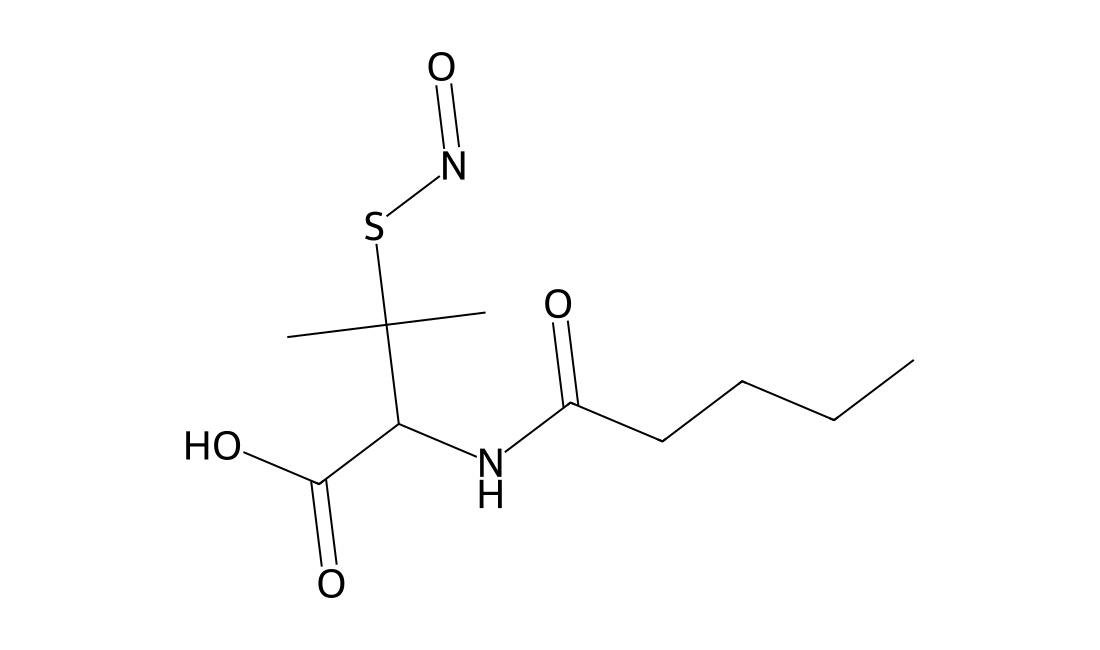
SNVP

CAS 225233-99-8

SNVP is an S-nitrosothiol that acts as a nitric oxide (NO) donor and vasodilator.It decompensates to release NO in vitro, an effect that is enhanced by both CuSO4 and cysteine. SNVP induces dose-dependent vasodilation of isolated, precontracted, and endothelium-intact rat arteries (pD2 = 5.74). It also induces sustained vasodilation of isolated, precontracted, and endothelium-denuded rat arteries when used at concentrations greater than 1 μM.

SNVP chemical structure
DC12269

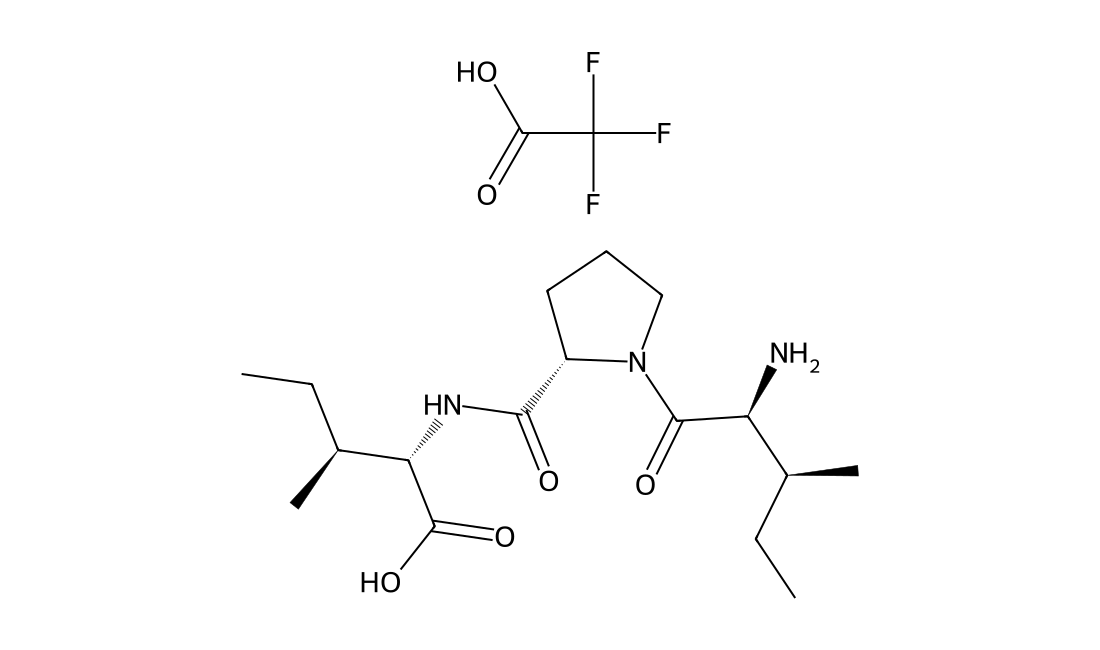
Diprotin A TFA (Ile-Pro-Pro (TFA))

CAS 209248-71-5

In Vitro Diprotin A increases the phosphorylation of Src and vascular endothelial-cadherin (VE-cadherin) in human endothelial cells and disrupts endothelial cell-to-cell junctions, which are attenuated by CXCR4 (receptor of SDF-1α)-blocker or Src-inhibitor. In Vivo In the model of retinopathy of prematurity, Diprotin A increases not only retinal vascularity but also leakage. Additionally, in the murine diabetic retinopathy model, Diprotin A increases the phosphorylation of Src and VE-cadherin and aggravates vascular leakage in the retinas. Collectively, Diprotin A induces vascular leakage by augmenting the SDF-1α/CXCR4/Src/VE-cadherin signaling pathway.

Diprotin A TFA (Ile-Pro-Pro (TFA)) chemical structure
DC24127

Cardiogenol C hydrochloride

CAS 1049741-55-0

Cardiogenol C is a small cell-permeable molecule that selectively and efficiently induce mouse embryonic stem cells (ESCs) to differentiate into cardiomyocytes with EC50 of 0.1 uM; induces cardiac differentiation in P19 and in P19Cl6 cells, also induces hair bulge progenitor cells (HBPCs) to express transcription factors GATA4, Nkx2.5 and Tbx5, Cardiogenol C might exert its effect by activating the Wnt signaling pathway through the suppression of Kremen1.

Cardiogenol C hydrochloride chemical structure
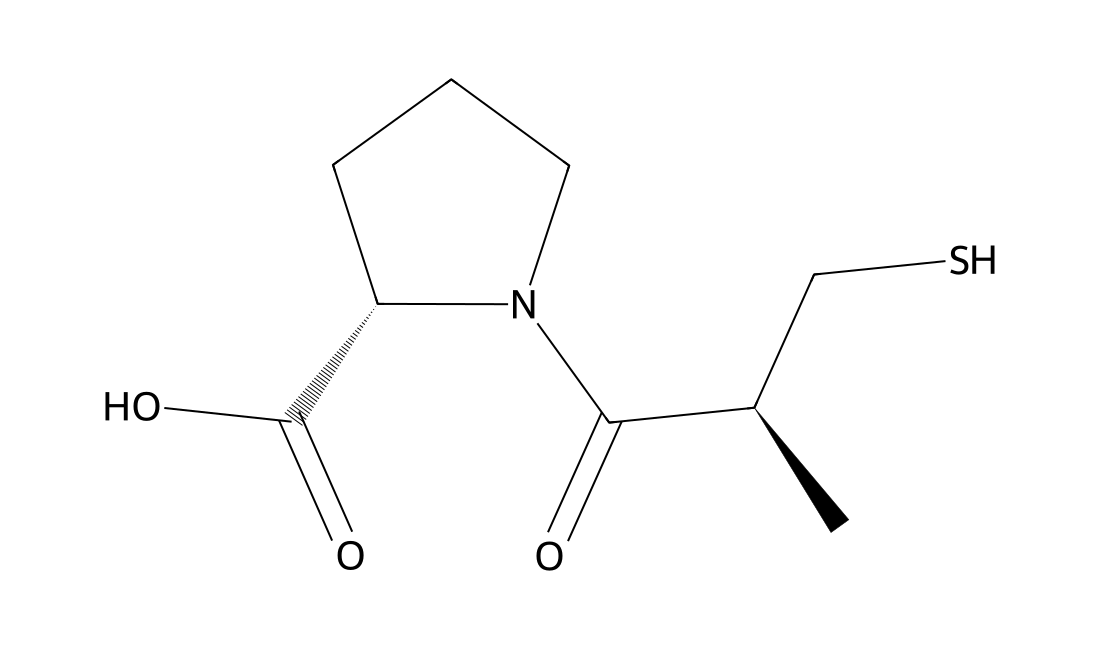
DC8975

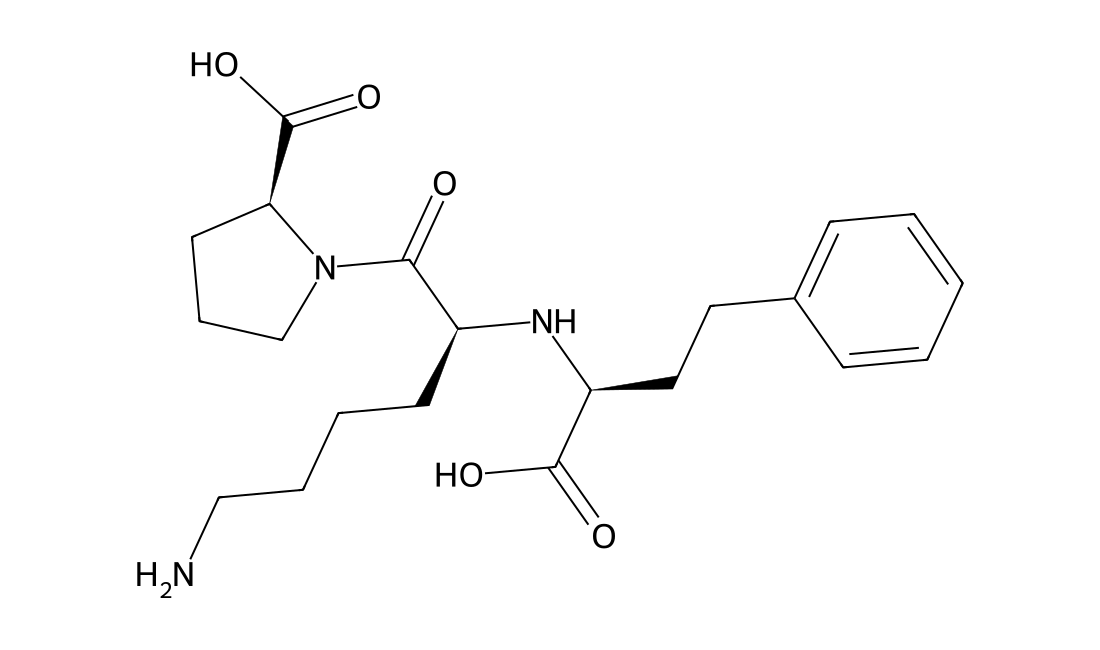
Captopril

CAS 62571-86-2

Captopril is a potent, competitive inhibitor of angiotensin-converting enzyme (ACE).Captopril has been shown to have similar morbidity and mortality benefits to those of diuretics and beta-blockers in hypertensive patients. Captopril has been shown to delay the progression of diabetic nephropathy, and enalapril and lisinopril prevent the development of nephropathy in normoalbuminuric patients with diabetes. an equimolar ratio of the cis and trans states of captopril exists in solution and that the enzyme selects only the trans state of the inhibitor that presents architectural and stereoelectronic complementarity with its substrate binding groove .

Captopril chemical structure
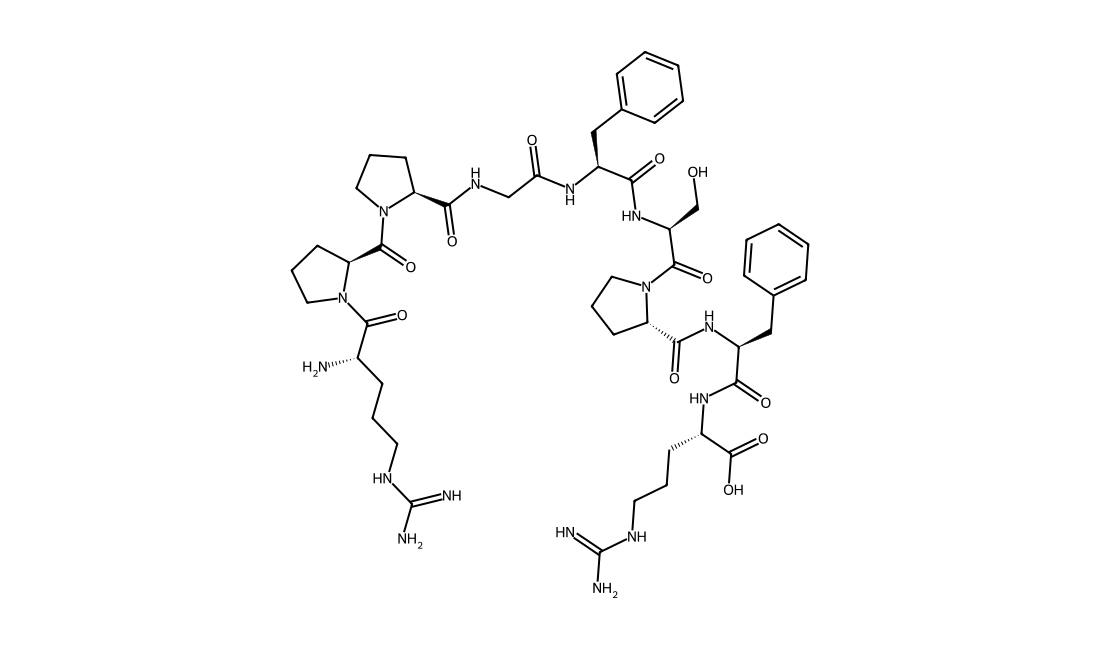
DC10338

Bradykinin

CAS 58-82-2

Bradykinin is a potent vasodilator peptide that exerts its vasodilatory action through stimulation of specific endothelial B2 receptors, thereby causing the release of prostacyclin, NO, and EDHF. Bradykinin has been reported to be involved in the progression of many types of cancer. Bradykinin treatment promotes the invasion and migration of colorectal cancer cells. Bradykinin treatment stimulates ERK1/2 activation and IL-6 production. Exogenous bradykinin markedly inhibits TF expression in mRNA and protein level induced by LPS in a dose-dependent manner. The NO synthase antagonist L-NAME and PI3K inhibitor LY294002 dramatically abolish the inhibitory effects of bradykinin on tissue factor expression.Application of 1 μM bradykinin to the ovary produces significant decreases in heart rate and mean arterial pressure. In vagotomized animals, application of 1 μM bradykinin to the ovary produces bradycardia and hypotension similar to the responses evoked when vagal innervation is intact. Vascular bradykinin can improve pancreatic microcirculation and hemorheology in rats with severe acute pancreatitis. The pancreatic microcirculatory blood flow volume and velocity in the vascular bradykinin treatment group increases gradually after 48 h[5]. PI3K/Akt signaling pathway activation induced by bradykinin administration reduces the activity of GSK-3β and MAPK, and reduces NF-x03BA;B level in the nucleus, thereby inhibiting TF expression. Consistent with this, intraperitoneal injection of C57/BL6 mice with bradykinin also inhibits the thrombus formation induced by ligation of inferior vena cava.

Bradykinin chemical structure
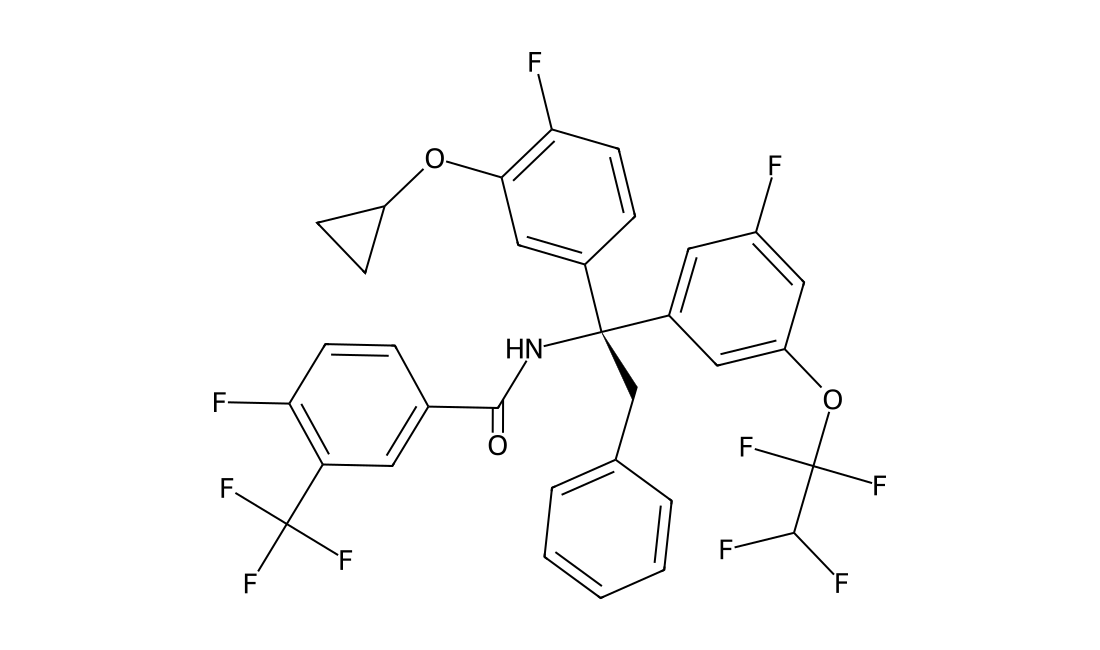
DC20814

BMS-795311

CAS 939390-99-5

BMS-795311 is a potent and orally available CETP inhibitor with IC50 of 3.8 nM, inhibits cholesteryl ester (CE) transfer with IC50 of 0.22 uM; inhibits CE transfer activity at an oral dose of 1 mg/kg in human CETP/apoB-100 dual transgenic mice and increased HDL cholesterol content and size comparable to Torcetrapib in moderately-fat fed hamsters.

BMS-795311 chemical structure
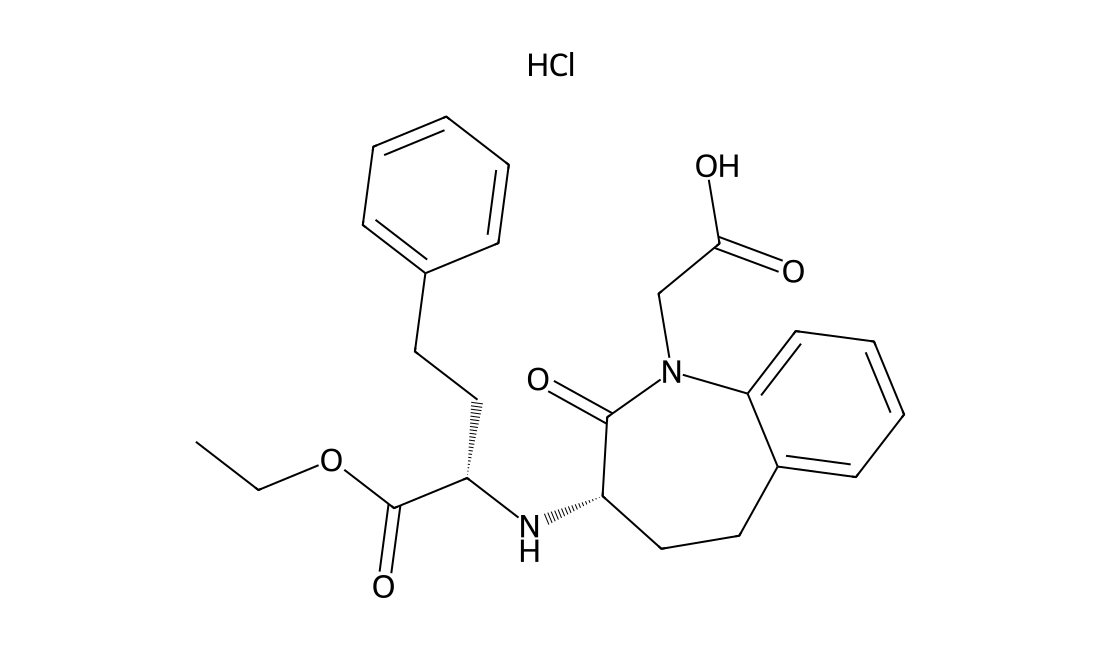
DC9152

Benazepril Hydrochloride

CAS 86541-74-4

Benazepril hydrochloride, an angiotensin converting enzyme inhibitor, which is a medication used to treat high blood pressure.Benazepril hydrochloride is a medication used to treat high blood pressure (hypertension), congestive heart failure, and chronic renal failure. Upon cleavage of its ester group by the liver, benazepril hydrochloride is converted into its active form benazeprilat, a non-sulfhydryl angiotensin-converting enzyme (ACE) inhibitor. Animals were randomly divided into 4 groups: sham STNx group (control), STNx group, morning benazepril hydrochloride group (MB) and evening benazepril hydrochloride group (EB).Benazepril hydrochloride was intragastrically administered at a dose of 10 mg/kg/day at 07:00 and 19:00 in the MB group and EB group respectively for 12 weeks. All the animals were synchronized to the light:dark cycle of 12:12 for 12 weeks. Systolic blood pressure (SBP), 24-h urinary protein excretion and renal function were measured at 11 weeks. Blood samples and kidneys were collected every 4 h throughout a day to detect the expression pattern of renin activity (RA), angiotensin II (AngII) and aldosterone (Ald) by radioimmunoassay (RIA) and the mRNA expression profile of clock genes (bmal1, dbp and per2) by real-time PCR at 12 weeks. Our results showed that no significant differences were noted in the SBP, 24-h urine protein excretion and renal function between the MB and EB groups. There were no significant differences in average Ald and RA content of a day between the MB group and EB group. The expression peak of bmal1 mRNA was phase-delayed by 4 to 8 h, and the diurnal variation of per2 and dbp mRNA diminished in the MB and EB groups compared with the control and STNx groups. It was concluded when the similar SBP reduction, RAAS inhibition and clock gene profile were achieved with optimal dose of benazepril hydrochloride, morning versus evening dosing of benazepril hydrochloride has the same renoprotection effects.

Benazepril Hydrochloride chemical structure
DC9596

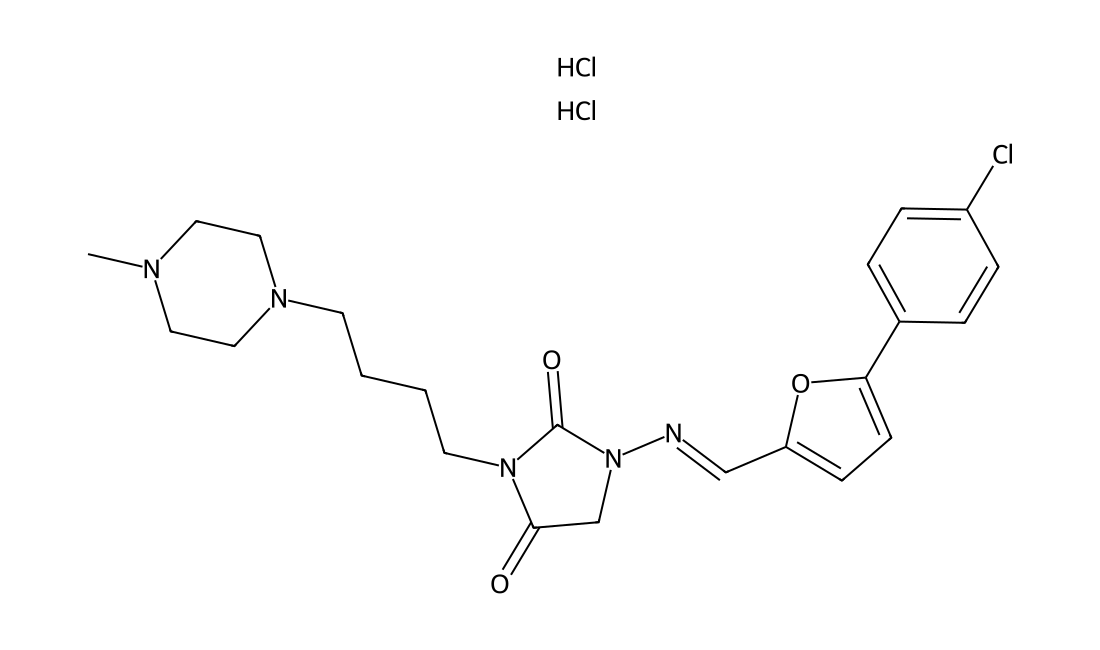
Azimilide (Dihydrochloride)

CAS 149888-94-8

Azimilide 2Hcl(NE-10064 2Hcl) is a class III antiarrhythmic compound, inhibits I(Ks) and I(Kr) in guinea-pig cardiac myocytes and I(Ks) (minK) channels expressed in Xenopus oocytes. in vitro: Azimilide blocked HERG channels at 0.1 and 1 Hz with IC50s of 1.4 microM and 5.2 microM respectively. Azimilide blockade of HERG channels expressed in Xenopus oocytes and I(Kr) in mouse AT-1 cells was decreased under conditions of high [K+]e, whereas block of slowly activating I(Ks) channels was not affected by changes in [K+]e. Azimilide suppressed the following currents (Kd in parenthesis): IKr (< 1 microM at -20 mV), IKs (1.8 microM at +30 mV), L-type Ca current (17.8 microM at +10 mV), and Na current (19 microM at -40 mV). Azimilide was a weak blocker of the transient outward and inward rectifier currents (Kd > or = 50 microM at +50 and -140 mV, respectively). Azimilide blocked IKr, IKs, and INa in a use-dependent manner. Furthermore, azimilide reduced a slowly inactivating component of Na current that might be important for maintaining the action potential plateau in canine ventricular myocytes. In guinea pig ventricular myocytes, NE-10064 (0.3-3 microM) significantly prolonged action potential duration (APD) at 1 Hz. At 3 Hz, NE-10064 (0.3-1 microM) increased APD only slightly, and at 10 microM decreased APD and the plateau potential. NE-10064 potently blocked the rapidly activating component of the delayed rectifier, IKr (IC50 0.4 microM), and inhibited IKs (IC50 3 microM) with nearly 10-fold less potency. in vivo: NE-10064 (10 mg/kg intravenously, i.v.) reduced (p < 0.05) the incidence (8 of 12) of PES-induced ventricular tachycardia (VT). The cycle length of induced VT was not prolonged by NE-10064 (0.245 +/- 0.046 s predrug vs. 0.301 +/- 0.060 s postdrug). NE-10064 increased ventricular effective refractory period (VERP 166 +/- 5 ms predrug vs. 194 +/- 13 ms postdrug, p = 0.013), prolonged QTc interval (310 +/- 12 ms predrug vs. 350 +/- 16 ms postdrug, p = 0.004) and prolonged the effective refractory period (ERP) of noninfarcted myocardium (p = 0.045).

Azimilide (Dihydrochloride) chemical structure
DC9348

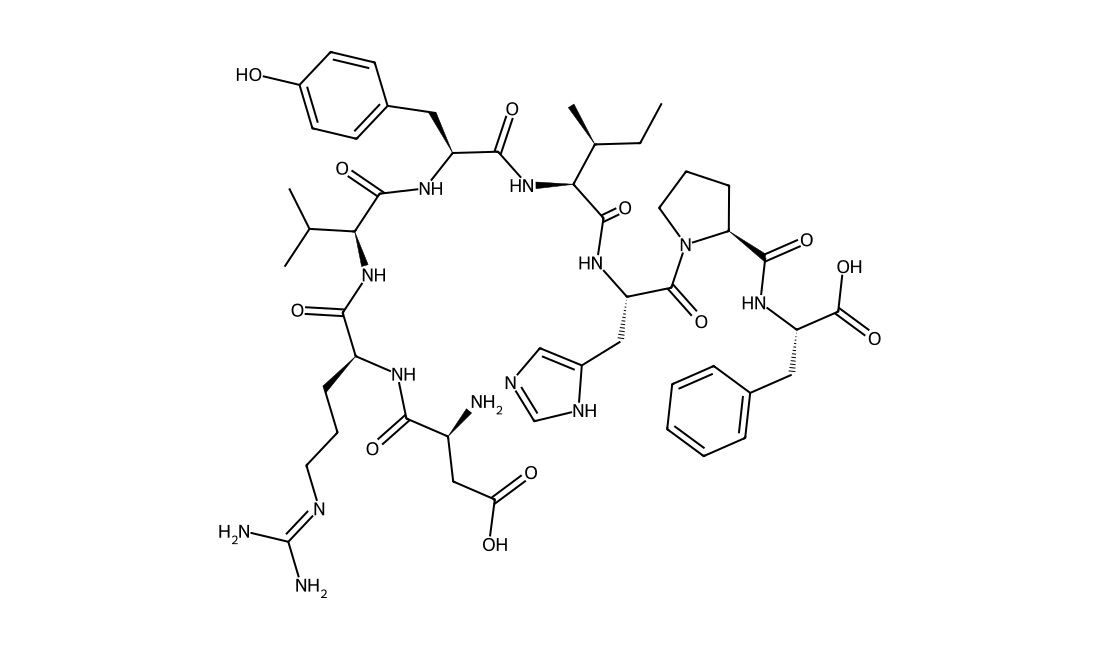
Angiotensin II human

CAS 4474-91-3

Angiotensin II human is a peptide hormone that causes vasoconstriction and a subsequent increase in blood pressure. In nature, angiotensin II (Ang II) is formed by the action of angiotensin converting enzyme (ACE), which cleaves the C-terminal -His-Leu from the decapeptide, angiotensin I. Angiotensin II is a vasoconstrictor, while its precursor is inactive. It is important in regulating cardiovascular hemodynamics and cardiovascular structure. Most of the known effects of Ang II in adult tissues are attributable to the angiotensin II type I (AT1) receptor. The AT1 and AT2 receptors have differential pharmacological and biochemical properties, and appear to exert opposite effects in terms of cardiovascular hemodynamics and cell growth. In addition, the renin-angiotensin and nitric oxidegenerating systems appear to interact in the regulation of cardiovascular function. Ang II stimulates angiogenesis and increases microvessel density.

Angiotensin II human chemical structure
DC24123

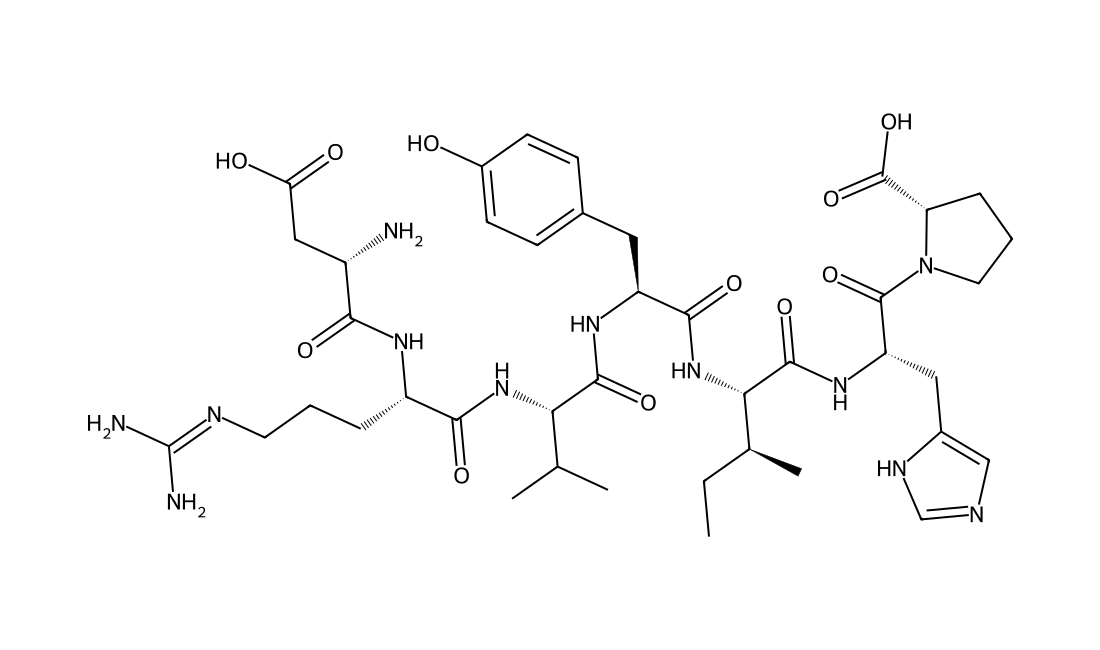
Angiotensin 1-7

CAS 51833-78-4

Angiotensin (1-7) (Ang-(1-7)) is an active heptapeptide of the Renin-angiotensin system (RAS), inhibits purified canine angiotensin converting enzyme (ACE) activity with IC50 of 0.65 uM; augments bradykinin-induced vasodilation by competing with ACE and releasing nitric oxide, abolishes AGE-induced cellular hypertrophy and myofibroblast transformation via inhibition of ERK1/2; evokes anti-arrhythmogenic effects in animal models, upregulates cardiac nitric oxide synthase in spontaneously hypertensive rats.

Angiotensin 1-7 chemical structure
Browse target & topic index A–Z (366)
11β-HSD (1)15-PGDH (2)5-HT Receptor (16)Acetyl-CoA Carboxylase (ACC) (3)Acetylcholinesterase (AChE) (2)Ack1 (TNK2) (1)Acyltransferase (1)ADC Cytotoxin (6)ADCs Linker/Click Chemistry (5)Adenosine Receptor (9)Adenylate Cyclase (2)Adrenergic Receptor (11)Akt (12)Alcoholism (2)Aldehyde Dehydrogenase (ALDH) (6)Allergy (5)Alzheimer Disease (13)Aminopeptidase (1)AMPK (8)Amyloids (4)Anaplastic Lymphoma Kinase (ALK) (9)Androgen Receptor (AR) (11)Anemia (4)Angiotensin Receptor (4)Antibody/Protein labeling dyes (1)Antifolate (2)Anxiety (1)Apoptosis Inducer (3)Arginase (1)Arp2/3 complex (1)Aryl hydrocarbon Receptor (AhR) (1)Asthma (5)Atherosclerosis (2)ATM/ATR (8)Aurora Kinase (10)Autophagy (6)Autophagy-related Protein (Atg) (2)Autotaxin (2)Bacterial (26)Bacterial Infection (17)Bcl-2 (14)Bcr-Abl (5)BCRP (1)Beta-catenin (4)Beta-secretase (BACE) (4)Blood Cancer (91)BMI-1 (1)Bone Cancer (6)Brain Cancer (6)Breast Cancer (30)Bromodomain (22)BTK (10)c-Fms (CSF1R) (5)c-Fos/AP-1 (1)c-Kit (6)c-Met (HGFR) (11)c-Myc (2)Calcium Channel (4)Calcium-sensing Receptor (CaSR) (1)CaMK (4)Cannabinoid Receptor (6)Carbonic Anhydrase (1)Carboxypeptidase (1)Casein Kinase (6)Caspase (4)Cathepsin (6)Cdc2-like Kinase (CLK) (1)CETP (2)CFTR (7)Checkpoint Kinase (Chk) (8)Chemokine Receptor (CCR and CXCR) (14)Chemotherapeutic Agents (19)Chloride Channel (1)CMV (2)CMV Infection (2)Colon Cancer (9)Complement System (1)COPD (3)CREB/CBP (2)CRF Receptor (2)CRISPR/Cas9 (1)Cushing Disease (1)Cyclin-dependent Kinase (CDK) (39)Cyclooxygenase (COX) (4)Cytochrome P450 (CYPs) (5)Depression (2)Dermatitis (2)Deubiquitinase (DUB) (7)Diabetes (20)Dipeptidyl Peptidase (DPP) (3)Discoidin Domain Receptor (DDR) (1)DNA Alkylator/Crosslinker (10)DNA Methyltransferase (DNMT) (1)DNA Repair Protein (1)DNA-PK (2)DNA/RNA Synthesis (5)Dopamine beta-hydroxylase (1)Dopamine Receptor (7)Drug Metabolite (1)Drug-Linker Conjugates (11)Dyes (4)DYRK (1)Dyslipidemia (9)E3 Ligase Ligand (6)E3 Ligase Ligand-Linker Conjugate (1)E3 Ubiquitin Ligase (4)Ebola Virus Infection (1)EGFR (32)Elastase (2)Endothelin Receptor (5)Enzymes substrates (13)Epigenetic Reader Domain (3)Epilepsy (4)ERK (4)Estrogen Receptor/ERR (13)Eukaryotic Initiation Factor (eIF) (2)Exportin-1 (CRM1,XPO1) (2)FABP (1)Factor Xa (5)Farnesoid X Receptor (FXR) (5)Farnesyl transferase (FTase) (1)Ferroptosis (6)FGFR (15)Fibrosis (5)FLT3 (6)Focal Adhesion Kinase (FAK) (11)Foxo1 (1)Free Fatty Acid Receptor (FFAR) (5)Fungal (2)Fungal Infection (1)GABA Receptor (13)Galectin (1)Gastric Cancer (8)Ghrelin Receptor (GHSR) (3)Glucagon Receptor (4)Glucokinase (2)Glucose Transporter (GLUT) (2)Glutamate Transporter (2)GPCR (1)GPER (GPR30) (1)GPR139 (1)GPR183 (EBI2) (2)GPR39 (1)GPR55 (1)GPR84 (1)GRK (GPCRK) (2)Growth Hormone Deficiency (2)GSK-3 (8)Guanylate Cyclase (3)HBV (1)HBV Infection (1)HCN Channel (2)HCV (8)HCV Infection (9)HDAC (38)Heart Arrhythmia (2)Heart Failure (5)Heat Shock Protein (HSP) (15)Hedgehog (Hh) (1)HIF/HIF Prolyl-hydroxylase (8)Histamine Receptor (6)Histone Acetyltransferase (HAT) (5)Histone Demethylase (11)Histone Methyltransferase (HMTase) (31)HIV (12)HIV Infection (11)HMG-CoA Reductase (HMGCR) (3)HSV (1)HSV Infection (1)Hypercholesterolemia (1)Hyperparathyroidism (1)Hypertension (8)IAP (1)IGF-1R (3)iGluR (15)Indoleamine 2,3-Dioxygenase (IDO) (4)Infection (1)Influenza (6)Influenza Virus (6)Insulin Receptor (2)Integrin (6)Interleukin Receptor (1)IRAK (2)IRE1 (4)Irritable Bowel Syndrome (2)Ischemia (1)Isocitrate Dehydrogenase (IDH) (5)ITK (1)IκB kinase (IKK) (7)JAK (32)JNK (3)Keap1-Nrf2 (6)Kidney Cancer (10)Kinesin (5)Kruppel-like Factor (KLF) (1)Kynurenine 3-Monooxygenase (KMO) (1)Leukotriene Receptor (1)LIM Kinase (LIMK) (3)Lipids fragment (1)Liver Cancer (6)Liver X Receptor (LXR) (3)LRRK2 (9)Lung Cancer (39)Lysophospholipid Receptor (12)LYTACs (3)mAChR (9)MALT1 (2)MAP4K (1)Matrix Metalloproteinase (MMP) (10)MDM2-p53 (9)MEK (MAP2K) (14)MEKK (MAP3K) (1)Melanocortin Receptor (2)MELK (1)mGluR (7)MicroRNA (1)Microtubule/Tubulin (5)Mineralocorticoid Receptor (MLR) (1)MITF (1)Mixed Lineage Kinase (MLK) (3)MNK (2)Molecular Glues (13)Monoamine Transporter (5)Monocarboxylate Transporter (MCT) (1)Monopolar Spindle 1 (Mps1/TTK) (3)mTOR (13)Multiple Sclerosis (6)Myosin (1)Na-K-Cl Cotransporter (NKCC) (2)nAChR (2)NADPH Oxidase (NOX) (2)NAMPT (3)Natural products (37)Neprilysin (1)Neurokinin Receptor (3)Neuropeptide Y Receptor (3)NF-κB (5)Nitric Oxide Synthase (NOS) (1)NOD-like Receptor (NLR) (3)Notch (2)Nucleoside Antimetabolite/Analog (10)Nur77 (NR4A1) (1)Obesity (1)Oct3/4 (1)Opioid Receptor (5)Orexin Receptor (7)Osteoporosis (2)Ovarian Cancer (14)Oxytocin Receptor (OXTR) (2)P-glycoprotein (P-gp) (3)p21-activated Kinase (PAK) (1)P2X Receptor (2)P2Y Receptor (1)p38 MAPK (10)p97/VCP (1)Pain (12)Pancreatic Cancer (10)Parasite (5)Parasite Infection (2)Parkinson Disease (2)PARP (19)PCSK9 (1)PD-1/PD-L1 (4)PDGFR (4)PDK1 (2)PEGn (1)PERK (2)PGE synthase (2)Phosphodiesterase (PDE) (9)Phospholipase (4)PI3K (32)PI4K (2)Piezo Channel (1)PIKfyve (3)Pim (9)PKC (12)PKD (1)Plasminogen Activator Inhibitor-1 (PAI-1) (3)Polo-like Kinase (PLK) (4)Porcupine (3)Potassium Channel (13)PPAR (13)Pregnane X Receptor (PXR) (1)Progesterone Receptor (2)Prostaglandin Receptor (11)Prostate Cancer (7)PROTACs (35)Protease-activated Receptor (PAR) (3)Proteasome (12)Protein Disulfide Isomerase (PDI) (1)Protein Phosphatase/PTP (6)Proton Pump (1)Psoriasis (5)RAD51 (1)Radioligand precursors (15)Raf (18)RAR/RXR (3)Ras (17)Renin (2)RET Tyrosine Kinase (c-RET) (3)Rheumatoid Arthritis (16)Ribosomal S6 Kinase (RSK) (5)RIG-I-like Receptor (RLR) (2)RIP kinase (7)ROCK (12)ROR (2)RSV (4)RSV Infection (3)RUNX1-CBFβ (1)S-nitrosoglutathione reductase (GSNOR) (1)Saccharides and Glycosides (1)Salt Inducible Kinase (SIK) (2)SARS-CoV (16)SARS-CoV Infection (34)Schizophrenia (4)Sexual Dysfunction (1)SGLT (4)Sigma Receptor (4)Sirtuin (9)Skin Cancer (13)Sleep Disorder (7)SMN2 Modulator (1)Smoothened (Smo) (9)Sodium Channel (12)Solid Tumors (35)Somatostatin Receptor (2)Sphingosine kinase (SphK) (2)Src (7)STAT (5)Stearoyl-CoA Desaturase (SCD) (1)Steatohepatitis (7)Sterol lipids (1)STING (14)Syk (6)T Cell Receptor (TCR) (1)TAK1 (2)TAM Receptor (Tyro3-Axl-Mer) (4)Taste Receptor (1)Telomerase (2)TGF beta Receptor (TGFBR) (12)Thrombin (3)Thrombosis (13)Thyroid Cancer (1)Thyroid Hormone Receptor (THR) (1)Thyrotropin Receptor (2)TNIK (1)Toll-like Receptor (TLR) (2)TOPK (1)Topoisomerase (11)TRAIL (1)Translocator Protein (TSPO) (1)Trk Receptor (4)TRP Channel (13)Tryptophan Hydroxylase (TPH) (1)Ubiquitin-activating Enzyme (E1) (2)Ubiquitin-conjugating Enzyme (E2) (2)Ulcer (1)ULK (3)Vasopressin Receptor (2)VEGFR (25)Vitamin D Receptor (VDR) (3)Wee1 (1)WNK Kinase (1)Wnt (5)Yes-associated Protein (YAP) (4)γ-secretase (5)

Cart

Request quotation