
Cardiovascular & Hematology
Vascular biology, coagulation, cardiac function, blood-pressure and hematology research.
Browse all research categories
Browse by research category
Products may appear in more than one category. Counts refer to distinct catalog numbers within each category.
Kinases & Cell Signaling1,548 products →938 products →Epigenetics & Gene Regulation410 products →277 products →DNA Damage, Repair & Cell Cycle342 products →228 products →Cell Death & Autophagy233 products →117 products →Protein Degradation & Proteostasis252 products →178 products →Immunology & Inflammation515 products →297 products →Neuroscience793 products →363 products →GPCRs & Receptor Biology1,219 products →428 products →Ion Channels & Transporters373 products →196 products →Metabolism & Endocrinology697 products →404 products →Cardiovascular & Hematology264 products →141 products →Anti-infectives453 products →205 products →Cancer Research1,049 products →532 products →ADCs & Bioconjugation61 products →38 products →Probes & Assay Reagents150 products →82 products →Natural Products424 products →73 products →Cell Biology & Intracellular Transport181 products →61 products →
Other Research Tools (75) · Additional reagents, building blocks and specialized research tools.
Cardiovascular & Hematology products
Combine a keyword, research category and target to narrow the product list.
Loading catalog filters…
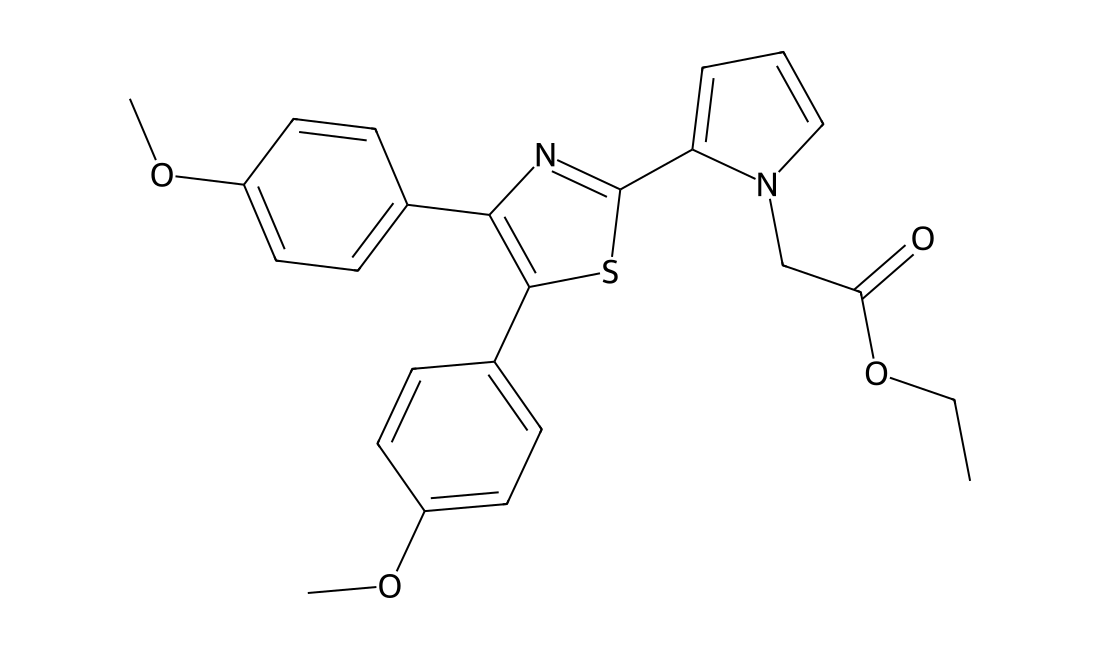
Midodrine
CAS 42794-76-3
Midodrine is a selective α1-adrenoceptor agonist that acts as a vasopressor/antihypotensive agent for the treatment of dysautonomia and orthostatic hypotension.
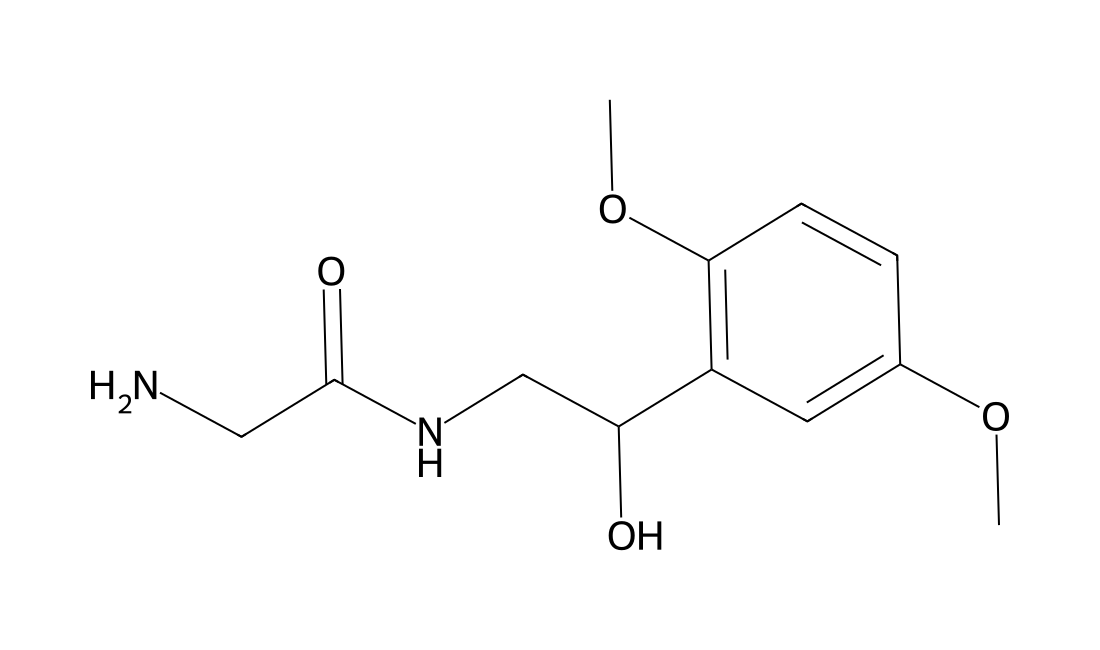
Dicumarol
CAS 66-76-2
Dicoumarol (INN) or dicumarol (USAN) is a naturally occurring anticoagulant that functions as a functional vitamin K depleter (similar to warfarin, a drug that dicoumarol inspired). It is also used in biochemical experiments as an inhibitor of reductases. Like all 4-hydroxycoumarin drugs it is a competitive inhibitor of vitamin K epoxide reductase, an enzyme that recycles vitamin K, thus causing depletion of active vitamin K in blood. This prevents the formation of the active form of prothrombin and several other coagulant enzymes. These compounds are not antagonists of Vitamin K directly—as they are in pharmaceutical uses—but rather promote depletion of vitamin K in bodily tissues allowing vitamin K's mechanism of action as a potent medication for dicoumarol toxicity. The mechanism of action of Vitamin K along with the toxicity of dicoumarol are measured with the prothrombin time (PT) blood test. (Source: https://en.wikipedia.org/wiki/Dicoumarol).
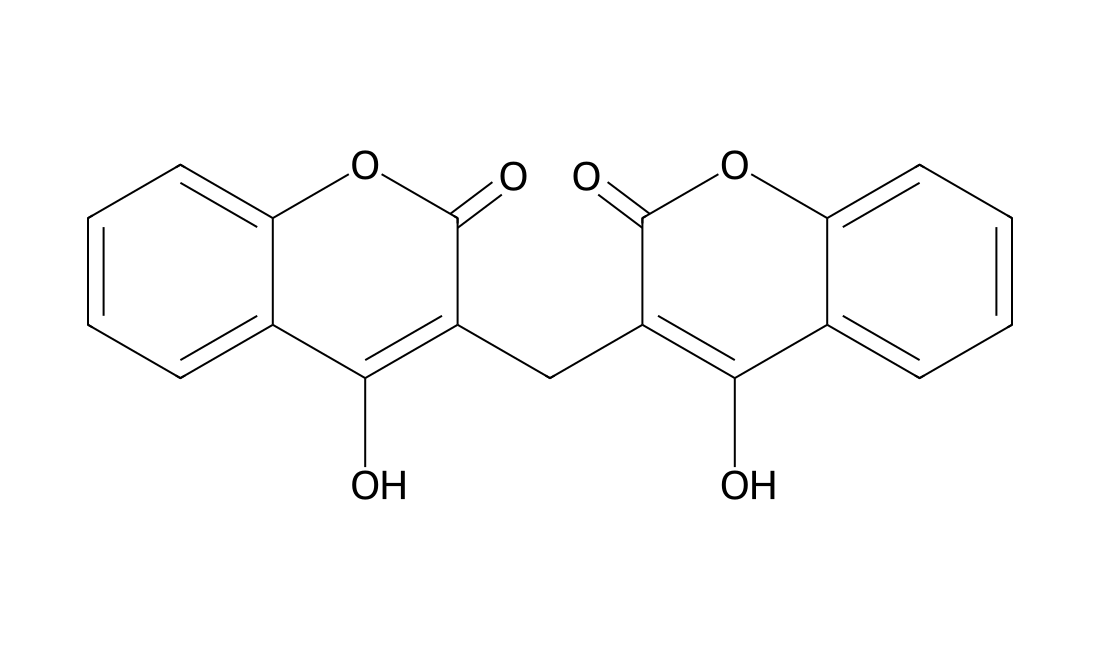
ONO-1301
CAS 176391-41-6
A stable, orally active, non-prostanoid prostacyclin I2 (PGI2) mimetic and prostacyclin agonist with inhibitory activity against thromboxane A2 synthase.
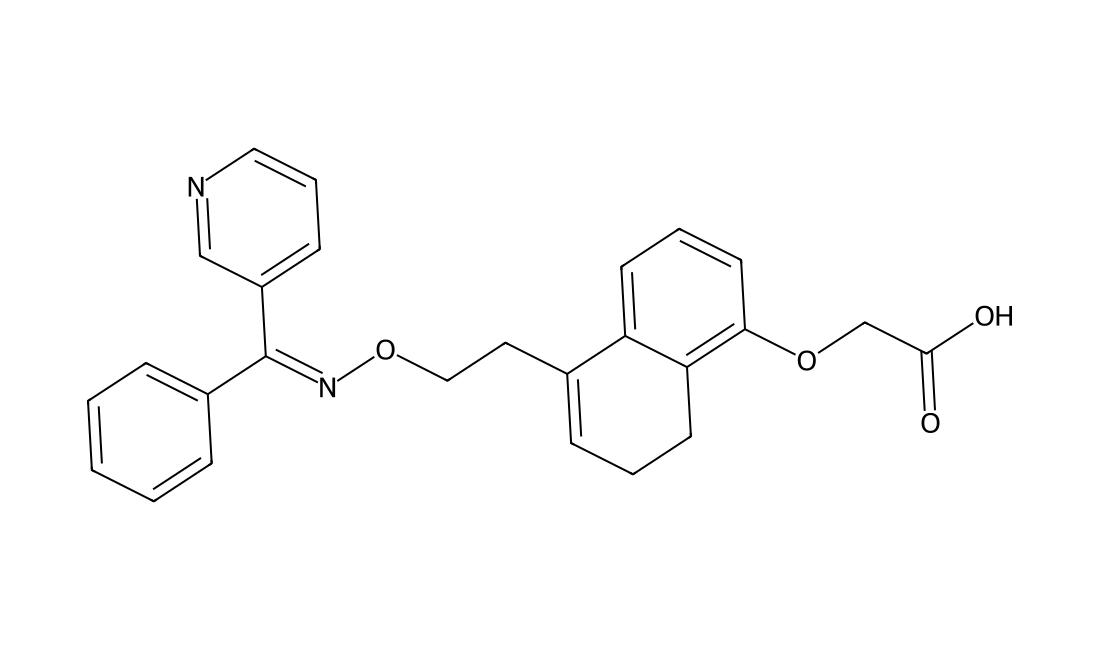
DPI-201-106
CAS 97730-95-5
DPI-201-106 is a cardioselective inhibitor of the TTX-resistant h1 Na channel inactivation. DPI-201-106 inhibits the L-type calcium current, and inward and delayed rectifier potassium currents.
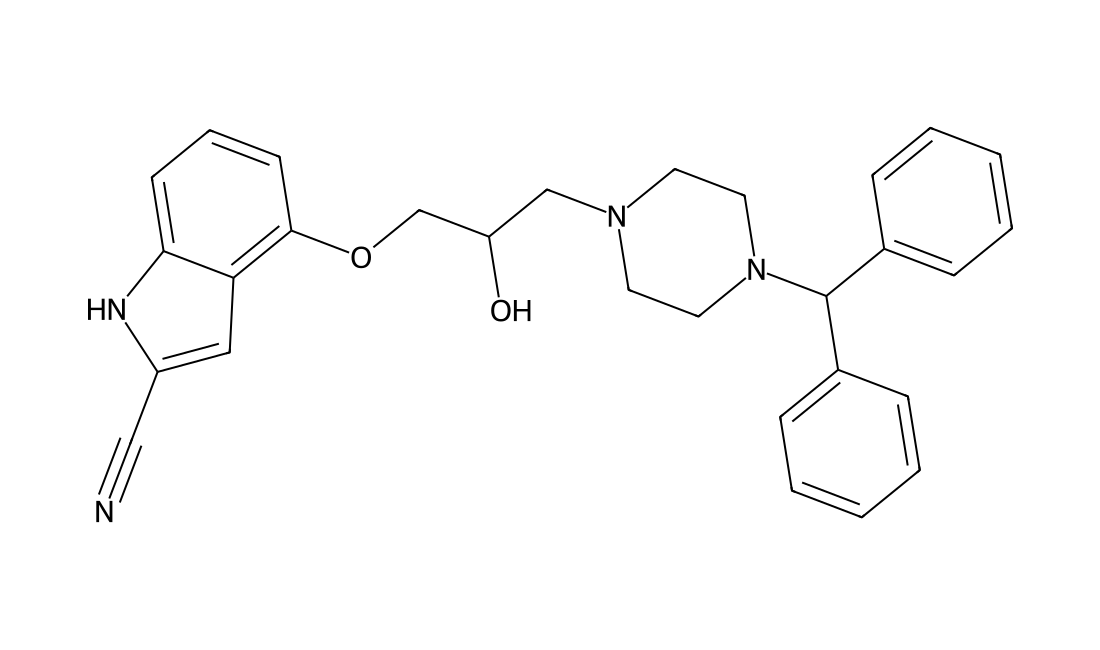
ML359
CAS 1069858-99-6
ML359 is a small molecule, specific inhibitor of Protein disulfide isomerase (PDI) with IC50 of 250 nM; displays >100-fold selectivity over other thiol isomerases (Erp5, Thioredoxin, Thioredoxin reductase); shows no cytotoxicity in three human cell lines, and some activity in inhibiting platelet aggregation in vitro.
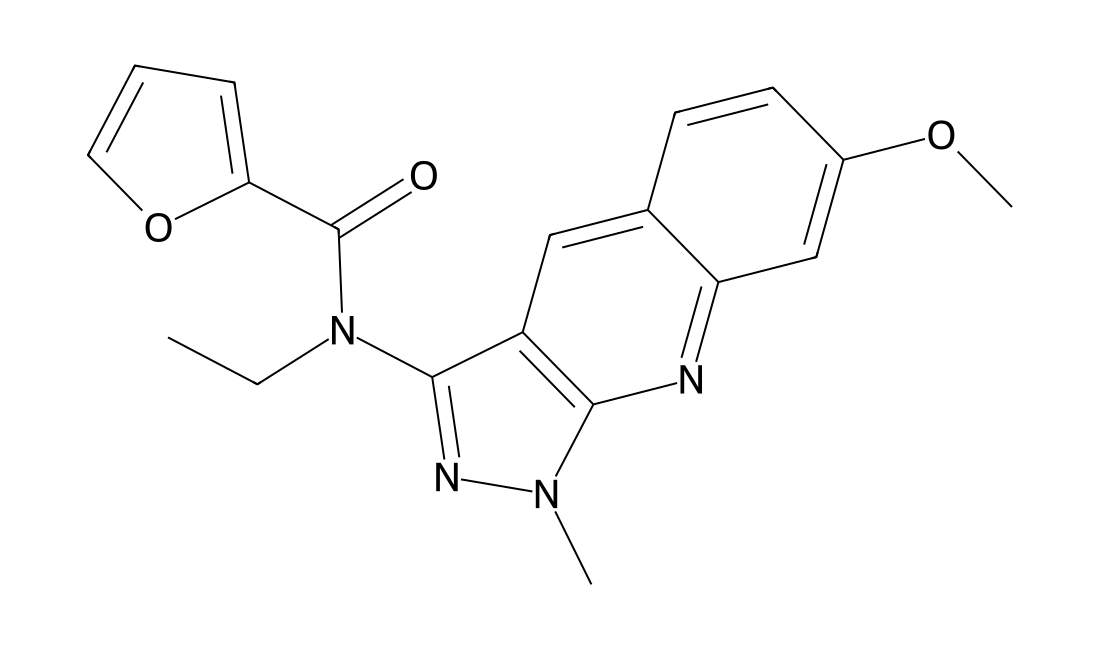
MCUF-651
CAS 2747162-85-0
MCUF-651 (MCUF651) is a small molecule guanylyl cyclase A receptor (GC-A) positive allosteric modulator (PAM), potentiate ANP-mediated cGMP with EC50 of 0.45 uM (Emax=82%) in HEK293 GC-A cells.MCUF-651 enhanced ANP-mediated cGMP generation in human cardiac, renal, and fat cells and inhibited cardiomyocyte hypertrophy in vitro.MCUF-651 binds to GC-A (Kd=397 nM) and selectively enhances the binding of ANP to GC-A ( MCUF-651+ANP, Kd=0.06 nM).MCUF-651 is orally bioavailable in mice and enhances the ability of endogenous ANP and BNP to generate GC-A-mediated cGMP ex vivo.
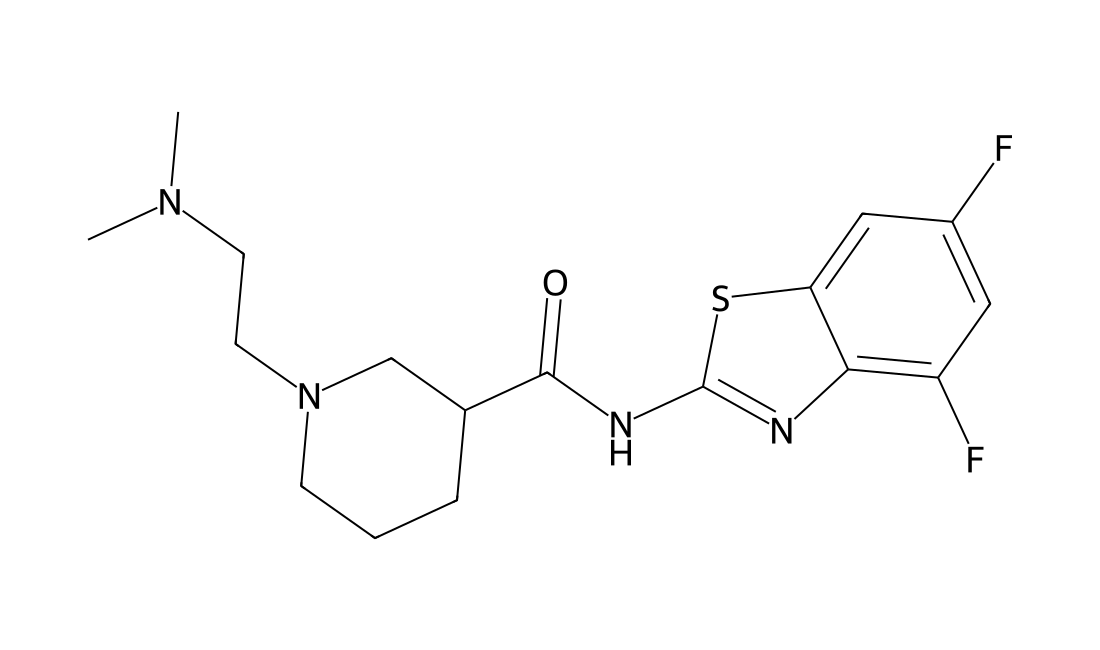
S107
CAS 927871-76-9
S107 is a RyR-selective 1,4-benzothiazepine derivative that stabilizes RyR2 channels by enhancing the binding affinity of calstabin2 to mutant and/or PKA-phosphorylated channels.
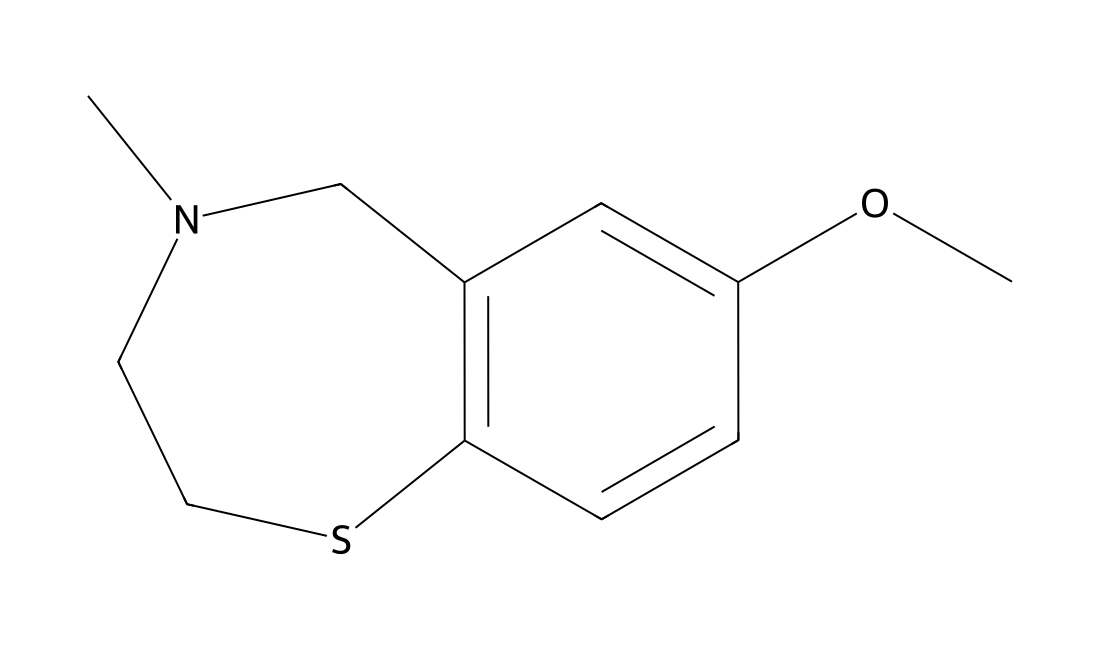
KR-32568
CAS 852146-73-7
KR-32568 is an inhibitor of the sodium-hydrogen exchanger isoform-1 (NHE-1; IC50 = 230 nM). It restores cardiac contractile function ex vivo in an isolated ischemic rat heart model when used at a concentration of 10 μM.
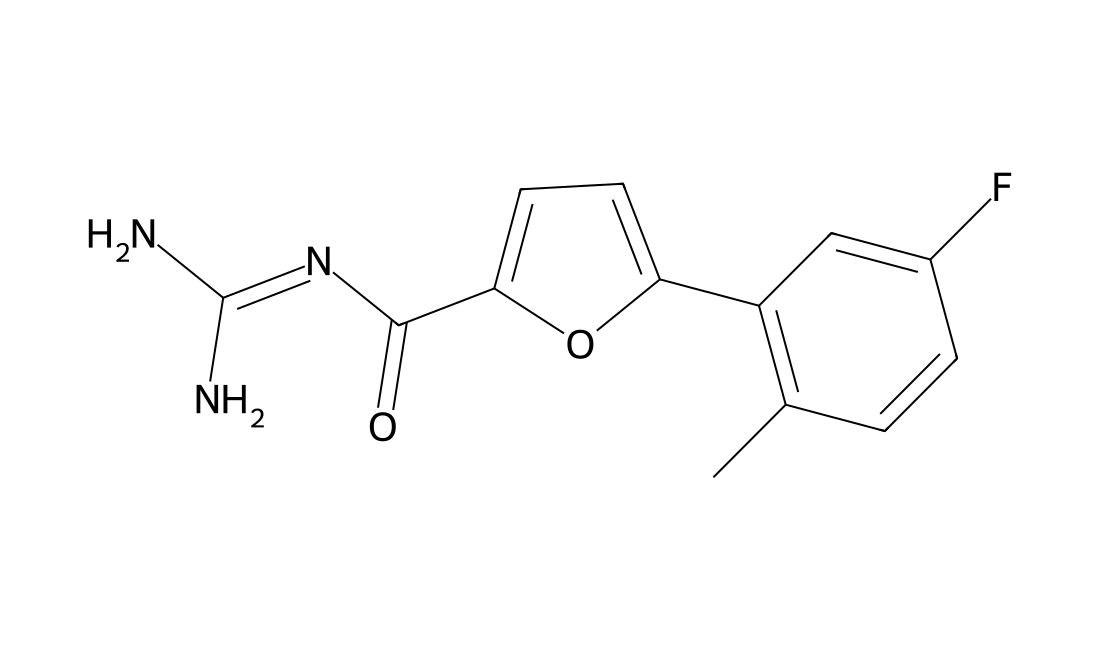
BMS-986120
CAS 1478712-37-6
BMS-986120 (BMS986120) is a potent, selective, orally bioavailable, and reversible PAR4 antagonist with Kd of 0.098 nM for human PAR4.
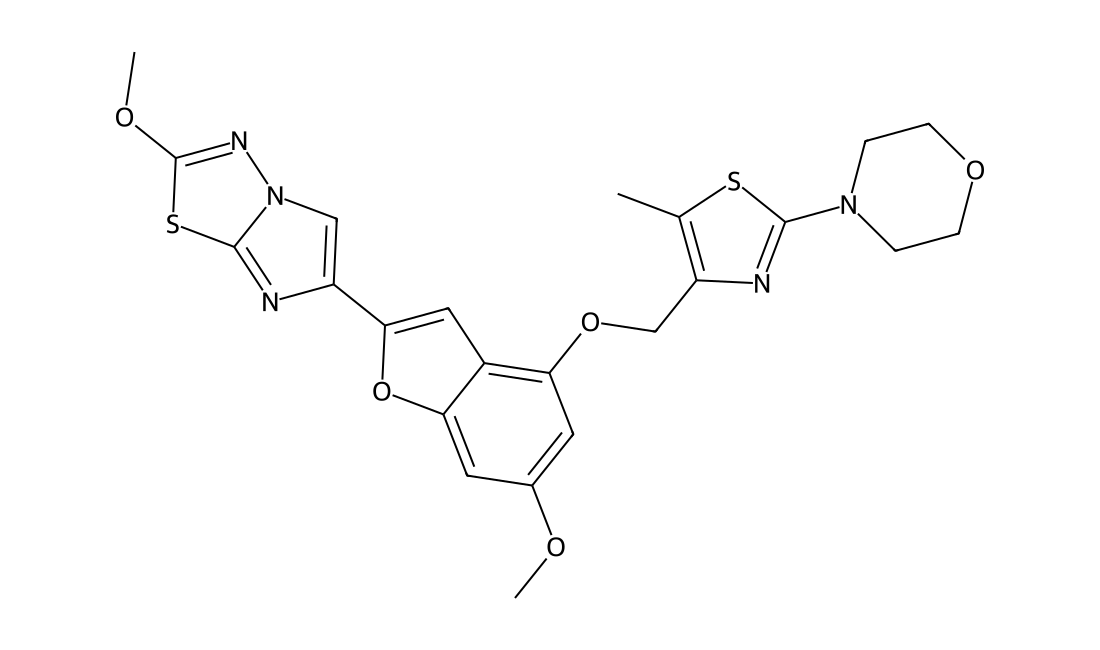
MHY-1685
CAS 27406-31-1
MHY-1685, a novel mammalian target of rapamycin (mTOR) inhibitor, provides opportunities to improve hCSC-based myocardial regeneration.
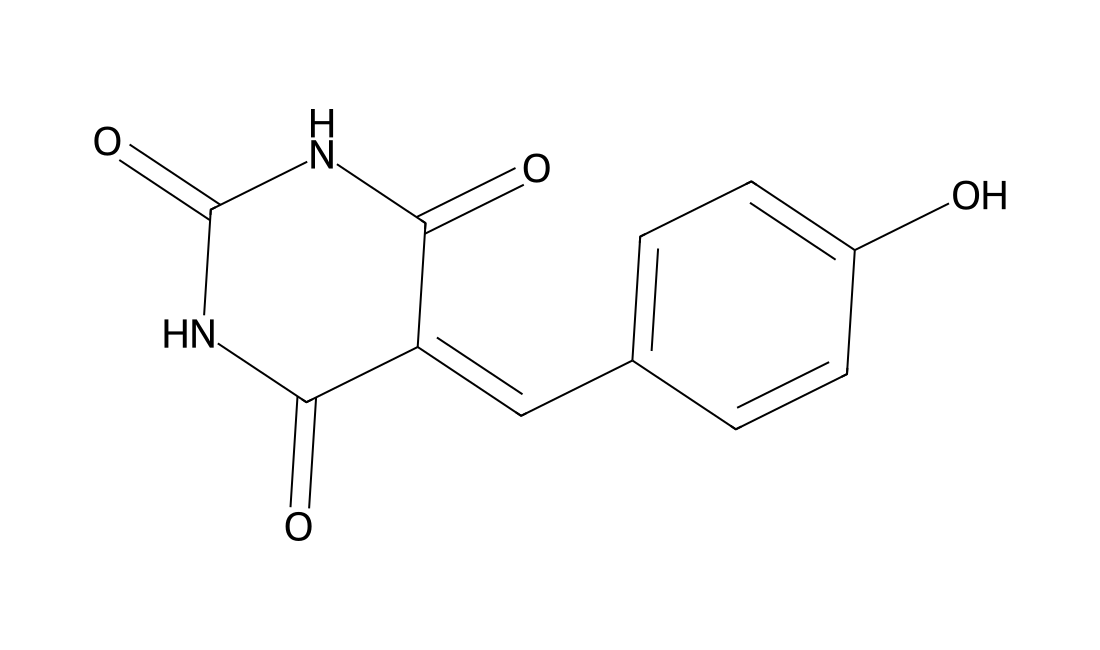
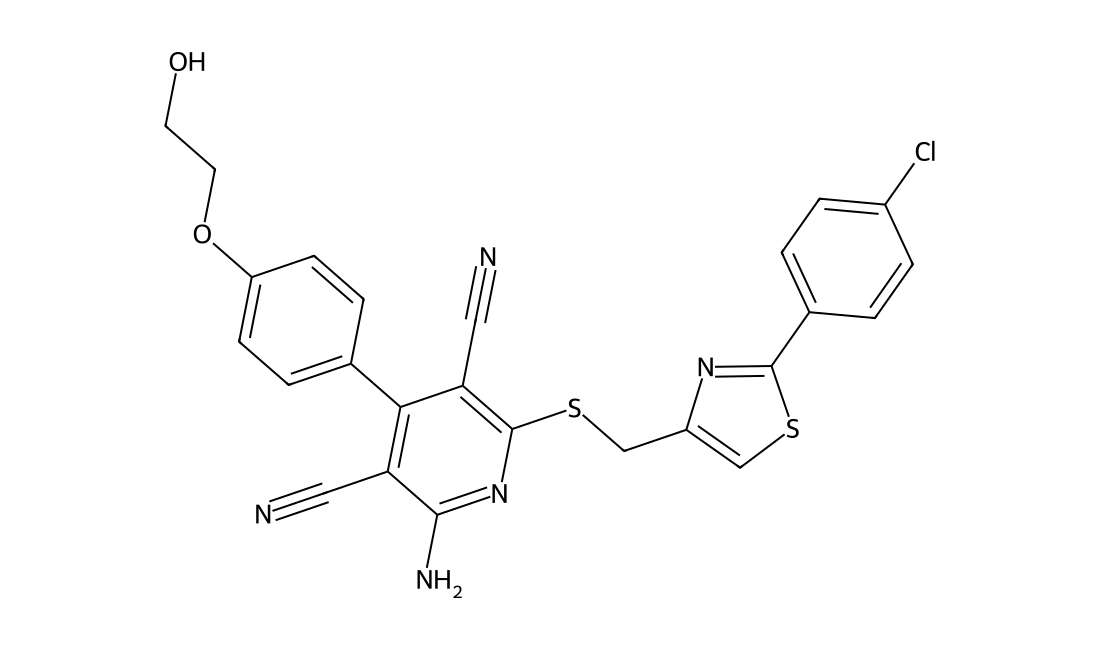
Cadralazine
CAS 64241-34-5
Cadralazine is a peripheral arteriolar vasodilator and an antihypertensive drug.
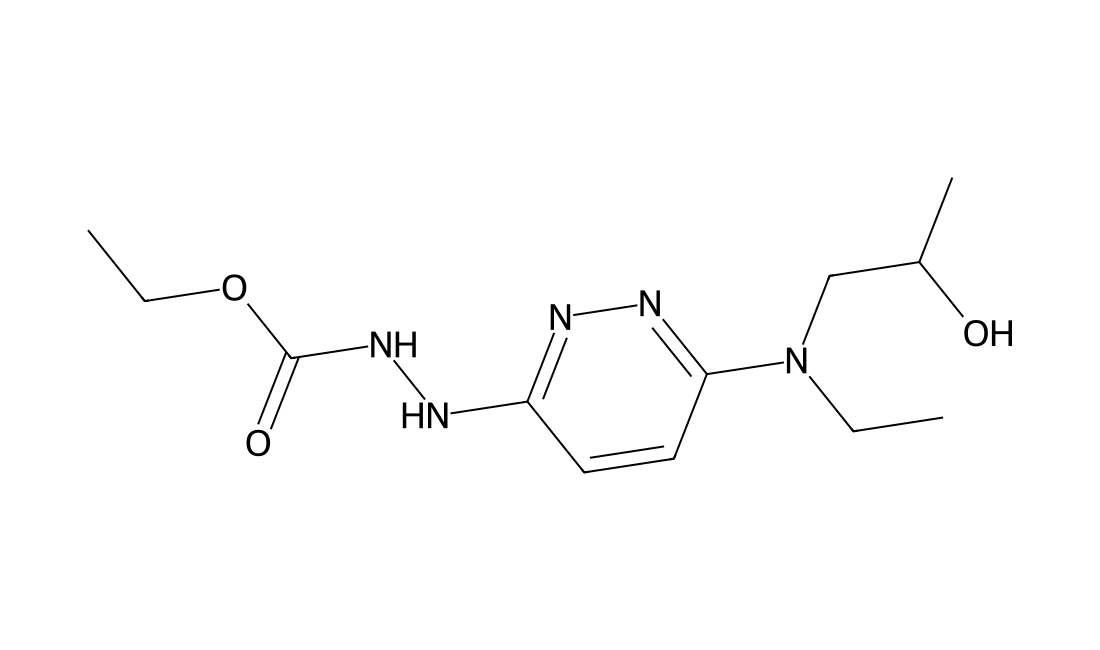
Nicainoprolhe(Nicainoprol)
CAS 76252-06-7
Nicainoprolhe is an antiarrhythmic agent,a fast-sodiumchannel blocking drug (class Ib), also protected isolated rat hearts against reperfusion arrhythmias.
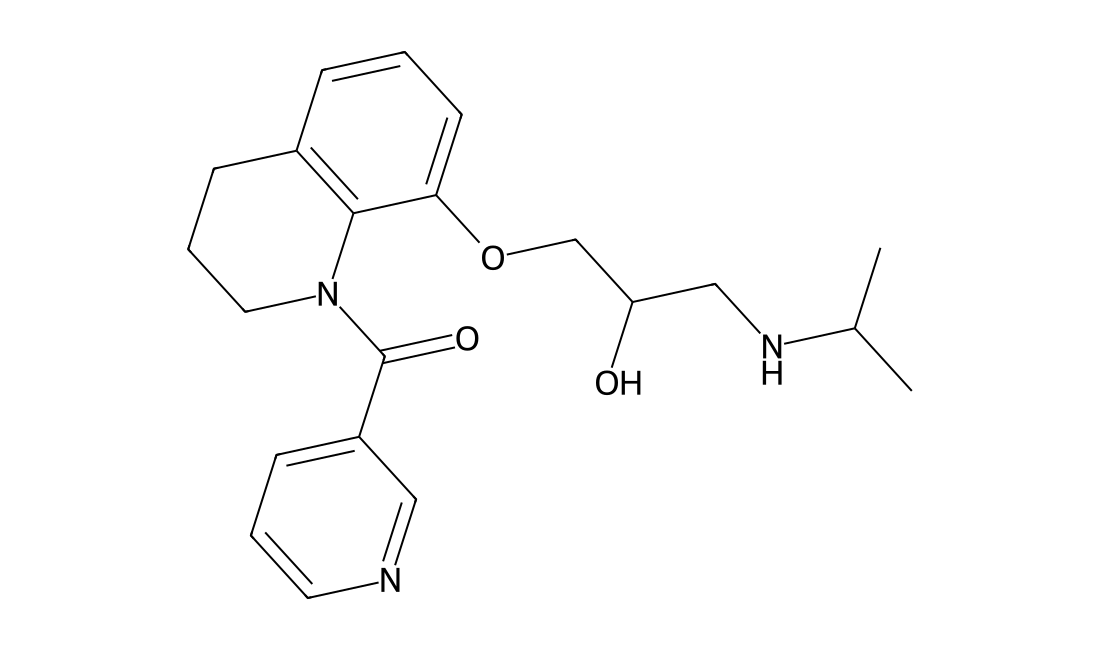
NS-304(Selexipag)
CAS 475086-01-2
NS-304(Selexipag; ACT-293987) is an oral, selective prostacyclin receptor agonist for the treatment of pulmonary arterial hypertension.
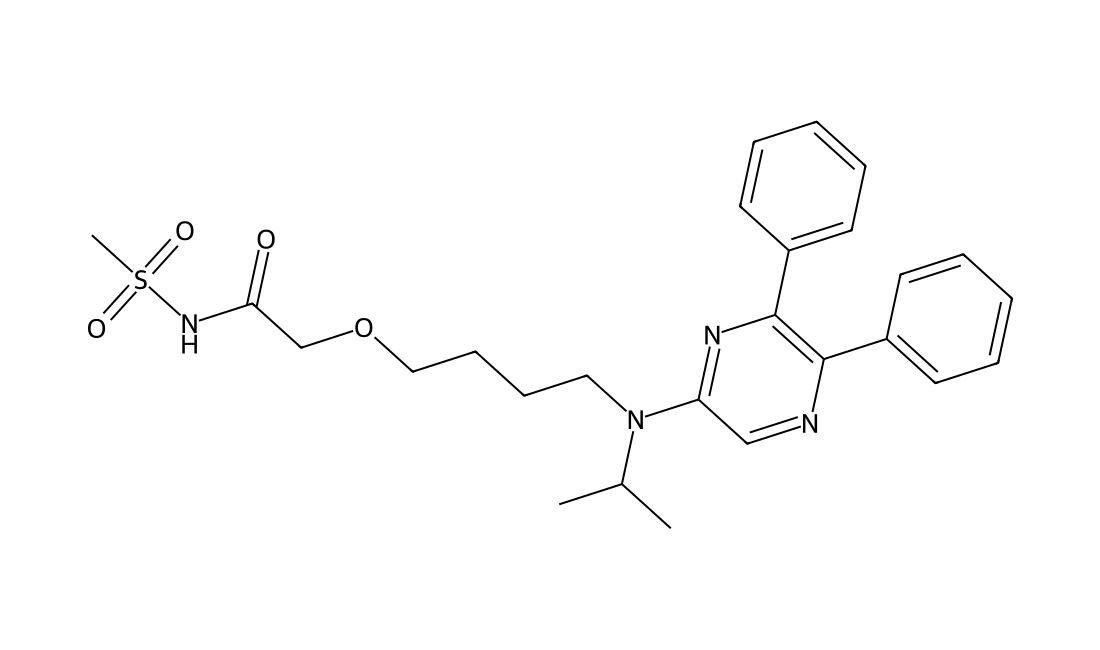
RO 46-8443
CAS 175556-12-4
RO 46-8443 is the first non-peptide endothelin ETB receptor selective antagonist. RO 46-8443 displays up to 2000-fold selectivity for ETB receptors both in terms of binding inhibitory potency and functional inhibition. The observed parallel rightward shift of concentration-response curves with different antagonist concentrations is consistent with a competitive binding mode. Since R0 46-8443 selectively inhibits ETB receptor mediated responses, it is a valuable tool for clarifying the role of ETB receptors in pathology.
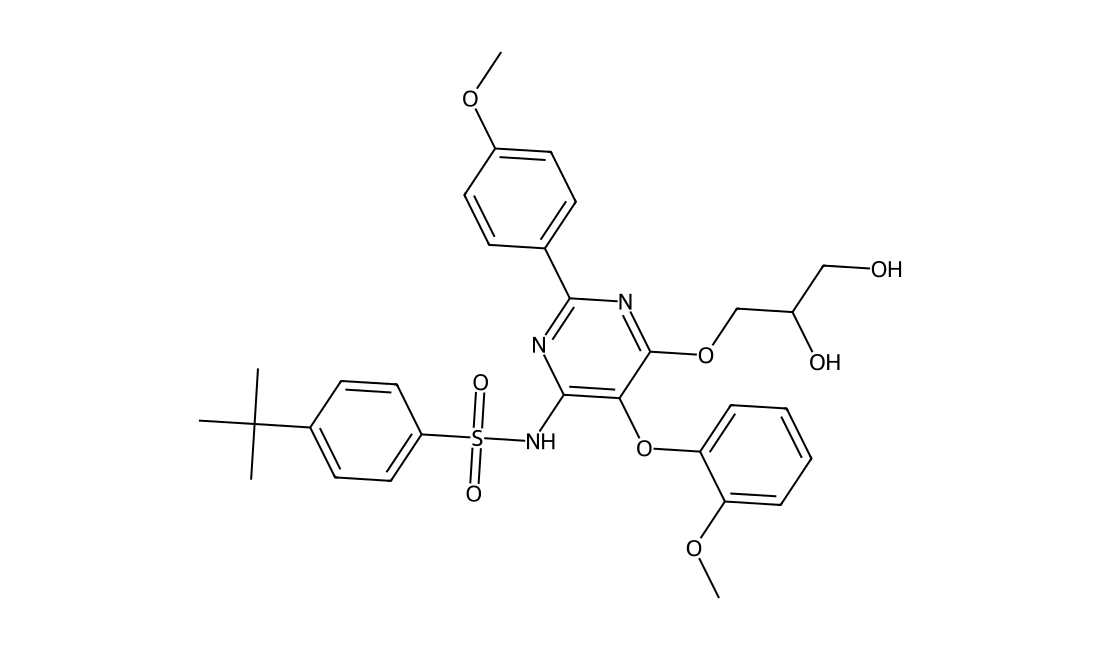
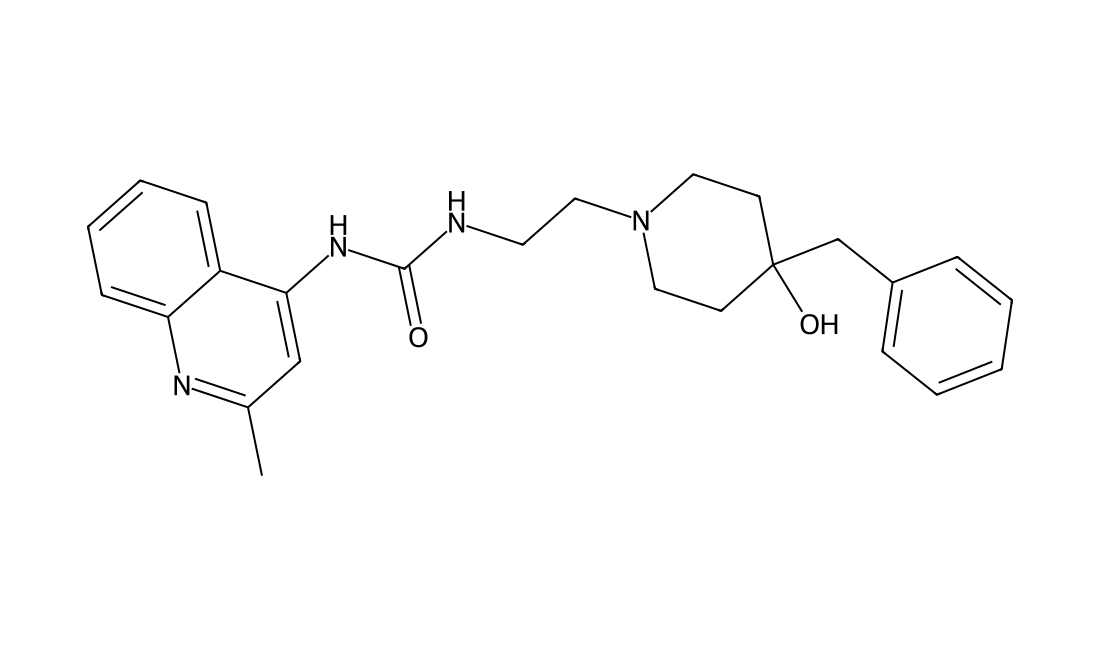
ACT058362 (Palosuran)
CAS 540769-28-6
Palosuran (ACT-058362) is a new potent and specific antagonist of the human UT receptor with an IC50 of 3.6±0.2 nM.
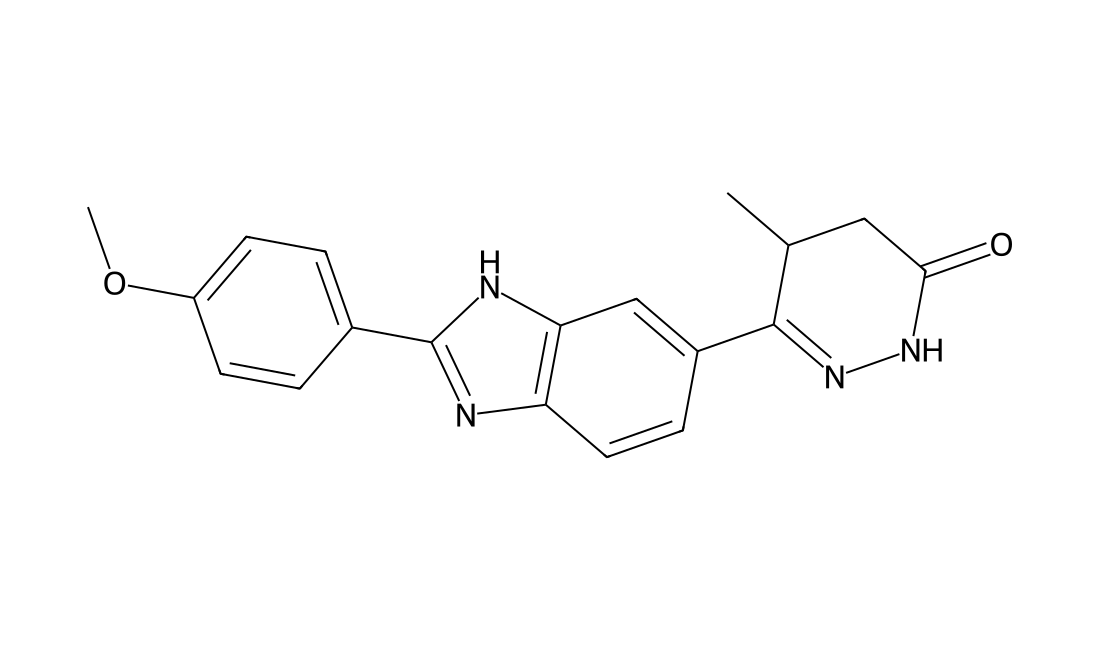
QCC-374
CAS 1356331-63-9
QCC-374 is prostanoid agonist potentially for the treatment of pulmonary arterial hypertension.
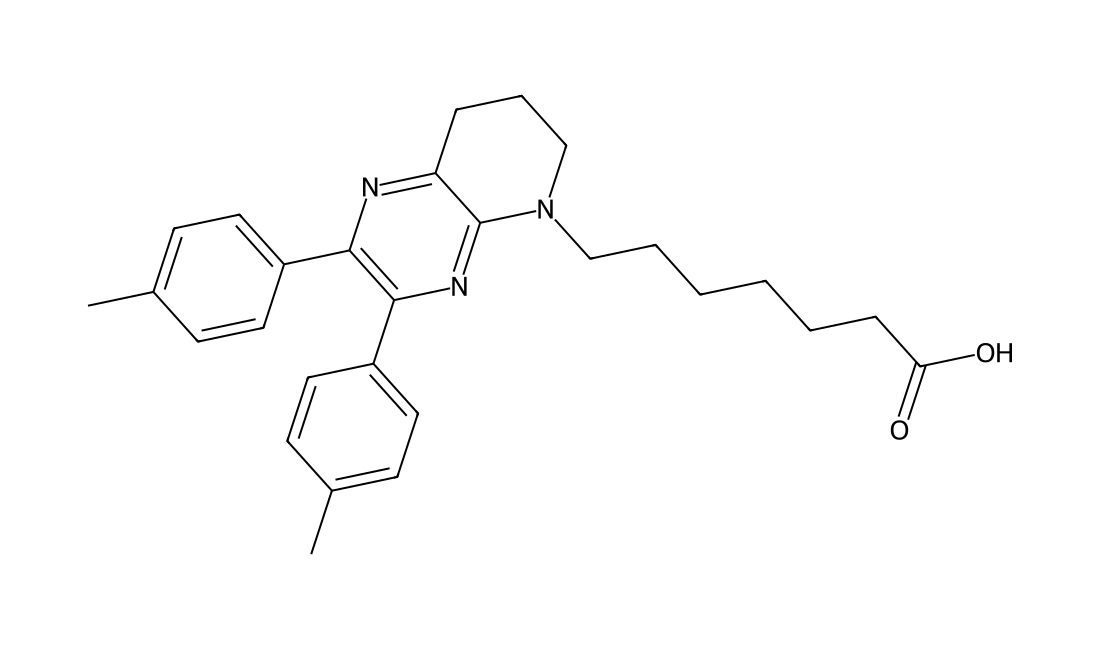
Ro 46-2005
CAS 150725-87-4
Ro 46-2005 is a novel synthetic non-peptide endothelin receptor antagonist, inhibits the specific binding of 125I-ET-1 to human vascular smooth muscle cells (ETA receptor) with IC50 of 220 nM.
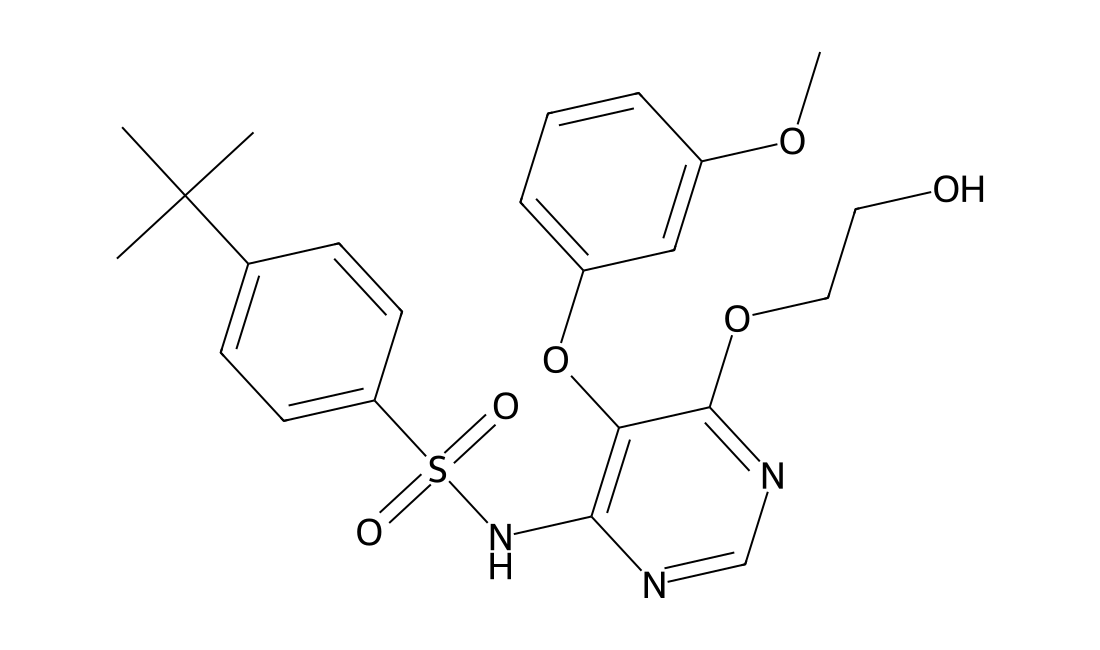
SBC-115076
CAS 489415-96-5
SBC-115076 is an anti-proprotein convertase subtilisin kexin type 9 (anti-PCSK9) compounds, for the treatment and/or prevention of cardiovascular diseases.
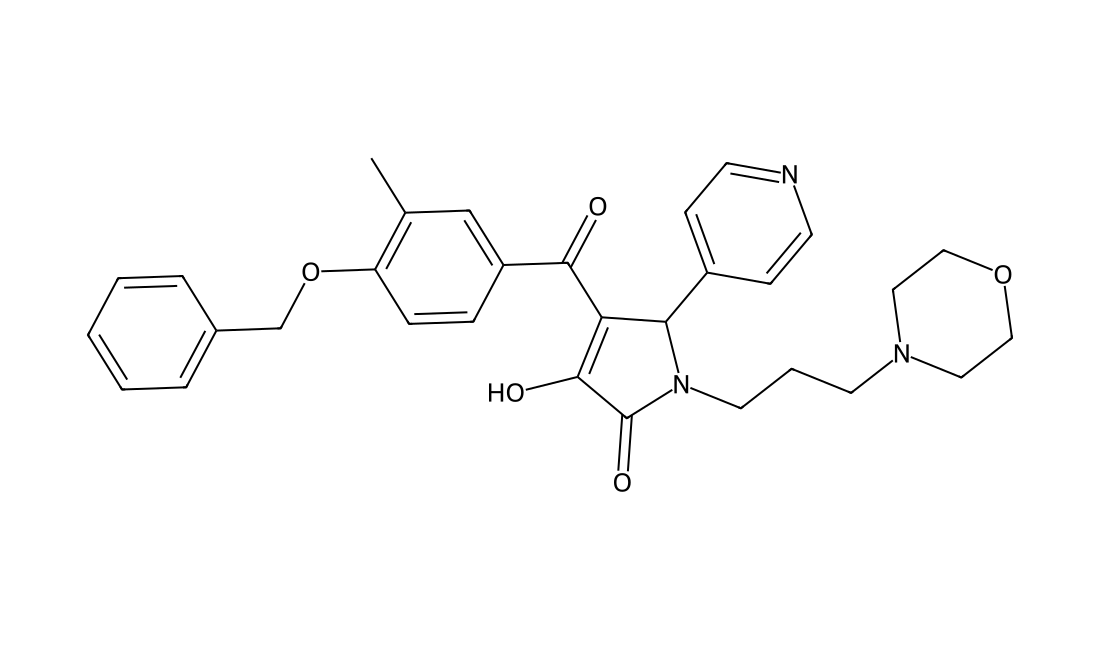
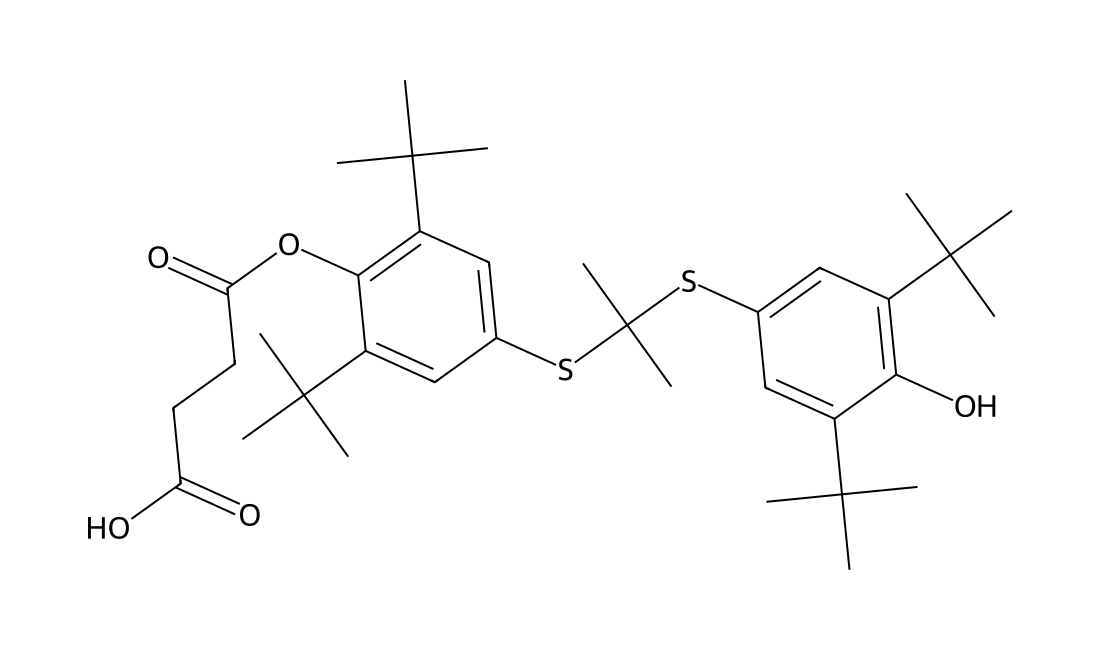
Succinobucol(AGI 1067)
CAS 216167-82-7
Succinobucol is a phenolic antioxidant with anti-inflammatory and antiplatelet effects.
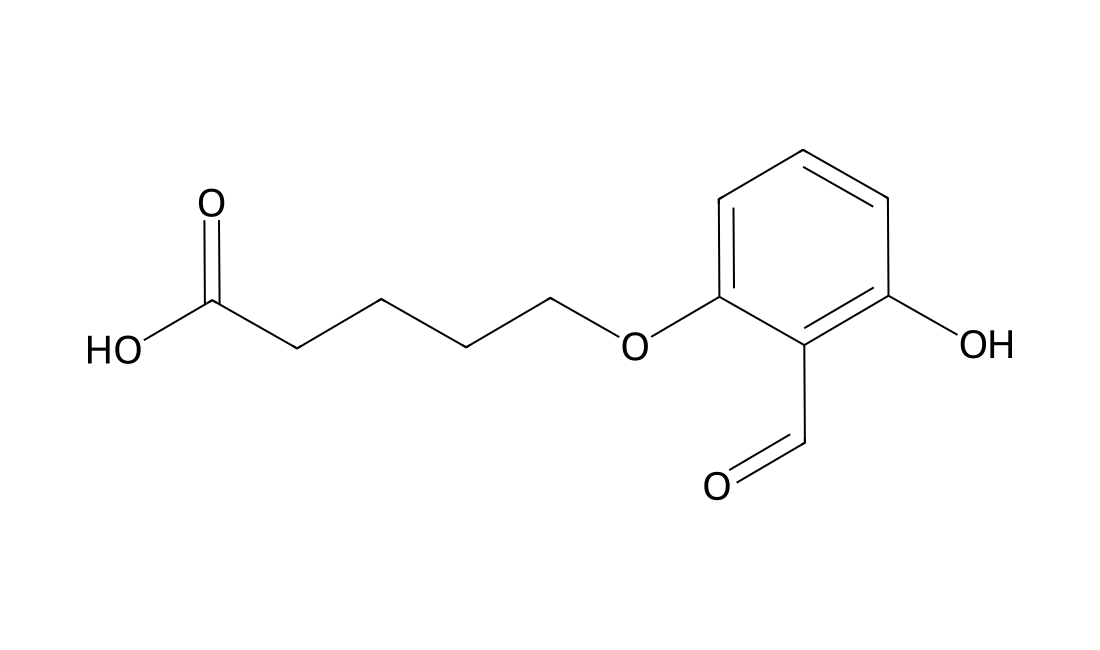
Zibotentan(ZD4054)
CAS 186497-07-4
Zibotentan (ZD4054) is an orally administered, potent and specific ETA-receptor (endothelin A receptor) antagonist (IC50 = 21 nM).
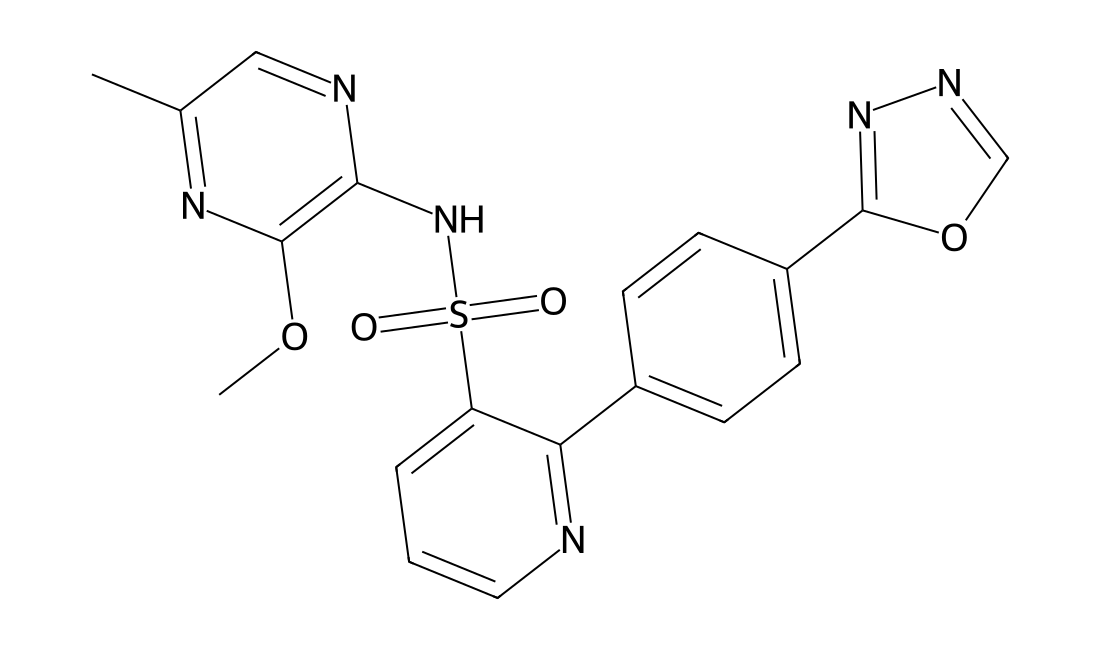
RUC-4
CAS 1448313-27-6
A potent, selective, non-RGD-mimetic αIIbβ3 integrin receptor antagonist with IC50 of 45 nM, with no activity on αVβ3 receptors. .
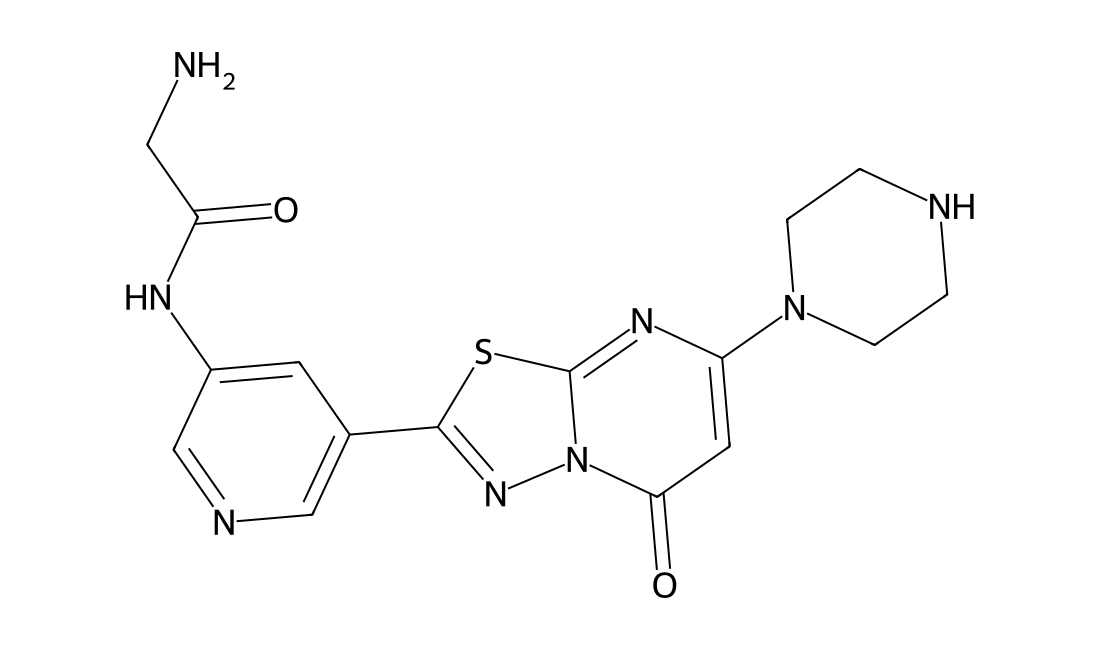
BMS-191011
CAS 202821-81-6
BMS 191011 is an activator of large-conductance calcium-activated potassium (BKCa) channels that increases maximum potassium current to 126% of control in X. laevis oocytes expressing human BKCa channels when used at a concentration of 1 μM.
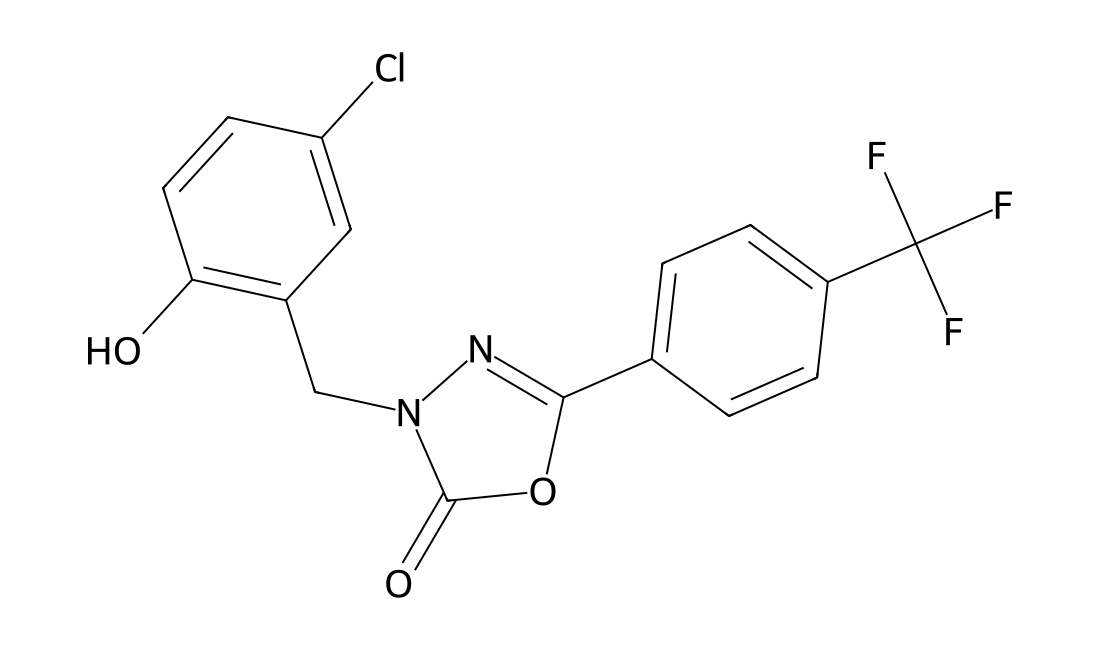
Cinaciguat (BAY 58-2667)
CAS 329773-35-5
BAY 58-2667 is a nitric oxide (NO)- and heme-independent soluble guanylyl cyclase activator. Displays potent cardiovascular effects.
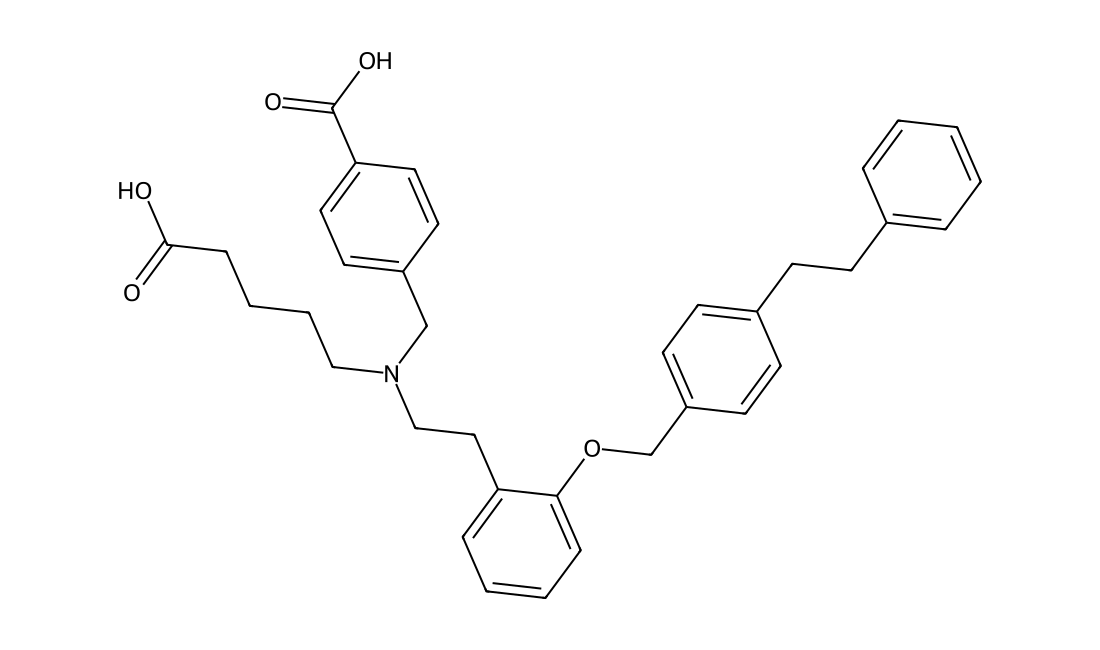
Betrixaban maleate
CAS 936539-80-9
Betrixaban (PRT-054021) is a highly potent, selective, and orally efficacious factor Xa inhibitor with IC50 of 1.2 nM(inhibition of Factor 10a).
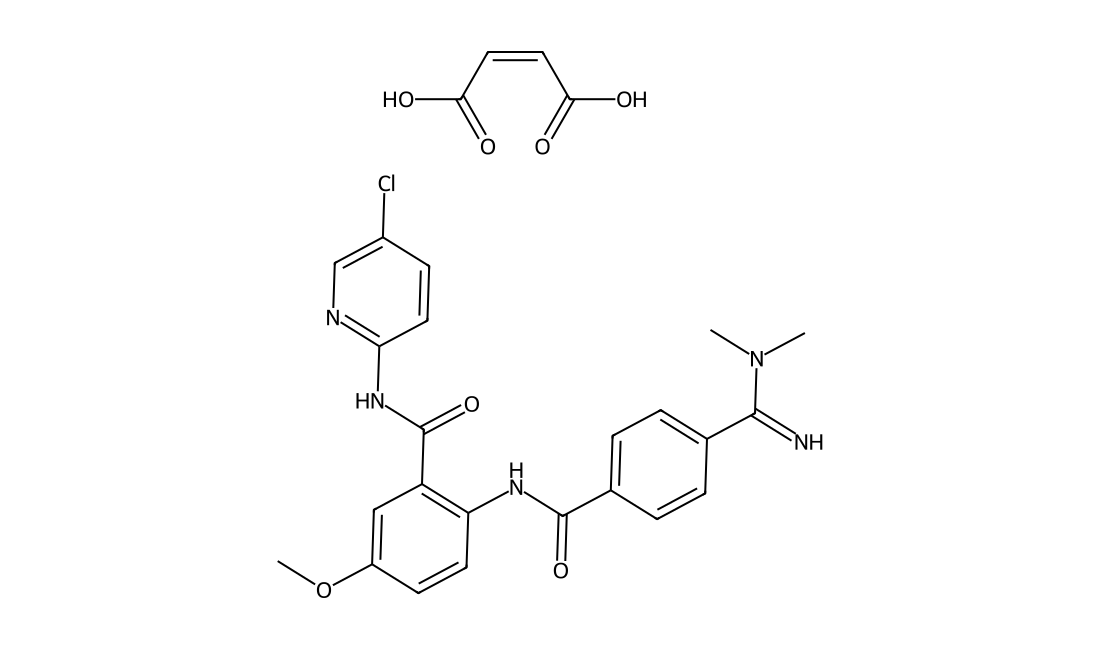
ZLN005
CAS 49671-76-3
ZLN005 is a novel transcriptional regulator of peroxisome proliferator-activated receptor-γ coactivator-1α (PGC-1α).
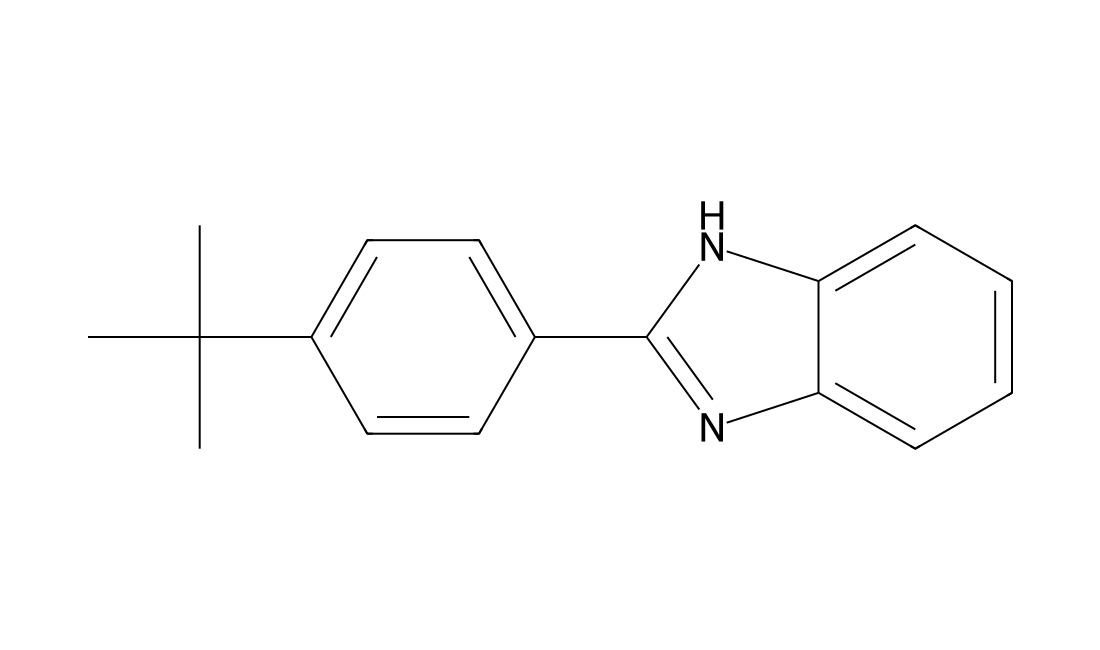
Vericiguat (BAY 1021189)
CAS 1350653-20-1
Vericiguat (BAY 1021189) is a novel potent, selective, orally available soluble guanylate cyclase (sGC) stimulator (MEC=0.3 uM), stimulating sGC NO-independently and in synergy with NO.
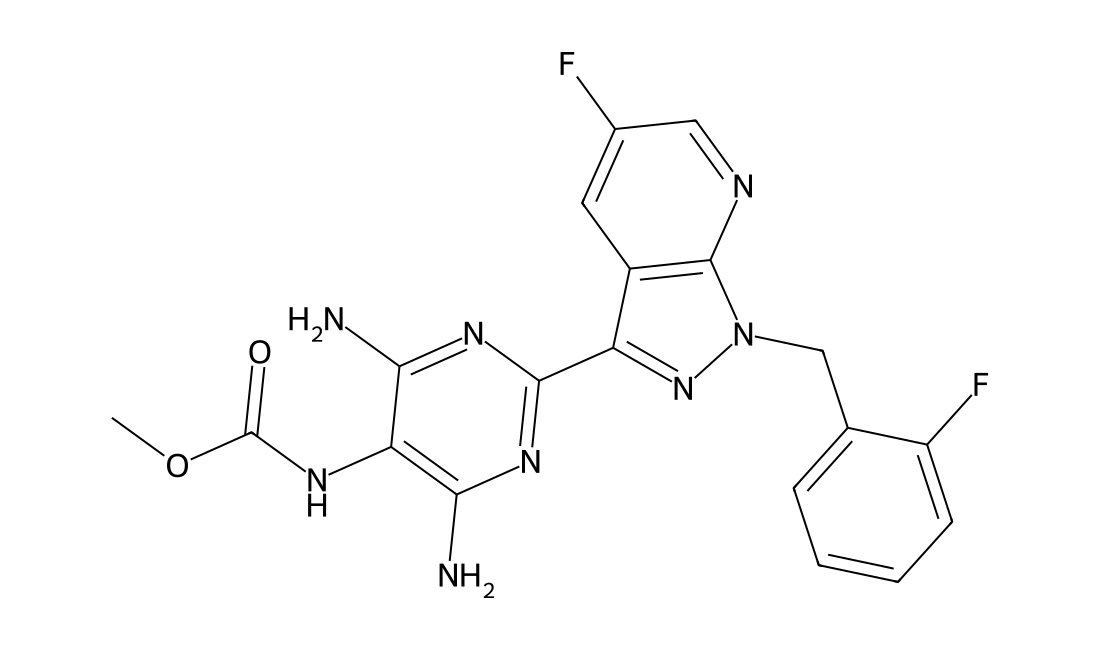
Bempedoic Acid(ETC-1002;ESP-55016)
CAS 738606-46-7
ETC-1002(ESP-55016) is a novel, first-in-class, orally available, once-daily LDL-C lowering small molecule; activator of hepatic AMP-activated protein kinase (AMPK); also has potent inhibitory activity against hepatic ATP-citrate lyase(IC50=29 uM).
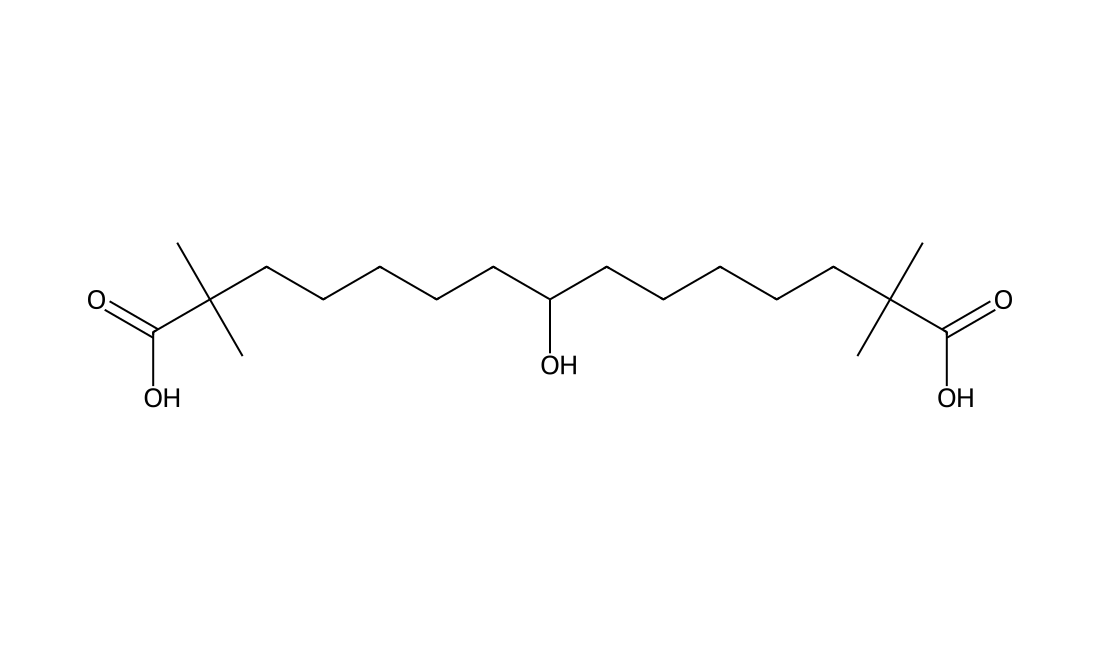
Evatanepag (CP-533536)
CAS 223488-57-1
Evatanepag (CP-533536) is an EP2 receptor selective prostaglandin E2 (PGE2) agonist that induces local bone formation with EC50 of 0.3 nM.
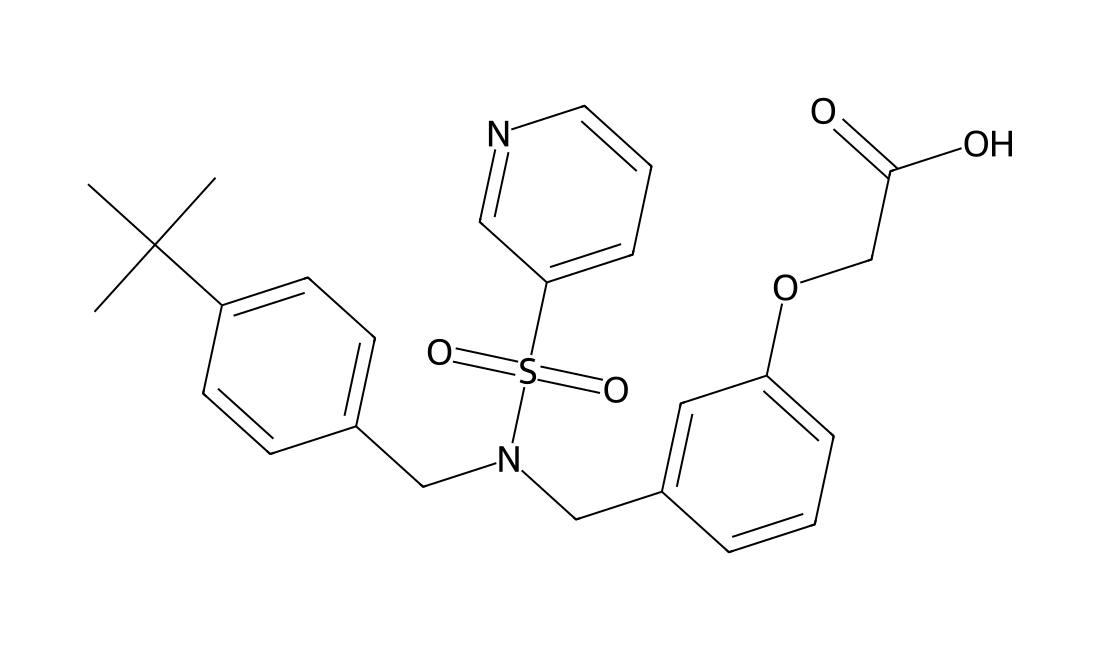
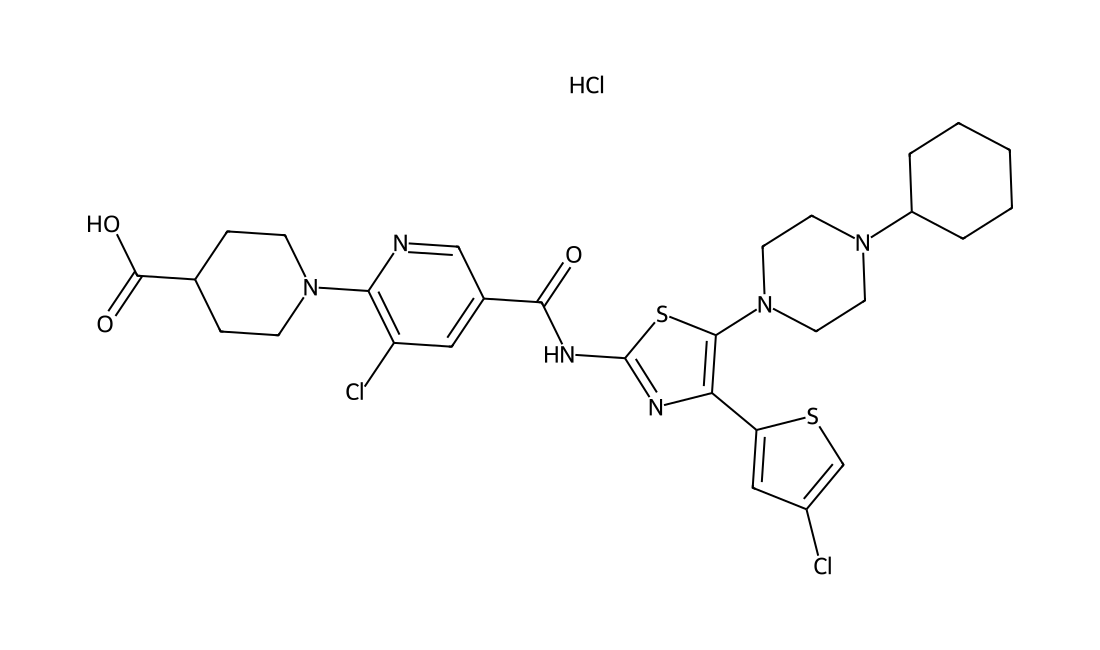
Avatrombopag hydrochloride
CAS 570403-17-7
Avatrombopag (AKR-501) hydrochloride is an orally active, nonpeptide thrombopoietin (TPO) receptor agonist (EC50=3.3 nM). Avatrombopag hydrochloride mimics the biological activities of TPO. Avatrombopag hydrochloride increases platelet production by activating the intracellular signaling system, and promotes production of platelets and megakaryocytes from hemopoietic precursor cells. Avatrombopag hydrochloride is a substrate of cytochrome P450 (CYP) 2C9 and CYP3A.
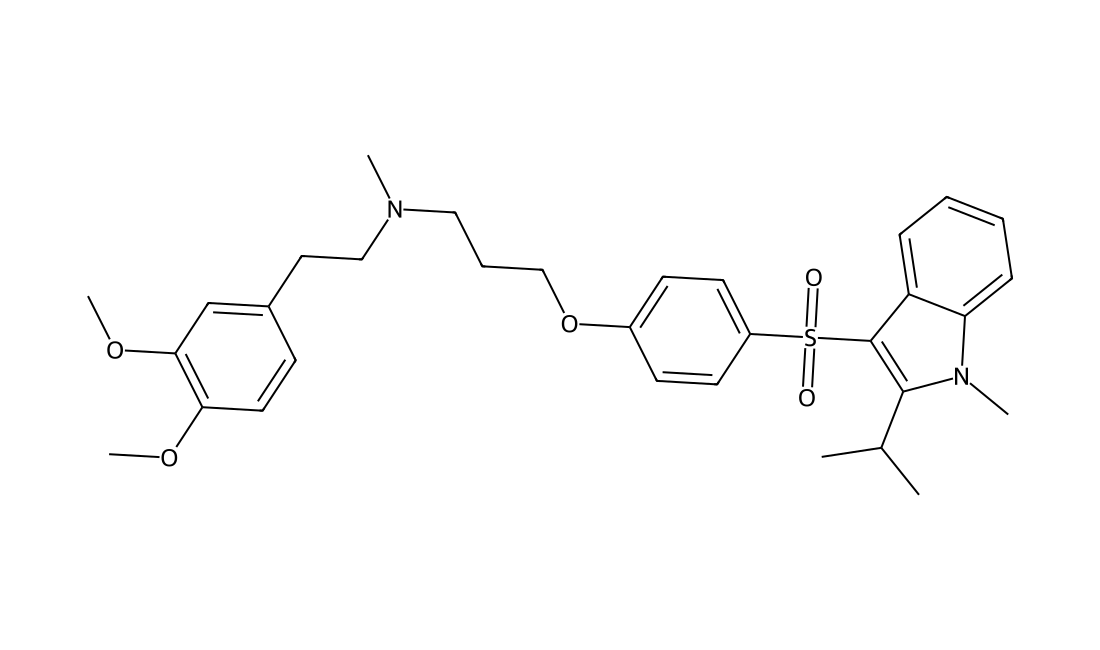
SR33805
CAS 121345-64-0
SR33805 is a potent Ca2+ channel antagonist, with EC50s of 4.1 nM and 33 nM in depolarized and polarized conditions, respectively. SR33805 blocks L-type but not T-type Ca2+ channels. SR33805 can be used for the research of acute or chronic failing hearts.
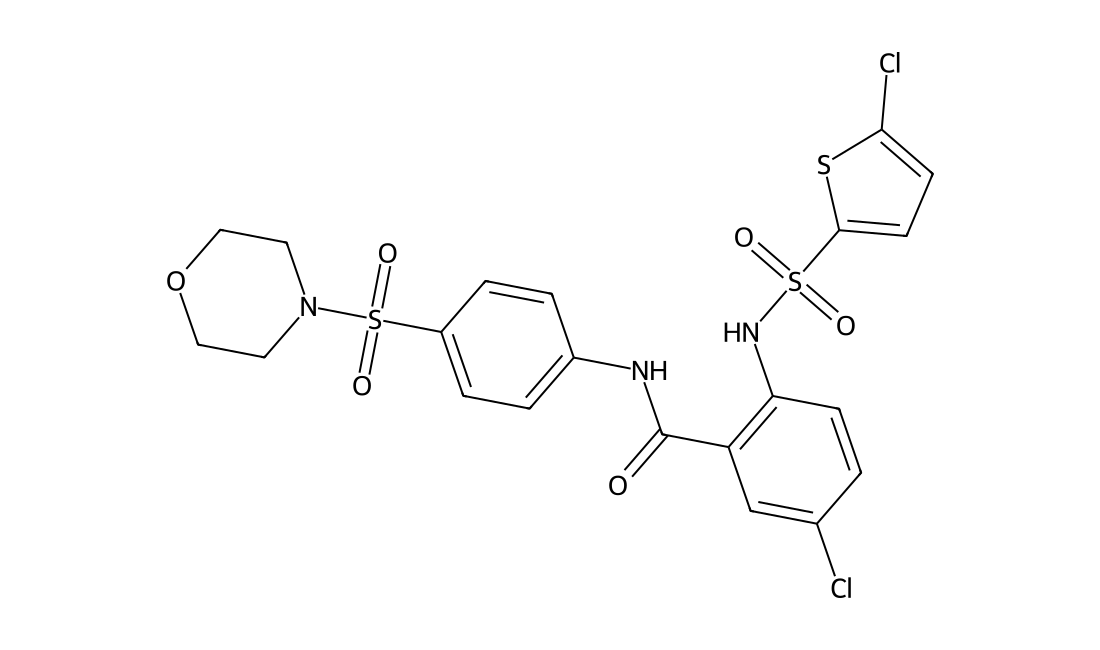
Ataciguat
CAS 254877-67-3
Ataciguat (HMR-1766) is a potent, specific soluble guanylate cyclase (sGC) activator with EC50 of 0.51 uM, preferentially activates the NO-insensitive heme-oxidized form of sGC.
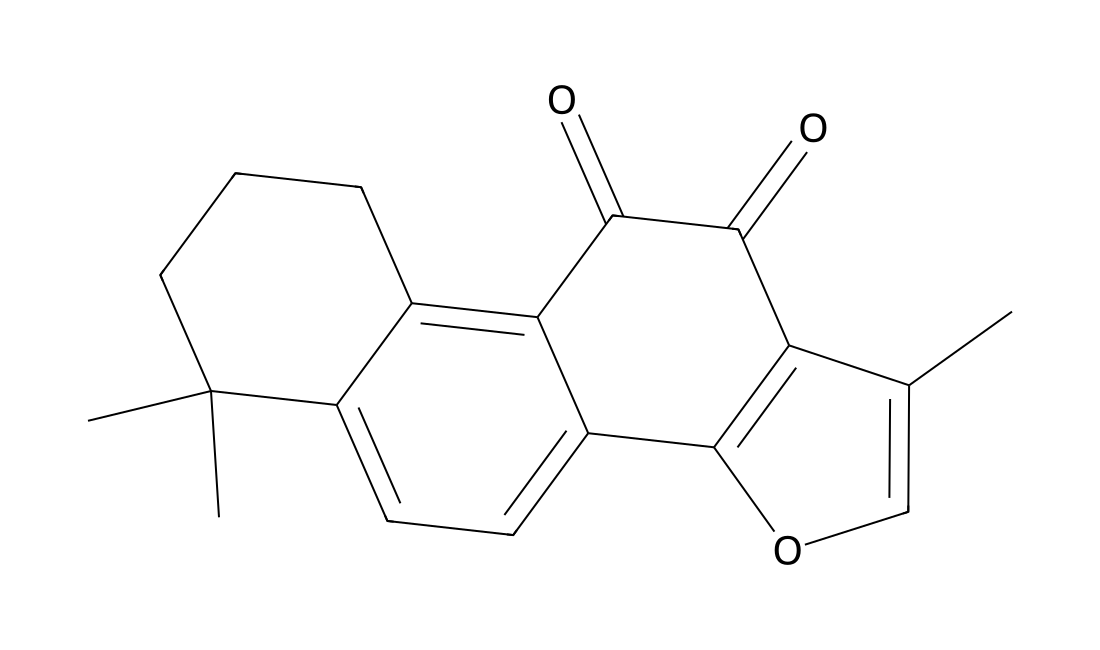
Tanshinone IIA
CAS 568-72-9
Tanshinone IIA (Tan IIA) is one of the main fat-soluble compositions in the root of red-rooted salvia. Tanshinone IIA may suppress angiogenesis by targeting the protein kinase domains of VEGF/VEGFR2.
FPL64176
CAS 120934-96-5
FPL64176 is a potent L-type Ca++ channel activator with EC50 of 16 nM; prolongs action potential duration and enhances contractility in guinea pig papillary muscle, induces contractile response with EC50 of 0.2 uM; produces biexponential tail current decays at -50 mV with fast and slow time constants of 4.30 +/- 0.30 and 44.52 +/- 4.56 msec, respectively; produces large increases in cardiac contractile force and diastolic blood pressure in anesthetized dogs (100 mg/kg, i.v.).
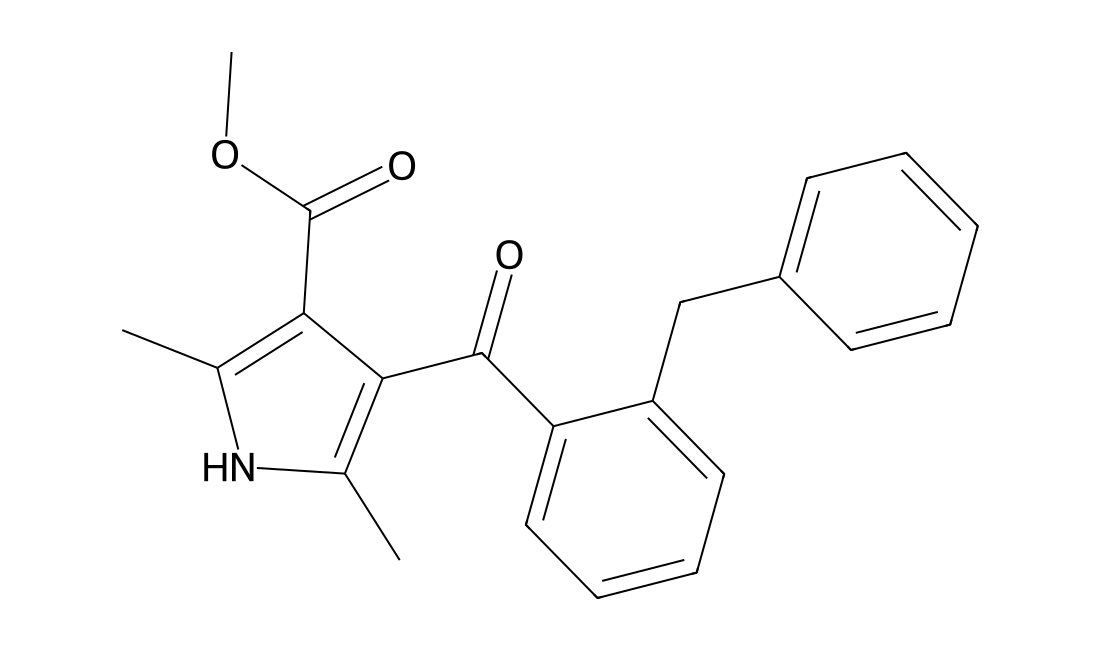
Rimeporide (EMD-87580)
CAS 187870-78-6
Rimeporide (EMD87580) is a potent, selective sodium hydrogen exchanger NHE1 inhibitor, show promise as potential therapeutic agents for the treatment of heart failure.Heart FailureDiscontinued
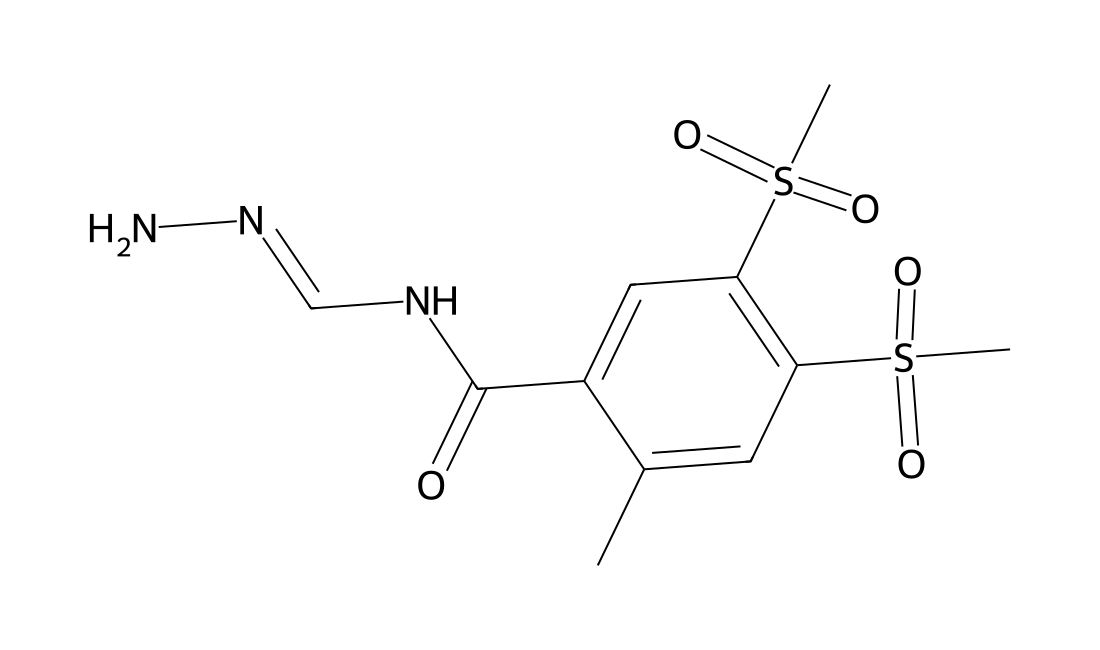
Zatebradine
CAS 85175-67-3
Zatebradine(UL-FS49) is a potent HCN channels antagonist, which decreased the heartbeat in a reversible manner; 92% inhibition of the hHCN1-mediated current at 10 uM. The pharmacological properties of hHCN1-mediated currents resembled those of native hyperpolarization-activated currents (I(h)), that is, blockade by Cs(+) (99% at 5 mm), ZD 7288 (98% at 100 microm) and zatebradine (92% at 10 microm). When voltage-clamp pulse trains were applied, cilobradine induced a use-dependent blockade of If that was stronger and faster than that with zatebradine. Recovery from blockade during prolonged hyperpolarization was significantly faster with zatebradine. The selective HCN blocker zatebradine reduced the activity of oriens-lacunosum moleculare interneurons in wild-type but not HCN2(-/-) mice and decreased the frequency of spontaneous inhibitory currents in postsynaptic CA1 pyramidal cells.
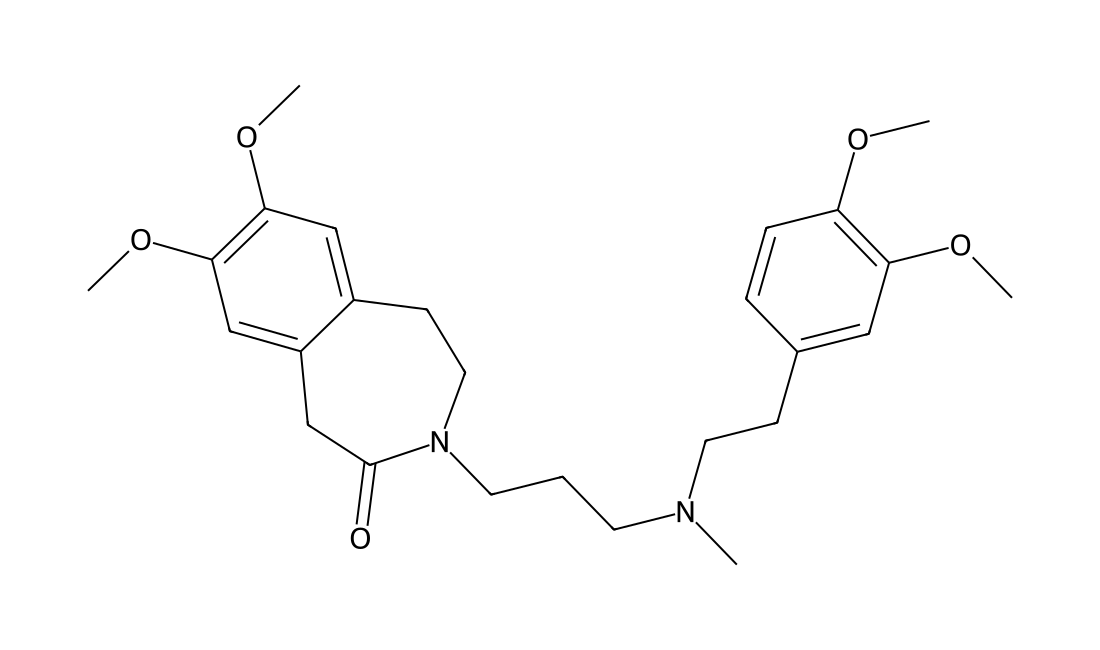
Tasosartan
CAS 145733-36-4
Tasosartan is a long-acting angiotensin II (AngII) receptor blocker. Its long duration of action has been attributed to its active metabolite enoltasosartan. It is used to treat patients with essential hypertensionFor the detailed information of Tasosartan, the solubility of Tasosartan in water, the solubility of Tasosartan in DMSO, the solubility of Tasosartan in PBS buffer, the animal experiment (test) of Tasosartan, the cell expriment (test) of Tasosartan, the in vivo, in vitro and clinical trial test of Tasosartan, the EC50, IC50,and Affinity of Tasosartan, Please contact DC Chemicals.
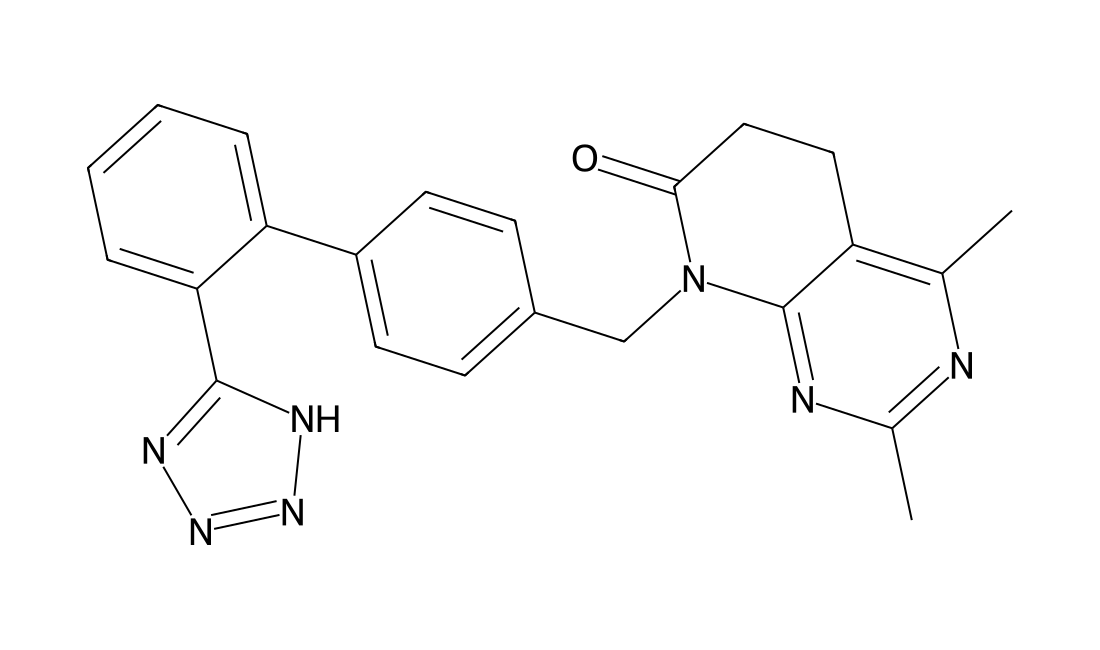
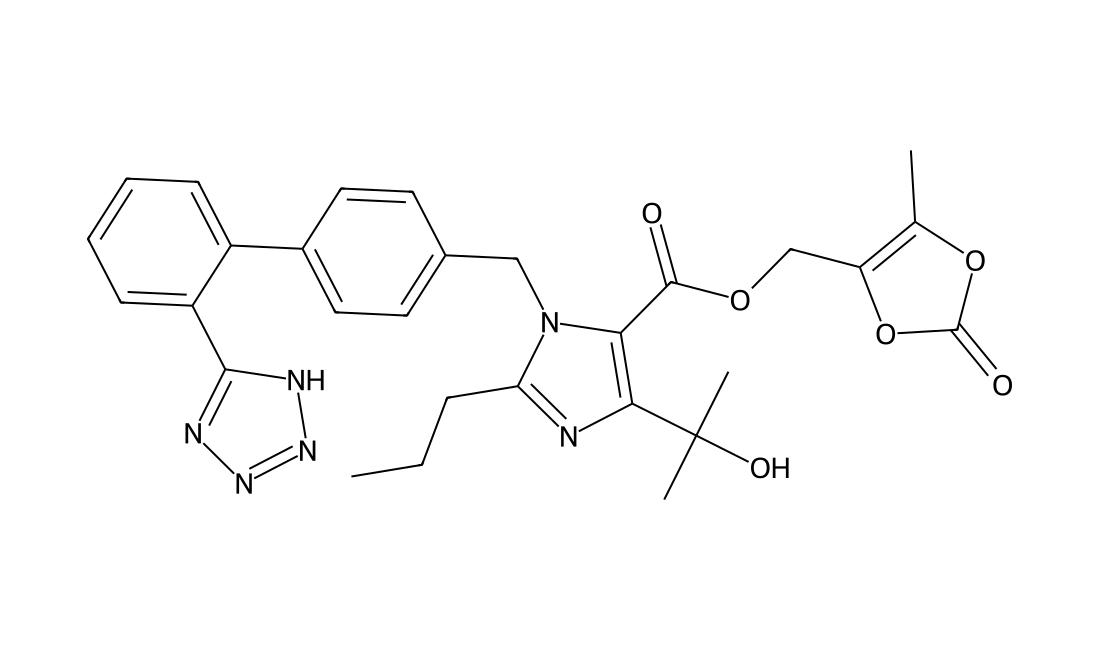
Olmesartan MedoxoMil
CAS 144689-63-4
Olmesartan medoxomil(Olmetec; Benicar; CS 866) is an angiotensin II receptor antagonist which is used as an anti-hypertensive.
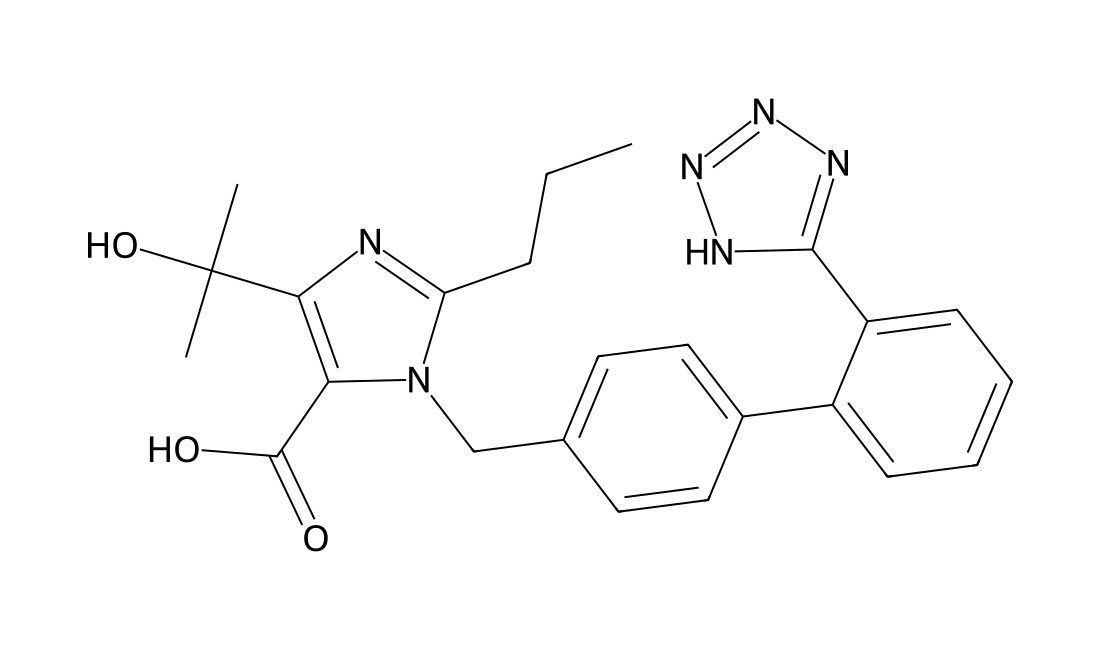
Olmesartan
CAS 144689-24-7
For the detailed information of Olmesartan, the solubility of Olmesartan in water, the solubility of Olmesartan in DMSO, the solubility of Olmesartan in PBS buffer, the animal experiment(test) (test) of Olmesartan, the cell expriment (test) of Olmesartan, the in vivo, in vitro and clinical trial test of Olmesartan, the EC50, IC50,and Affinity of Olmesartan,, please contact DC Chemicals.
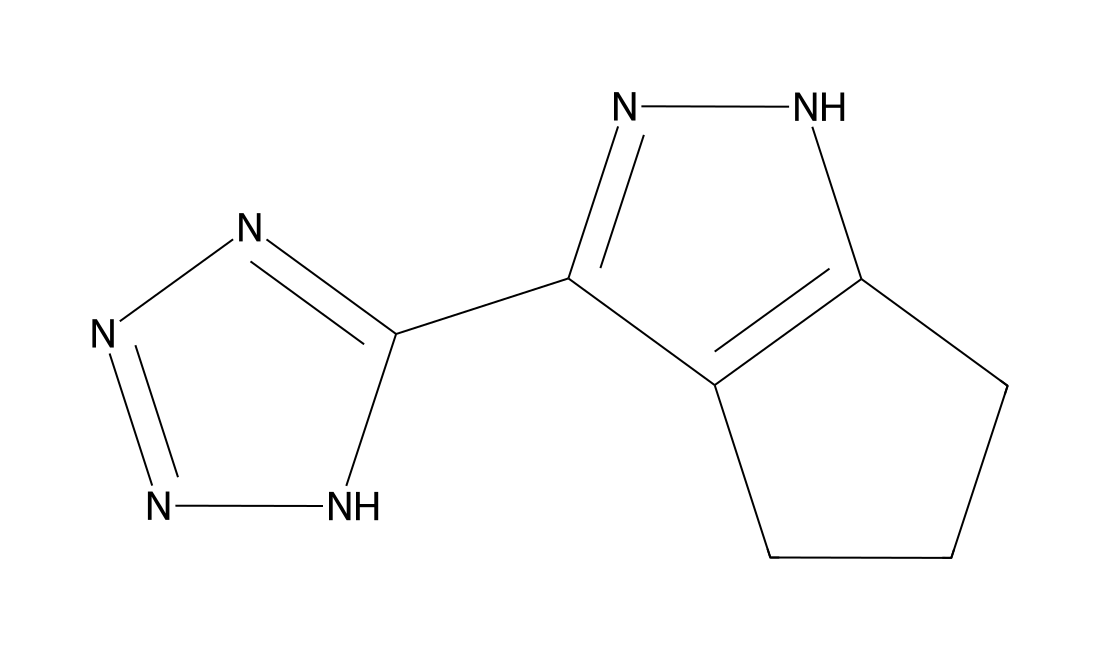
MK-0354
CAS 851776-28-8
MK-0354 is a partial agonist of GPR109a receptor, for hGPR109a/ mGPR109a with EC50 of 1.65/1.08 μM, showed no activation of GPR109b. in vitro: MK-0354 demonstrated clear and statistically significant partial agonism in the cAMP assays for both the mouse and human receptors with efficacy approximately 60-70% of that of either nicotinic acid or β-hydroxy butyrate, a putative physiologically relevant ligand for hGPR109a, in the same assay platform. In addition, MK-0354 showed no activation of GPR109b in the cAMP assay at any concentration up to 100 μM. Following these interesting observations, we then prepared a number of other 5,5-fused pyrazoles analogous to those that showed receptor activity in our earlier studies. MK-0354 appeared to be somewhat unique among the members of the pyrazole tetrazole series in having reasonable receptor activity. in vivo: MK-0354 retained the plasma free fatty acid lowering effects in mice associated with GPR109a agonism, but did not induce vasodilation at the maximum feasible dose. Moreover, preadministration of MK-0354 blocked the flushing effect induced by nicotinic acid but not that induced by PGD2. This profile made MK-0354 a suitable candidate for further study for the treatment of dyslipidemia.MK-0354 is a GPR109A partial agonist that activates the antilipolytic pathway in adipocytes. The single-dose and multiple-dose pharmacokinetics and pharmacodynamics, as well as tolerability, of MK-0354 were examined in two Phase I studies conducted in healthy male volunteers. The lipid efficacy of MK-0354 was assessed in a Phase II study conducted in male and female patients with dyslipidemia.
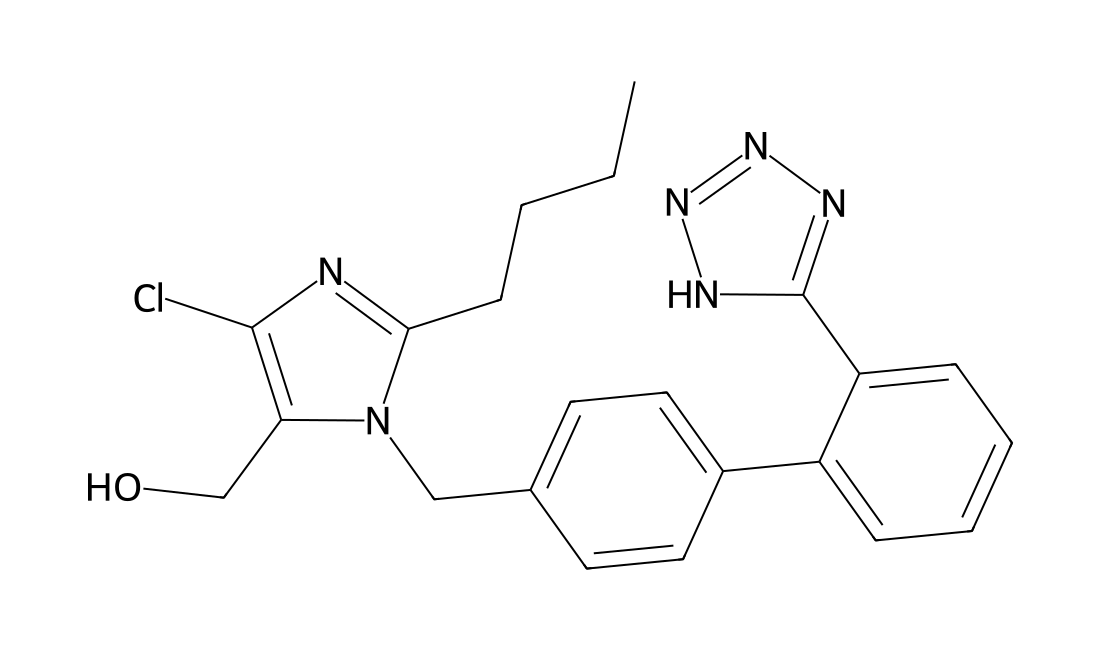
Losartan
CAS 114798-26-4
For the detailed information of Losartan, the solubility of Losartan in water, the solubility of Losartan in DMSO, the solubility of Losartan in PBS buffer, the animal experiment(test) (test) of Losartan, the cell expriment (test) of Losartan, the in vivo, in vitro and clinical trial test of Losartan, the EC50, IC50,and Affinity of Losartan,, please contact DC Chemicals.
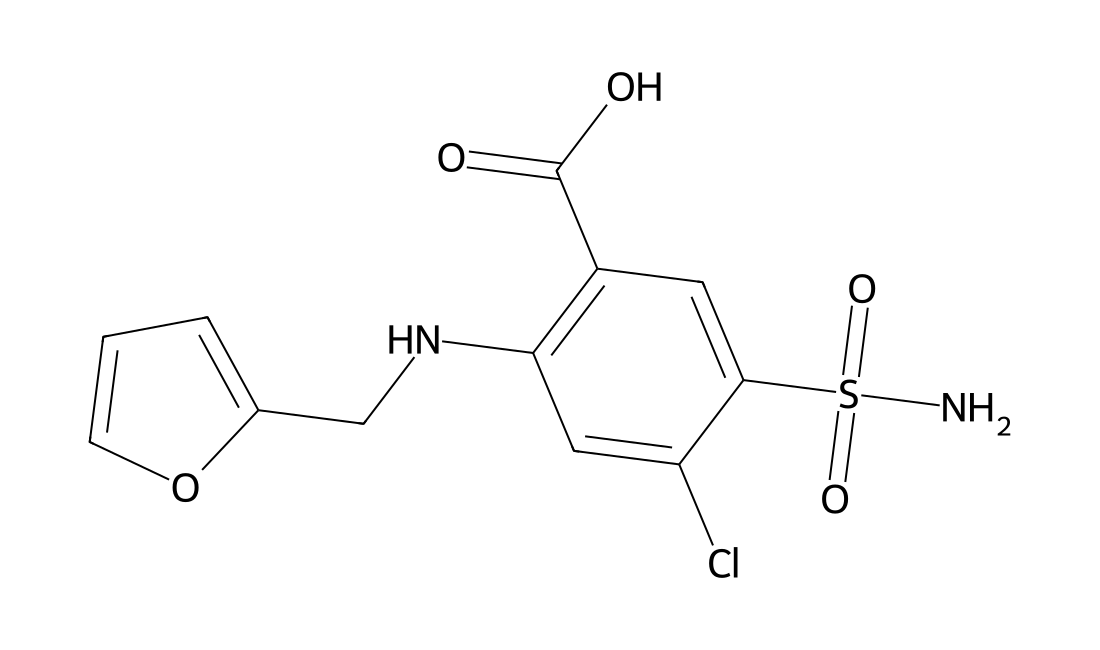
Furosemide
CAS 54-31-9
Furosemide (Lasix) is a loop diuretic inhibitor of Na+/2Cl-/K+ (NKCC) cotransporter of which used in the treatment of congestive heart failure and edema.Furosemide (INN/BAN) or frusemide is a loop diuretic used in the treatment of congestive heart failure and edema. It is most commonly marketed by Sanofi under the brand name Lasix, and also under the brand names Fusid and Frumex. It has also been used to prevent Thoroughbred and Standardbred race horses from bleeding through the nose during races.Along with some other diuretics, furosemide is also included on the World Anti-Doping Agency's banned drug list due to its alleged use as a masking agent for other drugs. Furosemide, like other loop diuretics, acts by inhibiting NKCC2, the luminal Na-K-2Cl symporter in the thick ascending limb of the loop of Henle. The action on the distal tubules is independent of any inhibitory effect on carbonic anhydrase or aldosterone; it also abolishes the corticomedullary osmotic gradient and blocks negative, as well as positive, free water clearance.Because of the large NaCl absorptive capacity of the loop of Henle, diuresis is not limited by development of acidosis, as it is with the carbonic anhydrase inhibitors. Additionally, furosemide is a noncompetitive subtype-specific blocker of GABA-A receptors. Furosemide has been reported to reversibly antagonize GABA-evoked currents of α6β2γ2 receptors at uM concentrations, but not α1β2γ2 receptors. During development, the α6β2γ2 receptor increases in expression in cerebellar granule neurons, corresponding to increased sensitivity to furosemide
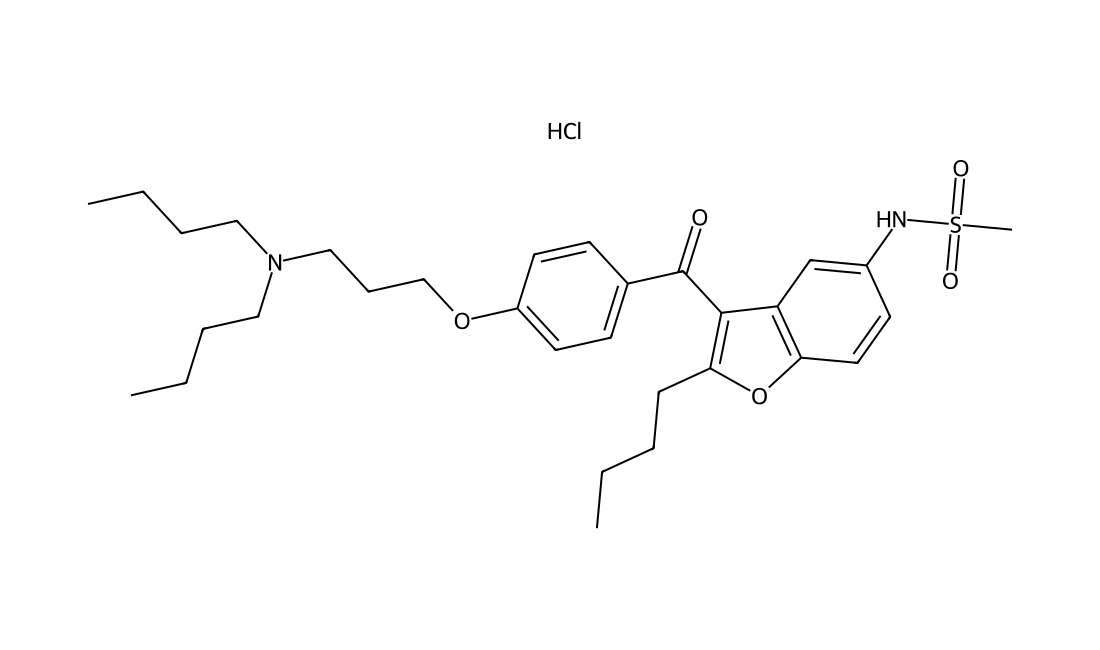
Dronedarone Hydrochloride
CAS 141625-93-6
For the detailed information of Dronedarone Hydrochloride, the solubility of Dronedarone Hydrochloride in water, the solubility of Dronedarone Hydrochloride in DMSO, the solubility of Dronedarone Hydrochloride in PBS buffer, the animal experiment(test) (test) of Dronedarone Hydrochloride, the cell expriment (test) of Dronedarone Hydrochloride, the in vivo, in vitro and clinical trial test of Dronedarone Hydrochloride, the EC50, IC50,and Affinity of Dronedarone Hydrochloride,, please contact DC Chemicals.
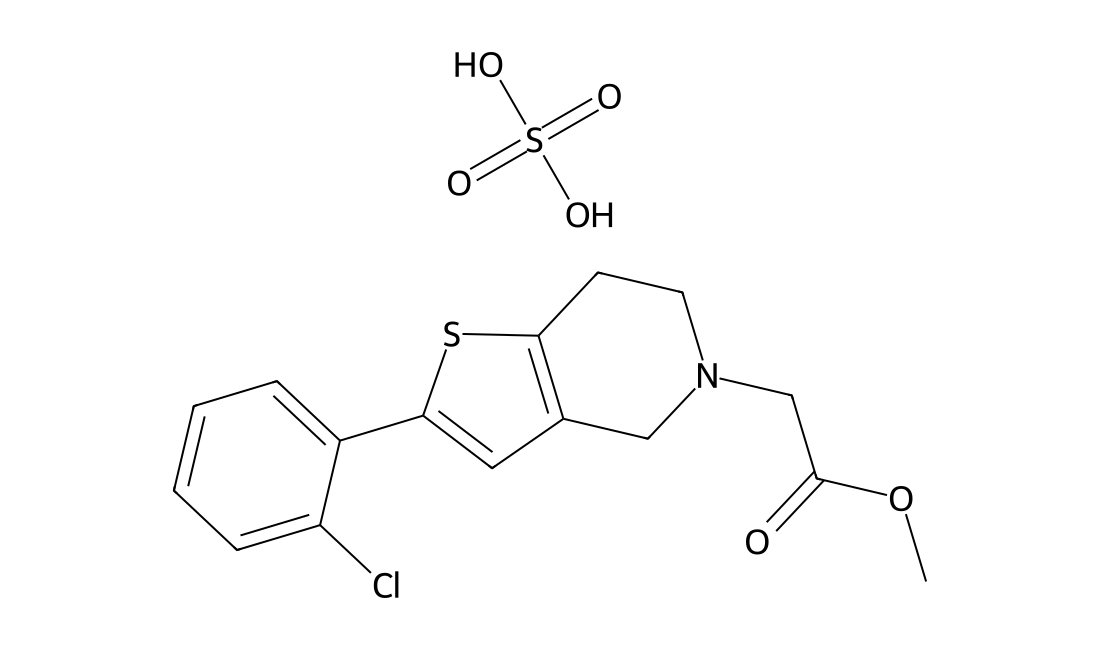
Clopidogrel hydrogensulfate
CAS 120202-66-6
For the detailed information about the solubility of Clopidogrel hydrogen sulfate in water, the solubility of Clopidogrel hydrogen sulfate in DMSO, the solubility of Clopidogrel hydrogen sulfate in PBS buffer, the animal experiment(test) of Clopidogrel hydrogen sulfate,the in vivo,in vitro and clinical trial test of Clopidogrel hydrogen sulfate,the cell experiment(test) of Clopidogrel hydrogen sulfate,the IC50, EC50 and Affinity of Clopidogrel hydrogen sulfate, please contact DC Chemicals.
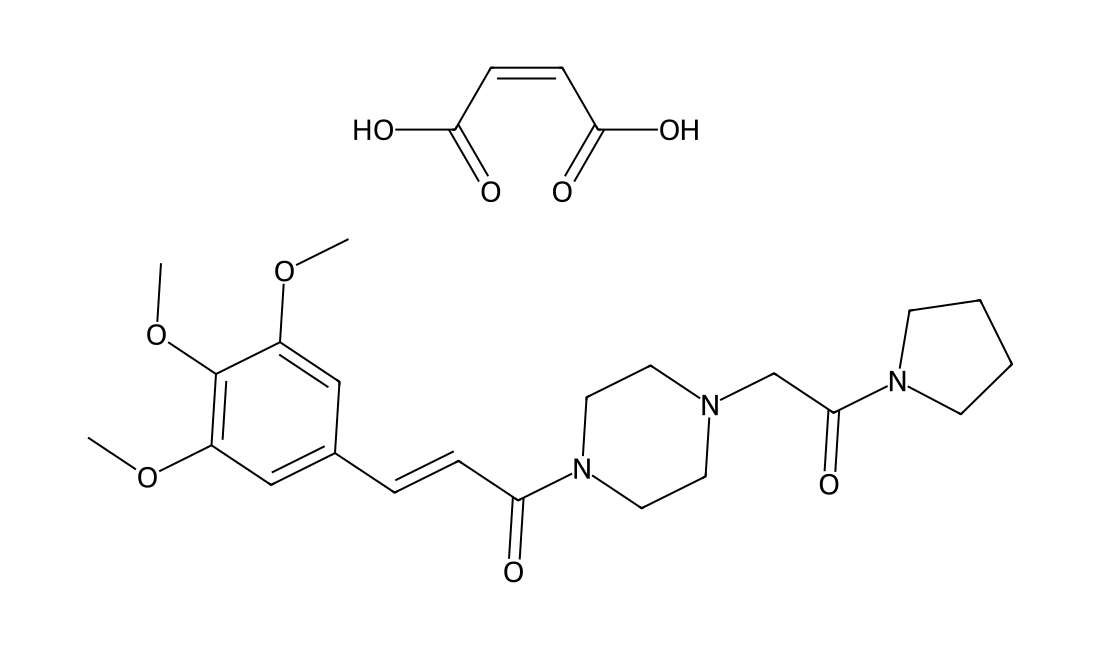
Cinepazide maleate
CAS 26328-04-1
Cinepazide Maleate is a vasodilator.Cinepazide maleate is a maleate salt form of cinepazide which is a vasodilator. Cinepazide (30 mg/kg, i.v.) potentiated the vertebral vasodilator response of dogs to intravertebral adenosine and cyclic AMP, Intravertebral cinepazide(1-10 mg) increased vertebral blood flow in a dose-related manner and the effect was partially inhibited by intravenous pretreatment with aminophylline but not by pretreatment with autonomic antagonists. Cinepazide resembled cinnarizine and papaverine in that the drug antagonized rabbit aortic contraction induced by KCl, norepinephrine or CaCl2. Cinepazide in concentrations ranging from 10-6 to 10-5M augmented the relaxing responses to ATP, adenosine and cAMP. However, this agent did not affect the relaxations induced by isoproterenol and papaverine and the contractions induced by 5-HT, prostaglandin F2α and ATP. cinepazide selectively potentiates the relaxing response mediated through purinergic P1 receptors.
Browse target & topic index A–Z (366)
11β-HSD (1)15-PGDH (2)5-HT Receptor (16)Acetyl-CoA Carboxylase (ACC) (3)Acetylcholinesterase (AChE) (2)Ack1 (TNK2) (1)Acyltransferase (1)ADC Cytotoxin (6)ADCs Linker/Click Chemistry (5)Adenosine Receptor (9)Adenylate Cyclase (2)Adrenergic Receptor (11)Akt (12)Alcoholism (2)Aldehyde Dehydrogenase (ALDH) (6)Allergy (5)Alzheimer Disease (13)Aminopeptidase (1)AMPK (8)Amyloids (4)Anaplastic Lymphoma Kinase (ALK) (9)Androgen Receptor (AR) (11)Anemia (4)Angiotensin Receptor (4)Antibody/Protein labeling dyes (1)Antifolate (2)Anxiety (1)Apoptosis Inducer (3)Arginase (1)Arp2/3 complex (1)Aryl hydrocarbon Receptor (AhR) (1)Asthma (5)Atherosclerosis (2)ATM/ATR (8)Aurora Kinase (10)Autophagy (6)Autophagy-related Protein (Atg) (2)Autotaxin (2)Bacterial (26)Bacterial Infection (17)Bcl-2 (14)Bcr-Abl (5)BCRP (1)Beta-catenin (4)Beta-secretase (BACE) (4)Blood Cancer (91)BMI-1 (1)Bone Cancer (6)Brain Cancer (6)Breast Cancer (30)Bromodomain (22)BTK (10)c-Fms (CSF1R) (5)c-Fos/AP-1 (1)c-Kit (6)c-Met (HGFR) (11)c-Myc (2)Calcium Channel (4)Calcium-sensing Receptor (CaSR) (1)CaMK (4)Cannabinoid Receptor (6)Carbonic Anhydrase (1)Carboxypeptidase (1)Casein Kinase (6)Caspase (4)Cathepsin (6)Cdc2-like Kinase (CLK) (1)CETP (2)CFTR (7)Checkpoint Kinase (Chk) (8)Chemokine Receptor (CCR and CXCR) (14)Chemotherapeutic Agents (19)Chloride Channel (1)CMV (2)CMV Infection (2)Colon Cancer (9)Complement System (1)COPD (3)CREB/CBP (2)CRF Receptor (2)CRISPR/Cas9 (1)Cushing Disease (1)Cyclin-dependent Kinase (CDK) (39)Cyclooxygenase (COX) (4)Cytochrome P450 (CYPs) (5)Depression (2)Dermatitis (2)Deubiquitinase (DUB) (7)Diabetes (20)Dipeptidyl Peptidase (DPP) (3)Discoidin Domain Receptor (DDR) (1)DNA Alkylator/Crosslinker (10)DNA Methyltransferase (DNMT) (1)DNA Repair Protein (1)DNA-PK (2)DNA/RNA Synthesis (5)Dopamine beta-hydroxylase (1)Dopamine Receptor (7)Drug Metabolite (1)Drug-Linker Conjugates (11)Dyes (4)DYRK (1)Dyslipidemia (9)E3 Ligase Ligand (6)E3 Ligase Ligand-Linker Conjugate (1)E3 Ubiquitin Ligase (4)Ebola Virus Infection (1)EGFR (32)Elastase (2)Endothelin Receptor (5)Enzymes substrates (13)Epigenetic Reader Domain (3)Epilepsy (4)ERK (4)Estrogen Receptor/ERR (13)Eukaryotic Initiation Factor (eIF) (2)Exportin-1 (CRM1,XPO1) (2)FABP (1)Factor Xa (5)Farnesoid X Receptor (FXR) (5)Farnesyl transferase (FTase) (1)Ferroptosis (6)FGFR (15)Fibrosis (5)FLT3 (6)Focal Adhesion Kinase (FAK) (11)Foxo1 (1)Free Fatty Acid Receptor (FFAR) (5)Fungal (2)Fungal Infection (1)GABA Receptor (13)Galectin (1)Gastric Cancer (8)Ghrelin Receptor (GHSR) (3)Glucagon Receptor (4)Glucokinase (2)Glucose Transporter (GLUT) (2)Glutamate Transporter (2)GPCR (1)GPER (GPR30) (1)GPR139 (1)GPR183 (EBI2) (2)GPR39 (1)GPR55 (1)GPR84 (1)GRK (GPCRK) (2)Growth Hormone Deficiency (2)GSK-3 (8)Guanylate Cyclase (3)HBV (1)HBV Infection (1)HCN Channel (2)HCV (8)HCV Infection (9)HDAC (38)Heart Arrhythmia (2)Heart Failure (5)Heat Shock Protein (HSP) (15)Hedgehog (Hh) (1)HIF/HIF Prolyl-hydroxylase (8)Histamine Receptor (6)Histone Acetyltransferase (HAT) (5)Histone Demethylase (11)Histone Methyltransferase (HMTase) (31)HIV (12)HIV Infection (11)HMG-CoA Reductase (HMGCR) (3)HSV (1)HSV Infection (1)Hypercholesterolemia (1)Hyperparathyroidism (1)Hypertension (8)IAP (1)IGF-1R (3)iGluR (15)Indoleamine 2,3-Dioxygenase (IDO) (4)Infection (1)Influenza (6)Influenza Virus (6)Insulin Receptor (2)Integrin (6)Interleukin Receptor (1)IRAK (2)IRE1 (4)Irritable Bowel Syndrome (2)Ischemia (1)Isocitrate Dehydrogenase (IDH) (5)ITK (1)IκB kinase (IKK) (7)JAK (32)JNK (3)Keap1-Nrf2 (6)Kidney Cancer (10)Kinesin (5)Kruppel-like Factor (KLF) (1)Kynurenine 3-Monooxygenase (KMO) (1)Leukotriene Receptor (1)LIM Kinase (LIMK) (3)Lipids fragment (1)Liver Cancer (6)Liver X Receptor (LXR) (3)LRRK2 (9)Lung Cancer (39)Lysophospholipid Receptor (12)LYTACs (3)mAChR (9)MALT1 (2)MAP4K (1)Matrix Metalloproteinase (MMP) (10)MDM2-p53 (9)MEK (MAP2K) (14)MEKK (MAP3K) (1)Melanocortin Receptor (2)MELK (1)mGluR (7)MicroRNA (1)Microtubule/Tubulin (5)Mineralocorticoid Receptor (MLR) (1)MITF (1)Mixed Lineage Kinase (MLK) (3)MNK (2)Molecular Glues (13)Monoamine Transporter (5)Monocarboxylate Transporter (MCT) (1)Monopolar Spindle 1 (Mps1/TTK) (3)mTOR (13)Multiple Sclerosis (6)Myosin (1)Na-K-Cl Cotransporter (NKCC) (2)nAChR (2)NADPH Oxidase (NOX) (2)NAMPT (3)Natural products (37)Neprilysin (1)Neurokinin Receptor (3)Neuropeptide Y Receptor (3)NF-κB (5)Nitric Oxide Synthase (NOS) (1)NOD-like Receptor (NLR) (3)Notch (2)Nucleoside Antimetabolite/Analog (10)Nur77 (NR4A1) (1)Obesity (1)Oct3/4 (1)Opioid Receptor (5)Orexin Receptor (7)Osteoporosis (2)Ovarian Cancer (14)Oxytocin Receptor (OXTR) (2)P-glycoprotein (P-gp) (3)p21-activated Kinase (PAK) (1)P2X Receptor (2)P2Y Receptor (1)p38 MAPK (10)p97/VCP (1)Pain (12)Pancreatic Cancer (10)Parasite (5)Parasite Infection (2)Parkinson Disease (2)PARP (19)PCSK9 (1)PD-1/PD-L1 (4)PDGFR (4)PDK1 (2)PEGn (1)PERK (2)PGE synthase (2)Phosphodiesterase (PDE) (9)Phospholipase (4)PI3K (32)PI4K (2)Piezo Channel (1)PIKfyve (3)Pim (9)PKC (12)PKD (1)Plasminogen Activator Inhibitor-1 (PAI-1) (3)Polo-like Kinase (PLK) (4)Porcupine (3)Potassium Channel (13)PPAR (13)Pregnane X Receptor (PXR) (1)Progesterone Receptor (2)Prostaglandin Receptor (11)Prostate Cancer (7)PROTACs (35)Protease-activated Receptor (PAR) (3)Proteasome (12)Protein Disulfide Isomerase (PDI) (1)Protein Phosphatase/PTP (6)Proton Pump (1)Psoriasis (5)RAD51 (1)Radioligand precursors (15)Raf (18)RAR/RXR (3)Ras (17)Renin (2)RET Tyrosine Kinase (c-RET) (3)Rheumatoid Arthritis (16)Ribosomal S6 Kinase (RSK) (5)RIG-I-like Receptor (RLR) (2)RIP kinase (7)ROCK (12)ROR (2)RSV (4)RSV Infection (3)RUNX1-CBFβ (1)S-nitrosoglutathione reductase (GSNOR) (1)Saccharides and Glycosides (1)Salt Inducible Kinase (SIK) (2)SARS-CoV (16)SARS-CoV Infection (34)Schizophrenia (4)Sexual Dysfunction (1)SGLT (4)Sigma Receptor (4)Sirtuin (9)Skin Cancer (13)Sleep Disorder (7)SMN2 Modulator (1)Smoothened (Smo) (9)Sodium Channel (12)Solid Tumors (35)Somatostatin Receptor (2)Sphingosine kinase (SphK) (2)Src (7)STAT (5)Stearoyl-CoA Desaturase (SCD) (1)Steatohepatitis (7)Sterol lipids (1)STING (14)Syk (6)T Cell Receptor (TCR) (1)TAK1 (2)TAM Receptor (Tyro3-Axl-Mer) (4)Taste Receptor (1)Telomerase (2)TGF beta Receptor (TGFBR) (12)Thrombin (3)Thrombosis (13)Thyroid Cancer (1)Thyroid Hormone Receptor (THR) (1)Thyrotropin Receptor (2)TNIK (1)Toll-like Receptor (TLR) (2)TOPK (1)Topoisomerase (11)TRAIL (1)Translocator Protein (TSPO) (1)Trk Receptor (4)TRP Channel (13)Tryptophan Hydroxylase (TPH) (1)Ubiquitin-activating Enzyme (E1) (2)Ubiquitin-conjugating Enzyme (E2) (2)Ulcer (1)ULK (3)Vasopressin Receptor (2)VEGFR (25)Vitamin D Receptor (VDR) (3)Wee1 (1)WNK Kinase (1)Wnt (5)Yes-associated Protein (YAP) (4)γ-secretase (5)