
Ion Channels & Transporters
Ion channels, membrane transporters and pumps.
Browse all research categories
Browse by research category
Products may appear in more than one category. Counts refer to distinct catalog numbers within each category.
Kinases & Cell Signaling1,548 products →938 products →Epigenetics & Gene Regulation410 products →277 products →DNA Damage, Repair & Cell Cycle342 products →228 products →Cell Death & Autophagy233 products →117 products →Protein Degradation & Proteostasis252 products →178 products →Immunology & Inflammation515 products →297 products →Neuroscience793 products →363 products →GPCRs & Receptor Biology1,219 products →428 products →Ion Channels & Transporters373 products →196 products →Metabolism & Endocrinology697 products →404 products →Cardiovascular & Hematology264 products →141 products →Anti-infectives453 products →205 products →Cancer Research1,049 products →532 products →ADCs & Bioconjugation61 products →38 products →Probes & Assay Reagents150 products →82 products →Natural Products424 products →73 products →Cell Biology & Intracellular Transport181 products →61 products →
Other Research Tools (75) · Additional reagents, building blocks and specialized research tools.
Ion Channels & Transporters products
Combine a keyword, research category and target to narrow the product list.
Loading catalog filters…
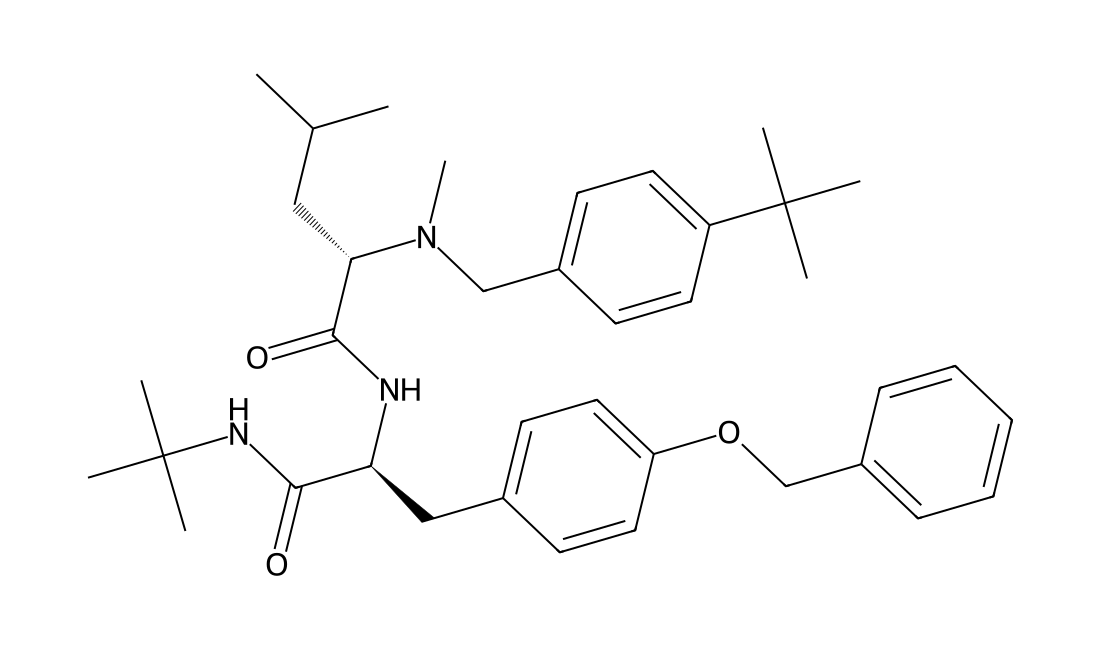
Tenapanor
CAS 1234423-95-0
Tenapanor exhibits human and rat NHE3 with IC50 values of 5 and 10 nM, respectively. Human intestinal transporters NHE1, NHE2, TGR5, ASBT, and Pit-1 and the sodium-dependent phosphate transporter NaPiIIb are not inhibited by tenapanor at concentrations up to 10 to 30 μM.Tenapanor plays a prominent role in sodium handling in the gastrointestinal tract and kidney. It acts exclusively in the gastrointestinal tract to inhibit sodium uptake when administered orally to rats. Average plasma Cmax values of tenapanor in rats and humans are less than 1 ng/mL with negligible area under the curve at doses of up to 30mg/kg in rats, 10mg/kg in dogs, and 900 mg in humans. Dose-dependent reductions in urinary sodium and increases in fecal sodium and luminal fluid mass are observed upon administering single doses of tenapanor to rats. Chronic administration of tenapanor to rats fed with standard chow (0.49% NaCl) causes a sustained reduction of urinary sodium and increase in fecal sodium.
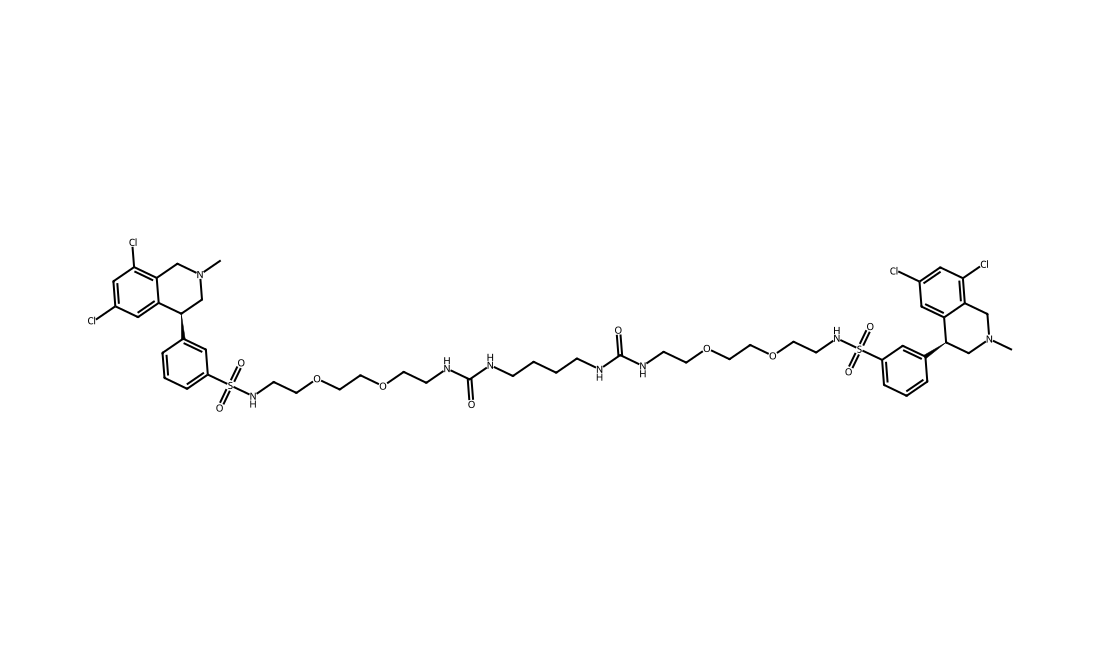
BAY-390
CAS 2741956-55-6
BAY-390 is a selective, across species active and brain penetrating TRPA1 inhibitor. BAY-390 inhibits hTRPA1 FLIPR, hTRPA1 Ephys, rTRPA1 FLIPR and rDRG Ephys with IC50s of 16, 82, 63 and 35 nM, respectively.
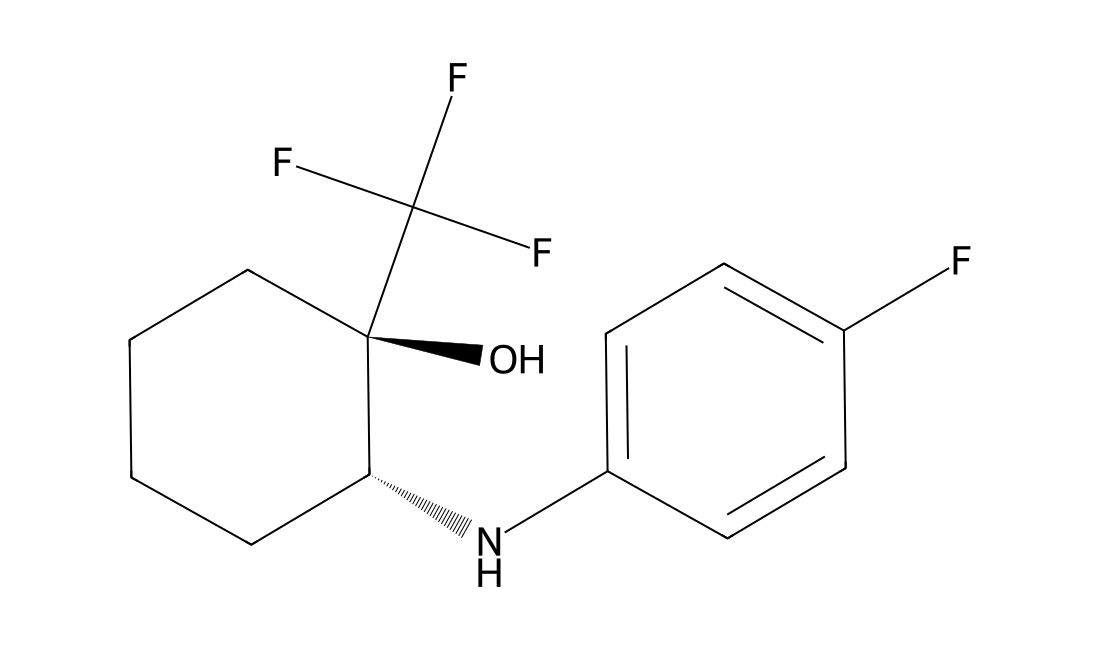
HC-030031
CAS 349085-38-7
HC-030031 is a potent and selective TRPA1 inhibitor, which antagonizes AITC- and formalin-evoked calcium influx with IC50s of 6.2±0.2 and 5.3±0.2 μM, respectively.
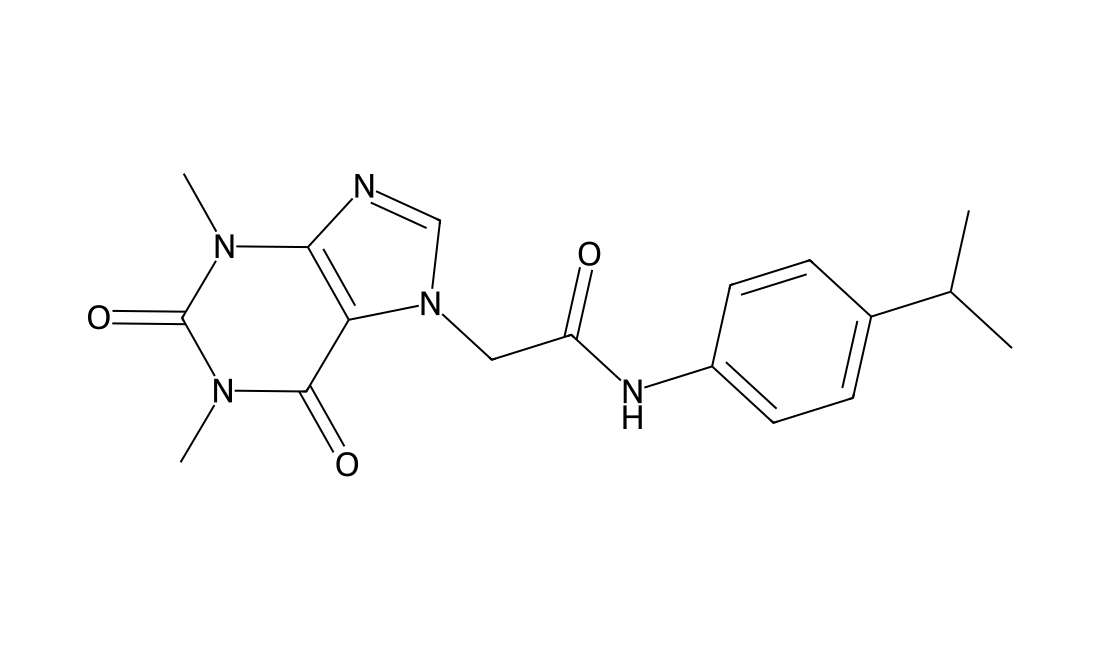
Ralfinamide
CAS 202825-45-4
Selective Na+ blocker. Suppresses tetrodotoxin-resistant Na+ currents. Shows antiparkinsonian, antinociceptive and potent anticonvulsant effects in vivo. Orally active.For the detailed information of Ralfinamide, the solubility of Ralfinamide in water, the solubility of Ralfinamide in DMSO, the solubility of Ralfinamide in PBS buffer, the animal experiment (test) of Ralfinamide, the cell expriment (test) of Ralfinamide, the in vivo, in vitro and clinical trial test of Ralfinamide, the EC50, IC50,and Affinity of Ralfinamide, Please contact DC Chemicals.
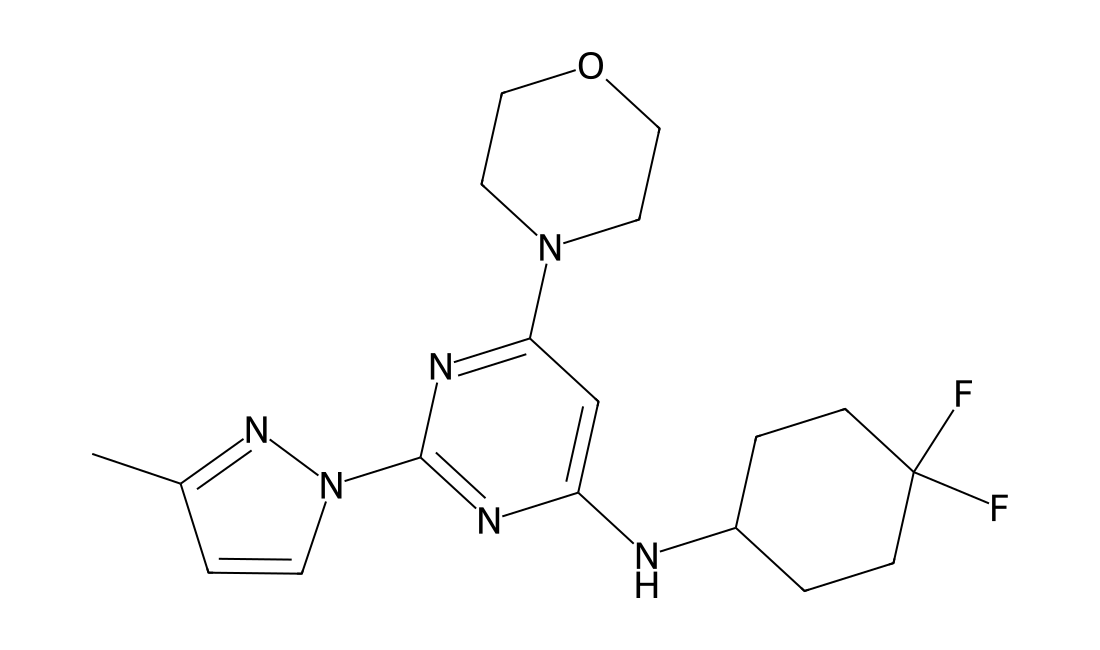
Rimtuzalcap
CAS 2167246-24-2
Rimtuzalcap (CAD-1883) is a first-in-class selective positive allosteric modulator of small-conductance calcium-activated potassium channels (SK channels). Rimtuzalcap can be used for the research of movement disorders including essential tremor (ET) and spinocerebellar ataxia (SCA).
TRPM8 antagonist 14
CAS 259674-19-6
TRPM8 Antagonist is a potent and selective TRPM8 antagonist, with an IC50 of 0.2 nM, used in the research of neuropathic pain syndromes.
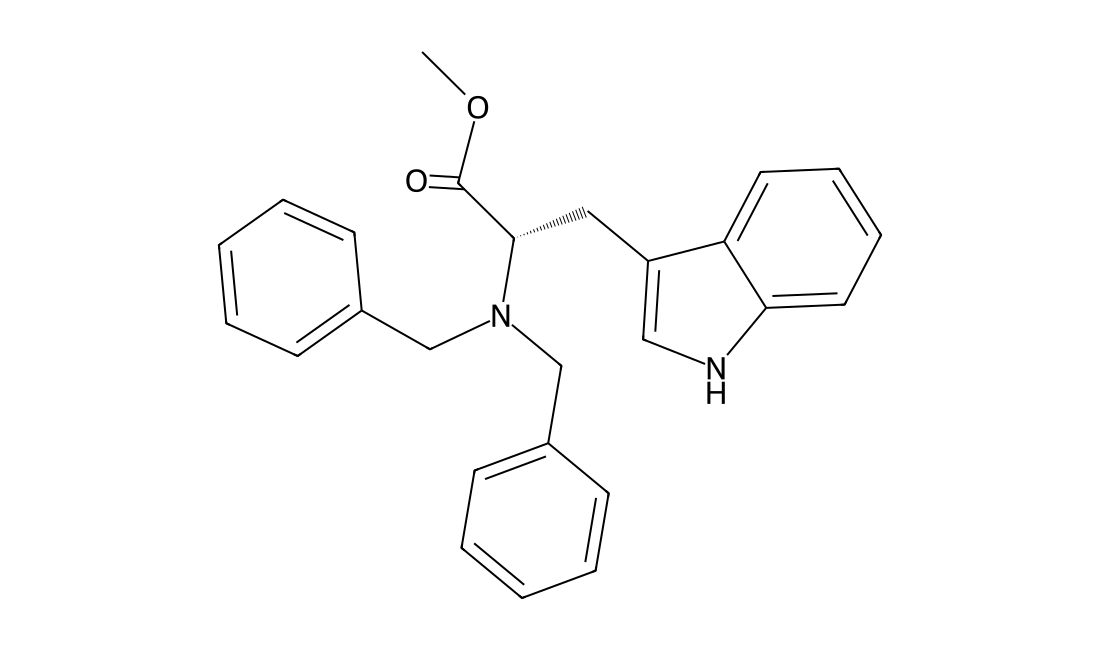
AUT-1
CAS 1311136-84-1
AUT1 is a Kv3 potassium channel modulator, with pEC50s of 5.33 and 5.31 for human recombinant Kv3.1b and Kv3.2a, respectively, exhibits 10-fold lower potency at human recombinant Kv3.3 channel (pEC50, 4.5)[1].
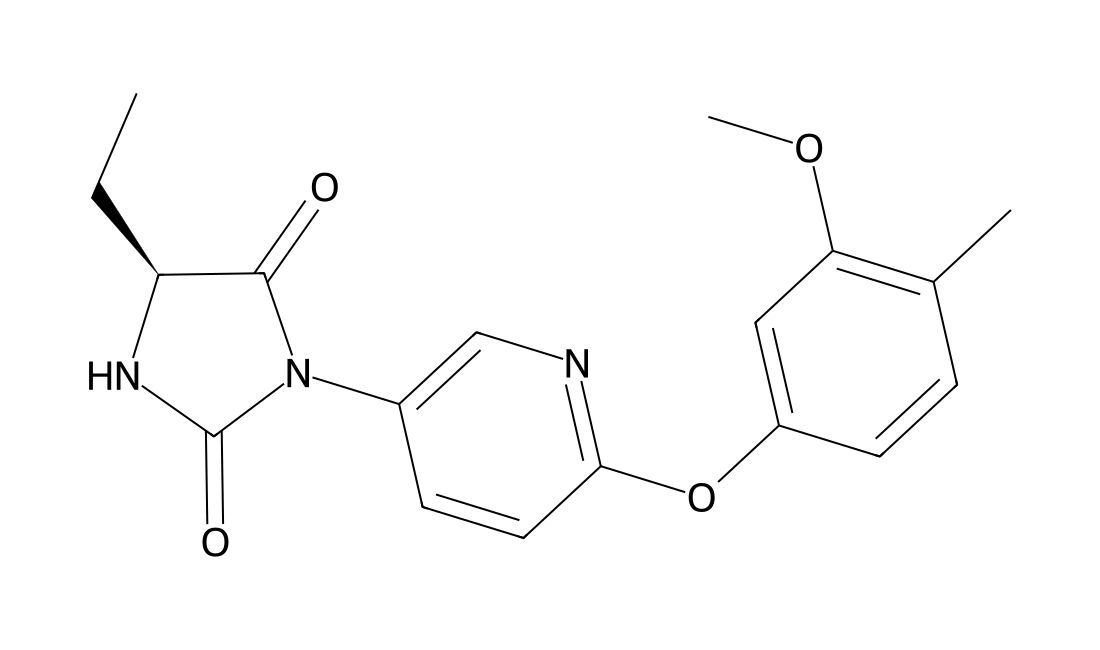
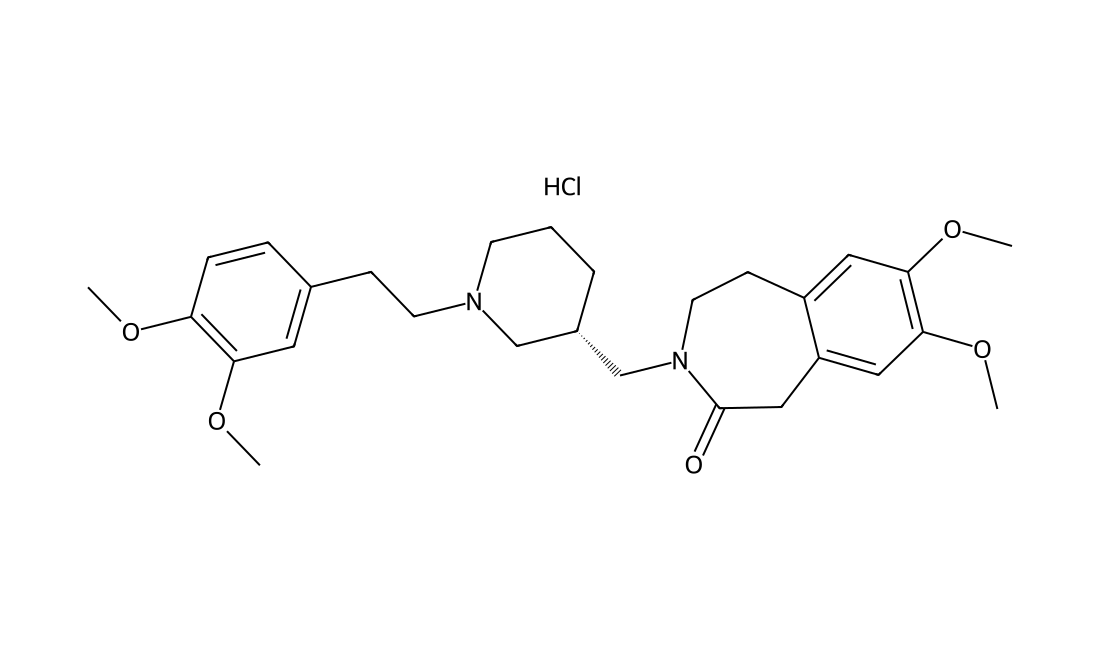
Cilobradine
CAS 186097-54-1
Cilobradine is an HCN Channel blocker; an open channel blocker of neuronal Ih and related cardiac If channels.Cilobradine is a HCN channel blocker that is about 3 times more potent than ZD7288. At a concentration of 10 μM, Cilobradine inhibits WT mHCN2 channel current by 86 ± 2% (n = 5). In contrast, I432A and A425G channel currents were only reduced by 14 ± 1% (n = 4) and 19 ± 2% (n = 8), respectively, by this concentration of Cilobradine. The double mutant (I432A/A425G) channel was even less sensitive to 10 μM Cilobradine (8 ± 2% inhibition; n = 4).
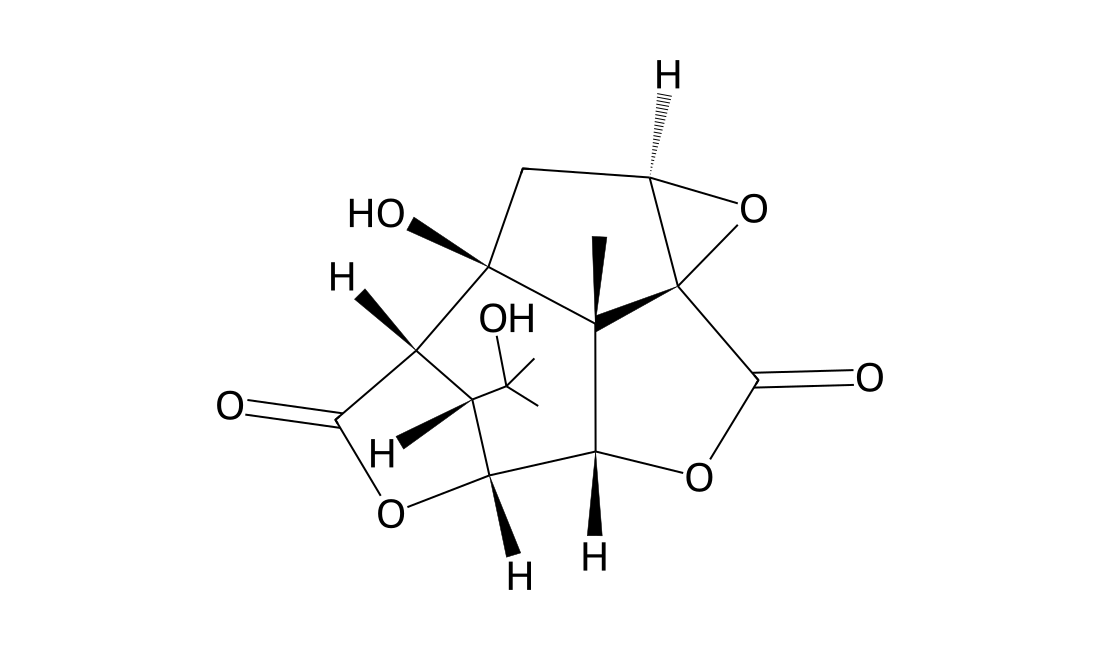
Picrotin
CAS 21416-53-5
Picrotin is an inhibitor of glycine receptors (GlyRs) which blocks α2 GlyR, α1 GlyR and α3 GlyR[1][2].
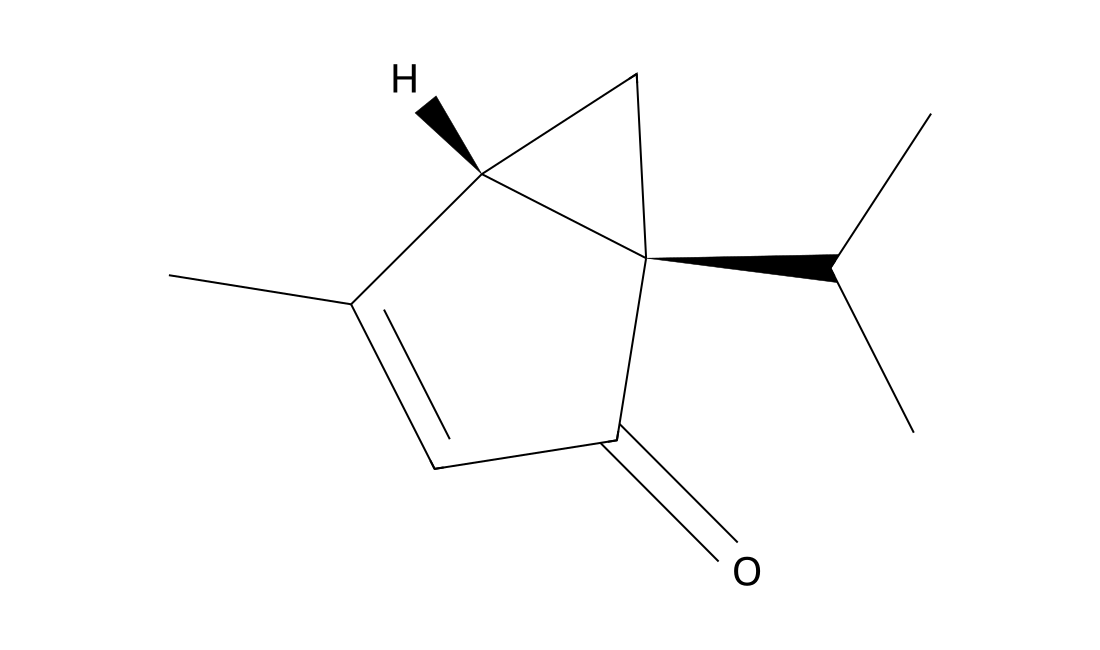
Umbellulone
CAS 546-78-1
Umbellulone is an active constituent of the leaves of Umbellularia californica. Umbellulone stimulates the TRPA1 channel in a subset of peptidergic, nociceptive neurons, activating the trigeminovascular system via this mechanism[1].
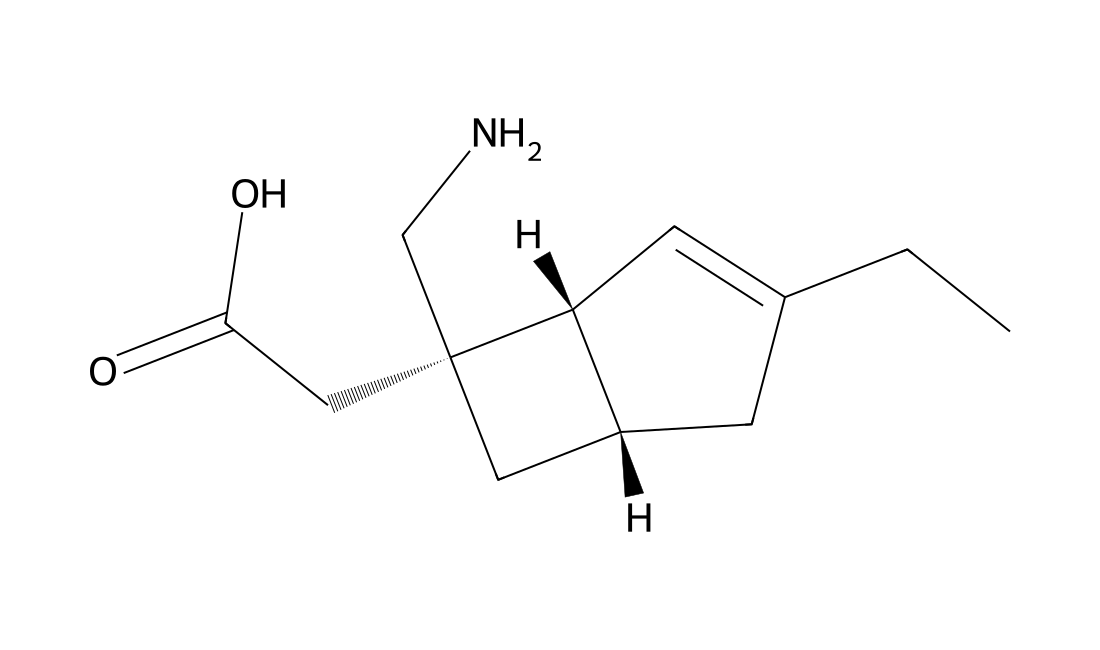
Mirogabalin
CAS 1138245-13-2
Mirogabalin (DS-5565) is a novel, preferentially selective α2δ-1 ligand characterized by high potency and selectivity to the α2δ-1 subunit of voltage-sensitive calcium channel complexes in the CNS.
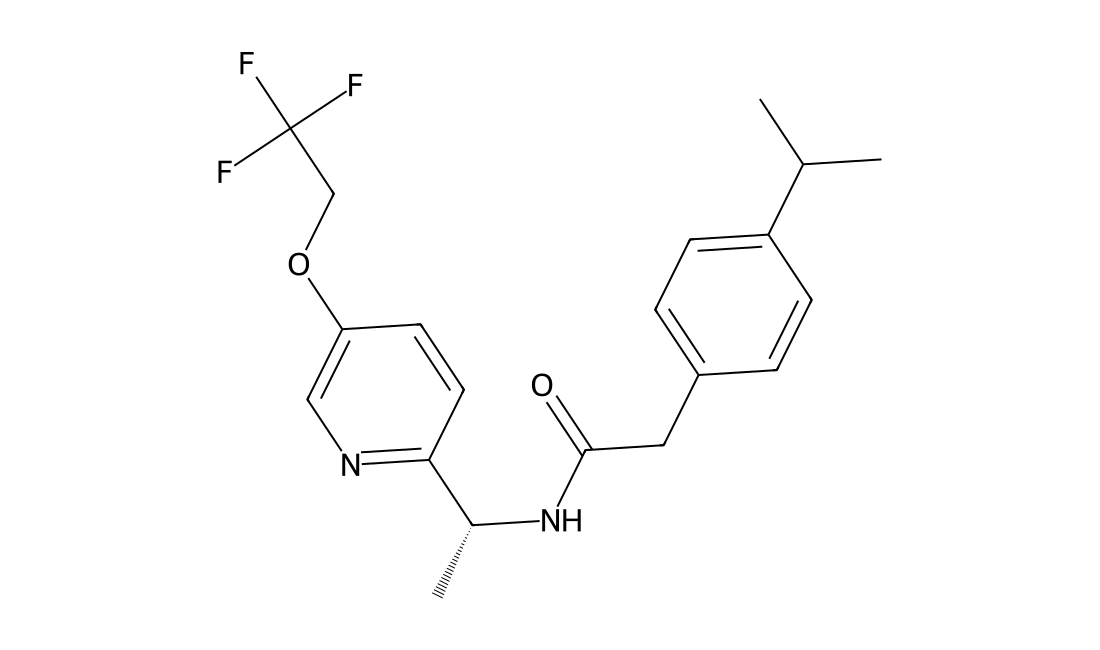
OUN67600(TRPV4 agonist-1)
CAS 2314467-60-0
OUN67600, is a Novel Transient Receptor Potential Vanilloid 4 (TRPV4) Agonist as Regulators of Chondrogenic Differentiation. OUN67600 was first reported by Atobe et al (compound 36 in J Med Chem. 2019 Feb 14;62(3):1468-1483). OUN67600 has CAS#2314467-60-0, no formal name. For the convenience of scientific communication, we named it as OUN67600 (combined from Inchi key plus CAS#) according to Hodoodo Chemical Nomenclature.
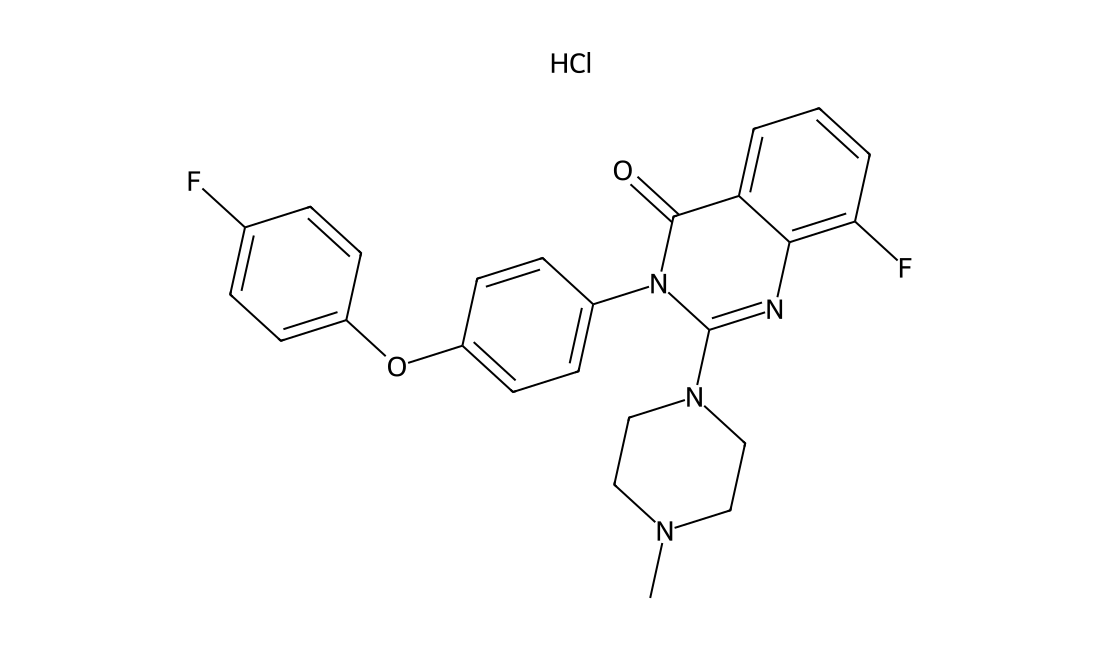
GNE-0439
CAS 1241902-40-8
GNE-0439 is a novel potent, selective inhibitor of Nav1.7 channel with IC50 of 0.34 uM, shows high selectivity over Nav1.5 (IC50=38.3 uM); also inhibits mutant N1742K channels with IC50 of 0.37 uM in membrane potential assays, but not mutation of R1608A (IC50>50 uM), and is unique compared with known selective VSD4 binders such as the arylsulfonamides (GX-936 and PF-05089771).
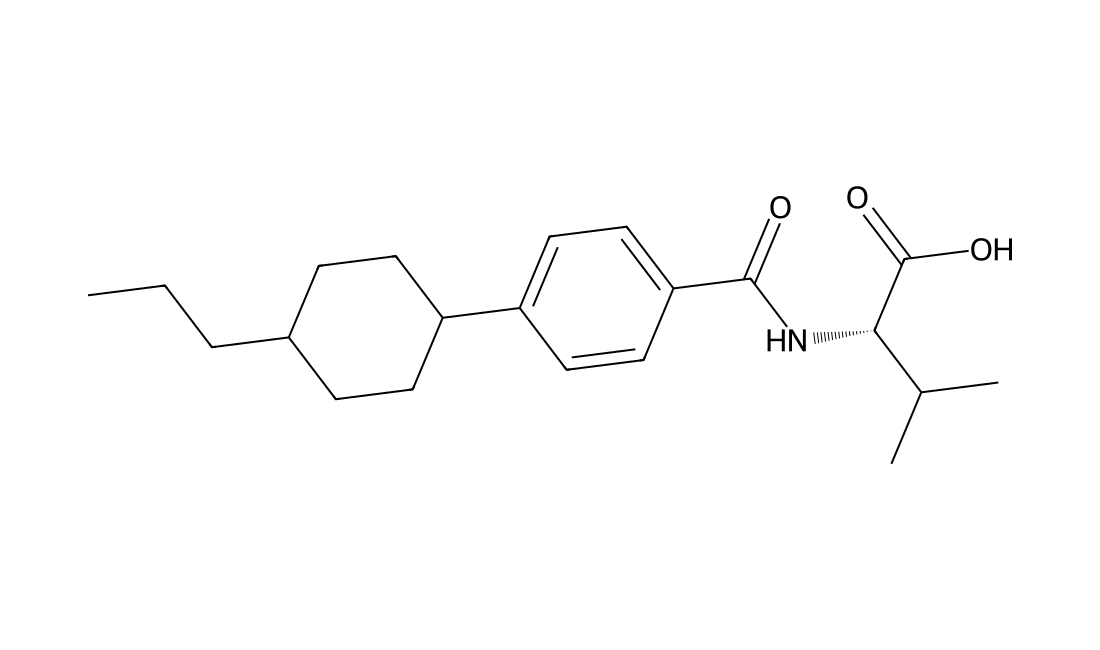
Vernakalant (Hydrochloride)
CAS 748810-28-8
Vernakalant Hcl(RSD-1235) is an investigational mixed ion channel blocker that can terminate acute atrial fibrillation (AF) in humans at 2 to 5 mg/kg and may be more atrial-selective than available agents; in treatment of antiarrhythmic.
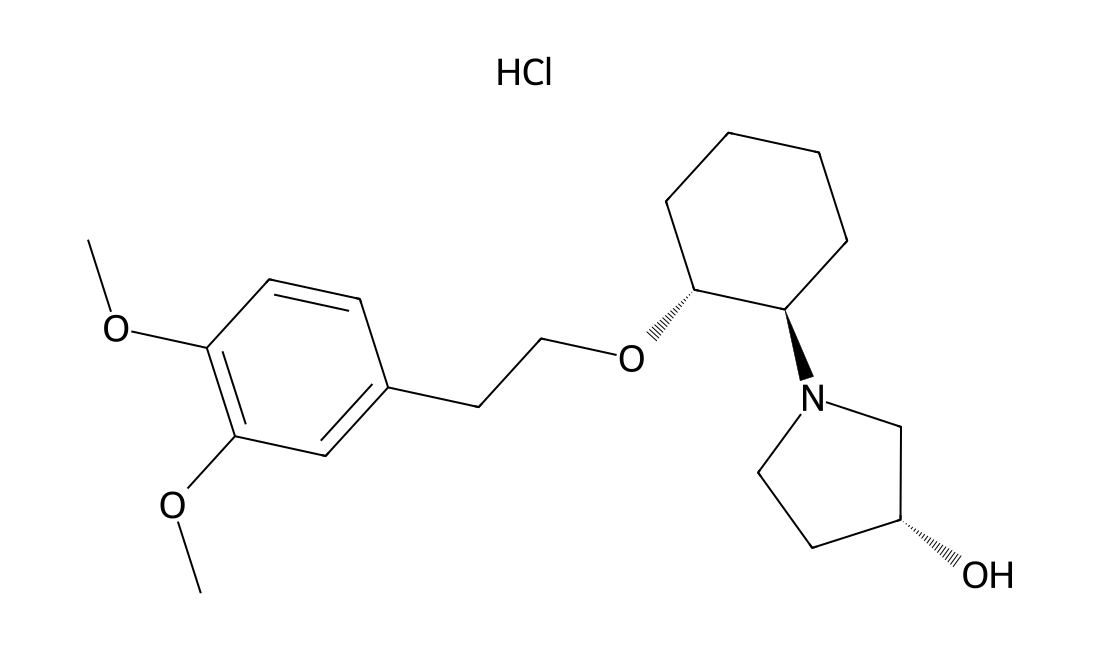
Topiramate
CAS 97240-79-4
Topiramate is an anticonvulsant that antagonizes GluR5 receptors and acts as a positive allosteric modulator of GABA receptor-mediated currents.Topiramate (Topamax) is a structurally novel broad-spectrum antiepileptic drug (AED) with established efficacy as monotherapy or adjunctive therapy in the treatment of adult and paediatric patients with generalised tonic-clonic seizures, partial seizures with or without generalised seizures, and seizures associated with Lennox-Gastaut syndrome. topiramate has been believed to be a type of antiepileptic drug that blocks spread of seizures. Thus far, the mechanisms of its actions have been proven to include use-dependent inhibition of voltage-dependent Na+ channels in neurons, potentiation of GABA (gamma-amino-butyric acid)-induced Cl- influx, and inhibitory effects on inward currents by antagonizing kainate/alpha-amino-3-hydroxy-5-methylisoxazole-4-propionic acid (AMPA) receptors. Topiramate (median average dosage 5.1 mg/kg/day) was also found to be useful as adjunctive therapy in the management of Lennox-Gastaut syndrome and significantly reduced the mean frequency of drop attacks by 14.8% compared with an increase of 5.1% with placebo. Further gains in seizure control were made in a nonblind extension of this trial where the mean topiramate dosage was 10 mg/kg/day. Nine of 11 patients in 1 pilot trial of children with otherwise intractable West syndrome, and 5 of 10 in another, achieved a > or =50% reduction in seizure rate with topiramate (target dosage up to 24 mg/kg/day).
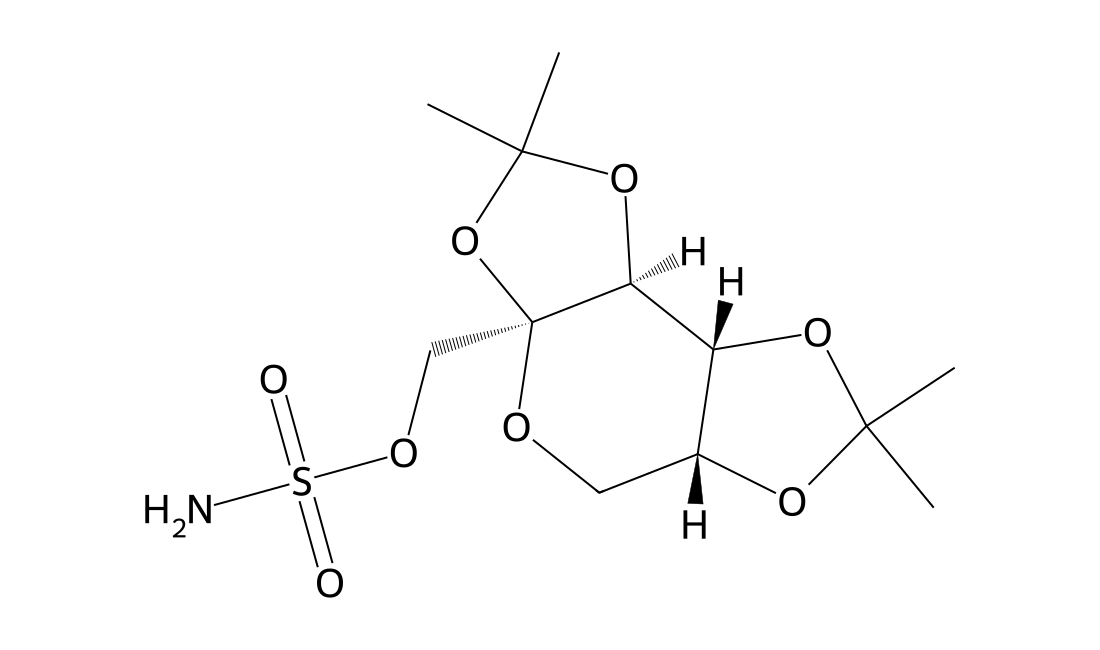
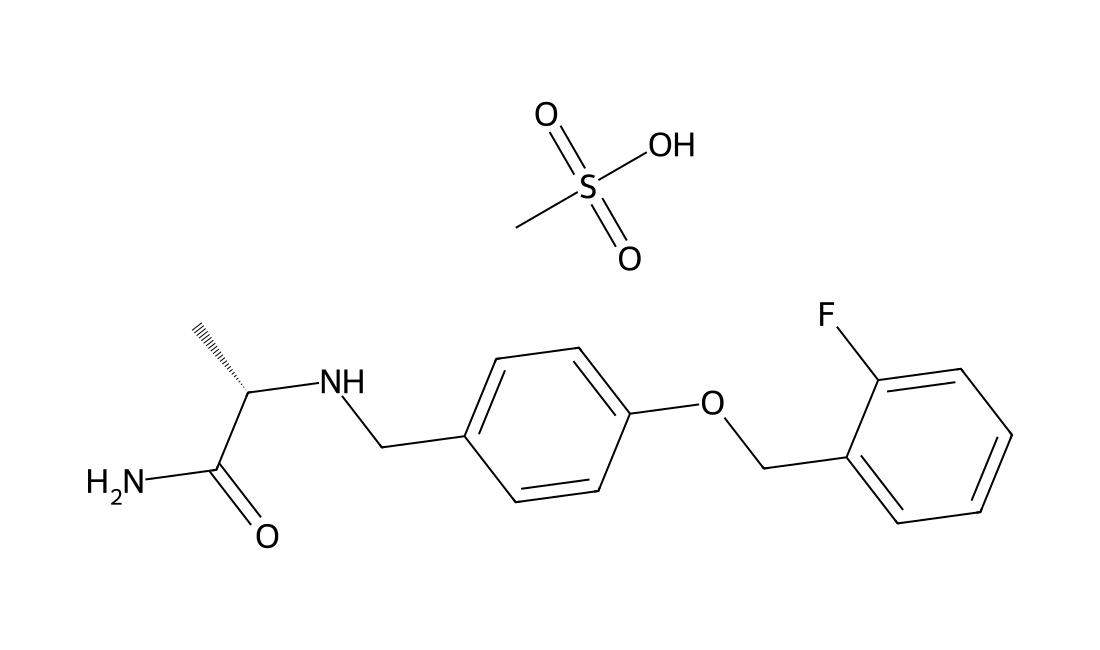
Safinamide
CAS 133865-89-1
Safinamide (EMD 1195686; FCE 26743; ) is a highly selective and reversible monoamine oxidase type B (MAO-B) inhibitor that increases neostriatal dopamine concentration. In addition, Safinamide (EMD 1195686; FCE 26743; ) is voltage-dependent sodium and calcium channel blocker. Safinamide (EMD 1195686; FCE 26743; ) appears to bind to the batrachotoxin-sensitive site 2 of the voltage-sensitive sodium channels. Safinamide blocks N and L-type calcium channels and inhibits glutamate and aspartate release from synaptic terminals.。For the detailed information about the solubility of Safinamide in water, the solubility of Safinamide in DMSO, the solubility of Safinamide in PBS buffer, the animal experiment(test) of Safinamide,the in vivo,in vitro and clinical trial test of Safinamide,the cell experiment(test) of Safinamide,the IC50, EC50 and Affinity of Safinamide, please contact DC Chemicals.
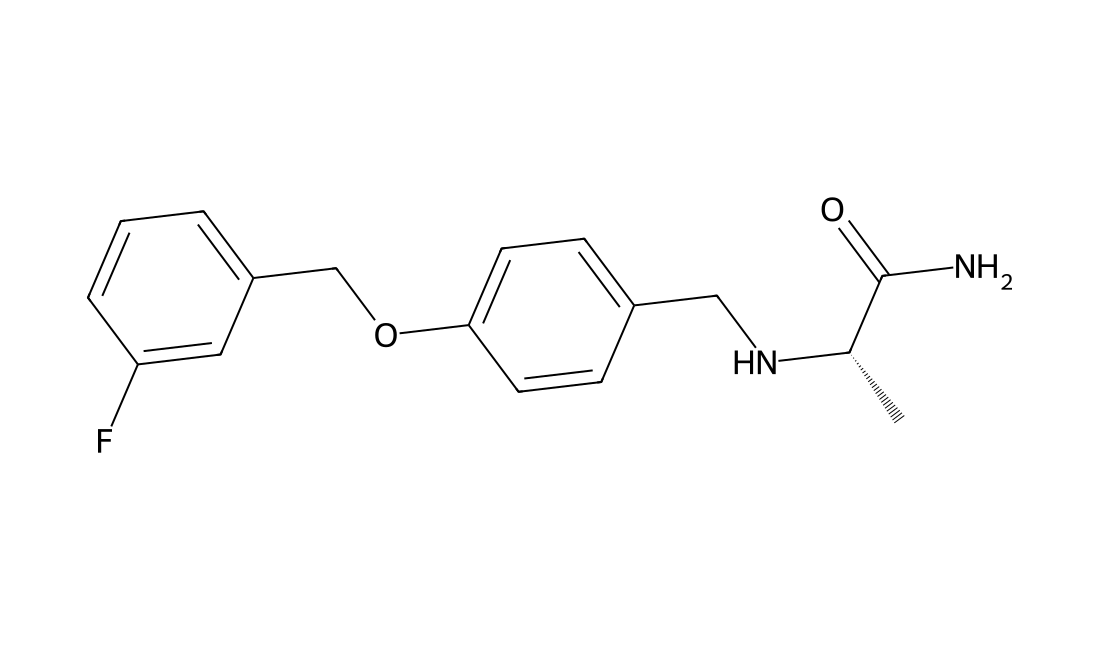
RPR-260243
CAS 668463-35-2
RPR260243 [(3R,4R)-4-[3-(6-methoxy-quinolin-4-yl)-3-oxo-propyl]-1-[3-(2,3,5-trifluoro-phenyl)-prop-2-yn-1-yl]-piperidine-3-carboxylic acid] was the first reported hERG channel activator. RPR260243 dramatically slows current deactivation in patch-clamp experiments, and its effect is temperature and voltage dependent. Though it is a weak inhibitor of the L-type Ca2+ channel, RPR260243 has no significant effects on the human cardiac Na+ channel or the KCNQ1/KCNE1 cardiac K+ channel, which are also linked with LQTS, thus showing high selectivity for hERG. Interestingly, RPR260243 inhibits the erg3 channel, which is in the same family as hERG, and a single S5 residue may account for this difference in pharmacology (Thr556 in hERG, Ile558 in rERG3). A Thr in this position favors agonist activity, whereas an Ile reveals a secondary blocking effect of RPR26024323. Additionally, RPR260243 enhances the delayed rectifier current in guinea pig myocytes and can, to some extent, reverse dofetilide-induced prolongation of action potential. Physiologically, it has been reported that RPR260243 can increase the T-wave amplitude, prolong the PR interval and shorten the QT interval in guinea pig hearts. For the detailed information of RPR-260243, the solubility of RPR-260243 in water, the solubility of RPR-260243 in DMSO, the solubility of RPR-260243 in PBS buffer, the animal experiment (test) of RPR-260243, the cell expriment (test) of RPR-260243, the in vivo, in vitro and clinical trial test of RPR-260243, the EC50, IC50,and affinity,of RPR-260243, For the detailed information of RPR-260243, the solubility of RPR-260243 in water, the solubility of RPR-260243 in DMSO, the solubility of RPR-260243 in PBS buffer, the animal experiment (test) of RPR-260243, the cell expriment (test) of RPR-260243, the in vivo, in vitro and clinical trial test of RPR-260243, the EC50, IC50,and affinity,of RPR-260243, Please contact DC Chemicals.
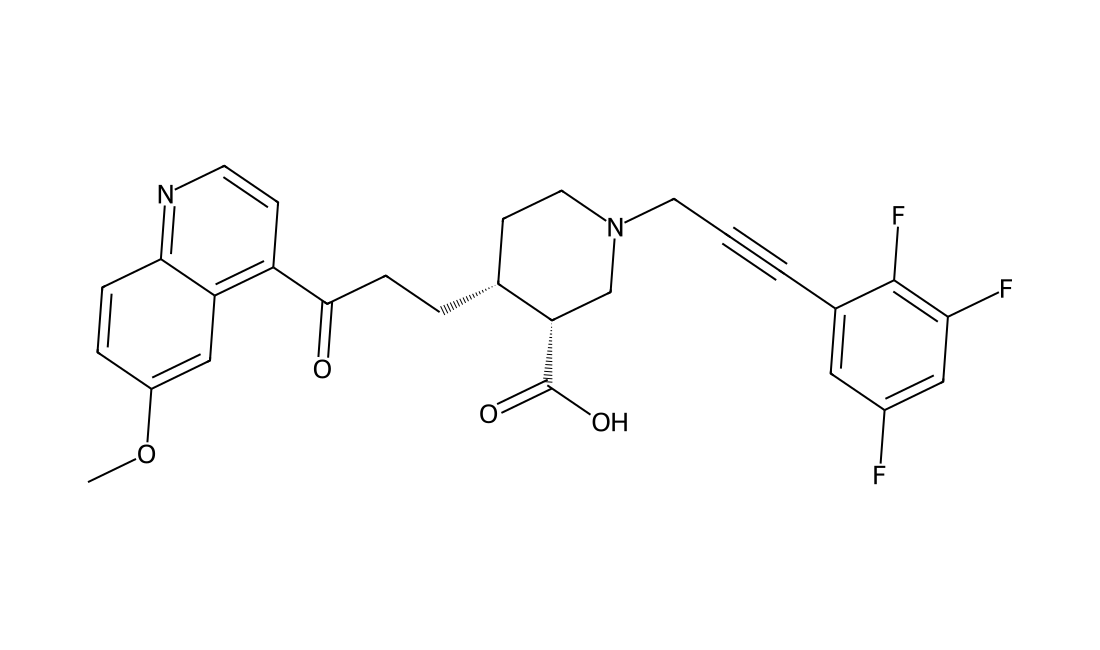
Repaglinide
CAS 135062-02-1
Repaglinide is a KIR6 (KATP) channel blocker that binds with high affinity for SUR1 when co-expressed with KIR6.2(Kd = 0.42 nM).
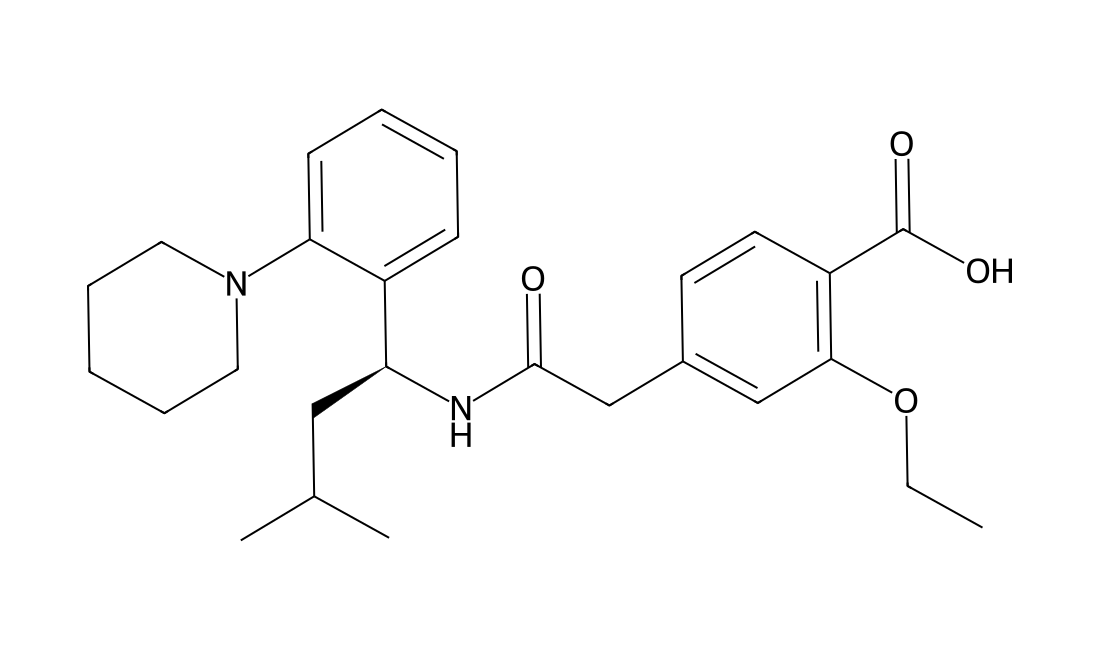
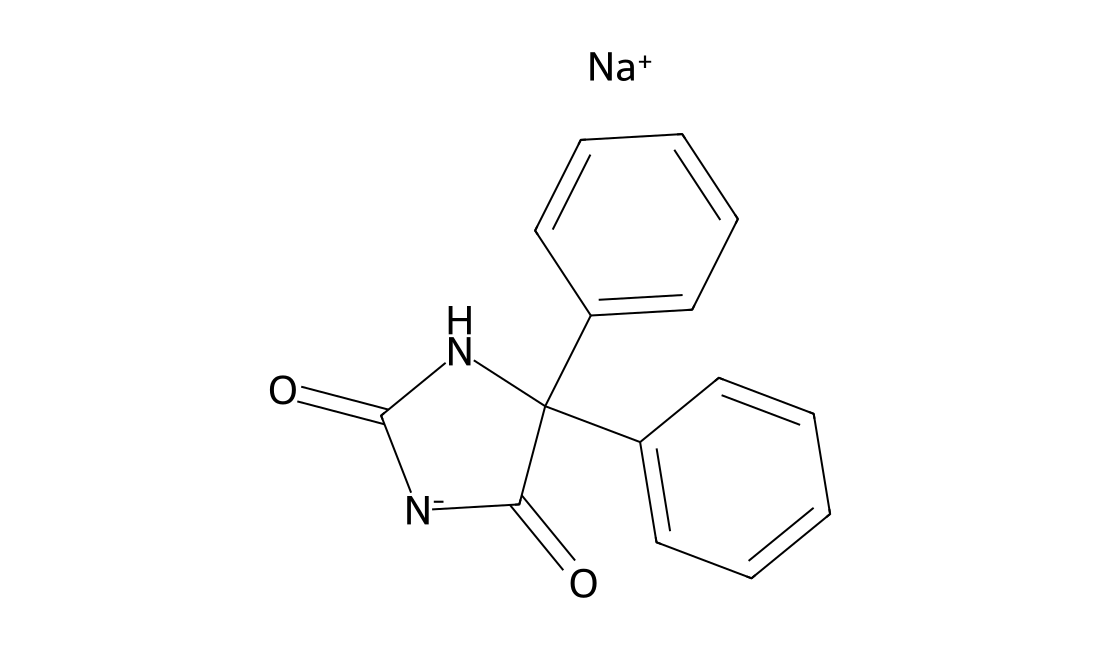
Phenytoin sodium
CAS 630-93-3
Phenytoin sodium is an inactive voltage-gated sodium channel stabilizer.Phenytoin sodium is an antiepileptic drug. It is useful to treat partial seizures and generalized tonic-clonic seizures but not primary generalized seizures such as absence seizures or myoclonic seizures. Phenytoin is believed to protect against seizures by causing voltage-dependent block of voltage-gated sodium channels. Phenytoin has low affinity for resting sodium channels at hyperpolarized membrane potentials. When neurons are depolarized and the channels transition into the open and inactivated states, greater binding and block occur. The inhibitory potency is strongly use dependent, so that block accumulates with prolonged or repetitive activation, such as occurs during a seizure discharge. The blocking of sodium channels by phenytoin is of slow onset. The time course of fast sodium currents is therefore not altered in the presence of the drug and action potentials evoked by synaptic depolarizations of ordinary duration are not blocked. Thus phenytoin is able to selectively inhibit pathological hyperexcitability in epilepsy without unduly impairing ongoing activity. Phenytoin also blocks persistent sodium current and this may be of particular importance in seizure control. Phenytoin is a class 1b antiarrhythmic.
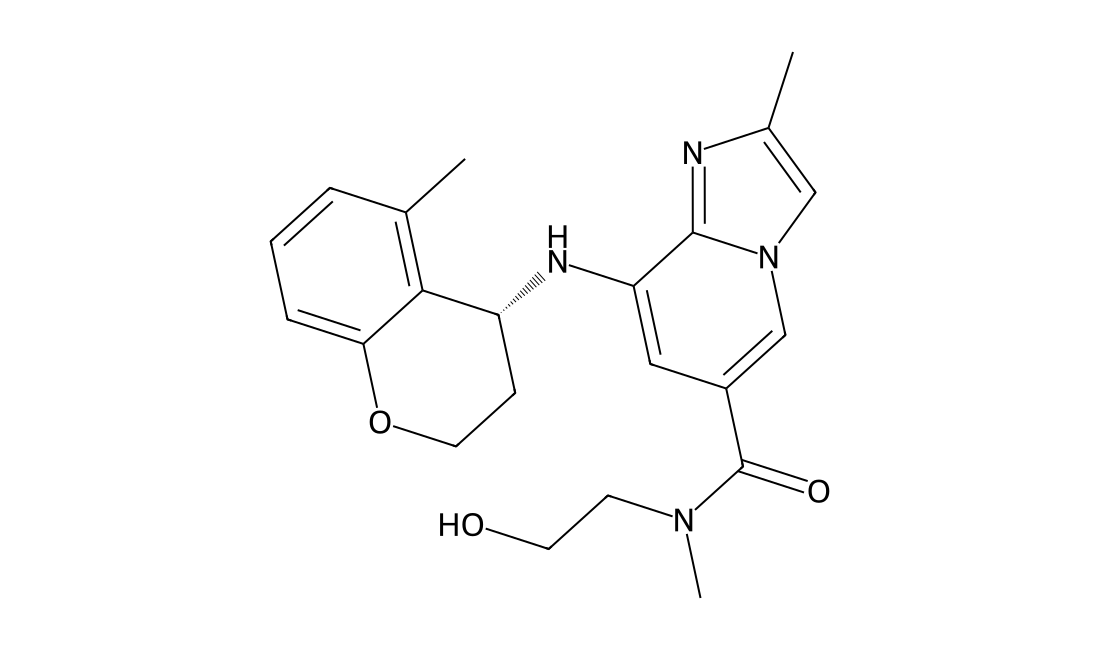
PF 03716556
CAS 928774-43-0
PF 03716556 is a potent, and selective acid pump (H+,K+ ATPase) antagonist, with pIC50 value of 6.009.
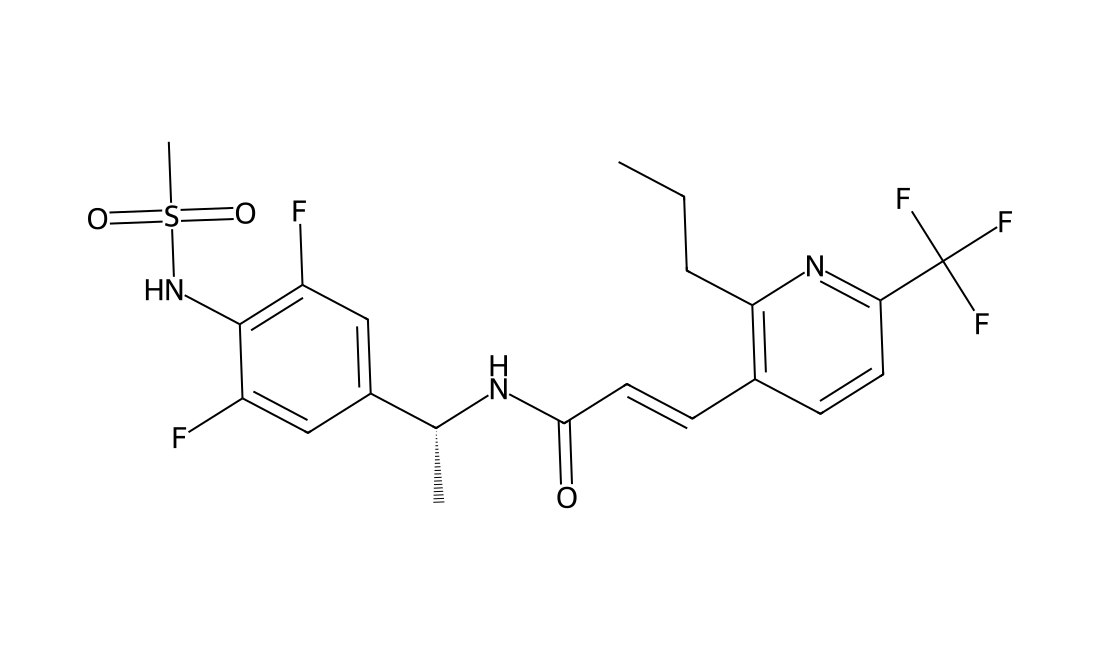
PAC-14028
CAS 1005168-10-4
PAC-14028 could prevent barrier damages, accelerate skin barrier recovery and suppress pruritus, showing a potential for the treatment of atopic dermatitis. It could suppress serum IgE increase, epidermal infiltration of inflammatory cells and mast cell degranulation associated with atopic dermatitis. PAC-14028 shows efficacies against diverse disease models including visceral pain, inflammatory bowel disease, and inflammatory pain.PAC-14028 shows a plasma half-life of 2.1 h in rats while it is extended slightly to 3.8 h in minipigs. Oral bioavailability at 10 mg/kg dose is determined to be 52.7% and 64.2% in rats and minipigs, respectively suggesting that PAC-14028 is relatively well-absorbed through oral route. PAC-14028 could inhibit capsaicin-evoked calcium influx in keratinocytes at sub-micromolar concentrations. This potent TRPV1 antagonistic activity in keratinocytes is manifested in vivo as the blockade of capsaicin-induced blood perfusion increase, and the accelerated barrier recovery from tape-stripping-induced barrier damages in hairless mice.
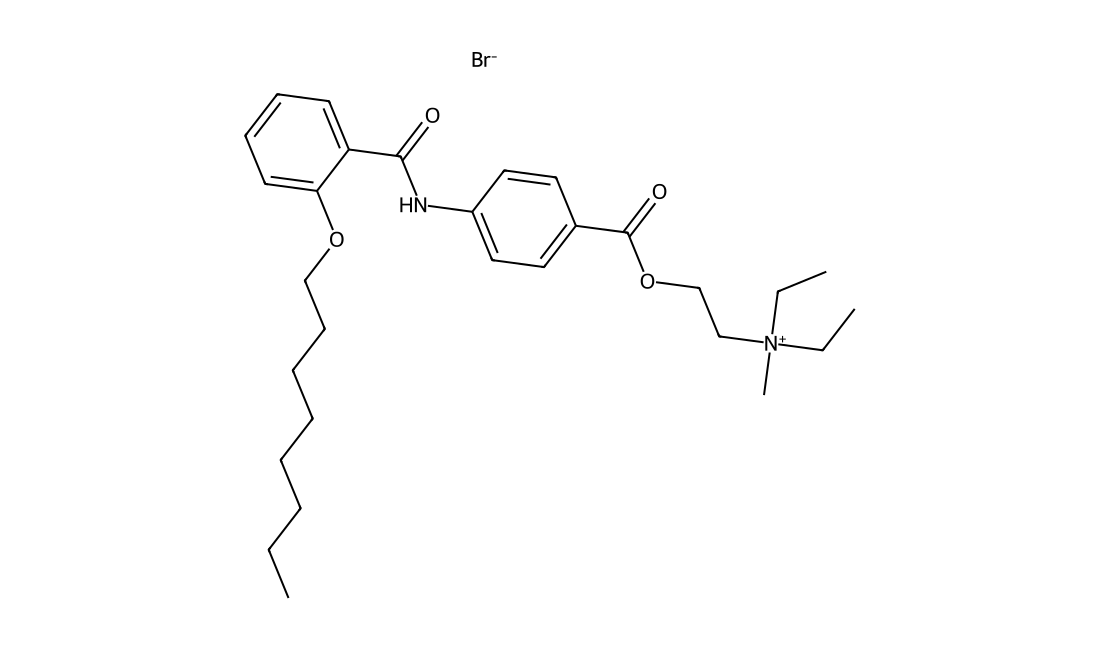
Otilonium (bromide)
CAS 26095-59-0
Otilonium Bromide is an antimuscarinic used as a spasmolytic agent. Otilonium bromide inhibited the generation of ACh-induced calcium signals in a dose dependent manner (IC50=880 nM). Otilonium, a clinically useful spasmolytic, behaves as a potent blocker of neuronal nicotinic acetylcholine receptors (AChR). Whole-cell Ba2+ currents (IBa) through Ca2+ channels of voltage-clamped chromaffin cells were blocked by otilonium with an IC50 of 6.4 microM. Otilonium inhibited the secretory responses induced by 10 s pulses of 50 microM DMPP with an IC50 of 7.4 nM. Otilonium bromide may represent an effective treatment for irritable bowel syndrome because it reduces its predominant symptom (abdominal pain/ discomfort) more than placebo does. ilonium bromide (OB) is a spasmolytic agent that blocks L-Type Calcium channels in human colonic smooth muscle. otilonium bromide is safe, well tolerated and superior to placebo in reducing the frequency of abdominal pain, severity of abdominal bloating and protecting from symptom relapse in IBS. These results further confirm that patients with IBS can improve during and following treatment with otilonium bromide.
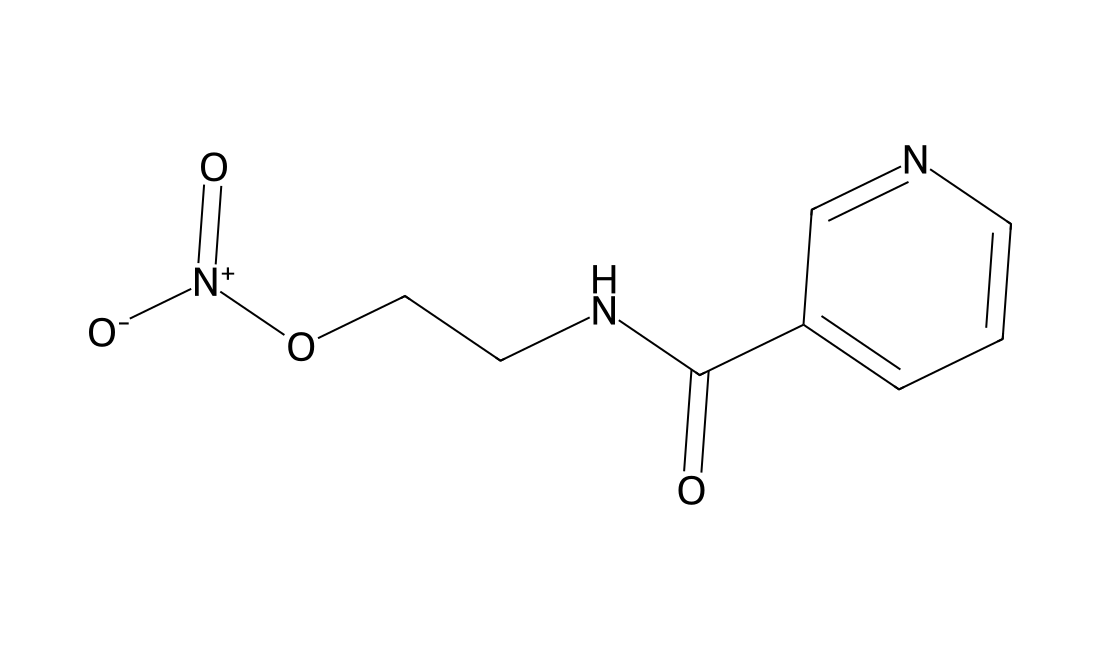
Nicorandil
CAS 65141-46-0
Nicorandil is potassium channel activator.Nicorandil is a vasodilatory drug used to treat angina. Nicorandil stimulates guanylate cyclase to increase formation of cyclic GMP (cGMP). cGMP activates protein kinase G (PKG) which phosphorylates and inhibits GTPase RhoA and decreases Rho-kinase activity. Reduced Rho-kinase activity permits an increase in myosin phosphatase activity, decreasing the calcium sensitivity of the smooth muscle. PKG also activates the sarcolemma calcium pump to remove activating calcium. PKG acts on K+ channels to promote K+ efflux and the ensuing hyperpolarization inhibits voltage-gated calcium channels. Overall, this leads to relaxation of the smooth muscle and coronary vasodilation.
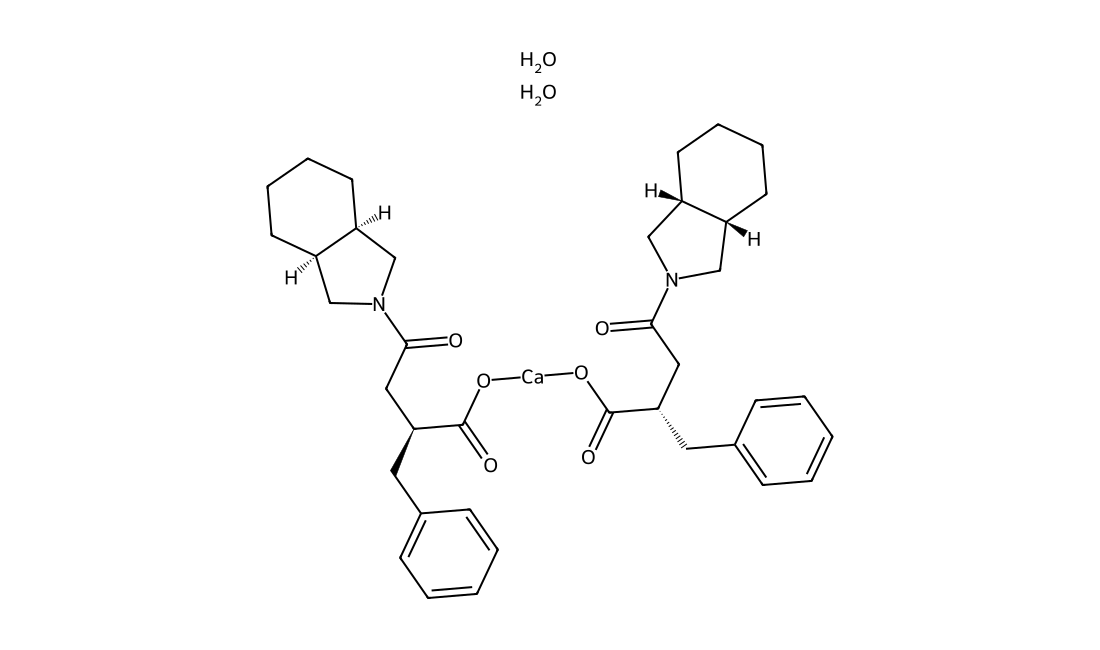
Mitiglinide calcium hydrate
CAS 207844-01-7
Mitiglinide calcium hydrate is a drug for the treatment of type 2 diabetes; it is a highly selective KATP channel antagonist. IC50 value:Target: KATP channel
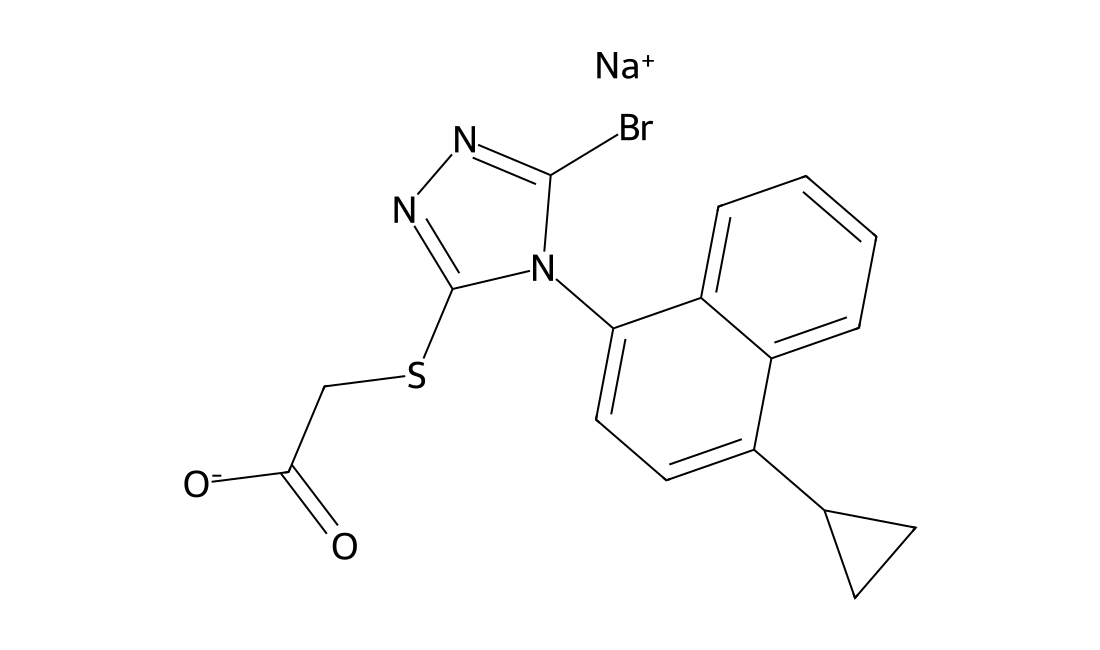
Lesinurad sodium
CAS 1151516-14-1
Lesinurad sodium is a URAT1 and OAT inhibitor, is determined to be a substrate for the kidney transporters OAT1 and OAT3 with Km values of 0.85 and 2 µM, respectively.
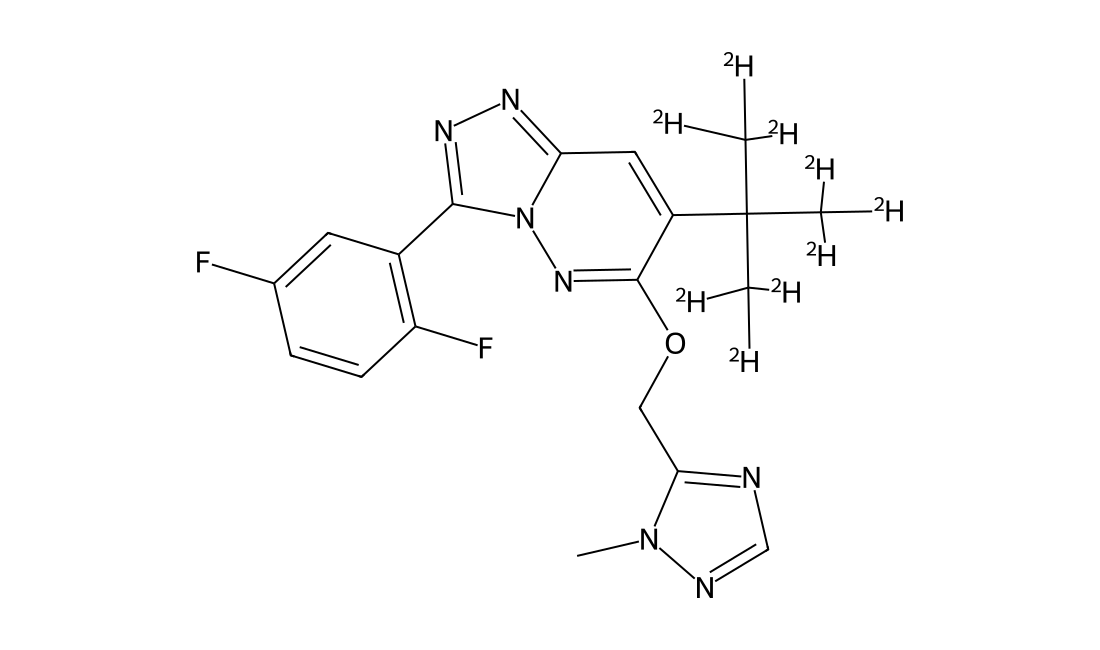
CTP354
CAS 1213669-91-0
CTP354, also known as C-21191, a novel deuterated subtype-selective GABA(A) modulator. CTP may be potentially useful for treatment of neuropathic pain, spasticity and anxiety disorders. GABAA receptors are found in the nervous system and, when activated, reduce the transmission of certain nerve signals. Several classes of widely used drugs target GABAA receptors, including benzodiazepines, but do not have the receptor subtype selectivity of CTP-354.
NFPS
CAS 405225-21-0
NFPS (ALX-5407) is a potent, selective GlyT1 inhibitor with IC50 of 2.8 and 9.8 nM for hGlyT1 and rGlyT1 respectively, >5,000-fold selectivity over rGlyT2; inhibits glycine transport by the GlyT1a, b and c subtypes of glycine transporters, but has no effect on the GLYT2a subtype of transporter; reverses PCP-induced changes in EEG power spectra in conscious rats (1-10 mg/kg i.p.), significantly enhances long-term potentiation in the hippocampal dentate gyrus in vivo.
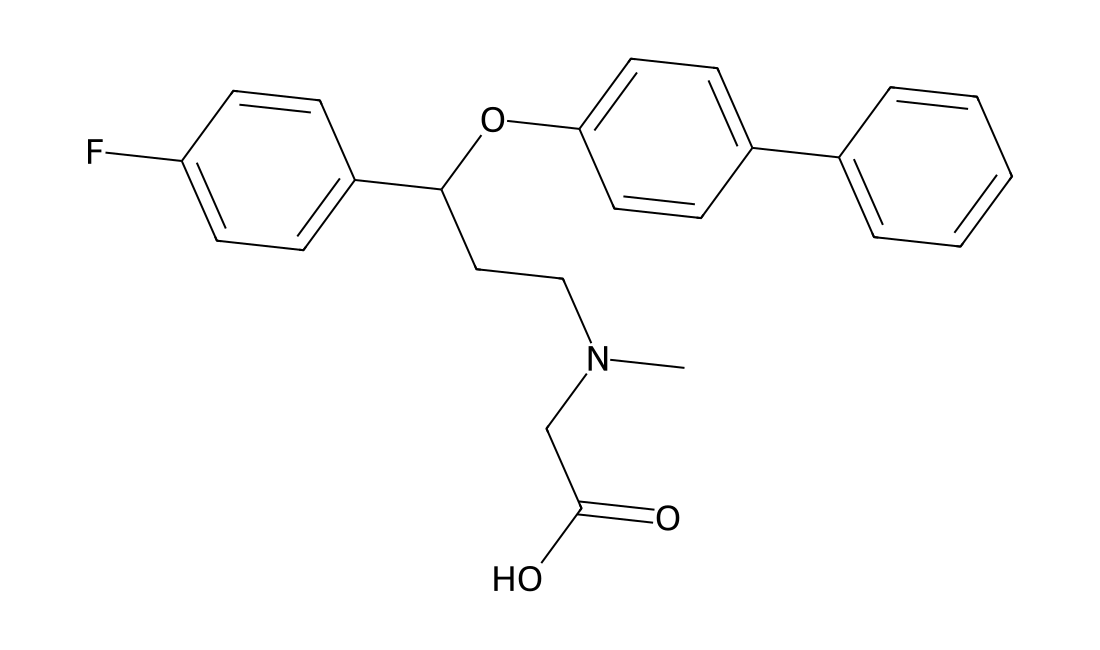
Lidocaine hydrochloride
CAS 73-78-9
Lidocaine hydrochloride is a local anesthetic and cardiac depressant used as an antiarrhythmia agent.
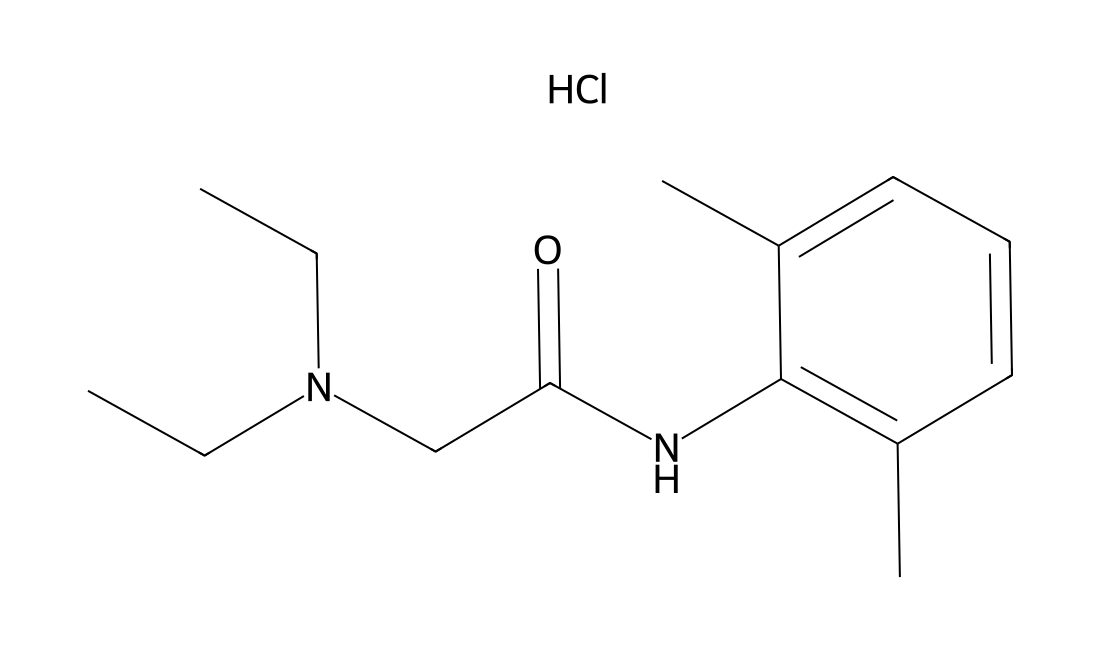
IAA-94
CAS 54197-31-8
IAA-94 is an indanyloxyacetic acid blocker of epithelial chloride channels. IAA-94 has been employed in modulating chloride channel function to probe the dynamics and function of the channels. The high affinity of IAA-94 for the chloride channel has been exploited for isolation and reconstitution of these proteins.
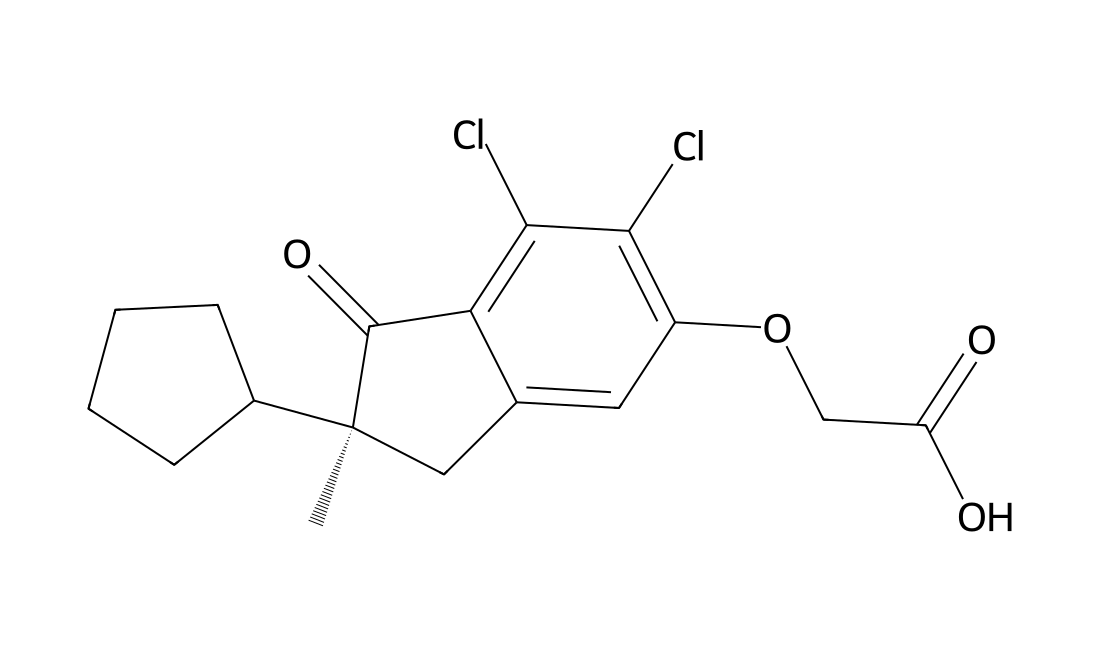
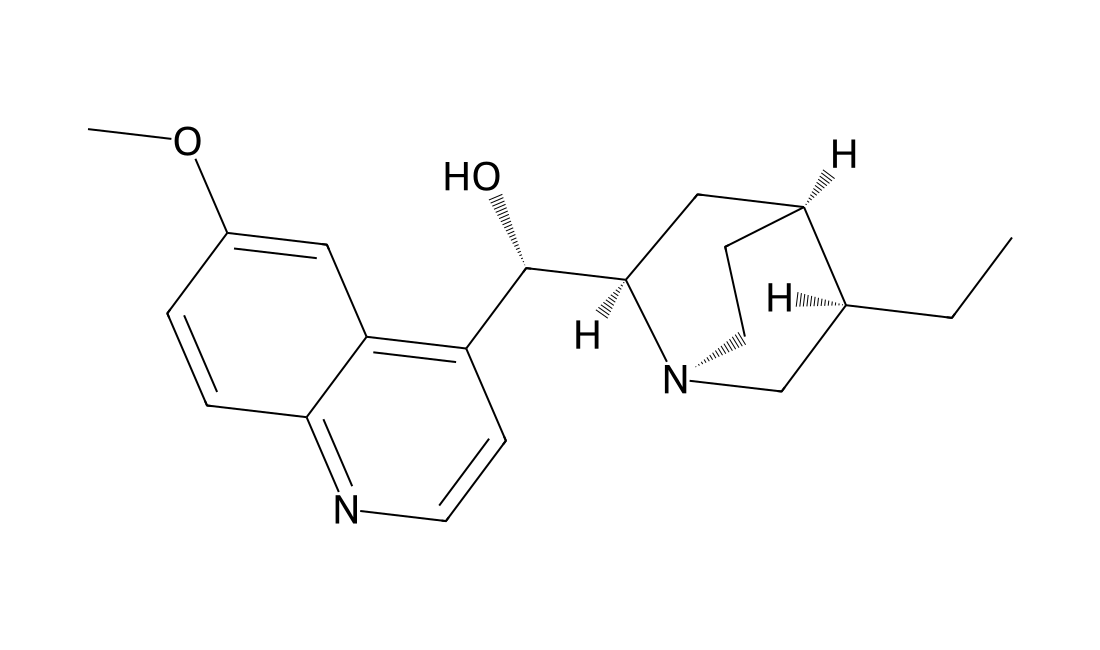
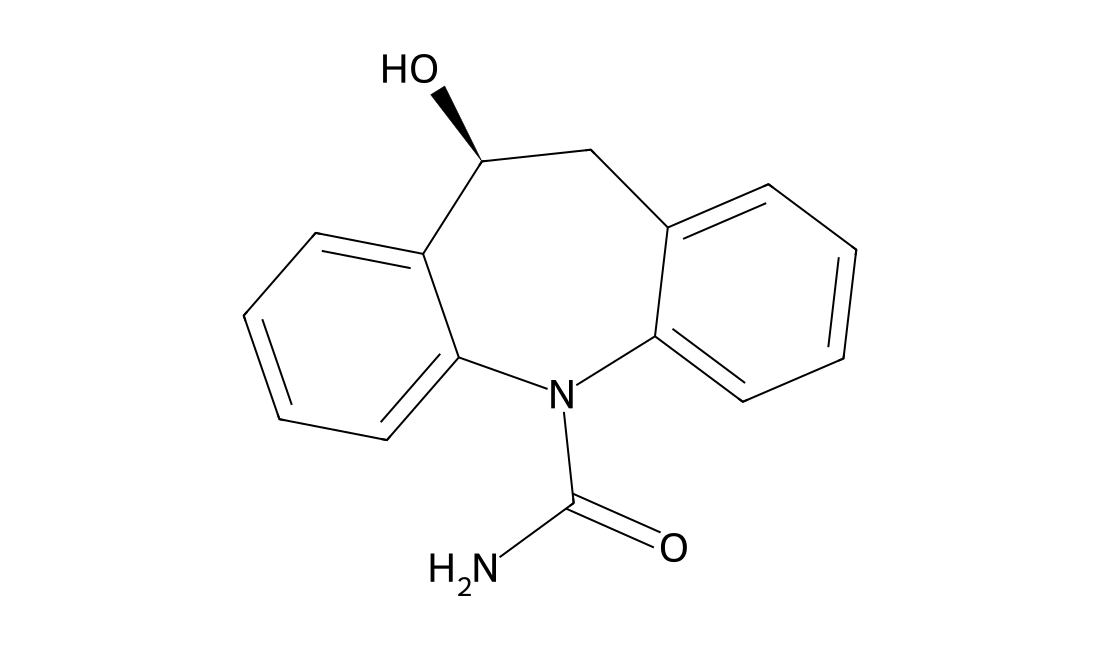
Eslicarbazepine (BIA 2-194)
CAS 104746-04-5
In Vivo Eslicarbazepine is an anti-epileptic drug, chemically related to carbamazepine but with a more favorable safety profile. Eslicarbazepine acetate is a prodrug for eslicarbazepine (S-licarbazepine), which is a dual a dual Inhibitor of β-Secretase and voltage-gated sodium channel.
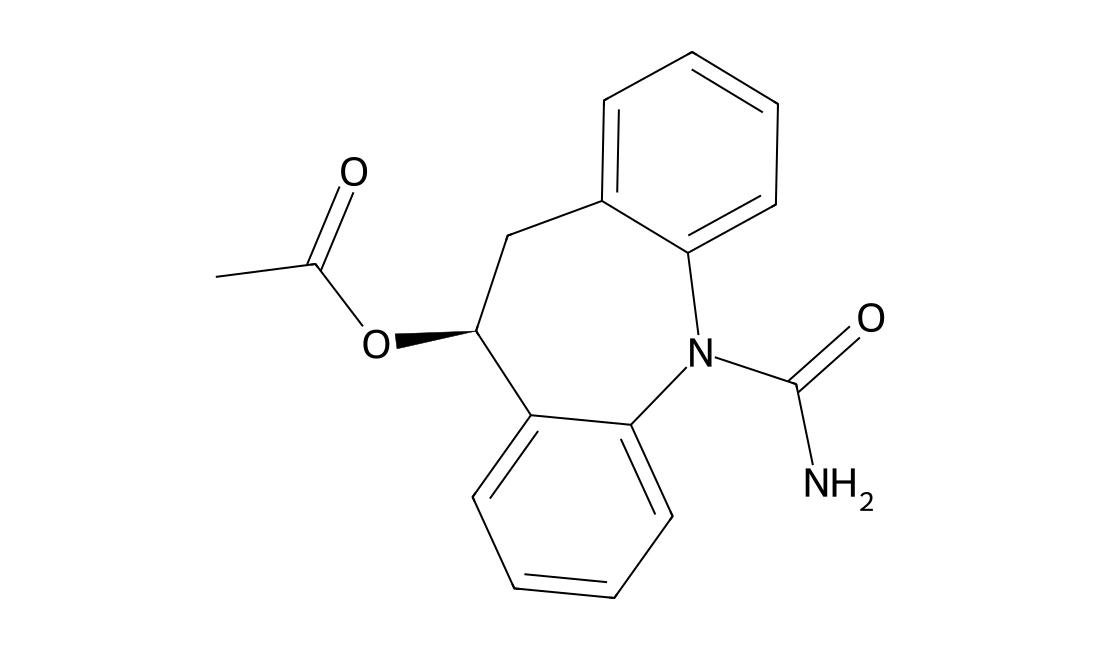
Eslicarbazepine (acetate)
CAS 236395-14-5
Eslicarbazepine acetate (BIA 2-093) is an antiepileptic drug. Eslicarbazepine acetate (BIA 2-093) is an antiepileptic drug. It is a prodrug which is activated to eslicarbazepine (S-licarbazepine), an active metabolite of oxcarbazepine. Eslicarbazepine acetate is a prodrug for (S)-(+)-licarbazepine, the major active metabolite of oxcarbazepine. Its mechanism of action is therefore identical to that of oxcarbazepine. There may, however, be pharmacokinetic differences. Eslicarbazepine acetate may not produce as high peak levels of (S)-(+)-licarbazepine immediately after dosing as does oxcarbazepine which could theoretically improve tolerability.
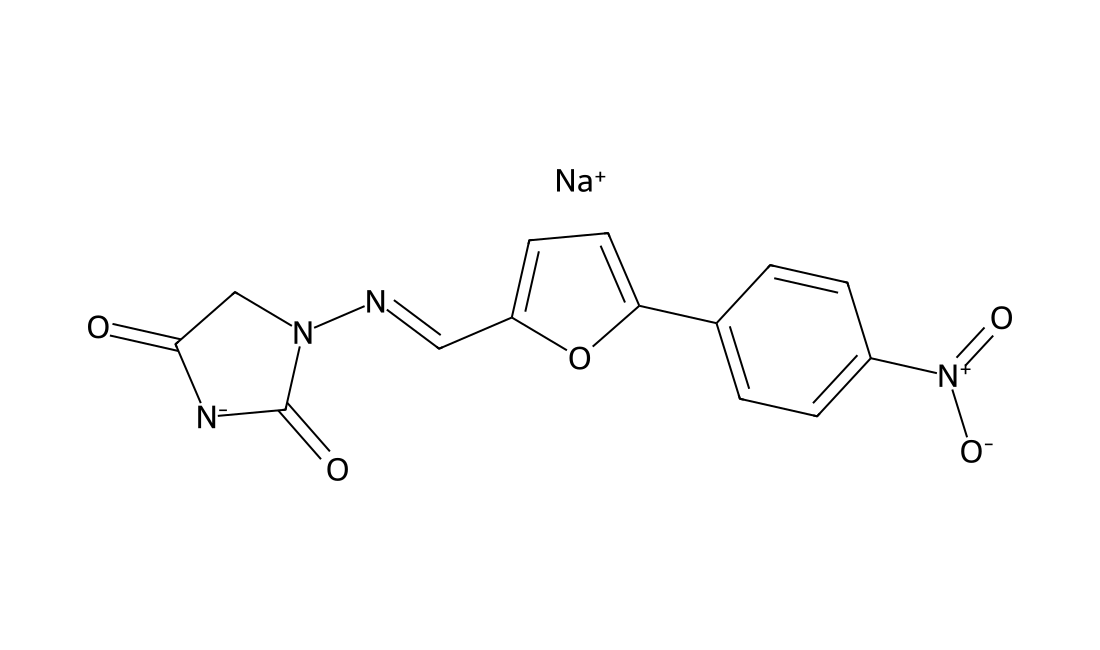
Dantrolene sodium
CAS 14663-23-1
Dantrolene sodium is a inhibitor of calcium channel proteins, inhibiting the release of Ca2+ from the sarcoplasm. Dantrolene sodium is a skeletal muscle relaxant which acts by blocking muscle contraction beyond the neuromuscular junction.
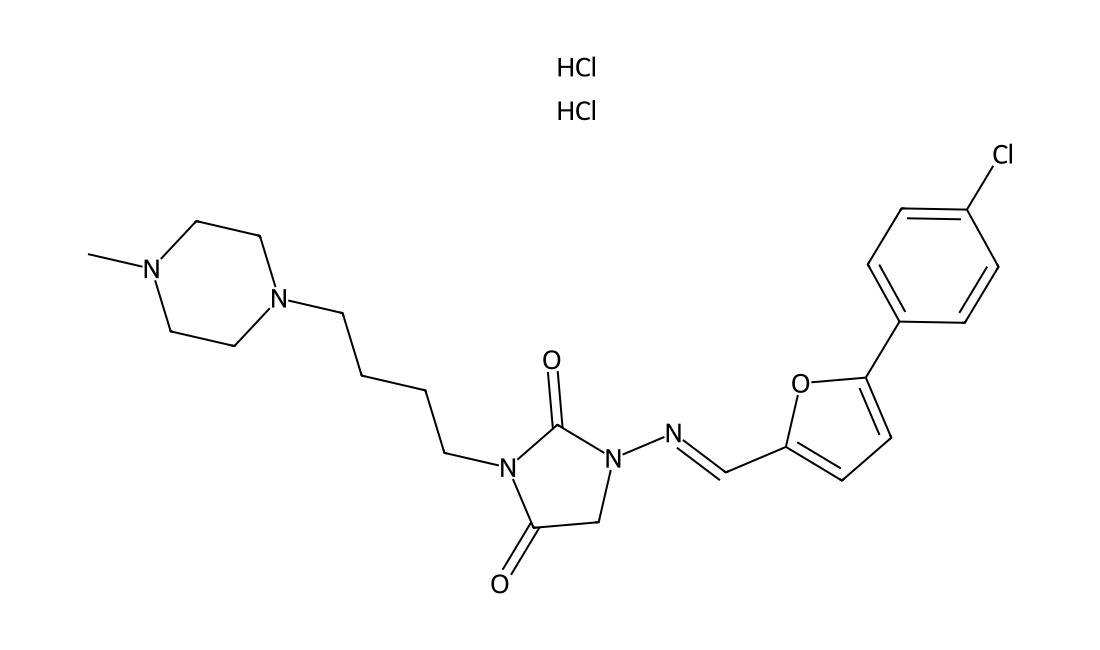
Azimilide (Dihydrochloride)
CAS 149888-94-8
Azimilide 2Hcl(NE-10064 2Hcl) is a class III antiarrhythmic compound, inhibits I(Ks) and I(Kr) in guinea-pig cardiac myocytes and I(Ks) (minK) channels expressed in Xenopus oocytes. in vitro: Azimilide blocked HERG channels at 0.1 and 1 Hz with IC50s of 1.4 microM and 5.2 microM respectively. Azimilide blockade of HERG channels expressed in Xenopus oocytes and I(Kr) in mouse AT-1 cells was decreased under conditions of high [K+]e, whereas block of slowly activating I(Ks) channels was not affected by changes in [K+]e. Azimilide suppressed the following currents (Kd in parenthesis): IKr (< 1 microM at -20 mV), IKs (1.8 microM at +30 mV), L-type Ca current (17.8 microM at +10 mV), and Na current (19 microM at -40 mV). Azimilide was a weak blocker of the transient outward and inward rectifier currents (Kd > or = 50 microM at +50 and -140 mV, respectively). Azimilide blocked IKr, IKs, and INa in a use-dependent manner. Furthermore, azimilide reduced a slowly inactivating component of Na current that might be important for maintaining the action potential plateau in canine ventricular myocytes. In guinea pig ventricular myocytes, NE-10064 (0.3-3 microM) significantly prolonged action potential duration (APD) at 1 Hz. At 3 Hz, NE-10064 (0.3-1 microM) increased APD only slightly, and at 10 microM decreased APD and the plateau potential. NE-10064 potently blocked the rapidly activating component of the delayed rectifier, IKr (IC50 0.4 microM), and inhibited IKs (IC50 3 microM) with nearly 10-fold less potency. in vivo: NE-10064 (10 mg/kg intravenously, i.v.) reduced (p < 0.05) the incidence (8 of 12) of PES-induced ventricular tachycardia (VT). The cycle length of induced VT was not prolonged by NE-10064 (0.245 +/- 0.046 s predrug vs. 0.301 +/- 0.060 s postdrug). NE-10064 increased ventricular effective refractory period (VERP 166 +/- 5 ms predrug vs. 194 +/- 13 ms postdrug, p = 0.013), prolonged QTc interval (310 +/- 12 ms predrug vs. 350 +/- 16 ms postdrug, p = 0.004) and prolonged the effective refractory period (ERP) of noninfarcted myocardium (p = 0.045).
(R)-BPO-27
CAS 1415390-47-4
The benzopyrimido-pyrrolo-oxazinedione BPO-27 is an analogue of PPQ-102, which inhibits CFTR with an IC50 of 8 nM. The R enantiomer of BPO-27 inhibits CFTR chloride conductance with an IC50 of 4 nM, while S enantiomer is inactive. In vitro metabolic stability in hepatic microsomes shows both enantiomers as stable, with less than 5% metabolism in 4 h. (R)-BPO-27 binds near the canonical ATP binding site. Whole-cell patch-clamp studies shows linear CFTR currents with a voltage-independent (R)-BPO-27 block mechanism. At a concentration of (R)-BPO-27 that inhibits CFTR chloride current by 50%, the EC50 for ATP activation of CFTR increases from 0.27 to 1.77 mM.Following bolus interperitoneal administration in mice, serum (R)-1 decays with t1/2 ≈ 1.6 h and gives sustained therapeutic concentrations in kidney.
Browse target & topic index A–Z (366)
11β-HSD (1)15-PGDH (2)5-HT Receptor (16)Acetyl-CoA Carboxylase (ACC) (3)Acetylcholinesterase (AChE) (2)Ack1 (TNK2) (1)Acyltransferase (1)ADC Cytotoxin (6)ADCs Linker/Click Chemistry (5)Adenosine Receptor (9)Adenylate Cyclase (2)Adrenergic Receptor (11)Akt (12)Alcoholism (2)Aldehyde Dehydrogenase (ALDH) (6)Allergy (5)Alzheimer Disease (13)Aminopeptidase (1)AMPK (8)Amyloids (4)Anaplastic Lymphoma Kinase (ALK) (9)Androgen Receptor (AR) (11)Anemia (4)Angiotensin Receptor (4)Antibody/Protein labeling dyes (1)Antifolate (2)Anxiety (1)Apoptosis Inducer (3)Arginase (1)Arp2/3 complex (1)Aryl hydrocarbon Receptor (AhR) (1)Asthma (5)Atherosclerosis (2)ATM/ATR (8)Aurora Kinase (10)Autophagy (6)Autophagy-related Protein (Atg) (2)Autotaxin (2)Bacterial (26)Bacterial Infection (17)Bcl-2 (14)Bcr-Abl (5)BCRP (1)Beta-catenin (4)Beta-secretase (BACE) (4)Blood Cancer (91)BMI-1 (1)Bone Cancer (6)Brain Cancer (6)Breast Cancer (30)Bromodomain (22)BTK (10)c-Fms (CSF1R) (5)c-Fos/AP-1 (1)c-Kit (6)c-Met (HGFR) (11)c-Myc (2)Calcium Channel (4)Calcium-sensing Receptor (CaSR) (1)CaMK (4)Cannabinoid Receptor (6)Carbonic Anhydrase (1)Carboxypeptidase (1)Casein Kinase (6)Caspase (4)Cathepsin (6)Cdc2-like Kinase (CLK) (1)CETP (2)CFTR (7)Checkpoint Kinase (Chk) (8)Chemokine Receptor (CCR and CXCR) (14)Chemotherapeutic Agents (19)Chloride Channel (1)CMV (2)CMV Infection (2)Colon Cancer (9)Complement System (1)COPD (3)CREB/CBP (2)CRF Receptor (2)CRISPR/Cas9 (1)Cushing Disease (1)Cyclin-dependent Kinase (CDK) (39)Cyclooxygenase (COX) (4)Cytochrome P450 (CYPs) (5)Depression (2)Dermatitis (2)Deubiquitinase (DUB) (7)Diabetes (20)Dipeptidyl Peptidase (DPP) (3)Discoidin Domain Receptor (DDR) (1)DNA Alkylator/Crosslinker (10)DNA Methyltransferase (DNMT) (1)DNA Repair Protein (1)DNA-PK (2)DNA/RNA Synthesis (5)Dopamine beta-hydroxylase (1)Dopamine Receptor (7)Drug Metabolite (1)Drug-Linker Conjugates (11)Dyes (4)DYRK (1)Dyslipidemia (9)E3 Ligase Ligand (6)E3 Ligase Ligand-Linker Conjugate (1)E3 Ubiquitin Ligase (4)Ebola Virus Infection (1)EGFR (32)Elastase (2)Endothelin Receptor (5)Enzymes substrates (13)Epigenetic Reader Domain (3)Epilepsy (4)ERK (4)Estrogen Receptor/ERR (13)Eukaryotic Initiation Factor (eIF) (2)Exportin-1 (CRM1,XPO1) (2)FABP (1)Factor Xa (5)Farnesoid X Receptor (FXR) (5)Farnesyl transferase (FTase) (1)Ferroptosis (6)FGFR (15)Fibrosis (5)FLT3 (6)Focal Adhesion Kinase (FAK) (11)Foxo1 (1)Free Fatty Acid Receptor (FFAR) (5)Fungal (2)Fungal Infection (1)GABA Receptor (13)Galectin (1)Gastric Cancer (8)Ghrelin Receptor (GHSR) (3)Glucagon Receptor (4)Glucokinase (2)Glucose Transporter (GLUT) (2)Glutamate Transporter (2)GPCR (1)GPER (GPR30) (1)GPR139 (1)GPR183 (EBI2) (2)GPR39 (1)GPR55 (1)GPR84 (1)GRK (GPCRK) (2)Growth Hormone Deficiency (2)GSK-3 (8)Guanylate Cyclase (3)HBV (1)HBV Infection (1)HCN Channel (2)HCV (8)HCV Infection (9)HDAC (38)Heart Arrhythmia (2)Heart Failure (5)Heat Shock Protein (HSP) (15)Hedgehog (Hh) (1)HIF/HIF Prolyl-hydroxylase (8)Histamine Receptor (6)Histone Acetyltransferase (HAT) (5)Histone Demethylase (11)Histone Methyltransferase (HMTase) (31)HIV (12)HIV Infection (11)HMG-CoA Reductase (HMGCR) (3)HSV (1)HSV Infection (1)Hypercholesterolemia (1)Hyperparathyroidism (1)Hypertension (8)IAP (1)IGF-1R (3)iGluR (15)Indoleamine 2,3-Dioxygenase (IDO) (4)Infection (1)Influenza (6)Influenza Virus (6)Insulin Receptor (2)Integrin (6)Interleukin Receptor (1)IRAK (2)IRE1 (4)Irritable Bowel Syndrome (2)Ischemia (1)Isocitrate Dehydrogenase (IDH) (5)ITK (1)IκB kinase (IKK) (7)JAK (32)JNK (3)Keap1-Nrf2 (6)Kidney Cancer (10)Kinesin (5)Kruppel-like Factor (KLF) (1)Kynurenine 3-Monooxygenase (KMO) (1)Leukotriene Receptor (1)LIM Kinase (LIMK) (3)Lipids fragment (1)Liver Cancer (6)Liver X Receptor (LXR) (3)LRRK2 (9)Lung Cancer (39)Lysophospholipid Receptor (12)LYTACs (3)mAChR (9)MALT1 (2)MAP4K (1)Matrix Metalloproteinase (MMP) (10)MDM2-p53 (9)MEK (MAP2K) (14)MEKK (MAP3K) (1)Melanocortin Receptor (2)MELK (1)mGluR (7)MicroRNA (1)Microtubule/Tubulin (5)Mineralocorticoid Receptor (MLR) (1)MITF (1)Mixed Lineage Kinase (MLK) (3)MNK (2)Molecular Glues (13)Monoamine Transporter (5)Monocarboxylate Transporter (MCT) (1)Monopolar Spindle 1 (Mps1/TTK) (3)mTOR (13)Multiple Sclerosis (6)Myosin (1)Na-K-Cl Cotransporter (NKCC) (2)nAChR (2)NADPH Oxidase (NOX) (2)NAMPT (3)Natural products (37)Neprilysin (1)Neurokinin Receptor (3)Neuropeptide Y Receptor (3)NF-κB (5)Nitric Oxide Synthase (NOS) (1)NOD-like Receptor (NLR) (3)Notch (2)Nucleoside Antimetabolite/Analog (10)Nur77 (NR4A1) (1)Obesity (1)Oct3/4 (1)Opioid Receptor (5)Orexin Receptor (7)Osteoporosis (2)Ovarian Cancer (14)Oxytocin Receptor (OXTR) (2)P-glycoprotein (P-gp) (3)p21-activated Kinase (PAK) (1)P2X Receptor (2)P2Y Receptor (1)p38 MAPK (10)p97/VCP (1)Pain (12)Pancreatic Cancer (10)Parasite (5)Parasite Infection (2)Parkinson Disease (2)PARP (19)PCSK9 (1)PD-1/PD-L1 (4)PDGFR (4)PDK1 (2)PEGn (1)PERK (2)PGE synthase (2)Phosphodiesterase (PDE) (9)Phospholipase (4)PI3K (32)PI4K (2)Piezo Channel (1)PIKfyve (3)Pim (9)PKC (12)PKD (1)Plasminogen Activator Inhibitor-1 (PAI-1) (3)Polo-like Kinase (PLK) (4)Porcupine (3)Potassium Channel (13)PPAR (13)Pregnane X Receptor (PXR) (1)Progesterone Receptor (2)Prostaglandin Receptor (11)Prostate Cancer (7)PROTACs (35)Protease-activated Receptor (PAR) (3)Proteasome (12)Protein Disulfide Isomerase (PDI) (1)Protein Phosphatase/PTP (6)Proton Pump (1)Psoriasis (5)RAD51 (1)Radioligand precursors (15)Raf (18)RAR/RXR (3)Ras (17)Renin (2)RET Tyrosine Kinase (c-RET) (3)Rheumatoid Arthritis (16)Ribosomal S6 Kinase (RSK) (5)RIG-I-like Receptor (RLR) (2)RIP kinase (7)ROCK (12)ROR (2)RSV (4)RSV Infection (3)RUNX1-CBFβ (1)S-nitrosoglutathione reductase (GSNOR) (1)Saccharides and Glycosides (1)Salt Inducible Kinase (SIK) (2)SARS-CoV (16)SARS-CoV Infection (34)Schizophrenia (4)Sexual Dysfunction (1)SGLT (4)Sigma Receptor (4)Sirtuin (9)Skin Cancer (13)Sleep Disorder (7)SMN2 Modulator (1)Smoothened (Smo) (9)Sodium Channel (12)Solid Tumors (35)Somatostatin Receptor (2)Sphingosine kinase (SphK) (2)Src (7)STAT (5)Stearoyl-CoA Desaturase (SCD) (1)Steatohepatitis (7)Sterol lipids (1)STING (14)Syk (6)T Cell Receptor (TCR) (1)TAK1 (2)TAM Receptor (Tyro3-Axl-Mer) (4)Taste Receptor (1)Telomerase (2)TGF beta Receptor (TGFBR) (12)Thrombin (3)Thrombosis (13)Thyroid Cancer (1)Thyroid Hormone Receptor (THR) (1)Thyrotropin Receptor (2)TNIK (1)Toll-like Receptor (TLR) (2)TOPK (1)Topoisomerase (11)TRAIL (1)Translocator Protein (TSPO) (1)Trk Receptor (4)TRP Channel (13)Tryptophan Hydroxylase (TPH) (1)Ubiquitin-activating Enzyme (E1) (2)Ubiquitin-conjugating Enzyme (E2) (2)Ulcer (1)ULK (3)Vasopressin Receptor (2)VEGFR (25)Vitamin D Receptor (VDR) (3)Wee1 (1)WNK Kinase (1)Wnt (5)Yes-associated Protein (YAP) (4)γ-secretase (5)