Home/Small Molecules/Ion Channels & Transporters

Ion Channels & Transporters

Ion channels, membrane transporters and pumps.

Browse all research categories

Browse by research category

Products may appear in more than one category. Counts refer to distinct catalog numbers within each category.

Other Research Tools (75) · Additional reagents, building blocks and specialized research tools.

Ion Channels & Transporters products

Combine a keyword, research category and target to narrow the product list.

Loading catalog filters…

373 products · Showing 289–336

DCL-011

Capsaicin

CAS 2444-46-4

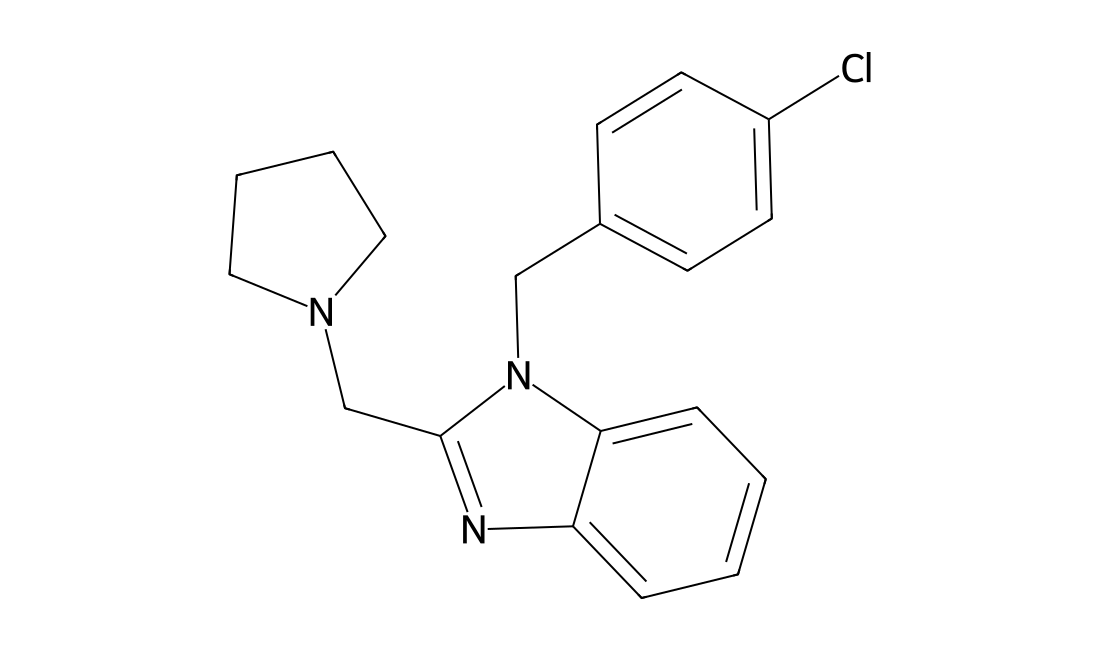
For the detailed information of Capsaicin, the solubility of Capsaicin in water, the solubility of Capsaicin in DMSO, the solubility of Capsaicin in PBS buffer, the animal experiment(test) (test) of Capsaicin, the cell expriment (test) of Capsaicin, the in vivo, in vitro and clinical trial test of Capsaicin, the EC50, IC50,and Affinity of Capsaicin,, please contact DC Chemicals.
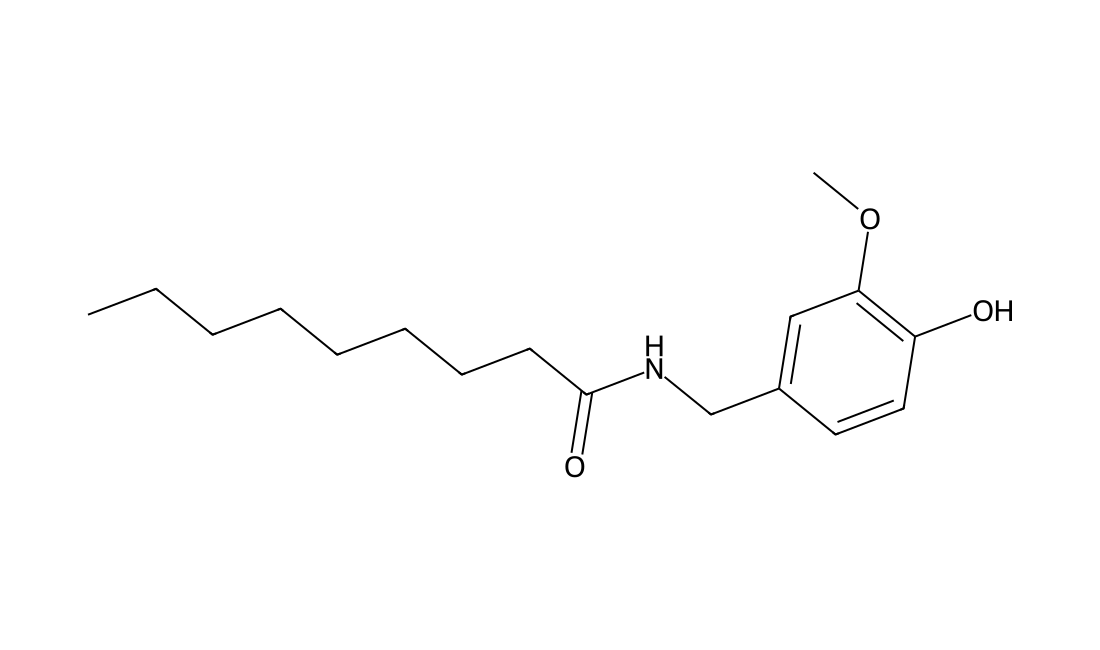
Capsaicin chemical structure
DC20306

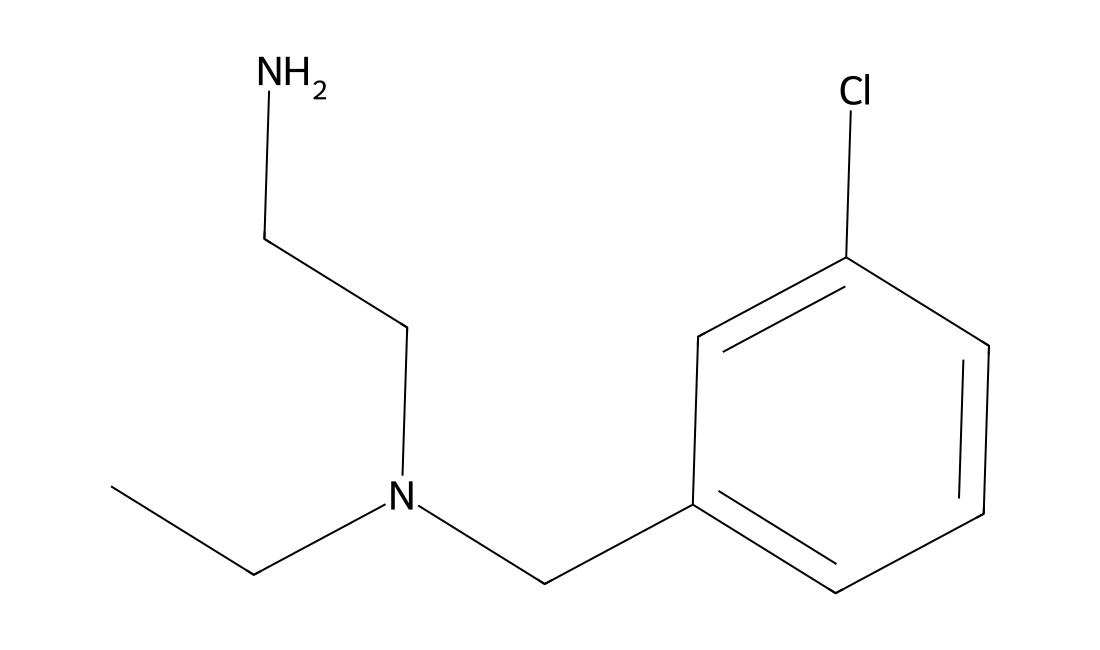
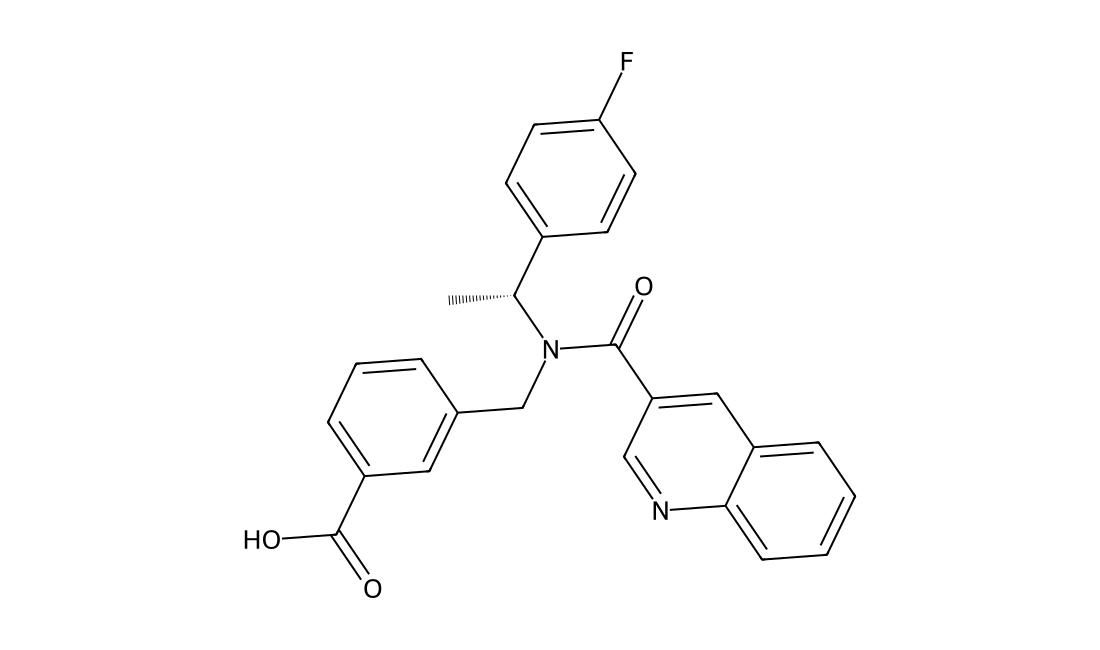
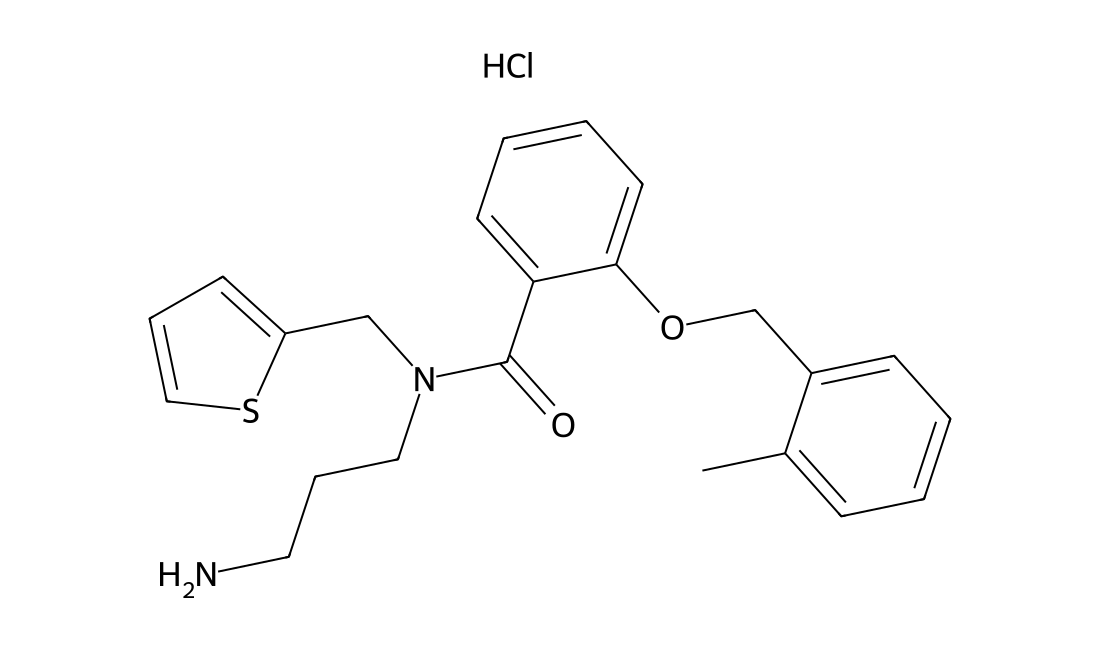
AMTB hydrochloride

CAS 926023-82-7

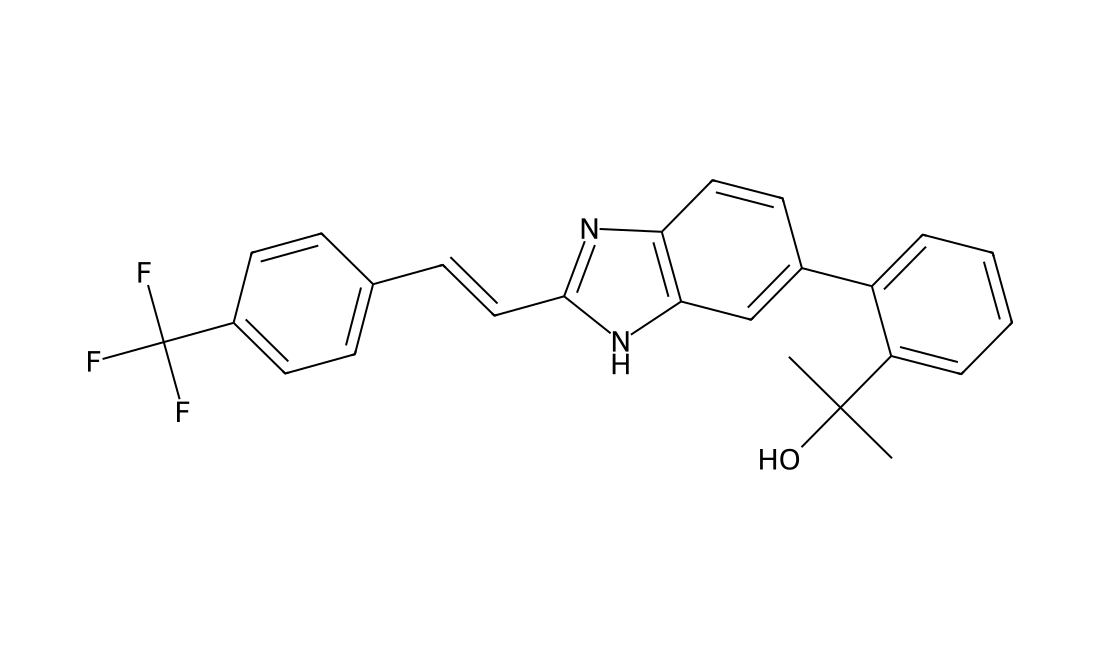
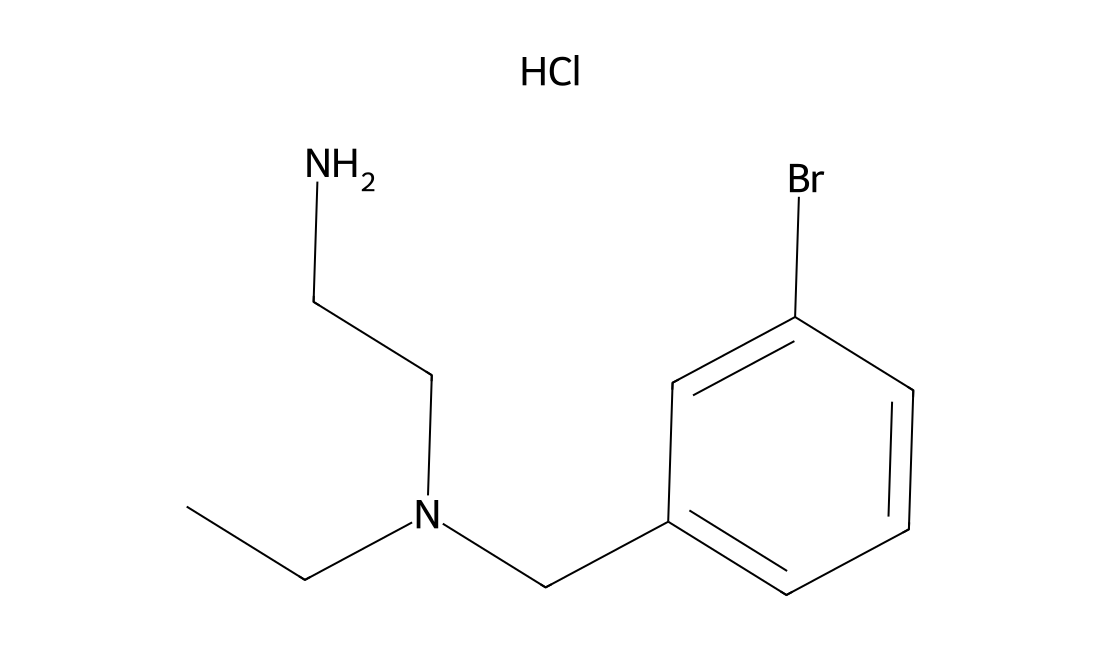
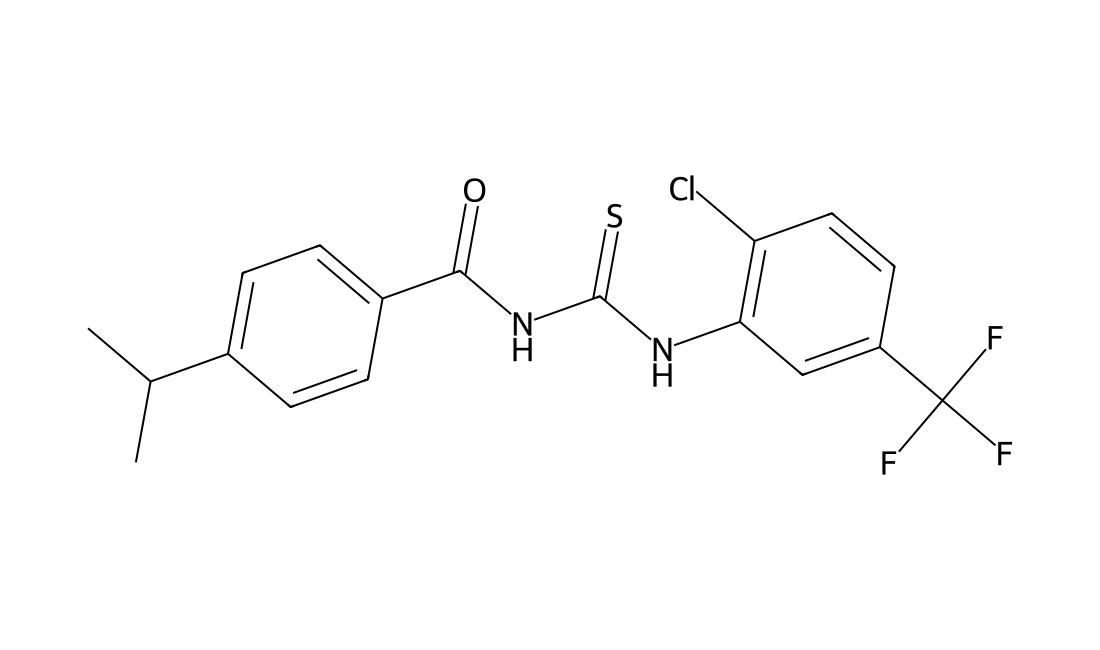
AMTB hydrochloride is a selective TRPM8 channel blocker. AMTB hydrochloride inhibits icilin-induced TRPM8 channel activation with a pIC50 of 6.23. AMTB hydrochloride can be used for the research of the overactive bladder and painful bladder syndrome. AMTB hydrochloride is a non-selective inhibitor of voltage-gated sodium channels (NaV)[1][2].

AMTB hydrochloride chemical structure
DC8378

Mavatrep(JNJ-39439335)

CAS 956274-94-5

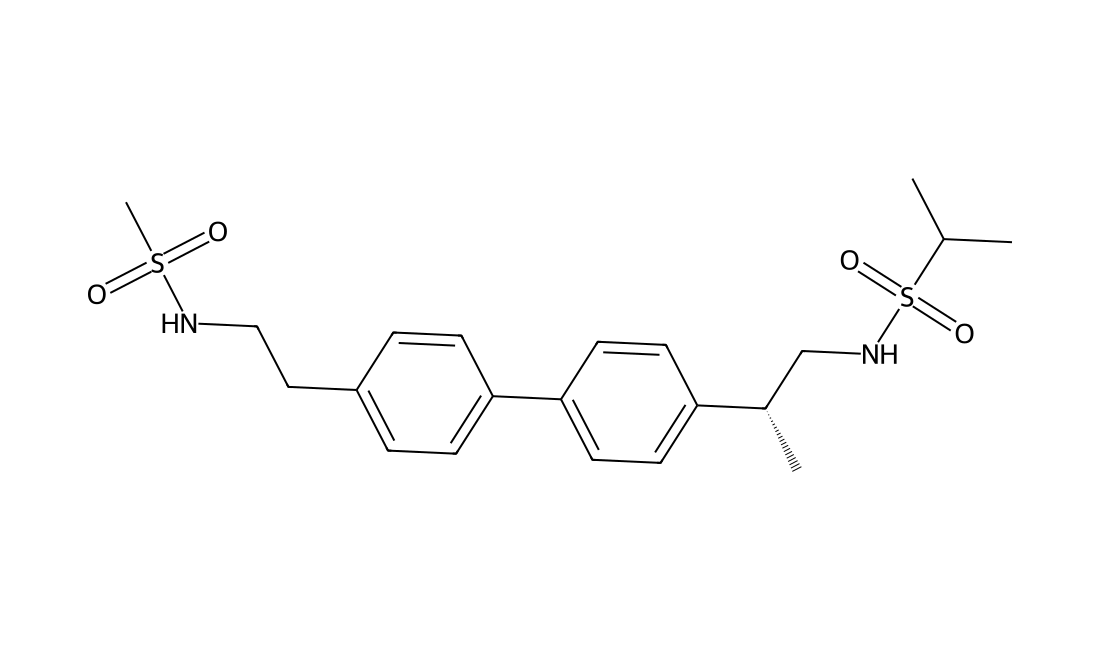
Mavatrep is an orally bioavailable TRPV1 antagonist (Ki=6.5 nM), exhibits minimal effect on the enzymatic activity (IC50 > 25 μM) of CYP isoforms 3A4, 1A2, and 2D6.IC50 value: 6.5 nM (Ki, for TRPV1)Target: TRPV1in vitro: Mavatrep exhibits superior pharmacodynamic properties. In a TRPV1 functional assay, using cells expressing recombinant human TRPV1 channels, Mavatrep antagonizes capsaicin-induced Ca2+ influx, with an IC50 value of 4.6 nM. Mavatrep blocks the activation of hTRPV1 channels by Capsaicin (1 μM) and by pH (5.0) in a concentration-dependent fashion, with IC50 values of 23 and 6.8 nM, respectively. in vivo: Mavatrep exhibits superior pharmacodynamic properties in the CFA model of inflammatory pain.

Mavatrep(JNJ-39439335) chemical structure
DC23610

CP-339818 hydrochloride

CAS 478341-55-8

CP-339818 is a potent, selective, non-peptide KV1.3 channel antagonist with IC50 of 200 nM; displays selectivity over Kv1.1, Kv1.2, Kv1.5, Kv1.6, Kv3.1-4, and Kv4.2, with only exception Kv1.4 (IC50=300 nM), also has no effect on T cell channels (I(CRAC) and intermediate-conductance K(Ca)); inhibits Kv1.3 in a use-dependent manner by preferentially blocking the C-type inactivated state of the channel; suppresses human T cell activation.

CP-339818 hydrochloride chemical structure
DC7753

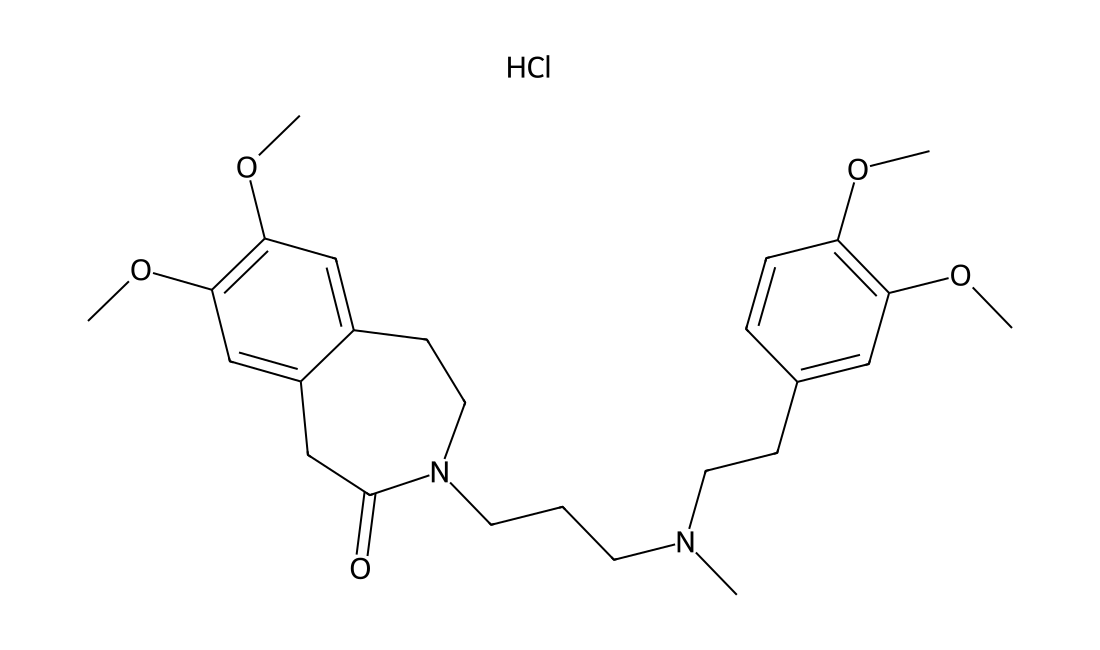
Zatebradine hydrochloride

CAS 91940-87-3

Zatebradine hydrochloride is a bradycardic agent that creates use-dependent inhibition of hyperpolarization-activated current (If) in sinoatrial node cells (EC50 = 480 nM) and Purkinje fibres. Displays negative chronotropic activity in isolated guinea pig atria (EC50 of 13.4μM).. For the detailed information of Zatebradine hydrochloride, the solubility of Zatebradine hydrochloride in water, the solubility of Zatebradine hydrochloride in DMSO, the solubility of Zatebradine hydrochloride in PBS buffer, the animal experiment (test) of Zatebradine hydrochloride, the cell expriment (test) of Zatebradine hydrochloride, the in vivo, in vitro and clinical trial test of Zatebradine hydrochloride, the EC50, IC50,and affinity,of Zatebradine hydrochloride, Please contact DC Chemicals.

Zatebradine hydrochloride chemical structure
DC4239

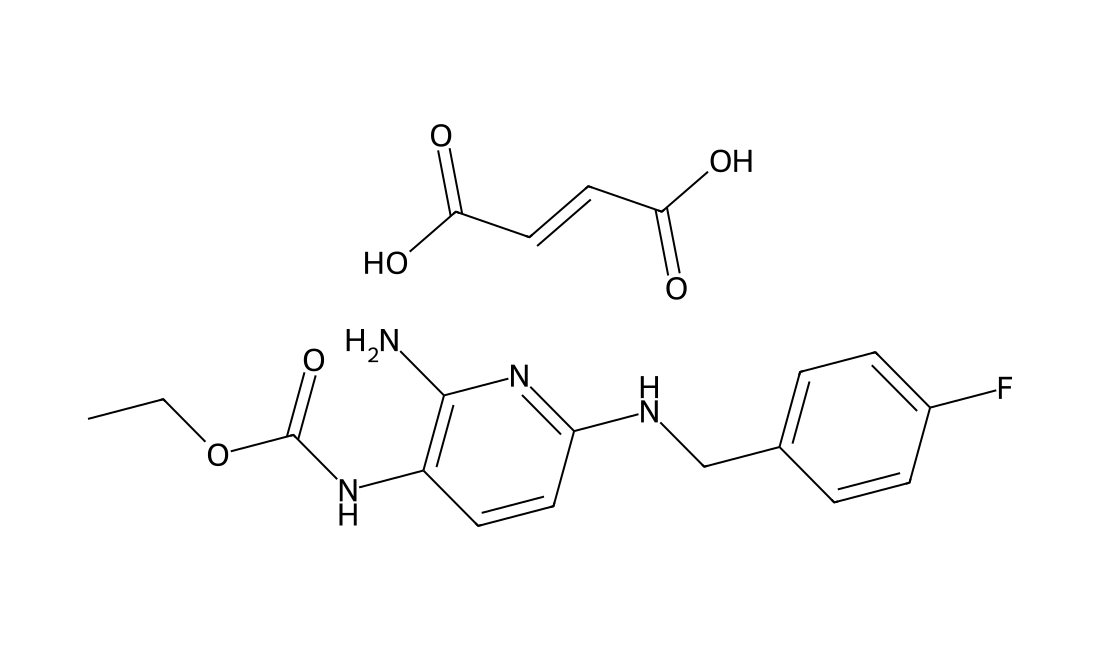
Flupirtine maleate

CAS 75507-68-5

For the detailed information about the solubility of Flupirtine maleate in water, the solubility of Flupirtine maleate in DMSO, the solubility of Flupirtine maleate in PBS buffer, the animal experiment(test) of Flupirtine maleate,the in vivo,in vitro and clinical trial test of Flupirtine maleate,the cell experiment(test) of Flupirtine maleate,the IC50, EC50 and Affinity of Flupirtine maleate, please contact DC Chemicals.
Flupirtine maleate chemical structure
DC22753

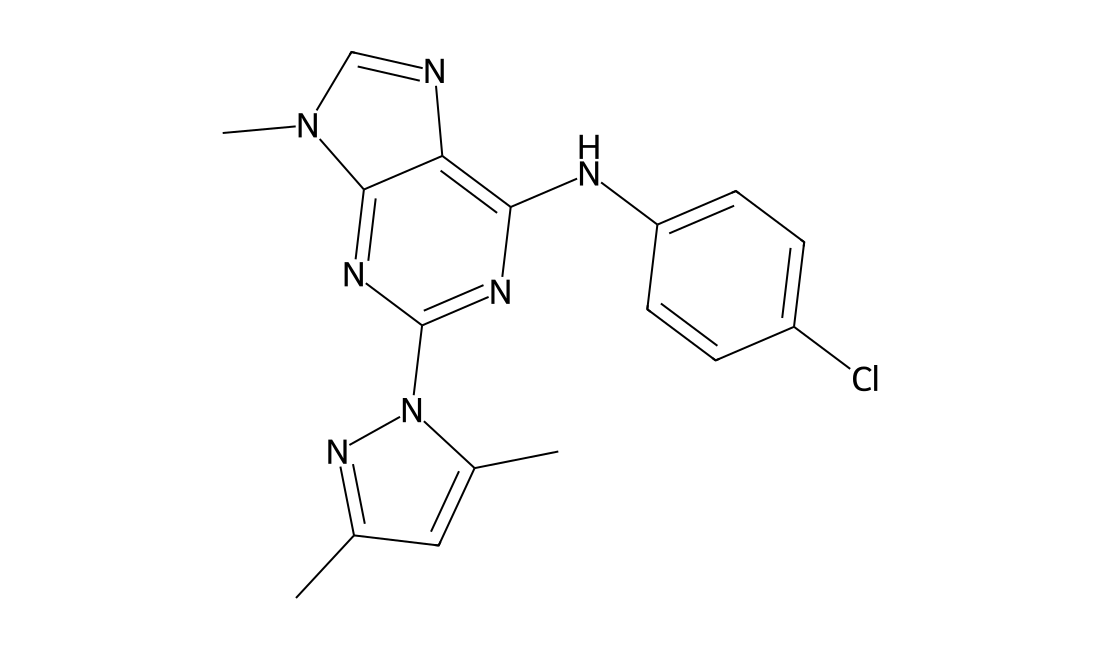
NS13001

CAS 1063331-94-1

NS13001 is a potent, selective, orally active allosteric positive modulator of SK channels (small conductance calcium-activated potassium channels). The EC50s are 1.8 and 0.14 μM for SK2 and SK3, respectively. NS13001 holds promise as a potential therapeutic agent for treatment of spinocerebellar ataxia type 2 (SCA2) and possibly other cerebellar ataxias[1].

NS13001 chemical structure
DC28765

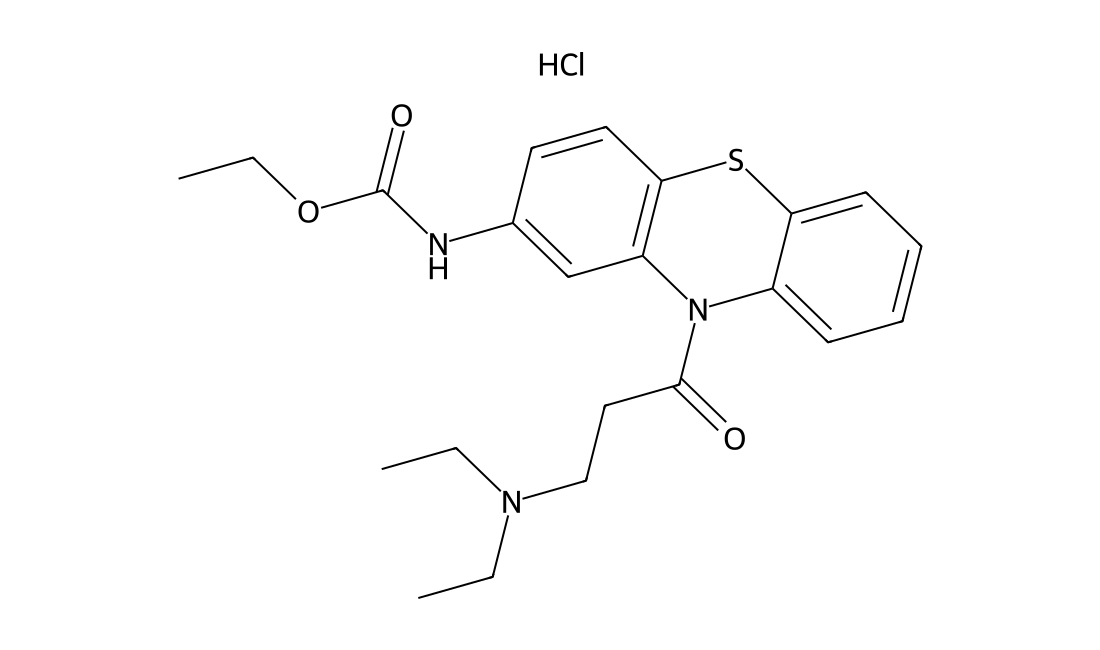
Ethacizine hydrochloride

CAS 57530-40-2

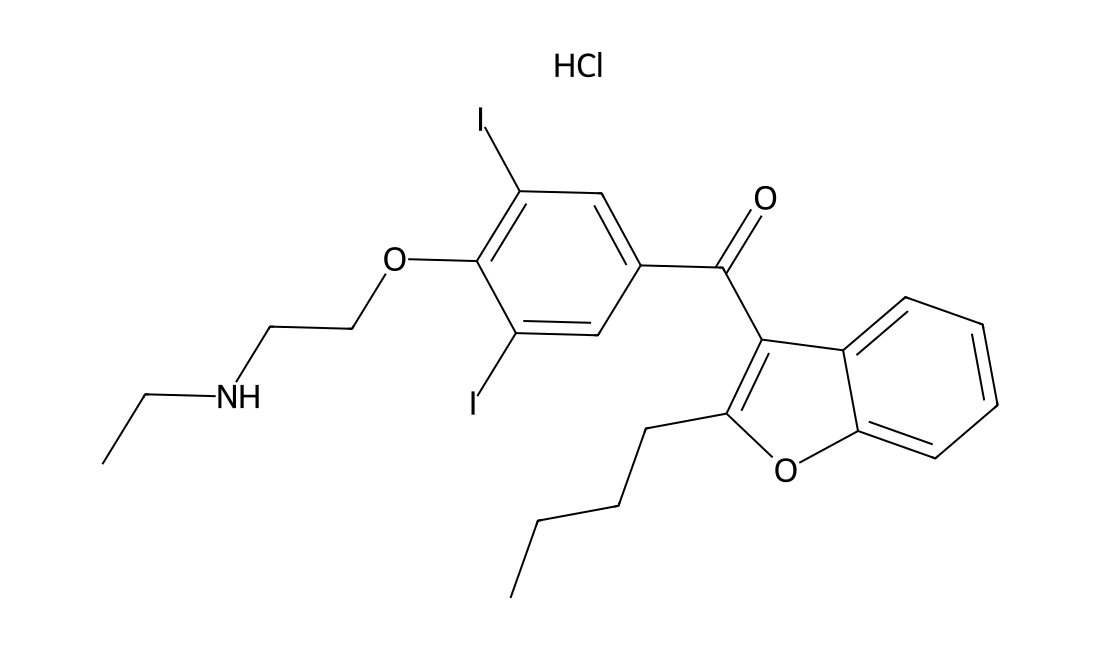
Ethacizine hydrochloride (Ethacizin; NIK-244) is a Class Ic antiarrhythmic agent, which means it is part of a group of drugs that primarily act by blocking sodium channels in the heart. This class of antiarrhythmic agents is known for their potent effects on slowing conduction in the heart, particularly in the atria, ventricles, and the His-Purkinje system.

Ethacizine hydrochloride chemical structure
DC73624

FP802

CAS 61694-81-3

FP802 is a novel small molecule with significant neuroprotective properties, specifically designed to target and disrupt the TwinF interface within the NMDAR/TRPM4 death signaling complex. This unique mechanism allows FP802 to selectively eliminate extrasynaptic NMDAR (eNMDAR)-mediated toxicity, which is implicated in various neurodegenerative diseases, while preserving the essential physiological functions of synaptic NMDARs. This selectivity makes FP802 a promising therapeutic candidate for conditions involving excitotoxicity and neuronal cell death.

FP802 chemical structure
DC11947

ML418

CAS 1928763-08-9

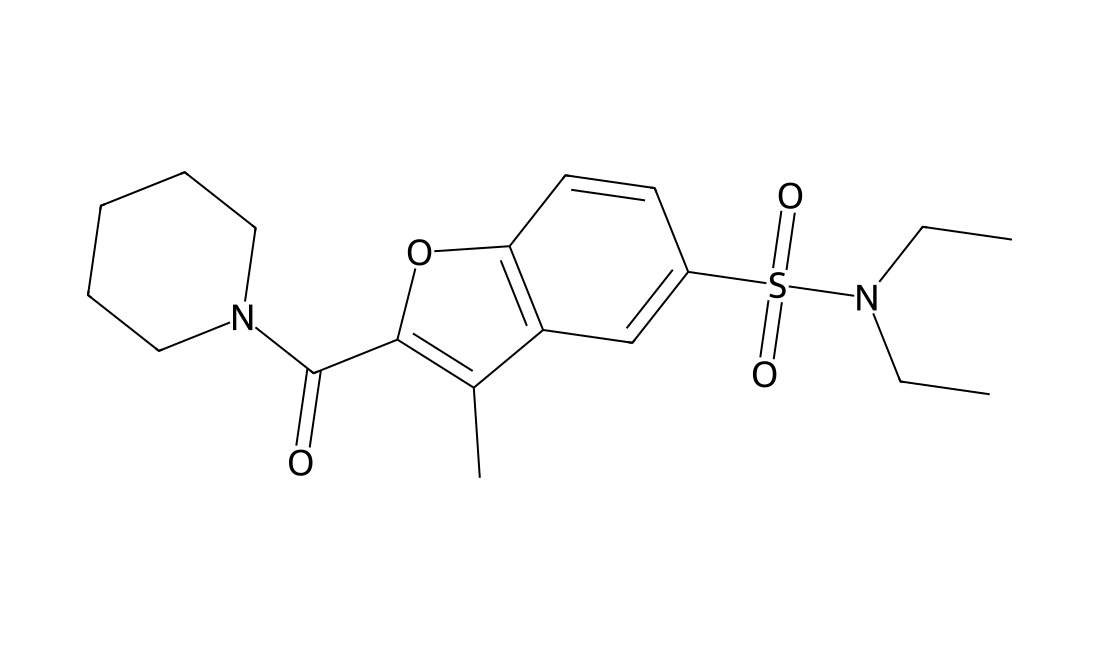
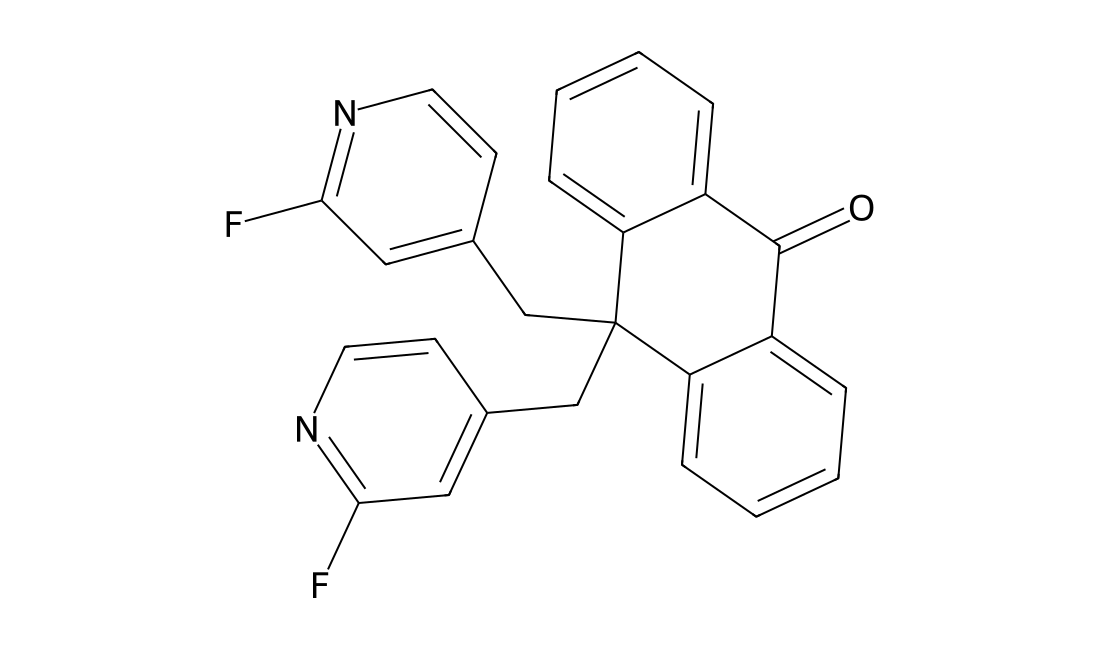
The first potent, selective, CNS penetrating inward rectifier potassium channel Kir7.1 (KCNJ13) inhibitor with IC50 of 0.31 uM; displays >17-fold selective over Kir1.1, Kir2.1, Kir2.2, Kir2.3, Kir3.1/3.2, and Kir4.1 except for Kir6.2/SUR1 (equally potent); possesses a DMPK profile suitable for both in vitro and in vivo studies aimed at modulating both peripheral and central Kir7.1 potassium channels.
ML418 chemical structure
DC11173

DRAinh-A250

CAS 858747-13-4

DRAinh-A250 is a specific inhibitor of Cl-/anion exchanger SLC26A3 (DRA), fully and reversibly inhibits SLC26A3-mediated Cl- exchange with HCO3-, I-, and thiocyanate (SCN-) with IC50 of ~0.2 uM; does not inhibit the homologous anion exchangers SLC26A4 (pendrin) or SLC26A6 (PAT-1), as well as other related proteins or intestinal ion channels; blocked fluid absorption in closed colonic loops but not in jejunal loops in mice, while the NHE3 (SLC9A3) inhibitor tenapanor blocked absorption only in the jejunum; reduces signs of constipation in loperamide-treated mice after oral treatment.

DRAinh-A250 chemical structure
DC73605

TMinh-23

CAS 2098490-06-1

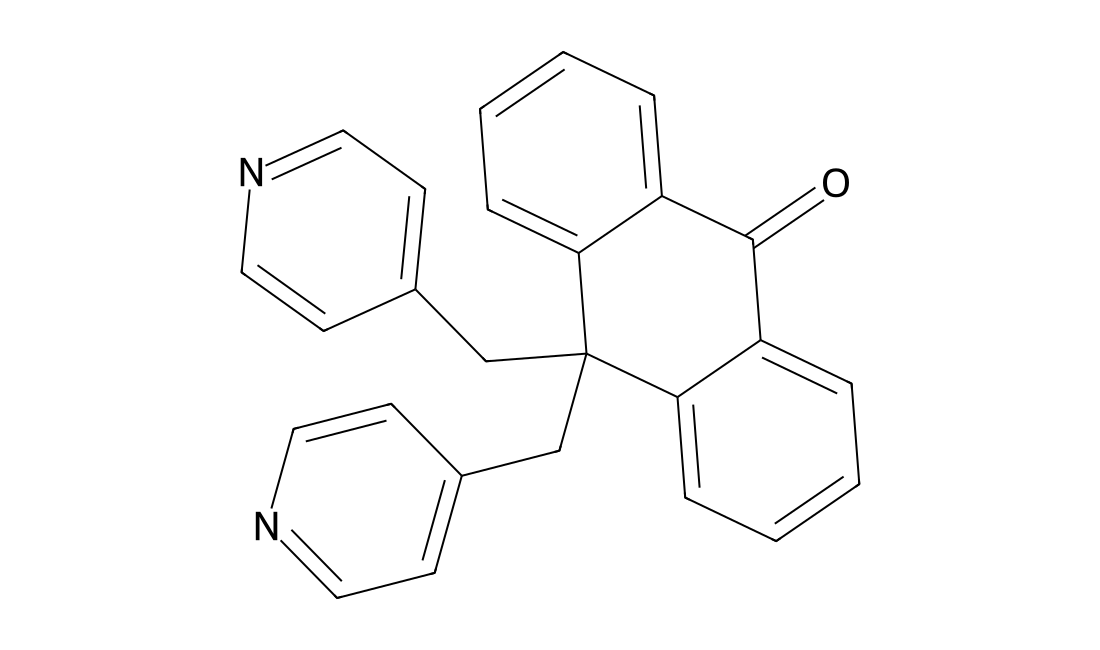
TMinh-23 is (Compound 10bm) is a potent, selective inhibitor of transmembrane protein 16A (TMEM16A or ANO1, DOG1, ORAOV2, TAOS-2) with IC50 of 30 nM in short-circuit current assays, weakly inhibits TMEM16B (IC50=400 nM, 13 -fold selectivity).

TMinh-23 chemical structure
DC21826

XE-991

CAS 122955-42-4

XE-991 is a potent, selective and orally active blocker of voltage-gated potassium channels Kv7 (KCNQ) that blocks KCNQ1, KCNQ2 and KCNQ2+KCNQ3 with Kd of 0.78, 0.7 and 0.6 uM, respectively; displays 14-fold less potency for KCNQ1+minK current with Kd of 11 uM, enhances hippocampal ACh release from rat brain slices (EC50=490 nM) and is a cognitive enhancer in vivo.Alzheimer DiseaseDiscontinued

XE-991 chemical structure
DC66089

Benzamil

CAS 2898-76-2

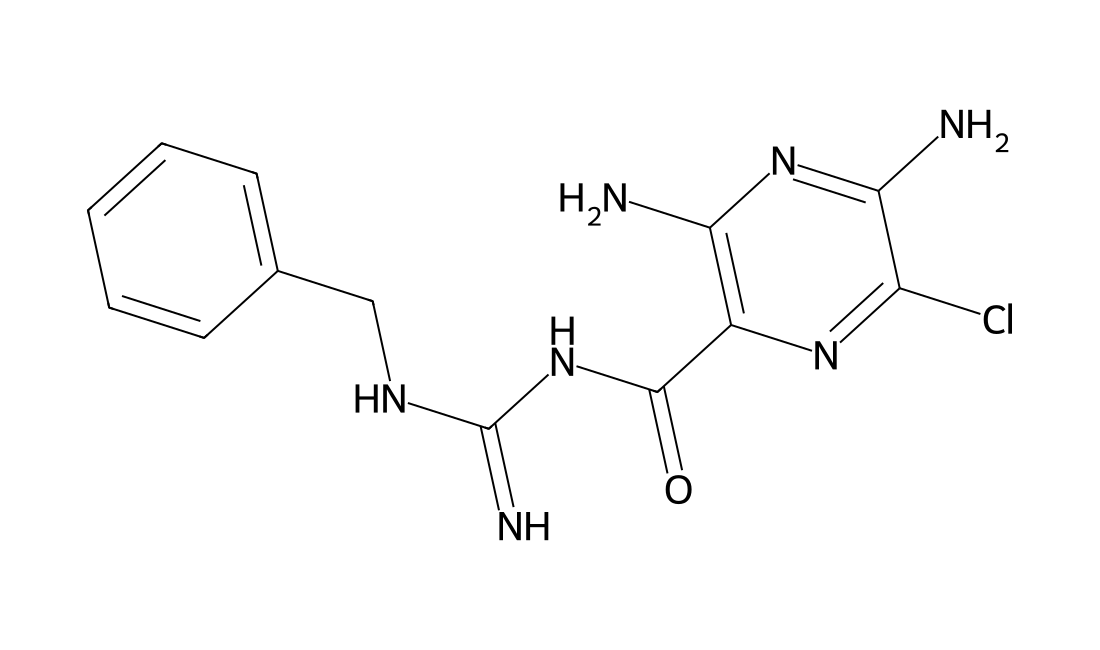
Benzamil (Benzylamiloride), an Amiloride analogue, is a Na+/Ca2+ exchanger (NCX) inhibitor (IC50~100 nM). Benzamil also is a non-selective Deg/epithelial sodium channels (ENaC) blocker, and can potentiate myogenic vasoconstriction. Benzamil inhibits TRPP3-mediated Ca2+-activated currents, with an IC50 of 1.1 μM.

Benzamil chemical structure
DC66079

NMDAR/TRPM4-IN-2

CAS 2243506-33-2

NMDAR/TRPM4-IN-2 (compound 8) is a potent NMDAR/TRPM4 interaction interface inhibitor. NMDAR/TRPM4-IN-2 shows neuroprotective activity. NMDAR/TRPM4-IN-2 prevents NMDA-induced cell death and mitochondrial dysfunction in hippocampal neurons, with an IC50 of 2.1 μM. NMDAR/TRPM4-IN-2 protects mice from MCAO-induced brain damage and NMDA-induced retinal ganglion cell loss.
NMDAR/TRPM4-IN-2 chemical structure
DC24086

Azimilide

CAS 149908-53-2

A class ΙΙΙ antiarrhythmic agent that blocks hERG channel; blocks HERG channel at 0.1 and 1 Hz with IC50s of 1.4 uM and 5.2 uM respectively; blocks the rapidly activating component of the delayed rectifier, IKr (IC50=0.4 uM), and inhibits IKs (IC50=3 uM); shows anti-arrhythmic effects.Heart ArrhythmiaPhase 3 Clinical

Azimilide chemical structure
DC21833

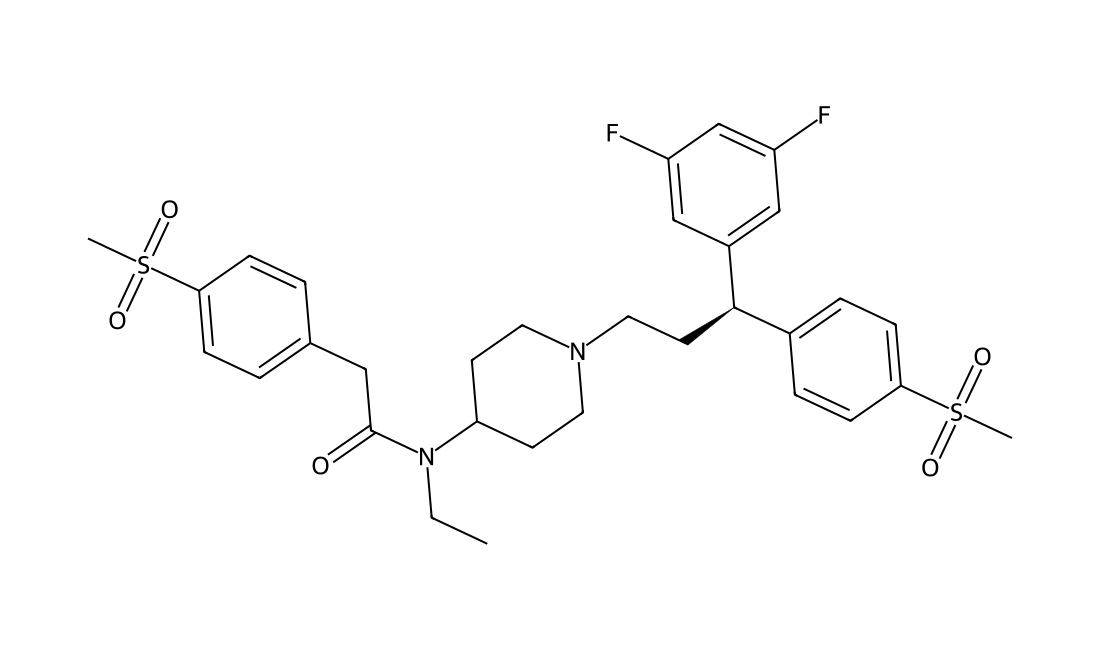
DMP 543

CAS 160588-45-4

A potent blocker of voltage-gated potassium channels Kv7 (KCNQ) that enhances ACh release from rat hippocampal slices in vitro with EC50 of 0.7 uM; maintains the 5- to 10-fold potency differential over linopirdine in increasing extracellular hippocampal ACh levels in the rat with a minimum effective dose of 1 mg/kg.Alzheimer DiseasePhase 2 Discontinued

DMP 543 chemical structure
DC21851

Z-944

CAS 1199236-64-0

Z-944 is a potent, highly selective and oral T-type calcium channel blocker with IC50 of 50-160 nM for human Cav3.1, Cav3.2, and Cav3.3 channels; displays 70 times more potent for T-type blockade than for blockade of the N-type channel (IC50=11 uM); potently suppress seizure activity and attenuates burst firing of thalamic reticular nucleus neurons in the GAERS model of absence epilepsy; restores cortical synchrony and thalamocortical connectivity in a rat model of neuropathic pain. PainPhase 1 Clinical
Z-944 chemical structure
DC21827

XE 991 dihydrochloride

CAS 122955-13-9

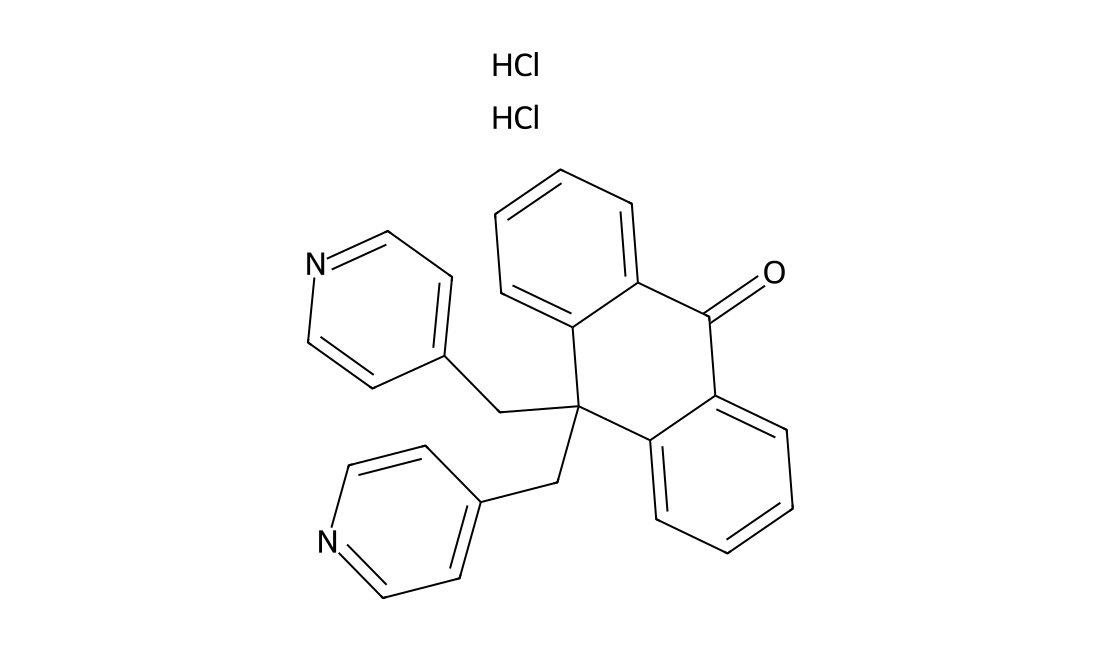
XE 991 dihydrochloride, a Kv7 (KCNQ) channels blocker, potently inhibits Kv7.1 (KCNQ1), Kv7.2 (KCNQ2), Kv7.2 + Kv7.3 (KCNQ3) channel, and M-current with IC50s of 0.75 µM, 0.71 µM, 0.6 μM, and 0.98 µM, respectively[1].

XE 991 dihydrochloride chemical structure
DC21475

PF-05105679

CAS 1398583-31-7

PF-05105679 is a potent, selective TRPM8 channel inhibitor with IC50 of 103 nM (human TRPM8 currents inhibition); displays >100-fold selectivity against a broad panel of 90 receptors, ion channels, and enzymes; demonstrates moderately potency against agonist (WS-12) and cold modalities of activation of TRPM8 in plate-based assay formats with IC50 of 181 and 480 nM, respectively, shows increased potency on voltage activation in HEK-293 cells at 12°C with IC50 of 13.8 nM; demonstrates activity in vivo in the guinea pig bladder ice water and menthol challenge tests with an IC50 of 200 nM and reduces core body temperature in the rats, and reduces pain in the cold pressor test in humans. Pain Phase 1 Clinical

PF-05105679 chemical structure
DC71376

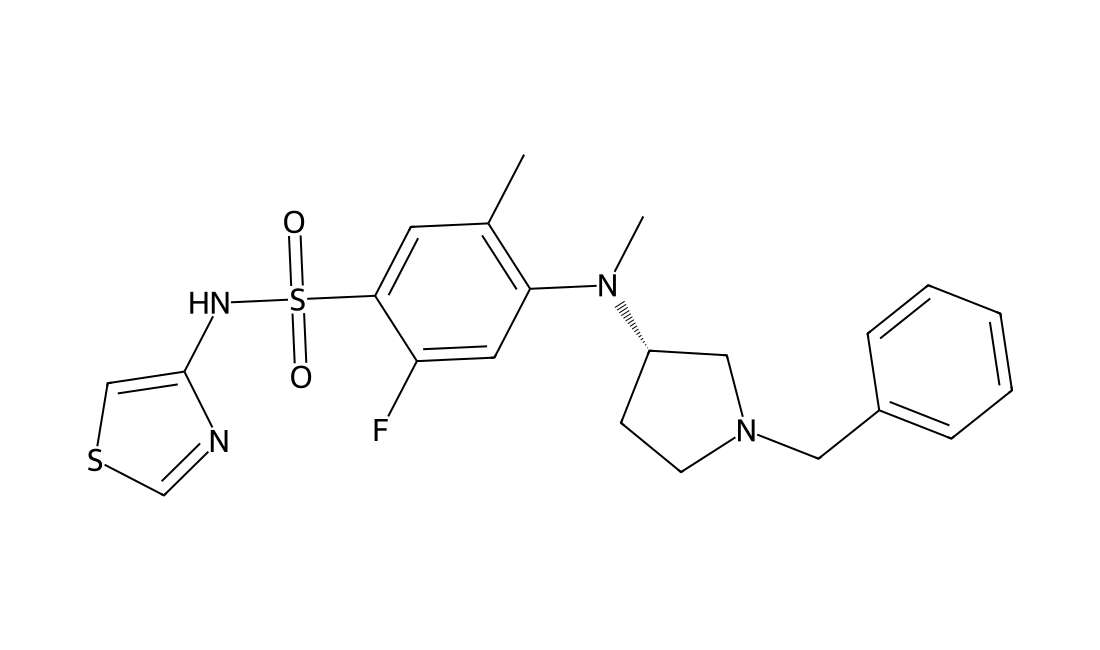
ABBV-318

CAS 1802848-94-7

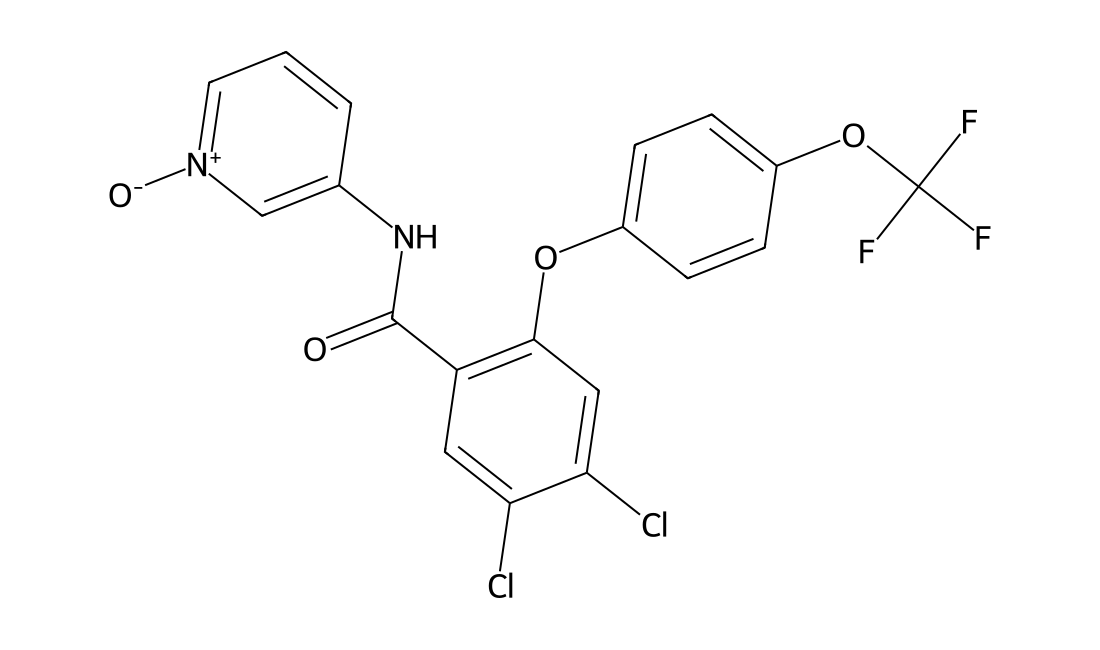
ABBV-318 is a potent Nav1.7/ Nav1.8 blocker, with IC50s of 2.8 μM and 3.8 μM for hNav1.7 and hNav1.8, respectively. ABBV-318 can be used for the research of pain.

ABBV-318 chemical structure
DC48046

AZD-5672

CAS 780750-65-4

AZD-5672 is an orally active, potent, and selective CCR5 antagonist (IC50=0.32 nM). AZD-5672 shows moderate activity against the hERG ion channel (binding IC50=7.3 μM). AZD5672 is a substrate of human P-gp, and inhibits P-gp-mediated digoxin transport (IC50=32 μM). AZD-5672 can be used for the research of rheumatoid arthritis.

AZD-5672 chemical structure
DC66088

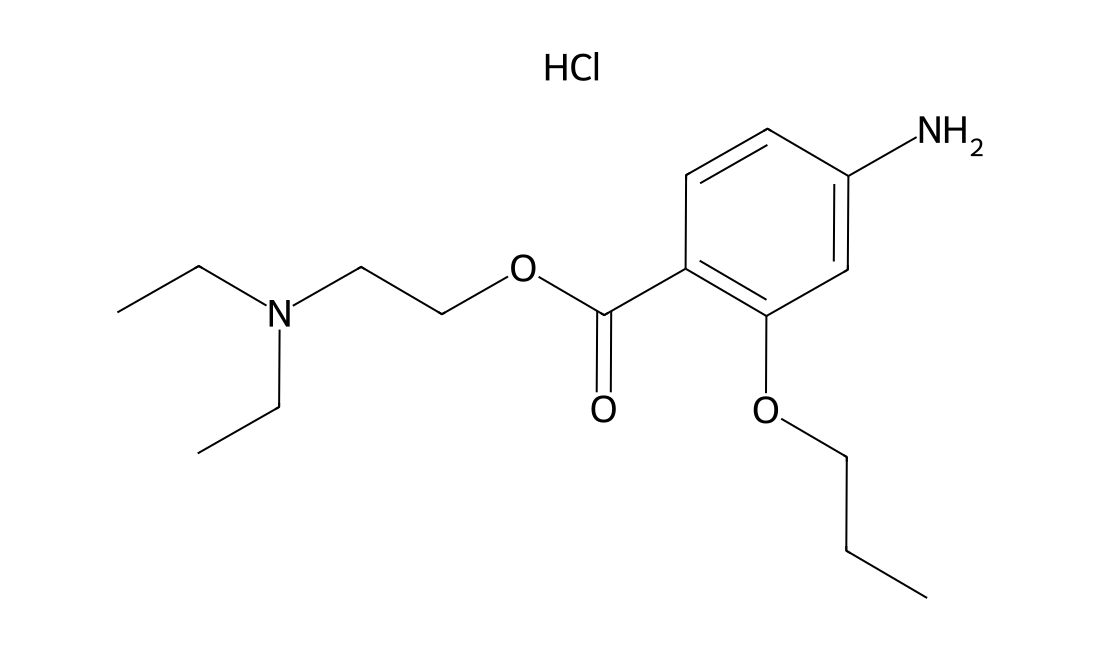
Propoxycaine Hydrochloride

CAS 550-83-4

Propoxycaine hydrochloride inhibits voltage-gated sodium channels, and thereby inhibits the ionic flux required for the initiation and conduction of impulses. Propoxycaine hydrochloride application can lead to a loss of sensation.

Propoxycaine Hydrochloride chemical structure
DC10532

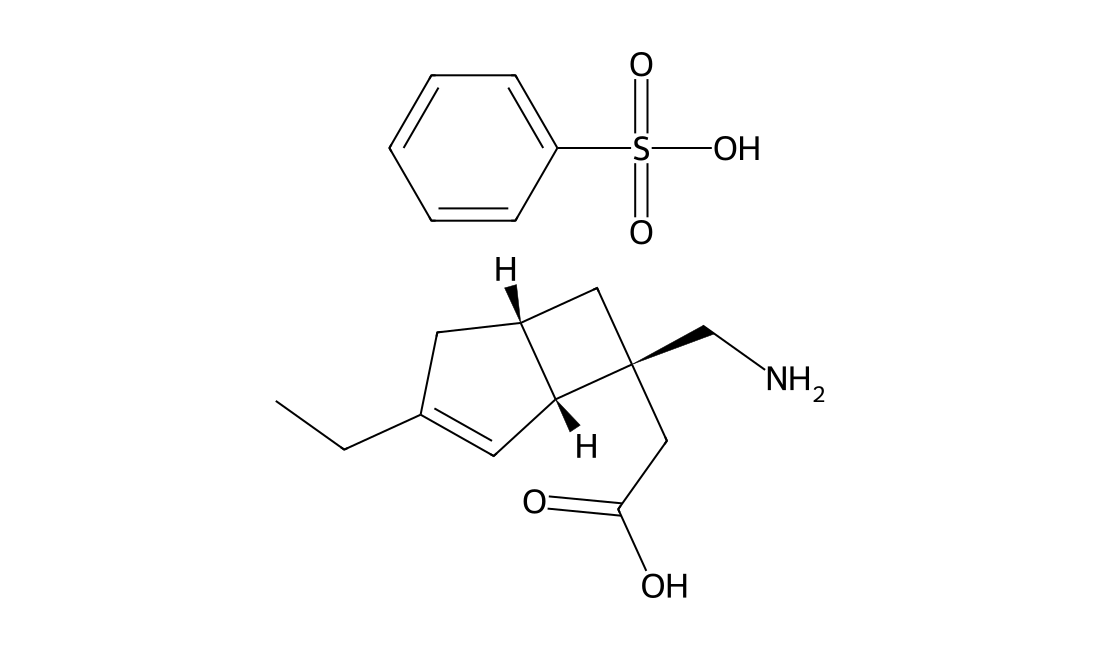
Mirogabalin besylate

CAS 1138245-21-2

Mirogabalin besylate is a selective and orally available ligand for the α2δ subunit of voltage-gated calcium channels, with Kds of 13.5 nM, 22.7 nM, 27 nM, and 47.6 nM for human α2δ-1, human α2δ-2, rat α2δ-1, and rat α2δ-2, respectively.

Mirogabalin besylate chemical structure
DC22960

ICA-105574

CAS 316146-57-3

A potent and efficacious hERG channel activator steeply potentiates current amplitudes more than 10-fold with EC50 of 0.5 uM; produces comparatively small hyperpolarizing shifts (up to 11 mV) in the voltage-dependence of channel activation and a 2-fold slowing of channel deactivation; enhances IKr current with very high potency by removing the channel inactivation, prevents ventricular arrhythmias in intact guinea-pig hearts caused by IKr and IKs inhibitors, has more efficient antiarrhythmic activity than NS1643.

ICA-105574 chemical structure
DC31998

Lubiprostone (hemiketal)

CAS 333963-40-9

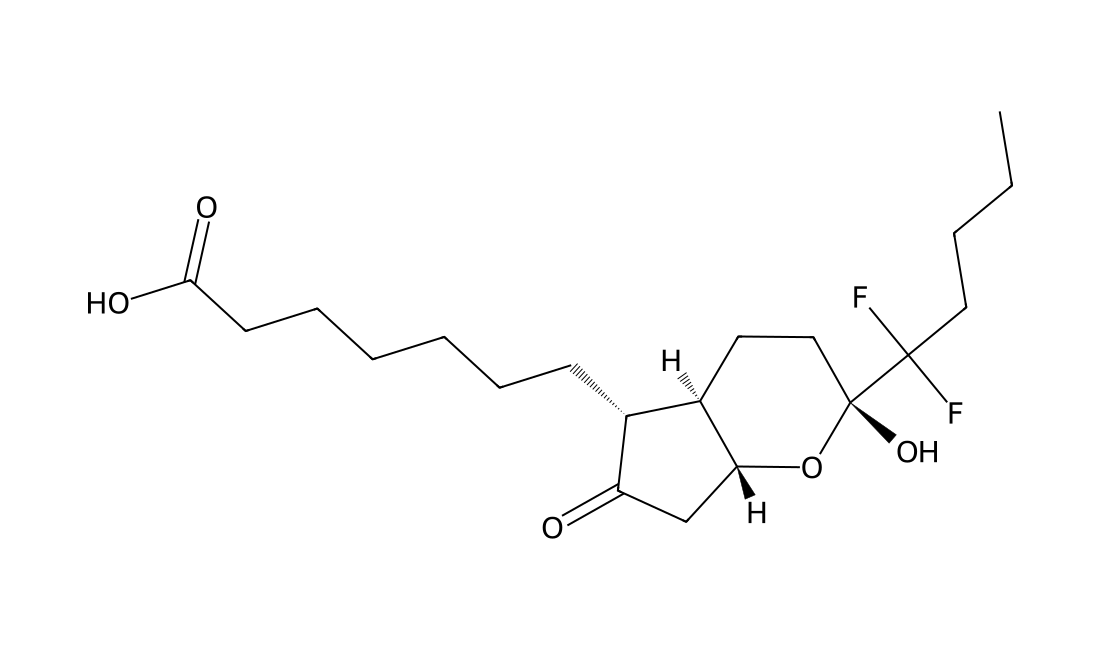
Lubiprostone, also known as RU-0211, is a medication used in the management of chronic idiopathic constipation, predominantly irritable bowel syndrome-associated constipation in women and opioid-induced constipation. It was initially approved by the U.S. Food and Drug Administration (FDA) in 2006. Lubiprostone is a bicyclic fatty acid derived from prostaglandin E1 that acts by specifically activating ClC-2 chloride channels on the apical aspect of gastrointestinal epithelial cells, producing a chloride-rich fluid secretion. These secretions soften the stool, increase motility, and promote spontaneous bowel movements (SBM).

Lubiprostone (hemiketal) chemical structure
DC26197

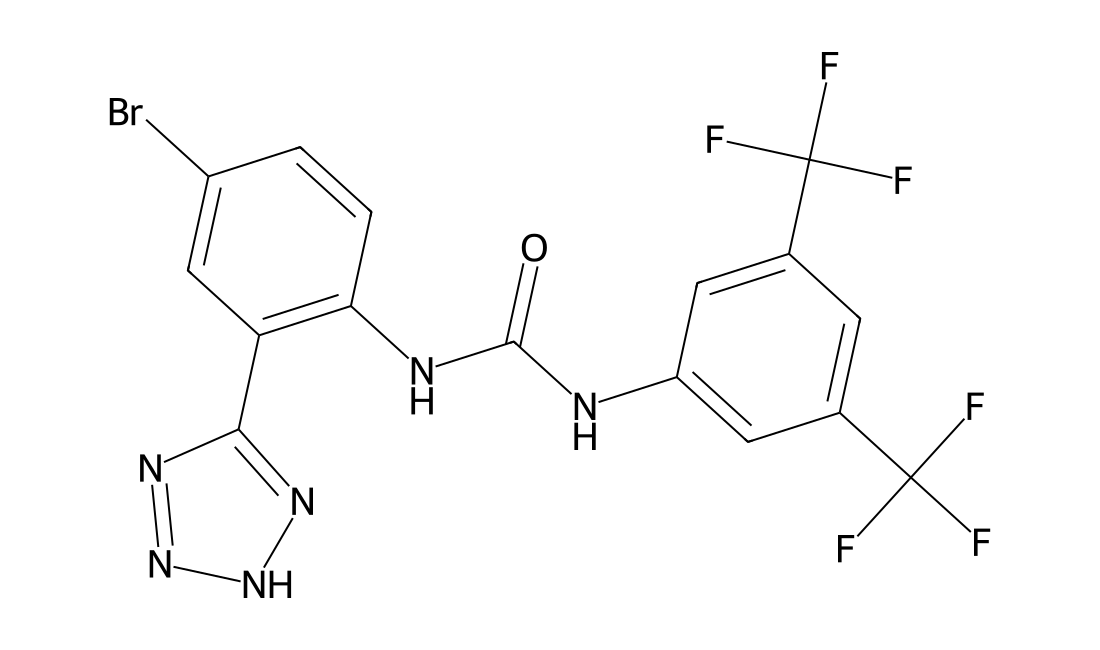
GSK2798745

CAS 1419609-94-1

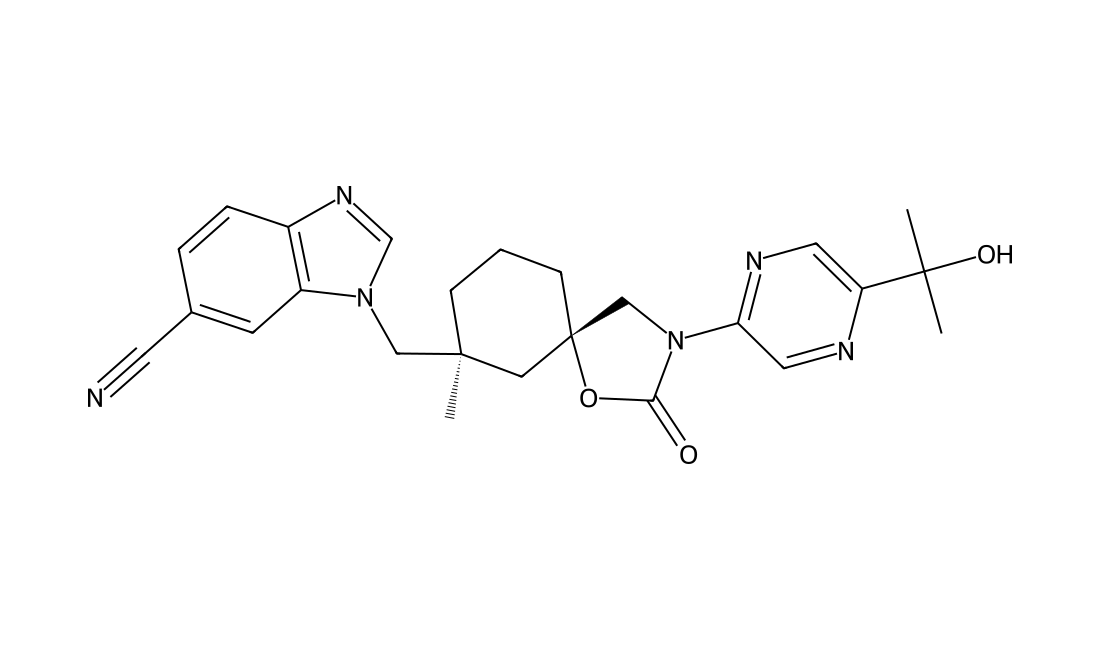
GSK2798745 is a first-in-class, highly potent, selective, orally active transient receptor potential vanilloid 4 (TRPV4) ion channel blocker with IC50s of 1.8 and 1.6 nM for hTRPV4 and rTRPV4, respectively. GSK2798745 is used in research for the treatment of pulmonary edema associated with congestive heart failure[1][2].

GSK2798745 chemical structure
DC48873

DPO-1

CAS 43077-30-1

DPO-1 is a potent inhibitor of the voltage-gated potassium channel subtype Kv1.5 and a blocker of ultrarapid delayed rectifier potassium current. DPO-1 prevents atrial arrhythmia.

DPO-1 chemical structure
DC20149

(+)-Kavain

CAS 500-64-1

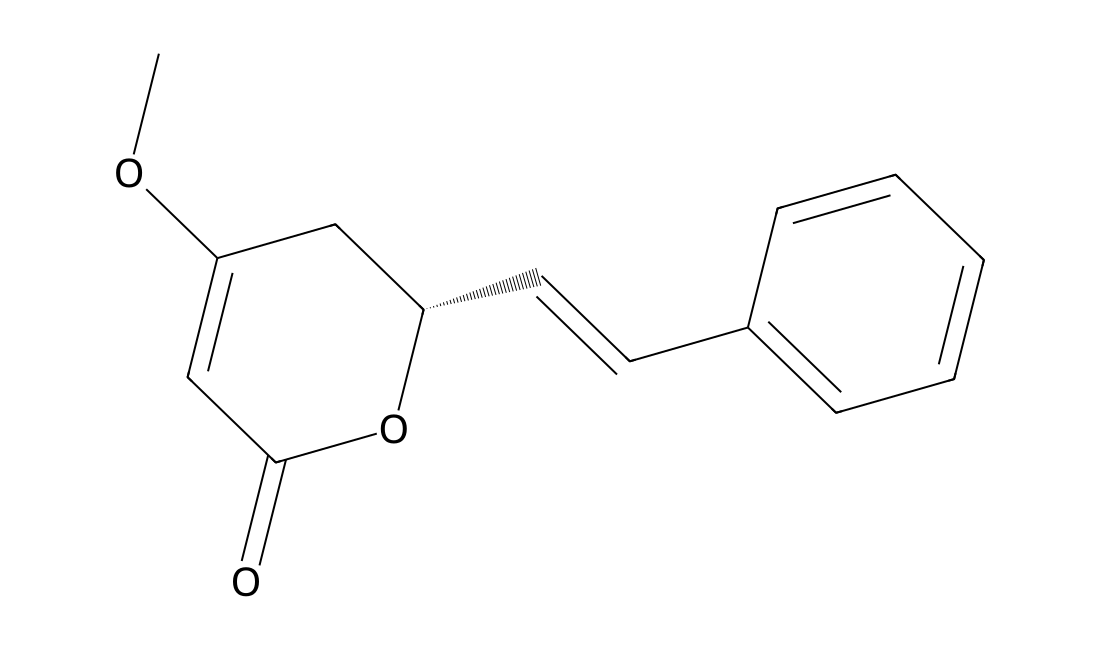
In Vitro (+)-Kavain (10-300 μM) enhances GABA-elicited responses in a concentration-dependent manner. The modulatory effect of Kavain is moderate, with only 170±23% of enhancement measured at 300 μM[2]. (+)-Kavain inhibits TNF-α secretion in cells via suppression of LITAF.

(+)-Kavain chemical structure
DC12594

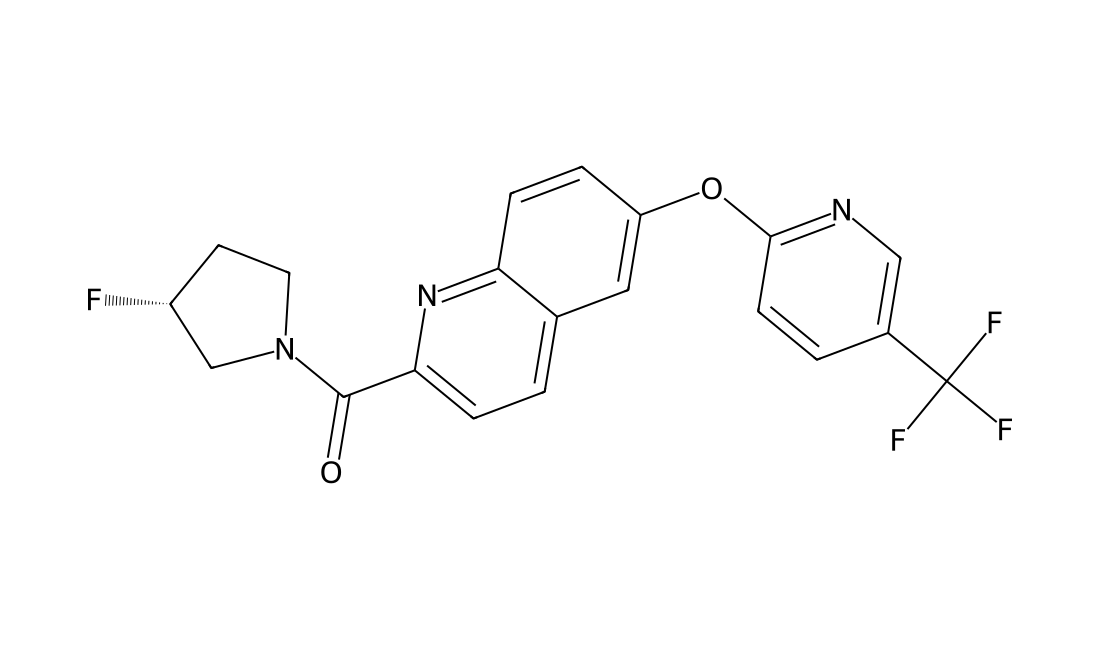
PF-06305591

CAS 1449473-97-5

PF-06305591 (PF06305591) is a potent, highly selective selective NaV1.8 blocker with IC50 of 15 nM, displays no significant activity against other sodium channel subtypes, K+ channels and Ca2+ channels; displays excellent preclinical in vitro ADME and safety profile.

PF-06305591 chemical structure
Browse target & topic index A–Z (366)
11β-HSD (1)15-PGDH (2)5-HT Receptor (16)Acetyl-CoA Carboxylase (ACC) (3)Acetylcholinesterase (AChE) (2)Ack1 (TNK2) (1)Acyltransferase (1)ADC Cytotoxin (6)ADCs Linker/Click Chemistry (5)Adenosine Receptor (9)Adenylate Cyclase (2)Adrenergic Receptor (11)Akt (12)Alcoholism (2)Aldehyde Dehydrogenase (ALDH) (6)Allergy (5)Alzheimer Disease (13)Aminopeptidase (1)AMPK (8)Amyloids (4)Anaplastic Lymphoma Kinase (ALK) (9)Androgen Receptor (AR) (11)Anemia (4)Angiotensin Receptor (4)Antibody/Protein labeling dyes (1)Antifolate (2)Anxiety (1)Apoptosis Inducer (3)Arginase (1)Arp2/3 complex (1)Aryl hydrocarbon Receptor (AhR) (1)Asthma (5)Atherosclerosis (2)ATM/ATR (8)Aurora Kinase (10)Autophagy (6)Autophagy-related Protein (Atg) (2)Autotaxin (2)Bacterial (26)Bacterial Infection (17)Bcl-2 (14)Bcr-Abl (5)BCRP (1)Beta-catenin (4)Beta-secretase (BACE) (4)Blood Cancer (91)BMI-1 (1)Bone Cancer (6)Brain Cancer (6)Breast Cancer (30)Bromodomain (22)BTK (10)c-Fms (CSF1R) (5)c-Fos/AP-1 (1)c-Kit (6)c-Met (HGFR) (11)c-Myc (2)Calcium Channel (4)Calcium-sensing Receptor (CaSR) (1)CaMK (4)Cannabinoid Receptor (6)Carbonic Anhydrase (1)Carboxypeptidase (1)Casein Kinase (6)Caspase (4)Cathepsin (6)Cdc2-like Kinase (CLK) (1)CETP (2)CFTR (7)Checkpoint Kinase (Chk) (8)Chemokine Receptor (CCR and CXCR) (14)Chemotherapeutic Agents (19)Chloride Channel (1)CMV (2)CMV Infection (2)Colon Cancer (9)Complement System (1)COPD (3)CREB/CBP (2)CRF Receptor (2)CRISPR/Cas9 (1)Cushing Disease (1)Cyclin-dependent Kinase (CDK) (39)Cyclooxygenase (COX) (4)Cytochrome P450 (CYPs) (5)Depression (2)Dermatitis (2)Deubiquitinase (DUB) (7)Diabetes (20)Dipeptidyl Peptidase (DPP) (3)Discoidin Domain Receptor (DDR) (1)DNA Alkylator/Crosslinker (10)DNA Methyltransferase (DNMT) (1)DNA Repair Protein (1)DNA-PK (2)DNA/RNA Synthesis (5)Dopamine beta-hydroxylase (1)Dopamine Receptor (7)Drug Metabolite (1)Drug-Linker Conjugates (11)Dyes (4)DYRK (1)Dyslipidemia (9)E3 Ligase Ligand (6)E3 Ligase Ligand-Linker Conjugate (1)E3 Ubiquitin Ligase (4)Ebola Virus Infection (1)EGFR (32)Elastase (2)Endothelin Receptor (5)Enzymes substrates (13)Epigenetic Reader Domain (3)Epilepsy (4)ERK (4)Estrogen Receptor/ERR (13)Eukaryotic Initiation Factor (eIF) (2)Exportin-1 (CRM1,XPO1) (2)FABP (1)Factor Xa (5)Farnesoid X Receptor (FXR) (5)Farnesyl transferase (FTase) (1)Ferroptosis (6)FGFR (15)Fibrosis (5)FLT3 (6)Focal Adhesion Kinase (FAK) (11)Foxo1 (1)Free Fatty Acid Receptor (FFAR) (5)Fungal (2)Fungal Infection (1)GABA Receptor (13)Galectin (1)Gastric Cancer (8)Ghrelin Receptor (GHSR) (3)Glucagon Receptor (4)Glucokinase (2)Glucose Transporter (GLUT) (2)Glutamate Transporter (2)GPCR (1)GPER (GPR30) (1)GPR139 (1)GPR183 (EBI2) (2)GPR39 (1)GPR55 (1)GPR84 (1)GRK (GPCRK) (2)Growth Hormone Deficiency (2)GSK-3 (8)Guanylate Cyclase (3)HBV (1)HBV Infection (1)HCN Channel (2)HCV (8)HCV Infection (9)HDAC (38)Heart Arrhythmia (2)Heart Failure (5)Heat Shock Protein (HSP) (15)Hedgehog (Hh) (1)HIF/HIF Prolyl-hydroxylase (8)Histamine Receptor (6)Histone Acetyltransferase (HAT) (5)Histone Demethylase (11)Histone Methyltransferase (HMTase) (31)HIV (12)HIV Infection (11)HMG-CoA Reductase (HMGCR) (3)HSV (1)HSV Infection (1)Hypercholesterolemia (1)Hyperparathyroidism (1)Hypertension (8)IAP (1)IGF-1R (3)iGluR (15)Indoleamine 2,3-Dioxygenase (IDO) (4)Infection (1)Influenza (6)Influenza Virus (6)Insulin Receptor (2)Integrin (6)Interleukin Receptor (1)IRAK (2)IRE1 (4)Irritable Bowel Syndrome (2)Ischemia (1)Isocitrate Dehydrogenase (IDH) (5)ITK (1)IκB kinase (IKK) (7)JAK (32)JNK (3)Keap1-Nrf2 (6)Kidney Cancer (10)Kinesin (5)Kruppel-like Factor (KLF) (1)Kynurenine 3-Monooxygenase (KMO) (1)Leukotriene Receptor (1)LIM Kinase (LIMK) (3)Lipids fragment (1)Liver Cancer (6)Liver X Receptor (LXR) (3)LRRK2 (9)Lung Cancer (39)Lysophospholipid Receptor (12)LYTACs (3)mAChR (9)MALT1 (2)MAP4K (1)Matrix Metalloproteinase (MMP) (10)MDM2-p53 (9)MEK (MAP2K) (14)MEKK (MAP3K) (1)Melanocortin Receptor (2)MELK (1)mGluR (7)MicroRNA (1)Microtubule/Tubulin (5)Mineralocorticoid Receptor (MLR) (1)MITF (1)Mixed Lineage Kinase (MLK) (3)MNK (2)Molecular Glues (13)Monoamine Transporter (5)Monocarboxylate Transporter (MCT) (1)Monopolar Spindle 1 (Mps1/TTK) (3)mTOR (13)Multiple Sclerosis (6)Myosin (1)Na-K-Cl Cotransporter (NKCC) (2)nAChR (2)NADPH Oxidase (NOX) (2)NAMPT (3)Natural products (37)Neprilysin (1)Neurokinin Receptor (3)Neuropeptide Y Receptor (3)NF-κB (5)Nitric Oxide Synthase (NOS) (1)NOD-like Receptor (NLR) (3)Notch (2)Nucleoside Antimetabolite/Analog (10)Nur77 (NR4A1) (1)Obesity (1)Oct3/4 (1)Opioid Receptor (5)Orexin Receptor (7)Osteoporosis (2)Ovarian Cancer (14)Oxytocin Receptor (OXTR) (2)P-glycoprotein (P-gp) (3)p21-activated Kinase (PAK) (1)P2X Receptor (2)P2Y Receptor (1)p38 MAPK (10)p97/VCP (1)Pain (12)Pancreatic Cancer (10)Parasite (5)Parasite Infection (2)Parkinson Disease (2)PARP (19)PCSK9 (1)PD-1/PD-L1 (4)PDGFR (4)PDK1 (2)PEGn (1)PERK (2)PGE synthase (2)Phosphodiesterase (PDE) (9)Phospholipase (4)PI3K (32)PI4K (2)Piezo Channel (1)PIKfyve (3)Pim (9)PKC (12)PKD (1)Plasminogen Activator Inhibitor-1 (PAI-1) (3)Polo-like Kinase (PLK) (4)Porcupine (3)Potassium Channel (13)PPAR (13)Pregnane X Receptor (PXR) (1)Progesterone Receptor (2)Prostaglandin Receptor (11)Prostate Cancer (7)PROTACs (35)Protease-activated Receptor (PAR) (3)Proteasome (12)Protein Disulfide Isomerase (PDI) (1)Protein Phosphatase/PTP (6)Proton Pump (1)Psoriasis (5)RAD51 (1)Radioligand precursors (15)Raf (18)RAR/RXR (3)Ras (17)Renin (2)RET Tyrosine Kinase (c-RET) (3)Rheumatoid Arthritis (16)Ribosomal S6 Kinase (RSK) (5)RIG-I-like Receptor (RLR) (2)RIP kinase (7)ROCK (12)ROR (2)RSV (4)RSV Infection (3)RUNX1-CBFβ (1)S-nitrosoglutathione reductase (GSNOR) (1)Saccharides and Glycosides (1)Salt Inducible Kinase (SIK) (2)SARS-CoV (16)SARS-CoV Infection (34)Schizophrenia (4)Sexual Dysfunction (1)SGLT (4)Sigma Receptor (4)Sirtuin (9)Skin Cancer (13)Sleep Disorder (7)SMN2 Modulator (1)Smoothened (Smo) (9)Sodium Channel (12)Solid Tumors (35)Somatostatin Receptor (2)Sphingosine kinase (SphK) (2)Src (7)STAT (5)Stearoyl-CoA Desaturase (SCD) (1)Steatohepatitis (7)Sterol lipids (1)STING (14)Syk (6)T Cell Receptor (TCR) (1)TAK1 (2)TAM Receptor (Tyro3-Axl-Mer) (4)Taste Receptor (1)Telomerase (2)TGF beta Receptor (TGFBR) (12)Thrombin (3)Thrombosis (13)Thyroid Cancer (1)Thyroid Hormone Receptor (THR) (1)Thyrotropin Receptor (2)TNIK (1)Toll-like Receptor (TLR) (2)TOPK (1)Topoisomerase (11)TRAIL (1)Translocator Protein (TSPO) (1)Trk Receptor (4)TRP Channel (13)Tryptophan Hydroxylase (TPH) (1)Ubiquitin-activating Enzyme (E1) (2)Ubiquitin-conjugating Enzyme (E2) (2)Ulcer (1)ULK (3)Vasopressin Receptor (2)VEGFR (25)Vitamin D Receptor (VDR) (3)Wee1 (1)WNK Kinase (1)Wnt (5)Yes-associated Protein (YAP) (4)γ-secretase (5)

Cart

Request quotation