
Ion Channels & Transporters
Ion channels, membrane transporters and pumps.
Browse all research categories
Browse by research category
Products may appear in more than one category. Counts refer to distinct catalog numbers within each category.
Kinases & Cell Signaling1,548 products →938 products →Epigenetics & Gene Regulation410 products →277 products →DNA Damage, Repair & Cell Cycle342 products →228 products →Cell Death & Autophagy233 products →117 products →Protein Degradation & Proteostasis252 products →178 products →Immunology & Inflammation515 products →297 products →Neuroscience793 products →363 products →GPCRs & Receptor Biology1,219 products →428 products →Ion Channels & Transporters373 products →196 products →Metabolism & Endocrinology697 products →404 products →Cardiovascular & Hematology264 products →141 products →Anti-infectives453 products →205 products →Cancer Research1,049 products →532 products →ADCs & Bioconjugation61 products →38 products →Probes & Assay Reagents150 products →82 products →Natural Products424 products →73 products →Cell Biology & Intracellular Transport181 products →61 products →
Other Research Tools (75) · Additional reagents, building blocks and specialized research tools.
Ion Channels & Transporters products
Combine a keyword, research category and target to narrow the product list.
Loading catalog filters…
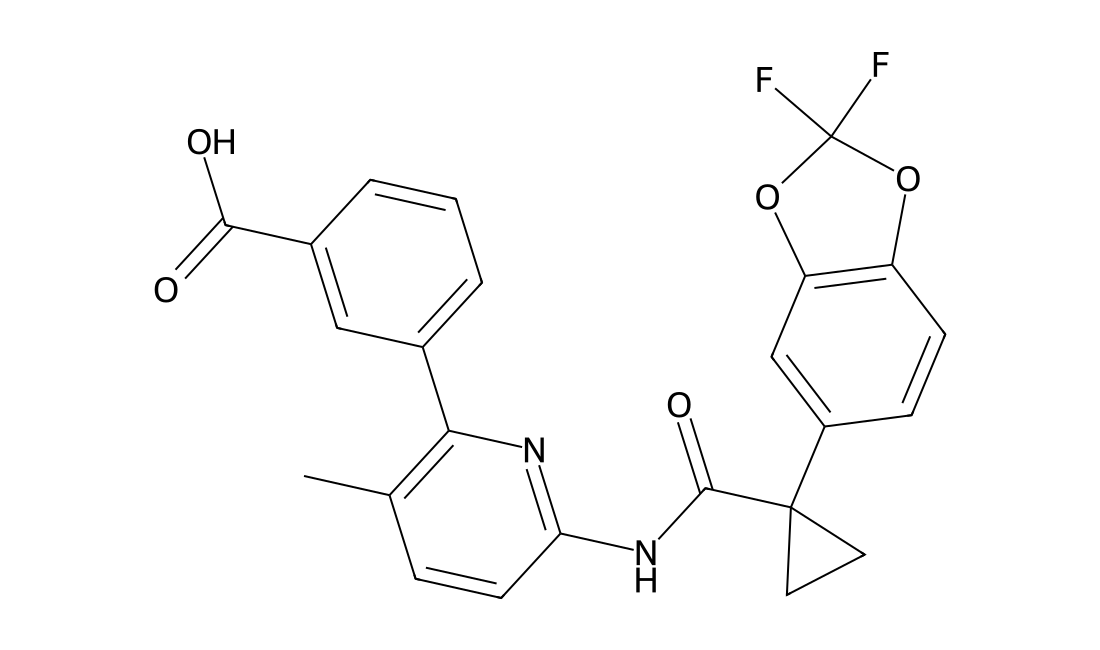
YHO-13177
CAS 912287-56-0
YHO-13177 is a potent and specific inhibitor of BCRP; potentiated the cytotoxicity of SN-38 in cancer cells and no effect on P-glycoprotein–mediated paclitaxel resistance in MDR1-transduced human leukemia K562 cells.
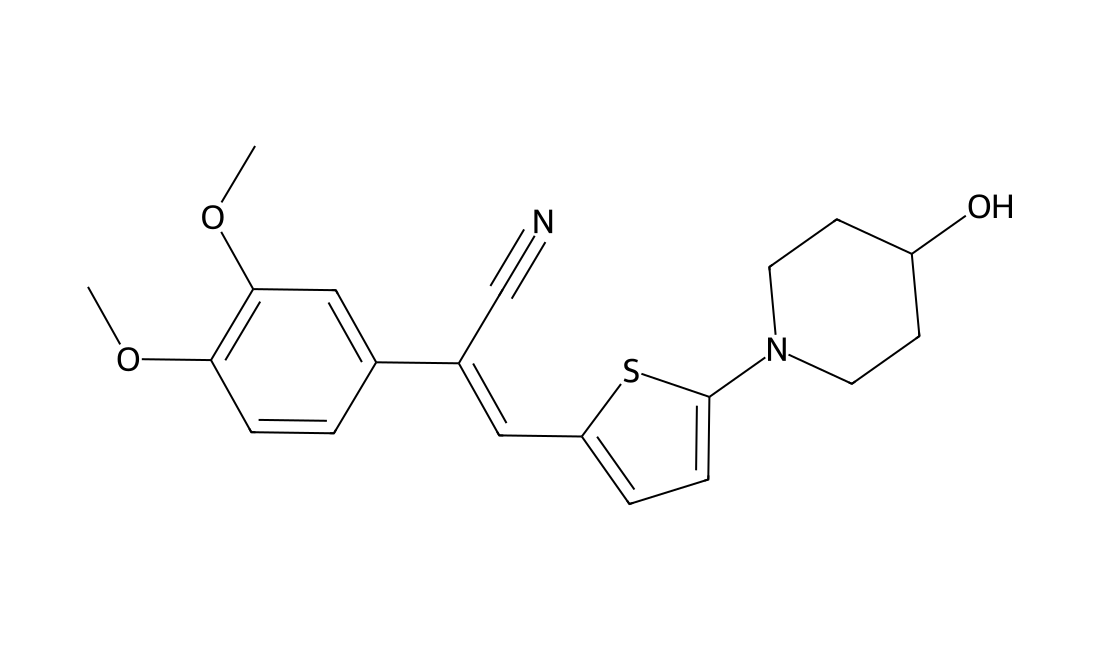
ICA 110381 (Compound 16)
CAS 325457-99-6
ICA 110381 (Compound 16) is a KCNQ2/Q3 potassium channel opener for the treatment of epilepsy. ICA 110381 is a KCNQ2/Q3 agonist (EC50=0.38 μM) as well as KCNQ1 antagonist (IC50=15 μM).
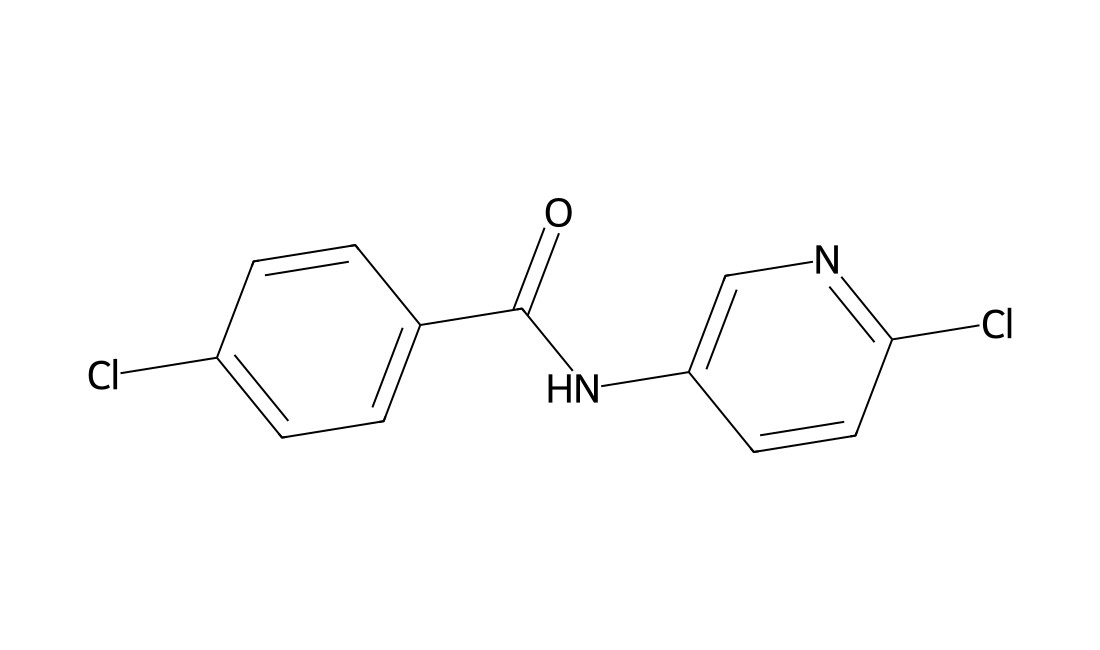
A 438079
CAS 899507-36-9
A 438079 is a potent, and selective P2X7 receptor antagonist with pIC50 of 6.9.
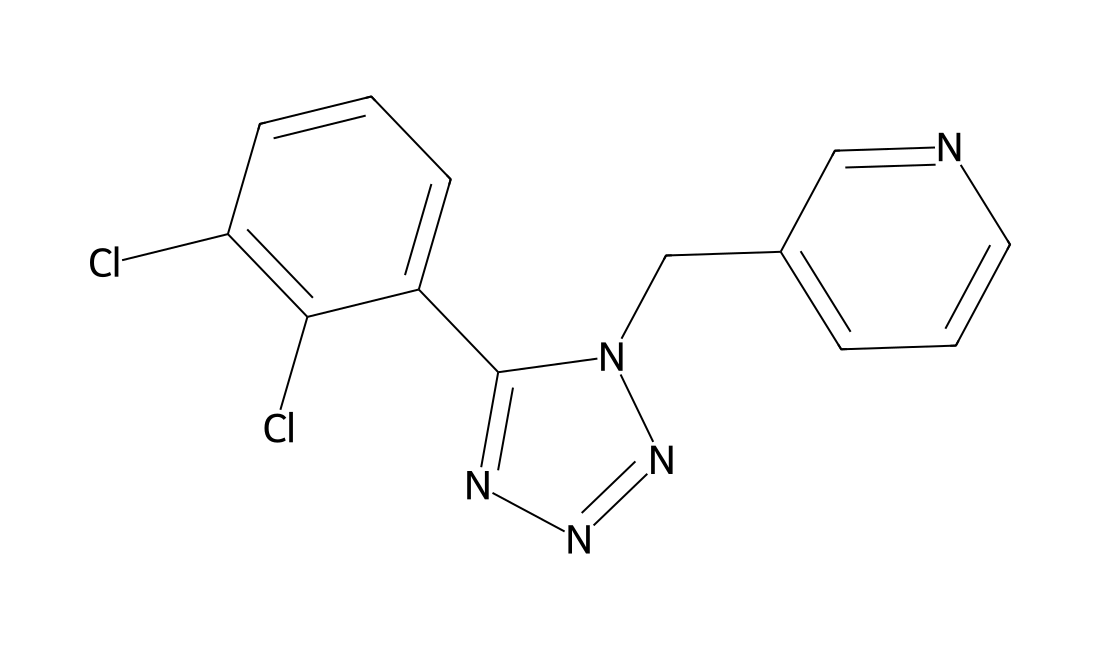
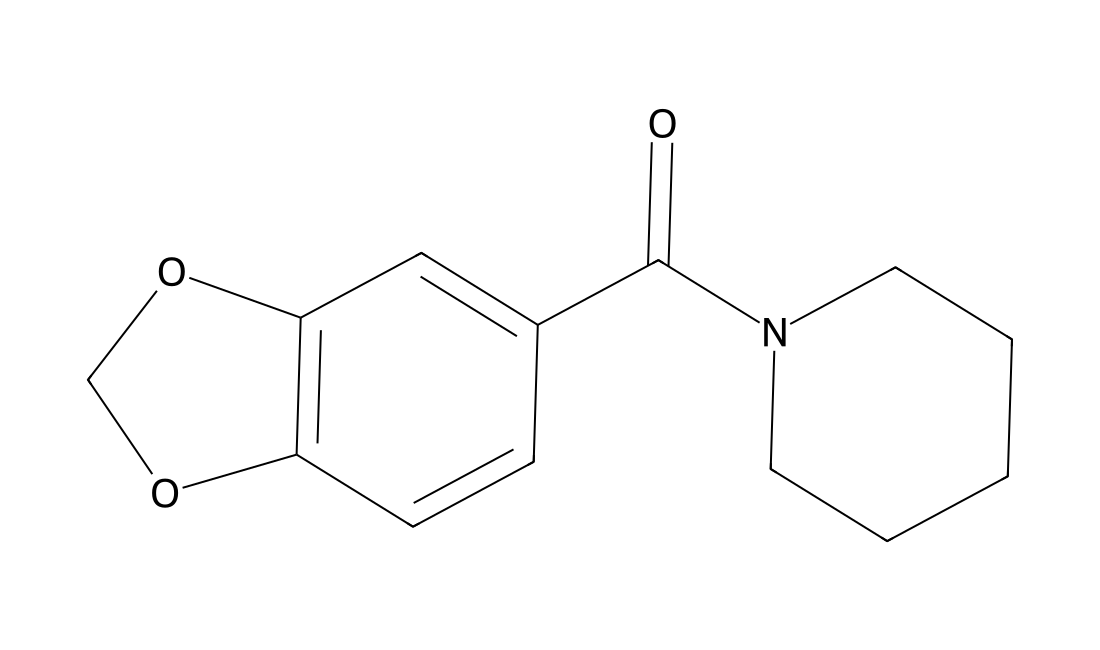
1-BCP
CAS 34023-62-6
1-BCP is a centrally active drug that modulates AMPA receptor gated currents. 1-BCP is a memory-enhancing agent.
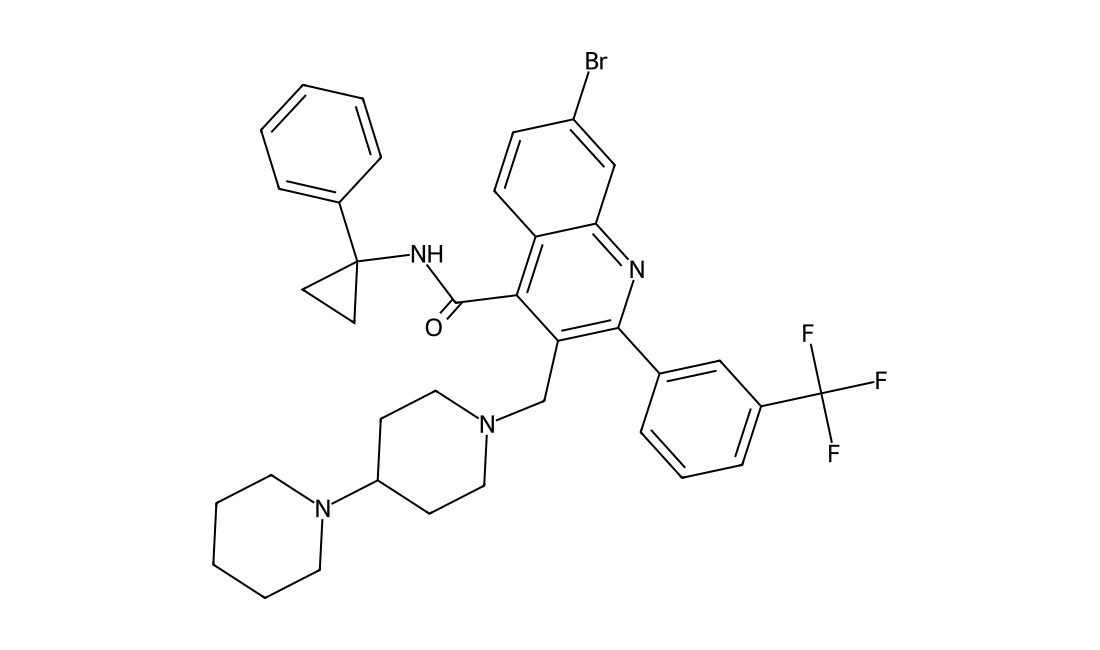
GSK2193874
CAS 1336960-13-4
GSK2193874 is an orally active, potent, and selective TRPV4 antagonist with IC50 of 2 nM and 40 nM for rTRPV4 and hTRPV4.
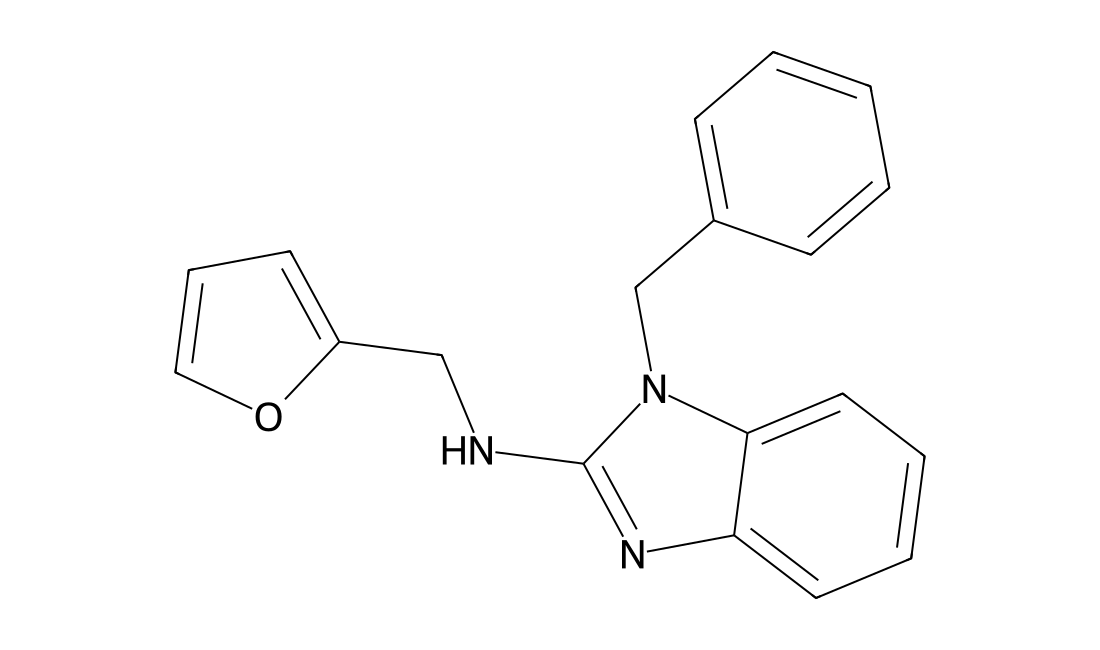
AC1903
CAS 831234-13-0
AC1903 is a specific and selective inhibitor of TRPC5 and has podocyte-protective properties. AC1903 does no effects on TRPC4 or TRPC6 currents and shows no off-target effects in kinase profiling assays. AC1903 suppresses severe proteinuria and prevents podocyte loss in focal segmental glomerulosclerosis (FSGS) rat model.
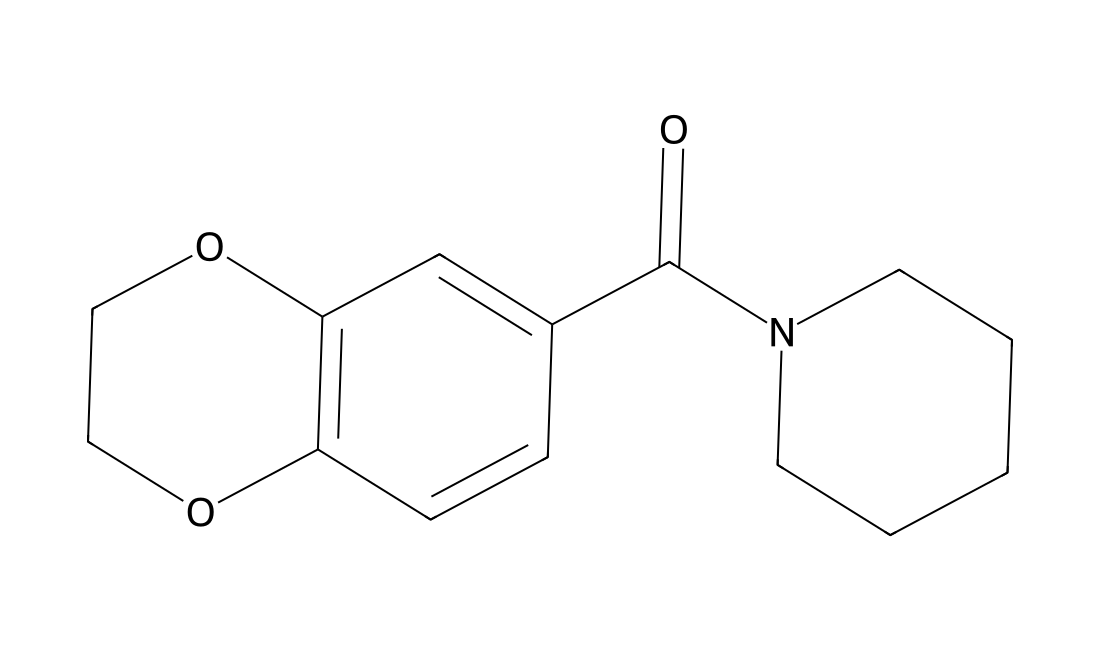
CX-546
CAS 215923-54-9
CX546 is an AMPA receptor potentiator and GluR activator, binds specifically to the agonist bound non-desensitized receptor.
AZD-7325
CAS 942437-37-8
AZD-7325 is a potent, α2/3 functionally selective, partial GABAA receptor modulator with pKi of 9.51.
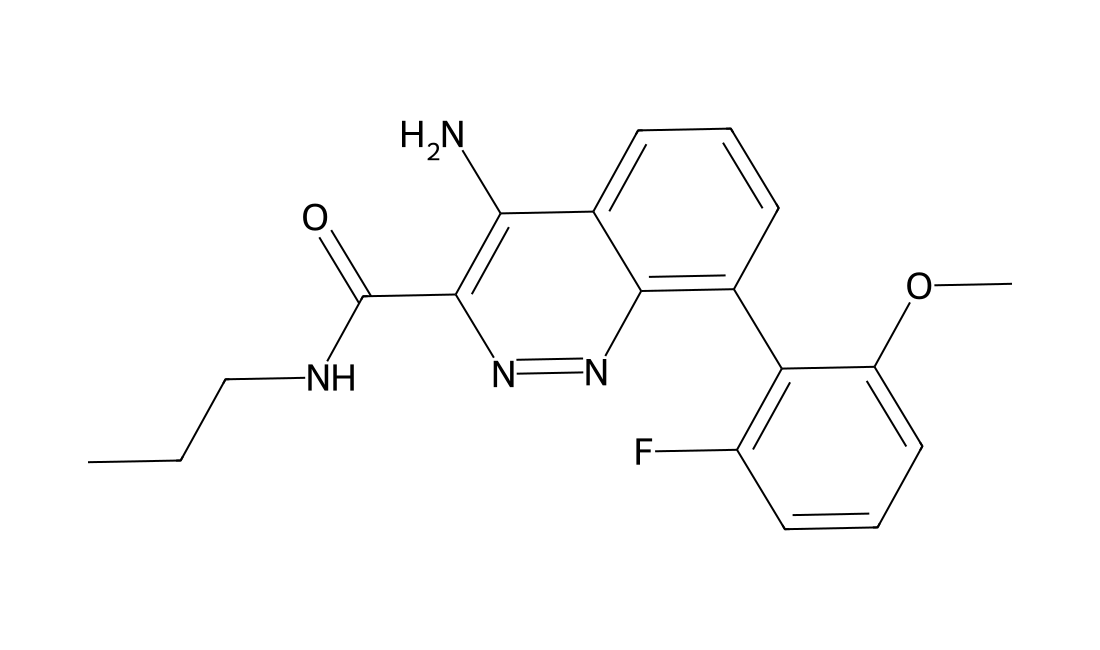
NS5806
CAS 426834-69-7
NS5806 is a potent potassium current activator, increases KV4.3/KChIP2 peak current amplitudes with an EC50 of 5.3 μM. NS5806 slows KV4.3 and KV4.2 current dacay in channel complexes containing KChIP21.
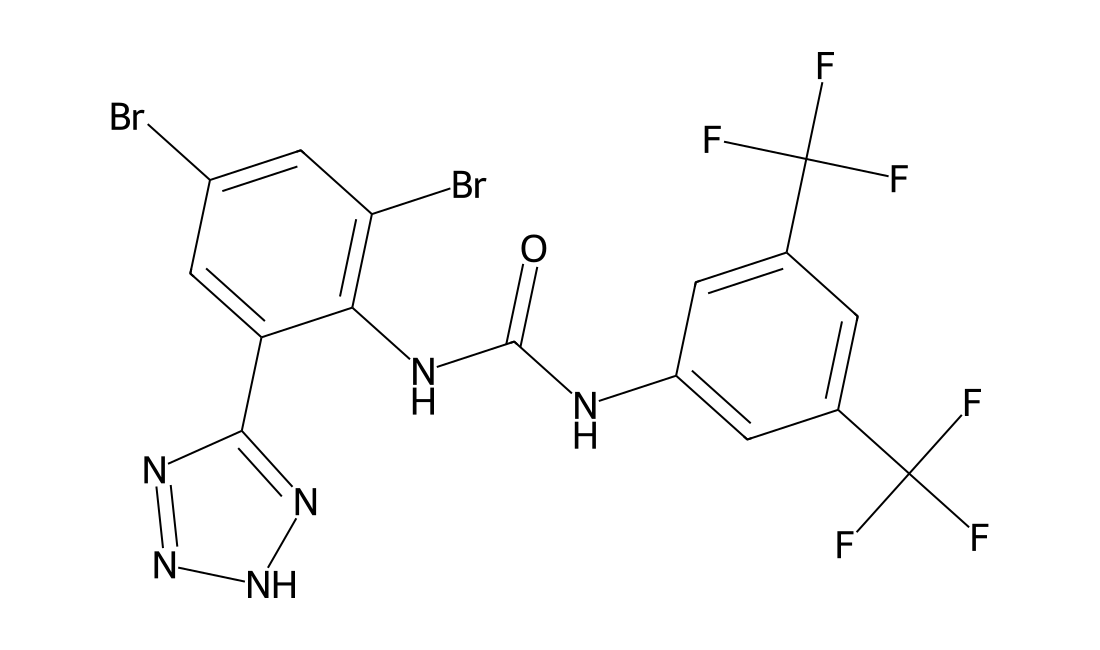
ICA-027243
CAS 325457-89-4
A novel potent, selective KCNQ2/Q3 (Kv7.2/Kv7.3) potassium channel opener/activator with EC50 of 0.38 uM..
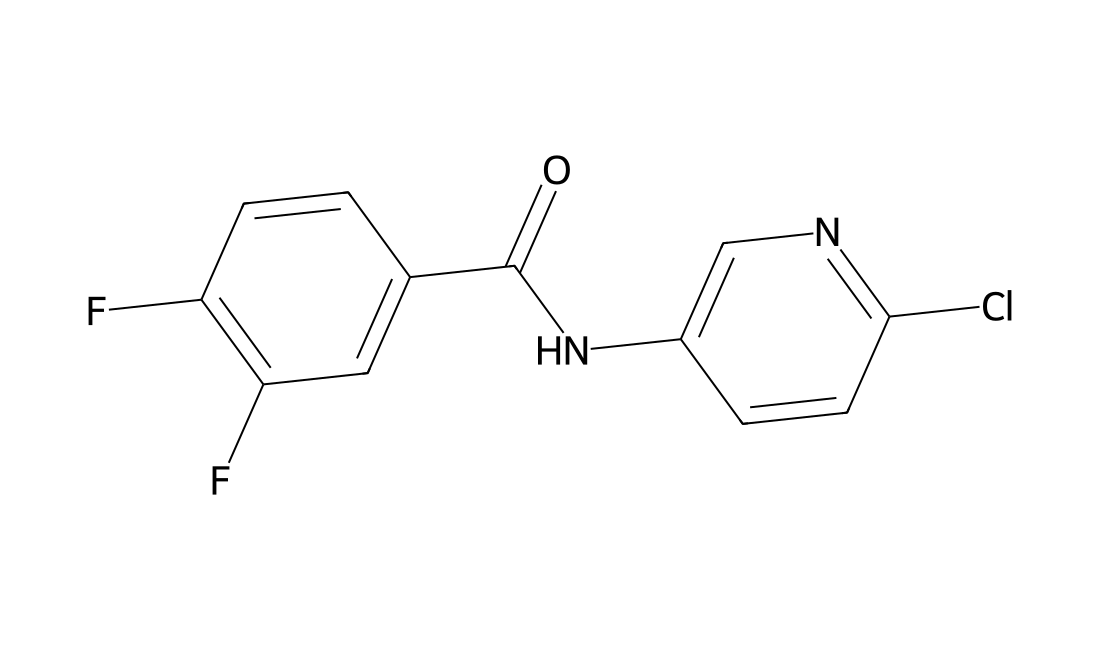
AER-271
CAS 634913-39-6
AER-271 (AER271) is a selective, small molecule inhibitor of aquaporin-4 (AQP4), the prodrug of AER-270 with enhanced solubility.
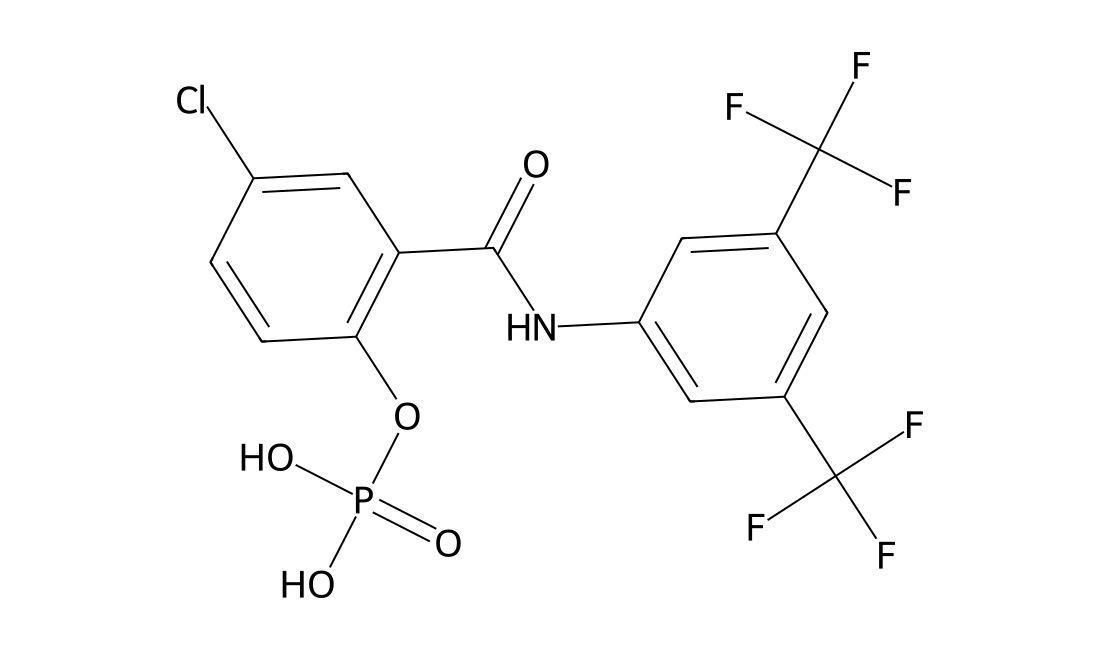
CDN1163
CAS 892711-75-0
CDN1163 (CDN-1163) is a small molecule, allosteric activator of SERCA2, dose-dependently increases the Vmax of SERCA2 Ca2+-ATPase activity in ER microsomes; increases Ca2+-ATPase activity and significantly enhances Ca2+ uptake into the ER, attenuates H2O2-stimulated cell death in HEK cells; improves glucose homeostasis and metabolic parameters, increases glucose tolerance in ob/ob mice; CDN1163 reduces lipid accumulation and decreases lipogenesis in obese mice livers.
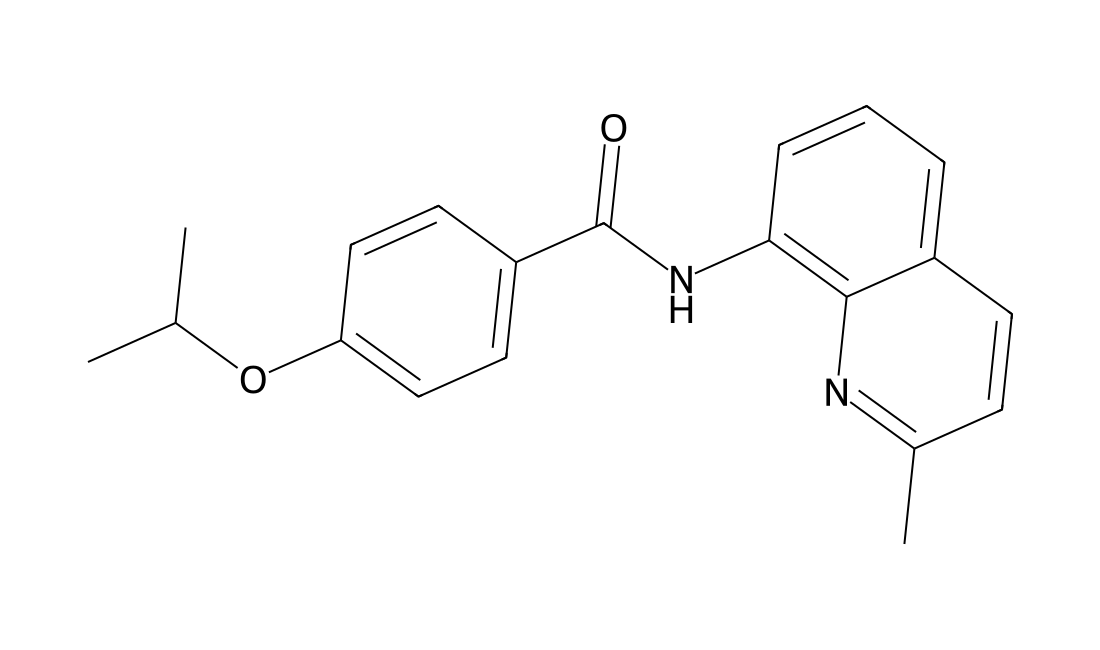
BMS-191011
CAS 202821-81-6
BMS 191011 is an activator of large-conductance calcium-activated potassium (BKCa) channels that increases maximum potassium current to 126% of control in X. laevis oocytes expressing human BKCa channels when used at a concentration of 1 μM.
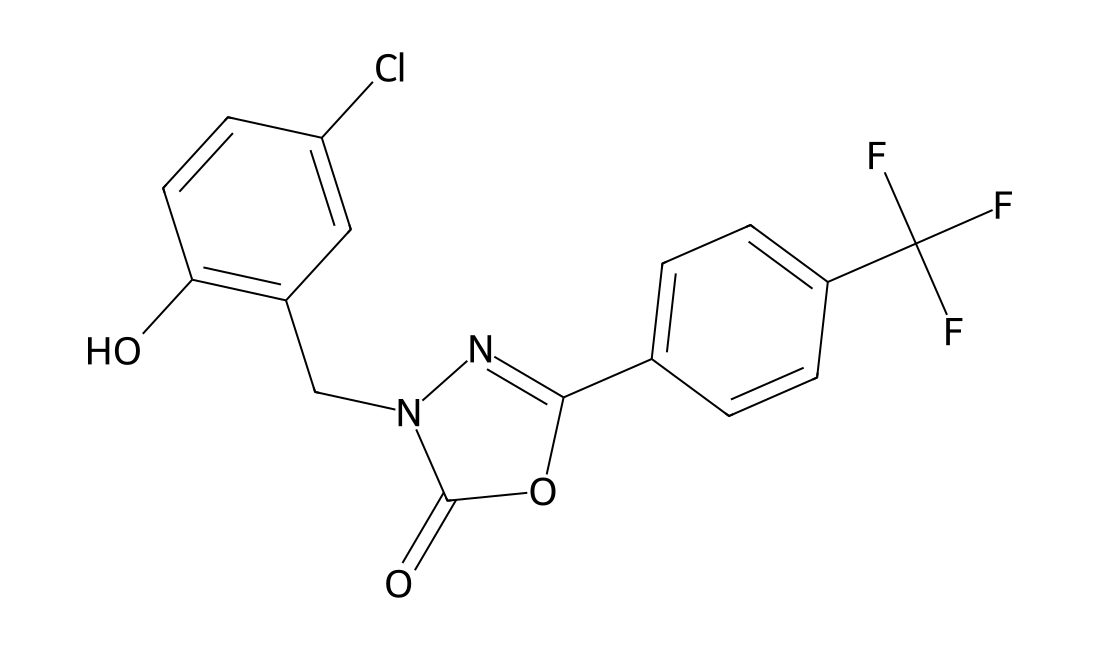
AZD0865(Linaprazan)
CAS 248919-64-4
AZD0865 is a potent agent that inhibits gastric H(+),K(+)-ATPase activity and acid formation in vitro, with a fast onset of effect.
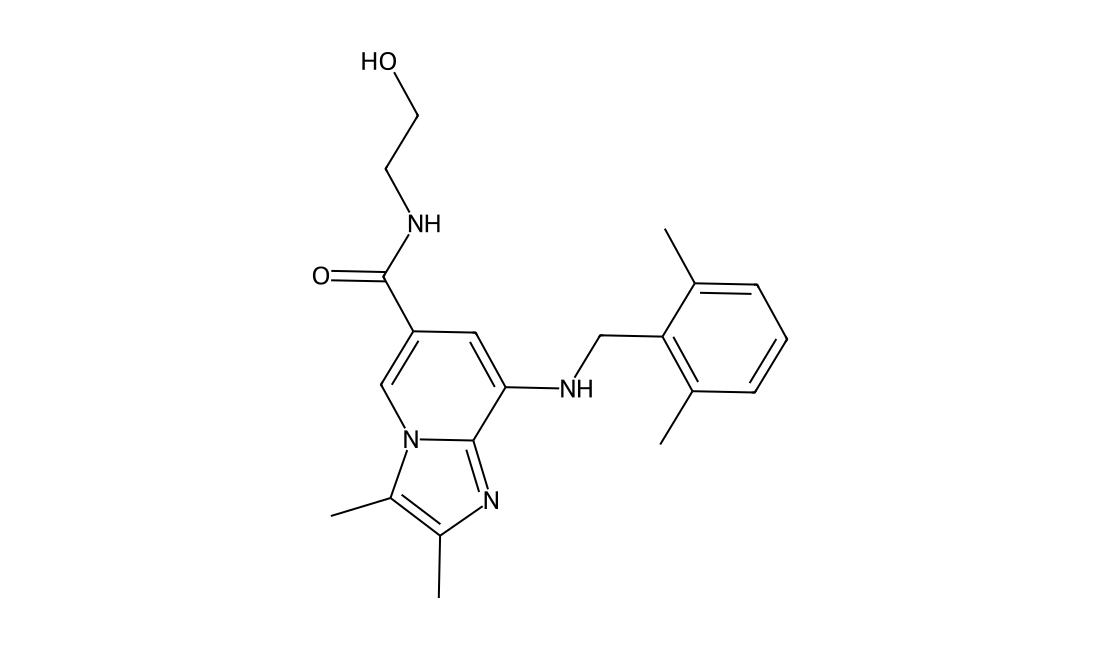
PF-05150122
CAS 1235406-03-7
PF-05150122 is a potent, state-dependent, subtype selective Nav1.7 inhibitor with IC50 of 21 nM, no significant activity against Nav1.5..
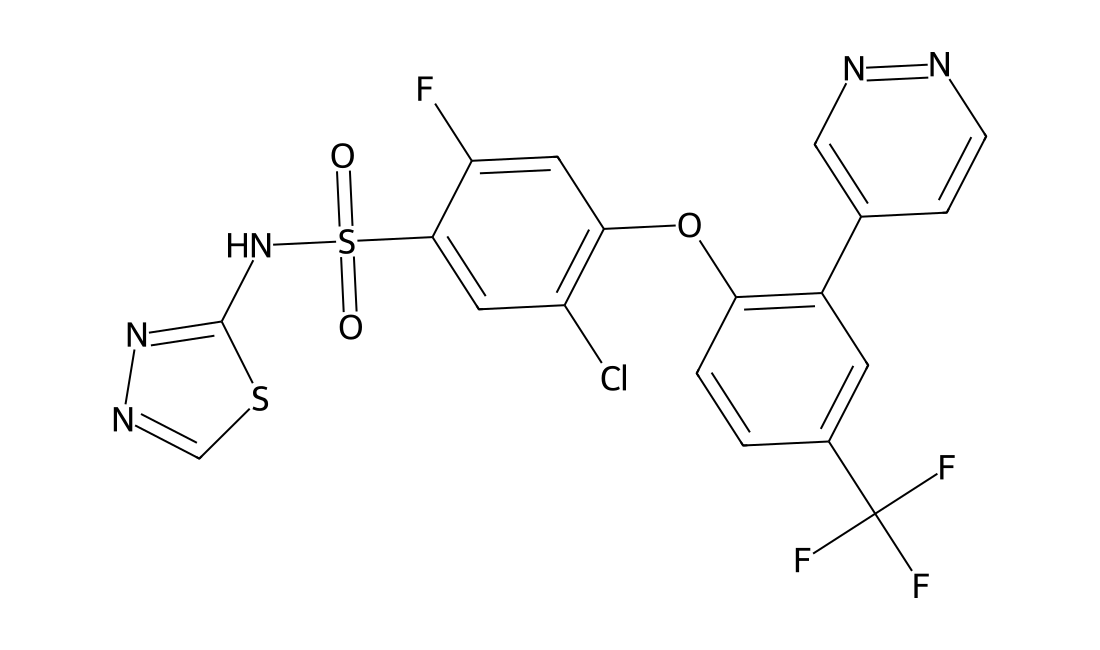
CB7921220
CAS 115453-99-1
CB7921220 is an inhibitor of Adenylyl Cyclase isoform-1 (AC1) and isoform-6 (AC6).
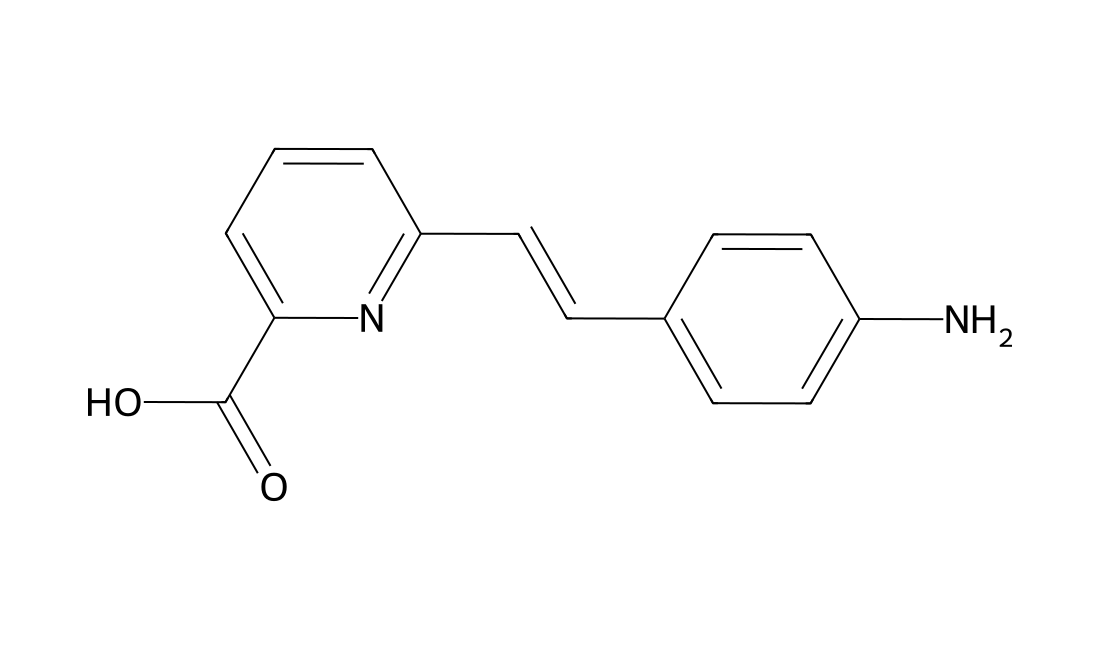
T16Ainh-A01
CAS 552309-42-9
T16Ainh-A01 is an inhibitor of the calcium-activated chloride channel TMEM16A, inhibits Ca2+-activated Cl− channel (CACC) activity in TMEM16A-transfected FRT cells with IC50 of 1 uM; T16Ainh-A01 (1-30 uM) inhibited single calcium (Ca2+)-activated chloride (Cl−) channels and whole cell currents activated by 500 nM free Ca2+; T16Ainh-A01 relaxed mouse thoracic aorta pre-contracted with methoxamine with an IC50 of 1.6 uM and suppressed the methoxamine concentration-effect curve; blocks calcium-activated chloride channels in vascular smooth muscle cells and relaxes murine and human blood vessels.
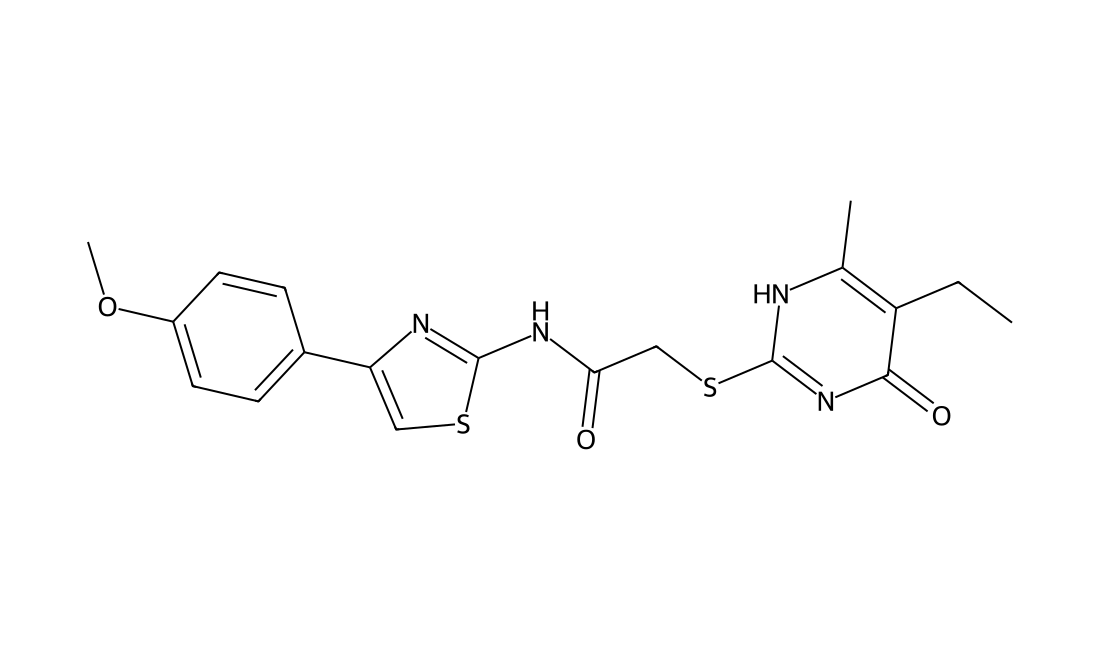
A2793
CAS 88349-90-0
A2793 is an efficient TWIK-related acid-sensitive K+ channel (TASK)-1 inhibitor, with an IC50 of 6.8 μM.
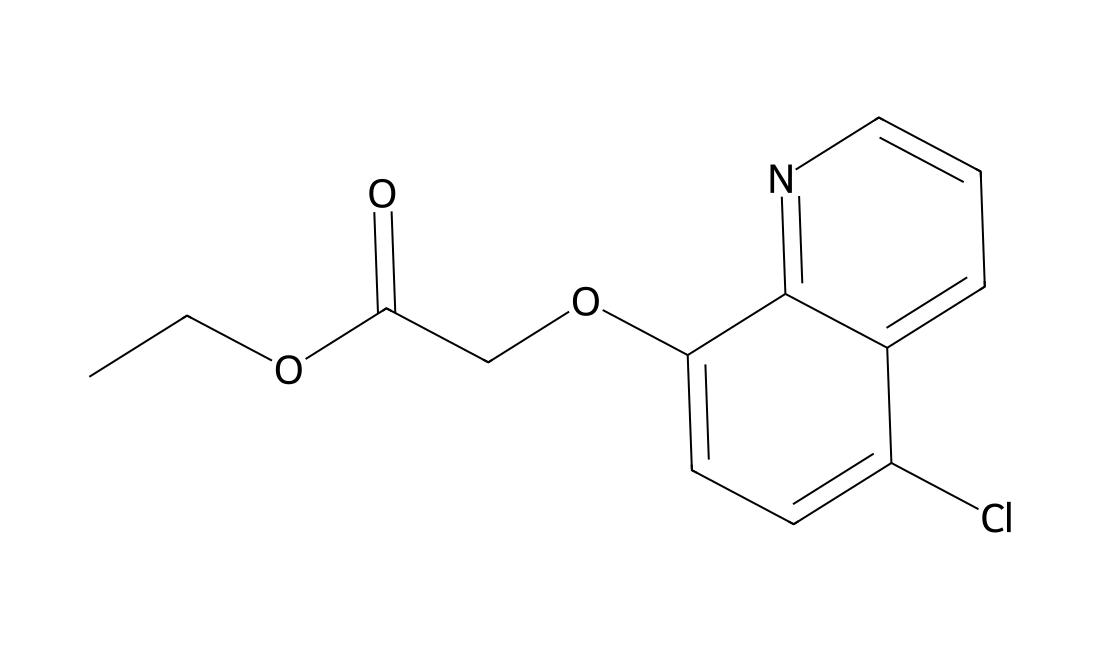
NS-3623
CAS 343630-41-1
A novel human RBC Cl-conductance blocker (IC50=210 nM) and HERG channel activitor (EC50=79.4 uM, HERG1 channel activation).
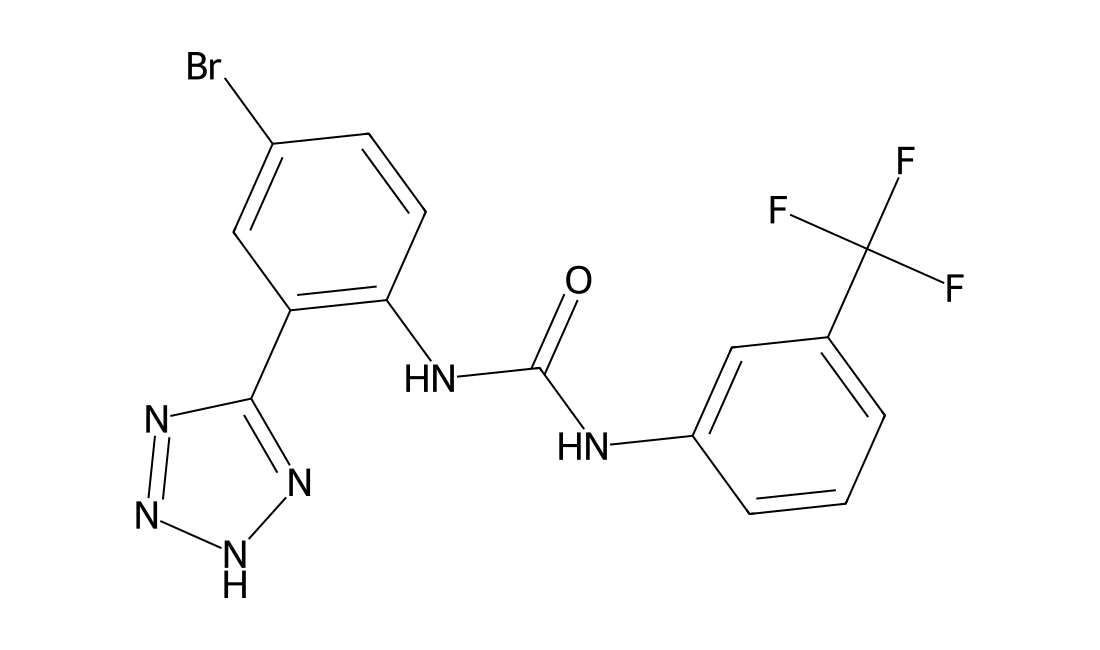
SR33805
CAS 121345-64-0
SR33805 is a potent Ca2+ channel antagonist, with EC50s of 4.1 nM and 33 nM in depolarized and polarized conditions, respectively. SR33805 blocks L-type but not T-type Ca2+ channels. SR33805 can be used for the research of acute or chronic failing hearts.
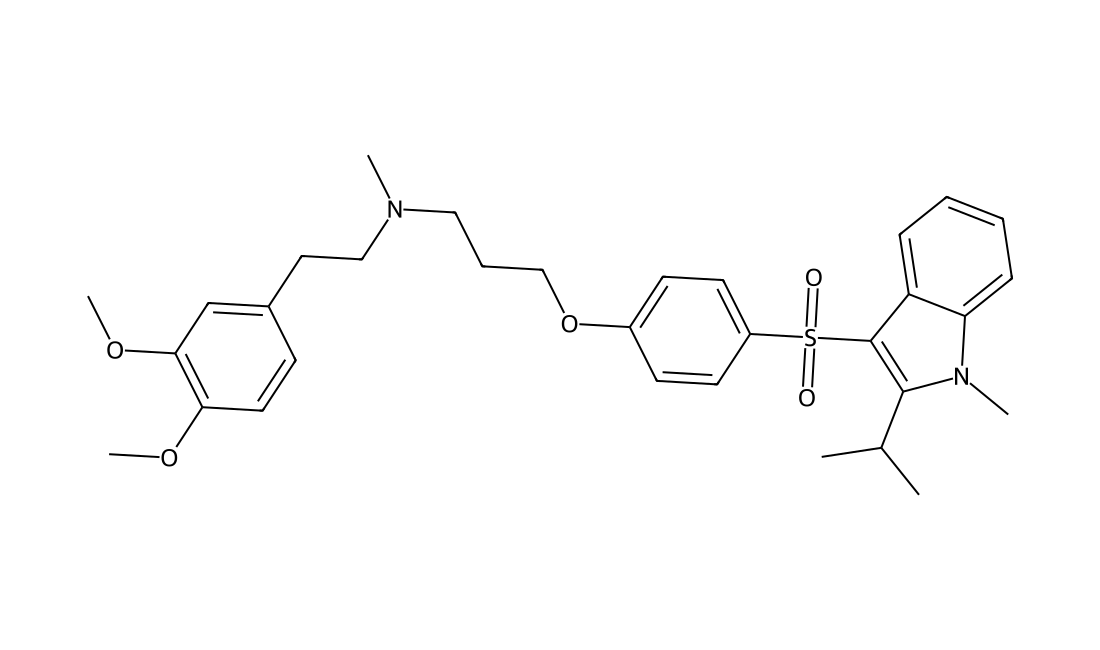
SEN 12333
CAS 874450-44-9
SEN-12333, also known as WAY-31753, is is a selective agonist of the alpha(7) nAChR (EC50 = 1.6 μM, Ki = 260 nM at rat α7 nAChRs). SEN-12333 displayed excellent in vitro and in vivo profiles, excellent brain penetration and oral bioavailability, and demonstrates in vivo efficacy in multiple behavioural cognition models.
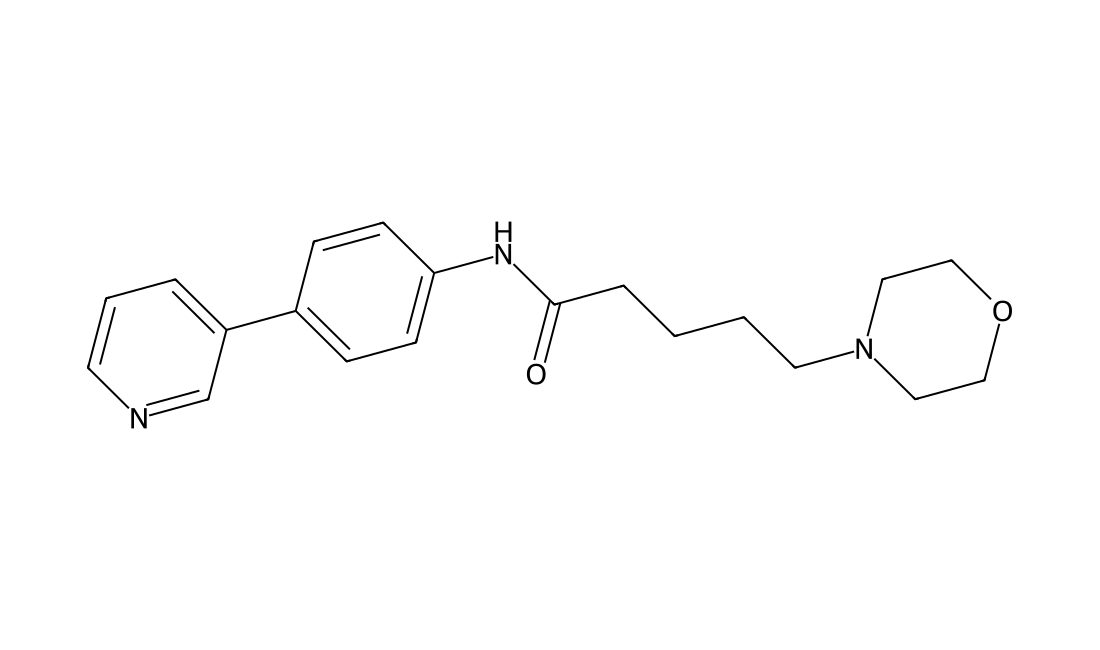
MCU-i4
CAS 371924-24-2
MCU-i4 is a negative modulator of the mitochondrial calcium uniporter (MCU) complex that directly binds a specific cleft in MICU1 and decreases mitochondrial Ca2+ influx.,MCU-i4 decreases mitochondrial Ca2+ influx. Docking simulations reveal that MCU-i4 directly binds a specific cleft in MICU1, a key element of the MCU complex that controls channel gating. Accordingly, in MICU1-silenced or deleted cells, the inhibitory effect of MCU-i4 is lost. Moreover, MCU-i4 fails to inhibit mitochondrial Ca2+ uptake in cells expressing a MICU1 mutated in the critical amino acids that forge the predicted binding cleft.1
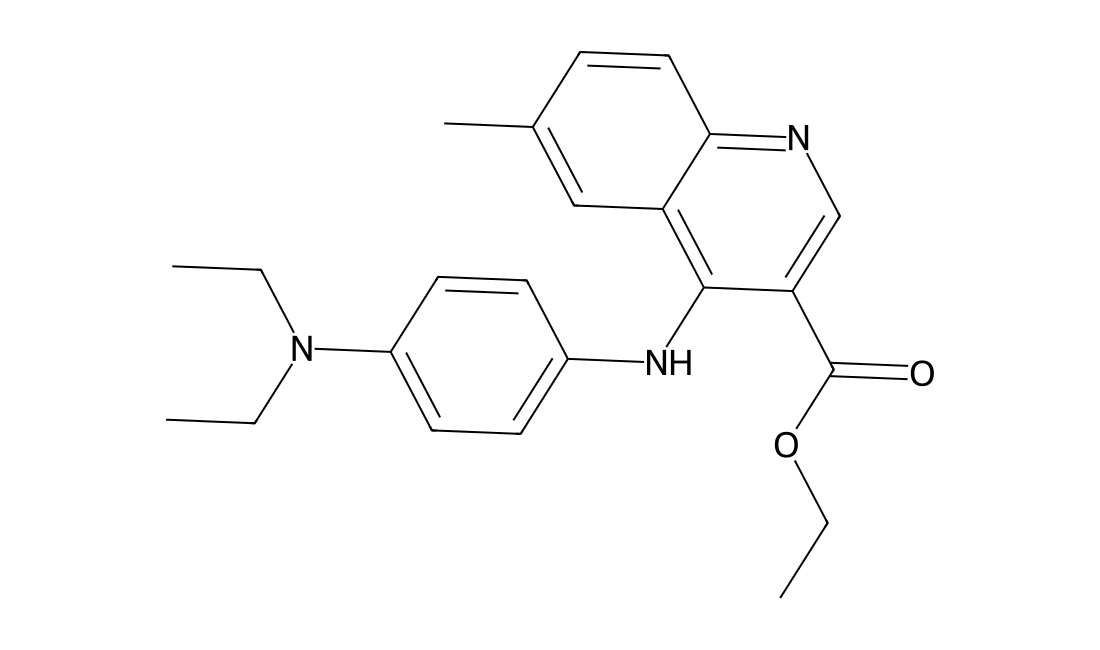
CaCC(inh)-A01
CAS 407587-33-1
CaCC(inh)-A01 is a non-selective inhibitor of calcium-activated chloride channels (CaCCs) that blocks ATP-stimulated chloride conductance in human salivary gland, intestinal, and bronchial epithelium (mean IC50 = 10 µM).
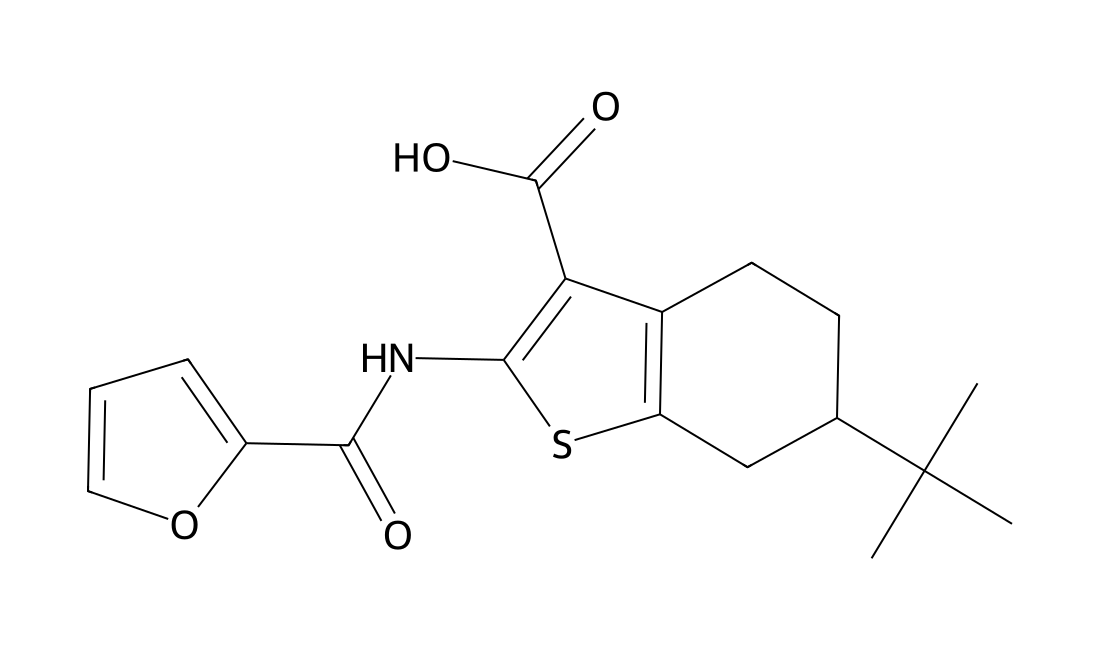
LE-135
CAS 155877-83-1
LE135 is a potent RAR antagonist that binds selectively to RARα (Ki of 1.4 μM) and RARβ (Ki of 220 nM), and has a higher affinity to RARβ. LE135 is highly selective over RARγ, RXRα, RXRβ and RXRγ. LE135 is also a potent TRPV1 and TRPA1 receptors activator with EC50s of 2.5 μM and 20 μM, respectively[1][2].
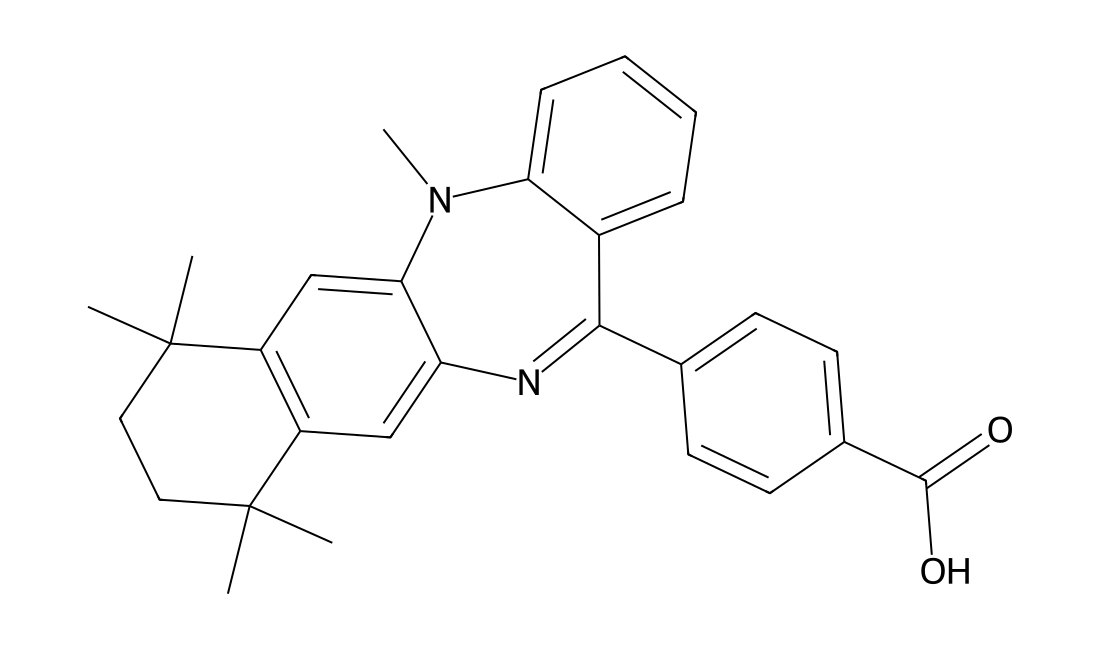
SKA-121
CAS 1820708-73-3
SKA-121 is a selective KCa3.1 activator. SKA-121 exhibits EC50s of 109 nM and 4.4 μM for KCa3.1 and KCa2.3, respectively.
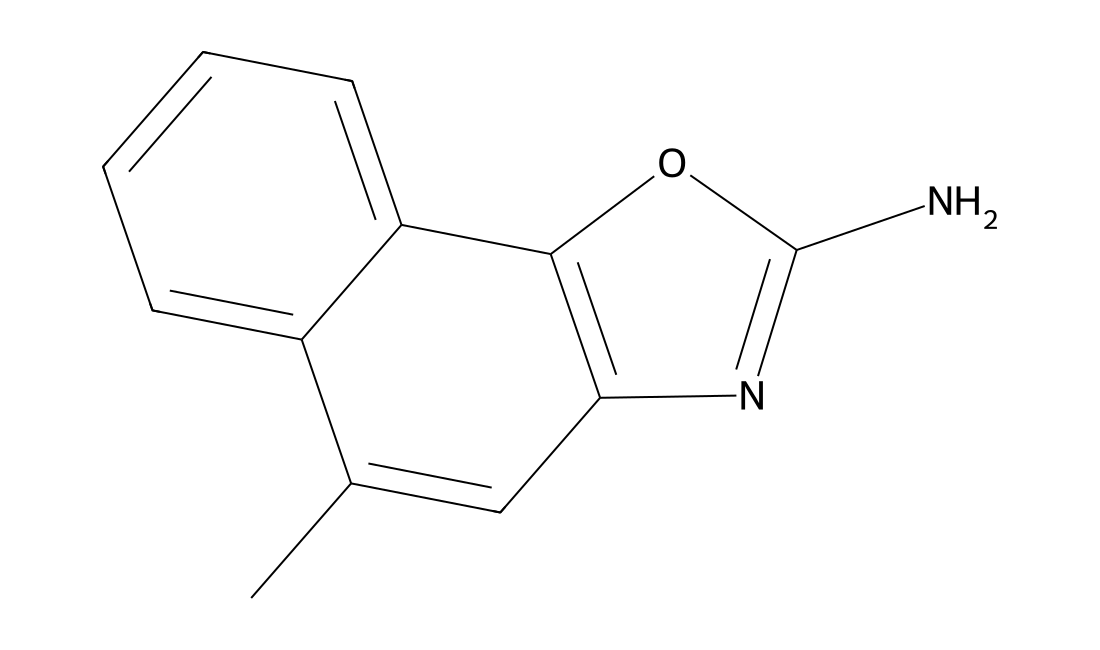
BL-1249
CAS 18200-13-0
BL-1249 is a nonsteroidal anti-inflammatory drug (NSAID) and a potassium channel activator. BL-1249 potently activates K2P2.1 (TREK-1) and K2P10.1 (TREK-2) with EC50 values of 5.5 μM and 8.0 μM, respectively. BL-1249 extracellular application activates all TREK subfamily members but has no effect on other K2P subfamilies. BL-1249 exhibits more selective for the bladder (EC50 of 1.26 μM) than vascular tissue (EC50 of 21.0 μM)[1][2].
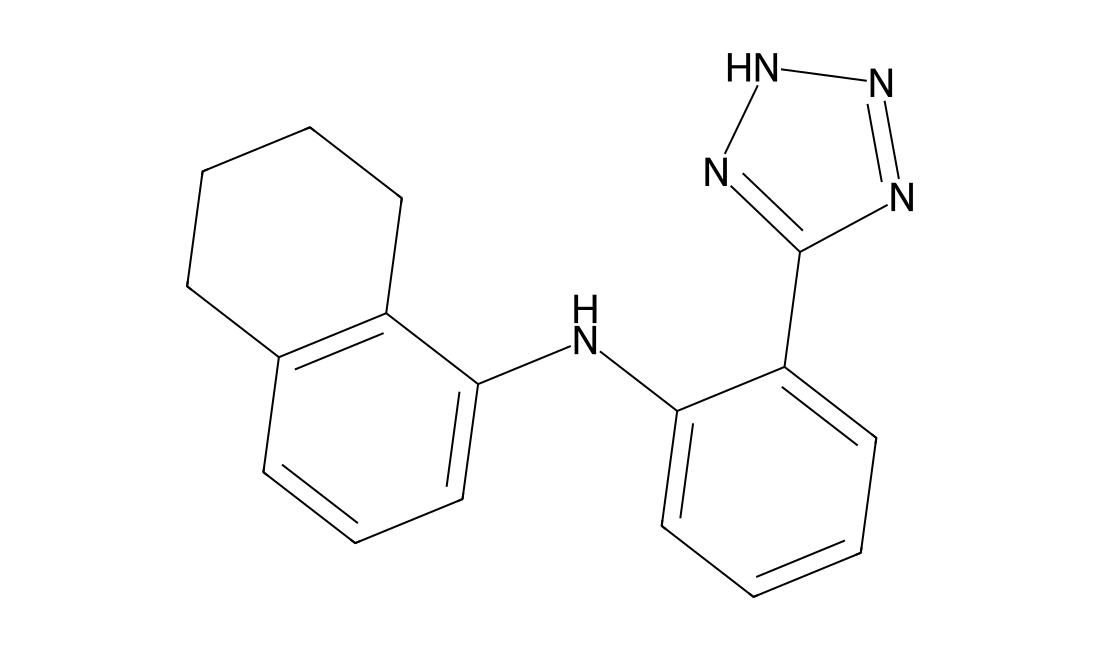
Cinnarizine
CAS 298-57-7
Cinnarizine is an antihistamine and a calcium channel blocker, promote cerebral blood flow, used to treat cerebral apoplexy, post-trauma cerebral symptoms, and cerebral arteriosclerosis.
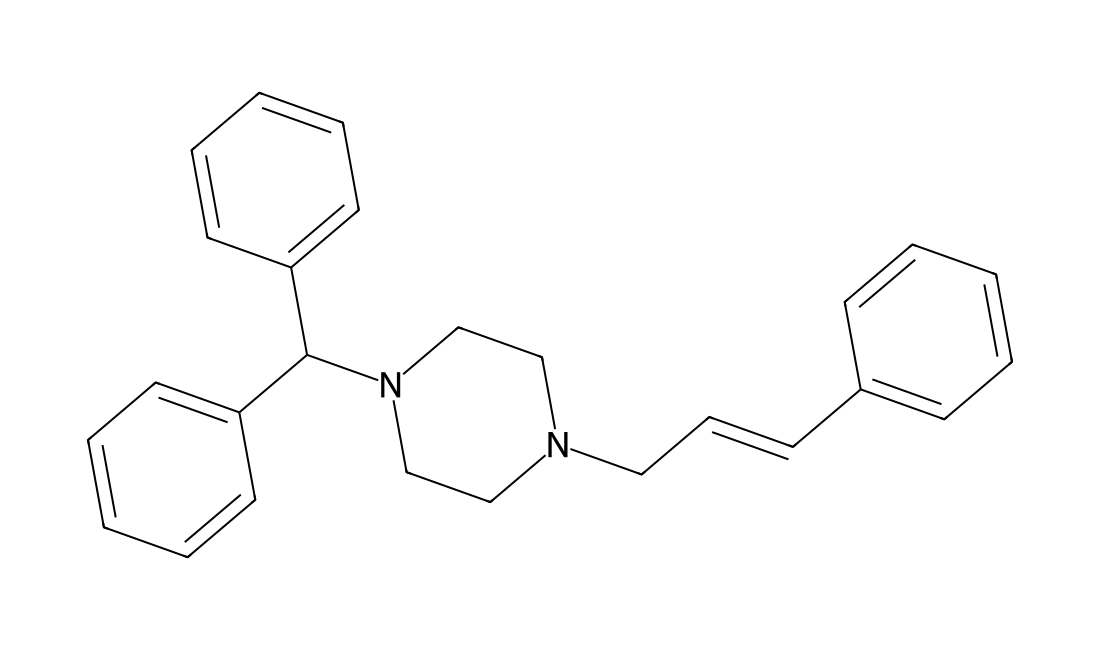
Psora-4
CAS 724709-68-6
Psora-4 is a potent and selective Kv1.3 potassium channel blocker with EC50 of 3 nM; shows 17- to 70-fold selectivity for Kv1.3 over closely related Kv1-family channels (Kv1.1, Kv1.2, Kv1.4, and Kv1.7) with the exception of Kv1.5 (EC50, 7.7 nM), and shows no effect on hERG, Kv3.1, the calcium-activated K+ channels (IKCa1, SK1-SK3, and BKCa), or the neuronal NaV1.2 channel; selectively suppresses the proliferation of human and rat myelin-specific effector memory T cells with EC50 of 25 and 60 nM, respectively, without persistently suppressing peripheral blood naive and central memory T cells.
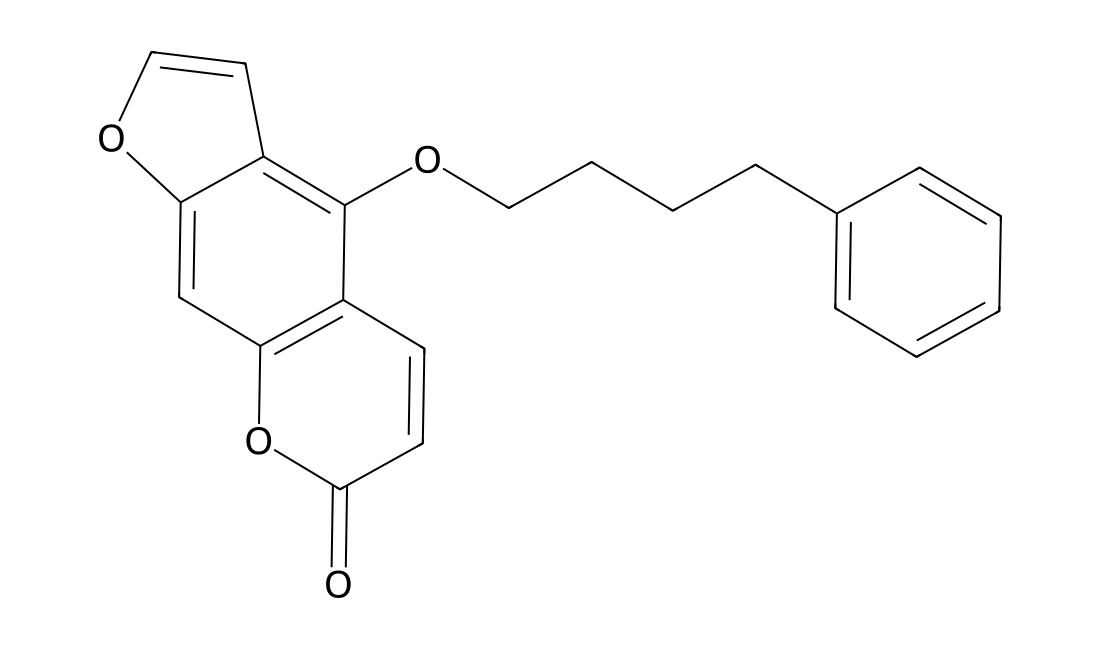
FPL64176
CAS 120934-96-5
FPL64176 is a potent L-type Ca++ channel activator with EC50 of 16 nM; prolongs action potential duration and enhances contractility in guinea pig papillary muscle, induces contractile response with EC50 of 0.2 uM; produces biexponential tail current decays at -50 mV with fast and slow time constants of 4.30 +/- 0.30 and 44.52 +/- 4.56 msec, respectively; produces large increases in cardiac contractile force and diastolic blood pressure in anesthetized dogs (100 mg/kg, i.v.).
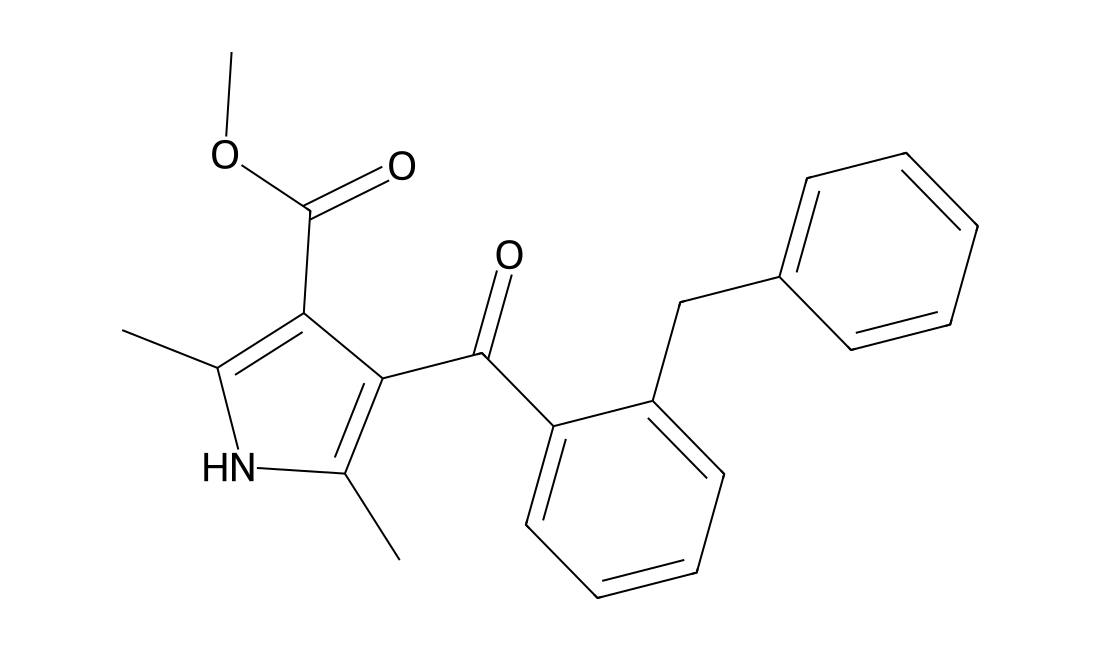
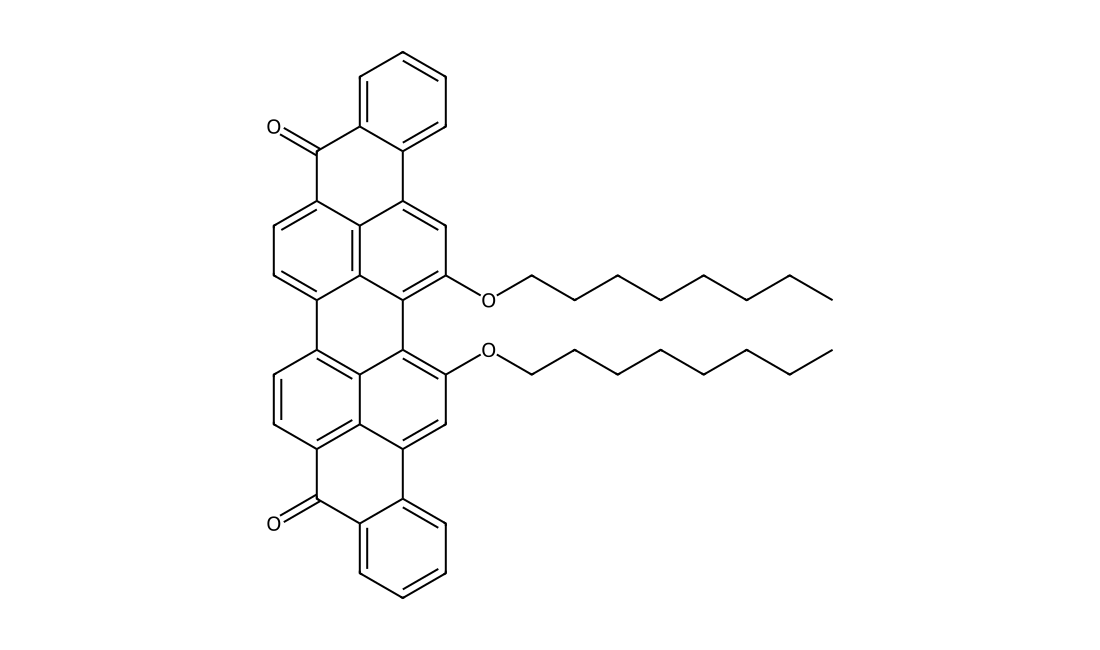
Flupirtine
CAS 56995-20-1
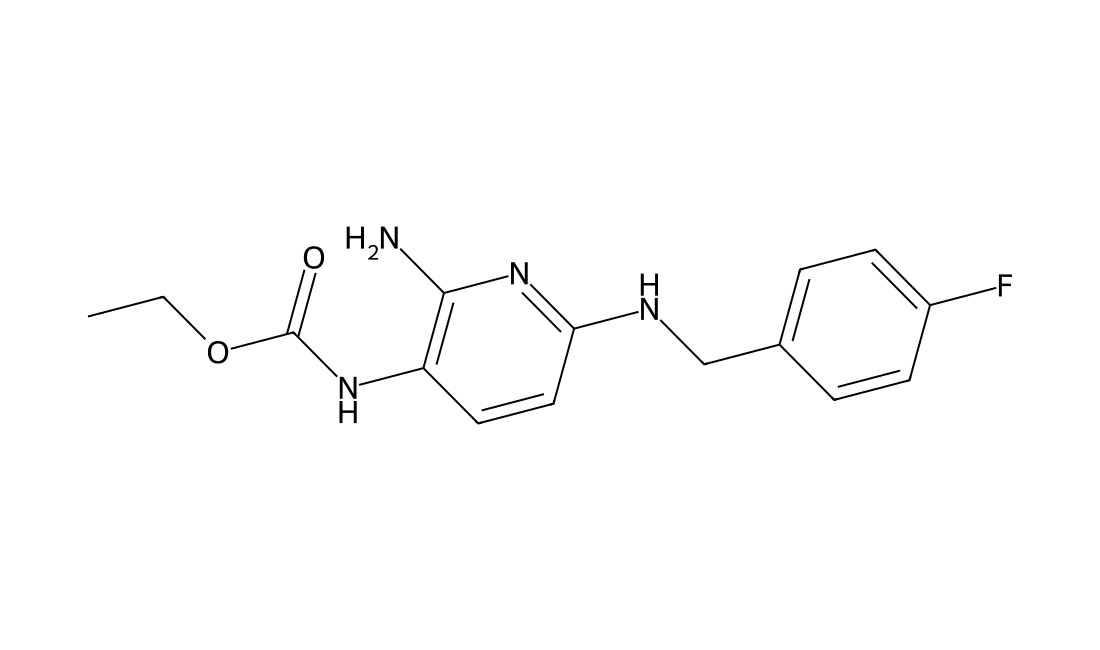
A selective neuronal potassium channel (KCNQ/KV7 channel) activator that also has indirect NMDA receptor antagonist and GABAA receptor modulatory properties; a centrally acting non-opioid analgesic used as an analgesic for acute and chronic pain.PainDiscontinued
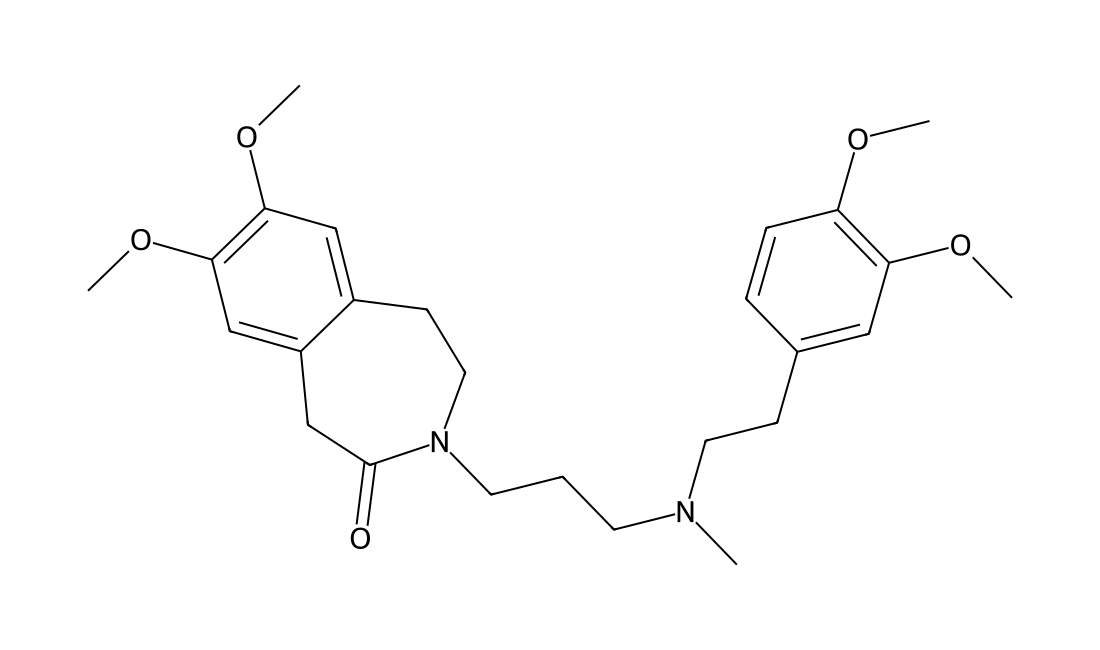
Zatebradine
CAS 85175-67-3
Zatebradine(UL-FS49) is a potent HCN channels antagonist, which decreased the heartbeat in a reversible manner; 92% inhibition of the hHCN1-mediated current at 10 uM. The pharmacological properties of hHCN1-mediated currents resembled those of native hyperpolarization-activated currents (I(h)), that is, blockade by Cs(+) (99% at 5 mm), ZD 7288 (98% at 100 microm) and zatebradine (92% at 10 microm). When voltage-clamp pulse trains were applied, cilobradine induced a use-dependent blockade of If that was stronger and faster than that with zatebradine. Recovery from blockade during prolonged hyperpolarization was significantly faster with zatebradine. The selective HCN blocker zatebradine reduced the activity of oriens-lacunosum moleculare interneurons in wild-type but not HCN2(-/-) mice and decreased the frequency of spontaneous inhibitory currents in postsynaptic CA1 pyramidal cells.
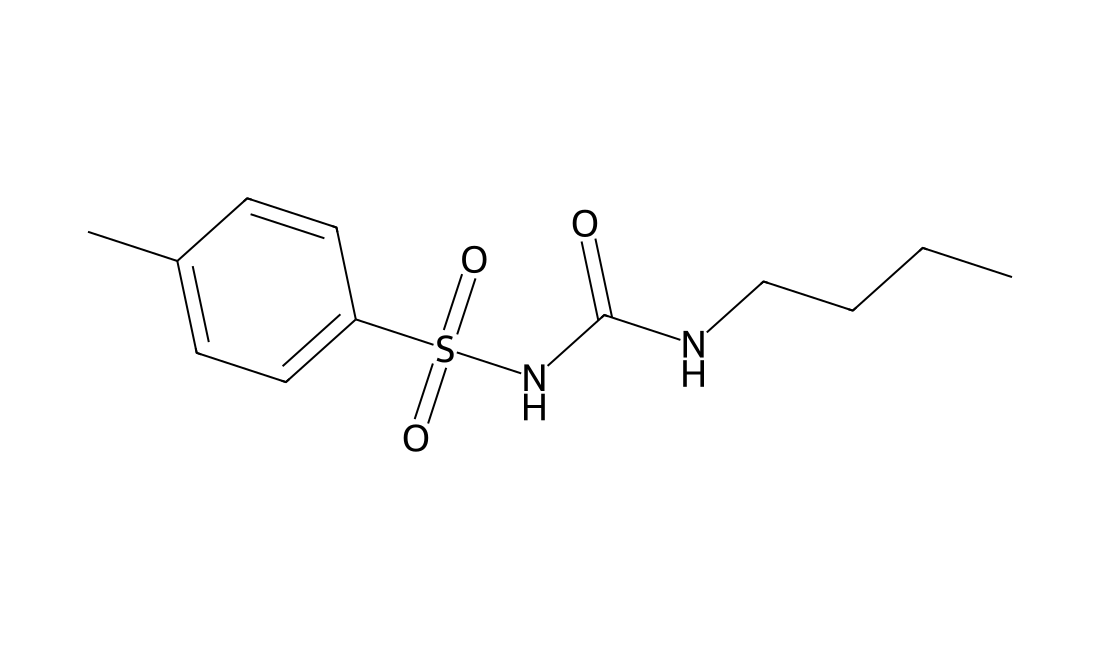
Tolbutamide
CAS 64-77-7
Tolbutamide is a first generation potassium channel blocker, sulfonylurea oral hypoglycemic drug.Tolbutamide is an oral antihyperglycemic agent used for the treatment of non-insulin-dependent diabetes mellitus (NIDDM). Tolbutamide act by stimulating β cells of the pancreas to release insulin. Sulfonylureas increase both basal insulin secretion and meal-stimulated insulin release. Tolbutamide belongs to a class of medications called sulfonylureas. Tolbutamide inhibits both the basal and the cyclic AMP-stimulated protein kinase activities and the IC50 of Tolbutamide is 4 mM. Similar Tolbutamide concentrations are required for half maximal inhibition of in vitro lipolysis induced by hormones (norepinephrine and ACTH) or by dibutyryl cyclic AMP plus theophylline. Tolbutamide also inhibits both soluble and membrane-bound protein kinase from canine heart. The Tolbutamide inhibition of adipose tissue cyclic AMP-dependent protein kinase is one possible explanation for the antilipolytic effects of this drug. Tolbutamide inhibits C6-glioma cell proliferation by increasing Cx43, which correlates with a reduction in pRb phosphorylation due to the up-regulation of the Cdk inhibitors p21 and p27.
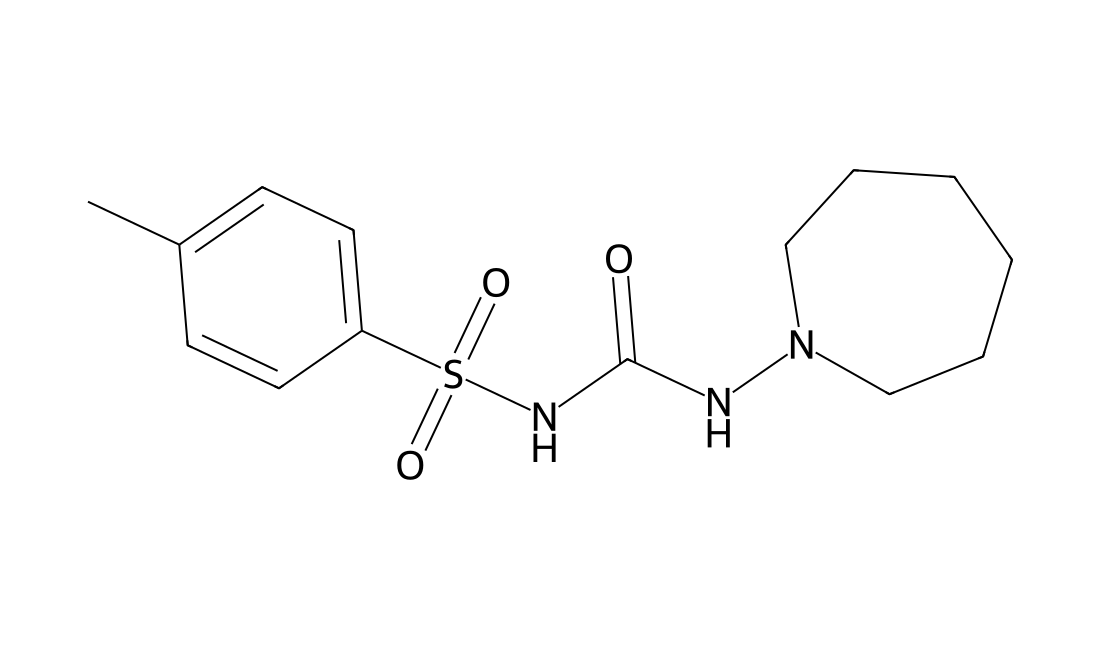
Tolazamide
CAS 1156-19-0
Tolazamide is a first generation sulfonylurea that inhibits sulfonylurea receptor 1 (SUR1) linked to the inwardly rectifying potassium channel (KIR6.2; IC50 = 4.2 µM in HEK293 cells transfected with the human receptor).It has no effect on glucose uptake in L6 rat skeletal muscle cells when used at a concentration of 0.6 mg/mL but enhances glucose uptake two-fold when used in combination with insulin.In vivo, tolazamide (128 mg/kg) reduces glomerulosclerosis and albumin excretion in a rat model of insulin-dependent diabetes induced by streptozotocin.Formulations containing tolazamide have been used in the treatment of type 2 diabetes.
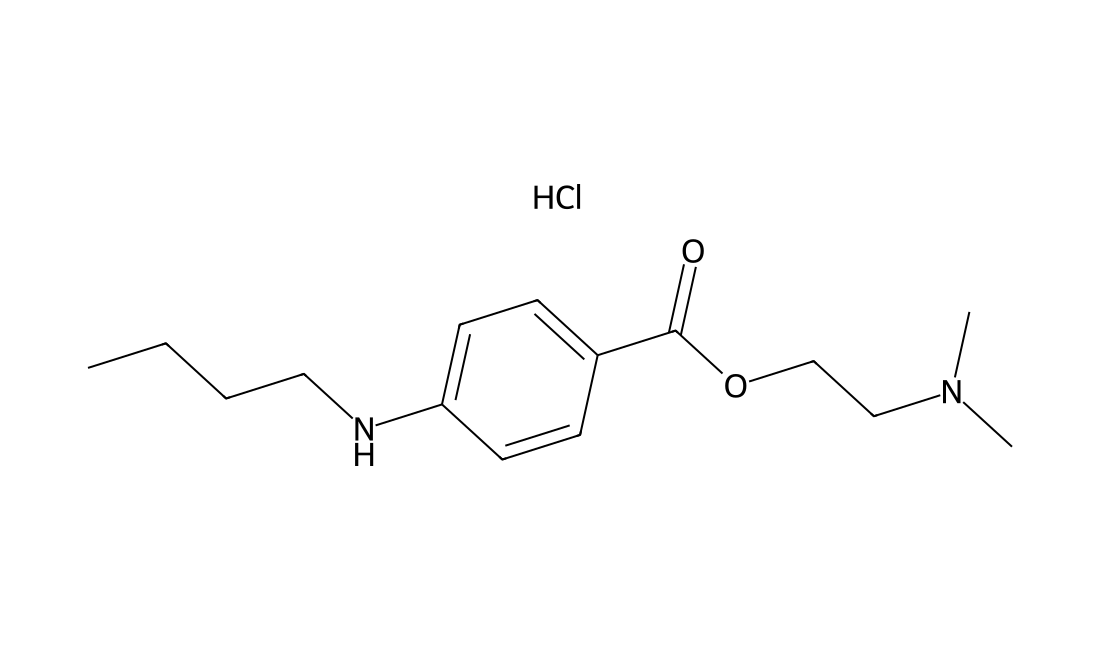
Tetracaine HCl
CAS 136-47-0
Tetracaine HCl is a potent local anaesthetic and a channel function allosteric inhibitor.Tetracaine hydrochloride is a calcium channel protein inhibitor and blocks voltage-sensitive release of Ca2+ from sarcoplasmic reticulum. Tetracaine is a potent local anesthetic of the ester group. It is mainly used topically in ophthalmology and as an antipruritic, and it has been used in spinal anesthesia. Tetracaine is used to alter the function of calcium release channels (ryanodine receptors) that control the release of calcium from intracellular stores. Tetracaine is an allosteric blocker of channel function. At low concentrations, tetracaine causes an initial inhibition of spontaneous calcium release events, while at high concentrations, tetracaine blocks release completely.
Procaine
CAS 59-46-1
Procaine is a benzoic acid derivative with local anesthetic and antiarrhythmic properties. Procaine binds to and inhibits voltage-gated sodium channels, thereby inhibiting the ionic flux required for the initiation and conduction of impulses.
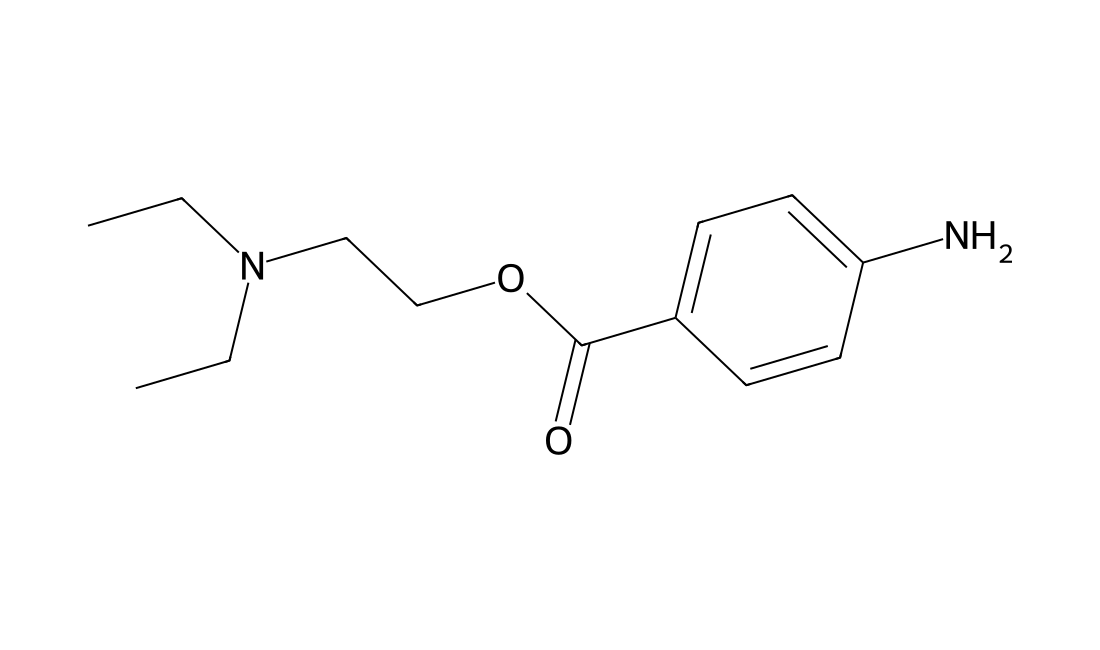
PF-05241328
CAS 1387633-03-5
PF-05241328 is a potent and selective inhibitor of human Nav1.7 voltage-dependent sodium channels (Nav1.7), with an IC50 of 31 nM.
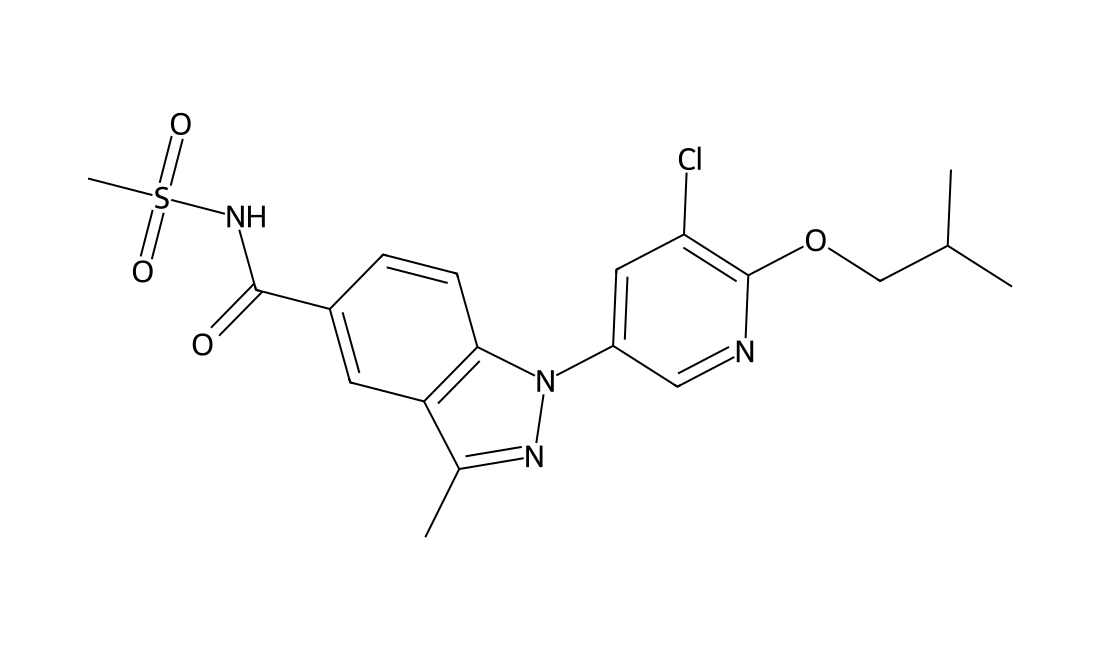
Oxcarbazepine
CAS 28721-07-5
Oxcarbazepine inhibits the binding of [3H]BTX to sodium channels with IC50 of 160 μM and also inhibits the influx of 22Na+ into rat brain synaptosomes with IC50 about 100 μM.Oxcarbazepine is an antiepileptic drug with a chemical structure similar to carbamazepine, but with different metabolism. Oxcarbazepine is rapidly reduced to 10,11-dihydro-10-hydroxy-carbazepine (monohydroxy derivative, MHD), the clinically relevant metabolite of oxcarbazepine. MHD has (S)-(+)- and the (R)-(-)-enantiomer . Oxcarbazepine (oxcarb) 600 and 900 mg (2360 and 3540 mumol) was taken by 3 volunteers (2 female, 1 male; 45-67 kg; age 22-34 years) after an overnight fast. Blood, saliva and urine were collected for the next 72 h for assay of oxcarb, 10,11-dihydro-10-hydroxy-carbamazepine (OHcarb), and 10,11-dihydro-trans-10,11-dihydroxy-carbamazepine (diol). Oxcarb reached a maximum level of about 1 microgram/ml (3.93 mumol/l) within 1 h and dropped below the detection limit (0.1 microgram/ml = 0.39 mumol/l) within 3 h. The active metabolite OHcarb appeared in the blood before oxcarb and reached the higher maximum level of 7.4 microgram/ml (29 mumol/l) after 7 h.
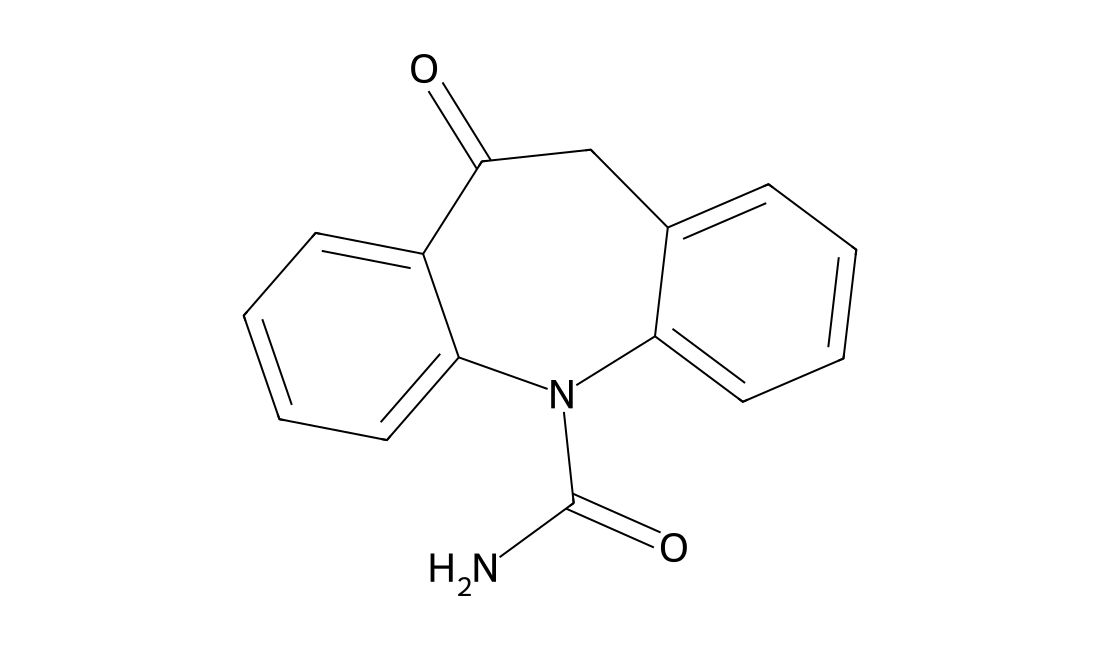
Nefiracetam
CAS 77191-36-7
For the detailed information of Nefiracetam, the solubility of Nefiracetam in water, the solubility of Nefiracetam in DMSO, the solubility of Nefiracetam in PBS buffer, the animal experiment(test) (test) of Nefiracetam, the cell expriment (test) of Nefiracetam, the in vivo, in vitro and clinical trial test of Nefiracetam, the EC50, IC50,and Affinity of Nefiracetam,, please contact DC Chemicals.
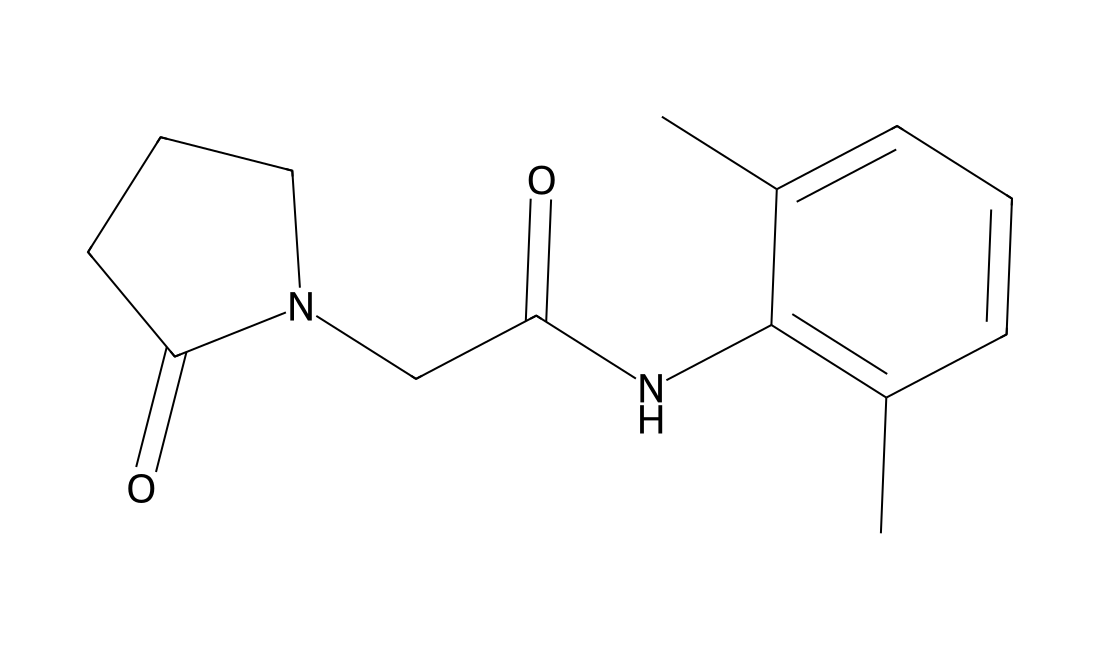
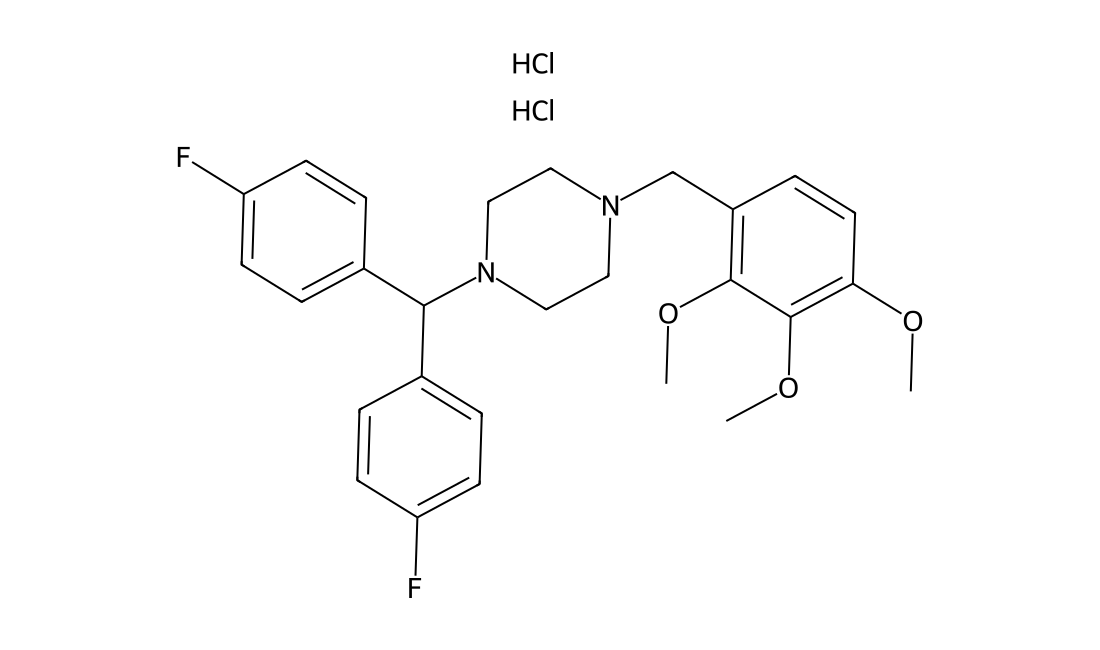
Lomerizine hydrochloride
CAS 101477-54-7
Lomerizine dihydrochloride is a relatively new L- and T-type calcium channel blocker used in the treatment of migraine.
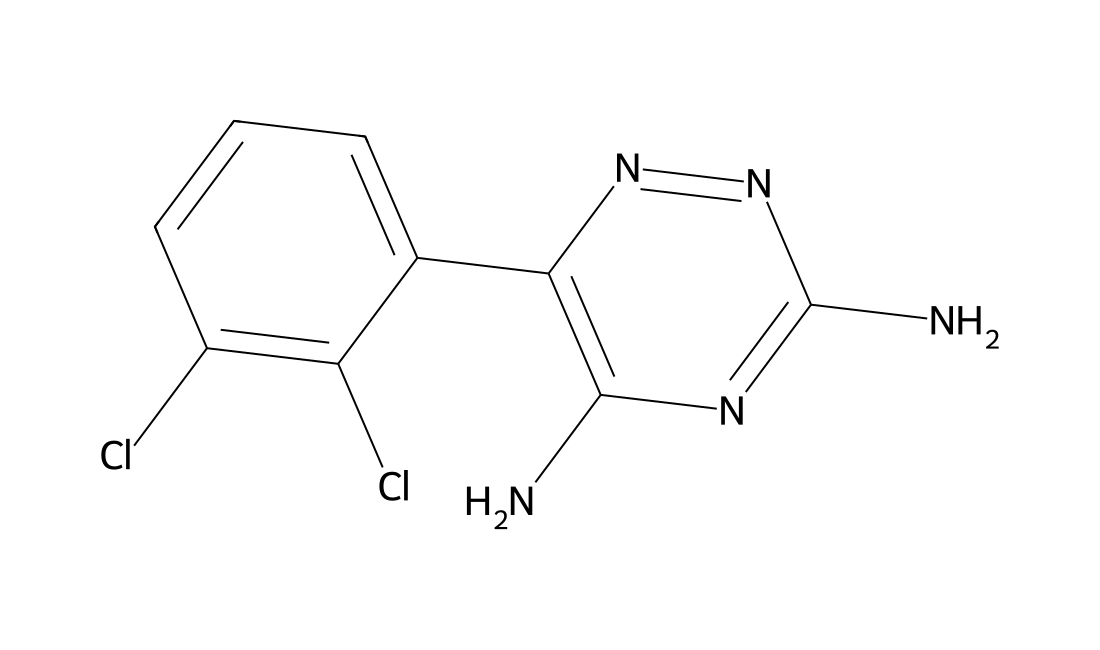
Lamotrigine
CAS 84057-84-1
Lamotrigine(BW430C) is a novel anticonvulsant drug for inhibition of 5-HT and sodium channel.Lamotrigine stabilises presynaptic neuronal membranes by blockade of voltage-dependent sodium channels, thus preventing the release of excitatory neurotransmitters, particularly glutamate and aspartate. In rat cerebral cortex tissue incubated with veratrine 10 mg/L, lamotrigine is twice as potent in inhibiting the release of glutamate and aspartate (ED 50 = 5.38 mg/L for each) than the release of GABA (ED50 = 11.2 mg/L), and is much less potent in inhibiting acetylcholine release (ED50 = 25.6 mg/L) when cortical slices is exposed to veratrine 75 mg/L. Basal glutamate release is unaffected. Lamotrigine inhibits high-frequency sustained repetitive firing of sodium-dependent action potentials, indicating a direct effect on voltage-activated sodium channels. Lamotrigine (Lamictal), a phenyltriazine derivative, is a well established anticonvulsant agent that has shown efficacy in the prevention of mood episodes in adult patients with bipolar I disorder. lamotrigine significantly delayed time to intervention for a depressive episode and showed limited efficacy in delaying time to intervention for a manic/hypomanic episode, compared with placebo. Lamotrigine is generally well tolerated.
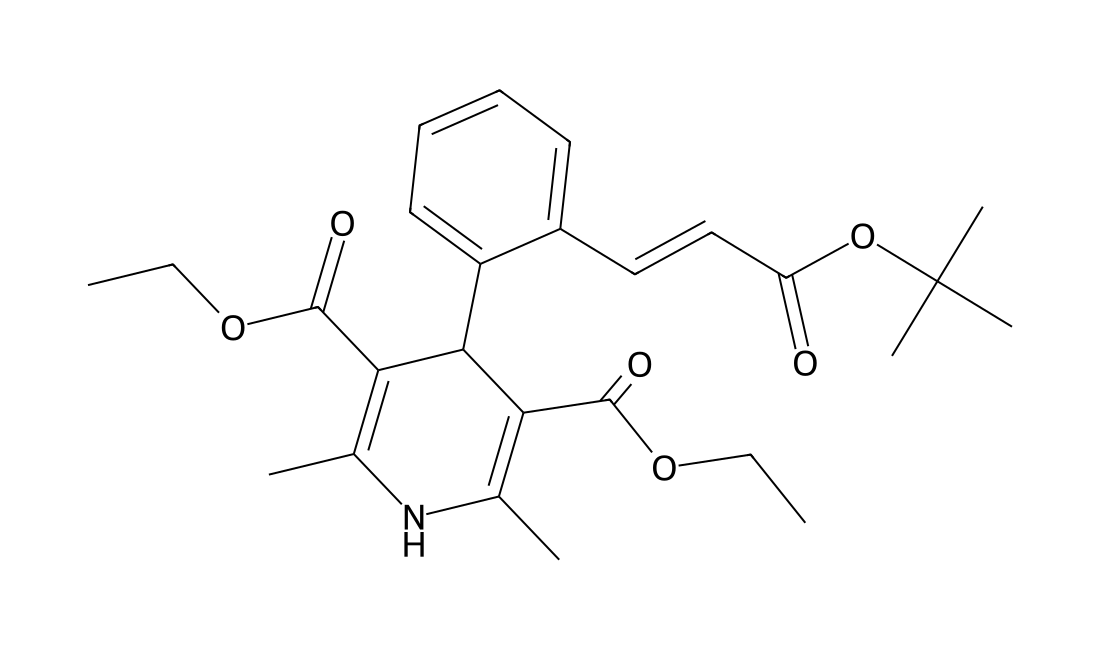
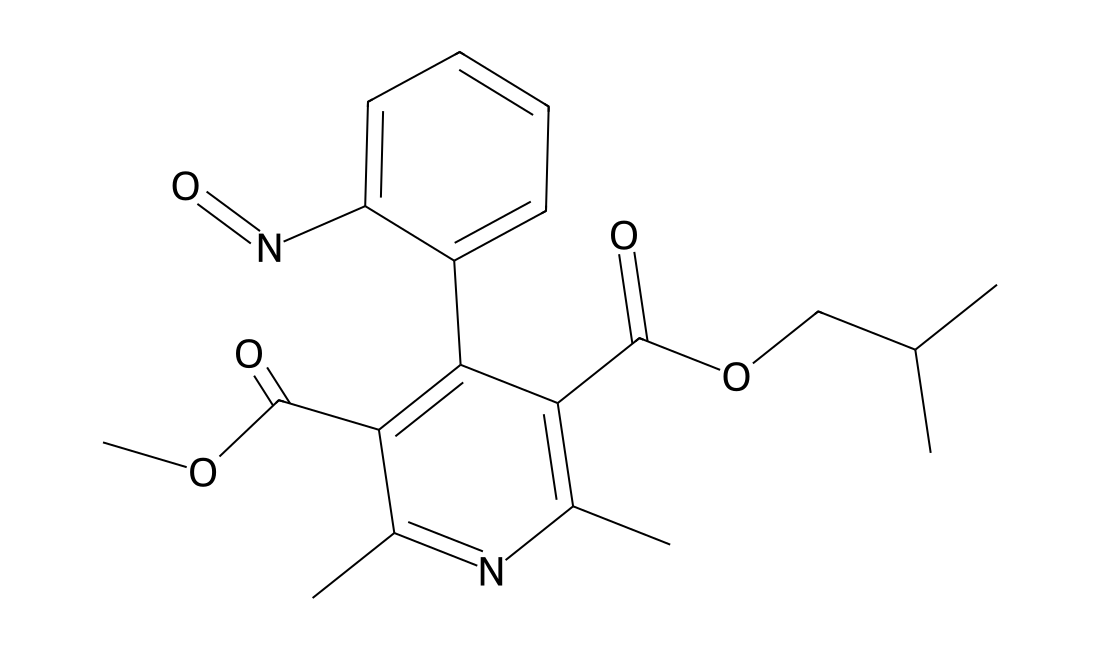
Lacidipine
CAS 103890-78-4
Lacidipine (Lacipil, Motens) is a L-type calcium channel blocker. Lacidipine, a novel third-generation dihydropyridine calcium channel blocker, has been demonstrated effective for hypertension. lacidipine protects HKCs against apoptosis induced by ATP depletion and recovery by regulating the caspase-3 pathway. In biological membranes deriving from rat brain tissue, lacidipine showed an activity comparable to reference antioxidant compounds like vitamin E. lacidipine has some important protective effects on liver of hypertensive irradiated albino rats.
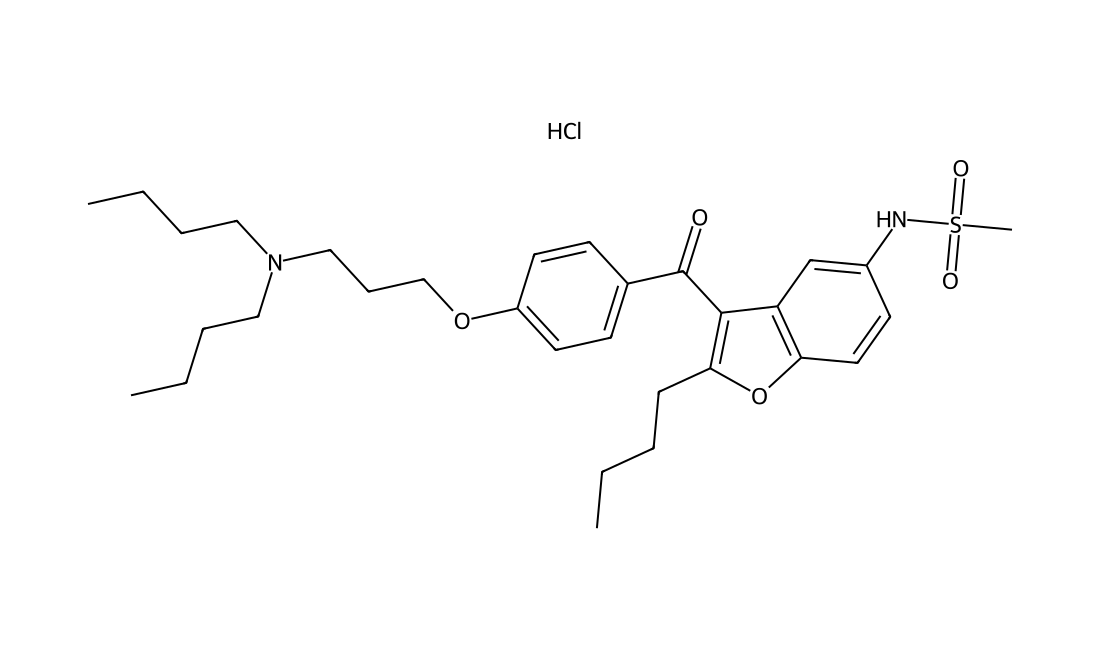
Dronedarone Hydrochloride
CAS 141625-93-6
For the detailed information of Dronedarone Hydrochloride, the solubility of Dronedarone Hydrochloride in water, the solubility of Dronedarone Hydrochloride in DMSO, the solubility of Dronedarone Hydrochloride in PBS buffer, the animal experiment(test) (test) of Dronedarone Hydrochloride, the cell expriment (test) of Dronedarone Hydrochloride, the in vivo, in vitro and clinical trial test of Dronedarone Hydrochloride, the EC50, IC50,and Affinity of Dronedarone Hydrochloride,, please contact DC Chemicals.
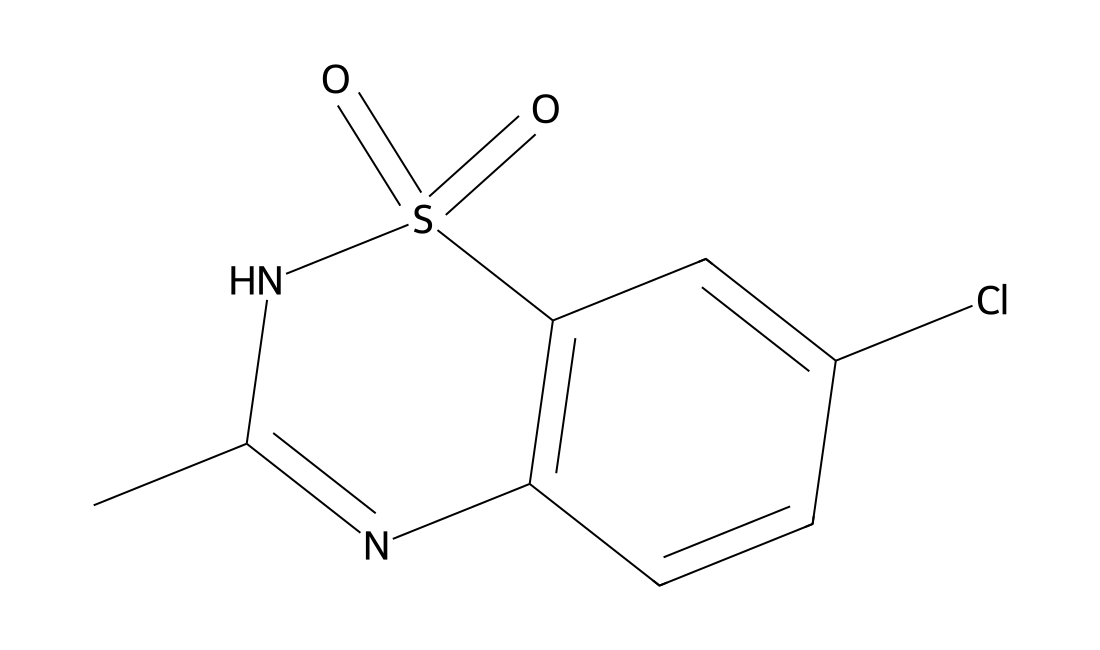
Diazoxide
CAS 364-98-7
Diazoxide is a well-known small molecule that activates KATP channels in the smooth muscle of blood vessels and pancreatic beta-cells by increasing membrane permeability to potassium ions.
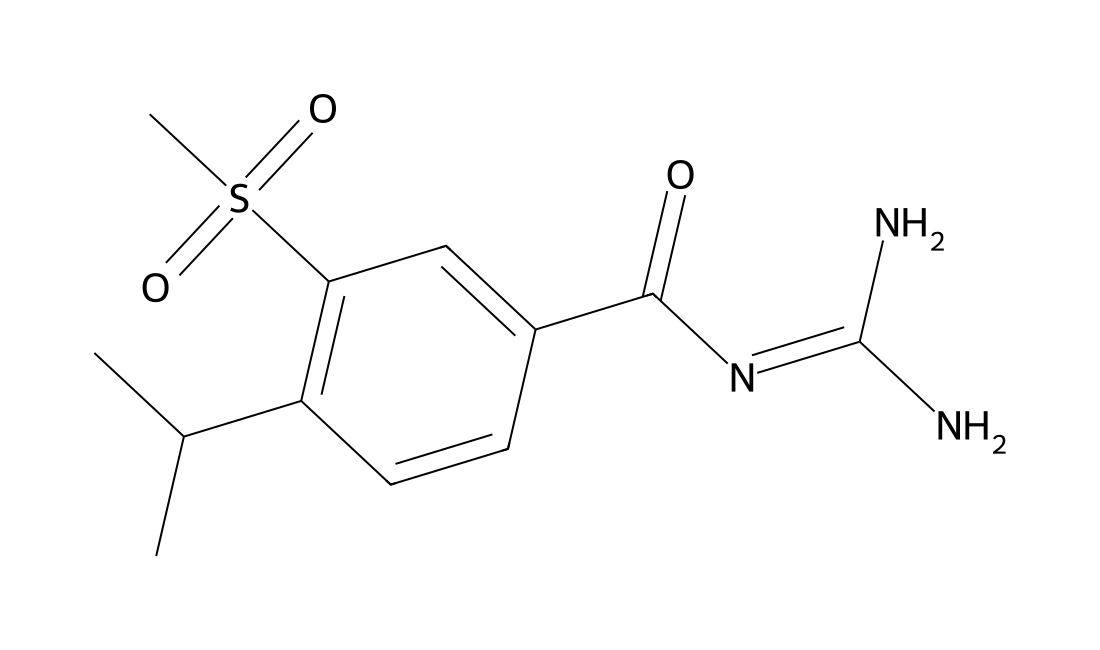
Cariporide
CAS 159138-80-4
Cariporide is a NHE-1 (sodium-hydrogen exchanger isoform-1) inhibitor. Rat studies indicate that cariporide blocks apoptosis of cardiac muscle cells. Additional studies show that the compound interacts with and weakens mitochondrial Ca2+ overload and the permeability transition pore (PTP). For the detailed information of Cariporide, the solubility of Cariporide in water, the solubility of Cariporide in DMSO, the solubility of Cariporide in PBS buffer, the animal experiment (test) of Cariporide, the cell expriment (test) of Cariporide, the in vivo, in vitro and clinical trial test of Cariporide, the EC50, IC50,and affinity,of Cariporide, Please contact DC Chemicals.
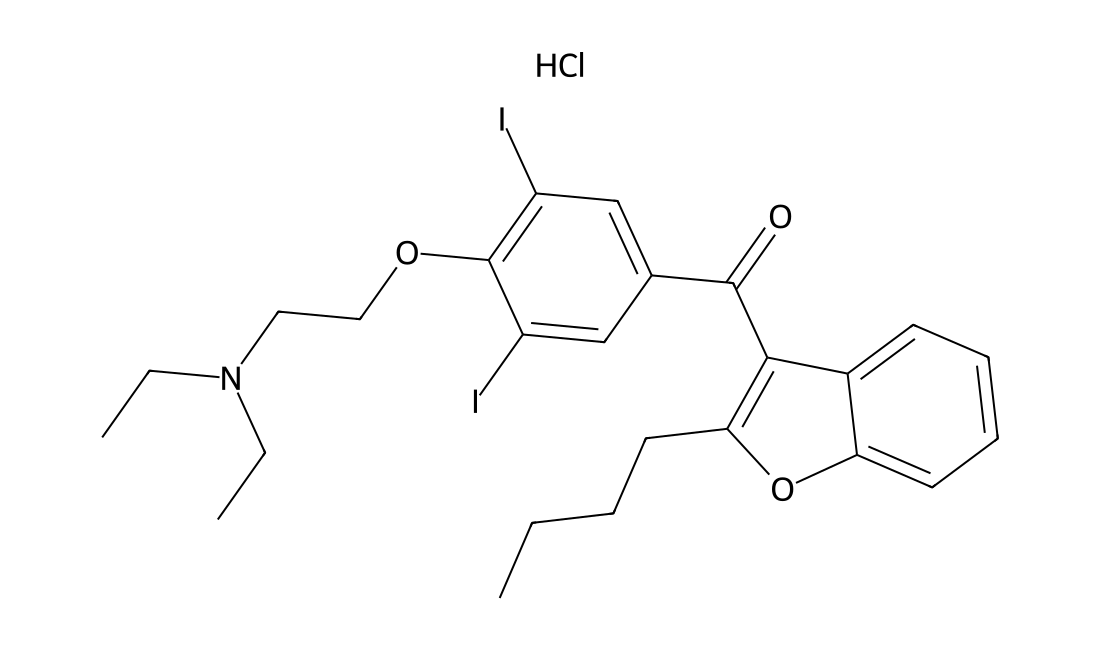
Amiodarone HCl
CAS 19774-82-4
Amiodarone is an antiarrhythmic drug for inhibition of ATP-sensitive potassium channel with IC50 of 19.1 μM.in vitro: It was found that 10 uM amiodarone induces accumulation of ethidium bromide (5 ug/ml) in Saccharomyces cerevisiae cells. At the same time, in yeast cells with inactivated MDR genes, accumulation of ethidium bromide was 6-fold higher even without amiodarone. Addition of non-lethal concentrations of amiodarone to MDR-deficient cells caused an increase of intracellular ethidium bromide to the level, which was even lower than the level in amiodarone-treated wild-type cells. Cells treated with amiodarone were seen to have detached from the dish, with cell rounding, cytoplasmic blebbing and irregularity in shape. An increase in the sub-G1 phase fraction, from 15.43 to 21.34% and 79.83% and a reduction in the G1 phase fraction, from 48.83 to 41.63% and 11.52%, were observed in cells treated with amiodarone at concentrations of 0.1 and 1 mM, respectively. in vivo: Chronic treatment with oral amiodarone for 4 weeks reduced i.p. when myocytes were dialyzed with patch-pipettes containing either 10 mM Na+ or 80 mM Na+. In myocytes from untreated rabbits, acute exposure to amiodarone in vitro reduced i.p. when patch pipettes contained 10 mM Na+ but had no effect on i.p. at 80 mM Na+. Amiodarone had no effect on the voltage dependence of the pump or the affinity of the pump for extracellular K+ either after chronic treatment or during acute exposure.
Browse target & topic index A–Z (366)
11β-HSD (1)15-PGDH (2)5-HT Receptor (16)Acetyl-CoA Carboxylase (ACC) (3)Acetylcholinesterase (AChE) (2)Ack1 (TNK2) (1)Acyltransferase (1)ADC Cytotoxin (6)ADCs Linker/Click Chemistry (5)Adenosine Receptor (9)Adenylate Cyclase (2)Adrenergic Receptor (11)Akt (12)Alcoholism (2)Aldehyde Dehydrogenase (ALDH) (6)Allergy (5)Alzheimer Disease (13)Aminopeptidase (1)AMPK (8)Amyloids (4)Anaplastic Lymphoma Kinase (ALK) (9)Androgen Receptor (AR) (11)Anemia (4)Angiotensin Receptor (4)Antibody/Protein labeling dyes (1)Antifolate (2)Anxiety (1)Apoptosis Inducer (3)Arginase (1)Arp2/3 complex (1)Aryl hydrocarbon Receptor (AhR) (1)Asthma (5)Atherosclerosis (2)ATM/ATR (8)Aurora Kinase (10)Autophagy (6)Autophagy-related Protein (Atg) (2)Autotaxin (2)Bacterial (26)Bacterial Infection (17)Bcl-2 (14)Bcr-Abl (5)BCRP (1)Beta-catenin (4)Beta-secretase (BACE) (4)Blood Cancer (91)BMI-1 (1)Bone Cancer (6)Brain Cancer (6)Breast Cancer (30)Bromodomain (22)BTK (10)c-Fms (CSF1R) (5)c-Fos/AP-1 (1)c-Kit (6)c-Met (HGFR) (11)c-Myc (2)Calcium Channel (4)Calcium-sensing Receptor (CaSR) (1)CaMK (4)Cannabinoid Receptor (6)Carbonic Anhydrase (1)Carboxypeptidase (1)Casein Kinase (6)Caspase (4)Cathepsin (6)Cdc2-like Kinase (CLK) (1)CETP (2)CFTR (7)Checkpoint Kinase (Chk) (8)Chemokine Receptor (CCR and CXCR) (14)Chemotherapeutic Agents (19)Chloride Channel (1)CMV (2)CMV Infection (2)Colon Cancer (9)Complement System (1)COPD (3)CREB/CBP (2)CRF Receptor (2)CRISPR/Cas9 (1)Cushing Disease (1)Cyclin-dependent Kinase (CDK) (39)Cyclooxygenase (COX) (4)Cytochrome P450 (CYPs) (5)Depression (2)Dermatitis (2)Deubiquitinase (DUB) (7)Diabetes (20)Dipeptidyl Peptidase (DPP) (3)Discoidin Domain Receptor (DDR) (1)DNA Alkylator/Crosslinker (10)DNA Methyltransferase (DNMT) (1)DNA Repair Protein (1)DNA-PK (2)DNA/RNA Synthesis (5)Dopamine beta-hydroxylase (1)Dopamine Receptor (7)Drug Metabolite (1)Drug-Linker Conjugates (11)Dyes (4)DYRK (1)Dyslipidemia (9)E3 Ligase Ligand (6)E3 Ligase Ligand-Linker Conjugate (1)E3 Ubiquitin Ligase (4)Ebola Virus Infection (1)EGFR (32)Elastase (2)Endothelin Receptor (5)Enzymes substrates (13)Epigenetic Reader Domain (3)Epilepsy (4)ERK (4)Estrogen Receptor/ERR (13)Eukaryotic Initiation Factor (eIF) (2)Exportin-1 (CRM1,XPO1) (2)FABP (1)Factor Xa (5)Farnesoid X Receptor (FXR) (5)Farnesyl transferase (FTase) (1)Ferroptosis (6)FGFR (15)Fibrosis (5)FLT3 (6)Focal Adhesion Kinase (FAK) (11)Foxo1 (1)Free Fatty Acid Receptor (FFAR) (5)Fungal (2)Fungal Infection (1)GABA Receptor (13)Galectin (1)Gastric Cancer (8)Ghrelin Receptor (GHSR) (3)Glucagon Receptor (4)Glucokinase (2)Glucose Transporter (GLUT) (2)Glutamate Transporter (2)GPCR (1)GPER (GPR30) (1)GPR139 (1)GPR183 (EBI2) (2)GPR39 (1)GPR55 (1)GPR84 (1)GRK (GPCRK) (2)Growth Hormone Deficiency (2)GSK-3 (8)Guanylate Cyclase (3)HBV (1)HBV Infection (1)HCN Channel (2)HCV (8)HCV Infection (9)HDAC (38)Heart Arrhythmia (2)Heart Failure (5)Heat Shock Protein (HSP) (15)Hedgehog (Hh) (1)HIF/HIF Prolyl-hydroxylase (8)Histamine Receptor (6)Histone Acetyltransferase (HAT) (5)Histone Demethylase (11)Histone Methyltransferase (HMTase) (31)HIV (12)HIV Infection (11)HMG-CoA Reductase (HMGCR) (3)HSV (1)HSV Infection (1)Hypercholesterolemia (1)Hyperparathyroidism (1)Hypertension (8)IAP (1)IGF-1R (3)iGluR (15)Indoleamine 2,3-Dioxygenase (IDO) (4)Infection (1)Influenza (6)Influenza Virus (6)Insulin Receptor (2)Integrin (6)Interleukin Receptor (1)IRAK (2)IRE1 (4)Irritable Bowel Syndrome (2)Ischemia (1)Isocitrate Dehydrogenase (IDH) (5)ITK (1)IκB kinase (IKK) (7)JAK (32)JNK (3)Keap1-Nrf2 (6)Kidney Cancer (10)Kinesin (5)Kruppel-like Factor (KLF) (1)Kynurenine 3-Monooxygenase (KMO) (1)Leukotriene Receptor (1)LIM Kinase (LIMK) (3)Lipids fragment (1)Liver Cancer (6)Liver X Receptor (LXR) (3)LRRK2 (9)Lung Cancer (39)Lysophospholipid Receptor (12)LYTACs (3)mAChR (9)MALT1 (2)MAP4K (1)Matrix Metalloproteinase (MMP) (10)MDM2-p53 (9)MEK (MAP2K) (14)MEKK (MAP3K) (1)Melanocortin Receptor (2)MELK (1)mGluR (7)MicroRNA (1)Microtubule/Tubulin (5)Mineralocorticoid Receptor (MLR) (1)MITF (1)Mixed Lineage Kinase (MLK) (3)MNK (2)Molecular Glues (13)Monoamine Transporter (5)Monocarboxylate Transporter (MCT) (1)Monopolar Spindle 1 (Mps1/TTK) (3)mTOR (13)Multiple Sclerosis (6)Myosin (1)Na-K-Cl Cotransporter (NKCC) (2)nAChR (2)NADPH Oxidase (NOX) (2)NAMPT (3)Natural products (37)Neprilysin (1)Neurokinin Receptor (3)Neuropeptide Y Receptor (3)NF-κB (5)Nitric Oxide Synthase (NOS) (1)NOD-like Receptor (NLR) (3)Notch (2)Nucleoside Antimetabolite/Analog (10)Nur77 (NR4A1) (1)Obesity (1)Oct3/4 (1)Opioid Receptor (5)Orexin Receptor (7)Osteoporosis (2)Ovarian Cancer (14)Oxytocin Receptor (OXTR) (2)P-glycoprotein (P-gp) (3)p21-activated Kinase (PAK) (1)P2X Receptor (2)P2Y Receptor (1)p38 MAPK (10)p97/VCP (1)Pain (12)Pancreatic Cancer (10)Parasite (5)Parasite Infection (2)Parkinson Disease (2)PARP (19)PCSK9 (1)PD-1/PD-L1 (4)PDGFR (4)PDK1 (2)PEGn (1)PERK (2)PGE synthase (2)Phosphodiesterase (PDE) (9)Phospholipase (4)PI3K (32)PI4K (2)Piezo Channel (1)PIKfyve (3)Pim (9)PKC (12)PKD (1)Plasminogen Activator Inhibitor-1 (PAI-1) (3)Polo-like Kinase (PLK) (4)Porcupine (3)Potassium Channel (13)PPAR (13)Pregnane X Receptor (PXR) (1)Progesterone Receptor (2)Prostaglandin Receptor (11)Prostate Cancer (7)PROTACs (35)Protease-activated Receptor (PAR) (3)Proteasome (12)Protein Disulfide Isomerase (PDI) (1)Protein Phosphatase/PTP (6)Proton Pump (1)Psoriasis (5)RAD51 (1)Radioligand precursors (15)Raf (18)RAR/RXR (3)Ras (17)Renin (2)RET Tyrosine Kinase (c-RET) (3)Rheumatoid Arthritis (16)Ribosomal S6 Kinase (RSK) (5)RIG-I-like Receptor (RLR) (2)RIP kinase (7)ROCK (12)ROR (2)RSV (4)RSV Infection (3)RUNX1-CBFβ (1)S-nitrosoglutathione reductase (GSNOR) (1)Saccharides and Glycosides (1)Salt Inducible Kinase (SIK) (2)SARS-CoV (16)SARS-CoV Infection (34)Schizophrenia (4)Sexual Dysfunction (1)SGLT (4)Sigma Receptor (4)Sirtuin (9)Skin Cancer (13)Sleep Disorder (7)SMN2 Modulator (1)Smoothened (Smo) (9)Sodium Channel (12)Solid Tumors (35)Somatostatin Receptor (2)Sphingosine kinase (SphK) (2)Src (7)STAT (5)Stearoyl-CoA Desaturase (SCD) (1)Steatohepatitis (7)Sterol lipids (1)STING (14)Syk (6)T Cell Receptor (TCR) (1)TAK1 (2)TAM Receptor (Tyro3-Axl-Mer) (4)Taste Receptor (1)Telomerase (2)TGF beta Receptor (TGFBR) (12)Thrombin (3)Thrombosis (13)Thyroid Cancer (1)Thyroid Hormone Receptor (THR) (1)Thyrotropin Receptor (2)TNIK (1)Toll-like Receptor (TLR) (2)TOPK (1)Topoisomerase (11)TRAIL (1)Translocator Protein (TSPO) (1)Trk Receptor (4)TRP Channel (13)Tryptophan Hydroxylase (TPH) (1)Ubiquitin-activating Enzyme (E1) (2)Ubiquitin-conjugating Enzyme (E2) (2)Ulcer (1)ULK (3)Vasopressin Receptor (2)VEGFR (25)Vitamin D Receptor (VDR) (3)Wee1 (1)WNK Kinase (1)Wnt (5)Yes-associated Protein (YAP) (4)γ-secretase (5)