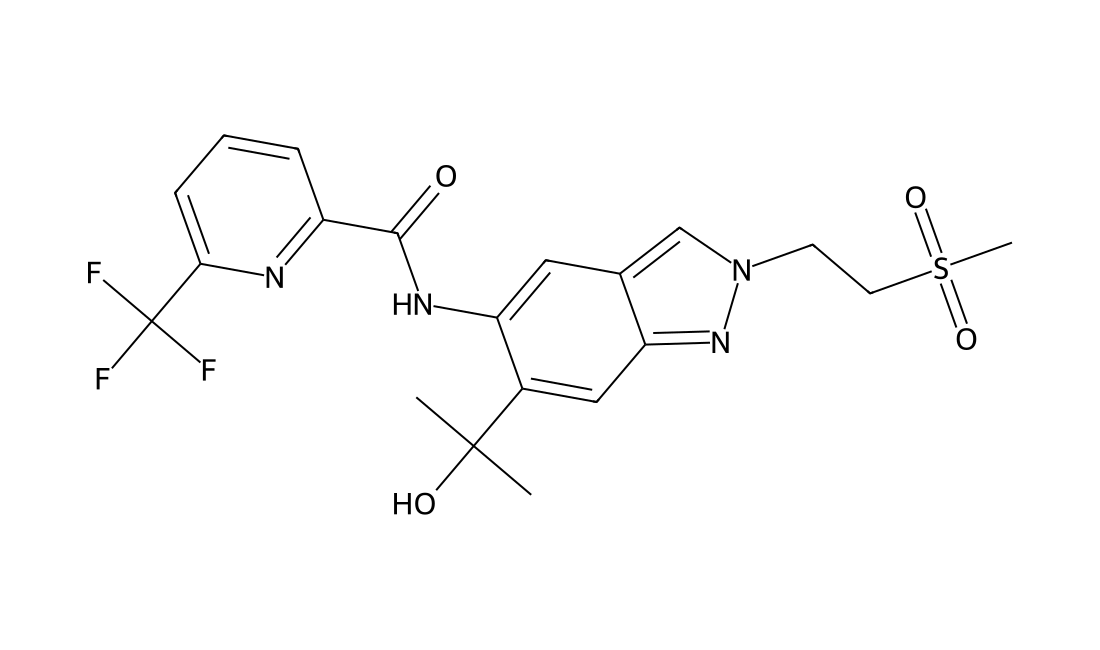
CAY10698
CAS 684236-01-9
CAY10698 (compound 1) is a potent and selective inhibitor of 12-Lipoxygenase (12-LOX) with an IC50 of 5.1 μM. CAY10698 is inactive against 5-LOX, 15-LOX-1, 15-LOX-2 and COX-1/2.

Innate and adaptive immunity, inflammatory pathways and immune signaling.
Products may appear in more than one category. Counts refer to distinct catalog numbers within each category.
Other Research Tools (75) · Additional reagents, building blocks and specialized research tools.
Combine a keyword, research category and target to narrow the product list.
Loading catalog filters…
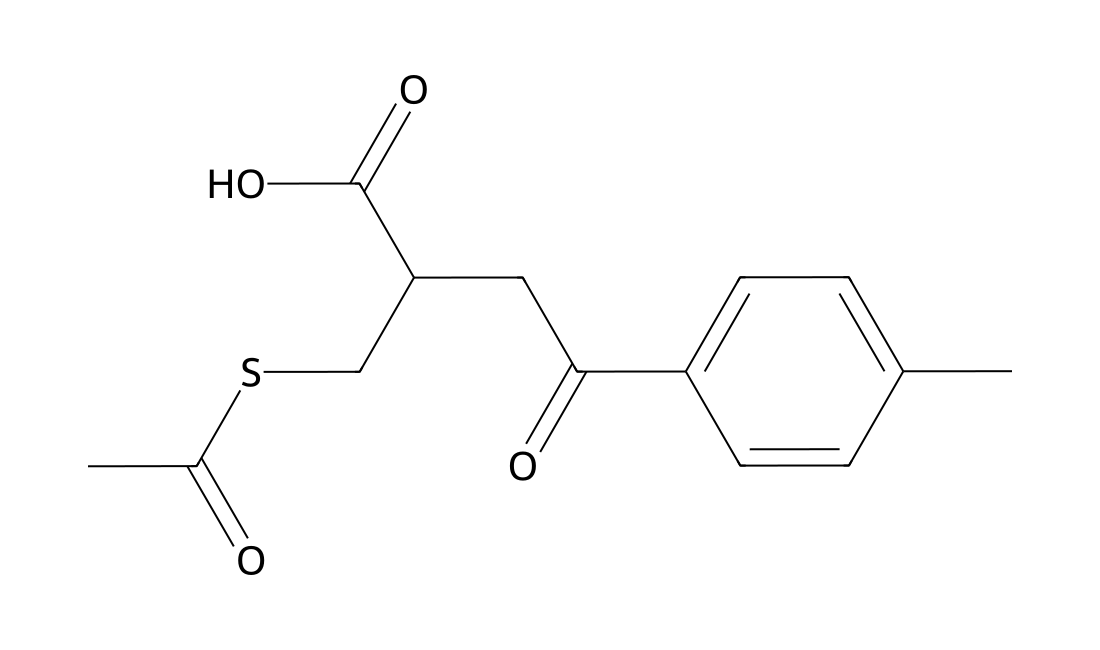
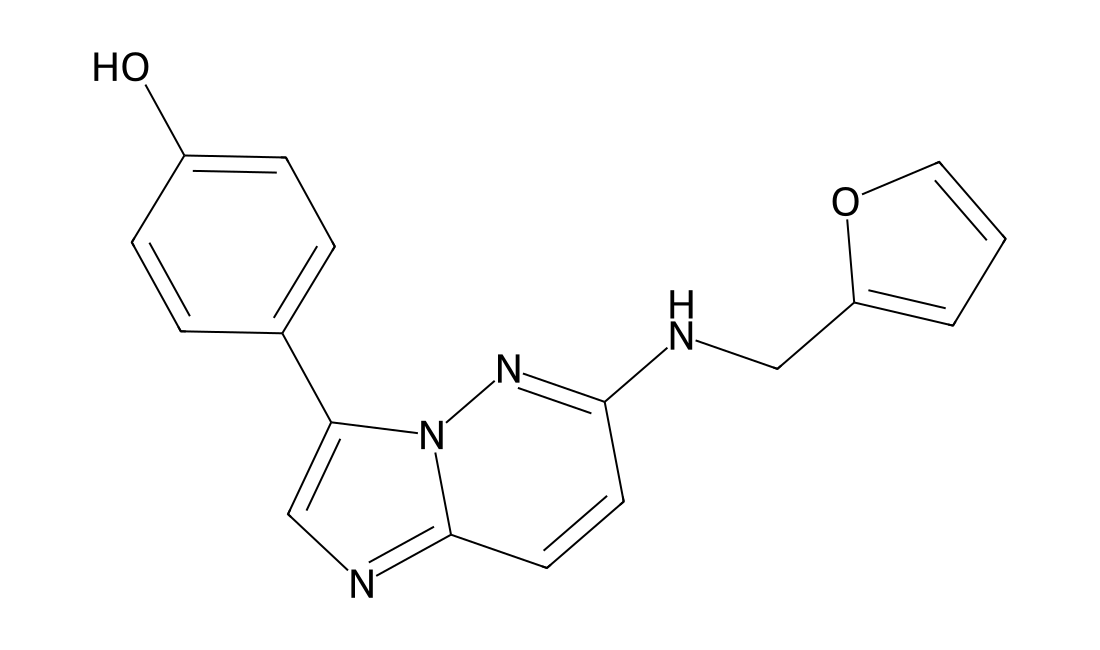
CAS 684236-01-9
CAY10698 (compound 1) is a potent and selective inhibitor of 12-Lipoxygenase (12-LOX) with an IC50 of 5.1 μM. CAY10698 is inactive against 5-LOX, 15-LOX-1, 15-LOX-2 and COX-1/2.
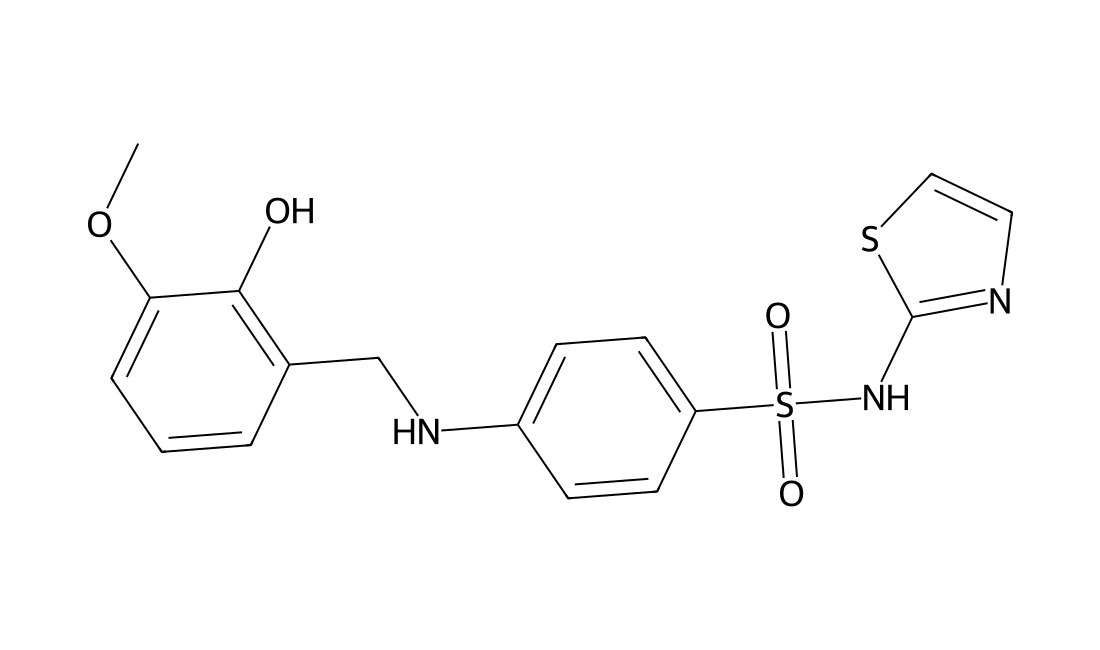
CAS 132465-11-3
Cinnamyl-3,4-dihydroxy-α-cyanocinnamate (CDC) is a potent and direct inhibitor of 5-LO (5-Lipoxygenase) that reduces 5-LO activity in cell-free assays. CDC also inhibits 12-LO and 15-LO.
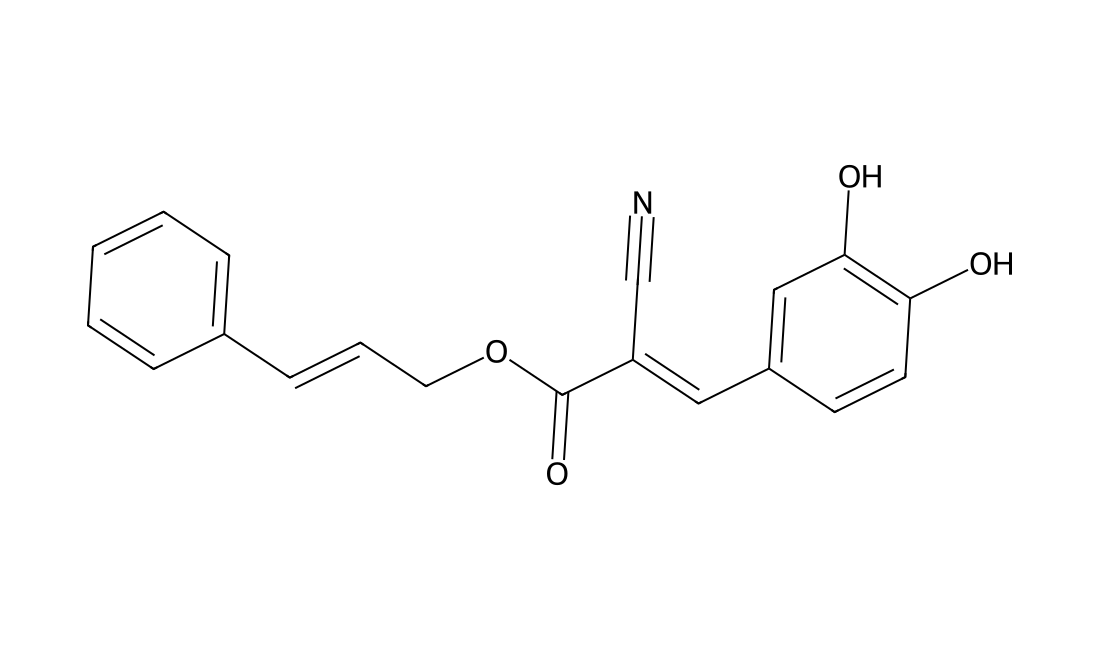
CAS 1333714-43-4
(Rac)-Benpyrine, a racemate of Benpyrine, is a potent and orally active TNF-α inhibitor. (Rac)-Benpyrine has the potential for TNF-α mediated inflammatory and autoimmune disease research.
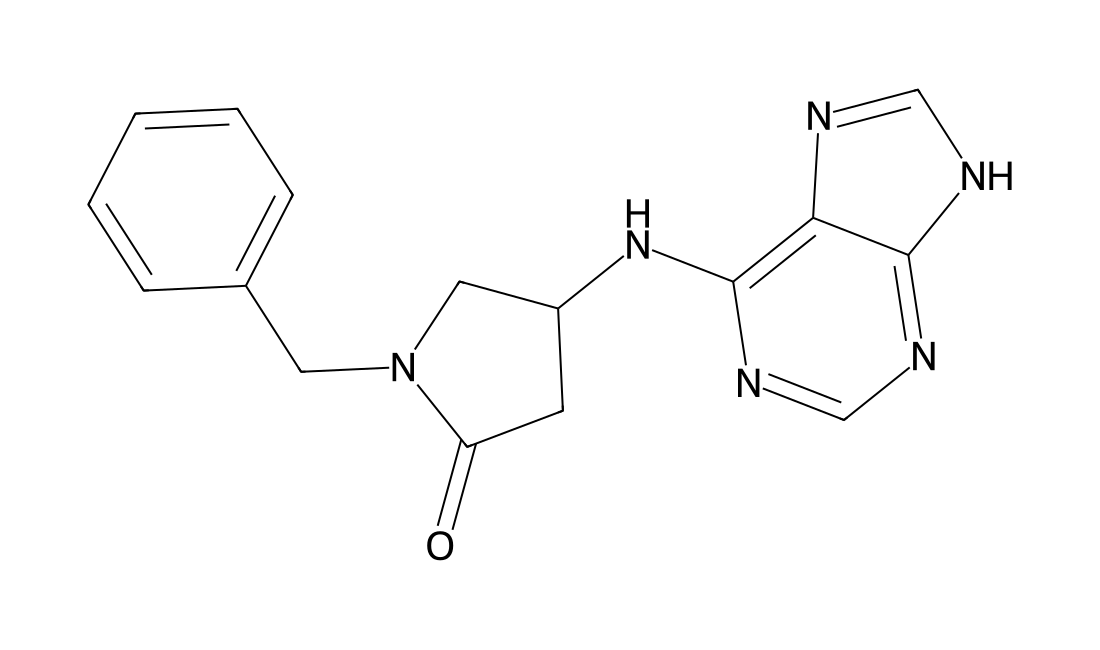
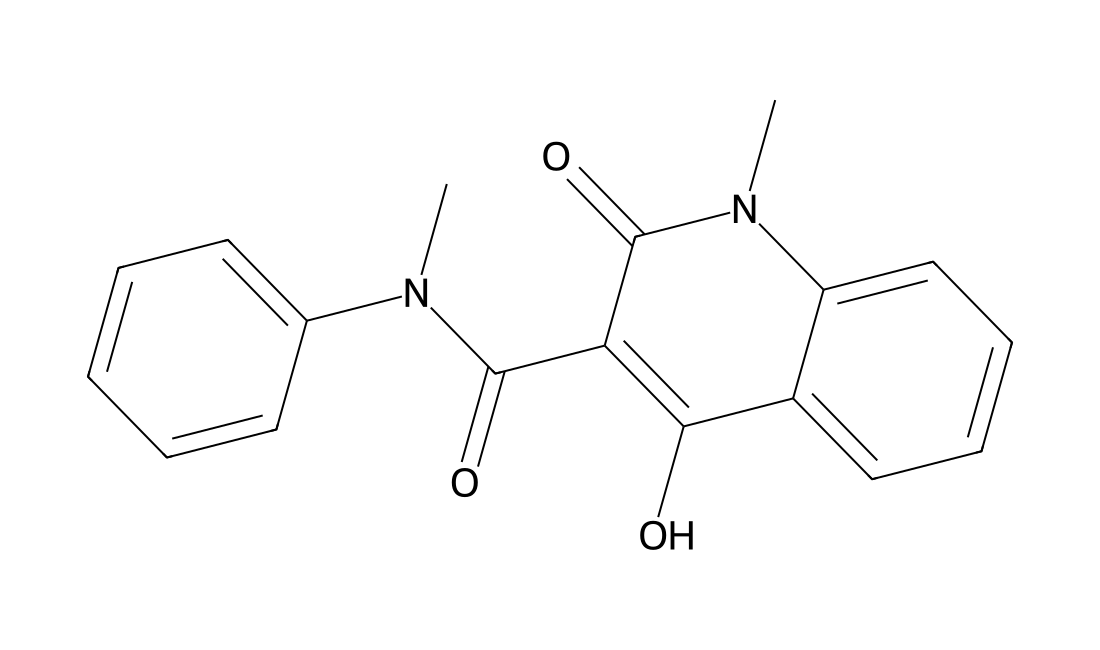
CAS 84088-42-6
Roquinimex (Linomide; PNU212616; ABR212616) is a quinoline derivative immunostimulant which increases NK cell activity and macrophage cytotoxicity; inhibits angiogenesis and reduces the secretion of TNF alpha.IC50 value:Target: TNF alphaProphylactic administration of DSS-treated mice with roquinimex significantly reduced clinical signs of colitis, MDS and the CH-reduction. Moreover, in roquinimex treated animals, the MPO activity was significantly reduced by more than 50% compared to DSS control mice. Notably, therapeutic administration of roquinimex in DSS-treated mice also significantly inhibited the MDS, CH-reduction and MPO activity [2]. Linomide, a synthetic immunomodulator, at concentrations effective in vivo reduces the number of MBP-reactive TNF-alpha and increases MBP-reactive IL-10 and TGF-beta mRNA expressing MNC from MS patients' blood when analysed in vitro. Compared to dexamethasone, Linomide up-regulated levels of blood MNC expressing mRNA of TGF-beta after culture in presence of MBP [3].
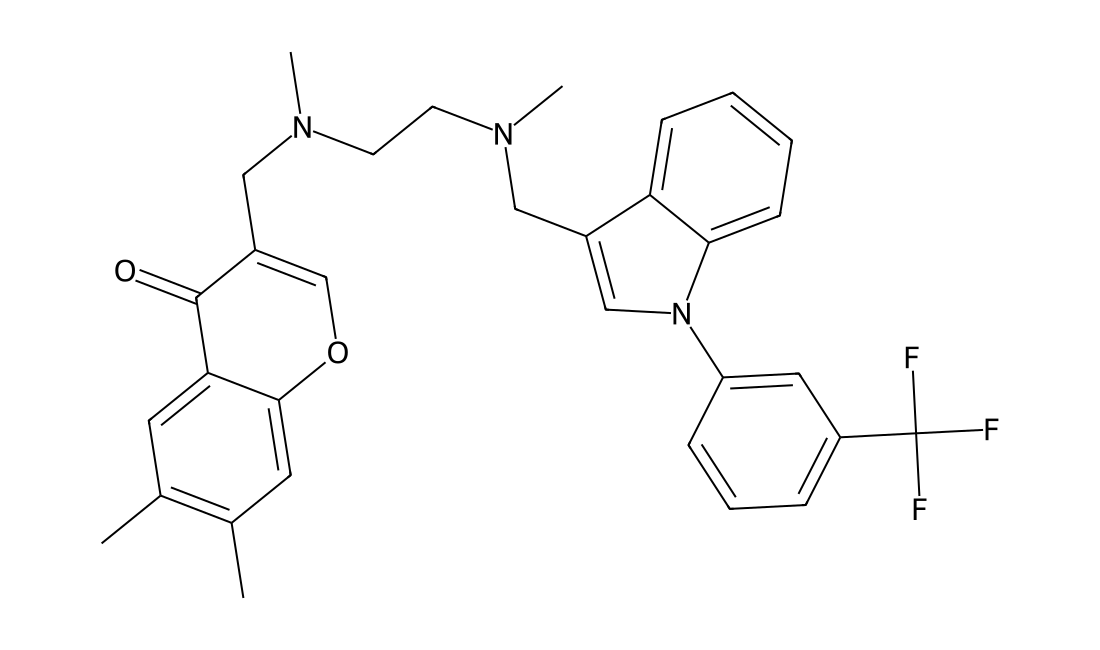
CAS 869998-49-2
SPD304 is a selective inhibitor of tumor necrosis factor α (TNFα) and promotes dissociation of TNF trimers and therefore blocks the interaction of TNF and its receptor, with an IC50 of 22 µM for inhibiting in vitro TNF receptor 1 (TNFR1) binding to TNF-α[1][2]. SPD304 cannot be used in vivo due to its high toxicity[3].
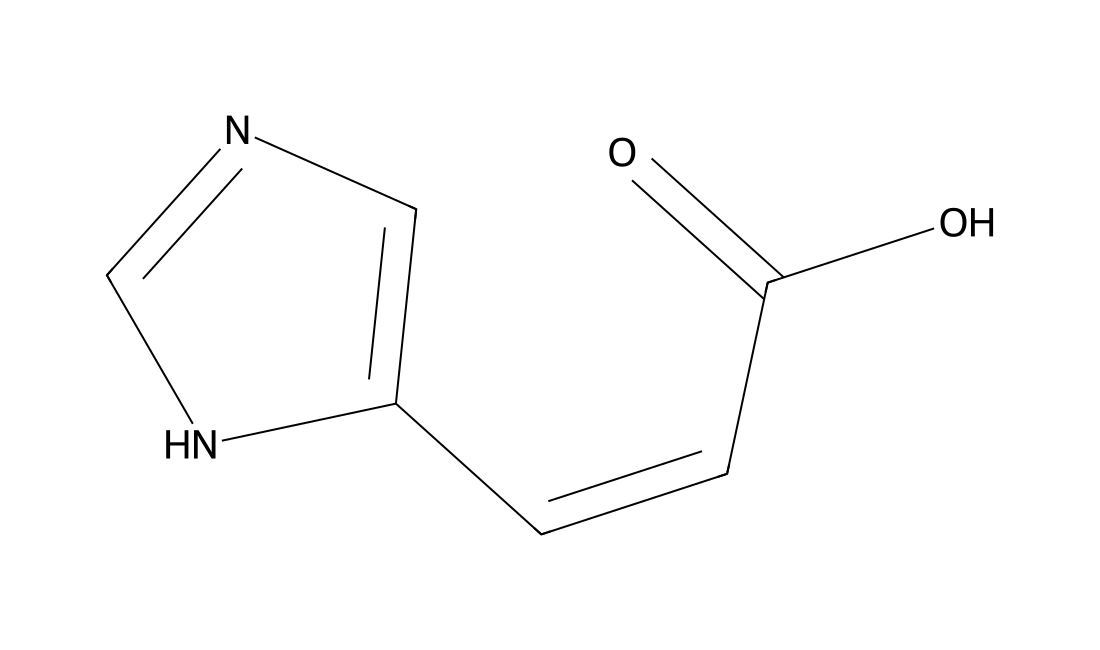
CAS 7699-35-6
cis-Urocanic acid is a 5-HT2A receptor agonist. cis-Urocanic acid binds to 5-HT receptor with relatively high affinity (Kd=4.6 nM). cis-Urocanic acid is an immune modulator that induces immunosuppression by binding to the 5-HT2A receptor[1].
CAS 2227368-54-7
Jh-X-119-01 is a novel potent and selective interleukin-1 receptor-associated kinases 1 (IRAK1) inhibitor. JH-X-119-01 irreversibly labels IRAK1 at C302. This compound exhibited cytotoxic activity at single digit micromolar concentrations in a panel of WM, DLBCL, and lymphoma cell lines expressing MYD88. Cotreatment of JH-X-119-01 with the BTK inhibitor ibrutinib resulted in synergistic killing effects in these systems.
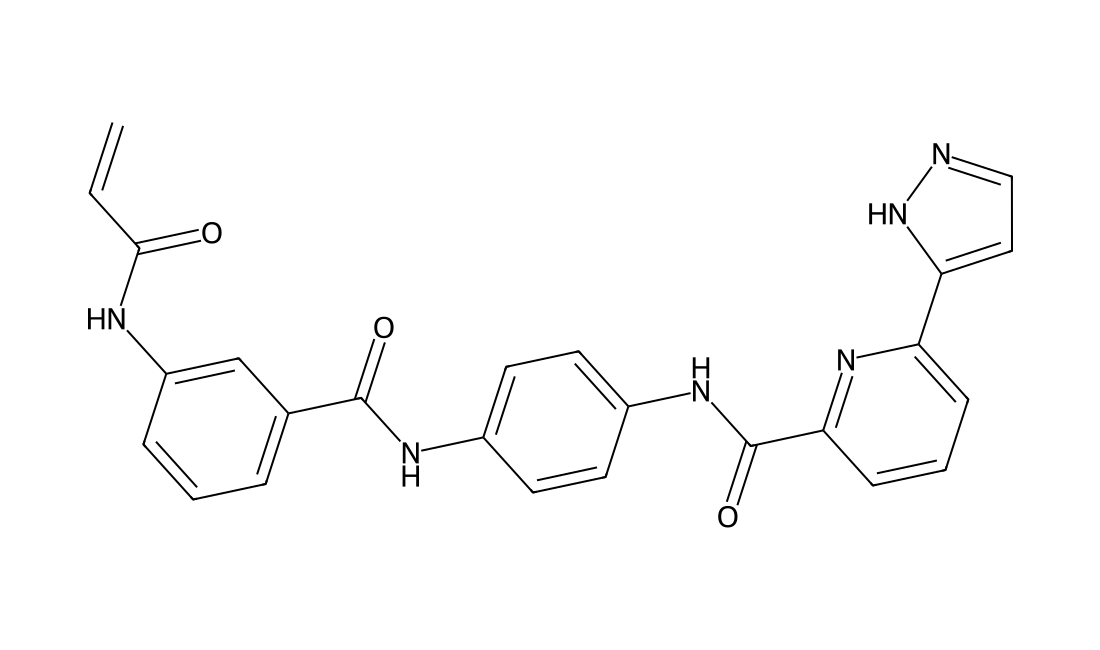
CAS 433249-94-6
TRAF-STOP 6877002 is a small molecule inhibitor that blocks the interaction between CD40 and TRAF6 (TRAF-STOP), while leaving CD40-TRAF2/3/5 interactions intact, thereby preserving CD40-mediated immunity; prevents the progression of established atherosclerosis in mice, reduces leukocyte recruitment and reduces macrophage activation; reduces macrophage proliferation in atherosclerotic plaques and reduces the expression of Ki67 in BMDMs.
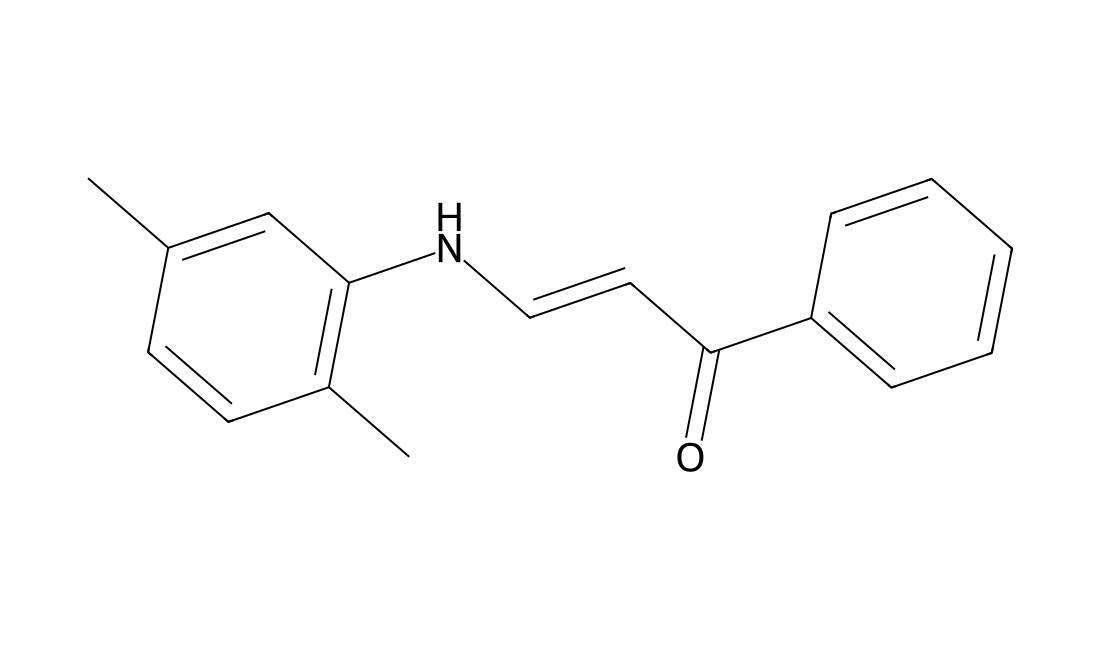
CAS 1332075-63-4
PI3kδ inhibitor 1 is a potent and selective inhibitor of isoform of PI3Kδ; useful for treating disorders mediated by lipid kinases such as inflammation, immunol disorders, and cancer.For the detailed information of PI3k(delta) inhibitor 1, the solubility of PI3k(delta) inhibitor 1 in water, the solubility of PI3k(delta) inhibitor 1 in DMSO, the solubility of PI3k(delta) inhibitor 1 in PBS buffer, the animal experiment (test) of PI3k(delta) inhibitor 1, the cell expriment (test) of PI3k(delta) inhibitor 1, the in vivo, in vitro and clinical trial test of PI3k(delta) inhibitor 1, the EC50, IC50,and affinity,of PI3k(delta) inhibitor 1, Please contact DC Chemicals.
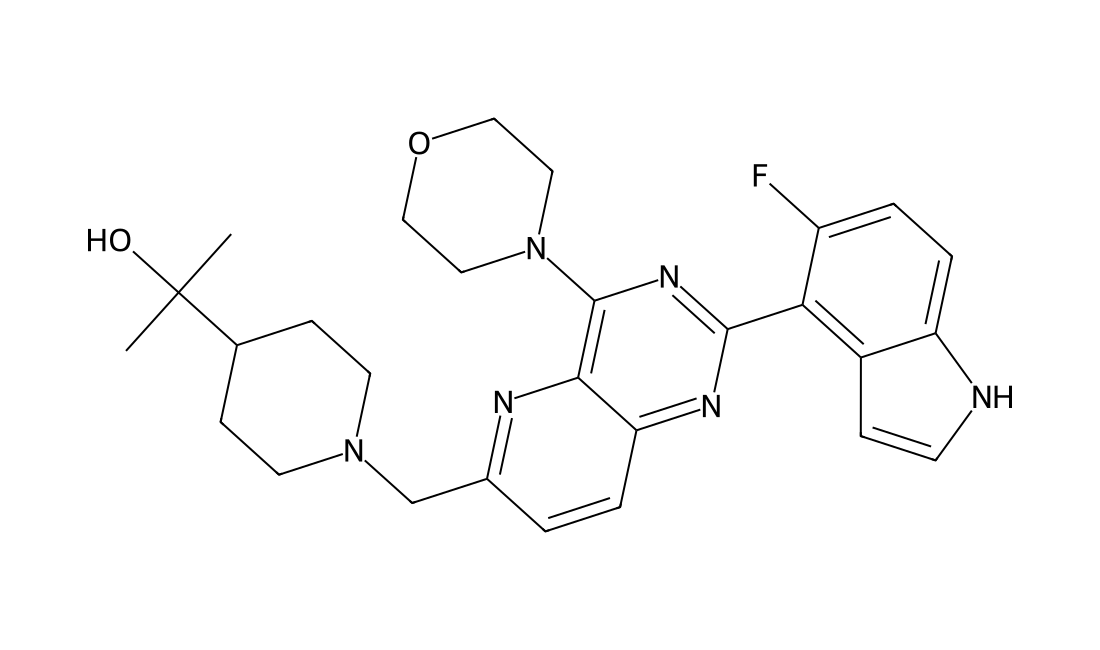
CAS 1042672-97-8
IRAK inhibitor 6 is interleukin-1 receptor associated kinase 4 (IRAK-4) inhibitor .
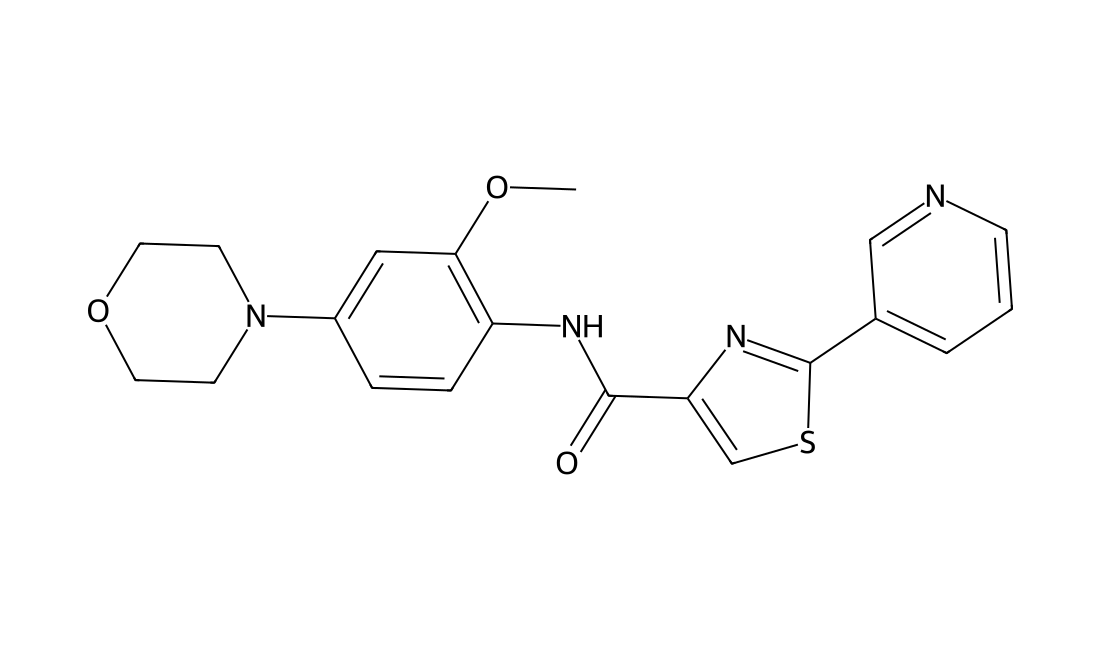
CAS 928333-30-6
IRAK inhibitor 2 is interleukin-1 receptor associated kinase inhibitor .
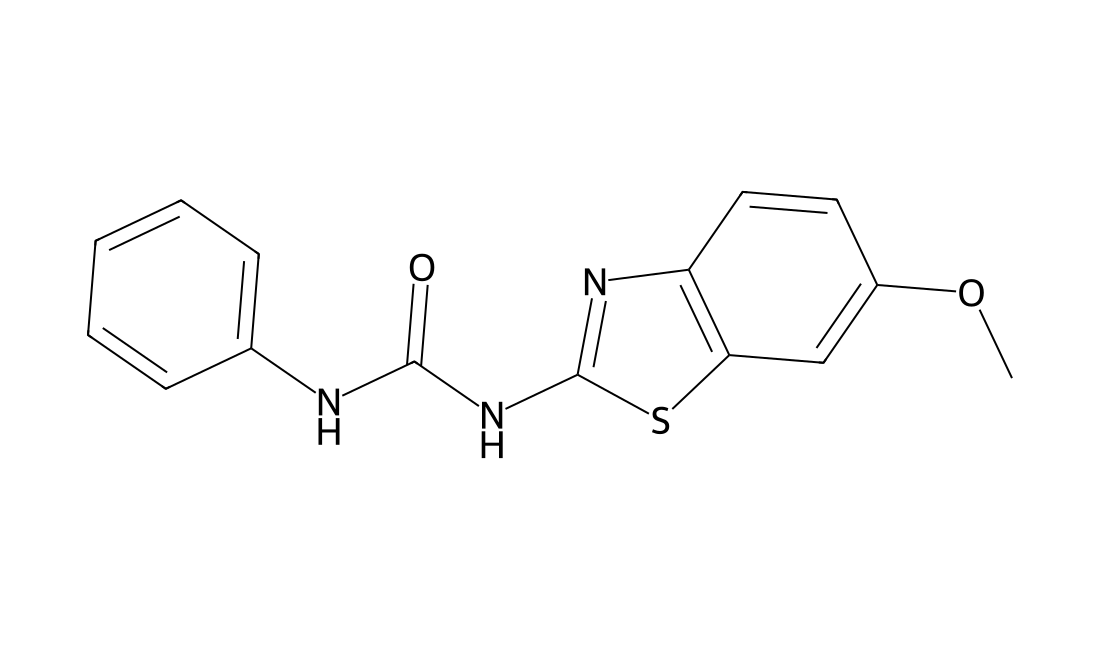
CAS 26130-02-9
Frentizole, an FDA-approved immunosuppressive drug, is a novel inhibitor of the Aβ-ABAD interaction.
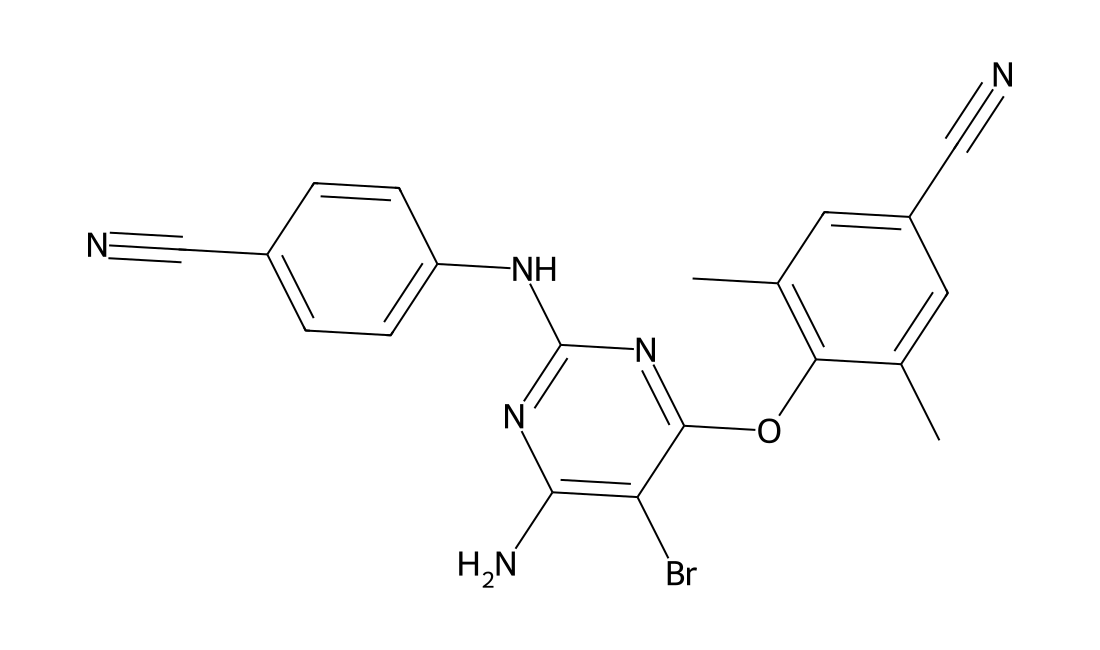
CAS 269055-15-4
For the detailed information about the solubility of Etravirine in water, the solubility of Etravirine in DMSO, the solubility of Etravirine in PBS buffer, the animal experiment(test) of Etravirine,the in vivo,in vitro and clinical trial test of Etravirine,the cell experiment(test) of Etravirine,the IC50, EC50 and Affinity of Etravirine, please contact DC Chemicals.
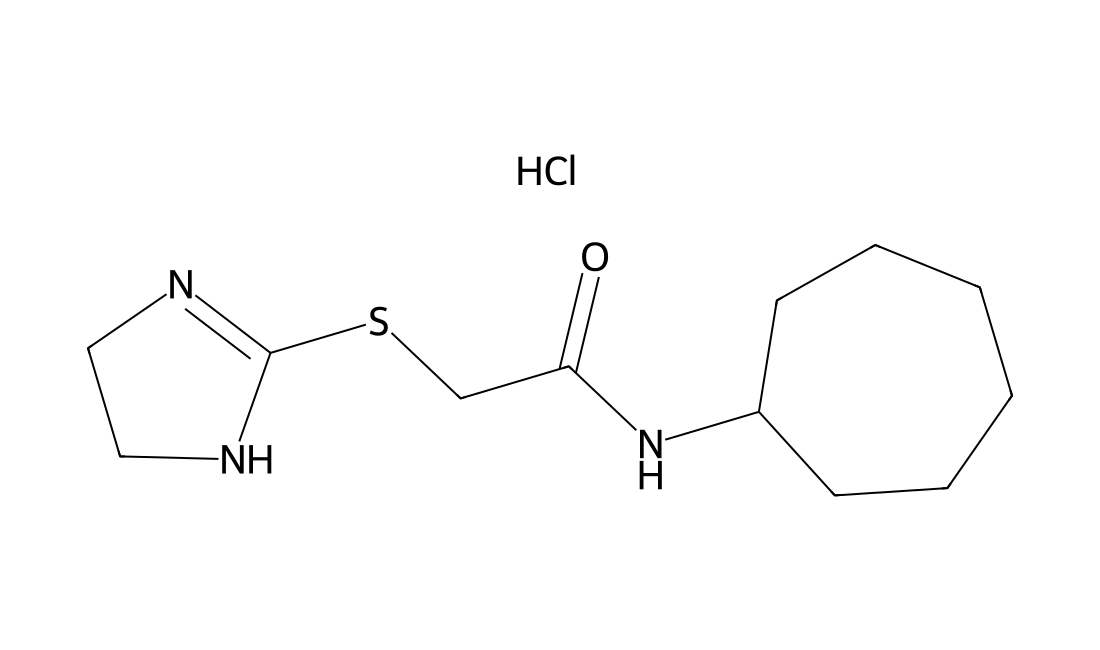
CAS 1803605-68-6
ICCB-19 hydrochloride is an inhibitor of TNFRSF1A Associated Via Death Domain (TRADD) with IC50 of 1.12 μM and 2.01 μM for protecting Velcade-induced apoptosis in Jurkat cells and protecting RDA in MEFs, respectively. ICCB-19 indirectly inhibits Receptor-interacting serine/threonine-protein kinase 1 (RIPK1). ICCB-19 effectively induces autophagy.
CAS 669764-18-5
WAY-169916 functions as a selective estrogen receptor modulator that uniquely suppresses NF-κB-mediated transcription, resulting in significant anti-inflammatory activity.
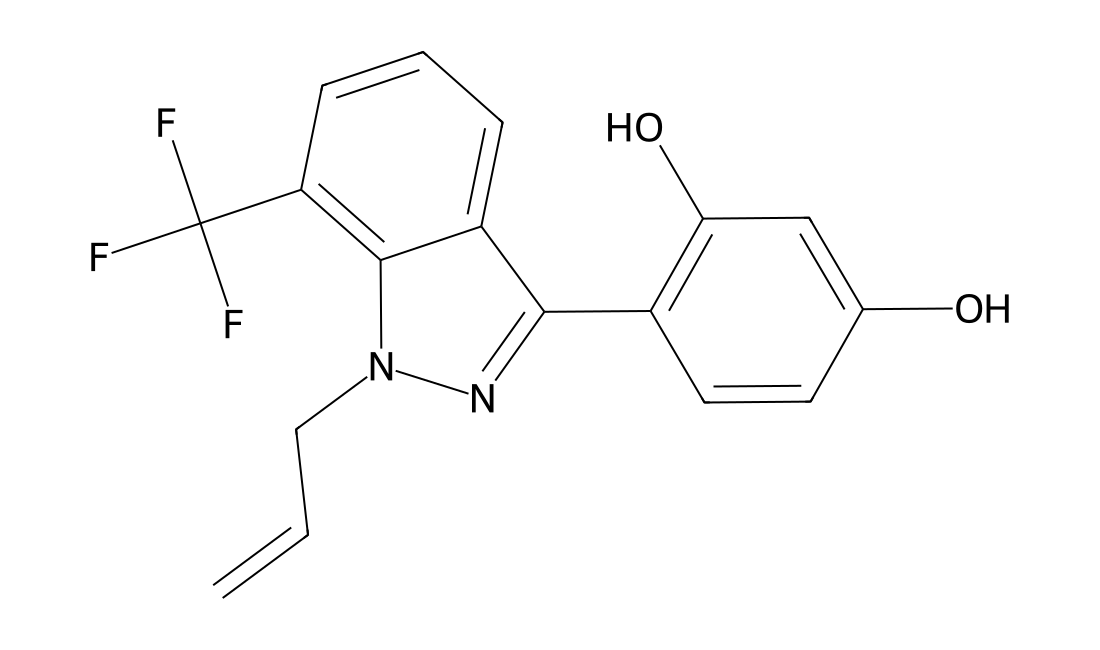
CAS 1638611-48-9
JC124 is a specific NLRP3 inflammasome inhibitor. JC124 has anti-inflammatory and neuroprotective effects.
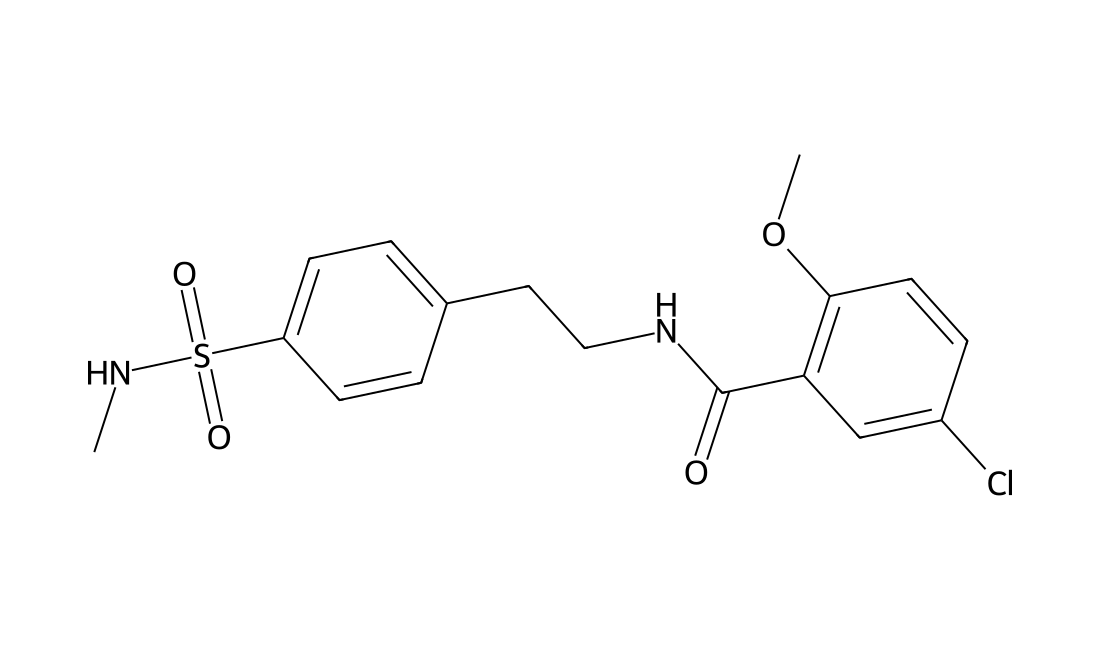
CAS 2479276-17-8
AXC-715 trihydrochloride is a TLR7/TLR8 dual agonist, extracted from patent WO2020168017 A1. AXC-715 trihydrochloride, compound D from WO2020190734A1, can be used for synthesis of antibody-adjuvant immunoconjugates, comprising an antibody construct that binds programmed death-ligand 1 (PD-L1) linked to one or more adjuvants.
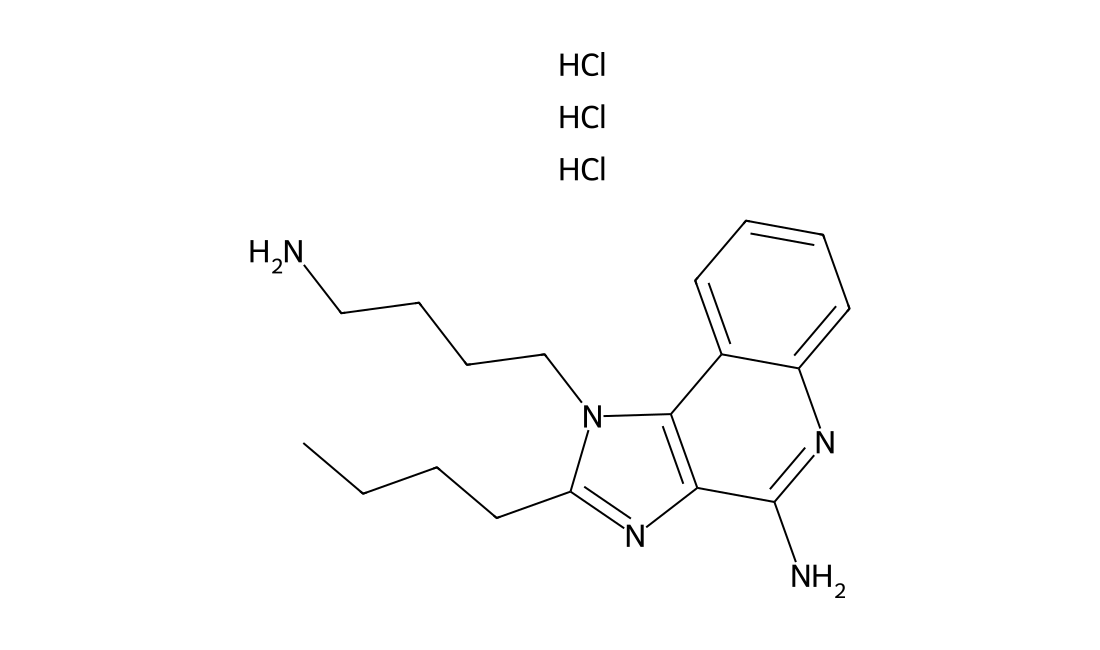
CAS 1780390-76-2
Senexin A hydrochloride is an inhibitor of CDK8/19 (IC50: 280 nM, CDK8) and an inhibitor downstream of p21 transcription. It only inhibits p21-induced transcription but does not inhibit other biological effects of p21. Senexin A hydrochloride inhibits CMV-GFP induction as well as the p21 stimulatory activity of the consensus NF-κB-dependent promoters.
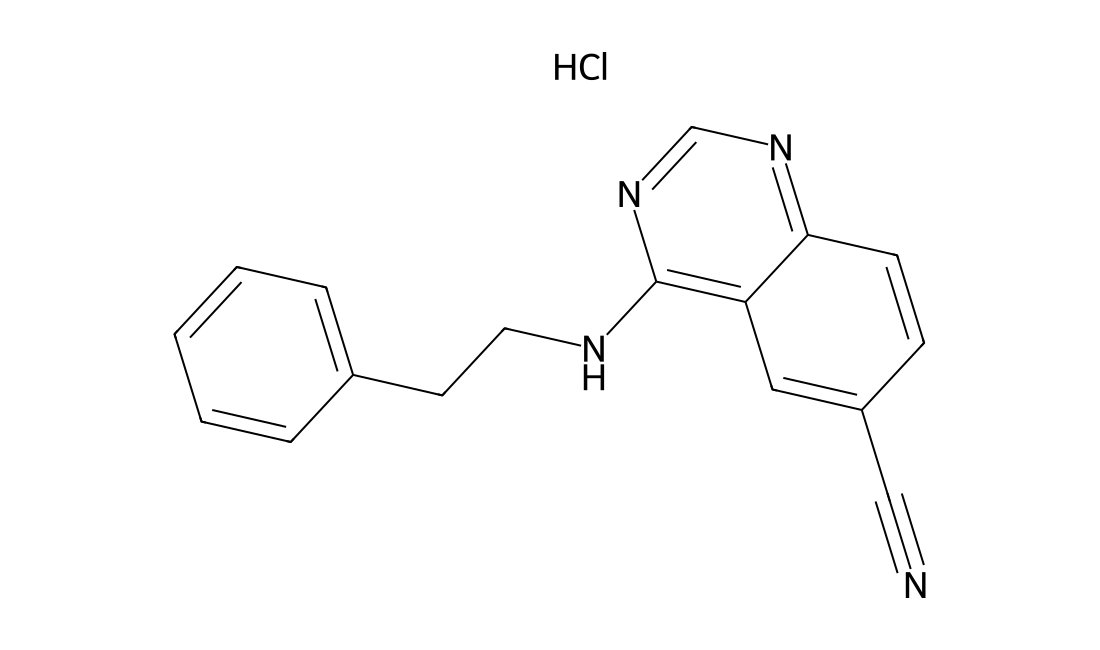
CAS 646530-37-2
UTL-5g (GBL-5g) is a novel potential chemoprotective agent, TNF-α inhibitor that reduces cisplatin-induced side effects including nephrotoxicity, hepatotoxicity and hematotoxicity; lowers elevated levels of AST, ALT, creatinine, BUN, and TNF-α, increases the reduced platelet count in mice; a novel chemo- and radioprotective agent.
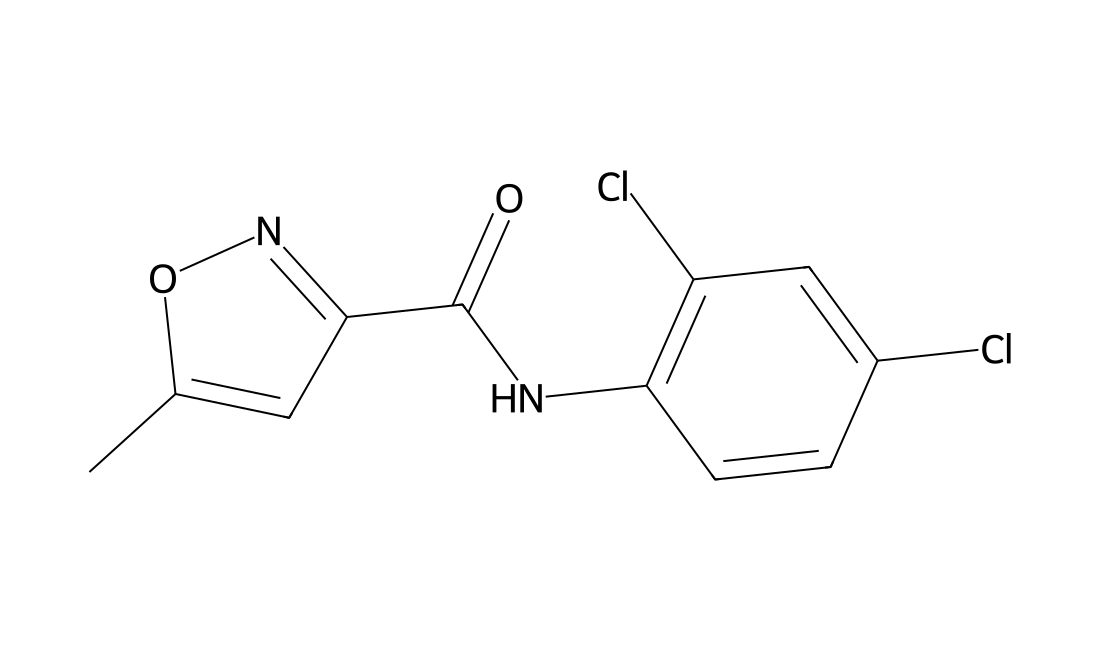
CAS 2454246-18-3
YQ128 is a potent and selective second-generation NLRP3 (NOD-like receptor P3) inflammasome inhibitor with an IC50 of 0.30 ± 0.01 μM. Further studies from in vitro and in vivo models confirmed its selective inhibition on the NLRP3 inflammasome and its brain penetration. Furthermore, pharmacokinetic studies in rats at 20 mg/kg indicated extensive systemic clearance and tissue distribution, leading to a half-life of 6.6 h.
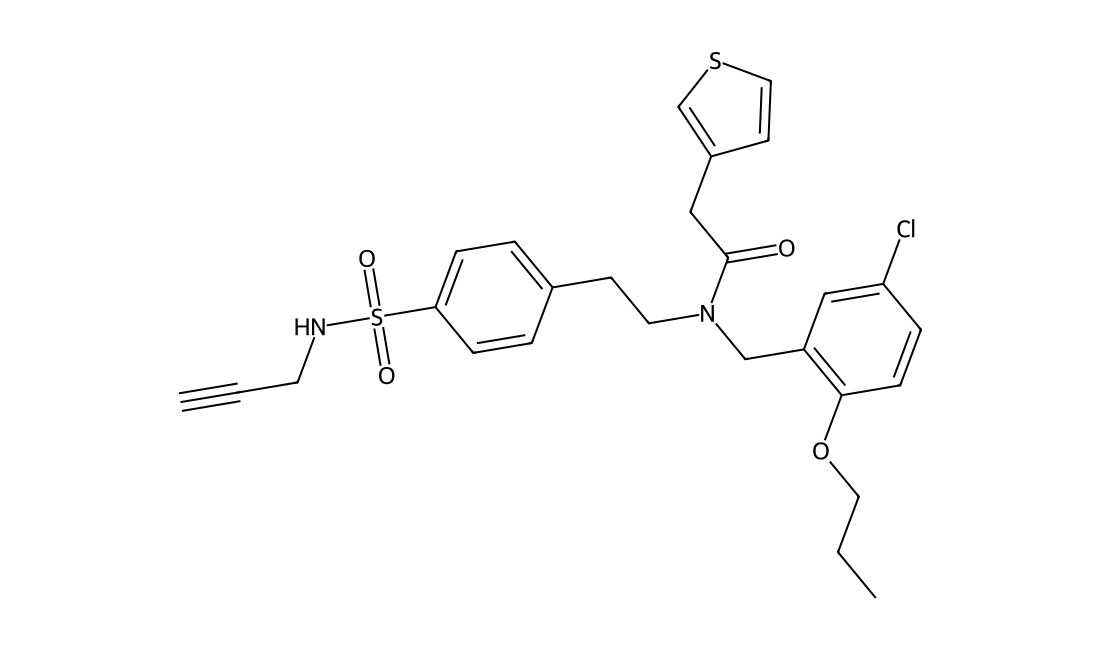
CAS 90093-40-6
Novel Selective Histone Deacetylase 6 (HDAC6) Inhibitor with the Ability to Potentiate Immunotherapy in Melanoma Models
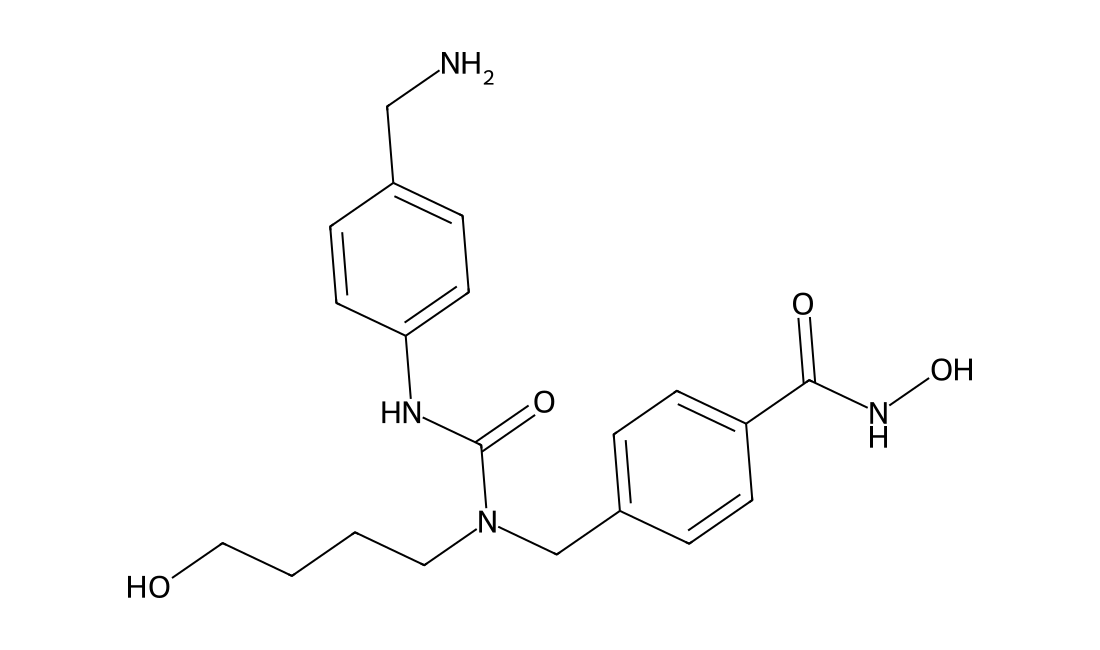
CAS 2044953-70-8
Seclidemstat (SP-2577) mesylate is a potent noncompetitive and reversible KDM1A (LSD1) inhibitor (Ki=31 nM, IC50=13 nM). Seclidemstat mesylate promotes antitumor immunity in switch/sucrose nonfermentable (SWI/SNF) complex mutated ovarian cancer, as well as inhibit virus production, viral DNA replication, and late gene expression. Seclidemstat mesylate can be used for the research of Ewing Sarcoma.
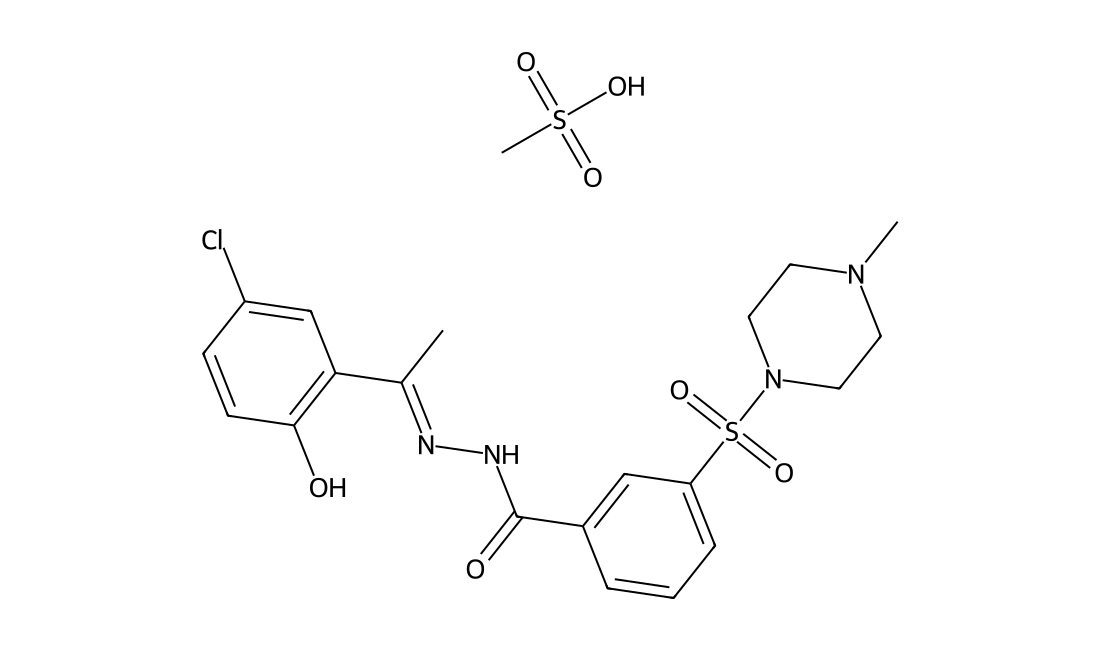
CAS 271576-80-8
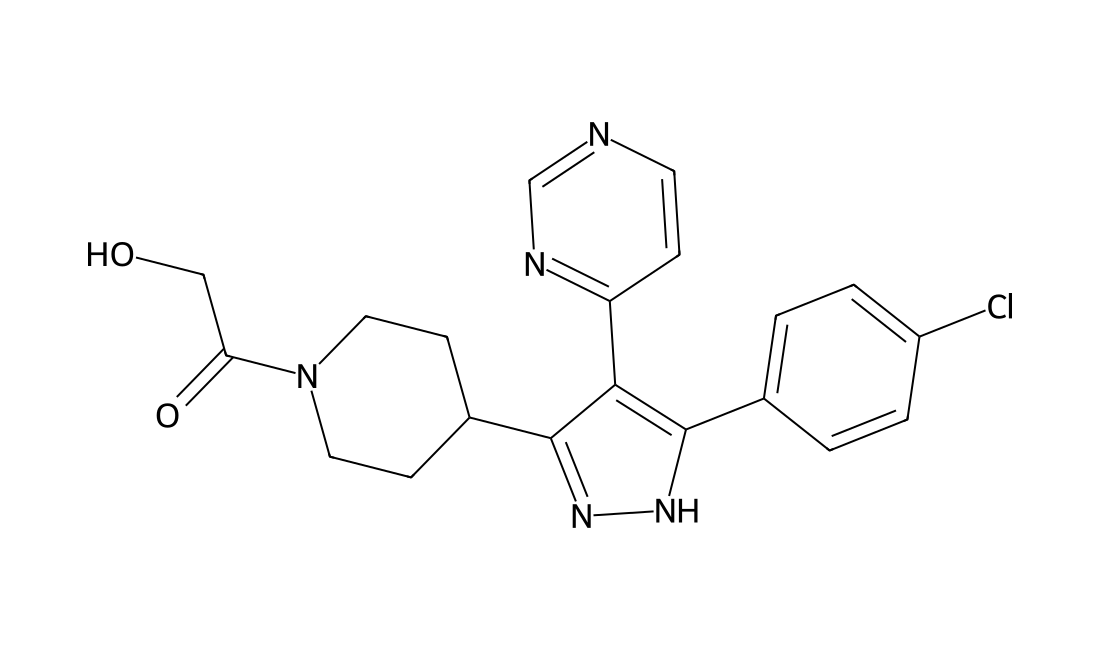
SD 0006 (SD-06) is a p38 MAP kinase inhibitor; inhibits p38α with an IC50 value of 170 nM and inhibits LPS-stimulated TNF-release in rats (83% inhibition at 1mg/kg, po).
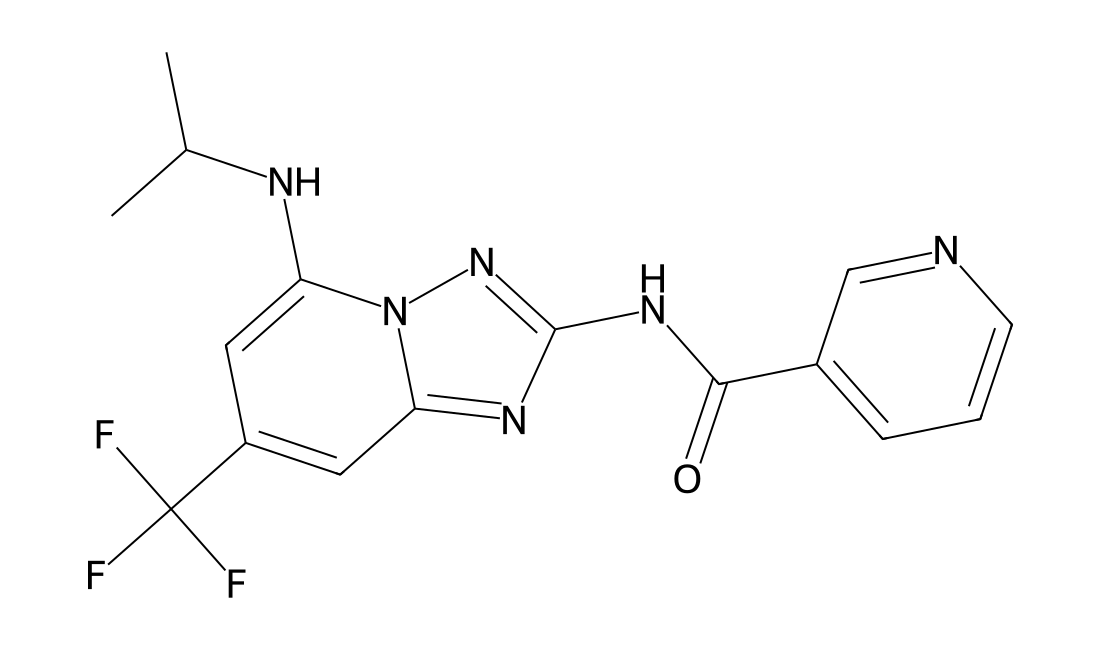
CAS 51805-45-9
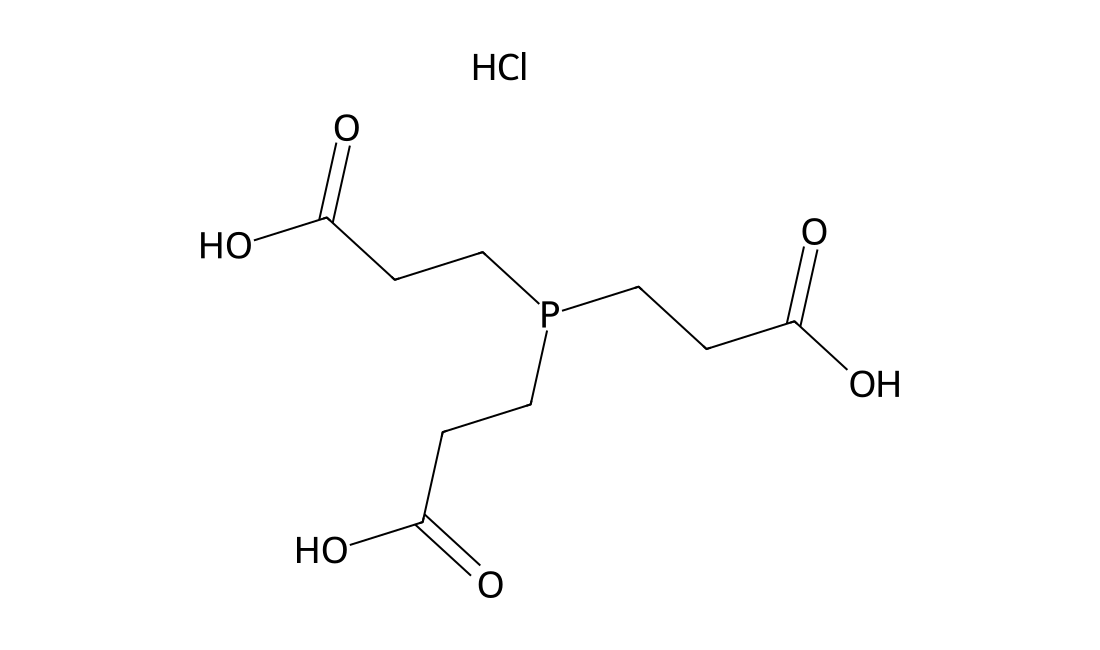
TCEP hydrochloride (Tris(2-carboxyethyl)phosphine hydrochloride) is a non-thiol reducing agent that is more stable and produces a faster S-S reductive reaction than other chemical reductants. TCEP hydrochloride is a trialkylphosphine, selectively reduces protein disuldes without altering the properties or interacting with thiol-directed agents in the reaction mixture. TCEP hydrochloride is also a commonly used reducing agent in the DNA/AuNP chemistry[1][2][3][4].
CAS 1256349-48-0
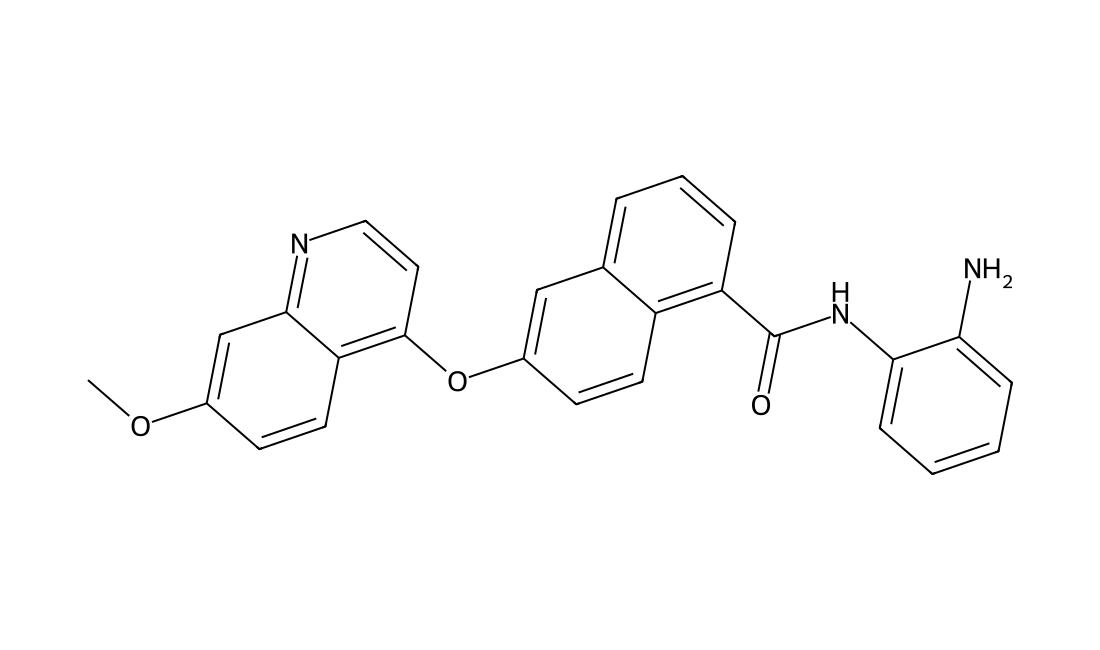
Chiauranib (CS2164) selectively inhibits multiple kinase targets aurora B kinase (AURKB), colony-stimulating factor 1 receptor (CSF1R), and vascular endothelial growth factor receptor (VEGFR)/platelet-derived growth factor receptor (PDGFR)/c-Kit , thereby inhibiting the rapid proliferation of tumor cells, enhancing the antitumor immunity, and inhibiting tumor angiogenesis, to achieve the anti-tumor efficacy.
CAS 2377916-66-8
PD-1/PD-L1-IN-NP19 is a PD-1/PD-L1 inhibitor, with an IC50 of 12.5 nM for human PD-1/PD-L1 interaction. PD-1/PD-L1-IN-NP19 could activate the immune microenvironment in tumor, which may contribute to its antitumor effects.
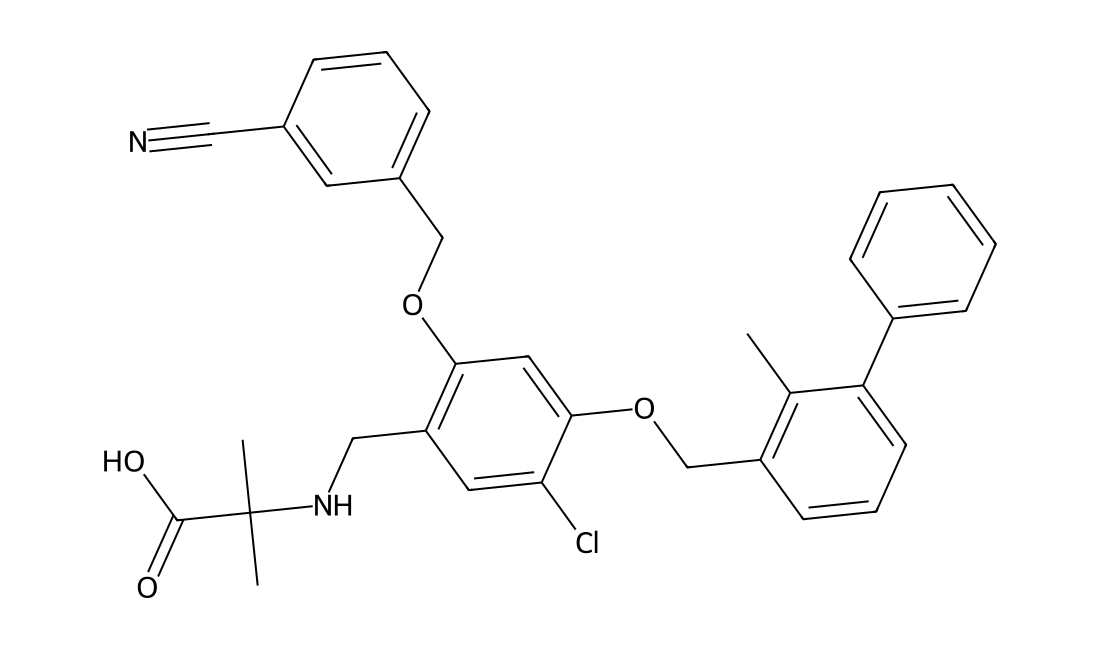
CAS 221877-54-9
Zotarolimus (ABT-578, A 179578) is a semi-synthetic analogue of rapamycin, inhibits FKBP-12 binding with IC50 of 2.8 nM and shows less potent systemic immunosuppression than rapamycin; effectively inhibits both smooth muscle cell and endothelial cell proliferation, with IC50 values of 2.9 nM and 2.6 nM, respectively; exhibits high-affinity binding to the immunophilin FKBP12, inhibiting in vitro proliferation of both human and rat T cells; inhibits Con A-induced human T cells with IC50 of 7.0 nM; reduce early complications and improve late clinical outcomes in patients needing interventional cardiology.
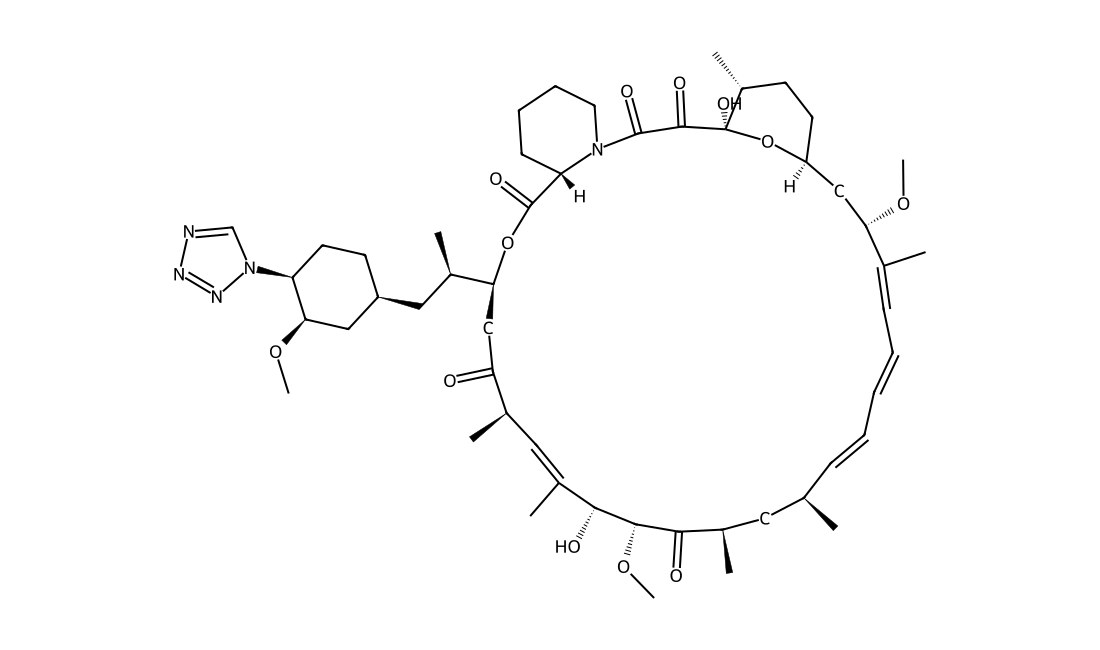
CAS 796854-35-8
WAY-204688 is an estrogen receptor (ER-α) selective, orally active inhibitor of NF-κB transcriptional activity with an IC50 of 122 ± 30 nM for NF-κB-luciferase (NF-κB-luc) in HAECT-1 cells.
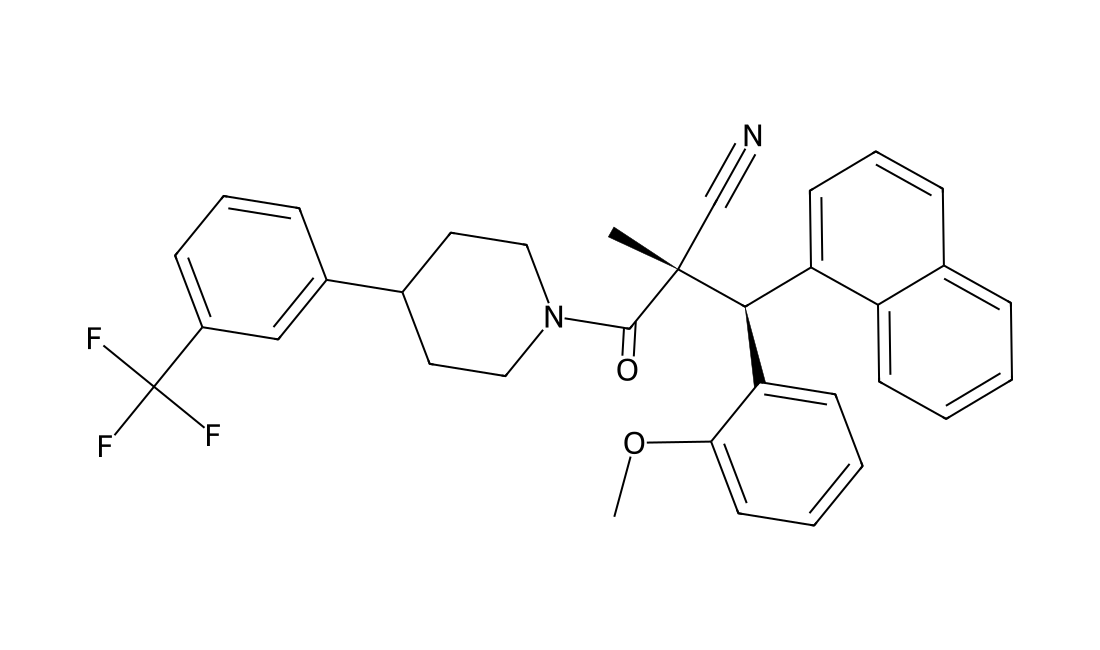
CAS 2051918-33-1
TD-1473 (Izencitinib, TD1473, JNJ 8398) is a potent, selective, oral gut-selective pan-JAK inhibitor with pKi of 10.0/10.0/8.8/9.5 for human recombinant JAK1, JAK2, JAK3 and TYK2.TD-1473 inhibited cytokine-induced phosphorylation of STAT1 in mouse primary colonic epithelial cells with pIC50 values for inhibition against IL-6, IFNα and IFNγ were 7.3, 6.8 and 7.0.TD-1473 demonstrated JAK inhibitory activity in ex vivo mouse colon and human IBD patient colonic tissue. TD-1473 (Izencitinib) is under development for the treatment of ulcerative colitis.
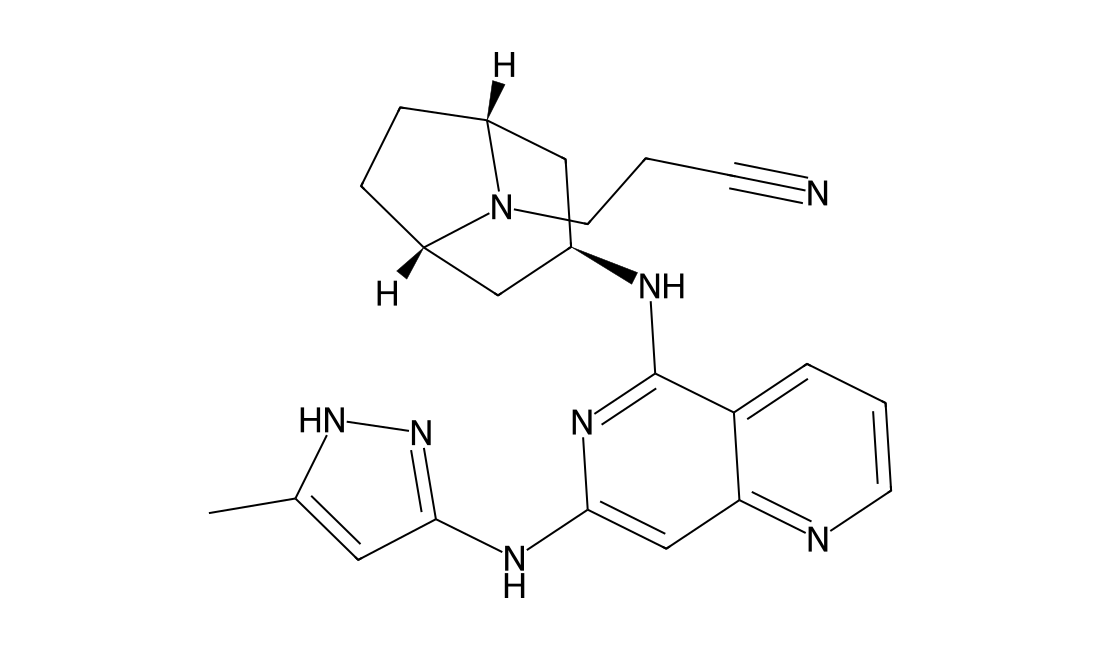
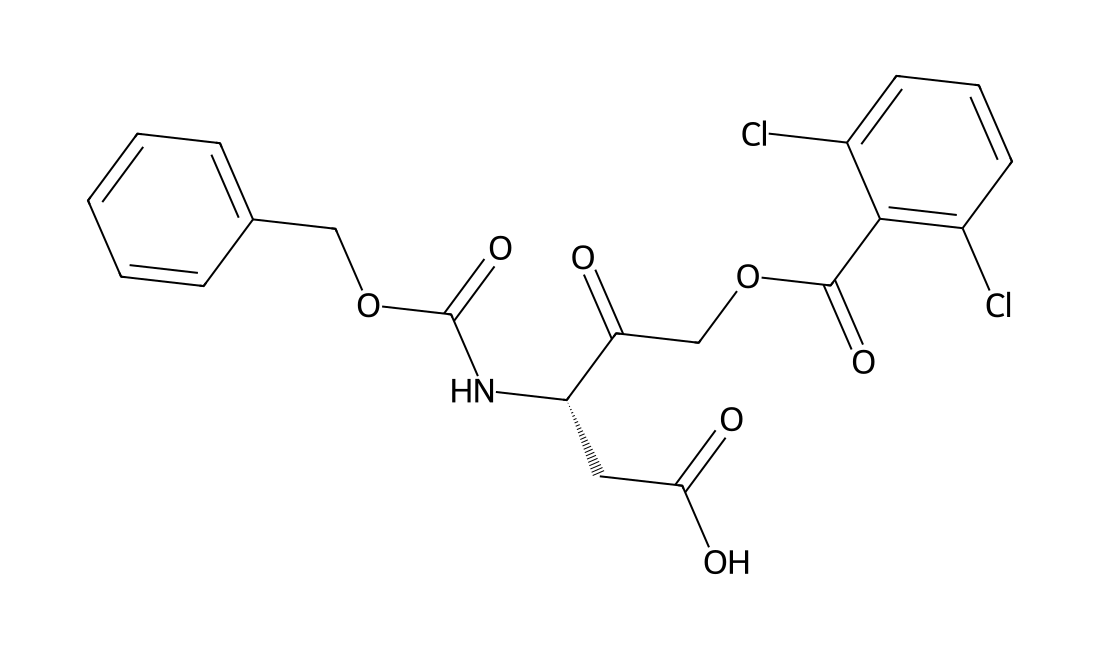
CAS 153088-73-4
Z-Asp-CH2-DCB is an irreversible broad spectrum caspase inhibitor. Z-Asp-CH2-DCB also inhibits proteases with caspase-like activity. Z-D-CH2-DCB blocks the production of IL-1β, TNF-α, IL-6, and IFN-γ in staphylococcal enterotoxin B (SEB)-stimulated peripheral blood mononuclear cells (PBMC), and reduces SEB-1-stimulated T-cell proliferation in a dose-dependent manner. Z-Asp-CH2-DCB prevents SU5416-induced septal cell apoptosis and emphysema development.
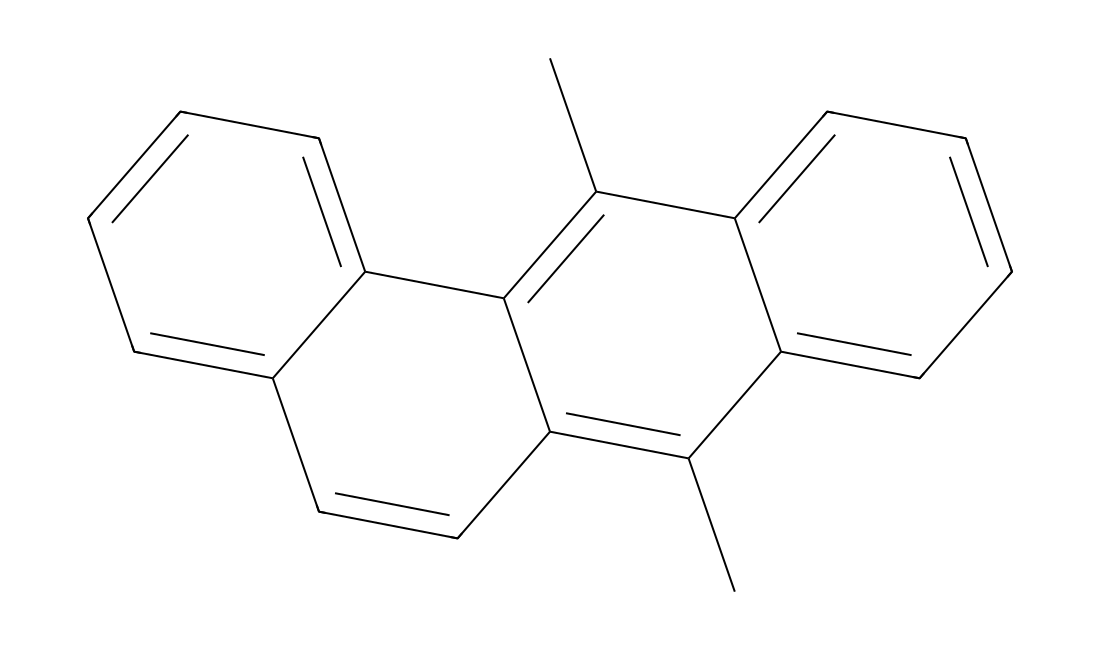
CAS 57-97-6
7,12-Dimethylbenz[a]anthracene (DMBA) is an immunosuppressor as well as a potent organ-specific carcinogen.
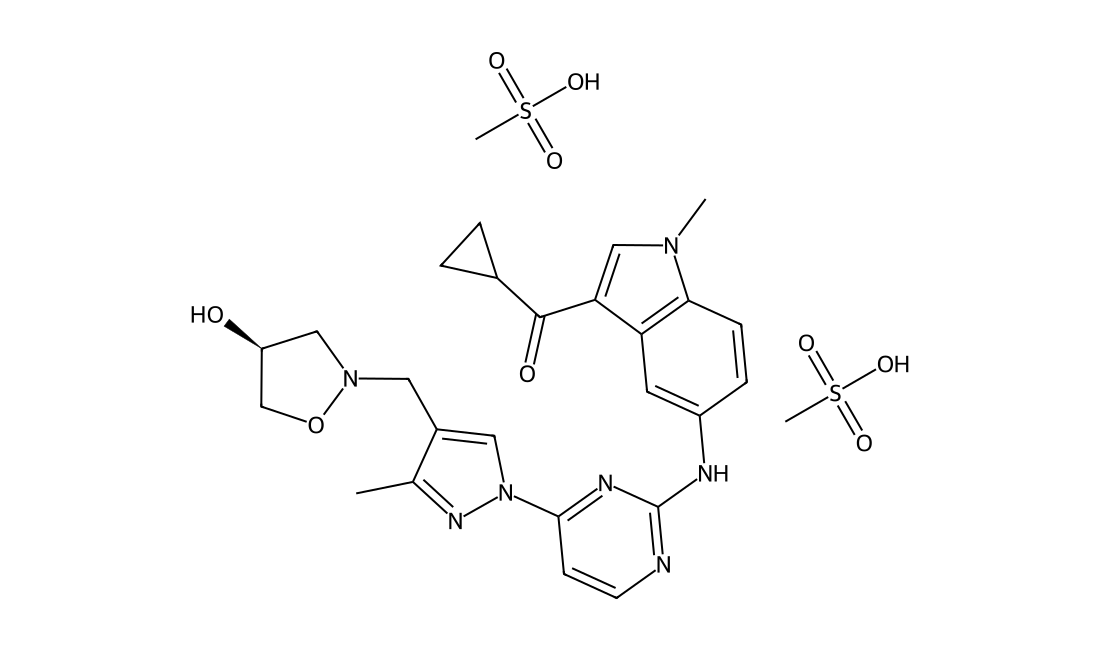
CAS 2043659-93-2
Cevidoplenib is an orally available inhibitor of spleen tyrosine kinase (Syk), with potential anti-inflammatory and immunomodulating activities.
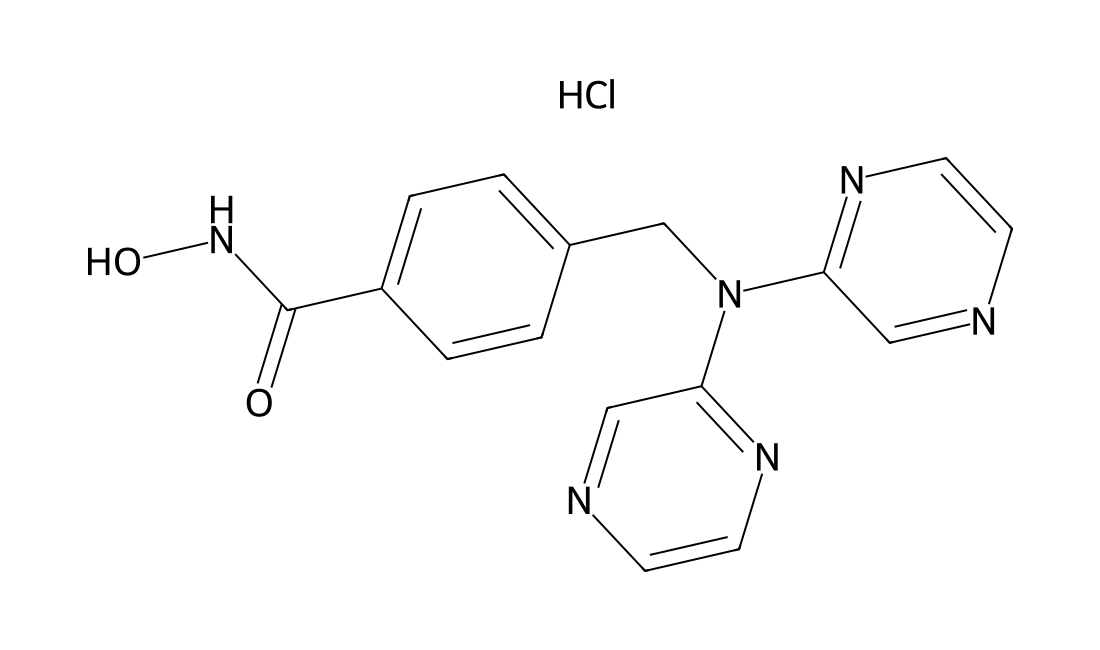
CAS 2972712-63-1
KA2507 hydrochloride is a potent and highly selective inhibitor of HDAC6 (IC50=2.5 nM) with no significant toxicities. KA2507 hydrochloride shows antitumor efficacy and immune modulatory effects.
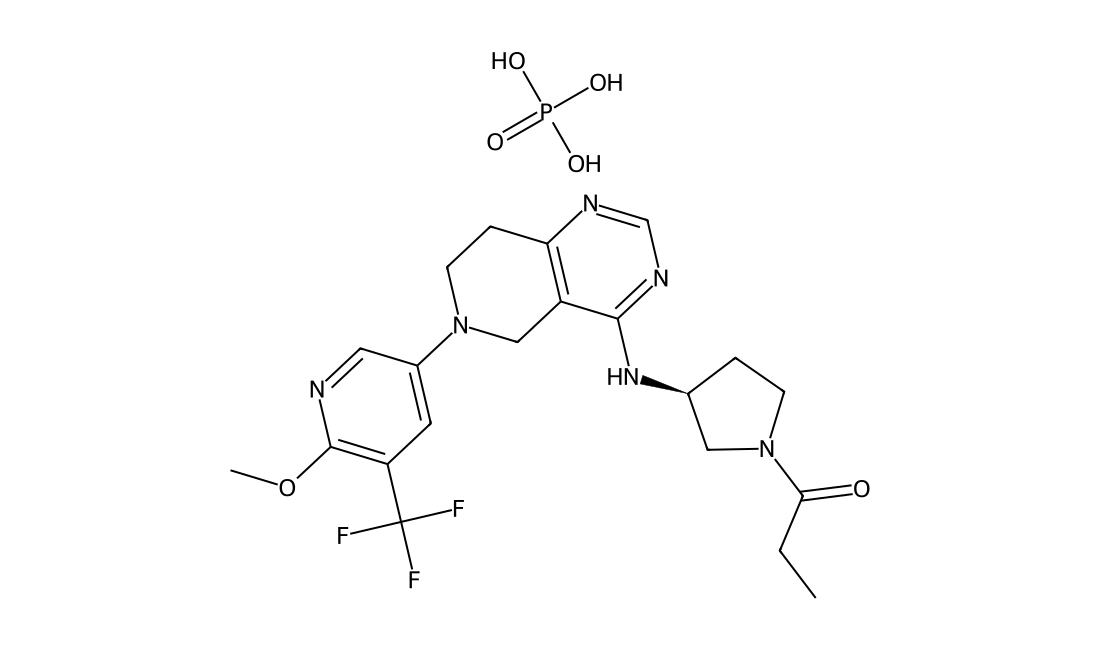
CAS 1354691-97-6
Leniolisib (CDZ173) phosphate is a potent and selective PI3Kδ inhibitor. Leniolisib phosphate has the potential for immunodeficiency disorders treatment.
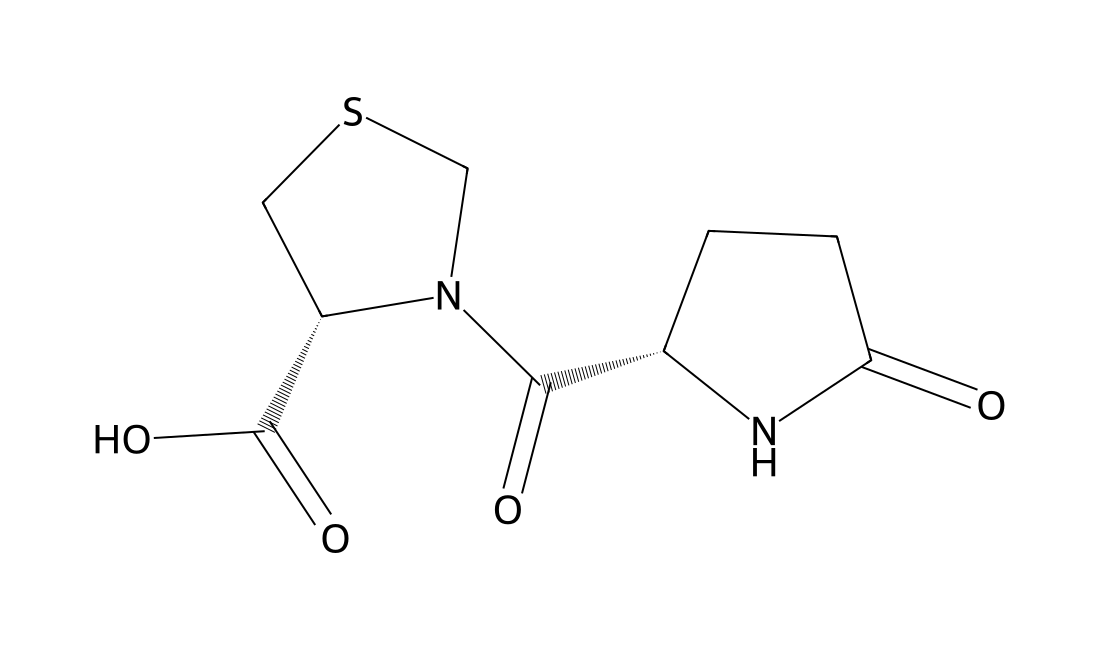
CAS 121808-62-6
Pidotimod is an immunostimulant, a synthetic dipeptide with immunomodulatory properties, also able to increase the concentration of salivary IgA directed against bacteria.
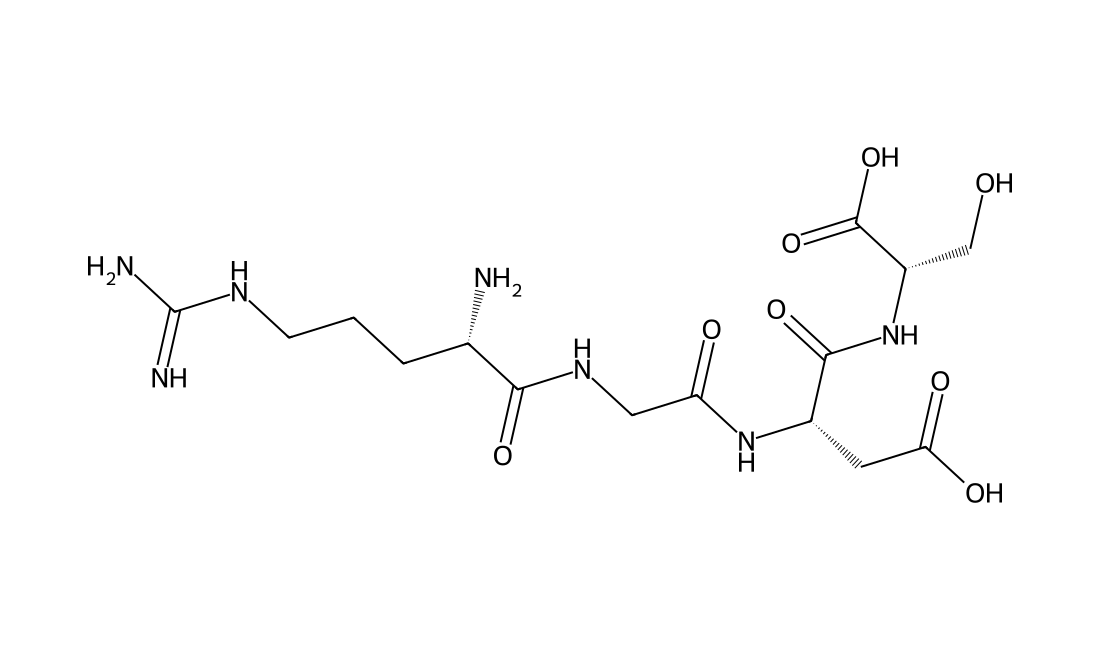
CAS 91037-65-9
Arg-Gly-Asp-Ser is an integrin binding sequence that inhibits integrin receptor function, decreases systemic inflammation via inhibition of collagen-triggered activation of leukocytes and attenuates expression of inflammatory cytokines, iNOS and MMP-9.
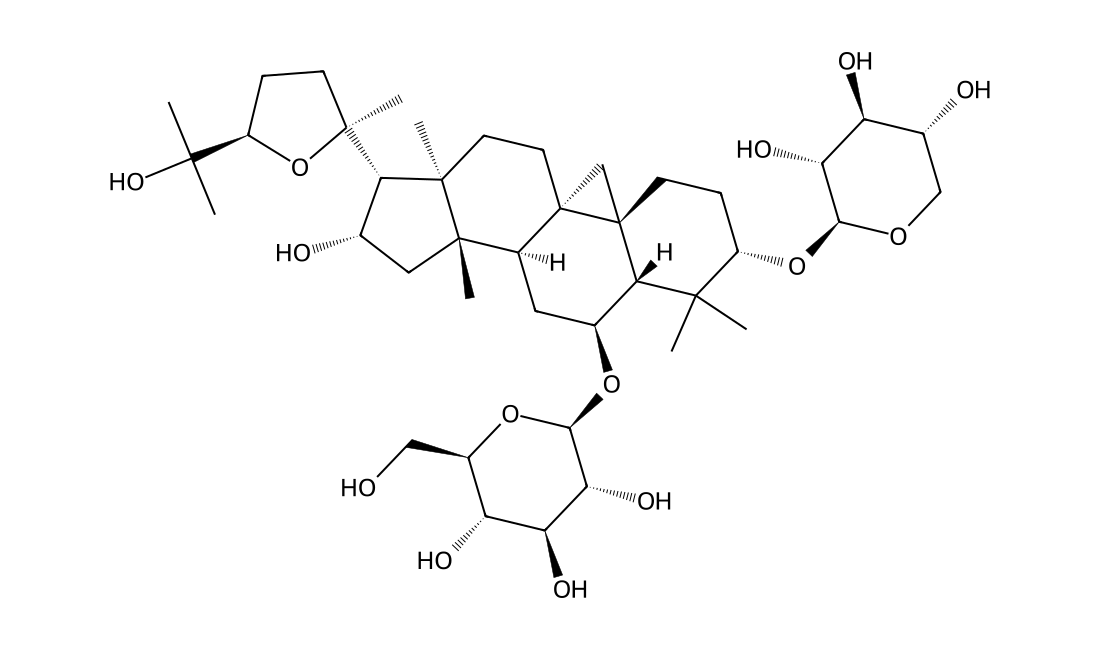
CAS 83207-58-3
Astragaloside A is one of the major active constituents of Astragalus membranaceus in Traditional Chinese Medicine; has been widely used to treat ischemic diseases.
CAS 1397-89-3
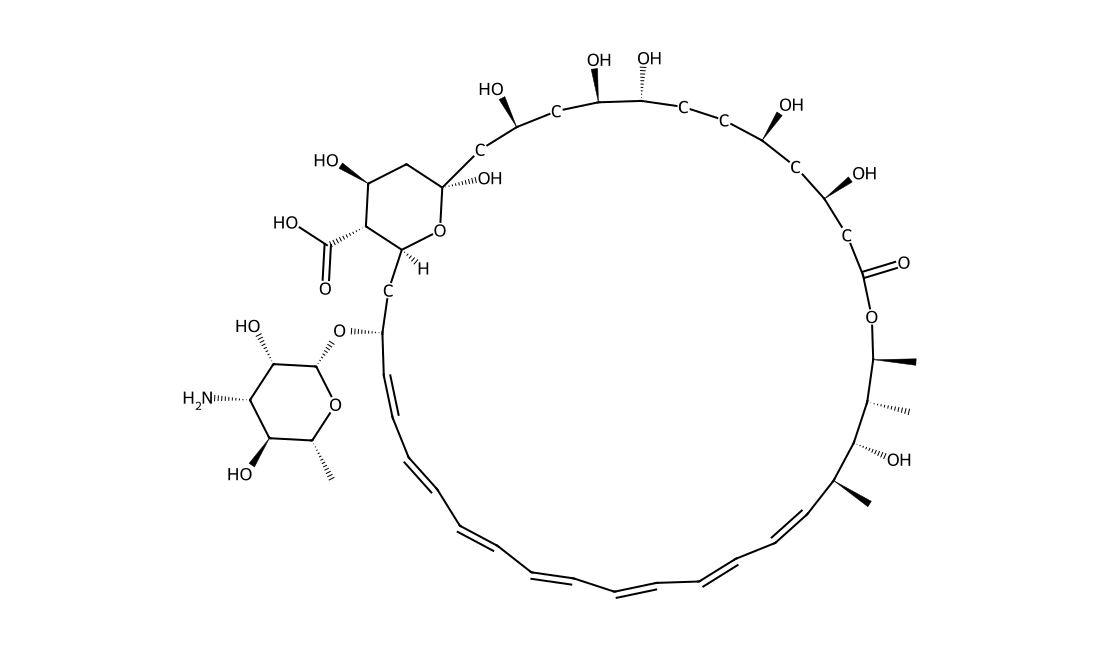
Amphotericin B is a polyene antifungal agent against a wide variety of fungal pathogens. It binds irreversibly to ergosterol, resulting in disruption of membrane integrity and ultimately cell death.
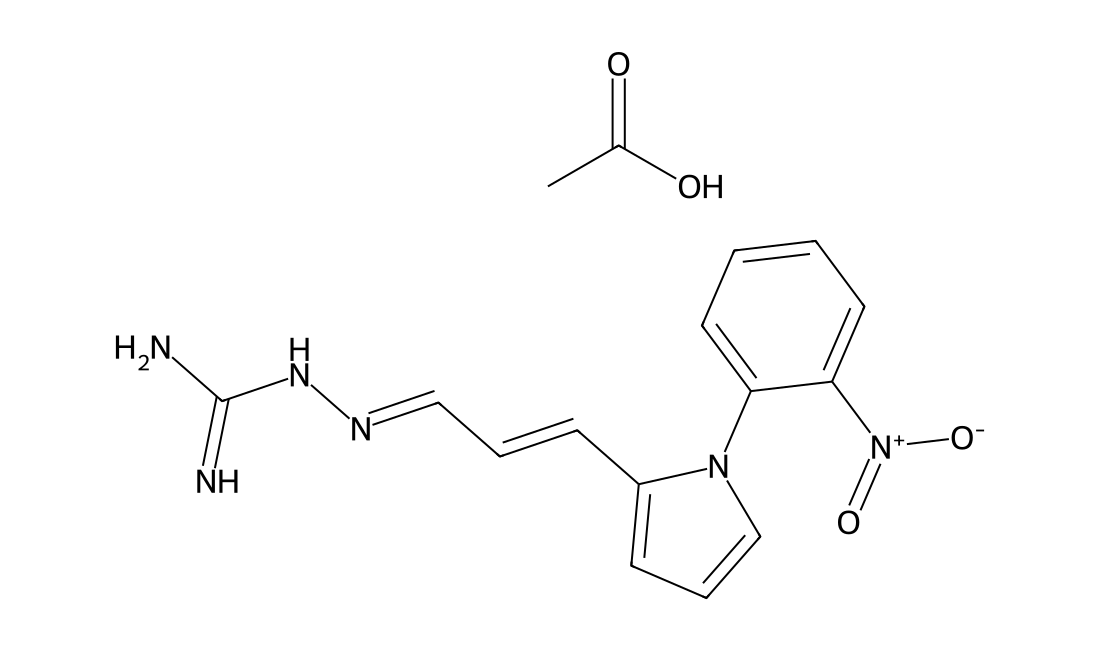
CAS 959850-74-9
AP1189 is a biased agonist at receptors MC1 and MC3. AP1189 reduced cytokine release, an effect reliant on both MC1 and MC3 as evident from the use of Mc1r(-/-) and Mc3r(-/-) macrophages. No melanogenesis was induced by AP1189 in B16-F10 melanocytes. In vivo, oral AP1189 elicited anti-inflammatory actions in peritonitis and, upon administration at the peak of inflammation, accelerated the resolution phase by ∼3-fold.
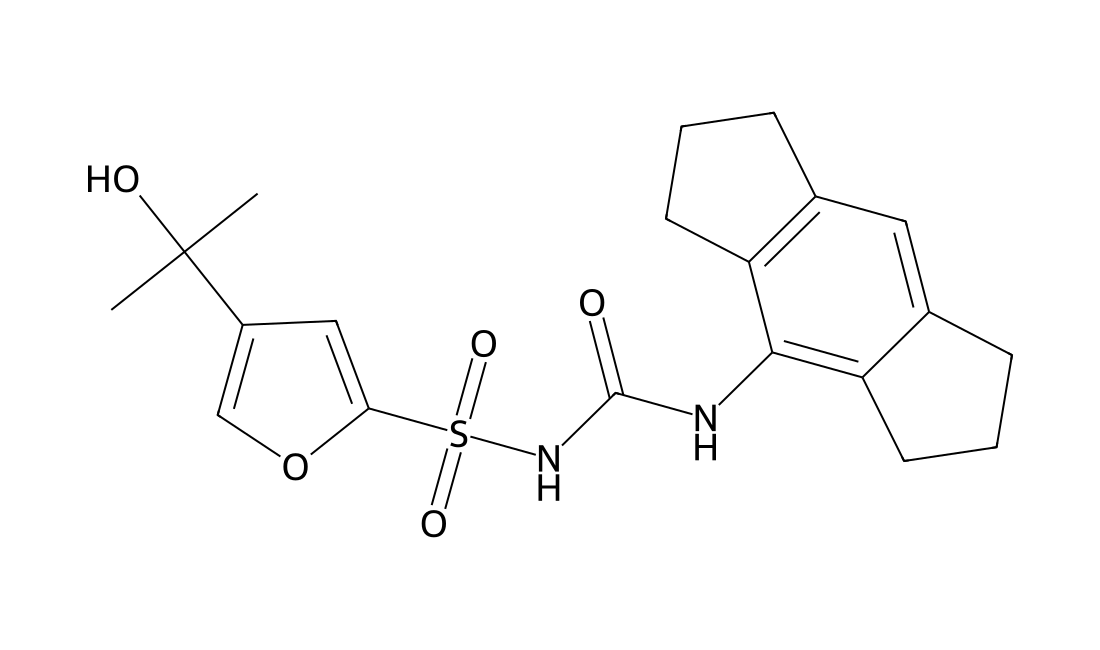
CAS 210826-40-7
Potent and selective inhibitor of NLRP3, reducing interleukin-1β (IL-1β) production in vivo and attenuating the severity of experimental autoimmune encephalomyelitis (EAE)
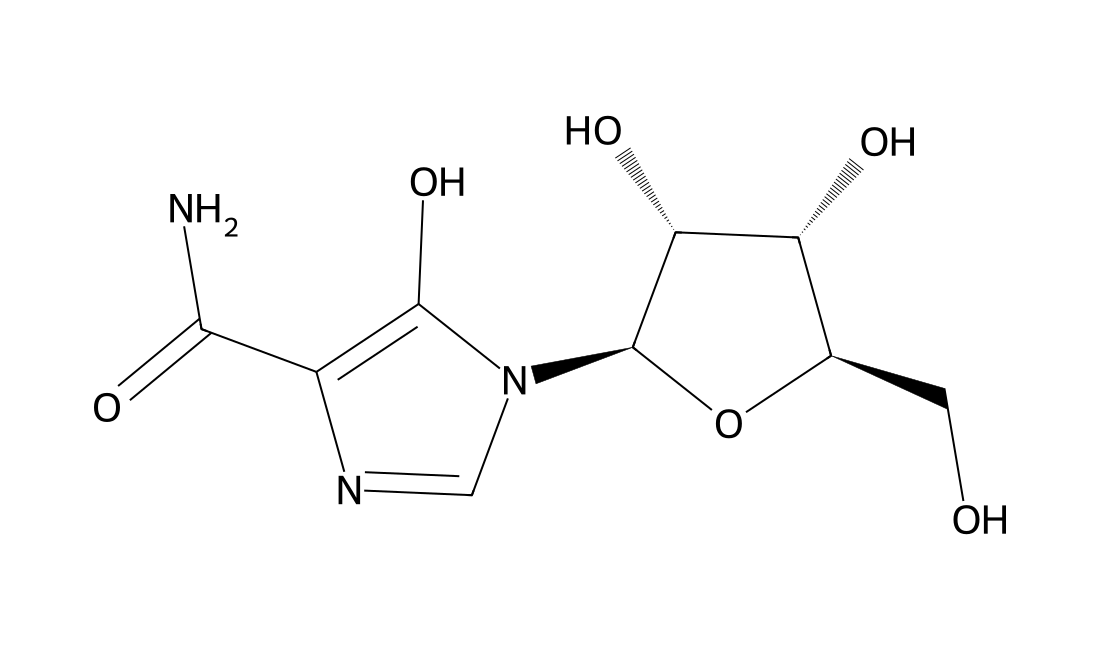
CAS 50924-49-7
Mizoribine(NSC 289637; HE 69; β-Bredinin) is an immunosuppressive agents (IC50=100 uM) that inhibit the proliferation of lymphocytes selectively, via inhibition of IMPDH.IC50 Value:Target: IMPDHin vitro: Unlike azathioprine, Mizoribine is not taken up by nucleic acids in the cell. Instead, after phosphorylation MZR-5 -monophosphate inhibits GMP synthesis by the antagonistic blocking of IMPDH (Ki = 10(-8)M) and GMP- synthetase (Ki =10(-5) M) [1]. Pretreatment of cells with MZR partially, but significantly, attenuates the expression of monocyte chemoattractant protein (MCP)-1 mRNA and protein, whereas the poly IC-induced expressions for the other functional molecules, such as CCL5, fractalkine and IL-8 were not influenced by MZR treatment [2].in vivo:MZR 150 mg was administered once a day. After 6 months, the remission rate was 72.7% (2 subjects achieved complete remission, and 9 partial remission). After 3 and 6 months, significant reductions (p < 0.01) were obtained in 24-h proteinuria (g/day) [3].
CAS 1570231-89-8
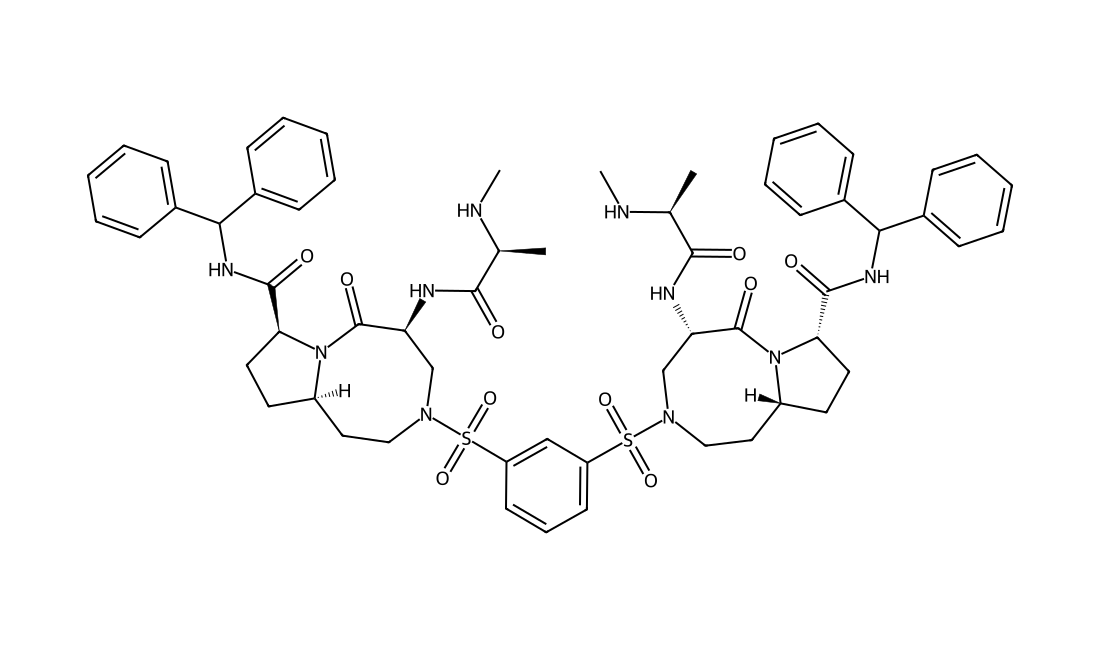
APG-1387, a bivalent SMAC mimetic, is an IAP antagonist that can induce proteasomal degradation of IAPs. APG-1387 sensitizes immune-mediated cell apoptosis in cancers. APG-1387 can be used for the research of hepatocellular carcinoma, ovarian cancer, and nasopharyngeal carcinoma.
CAS 2407854-18-4
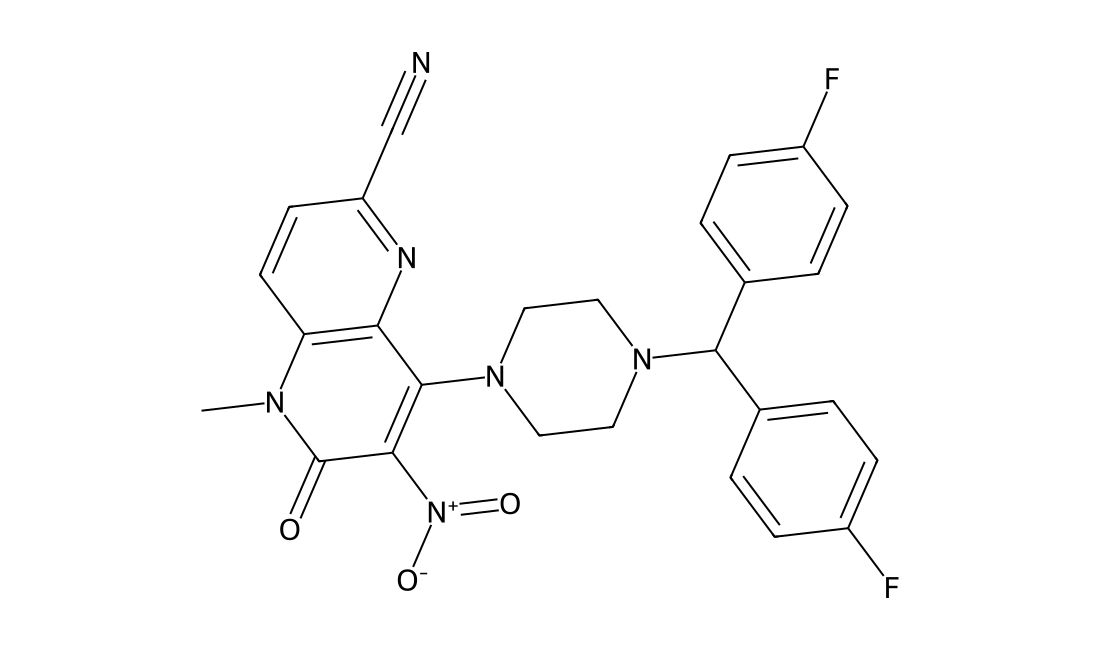
BMS-502 is a dual DGKα and ζ inhibitor. BMS-502 demonstrated dose-dependent immune stimulation in the mouse OT-1 model, setting the stage for a drug discovery program.
CAS 2271119-26-5
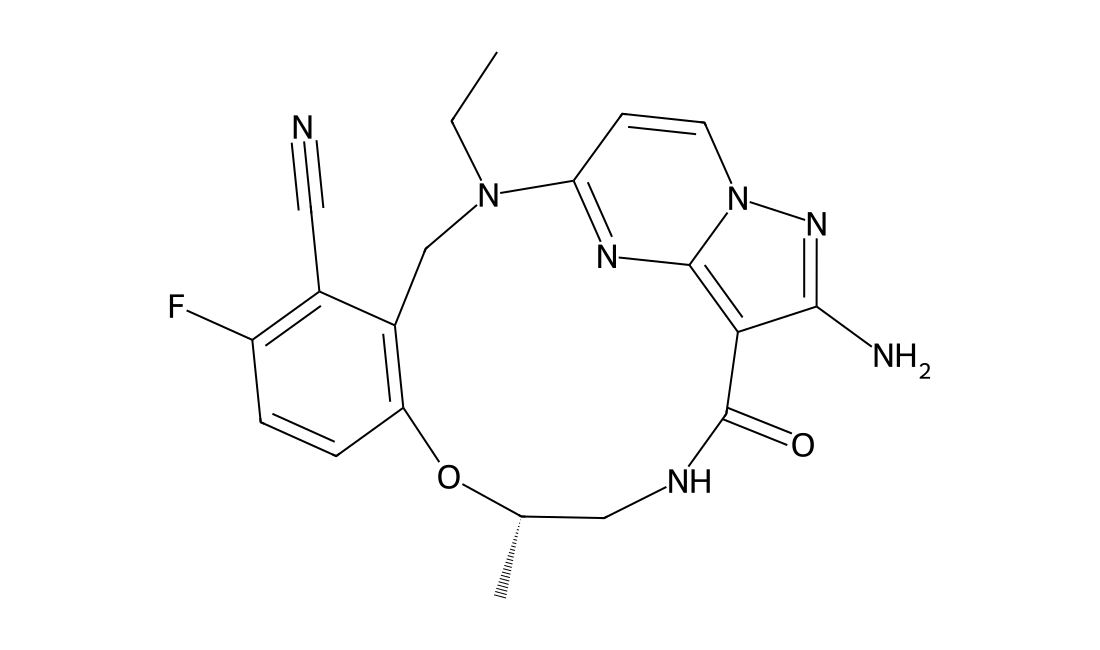
CSF1R-IN-2 (compound 5) is an oral-active inhibitor of SRC, MET and c-FMS, with IC50 values of 0.12 nM, 0.14 nM and 0.76 nM for SRC, MET and c-FMS respectively[1].
CAS 610318-54-2
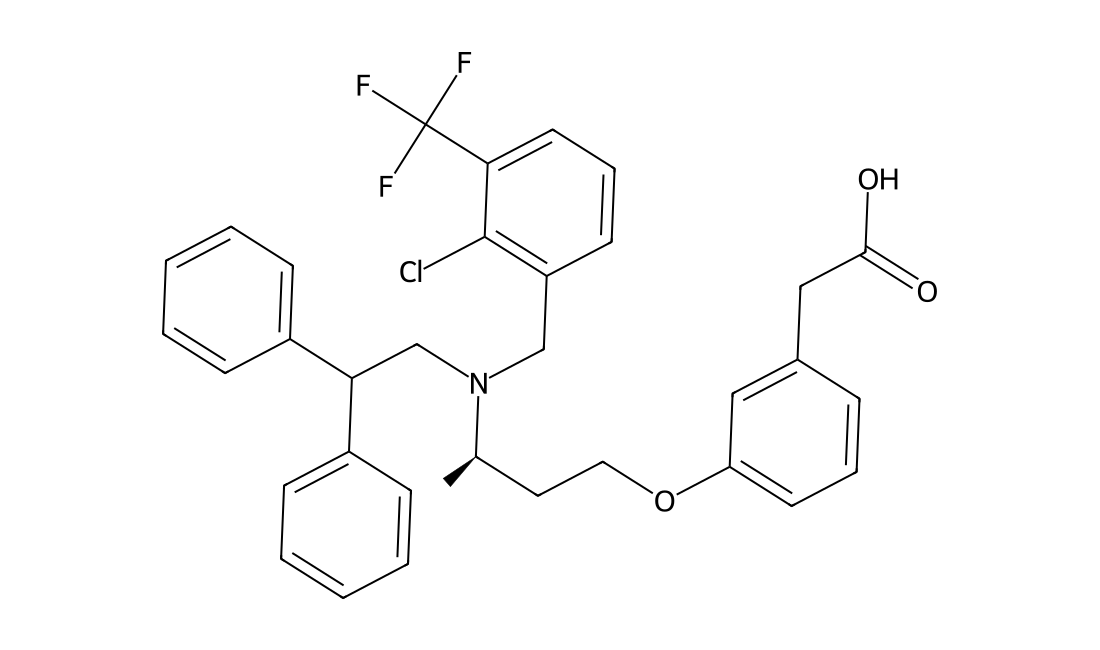
RGX-104 (free base) is an orally bioavailable and potent liver-X nuclear hormone receptor (LXR) agonist that modulates innate immunity via transcriptional activation of the ApoE gene.
CAS 1931994-81-8
Zabedosertib (BAY 1834845) is a IRAK4 inhibitor with immunomodulatory potential. IRAK4 is a protein kinase involved in signaling innate immune responses from Toll-like receptors.