Home/Small Molecules/Immunology & Inflammation

Immunology & Inflammation

Innate and adaptive immunity, inflammatory pathways and immune signaling.

Browse all research categories

Browse by research category

Products may appear in more than one category. Counts refer to distinct catalog numbers within each category.

Other Research Tools (75) · Additional reagents, building blocks and specialized research tools.

Immunology & Inflammation products

Combine a keyword, research category and target to narrow the product list.

Loading catalog filters…

515 products · Showing 481–515

DC10399

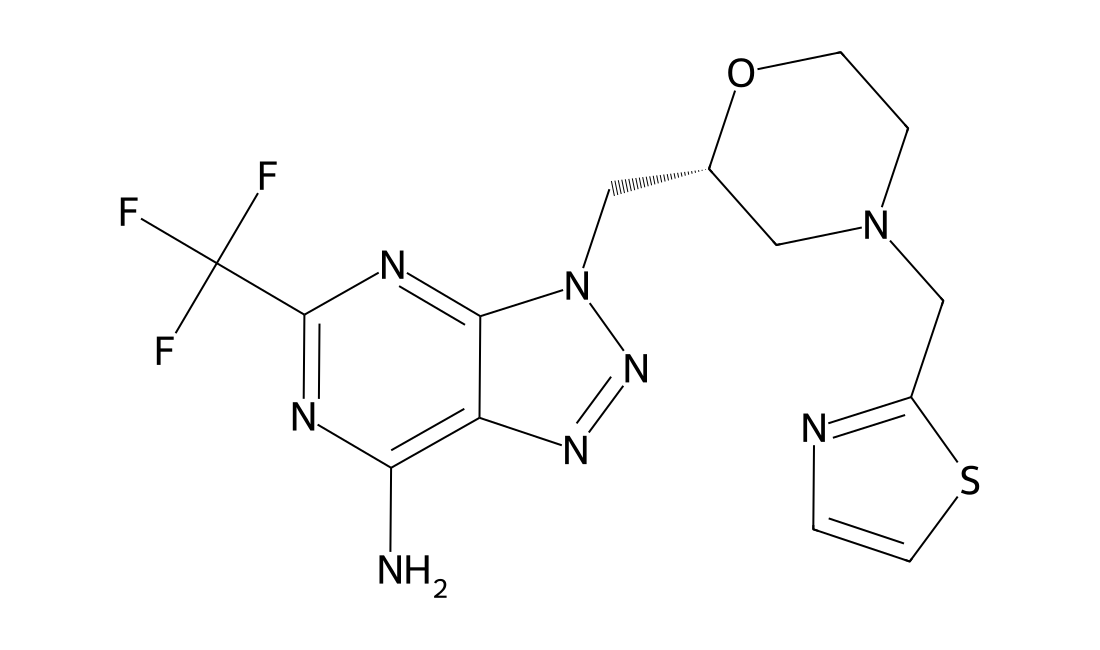
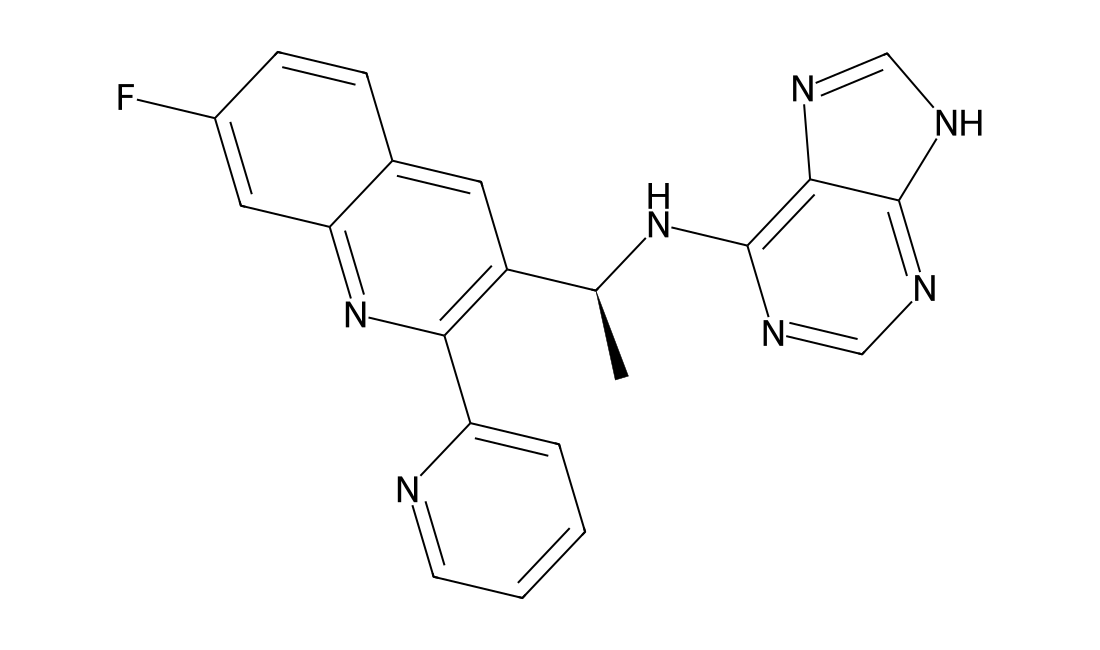
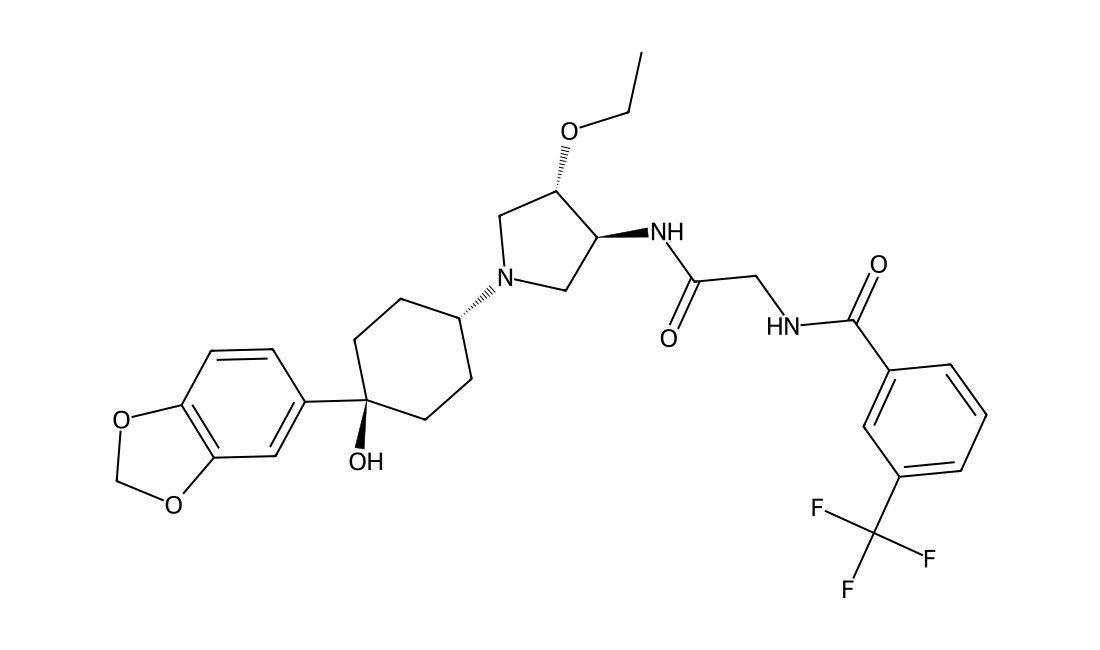
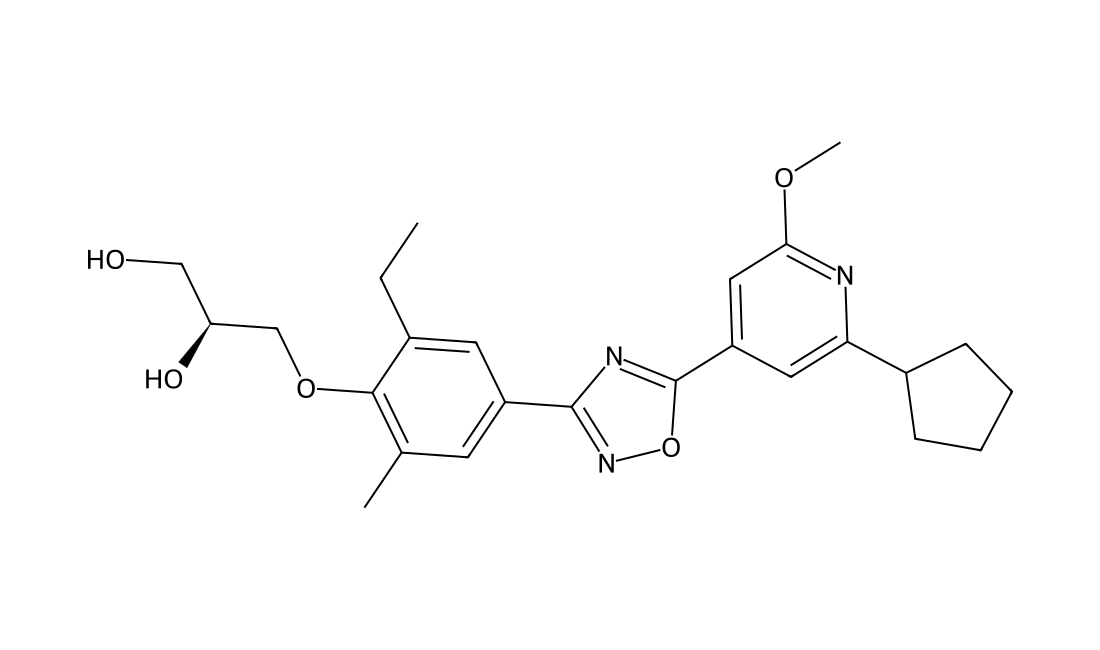
PAC-14028

CAS 1005168-10-4

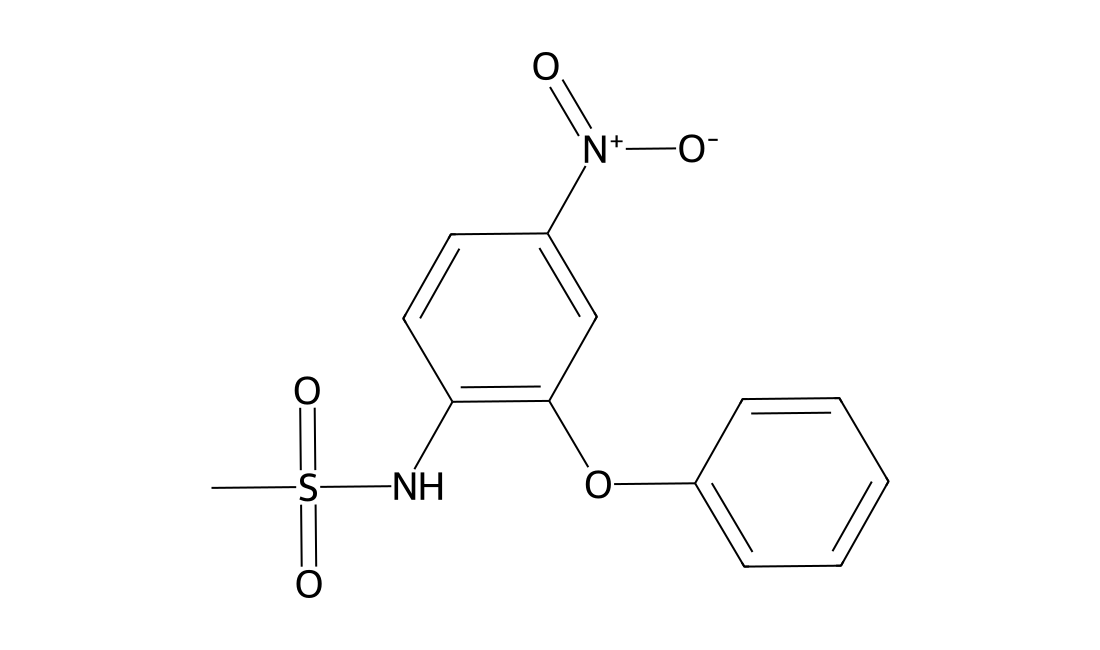
PAC-14028 could prevent barrier damages, accelerate skin barrier recovery and suppress pruritus, showing a potential for the treatment of atopic dermatitis. It could suppress serum IgE increase, epidermal infiltration of inflammatory cells and mast cell degranulation associated with atopic dermatitis. PAC-14028 shows efficacies against diverse disease models including visceral pain, inflammatory bowel disease, and inflammatory pain.PAC-14028 shows a plasma half-life of 2.1 h in rats while it is extended slightly to 3.8 h in minipigs. Oral bioavailability at 10 mg/kg dose is determined to be 52.7% and 64.2% in rats and minipigs, respectively suggesting that PAC-14028 is relatively well-absorbed through oral route. PAC-14028 could inhibit capsaicin-evoked calcium influx in keratinocytes at sub-micromolar concentrations. This potent TRPV1 antagonistic activity in keratinocytes is manifested in vivo as the blockade of capsaicin-induced blood perfusion increase, and the accelerated barrier recovery from tape-stripping-induced barrier damages in hairless mice.

PAC-14028 chemical structure
DC9052

Nimesulide

CAS 51803-78-2

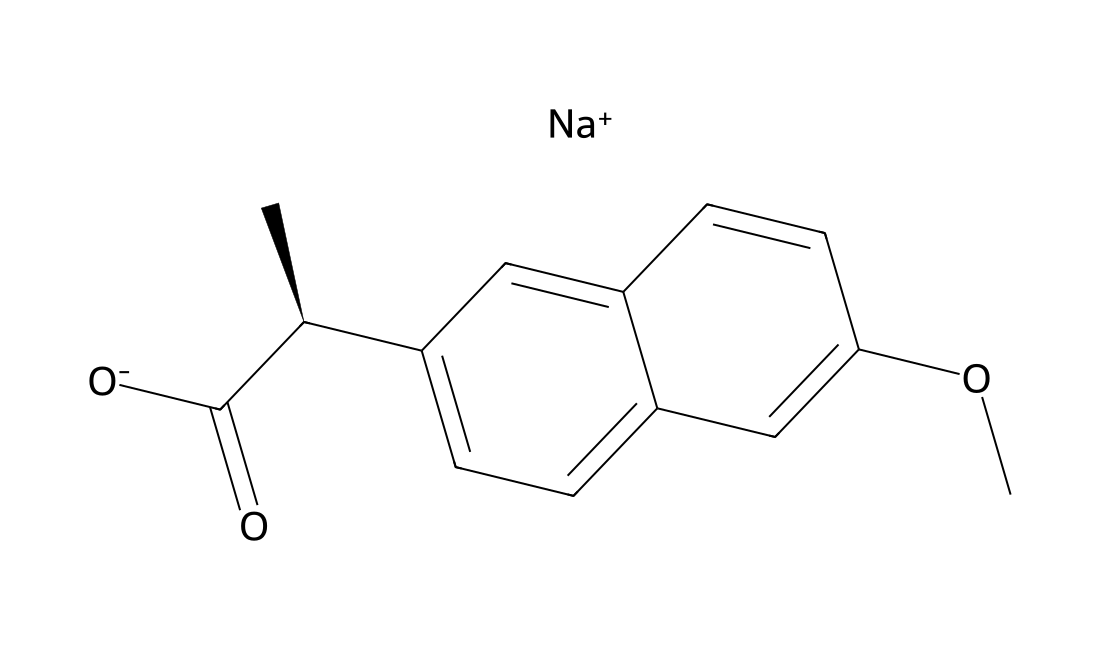
Nimesulide is a relatively COX-2 selective, non-steroidal anti-inflammatory drug (NSAID) with analgesic and antipyretic properties.Nimesulide is a selective COX-2 inhibitor used in a variety of inflammatory, pain and fever states. After healthy volunteers received oral nimesulide 100 mg in tablet, granule or suspension form the drug was rapidly and extensively absorbed. Mean peak concentrations (Cmax) of 2.86 to 6.50 mg/L were achieved within 1.22 to 2.75 hours of administration. Nimesulide is an NSAID which exerts its analgesic, anti-inflammatory and antipyretic activities thanks to unique chemical and pharmacokinetic characteristics, and to a multifactorial mechanism of action, which goes beyond its preferential inhibitory activity on the COX-2 enzyme. Nimesulide was found to be at least as effective, or superior, to placebo and other NSAIDs, with a particularly fast onset of analgesic action. nimesulide remains an effective and safe therapeutic choice for the treatment of various painful inflammatory conditions, with a rapid onset of analgesic activity and an overall positive benefit/risk profile.

Nimesulide chemical structure
DC9000

Naproxen sodium

CAS 26159-34-2

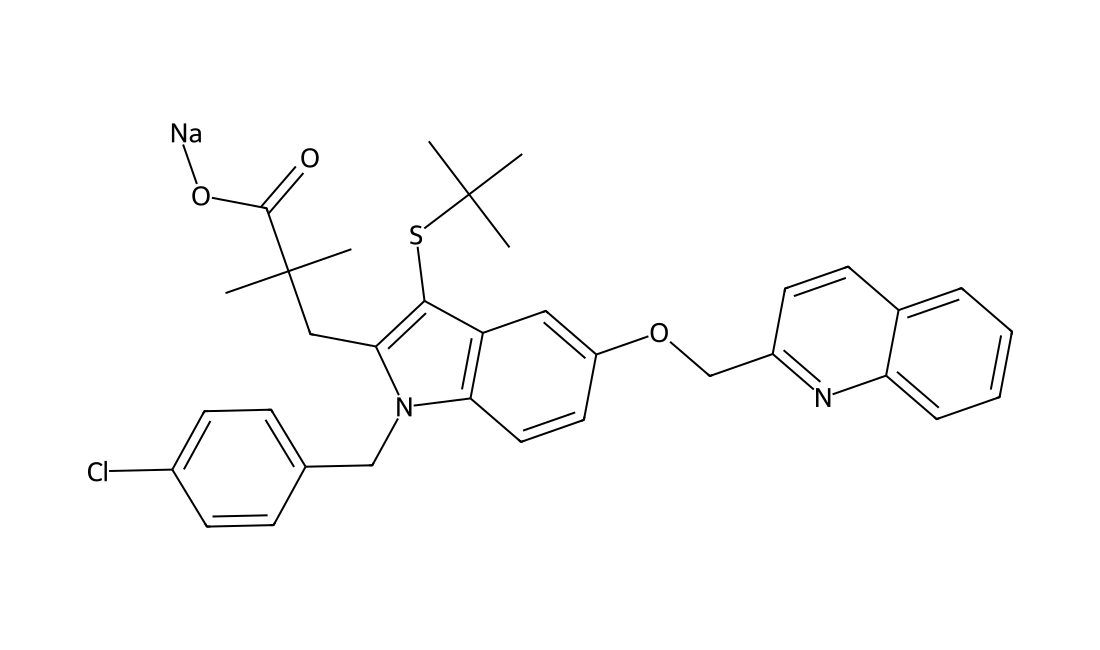
Naproxen is a COX inhibitor for COX-1 and COX-2 with IC50 of 8.7 μM and 5.2 μM, respectively.Naproxen is approximately equipotent inhibitor of COX-1 and COX-2 in intact cells with IC50 of 2.2 μg/mL and 1.3 μg/mL, respectively. Naproxen decreases the in vitro LPS-induced PGE2 and TXB2 production in rats and humans with IC50 of 30.7 μM and 79.5 μM for PGE2 inhibition, 72.4 μM and 48.3 μM for TXB2 inhibition, respectively. Naproxen produces concentration-related inhibition of TXB2 production from human platelets and LPS-induced TXB2 production from human mononuclear cells with plC50 values (-log concentration inhibiting TXB2 by 50%) of 5.7 and 6.4, respectively, and exhibits slightly inhibitory selectivity for constitutive and induced COX-2 with IC50 COX-1/IC50 COX-2 of 6.3. Naproxen displays IC50 of 27 μM for analgesia in a rat model with carrageenan-induced arthritis and IC50 of 40 μM for antipyretics in a yeast-induced fever rat model, while exhibits inhibition of PGE2 with IC50 of 13 μM and TXB2 with IC50 of 5 μM.

Naproxen sodium chemical structure
DC9448

MK591

CAS 147030-01-1

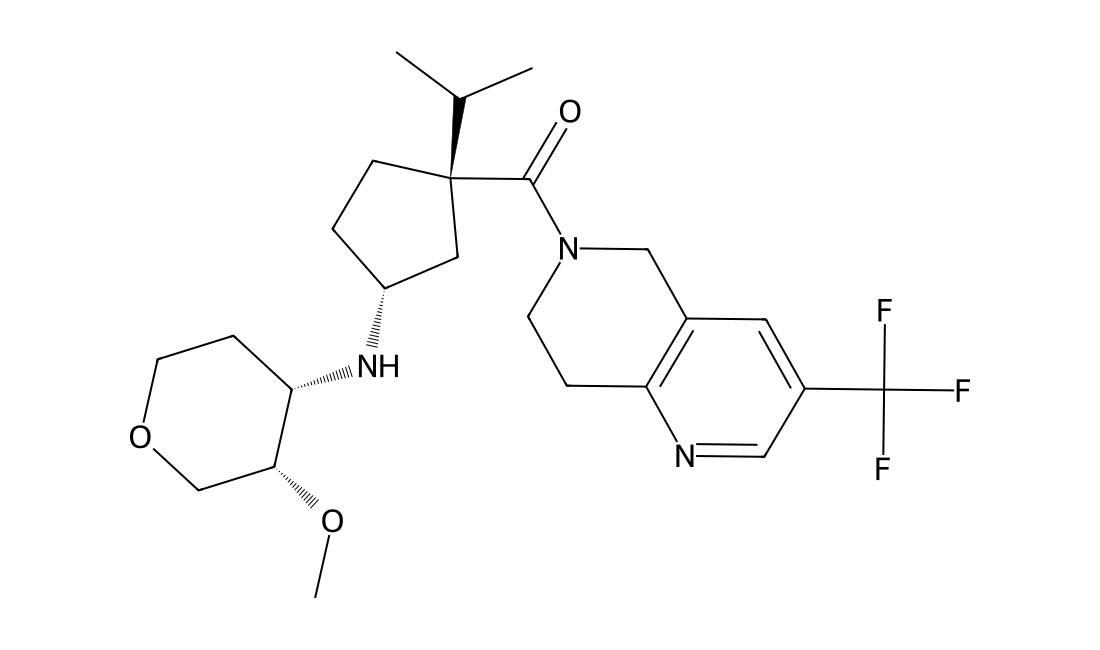
MK591(Quiflapon sodium) is a selective and specific 5-Lipoxygenase-activating protein (FLAP) inhibitor. MK591 is a synthetic compound which specifically inhibits the activity of 5-Lox and is currently under development for the treatment of asthma. Research of involvement of 5-lipoxygenase activating protein in the amyloidotic phenotype of an Alzheimer's disease mouse model showed that a novel functional role for 5-lipoxygenase activating protein in the pathogenesis of Alzheimer's disease-like amyloidosis, and suggest that its pharmacological inhibition could provide a novel therapeutic opportunity for Alzheimer's disease. Another research showed 5-Lipoxygenase-activating protein (FLAP) inhibitor MK-0591 prevents aberrant alveolarization in newborn mice exposed to 85% oxygen in a dose- and time-dependent manner.

MK591 chemical structure
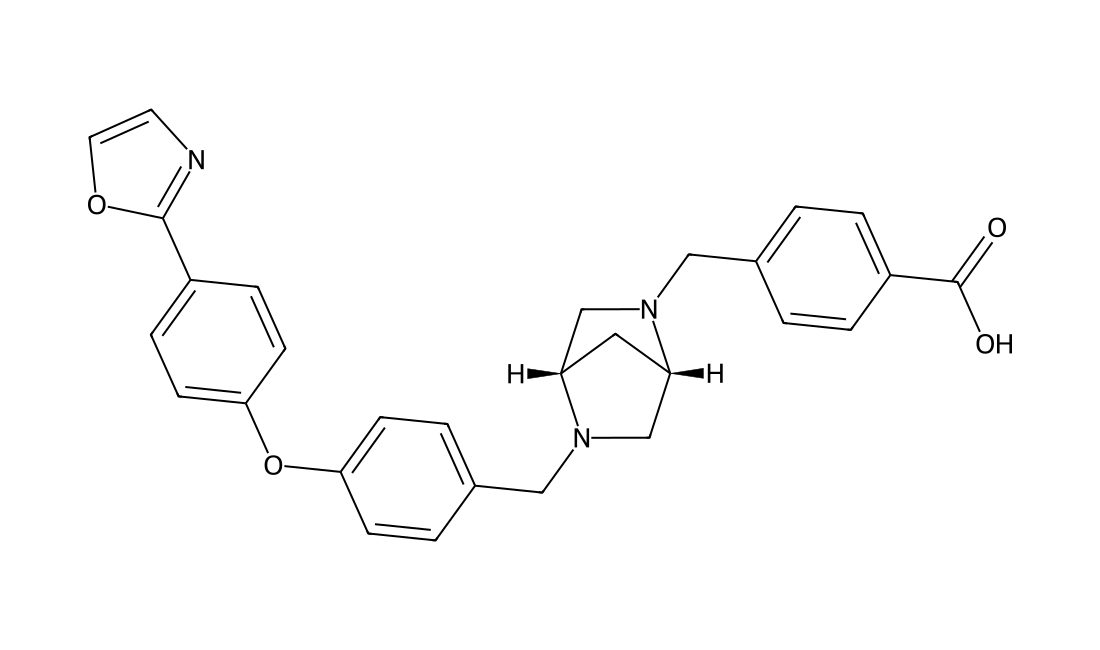
DC10418

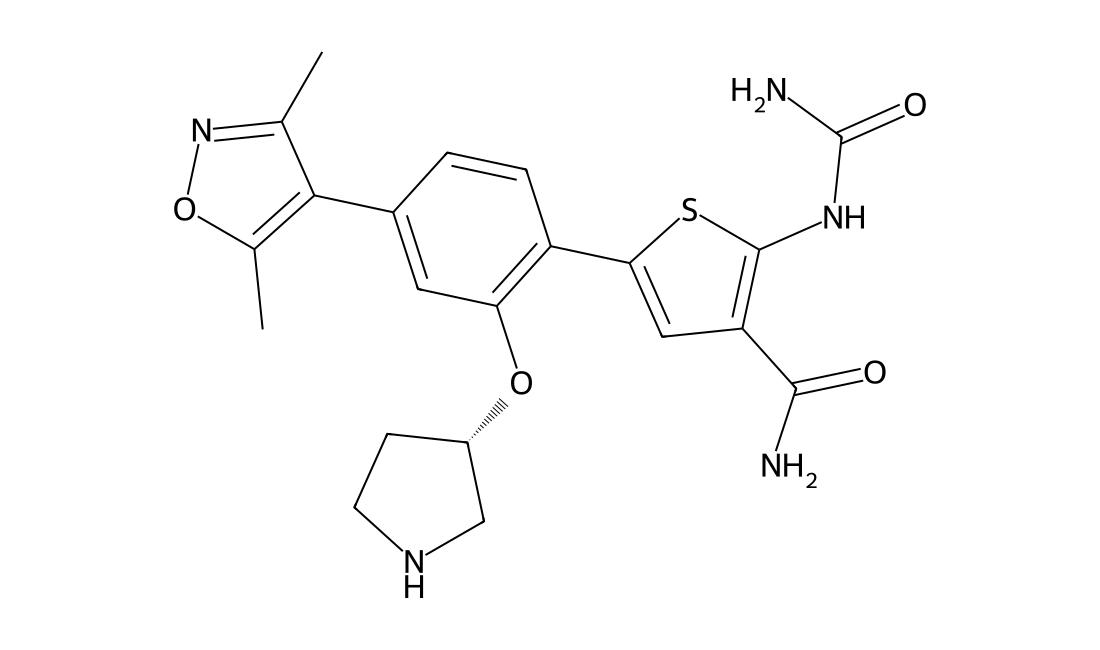
PF-04957325

CAS 1305115-80-3

PF-04957325 is over two orders of magnitude less efficient than PICL in suppressing polyclonal Teff cell proliferation, and shows no effect on cytokine gene expression in these cells, despite its robust effect on T cell adhesion. PF-04957325 is a selective PDE8 inhibitor and inhibits breast cancer cell migration. PF-04957325 greatly potentiates steroidogenesis in WT adrenal cells. PF-04957325 shows a reported IC50 of 0.7 nM against PDE8A, 0.2 nM against PDE8B, and > 1.5 μM against all other PDE isoforms. PF-04957325 treatment of WT Leydig cells or MA10 cells increases steroid production but has no effect in PDE8A (-/-)/B(-/-) double-knockout cells, confirming the selectivity of the drug. Moreover, under basal conditions, cotreatment with PF-04957325 plus rolipram, a PDE4-selective inhibitor, synergistically potentiates steroid production.

PF-04957325 chemical structure
DC7464

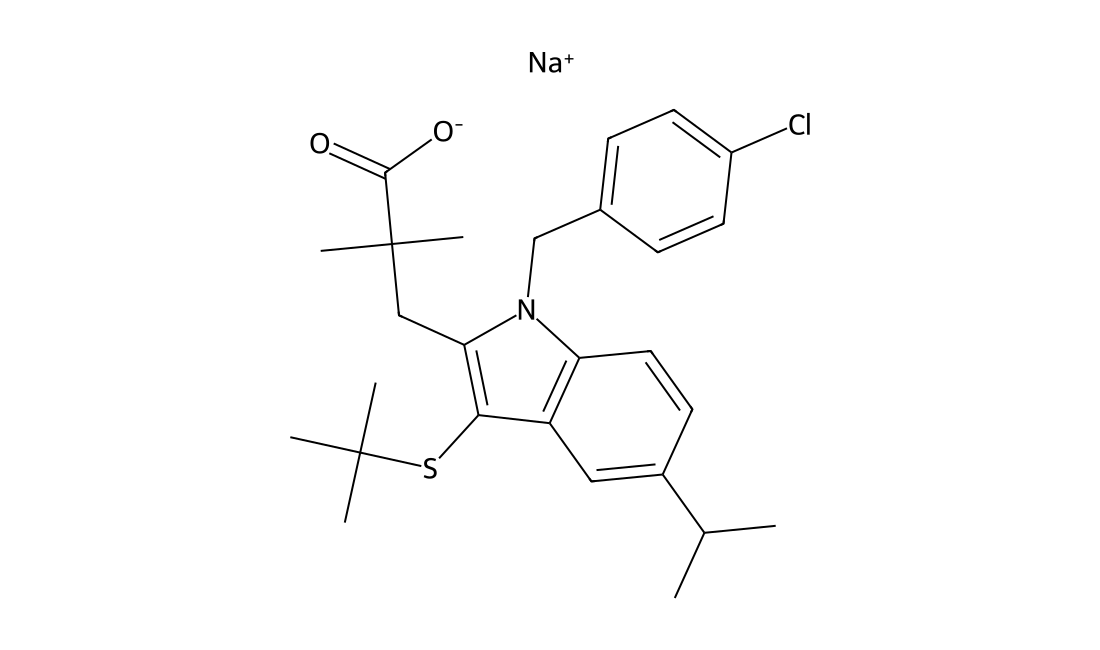
MK-886 (sodium salt)

CAS 118427-55-7

An inhibitor of leukotriene biosynthesis (IC50 = 3 nM in human polymorphonuclear leukocytes). Acts by inhibiting 5-lipoxygenase-activating protein (FLAP) (IC50 = 30 nM for inhibition of [125I]-L-691,678 photoaffinity labelling). Also moderately potent PPARα antagonist (IC50 = 0.5-1 μM). Orally active in vivo.

MK-886 (sodium salt) chemical structure
DC12186

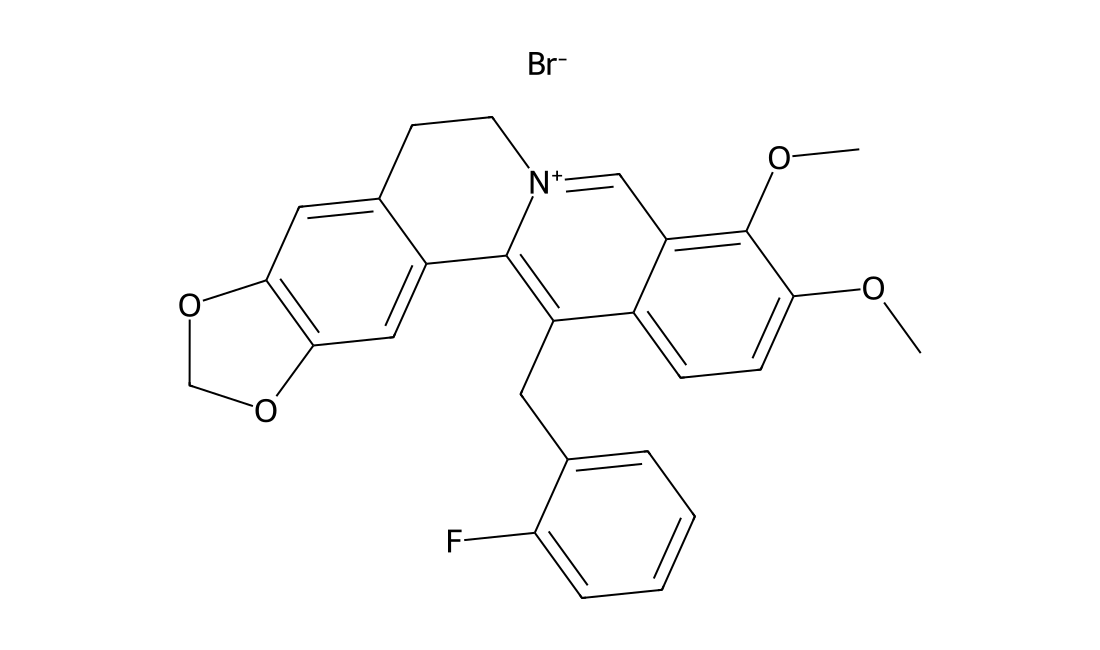
KRN2 bromide

CAS 1390654-28-0

In Vitro KRN2 shows much stronger inhibition of NFAT5-dependent reporter activity in RAW 264.7 macrophages than does BBR; the IC50 value is 0.1 μM for KRN2 and 4 μM for BBR. In parallel, 0.5 μM of KRN2 significantly suppresses the LPS-stimulated increase in NFAT5 protein expression in RAW 264.7 macrophages. It is confirmed that LPS-induced NFAT5 mRNA and protein expression is nearly completely blocked by KRN2. Similarly, KRN2 inhibits the translocation of NFAT5 into the nucleus of RAW264.7 cells stimulated with LPS. KRN2 specifically represses LPS-induced NFAT5 promoter activity, whereas it fails to reduce high salt-induced NFAT5 activity in the same cells, which is consistent with the selective inhibition of TLR4-activated NFAT5, but not hypertonicity-induced NFAT5, by KRN2.

KRN2 bromide chemical structure
DC12147

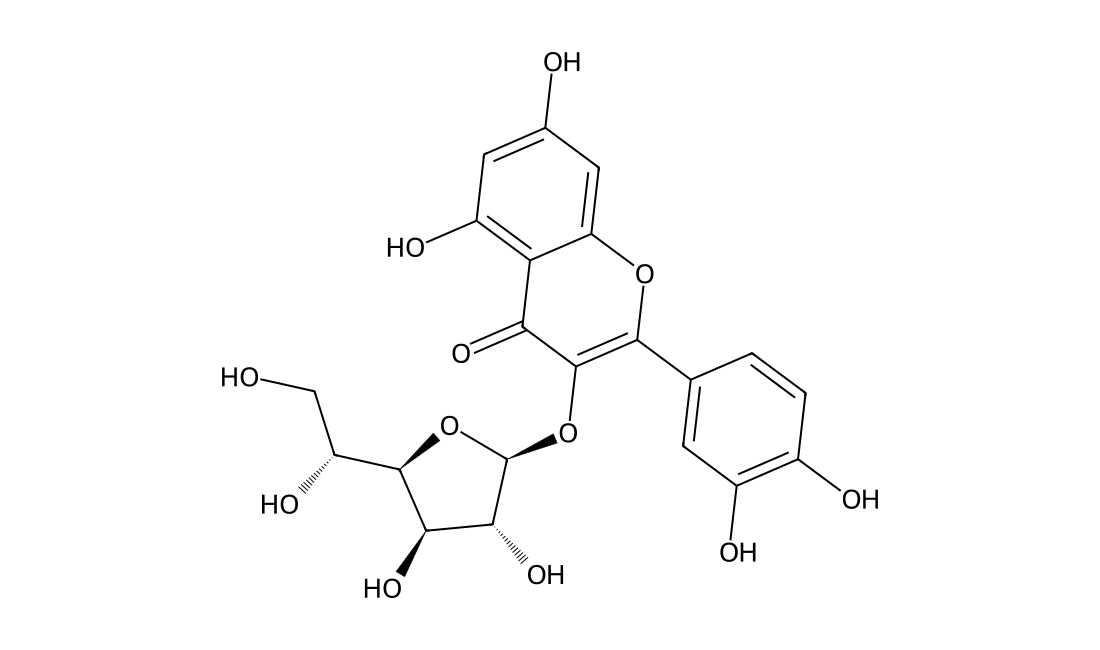
Isoquercitrin (Isoquercitroside; Isoquercetin)

CAS 21637-25-2

In Vitro Isoquercitrin occurs widely in plants.10 μM of Isoquercitrin of the seven compounds partially but significantly blunt the negative effect of H2O2 on RGC-5 cells, as the viability of cells in the presence of H2O2 is increased from approximately 63% to 83% and 90% at 10 and 50 μM, respectively. Indeed, 50 μM Isoquercitrin is more effective as a neuroprotectant than the same concentration of EGCG. In Vivo In animals receiving Isoquercitrin or quercetin, eosinophil counts are lower in the BALF, blood and lung parenchyma. Neutrophil counts in blood and IL-5 levels in lung homogenate are lower only in Isoquercitrin-treated mice. No alterations in mononuclear cell numbers were observed.

Isoquercitrin (Isoquercitroside; Isoquercetin) chemical structure
DC11311

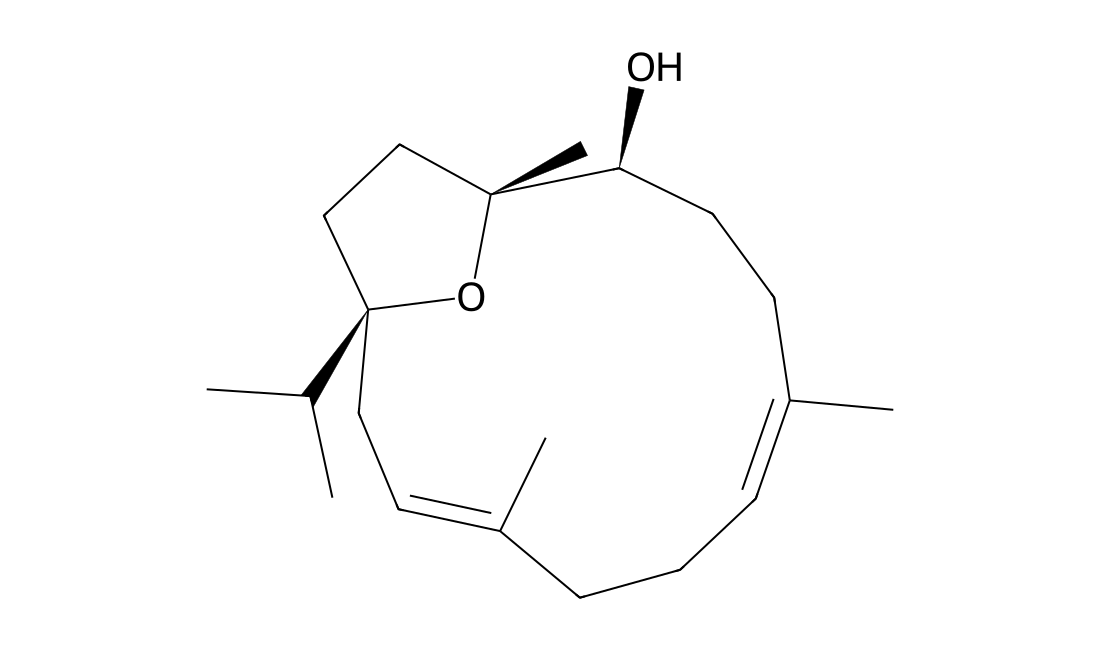
Incensole

CAS 22419-74-5

Incensole is a diterpene originally isolated from frankincense produced by B. carterii.It inhibits degradation of inhibitor of NF-κB (IκBα) in a concentration-dependent manner in TNF-α-stimulated HeLa cells when used at concentrations ranging from 60 to 140 μM.

Incensole chemical structure
DC9389

INCB3344

CAS 1262238-11-8

INCB3344 is a novel, potent and selective small molecule antagonist of the mouse CCR2 receptor; inhibits the binding of CCL2 to mouse monocytes with nanomolar potency (IC50 = 10 nM). In vitro: INCB3344 inhibits the binding of CCL2 to mouse monocytes with nanomolar potency (IC(50) = 10 nM) and displays dose-dependent inhibition of CCL2-mediated functional responses such as ERK phosphorylation and chemotaxis with similar potency. Against a panel of G protein-coupled receptors that includes other CC chemokine receptors, INCB3344 is at least 100-fold selective for CCR2. INCB3344 can also bind human CCR2 (hCCR2) with high affinity, having a dissociation constant (K(d)) of approximately 5nM. The binding of the compound to the receptor is rapid and reversible. INCB3344 potently inhibits hCCR2 binding of monocyte chemoattractant protein-1 (MCP-1) and MCP-1-induced signaling and function in hCCR2-expressing cells, including ERK phosphorylation and chemotaxis, and is competitive against MCP-1 in vitro. in vivo: INCB3344 possesses good oral bioavailability and systemic exposure in rodents that allows in vivo pharmacological studies. INCB3344 treatment results in a dose-dependent inhibition of macrophage influx in a mouse model of delayed-type hypersensitivity. Intervention with a CCR2 antagonist, INCB3344 (30 mg/kg per day, IP), 10 days after the induction of hypertension with DOCA/salt treatment, reduced the aortic expression of CCR2 mRNA and completely reversed the DOCA/salt-induced influx of macrophages.

INCB3344 chemical structure
DC10177

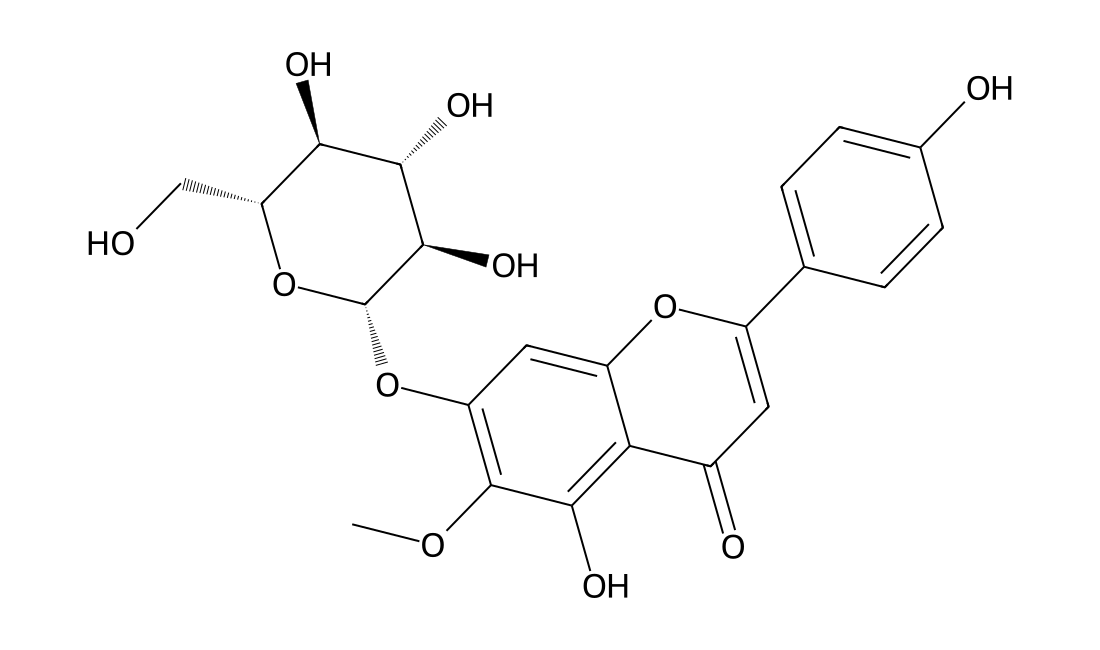
Homoplantaginin

CAS 17680-84-1

Homoplantaginin shows IC50 of reduction level of DPPH radical at 0.35 μg/mL. In human hepatocyte HL-7702 cells exposed to H2O2, the addition of 0.1-100μg/mL of homoplantaginin significantly reduces lactate dehydrogenase leakage, and increases glutathione, glutathione peroxidase and superoxide dismutase in supernatant. Homoplantaginin (0.1, 1, 10 μM) dose-dependently reduces expression of toll-like receptor-4 evoked by palmitic acid (100 μM). Homoplantaginin tightly controlls palmitic acid-induced reactive oxygen species to prevent nucleotide-binding domain-like receptor 3 (NLRP3) inflammasome activation by suppressing reactive oxygen species-sensitive thioredoxin-interacting protein, NLRP3, and caspase-1. Pre-treatment of homoplantaginin on human umbilical vein endothelial cells significantly inhibits palmitic acid induced TNF-α and IL-6 mRNA expression, and IKKβ and NF-κB p65 phosphorylation. Homoplantaginin significantly modulates the Ser/Thr phosphorylation of IRS-1, improves phosphorylation of Akt and endothelial nitric oxide synthase, and increases NO production in the presence of insulin.Homoplantaginin shows IC50 of reduction level of DPPH radical at 0.35 μg/mL. In human hepatocyte HL-7702 cells exposed to H2O2, the addition of 0.1-100μg/mL of homoplantaginin significantly reduces lactate dehydrogenase leakage, and increases glutathione, glutathione peroxidase and superoxide dismutase in supernatant. Homoplantaginin (0.1, 1, 10 μM) dose-dependently reduces expression of toll-like receptor-4 evoked by palmitic acid (100 μM). Homoplantaginin tightly controlls palmitic acid-induced reactive oxygen species to prevent nucleotide-binding domain-like receptor 3 (NLRP3) inflammasome activation by suppressing reactive oxygen species-sensitive thioredoxin-interacting protein, NLRP3, and caspase-1. Pre-treatment of homoplantaginin on human umbilical vein endothelial cells significantly inhibits palmitic acid induced TNF-α and IL-6 mRNA expression, and IKKβ and NF-κB p65 phosphorylation. Homoplantaginin significantly modulates the Ser/Thr phosphorylation of IRS-1, improves phosphorylation of Akt and endothelial nitric oxide synthase, and increases NO production in the presence of insulin.

Homoplantaginin chemical structure
DC9749

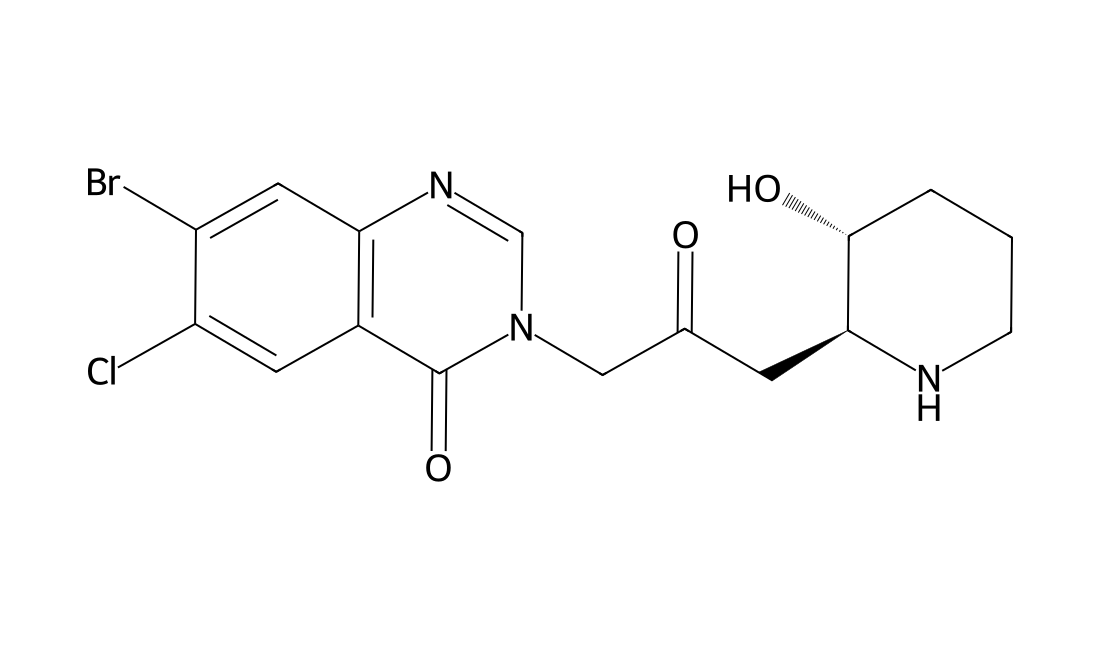
Halofuginone

CAS 55837-20-2

Halofuginone is the competitively inhibitor of prolyl-tRNA synthetase with Ki of 18.3 nM.It could also down-regulate Smad3 and blocked TGF-β signaling at 10 ng/ml in mammal.

Halofuginone chemical structure
DC10181

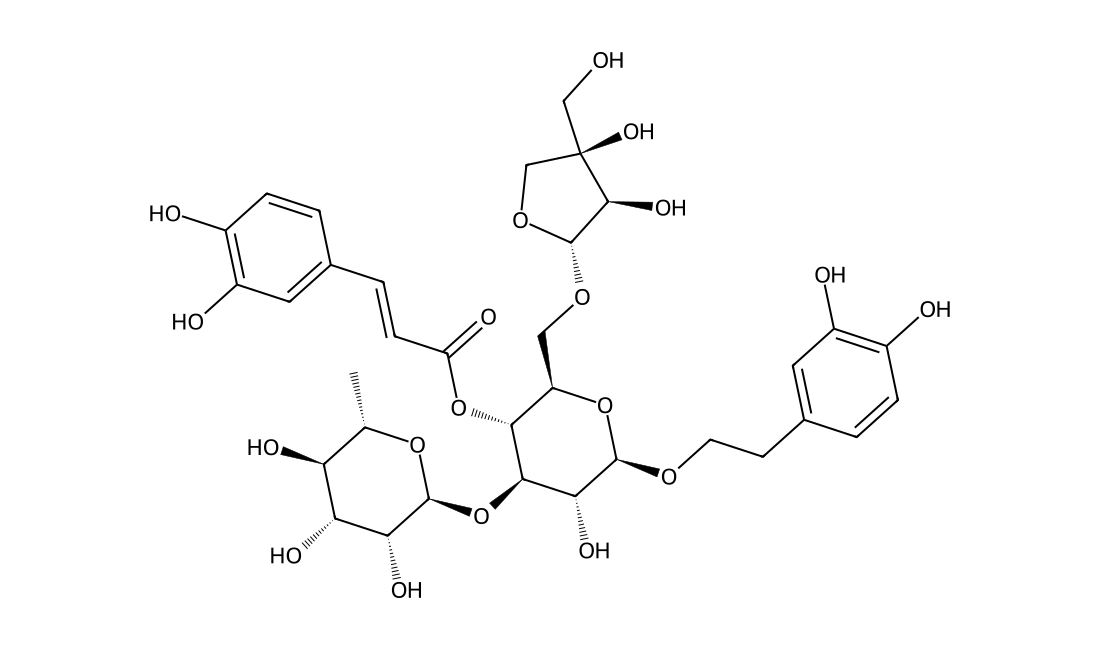
Forsythoside B

CAS 81525-13-5

Forsythoside B concentration-dependently down-regulates the levels of TNF-α, IL-6 and high-mobility group-box 1 protein (HMGB1) in lipopolysaccharide (LPS)-stimulated RAW264.7 cells, inhibits the IκB kinase (IKK) pathway and modulated nuclear factor (NF)- κB.Intravenous injection of forsythoside B alone or plus imipenem reduces serum levels of TNF-α, IL-6, HMGB1, triggering receptor expressed on myeloid cells (TREM-1) and endotoxin, while the serum level of IL-10 is up-regulated and myeloperoxidase (MPO) in lung, liver and small intestine is reduced. Forsythoside B at doses higher than 8 mg/kg produces a significant neuroprotective potential in cerebral ischemia and reperfusion rats. Forsythoside B (20 mg/kg) demonstrates significant neuroprotective activity even after delayed administration at 1 h, 3 h and 5 h after cerebral ischemia and reperfusion. Forsythoside B 20 mg/kg attenuates histopathological damage as demonstrated by smaller brain infarct size and brain edema, decreased cerebral Evans blue extravasation and myeloperoxidase activity, inhibited cerebral phosphor-IκB-α and NF-κB expression. Forsythoside B shows a significant recovery in myocardial function with improvement of LVSP and +/-dp/dt(max). The myocardial infarct volume, serum levels of Tn-T, TNF-alpha and IL-6, content of MDA and MPO activity in myocardial tissue are all reduced, protein expression of HMGB1, phosphor-I kappaB-alpha and phosphor-NF-kappaB are down-regulated, while attenuate the decrease of SOD and GPx activities.

Forsythoside B chemical structure
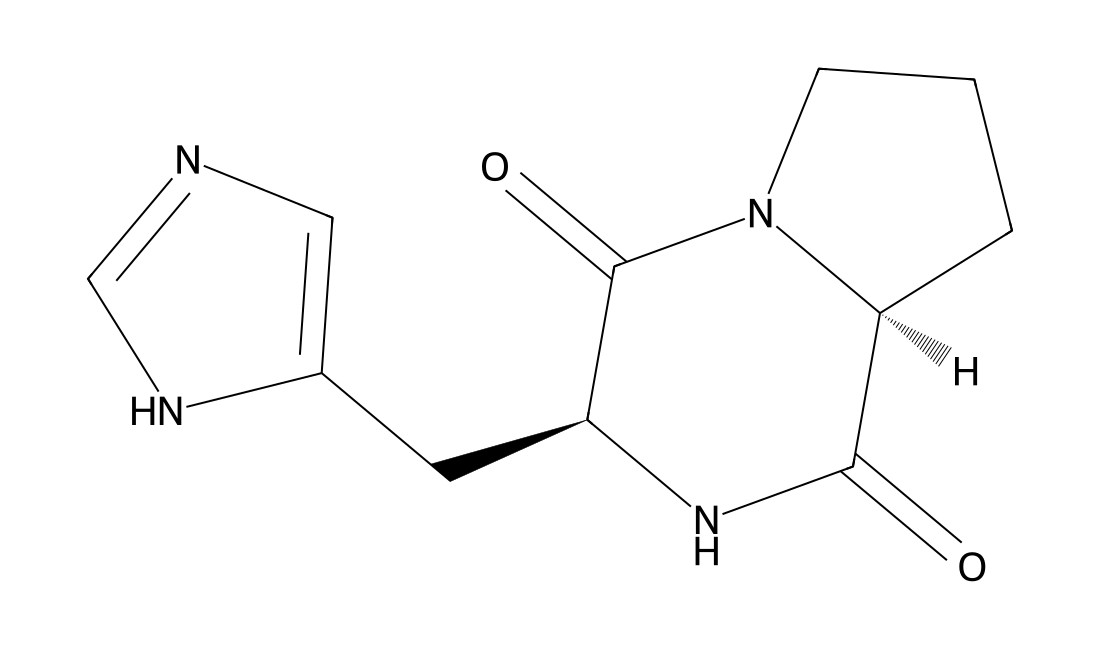
DC10368

Cyclo(his-pro)

CAS 53109-32-3

Cyclo(His-Pro) is a cyclic dipeptide derived from the hydrolytic removal of the amino-terminal pyroglutamic acid residue of the hypothalamic thyrotropin-releasing hormone. Cyclo(His-Pro) is ubiquitous in the central nervous system and is a key substrate of organic cation transporters, which are strongly linked to neuroprotection. The cyclic dipeptide can also cross the brain-blood-barrier and, once in the brain, can affect diverse inflammatory and stress responses by modifying the Nrf2-NF-κB signaling axis. Cyclo(His-Pro) inhibits NF-κB nuclear accumulation induced by paraquat in rat pheochromocytoma PC12 cells via the Nrf2/heme oxygenase-1 pathway.Mice that receives cyclo(His-Pro) pre-treatment shows a significant decrease in the oedematogenic response, confirming that the cyclic dipeptide can exert anti-inflammatory effect. Cyclo(His-Pro) exerts in vivo anti-inflammatory effects in the central nervous system by down-regulating hepatic and cerebral TNFα expression thereby counteracting LPS-induced gliosis. Moreover, by up-regulating Bip, cyclo(His-Pro) increases the ER stress sensitivity andtriggers the unfolded protein response to alleviate the ER stress.

Cyclo(his-pro) chemical structure
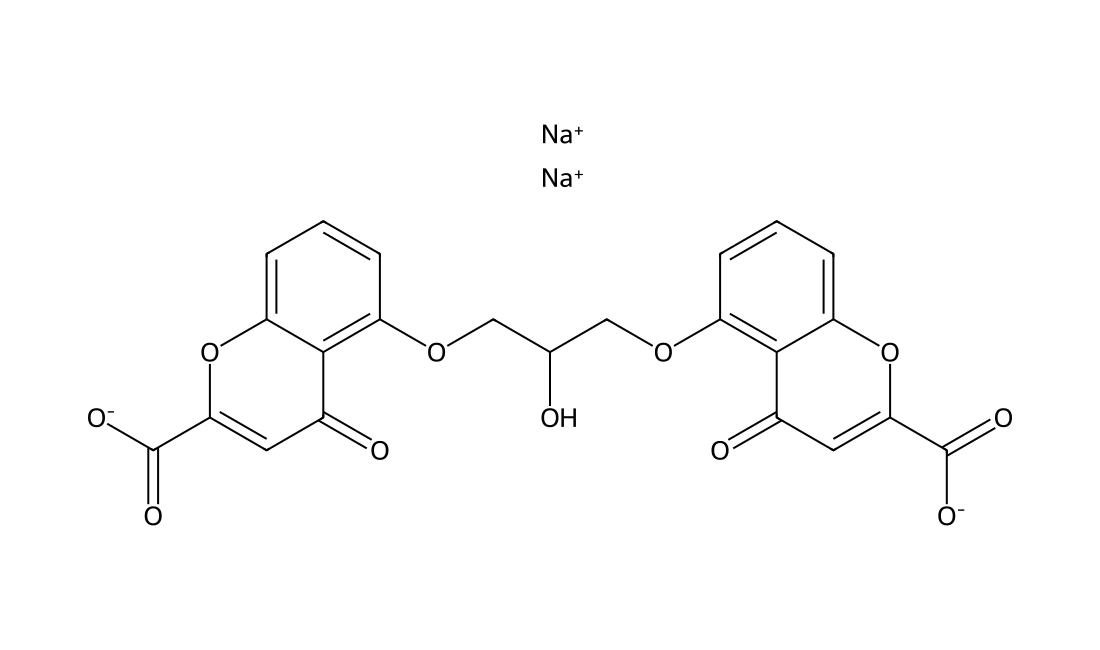
DC8997

Cromolyn sodium

CAS 15826-37-6

Cromolyn sodium is an antiallergic drug.Cromolyn sodium is a chromone complex that acts by inhibiting the release of chemical mediators from sensitized mast cells. It is used in the prophylactic treatment of both allergic and exercise-induced asthma, but does not affect an established asthmatic attack. Pretreatment of IIR mice with Cromolyn sodium prior to ischemia exhibited no changes of ET-1 levels, injury score and inflammation (P>0.05, PreCr vs. M groups). In conclusion, administration of Cromolyn sodium after reperfusion, but not prior to ischemia, attenuates IIRI by downregulating ET-1 and suppressing sustained MC activation . cromolyn sodium has a role in the prevention of Chronic lung disease(CLD). Cromolyn sodium cannot be recommended for the prevention of CLD in preterm infants.

Cromolyn sodium chemical structure
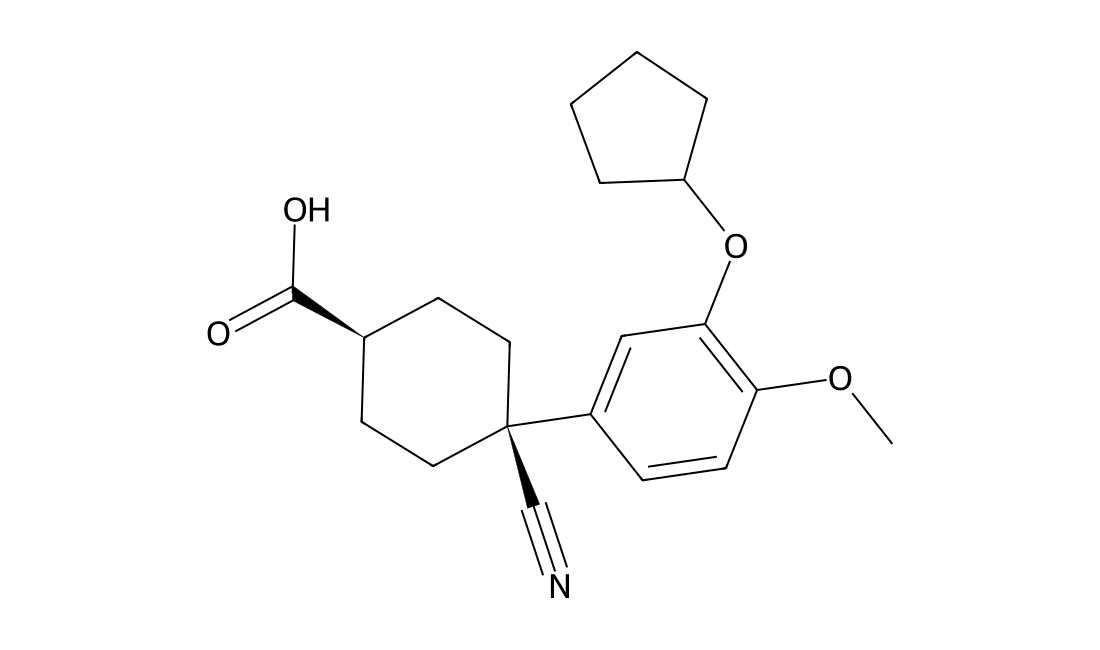
DC9582

Cilomilast

CAS 153259-65-5

Cilomilast(SB 207499; Ariflo) is a potent PDE4 inhibitor with IC50 of about 110 nM, has anti-inflammatory activity and low central nervous system activity. Cilomilast (SB-207499) inhibits HPDE4 and LPDE4 catalytic activity with equal potency (Ki ≈100 nM). SB-207499 and rolipram are equipotent against LPDE4, but Cilomilast (Ariflo, SB-207499) is 100-fold less potent against HPDE4. This profile suggests that Cilomilast (Ariflo, SB-207499) retain the anti-inflammatory activity of rolipram yet have a decreased tendency to produce side effects.

Cilomilast chemical structure
DC10419

C 87

CAS 332420-90-3

C87 directly binds to TNFα, potently inhibits TNFα-induced cytotoxicity (IC50=8.73 μM) and effectively blocks TNFα-triggered signaling activities. C87 exhibits good solubility and consistent dose-dependent functions in vitro. C87 completely blocks TNFα-induced activation of caspase-3 and caspase-8. The activity of c-Jun N-terminal kinase (JNK) is significantly reduced by C87 in L929 cells. C87 also prevents the degradation of IκBα in cells treated with TNFα. C87 potently blocks multiple signaling transduction pathways and downstream target gene activation triggered by TNFα.C87 attenuates TNFα-induced inflammation, thereby markedly reducing injuries to the liver and improving animal survival. C87 injection delays the incidence of death and increases the survival rate by two folds compared with the vehicle control. The level of alanine transaminase and aspartate transaminase is consistently reduced in mice with C87 treatment.

C 87 chemical structure
DC12280

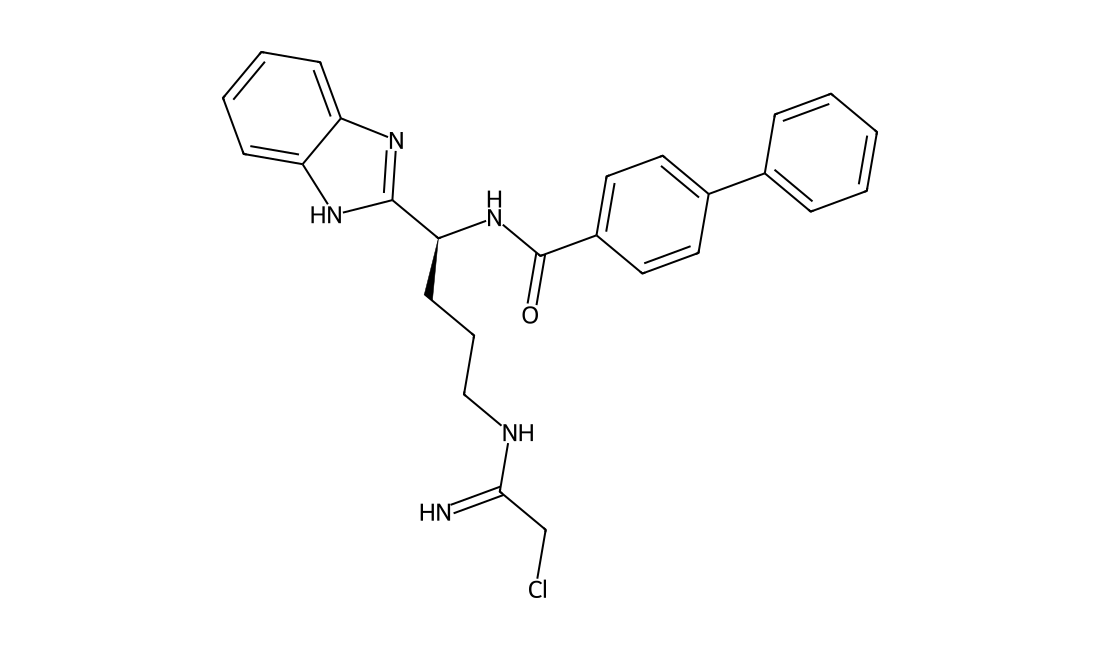
BB-Cl-Amidine

CAS 1802637-39-3

In Vitro Cl-amidine and BB-Cl-amidine show similar in vitro potencies and selectivities; however, the cellular potency of BB-Cl-amidine is increased by more than 20-fold, evidenced by decreased EC50 values obtained from viability studies with U2OS osteosarcoma cells (8.8±0.6 μM vs >200 μM for Cl-amidine). Cl-amidine and BB-Cl-amidine significantly inhibit NET formation by MRL/lpr neutrophils. In Vivo Treatment with BB-Cl-amidine subtly reduces splenomegaly in MRL/lpr mice, while there is a trend towards increased circulating levels of anti-NET antibodies with PAD inhibitor treatment. However, neither PAD inhibitor affected body weight or total IgG levels. Indeed, treatment with both Cl-amidine and BB-Cl-amidine significantly improves endothelium-dependent vasorelaxation. The BB-Cl-amidine group also shows a strong trend towards downregulation of IRGs. Treatment with either Cl-amidine or BB-Cl-amidine significantly improves muzzle alopecia, in many cases preventing it entirely.

BB-Cl-Amidine chemical structure
DC10425

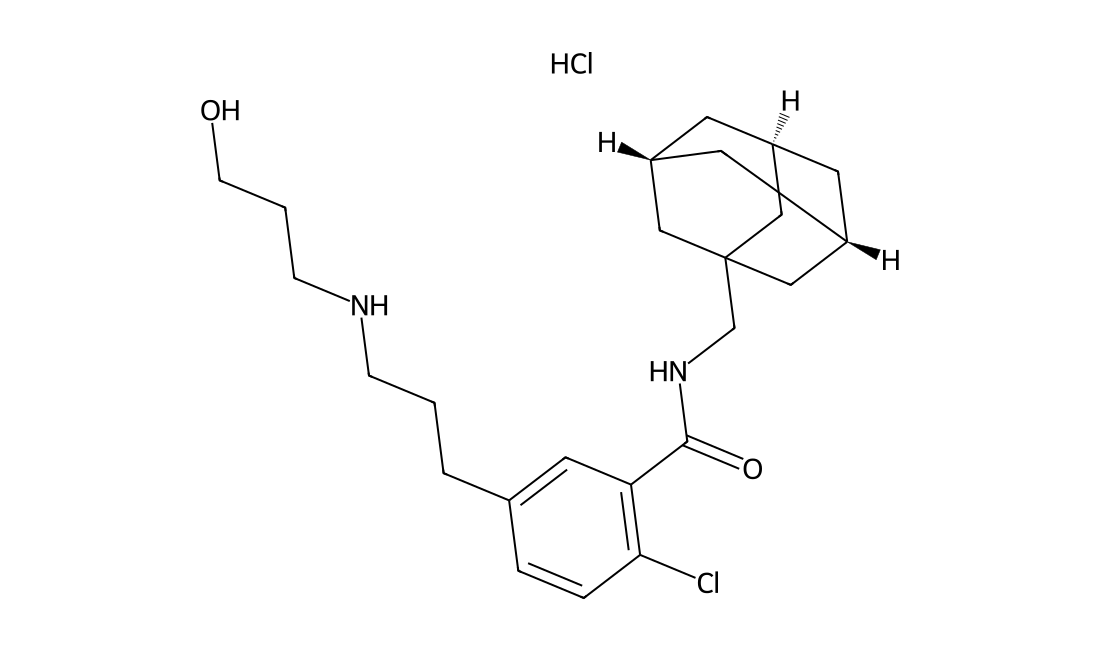
AZD9056 hydrochloride

CAS 345303-91-5

The antagonist AZD9056 blocks P2X7 receptors with an IC50 of 11.2 nM in HEK-hP2X7 cell line, indicating a high selectivity of the antagonist for the P2X7 receptor. The P2X7-receptor antagonist AZD9056 has a clear inhibitory effect (IC50=1-3 μM) in mouse microglia BV2 cells. AZD9056 is an inhibitor of BCRP and weakly inhibits BCRP-mediated transport of methotrexate (IC50=92 μM).Treatment with AZD9056 exerts pain-relieving and anti-inflammatory effects. The upregulated expression of interleukin (IL)-1β, IL-6, tumor necrosis factor-α (TNF-α), matrix metalloproteinase-13 (MMP-13), substance P (SP) and prostaglandin E2 (PGE2) which is induced by MIA in cartilage tissues is reversed by AZD9056.

AZD9056 hydrochloride chemical structure
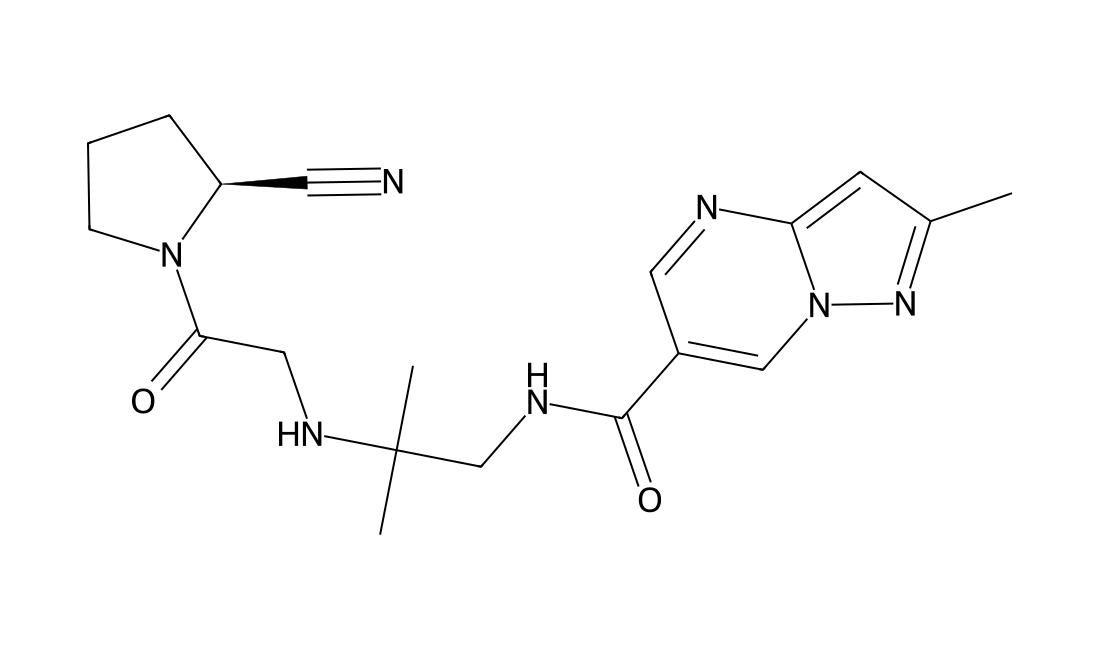
DC9429

Anagliptin

CAS 739366-20-2

Anagliptin is a potent and selective DPP-4 inhibitor(IC50= 3.8 nM); > 10 fold less potent for DPP-8 and DPP-9. in vitro: In THP-1 cells, anagliptin reduced lipopolysaccharide-induced TNF-α production with inhibiting ERK phosphorylation and nuclear translocation of nuclear factor-κB . lipopolysaccharide (LPS)- or palmitate-induced elevations of inflammatory cytokine mRNA expressions in RAW264.7 macrophages were shown to be significantly suppressed by co-incubation with a DPP-4 inhibitor, anagliptin (10μM), despite low DPP-4 expression in the RAW264.7 cells. Anagliptin also acted on 3T3-L1 adipocytes, weakly suppressing the inflammatory cytokine expressions induced by LPS and TNF-α. When 3T3-L1 and RAW cells were co-cultured and stimulated with LPS, the effects of anagliptin on the suppression of cytokine expressions in 3T3-L1 adipocytes were more marked, and became evident at the 10μM concentration. in vivo: Treatment with anagliptin for 16 wk significantly reduced accumulation of monocytes and macrophages in the vascular wall, SMC content in plaque areas, and oil red O-stained area around the aortic valve without affecting glucose tolerance or body weight. Quantitative analysis also showed that anagliptin reduced the area of atherosclerotic lesion in apoE-deficient mice. Anti-inflammatory effects of anagliptin were also observed in vivo on the elevated hepatic and adipose expressions and serum concentrations of inflammatory cytokines in association with the suppression of hepatic NF-κB transcriptional activity, in LPS-infused mice.

Anagliptin chemical structure
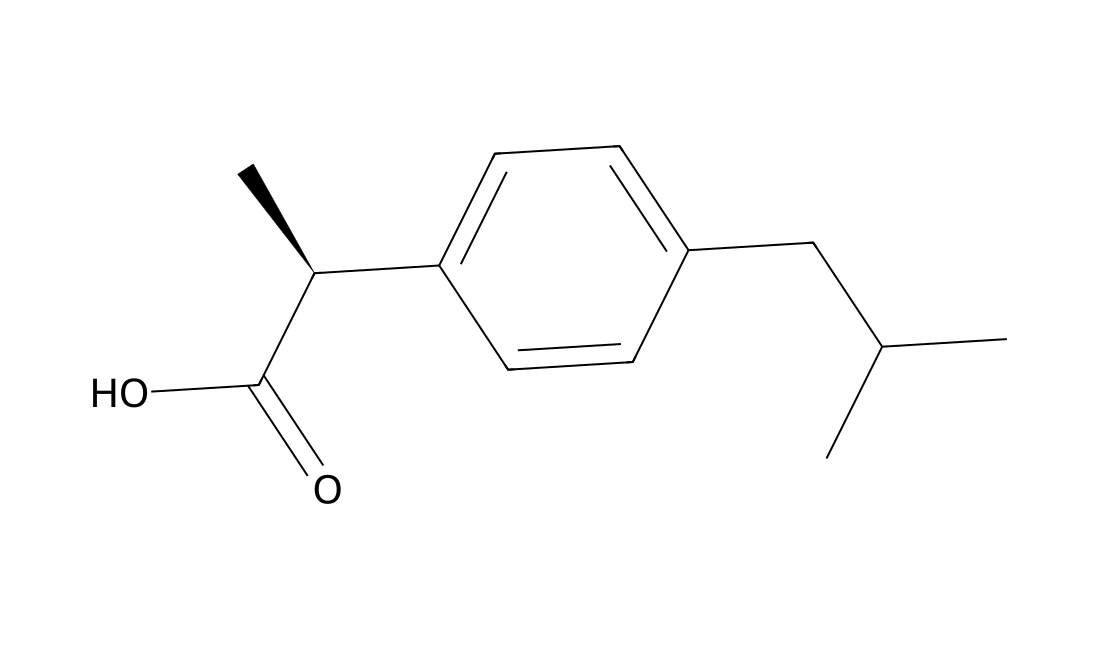
DC22361

(S)-(+)-Ibuprofen

CAS 51146-56-6

An enantiomer of Ibuprofen that more potently inhibits COX activity, thromboxane formation, and platelet aggregation than the (R)-form; also inhibits activation of NF-κB more effectively than (R)-ibuprofen (IC50=62 and 122 uM, respectively).

(S)-(+)-Ibuprofen chemical structure
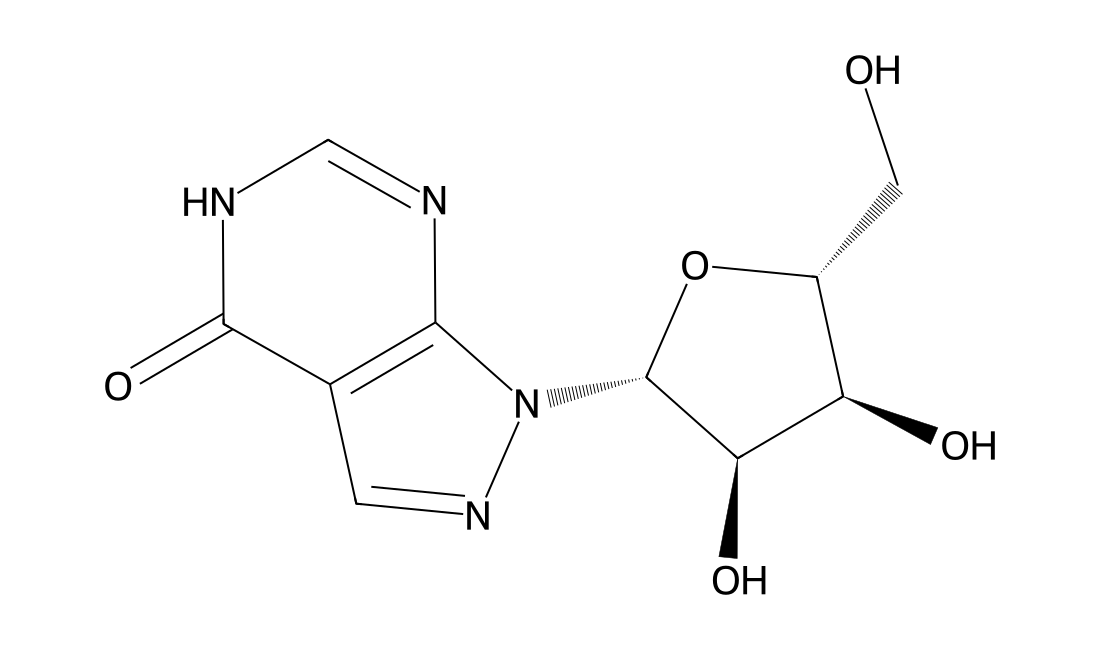
DC10303

Allopurinol riboside

CAS 16220-07-8

Allopurinol-riboside competitively inhibits the action of purine nucleoside phosphorylase on inosine with a Ki of 277 μM. Lymphocyte blastogensis induced by PHA and Con A is significantly suppressed by allopurinol-riboside in a concentration-dependent manner. When LPS is used as a mitogen, the inhibition of allopurinol-ribosideon lymphocyte proliferation is less marked. Humoral immunity is not suppressed by allopurinol-riboside. Allopurinol riboside is an experimental agent for the treatment of leishmaniasis and American trypanosomiasis. Allopurinol riboside is effective against parasites, because a series of enzymes (analogous to those that mediate purine salvage in humans) convert it into 4-aminopyrazolopyrimidine ribonucleoside triphosphate, a cytotoxic product. Allopurinol riboside is selectively toxic, because it is not metabolized by the corresponding enzymes in humans.Allopurinol riboside peaks in plasma 1.6 hours after administration, has an elimination half-life of 3 hours, and steady-state concentrations in the therapeutic range. After oral administration, unexpectedly low levels of allopurinol riboside in plasma are attributable to incomplete absorption and rapid renal clearance. Probenecid reduces the renal clearance of allopurinol riboside, extends the half-life of allopurinol riboside in plasma, and triples the levels of allopurinol riboside in plasma.

Allopurinol riboside chemical structure
DC20163

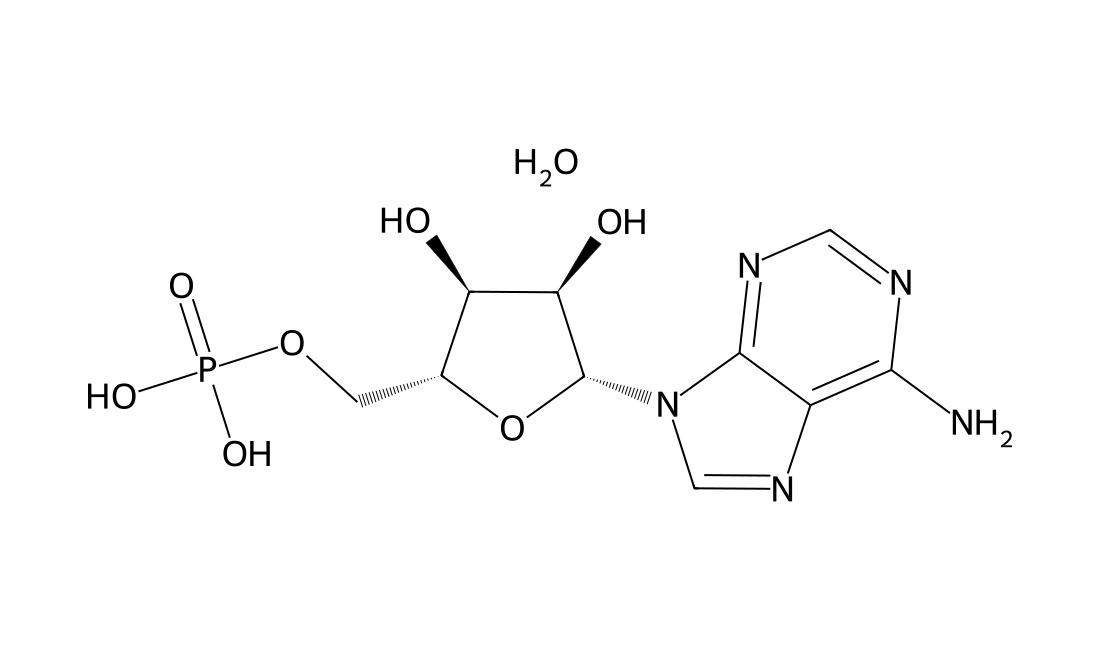
Adenosine 5'-monophosphate monohydrate; 5'-Adenylic acid;5'-AMP

CAS 18422-05-4

In Vitro Adenosine 5'-monophosphate monohydrate is an adenosine A1 receptor agonist[1]. Adenosine 5'-monophosphate monohydrate (5′-AMP)-induced cell toxicity is negligible at concentrations of 25 to 400 μM in RAW264.7 cells. Adenosine 5'-monophosphate monohydrate significantly attenuates the mRNA expression of tumor necrosis factor-α (TNF-α) and interleukin (IL)-6 in RAW264.7 cells. The dose-dependence of TNF-α and IL-6 mRNA show that at concentration of 400 μM, Adenosine 5'-monophosphate monohydrate exhibits the maximum inhibition. Exposure of cells to Adenosine 5'-monophosphate monohydrate significantly reduces recruitment of NF-κB p65 to TNF-α, IL-6, and IL-1β gene promoters. In Vivo C57BL/6J mice treated with Adenosine 5'-monophosphate monohydrate (5′-AMP) markedly increases hepatic adenosine level. Survival rate in PBS-treated mice (n=15) is 60% (8 h) and 33.3% (24 h), whereas survival rate in Adenosine 5'-monophosphate monohydrate-treated mice (n=15) is 100% (8 h) and 93.3% (24 h). Serum aspartate transaminase (AST) and alanine transaminase (ALT) levels are significantly lowered in the Adenosine 5'-monophosphate monohydrate group than in the vehicle group. The area and extent of necrosis is attenuated and the infiltration of inflammatory cells is reduced in the Adenosine 5'-monophosphate monohydrate group.

Adenosine 5'-monophosphate monohydrate; 5'-Adenylic acid;5'-AMP chemical structure
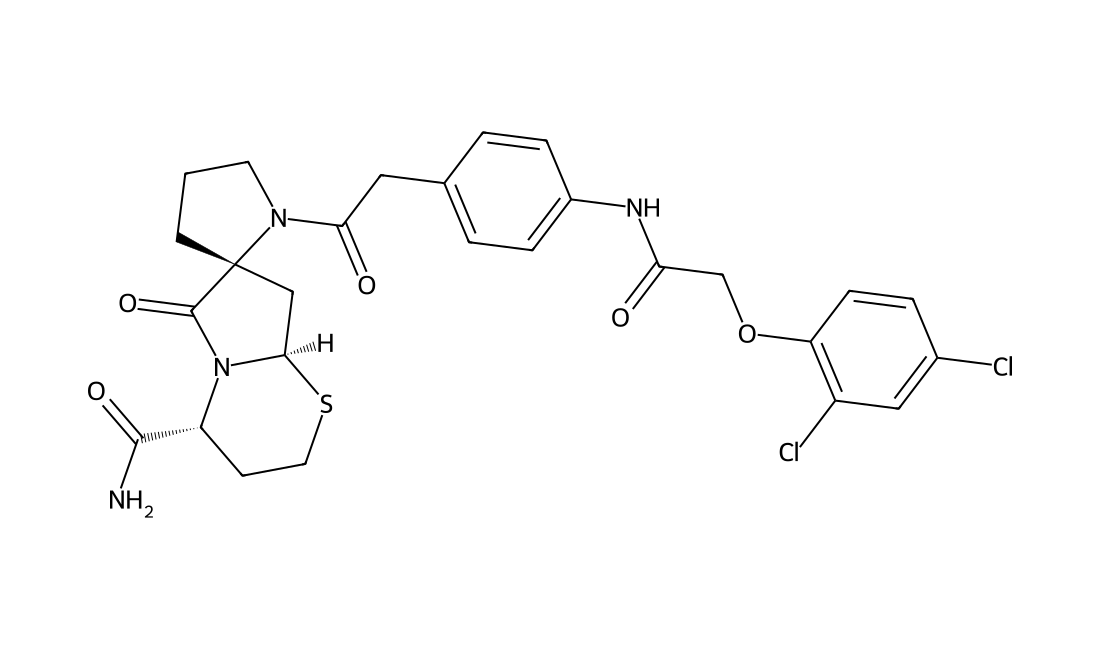
DC22494

ST-2825

CAS 894787-30-5

A synthetic peptido-mimetic compound that inhibits MyD88 dimerization in a TIR-dependent manner; interferes with recruitment of IRAK1 and IRAK4 by MyD88, causing inhibition of IL-1beta-mediated activation of NF-kappaB transcriptional activity; inhibits IL-1beta-induced production of IL-6 in treated mice, suppresses B cell proliferation and differentiation into plasma cells in response to CpG-induced activation of TLR9; orally active.

ST-2825 chemical structure
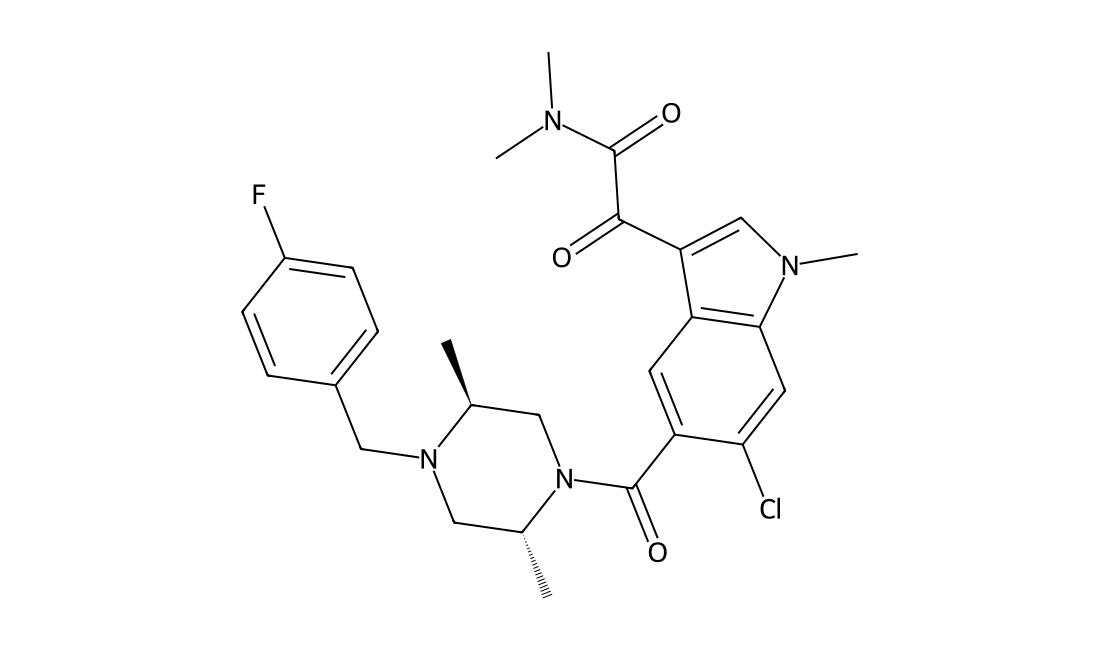
DC23213

SCIO-469

CAS 309913-83-5

A potent, selective p38α MAPK inhibitor with IC50 of 9 nM; displays 10-fold selectivity for p38α over p38β, >2,000-fold selectivity over a panel of 20 other kinases, including other MAP kinases; decreases apoptosis in MDS CD34+ progenitors and leads to dose-dependant increases in erythroid and myeloid colony formation; enhances the ability of MG132 and bortezomib to induce the apoptosis of MM cells, and inhibits tumor growth in vivo.Rheumatoid ArthritisPhase 2 Discontinued

SCIO-469 chemical structure
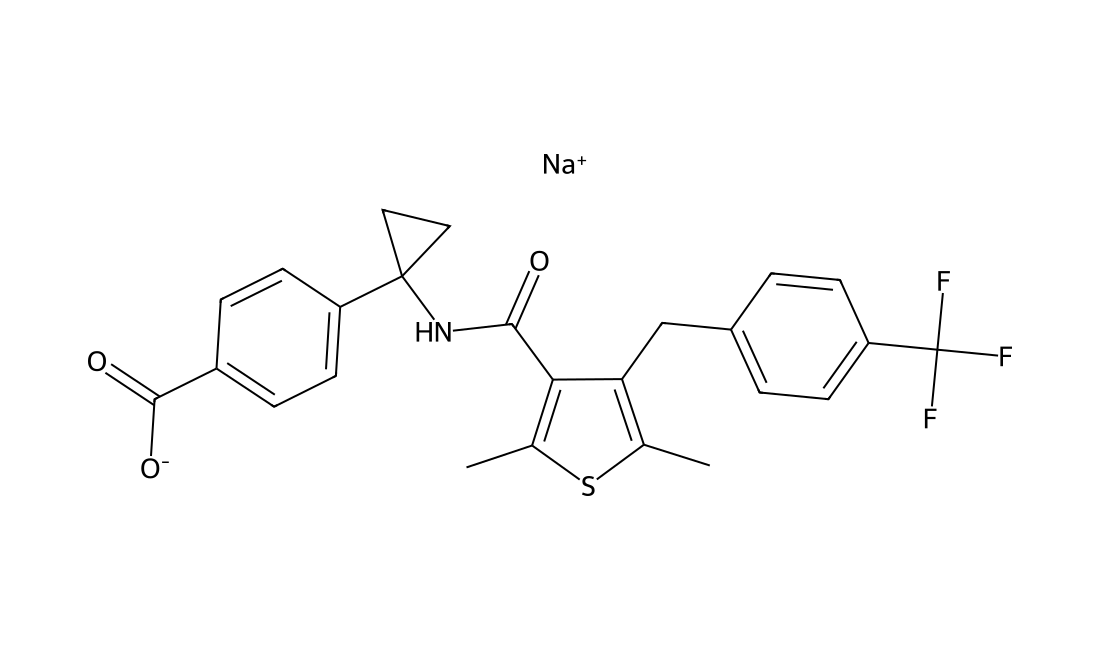
DC23972

MK-2894 sodium

CAS 1006036-88-9

A highly potent, selective, second generation prostaglandin E2 subtype 4 receptor (EP4) antagonist with Ki of 0.56 nM; displays >10,000-fold selectivity over EP2 receptors; exhibits favorable pharmacokinetic profile and potent anti-inflammatory activity in animal models of pain/inflammation.

MK-2894 sodium chemical structure
DC12357

3-Deazaadenosine hydrochloride

CAS 86583-19-9

In Vitro 3-Deazaadenosine is an inhibitor of S-adenosylhomocysteine hydrolase, with a Ki of 3.9 µM. 3-Deazaadenosine shows anti-HIV effect, and inhibits p24 antigen in peripheral blood mononuclear (PBMCs) cells infected with HIV-1 isolates (A012 and A018) with IC50s of 0.15 and 0.20 µM, respectively. 3-Deazaadenosine (1-100 µM) inhibits LPS-induced expression of TNF-α mRNA, increases DNA binding activity of NF-κB, and causes proteolytic degradation of IκBα, but Not IκBβ in RAW 264.7 cells. 3-Deazaadenosine (100 µM) enhances nuclear translocation of NF-κB, but blocks LPS-induced NF-κB transcriptional activity, and such inhibition is augmented by the addition of homocysteine. 3-Deazaadenosine (50, 100 µM) dose-dependently inhibits the phosphorylation of Raf and ERK, protein-dependent kinase 1, protein kinase B (Akt), and forkhead transcription factor FoxO1a. 3-Deazaadenosine (50 µM) suppresses vascular smooth muscle cell (VSMC) proliferation via interfering with Ras signaling.

3-Deazaadenosine hydrochloride chemical structure
DC11364

Levocetirizine;(R)-Cetirizine (hydrochloride)

CAS 130018-87-0

(R)-Cetirizine is the (R)-enantiomer of the histamine H1 receptor antagonist and second generation antihistamine cetirizine.(R)-Cetirizine binds to the H1 receptor with higher affinity than cetirizine (Kis = 3 and 6 nM, respectively) and is 25,000-100,000-fold selective for H1 receptors over muscarinic M1-M5 receptors.2 It decreases production of RANTES and eotaxin following antigen stimulation in mouse eosinophils in vitro in a concentration-dependent manner with a minimum effective concentration (MEC) of 0.05 µM.Intranasal administration of (R)-cetirizine (0.01-1%) dose-dependently decreases histamine-induced nasal rubbing and sneezing in mice.Formulations containing (R)-cetirizine have been used in the treatment of allergic rhinitis and chronic idiopathic urticaria.

Levocetirizine;(R)-Cetirizine (hydrochloride) chemical structure
Browse target & topic index A–Z (366)
11β-HSD (1)15-PGDH (2)5-HT Receptor (16)Acetyl-CoA Carboxylase (ACC) (3)Acetylcholinesterase (AChE) (2)Ack1 (TNK2) (1)Acyltransferase (1)ADC Cytotoxin (6)ADCs Linker/Click Chemistry (5)Adenosine Receptor (9)Adenylate Cyclase (2)Adrenergic Receptor (11)Akt (12)Alcoholism (2)Aldehyde Dehydrogenase (ALDH) (6)Allergy (5)Alzheimer Disease (13)Aminopeptidase (1)AMPK (8)Amyloids (4)Anaplastic Lymphoma Kinase (ALK) (9)Androgen Receptor (AR) (11)Anemia (4)Angiotensin Receptor (4)Antibody/Protein labeling dyes (1)Antifolate (2)Anxiety (1)Apoptosis Inducer (3)Arginase (1)Arp2/3 complex (1)Aryl hydrocarbon Receptor (AhR) (1)Asthma (5)Atherosclerosis (2)ATM/ATR (8)Aurora Kinase (10)Autophagy (6)Autophagy-related Protein (Atg) (2)Autotaxin (2)Bacterial (26)Bacterial Infection (17)Bcl-2 (14)Bcr-Abl (5)BCRP (1)Beta-catenin (4)Beta-secretase (BACE) (4)Blood Cancer (91)BMI-1 (1)Bone Cancer (6)Brain Cancer (6)Breast Cancer (30)Bromodomain (22)BTK (10)c-Fms (CSF1R) (5)c-Fos/AP-1 (1)c-Kit (6)c-Met (HGFR) (11)c-Myc (2)Calcium Channel (4)Calcium-sensing Receptor (CaSR) (1)CaMK (4)Cannabinoid Receptor (6)Carbonic Anhydrase (1)Carboxypeptidase (1)Casein Kinase (6)Caspase (4)Cathepsin (6)Cdc2-like Kinase (CLK) (1)CETP (2)CFTR (7)Checkpoint Kinase (Chk) (8)Chemokine Receptor (CCR and CXCR) (14)Chemotherapeutic Agents (19)Chloride Channel (1)CMV (2)CMV Infection (2)Colon Cancer (9)Complement System (1)COPD (3)CREB/CBP (2)CRF Receptor (2)CRISPR/Cas9 (1)Cushing Disease (1)Cyclin-dependent Kinase (CDK) (39)Cyclooxygenase (COX) (4)Cytochrome P450 (CYPs) (5)Depression (2)Dermatitis (2)Deubiquitinase (DUB) (7)Diabetes (20)Dipeptidyl Peptidase (DPP) (3)Discoidin Domain Receptor (DDR) (1)DNA Alkylator/Crosslinker (10)DNA Methyltransferase (DNMT) (1)DNA Repair Protein (1)DNA-PK (2)DNA/RNA Synthesis (5)Dopamine beta-hydroxylase (1)Dopamine Receptor (7)Drug Metabolite (1)Drug-Linker Conjugates (11)Dyes (4)DYRK (1)Dyslipidemia (9)E3 Ligase Ligand (6)E3 Ligase Ligand-Linker Conjugate (1)E3 Ubiquitin Ligase (4)Ebola Virus Infection (1)EGFR (32)Elastase (2)Endothelin Receptor (5)Enzymes substrates (13)Epigenetic Reader Domain (3)Epilepsy (4)ERK (4)Estrogen Receptor/ERR (13)Eukaryotic Initiation Factor (eIF) (2)Exportin-1 (CRM1,XPO1) (2)FABP (1)Factor Xa (5)Farnesoid X Receptor (FXR) (5)Farnesyl transferase (FTase) (1)Ferroptosis (6)FGFR (15)Fibrosis (5)FLT3 (6)Focal Adhesion Kinase (FAK) (11)Foxo1 (1)Free Fatty Acid Receptor (FFAR) (5)Fungal (2)Fungal Infection (1)GABA Receptor (13)Galectin (1)Gastric Cancer (8)Ghrelin Receptor (GHSR) (3)Glucagon Receptor (4)Glucokinase (2)Glucose Transporter (GLUT) (2)Glutamate Transporter (2)GPCR (1)GPER (GPR30) (1)GPR139 (1)GPR183 (EBI2) (2)GPR39 (1)GPR55 (1)GPR84 (1)GRK (GPCRK) (2)Growth Hormone Deficiency (2)GSK-3 (8)Guanylate Cyclase (3)HBV (1)HBV Infection (1)HCN Channel (2)HCV (8)HCV Infection (9)HDAC (38)Heart Arrhythmia (2)Heart Failure (5)Heat Shock Protein (HSP) (15)Hedgehog (Hh) (1)HIF/HIF Prolyl-hydroxylase (8)Histamine Receptor (6)Histone Acetyltransferase (HAT) (5)Histone Demethylase (11)Histone Methyltransferase (HMTase) (31)HIV (12)HIV Infection (11)HMG-CoA Reductase (HMGCR) (3)HSV (1)HSV Infection (1)Hypercholesterolemia (1)Hyperparathyroidism (1)Hypertension (8)IAP (1)IGF-1R (3)iGluR (15)Indoleamine 2,3-Dioxygenase (IDO) (4)Infection (1)Influenza (6)Influenza Virus (6)Insulin Receptor (2)Integrin (6)Interleukin Receptor (1)IRAK (2)IRE1 (4)Irritable Bowel Syndrome (2)Ischemia (1)Isocitrate Dehydrogenase (IDH) (5)ITK (1)IκB kinase (IKK) (7)JAK (32)JNK (3)Keap1-Nrf2 (6)Kidney Cancer (10)Kinesin (5)Kruppel-like Factor (KLF) (1)Kynurenine 3-Monooxygenase (KMO) (1)Leukotriene Receptor (1)LIM Kinase (LIMK) (3)Lipids fragment (1)Liver Cancer (6)Liver X Receptor (LXR) (3)LRRK2 (9)Lung Cancer (39)Lysophospholipid Receptor (12)LYTACs (3)mAChR (9)MALT1 (2)MAP4K (1)Matrix Metalloproteinase (MMP) (10)MDM2-p53 (9)MEK (MAP2K) (14)MEKK (MAP3K) (1)Melanocortin Receptor (2)MELK (1)mGluR (7)MicroRNA (1)Microtubule/Tubulin (5)Mineralocorticoid Receptor (MLR) (1)MITF (1)Mixed Lineage Kinase (MLK) (3)MNK (2)Molecular Glues (13)Monoamine Transporter (5)Monocarboxylate Transporter (MCT) (1)Monopolar Spindle 1 (Mps1/TTK) (3)mTOR (13)Multiple Sclerosis (6)Myosin (1)Na-K-Cl Cotransporter (NKCC) (2)nAChR (2)NADPH Oxidase (NOX) (2)NAMPT (3)Natural products (37)Neprilysin (1)Neurokinin Receptor (3)Neuropeptide Y Receptor (3)NF-κB (5)Nitric Oxide Synthase (NOS) (1)NOD-like Receptor (NLR) (3)Notch (2)Nucleoside Antimetabolite/Analog (10)Nur77 (NR4A1) (1)Obesity (1)Oct3/4 (1)Opioid Receptor (5)Orexin Receptor (7)Osteoporosis (2)Ovarian Cancer (14)Oxytocin Receptor (OXTR) (2)P-glycoprotein (P-gp) (3)p21-activated Kinase (PAK) (1)P2X Receptor (2)P2Y Receptor (1)p38 MAPK (10)p97/VCP (1)Pain (12)Pancreatic Cancer (10)Parasite (5)Parasite Infection (2)Parkinson Disease (2)PARP (19)PCSK9 (1)PD-1/PD-L1 (4)PDGFR (4)PDK1 (2)PEGn (1)PERK (2)PGE synthase (2)Phosphodiesterase (PDE) (9)Phospholipase (4)PI3K (32)PI4K (2)Piezo Channel (1)PIKfyve (3)Pim (9)PKC (12)PKD (1)Plasminogen Activator Inhibitor-1 (PAI-1) (3)Polo-like Kinase (PLK) (4)Porcupine (3)Potassium Channel (13)PPAR (13)Pregnane X Receptor (PXR) (1)Progesterone Receptor (2)Prostaglandin Receptor (11)Prostate Cancer (7)PROTACs (35)Protease-activated Receptor (PAR) (3)Proteasome (12)Protein Disulfide Isomerase (PDI) (1)Protein Phosphatase/PTP (6)Proton Pump (1)Psoriasis (5)RAD51 (1)Radioligand precursors (15)Raf (18)RAR/RXR (3)Ras (17)Renin (2)RET Tyrosine Kinase (c-RET) (3)Rheumatoid Arthritis (16)Ribosomal S6 Kinase (RSK) (5)RIG-I-like Receptor (RLR) (2)RIP kinase (7)ROCK (12)ROR (2)RSV (4)RSV Infection (3)RUNX1-CBFβ (1)S-nitrosoglutathione reductase (GSNOR) (1)Saccharides and Glycosides (1)Salt Inducible Kinase (SIK) (2)SARS-CoV (16)SARS-CoV Infection (34)Schizophrenia (4)Sexual Dysfunction (1)SGLT (4)Sigma Receptor (4)Sirtuin (9)Skin Cancer (13)Sleep Disorder (7)SMN2 Modulator (1)Smoothened (Smo) (9)Sodium Channel (12)Solid Tumors (35)Somatostatin Receptor (2)Sphingosine kinase (SphK) (2)Src (7)STAT (5)Stearoyl-CoA Desaturase (SCD) (1)Steatohepatitis (7)Sterol lipids (1)STING (14)Syk (6)T Cell Receptor (TCR) (1)TAK1 (2)TAM Receptor (Tyro3-Axl-Mer) (4)Taste Receptor (1)Telomerase (2)TGF beta Receptor (TGFBR) (12)Thrombin (3)Thrombosis (13)Thyroid Cancer (1)Thyroid Hormone Receptor (THR) (1)Thyrotropin Receptor (2)TNIK (1)Toll-like Receptor (TLR) (2)TOPK (1)Topoisomerase (11)TRAIL (1)Translocator Protein (TSPO) (1)Trk Receptor (4)TRP Channel (13)Tryptophan Hydroxylase (TPH) (1)Ubiquitin-activating Enzyme (E1) (2)Ubiquitin-conjugating Enzyme (E2) (2)Ulcer (1)ULK (3)Vasopressin Receptor (2)VEGFR (25)Vitamin D Receptor (VDR) (3)Wee1 (1)WNK Kinase (1)Wnt (5)Yes-associated Protein (YAP) (4)γ-secretase (5)

Cart

Request quotation