Home/Small Molecules/Immunology & Inflammation

Immunology & Inflammation

Innate and adaptive immunity, inflammatory pathways and immune signaling.

Browse all research categories

Browse by research category

Products may appear in more than one category. Counts refer to distinct catalog numbers within each category.

Other Research Tools (75) · Additional reagents, building blocks and specialized research tools.

Immunology & Inflammation products

Combine a keyword, research category and target to narrow the product list.

Loading catalog filters…

515 products · Showing 433–480

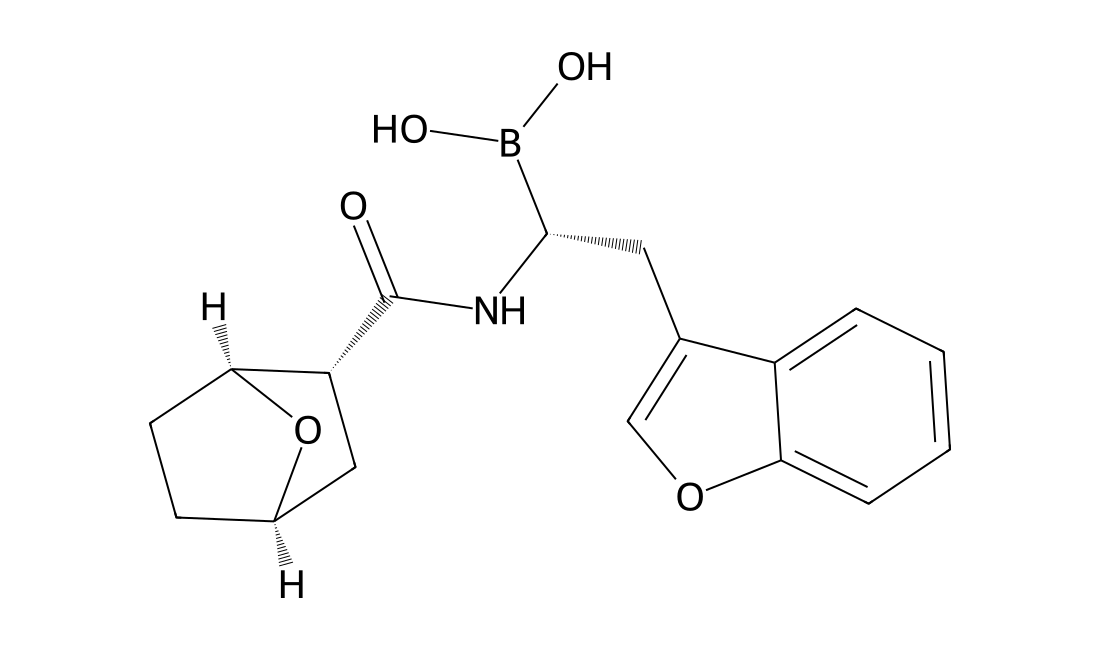
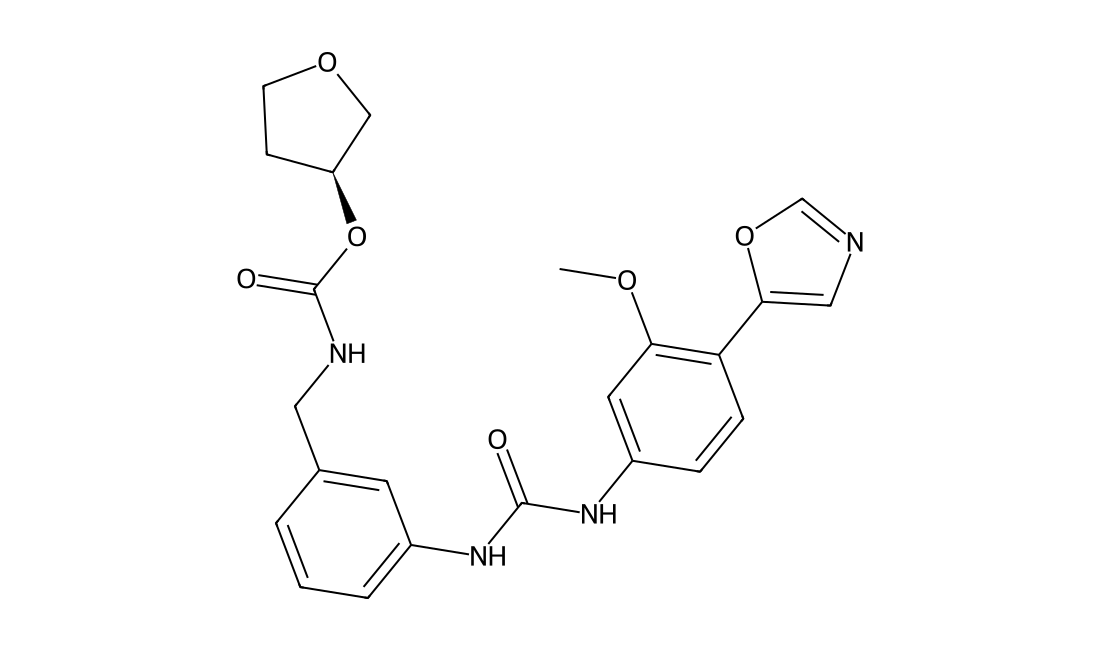
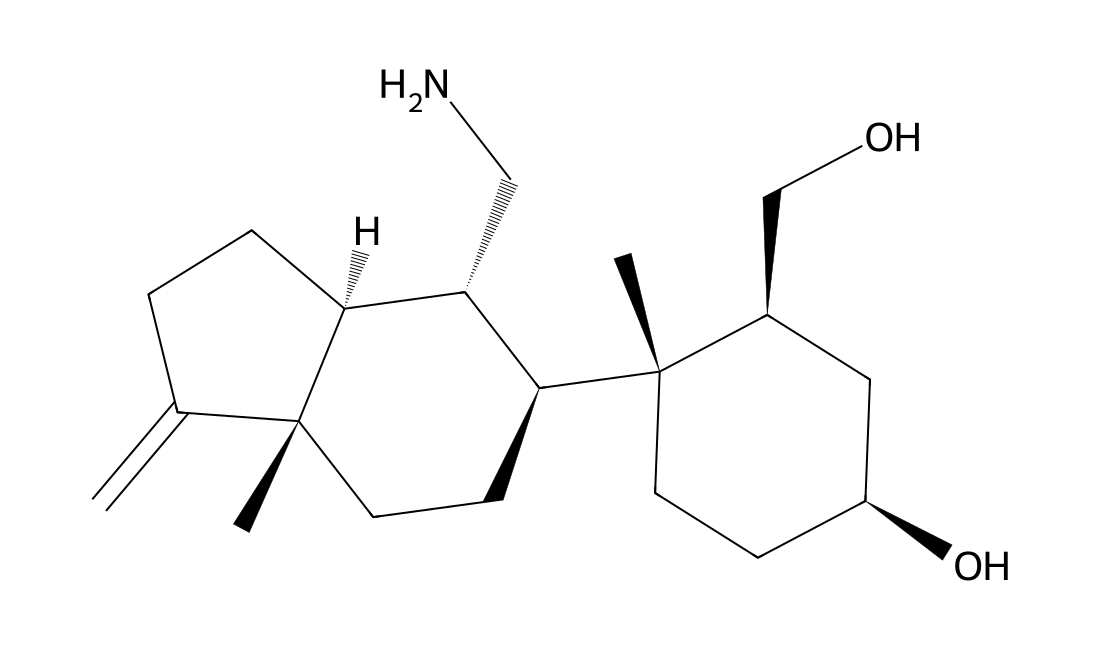
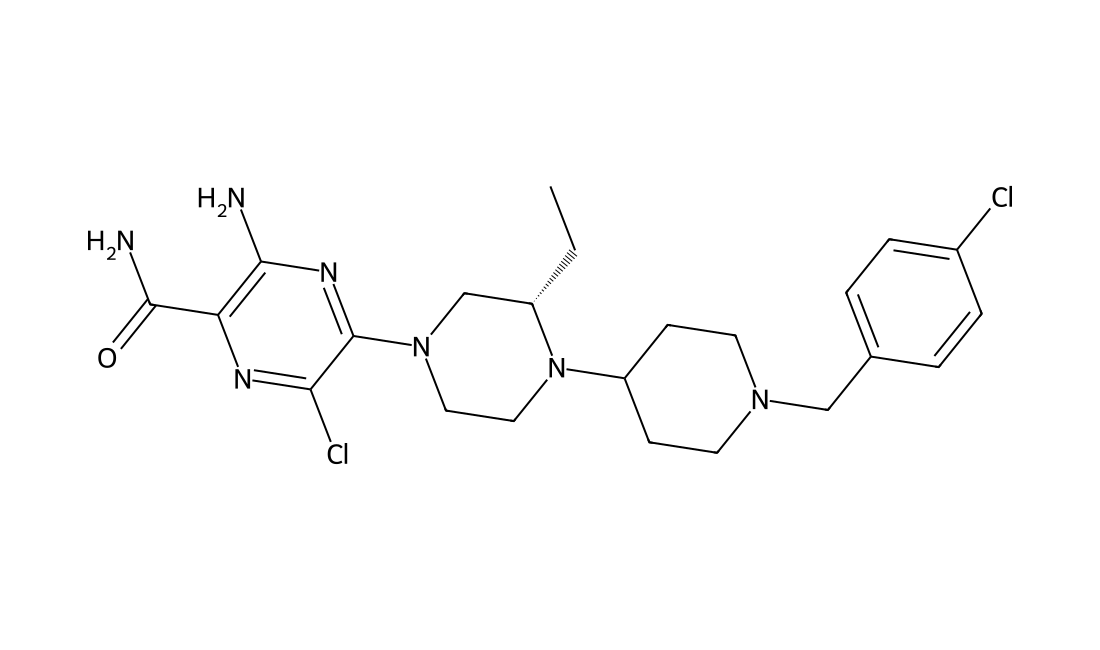
DC65673

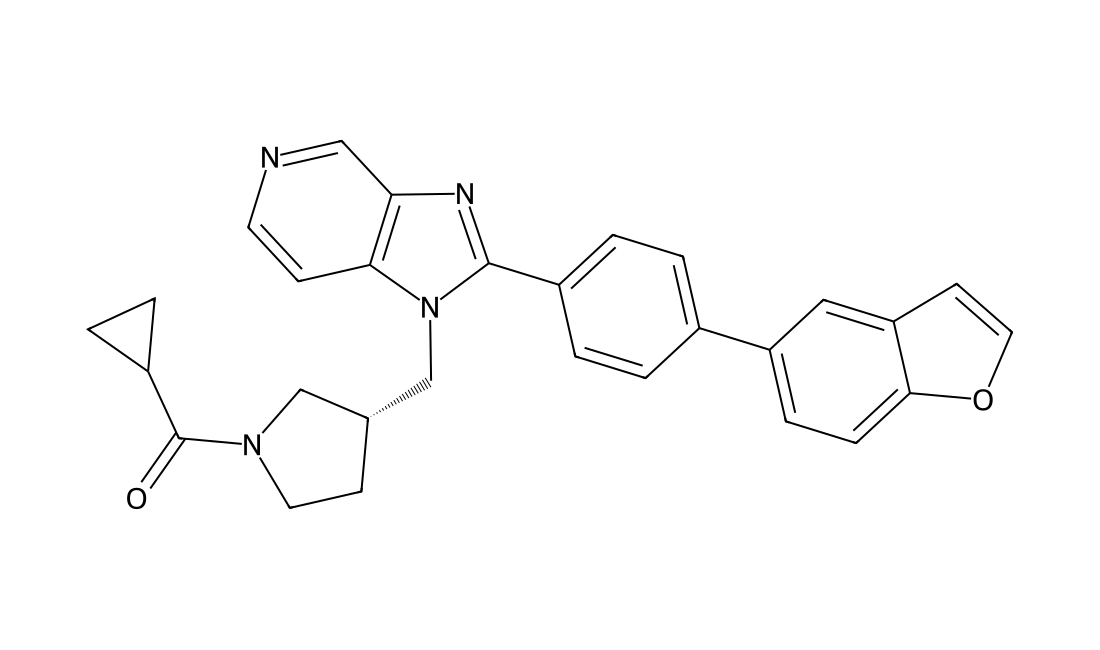
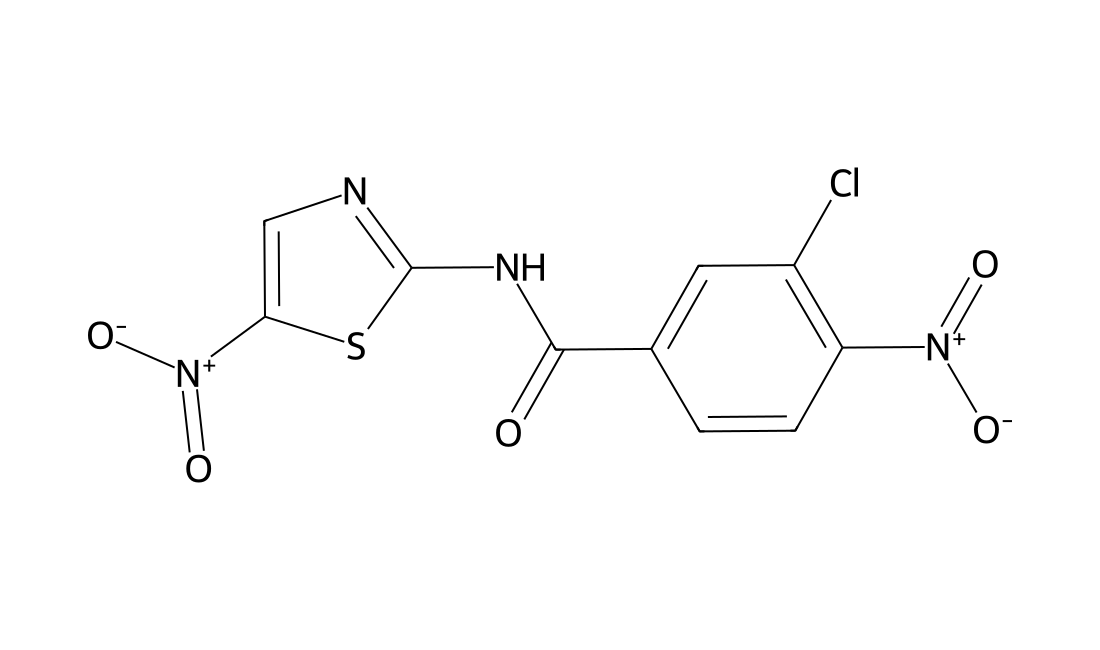
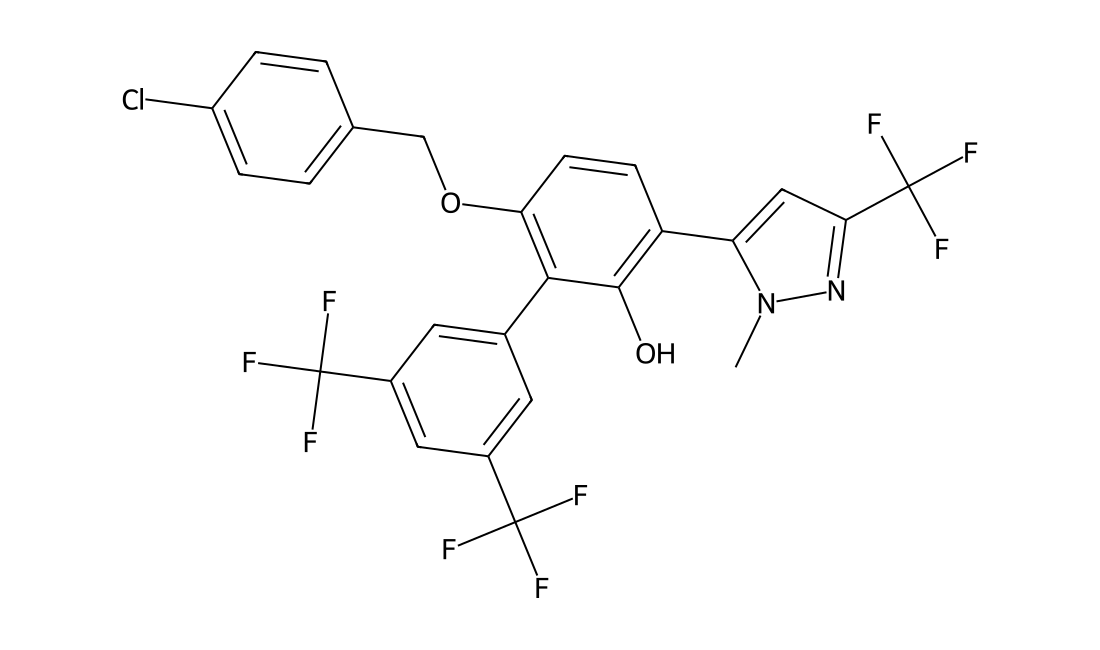
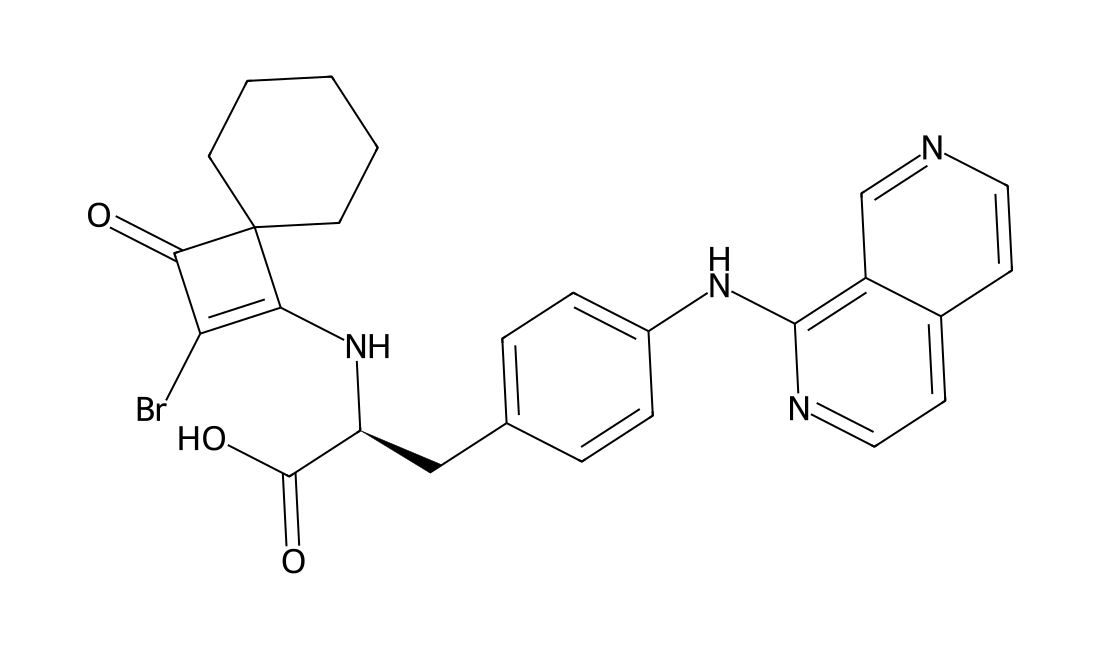
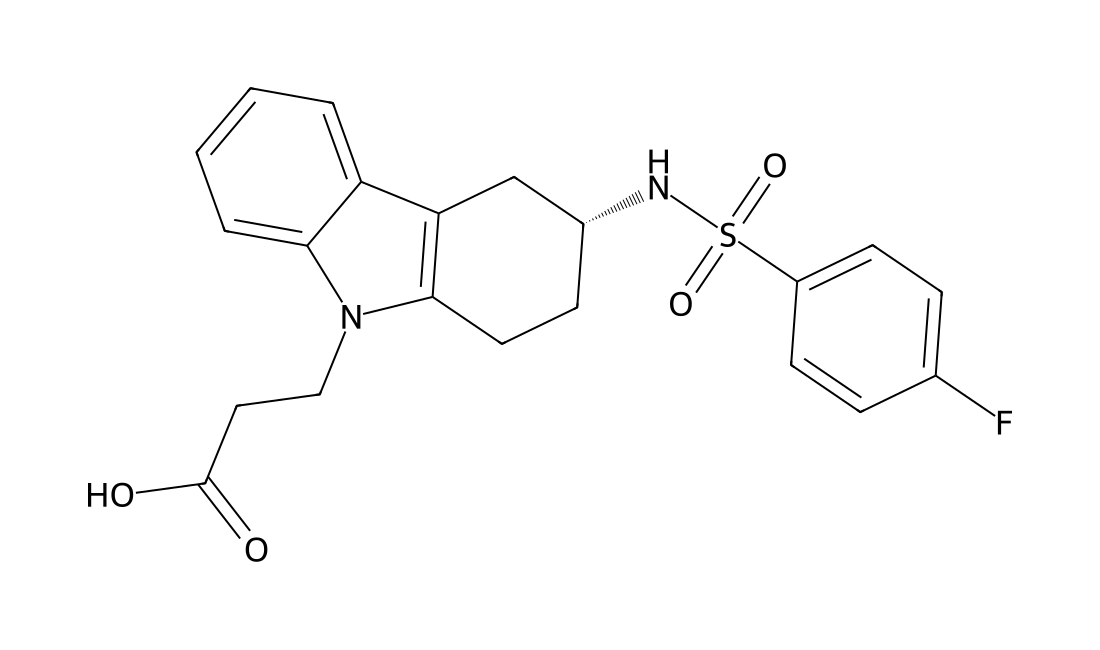
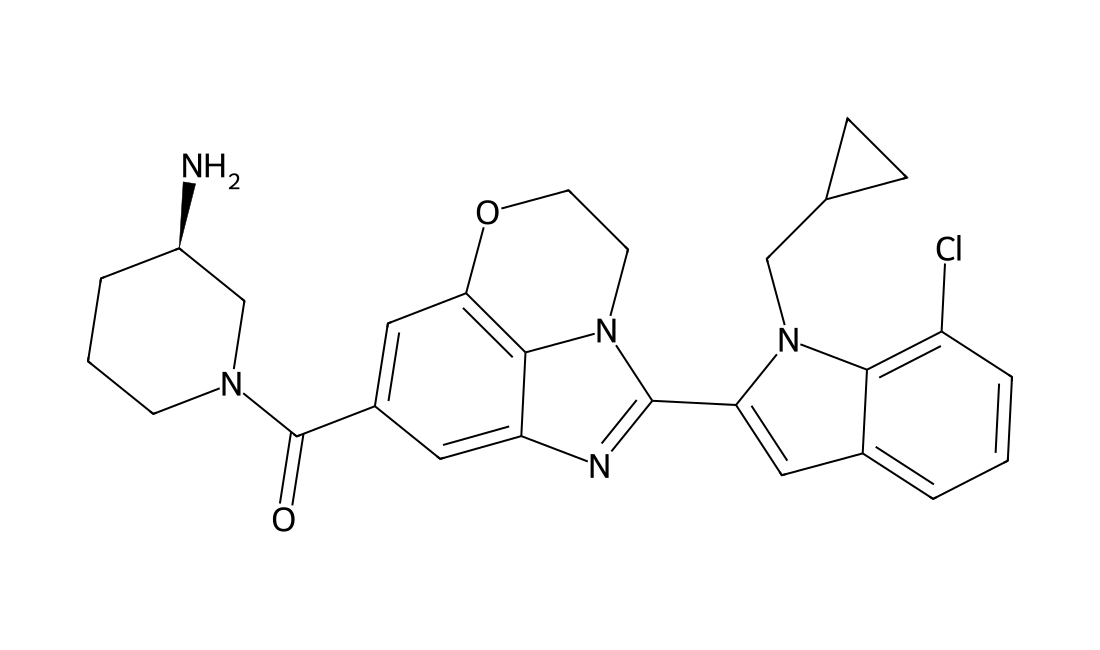
PAD-IN-2

CAS 2304852-21-7

PAD-IN-2 is a potent pad4 inhibitor (IC50: <1 μM). PAD-IN-2 can be used in the research of auto-immune diseases and cancers, such as rheumatoid arthritis, vasculitis, systemic lupus erythematosis, cutaneous lupus erythematosis, ulcerative colitis, cystic fibrosis, asthma, multiple sclerosis and psoriasis.

PAD-IN-2 chemical structure
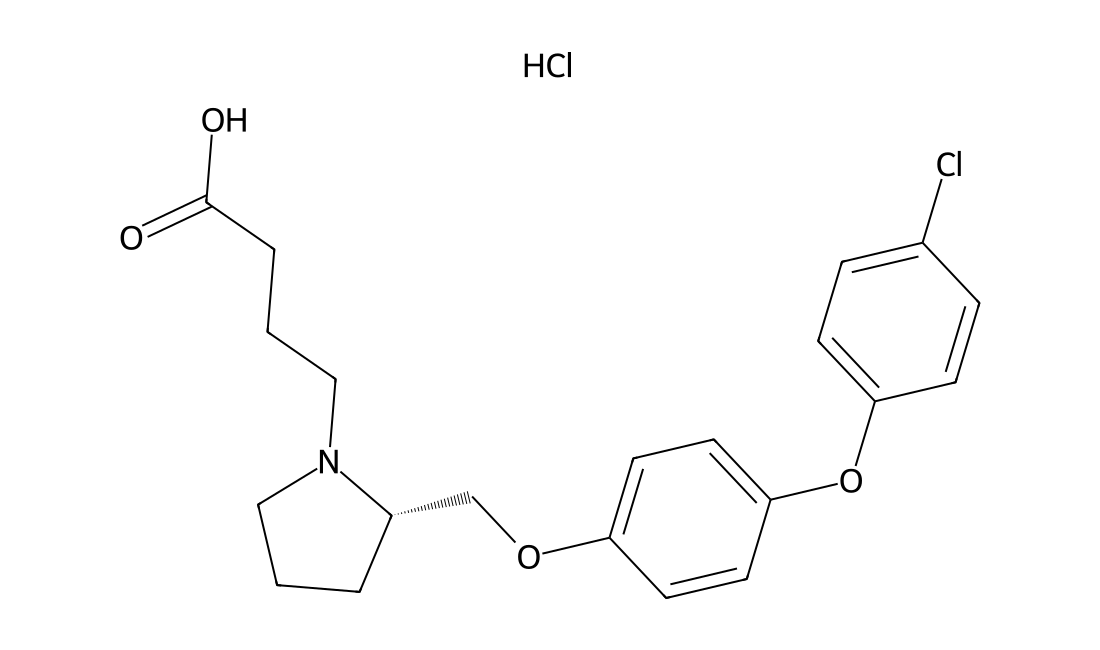
DC65639

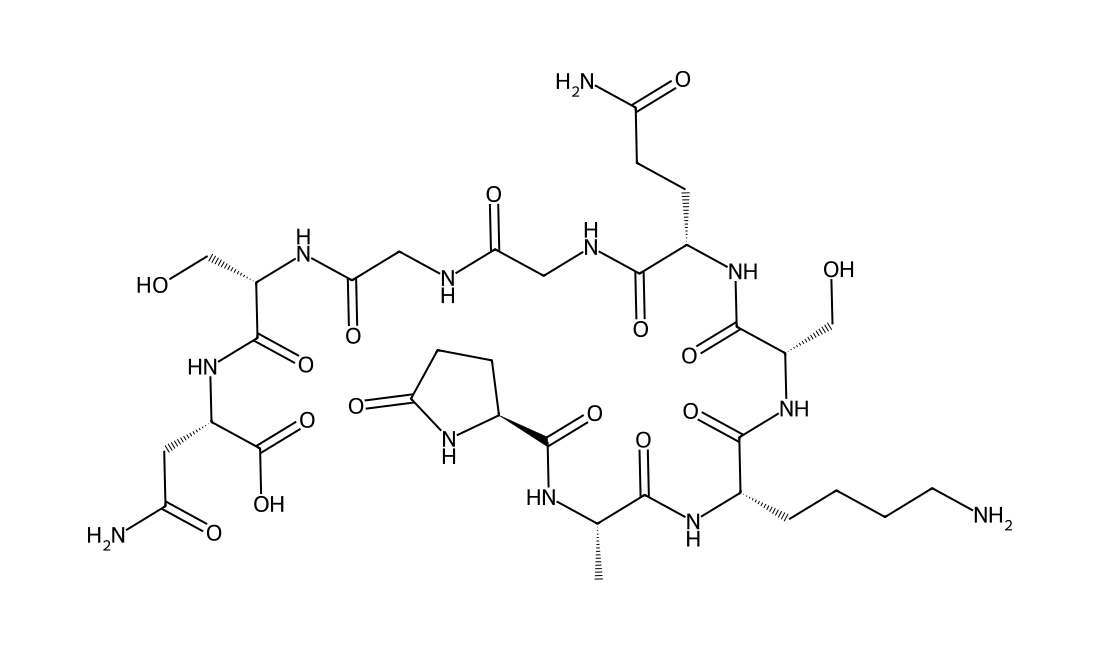
Thymulin Acetate

CAS 63958-90-7

Serum thymic factor (Thymulin) is a zinc-dependent immunomodulatory peptide. Serum thymic factor induces hyperalgesia. Serum thymic factor protects rats from Cephaloridine (HY-B2072)-induced nephrotoxicity by inhibiting ERK activation. Serum thymic factor has anti-diabetic, analgesic and anti-inflammatory effects.

Thymulin Acetate chemical structure
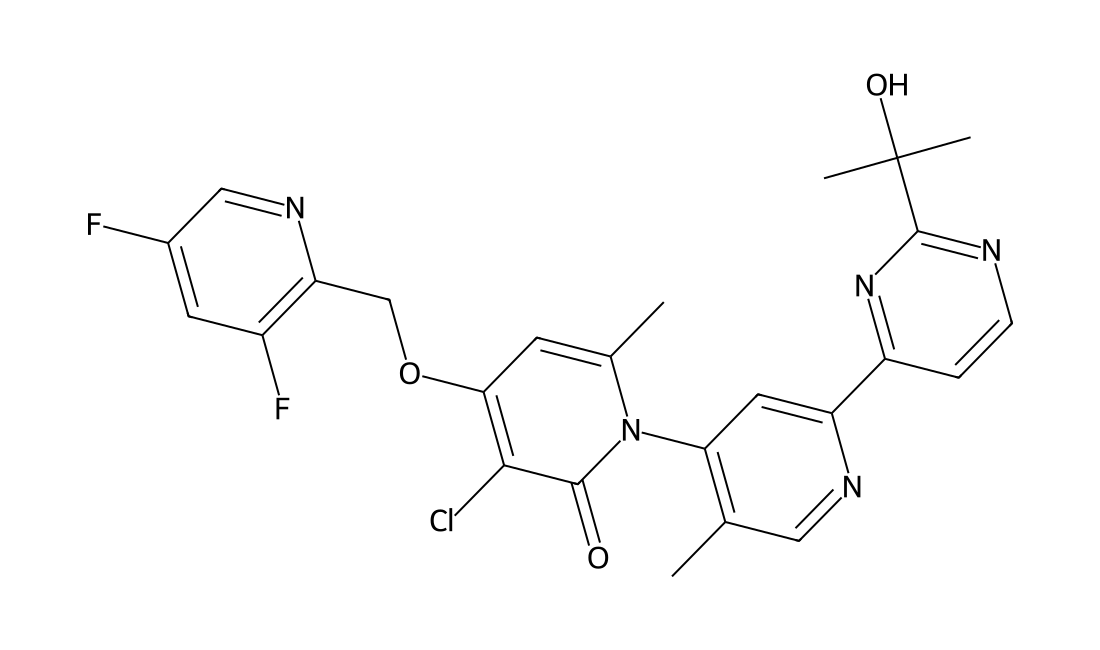
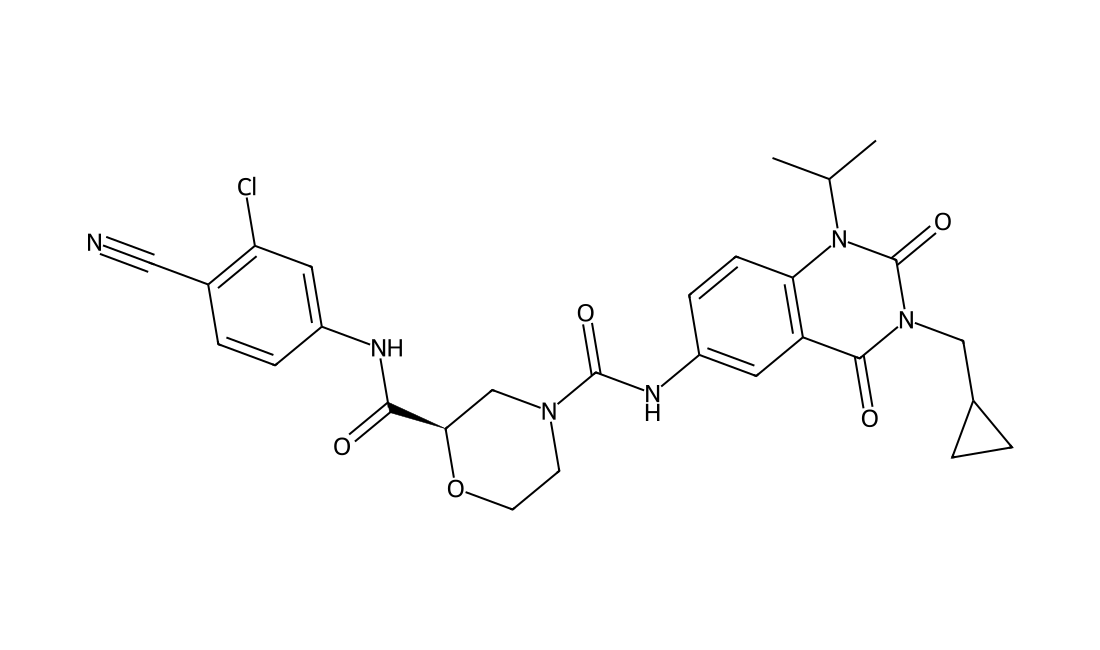
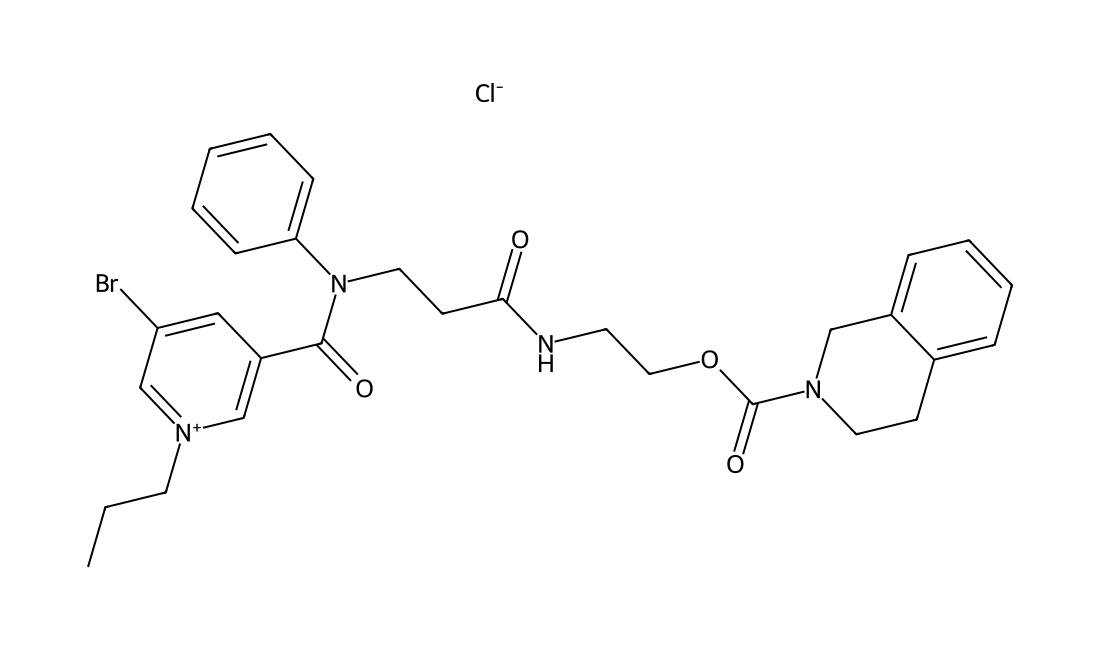
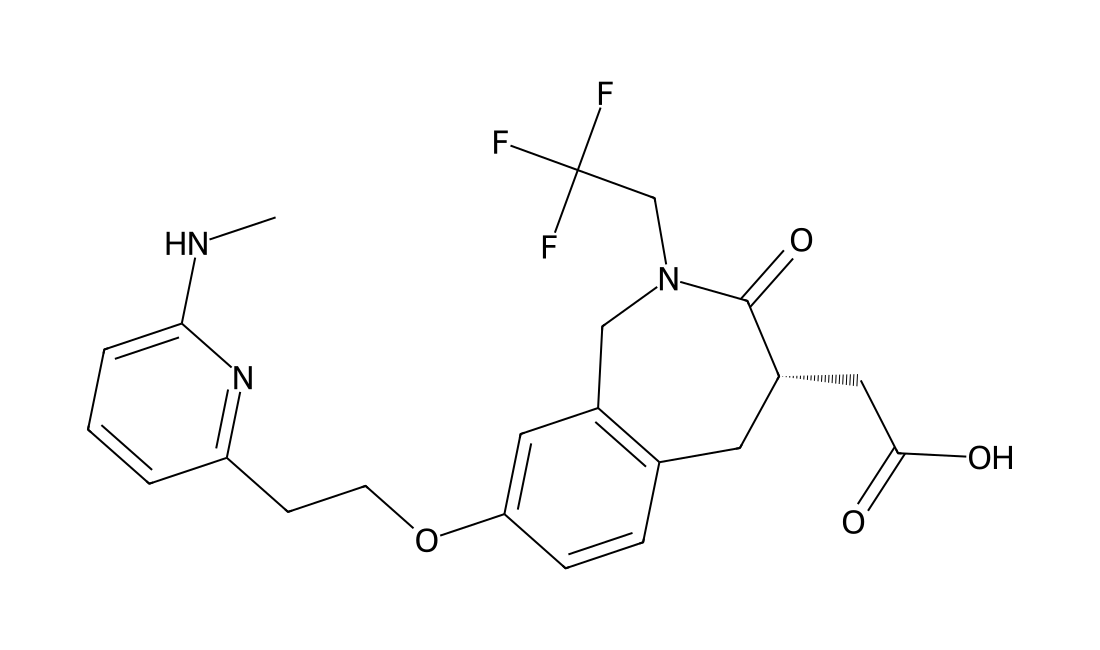
DC65567

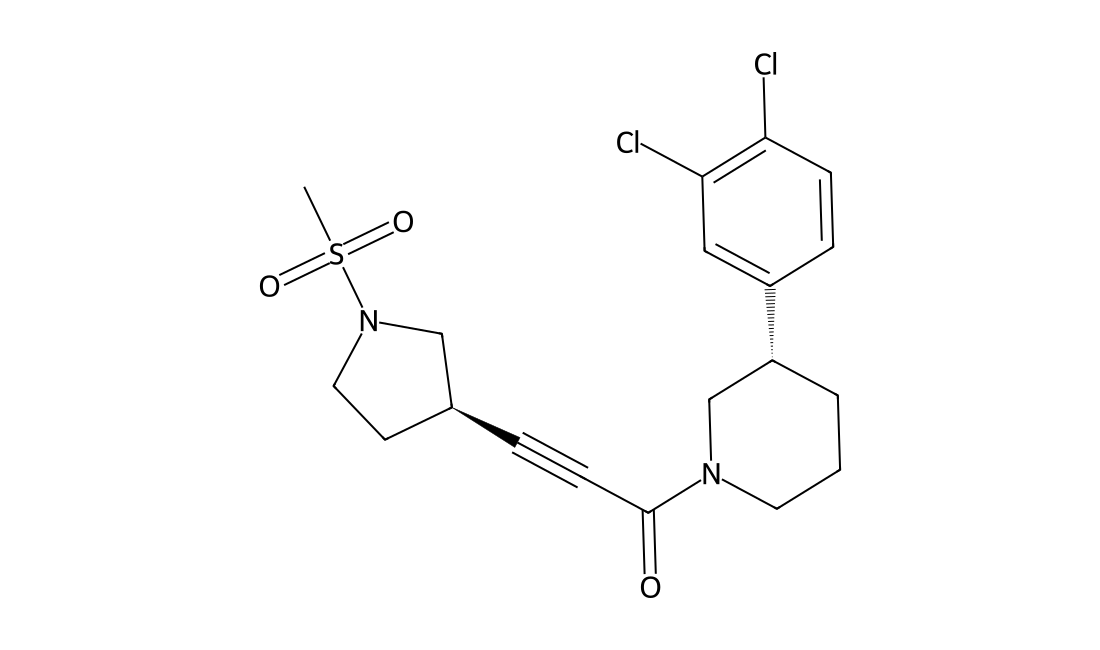
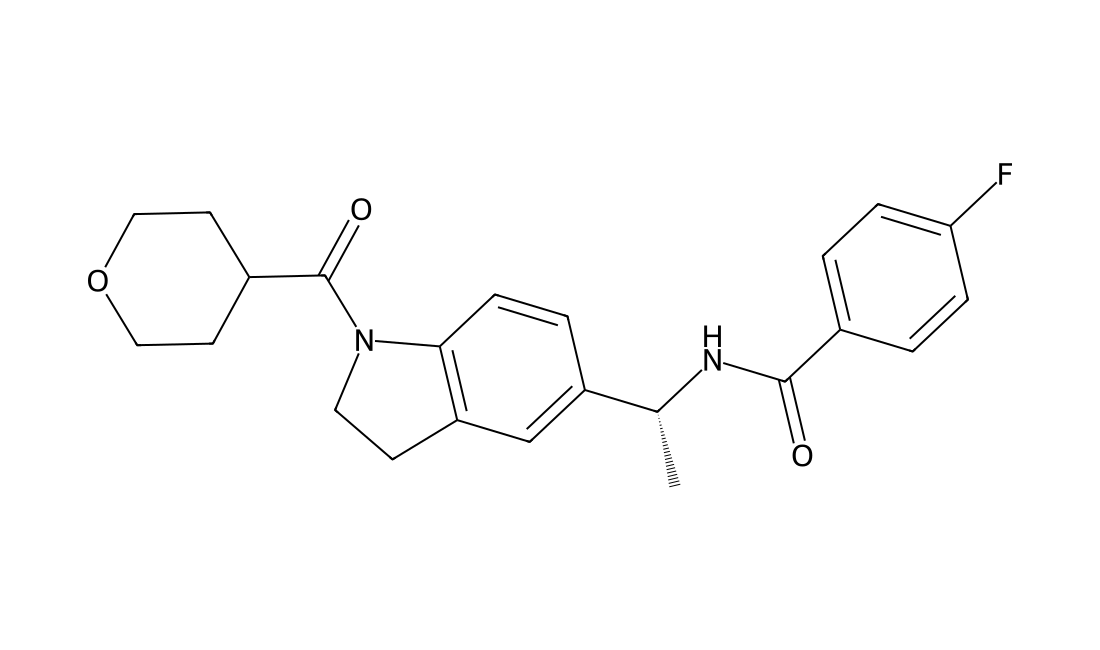
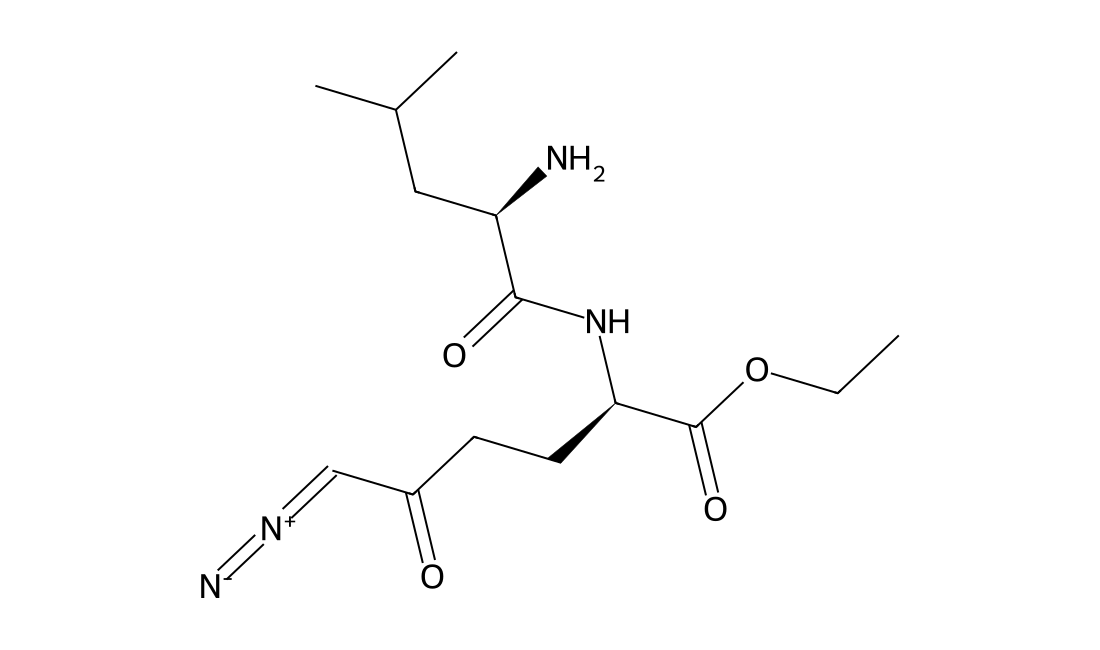
ABBV-CLS-484

CAS 2489404-97-7

Osunprotafib (ABBV-CLS-484) is a potent PTPN1 and PTPN2 inhibitor with subnanomolar activity. Osunprotafib has antitumor activity, enhances the immune response and increases the sensitivity of tumors to immune-mediated killing.

ABBV-CLS-484 chemical structure
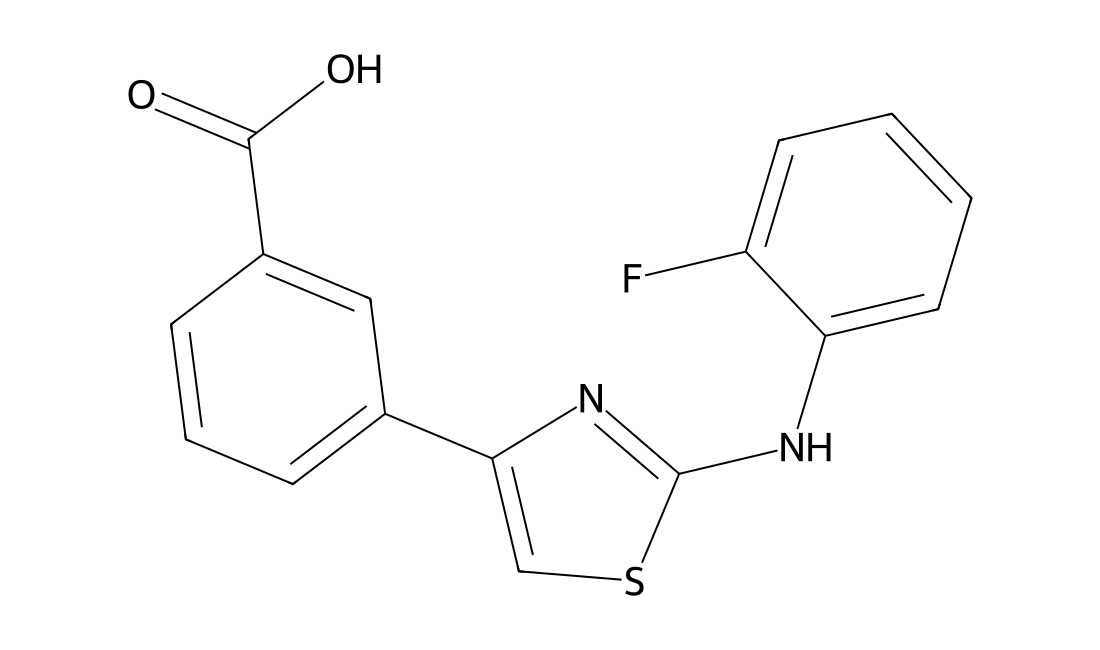
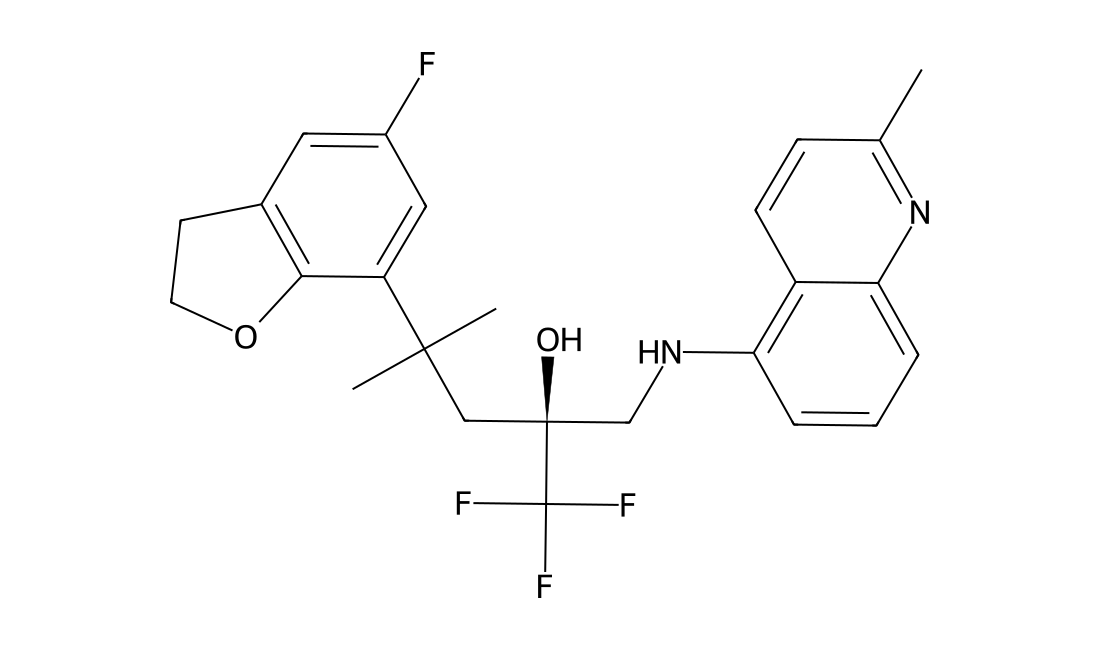
DC34053

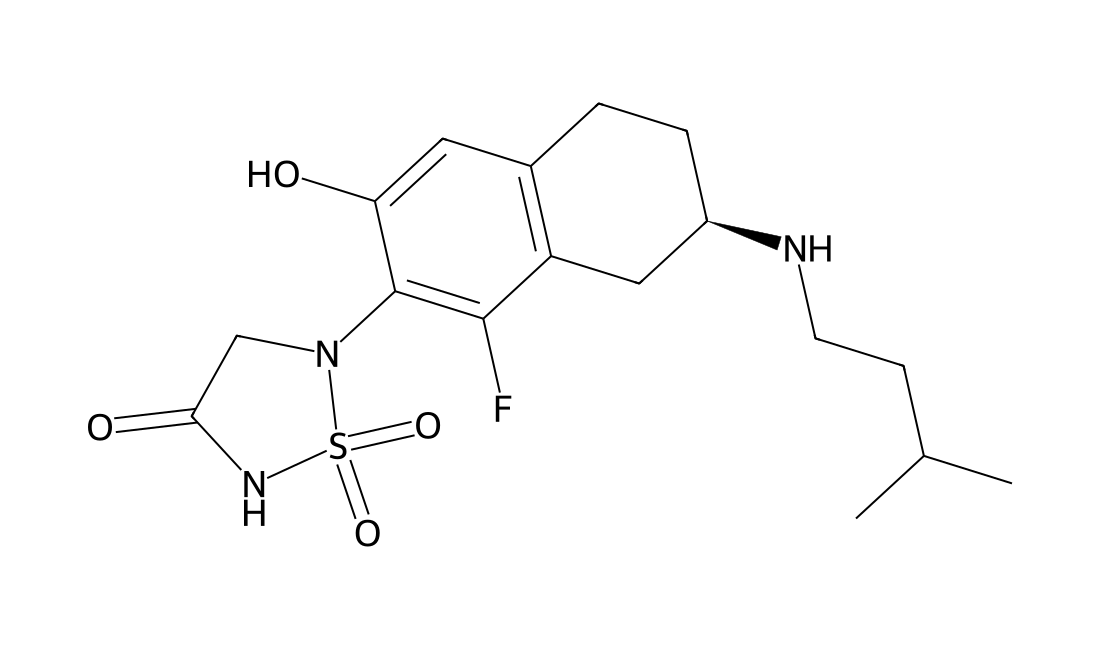
SM-7368

CAS 380623-76-7

SM-7368 inhibits TNF-alpha-induced MMP-9 upregulation in a concentration-dependent manner. SM-7368 strongly inhibits the TNF-alpha-induced invasion of HT1080 human fibrosarcoma cell line.

SM-7368 chemical structure
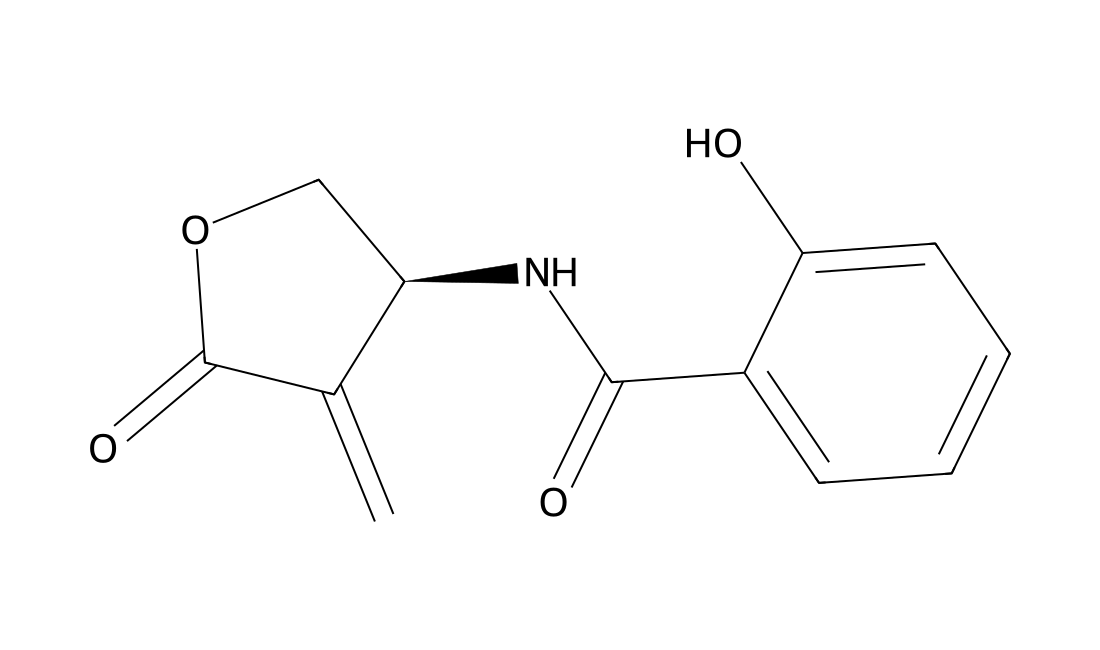
DC65347

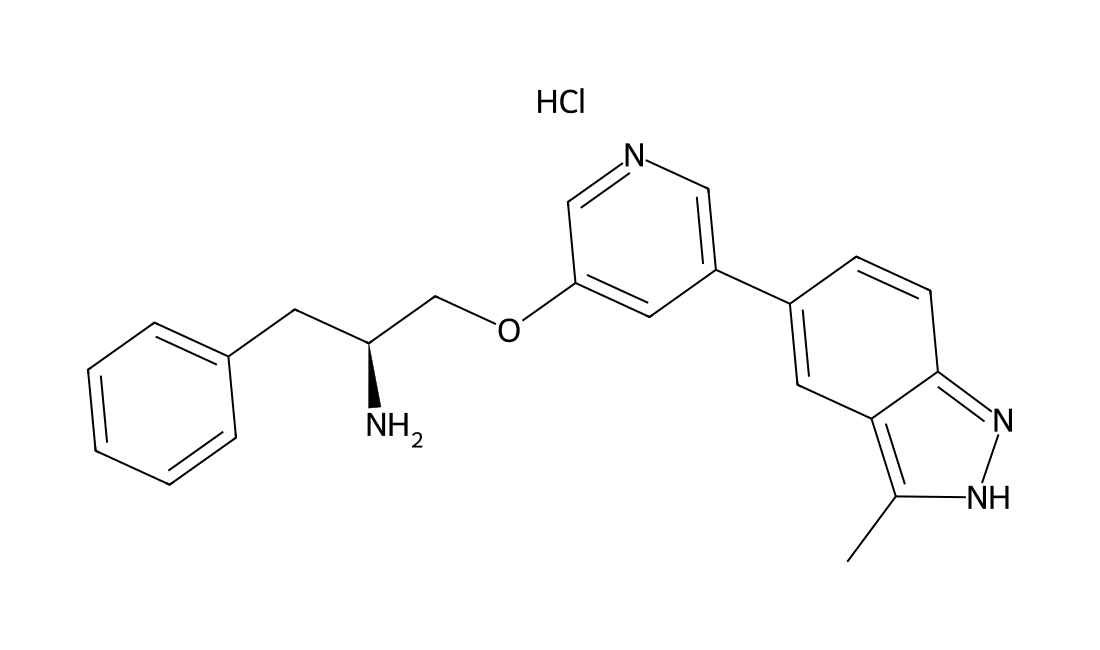
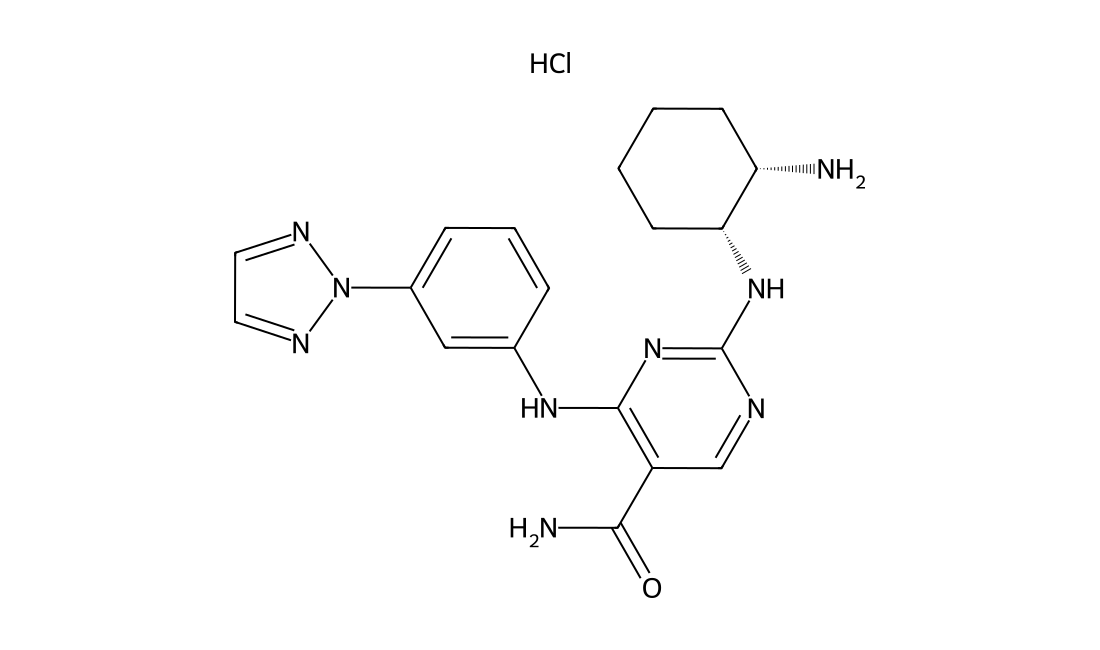
A-674563 HCl

CAS 2070009-66-2

A-674563 is a potent and selective Akt1 inhibitor with Ki of 11 nM. A-674563 suppressed the activation of the NLRP3 inflammasome in cardiomyocytes following β-adrenoceptor activation, suggesting that AKT1 is a critical regulator molecule upstream of the NLRP3 inflammasome. A-674563 suppresses CDK2 activity, inhibits human NSCLC cell growth more effectively than the pan-AKT inhibitor, MK-2206

A-674563 HCl chemical structure
DC70579

M3258

CAS 2285330-15-4

M3258 (M 3258) is a potent, reversible, highly selective and orally acitve LMP7 inhibitor with ceullar IC50 of 4.1 nM.M3258 does not inhibit other constitutive proteasome and immunoproteasome subunits (IC50>2.5 uM).M3258 demonstrated strong antitumor efficacy in multiple myeloma xenograft models.M3258 treatment led to a significant and prolonged suppression of tumor LMP7 activity and ubiquitinated protein turnover and the induction of apoptosis in multiple myeloma cells both in vitro and in vivo.M3258 showed superior antitumor efficacy in selected multiple myeloma and mantle cell lymphoma xenograft models compared with the approved nonselective proteasome inhibitors bortezomib and ixazomib.

M3258 chemical structure
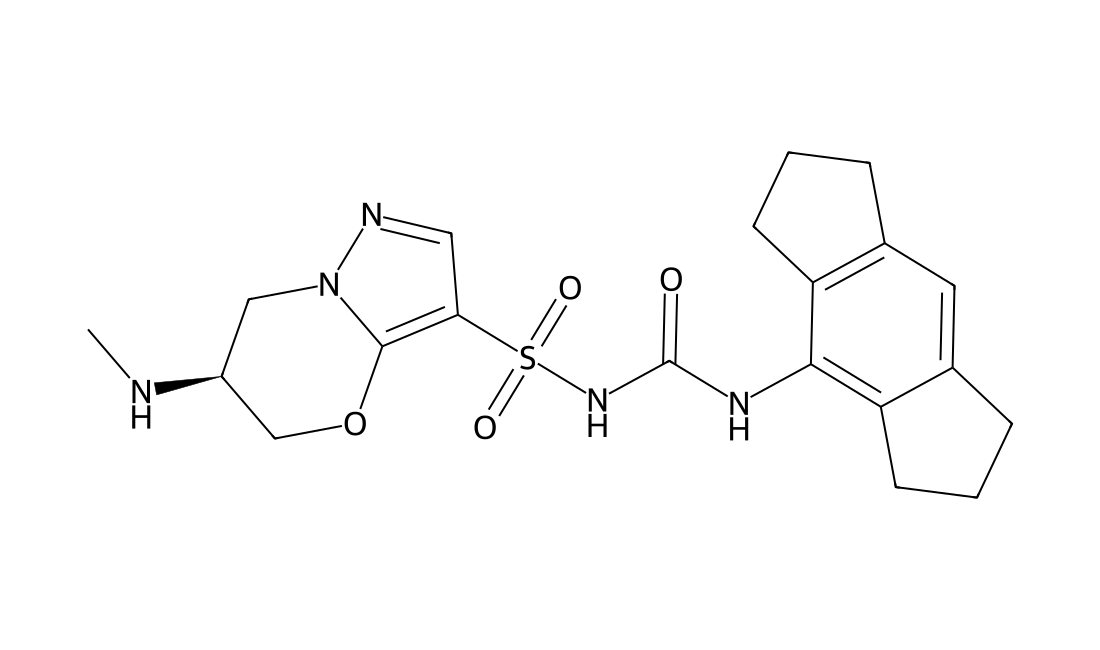
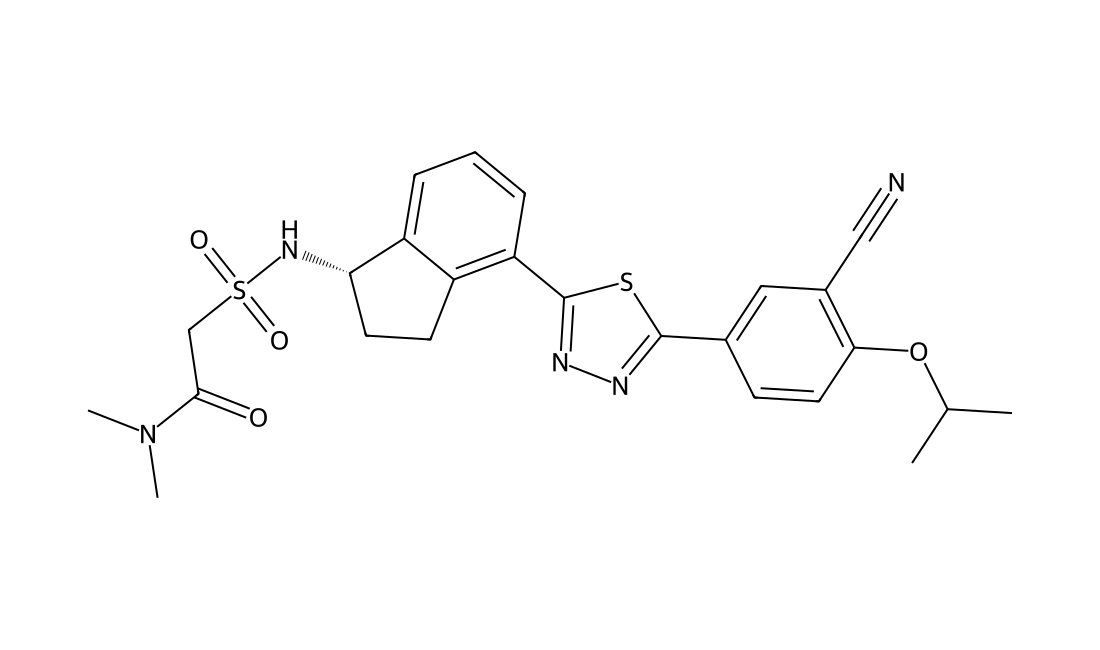
DC72265

GDC-2394

CAS 2238822-07-4

GDC-2394 is an orally active and selective NLRP3 inhibitor, and also inhibits IL-1β with IC50s of 0.4 μM (human IL-1β) and 0.1 μM (mouse IL-1β). GDC-2394 inhibits NLRP3-induced caspase-1 activity without inhibiting NLRC4-dependent inflammasome activation.

GDC-2394 chemical structure
DC22768

MP07-66

CAS 1938056-90-6

A novel FTY720 analog that acts as PP2A activator, disrupts the SET/PP2A interaction devoid of immunosuppressive effects leads to the reactivation of PP2A; triggers apoptosis of CLL cells, and the action of MP07-66 is synergistically amplified when used in combination with Src family kinase inhibitors.

MP07-66 chemical structure
DC11384

Thymogen(Oglufanide)

CAS 38101-59-6

Oglufanide inhibits vascular endothelial growth factor (VEGF), which may inhibit angiogenesis.This agent has also been reported to stimulate the immune response to hepatitic C virus and intracellular bacterial infections.

Thymogen(Oglufanide) chemical structure
DC23048

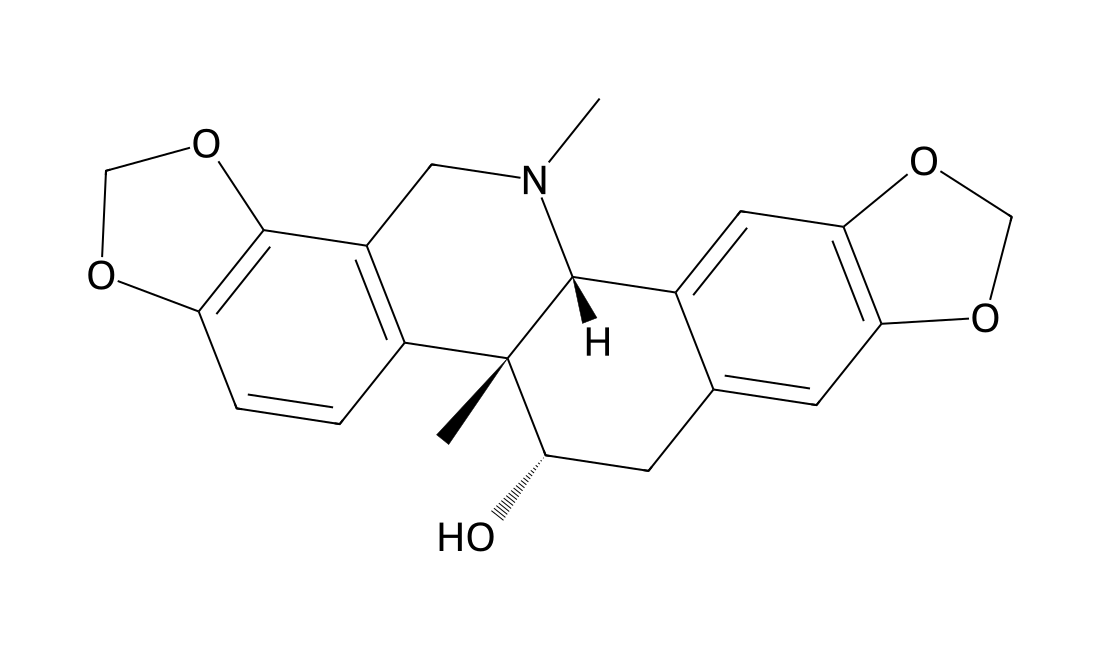
(+)-corynoline

CAS 18797-79-0

Corynoline, isolated from Corydalis incise (Papaveraceae), is a reversible and noncompetitive acetylcholinesterase (AChE) inhibitor with an IC50 of 30.6 μM[1]. Corynoline exhibits anti-inflammatory activity by activating Nrf2[2].

(+)-corynoline chemical structure
DC23031

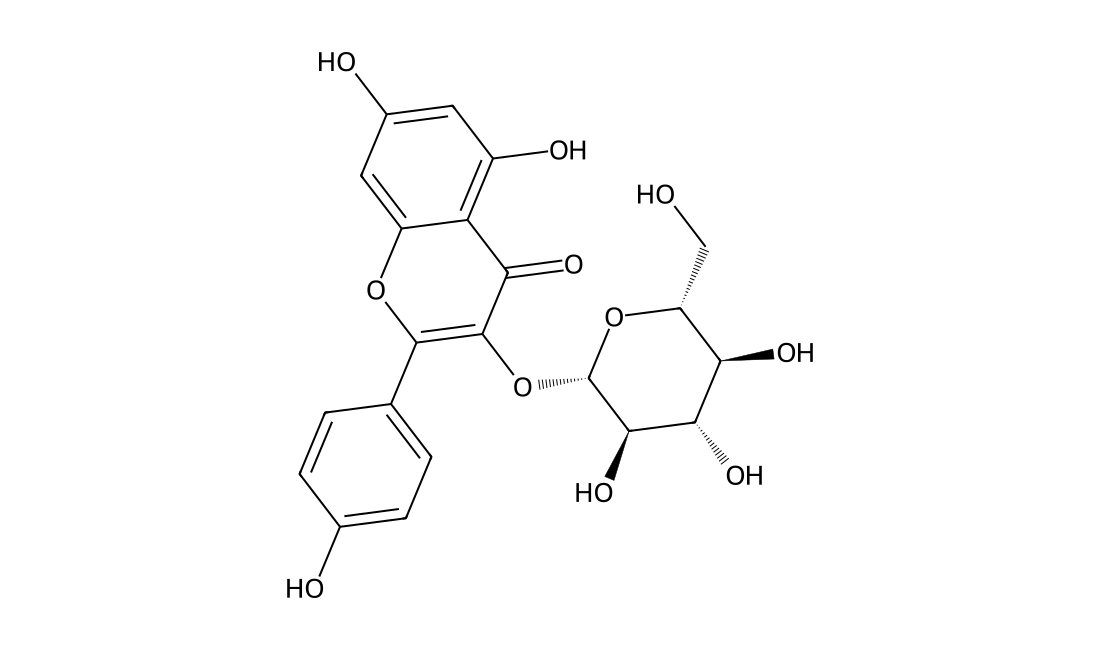
Astragalin

CAS 480-10-4

Astragalin (kaempferol-3-O-glucoside) is a flavonoid with anti-inflammatory activity and newly found in persimmon leaves and green tea seeds.IC50 value:Target: in vitro: Astragalin nontoxic at ≤ 20 μM suppressed cellular induction of Toll-like receptor 4 (TLR4) and ROS production enhanced by LPS. Both LPS and H2O2 induced epithelial eotaxin-1 expression, which was blocked by astragalin. LPS activated and induced PLCγ1, PKCβ2, and NADPH oxidase subunits of p22phox and p47phox in epithelial cells and such activation and induction were demoted by astragalin or TLR4 inhibition antagonizing eotaxin-1 induction. H2O2-upregulated phosphorylation of JNK and p38 MAPK was dampened by adding astragalin to epithelial cells, while this compound enhanced epithelial activation of Akt and ERK. H2O2 and LPS promoted epithelial apoptosis concomitant with nuclear condensation or caspase-3 activation, which was blunted by astragalin [1]. astragalin suppressed the expression of tumor necrosis factor α, interleukin 6, and nitric oxide in a dose-dependent manner in mMECs [2]. astragalin attenuated the infiltration of inflammatory cells, the activity of myeloperoxidase (MPO) and the expression of tumor necrosis factor-α (TNF-α), interleukin-6 (IL-6) and interleukin-1β (IL-1β) in a dose-dependent manner. Additionally, Western blotting results showed that astragalin efficiently blunt decreased nuclear factor-kappaB (NF-κB) activation by inhibiting the degradation and phosphorylation of IκBα and the nuclear translocation of p65 [3]. Astragalin significantly reduced LPS-induced expression of iNOS, COX-2 and cytokines/chemokines, and production of NO in J774A.1 mouse macrophages. Astragalin inhibited LPSinduced activation of NF-κB as indicated by inhibition of degradation of IκBα, nuclear translocation of NF-κB, and NF-κB dependent gene reporter assay [4].in vivo: Mice were injected intraperitoneally (i.p.) with lipopolysaccharide (LPS) (dose range: 5-40 mg/kg). pretreatment with astragalin can improve survival during lethal endotoxemia and attenuate inflammatory responses in a murine model of lipopolysaccharide-induced acute lung injury [4].

Astragalin chemical structure
DC23724

SR1555

CAS 1386439-51-5

SR1555 is a selective RORγ inverse agonist (IC50=1.5 uM) that suppresses T(H)17 cells and stimulates T regulatory cells; SR1555 is devoid of LXR, FXR, and RORα activity, displaces [3H]T0901317 from the ligand binding domain (LBD) of RORγ with IC50 of 1 uM; represses the expression of RORγ while leading to increased expression of FGF21 and adipoQ in pre-adipocyctes, inhibits activation of hormone-sensitive lipase and increased fatty acid oxidation in obese diabetic mice.

SR1555 chemical structure
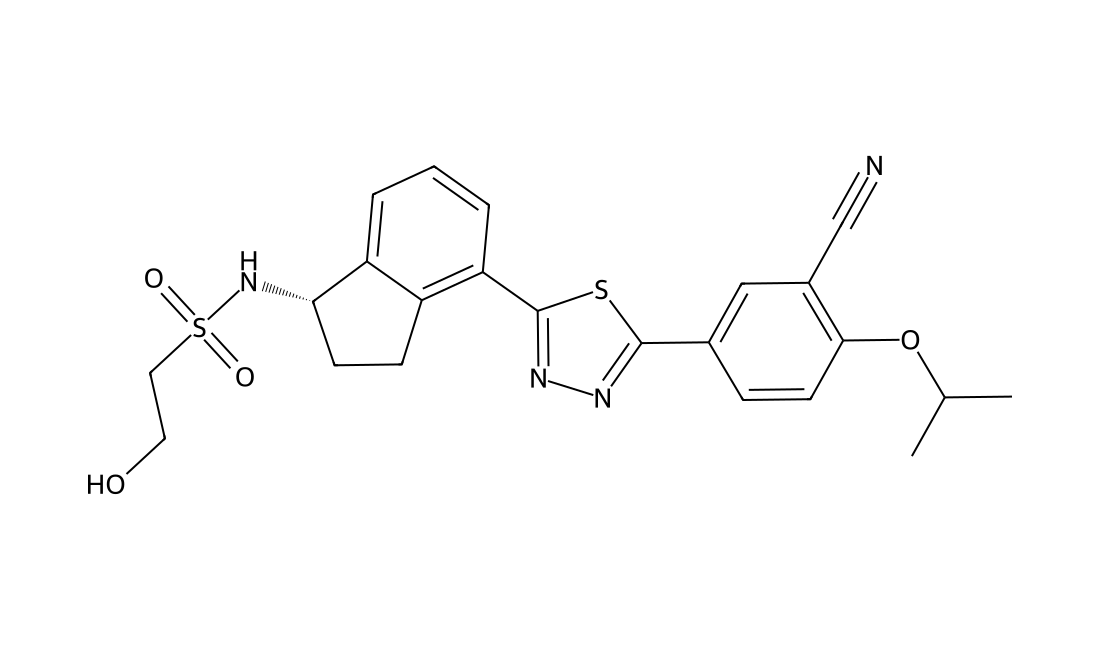
DC33238

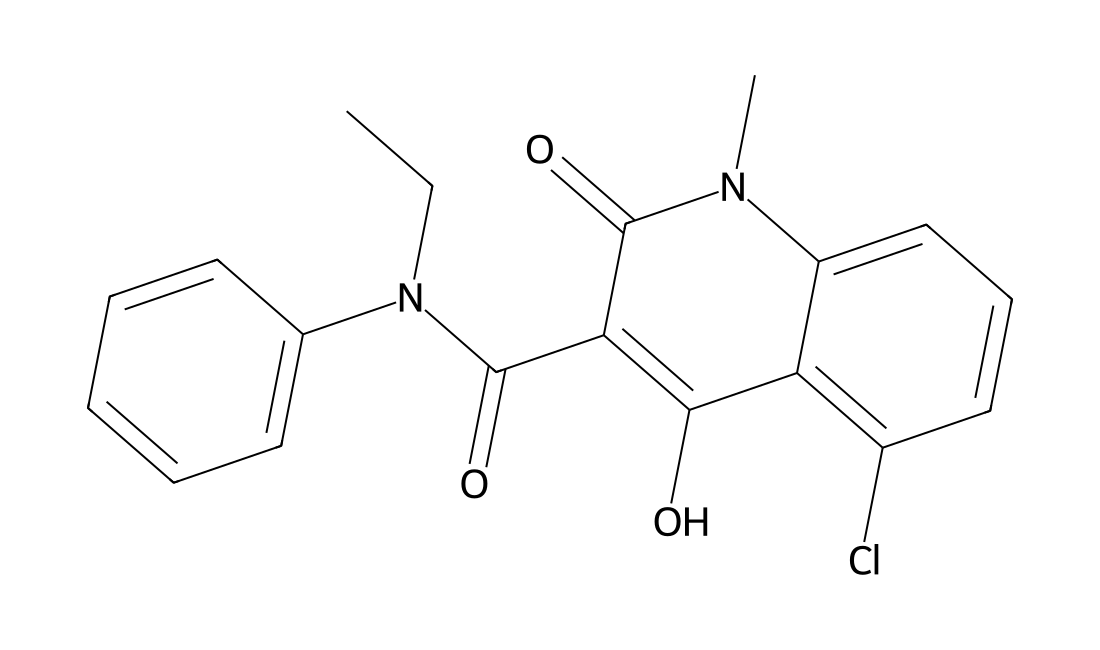
A286982

CAS 280749-17-9

A-286982 is a potent and allosteric LFA-1/ICAM-1 interaction inhibitor with IC50s of 44 nM and 35 nM in an LFA-1/ICAM-1 binding and LFA-1-mediated cellular adhesion assay, respectively[1][2].

A286982 chemical structure
DC20544

SEMBL

CAS 1443448-82-5

SEMBL is a potent NF-κB inhibitor that inhibits DNA binding of NF-κB component p65; inhibits LPS-induced NF-κB activation, iNOS expression, and inflammatory cytokine secretions; also inhibits NF-κB and cellular invasion in ovarian carcinoma ES-2 cells; enhances stability in aqueous solution compared with (-)-DHMEQ.

SEMBL chemical structure
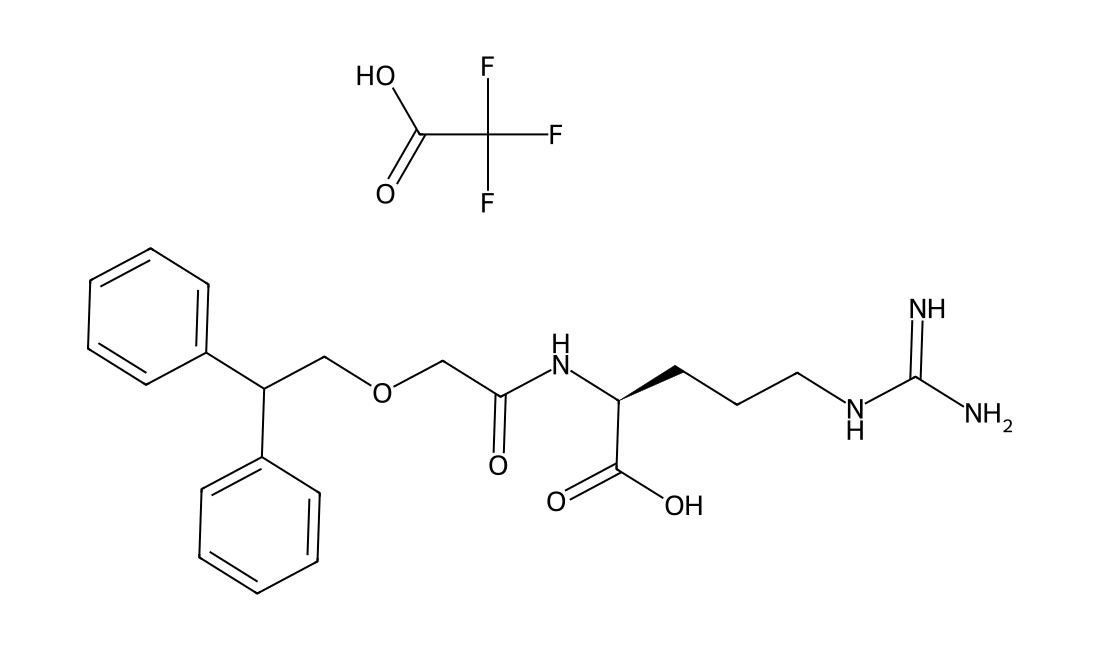
DC10151

SB290157 trifluoroacetate

CAS 1140525-25-2

SB 290157, inhibits neutrophil recruitment in a guinea pig LPS-induced airway neutrophilia model and decreases paw edema in a rat adjuvant-induced arthritis model. The antagonist is able to reduce joint swelling only at 3 h, and about 50% inhibition of joint swelling is observed with the concentration of 30 mg/kg. The C3 level is significantly decreased at 3 h compared with naïve mice showing complement consumption. Furthermore, the C3 activation is observed and increased corresponding to the graded concentration of anti-OVA pAb.

SB290157 trifluoroacetate chemical structure
DC23139

AQX 1125

CAS 782487-28-9

AQX 1125 (Rosiptor) is a specific, orally bioavailable SHIP1 activator with no effect on functional androgen, oestrogen, oestrogen-related receptor α, glucocorticoid, mineralocorticoid and progesterone receptor at 30 uM; inhibits the pAkt (S473) in MOLT-4 cells, and inhibits cytokine release in mixed splenocytes; significantly decreases β-hexosaminidase release in mouse BMMCs; inhibits chemotaxis in human mononuclear cells (EC50=0.26 uM); suppresses leukocyte accumulation and inflammatory mediator release in rodent models of pulmonary inflammation and allergy. COPD Phase 2 Clinical

AQX 1125 chemical structure
DC22364

DG051

CAS 929915-58-2

A potent, selective LTA4H (Leukotriene A4 hydrolase) inhibitor (IC50/Kd=47/25 nM) of leukotriene B4 biosynthesis; dispalys selectivity over a panel of more than 50 targets including aminopeptidases, hERG, GPCRs; has high aqueous solubility (>30 mg/mL) and high oral bioavailability.Heart FailurePhase 2 Discontinued

DG051 chemical structure
DC22560

TCV-309 chloride

CAS 121494-09-5

A highly potent and selective platelet activating factor (PAF) antagonist; inhibits PAF-induced aggregation of rabbit and human platelets with IC50s of 33 nM and 55 nM respectively; potently protects mice from death induced by PAF and due to anaphylactic shock with ED50 of 2.1 and 2.6 ug/kg (i.v.), respectively; also reverses PAF-induced hypotension and endotoxin-induced hypotension in rats.Coagulation DisorderPhase 2 Discontinued

TCV-309 chloride chemical structure
DC20017

(S)-Mapracorat

CAS 887375-15-7

In Vitro (S)-Mapracorat concentration dependently inhibited TNFα secretion from activated canine PBMC with IC50 value of approximately 0.2 nM. In Vivo Intradermal injection of compound 48/80 (50 μg in 50 μL saline) resulted in a clear wheal and flare reaction over the 60 min observation period. Topical pre-treatment with (S)-Mapracorat (0.1%) and triamcinolone acetonide (0.015%) led to significant reduction in the wheal and flare responses compared to vehicle (acetone) treated areas. However, once daily topical administration of triamcinolone acetonide significantly reduced skin fold thickness from day 8 to 14, whereas no such reduction was observed for (S)-Mapracorat.

(S)-Mapracorat chemical structure
DC11230

JHU-083

CAS 1998725-11-3

JHU-083 inhibits increased glutaminase activity in isolated CD11b+ cells, but not other cells in the prefrontal cortex and hippocampus of mice subjected to CSDS. JHU-083 suppresses CSDS-induced upregulation of proinflammatory cytokines in CD11b+ cells. [1

JHU-083 chemical structure
DC9490

Zaurategrast

CAS 455264-31-0

Zaurategrast(CDP-323) is an oral α4-integrin inhibitor. CDP323 significantly decreased the capacity of lymphocytes to bind vascular adhesion molecule-1 (VCAM-1) and the expression of α4-integrin on VCAM-1-binding cells.CDP323 at daily doses of 1000 or 2000 mg induced significant increases in total lymphocyte count and suppressed VCAM-1 binding by reducing unbound very late antigen-4 expression on lymphocytes.

Zaurategrast chemical structure
DC23236

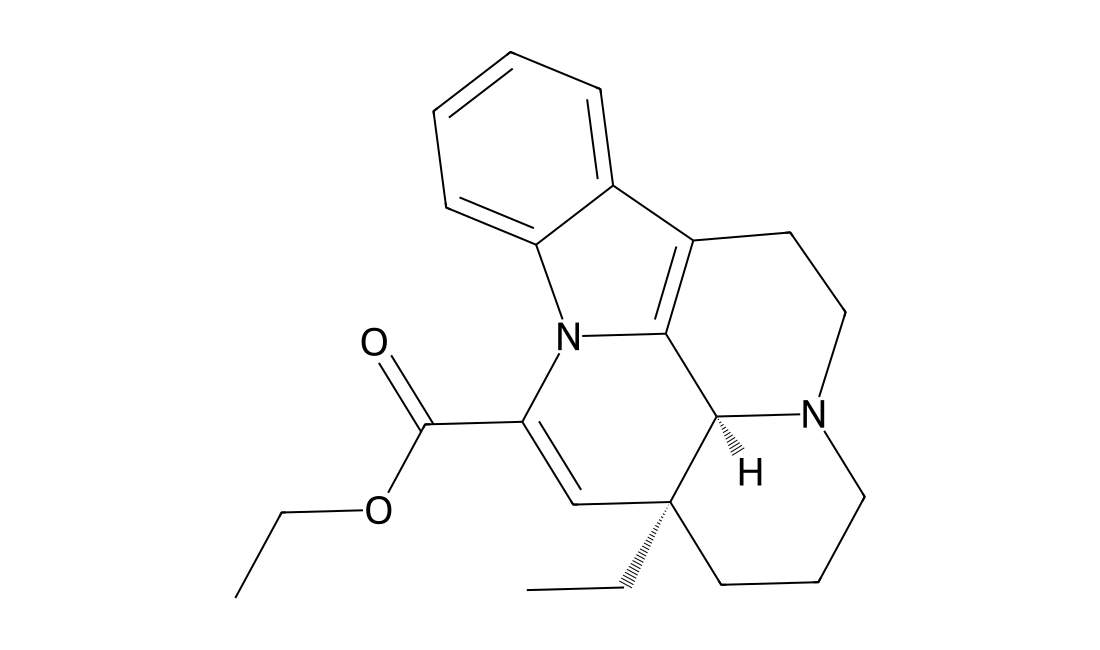
Vinpocetine

CAS 42971-09-5

Vinpocetine (Ethyl apovincaminate) is a synthetic derivative of the vinca alkaloid vincamine, selectively inhibits PDE1 in isolated rabbit aorta with IC50 of 21 uM; inhibits IKK preventing IκB degradation and the following translocation of NF-κB to the cell nucleus, potently inhibits TNF-alpha- or LPS-induced up-regulation of proinflammatory mediators, including TNF-alpha, IL-1beta, and macrophage inflammatory protein-2, and decreases interstitial infiltration of polymorphonuclear leukocytes in mouse model of lung inflammation; demonstrates cerebral blood-flow enhancing and neuroprotective effects in vivo.

Vinpocetine chemical structure
DC9140

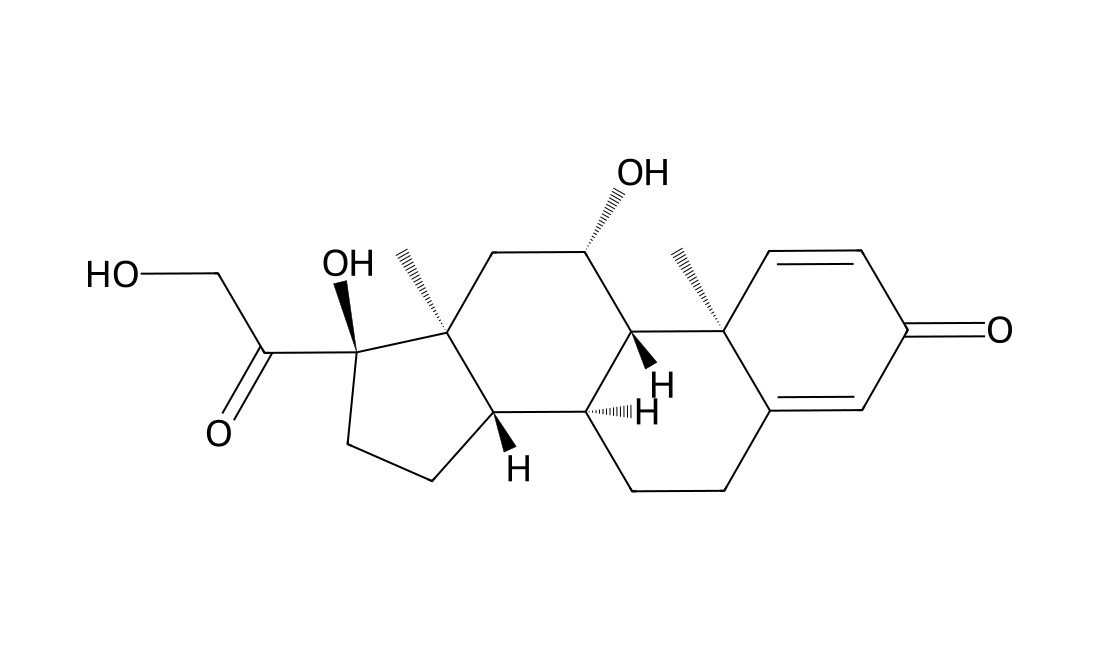
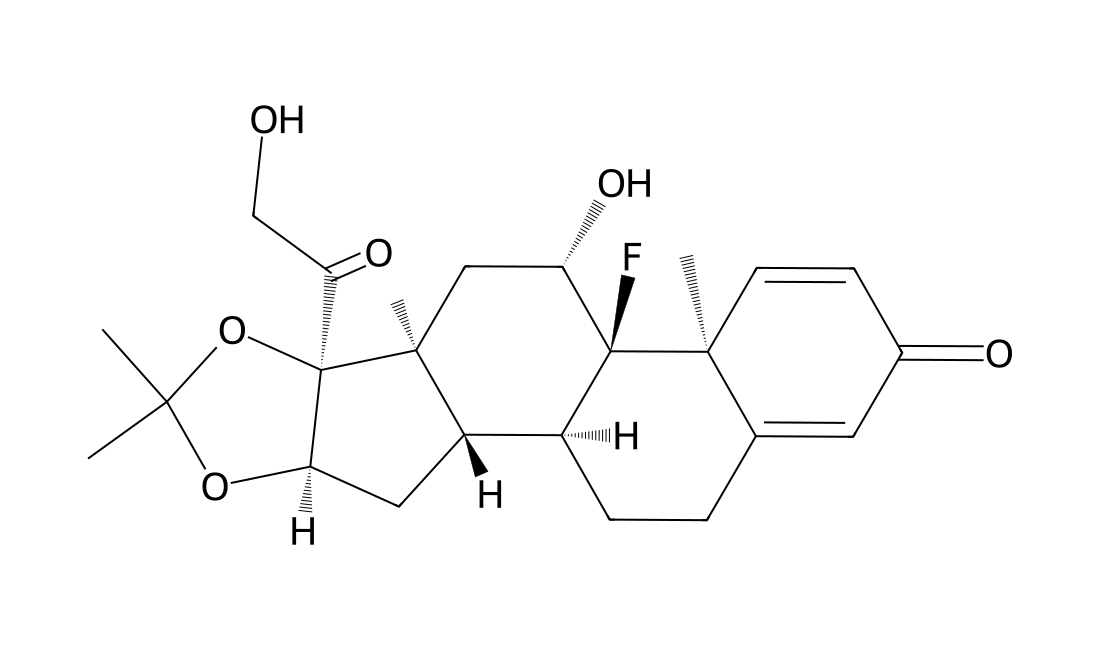
Triamcinolone Acetonide

CAS 76-25-5

Triamcinolone Acetonide is a more potent type of triamcinolone, being about 8 times as effective as prednisone.Triamcinolone acetonide is a synthetic corticosteroid used to treat various skin conditions, to relieve the discomfort of mouth sores, and in nasal spray form, to treat allergic rhinitis. It is a more potent derivative of triamcinolone, and is about 8 times as potent as prednisone.

Triamcinolone Acetonide chemical structure
DC9410

SCH 527123

CAS 473727-83-2

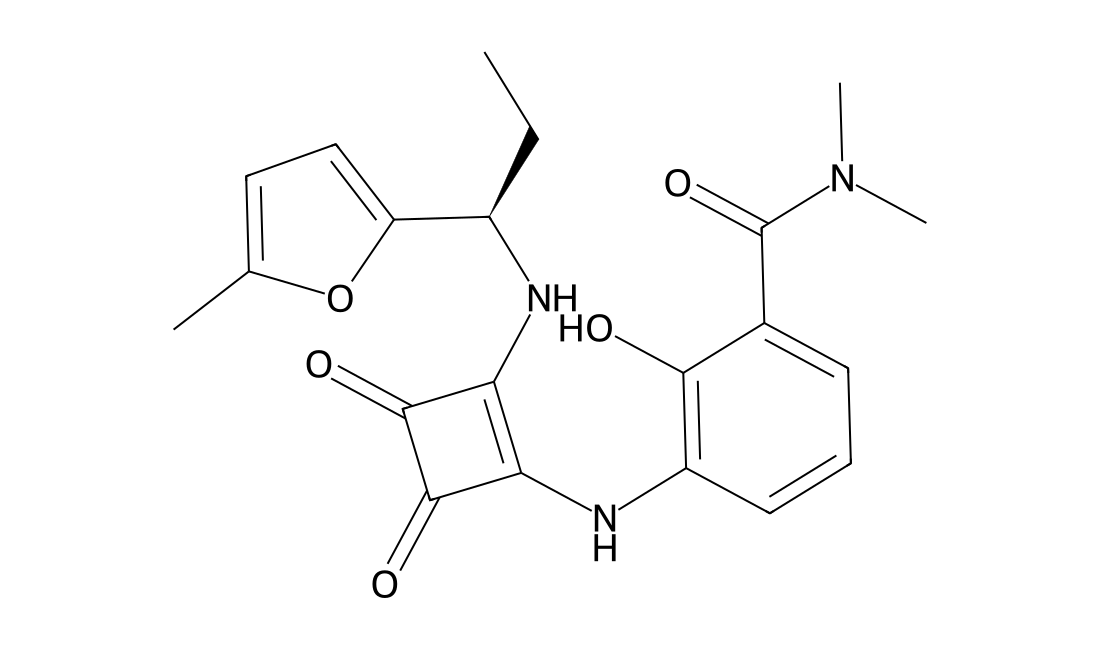
SCH-527123 is a potent antagonist of both CXCR1 and CXCR2 with IC50 of 42 nM and 3 nM, respectively. in vitro: Sch527123 inhibits chemokine binding to CXCR1 and CXCR2 receptors in an insurmountable manner and is categorized as an allosteric antagonist. Sch527123 inhibits neutrophil chemotaxis and myeloperoxidase release in response to CXCL1 and CXCL8 but has no effect on the response of these cells to C5a or formyl-methionyl-leucyl-phenylalanine. Sch527123 binding to CXCR1 and CXCR2 is both saturable and reversible. Sch527123 binds to CXCR1 with good affinity (Kd = 3.9 nM), the compound is CXCR2-selective (Kd = 0.049 nM). Sch527123 bound with high affinity to the CXCR2 receptors of mouse (Kd = 0.20 nM), rat (Kd = 0.20 nM), and cynomolgus monkey (Kd = 0.08 nM) and is a potent antagonist of CXCR2-mediated chemotaxis (IC50 ~3–6 nM). In contrast, Sch527123 bound to cynomolgus CXCR1 with lesser affinity (Kd = 41 nM) and weakly inhibited cynomolgus CXCR1-mediated chemotaxis (IC50 ~1000 nM). in vivo: Oral treatment with Sch527123 blocks pulmonary neutrophilia (ED50 = 1.2 mg/kg) and goblet cell hyperplasia (32–38% inhibition at 1–3 mg/kg) in mice following the intranasal lipopolysaccharide (LPS) administration. In rats, Sch527123 suppresses the pulmonary neutrophilia (ED50 = 1.8 mg/kg) and increase in bronchoalveolar lavage (BAL) mucin content (ED50 =<0.1 mg/kg) induced by intratracheal (i.t.) LPS. Sch527123 also suppresses the pulmonary neutrophilia (ED50 = 1.3 mg/kg), goblet cell hyperplasia (ED50 = 0.7 mg/kg), and increase in BAL mucin content (ED50 = <1 mg/kg) in rats after i.t. administration of vanadium pentoxide. In cynomolgus monkeys, Sch527123 reduces the pulmonary neutrophilia induced by repeat bronchoscopy and lavage (ED50 = 0.3 mg/kg).

SCH 527123 chemical structure
DC9409

SCH 546738

CAS 906805-42-3

SCH 546738 is a novel, potent and non-competitive small molecule CXCR3 antagonist with Ki of 0.4 nM . in vitro: SCH 546738 at 10 nM inhibited T cell chemotaxis induced by all three CXCR3 ligands about 90%. In multiple experiments, the affinity constant (Ki) of SCH 546738 binding to human CXCR3 receptor was determined to be 0.4 nM. The IC50 of SCH 546738 is constant (~1 or 2 nM) and independent of the input concentrations of either [125I]hCXCL10 (25-500 pM) or [125I]hCXCL11 (12.5-250 pM), respectively. SCH 546738 has strong cross-species activities with IC50 of 1.3 nM, 6.4 nM, 5.9 nM and 4.2 nM in inhibiting the binding of [125I]hCXCL10 to CXCR3 of monkey, dog, mouse and rat origin, respectively. in vivo: SCH 546738 has a favourable pharmacokinetic profile in rodents. The plasma concentrations of SCH 546738 in Lewis rat and C57BL/6 mouse over 24 hr post-dose. The AUC (0-24 hr) is 7.7 μM.hr in Lewis rat @ 10 mg/kg (mpk) and is 12.6 μM.hr in C57BL/6 mouse @ 30 mpk. SCH 546738 attenuated disease development in a dose-dependent fashion, with significant reduction of the disease score evident at 40 mpk on days 4, 7 and 9, while it protected significantly on days 7 and 9 at 10 mpk. SCH 546738 administration at 3 mpk had no statistically significant effect on disease severity. SCH 546738 reduced the severity of the disease in a dose-dependent manner as well.

SCH 546738 chemical structure
DC8417

SB273005

CAS 205678-31-5

In vitro, SB273005 inhibits human osteoclast-mediated bone resorption with IC50 of 11 nM. In blood containing MDA-MB-231 cells, a combination of SB273005 and lamifiban inhibits tumor cell adhesion to vascular extracellular matrix (ECM). In rat models of bone resorption and osteoporosis, SB273005 (30 mg/kg, p.o.) inhibits the parathyroid hormone-stimulated calcemic response, and inhibits bone loss. In rat with adjuvant-induced arthritis, SB273005 (60 mg/kg, p.o.) significantly reduces the symptoms of adjuvant-induced arthritis. SB273005 (1000 mg/kg/day, p.o.) causes acute, transient necrosis of vascular smooth muscle cell (VSMC) in aorta and renal arteries of mice. In pregnant mice, SB273005 reverses the reduction of Th1 cell-produced IL-2 levels and the increase of Th2 cell-derived IL-10 levels. [5] For the detailed information of SB273005, the solubility of SB273005 in water, the solubility of SB273005 in DMSO, the solubility of SB273005 in PBS buffer, the animal experiment (test) of SB273005, the cell expriment (test) of SB273005, the in vivo, in vitro and clinical trial test of SB273005, the EC50, IC50,and affinity,of SB273005, For the detailed information of SB273005, the solubility of SB273005 in water, the solubility of SB273005 in DMSO, the solubility of SB273005 in PBS buffer, the animal experiment (test) of SB273005, the cell expriment (test) of SB273005, the in vivo, in vitro and clinical trial test of SB273005, the EC50, IC50,and affinity,of SB273005, Please contact DC Chemicals.

SB273005 chemical structure
DC6918

Ramatroban (BAY u3405)

CAS 116649-85-5

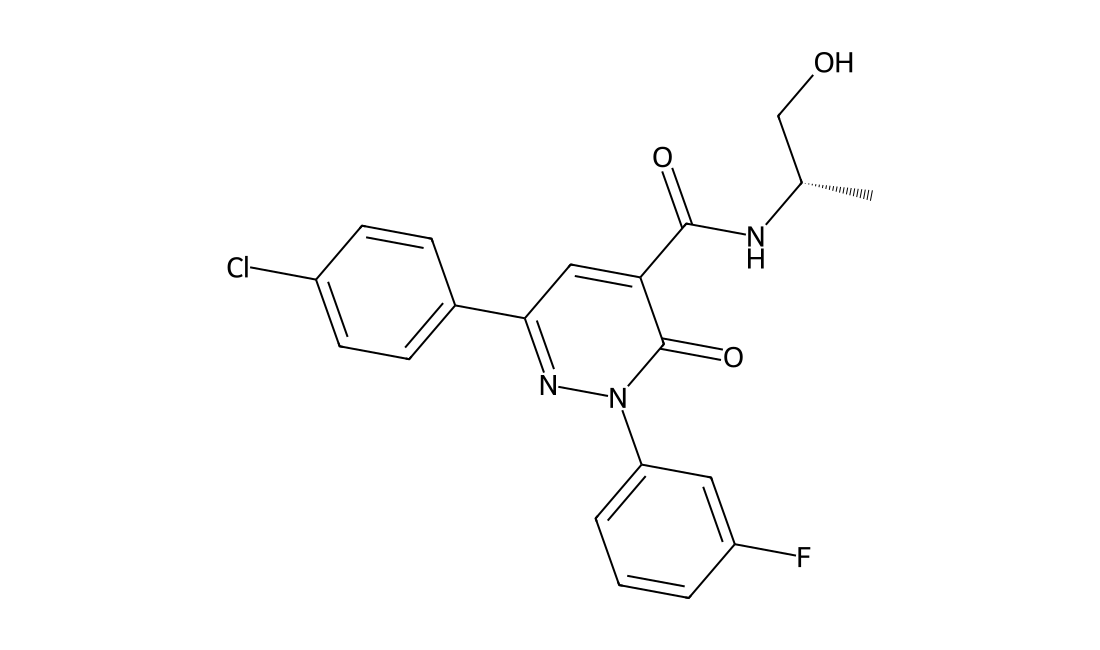
Ramatroban (BAY u3405) is a thromboxane A(2) (TxA(2)) antagonist marketed for allergic rhinitis.Ramatroban (Baynas, BAY u3405), a thromboxane A(2) (TxA(2)) antagonist marketed for allergic rhinitis, has been shown to partially attenuate prostaglandin (PG)D(2)-induced bronchial hyperresponsiveness in humans, as well as reduce antigen-induced early- and late-phase inflammatory responses in mice, guinea pigs, and rats. PGD(2)-stimulated human eosinophil migration was shown to be mediated exclusively through activation of CRTH2, and surprisingly, these effects were completely inhibited by ramatroban. This is also the first report detailing an orally bioavailable small molecule CRTH2 antagonist. Our findings suggest that clinical efficacy of ramatroban may be in part mediated through its action on this Th2-, eosinophil-, and basophil-specific chemoattractant receptor. Ramatroban can block the newly identified PGD2 receptor, chemoattractant receptor-homologous molecule expressed on Th2 cells (CRTh2). Ramatroban suppresses the late-phase inflammation via TP receptor and CRTh2 blockade. Ramatroban can suppress the expression of monocyte chemoattractant protein-1 (MCP-1) and adhesion molecules in endothelial cells and prevent exacerbation of inflammation by blocking these responses. For the detailed information of Ramatroban (BAY u3405), the solubility of Ramatroban (BAY u3405) in water, the solubility of Ramatroban (BAY u3405) in DMSO, the solubility of Ramatroban (BAY u3405) in PBS buffer, the animal experiment (test) of Ramatroban (BAY u3405), the cell expriment (test) of Ramatroban (BAY u3405), the in vivo, in vitro and clinical trial test of Ramatroban (BAY u3405), the EC50, IC50,and affinity,of Ramatroban (BAY u3405), For the detailed information of Ramatroban (BAY u3405), the solubility of Ramatroban (BAY u3405) in water, the solubility of Ramatroban (BAY u3405) in DMSO, the solubility of Ramatroban (BAY u3405) in PBS buffer, the animal experiment (test) of Ramatroban (BAY u3405), the cell expriment (test) of Ramatroban (BAY u3405), the in vivo, in vitro and clinical trial test of Ramatroban (BAY u3405), the EC50, IC50,and affinity,of Ramatroban (BAY u3405), Please contact DC Chemicals.

Ramatroban (BAY u3405) chemical structure
DC7254

PRT062607

CAS 1370261-97-4

PRT062607(P505-15) anti-SYK activity is at least 80-fold greater than its affinity For other kinases. at least 80-fold greater than its affinity For other kinases. PRT062607 potently inhibits B cell antigen receptor-mediated B cell signaling and activation (IC50 0.27 and 0.28 μM, respectively) and Fcε receptor 1-mediated basophil degranulation (IC50 0.15 μM). PRT062607 inhibits BCR-dependent secretion of the chemokines CCL3 and CCL4 by CLL cells, and leukemia cell migration toward the tissue homing chemokines CXCL12, CXCL13, and beneath stromal cells. PRT062607 furthermore inhibits Syk and extracellular signal-regulated kinase phosphorylation after BCR triggering. For the detailed information of PRT062607, the solubility of PRT062607 in water, the solubility of PRT062607 in DMSO, the solubility of PRT062607 in PBS buffer, the animal experiment (test) of PRT062607, the cell expriment (test) of PRT062607, the in vivo, in vitro and clinical trial test of PRT062607, the EC50, IC50,and Affinity of PRT062607, Please contact DC Chemicals.
PRT062607 chemical structure
DC9018

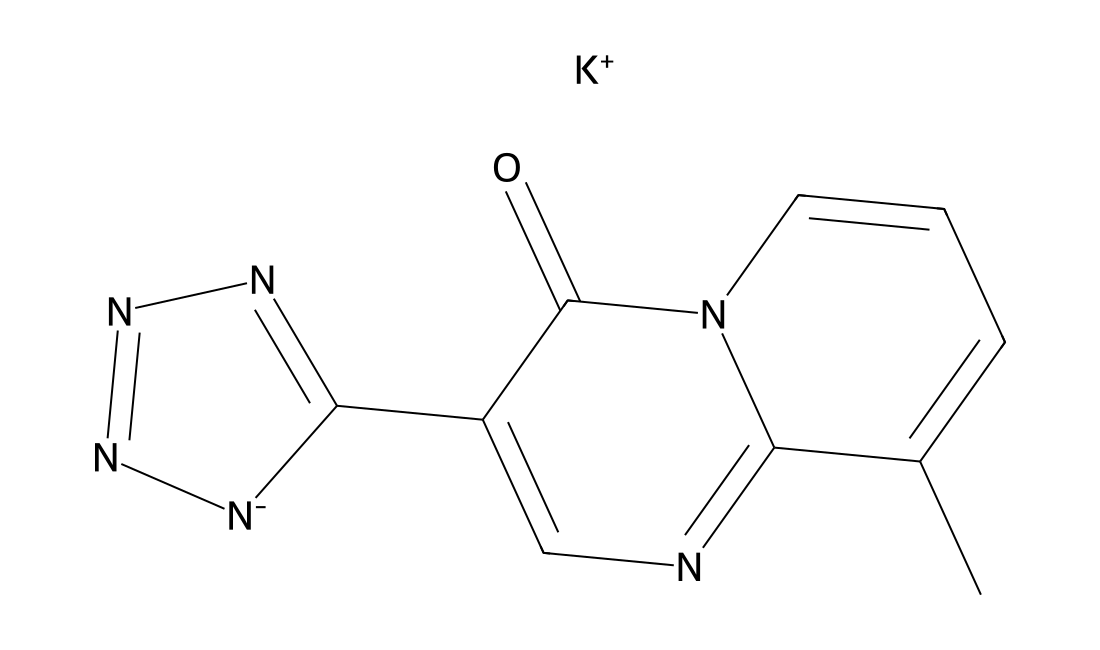
Pemirolast potassium

CAS 100299-08-9

Pemirolast Potassium (BMY 26517) is a histamine H1 antagonist and mast cell stabilizer that acts as an antiallergic agent.Pemirolast potassium (BMY 26517) is a new oral, nonbronchodilator antiallergy medication that is being evaluated for the therapy of asthma. Pemirolast potassium (BMY 26517) inhibits chemical mediator release from tissue mast cells and is also shown to inhibit the release of peptides including substance P, Pemirolast potassium (BMY 26517) reduces kaolin intake by inhibition of substance P release in rats. Pemirolast potently attenuates paclitaxel hypersensitivity reactions through inhibition of the release of sensory neuropeptides in rats. Pemirolast potassium is used for the treatment of allergic conjunctivitis and prophylaxis for pulmonary hypersensitivity reactions to drugs such as paclitaxel.
Pemirolast potassium chemical structure
Browse target & topic index A–Z (366)
11β-HSD (1)15-PGDH (2)5-HT Receptor (16)Acetyl-CoA Carboxylase (ACC) (3)Acetylcholinesterase (AChE) (2)Ack1 (TNK2) (1)Acyltransferase (1)ADC Cytotoxin (6)ADCs Linker/Click Chemistry (5)Adenosine Receptor (9)Adenylate Cyclase (2)Adrenergic Receptor (11)Akt (12)Alcoholism (2)Aldehyde Dehydrogenase (ALDH) (6)Allergy (5)Alzheimer Disease (13)Aminopeptidase (1)AMPK (8)Amyloids (4)Anaplastic Lymphoma Kinase (ALK) (9)Androgen Receptor (AR) (11)Anemia (4)Angiotensin Receptor (4)Antibody/Protein labeling dyes (1)Antifolate (2)Anxiety (1)Apoptosis Inducer (3)Arginase (1)Arp2/3 complex (1)Aryl hydrocarbon Receptor (AhR) (1)Asthma (5)Atherosclerosis (2)ATM/ATR (8)Aurora Kinase (10)Autophagy (6)Autophagy-related Protein (Atg) (2)Autotaxin (2)Bacterial (26)Bacterial Infection (17)Bcl-2 (14)Bcr-Abl (5)BCRP (1)Beta-catenin (4)Beta-secretase (BACE) (4)Blood Cancer (91)BMI-1 (1)Bone Cancer (6)Brain Cancer (6)Breast Cancer (30)Bromodomain (22)BTK (10)c-Fms (CSF1R) (5)c-Fos/AP-1 (1)c-Kit (6)c-Met (HGFR) (11)c-Myc (2)Calcium Channel (4)Calcium-sensing Receptor (CaSR) (1)CaMK (4)Cannabinoid Receptor (6)Carbonic Anhydrase (1)Carboxypeptidase (1)Casein Kinase (6)Caspase (4)Cathepsin (6)Cdc2-like Kinase (CLK) (1)CETP (2)CFTR (7)Checkpoint Kinase (Chk) (8)Chemokine Receptor (CCR and CXCR) (14)Chemotherapeutic Agents (19)Chloride Channel (1)CMV (2)CMV Infection (2)Colon Cancer (9)Complement System (1)COPD (3)CREB/CBP (2)CRF Receptor (2)CRISPR/Cas9 (1)Cushing Disease (1)Cyclin-dependent Kinase (CDK) (39)Cyclooxygenase (COX) (4)Cytochrome P450 (CYPs) (5)Depression (2)Dermatitis (2)Deubiquitinase (DUB) (7)Diabetes (20)Dipeptidyl Peptidase (DPP) (3)Discoidin Domain Receptor (DDR) (1)DNA Alkylator/Crosslinker (10)DNA Methyltransferase (DNMT) (1)DNA Repair Protein (1)DNA-PK (2)DNA/RNA Synthesis (5)Dopamine beta-hydroxylase (1)Dopamine Receptor (7)Drug Metabolite (1)Drug-Linker Conjugates (11)Dyes (4)DYRK (1)Dyslipidemia (9)E3 Ligase Ligand (6)E3 Ligase Ligand-Linker Conjugate (1)E3 Ubiquitin Ligase (4)Ebola Virus Infection (1)EGFR (32)Elastase (2)Endothelin Receptor (5)Enzymes substrates (13)Epigenetic Reader Domain (3)Epilepsy (4)ERK (4)Estrogen Receptor/ERR (13)Eukaryotic Initiation Factor (eIF) (2)Exportin-1 (CRM1,XPO1) (2)FABP (1)Factor Xa (5)Farnesoid X Receptor (FXR) (5)Farnesyl transferase (FTase) (1)Ferroptosis (6)FGFR (15)Fibrosis (5)FLT3 (6)Focal Adhesion Kinase (FAK) (11)Foxo1 (1)Free Fatty Acid Receptor (FFAR) (5)Fungal (2)Fungal Infection (1)GABA Receptor (13)Galectin (1)Gastric Cancer (8)Ghrelin Receptor (GHSR) (3)Glucagon Receptor (4)Glucokinase (2)Glucose Transporter (GLUT) (2)Glutamate Transporter (2)GPCR (1)GPER (GPR30) (1)GPR139 (1)GPR183 (EBI2) (2)GPR39 (1)GPR55 (1)GPR84 (1)GRK (GPCRK) (2)Growth Hormone Deficiency (2)GSK-3 (8)Guanylate Cyclase (3)HBV (1)HBV Infection (1)HCN Channel (2)HCV (8)HCV Infection (9)HDAC (38)Heart Arrhythmia (2)Heart Failure (5)Heat Shock Protein (HSP) (15)Hedgehog (Hh) (1)HIF/HIF Prolyl-hydroxylase (8)Histamine Receptor (6)Histone Acetyltransferase (HAT) (5)Histone Demethylase (11)Histone Methyltransferase (HMTase) (31)HIV (12)HIV Infection (11)HMG-CoA Reductase (HMGCR) (3)HSV (1)HSV Infection (1)Hypercholesterolemia (1)Hyperparathyroidism (1)Hypertension (8)IAP (1)IGF-1R (3)iGluR (15)Indoleamine 2,3-Dioxygenase (IDO) (4)Infection (1)Influenza (6)Influenza Virus (6)Insulin Receptor (2)Integrin (6)Interleukin Receptor (1)IRAK (2)IRE1 (4)Irritable Bowel Syndrome (2)Ischemia (1)Isocitrate Dehydrogenase (IDH) (5)ITK (1)IκB kinase (IKK) (7)JAK (32)JNK (3)Keap1-Nrf2 (6)Kidney Cancer (10)Kinesin (5)Kruppel-like Factor (KLF) (1)Kynurenine 3-Monooxygenase (KMO) (1)Leukotriene Receptor (1)LIM Kinase (LIMK) (3)Lipids fragment (1)Liver Cancer (6)Liver X Receptor (LXR) (3)LRRK2 (9)Lung Cancer (39)Lysophospholipid Receptor (12)LYTACs (3)mAChR (9)MALT1 (2)MAP4K (1)Matrix Metalloproteinase (MMP) (10)MDM2-p53 (9)MEK (MAP2K) (14)MEKK (MAP3K) (1)Melanocortin Receptor (2)MELK (1)mGluR (7)MicroRNA (1)Microtubule/Tubulin (5)Mineralocorticoid Receptor (MLR) (1)MITF (1)Mixed Lineage Kinase (MLK) (3)MNK (2)Molecular Glues (13)Monoamine Transporter (5)Monocarboxylate Transporter (MCT) (1)Monopolar Spindle 1 (Mps1/TTK) (3)mTOR (13)Multiple Sclerosis (6)Myosin (1)Na-K-Cl Cotransporter (NKCC) (2)nAChR (2)NADPH Oxidase (NOX) (2)NAMPT (3)Natural products (37)Neprilysin (1)Neurokinin Receptor (3)Neuropeptide Y Receptor (3)NF-κB (5)Nitric Oxide Synthase (NOS) (1)NOD-like Receptor (NLR) (3)Notch (2)Nucleoside Antimetabolite/Analog (10)Nur77 (NR4A1) (1)Obesity (1)Oct3/4 (1)Opioid Receptor (5)Orexin Receptor (7)Osteoporosis (2)Ovarian Cancer (14)Oxytocin Receptor (OXTR) (2)P-glycoprotein (P-gp) (3)p21-activated Kinase (PAK) (1)P2X Receptor (2)P2Y Receptor (1)p38 MAPK (10)p97/VCP (1)Pain (12)Pancreatic Cancer (10)Parasite (5)Parasite Infection (2)Parkinson Disease (2)PARP (19)PCSK9 (1)PD-1/PD-L1 (4)PDGFR (4)PDK1 (2)PEGn (1)PERK (2)PGE synthase (2)Phosphodiesterase (PDE) (9)Phospholipase (4)PI3K (32)PI4K (2)Piezo Channel (1)PIKfyve (3)Pim (9)PKC (12)PKD (1)Plasminogen Activator Inhibitor-1 (PAI-1) (3)Polo-like Kinase (PLK) (4)Porcupine (3)Potassium Channel (13)PPAR (13)Pregnane X Receptor (PXR) (1)Progesterone Receptor (2)Prostaglandin Receptor (11)Prostate Cancer (7)PROTACs (35)Protease-activated Receptor (PAR) (3)Proteasome (12)Protein Disulfide Isomerase (PDI) (1)Protein Phosphatase/PTP (6)Proton Pump (1)Psoriasis (5)RAD51 (1)Radioligand precursors (15)Raf (18)RAR/RXR (3)Ras (17)Renin (2)RET Tyrosine Kinase (c-RET) (3)Rheumatoid Arthritis (16)Ribosomal S6 Kinase (RSK) (5)RIG-I-like Receptor (RLR) (2)RIP kinase (7)ROCK (12)ROR (2)RSV (4)RSV Infection (3)RUNX1-CBFβ (1)S-nitrosoglutathione reductase (GSNOR) (1)Saccharides and Glycosides (1)Salt Inducible Kinase (SIK) (2)SARS-CoV (16)SARS-CoV Infection (34)Schizophrenia (4)Sexual Dysfunction (1)SGLT (4)Sigma Receptor (4)Sirtuin (9)Skin Cancer (13)Sleep Disorder (7)SMN2 Modulator (1)Smoothened (Smo) (9)Sodium Channel (12)Solid Tumors (35)Somatostatin Receptor (2)Sphingosine kinase (SphK) (2)Src (7)STAT (5)Stearoyl-CoA Desaturase (SCD) (1)Steatohepatitis (7)Sterol lipids (1)STING (14)Syk (6)T Cell Receptor (TCR) (1)TAK1 (2)TAM Receptor (Tyro3-Axl-Mer) (4)Taste Receptor (1)Telomerase (2)TGF beta Receptor (TGFBR) (12)Thrombin (3)Thrombosis (13)Thyroid Cancer (1)Thyroid Hormone Receptor (THR) (1)Thyrotropin Receptor (2)TNIK (1)Toll-like Receptor (TLR) (2)TOPK (1)Topoisomerase (11)TRAIL (1)Translocator Protein (TSPO) (1)Trk Receptor (4)TRP Channel (13)Tryptophan Hydroxylase (TPH) (1)Ubiquitin-activating Enzyme (E1) (2)Ubiquitin-conjugating Enzyme (E2) (2)Ulcer (1)ULK (3)Vasopressin Receptor (2)VEGFR (25)Vitamin D Receptor (VDR) (3)Wee1 (1)WNK Kinase (1)Wnt (5)Yes-associated Protein (YAP) (4)γ-secretase (5)

Cart

Request quotation