Home/Small Molecules/Cell Death & Autophagy

Cell Death & Autophagy

Apoptosis, ferroptosis, necroptosis and autophagy research.

Browse all research categories

Browse by research category

Products may appear in more than one category. Counts refer to distinct catalog numbers within each category.

Other Research Tools (75) · Additional reagents, building blocks and specialized research tools.

Cell Death & Autophagy products

Combine a keyword, research category and target to narrow the product list.

Loading catalog filters…

233 products · Showing 145–192

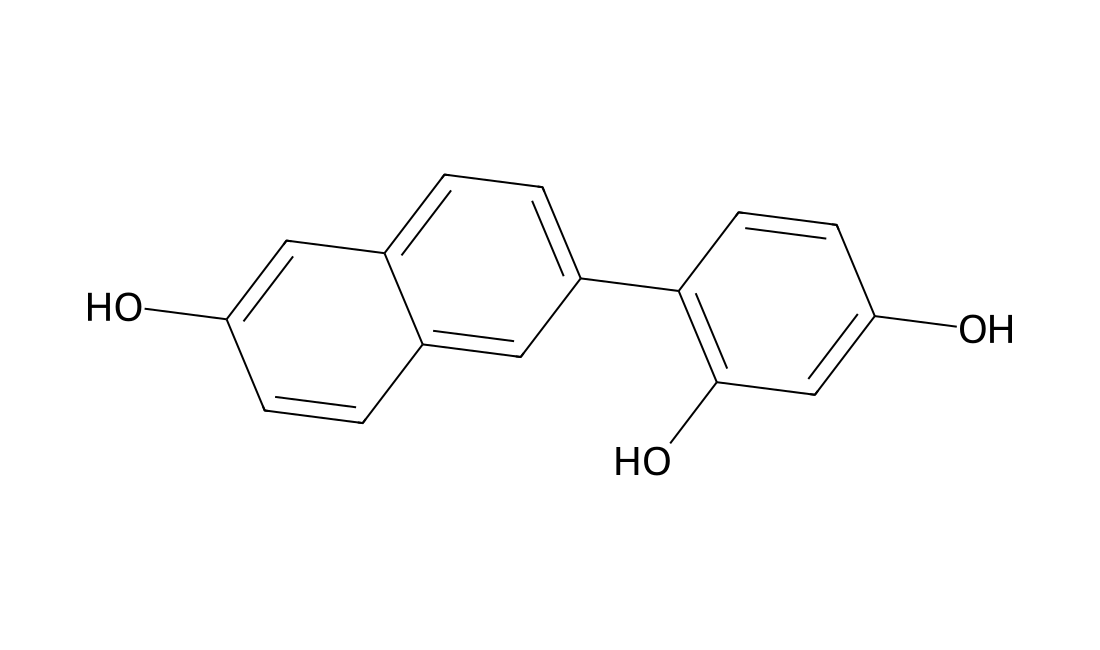
DC39090

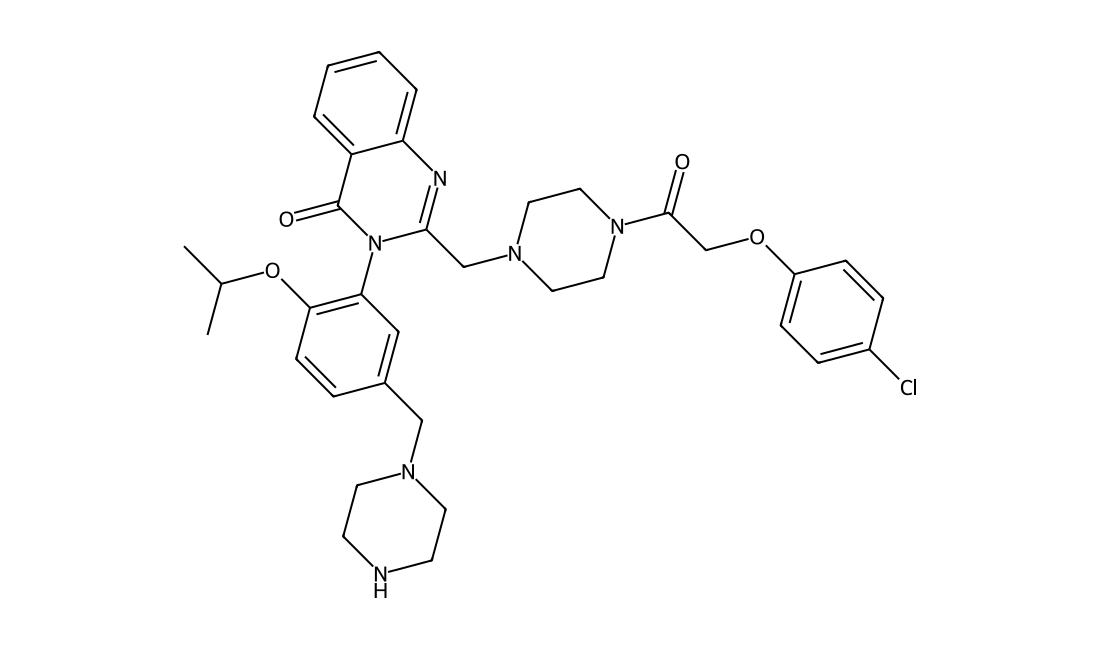
iFSP1

CAS 150651-39-1

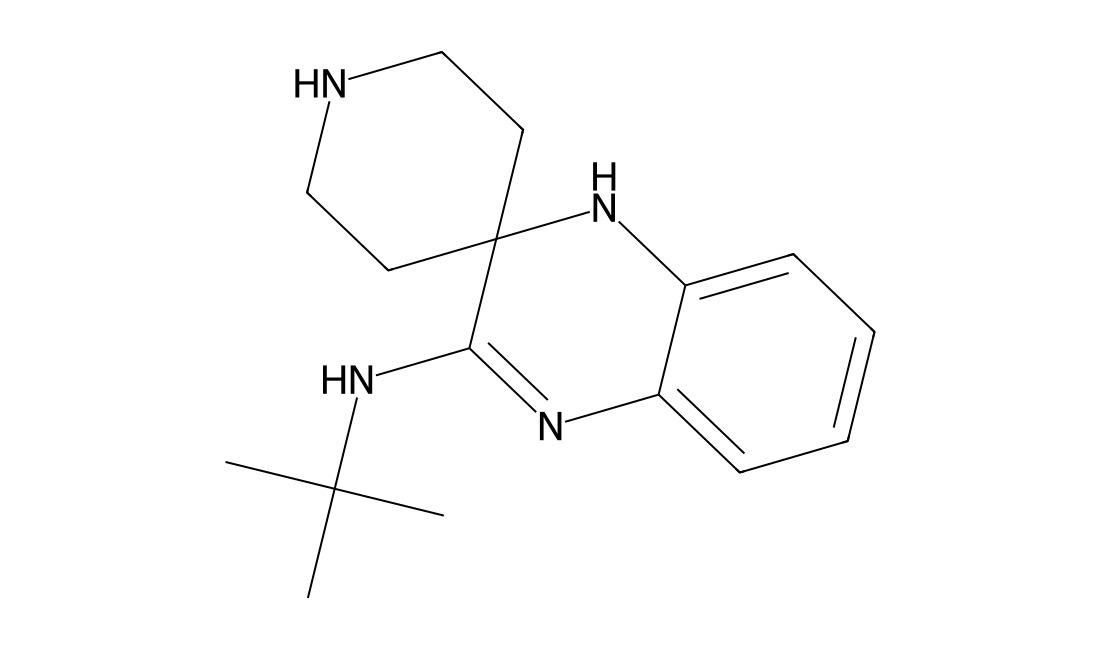
iFSP1 is a potent, selective and glutathione-independent inhibitor of ferroptosis suppressor protein 1 (FSP1/AIFM2) with EC50 of 103 nM. iFSP1 selectively induces ferroptosis in GPX4-knockout Pfa1 and HT1080 cells that overexpresses FSP1.

iFSP1 chemical structure
DC11506

USP25 and 28 inhibitor AZ-1

CAS 2165322-94-9

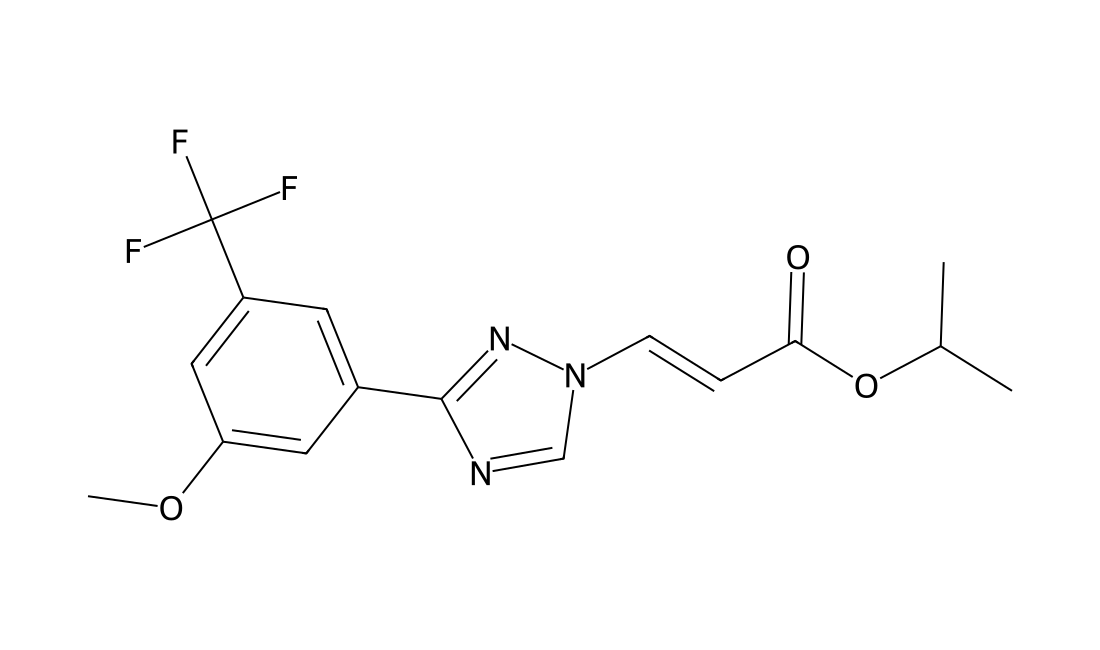
USP25 and 28 inhibitor AZ-1 (AZ1) is a potent, selective, dual USP25/28 inhibitor with IC50 of 0.7/0.6 uM, respectively; shows a high degree of selectivity over other deubiquitinases (USP4,7 etc.); demonstrates target engagement against both USP25 and USP28 in cells, elicits modulation of both the total levels and the half-life of the c-Myc oncoprotein in cells, and also induces apoptosis and inhibits cell viability in a range of cancer cell lines.

USP25 and 28 inhibitor AZ-1 chemical structure
DC33146

GW-506033X(PKR Inhibitor C16)

CAS 608512-97-6

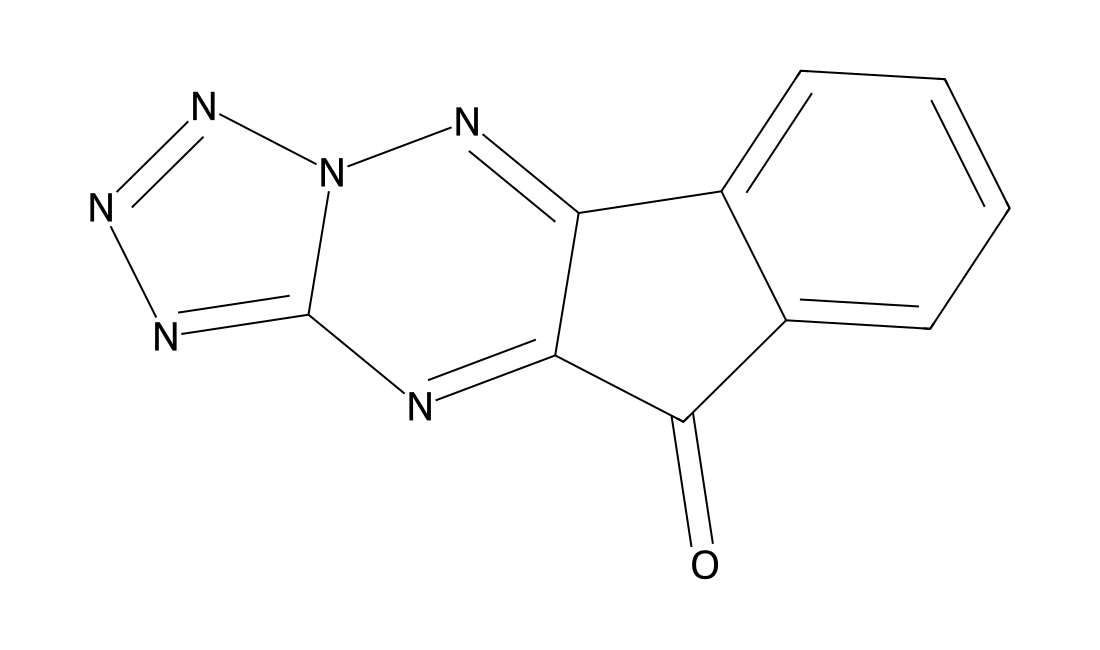
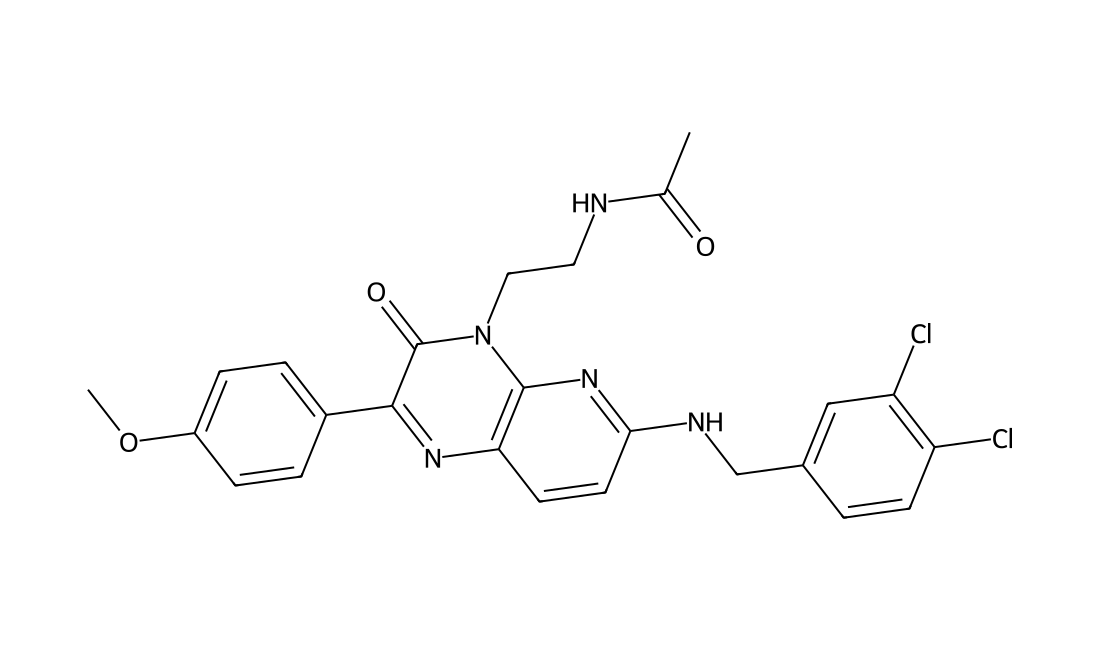
C16, also known as GW-506033X or PKR Inhibitor. C16 binds the ATP-binding site of PKR and blocks autophosphorylation with an IC50 value of 186-210 nM. GW-506033X protects human neuroblastoma cells against cell damage triggered by tunicamycin-mediated endoplasmic reticulum stress. PKR inhibitor C16 prevents apoptosis and IL-1β production in an acute excitotoxic rat model with a neuroinflammatory component. PKR inhibitor C16 binds efficiently with human microtubule affinity-regulating kinase 4.

GW-506033X(PKR Inhibitor C16) chemical structure
DC7175

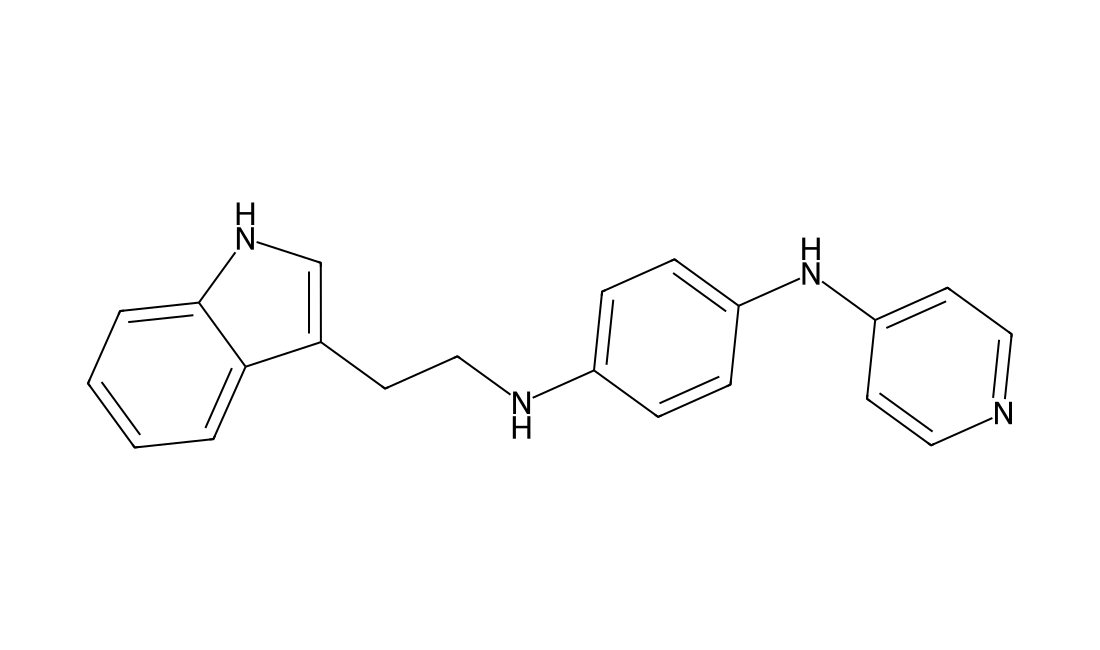
JNJ-26854165 (Serdemetan)

CAS 881202-45-5

Serdemetan(JNJ-26854165) acts as a HDM2 ubiquitin ligase antagonist and also induces early apoptosis in p53 wild-type cells, inhibits cellular proliferation followed by delayed apoptosis in the absence of functional p53.IC50 value: HDM2 ubiquitin ligaseTarget: in vitro: JNJ 26854165 is a novel tryptamine derivative which activates p53 and acts as a HDM2 ubiquitin ligase antagonist. JNJ 26854165 inhibits cell growth and induces apoptosis in leukemia cell lines with IC50 values of 0.24, 0.33, 0.32 and 0.44 μM at 72 hours for OCI-AML-3, MOLM-13, NALM-6 and REH cells, respectively. In addition, JNJ 26854165 accelerates proteasome-mediated degradation of p21 and antagonizes the transcriptional induction of p21 by p53. It also induces S-phase delay and upregulates E2F1 expression in p53 mutant cells, resulting in preferential apoptosis of S-phase cells. JNJ 26854165 is an oral Mdm2 inhibitor which can inhibit the interaction of Mdm2-p53 complex with the proteasome and increase p53 levels by binding to RING domain of Mdm2. A recent study shows that JNJ 26854165 inhibits clonogenic survival in four human cancer cell lines: H460, A549, p53-WT-HCT116, and p53-null-HCT116.in vivo:JNJ 26854165 leads to significant differences in EFS distribution in 17 of the 36 (47%) evaluable solid tumor xenografts and in 5 of 7 (71%) of the evaluable ALL xenografts using a dose of 20 mg/kg administered via oral gavage daily for 5 days, repeated for 6 weeks.

JNJ-26854165 (Serdemetan) chemical structure
DC7152

SMIP004

CAS 143360-00-3

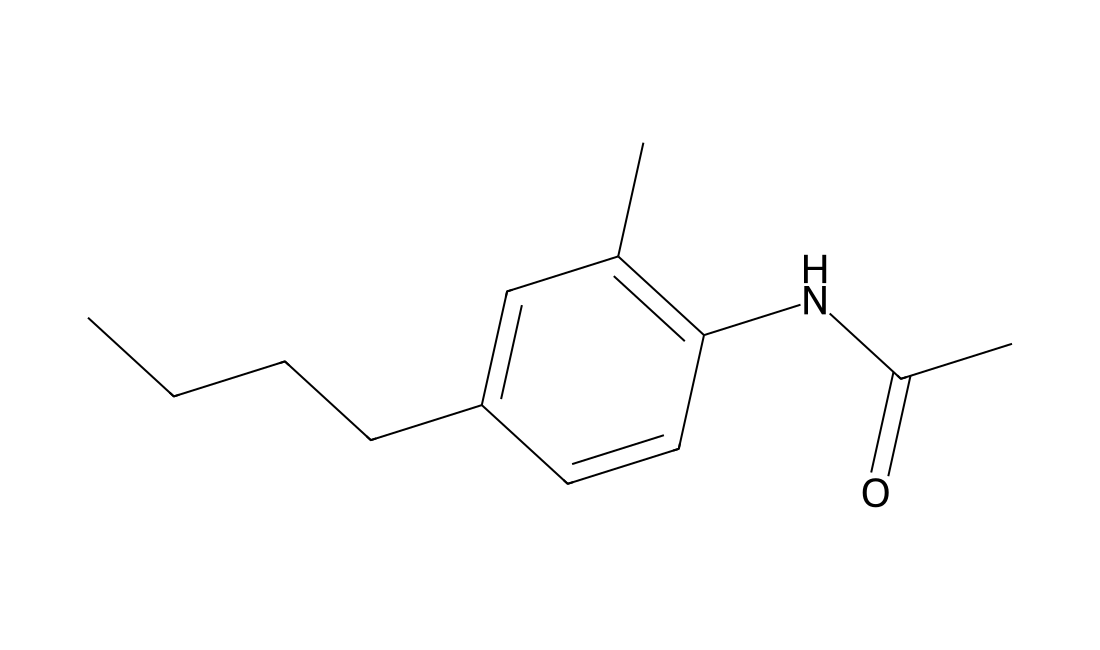
IC50 Value: 1.09 uM (MTT assay in LNCaP-S14 cells) SMIP004 (N-(4-butyl-2-methyl-phenyl) acetamide) is a novel inducer of cancer-cell selective apoptosis of human prostate cancer cells. Unlike SMIP001, SMIP004 was found to downregulate SKP2 and to stabilize p27, although neither SMIP is a proteasome inhibitor. in vitro: Whereas SMIP012 and 016 were moderately toxic in normal fibroblasts, SMIPs 001 and 004 showed substantial cancer cell specificity being at least five times more potent in LNCaP-S14 than in IMR90 cells, treatment with either MG132 or SMIP004 increased p27 half-life to > 6 h. Both SMIP001 and 004 led to a strong increase in the recruitment of p27 to CDK2, while SMIP001 also slightly increased coprecipitation of p21 (Figure 6c). SMIP004 also reduced the amounts of cyclins E and A retrieved with CDK2. This was paralleled by a marked downregulation of cyclins E and A upon SMIP004 treatment. SMIP004 decreased the levels of positive cell cycle regulators, upregulated cyclin-dependent kinase inhibitors, and resulted in G1 arrest, inhibition of colony Formation in soft agar, and cell death . in vivo: SMIP004 potently inhibits the growth of prostate and breast cancer xenografts in mice. Clinical trial: N/AFor the detailed information of SMIP004, the solubility of SMIP004 in water, the solubility of SMIP004 in DMSO, the solubility of SMIP004 in PBS buffer, the animal experiment (test) of SMIP004, the cell expriment (test) of SMIP004, the in vivo, in vitro and clinical trial test of SMIP004, the EC50, IC50,and Affinity of SMIP004, Please contact DC Chemicals.

SMIP004 chemical structure
DC7445

KPT-185

CAS 1333151-73-7

KPT-185 significantly inhibits leukemia cell proliferation with IC50 ranging from 100 nM to 500 nM, and induces cell-cycle arrest and apoptosis of AML cell lines and primary AML blasts. KPT-185 reduces CRM1 protein protein level and shows a significant nuclear accumulation of CRM1 cargo proteins. KPT-185 also inhibits proliferation and promotes apoptosis of pancreatic cancer cells without affecting human pancreatic ductal epithelial cells. For the detailed information of KPT-185, the solubility of KPT-185 in water, the solubility of KPT-185 in DMSO, the solubility of KPT-185 in PBS buffer, the animal experiment (test) of KPT-185, the cell expriment (test) of KPT-185, the in vivo, in vitro and clinical trial test of KPT-185, the EC50, IC50,and Affinity of KPT-185, Please contact DC Chemicals.

KPT-185 chemical structure
DC9362

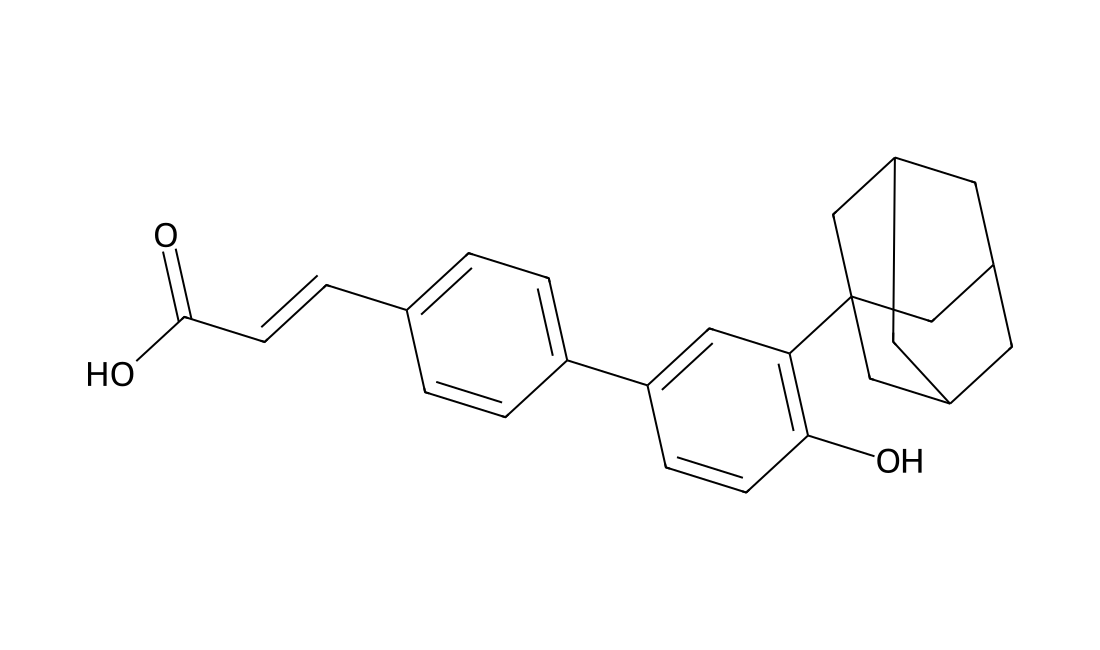
Adarotene

CAS 496868-77-0

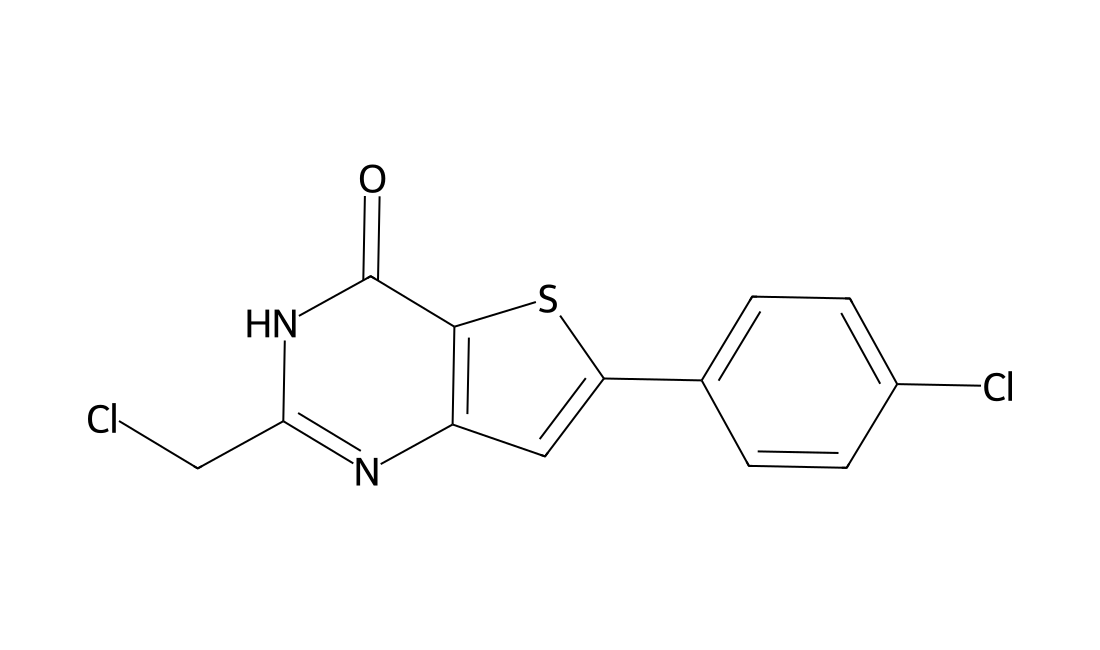
Adarotene (ST1926) is an effective apoptosis inducer and surprisingly produced DNA damage.ST1926 exhibites a potent antiproliferative activity on a large panel of human tumor cells. ST1926 is a compound more powerful than CD437 in vitro and orally active in vivo on severe combined immunodeficiency (SCID) mice that received transplants of NB4 cells. ST1926 causes an immediate increase in the cytosolic levels of calcium that are directly related to the apoptotic potential of the RRMs considered.

Adarotene chemical structure
DC45531

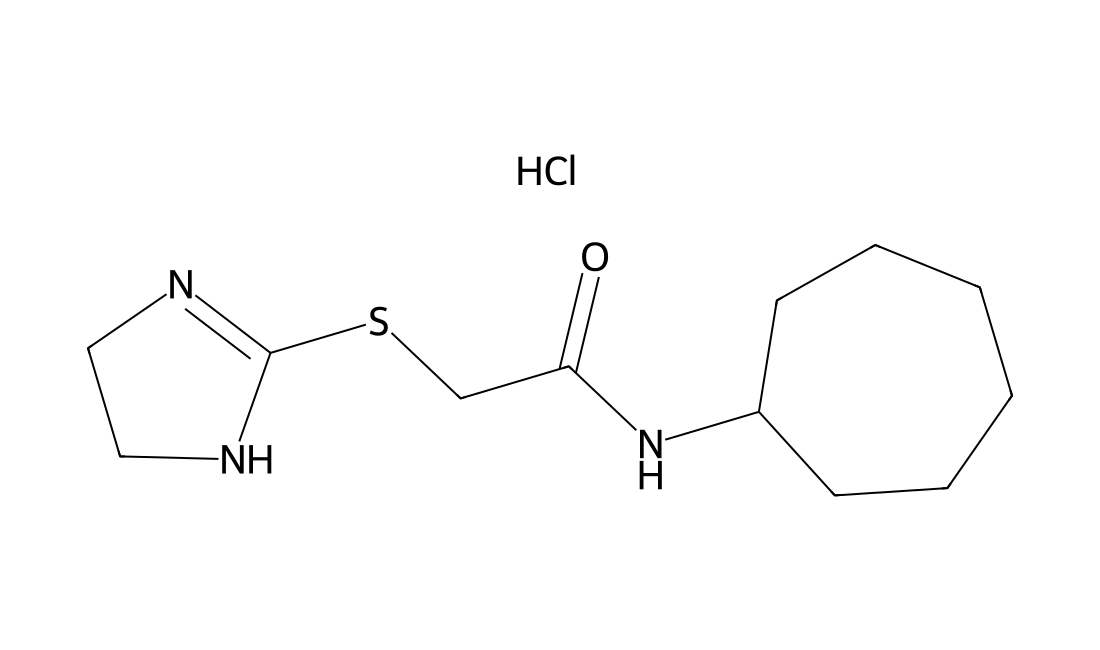
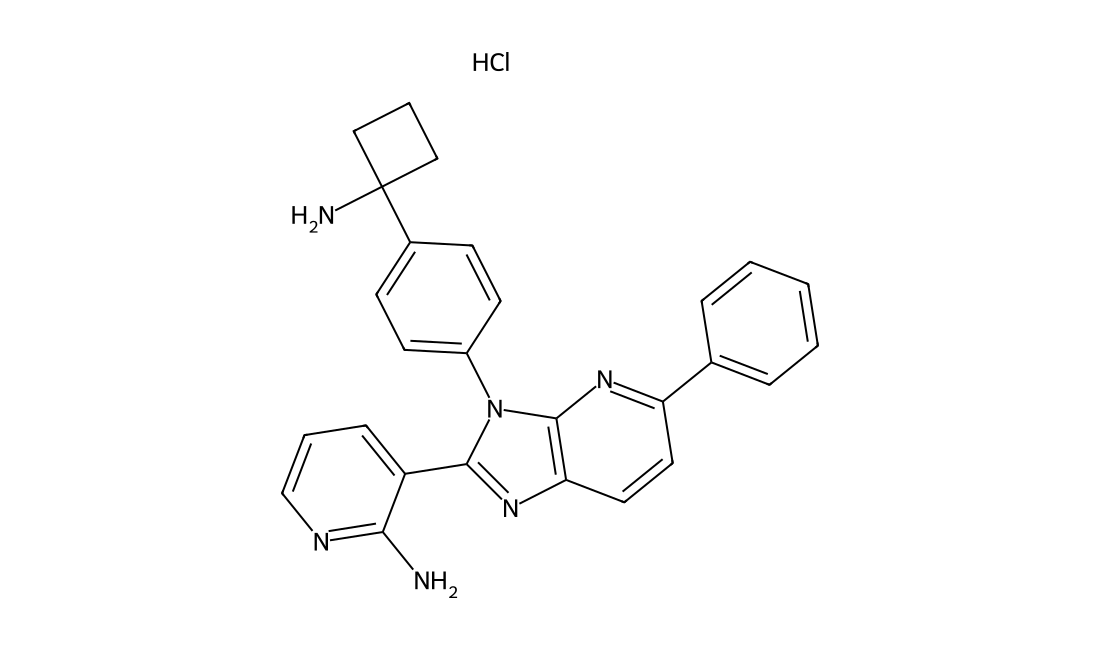
ICCB-19 hydrochloride

CAS 1803605-68-6

ICCB-19 hydrochloride is an inhibitor of TNFRSF1A Associated Via Death Domain (TRADD) with IC50 of 1.12 μM and 2.01 μM for protecting Velcade-induced apoptosis in Jurkat cells and protecting RDA in MEFs, respectively. ICCB-19 indirectly inhibits Receptor-interacting serine/threonine-protein kinase 1 (RIPK1). ICCB-19 effectively induces autophagy.

ICCB-19 hydrochloride chemical structure
DC42783

CVT-11127

CAS 1018674-83-3

CVT-11127 functions as a potent inhibitor of stearoyl-CoA desaturase (SCD), demonstrating significant biological activity. This compound triggers apoptotic pathways and effectively halts cell cycle progression at the G1/S transition phase. Due to these mechanisms of action, CVT-11127 shows promise as a candidate for lung cancer research.

CVT-11127 chemical structure
DC60758

ZX-29

CAS 2254805-62-2

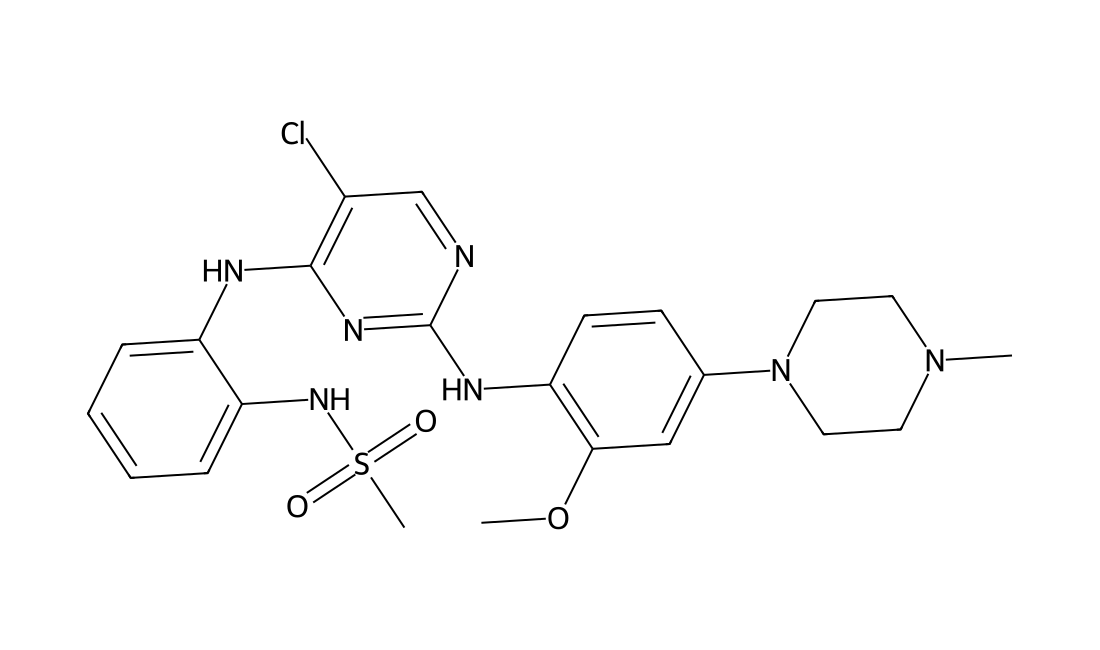
ZX-29 is a potent and selective ALK inhibitor with an IC50 of 2.1 nM, 1.3 nM and 3.9 nM for ALK, ALK L1196M and ALK G1202R mutations, respectively. ZX-29 is inactive against EGFR. ZX-29 induces apoptosis by inducing endoplasmic reticulum (ER) stress and overcomes cell resistance caused by an ALK mutation. ZX-29 also induces protective autophagy and has antitumor effect.

ZX-29 chemical structure
DC40463

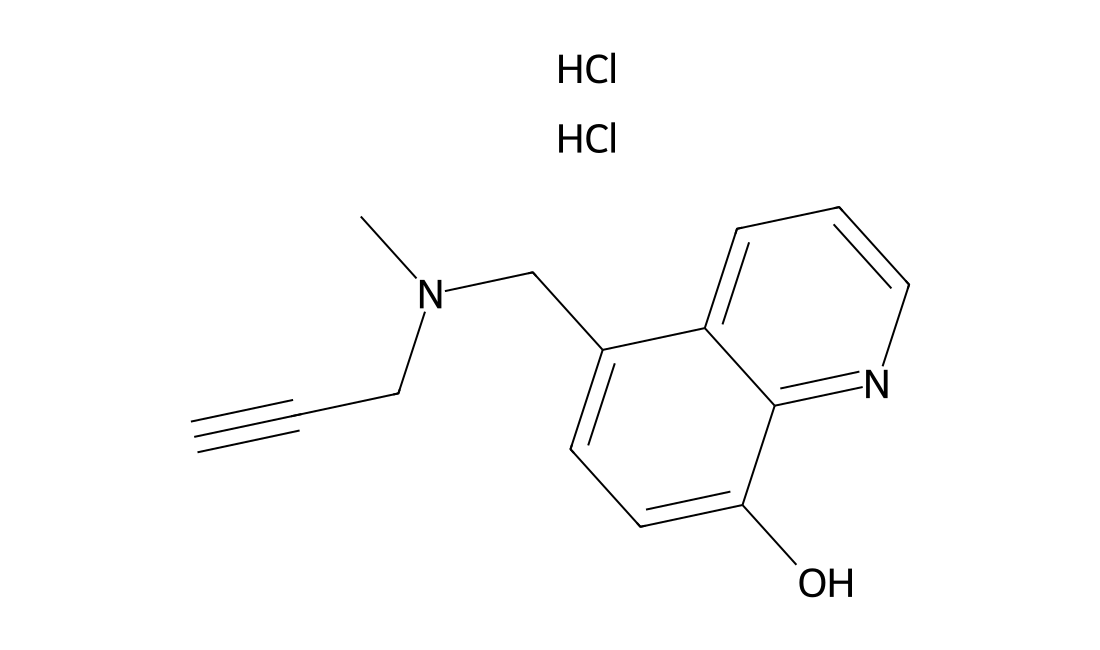
MAO-IN-M30 dihydrochloride

CAS 64821-19-8

MAO-IN-M30 dihydrochloride is an orally active, brain-permeable, and brain selective irreversible MAO-A (IC50=37 nM) and MAO-B (IC50=57 nM) inhibitor. MAO-IN-M30 dihydrochloride is a potent iron chelator and radical scavenger. MAO-IN-M30 dihydrochloride has a neuroprotective effect against Dexamethasone-induced brain cell apoptosis. MAO-IN-M30 dihydrochloride also exhibits neurorestorative activity in post MPTP and lactacystin models of Parkinson's disease.

MAO-IN-M30 dihydrochloride chemical structure
DC34407

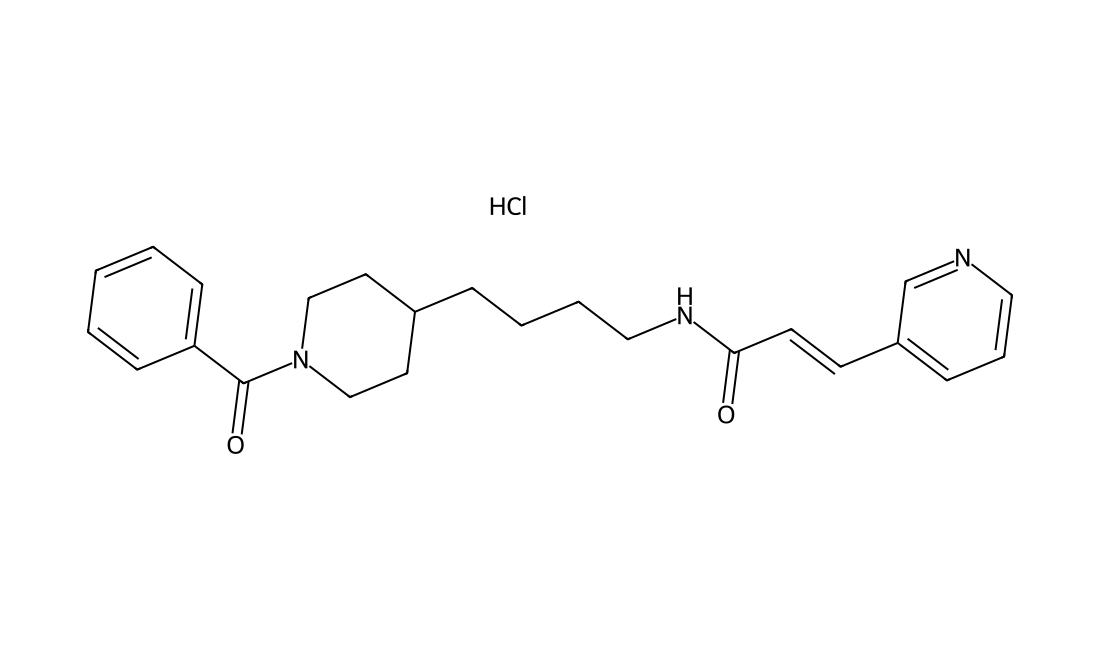
FK-866 Hydrochloride

CAS 2727965-45-7

Daporinad, also known as APO-866 and FK866, is a small molecule with potential antineoplastic and antiangiogenic activities. NMPRTase inhibitor APO866 binds to and inhibits nicotinamide phosphoribosyltransferase (NMPRTase), inhibiting the biosynthesis of nicotinamide adenine dinucleotide (NAD+) from niacinamide (vitamin B3), which may deplete energy reserves in metabolically active tumor cells and induce tumor cell apoptosis. In addition, this agent may inhibit tumor cell prioduction of vascular endothelial growth factor (VEGF), resulting in the inhibition of tumor angiogenesis.

FK-866 Hydrochloride chemical structure
DC66363

MAO-B-IN-26

CAS 38470-71-2

MAO-B-IN-26 (Compound IC9) is a MAO-B and acetylcholinesterase inhibitor. MAO-B-IN-26 protects SH?SY5Y cells against Aβ induced cytotoxicity, morphological changes, ROS generation and membrane damage. MAO-B-IN-26 also inhibits Aβ induced autophagy and apoptosis. MAO-B-IN-26 can be used as a neuroprotective agent against Alzheimer’s disease.

MAO-B-IN-26 chemical structure
DC23292

Necrox-5 methanesulfonate

CAS 1383718-29-3

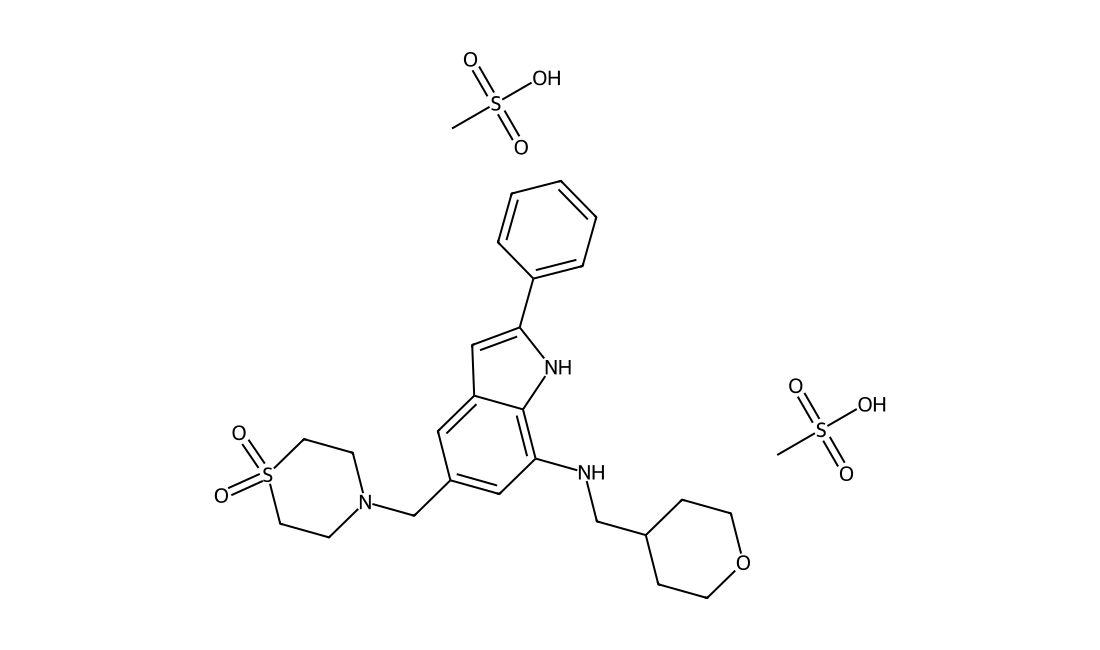
NecroX-5 is a novel necroptosis inhibitor that reduces mitochondrial oxidative stress, prevents hypoxia/reoxygenation injury by inhibiting the mitochondrial calcium uniporter; improves mitochondrial oxygen consumption, and suppresses mitochondrial Ca(2+) overload during reoxygenation in an in vitro rat heart HR model, reduces the ouabain- or histamine-induced increase in mitochondrial Ca(2+).

Necrox-5 methanesulfonate chemical structure
DC31447

Miransertib HCl

CAS 1313883-00-9

Miransertib, also known as ARQ 092, is an oral activie, potent and selective AKT inhibitor with IC50 values: 5.0 nM (AKT1); 4.5 nM (AKT2); 16 nM (AKT3). ARQ 092 binds to and inhibits the activity of AKT in a non-ATP competitive manner, which may result in the inhibition of the PI3K/AKT signaling pathway. This may lead to the reduction in tumor cell proliferation and the induction of tumor cell apoptosis. ARQ-092 demonstrated high enzymatic potency against AKT1, AKT2, and AKT3, as well as potent cellular inhibition of AKT activation and the phosphorylation of the downstream target PRAS40. ARQ-092 also served as a potent inhibitor of the AKT1-E17K mutant protein and inhibited tumor growth in a human xenograft mouse model of endometrial adenocarcinoma.

Miransertib HCl chemical structure
DC72891

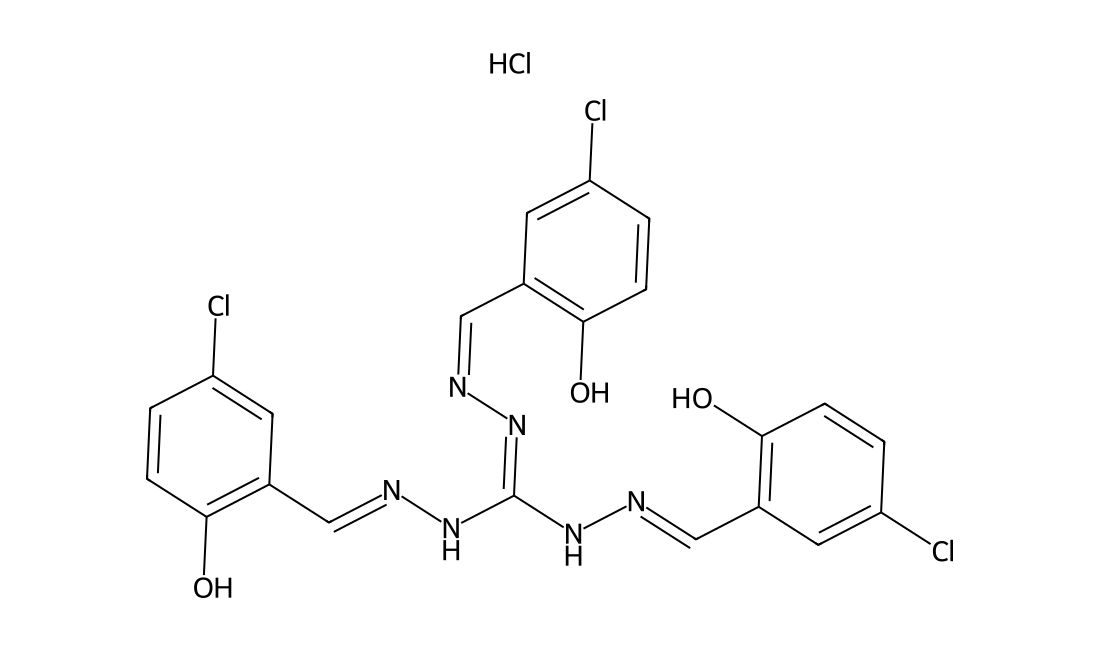
CWI1-2 hydrochloride

CAS 2408590-37-2

CWI1-2 hydrochloride is an inhibitor of IGF2BP2 that binds IGF2BP2 and inhibits its interaction with m6A-modified target transcripts, induces apoptosis and differentiation, and shows promising anti-leukemic effects.

CWI1-2 hydrochloride chemical structure
DC65382

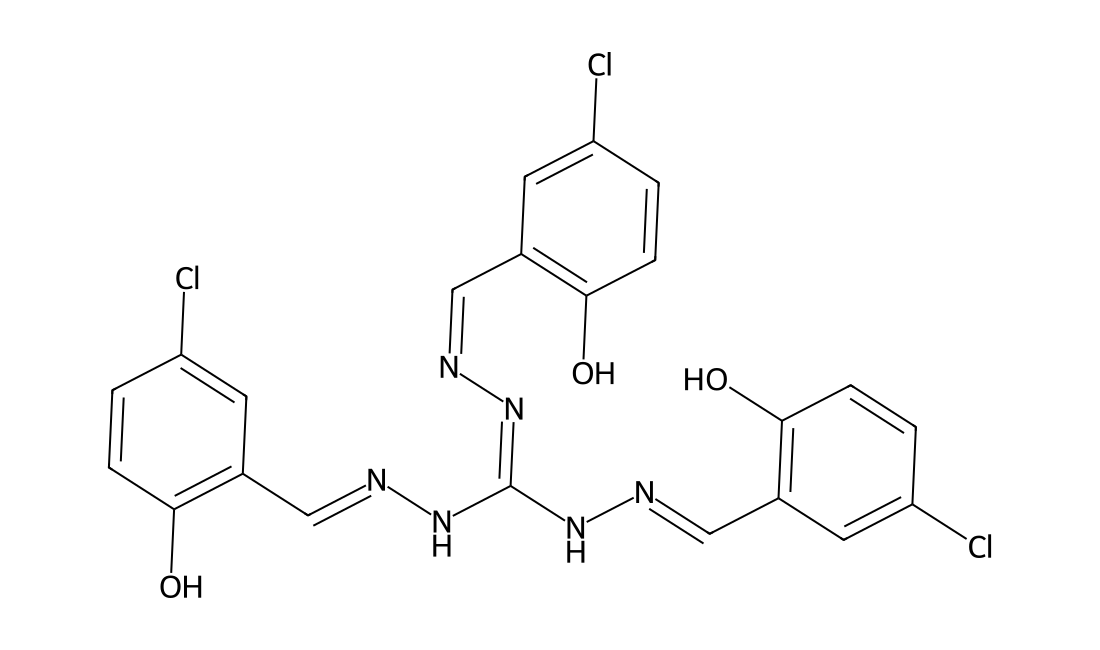
CWI1-2

CAS 2408590-36-1

CWI1-2 is an IGF2BP2 inhibitor that binds IGF2BP2 and inhibits its interaction with m6A-modified target transcripts, induces apoptosis and differentiation, and shows promising anti-leukemic effects[1].

CWI1-2 chemical structure
DC65443

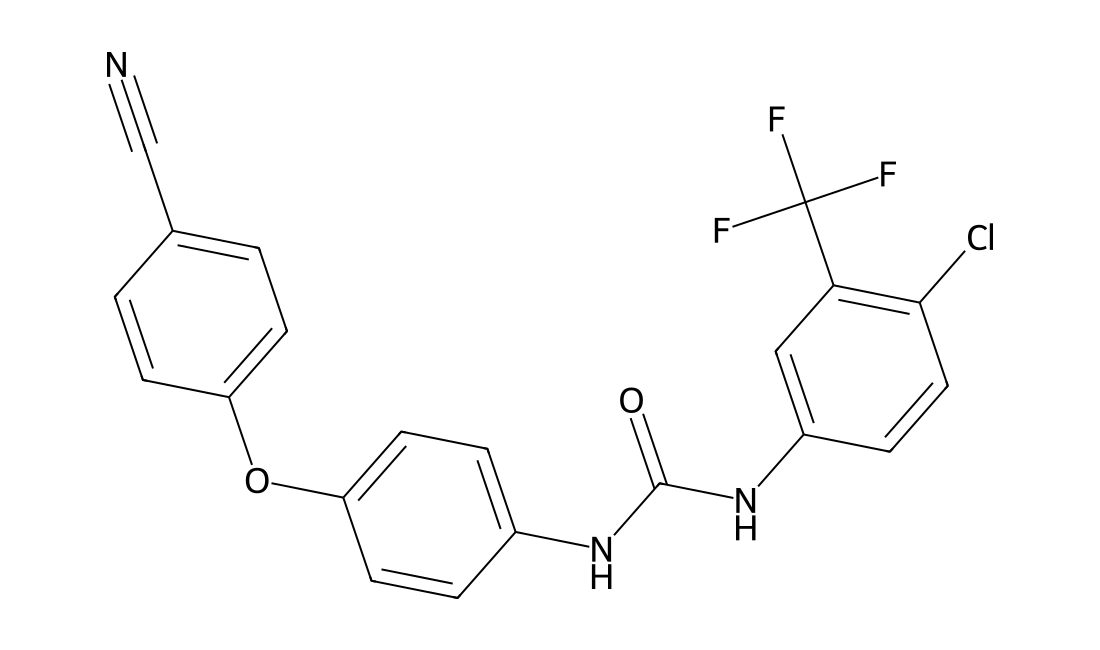
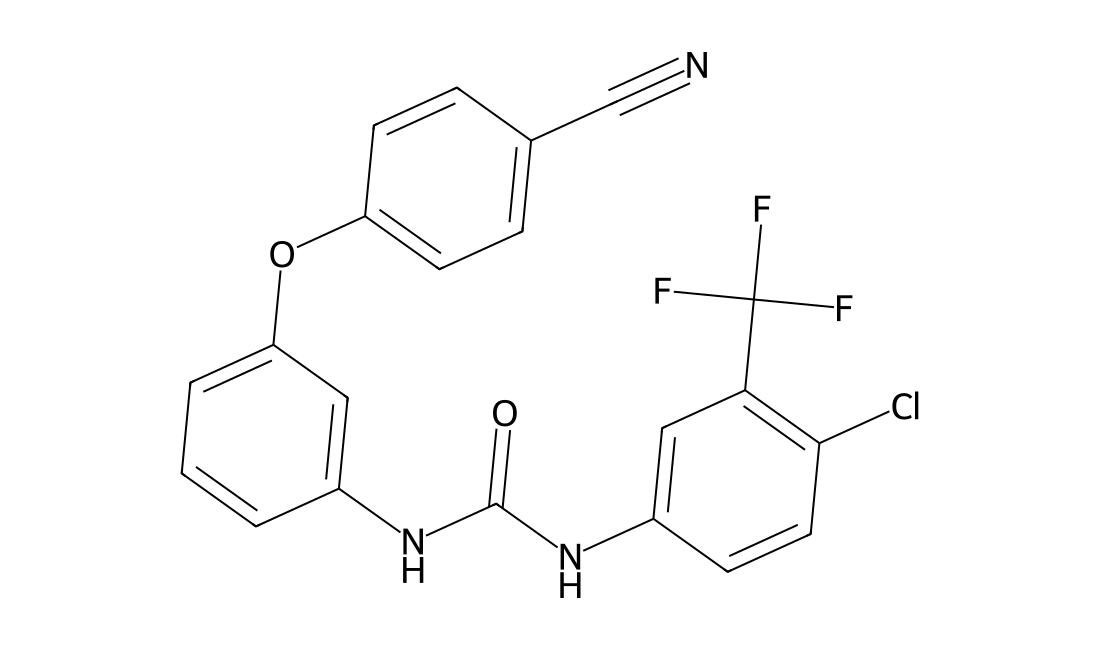
SC-1

CAS 1313019-65-6

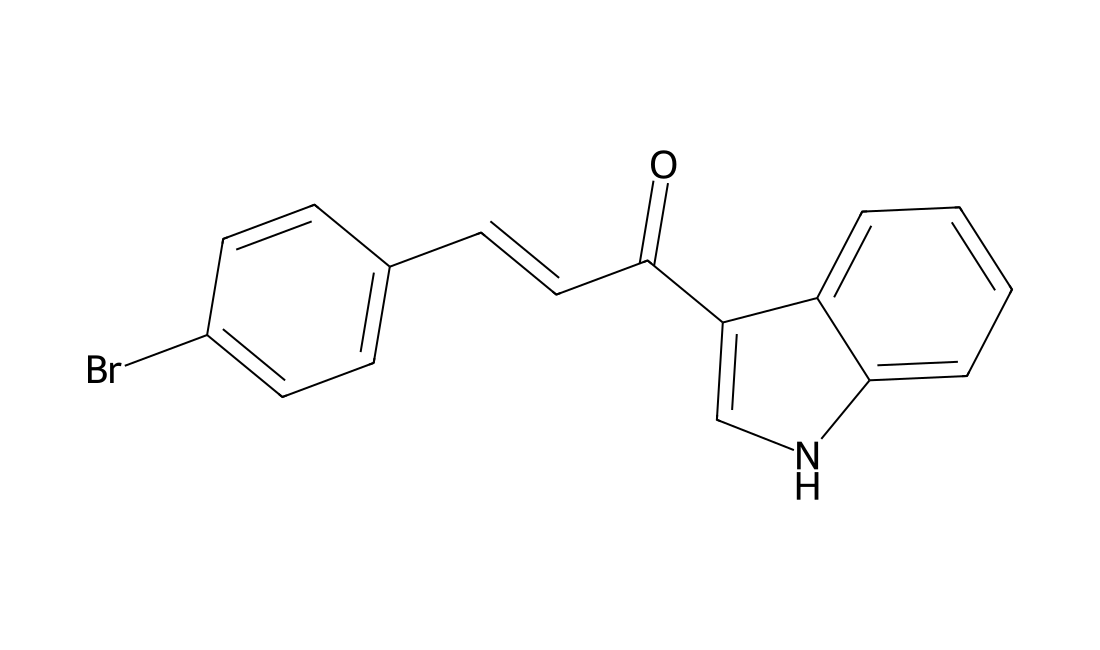
SC-1 (1-(4-Chloro-3-(trifluoromethyl)phenyl)-3-(4-(4-cyanophenoxy)phenyl)urea, STAT3-IN-7), a Sorafenib analogue and potently inhibits the phosphorylation of STAT3, induces cell apoptosis through SHP-1 dependent STAT3 inactivation.

SC-1 chemical structure
DC33602

QBS(CU242)

CAS 16082-64-7

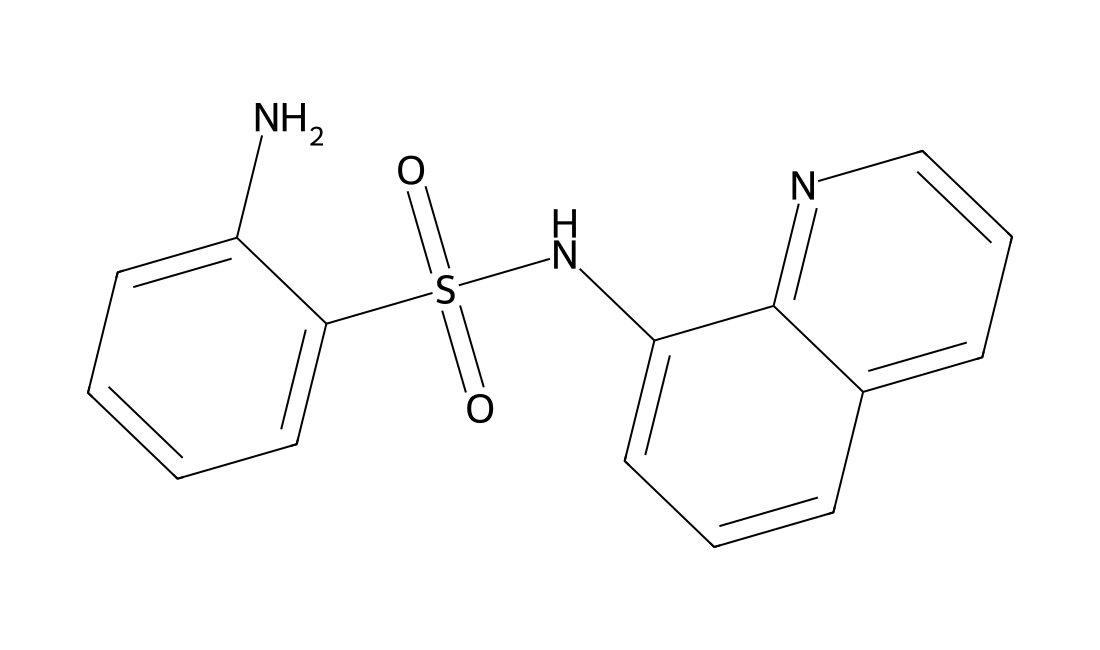
NUN82647, also known as QBS or 2-Amino-N-quinolin-8-yl-benzenesulfonamide, is an Inhibitor of cell cycle at G2 phase; apoptosis inducer. NUN82647 has CAS#16082-64-7, and inchi key: NIOOKXAMJQVDGB-UHFFFAOYSA-N. According to Hodoodo Chemical Nomenclature, It is named: NUN-82647.

QBS(CU242) chemical structure
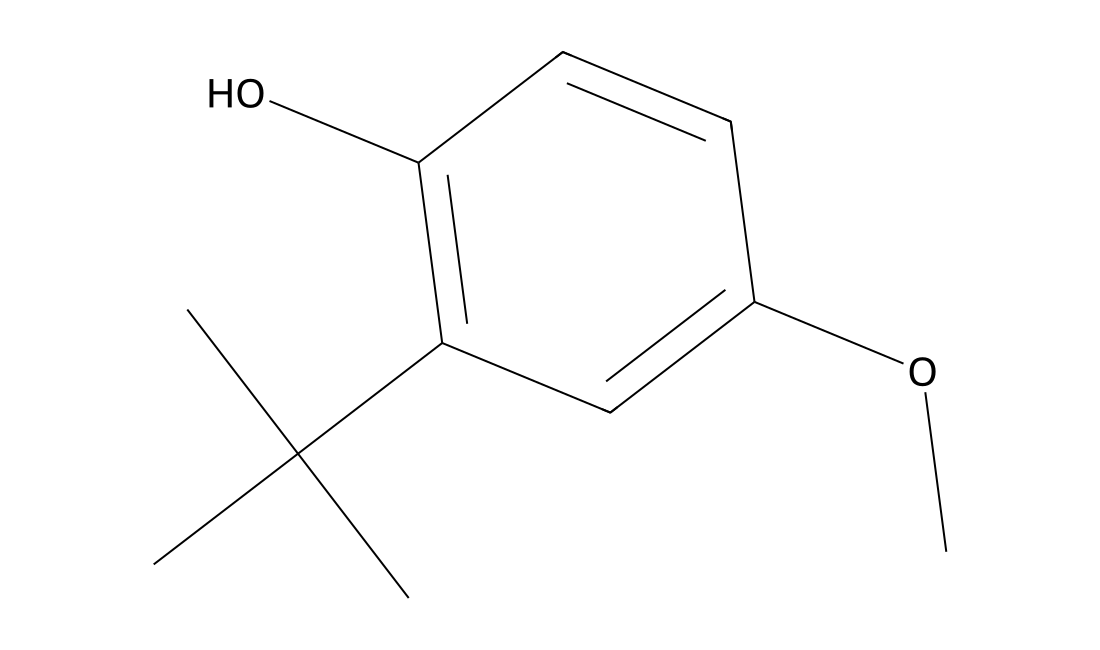
DC66716

Butylhydroxyanisole

CAS 25013-16-5

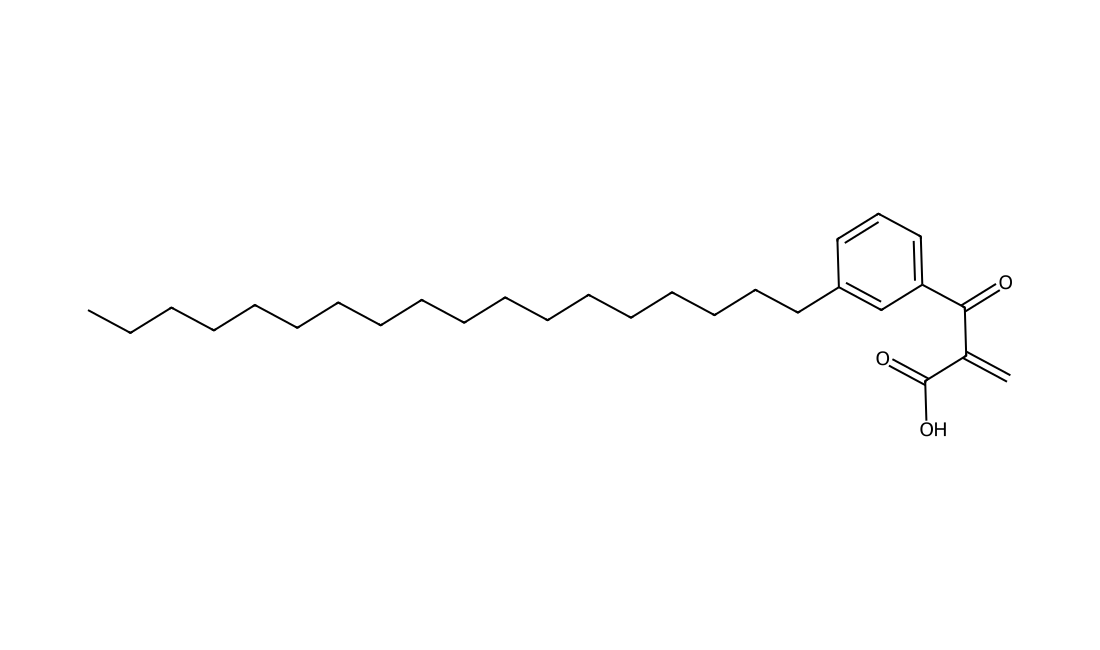
Butylhydroxyanisole (Butylated hydroxyanisole) is an antioxidant used as a food additive preservative. Butylhydroxyanisole mediates liver toxicity, retardation in reproductive organ development and learning, and sleep deficit. Butylhydroxyanisole exerts neurotoxic effects and leads to disruption of the brain and nerve development. Butylhydroxyanisole is a ferroptosis inducer.

Butylhydroxyanisole chemical structure
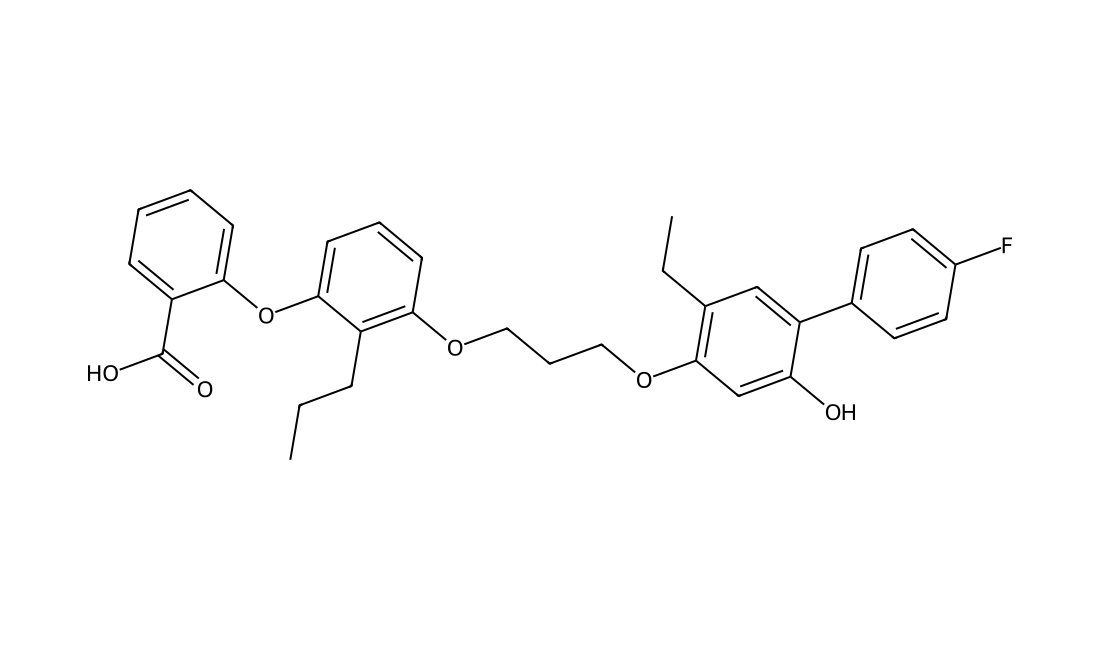
DC40870

Etalocib

CAS 161172-51-6

Etalocib (LY293111), an orally active leukotriene B4 receptor antagonist, inhibits the binding of [3H]LTB4, with a Ki of 25 nM. Etalocib (LY293111) prevents LTB4-induced calcium mobilization with an lC50 of 20 nM. Etalocib (LY293111) induces apoptosis.

Etalocib chemical structure
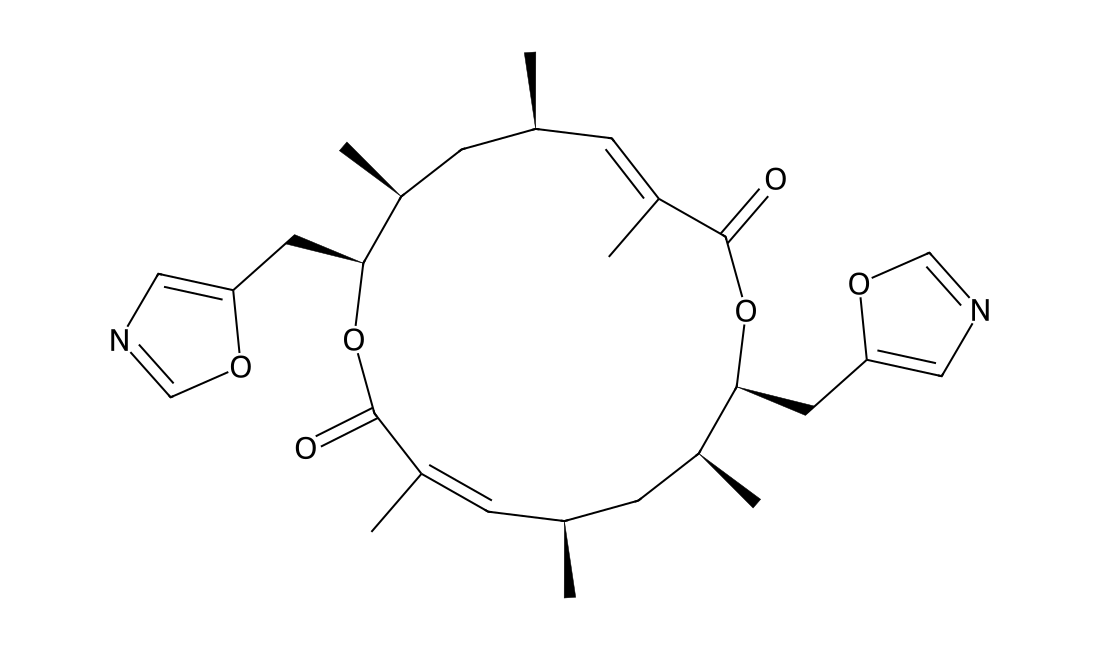
DC44512

Conglobatin

CAS 72263-05-9

Conglobatin (FW-04-806), a macrolide dilactone, is isolated from the culture of Streptomyces conglobatus. Conglobatin is an orally active Hsp90 inhibitor. Conglobatin can bind to the N-terminal domain of Hsp90 and disrupt Hsp90-Cdc37 complex formation. Conglobatin induces apoptosis in human breast cancer cells and esophageal squamous cell carcinoma cells, and exhibits antitumor activity in vivo.

Conglobatin chemical structure
DC8113

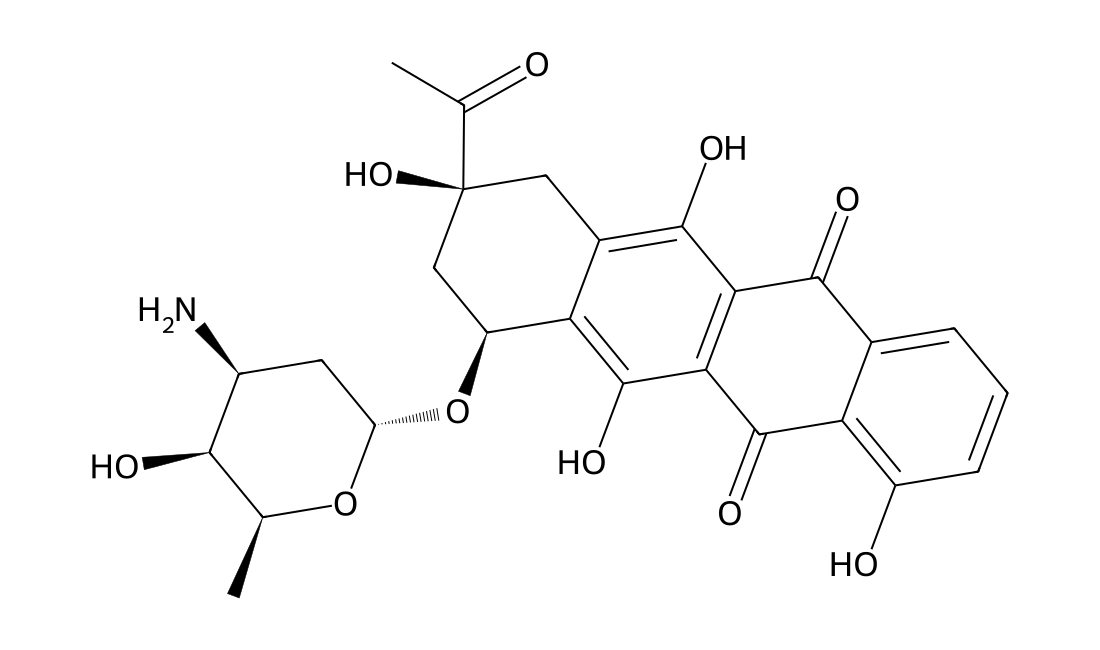
Carubicin

CAS 50935-04-1

Carubicin is an anthracycline antineoplastic antibiotic isolated from the bacterium Actinomadura carminata. Carubicin intercalates into DNA and interacts with topoisomerase II, thereby inhibiting DNA replication and repair and RNA and protein synthesis. For the detailed information of Carubicin, the solubility of Carubicin in water, the solubility of Carubicin in DMSO, the solubility of Carubicin in PBS buffer, the animal experiment (test) of Carubicin, the cell expriment (test) of Carubicin, the in vivo, in vitro and clinical trial test of Carubicin, the EC50, IC50,and affinity,of Carubicin, For the detailed information of Carubicin, the solubility of Carubicin in water, the solubility of Carubicin in DMSO, the solubility of Carubicin in PBS buffer, the animal experiment (test) of Carubicin, the cell expriment (test) of Carubicin, the in vivo, in vitro and clinical trial test of Carubicin, the EC50, IC50,and affinity,of Carubicin, Please contact DC Chemicals.

Carubicin chemical structure
DC40155

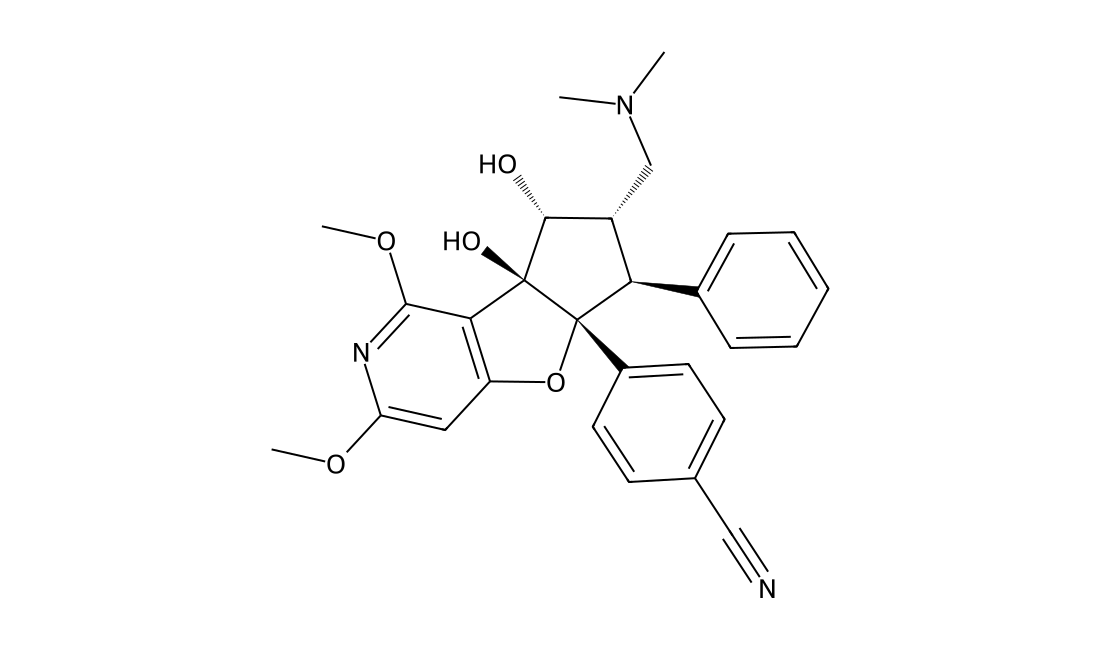
Zotatifin

CAS 2098191-53-6

Zotatifin (eFT226) is a potent, selective, and well-tolerated eIF4A inhibitor. Zotatifin promotes eIF4A binding to specific mRNA sequences with recognition motifs in the 5’-UTRs (IC50=2 nM) and interferes with the assembly of the eIF4F initiation complex. Zotatifin shows robust antiviral effects, it effectively reduces viral infectivity by inhibiting SARS-CoV-2 NP protein biogenesis (IC90=37 nM). Zotatifin induces cell apoptosis.
Zotatifin chemical structure
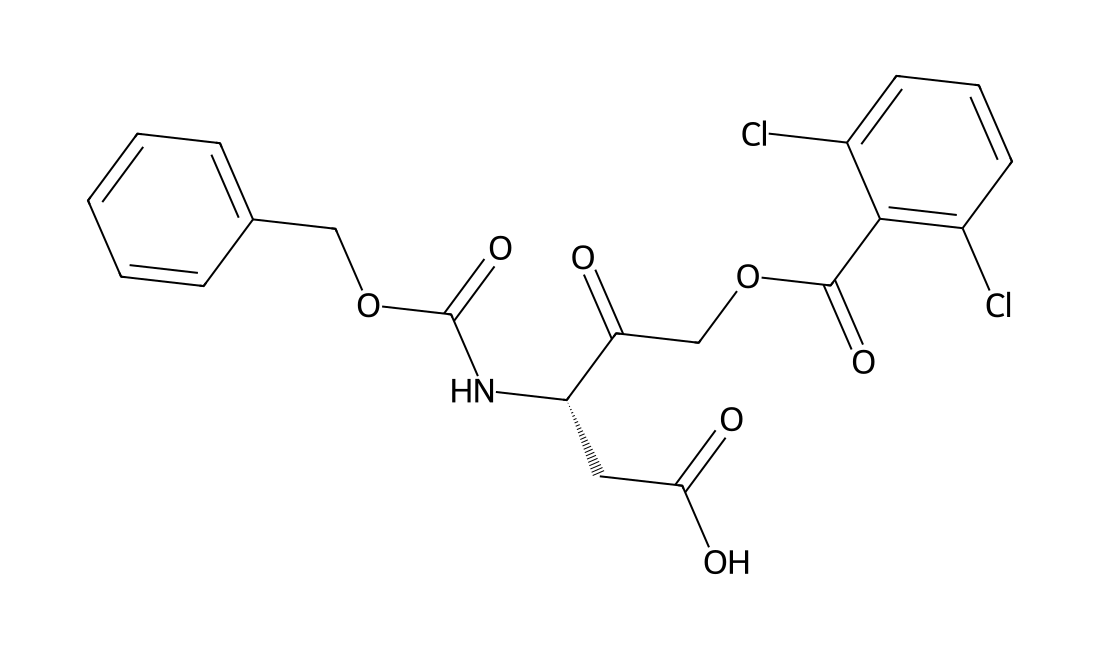
DC28318

Z-Asp-CH2-DCB

CAS 153088-73-4

Z-Asp-CH2-DCB is an irreversible broad spectrum caspase inhibitor. Z-Asp-CH2-DCB also inhibits proteases with caspase-like activity. Z-D-CH2-DCB blocks the production of IL-1β, TNF-α, IL-6, and IFN-γ in staphylococcal enterotoxin B (SEB)-stimulated peripheral blood mononuclear cells (PBMC), and reduces SEB-1-stimulated T-cell proliferation in a dose-dependent manner. Z-Asp-CH2-DCB prevents SU5416-induced septal cell apoptosis and emphysema development.
Z-Asp-CH2-DCB chemical structure
Browse target & topic index A–Z (366)
11β-HSD (1)15-PGDH (2)5-HT Receptor (16)Acetyl-CoA Carboxylase (ACC) (3)Acetylcholinesterase (AChE) (2)Ack1 (TNK2) (1)Acyltransferase (1)ADC Cytotoxin (6)ADCs Linker/Click Chemistry (5)Adenosine Receptor (9)Adenylate Cyclase (2)Adrenergic Receptor (11)Akt (12)Alcoholism (2)Aldehyde Dehydrogenase (ALDH) (6)Allergy (5)Alzheimer Disease (13)Aminopeptidase (1)AMPK (8)Amyloids (4)Anaplastic Lymphoma Kinase (ALK) (9)Androgen Receptor (AR) (11)Anemia (4)Angiotensin Receptor (4)Antibody/Protein labeling dyes (1)Antifolate (2)Anxiety (1)Apoptosis Inducer (3)Arginase (1)Arp2/3 complex (1)Aryl hydrocarbon Receptor (AhR) (1)Asthma (5)Atherosclerosis (2)ATM/ATR (8)Aurora Kinase (10)Autophagy (6)Autophagy-related Protein (Atg) (2)Autotaxin (2)Bacterial (26)Bacterial Infection (17)Bcl-2 (14)Bcr-Abl (5)BCRP (1)Beta-catenin (4)Beta-secretase (BACE) (4)Blood Cancer (91)BMI-1 (1)Bone Cancer (6)Brain Cancer (6)Breast Cancer (30)Bromodomain (22)BTK (10)c-Fms (CSF1R) (5)c-Fos/AP-1 (1)c-Kit (6)c-Met (HGFR) (11)c-Myc (2)Calcium Channel (4)Calcium-sensing Receptor (CaSR) (1)CaMK (4)Cannabinoid Receptor (6)Carbonic Anhydrase (1)Carboxypeptidase (1)Casein Kinase (6)Caspase (4)Cathepsin (6)Cdc2-like Kinase (CLK) (1)CETP (2)CFTR (7)Checkpoint Kinase (Chk) (8)Chemokine Receptor (CCR and CXCR) (14)Chemotherapeutic Agents (19)Chloride Channel (1)CMV (2)CMV Infection (2)Colon Cancer (9)Complement System (1)COPD (3)CREB/CBP (2)CRF Receptor (2)CRISPR/Cas9 (1)Cushing Disease (1)Cyclin-dependent Kinase (CDK) (39)Cyclooxygenase (COX) (4)Cytochrome P450 (CYPs) (5)Depression (2)Dermatitis (2)Deubiquitinase (DUB) (7)Diabetes (20)Dipeptidyl Peptidase (DPP) (3)Discoidin Domain Receptor (DDR) (1)DNA Alkylator/Crosslinker (10)DNA Methyltransferase (DNMT) (1)DNA Repair Protein (1)DNA-PK (2)DNA/RNA Synthesis (5)Dopamine beta-hydroxylase (1)Dopamine Receptor (7)Drug Metabolite (1)Drug-Linker Conjugates (11)Dyes (4)DYRK (1)Dyslipidemia (9)E3 Ligase Ligand (6)E3 Ligase Ligand-Linker Conjugate (1)E3 Ubiquitin Ligase (4)Ebola Virus Infection (1)EGFR (32)Elastase (2)Endothelin Receptor (5)Enzymes substrates (13)Epigenetic Reader Domain (3)Epilepsy (4)ERK (4)Estrogen Receptor/ERR (13)Eukaryotic Initiation Factor (eIF) (2)Exportin-1 (CRM1,XPO1) (2)FABP (1)Factor Xa (5)Farnesoid X Receptor (FXR) (5)Farnesyl transferase (FTase) (1)Ferroptosis (6)FGFR (15)Fibrosis (5)FLT3 (6)Focal Adhesion Kinase (FAK) (11)Foxo1 (1)Free Fatty Acid Receptor (FFAR) (5)Fungal (2)Fungal Infection (1)GABA Receptor (13)Galectin (1)Gastric Cancer (8)Ghrelin Receptor (GHSR) (3)Glucagon Receptor (4)Glucokinase (2)Glucose Transporter (GLUT) (2)Glutamate Transporter (2)GPCR (1)GPER (GPR30) (1)GPR139 (1)GPR183 (EBI2) (2)GPR39 (1)GPR55 (1)GPR84 (1)GRK (GPCRK) (2)Growth Hormone Deficiency (2)GSK-3 (8)Guanylate Cyclase (3)HBV (1)HBV Infection (1)HCN Channel (2)HCV (8)HCV Infection (9)HDAC (38)Heart Arrhythmia (2)Heart Failure (5)Heat Shock Protein (HSP) (15)Hedgehog (Hh) (1)HIF/HIF Prolyl-hydroxylase (8)Histamine Receptor (6)Histone Acetyltransferase (HAT) (5)Histone Demethylase (11)Histone Methyltransferase (HMTase) (31)HIV (12)HIV Infection (11)HMG-CoA Reductase (HMGCR) (3)HSV (1)HSV Infection (1)Hypercholesterolemia (1)Hyperparathyroidism (1)Hypertension (8)IAP (1)IGF-1R (3)iGluR (15)Indoleamine 2,3-Dioxygenase (IDO) (4)Infection (1)Influenza (6)Influenza Virus (6)Insulin Receptor (2)Integrin (6)Interleukin Receptor (1)IRAK (2)IRE1 (4)Irritable Bowel Syndrome (2)Ischemia (1)Isocitrate Dehydrogenase (IDH) (5)ITK (1)IκB kinase (IKK) (7)JAK (32)JNK (3)Keap1-Nrf2 (6)Kidney Cancer (10)Kinesin (5)Kruppel-like Factor (KLF) (1)Kynurenine 3-Monooxygenase (KMO) (1)Leukotriene Receptor (1)LIM Kinase (LIMK) (3)Lipids fragment (1)Liver Cancer (6)Liver X Receptor (LXR) (3)LRRK2 (9)Lung Cancer (39)Lysophospholipid Receptor (12)LYTACs (3)mAChR (9)MALT1 (2)MAP4K (1)Matrix Metalloproteinase (MMP) (10)MDM2-p53 (9)MEK (MAP2K) (14)MEKK (MAP3K) (1)Melanocortin Receptor (2)MELK (1)mGluR (7)MicroRNA (1)Microtubule/Tubulin (5)Mineralocorticoid Receptor (MLR) (1)MITF (1)Mixed Lineage Kinase (MLK) (3)MNK (2)Molecular Glues (13)Monoamine Transporter (5)Monocarboxylate Transporter (MCT) (1)Monopolar Spindle 1 (Mps1/TTK) (3)mTOR (13)Multiple Sclerosis (6)Myosin (1)Na-K-Cl Cotransporter (NKCC) (2)nAChR (2)NADPH Oxidase (NOX) (2)NAMPT (3)Natural products (37)Neprilysin (1)Neurokinin Receptor (3)Neuropeptide Y Receptor (3)NF-κB (5)Nitric Oxide Synthase (NOS) (1)NOD-like Receptor (NLR) (3)Notch (2)Nucleoside Antimetabolite/Analog (10)Nur77 (NR4A1) (1)Obesity (1)Oct3/4 (1)Opioid Receptor (5)Orexin Receptor (7)Osteoporosis (2)Ovarian Cancer (14)Oxytocin Receptor (OXTR) (2)P-glycoprotein (P-gp) (3)p21-activated Kinase (PAK) (1)P2X Receptor (2)P2Y Receptor (1)p38 MAPK (10)p97/VCP (1)Pain (12)Pancreatic Cancer (10)Parasite (5)Parasite Infection (2)Parkinson Disease (2)PARP (19)PCSK9 (1)PD-1/PD-L1 (4)PDGFR (4)PDK1 (2)PEGn (1)PERK (2)PGE synthase (2)Phosphodiesterase (PDE) (9)Phospholipase (4)PI3K (32)PI4K (2)Piezo Channel (1)PIKfyve (3)Pim (9)PKC (12)PKD (1)Plasminogen Activator Inhibitor-1 (PAI-1) (3)Polo-like Kinase (PLK) (4)Porcupine (3)Potassium Channel (13)PPAR (13)Pregnane X Receptor (PXR) (1)Progesterone Receptor (2)Prostaglandin Receptor (11)Prostate Cancer (7)PROTACs (35)Protease-activated Receptor (PAR) (3)Proteasome (12)Protein Disulfide Isomerase (PDI) (1)Protein Phosphatase/PTP (6)Proton Pump (1)Psoriasis (5)RAD51 (1)Radioligand precursors (15)Raf (18)RAR/RXR (3)Ras (17)Renin (2)RET Tyrosine Kinase (c-RET) (3)Rheumatoid Arthritis (16)Ribosomal S6 Kinase (RSK) (5)RIG-I-like Receptor (RLR) (2)RIP kinase (7)ROCK (12)ROR (2)RSV (4)RSV Infection (3)RUNX1-CBFβ (1)S-nitrosoglutathione reductase (GSNOR) (1)Saccharides and Glycosides (1)Salt Inducible Kinase (SIK) (2)SARS-CoV (16)SARS-CoV Infection (34)Schizophrenia (4)Sexual Dysfunction (1)SGLT (4)Sigma Receptor (4)Sirtuin (9)Skin Cancer (13)Sleep Disorder (7)SMN2 Modulator (1)Smoothened (Smo) (9)Sodium Channel (12)Solid Tumors (35)Somatostatin Receptor (2)Sphingosine kinase (SphK) (2)Src (7)STAT (5)Stearoyl-CoA Desaturase (SCD) (1)Steatohepatitis (7)Sterol lipids (1)STING (14)Syk (6)T Cell Receptor (TCR) (1)TAK1 (2)TAM Receptor (Tyro3-Axl-Mer) (4)Taste Receptor (1)Telomerase (2)TGF beta Receptor (TGFBR) (12)Thrombin (3)Thrombosis (13)Thyroid Cancer (1)Thyroid Hormone Receptor (THR) (1)Thyrotropin Receptor (2)TNIK (1)Toll-like Receptor (TLR) (2)TOPK (1)Topoisomerase (11)TRAIL (1)Translocator Protein (TSPO) (1)Trk Receptor (4)TRP Channel (13)Tryptophan Hydroxylase (TPH) (1)Ubiquitin-activating Enzyme (E1) (2)Ubiquitin-conjugating Enzyme (E2) (2)Ulcer (1)ULK (3)Vasopressin Receptor (2)VEGFR (25)Vitamin D Receptor (VDR) (3)Wee1 (1)WNK Kinase (1)Wnt (5)Yes-associated Protein (YAP) (4)γ-secretase (5)

Cart

Request quotation