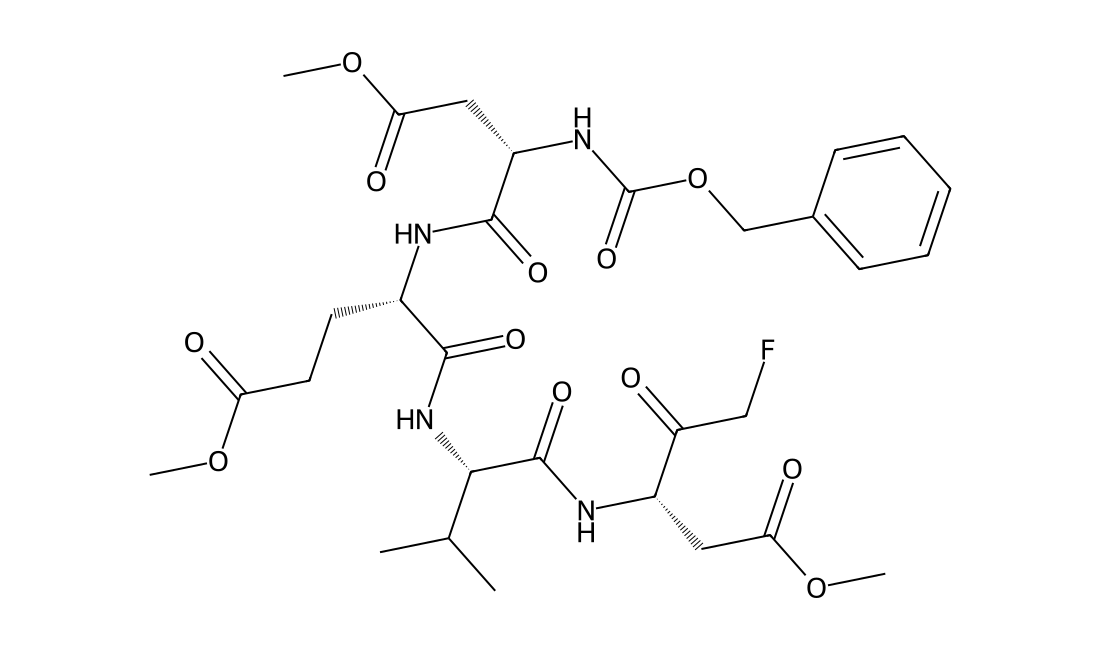
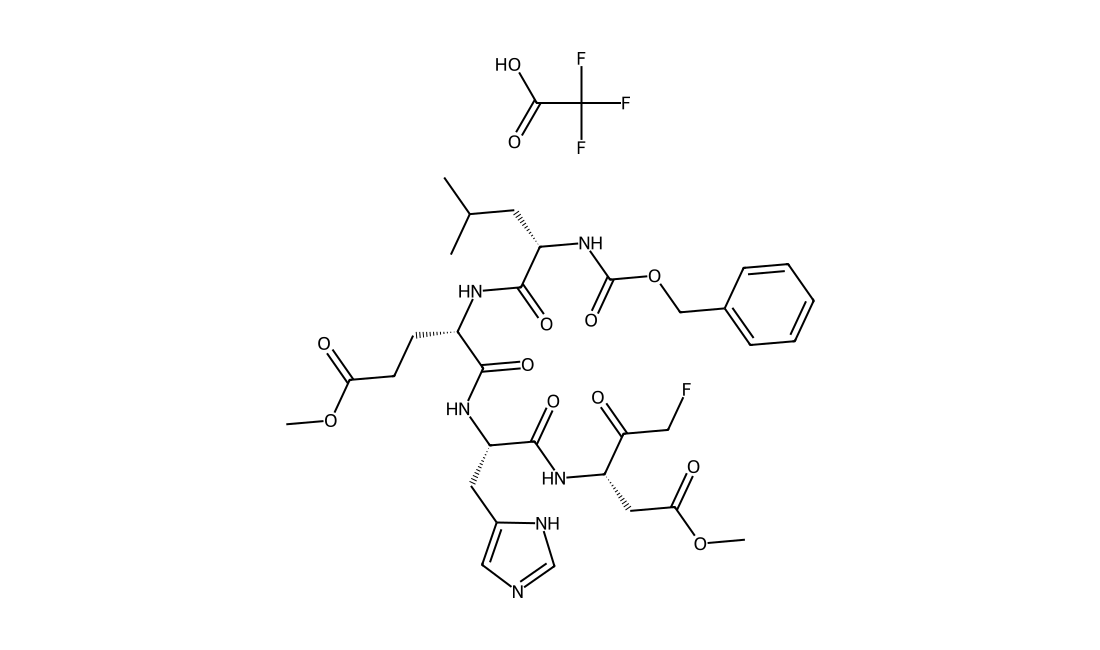
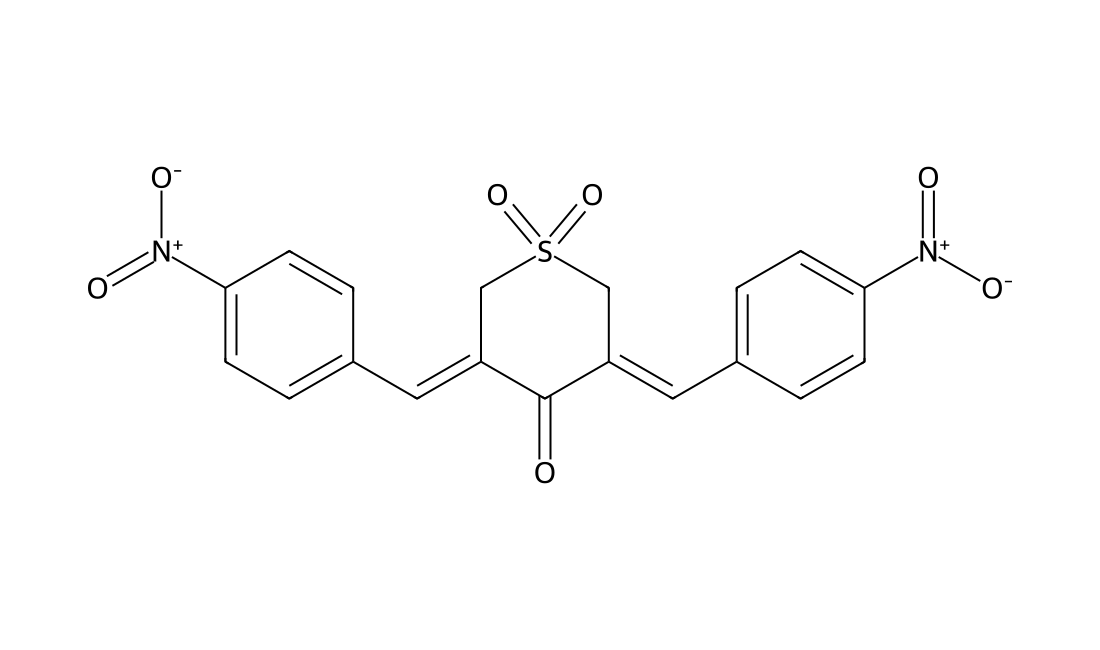
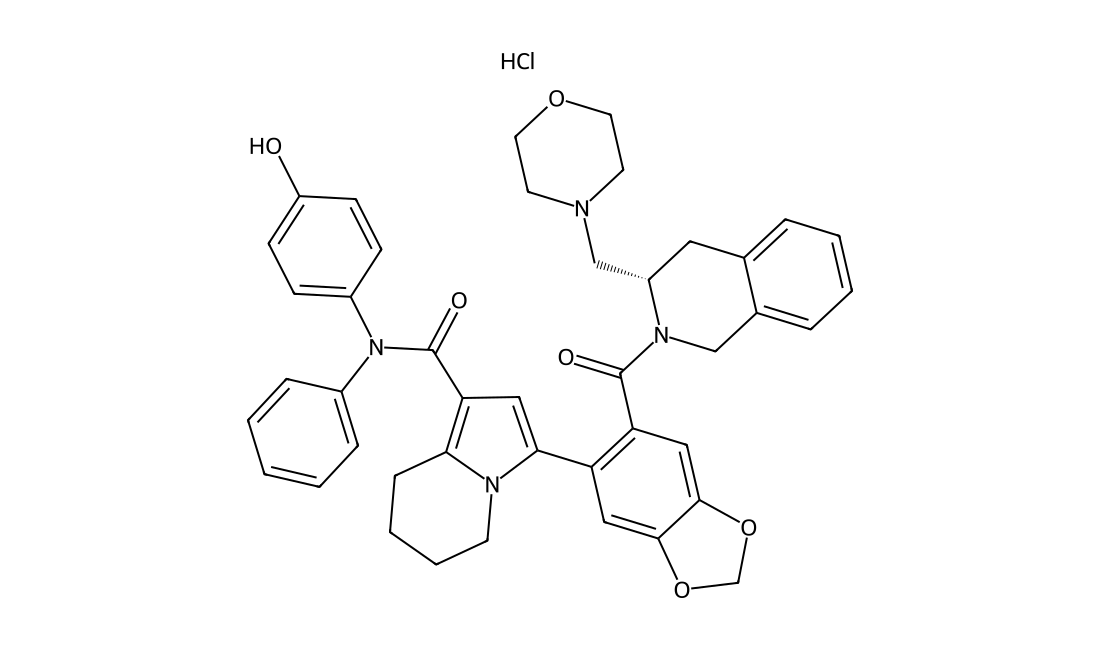
Home/Small Molecules/Cell Death & Autophagy

Cell Death & Autophagy

Apoptosis, ferroptosis, necroptosis and autophagy research.

Browse all research categories

Browse by research category

Products may appear in more than one category. Counts refer to distinct catalog numbers within each category.

Other Research Tools (75) · Additional reagents, building blocks and specialized research tools.

Cell Death & Autophagy products

Combine a keyword, research category and target to narrow the product list.

Loading catalog filters…

233 products · Showing 193–233

DC66008

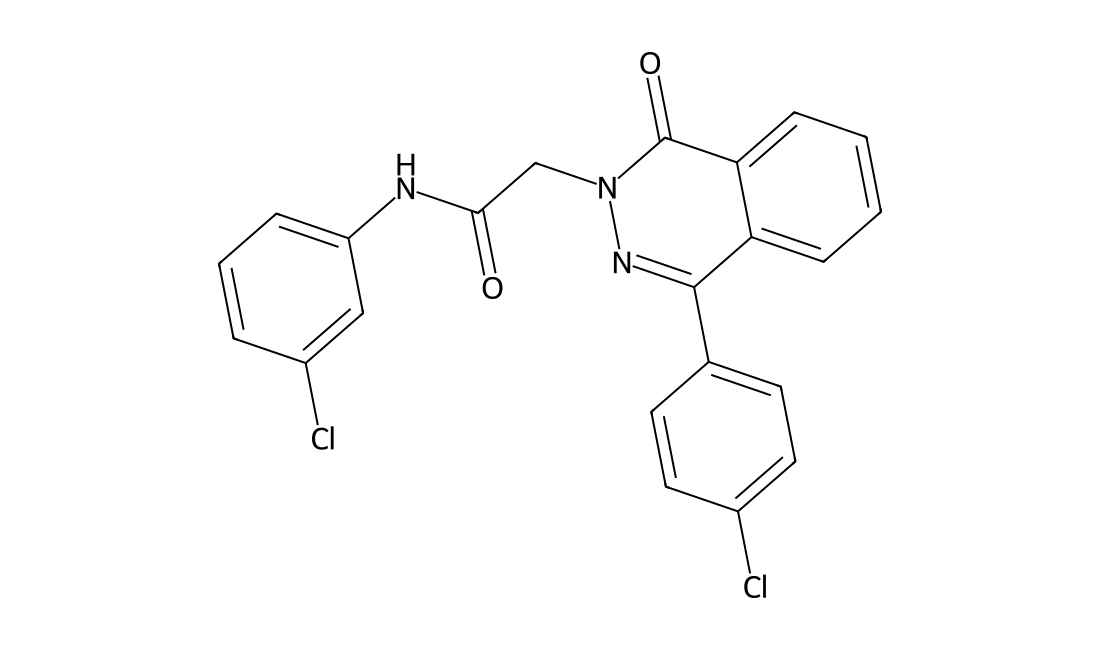
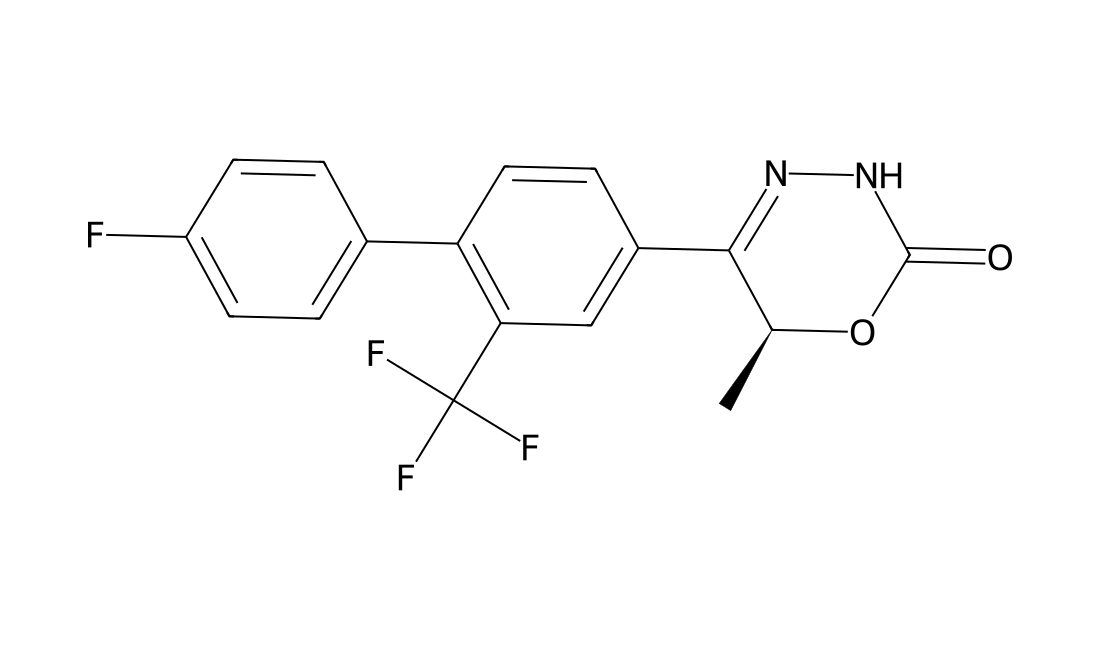
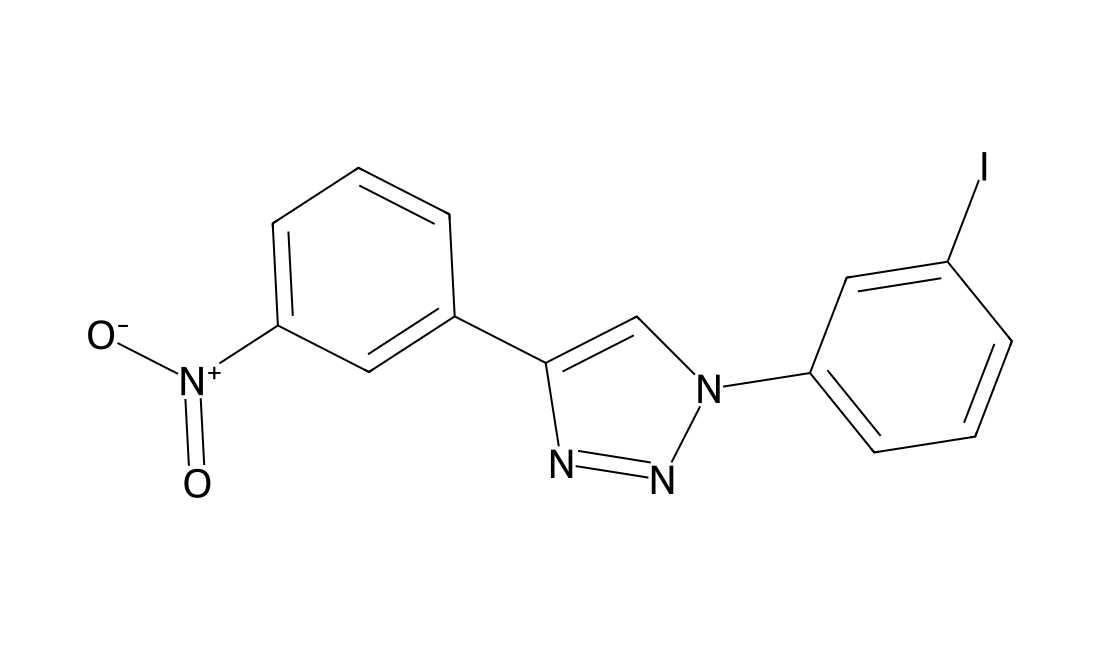
PARP-1-IN-2

CAS 684234-55-7

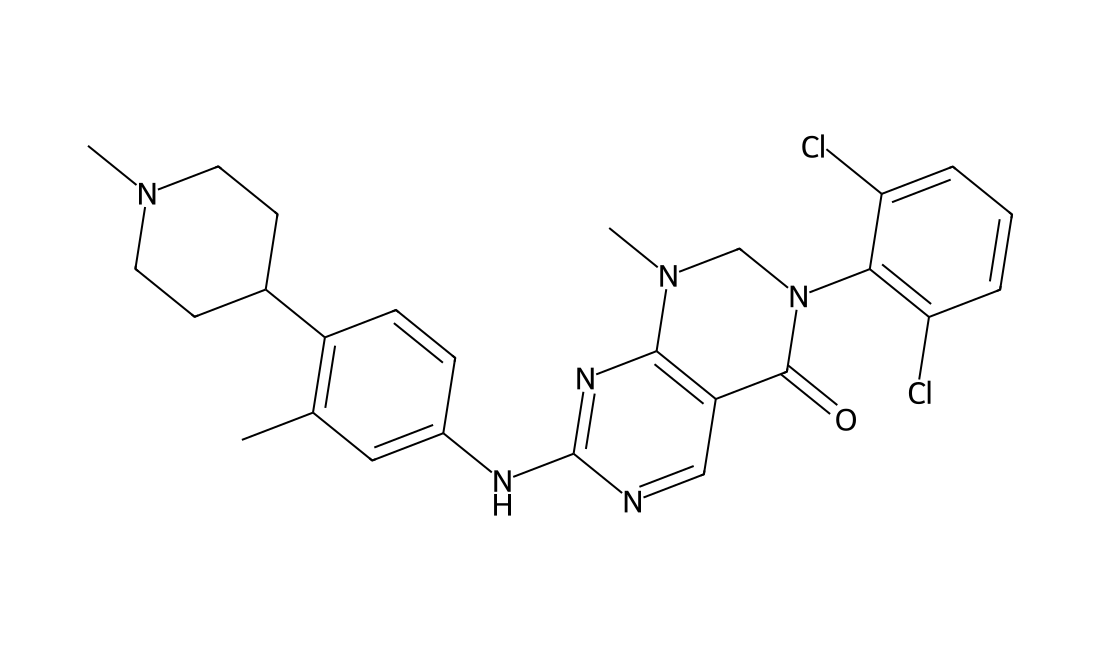
PARP-1-IN-2 (compound 11g) is a potent and BBB-penetrated PARP1 inhibitor, with an IC50 of 149 nM. PARP1-IN-2 shows significantly potent anti-proliferative activity against Human lung adenocarcinoma epithelial cell line A549. PARP1-IN-2 can induce A549 cells apoptosis.

PARP-1-IN-2 chemical structure
DC70300

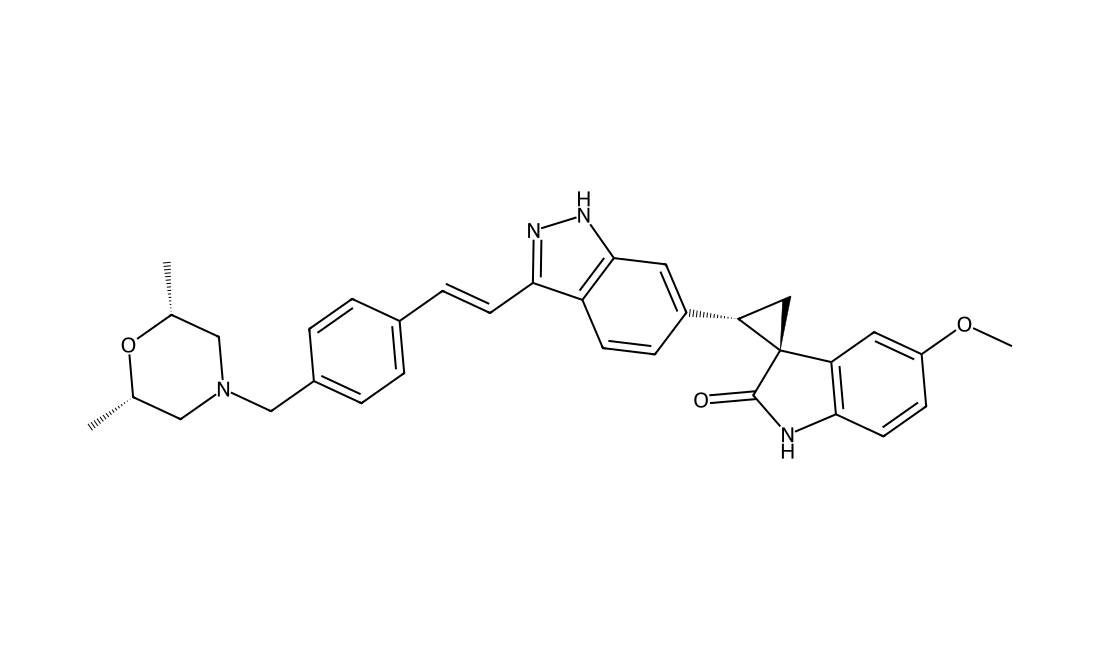
CFI-400945

CAS 1338806-73-7

CFI-400945 is a potent, highly selective PLK4 inhibitor with Ki of 0.26 nM and IC50 of 2.8 nM, does not significantly inhibits PLK1/2/3 at 50 uM; causes dysregulated centriole duplication, mitotic defects, and cell death in multiple cancer cell lines (A549 GI50=5 nM, OVCAR-3 GI50=18 nM); significantly inhibits human cancer xenografts; causes polyploidy, growth inhibition, and apoptotic death of murine and human lung cancer cells, despite expression of mutated KRAS or p53, produces supernumerary centrosomes and mitotic defects in lung cancer cells.

CFI-400945 chemical structure
DC34066

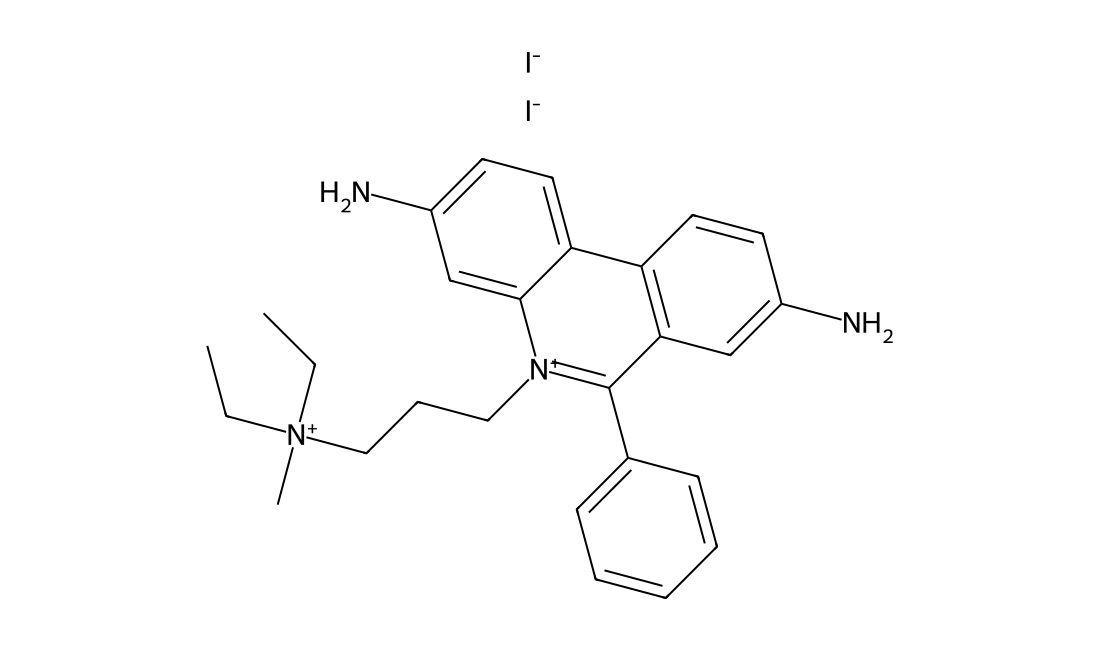
Propidium Iodide

CAS 25535-16-4

Propidium Iodide is a fluorescent intercalating agent that can be used to stain cells. Propidium Iodide is used as a DNA stain in flow cytometry to evaluate cell viability or DNA content in cell cycle analysis, and in microscopy to visualise the nucleus and other DNA-containing organelles. Propidium Iodide cannot cross the membrane of live cells, making it useful to differentiate necrotic, apoptotic and healthy cells.

Propidium Iodide chemical structure
DC70873

USP10 inhibitor Wu-5

CAS 2630378-05-9

USP10 inhibitor Wu-5 (Wu-5) is a novel small molecule USP10 inhibitor inducing the degradation of FLT3-mutated protein, directly interacts and inactivates USP10, the deubiquitinase for FLT3-ITD in vitro (IC50=8.3 uM) and in FLT3-ITD-positive AML cells.Wu-5 selectively inhibited the viability of FLT3 inhibitor-sensitive (MV4-11, Molm13) and -resistant (MV4-11R) FLT3-ITD-positive AML cells with IC50 of 3.794, 5.056, and 8.386 uM, respectively.Wu-5 (1-10 μM) dose-dependently induced apoptosis of MV4-11, Molm13, and MV4-11R cells through the proteasome-mediated degradation of FLT3-ITD.Combined treatment of Wu-5 and crenolanib produced synergistic cell death in FLT3-ITD-positive cells via the reduction of both FLT3 and AMPKα proteins.

USP10 inhibitor Wu-5 chemical structure
DC70239

BAY 2666605

CAS 2275774-60-0

BAY2666605 is a potent, small molecule PDE3A-SLFN12 complex inducer with EC50 of 7 nM.BAY2666605 triggers the formation of a complex of two proteins called SLFN12 and PDE3A. This complex drive cancer cells into cell death by a mechanism called apoptosis.

BAY 2666605 chemical structure
DC65714

Filanesib hydrochloride

CAS 1385020-40-5

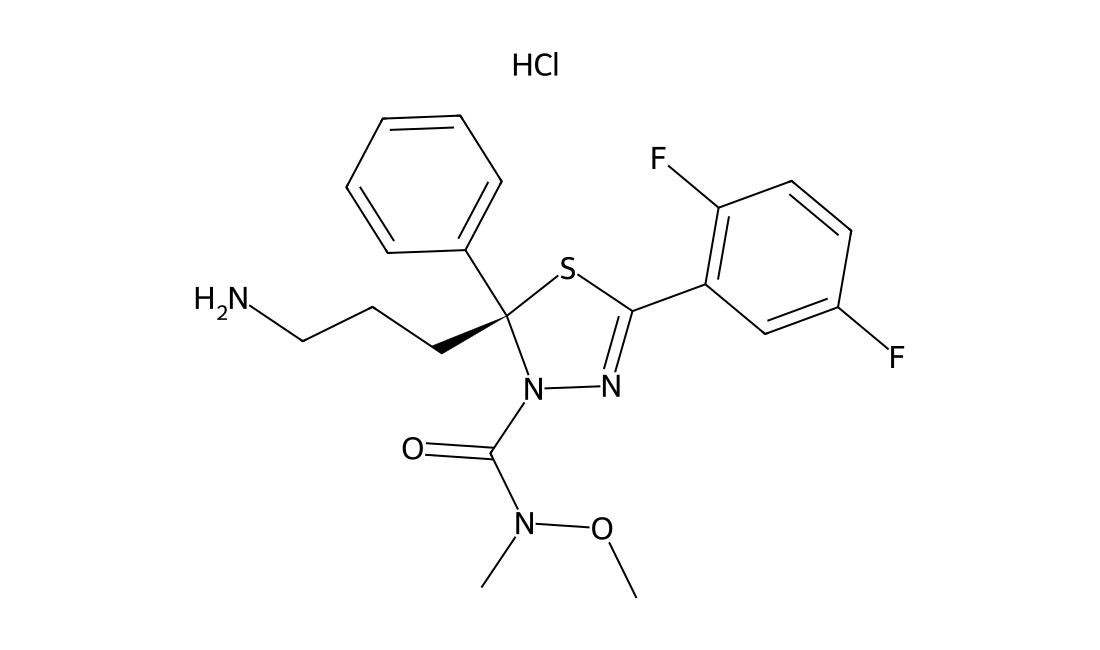
Filanesib (ARRY-520) hydrochloride is a selective and noncompetitive kinesin spindle protein (KSP) inhibitor, with an IC50 of 6 nM for human KSP. Filanesib induces cell death by apoptosis in vitro. Filanesib has potent anti-proliferative activity.

Filanesib hydrochloride chemical structure
DC31324

TRC102

CAS 593-56-6

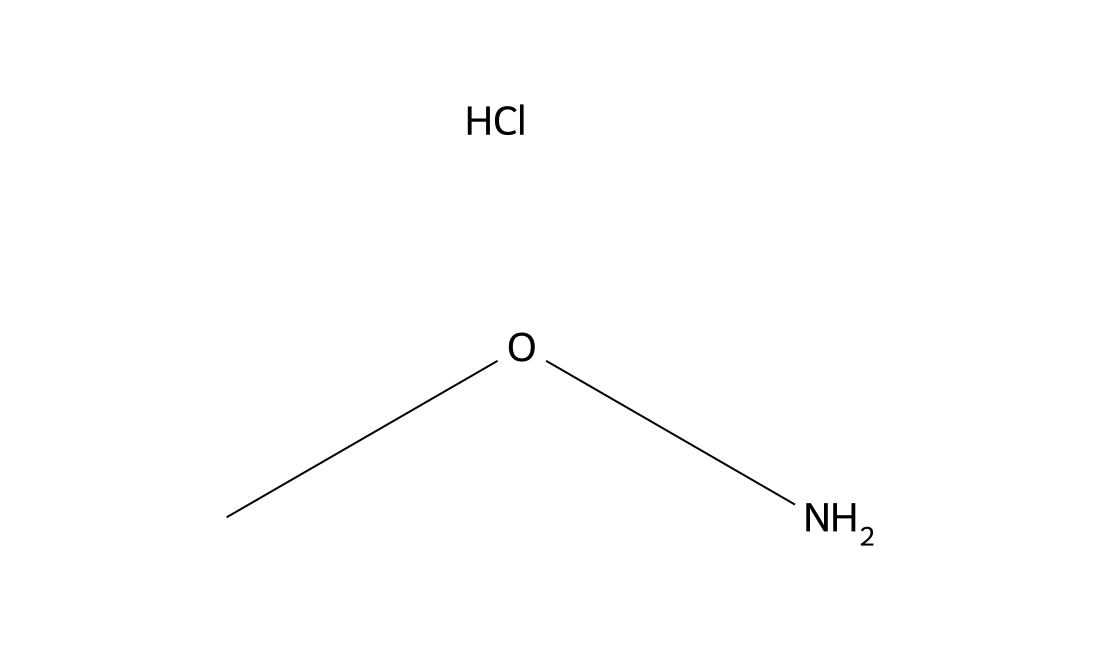
Methoxyamine is an orally bioavailable small molecule inhibitor with potential adjuvant activity. Methoxyamine covalently binds to apurinic/apyrimidinic (AP) DNA damage sites and inhibits base excision repair (BER), which may result in an increase in DNA strand breaks and apoptosis. This agent may potentiate the anti-tumor activity of alkylating agents. Check for active clinical trials or closed clinical trials using this agent. (NCI Thesaurus).

TRC102 chemical structure
DC70350

Debio 0123

CAS 2243882-74-6

Debio 0123 (Debio0123) is a potent, orally available, and highly selective Wee1 kinase inhibitor with IC50 of 0.8 nM, Ki of 0.1 nM.Debio 0123 is highly selective to Wee1 on 465 selected kinases in a cellfree system, does not inhibit Plk1 and Plk2, as also reported in recent publications for AZD1775.Debio 0123 exhibits in vitro growth inhibition activity in a broad number of human cancer cell lines (IC50= 0.109 to 7.08 uM).Debio 0123 prevent CDC2 / Cdk1 phosphorylation, induces γH2AX and enhances phosphorylation of histone H3.Debio 0123 induces apoptosis through mitotic catastrophe following cell cycle progression despite accumulation of unrepaired DNA damage both in vitro and in vivo.

Debio 0123 chemical structure
DC70579

M3258

CAS 2285330-15-4

M3258 (M 3258) is a potent, reversible, highly selective and orally acitve LMP7 inhibitor with ceullar IC50 of 4.1 nM.M3258 does not inhibit other constitutive proteasome and immunoproteasome subunits (IC50>2.5 uM).M3258 demonstrated strong antitumor efficacy in multiple myeloma xenograft models.M3258 treatment led to a significant and prolonged suppression of tumor LMP7 activity and ubiquitinated protein turnover and the induction of apoptosis in multiple myeloma cells both in vitro and in vivo.M3258 showed superior antitumor efficacy in selected multiple myeloma and mantle cell lymphoma xenograft models compared with the approved nonselective proteasome inhibitors bortezomib and ixazomib.

M3258 chemical structure
DC71892

TAS1553

CAS 2166023-31-8

TAS1553 is a potent, orally active protein–protein interaction (PPI) inhibitor with an IC50 values of 0.0396 μM. TAS1553 inhibits DNA replication and reduces intracellular dATP pool. TAS1553 induces apoptosis. TAS1553 can be used for cancer research.

TAS1553 chemical structure
DC71723

LCS3

CAS 109844-92-0

LCS3 inhibits glutathione disulfide reductase (GSR) and thioredoxin reductase 1 (TXNRD1) (IC50=3.3 µM and 3.8 µM, respectively) synergistically. LCS3 shows anti-tumor activity, and induces apoptosis. LCS3 can be used in lung adenocarcinoma (LUAD) research.

LCS3 chemical structure
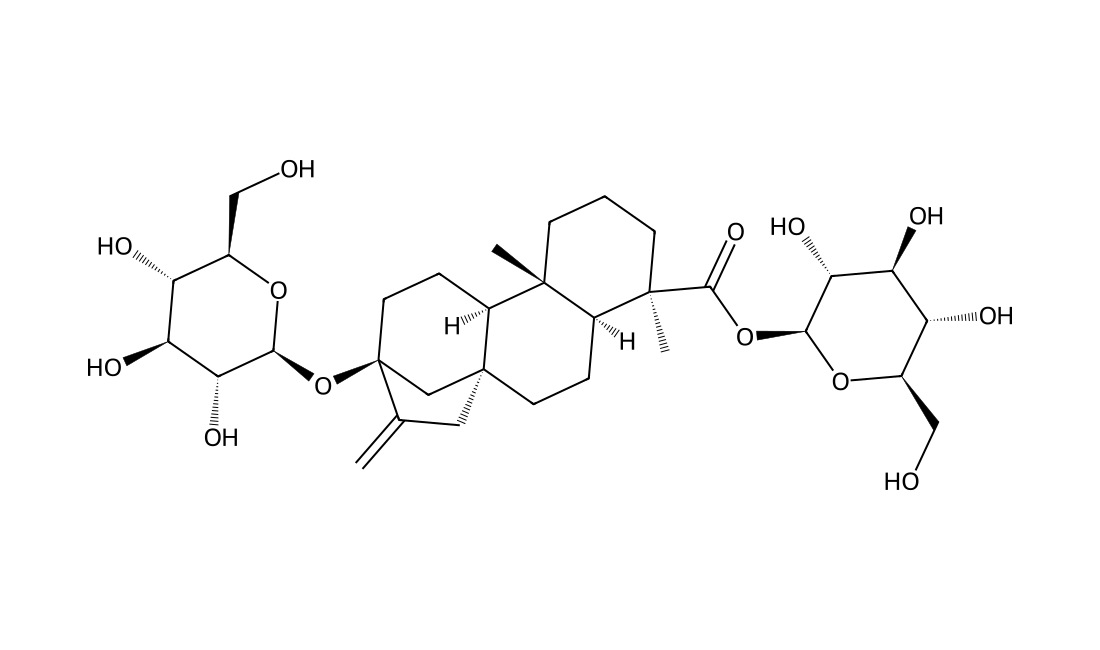
DC23090

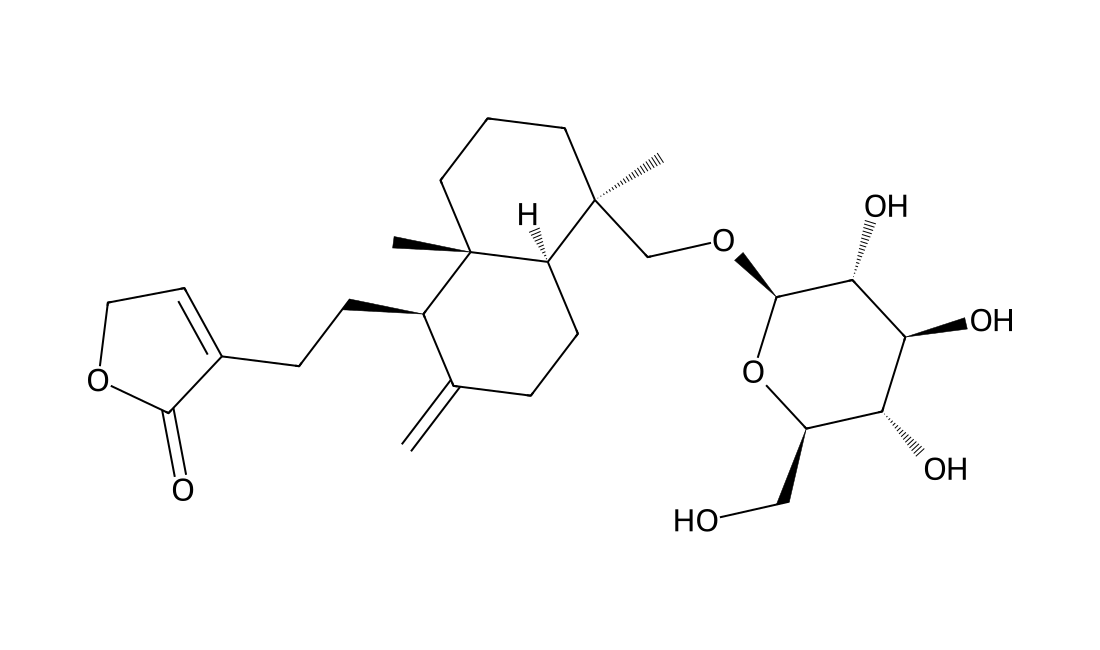
Rubusoside

CAS 64849-39-4

Rubusoside is a natural sweetener and a solubilizing agent with antiangiogenic and antiallergic properties. Rubusoside is an excellent solubilizing agent. It can enhance the solubility of a number of pharmaceutically important compounds, such as liquiritin, teniposide, curcumin, and etoposide.

Rubusoside chemical structure
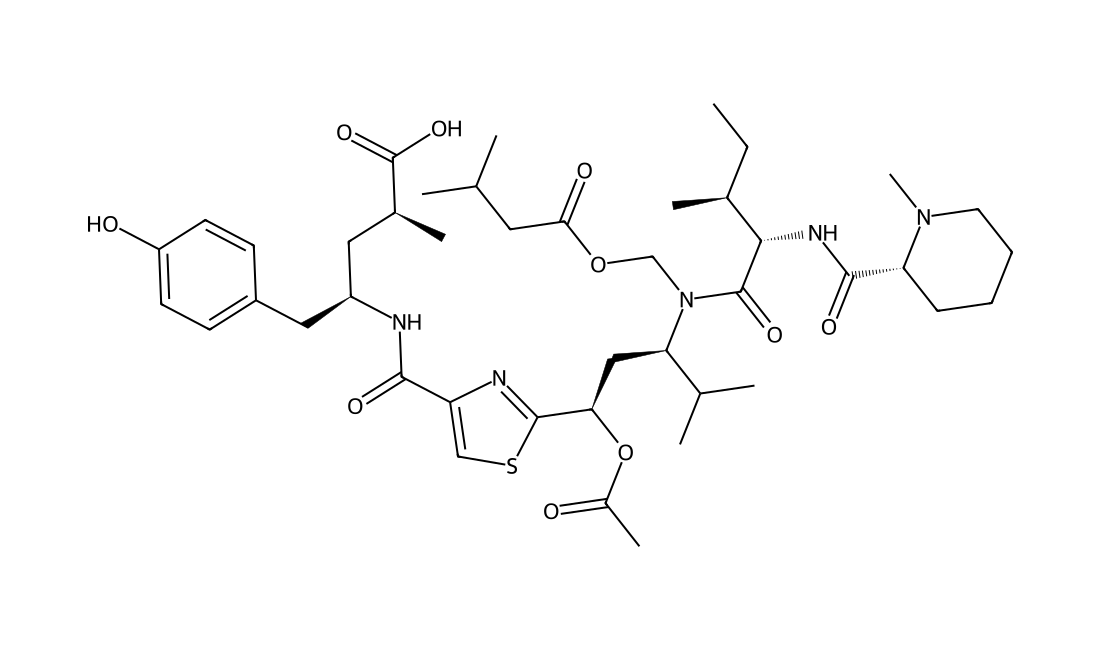
DC10093

Tubulysin A

CAS 205304-86-5

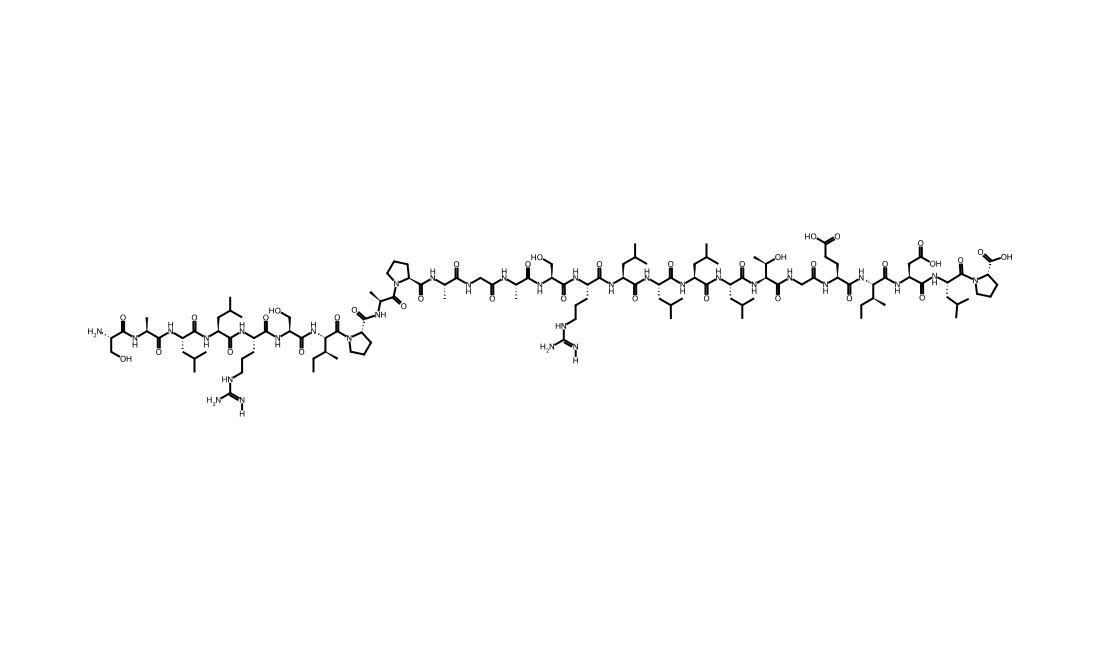
Tubulysin A(TubA) is a myxobacterial product that can function as an antiangiogenic agent in many in vitro assays; anti-microtubule, anti-mitotic, an apoptosis inducer, anticancer, anti-angiogenic, and antiproliferative.Tubulysin A is a novel antibiotic, which is anti-microtubule, anti-mitotic, apoptosis inducer, anticancer, anti-angiogenic, and antiproliferative. Tubulysins are cytotoxic peptides, which include 9 members (A-I). Tubulysin A has potential application as an anticancer agent. It arrests cells in the G2/M phase. Tubulysin A inhibits polymerization more efficiently than vinblastine and induces depolymerization of isolated microtubules. Tubulysin A has potent cytostatic effects on various tumor cell lines with IC50 in the picomolar range.

Tubulysin A chemical structure
DC8326

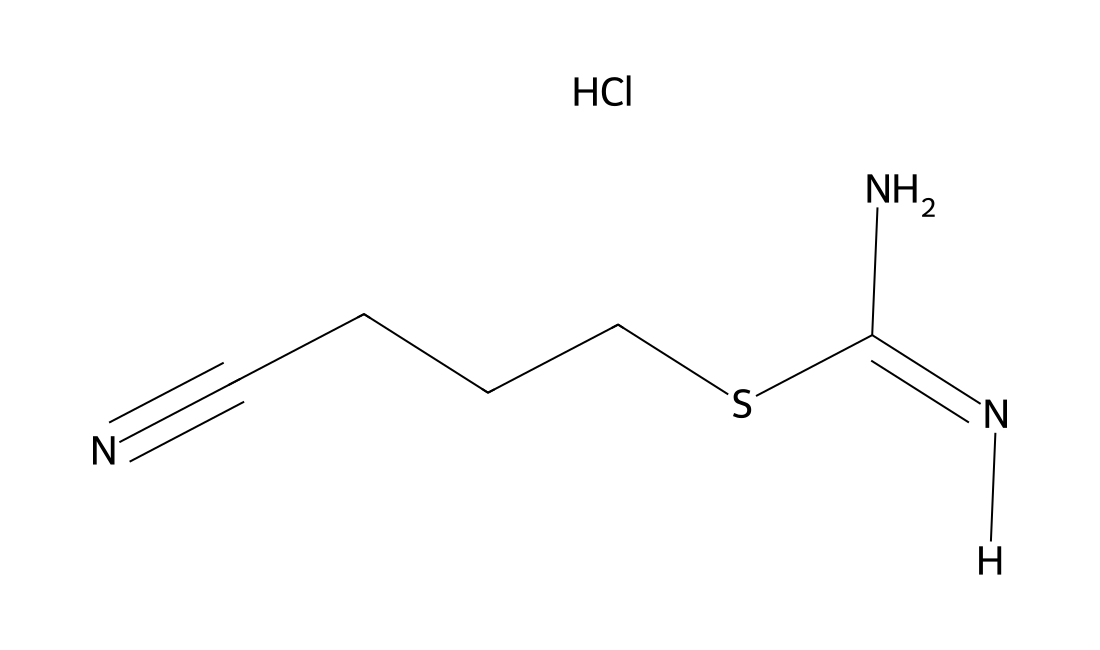
Kevetrin HCl

CAS 66592-89-0

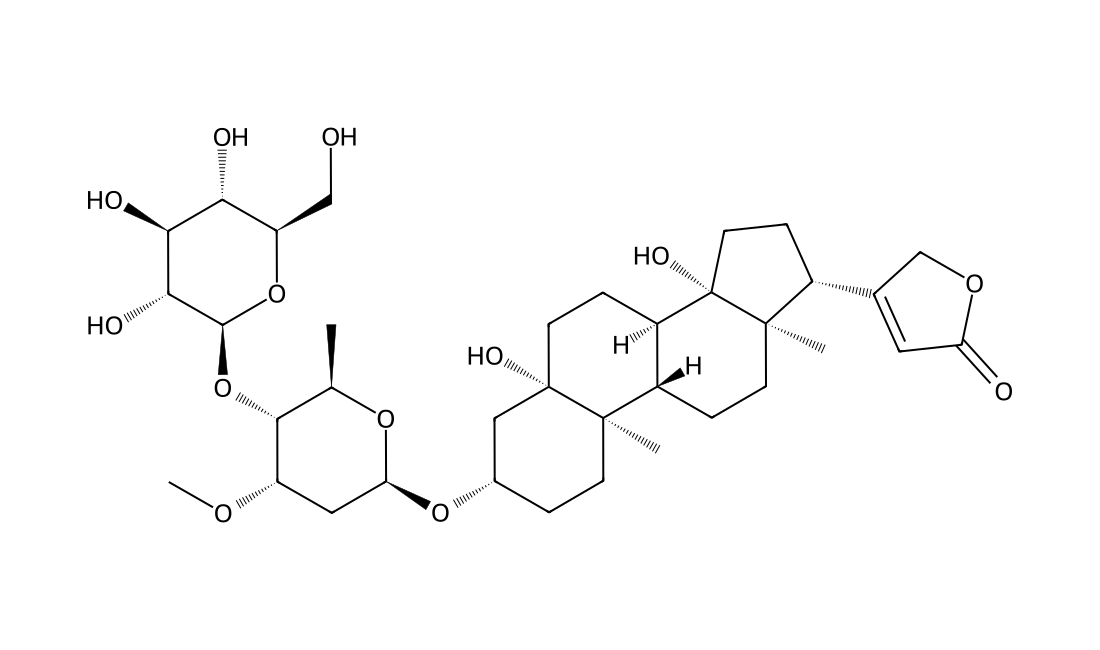
Kevetrin hydrochloride is a small molecule and activator of the tumor suppressor protein p53, with potential antineoplastic activity. Target:p53in vitro: Kevetrin activates p53 which in turn induces the expressions of p21 and PUMA (p53 up-regulated modulator of apoptosis), thereby inhibiting cancer cell growth and causing tumor cell apoptosis. Kevetrin may be effective in drug-resistant cancers with mutated p53. p53 tumor suppressor, a transcription factor regulating the expression of many stress response genes and mediating various anti-proliferative processes, is often mutated in cancer cells. in vivo: Kevetrin has demonstrated potent anti-tumor efficacy against various carcinoma xenograft models: lung, breast, colon, prostate and squamous cell carcinoma, and in a leukemia tumor model. In drug-resistant cell lines, Kevetrin has shown excellent activity, galvanizing the Company to focus on Kevetrin's development potential in this area.

Kevetrin HCl chemical structure
DC22800

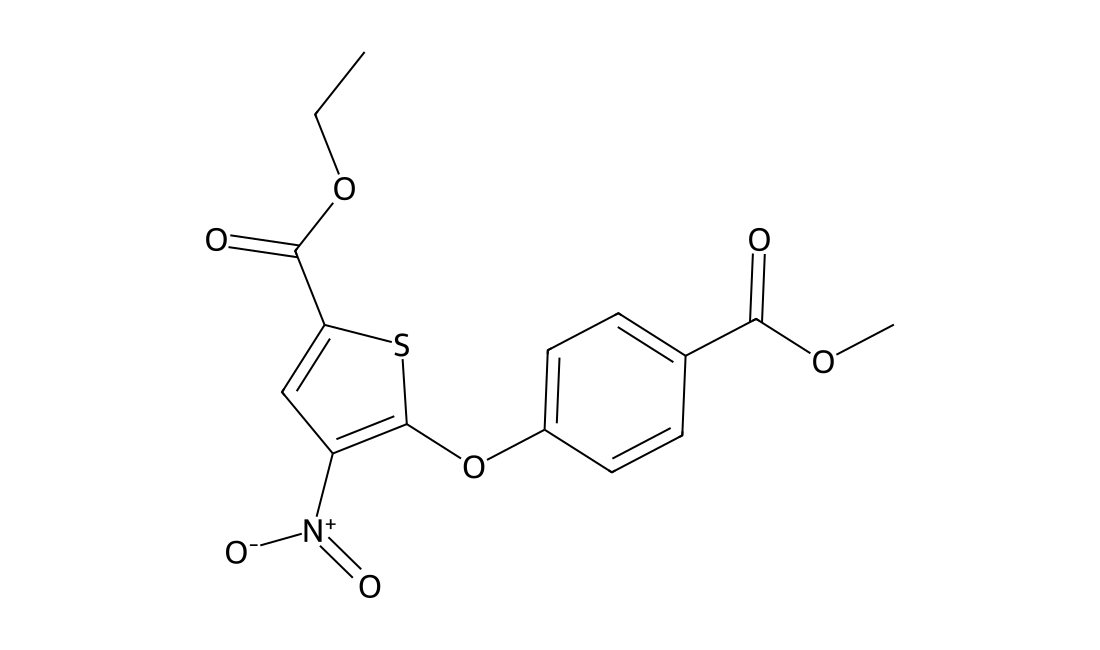
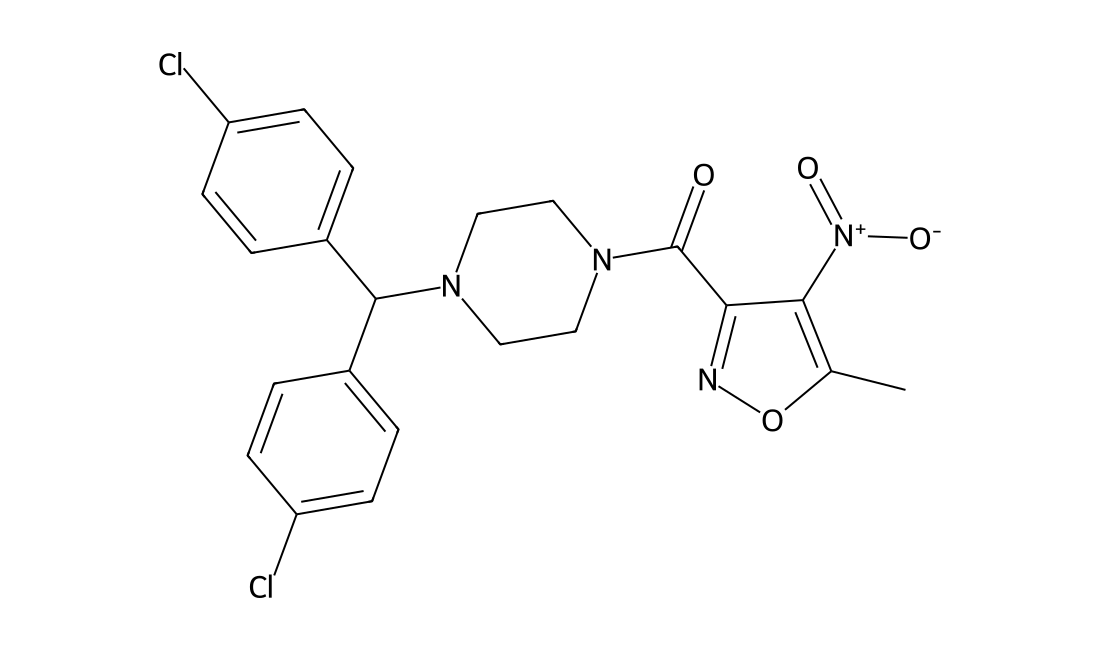
ML-210

CAS 1360705-96-9

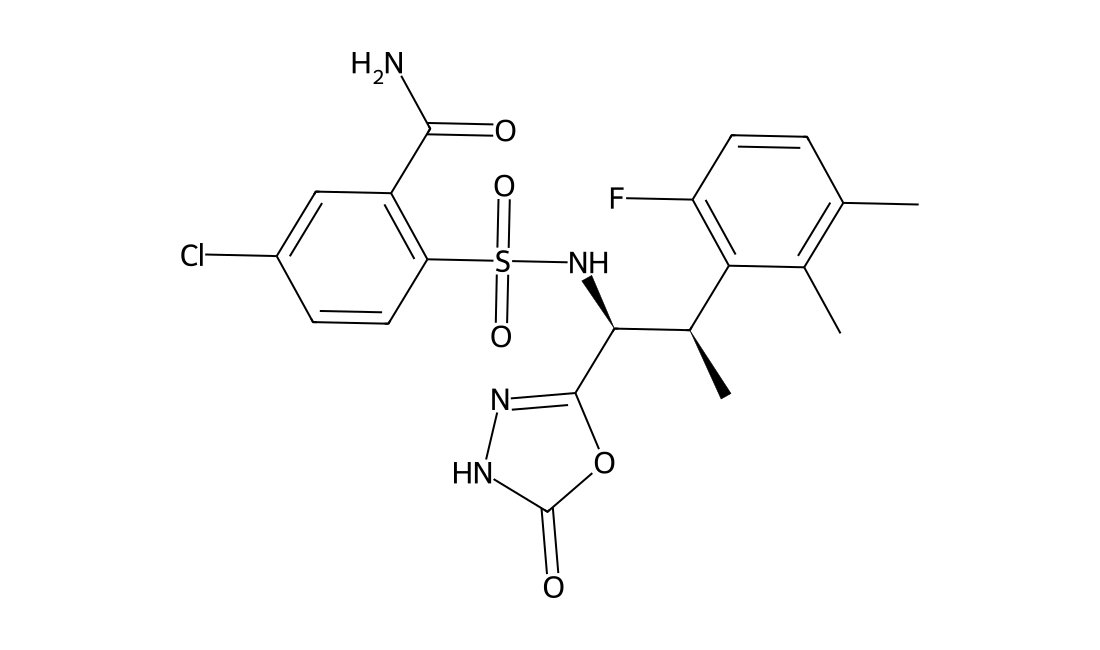
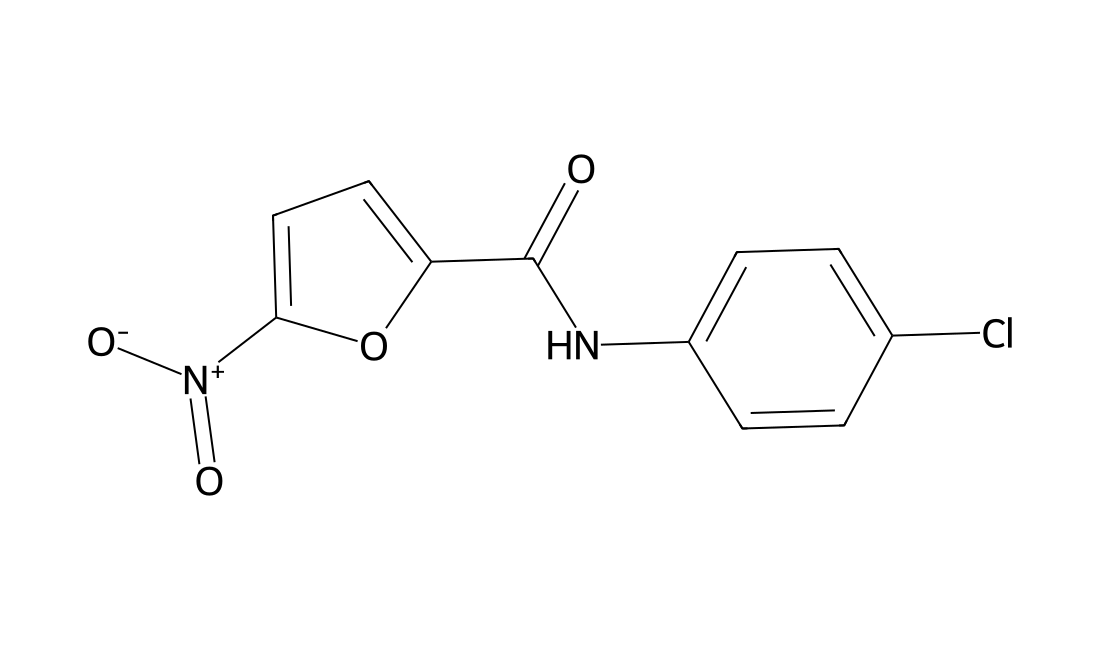
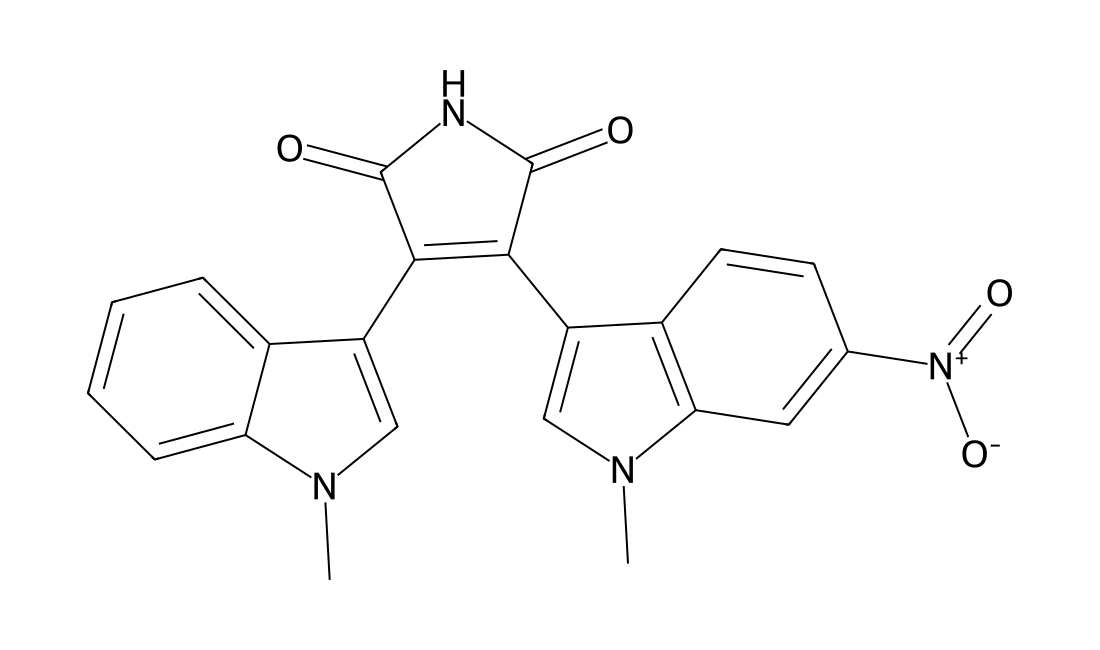
ML-210,the most potent compound in the nitroisoxazole series, is a selective covalent inhibitor of glutathione peroxidase 4 (GPX4) by binding the selenocysteine residue[1]. ML-210 has IC50s of 71 nM, 272 nM and 107nM for BJeLR (HRASV12), BJeH-LT (without HRASV12) and DRD cell lines, respectively[2].

ML-210 chemical structure
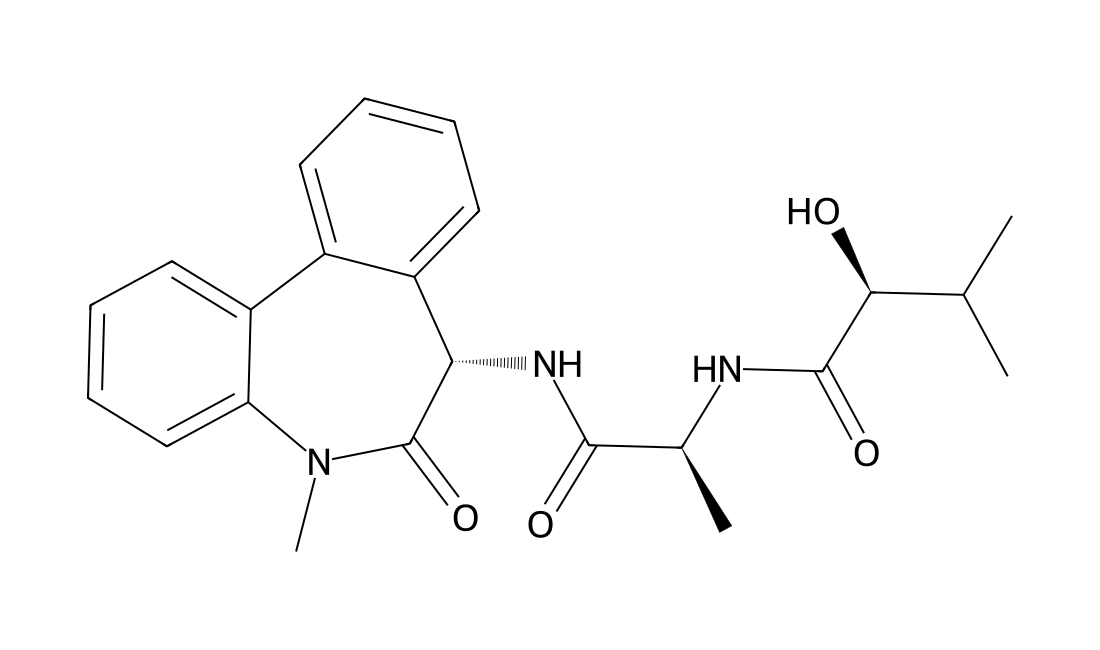
DC10926

LY900009

CAS 209984-68-9

LY900009 (LY-900009) is an orally active small molecule inhibitor of Notch signalling via selective inhibition of the γ-secretase protein, inhibits Notch signalling in tumour cell lines and endothelial cells with IC50 of 0.005-20 nM; dose dependently inhibits Notch cleavage and induced apoptosis 24 h after a single 3 mg/kg oral dose in xenograft tumour models, also demonstrates inhibition of angiogenesis through formation of leaky vasculature.

LY900009 chemical structure
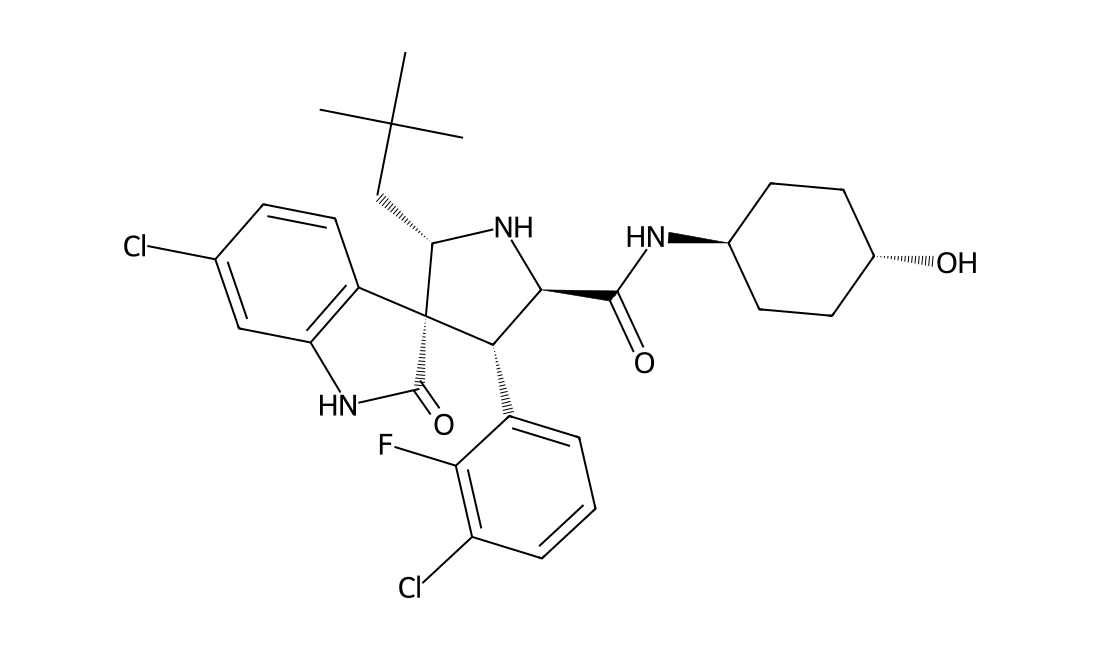
DC8414

MI-77301 (SAR405838)

CAS 1303607-60-4

SAR405838 is a highly potent and selective MDM2 inhibitor, binds to MDM2 with Ki= 0.88 nM and has high specificity over other proteins.IC50 value: 0.88 nM (Ki) [1]Target: MDM2in vitro: SAR405838 potently inhibits cell growth in cancer cell lines, including SJSA-1 (IC50, 0.092 μM), RS4;11 (IC50, 0.089 μM), LNCaP (IC50, 0.27 μM), and HCT-116 (IC50, 0.20 μM) cells, and displays high selectivity over cancer cell lines with mutated or deleted p53, including SAOS-2 (IC50, >10 μM), PC-3 (IC50, >10 μM), SW620 (IC50, >10 μM), and HCT-116 (p53-/-) (IC50, >20 μM) cells.[1] SAR405838 effectively induces apoptosis in the RS4;11 cell line. SAR405838 potently inhibits cell growth and induces dose-dependent apoptosis in the ABTR1 and ABTR2 sublines, albeit with modestly reduced potency compared with that in the control RS4;11 cell line.[2]in vivo: At well-tolerated dose schedules, SAR405838 achieves either durable tumor regression or complete tumor growth inhibition in mouse xenograft models of SJSA-1 osteosarcoma, RS4;11 acute leukemia, LNCaP prostate cancer and HCT-116 colon cancer. Remarkably, a single oral dose of SAR405838 is sufficient to achieve complete tumor regression in the SJSA-1 model. In the SJSA-1 osteosarcoma, acute lymphoblastic leukemia RS4;11, LNCaP prostate cancer, and HCT-116 colon cancer xenograft model, MI-773 (p.o.) effectively inhibits tumor growth in a dose-dependent manner (10 mg/kg, 30 mg/kg, 50 mg/kg, 100 mg/kg, and 200 mg/kg,). [1]

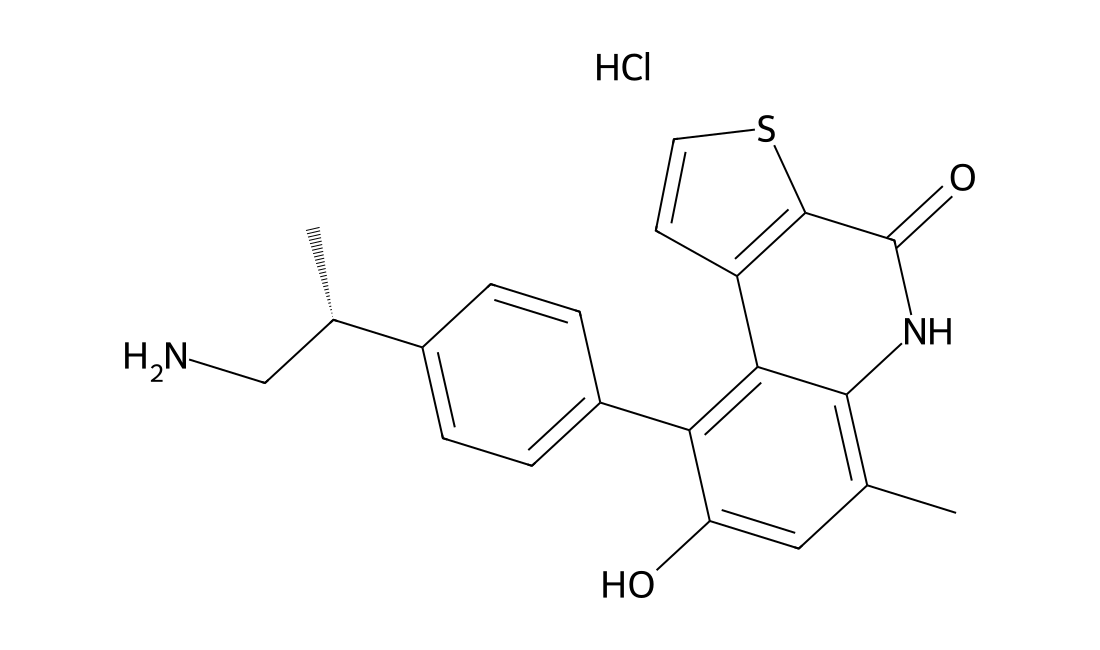
MI-77301 (SAR405838) chemical structure
DC10298

Ubiquitin Isopeptidase Inhibitor I, G5

CAS 108477-18-5

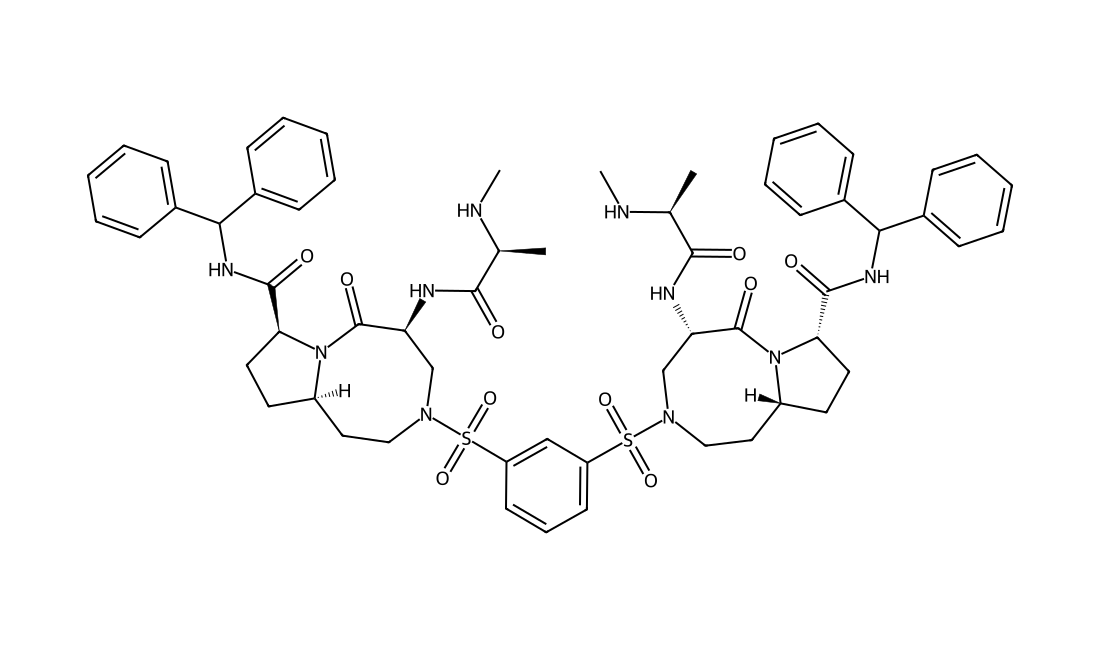
G5 is capable of activating an apoptosome-independent apoptotic pathway. It targets the ubiquitinproteasome system by inhibiting the ubiquitin isopeptidases. G5 induces a rather unique apoptotic pathway, which includes a Bcl-2-dependent but apoptosome-independent mitochondrial pathway with upregulation of the BH3-only protein Noxa, stabilization of the inhibitor of apoptosis antagonist Smac, but also the involvement of the death receptor pathway. G5 is a potent apoptotic inducer showing IC50s of 1.76 and 1.6 μM in E1A and E1A/C9DN cells, respectively.

Ubiquitin Isopeptidase Inhibitor I, G5 chemical structure
DC12279

S55746 hydrochloride (BLC201 (hydrochloride))

CAS 1448525-91-4

In Vitro S55746 hydrochloride is a potent, orally active and selective BCL-2 inhibitor, with Kis and Kds of 1.3 nM, 520 nM and 3.9 nM, 186 nM for BCL-2 and BCL-XL, respectively. S55746 selectively induces cell death. S55746 potently causes RS4;11 cell killing with an IC50 of 71.6 nM after 72 h of treatment, but shows a much weaker activity in H146 (IC50 1.7 μM), a BCL-XL-dependent cell line. S55746 also selectively induces apoptosis through BCL-2 inhibition in a BAX/BAK-dependent manner. S55746 (3 nM) induces cell death in CLL cells. In Vivo S55746 is a highly efficacious and well-tolerated orally active BCL-2 inhibitor. S55746 (25 and 100 mg/kg, p.o.) inhibits xenograft growth in RS4;11 and Toledo models.

S55746 hydrochloride (BLC201 (hydrochloride)) chemical structure
DC21520

P62-mediated mitophagy inducer

CAS 1809031-84-2

P62-mediated mitophagy inducer (PMI) is a small molecule p62-mediated mitophagy inducer that activates mitophagy without recruiting Parkin or collapsing membrane potential and retains activity in cells devoid of a fully functional PINK1/Parkin pathway; induces doubling NQO1 activity at 1 uM, and upregulates Nrf2 and ARE-dependent antioxidant genes; increases the expression and signaling of the autophagic adaptor molecule P62/SQSTM1 and forces mitochondria into autophagy; disrupts the Nrf2-Keap1 interaction.

P62-mediated mitophagy inducer chemical structure
DC10590

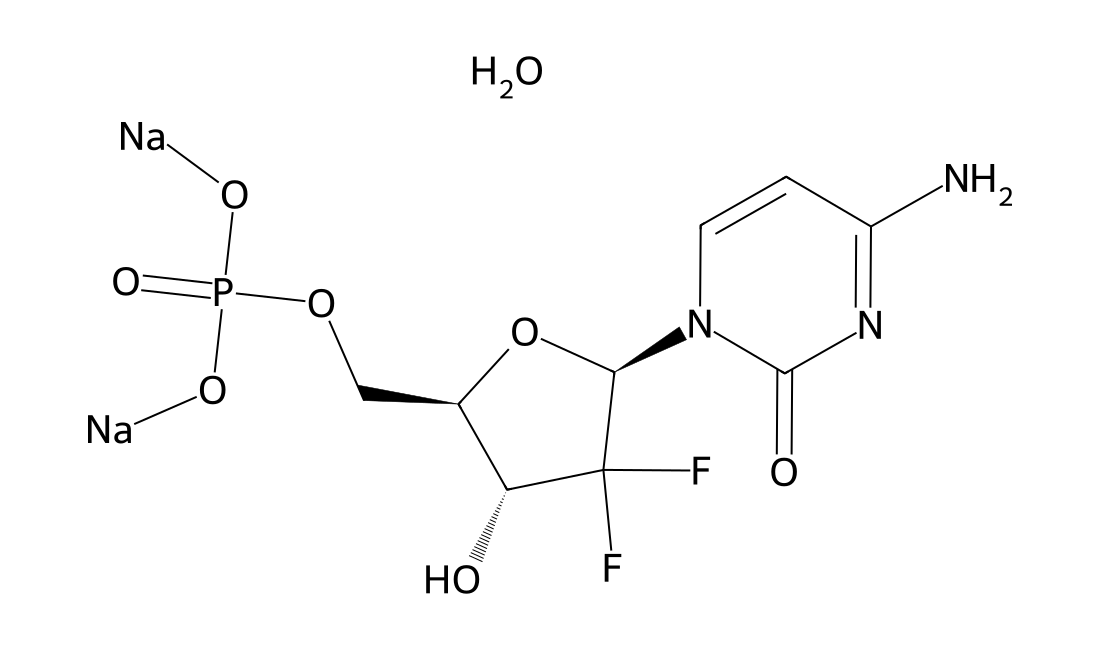
Gemcitabine monophosphate

CAS 1638288-31-9

Gemcitabine monophosphate disodium salt, also called GemMP, is a monophosphate derivative of Gemcitabine. Gemcitabine (Gem) is a deoxycytidine analog that is effective against pancreatic cancer and other malignancies following conversion to the 5'-O-mono-, di- and tri-phosphate forms. GemMP decreased tumor cell growth at concentrations ranging from 1 to 50 nM. GemMP is a potent cytotoxic agent that serves to induce apoptosis in association with increased Fas expression in cultured thyroid cancer cell lines.

Gemcitabine monophosphate chemical structure
DC10419

C 87

CAS 332420-90-3

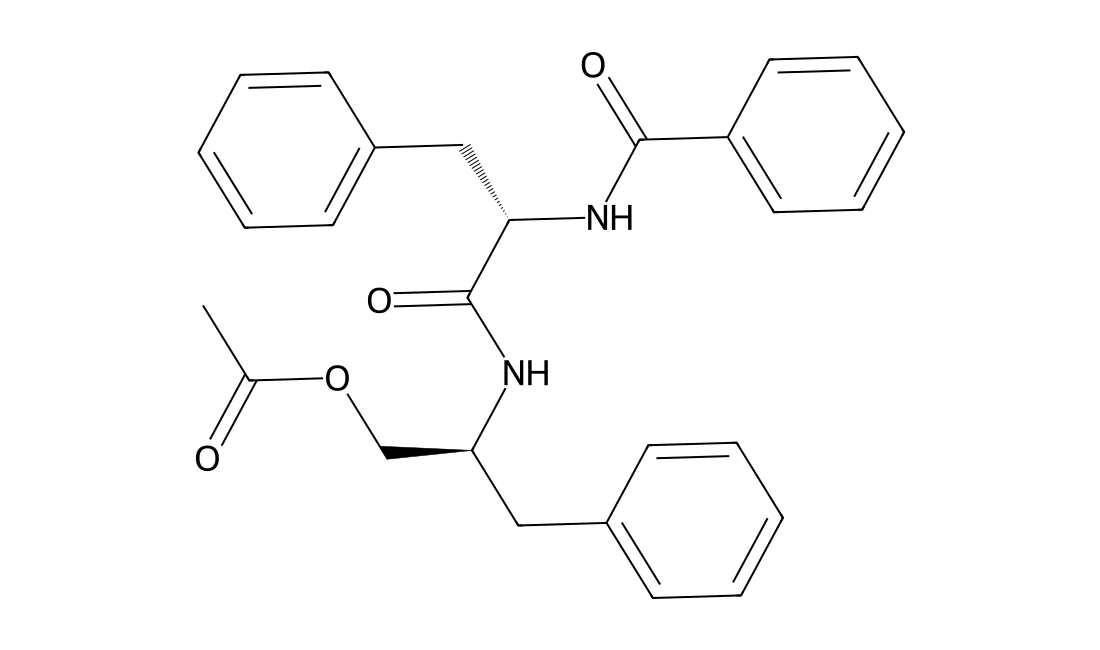
C87 directly binds to TNFα, potently inhibits TNFα-induced cytotoxicity (IC50=8.73 μM) and effectively blocks TNFα-triggered signaling activities. C87 exhibits good solubility and consistent dose-dependent functions in vitro. C87 completely blocks TNFα-induced activation of caspase-3 and caspase-8. The activity of c-Jun N-terminal kinase (JNK) is significantly reduced by C87 in L929 cells. C87 also prevents the degradation of IκBα in cells treated with TNFα. C87 potently blocks multiple signaling transduction pathways and downstream target gene activation triggered by TNFα.C87 attenuates TNFα-induced inflammation, thereby markedly reducing injuries to the liver and improving animal survival. C87 injection delays the incidence of death and increases the survival rate by two folds compared with the vehicle control. The level of alanine transaminase and aspartate transaminase is consistently reduced in mice with C87 treatment.

C 87 chemical structure
DC10200

BMS-214662

CAS 195987-41-8

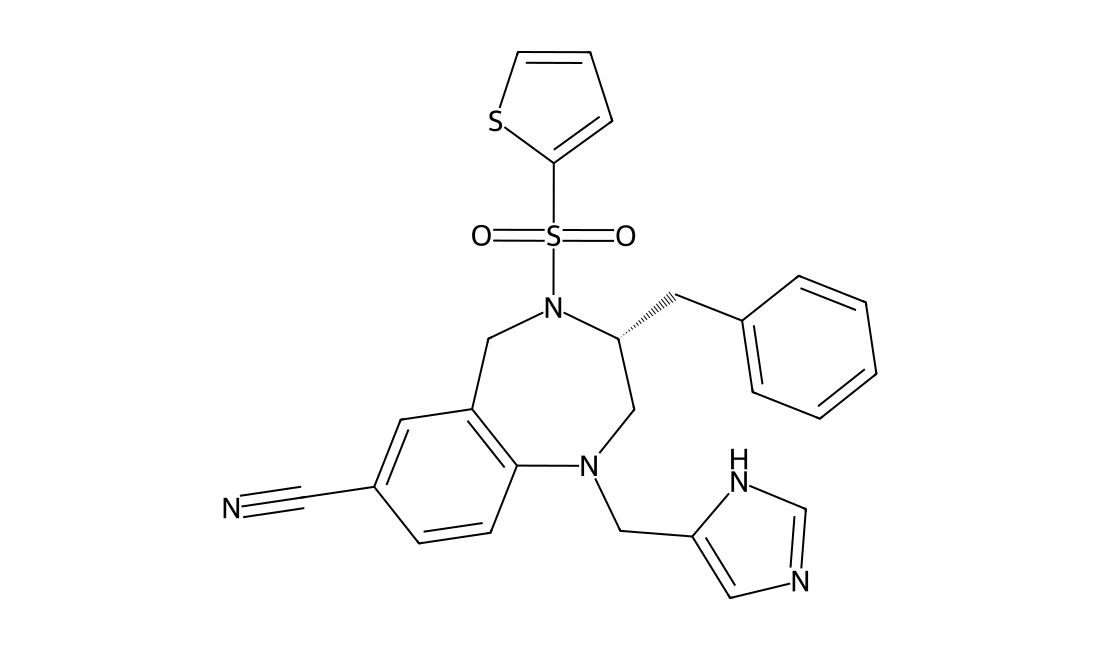
BMS-214662 is over 1000-fold selective for farnesyl transferase, having IC50 values for inhibition of geranylgeranylation of Ras-CVLL and K-Ras of 1.3 and 2.3 μM, respectively. BMS-214662 shows good potency in inhibiting H-ras-transformed rodent cells, A2780 human ovarian carcinoma tumor cells, and HCT-116 human colon carcinoma tumor cells. BMS-214662 is the most potent apoptotic FTI known and demonstrates broad spectrum yet robust cell-selective cytotoxic activity against a panel of cell lines with diverse histology.Tumors from BMS-214662-treated mice have increased numbers of apoptotic cells as compared with the nontreated control mice. The AIs in HCT-116 tumors are increased 4-10-fold in BMS-214662-treated mice as compared with nontreated controls. BMS-214662 is significantly cytotoxic to both HCT-116 and EJ-1 tumor cells; the doses of BMS-214662 required to kill 90% of clonogenic tumor cells are approximately 75 and 100 mg/kg for HCT-116 and EJ-1 tumors.

BMS-214662 chemical structure
DC11359

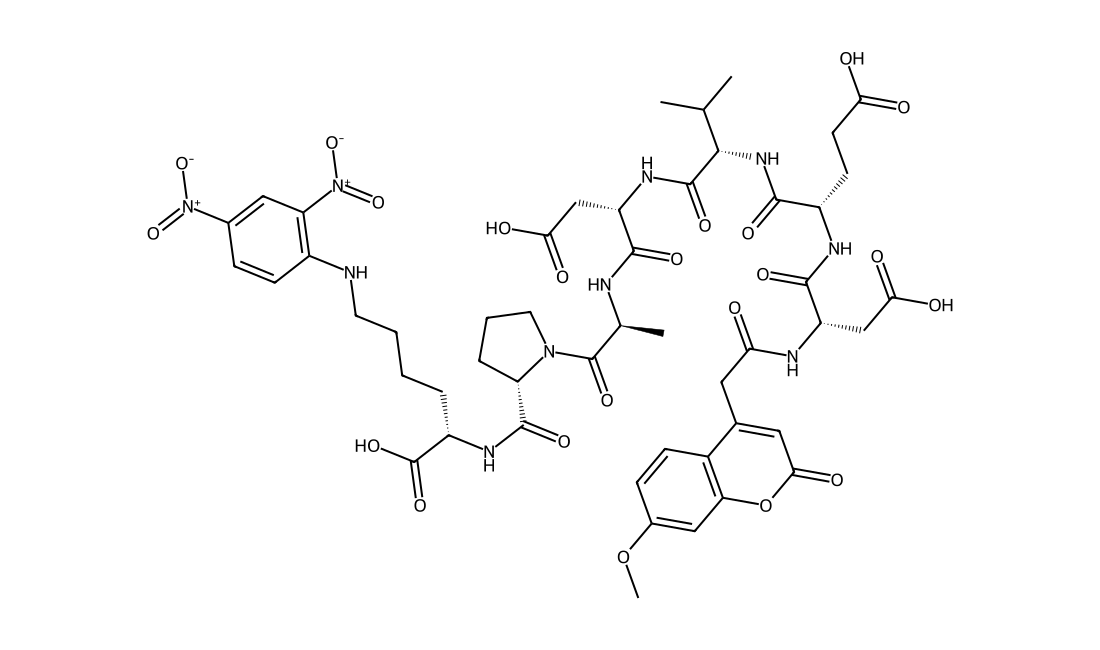
Caspase-3 Substrate

CAS 958001-92-8

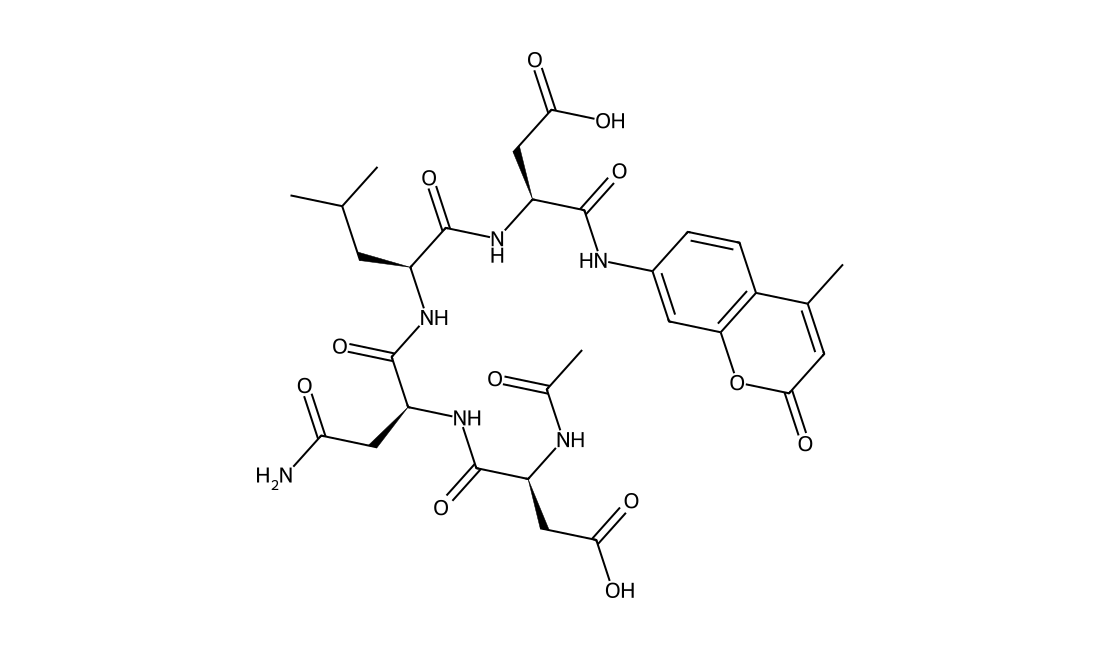
Ac-DNLD-AMC is a fluorogenic caspase-3 substrate.Upon enzymatic cleavage by caspase-3, 7-amino-4-methylcoumarin (AMC) is released and its fluorescence can be used to quantify caspase-3 activity. AMC displays excitation/emission maxima of 340-360 and 440-460 nm, respectively.

Caspase-3 Substrate chemical structure
DC24124

TH-588 hydrochloride

CAS 1640282-30-9

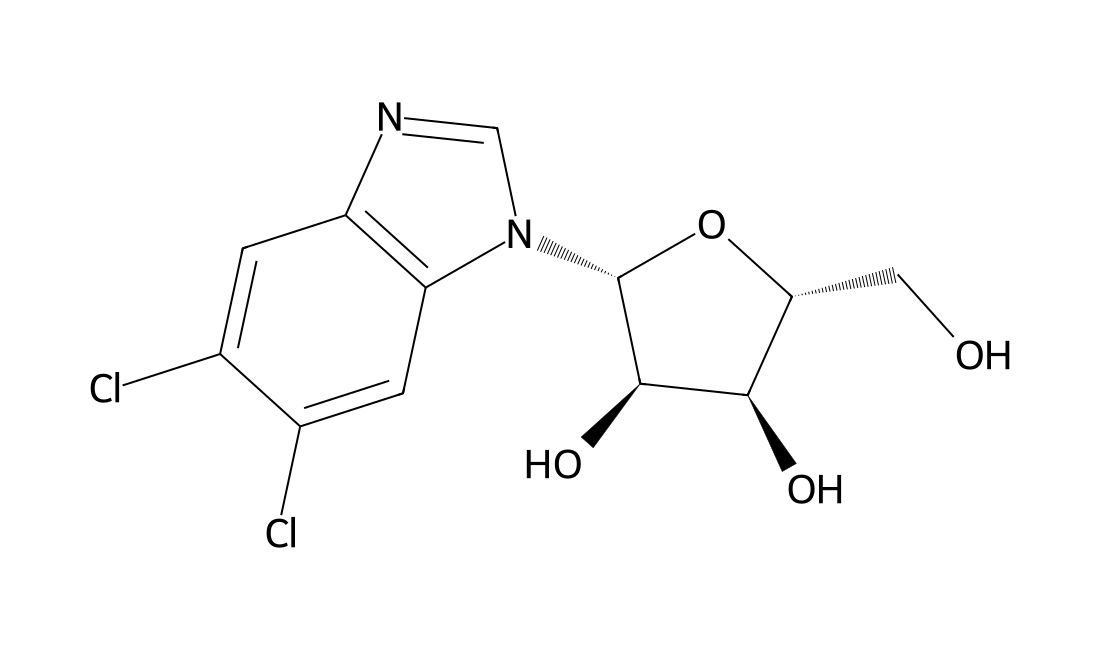
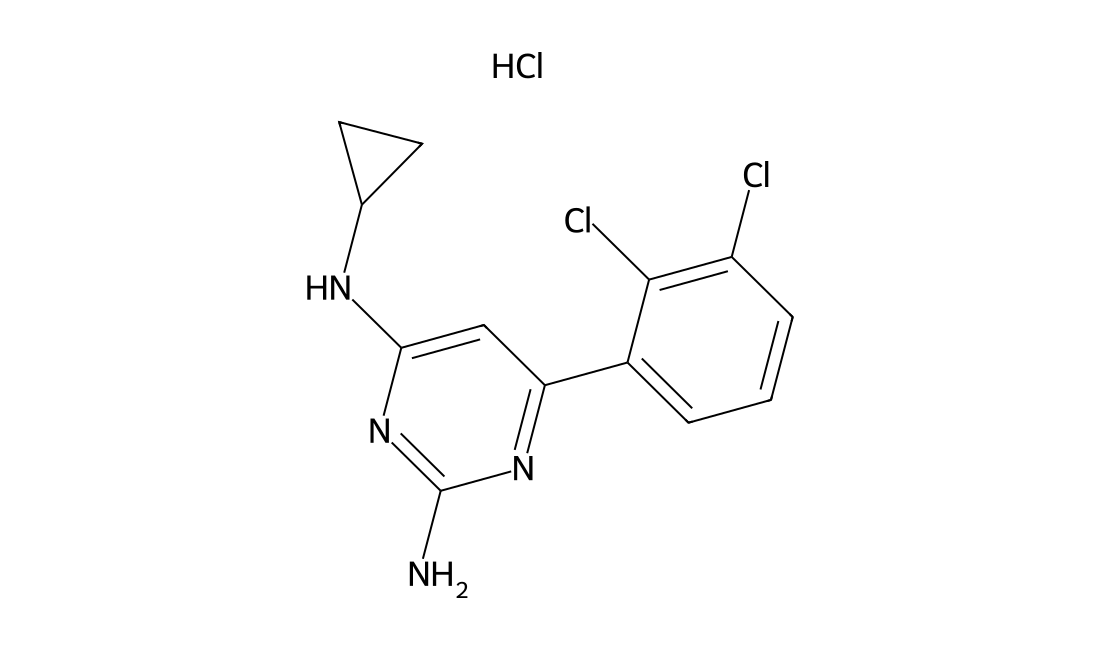
A potent and selective inhibitor of MTH1 protein with IC50 of 5 nM; shows no relevant inhibition for MTH2,NUDT5, NUDT12,NUDT14,NUDT16 and other proteinswith known nucleoside triphosphate pyrophosphatase activity; causees incorporation of oxidized dNTPs in cancer cells, leading to DNA damage, cytotoxicity and therapeutic responses in patient-derived mouse xenografts.

TH-588 hydrochloride chemical structure
Browse target & topic index A–Z (366)
11β-HSD (1)15-PGDH (2)5-HT Receptor (16)Acetyl-CoA Carboxylase (ACC) (3)Acetylcholinesterase (AChE) (2)Ack1 (TNK2) (1)Acyltransferase (1)ADC Cytotoxin (6)ADCs Linker/Click Chemistry (5)Adenosine Receptor (9)Adenylate Cyclase (2)Adrenergic Receptor (11)Akt (12)Alcoholism (2)Aldehyde Dehydrogenase (ALDH) (6)Allergy (5)Alzheimer Disease (13)Aminopeptidase (1)AMPK (8)Amyloids (4)Anaplastic Lymphoma Kinase (ALK) (9)Androgen Receptor (AR) (11)Anemia (4)Angiotensin Receptor (4)Antibody/Protein labeling dyes (1)Antifolate (2)Anxiety (1)Apoptosis Inducer (3)Arginase (1)Arp2/3 complex (1)Aryl hydrocarbon Receptor (AhR) (1)Asthma (5)Atherosclerosis (2)ATM/ATR (8)Aurora Kinase (10)Autophagy (6)Autophagy-related Protein (Atg) (2)Autotaxin (2)Bacterial (26)Bacterial Infection (17)Bcl-2 (14)Bcr-Abl (5)BCRP (1)Beta-catenin (4)Beta-secretase (BACE) (4)Blood Cancer (91)BMI-1 (1)Bone Cancer (6)Brain Cancer (6)Breast Cancer (30)Bromodomain (22)BTK (10)c-Fms (CSF1R) (5)c-Fos/AP-1 (1)c-Kit (6)c-Met (HGFR) (11)c-Myc (2)Calcium Channel (4)Calcium-sensing Receptor (CaSR) (1)CaMK (4)Cannabinoid Receptor (6)Carbonic Anhydrase (1)Carboxypeptidase (1)Casein Kinase (6)Caspase (4)Cathepsin (6)Cdc2-like Kinase (CLK) (1)CETP (2)CFTR (7)Checkpoint Kinase (Chk) (8)Chemokine Receptor (CCR and CXCR) (14)Chemotherapeutic Agents (19)Chloride Channel (1)CMV (2)CMV Infection (2)Colon Cancer (9)Complement System (1)COPD (3)CREB/CBP (2)CRF Receptor (2)CRISPR/Cas9 (1)Cushing Disease (1)Cyclin-dependent Kinase (CDK) (39)Cyclooxygenase (COX) (4)Cytochrome P450 (CYPs) (5)Depression (2)Dermatitis (2)Deubiquitinase (DUB) (7)Diabetes (20)Dipeptidyl Peptidase (DPP) (3)Discoidin Domain Receptor (DDR) (1)DNA Alkylator/Crosslinker (10)DNA Methyltransferase (DNMT) (1)DNA Repair Protein (1)DNA-PK (2)DNA/RNA Synthesis (5)Dopamine beta-hydroxylase (1)Dopamine Receptor (7)Drug Metabolite (1)Drug-Linker Conjugates (11)Dyes (4)DYRK (1)Dyslipidemia (9)E3 Ligase Ligand (6)E3 Ligase Ligand-Linker Conjugate (1)E3 Ubiquitin Ligase (4)Ebola Virus Infection (1)EGFR (32)Elastase (2)Endothelin Receptor (5)Enzymes substrates (13)Epigenetic Reader Domain (3)Epilepsy (4)ERK (4)Estrogen Receptor/ERR (13)Eukaryotic Initiation Factor (eIF) (2)Exportin-1 (CRM1,XPO1) (2)FABP (1)Factor Xa (5)Farnesoid X Receptor (FXR) (5)Farnesyl transferase (FTase) (1)Ferroptosis (6)FGFR (15)Fibrosis (5)FLT3 (6)Focal Adhesion Kinase (FAK) (11)Foxo1 (1)Free Fatty Acid Receptor (FFAR) (5)Fungal (2)Fungal Infection (1)GABA Receptor (13)Galectin (1)Gastric Cancer (8)Ghrelin Receptor (GHSR) (3)Glucagon Receptor (4)Glucokinase (2)Glucose Transporter (GLUT) (2)Glutamate Transporter (2)GPCR (1)GPER (GPR30) (1)GPR139 (1)GPR183 (EBI2) (2)GPR39 (1)GPR55 (1)GPR84 (1)GRK (GPCRK) (2)Growth Hormone Deficiency (2)GSK-3 (8)Guanylate Cyclase (3)HBV (1)HBV Infection (1)HCN Channel (2)HCV (8)HCV Infection (9)HDAC (38)Heart Arrhythmia (2)Heart Failure (5)Heat Shock Protein (HSP) (15)Hedgehog (Hh) (1)HIF/HIF Prolyl-hydroxylase (8)Histamine Receptor (6)Histone Acetyltransferase (HAT) (5)Histone Demethylase (11)Histone Methyltransferase (HMTase) (31)HIV (12)HIV Infection (11)HMG-CoA Reductase (HMGCR) (3)HSV (1)HSV Infection (1)Hypercholesterolemia (1)Hyperparathyroidism (1)Hypertension (8)IAP (1)IGF-1R (3)iGluR (15)Indoleamine 2,3-Dioxygenase (IDO) (4)Infection (1)Influenza (6)Influenza Virus (6)Insulin Receptor (2)Integrin (6)Interleukin Receptor (1)IRAK (2)IRE1 (4)Irritable Bowel Syndrome (2)Ischemia (1)Isocitrate Dehydrogenase (IDH) (5)ITK (1)IκB kinase (IKK) (7)JAK (32)JNK (3)Keap1-Nrf2 (6)Kidney Cancer (10)Kinesin (5)Kruppel-like Factor (KLF) (1)Kynurenine 3-Monooxygenase (KMO) (1)Leukotriene Receptor (1)LIM Kinase (LIMK) (3)Lipids fragment (1)Liver Cancer (6)Liver X Receptor (LXR) (3)LRRK2 (9)Lung Cancer (39)Lysophospholipid Receptor (12)LYTACs (3)mAChR (9)MALT1 (2)MAP4K (1)Matrix Metalloproteinase (MMP) (10)MDM2-p53 (9)MEK (MAP2K) (14)MEKK (MAP3K) (1)Melanocortin Receptor (2)MELK (1)mGluR (7)MicroRNA (1)Microtubule/Tubulin (5)Mineralocorticoid Receptor (MLR) (1)MITF (1)Mixed Lineage Kinase (MLK) (3)MNK (2)Molecular Glues (13)Monoamine Transporter (5)Monocarboxylate Transporter (MCT) (1)Monopolar Spindle 1 (Mps1/TTK) (3)mTOR (13)Multiple Sclerosis (6)Myosin (1)Na-K-Cl Cotransporter (NKCC) (2)nAChR (2)NADPH Oxidase (NOX) (2)NAMPT (3)Natural products (37)Neprilysin (1)Neurokinin Receptor (3)Neuropeptide Y Receptor (3)NF-κB (5)Nitric Oxide Synthase (NOS) (1)NOD-like Receptor (NLR) (3)Notch (2)Nucleoside Antimetabolite/Analog (10)Nur77 (NR4A1) (1)Obesity (1)Oct3/4 (1)Opioid Receptor (5)Orexin Receptor (7)Osteoporosis (2)Ovarian Cancer (14)Oxytocin Receptor (OXTR) (2)P-glycoprotein (P-gp) (3)p21-activated Kinase (PAK) (1)P2X Receptor (2)P2Y Receptor (1)p38 MAPK (10)p97/VCP (1)Pain (12)Pancreatic Cancer (10)Parasite (5)Parasite Infection (2)Parkinson Disease (2)PARP (19)PCSK9 (1)PD-1/PD-L1 (4)PDGFR (4)PDK1 (2)PEGn (1)PERK (2)PGE synthase (2)Phosphodiesterase (PDE) (9)Phospholipase (4)PI3K (32)PI4K (2)Piezo Channel (1)PIKfyve (3)Pim (9)PKC (12)PKD (1)Plasminogen Activator Inhibitor-1 (PAI-1) (3)Polo-like Kinase (PLK) (4)Porcupine (3)Potassium Channel (13)PPAR (13)Pregnane X Receptor (PXR) (1)Progesterone Receptor (2)Prostaglandin Receptor (11)Prostate Cancer (7)PROTACs (35)Protease-activated Receptor (PAR) (3)Proteasome (12)Protein Disulfide Isomerase (PDI) (1)Protein Phosphatase/PTP (6)Proton Pump (1)Psoriasis (5)RAD51 (1)Radioligand precursors (15)Raf (18)RAR/RXR (3)Ras (17)Renin (2)RET Tyrosine Kinase (c-RET) (3)Rheumatoid Arthritis (16)Ribosomal S6 Kinase (RSK) (5)RIG-I-like Receptor (RLR) (2)RIP kinase (7)ROCK (12)ROR (2)RSV (4)RSV Infection (3)RUNX1-CBFβ (1)S-nitrosoglutathione reductase (GSNOR) (1)Saccharides and Glycosides (1)Salt Inducible Kinase (SIK) (2)SARS-CoV (16)SARS-CoV Infection (34)Schizophrenia (4)Sexual Dysfunction (1)SGLT (4)Sigma Receptor (4)Sirtuin (9)Skin Cancer (13)Sleep Disorder (7)SMN2 Modulator (1)Smoothened (Smo) (9)Sodium Channel (12)Solid Tumors (35)Somatostatin Receptor (2)Sphingosine kinase (SphK) (2)Src (7)STAT (5)Stearoyl-CoA Desaturase (SCD) (1)Steatohepatitis (7)Sterol lipids (1)STING (14)Syk (6)T Cell Receptor (TCR) (1)TAK1 (2)TAM Receptor (Tyro3-Axl-Mer) (4)Taste Receptor (1)Telomerase (2)TGF beta Receptor (TGFBR) (12)Thrombin (3)Thrombosis (13)Thyroid Cancer (1)Thyroid Hormone Receptor (THR) (1)Thyrotropin Receptor (2)TNIK (1)Toll-like Receptor (TLR) (2)TOPK (1)Topoisomerase (11)TRAIL (1)Translocator Protein (TSPO) (1)Trk Receptor (4)TRP Channel (13)Tryptophan Hydroxylase (TPH) (1)Ubiquitin-activating Enzyme (E1) (2)Ubiquitin-conjugating Enzyme (E2) (2)Ulcer (1)ULK (3)Vasopressin Receptor (2)VEGFR (25)Vitamin D Receptor (VDR) (3)Wee1 (1)WNK Kinase (1)Wnt (5)Yes-associated Protein (YAP) (4)γ-secretase (5)

Cart

Request quotation