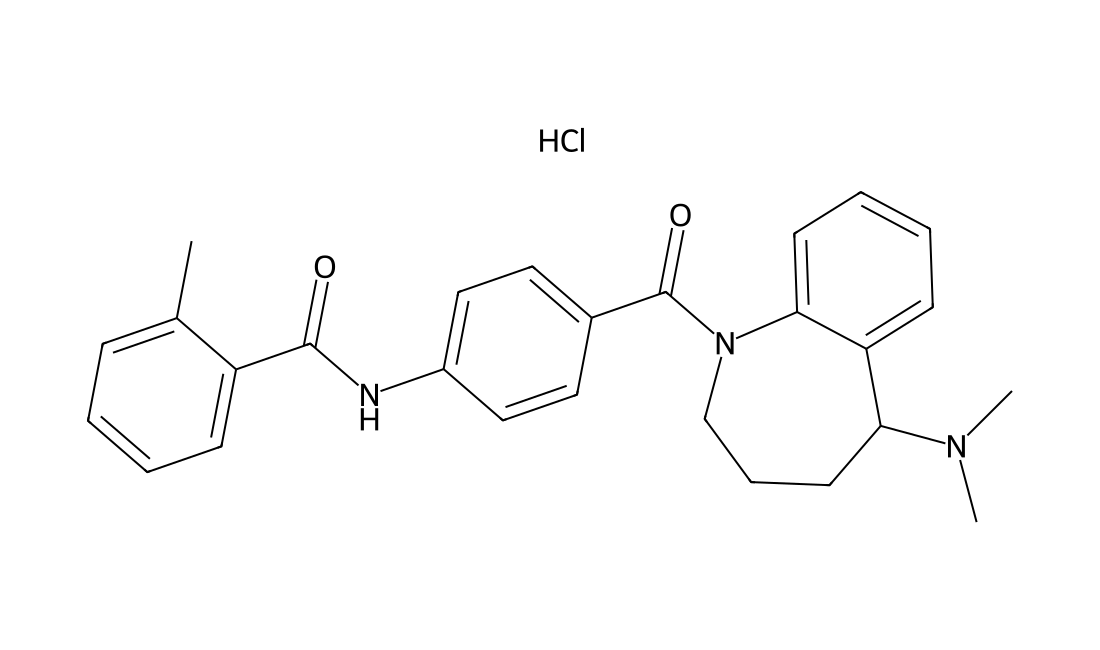
Vuf10497
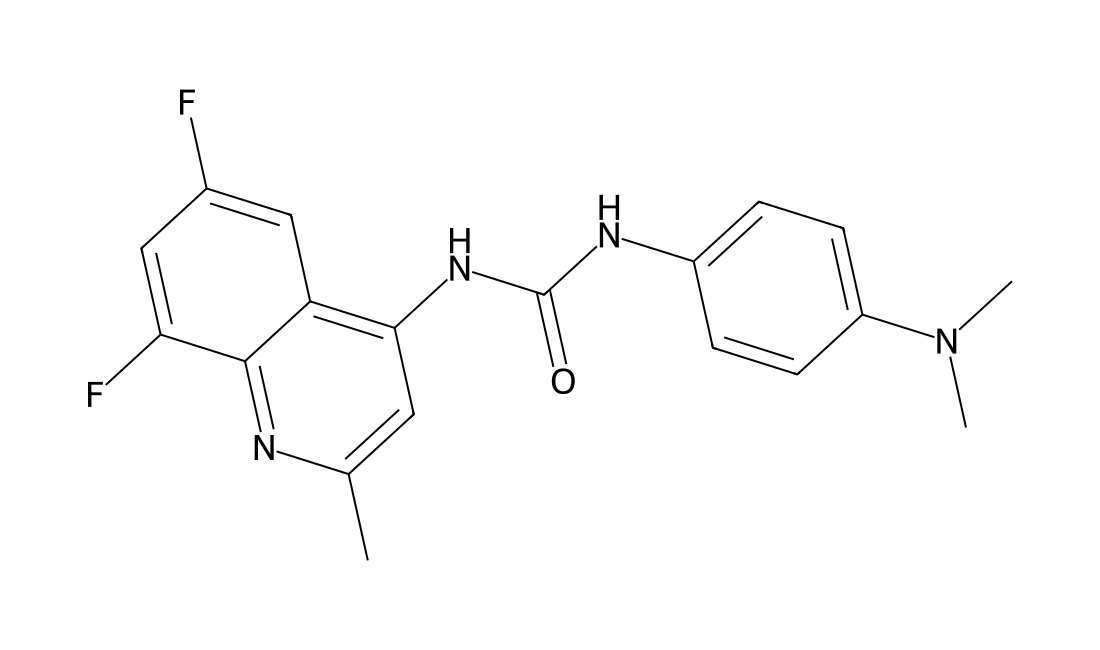
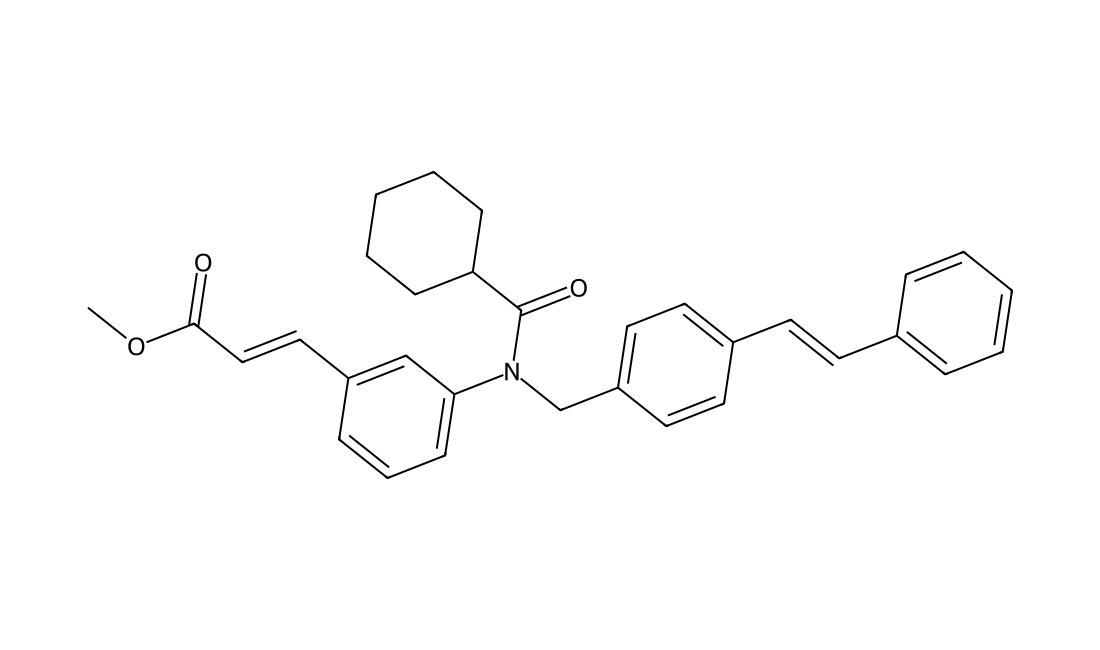
CAS 1080623-12-6
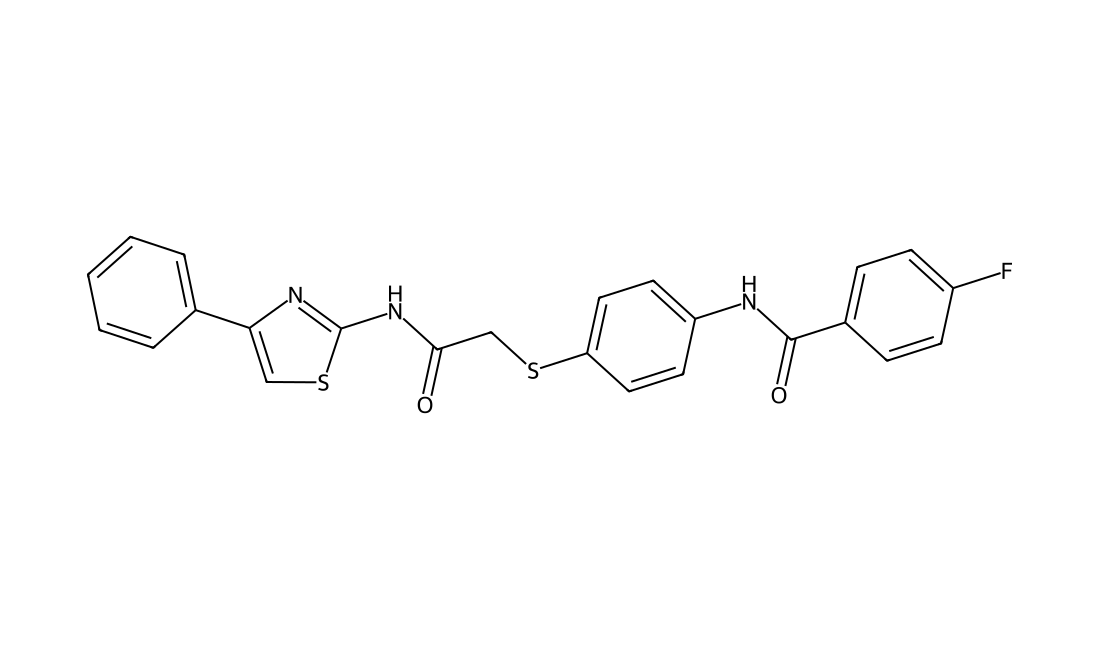
VUF10497 is a potent histamine H4 receptor (H4R) inverse agonist with anti-inflammatory activity.

G-protein-coupled, nuclear and other ligand-binding receptors and their modulators.
Products may appear in more than one category. Counts refer to distinct catalog numbers within each category.
Other Research Tools (75) · Additional reagents, building blocks and specialized research tools.
Combine a keyword, research category and target to narrow the product list.
Loading catalog filters…
CAS 1080623-12-6
VUF10497 is a potent histamine H4 receptor (H4R) inverse agonist with anti-inflammatory activity.
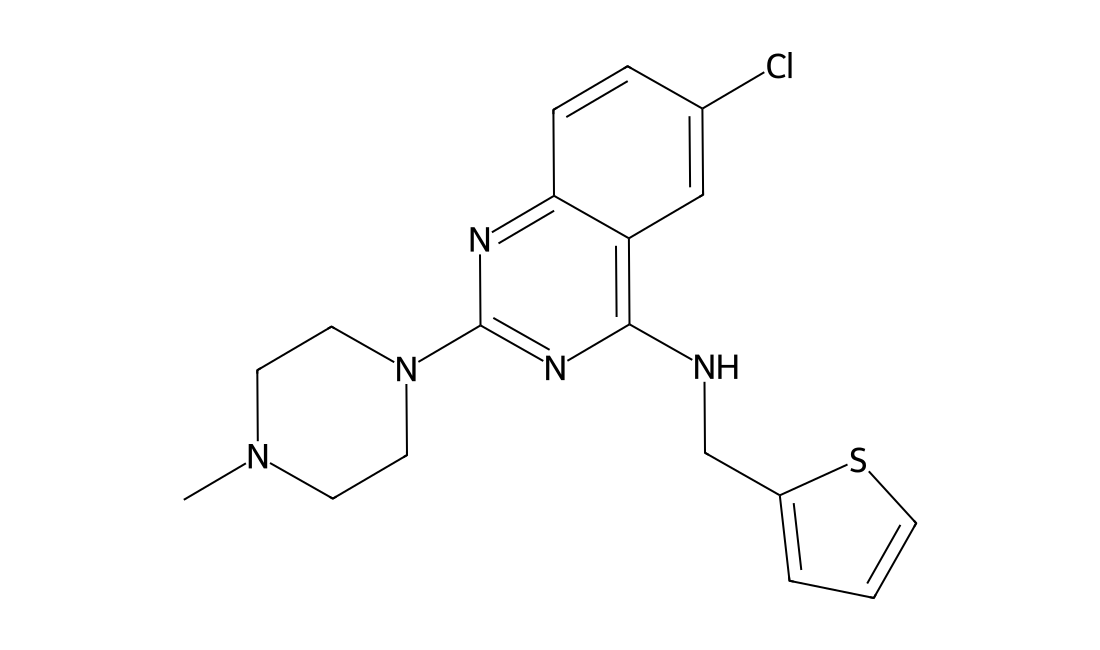
CAS 5322-53-2
Dual dopamine D2 and muscarinic M1 receptor ligand with putative antipsychotic and pro-cognitive potential
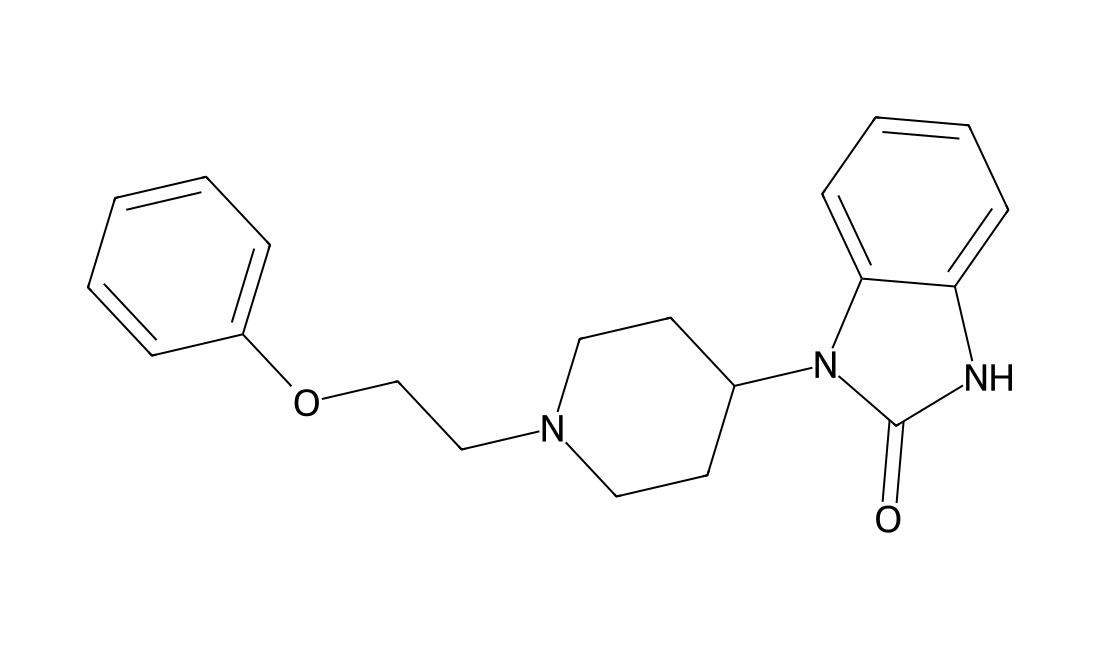
CAS 228707-95-7
Nurr1 agonist 7 (compound 110) is a Nurr1 agonist with an EC50 value of 0.12 μM.
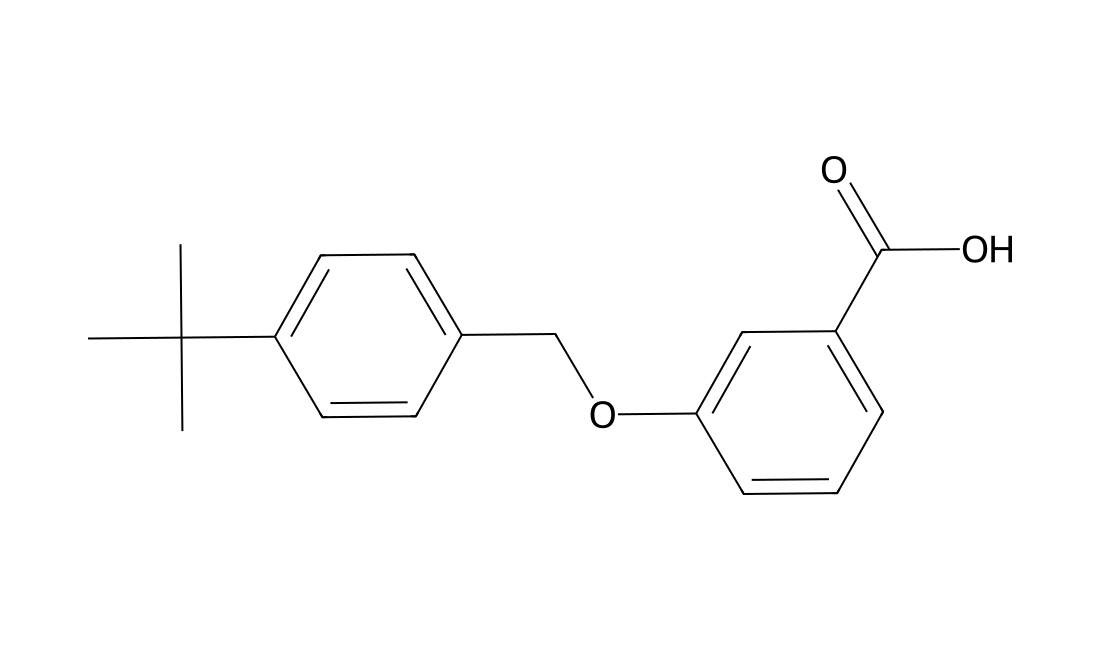
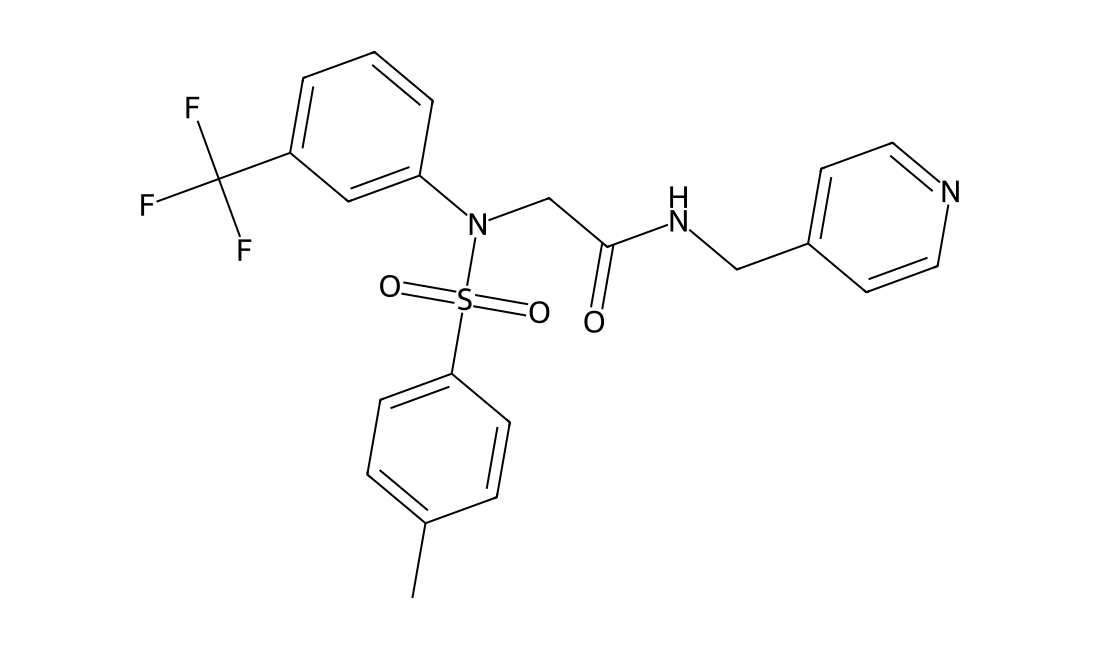
CAS 101491-79-6
mAChR antagonist 1 (compound 4a) is a mAChR antagonist with Ki values of 255 nM, 121 nM, 158 nM, and 255 nM for M1, M3, M4, and M5 subtype, respectively.
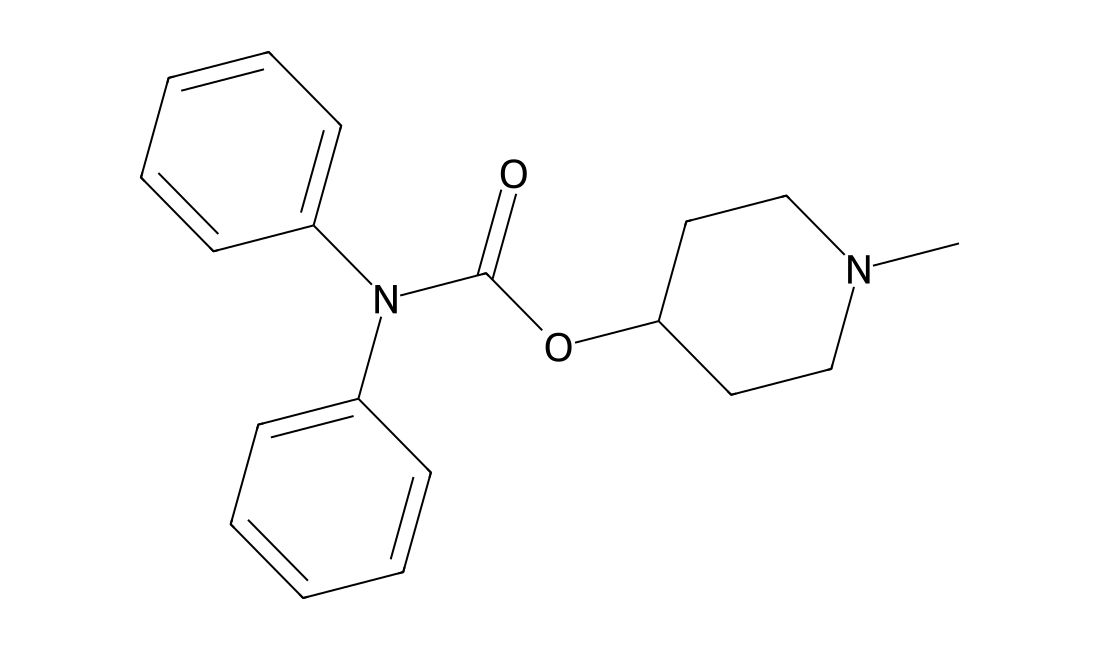
CAS 2373280-36-3
HDL-16 is a potent P2Y14R antagonist with an IC50 of 0.3095 nM. HDL-16 ameliorates DSS (HY-116282C)-induced colitis through suppressing necroptosis of intestinal epithelium cells (IECs) and protecting mucosal barrier function.
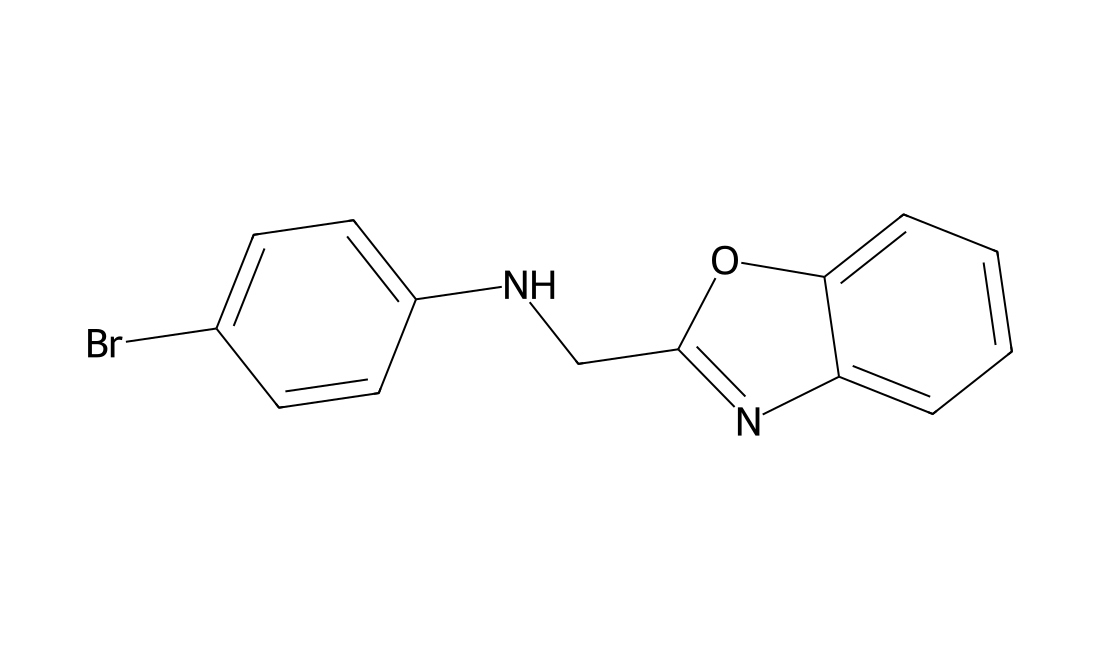
CAS 2055601-42-6
P2X4 antagonist-1 (Compound 24) is an antagonist for P2X4 with IC50 of 15 nM.
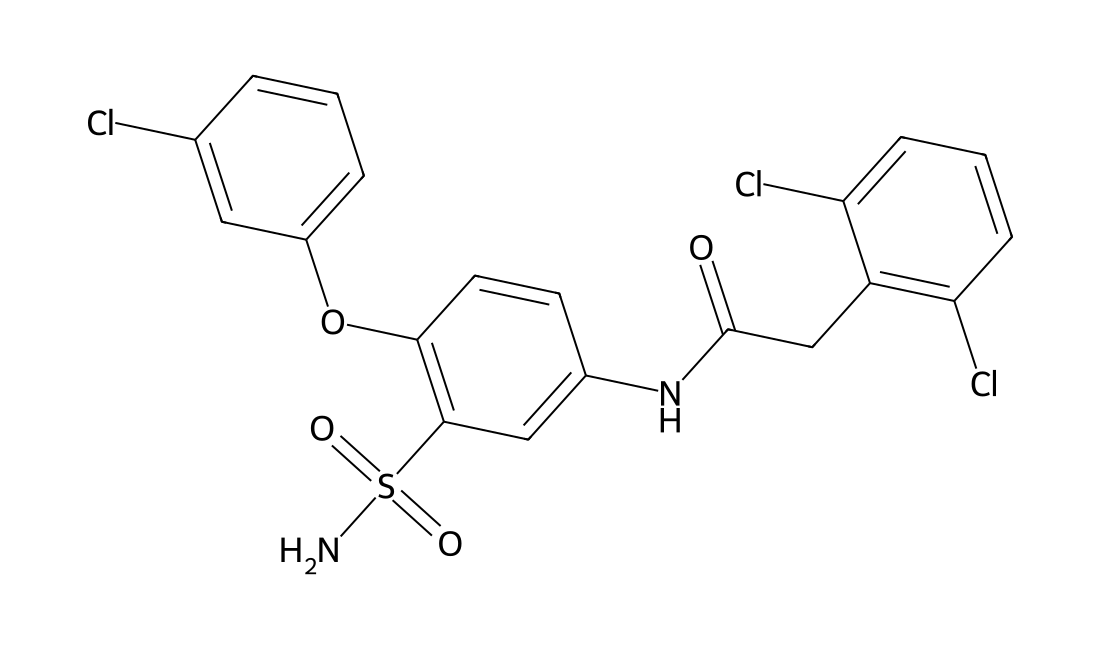
CAS 1454288-88-0
Rovazolac is a liver x receptor (LXR) modulator extracted from patent WO2013130892A1.
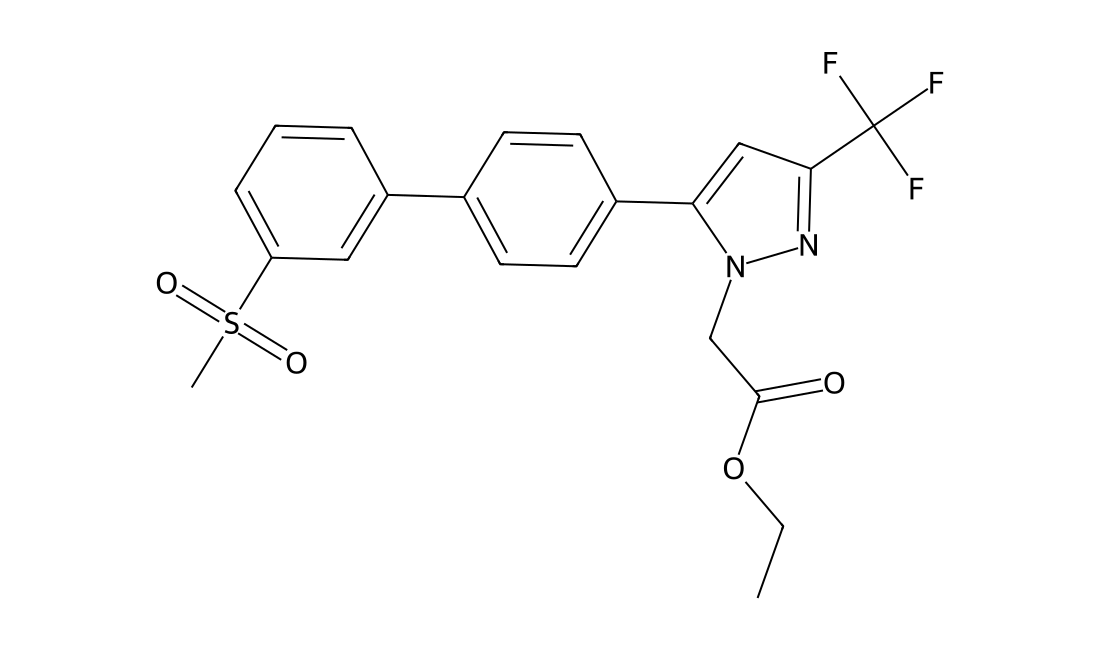
CAS 1363281-27-9
A potent, selective, CNS penetrant and orally bioavailable mGlu5 positive allosteric modulator that potentiates human mGlu5 with EC50 of 260 nM.
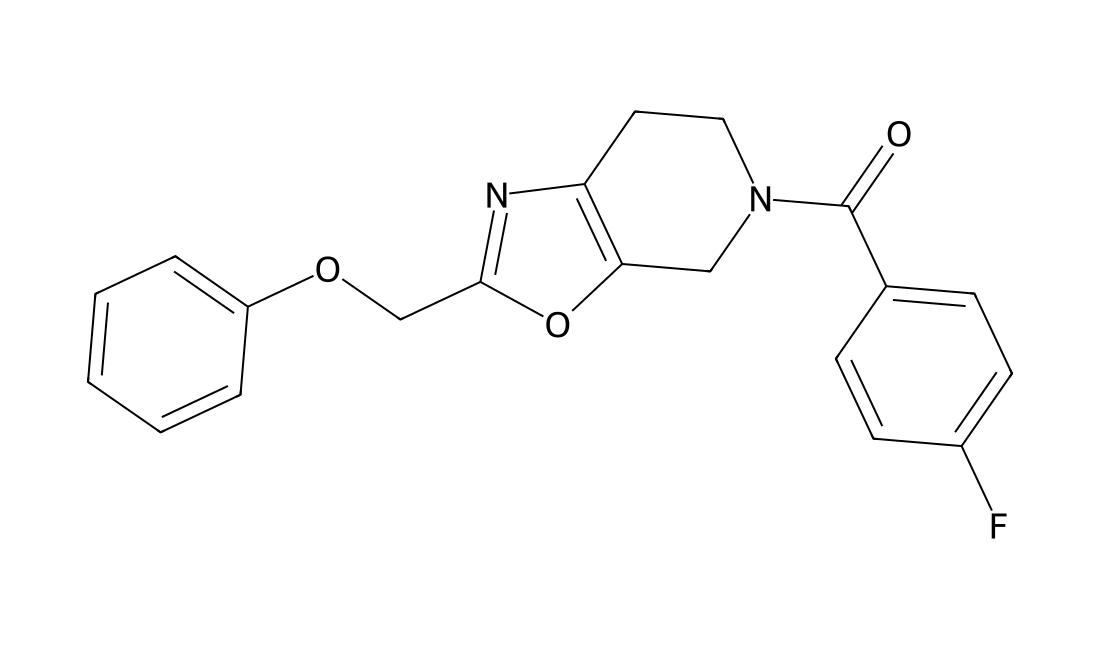
CAS 32828-81-2
Picotamide is a combined inhibitor of thromboxane A2 (TxA2) synthase and receptor. Picotamide has antiplatelet activity. Picotamide promotes the reduction of microalbuminuria and the inhibition of growth of carotid plaques in diabetes. Picotamide can be used for researching acute or chronic cardiovascular diseases.
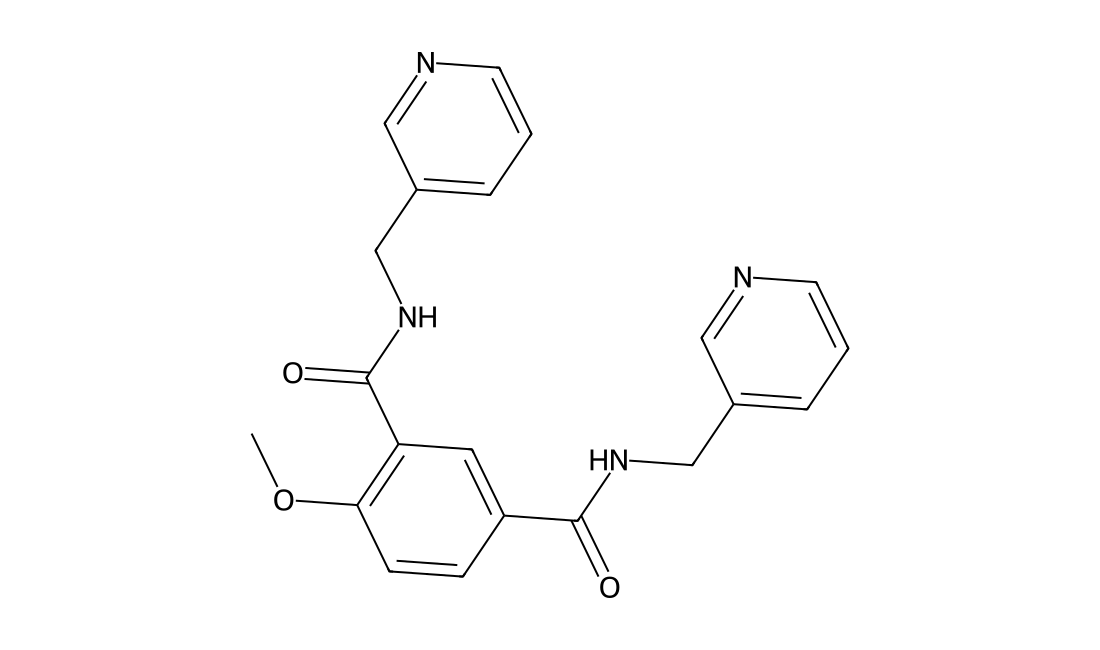
CAS 1246525-60-9
SR1078 is an agonist of retinoic acid receptor-related orphan receptors (ROR) RORα/γ.
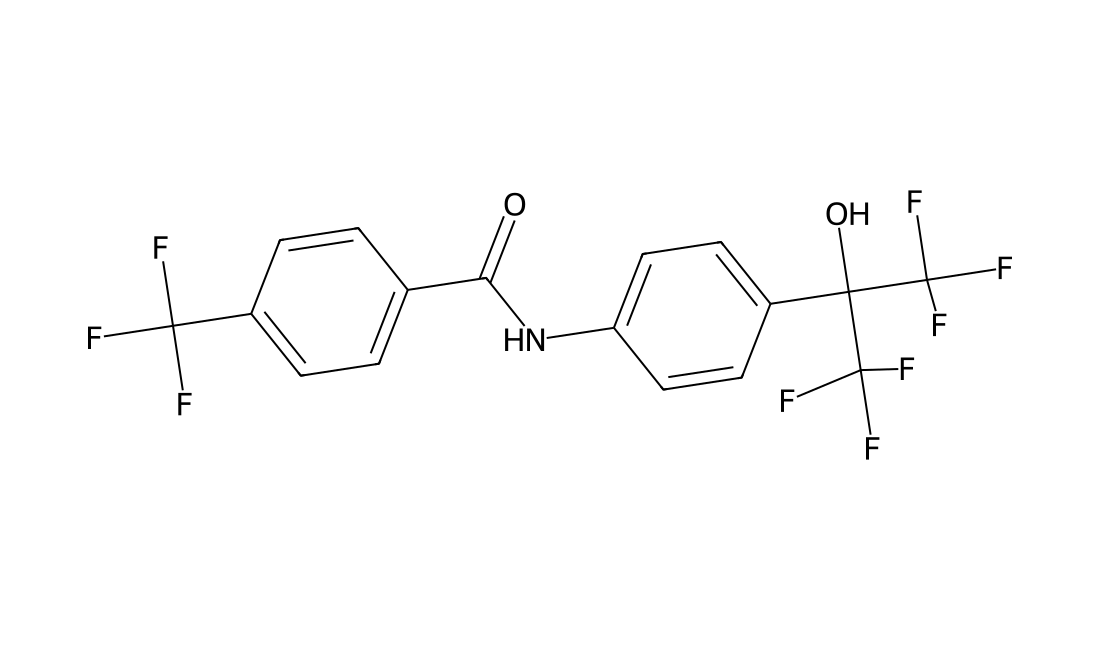
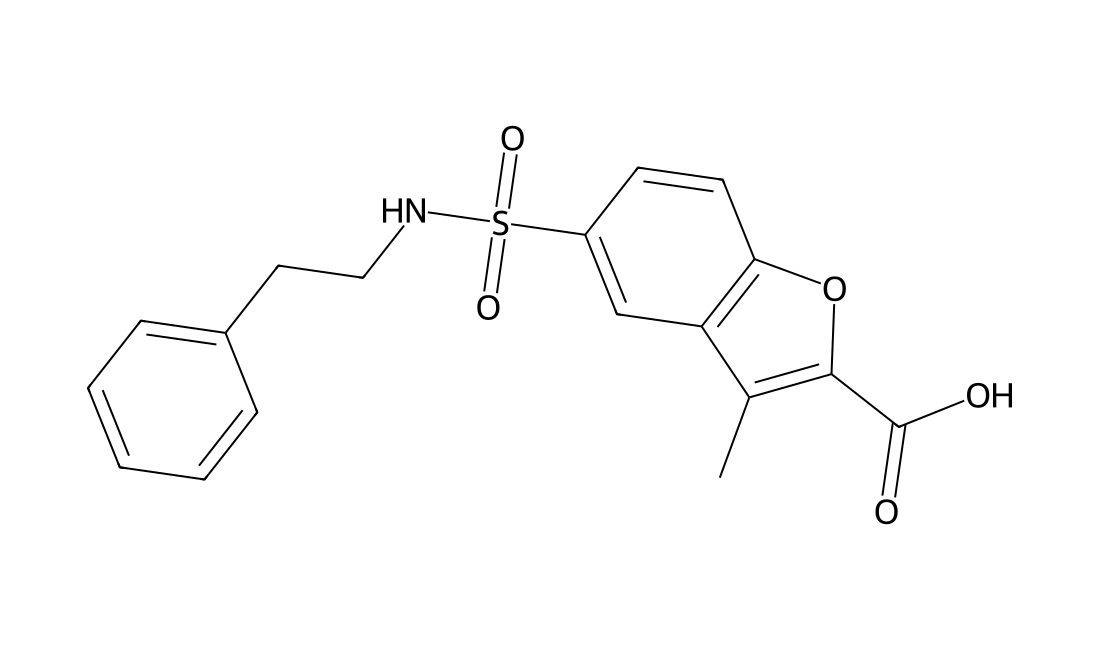
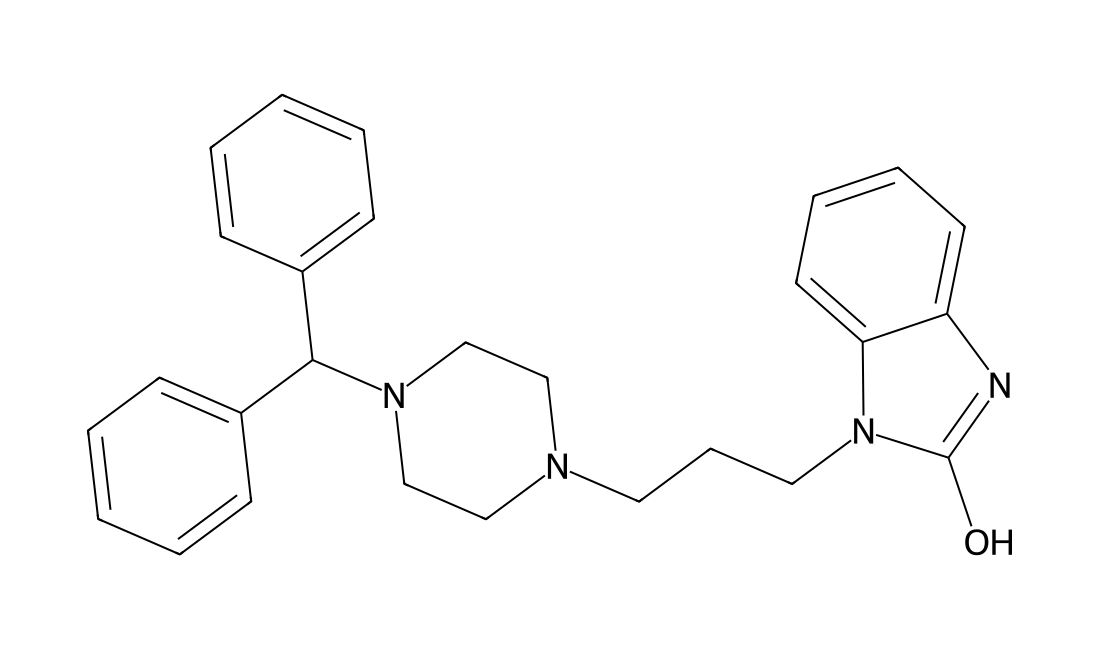
CAS 60607-34-3
Oxatomide is a potent and orally active dual H1-histamine receptor and P2X7 receptor antagonist with antihistamine and anti-allergic activity. Oxatomide almost completely blocks the ATP-induced current in human P2X7 receptors (IC50 of 0.95 μM). Oxatomide inhibits ATP-induced Ca2+ influx with an IC50 value of 0.43 μM and also inhibits serotonin.
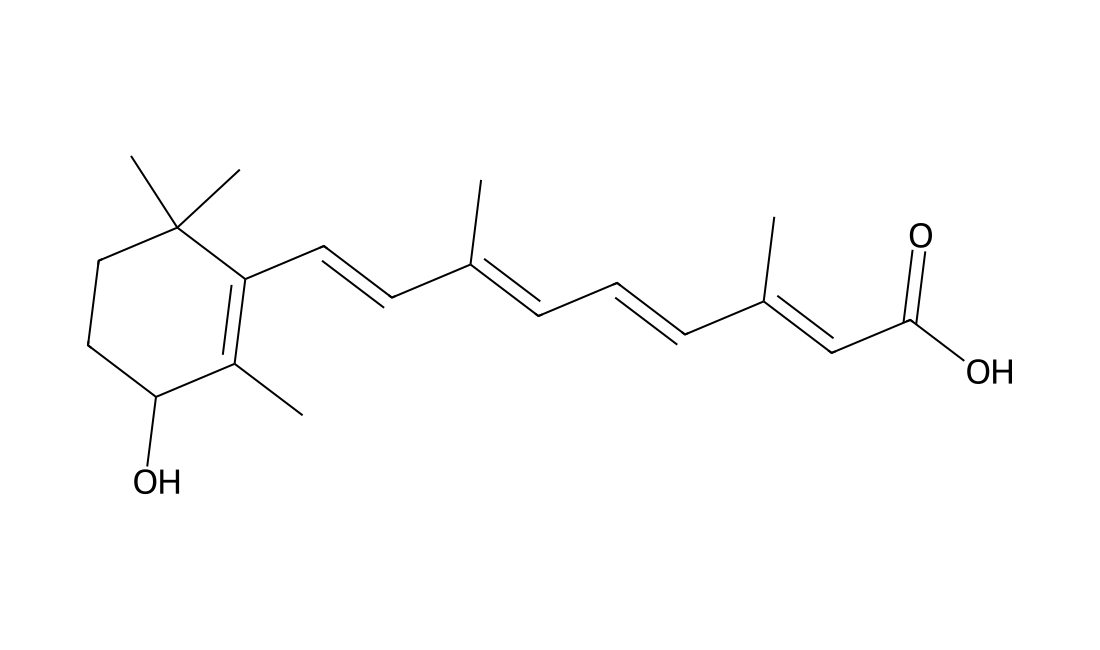
CAS 66592-72-1
4-Hydroxyretinoic acid (4-HRA) is a naturally occurring retinoid derivative with diverse biological effects. 4-Hydroxyretinoic acid is formed from retinol catalyzed by cytochrome P-450 isozyme(s), and is mainly metabolized by the liver in the body. 4-Hydroxyretinoic acid also serves as the substrate for human liver microsomal UDP-glucuronosyltransferase(s) and recombinant UGT2B7. 4-Hydroxyretinoic acid regulates gene expression and cell differentiation via binding to nuclear receptor RAR (Retinoic Acid Receptor), and activates RARs and RXR-alpha, to induce cancer cell apoptosis. In addition, 4-Hydroxyretinoic acid is also involved in various physiological processes such as immune regulation, neuroprotection, and anti-oxidation.
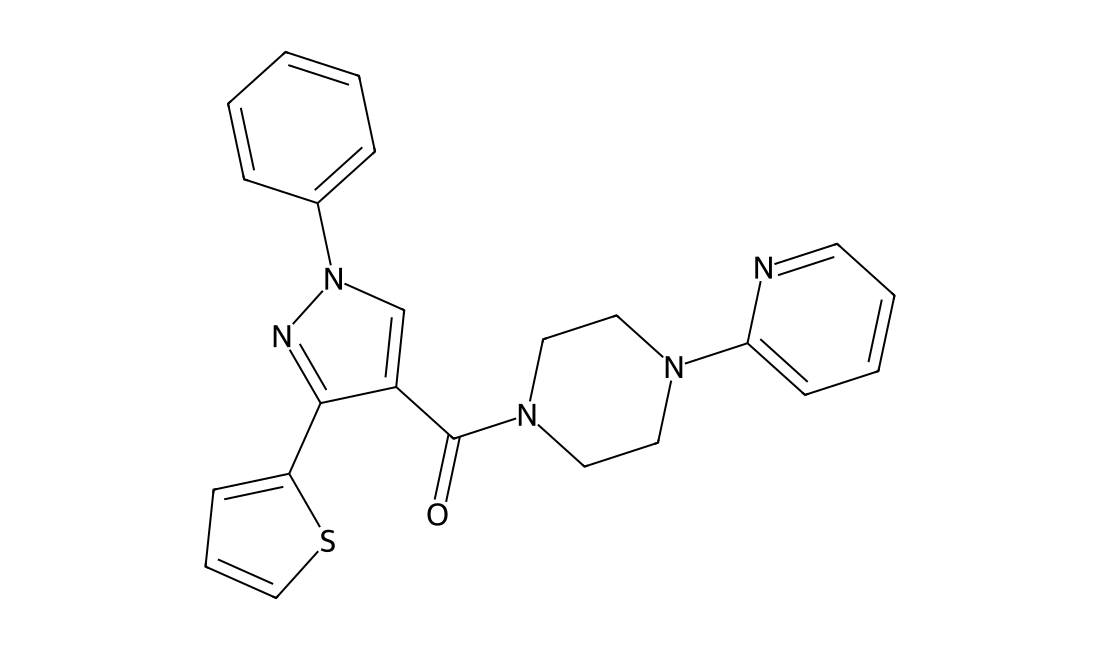
CAS 105565-56-8
BMY 14802 is a sigma-1 receptor (σ1R) antagonist, as well as an agonist at serotonin (5-HT) 1A and adrenergic alpha-1 receptors. BMY 14802 inhibits abnormal involuntary movement (AIM) in rat Parkinson's disease (PD) model, with down-regulating the expression of AIM.
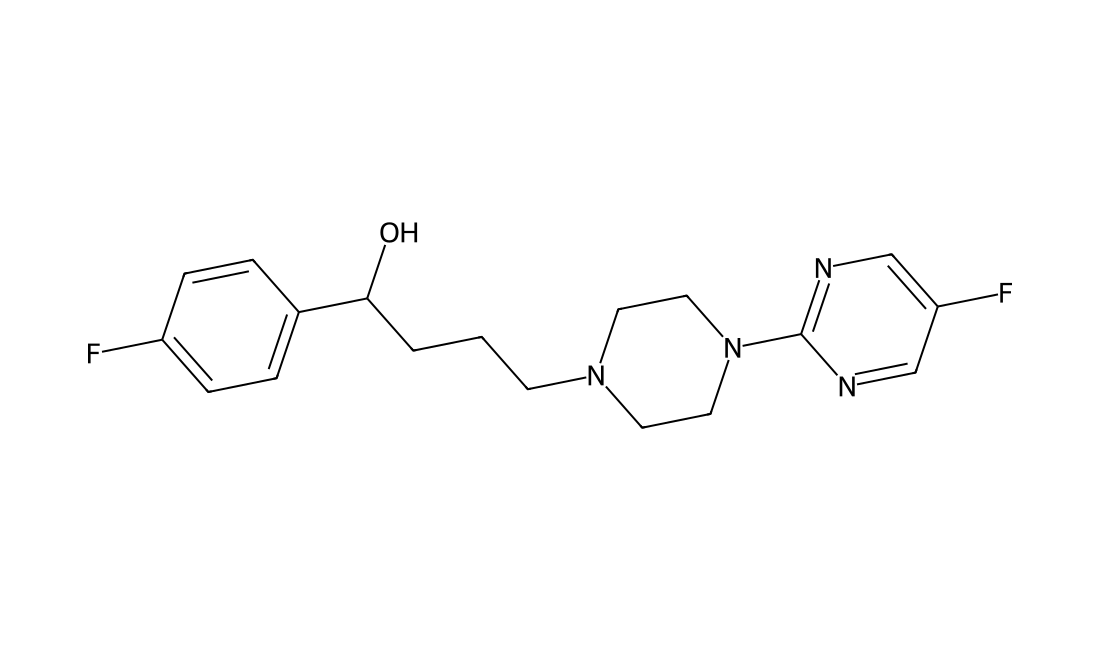
CAS 785705-53-5
M4 mAChR agonist-1 (compound 10a) is an M4 mAChR agonist with an EC50 >10 μM for human M4.
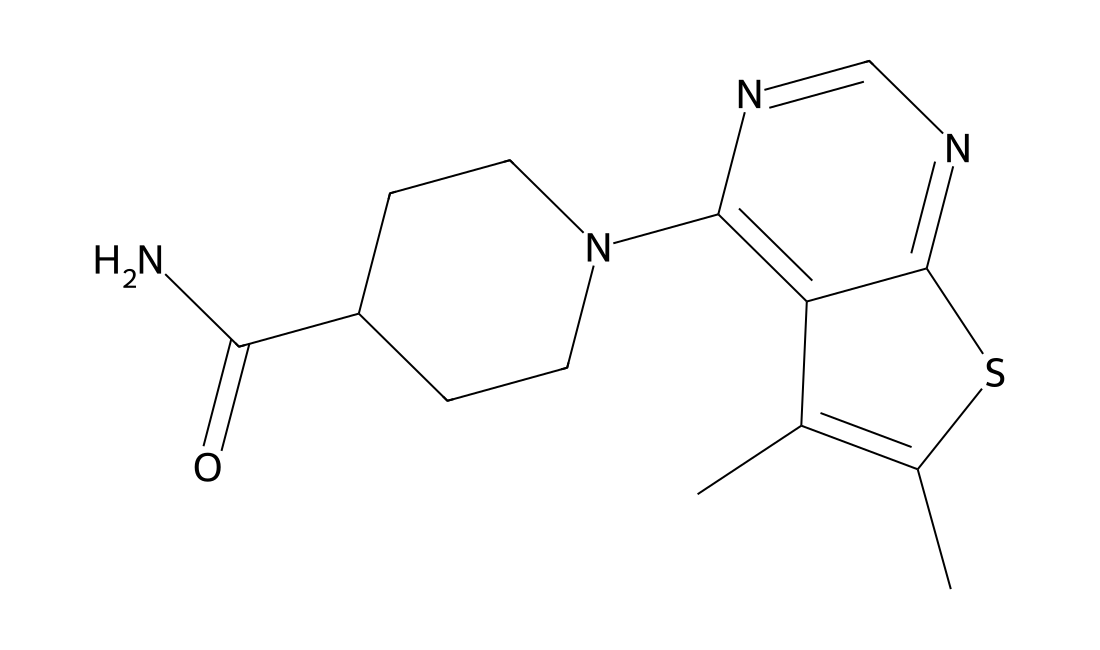
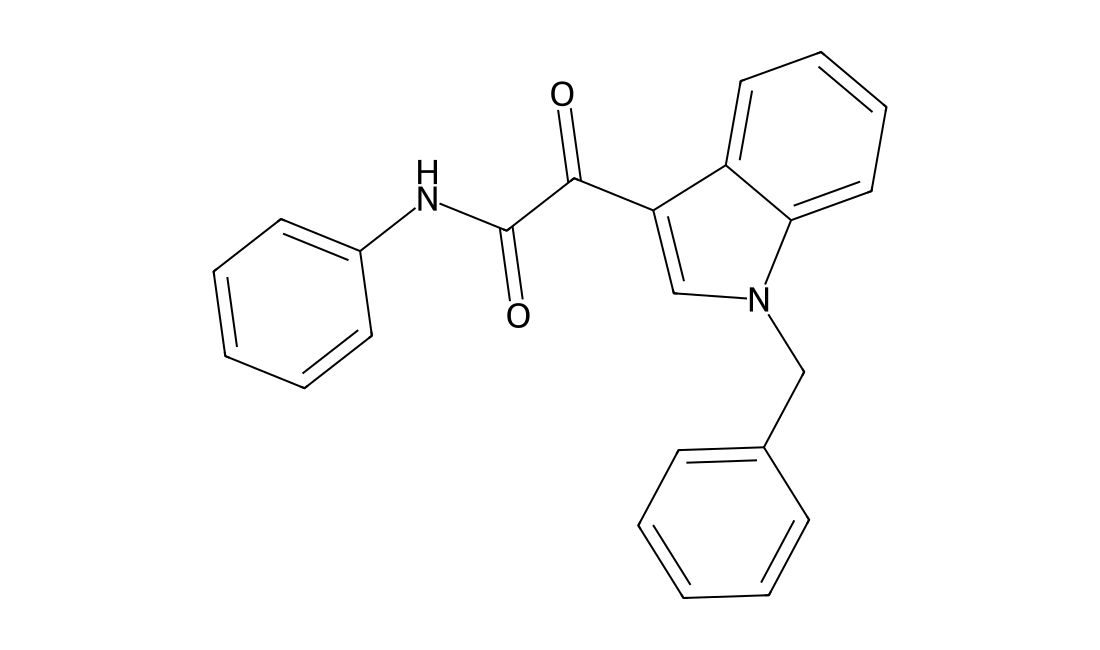
TG8-69 is a peripherally restricted, highly potent, selective, aqueous-soluble EP2 antagonist with Kb of 48.5 nM.
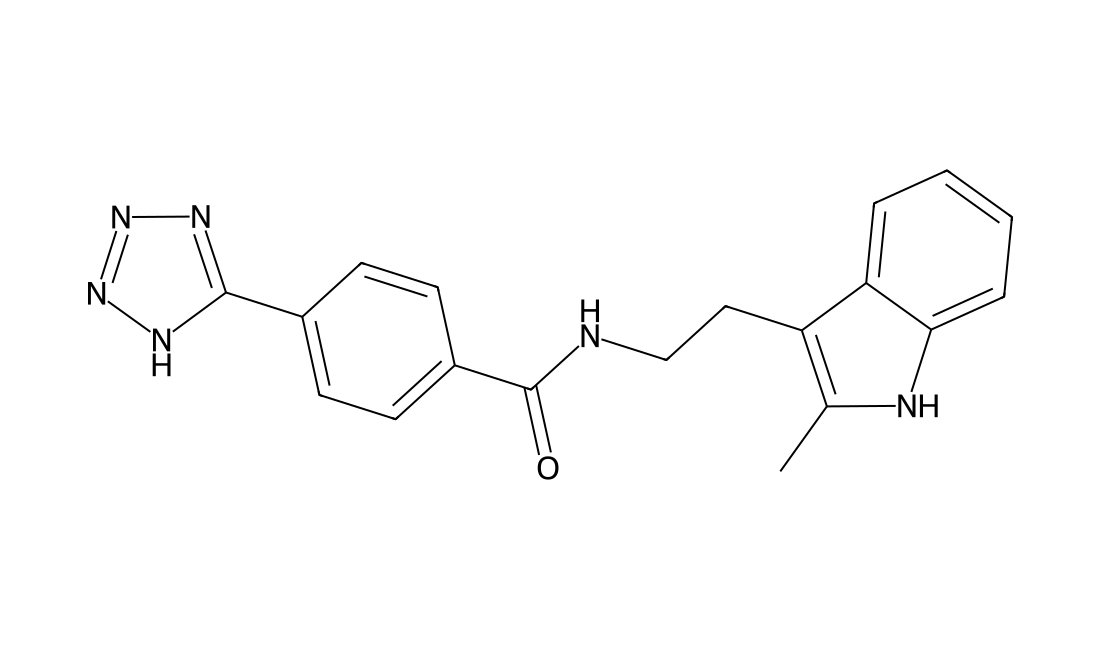
CAS 897109-93-2
F7H is a Frizzled receptor FZD7 antagonist (IC50: 1.25 μM). Frizzled receptors (FZDs) influence Wnt signaling, mediating embryonic development and tissue homeostasis. F7H is a potent ligand for the FZD7 transmembrane domain (TMD).
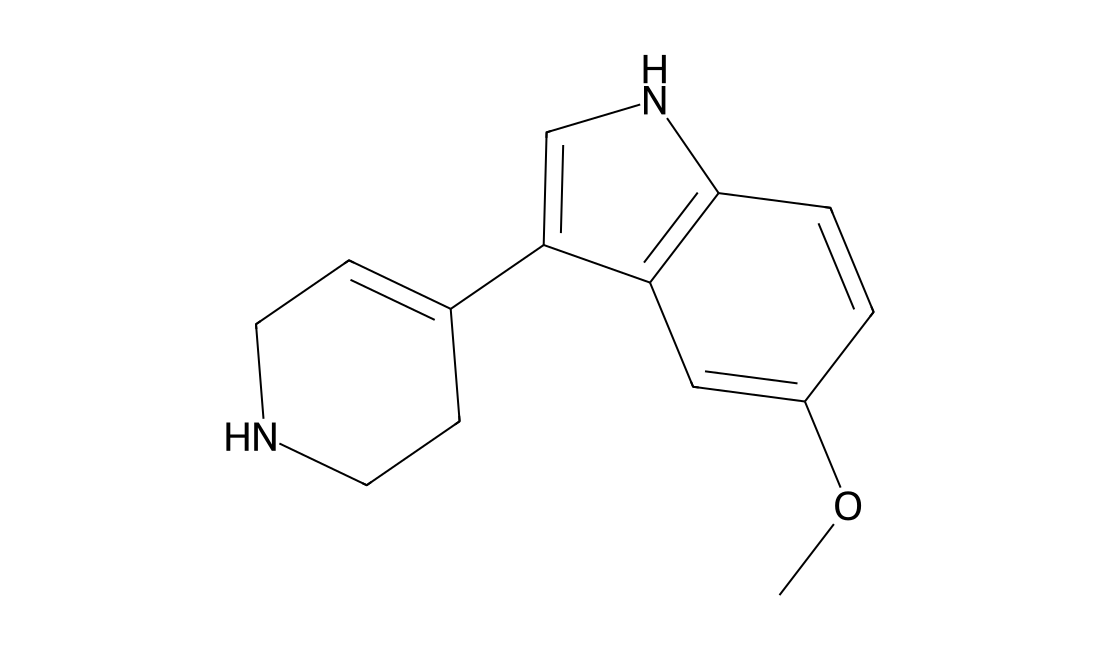
CAS 66611-26-5
A potent, selective agonist of 5-HT1A and 5-HT1B receptors, with preference for 5-HT1B.
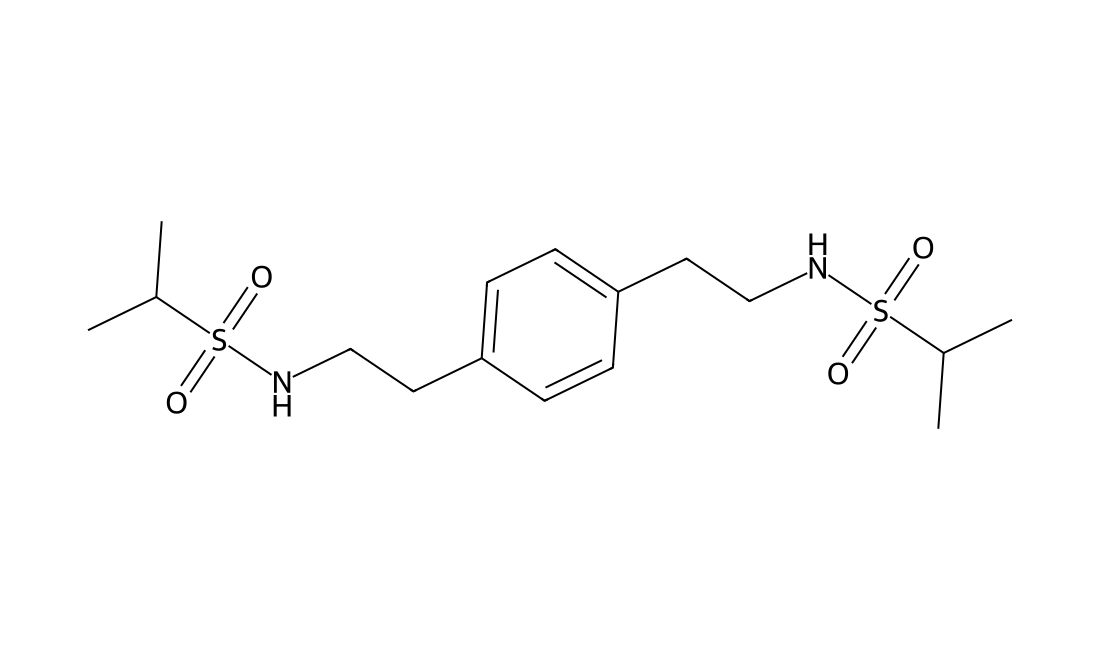
CAS 380607-77-2
CMPDA is a potent positive allosteric modulator of GluR2 receptors with EC50 of 45.4 and 63.4 nM at GluR2i and GluR2o respectively, in a calcium influx screening assays.
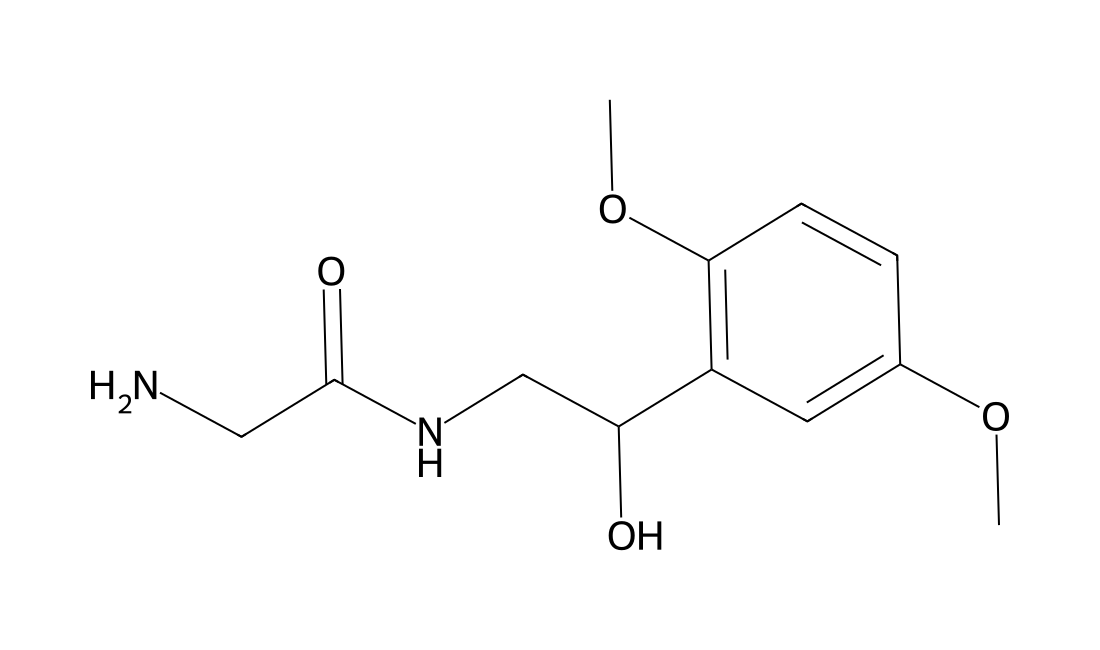
CAS 42794-76-3
Midodrine is a selective α1-adrenoceptor agonist that acts as a vasopressor/antihypotensive agent for the treatment of dysautonomia and orthostatic hypotension.
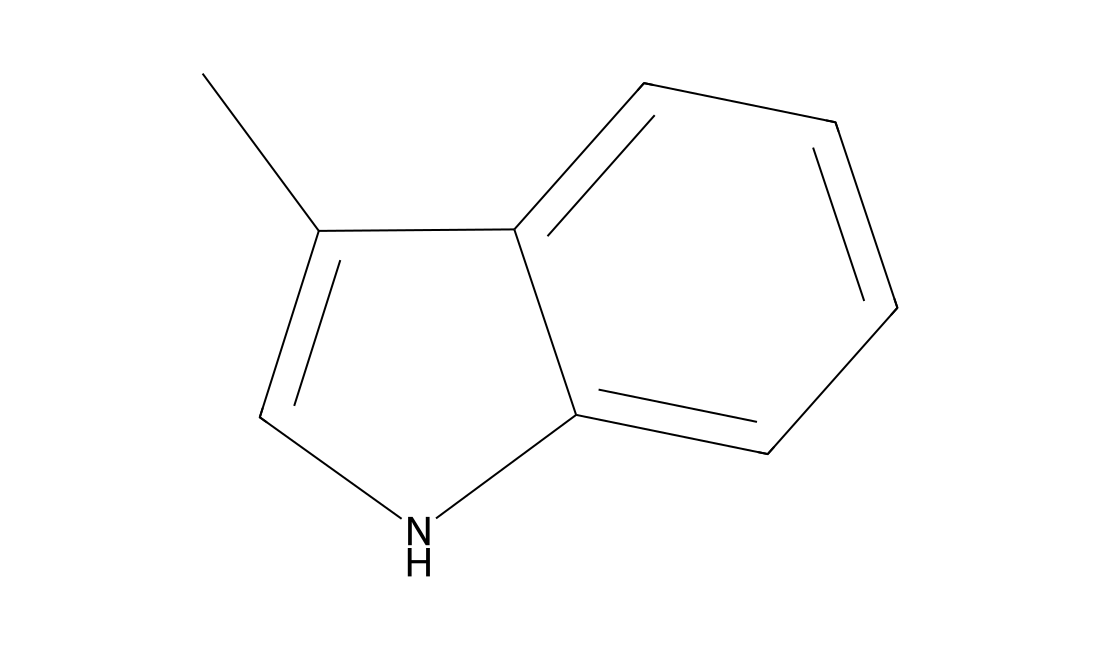
CAS 83-34-1
Skatole is produced by intestinal bacteria, regulates intestinal epithelial cellular functions through activating aryl hydrocarbon receptors and p38.
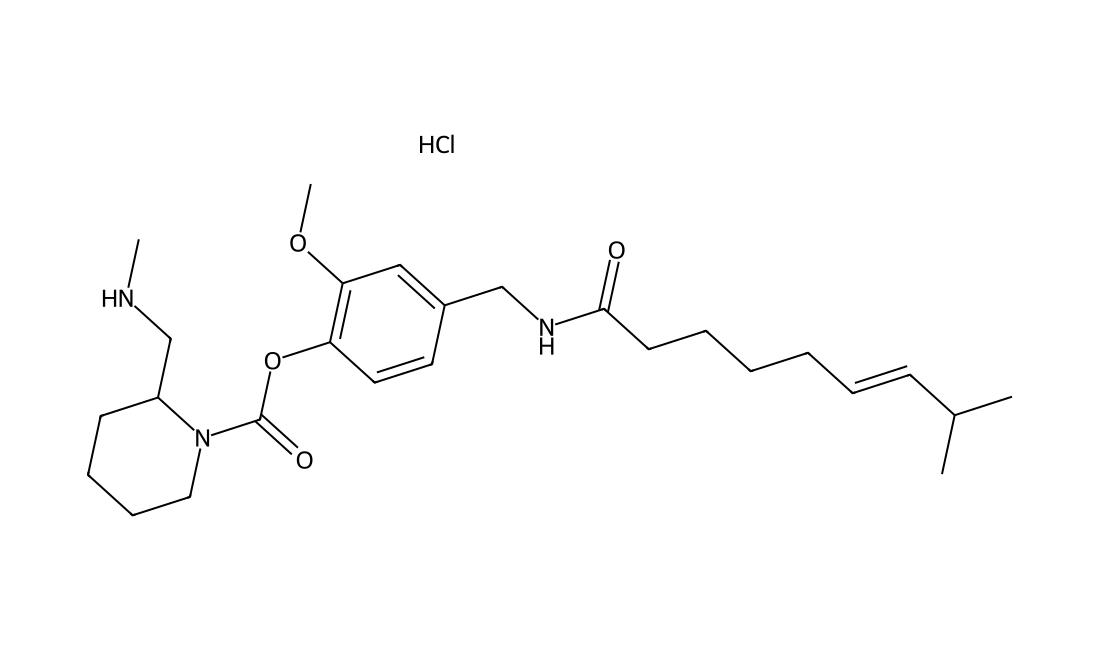
CAS 1931116-92-5
Use of Vocacapsaicin hydrochloride Vocacapsaicin (CA-008) hydrochloride, a prodrug of Capsaicin, is a first-in-class non-opioid TRPV1 agonist. Vocacapsaicin hydrochloride can provide meaningful and long-lasting pain relief.
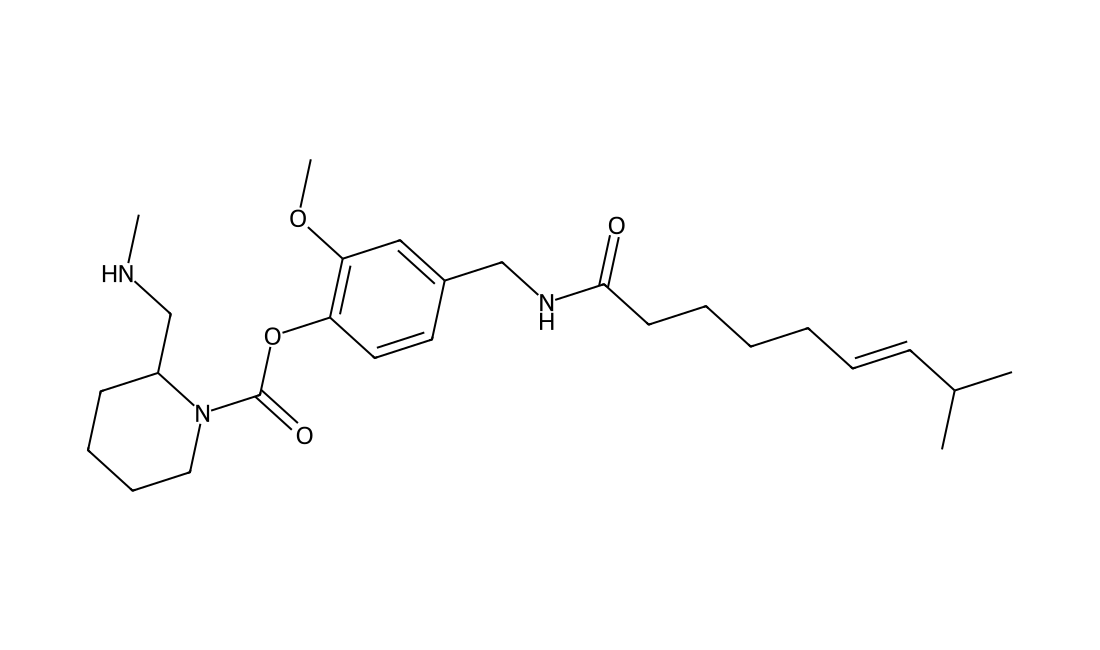
CAS 1931116-86-7
Vocacapsaicin (CA-008), a prodrug of Capsaicin, is a first-in-class non-opioid TRPV1 agonist. Vocacapsaicin can provide meaningful and long-lasting pain relief.
CAS 345893-91-6
SUN B8155, a non-peptide agonist of calcitonin (CT) receptor, selectively mimics the biological actions of calcitonin. Calcitonin, a 32-amino acid peptide hormone secreted mainly from the thyroid gland, plays an important role in maintaining bone homeostasis.
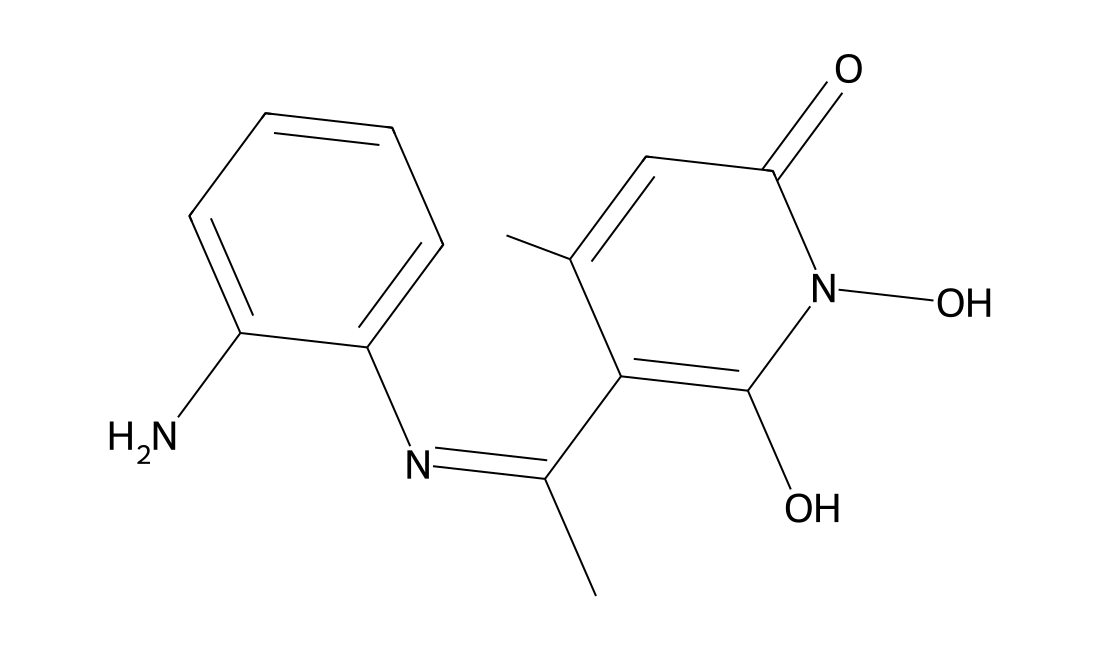
CAS 288150-92-5
SB408124 is a non-peptide antagonist for OX1 receptor with Ki of 57 nM and 27 nM in both whole cell and membrane, respectively; exhibits 50-fold selectivity over OX2 receptor.
CAS 23062-91-1
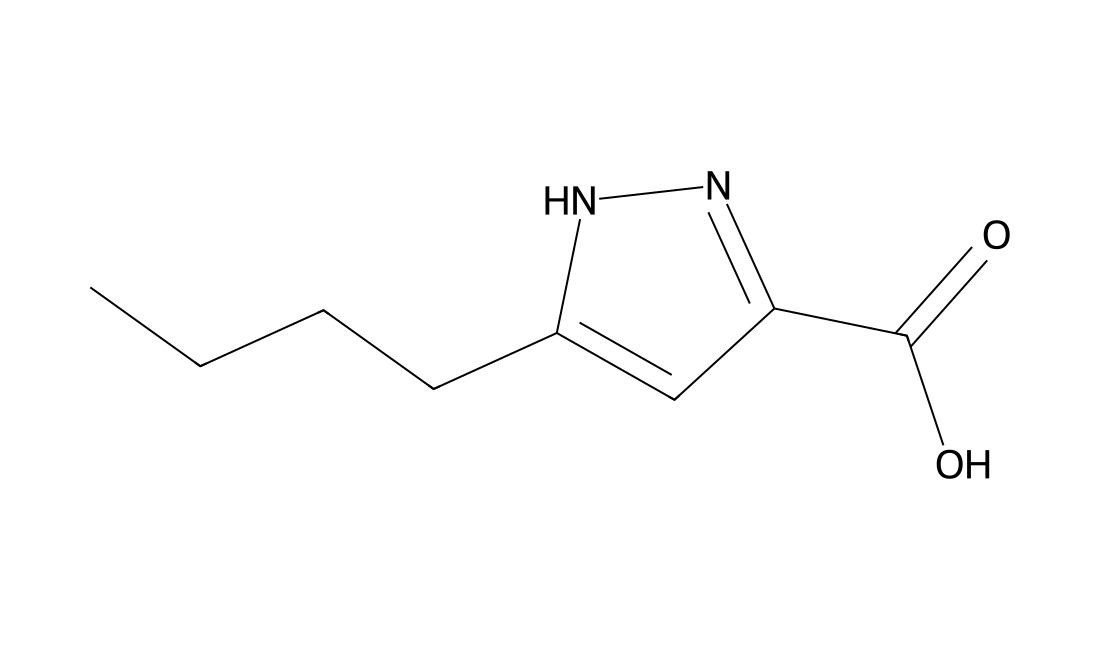
PD 102807 is a M4 muscarinic receptor antagonist with an IC50 of 90.7 nM. PD 102807 inhibits M1, M2, M3, M5 muscarinic receptor with IC50s of 6558.7, 3440.7, 950.0, and 7411.7 nM, respectively. Antidyskinetic effect.
CAS 2285432-57-5
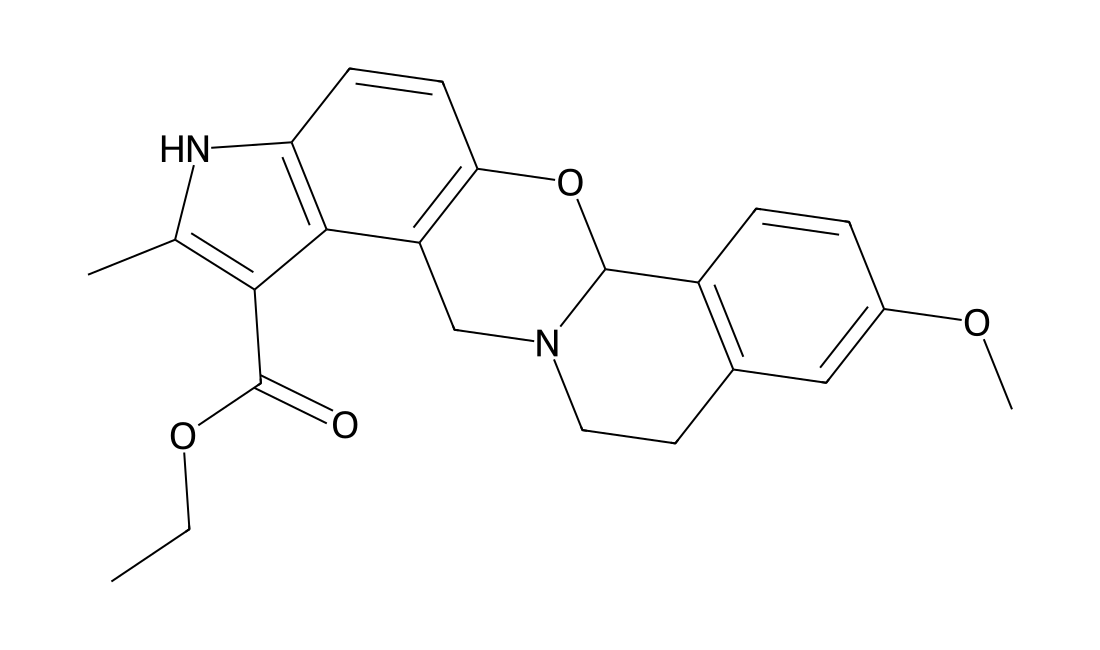
SLU-PP-1072 is a novel Selective ERRα/γ Inverse Agonist, Inhibiting the Warburg Effect and Inducing Apoptosis in Prostate Cancer Cells.
CAS 176391-41-6
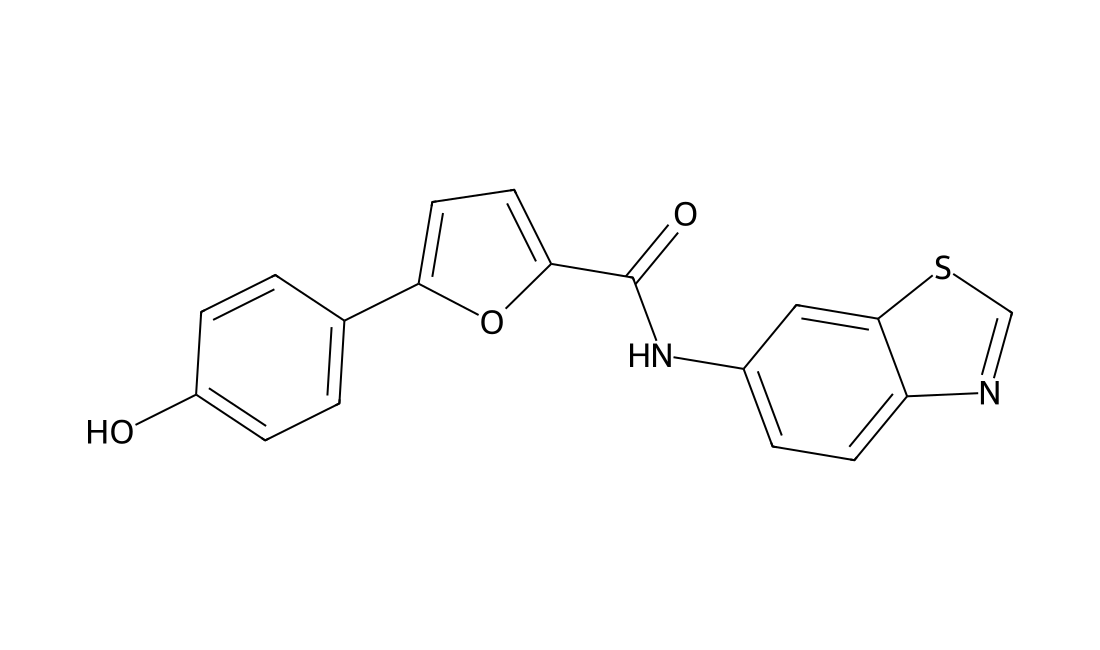
A stable, orally active, non-prostanoid prostacyclin I2 (PGI2) mimetic and prostacyclin agonist with inhibitory activity against thromboxane A2 synthase.
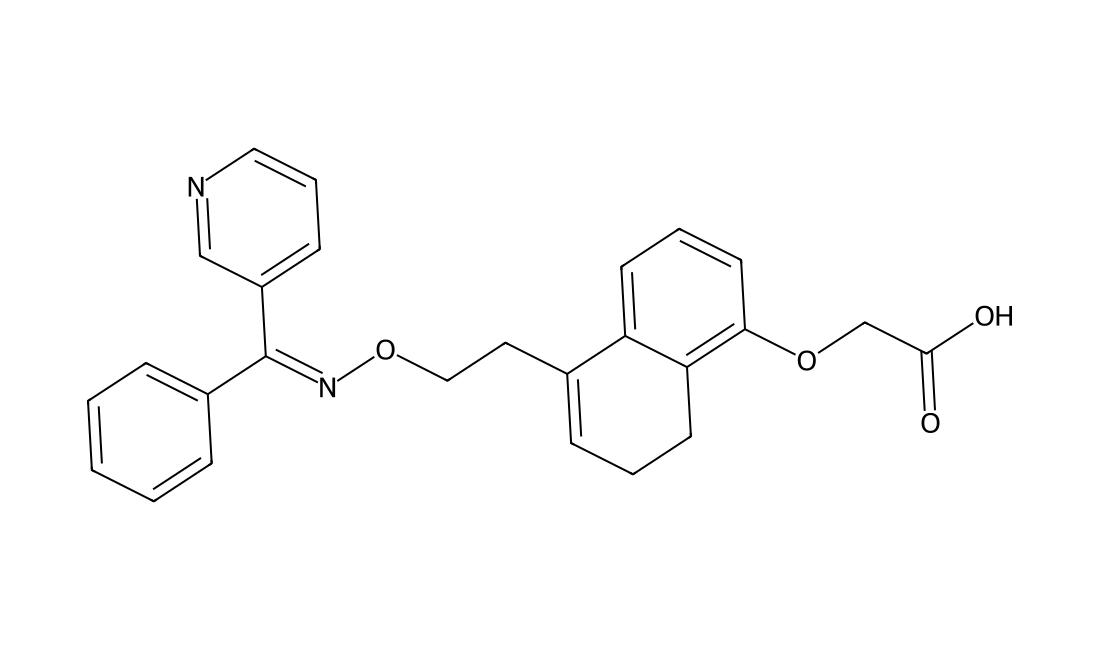
CAS 2579689-85-1
CXCR6 inhibitor 81 is a potent (EC50=40 nM) and selective orally bioavailable small molecule antagonist of human CXCR6 receptor; Compound 81 displays >10-fold improvement in potency in both the β-arrestin and cAMP assays (IC50 =40 and 540 nM, respectively) compared to ML339. CXCR6 inhibitor 81 inhibits migration of SK-HEP-1 hepatoma cells in a dose dependent manner. Compound 81 has promising oral DMPK data, significantly decreases tumor growth in a 30-day mouse xenograft model of HCC.
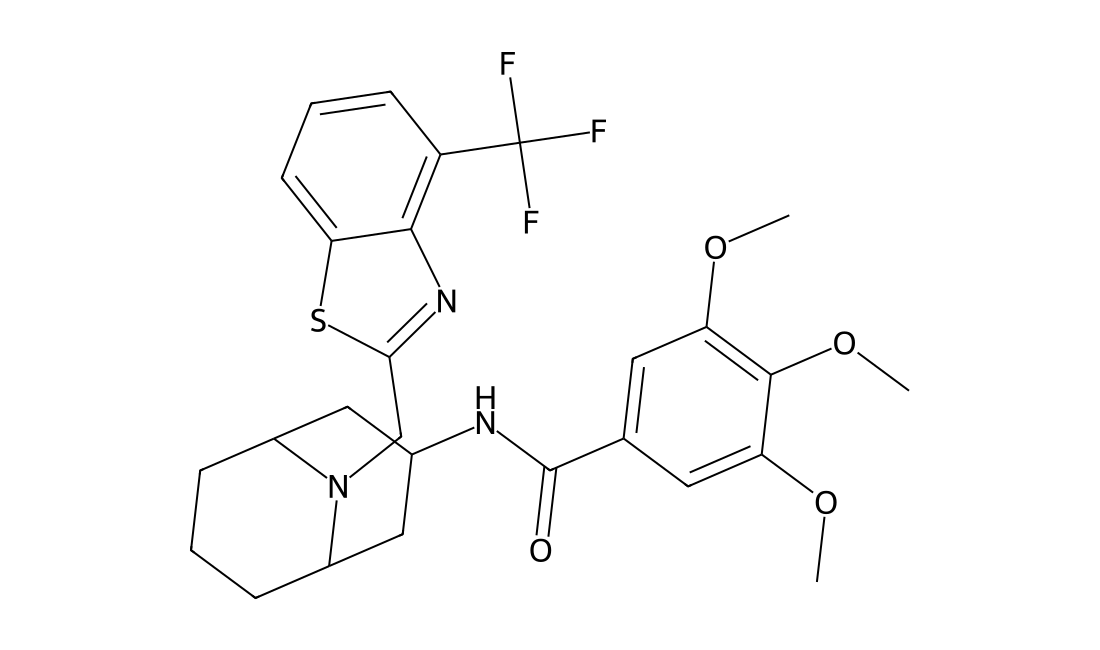
CAS 1613373-33-3
PCO371 is a novel, orally active small molecule that acts as a full agonist of PTHR1.
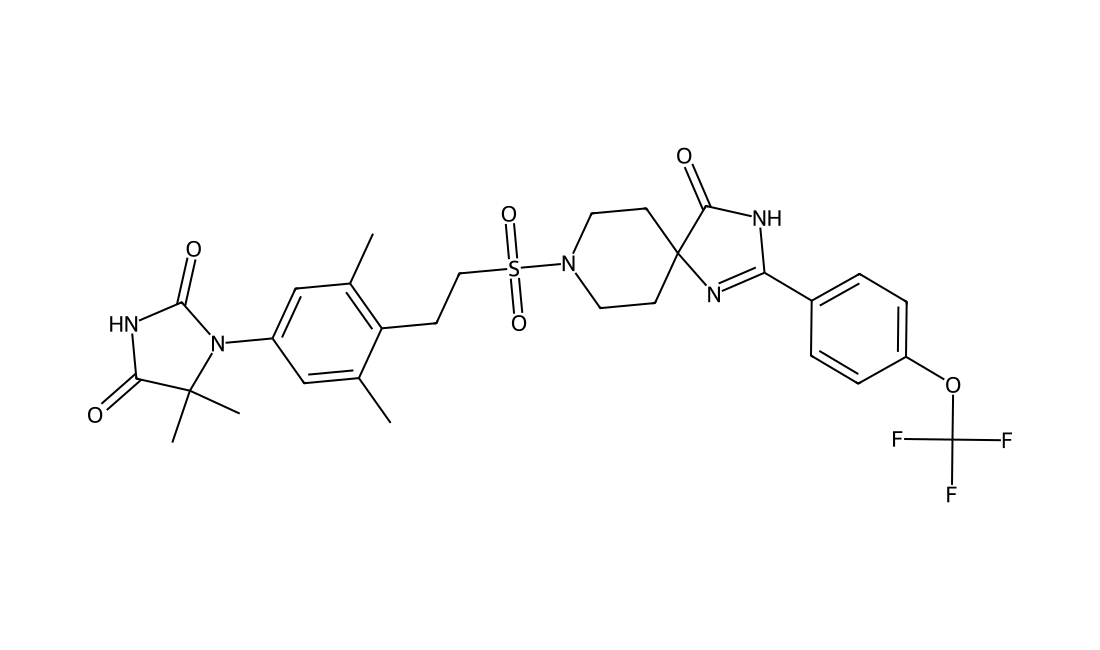
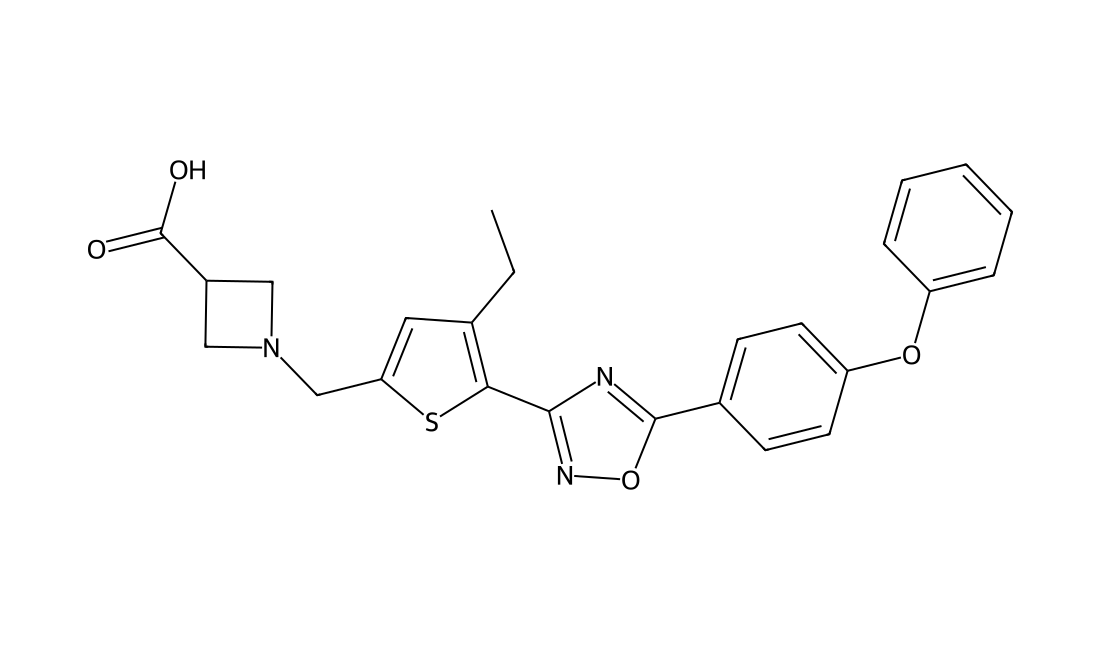
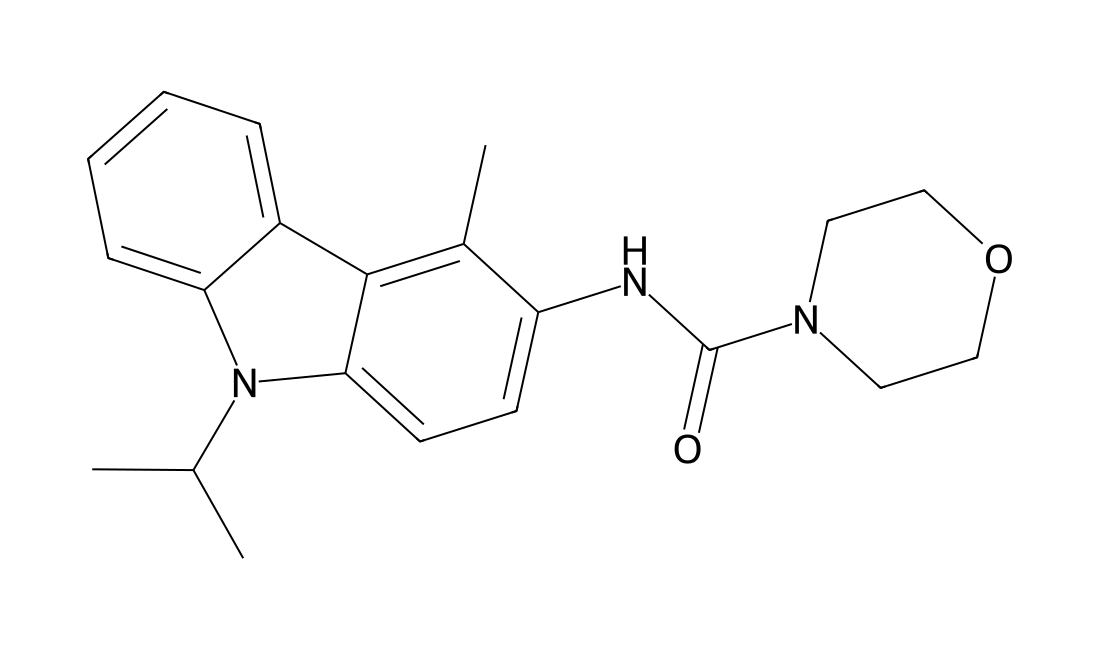
CAS 264233-05-8
CID 2745687 is a competitive, reversible antagonist of the orphan receptor GPR35.
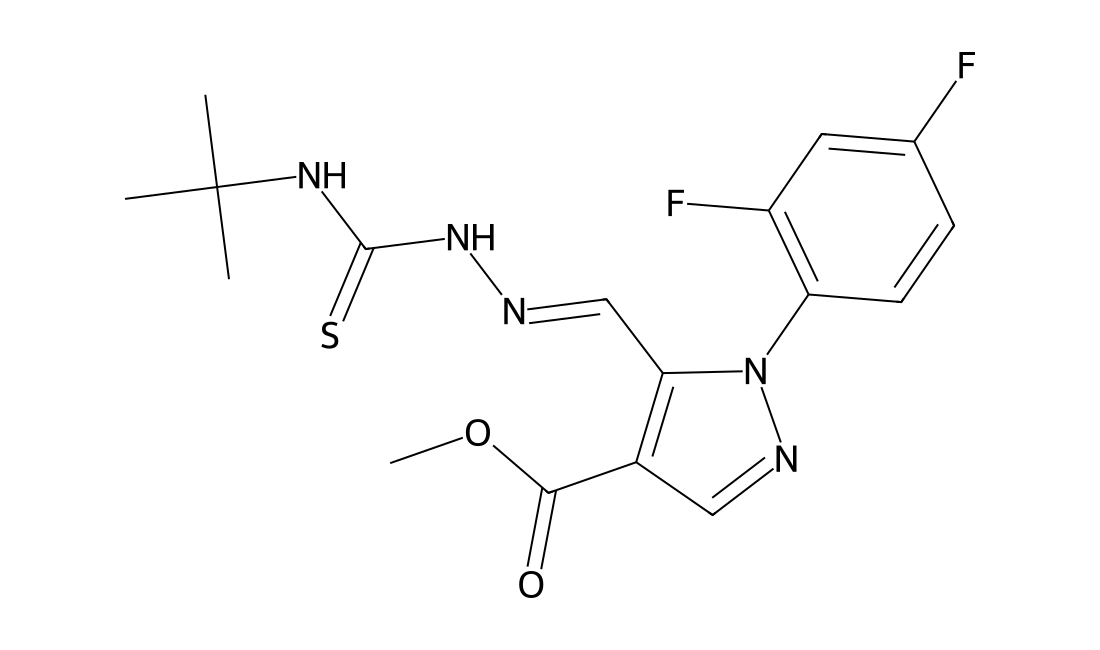
CAS 257933-39-4
B3C is an activator of transcription factor MEF2D; Enhabcer of cognitive capacity; Blocker of N-methyl-D-aspartate receptors.
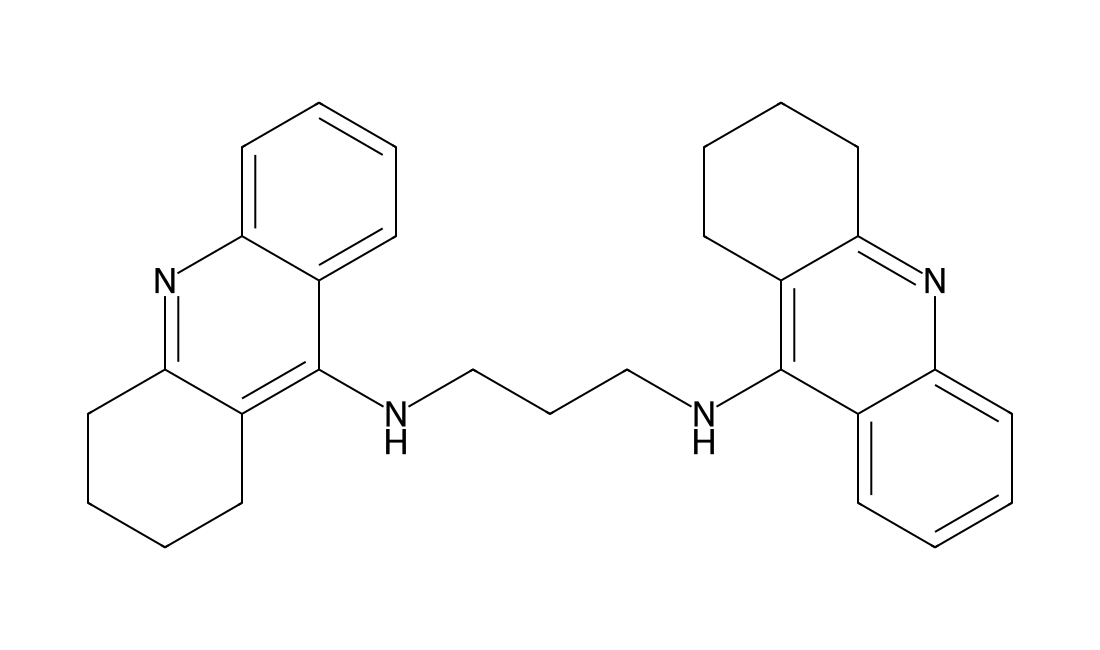
CAS 1403894-72-3
Mesdopetam (IRL790) is an orally active and low toxicity dopamine D3 receptor antagonist. Mesdopetam can be used for the research of Parkinson's disease (PD).
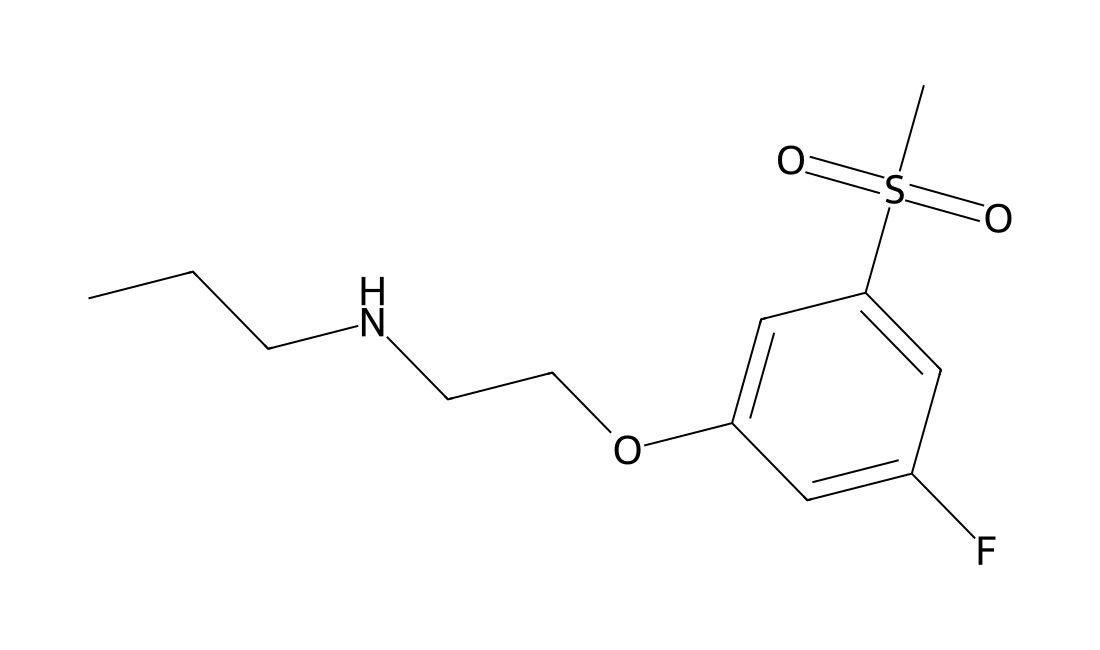
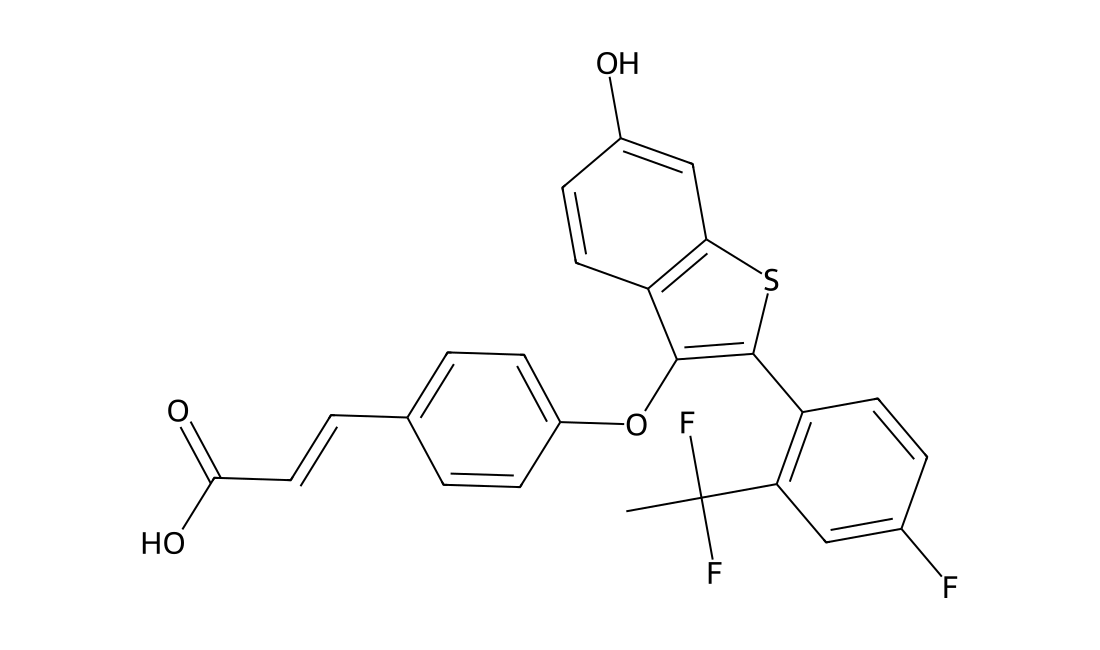
CAS 2135600-76-7
LSZ102 is a potent, orally bioavailable Selective Estrogen Receptor Degrader (SERD) for the Treatment of Estrogen Receptor Positive Breast Cancer.
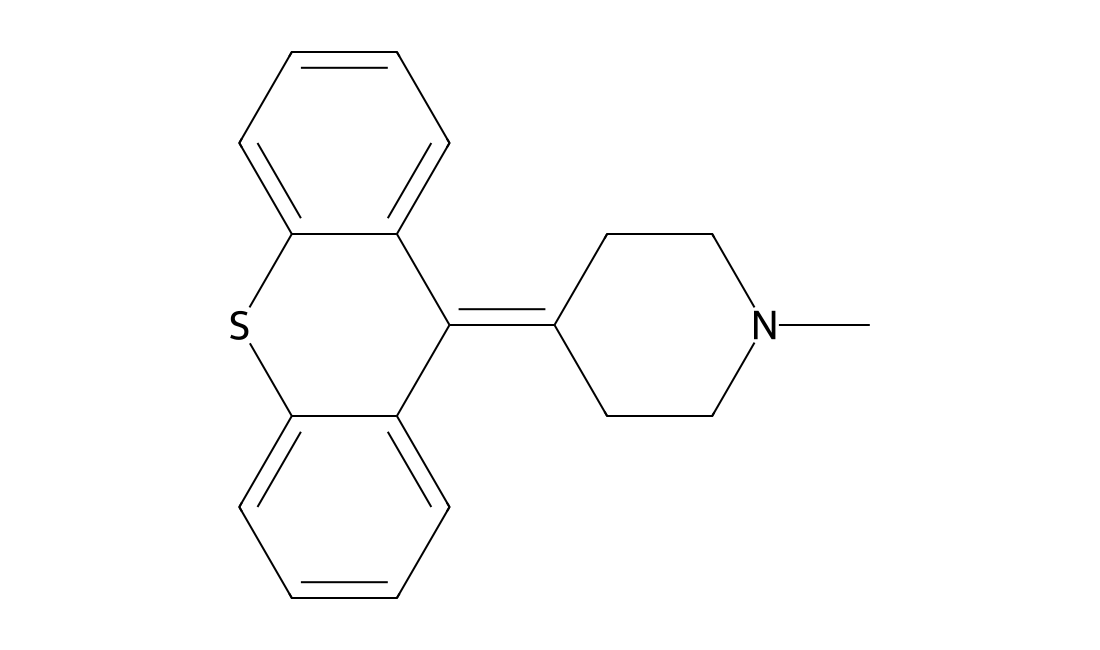
CAS 314-03-4
Pimethixene or Calmixen is antihistamine and anticholinergic of the thioxanthene chemical class that is often used to treat hyperactivity, anxiety, sleep disorders, and allergy.
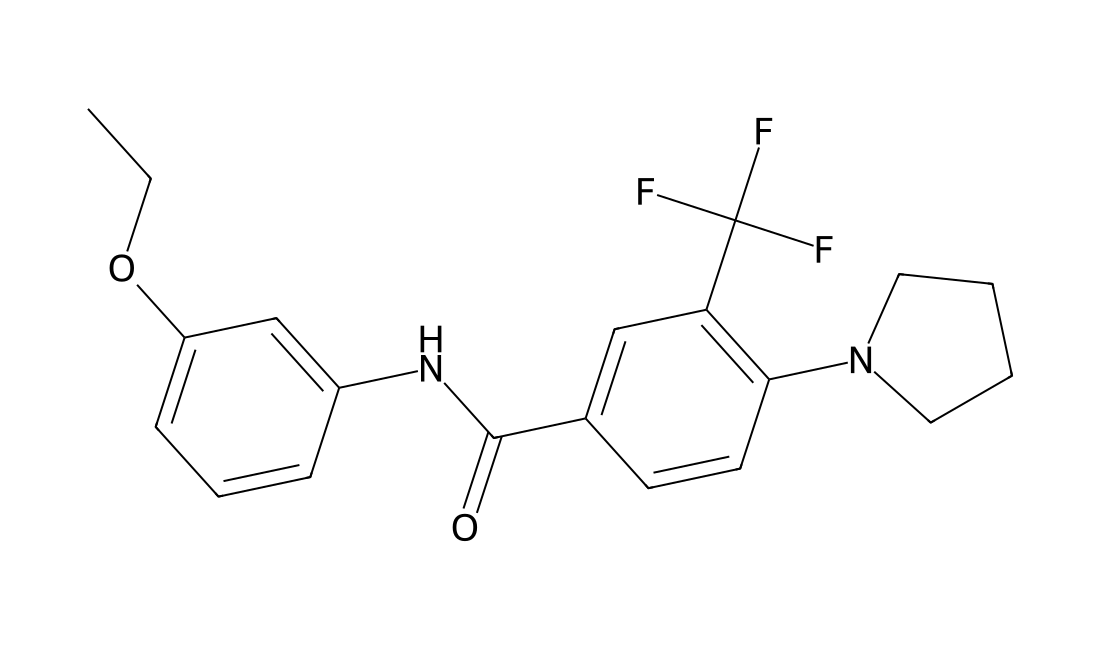
CAS 1110781-88-8
EPPTB is a selective antagonist of the trace amine-associated receptor 1 (TAAR1).
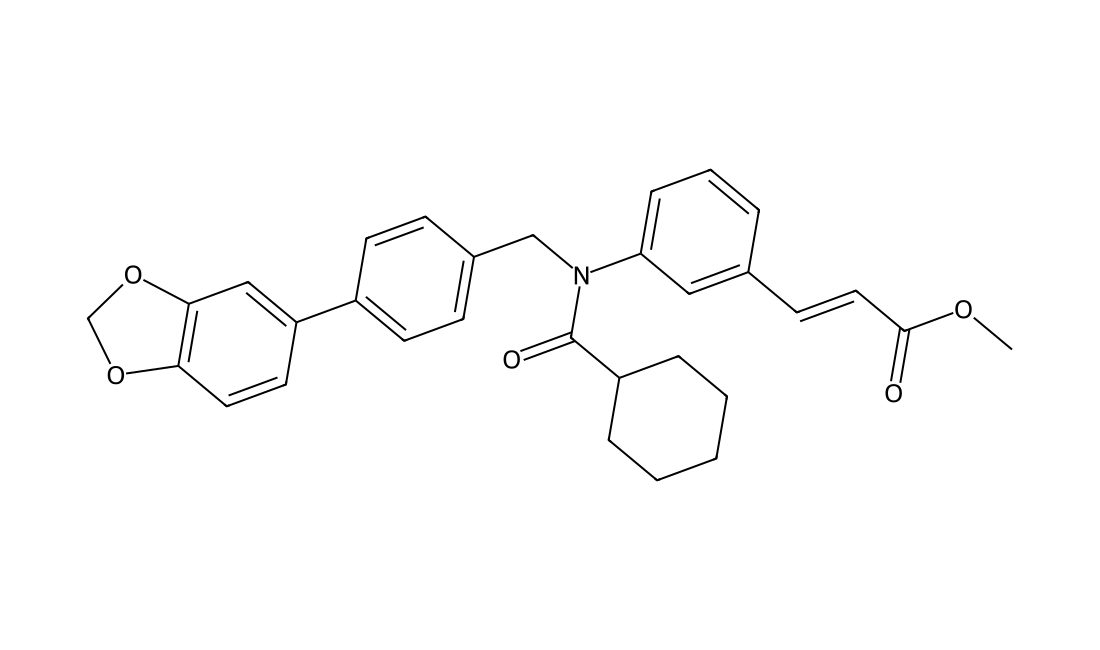
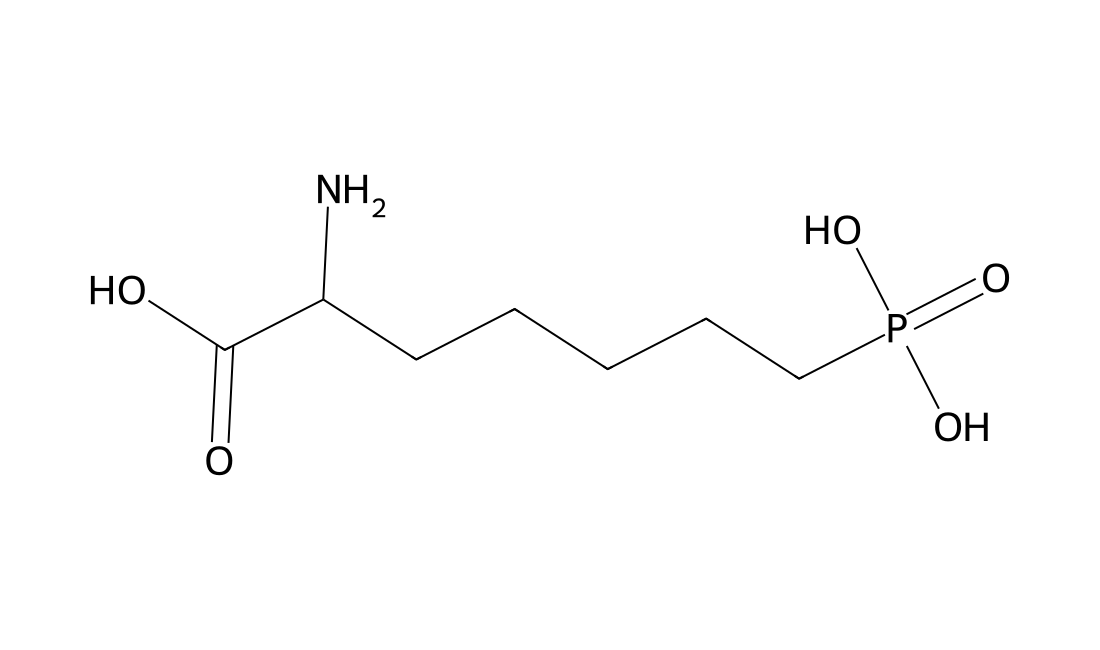
CAS 1613264-40-6
BAY-1316957 (BAY 1316957) is a highly potent, selective, orally available human prostaglandin E2 receptor subtype 4 (hEP4-R) antagonist with IC50 of 15.3 nM.
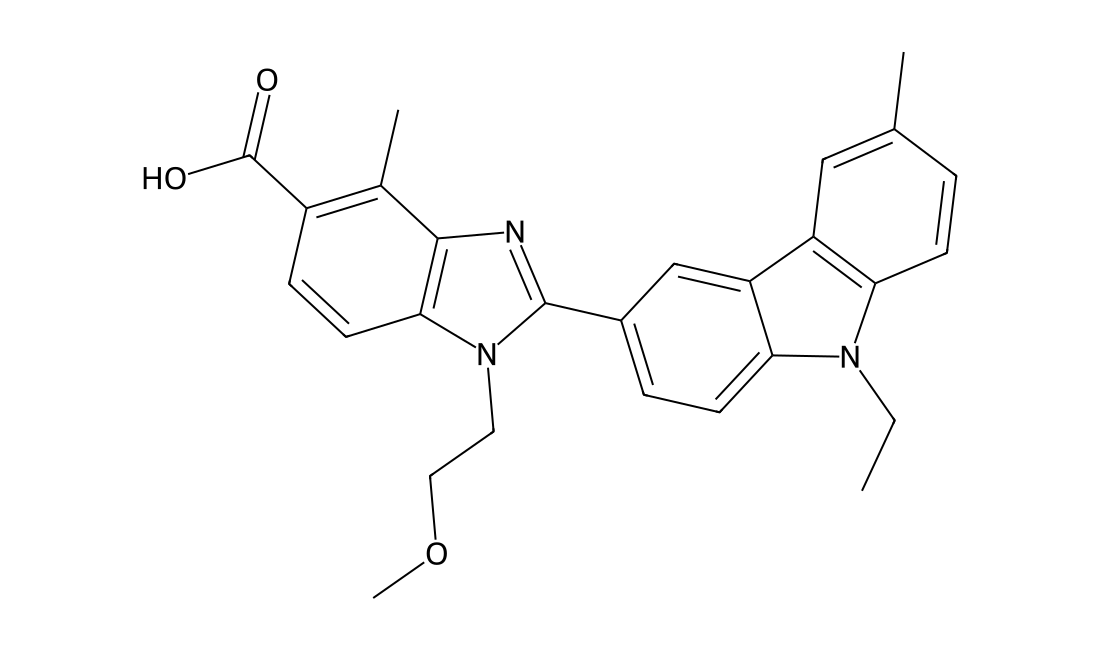
CAS 2253744-53-3
DJ-V-159 is an agonist for G protein-coupled receptor family C group 6 member A (GPRC6A).
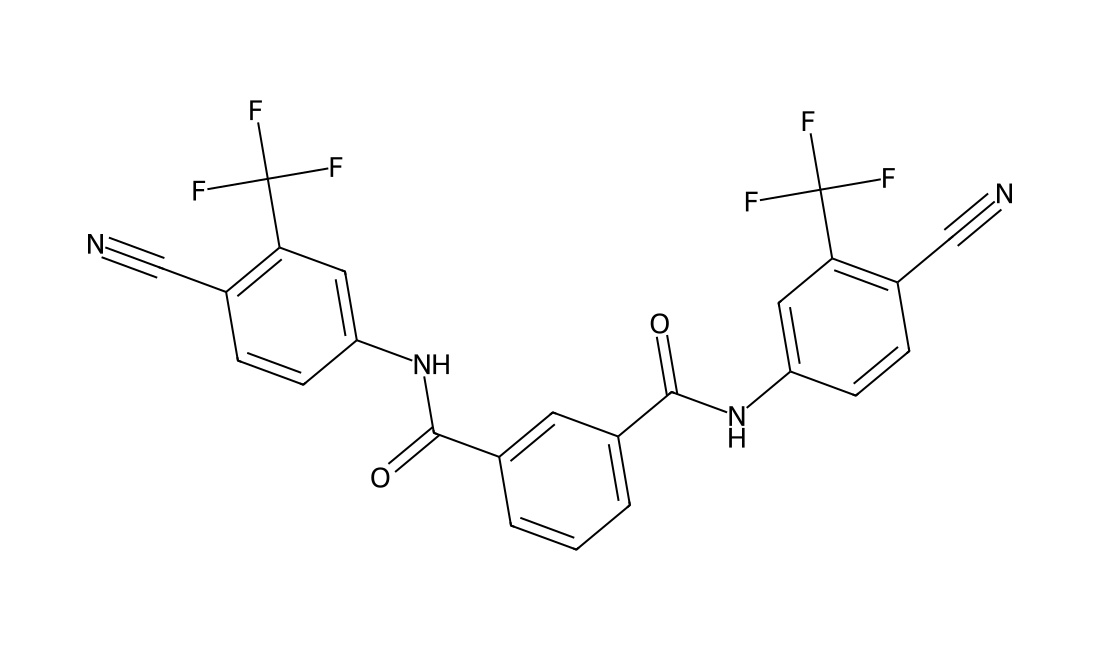
CAS 138470-70-9
Mozavaptan, also known as OPC 31260, is a vasopressin receptor antagonist marketed by Otsuka. In Japan, it was approved in October 2006 for hyponatremia (low blood sodium levels) caused by syndrome of inappropriate antidiuretic hormone (SIADH) due to ADH producing tumors.