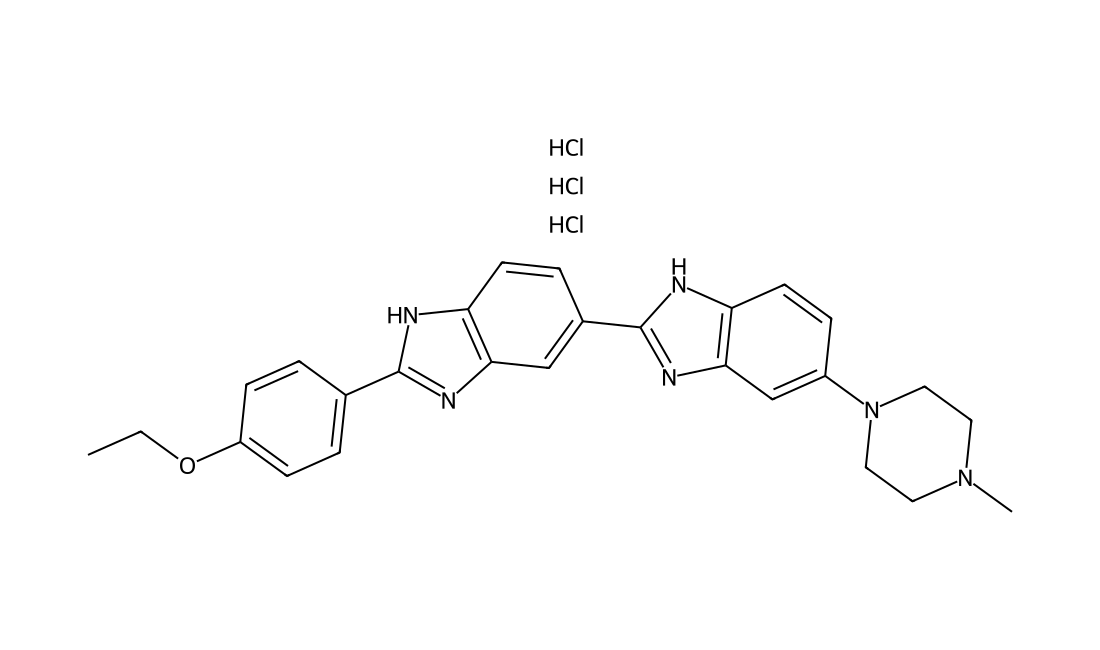
Coumarin-TMP-Halo
CAS 2137894-99-4
Coumarin-TMP-Halo is a specific fluorescent protein labeling agent.

Fluorescent and imaging probes, enzyme substrates and assay reagents.
Products may appear in more than one category. Counts refer to distinct catalog numbers within each category.
Other Research Tools (75) · Additional reagents, building blocks and specialized research tools.
Combine a keyword, research category and target to narrow the product list.
Loading catalog filters…
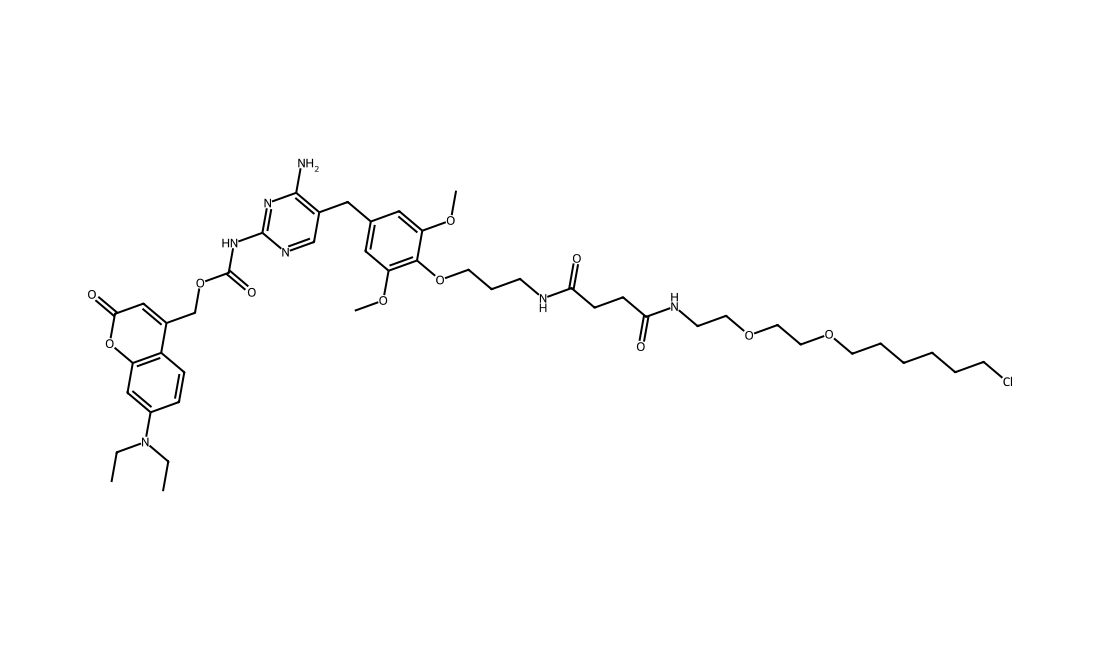
CAS 2137894-99-4
Coumarin-TMP-Halo is a specific fluorescent protein labeling agent.
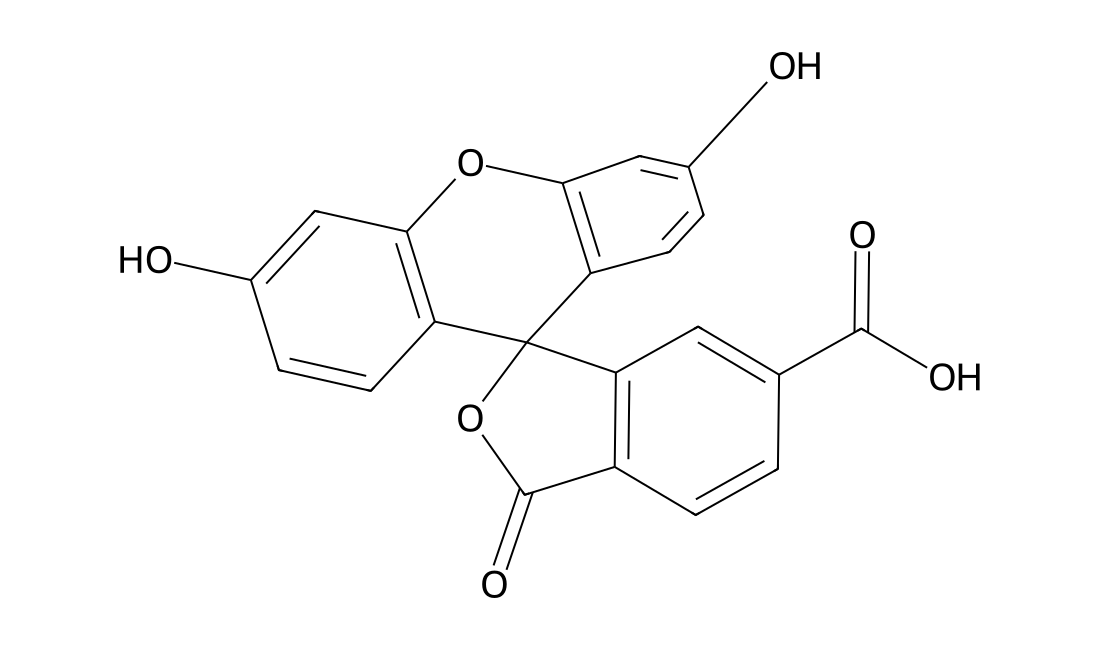
CAS 3301-79-9
The single isomer, 6-FAM, contains a carboxylic acid that can be used to react with primary amines via carbodiimide activation of the carboxylic acid. Fluorescein is the most common fluorescent derivatization reagent for labeling biomolecules. In addition to its relatively high absorptivity, excellent fluorescence quantum yield, and good water solubility, fluorescein has an excitation maximum that closely matches the 488 nm spectral line of the argon-ion laser.
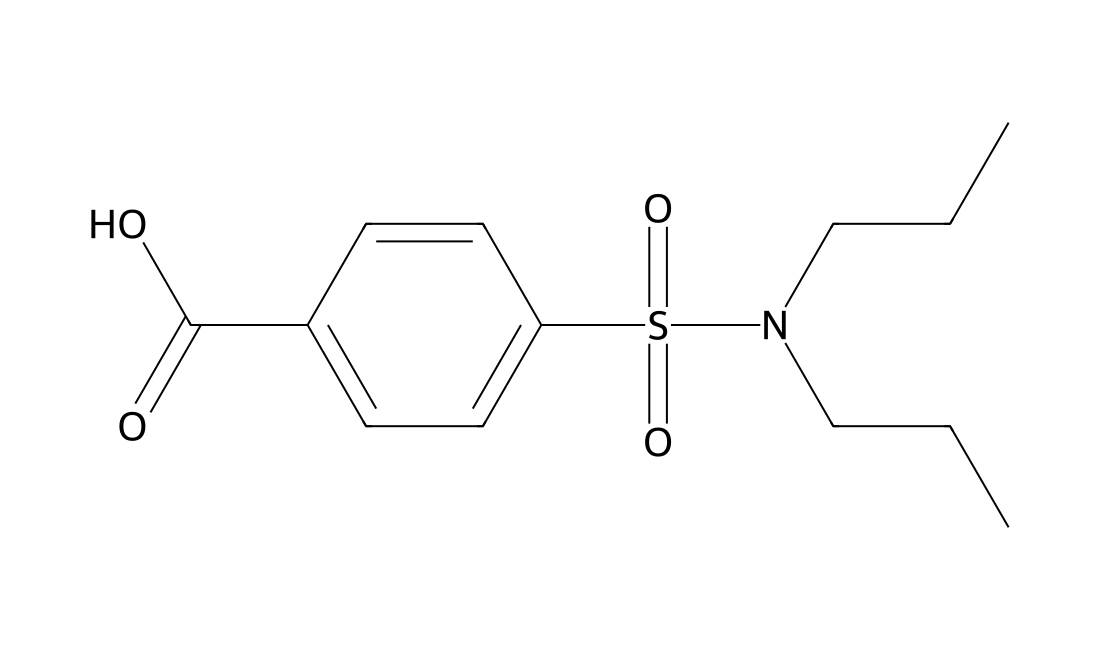
CAS 57-66-9
Probenecid inhibits the renal excretion of organic anions and reduces tubular reabsorption of urate.Probenecid is able to prevent the efflux of calcium-sensitive fluorescent dyes during studies of cellular calcium mobilization. Probenecid (2.5 mM) is found to block the export of Fura-2 from 1321N1 astrocytoma cells, and does not change the basal calcium concentration or the muscarinic calcium response. Probenecid is able to interact with organic anion transporters (OAT). 0.1 mM Probenecid efficiently inhibits ATP-dependent active vesicular N-ethylmaleimide glutathione (NEM-GS) uptake by Human Multidrug Resistance Proteins 1 (MRP1) and MRP2. In isolated Sf9 cell membranes, Probenecid stimulates ATPase activity of MRP2 with approximate KACT of 250 μM, but inhibits ATPase activity of MRP1. Probenecid is an inhibitor of the hTAS2R16, hTAS2R38, and hTAS2R43 bitter taste receptors. 1 mM Probenecid attenuates saccharin-induced calcium flux responses of hTAS2R16 to near baseline levels. Probenecid dose-dependently inhibits hTAS2R16 (in the presence of 3 mM salicin) and hTAS2R38 (in the presence of 300 μM PTC). This activity is independent of Probenecid's activity as a transport inhibitor, but is concerning with Probenecid interaction with the receptor.
CAS 258843-62-8
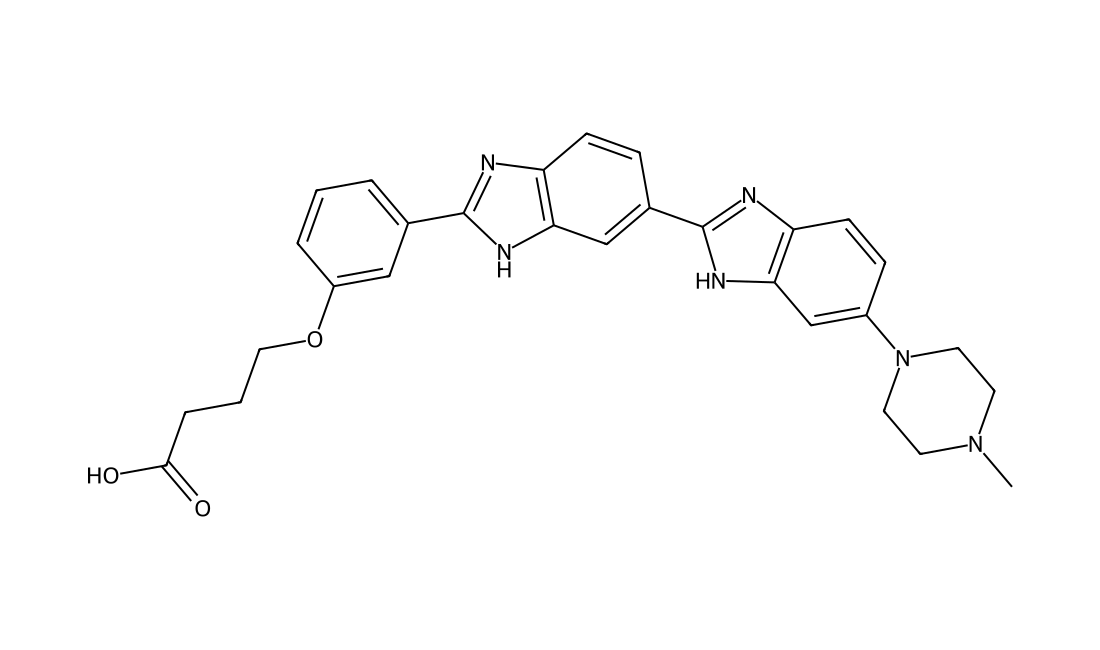
Hoechst stains are part of a family of blue fluorescent dyes used to stain DNA. These Bis-benzimides were originally developed by Hoechst AG, which numbered all their compounds so that the dye Hoechst 33342 is the 33342nd compound made by the company. There are three related Hoechst stains: Hoechst 33258, Hoechst 33342, and Hoechst 34580. The dyes Hoechst 33258 and Hoechst 33342 are the ones most commonly used and they have similarexcitation/emission spectra. Both dyes are excited by ultraviolet light at around 350 nm, and both emit blue/cyan fluorescent light around anemission maximum at 461 nm. Unbound dye has its maximum fluorescence emission in the 510-540 nm range. Hoechst dyes are soluble in water and in organic solvents such as dimethyl formamide or dimethyl sulfoxide. Concentrations can be achieved of up to 10 mg/mL. Aqueous solutions are stable at 2-6 °C for at least six months when protected from light. For long-term storage the solutions are instead frozen at ≤-20 °C. The dyes bind to the minor groove of double-stranded DNA with a preference for sequences rich in adenine andthymine. Although the dyes can bind to all nucleic acids, AT-rich double-stranded DNA strands enhance fluorescence considerably. Hoechst dyes are cell-permeable and can bind to DNA in live or fixed cells. Therefore, these stains are often called supravital, which means that cells survive a treatment with these compounds. Cells that express specific ATP-binding cassette transporter proteins can also actively transport these stains out of their cytoplasm.
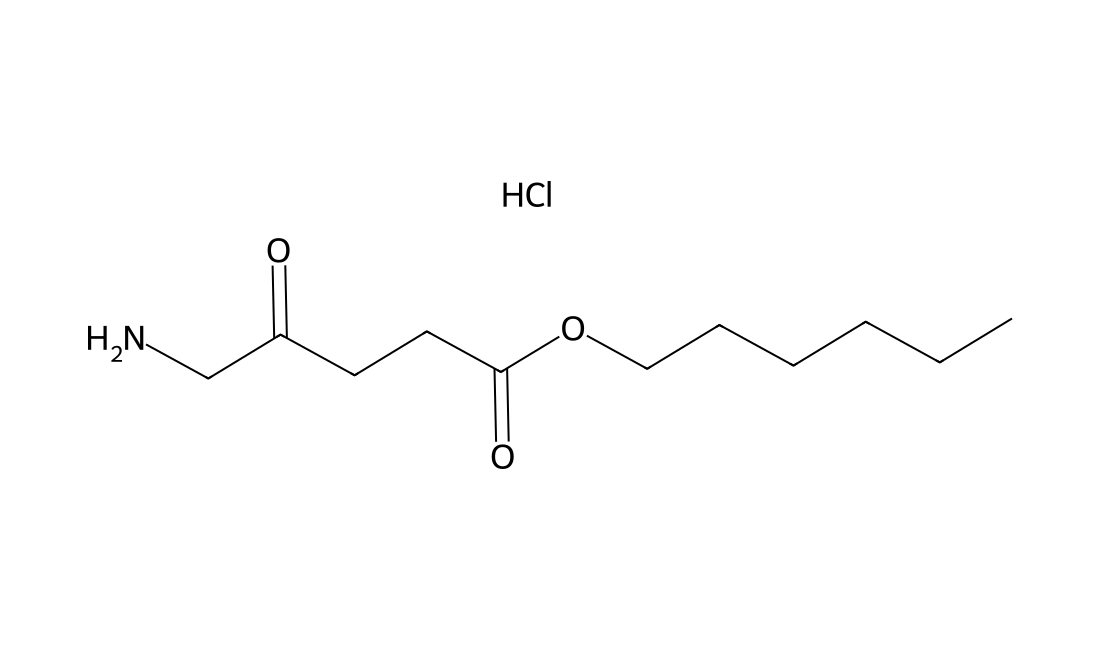
CAS 140898-91-5
Hexaminolevulinate hydrochloride is a fluorescent agent, has approved for cystoscopic detection of papillary bladder cancer.
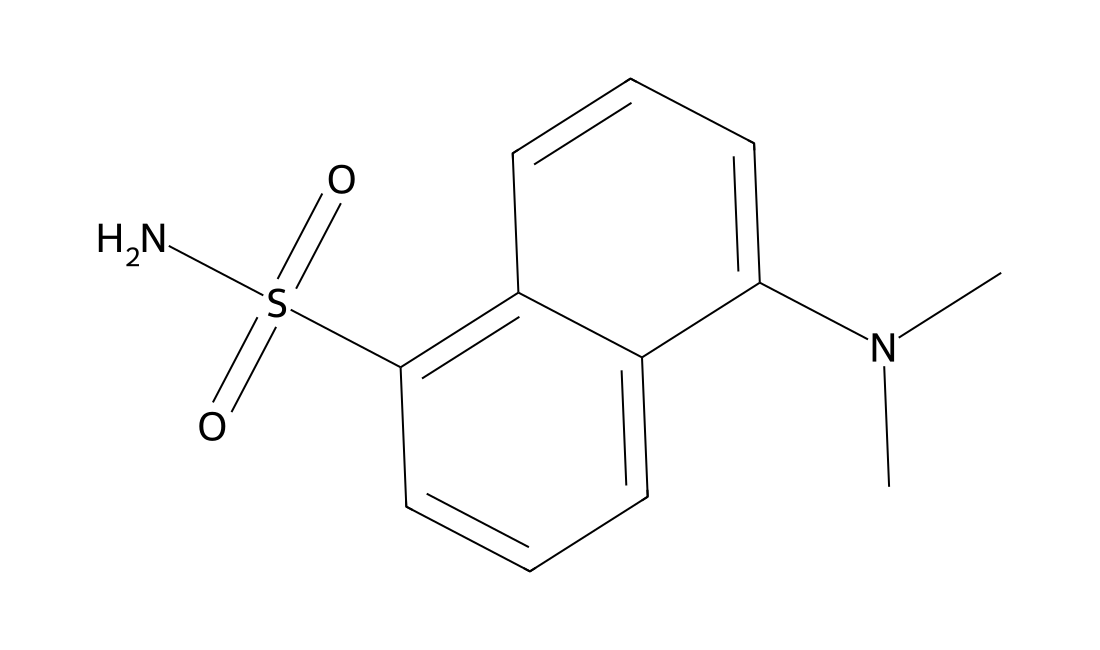
CAS 1431-39-6
Dansyl amide is a fluorescent dye that is used in biochemistry and chemistry to label substances with the fluorescent dansyl group.
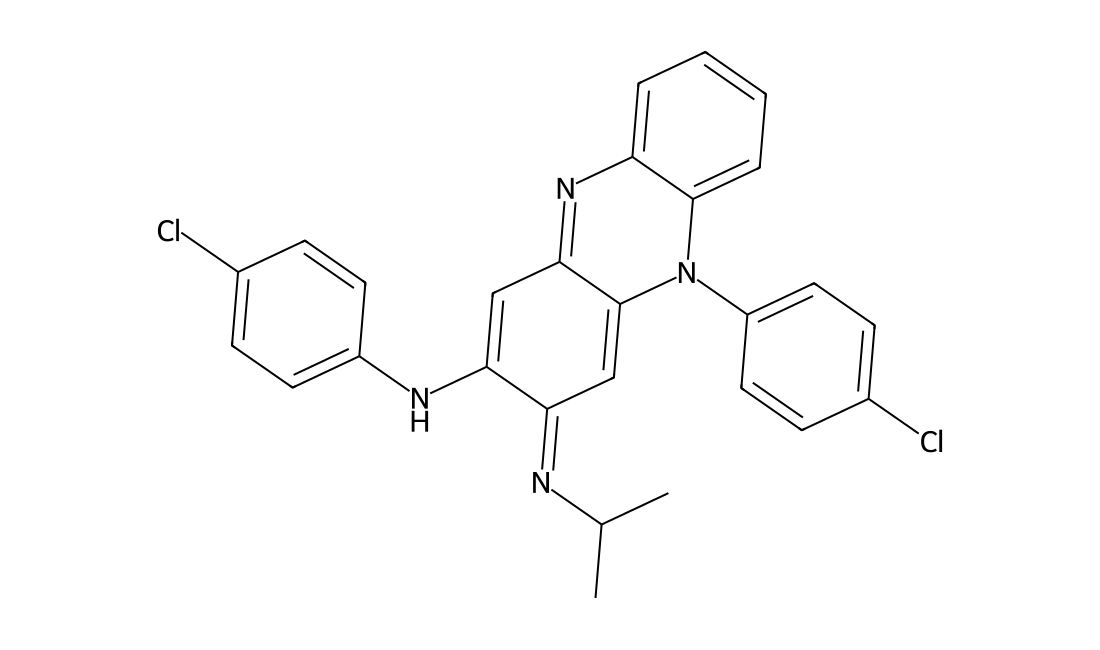
CAS 2030-63-9
Clofazimine is a fat-soluble iminophenazine dye, has a marked anti-inflammatory effect, has been used in combination with other antimycobacterial drugs to treat AIDS and Crohn's disease.
CAS 1345445-57-9
A novel hypoxia-sensitive fluorescent probe; has good solubility in water and longer wavelength for absorption and emission, which are favorable for cellular bioimaging.
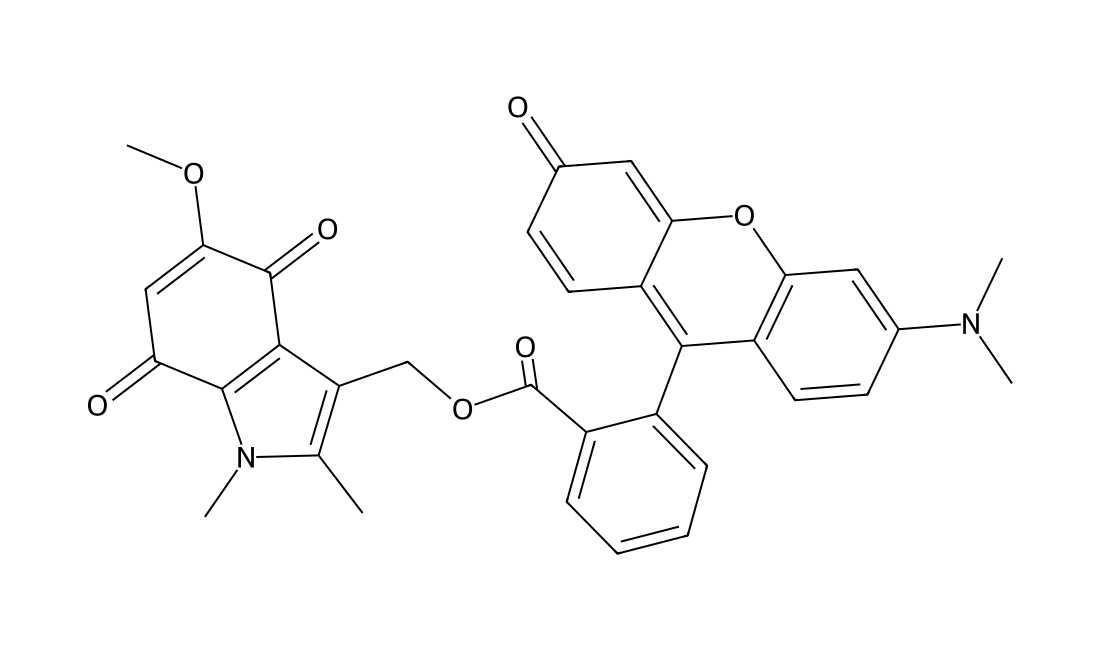
CAS 3326-31-6
6-Fluorescein isothiocyanate(6-FITC) is a derivative of fluorescein used in wide-ranging applications including flow cytometry.
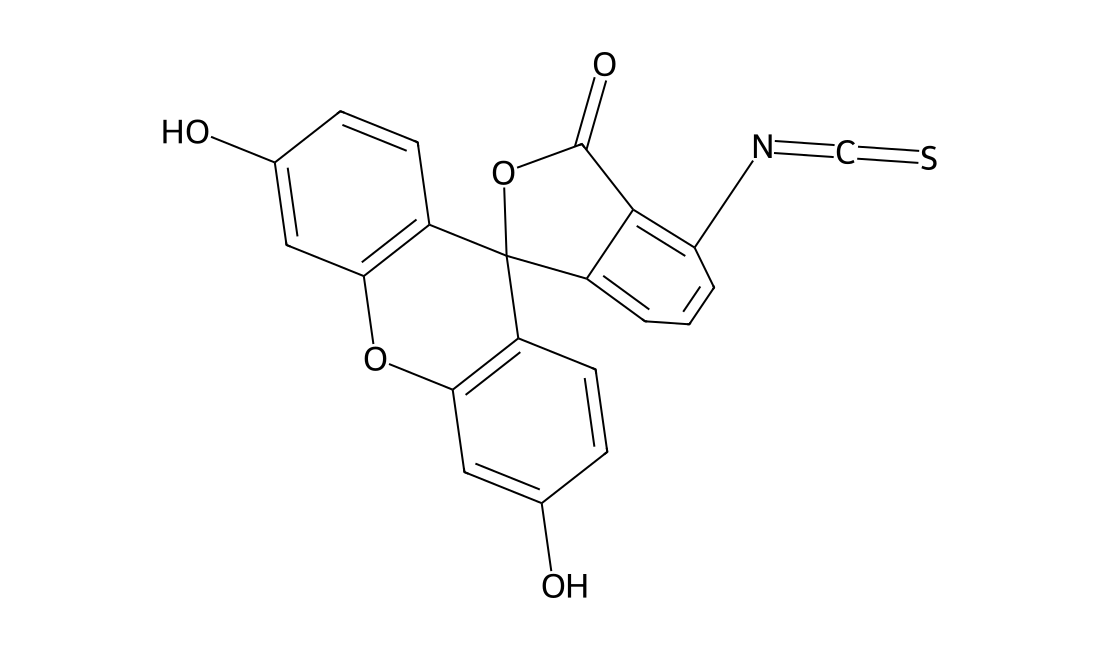
CAS 1415238-77-5
5S rRNA modificator is a suitable electrophile For 2’-hydroxyl acylation on structured RNA molecules, yielding accurate structural information comparable to that obtained with existing probes; 5S rRNA RNA modification.For the detailed information of 5S rRNA modificator, the solubility of 5S rRNA modificator in water, the solubility of 5S rRNA modificator in DMSO, the solubility of 5S rRNA modificator in PBS buffer, the animal experiment (test) of 5S rRNA modificator, the cell expriment (test) of 5S rRNA modificator, the in vivo, in vitro and clinical trial test of 5S rRNA modificator, the EC50, IC50,and Affinity of 5S rRNA modificator, Please contact DC Chemicals.
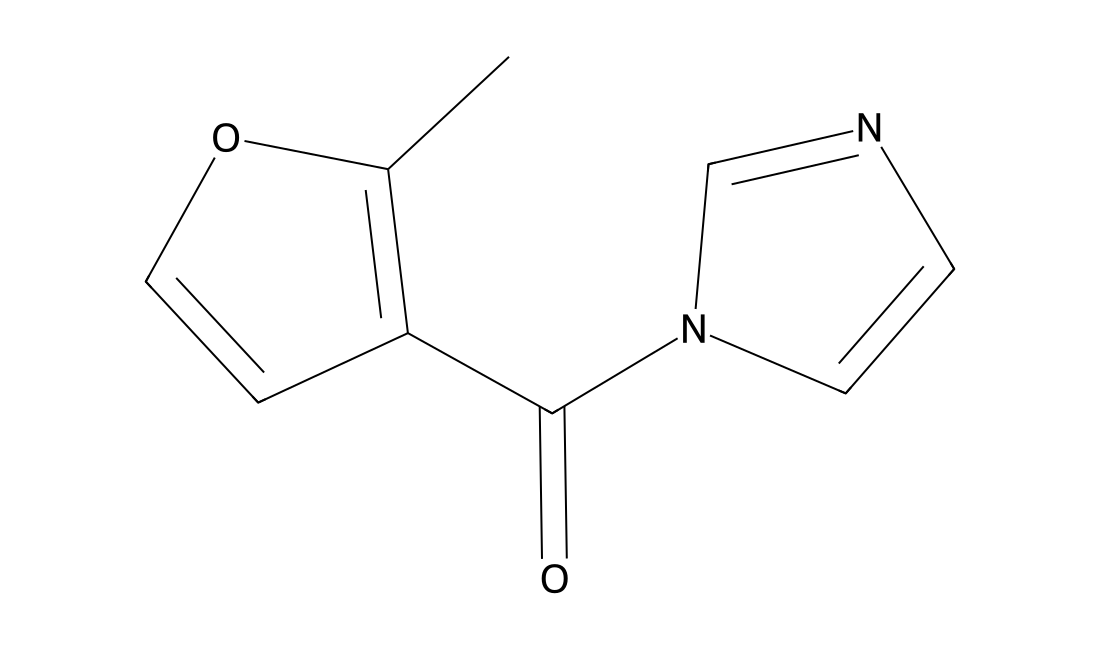
CAS 92557-80-7
5-FAM SE is a single isomer, it is one of the most popular green fluorescent reagents used for labeling peptides, proteins and nucleotides. It has also been used to prepare various small fluorescent molecules.
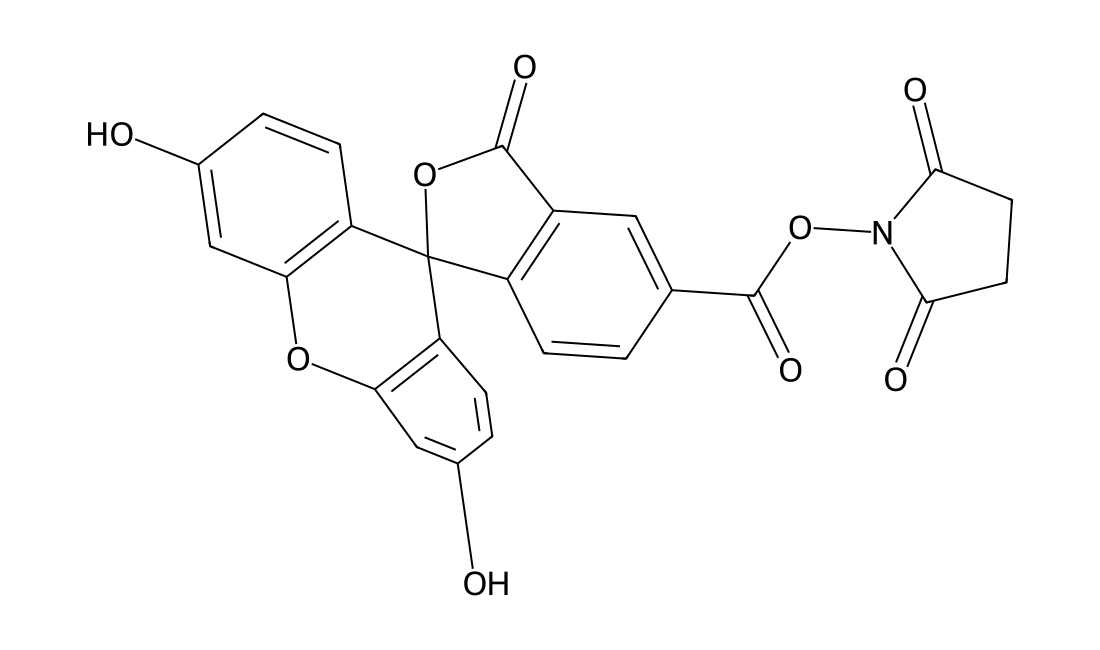
CAS 195136-52-8
OG 488, acid, a fluorescent pH indicator, has many applications in biochemistry and neurosciences.
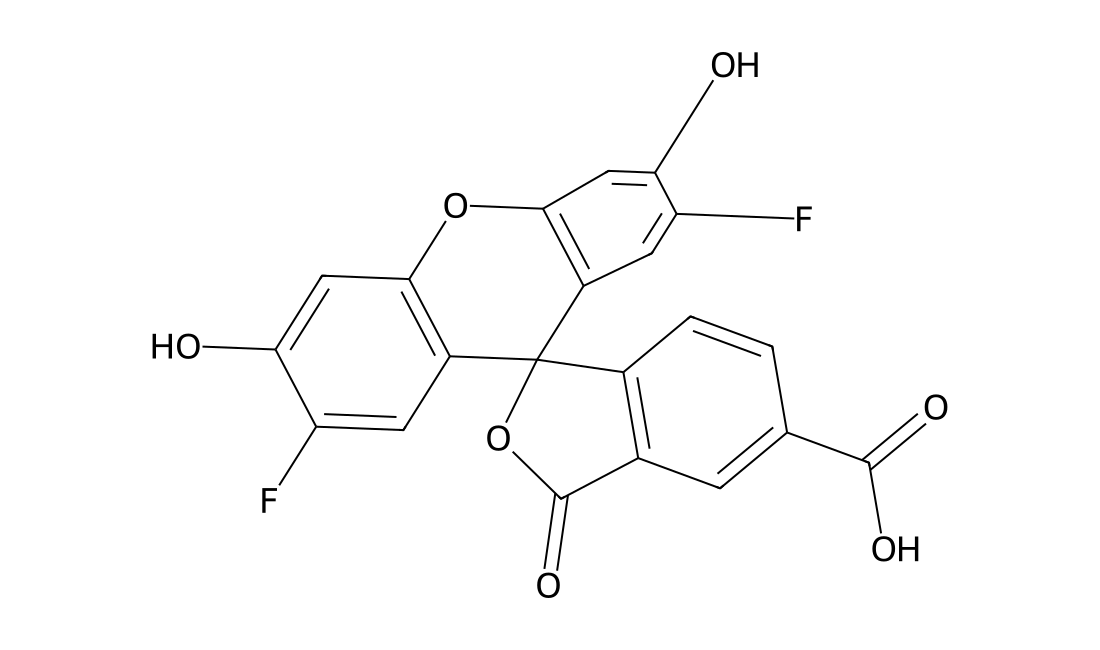
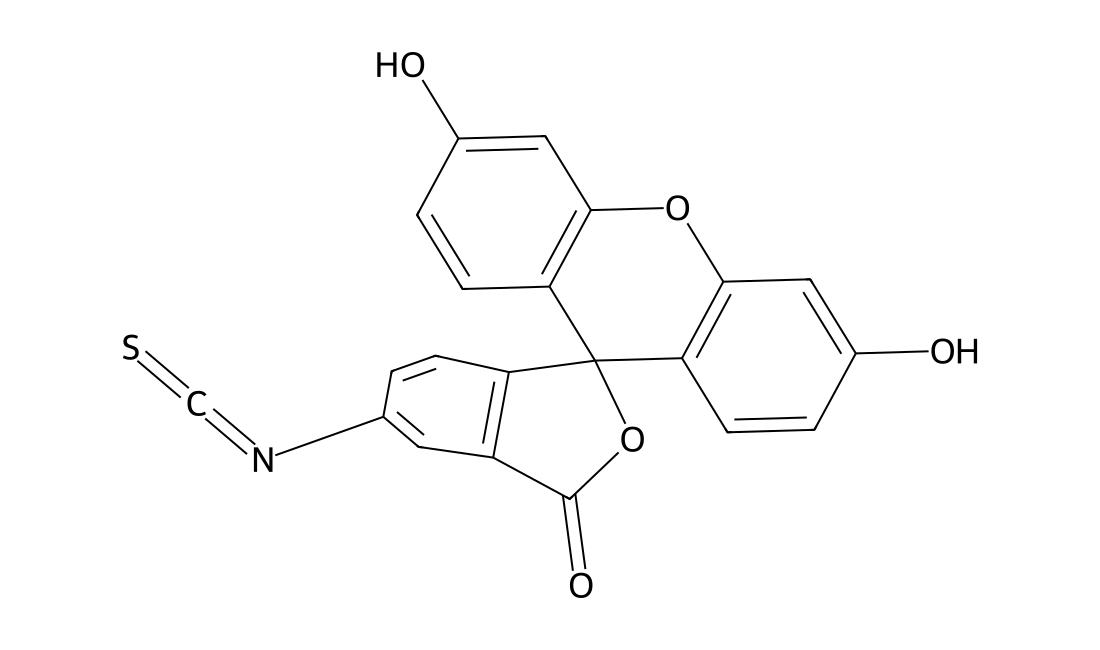
CAS 135980-66-4
MSBN is a highly selective fluorogenic probe for thiols, selectively imaging thiols in live cells and specifically label protein thiols with a turn-on signal to determine diverse reversible protein thiol modifications.
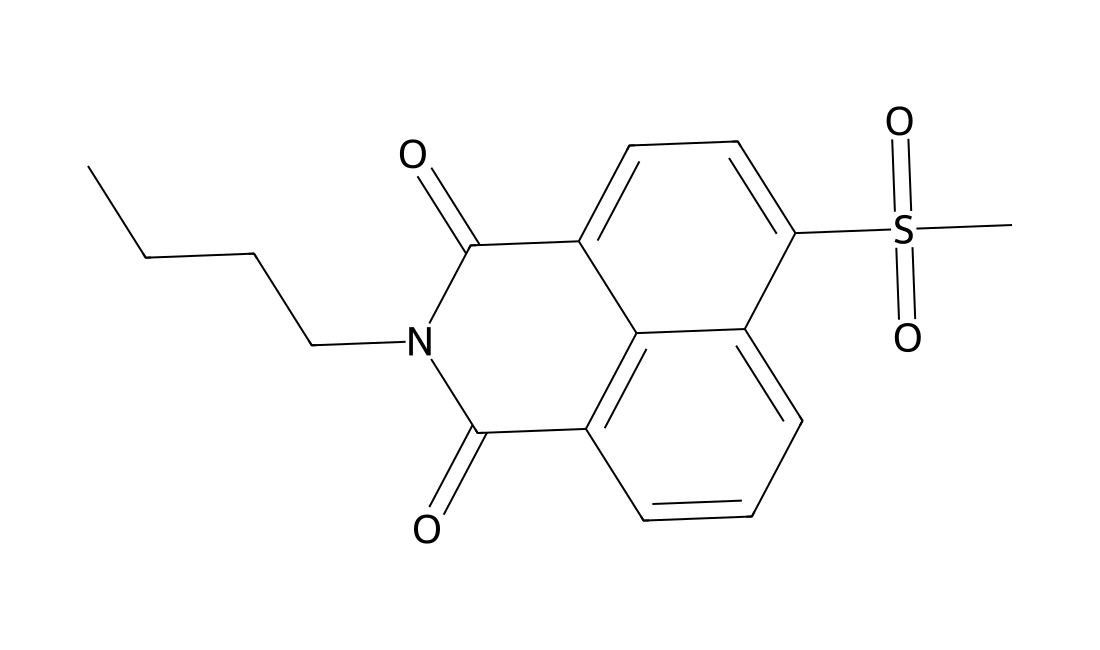
CAS 868592-56-7
NIAD-4 is an advanced fluorescent probe specifically engineered for high-contrast imaging of amyloid-β (Aβ) aggregates in Alzheimer's disease research.
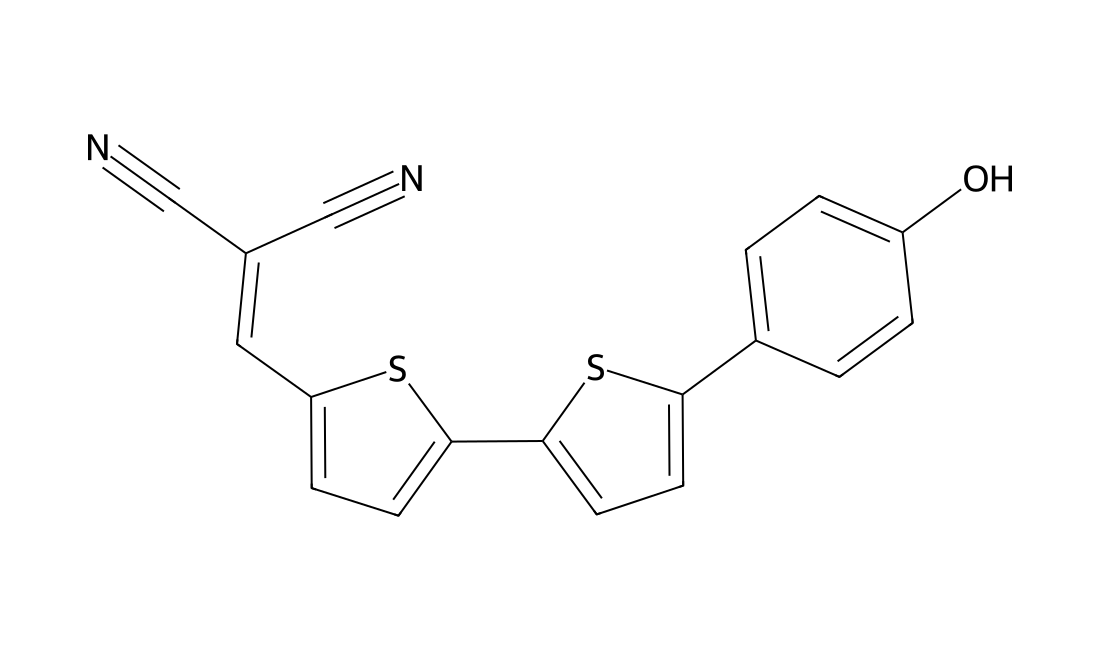
CAS 1257051-63-0
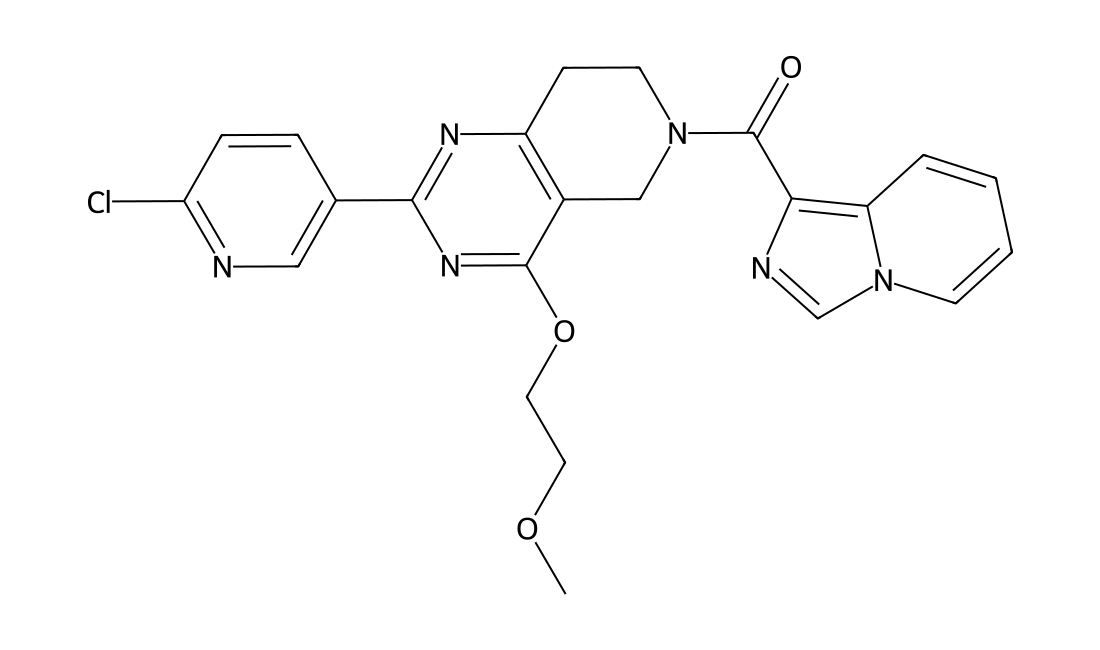
THPP-1, a SGC chemical probe, is a potent and orally bioavailable phosphodiesterase 10A (PDE10A) inhibitor, with Ki values of 1 nM and 1.3 nM for human and rat PDE10A, respectively. THPP-1 has excellent pharmacokinetic properties in preclinical species.
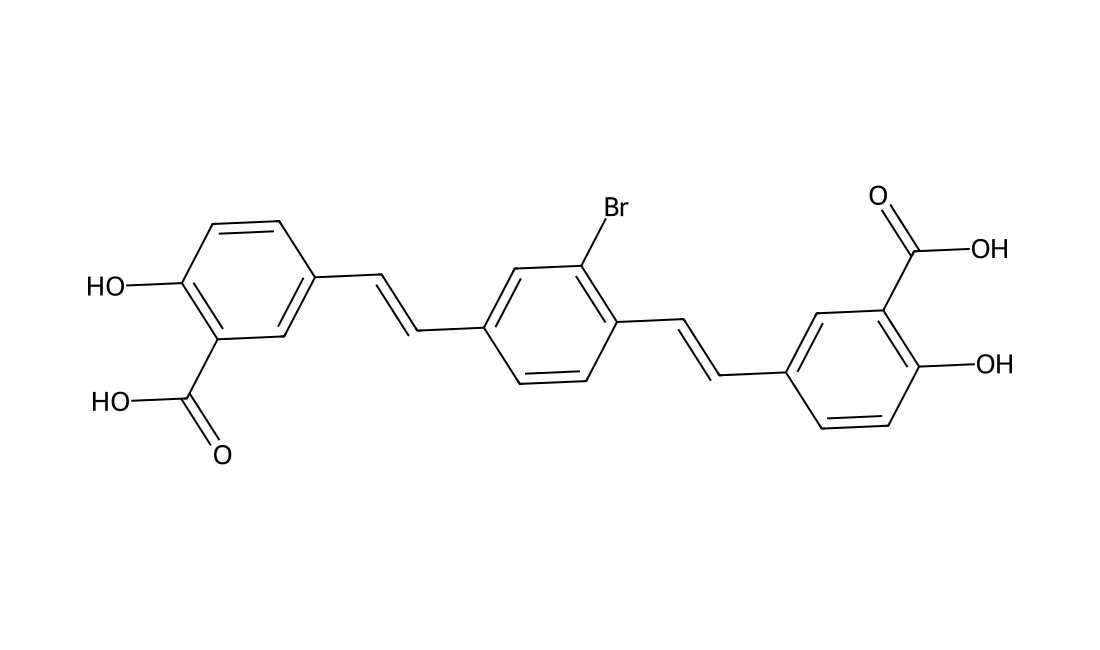
CAS 291766-06-8
SBS is a useful probe and tool molecule for detecting amyloid deposits in systemic amyloidosis in vitro and in vivo. SBS can be used for detecting amyloid fibrils in autopsy and biopsy samples from patients with localized amyloidosis, such as familial prion disease, and systemic amyloidosis, such as familial amyloidotic polyneuropathy, amyloid A (AA) amyloidosis, light chain (AL) amyloidosis, and dialysis-related amyloidosis.
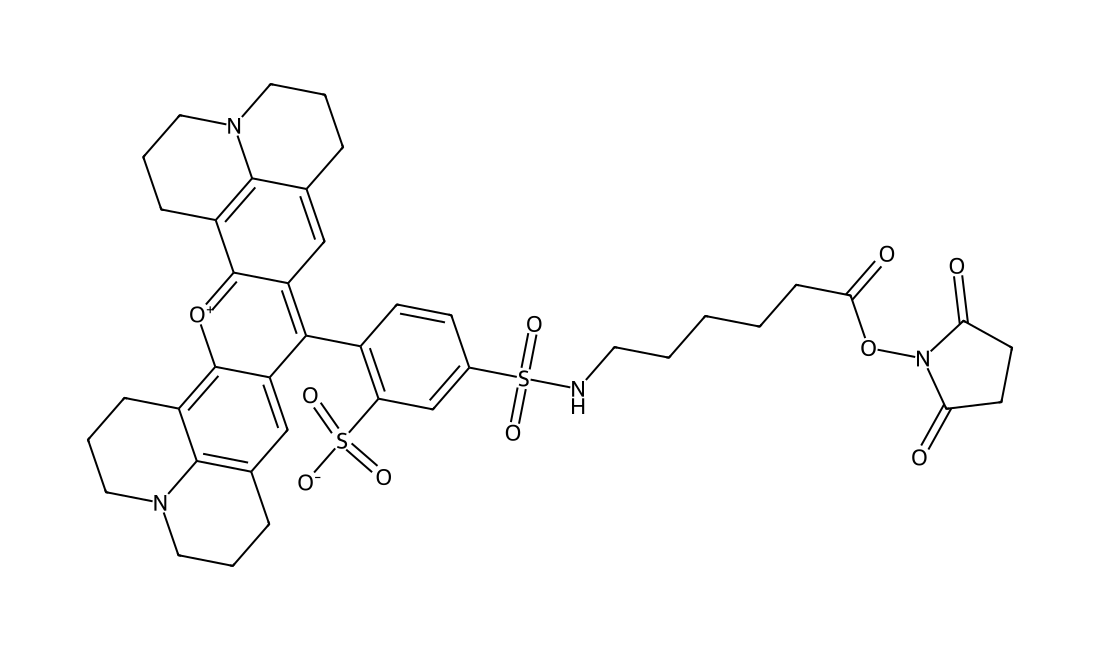
CAS 178623-11-5
Tex Red-X NHS is a derivative of Texas Red (HY-101878), an amphoteric rhodamine red fluorescent dye. Texas Red is widely used to study neuronal morphology and as a cell type-selective fluorescent marker for astrocytes, both in vivo and in slice preparations.
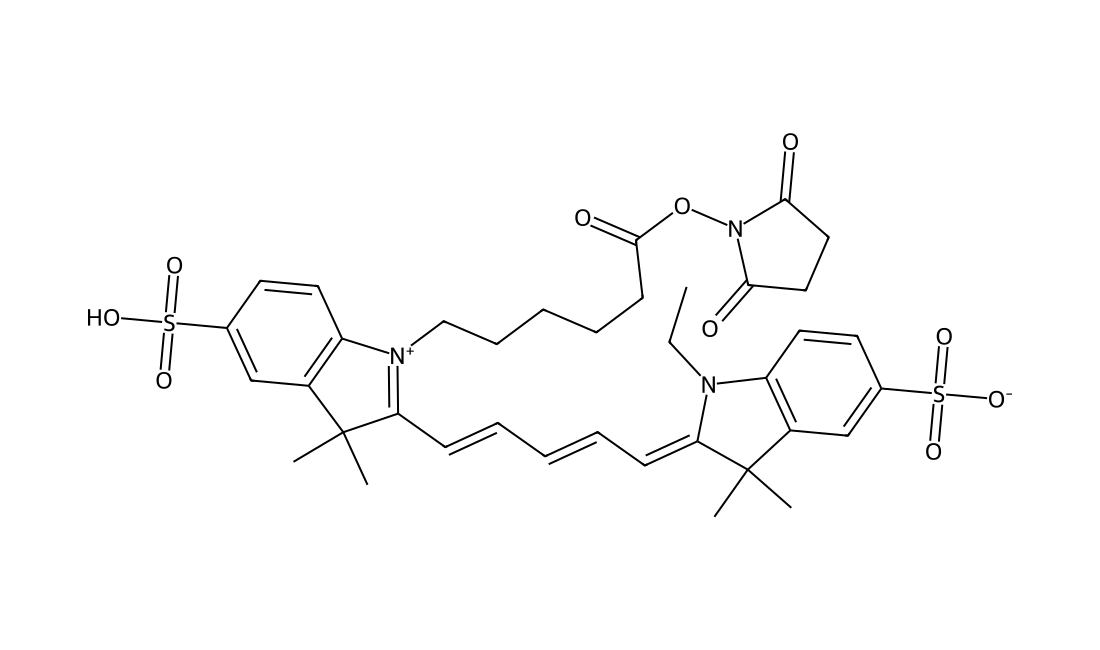
CAS 146368-14-1
Cy5-SE (Cy5 NHS Ester) is a reactive dye for the labeling of amino-groups in peptides, proteins, and oligonucleotides. This dye requires small amount of organic co-solvent (such as DMF or DMSO) to be used in labeling reaction. This reagent is ideal for very cost-efficient labeling of soluble proteins, as well as all kinds of peptides and oligonucleotides. This reagent also works well in organic solvents for small molecule labeling. Excitation (nm):649, Emission (nm): 670.
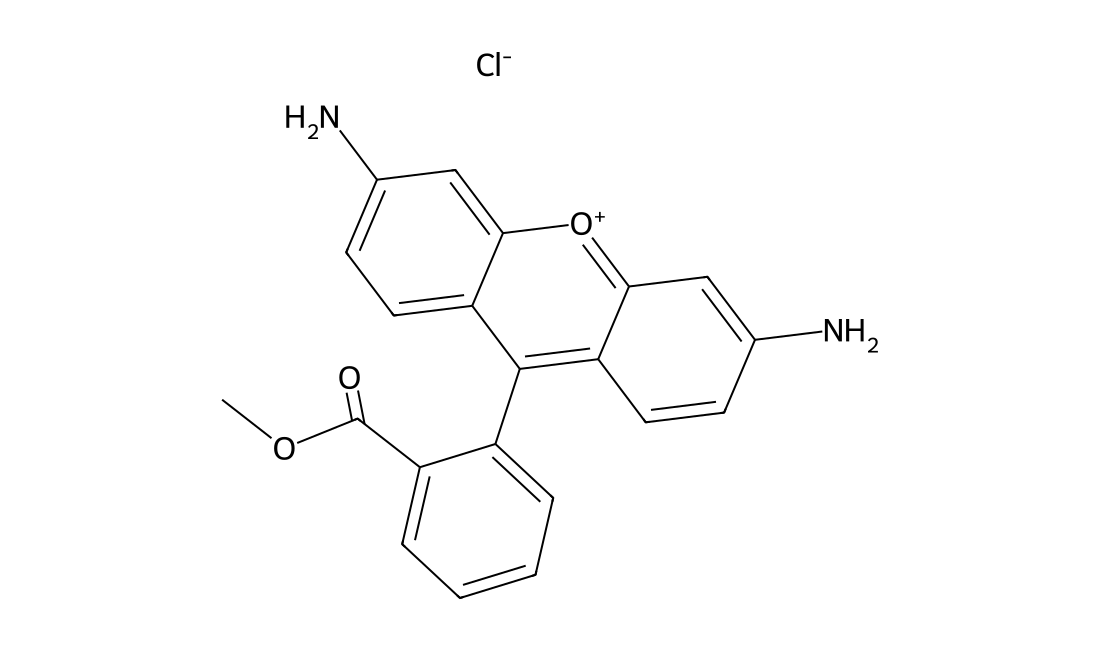
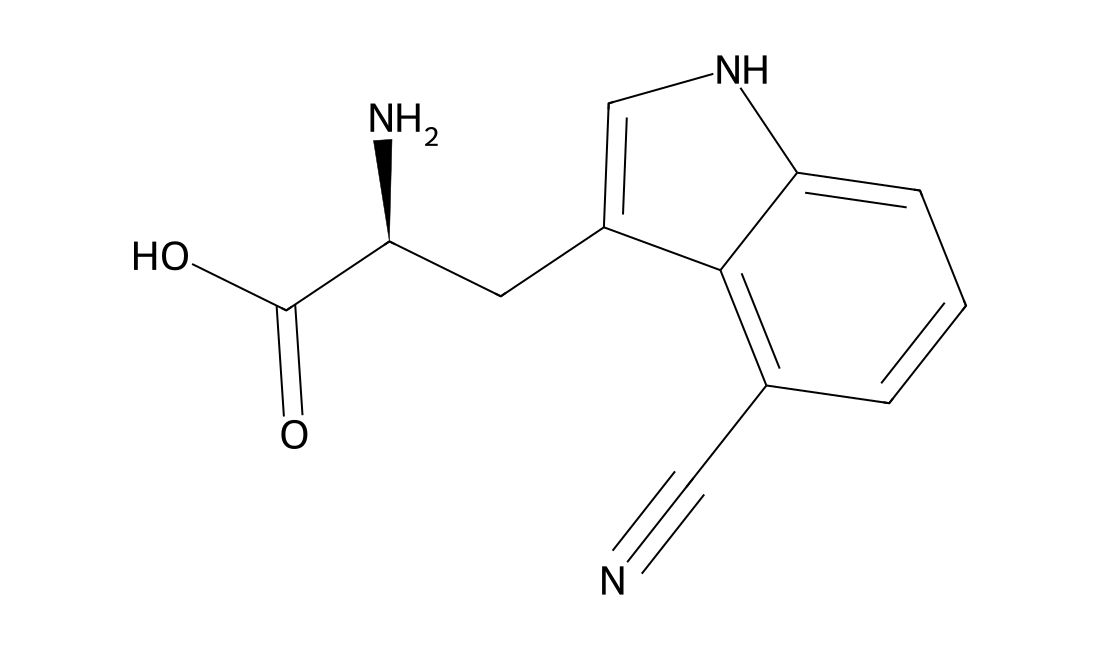
CAS 1132749-42-8
Blue fluorescent amino acid, exhibiting blue fluorescence (λ max ~ 405 nm) with a high quantum yield and long lifetime
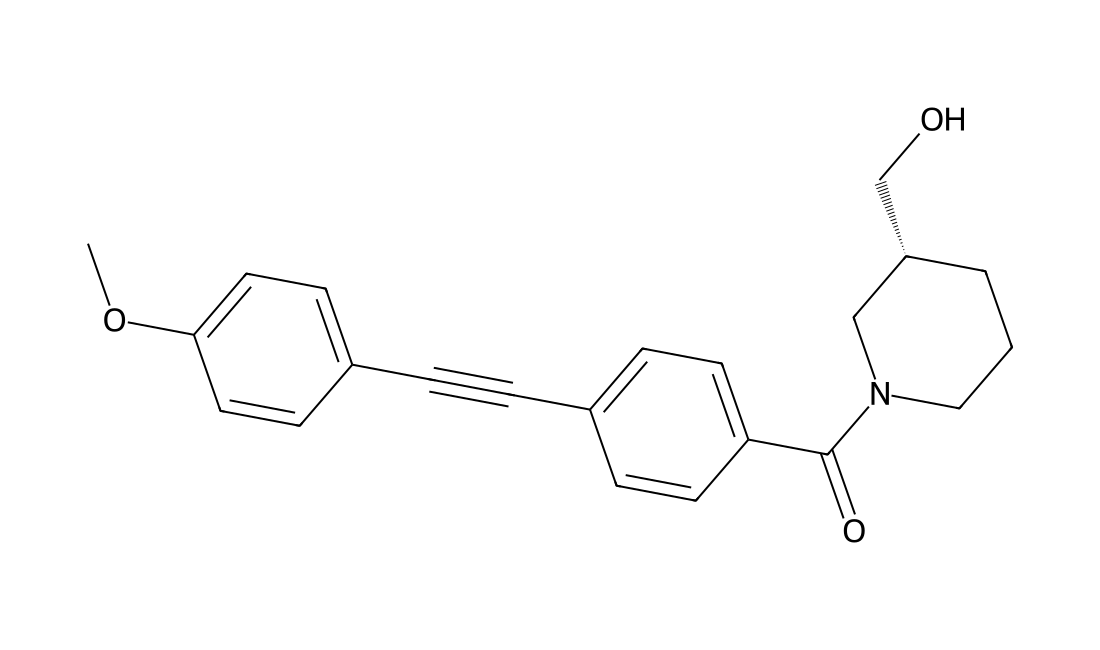
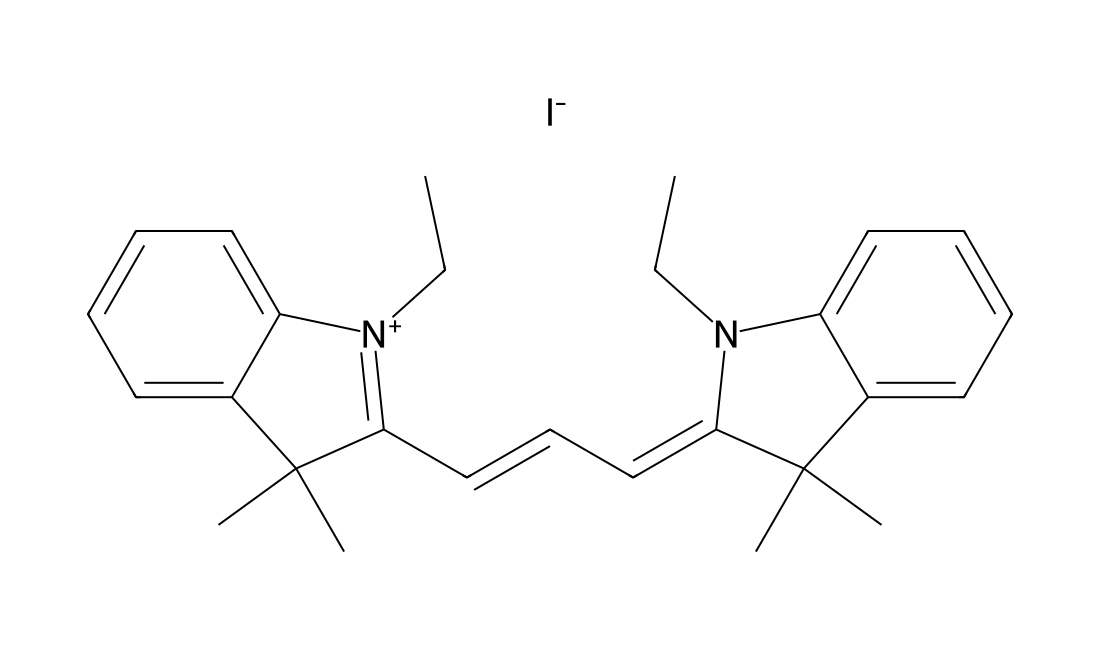
CAS 14696-39-0
Astrophloxine is a fluorescent imaging probe capable of targeting antiparallel dimers. Astrophloxine can be used to detect aggregated Aβ in brain tissue and cerebrospinal fluid samples of Alzheimer's disease (AD) mice.
CAS 25535-16-4
Propidium Iodide is a fluorescent intercalating agent that can be used to stain cells. Propidium Iodide is used as a DNA stain in flow cytometry to evaluate cell viability or DNA content in cell cycle analysis, and in microscopy to visualise the nucleus and other DNA-containing organelles. Propidium Iodide cannot cross the membrane of live cells, making it useful to differentiate necrotic, apoptotic and healthy cells.
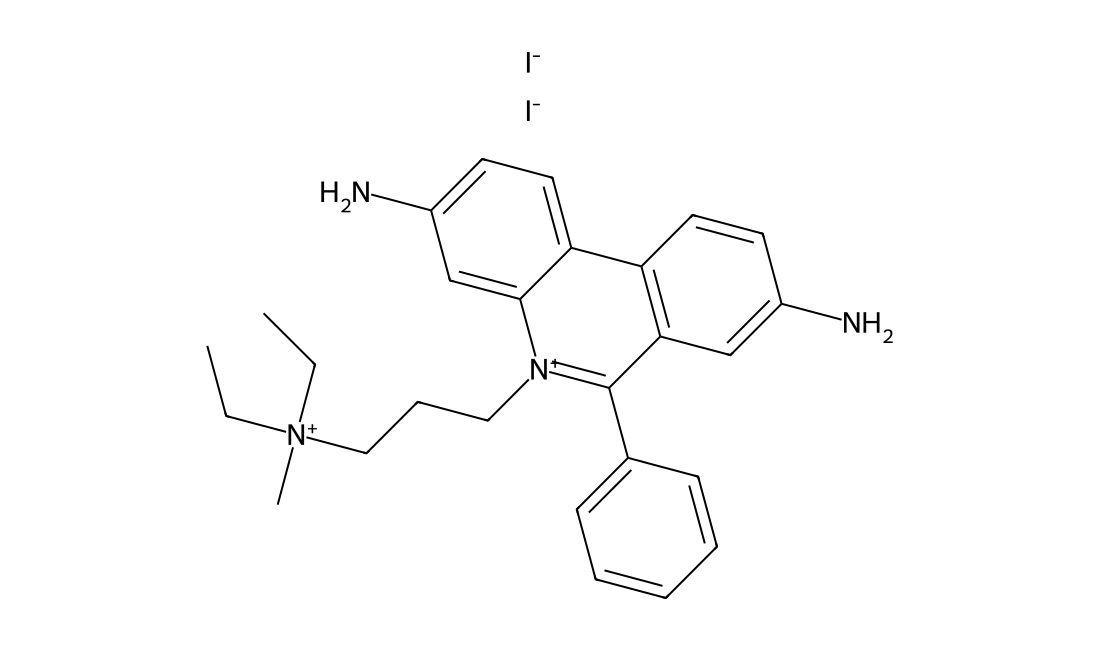
CAS 2210244-83-8
Novel fluorescent substrate for both the serotonin transporter and the vesicular monoamine transporter 2 (VMAT2)
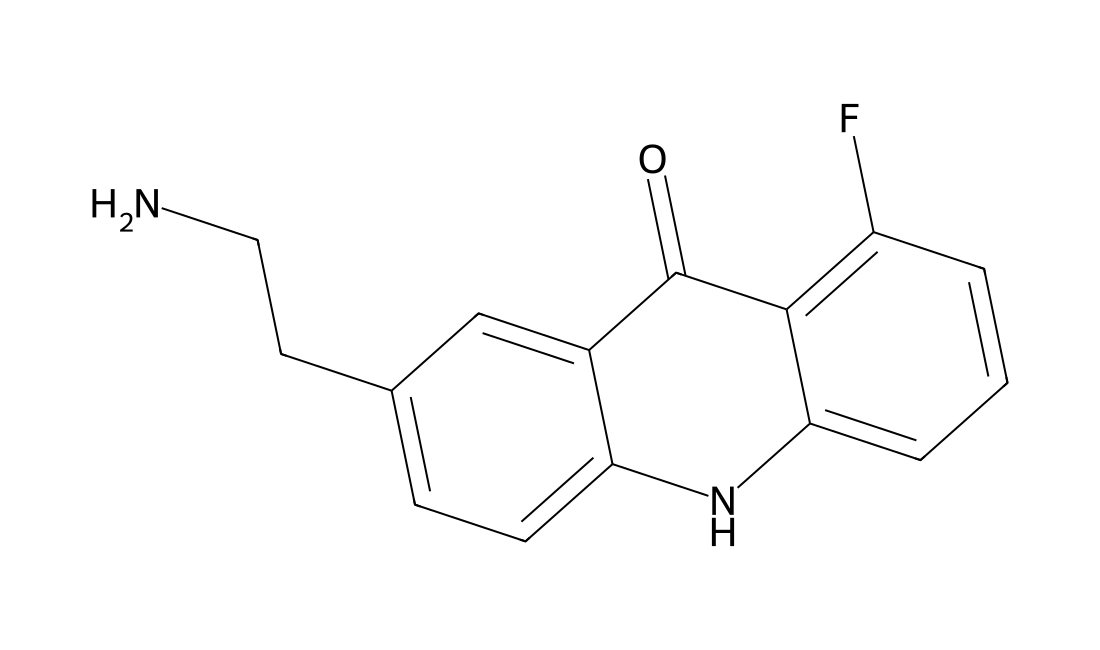
CAS 87156-01-2
EDA-DA is an unnatural dipeptide building block (an ethynyl-D-alanine and a D-alanine). It incorporates a biorthogonal alkyne group into peptidoglycan (PG) through MurF in the cytoplasmic pathway, which enables selective labeling via a click-chemistry reaction. EDA-DA allows labeling of PG in Gram-positive (B. subtilis), Gram-negative (E. coli and C. trachomatis), Mycobacterium (M. smegmatis) and moss plastids (P. patens) with azide modified fluorescent dyes such as Alexa Fluor 488.
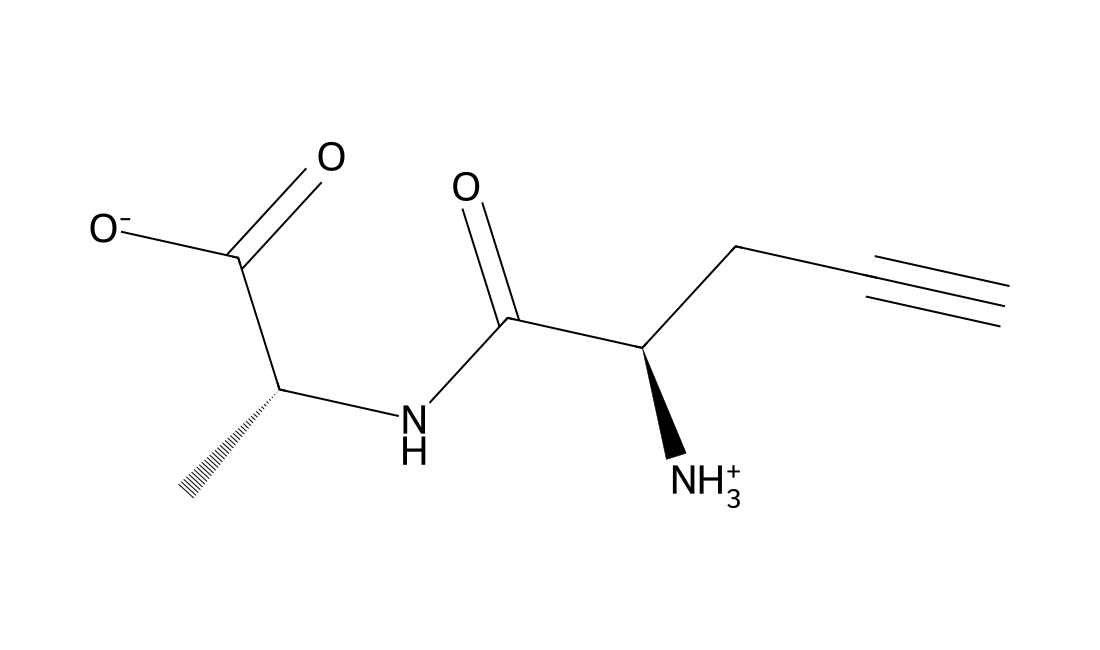
CAS 2113650-04-5
A potent PD-1/PD-L1 interaction inhibitor with IC50 of 2.25 nM in a homogenous time-resolved fluorescence binding assay.
CAS 2306193-61-1
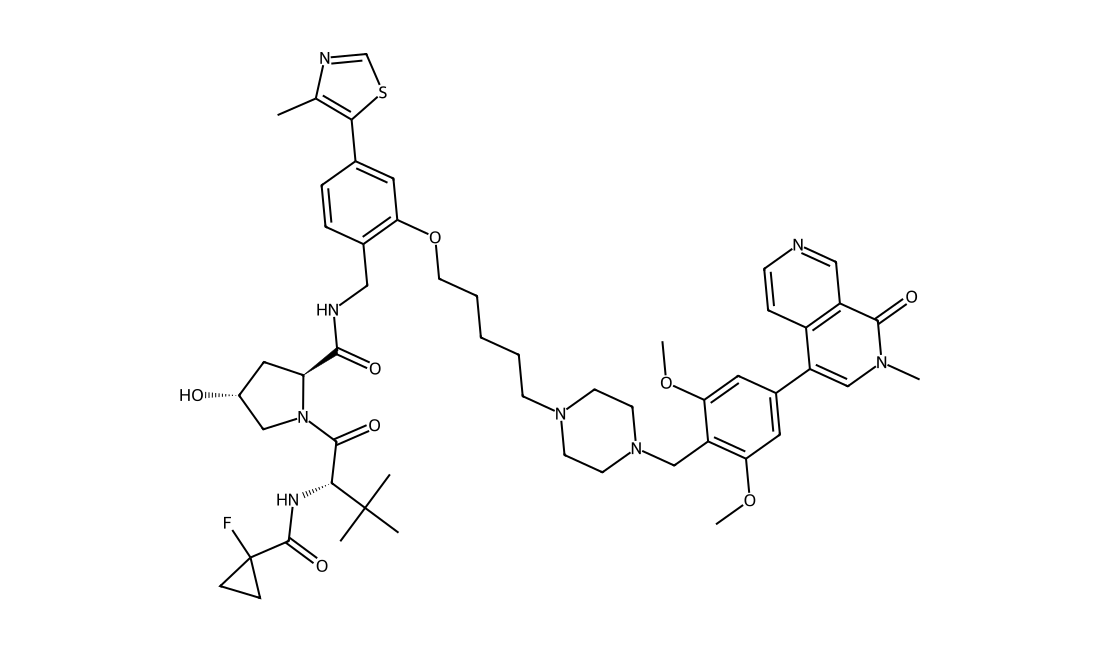
VZ185 (VZ-185) is a potent, fast and selective, VHL-based dual degrader probe (PROTAC) of BRD9 and BRD7 with DC50 of 1.8 and 4.5 nM, respectively; induces strong and rapid degradation of of BRD9, BRD7 in a time- and dose-dependent manner after treatment of RI-1 cells, also shows a DC50 between 2-8 nM for BRD9 in a panel of other human cancer cell lines (EOL-1, A-204).
CAS 781628-99-7
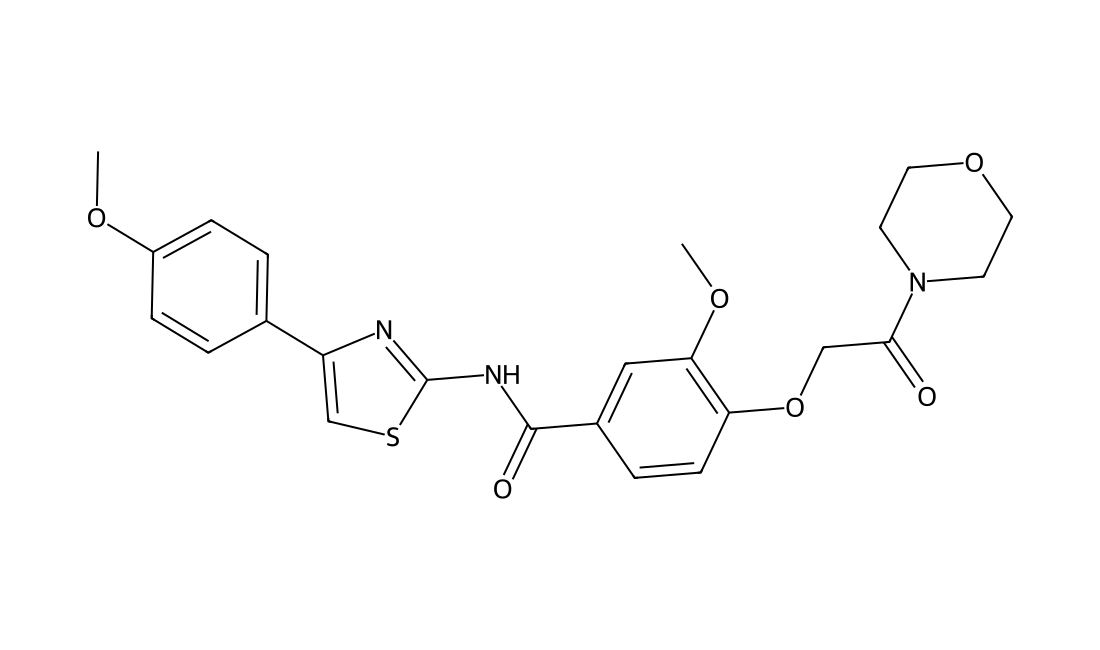
SBI-477 is a chemical probe that coordinately inhibits triacylglyceride (TAG) synthesis and enhances basal glucose uptake in human skeletal myocytes with EC50 of 100 nM and 1 uM, respectively; reduces expression of TXNIP and ARRDC4, negative regulators of insulin signaling, via deactivation of the transcription factor MondoA.
CAS 1426916-00-8
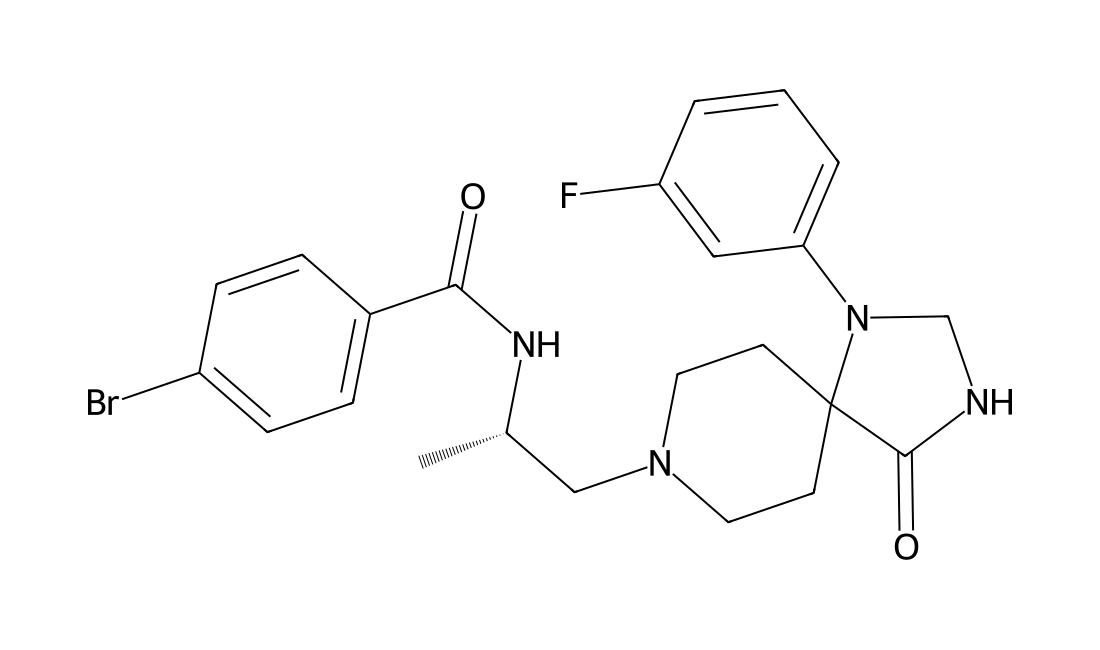
ML299 is a potent, CNS penetrant, dual phospholipase PLD1/PLD2 probe with IC50 of 6 nM/20 nM, respectively; robustly increases caspase 3/7 activation under serum-free conditions, provides a dose-dependent decrease (100 nM to 10 uM) in invasive migration in U87-MG cells, with statistical significance reached at both the 1 uM and 10 uM doses.
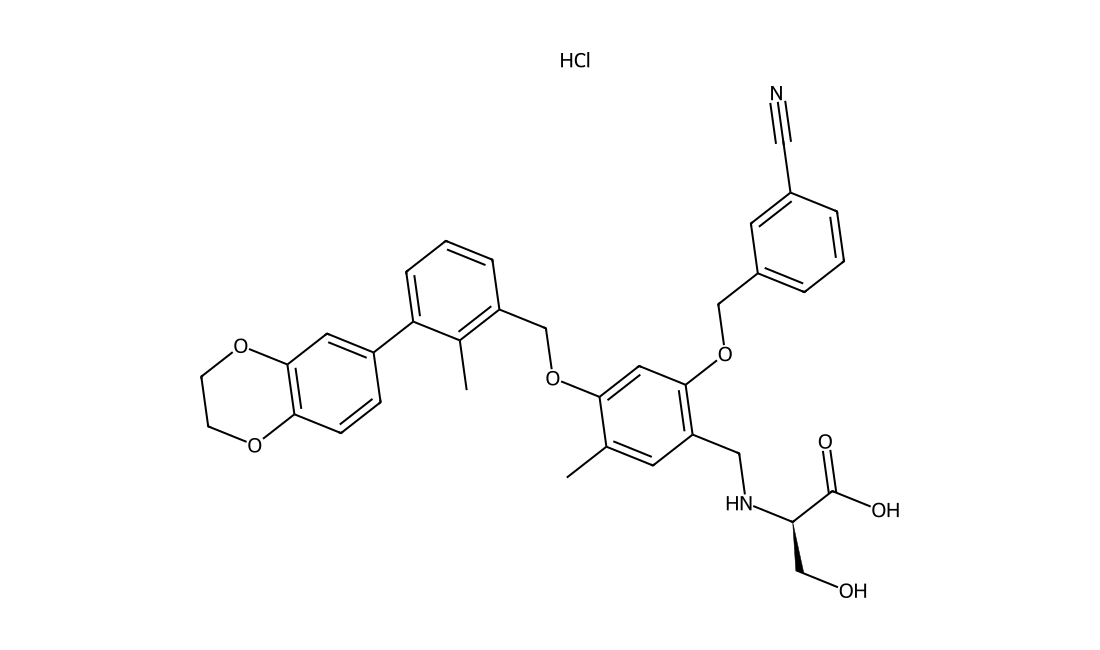
CAS 2113650-05-6
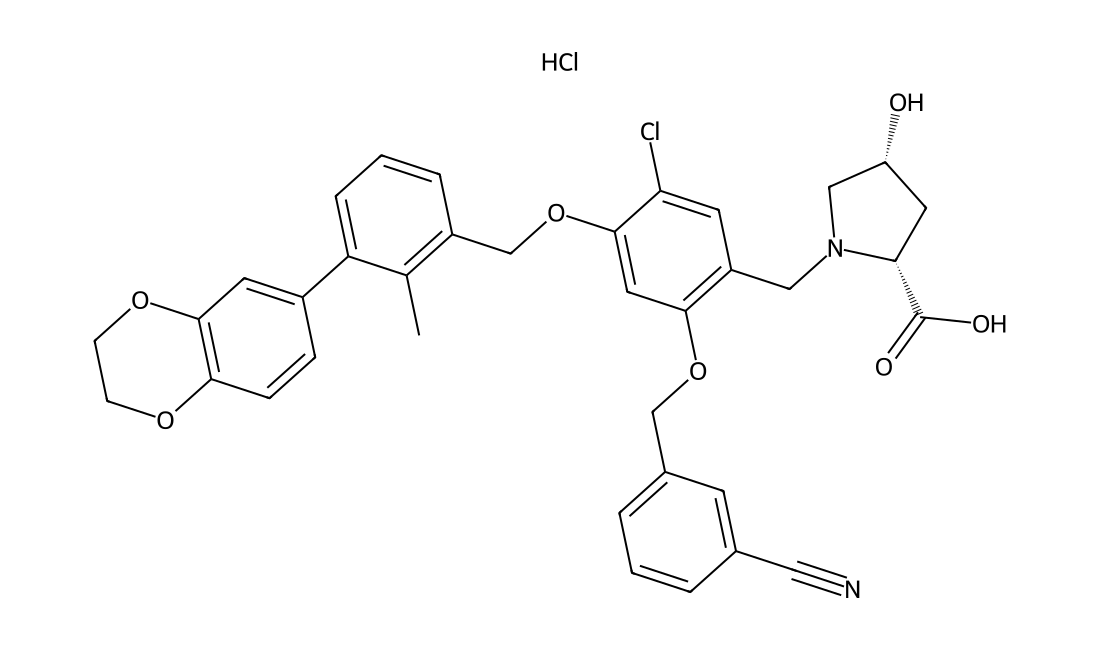
BMS-1166 hydrochloride is a potent PD-1/PD-L1 interaction inhibitor with an IC50 of 1.4 nM. BMS-1166 antagonizes the inhibitory effect of PD-1/PD-L1 immune checkpoint on T cell activation.
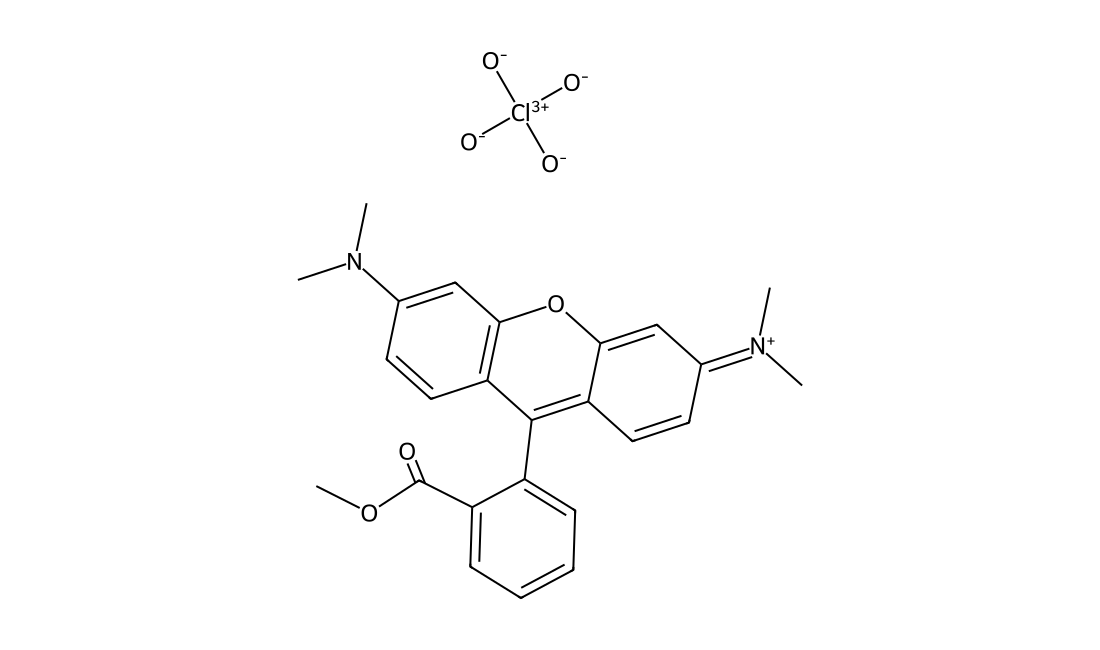
CAS 115532-50-8
TMRM Perchlorate is a cell-permeant cationic lipophilic red fluorescent dye (λex=530 nm, λem=592 nm).
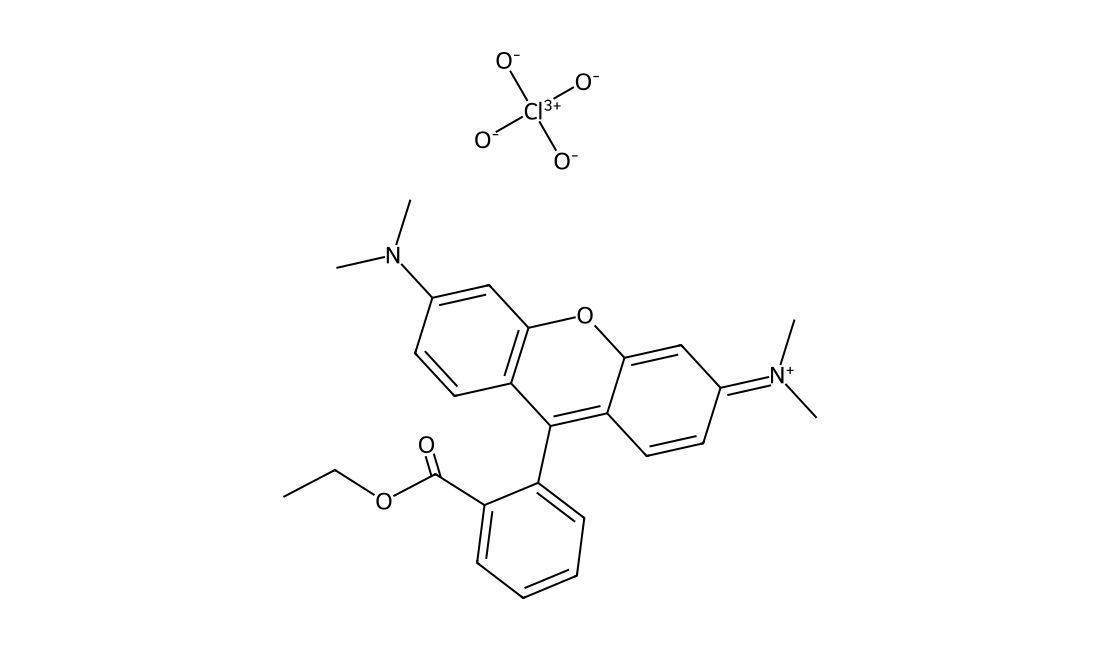
CAS 1440755-31-6
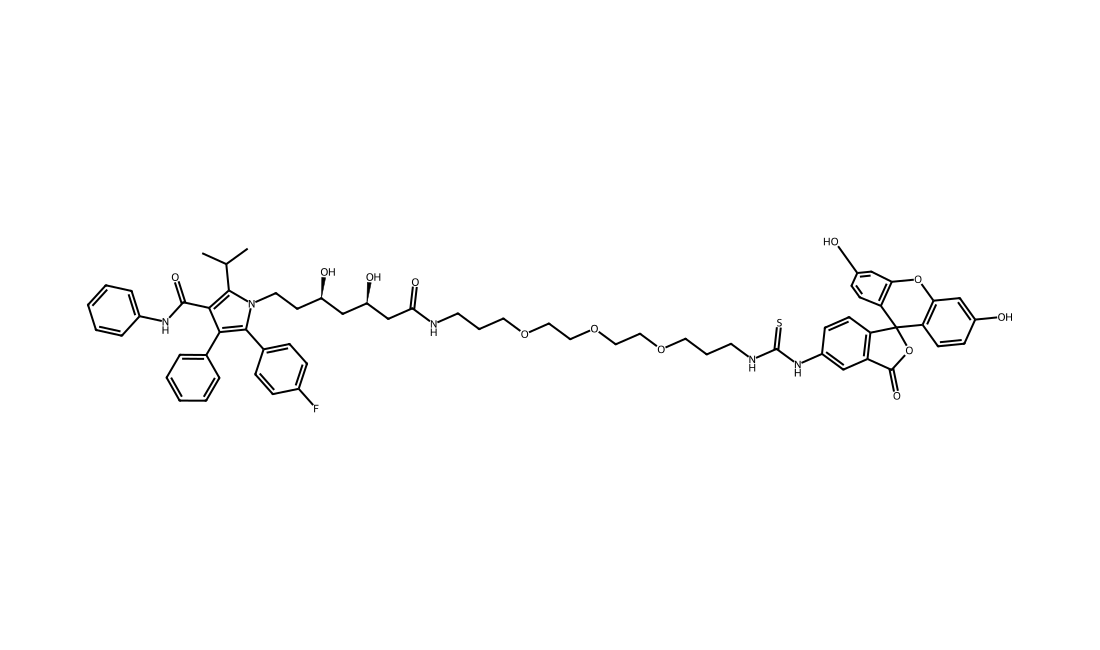
Atrovastatin-PEG3-FITC (compound S31) is a KRAS-PDEδ interaction inhibitor. Atrovastatin-PEG3-FITC acts as a ligand in fluorescence anisotropy assay.
CAS 1997321-20-6
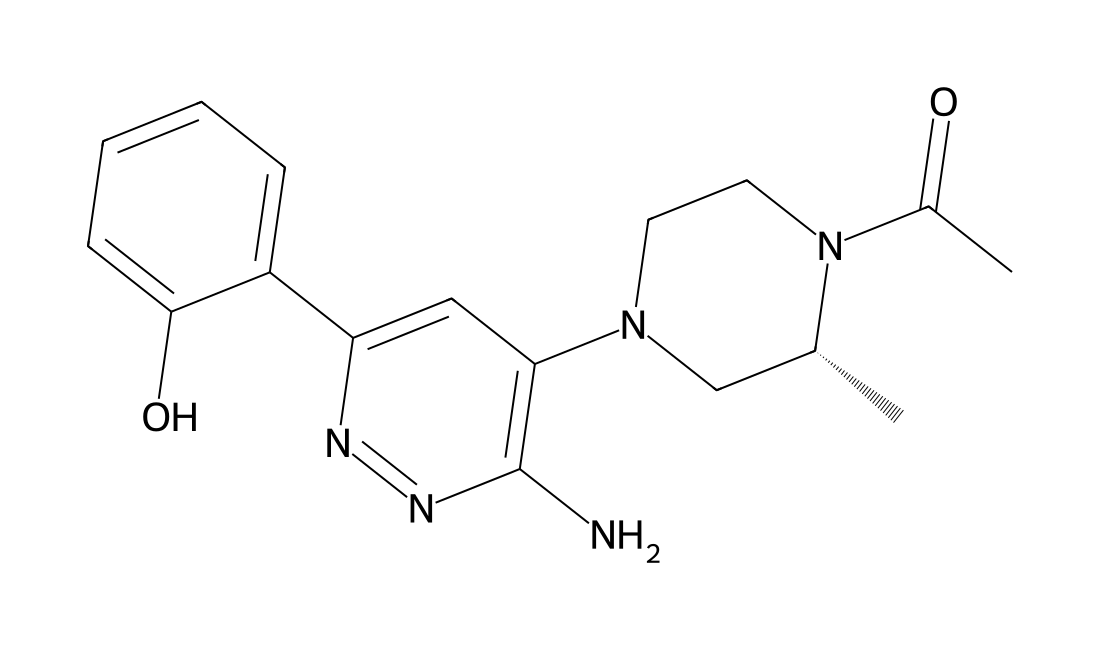
GNE-064 (compound 5) is a selective, oral and highly soluble inhibitor of the SMARCA4, SMARCA2 and PBRM1 bromodomains 5. GNE-064 inhibits SMARCA4 with an IC50 of 0.035 μM and inhibits SMARCA2 with an EC50 of 0.10 μM. GNE-064 possess Kds with 0.01, 0.016, 0.018 and 0.049 μM for SMARCA4, SMARCA2, PBRM1 bromodomains 5 and PBRM1 bromodomains 2, repectively. GNE-064 can be used as a chemical probe for the research of drug synthesis.
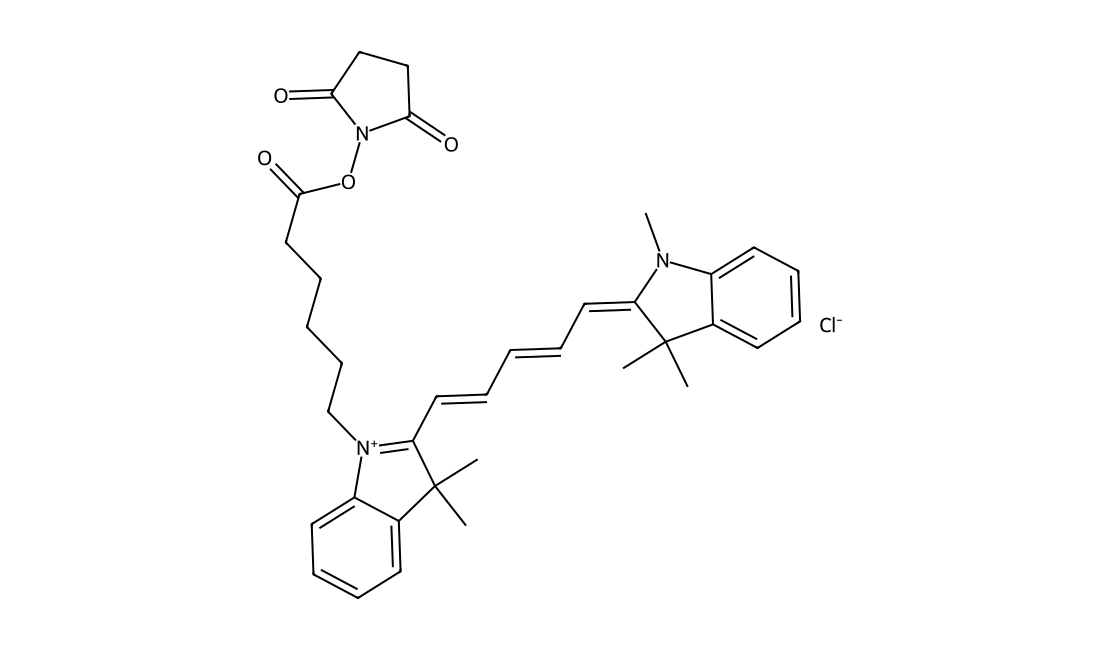
CAS 1032678-42-4
Cyanine5 NHS ester chloride is a red emitting fluorescent dye for labeling of amino-groups in peptides, proteins, and oligonucleotides[1].
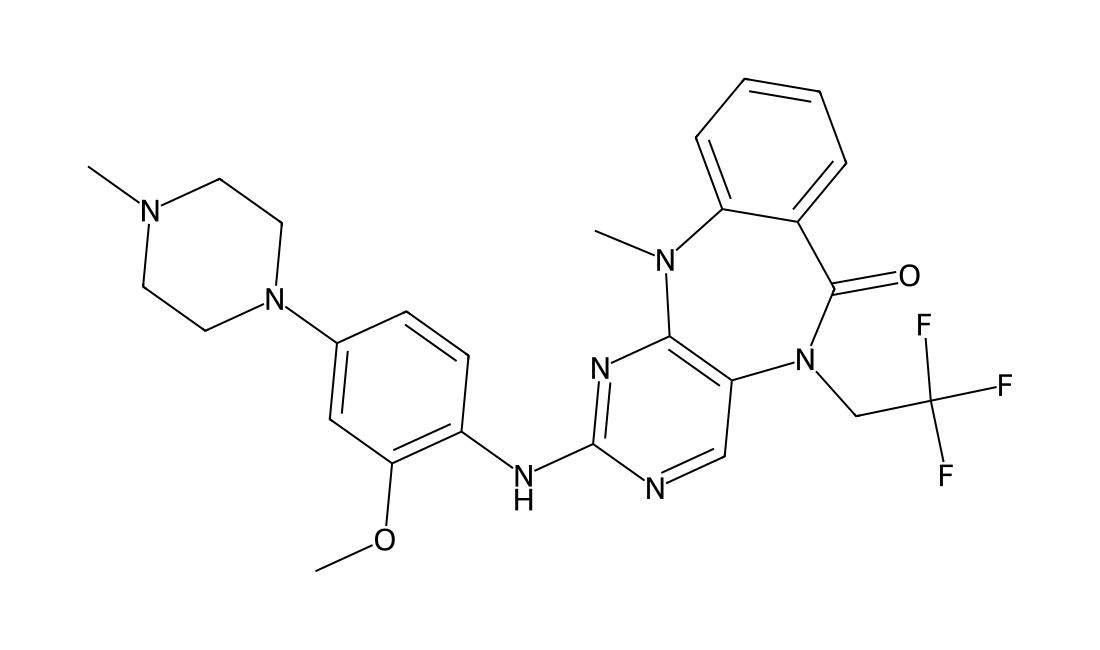
CAS 2222635-15-4
DCLK1-IN-1 is a selective, oral bioavailability in vivo-compatible chemical probe of the doublecortin like kinase 1 (DCLK1 kinase) domain. DCLK1-IN-1 inhibits DCLK1 and DCLK2 kinases (IC50: DCLK1=9.5/57.2 nM and DCLK2=31/103 nM in binding and kinase assay, respectively). DCLK1-IN-1 shows low toxicity, and can investigate DCLK1 biology and establish its role in cancer, like DCLK1+ pancreatic ductal adenocarcinoma (PDAC)[1].
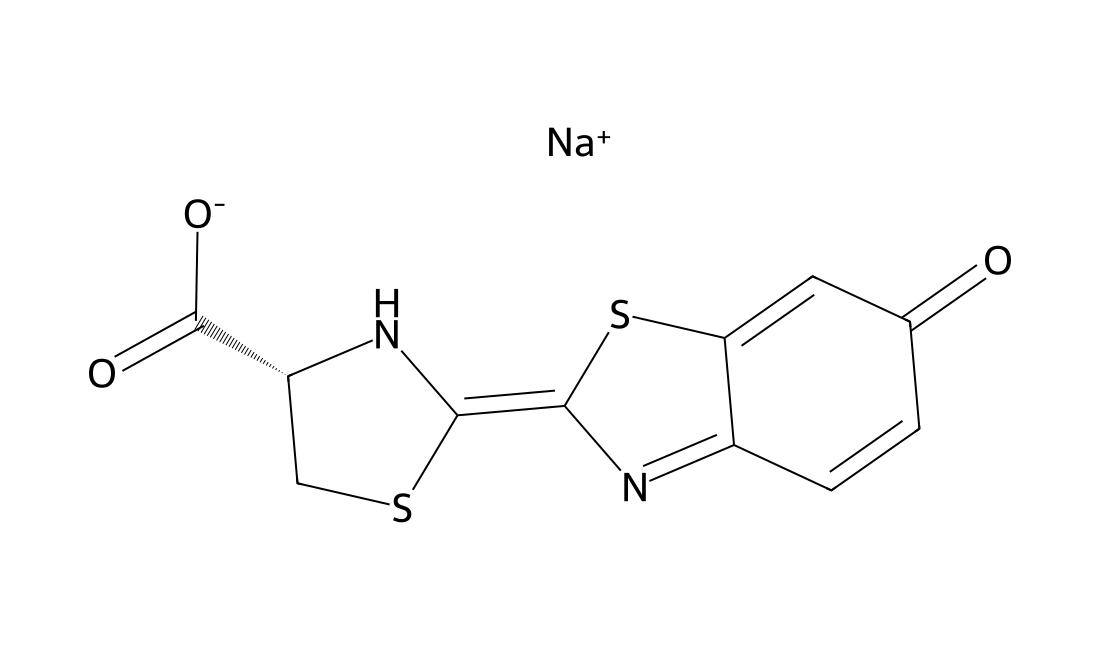
CAS 103404-75-7
D-Luciferin sodium salt is the substrate of luciferases that catalyze the production of light in bioluminescent insects.
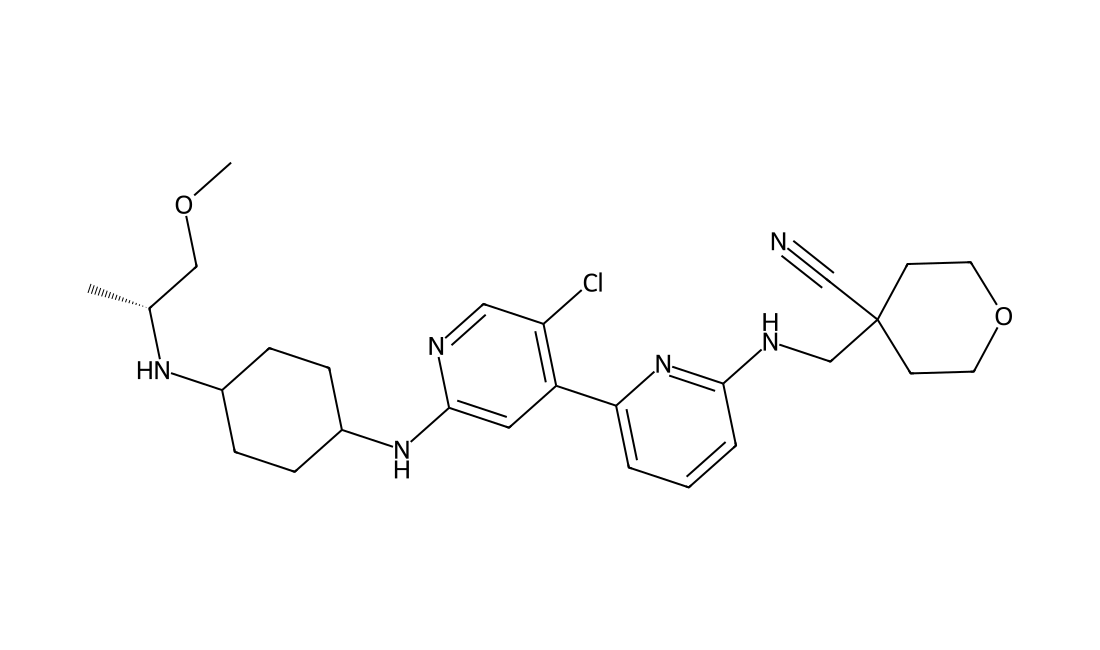
CAS 1686147-55-6
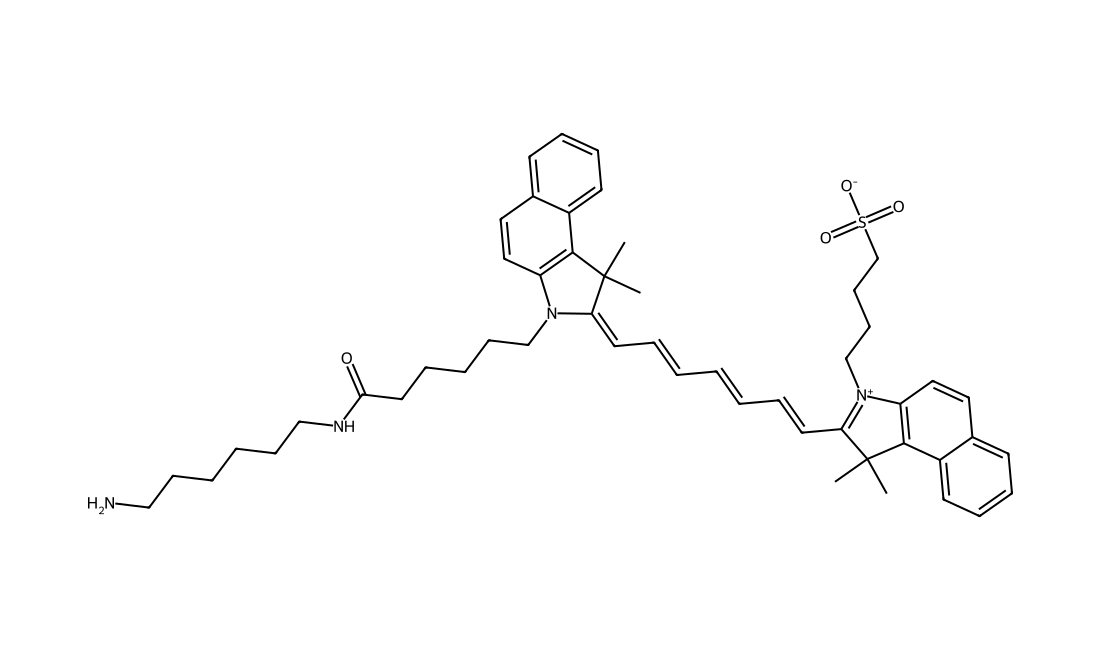
ICG amine, as a near-infrared fluorescent probe, binds to amino acid residues without condensing agents. ICG is a tricarbocyanine dye[1].
CAS 208459-17-0
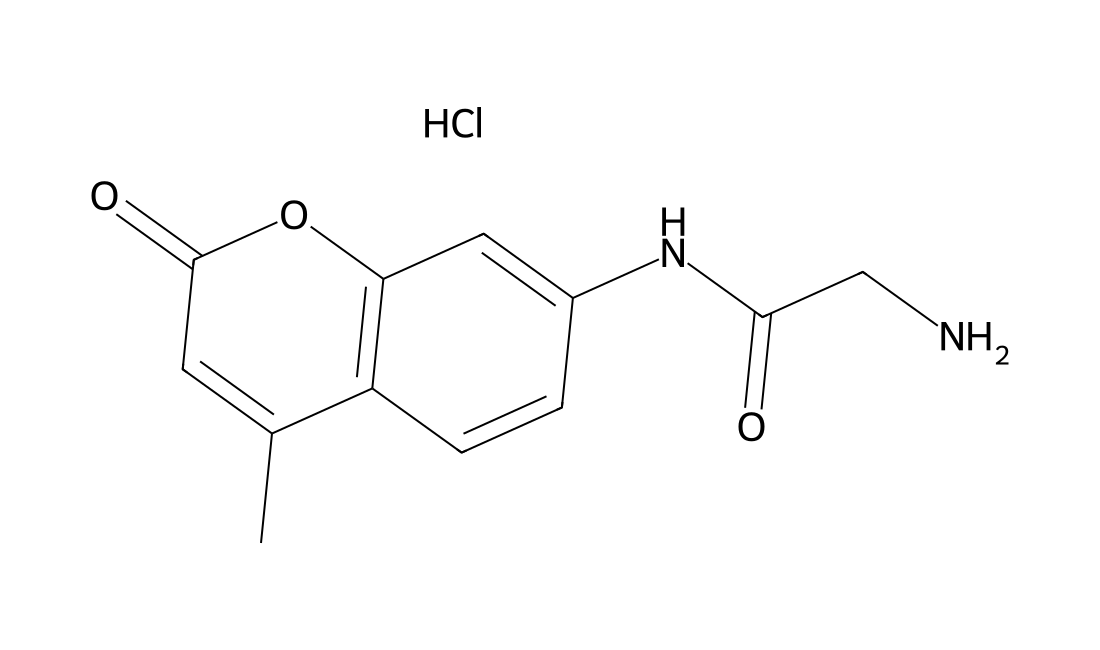
Gly-AMC, also known as L-Gly-7-Amino-4-Methylcoumarin, is a probe and chromphore substrate for aminopeptidase. it is useful to make the C-terminal conjugate of ubiquitin with 7-amino-4-methylcoumarin (Ub-AMC), which is an important probe for fluorescence-based anal. of deubiquitinating enzyme (DUB) activity.
CAS 78338-22-4
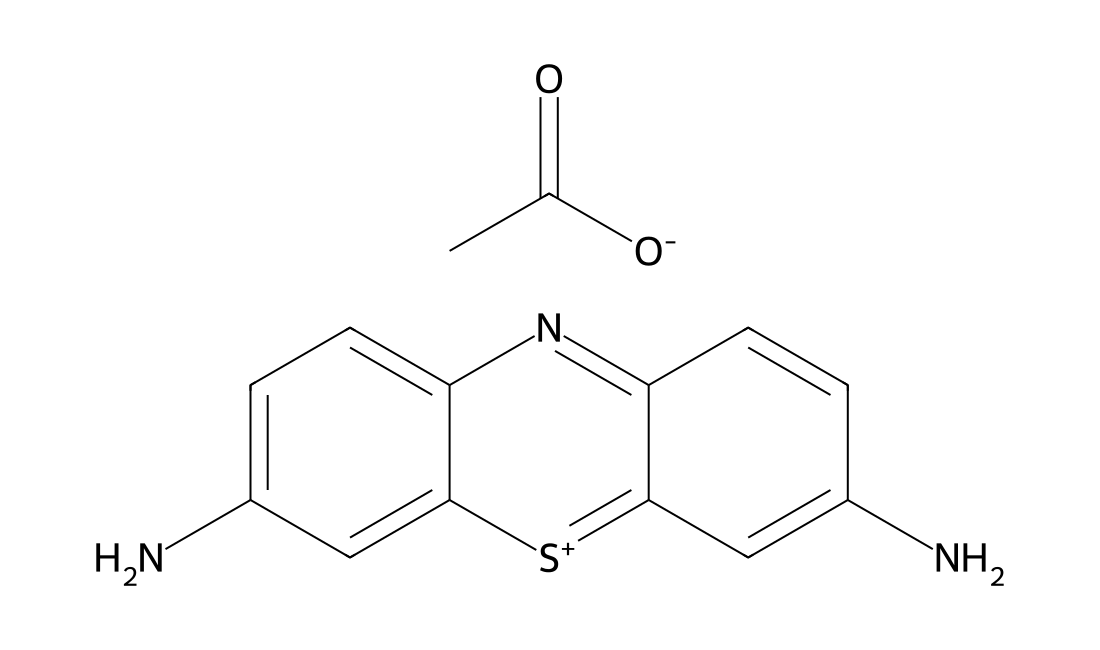
Thionin (acetate) is a metachromic cationic histology dye used in biological staining widely.
CAS 101917-30-0
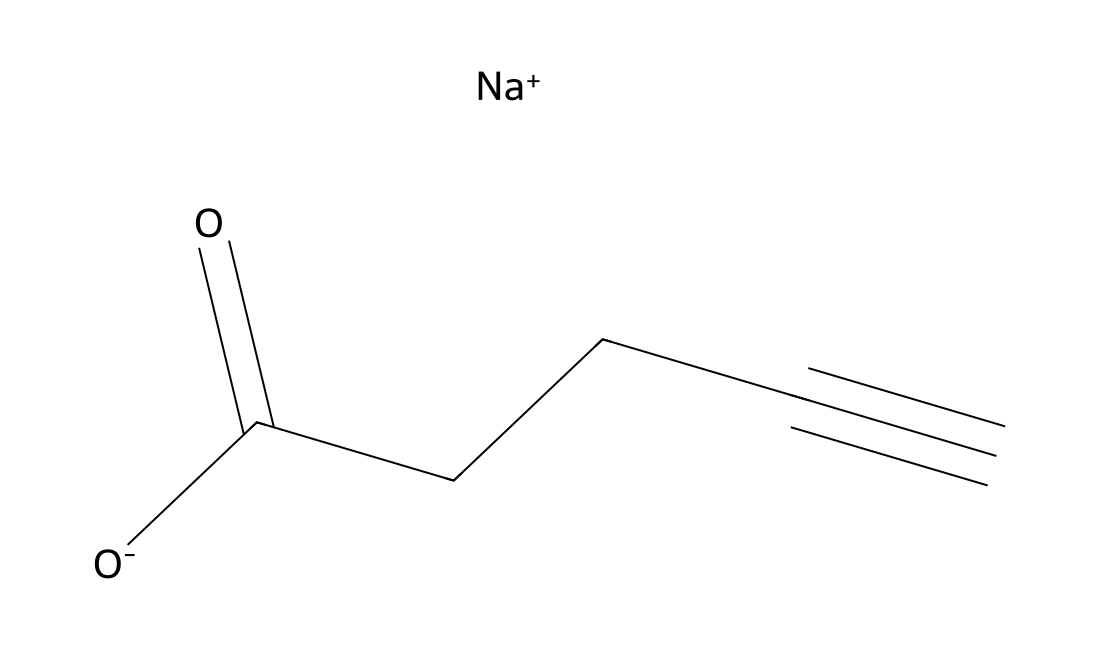
sodium 4-pentynoate is a alkynylacetate analogue; can be metabolically incorporated onto cellular proteins through biosynthetic mechanisms for profiling of acetylated proteins in diverse cell types.
CAS 2156-29-8
2-Di-1-ASP (Compound 18a) is a mono-stryryl dye, and widely used as mitochondrial stain and groove-binding fluorescent probes for double-stranded DNA. 2-Di-1-ASP is selective for G-quadruplex (G4) and double-stranded DNA[1].
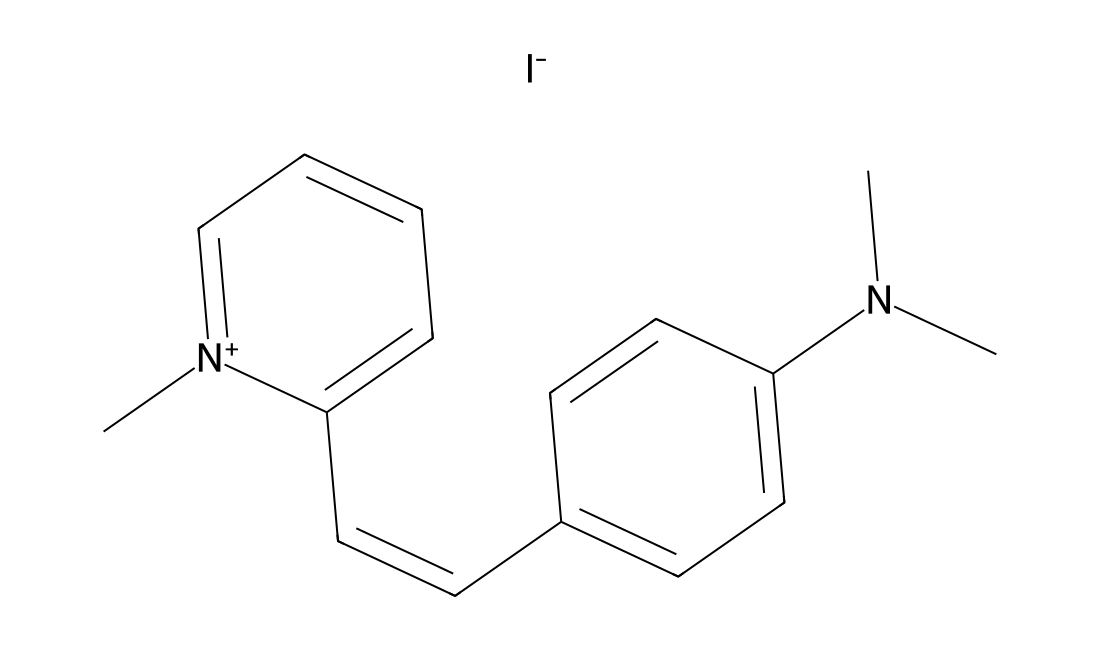
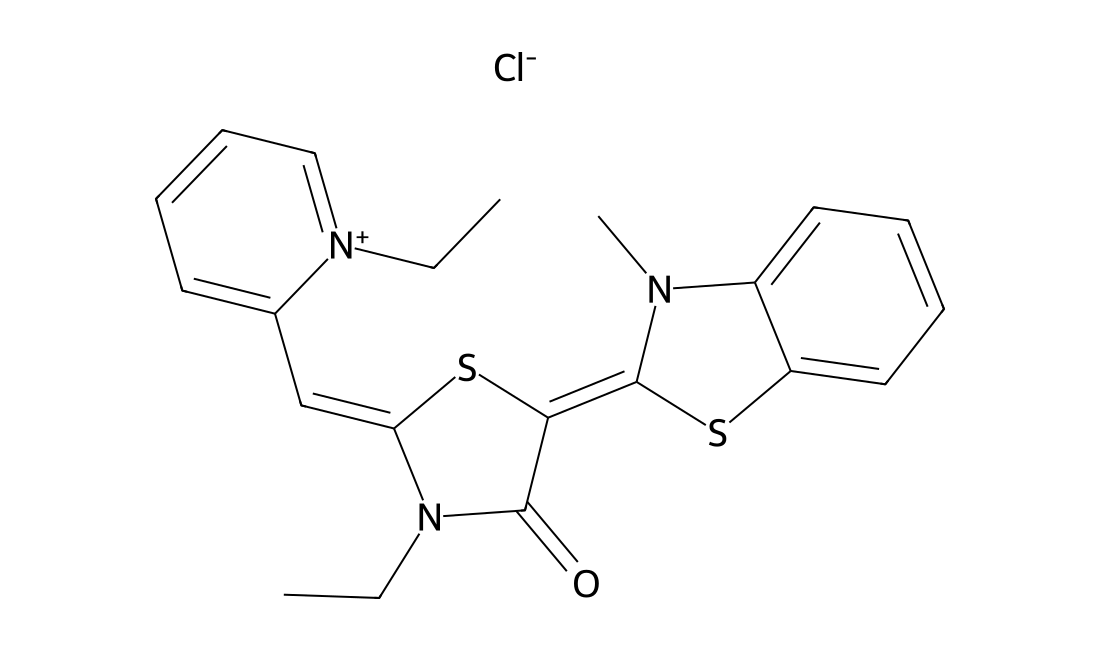
CAS 147366-41-4
MKT-077 (FJ-776) is a highly water-soluble (>200 mg/ml) rhodacyanine dye that exhibits significant antitumor activity, binds to Hsp70 family member, mortalin (mot-2), and abrogates its interactions with p53; induces release of wild-type p53 from cytoplasmically sequestered p53-mot-2 complexes and rescued its transcriptional activation function; also is a potent telomerase inhibitor with IC50 of 5 uM.
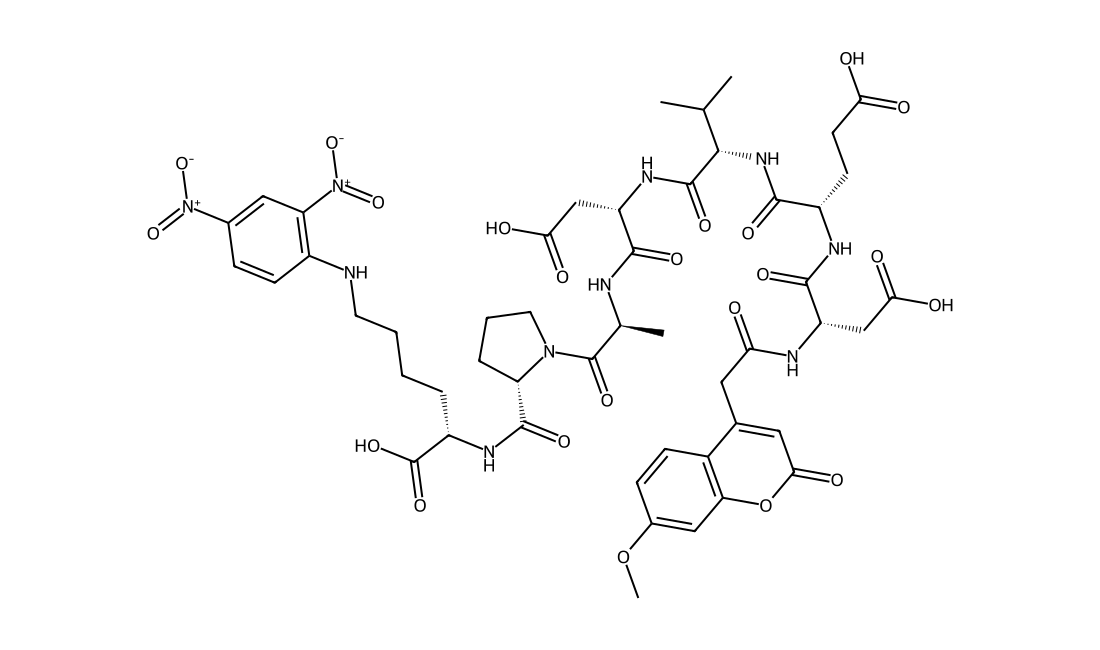
CAS 189696-20-6
Mca-DEVDAPK(Dnp)-OH is a substrate for caspase-3.Upon cleavage by caspase-3, 7-methoxycoumarin-4-acetyl (Mca) is released and its fluorescence can be used to quantify caspase-3 activity. Mca displays excitation/emission maxima of 328/420 nm, respectively.
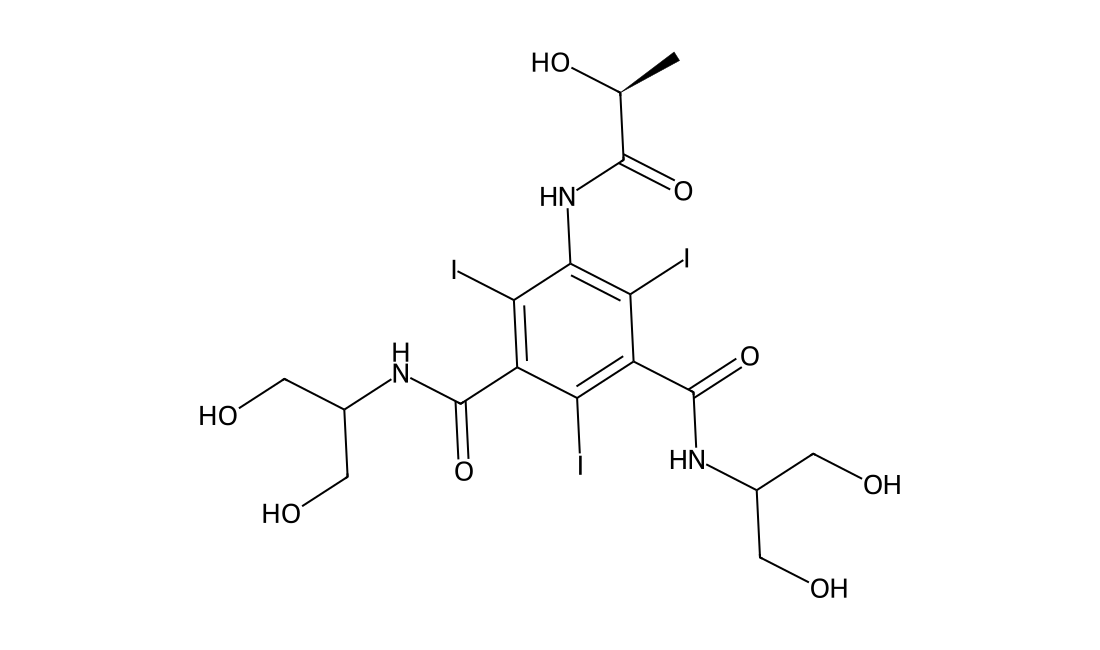
CAS 875756-97-1
Hoechst 33342 3Hcl(HOE 33342 3Hcl) is an AT-specific DNA minor groove ligand used fluorochrome for visualizing cellular DNA.