
Neuroscience
Neurotransmission, neural targets and neurological research.
Browse all research categories
Browse by research category
Products may appear in more than one category. Counts refer to distinct catalog numbers within each category.
Kinases & Cell Signaling1,548 products →938 products →Epigenetics & Gene Regulation410 products →277 products →DNA Damage, Repair & Cell Cycle342 products →228 products →Cell Death & Autophagy233 products →117 products →Protein Degradation & Proteostasis252 products →178 products →Immunology & Inflammation515 products →297 products →Neuroscience793 products →363 products →GPCRs & Receptor Biology1,219 products →428 products →Ion Channels & Transporters373 products →196 products →Metabolism & Endocrinology697 products →404 products →Cardiovascular & Hematology264 products →141 products →Anti-infectives453 products →205 products →Cancer Research1,049 products →532 products →ADCs & Bioconjugation61 products →38 products →Probes & Assay Reagents150 products →82 products →Natural Products424 products →73 products →Cell Biology & Intracellular Transport181 products →61 products →
Other Research Tools (75) · Additional reagents, building blocks and specialized research tools.
Neuroscience products
Combine a keyword, research category and target to narrow the product list.
Loading catalog filters…
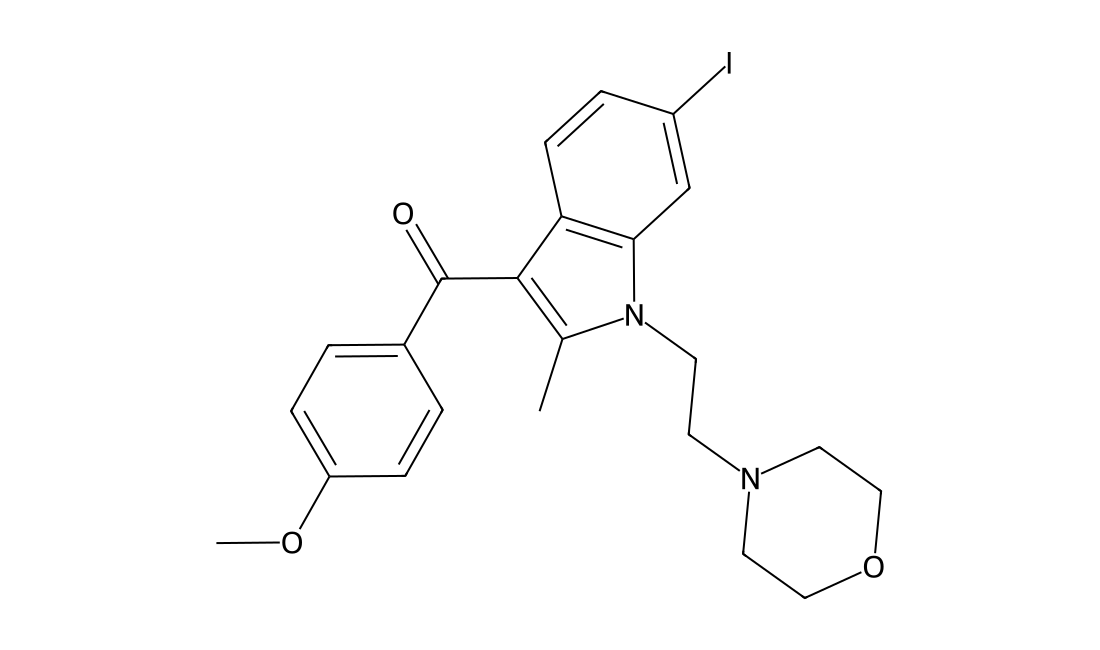
Iodopravadoline(AM-630)
CAS 164178-33-0
AM630 is a selective CB2 receptor antagonist that binds to CB1 and CB2 receptors with Ki values of 5.2 µM and 31.2 nM, respectively.
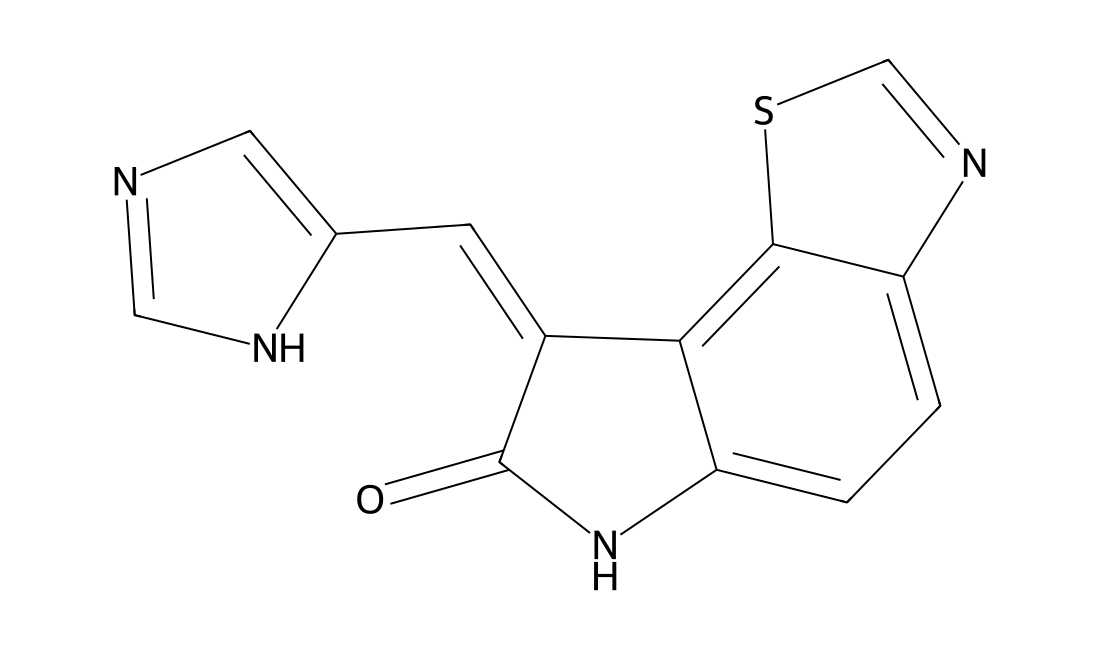
GW-506033X(PKR Inhibitor C16)
CAS 608512-97-6
C16, also known as GW-506033X or PKR Inhibitor. C16 binds the ATP-binding site of PKR and blocks autophosphorylation with an IC50 value of 186-210 nM. GW-506033X protects human neuroblastoma cells against cell damage triggered by tunicamycin-mediated endoplasmic reticulum stress. PKR inhibitor C16 prevents apoptosis and IL-1β production in an acute excitotoxic rat model with a neuroinflammatory component. PKR inhibitor C16 binds efficiently with human microtubule affinity-regulating kinase 4.
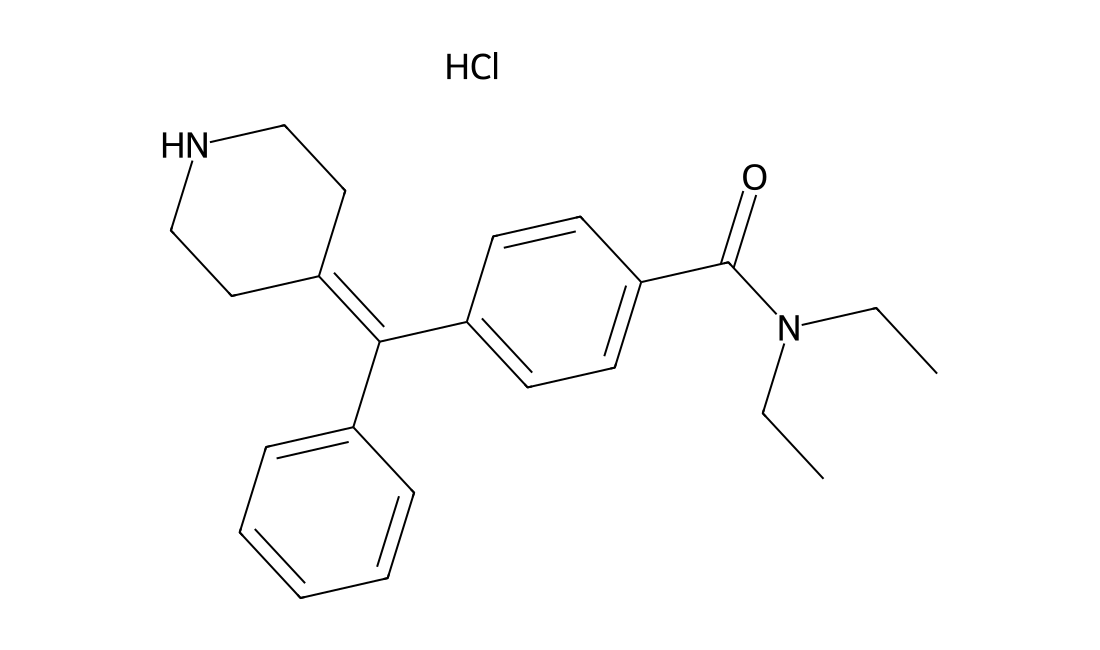
ARM390 Hydrochloride
CAS 209808-47-9
ARM390 is a non-peptidic, low-internalizing δ-selective opioid receptor agonist.
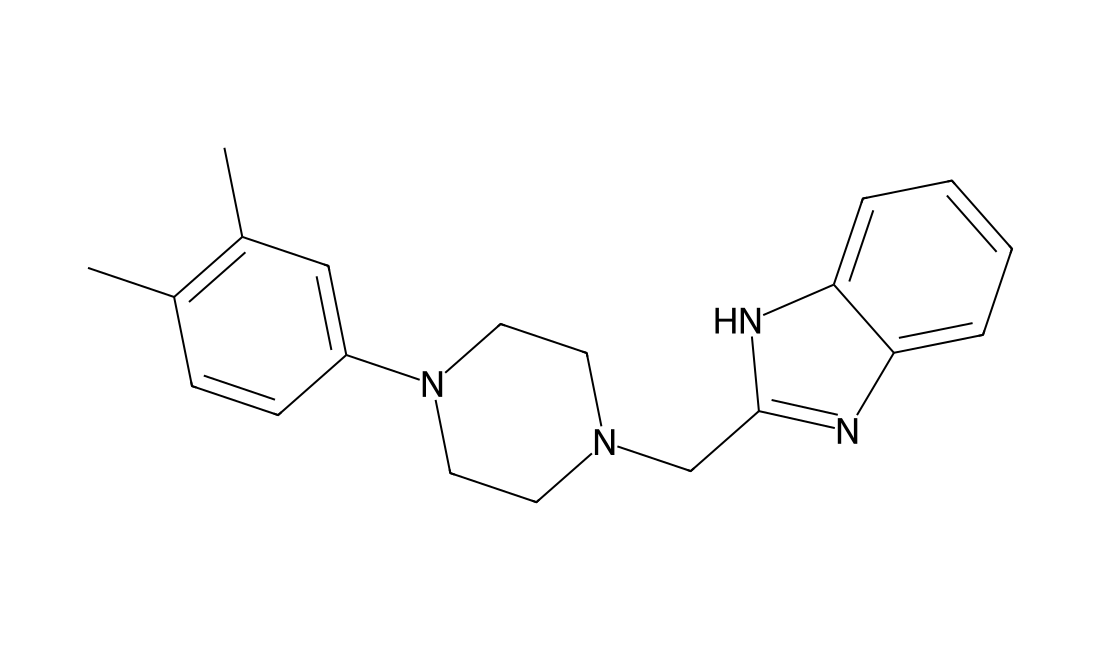
IC-87201
CAS 866927-10-8
A small molecule inhibitor of PSD-95/nNOS interaction with IC50 of 31 uM, without inhibiting nNOS catalytic activity.
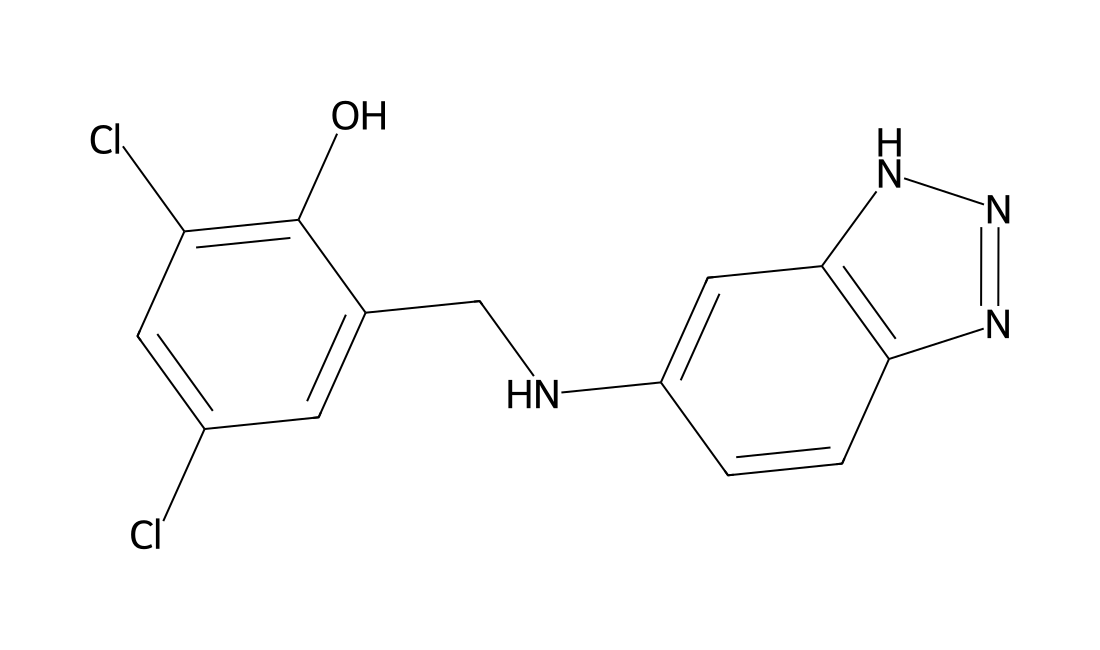
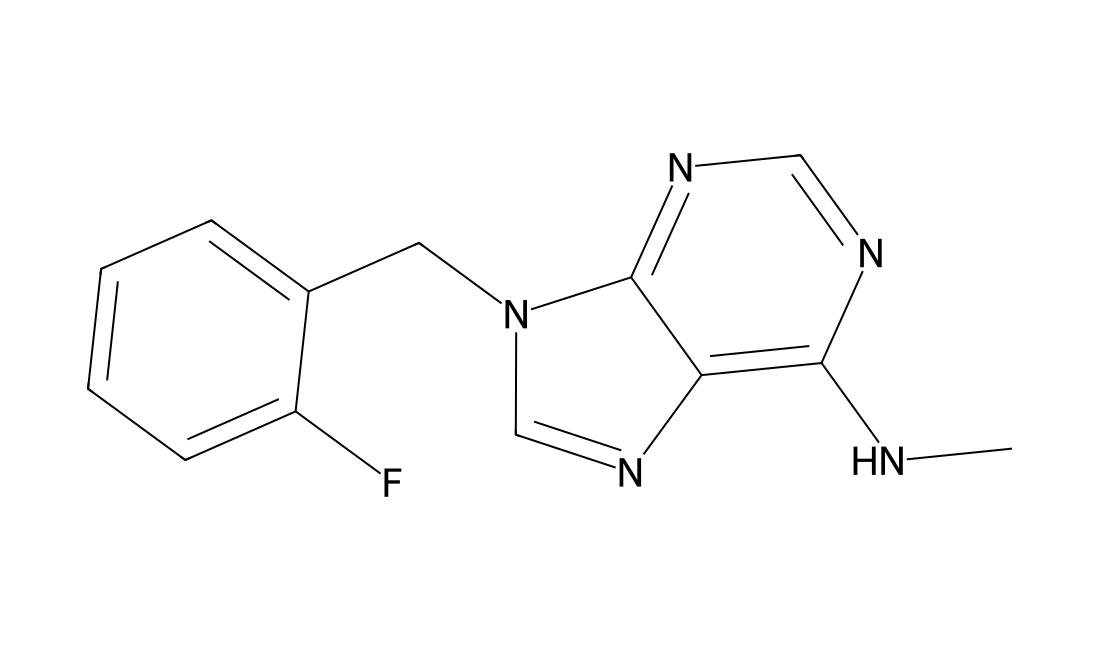
CB7921220
CAS 115453-99-1
CB7921220 is an inhibitor of Adenylyl Cyclase isoform-1 (AC1) and isoform-6 (AC6).
YKL-05-099
CAS 1936529-65-5
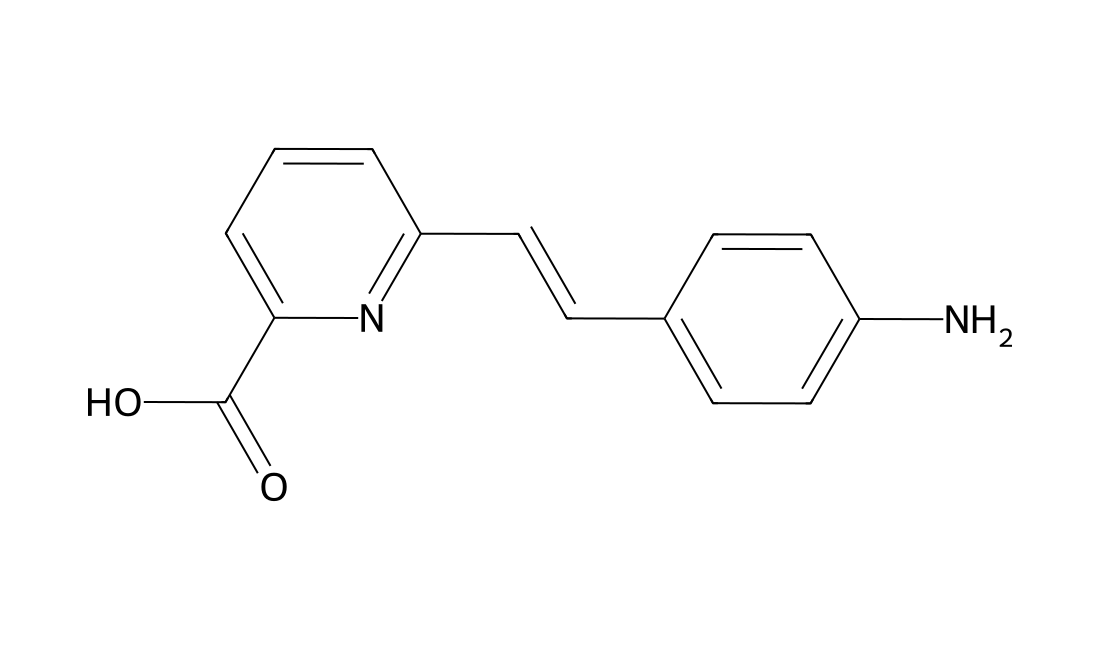
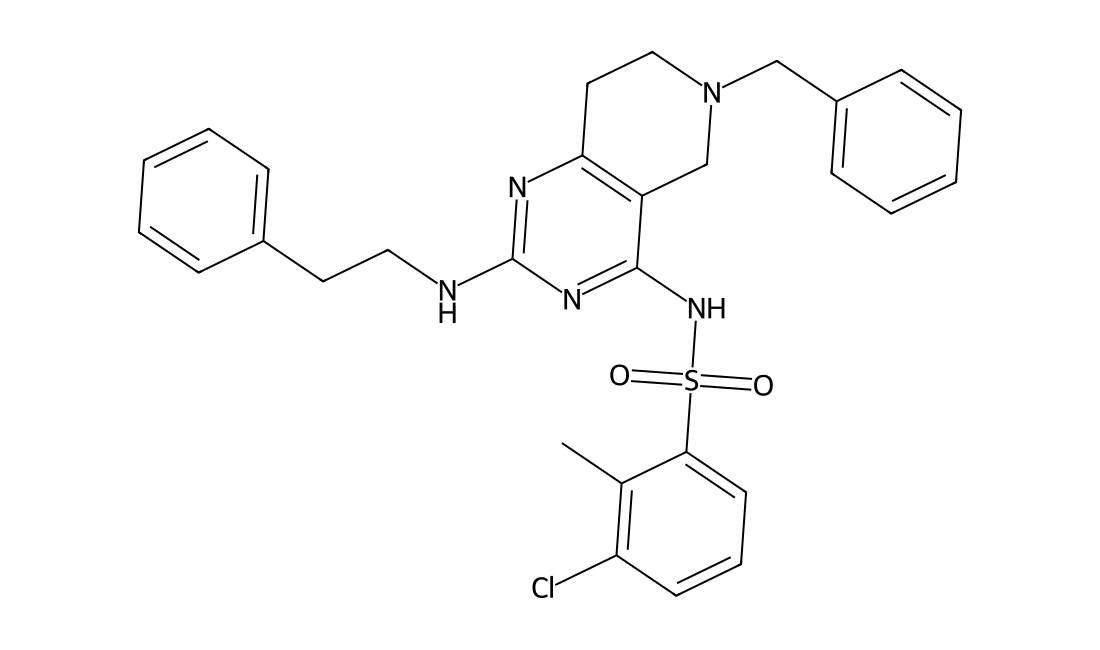
YKL-05-099 is a salt-inducible kinase (SIK) probe; inhibits SIK2 with an IC50 of 40 nM.
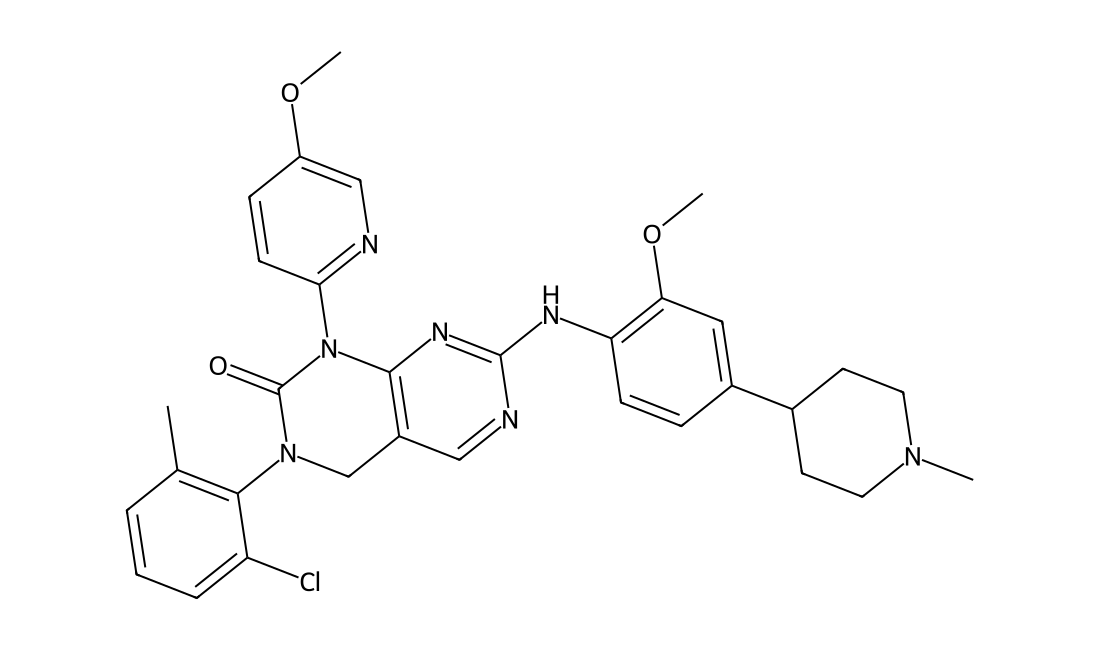
JHU37152
CAS 2369979-67-7
JHU37152 is a Designer Receptors Exclusively Activated by Designer Drug (DREADD) agonist with Ki of 1.8 nM and 8.7 nM for human muscarinic acetylcholine M3 receptors (hM3Dq) and hM4Di in vitro, respectively. And EC50 values are 5 nM and 0.5 nM for hM3Dq and hM4Di in fluorescent and BRET-based assays in HEK-293 cells, respectively.,hM4Di 1(Cell-free assay) hM3Dq 1(Cell-free assay) hM3Dq 1(Cell-free assay) hM4Di 1(Cell-free assay) 0.5 nM(EC50) 1.8 nM(Ki) 5 nM(EC50) 8.7 nM(Ki),JHU37152 is a potent DREADD agonist with high potency and efficacy in fluorescent and BRET-based assays in HEK-293 cells, whereas no responses are observed in untransfected HEK-293 cells.1,JHU37152 exhibits high in vivo DREADD potency. JHU37152 exhibits selective 3Hclozapine displacement from DREADDs in brain tissue from WT and D1-DREADD mice.1
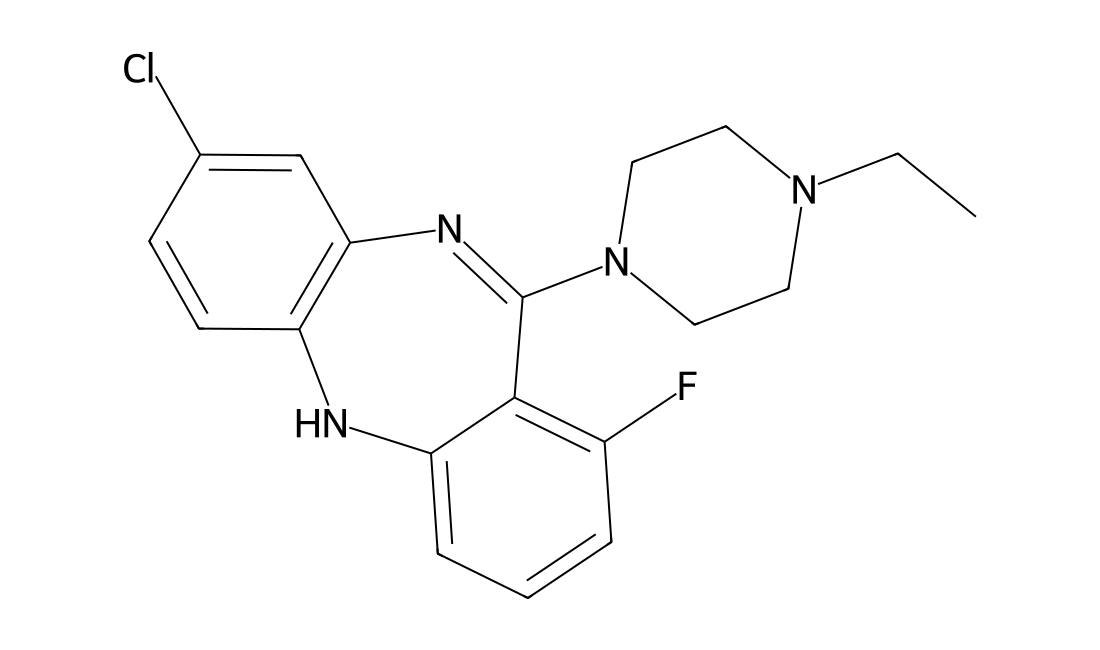
DR2313
CAS 284028-90-6
DR2313 is a potent, selective, competitive and brain-penetrant inhibitor of poly(ADP-ribose) polymerase (PARP), with IC50s of 0.20 μM and 0.24 μM for PARP-1 and PARP-2, respectively. DR2313 exhibits neuroprotective effects on ischemic injuries in vitro and in vivo.
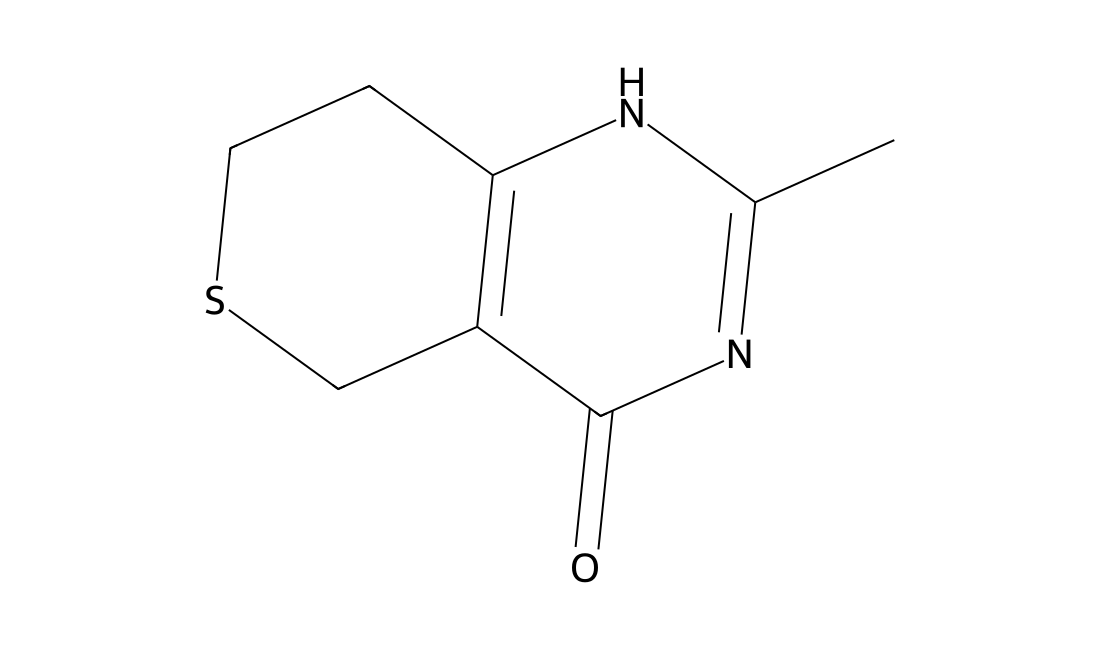
ELN484228
CAS 312-63-0
ELN484228 is a blocker of α-synuclein which is a key protein in Parkinson’s disease.
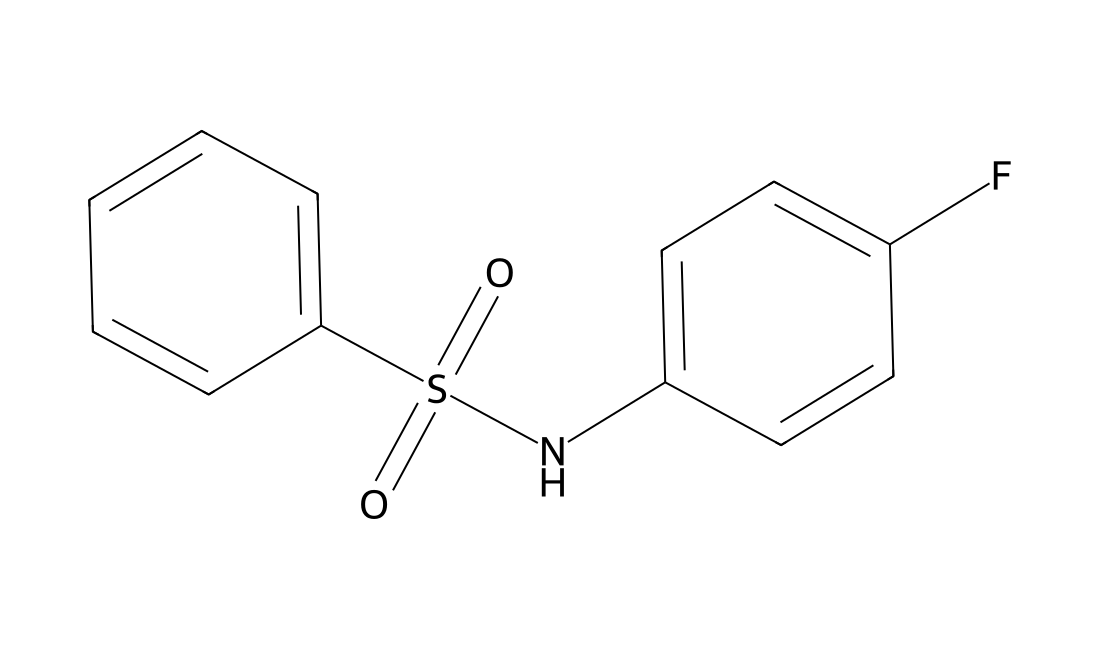
AF38469
CAS 1531634-31-7
AF38469 is a potent, selective, orally bioavailable Sortilin inhibitor with IC50 of 330 nM, shows no activity against the NTR1 receptor as well as a panel of targets known to bind acidic molecules (δ-Opioid, GPR40, PPARδ, EP1, Angiotensin AT1, Endothelin
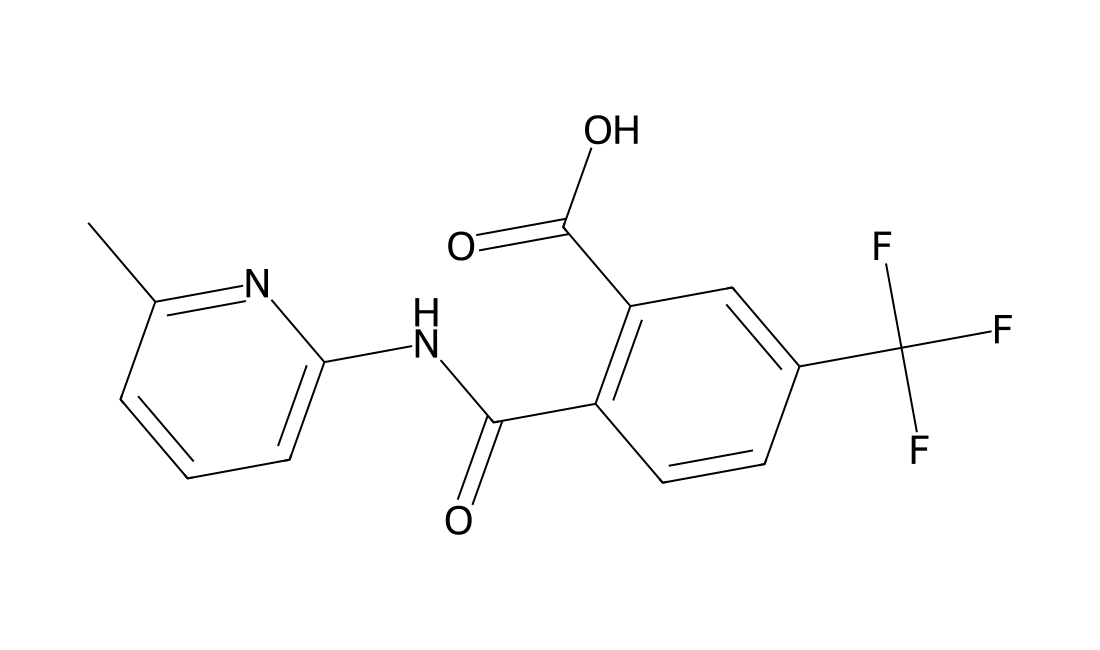
HT-2157(SNAP37889)
CAS 303149-14-6
HT-2157 (SNAP 37889) is a selective, high-affinity, competitive antagonists of galanin-3 receptor (Gal3).
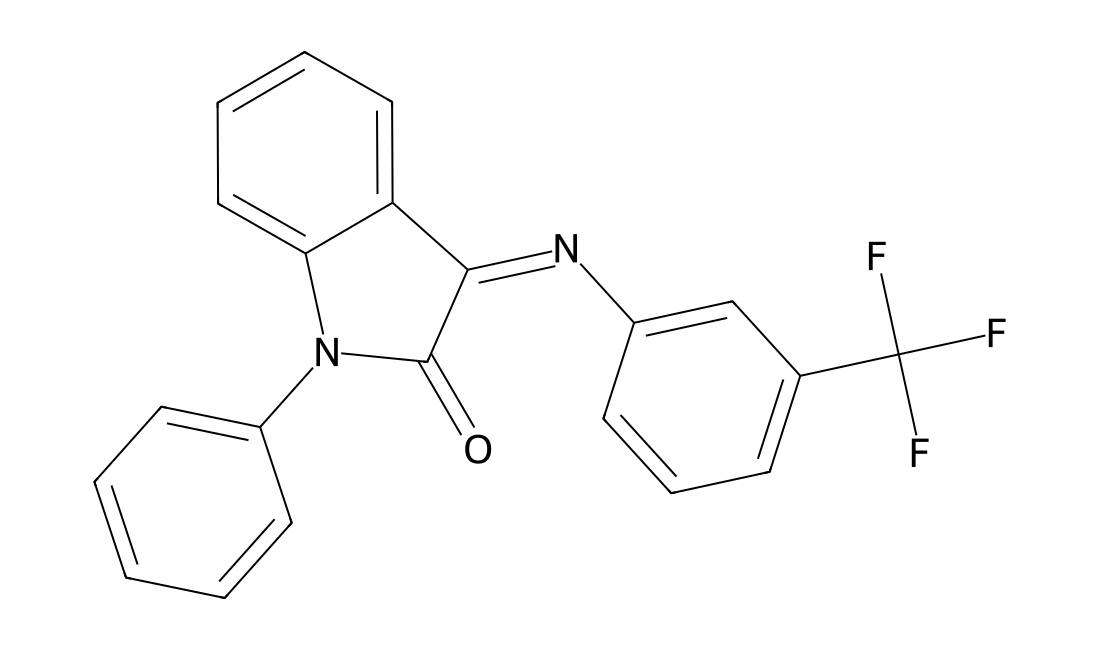
SEN 12333
CAS 874450-44-9
SEN-12333, also known as WAY-31753, is is a selective agonist of the alpha(7) nAChR (EC50 = 1.6 μM, Ki = 260 nM at rat α7 nAChRs). SEN-12333 displayed excellent in vitro and in vivo profiles, excellent brain penetration and oral bioavailability, and demonstrates in vivo efficacy in multiple behavioural cognition models.
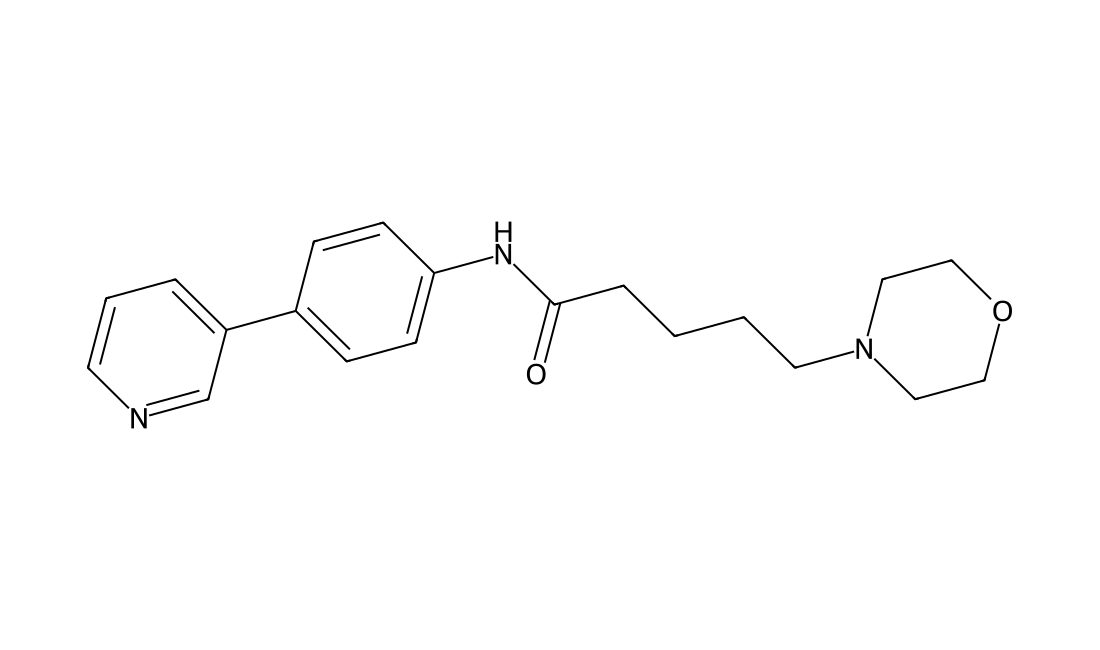
Pizotifen
CAS 15574-96-6
Pizotifen is a serotonin antagonist which acts mainly at the 5-HT1, 5-HT2A, and 5HT2C receptors with some antihistamine activity.
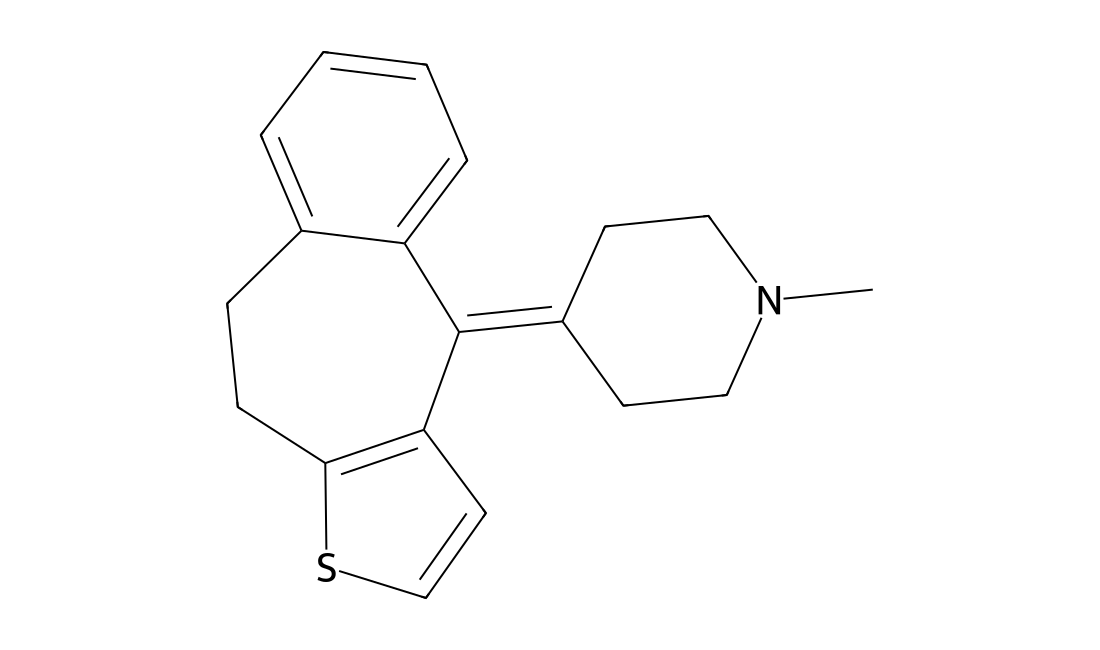
SB 204741
CAS 152239-46-8
SB 204741 is a selective and high affinity 5-HT2B antagonist with a pKi value of 7.1.
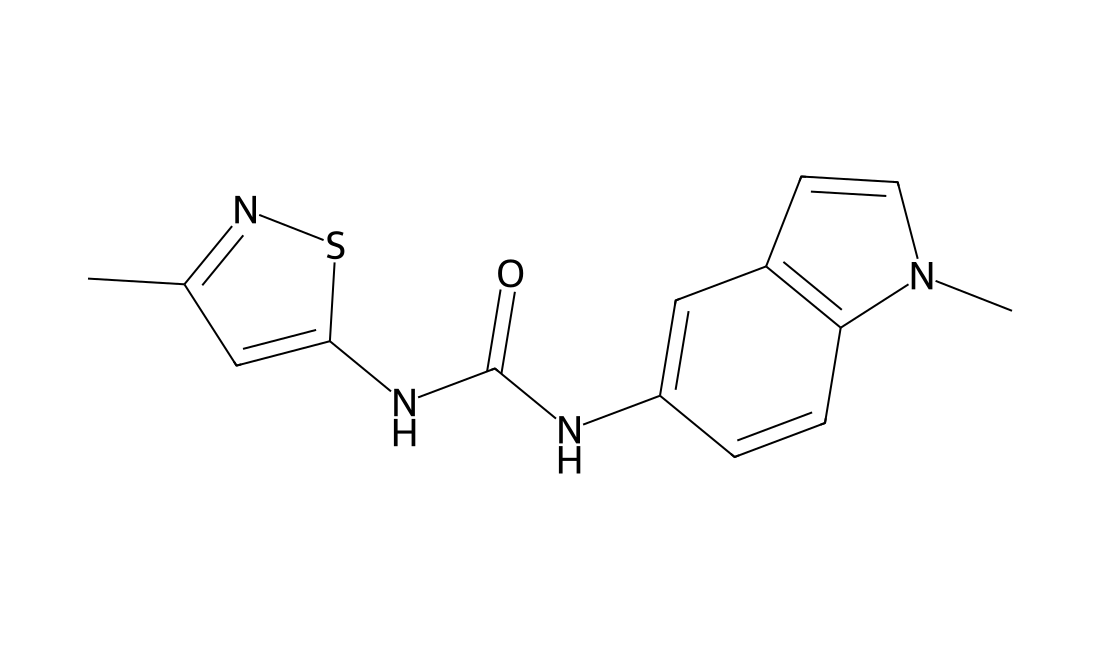
CaCC(inh)-A01
CAS 407587-33-1
CaCC(inh)-A01 is a non-selective inhibitor of calcium-activated chloride channels (CaCCs) that blocks ATP-stimulated chloride conductance in human salivary gland, intestinal, and bronchial epithelium (mean IC50 = 10 µM).
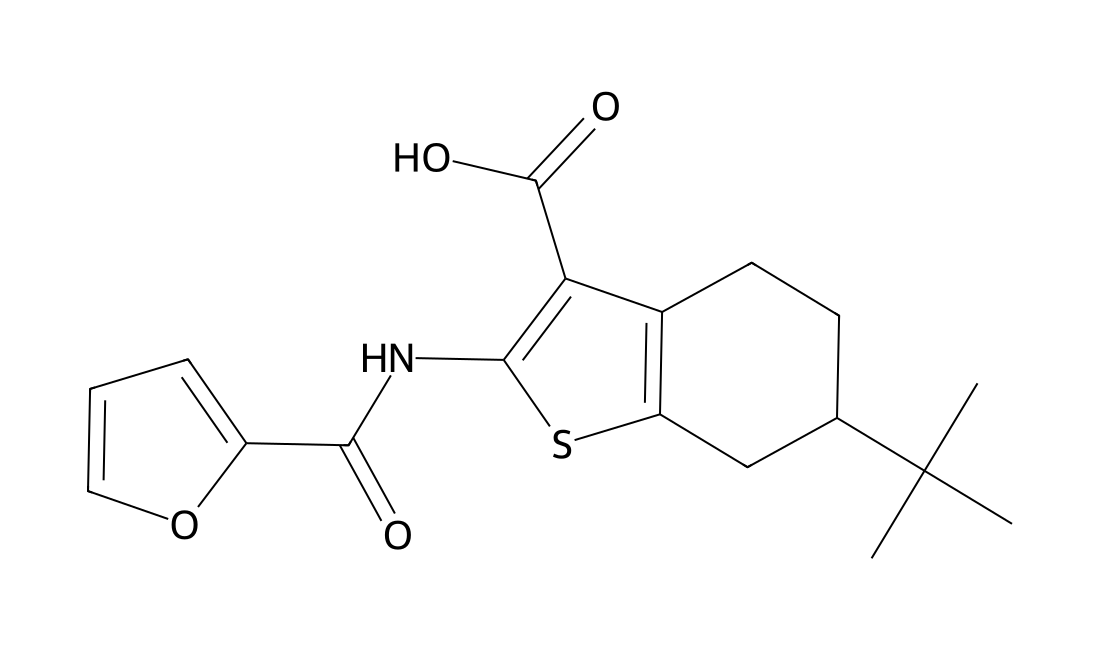
KHS-101
CAS 1262770-73-9
Selective inducer of neuronal differentiation; induces neuronal differentiation in cultured hippocampal neural progenitor cells (NPCs) by interacting with TACC3 (EC50 ~1 μM). Suppresses astrocyte formation. Also induces acceleration of neuronal differentiation in the hippocampal dentate gyrus in vivo.
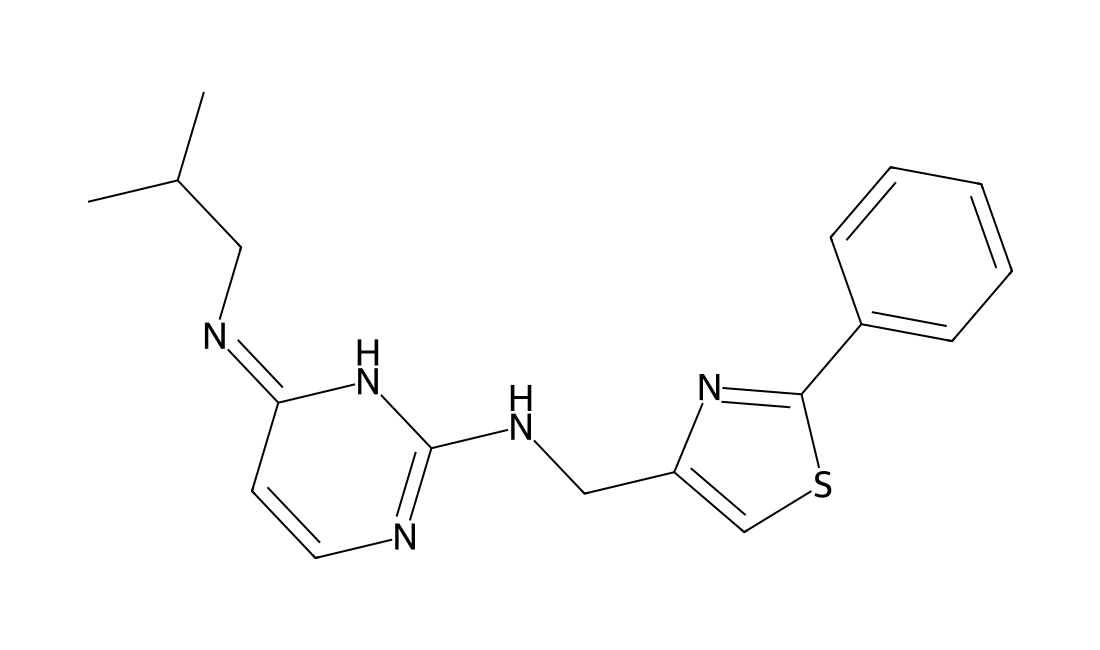
Leteprinim
CAS 138117-50-7
Leteprinim (Neotrofin, AIT-082) is a hypoxanthine derivative drug with neuroprotective and nootropic effects.It stimulates release of nerve growth factors and enhances survival of neurons in the brain,and is under development as a potential treatment for neurodegenerative disorders such as Alzheimer's disease, Parkinson's disease and stroke.
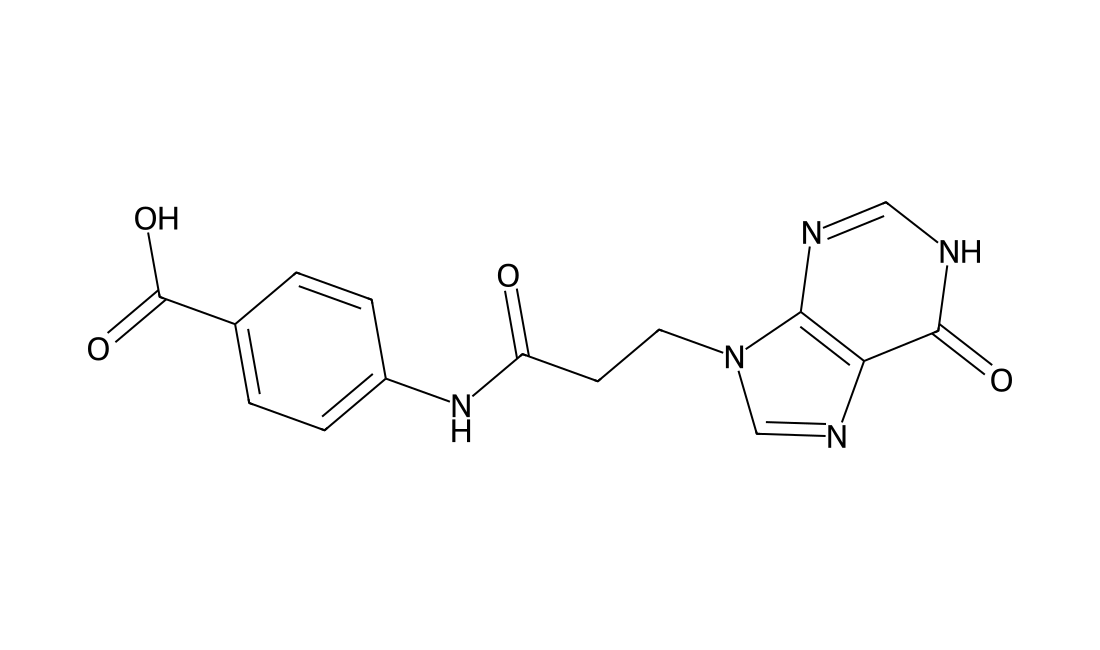
GR 113808
CAS 144625-51-4
GR 113808 is a potent and highly selective 5-HT4 receptor antagonist (pKb= 8.8). GR 113808 shows 300-fold selectivity over 5-HT1A, 5-HT1B, 5-HT2A, 5-HT2C and 5-HT3 receptors[1].
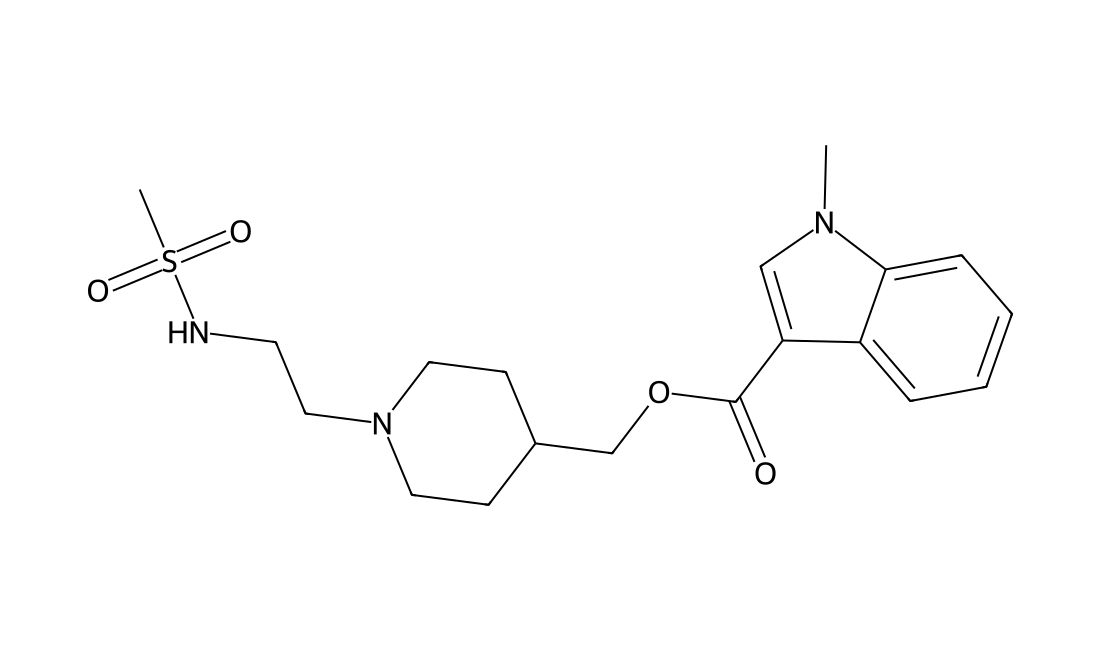
cis-Urocanic acid
CAS 7699-35-6
cis-Urocanic acid is a 5-HT2A receptor agonist. cis-Urocanic acid binds to 5-HT receptor with relatively high affinity (Kd=4.6 nM). cis-Urocanic acid is an immune modulator that induces immunosuppression by binding to the 5-HT2A receptor[1].
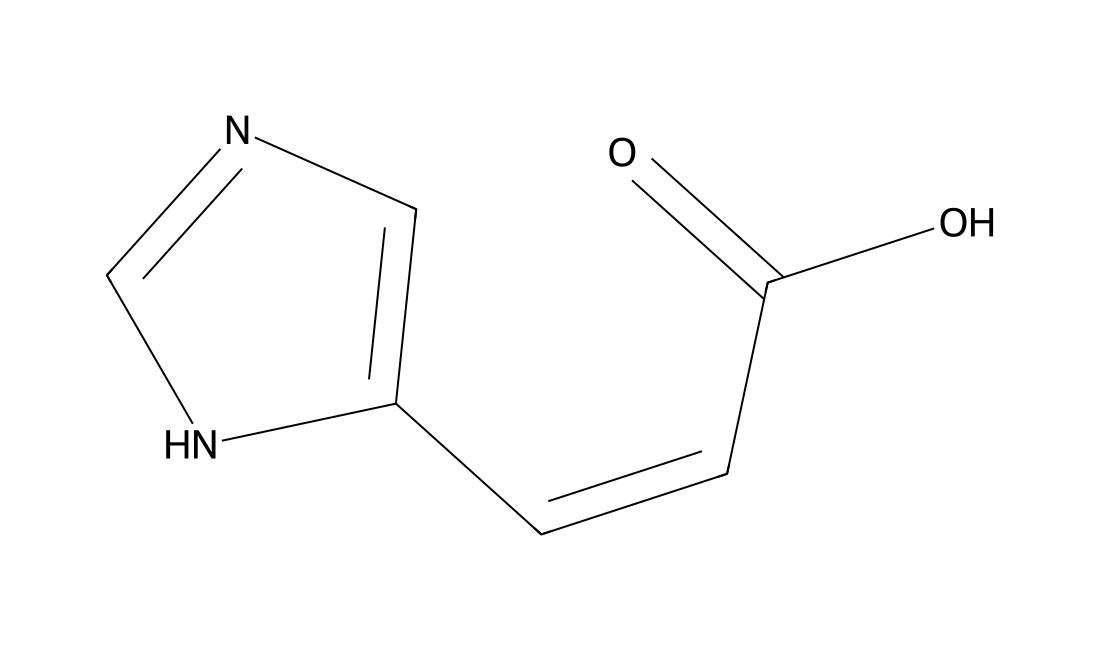
Tegaserod (maleate)
CAS 189188-57-6
Tegaserod maleate is a partial agonist of the 5-HT4 receptor; stimulates the peristaltic reflex and accelerates gastrointestinal transit. In an in vivo model for peripheral nerve regeneration, mice receiving tegaserod at the site of injury showed enhanced recovery compared to control mice receiving vehicle control as evidenced by functional measurements and histology [1]. Treatment with fluoxetine (10 mg · kg(-1) · day(-1), days 36-42), tegaserod (1 mg · kg(-1) · day(-1), day 43), or the combination of both, reduced visceral hypersensitivity and plasma 5-HT levels [2]. Intravenous or intraduodenal tegaserod (0.3-1.0 mg.kg(-1)) had no inhibitory effect on mesenteric and colonic blood flow. Peroral treatment of rats with alosetron or tegaserod for 7 days did not modify mesenteric haemodynamics at baseline and after blockade of nitric oxide synthesis [3].
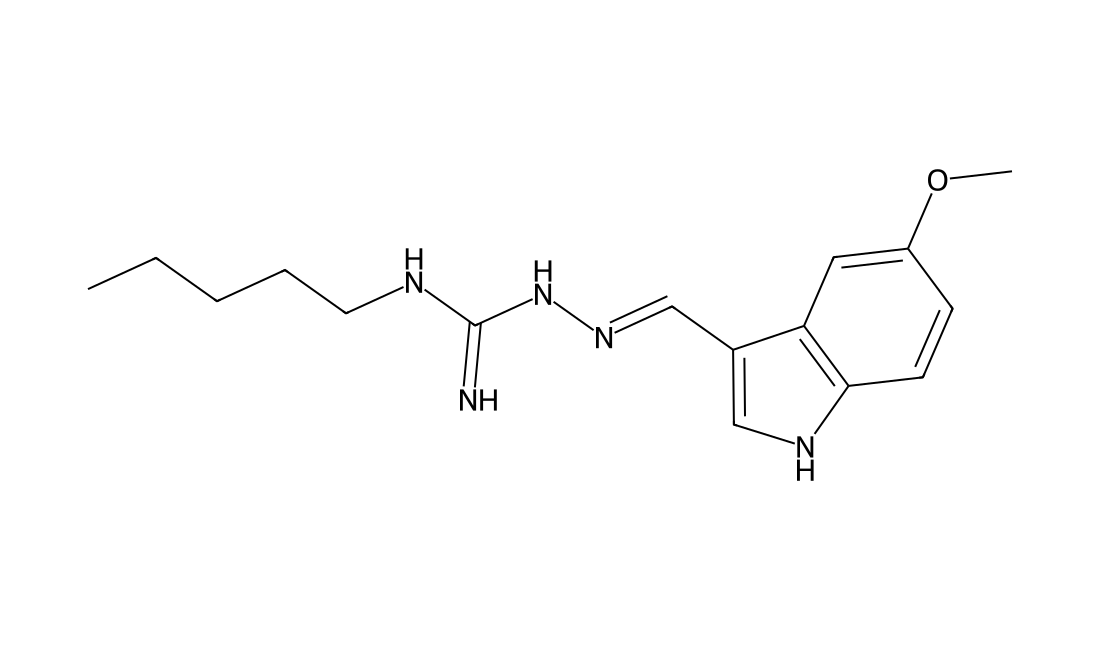
BP897
CAS 314776-92-6
BP 897 is a potent and selective dopamine D3 receptor agonist, and a weak dopamine D2 receptor antagonist, with Kis of 0.92 nM and 61 nM for D3 and D2 receptors, and shows low affinities at D1 and D4 receptors (Kis, 3 and 0.3 µM, respectively).
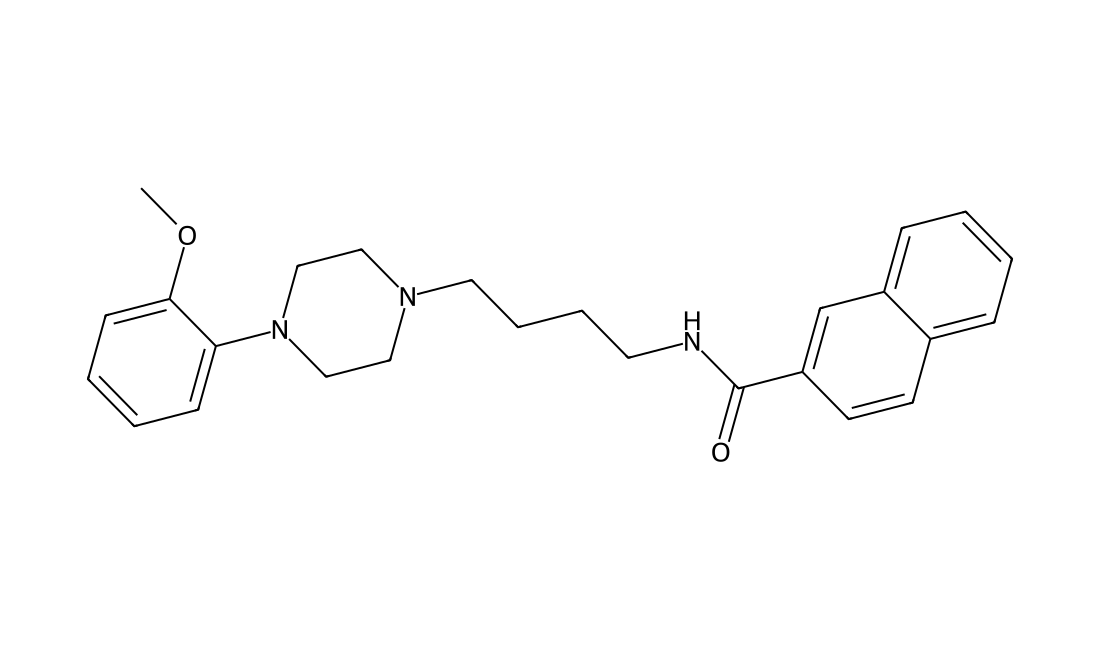
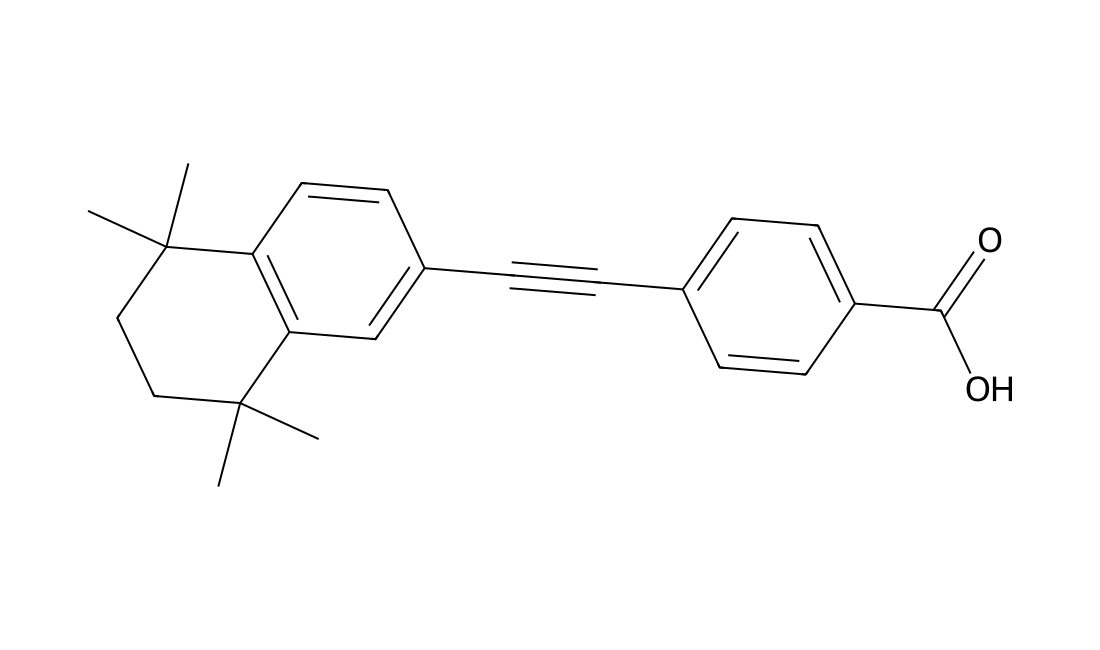
EC23
CAS 104561-41-3
EC23 (AGN 190205) is a stable synthetic retinoid analogue and induces neuronal differentiation[1].
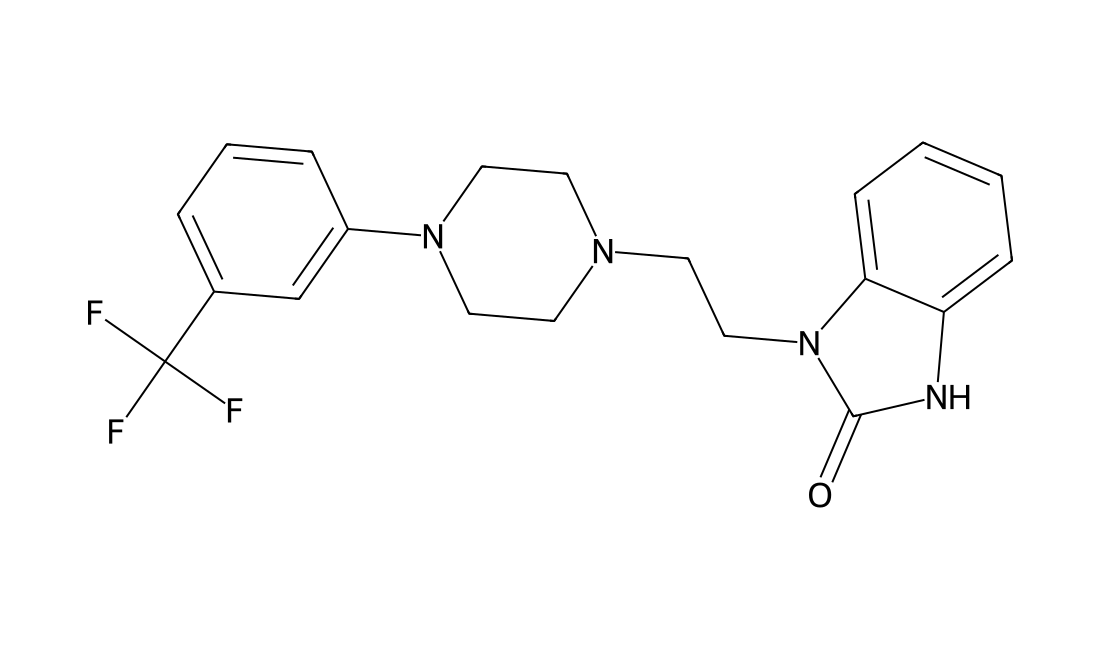
Flibanserin
CAS 167933-07-5
Flibanserin is a novel multifunctional serotonin agonist and antagonist (MSAA) that improves sexual functioning in premenopausal women who suffer from reduced sexual interest and desire. in vivo: The multifunctional serotonergic agent Flibanserin is both a serotonin 1A agonist and a serotonin 2A antagonist. Flibanserin theoretically improves sexual functioning by enhancing downstream release of dopamine and norepinephrine while reducing serotonin release in the brain circuits that mediate symptoms of reduced sexual interest and desire. Flibanserin, a new molecular entity for the treatment of hypoactive sexual desire disorder (HSDD) in premenopausal women. Flibanserin improves interest in and desire for sex by hypothetically targeting these circuits and causing the release of dopamine and norepinephrine while also reducing the release of serotonin. Flibanserin has demonstrated clinical efficacy in premenopausal women who have reduced interest in and desire for sex and has 2 principal pharmacologic actions in microcircuits: it is a full agonist at postsynaptic serotonin 5HT1A receptors and an antagonist at postsynaptic 5HT2A receptors.
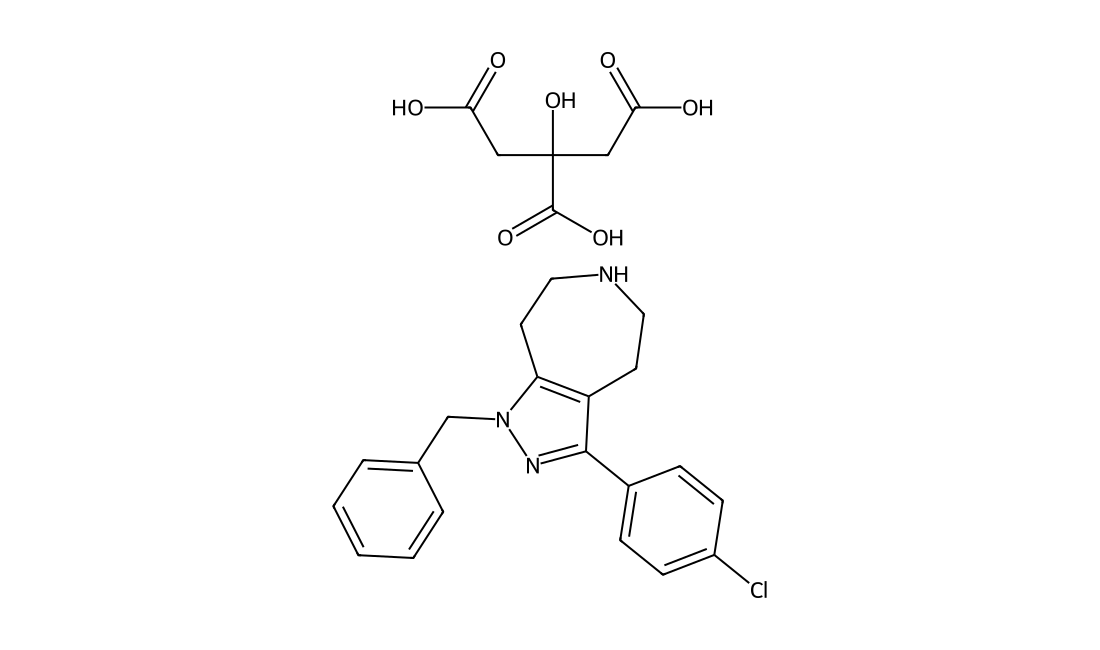
JNJ18038683
CAS 851376-05-1
JNJ-18038683 is a potent, selective 5-HT7 receptor antagonist with pKi of 8.19 and 8.20 for rat and human 5-HT7 in cell-based assays; decreases 5-HT (100 nM)-stimulated adenylyl cyclase in rat and human 5-HT7/HEK293 cells with pKb of 8.01 and 7.99, respectively; shows 10-fold selectivity over h5-HT6 receptor, 15-fold selectivity over rat adrenergic α1 receptor, 14- to 25-fold selectivity over the h5-HT2 receptor subtypes, and 20-fold selectivity over h5-HT1B receptor; prolongs rapid eye movement (REM) sleep and decreases REM duration induced by citalopram in vivo.DepressionPhase 2 Clinical
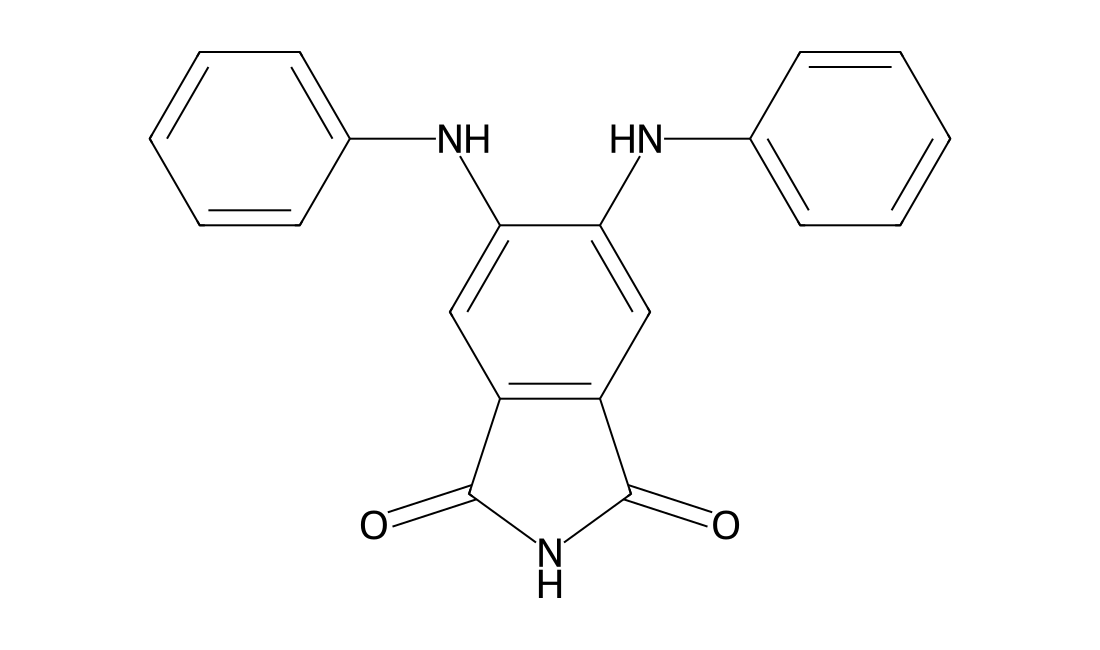
DAPH-1
CAS 145915-58-8
DAPH-1 (CGP 52411) is a small molecule that directly inhibits prion protein Sup35 prionogenesis with IC50 of 0.58 uM, inhibits and reverses the formation of Aβ42 fibers and reduces their toxicity to neurons in culture; inhibits prion nucleation by preventing both Head-to-Head and Tail-to-Tail intermolecular interactions; also is a potent and selective inhibitor of EGFR kinase with IC50 of 1 uM, selectively inhibits both ligand-induced EGF-R and p185c-erbB2 autophosphorylation and c-fos mRNA induction.
Pimozide
CAS 2062-78-4
Pimozide is an antipsychotic agent that acts as an antagonist of the D2, D3, and D4 receptors and the 5-HT7 receptor, also is an inhbitor of STAT5; also is a hERG blocker, inhibits USP1/UAF1 noncompetitively with Ki of 0.5 uM; displays selectivity against a number of deubiquitinases, deSUMOylase, and cysteine proteases.
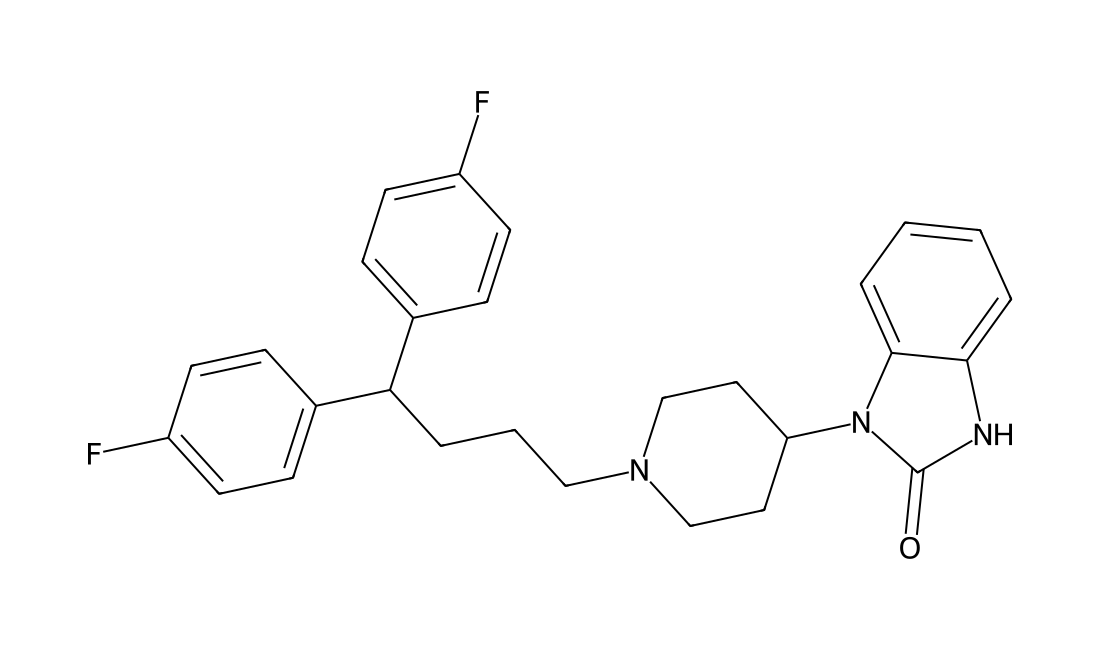
Flupirtine
CAS 56995-20-1
A selective neuronal potassium channel (KCNQ/KV7 channel) activator that also has indirect NMDA receptor antagonist and GABAA receptor modulatory properties; a centrally acting non-opioid analgesic used as an analgesic for acute and chronic pain.PainDiscontinued
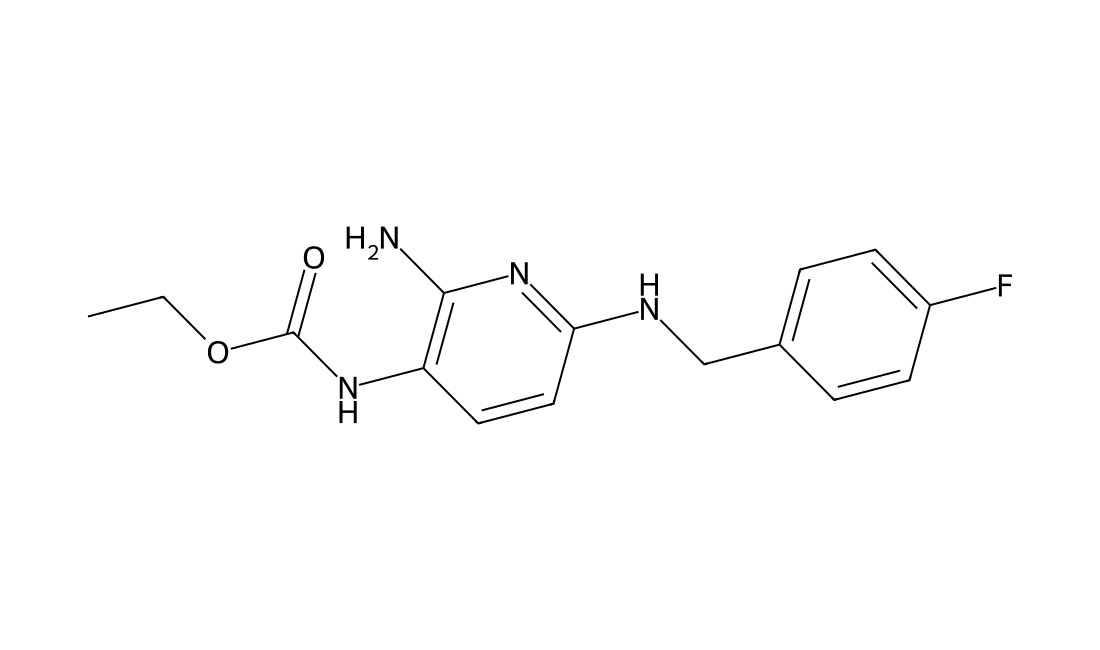
DFMTI
CAS 864864-86-8
A potent, selective, brain penetrant and orally active mGluR1 antagonist with 4.3 nM and 3.6 nM for huam and rat mGluR1, respectively; display liitle to no activity for mGluR5, mGluR2 and mGluR8; has improved in vivo DMPK profiles and shows antipsychotic-like effect at a dose of 1 mg/kg in an animal model.
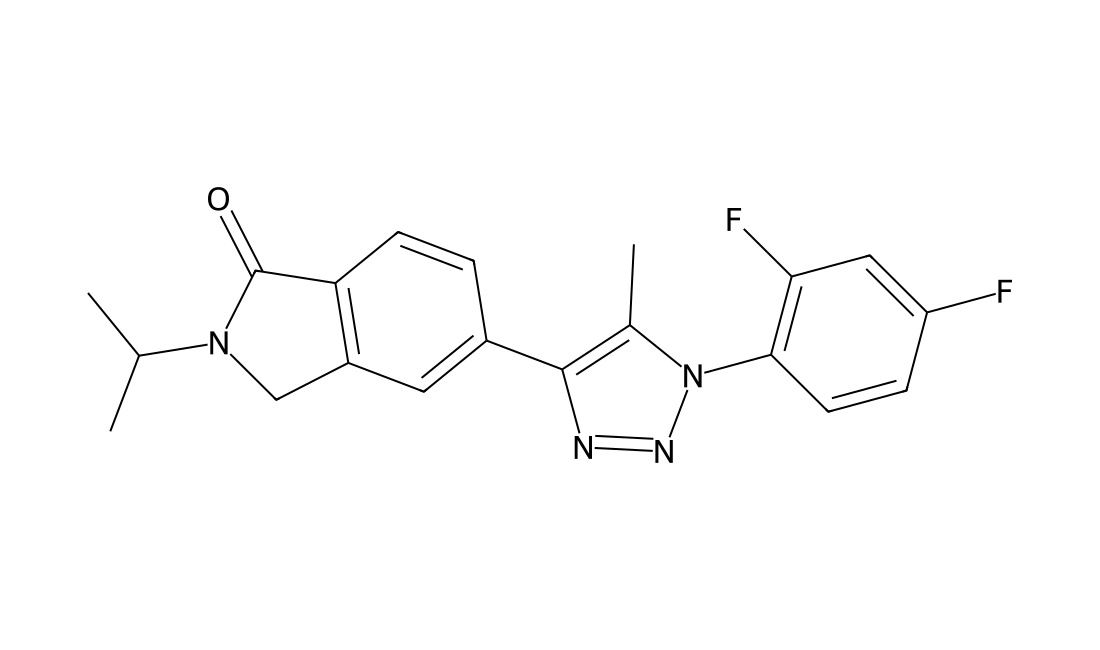
CGP-25454A
CAS 104391-26-6
A potent, selective presynaptic dopamine autoreceptor antagonist; increases [3H]spiperone binding to receptors of the D2 family in rat striatum by 90-110% (ED50=13 mg/kg i.p.); exerts clear-cut sedative and neuroleptic-like properties.
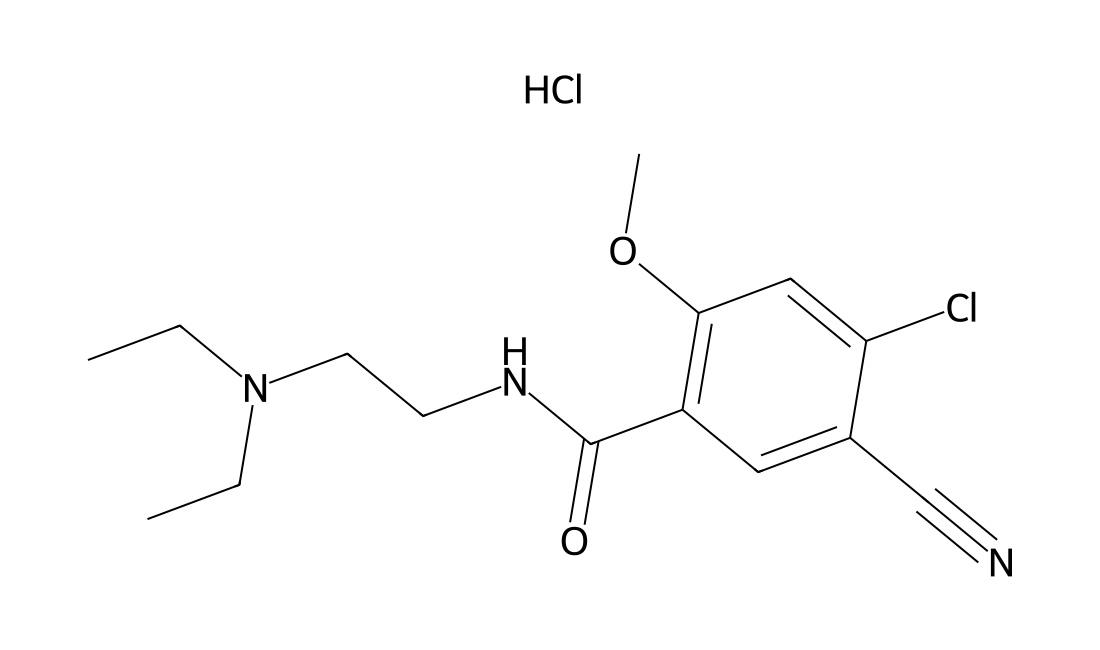
Α5ia (α5IA)
CAS 215874-86-5
α5IA is a selective inverse agonist For Α5 subtype of GABAA receptor with a higher intrinsic activity at the A5 subtype than other drugs. α5IA enhances cognition in laboratory animals without being proconvulsant or anxiogenic. α5IA acts as an "alcohol antagonist," markedly reducing the amnesic effect of alcohol and partially attenuating sedation, similar to Ro15-4513, but without the anxiogenic effect. α5IA offers promise as a tool to study cognitive disorders, memory function, and treatment of alcohol-related disorders.For the detailed information of Α5ia (α5IA), the solubility of Α5ia (α5IA) in water, the solubility of Α5ia (α5IA) in DMSO, the solubility of Α5ia (α5IA) in PBS buffer, the animal experiment (test) of Α5ia (α5IA), the cell expriment (test) of Α5ia (α5IA), the in vivo, in vitro and clinical trial test of Α5ia (α5IA), the EC50, IC50,and Affinity of Α5ia (α5IA), Please contact DC Chemicals.
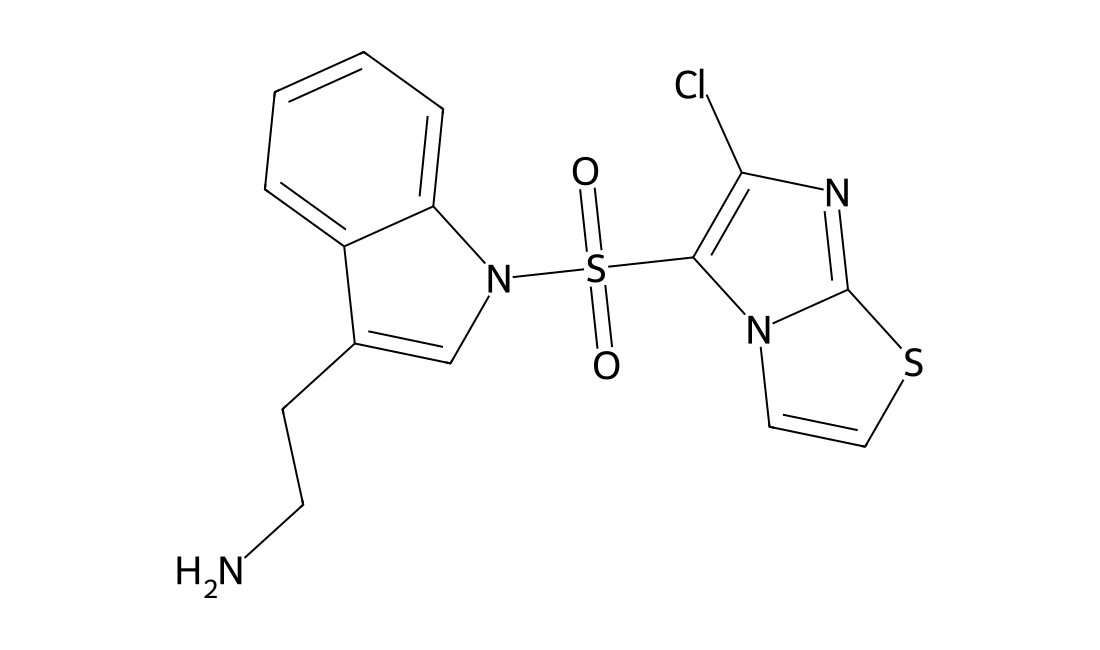
WAY181187.HCl(WAY-181,187)
CAS 554403-49-5
WAY-181187 is a potent and selective 5-HT6 receptor agonist. WAY-181187 possesses high affinity binding (2.2 and 4.8 nM, respectively) at the human 5-HT6 receptor and profile as full receptor agonists (WAY-181187: EC50=6.6 nM, Emax=93%). In the rat frontal cortex, acute administration of WAY-181187 (3-30 mg/kg, subcutaneous (s.c.)) significantly increased extracellular GABA concentrations without altering the levels of glutamate or norepinephrine.
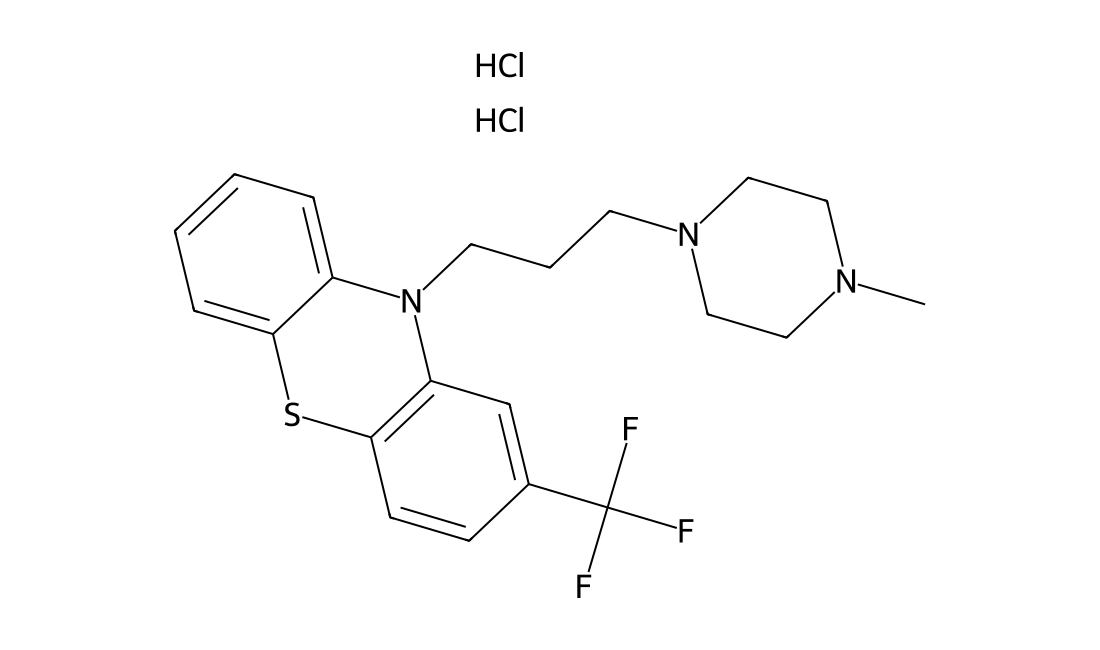
Trifluoperazine dihydrochloride
CAS 440-17-5
Trifluoperazine Dihydrochloride is a potent dopamine D2 receptor inhibitor used as an antipsychotic and an antiemetic.Trifluoperazine Dihydrochloride is a potent dopamine D2 receptor inhibitor used as an antipsychotic and an antiemetic. Trifluoperazine inhibited in a dose-dependent manner the stimulation of glycogenolysis, gluconeogenesis, and ureogenesis due to alpha 1-adrenergic stimulation in rat hepatocytes. Trifluoperazine is much more potent at alpha 1- than at alpha 2-adrenergic receptors. Trifluoperazine was not clearly different in terms of 'no substantial improvement' (n=1016, 27 RCTs, RR 1.06 CI 0.98 to 1.14) or leaving the study early (n=930, 22 RCTs, RR 1.15 CI 0.83 to 1.58). Almost identical numbers of people reported at least one adverse event (60%) in each group (n=585, 14 RCTs, RR 0.99 CI 0.87 to 1.13), although trifluoperazine was more likely to cause extrapyramidal adverse effects overall when compared to low potency antipsychotics such as chlorpromazine (n=130, 3 RCTs, RR 1.66 CI 1.03 to 2.67, NNH 6 CI 3 to 121). One small study (n=38) found no clear differences between trifluoperazine and the atypical drug, sulpiride.
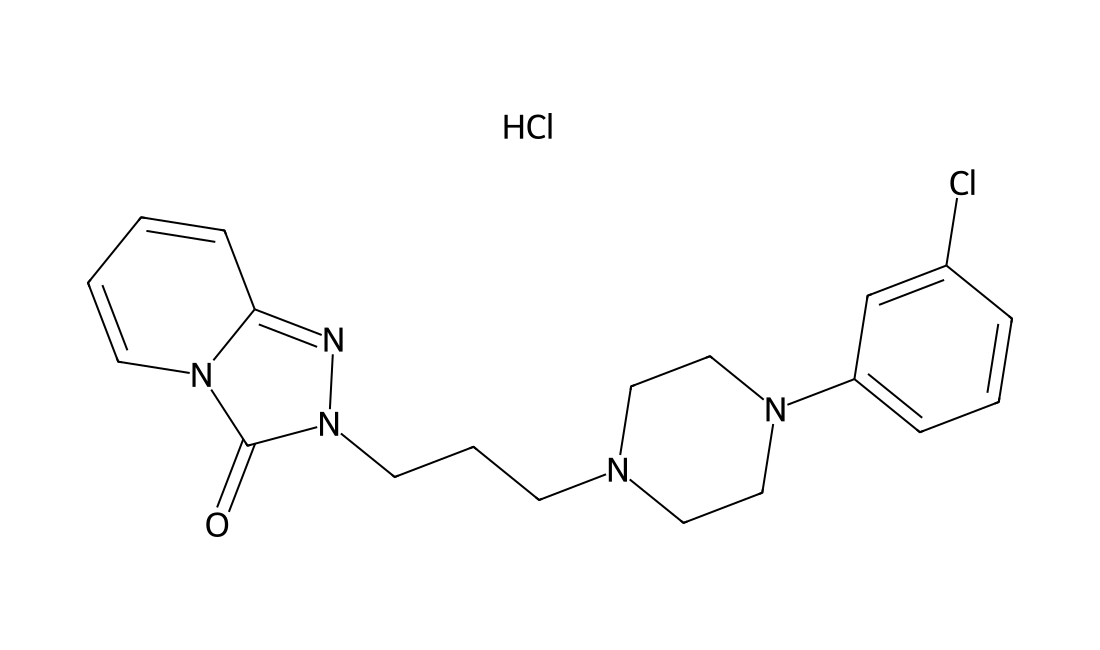
Trazodone HCl
CAS 25332-39-2
Trazodone HCl is an antidepressant belonging to the class of serotonin receptor antagonists and reuptake inhibitors for treatment of anxiety disorders.Trazodone is a triazolopyridine derivative, chemically and pharmacologically unrelated to other currently available antidepressants. Trazodone has been successfully used in a small number of patients with depression and pre-existing cardiovascular disease. trazodone has also been used as a hypnotic for psychotropic-induced or other insomnias with some success. Trazodone is an effective hypnotic for patients with antidepressant-associated insomnia. Trazodone may be helpful in men with erectile dysfunction (ED), possibly more so at higher doses, and in men with psychogenic ED. Future high-quality trials should compare trazodone with placebo and other therapies in men with depression and psychogenic ED.
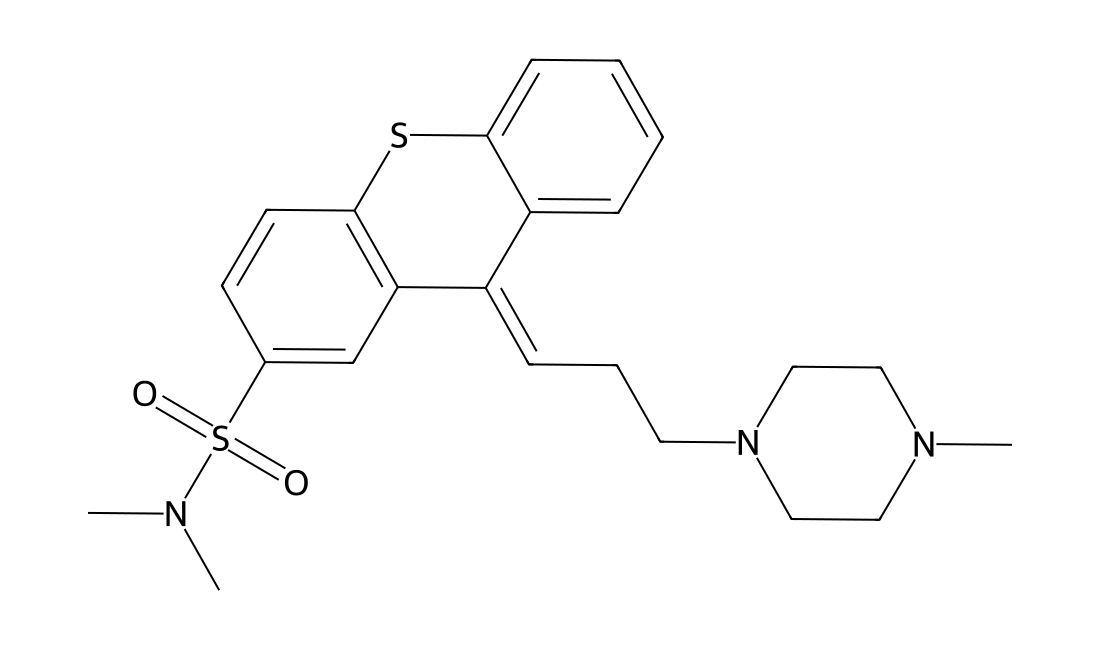
Thiothixene
CAS 5591-45-7
Thiothixene is a typical antipsychotic.1 It selectively binds to dopamine D2 over D1, D3, and D4 receptors (Kis = 0.417, 338, 186.2, and 363.1 nM, respectively). Thiothixene also binds to various serotonin (5-HT), histamine H1, α1- and α2-adrenergic, muscarinic acetylcholine, and sigma receptors (Kis = 15-5,754 nM) as well as the dopamine, norepinephrine, and serotonin transporters (Kis = 3.16-30 μM). In vivo, thiothixene reduces spontaneous and amphetamine-induced locomotor activity in rats.It enhances latent inhibition, as measured by a decreased lick latency in response to light and foot shock stimuli, which is a measure of selective attention in rats.Thiothixene also increases competitive behavior in submissive mice, indicating antidepressant-like behavior.Formulations containing thiothixene have been used in the treatment of schizophrenia and bipolar mania.
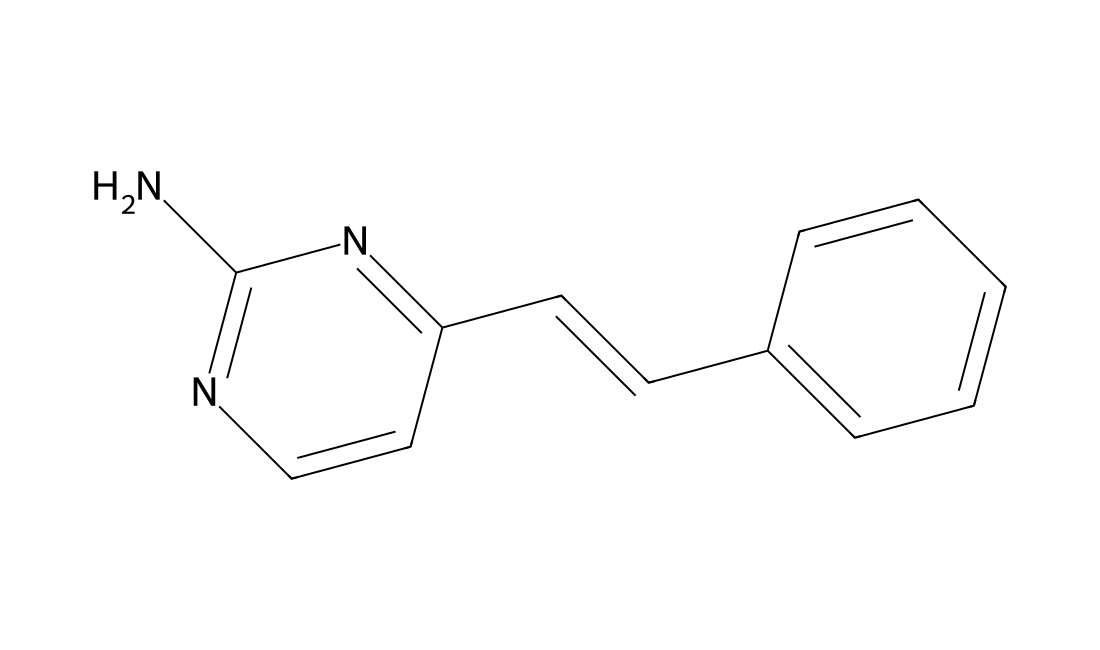
TCN238
CAS 125404-04-8
In the rat mGlu4 PAM in vitro assay the EC50 of TCN238 is 1 μM which is comparable to the human assay. TCN238 is screened in rat and human mGlu5 assays, the IC50 of 11 is >30 μM on human mGlu5and >10 μM on rat mGlu5. TCN238 is run in a receptor screening panel of 68 targets and no activity is observed at ≥50% at 10 μM for any of the receptors. In CaCo-2 cells, TCN238 is found to have good permeability with no apparent efflux issue.TCN238 is highly CNS penetrant with a concentration of 33.8 μM in the brain. The plasma protein binding in rats is measured as 90% bound. The metabolic stability of TCN238 is assessed in rat and human microsomes and found to be 62% and 83% hepatic blood flow. The limited stability translated into a high in vivo clearance in rats of 75 mL/min/kg and TCN238 has a moderate volume of distribution (2.7 L/kg) with a short mean residence time (0.6 h) when dosed at 2 mg/kg via intravenous injection. TCN238 is orally bioavailable and 30 min following administration of a30 mg/kg dose, the plasma concentration is found to be 11.6 μM. TCN 238 does not affect the performance of the learned task. However, the expression level of GRM4 in the hippocampus is reliable down-regulated five days after treatment with TCN 238. In addition, the expression level of GABRA1, encoding GABAA α-subunit is downregulated five days after the treatment in the frontal cortex.
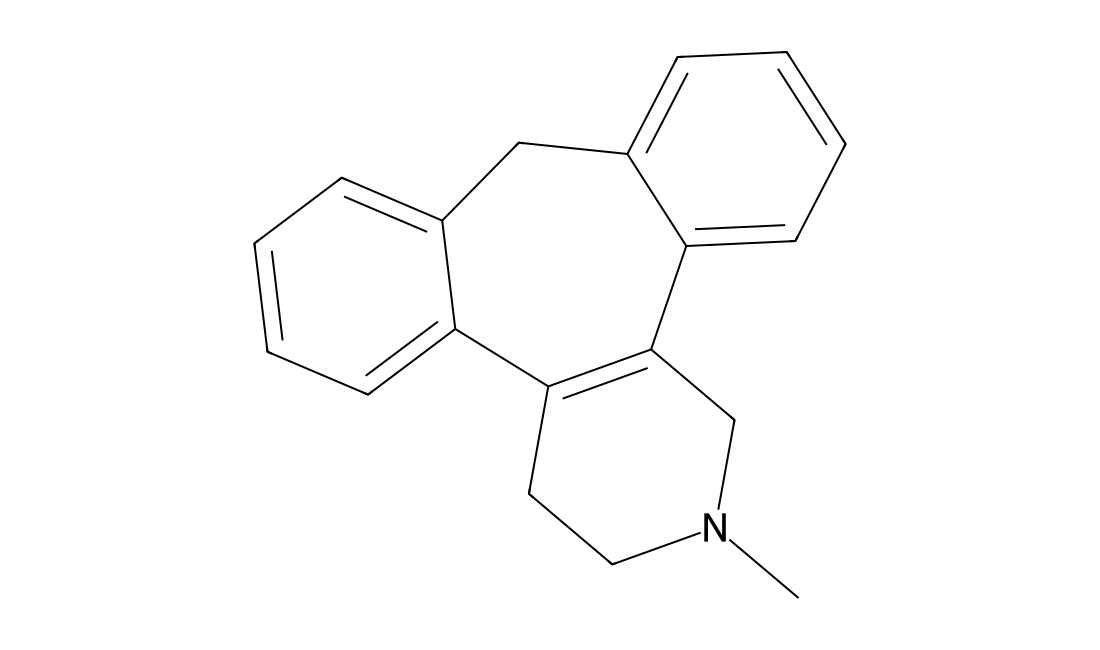
Setiptiline
CAS 57262-94-9
Setiptiline is a tetracyclic antidepressant (TeCA) which acts as a noradrenergic and specific serotonergic antidepressant (NaSSA). Setiptiline acts as a norepinephrine reuptake inhibitor, α2-adrenergic receptor antagonist, and serotonin receptor antagonist, likely at the 5-HT2A, 5-HT2C, and/or 5-HT3 subtypes, as well as an H1 receptor inverse agonist/antihistamine. From Wikipedia.
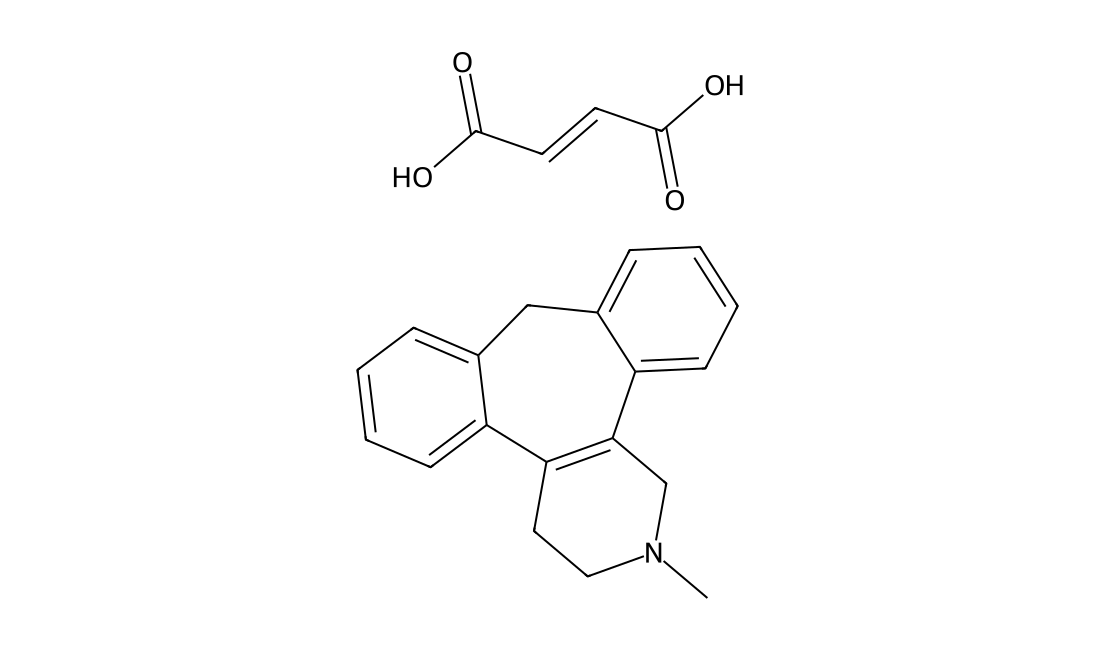
Setiptiline (maleate)
CAS 85650-57-3
Setiptiline is a serotonin receptor antagonist. Setiptiline is a tetracyclic antidepressant (TeCA) which acts as a noradrenergic and specific serotonergic antidepressant (NaSSA). Setiptiline acts as a norepinephrine reuptake inhibitor, α2-adrenergic receptor antagonist, and serotonin receptor antagonist, likely at the 5-HT2A, 5-HT2C, and/or 5-HT3 subtypes, as well as an H1 receptor inverse agonist/antihistamine. From Wikipedia.
RJR-2403
CAS 15585-43-0
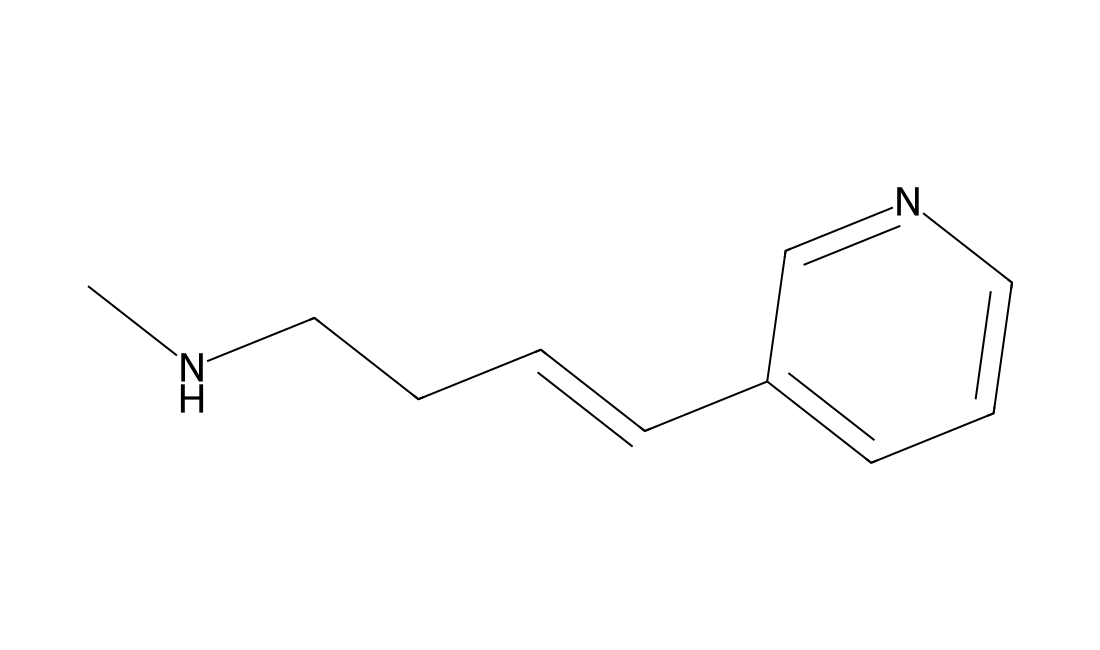
RJR-2403 (Rivanicline, Metanicotine) is a potent, selective neuronal nicotinic ACh (nAChR) agonist with high affinity to rat brain cortex (Ki=26 nM), does not significantly activate muscle type nAChRs or muscarinic receptors; RJR-2403 is comparable to nicotine in activating rat thalamic synaptosomes with EC50 of 732 nM; significantly improves passive avoidance retention after scopolamine-induced amnesia and enhanced both working and reference memory in rats, also demonstrates greatly reduced cardiovascular effects; exerts its antinociceptive effect via nicotinic rather than either opioid or muscarinic mechanisms.
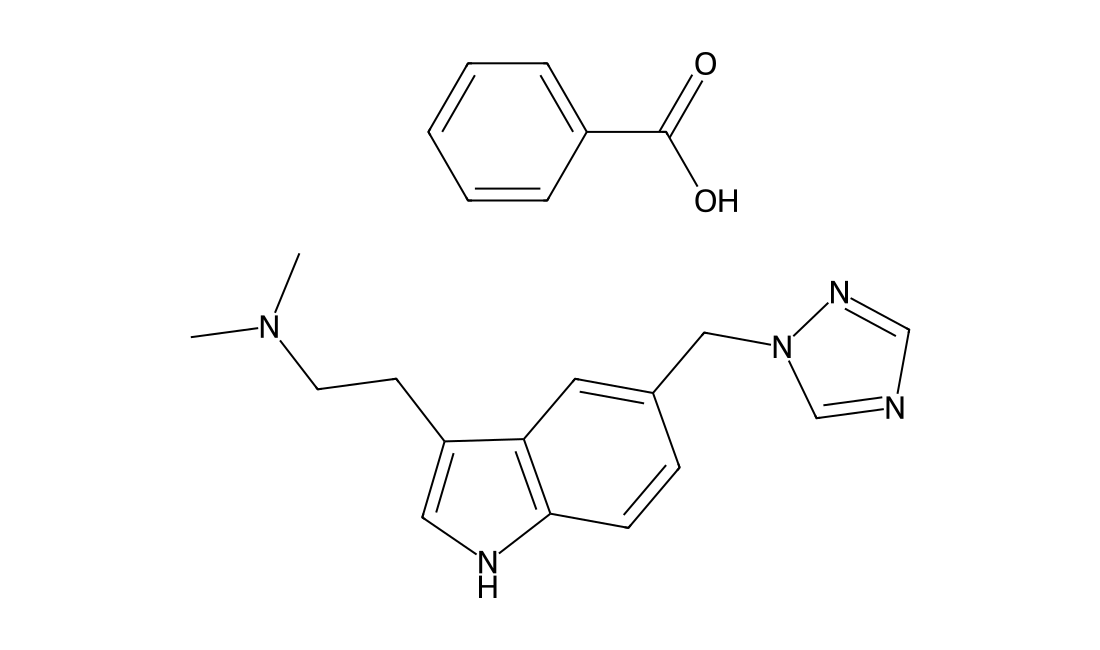
Rizatriptan Benzoate
CAS 145202-66-0
For the detailed information of Rizatriptan Benzoate, the solubility of Rizatriptan Benzoate in water, the solubility of Rizatriptan Benzoate in DMSO, the solubility of Rizatriptan Benzoate in PBS buffer, the animal experiment(test) (test) of Rizatriptan Benzoate, the cell expriment (test) of Rizatriptan Benzoate, the in vivo, in vitro and clinical trial test of Rizatriptan Benzoate, the EC50, IC50,and Affinity of Rizatriptan Benzoate,, please contact DC Chemicals.
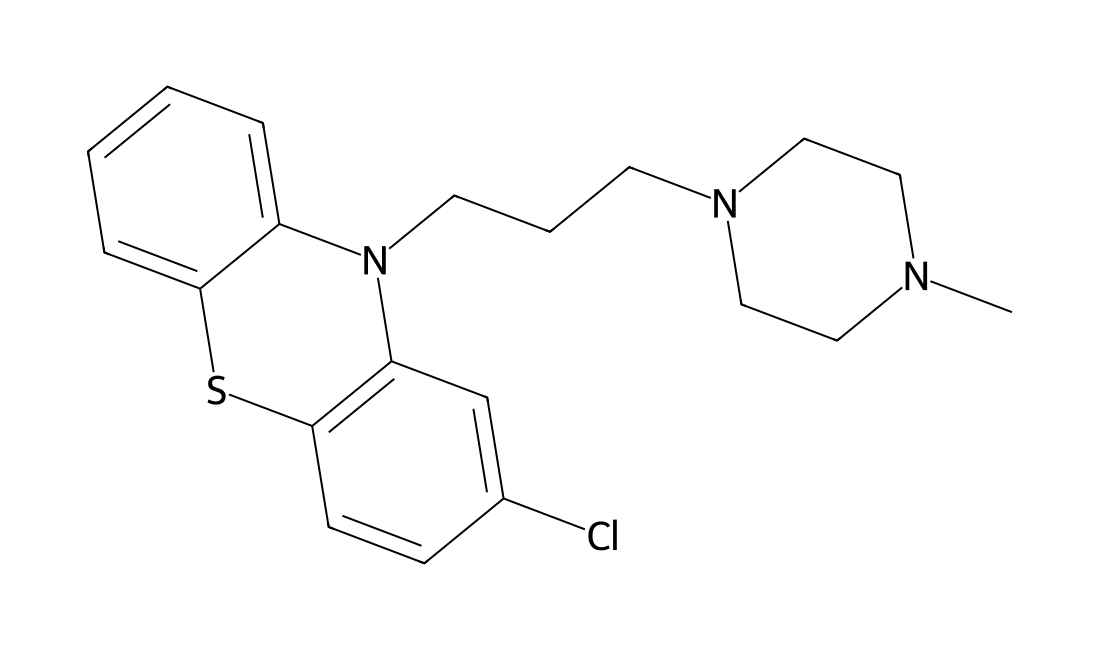
Prochlorperazine
CAS 58-38-8
Prochlorperazine is a dopamine (D2) receptor antagonist that belongs to the phenothiazine class of antipsychotic agents. It is also a highly potent typical antipsychotic.
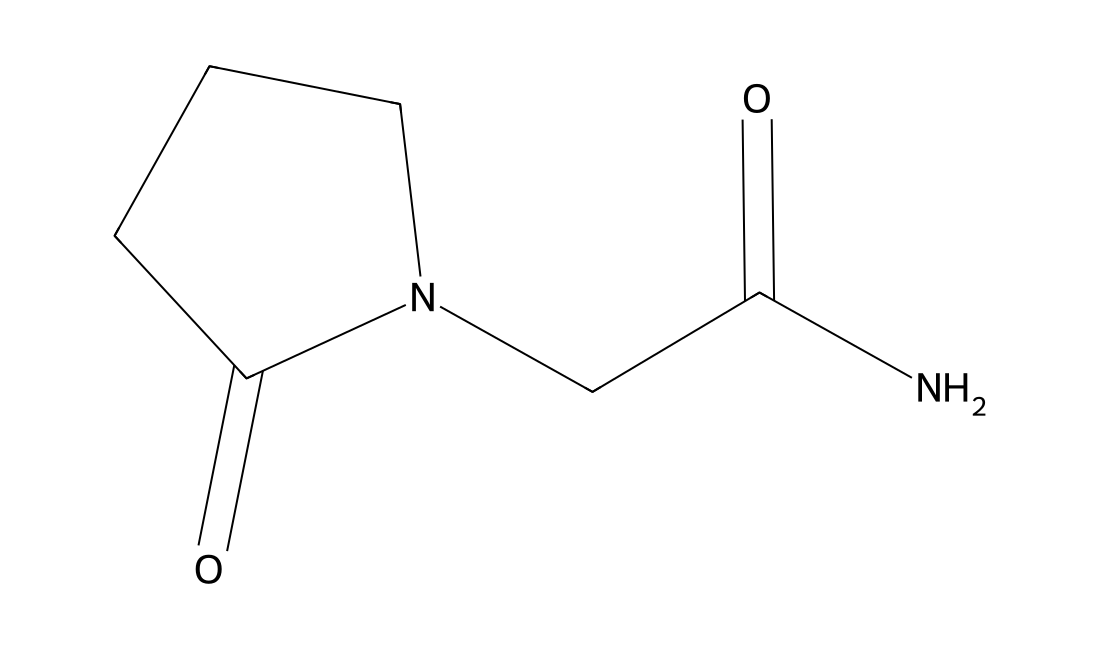
Piracetam
CAS 7491-74-9
For the detailed information of Piracetam, the solubility of Piracetam in water, the solubility of Piracetam in DMSO, the solubility of Piracetam in PBS buffer, the animal experiment(test) (test) of Piracetam, the cell expriment (test) of Piracetam, the in vivo, in vitro and clinical trial test of Piracetam, the EC50, IC50,and Affinity of Piracetam,, please contact DC Chemicals.
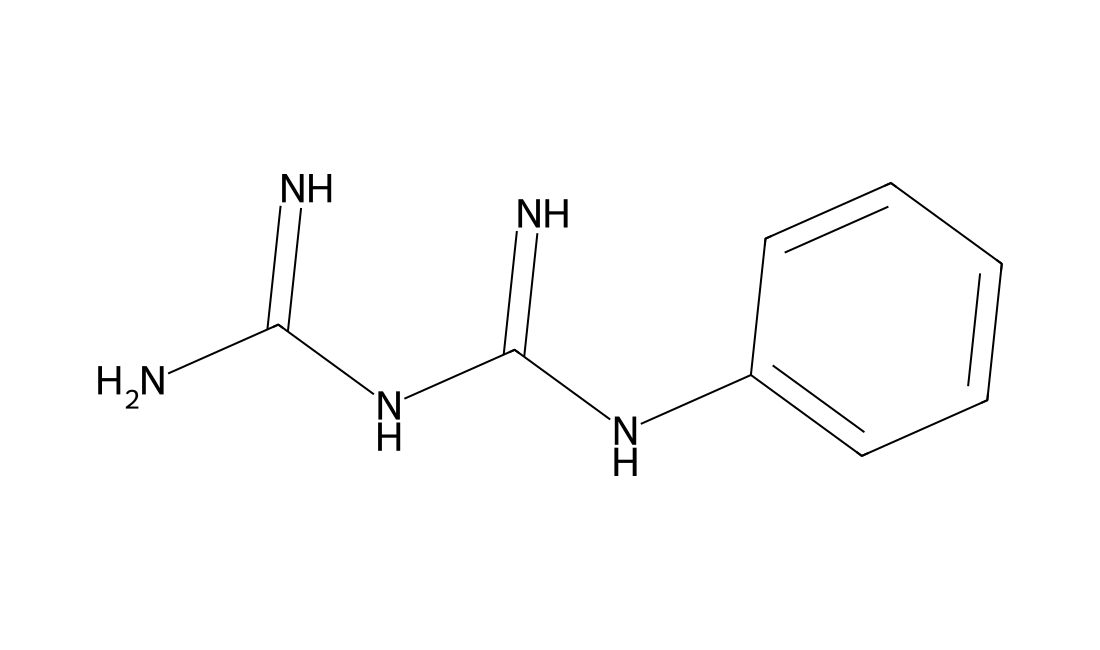
Phenylbiguanide (N-Phenylbiguanide; PBG; 1-Phenylbiguanide)
CAS 102-02-3
In Vitro Phenylbiguanide (1-Phenylbiguanide) is a 5-HT3 receptor selective agonist with pEC50s of 5.57, 4.07, and 4.47 for r5-HT3A(b), h5-HT3A, m5-HT3A(b) , respectively. The effect of Phenylbiguanide (1-Phenylbiguanide hydrochloride) in promoting the growth of the HT29 cell line is investigated. Phenylbiguanide causes a dose dependent proliferation of HT29 cells after 48 hours incubation. The maximum proliferation is at a 5HT concentration of 12.5 μM (P≤0.01). Phenylbiguanide significantly stimulates the growth of cells at concentrations of 3.125 μM (P≤0.05) and 6.25 μM (P≤0.01). In Vivo In anaesthetised mice, Phenylbiguanide (PBG), a drug that is known to stimulate cardiopulmonary afferent C-fibres,is injected into the right atrium of the heart and mapped c-Fos expression within specific regions of the central nervous system. Intraatrial injection of PBG produces a reflex cardiorespiratory response including a pronounced bradycardia and a respiratory depression.
NMI 8739
CAS 129024-87-9
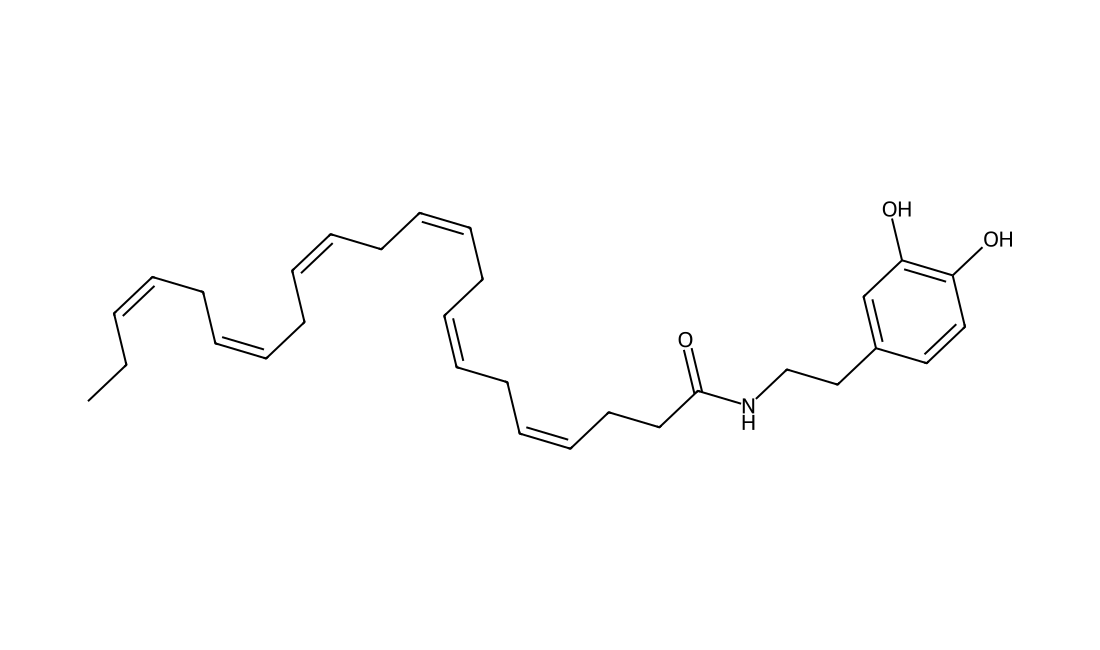
In Vitro NMI 8739 is a dopamine D2 autoreceptor agonist, which is an amine conjugate of the DHA carrier and the neurotransmitter dopamine. NMI 8739 reduces nitric oxide (NO) production in LPS-stimulated RAW264.7 Macrophages. NMI 8739 elicits concentration-dependent suppression of CCL-20, MCP-1 and IL-6 Release in RAW264.7 macrophages after LPS-stimulation. Production of PGE2 is concentration-dependently suppressed with a reduction of 25.3% at 100 nM NMI 8739 and a 75% reduction for 1 μM NMI 8739. 2 μM NMI 8739 significantly inhibits IL-6 and CCL-20 release up to 49% and 37%, respectively.
Netupitant
CAS 290297-26-6
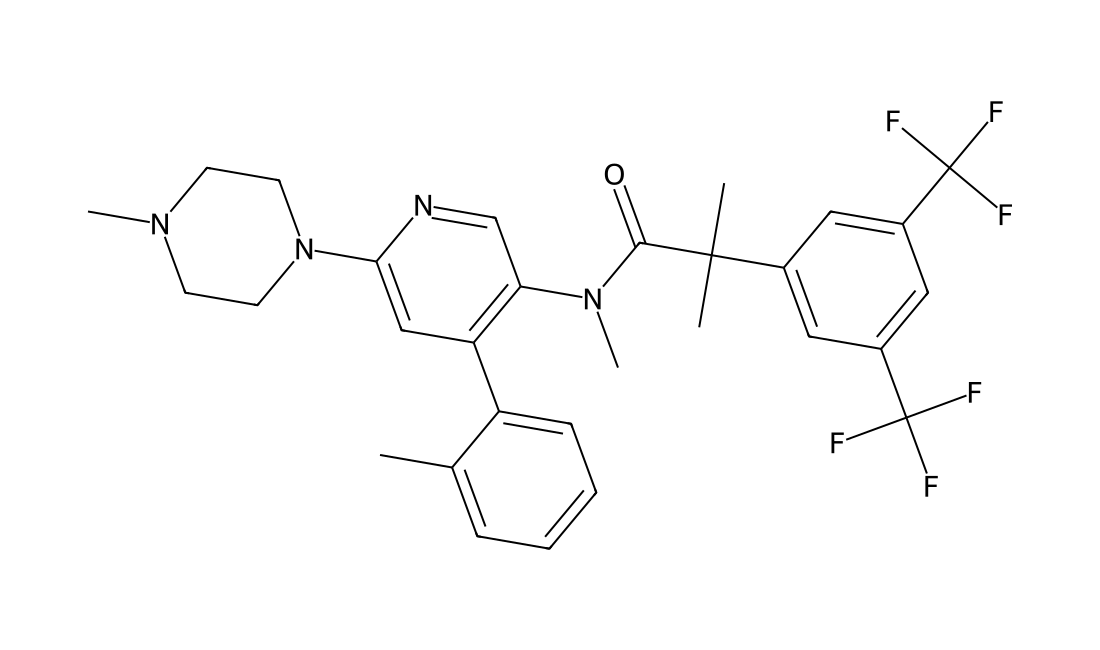
Netupitant is a highly potent and selective, orally active neurokinin-1 receptor antagonist with Ki of 0.95 nM. IC50 value: 0.95 nM (Ki) in vitro: Netupitant also dose-dependently inhibited the SP response as expected from an NK1 receptor antagonist. Importantly, when both palonosetron and netupitant were present, they exhibited an enhanced inhibition of the SP response compared to either of the two antagonists alone. in vivo: In mice the intrathecal injection of SP elicited the typical scratching, biting and licking response that was dose-dependently inhibited by Netupitant given intraperitoneally in the 1-10mg/kg dose range. In gerbils, foot tapping behavior evoked by the intracerebroventricular injection of a NK(1) agonist was dose-dependently counteracted by Netupitant given intraperitoneally (ID(50) 1.5mg/kg) or orally (ID(50) 0.5mg/kg). For the detailed information of Netupitant, the solubility of Netupitant in water, the solubility of Netupitant in DMSO, the solubility of Netupitant in PBS buffer, the animal experiment (test) of Netupitant, the cell expriment (test) of Netupitant, the in vivo, in vitro and clinical trial test of Netupitant, the EC50, IC50,and affinity,of Netupitant, For the detailed information of Netupitant, the solubility of Netupitant in water, the solubility of Netupitant in DMSO, the solubility of Netupitant in PBS buffer, the animal experiment (test) of Netupitant, the cell expriment (test) of Netupitant, the in vivo, in vitro and clinical trial test of Netupitant, the EC50, IC50,and affinity,of Netupitant, Please contact DC Chemicals.
Nefiracetam
CAS 77191-36-7
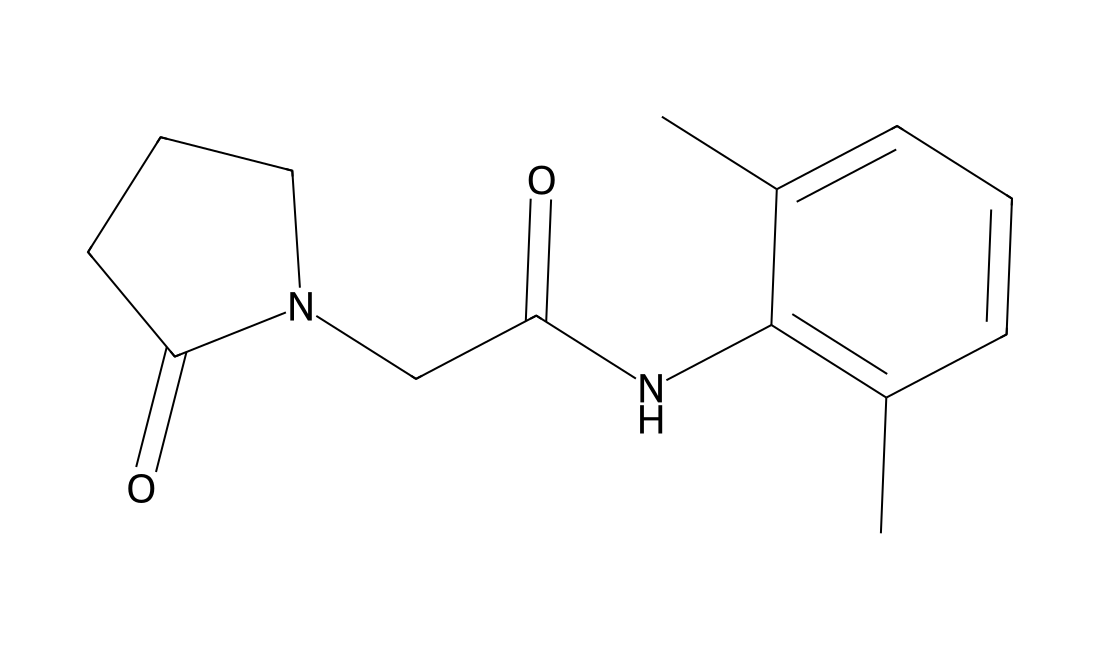
For the detailed information of Nefiracetam, the solubility of Nefiracetam in water, the solubility of Nefiracetam in DMSO, the solubility of Nefiracetam in PBS buffer, the animal experiment(test) (test) of Nefiracetam, the cell expriment (test) of Nefiracetam, the in vivo, in vitro and clinical trial test of Nefiracetam, the EC50, IC50,and Affinity of Nefiracetam,, please contact DC Chemicals.
Browse target & topic index A–Z (366)
11β-HSD (1)15-PGDH (2)5-HT Receptor (16)Acetyl-CoA Carboxylase (ACC) (3)Acetylcholinesterase (AChE) (2)Ack1 (TNK2) (1)Acyltransferase (1)ADC Cytotoxin (6)ADCs Linker/Click Chemistry (5)Adenosine Receptor (9)Adenylate Cyclase (2)Adrenergic Receptor (11)Akt (12)Alcoholism (2)Aldehyde Dehydrogenase (ALDH) (6)Allergy (5)Alzheimer Disease (13)Aminopeptidase (1)AMPK (8)Amyloids (4)Anaplastic Lymphoma Kinase (ALK) (9)Androgen Receptor (AR) (11)Anemia (4)Angiotensin Receptor (4)Antibody/Protein labeling dyes (1)Antifolate (2)Anxiety (1)Apoptosis Inducer (3)Arginase (1)Arp2/3 complex (1)Aryl hydrocarbon Receptor (AhR) (1)Asthma (5)Atherosclerosis (2)ATM/ATR (8)Aurora Kinase (10)Autophagy (6)Autophagy-related Protein (Atg) (2)Autotaxin (2)Bacterial (26)Bacterial Infection (17)Bcl-2 (14)Bcr-Abl (5)BCRP (1)Beta-catenin (4)Beta-secretase (BACE) (4)Blood Cancer (91)BMI-1 (1)Bone Cancer (6)Brain Cancer (6)Breast Cancer (30)Bromodomain (22)BTK (10)c-Fms (CSF1R) (5)c-Fos/AP-1 (1)c-Kit (6)c-Met (HGFR) (11)c-Myc (2)Calcium Channel (4)Calcium-sensing Receptor (CaSR) (1)CaMK (4)Cannabinoid Receptor (6)Carbonic Anhydrase (1)Carboxypeptidase (1)Casein Kinase (6)Caspase (4)Cathepsin (6)Cdc2-like Kinase (CLK) (1)CETP (2)CFTR (7)Checkpoint Kinase (Chk) (8)Chemokine Receptor (CCR and CXCR) (14)Chemotherapeutic Agents (19)Chloride Channel (1)CMV (2)CMV Infection (2)Colon Cancer (9)Complement System (1)COPD (3)CREB/CBP (2)CRF Receptor (2)CRISPR/Cas9 (1)Cushing Disease (1)Cyclin-dependent Kinase (CDK) (39)Cyclooxygenase (COX) (4)Cytochrome P450 (CYPs) (5)Depression (2)Dermatitis (2)Deubiquitinase (DUB) (7)Diabetes (20)Dipeptidyl Peptidase (DPP) (3)Discoidin Domain Receptor (DDR) (1)DNA Alkylator/Crosslinker (10)DNA Methyltransferase (DNMT) (1)DNA Repair Protein (1)DNA-PK (2)DNA/RNA Synthesis (5)Dopamine beta-hydroxylase (1)Dopamine Receptor (7)Drug Metabolite (1)Drug-Linker Conjugates (11)Dyes (4)DYRK (1)Dyslipidemia (9)E3 Ligase Ligand (6)E3 Ligase Ligand-Linker Conjugate (1)E3 Ubiquitin Ligase (4)Ebola Virus Infection (1)EGFR (32)Elastase (2)Endothelin Receptor (5)Enzymes substrates (13)Epigenetic Reader Domain (3)Epilepsy (4)ERK (4)Estrogen Receptor/ERR (13)Eukaryotic Initiation Factor (eIF) (2)Exportin-1 (CRM1,XPO1) (2)FABP (1)Factor Xa (5)Farnesoid X Receptor (FXR) (5)Farnesyl transferase (FTase) (1)Ferroptosis (6)FGFR (15)Fibrosis (5)FLT3 (6)Focal Adhesion Kinase (FAK) (11)Foxo1 (1)Free Fatty Acid Receptor (FFAR) (5)Fungal (2)Fungal Infection (1)GABA Receptor (13)Galectin (1)Gastric Cancer (8)Ghrelin Receptor (GHSR) (3)Glucagon Receptor (4)Glucokinase (2)Glucose Transporter (GLUT) (2)Glutamate Transporter (2)GPCR (1)GPER (GPR30) (1)GPR139 (1)GPR183 (EBI2) (2)GPR39 (1)GPR55 (1)GPR84 (1)GRK (GPCRK) (2)Growth Hormone Deficiency (2)GSK-3 (8)Guanylate Cyclase (3)HBV (1)HBV Infection (1)HCN Channel (2)HCV (8)HCV Infection (9)HDAC (38)Heart Arrhythmia (2)Heart Failure (5)Heat Shock Protein (HSP) (15)Hedgehog (Hh) (1)HIF/HIF Prolyl-hydroxylase (8)Histamine Receptor (6)Histone Acetyltransferase (HAT) (5)Histone Demethylase (11)Histone Methyltransferase (HMTase) (31)HIV (12)HIV Infection (11)HMG-CoA Reductase (HMGCR) (3)HSV (1)HSV Infection (1)Hypercholesterolemia (1)Hyperparathyroidism (1)Hypertension (8)IAP (1)IGF-1R (3)iGluR (15)Indoleamine 2,3-Dioxygenase (IDO) (4)Infection (1)Influenza (6)Influenza Virus (6)Insulin Receptor (2)Integrin (6)Interleukin Receptor (1)IRAK (2)IRE1 (4)Irritable Bowel Syndrome (2)Ischemia (1)Isocitrate Dehydrogenase (IDH) (5)ITK (1)IκB kinase (IKK) (7)JAK (32)JNK (3)Keap1-Nrf2 (6)Kidney Cancer (10)Kinesin (5)Kruppel-like Factor (KLF) (1)Kynurenine 3-Monooxygenase (KMO) (1)Leukotriene Receptor (1)LIM Kinase (LIMK) (3)Lipids fragment (1)Liver Cancer (6)Liver X Receptor (LXR) (3)LRRK2 (9)Lung Cancer (39)Lysophospholipid Receptor (12)LYTACs (3)mAChR (9)MALT1 (2)MAP4K (1)Matrix Metalloproteinase (MMP) (10)MDM2-p53 (9)MEK (MAP2K) (14)MEKK (MAP3K) (1)Melanocortin Receptor (2)MELK (1)mGluR (7)MicroRNA (1)Microtubule/Tubulin (5)Mineralocorticoid Receptor (MLR) (1)MITF (1)Mixed Lineage Kinase (MLK) (3)MNK (2)Molecular Glues (13)Monoamine Transporter (5)Monocarboxylate Transporter (MCT) (1)Monopolar Spindle 1 (Mps1/TTK) (3)mTOR (13)Multiple Sclerosis (6)Myosin (1)Na-K-Cl Cotransporter (NKCC) (2)nAChR (2)NADPH Oxidase (NOX) (2)NAMPT (3)Natural products (37)Neprilysin (1)Neurokinin Receptor (3)Neuropeptide Y Receptor (3)NF-κB (5)Nitric Oxide Synthase (NOS) (1)NOD-like Receptor (NLR) (3)Notch (2)Nucleoside Antimetabolite/Analog (10)Nur77 (NR4A1) (1)Obesity (1)Oct3/4 (1)Opioid Receptor (5)Orexin Receptor (7)Osteoporosis (2)Ovarian Cancer (14)Oxytocin Receptor (OXTR) (2)P-glycoprotein (P-gp) (3)p21-activated Kinase (PAK) (1)P2X Receptor (2)P2Y Receptor (1)p38 MAPK (10)p97/VCP (1)Pain (12)Pancreatic Cancer (10)Parasite (5)Parasite Infection (2)Parkinson Disease (2)PARP (19)PCSK9 (1)PD-1/PD-L1 (4)PDGFR (4)PDK1 (2)PEGn (1)PERK (2)PGE synthase (2)Phosphodiesterase (PDE) (9)Phospholipase (4)PI3K (32)PI4K (2)Piezo Channel (1)PIKfyve (3)Pim (9)PKC (12)PKD (1)Plasminogen Activator Inhibitor-1 (PAI-1) (3)Polo-like Kinase (PLK) (4)Porcupine (3)Potassium Channel (13)PPAR (13)Pregnane X Receptor (PXR) (1)Progesterone Receptor (2)Prostaglandin Receptor (11)Prostate Cancer (7)PROTACs (35)Protease-activated Receptor (PAR) (3)Proteasome (12)Protein Disulfide Isomerase (PDI) (1)Protein Phosphatase/PTP (6)Proton Pump (1)Psoriasis (5)RAD51 (1)Radioligand precursors (15)Raf (18)RAR/RXR (3)Ras (17)Renin (2)RET Tyrosine Kinase (c-RET) (3)Rheumatoid Arthritis (16)Ribosomal S6 Kinase (RSK) (5)RIG-I-like Receptor (RLR) (2)RIP kinase (7)ROCK (12)ROR (2)RSV (4)RSV Infection (3)RUNX1-CBFβ (1)S-nitrosoglutathione reductase (GSNOR) (1)Saccharides and Glycosides (1)Salt Inducible Kinase (SIK) (2)SARS-CoV (16)SARS-CoV Infection (34)Schizophrenia (4)Sexual Dysfunction (1)SGLT (4)Sigma Receptor (4)Sirtuin (9)Skin Cancer (13)Sleep Disorder (7)SMN2 Modulator (1)Smoothened (Smo) (9)Sodium Channel (12)Solid Tumors (35)Somatostatin Receptor (2)Sphingosine kinase (SphK) (2)Src (7)STAT (5)Stearoyl-CoA Desaturase (SCD) (1)Steatohepatitis (7)Sterol lipids (1)STING (14)Syk (6)T Cell Receptor (TCR) (1)TAK1 (2)TAM Receptor (Tyro3-Axl-Mer) (4)Taste Receptor (1)Telomerase (2)TGF beta Receptor (TGFBR) (12)Thrombin (3)Thrombosis (13)Thyroid Cancer (1)Thyroid Hormone Receptor (THR) (1)Thyrotropin Receptor (2)TNIK (1)Toll-like Receptor (TLR) (2)TOPK (1)Topoisomerase (11)TRAIL (1)Translocator Protein (TSPO) (1)Trk Receptor (4)TRP Channel (13)Tryptophan Hydroxylase (TPH) (1)Ubiquitin-activating Enzyme (E1) (2)Ubiquitin-conjugating Enzyme (E2) (2)Ulcer (1)ULK (3)Vasopressin Receptor (2)VEGFR (25)Vitamin D Receptor (VDR) (3)Wee1 (1)WNK Kinase (1)Wnt (5)Yes-associated Protein (YAP) (4)γ-secretase (5)