Home/Small Molecules/Epigenetics & Gene Regulation

Epigenetics & Gene Regulation

Chromatin, transcription and epigenetic regulation.

Browse all research categories

Browse by research category

Products may appear in more than one category. Counts refer to distinct catalog numbers within each category.

Other Research Tools (75) · Additional reagents, building blocks and specialized research tools.

Epigenetics & Gene Regulation products

Combine a keyword, research category and target to narrow the product list.

Loading catalog filters…

410 products · Showing 385–410

DC70350

Debio 0123

CAS 2243882-74-6

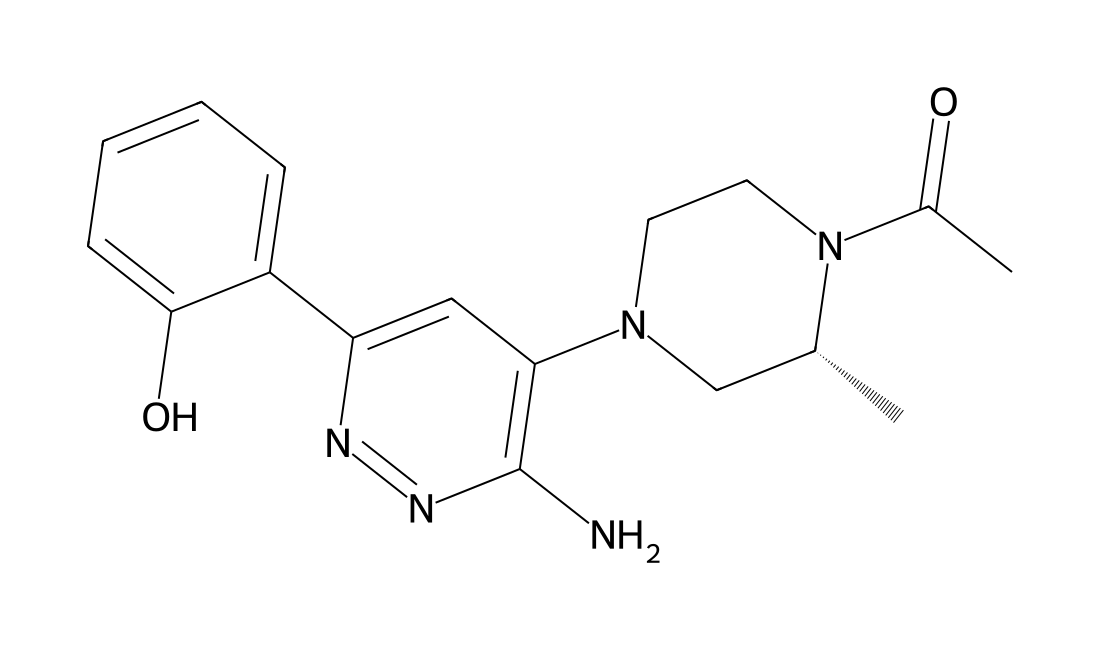
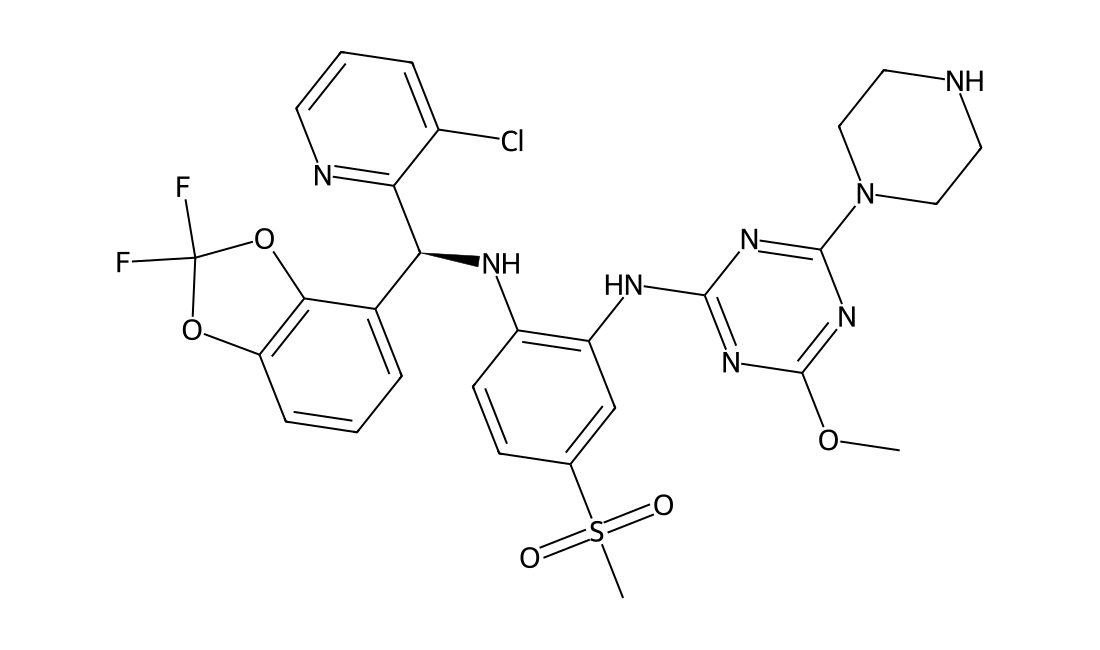
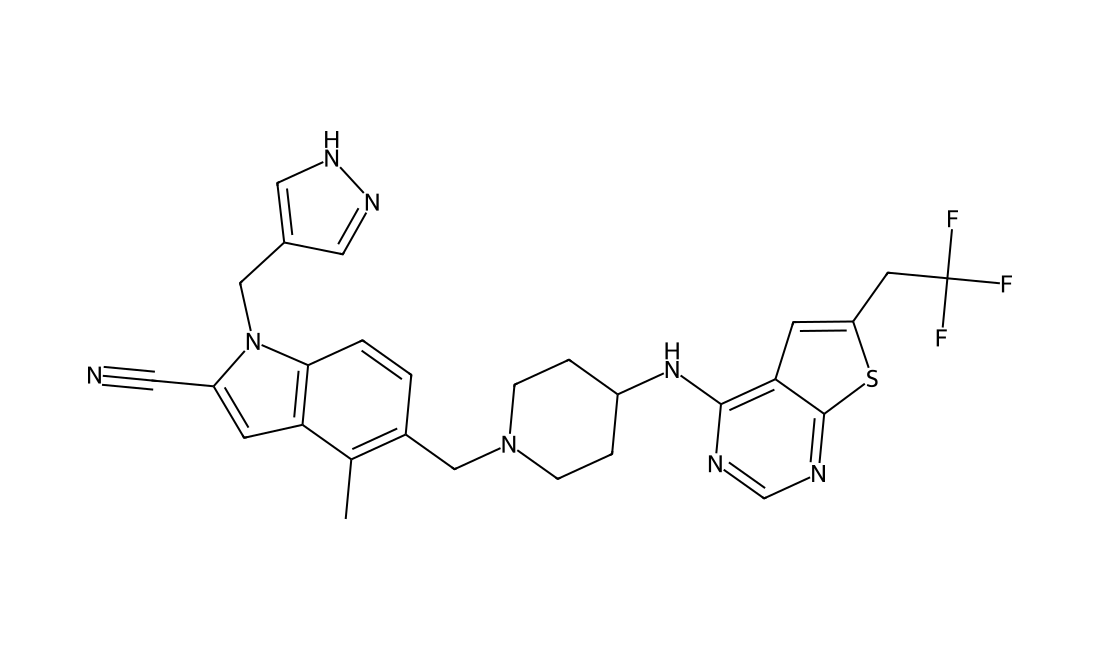
Debio 0123 (Debio0123) is a potent, orally available, and highly selective Wee1 kinase inhibitor with IC50 of 0.8 nM, Ki of 0.1 nM.Debio 0123 is highly selective to Wee1 on 465 selected kinases in a cellfree system, does not inhibit Plk1 and Plk2, as also reported in recent publications for AZD1775.Debio 0123 exhibits in vitro growth inhibition activity in a broad number of human cancer cell lines (IC50= 0.109 to 7.08 uM).Debio 0123 prevent CDC2 / Cdk1 phosphorylation, induces γH2AX and enhances phosphorylation of histone H3.Debio 0123 induces apoptosis through mitotic catastrophe following cell cycle progression despite accumulation of unrepaired DNA damage both in vitro and in vivo.
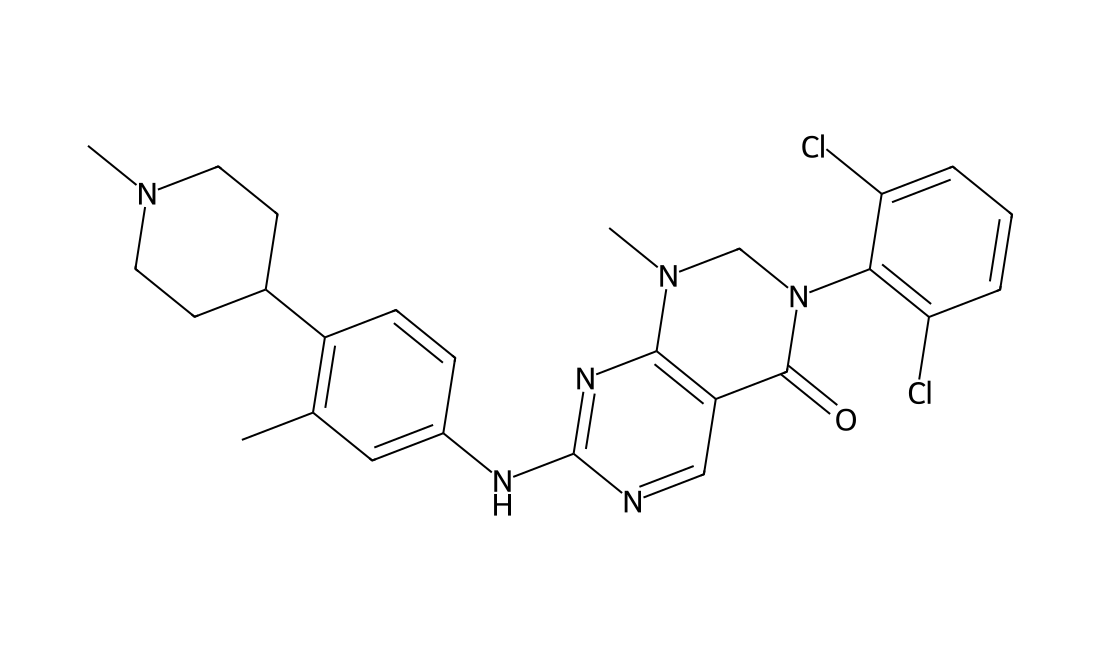
Debio 0123 chemical structure
DC21989

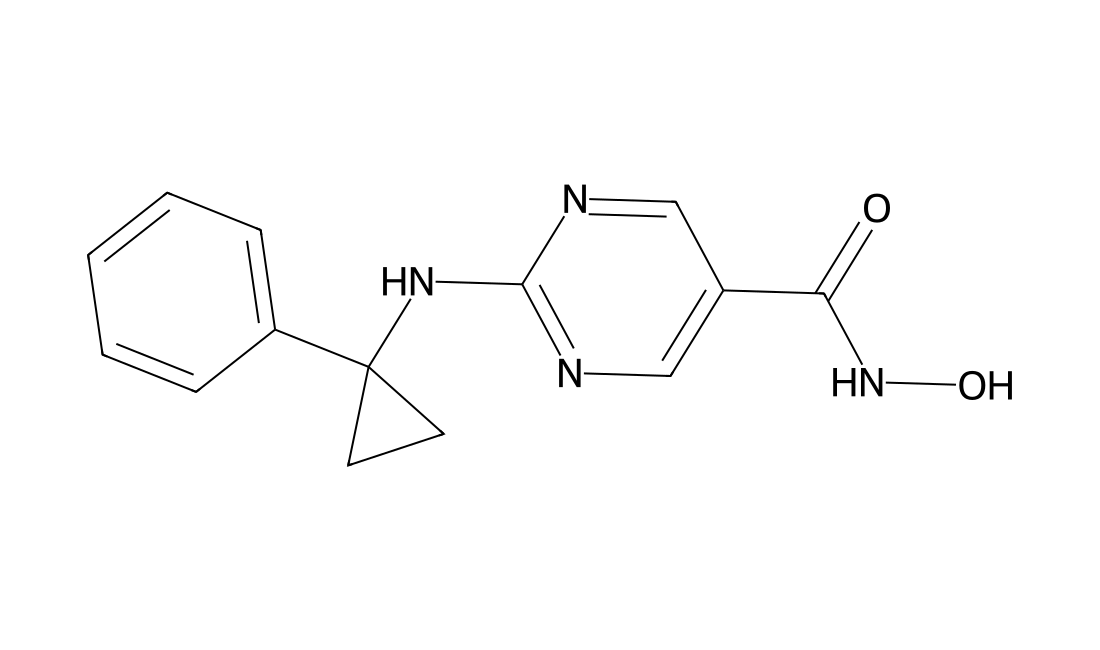
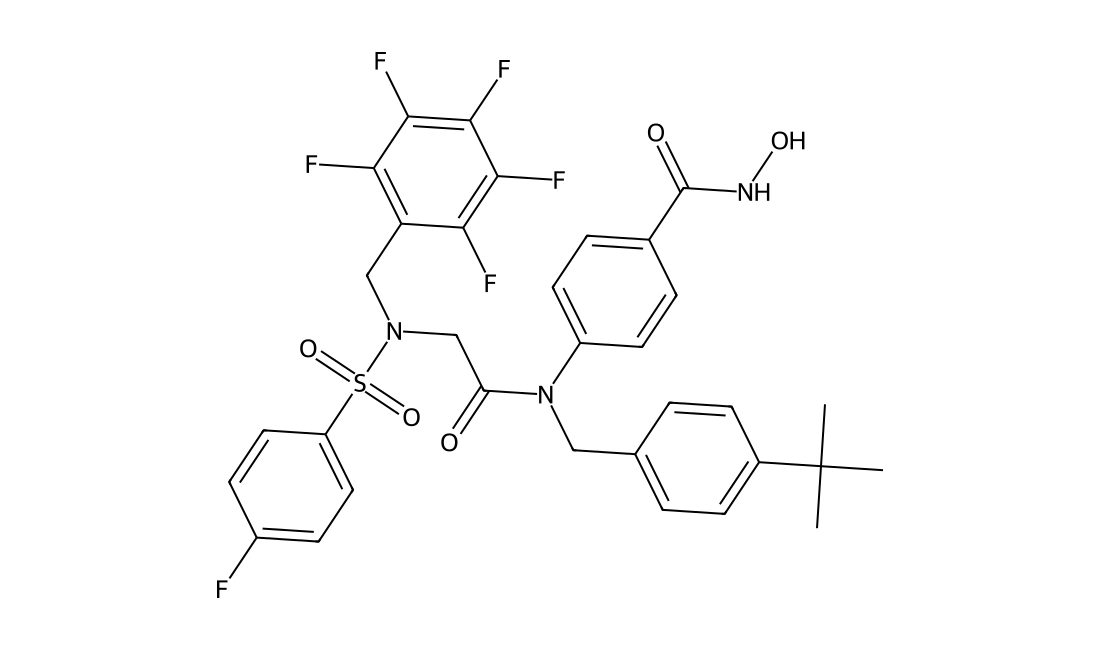
AES-135

CAS 2361659-61-0

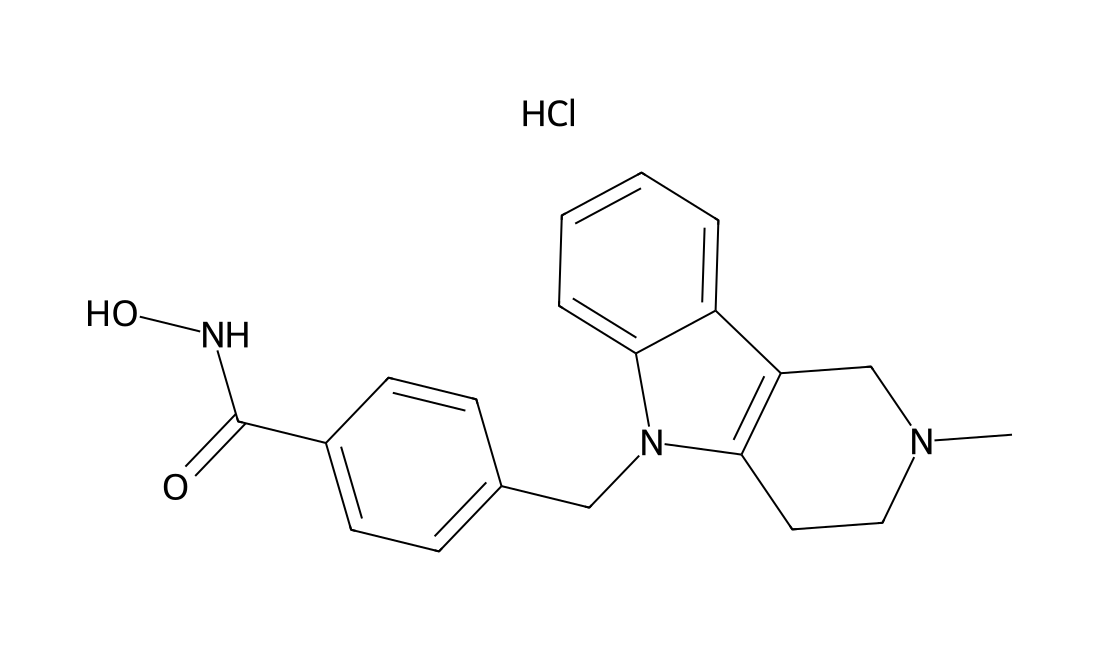
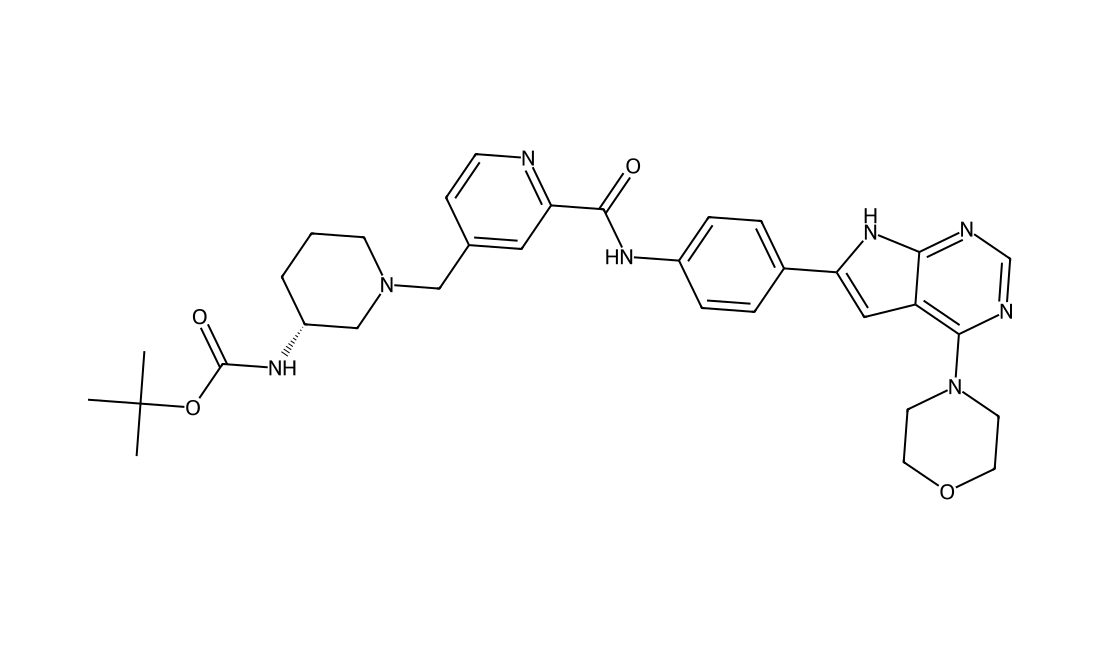
AES-135 (AES135) is a novel HDAC inhibitor that biochemically inhibits HDACs 3, 6, 8 and 11 with IC50 values of 190-1100 nM; exhibits selective in vitro cytotoxicity in low passage patient-derived pancreatic cancer cells even in the presence of cancer-associated fibroblast (CAF) cells; exhibits favourable in vivo properties such as metabolic stability in mouse hepatocytes and bioavailability in µM concentrations in NSG mice for >10 h (IP injection); shows cytotoxicity in multiple low-passage patient-derived pancreatic cancer cell lines with IC50 of 1-4 uM in monolayer proliferation-based assays, prolongs survival significantly in orthotopic murine model of pancreatic cancer.

AES-135 chemical structure
DC72030

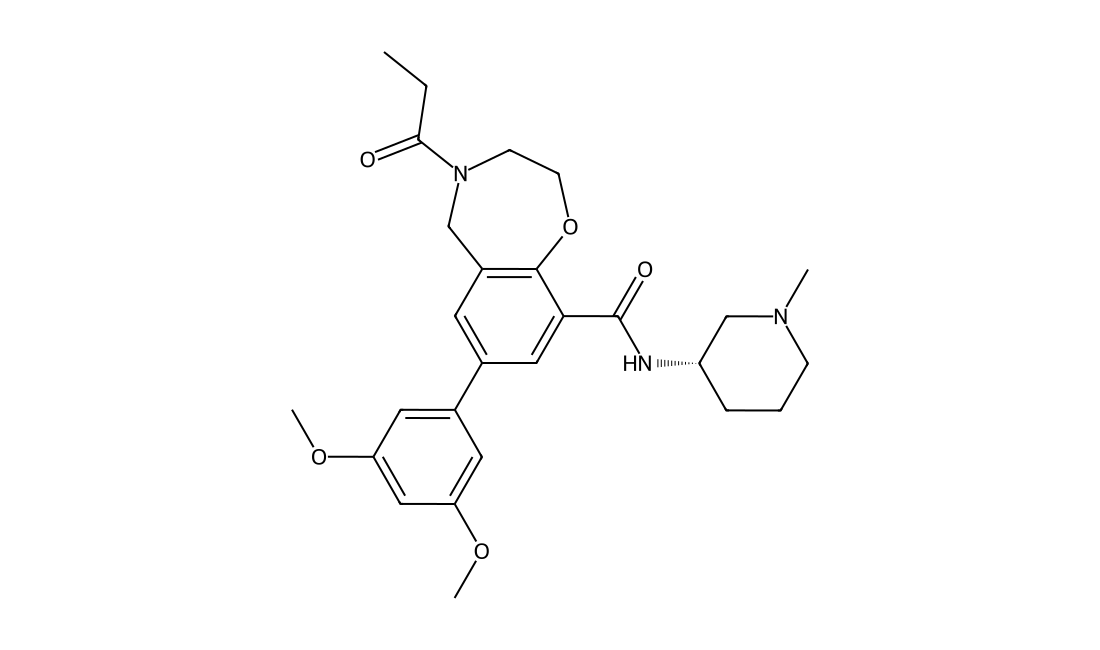
GNE-064

CAS 1997321-20-6

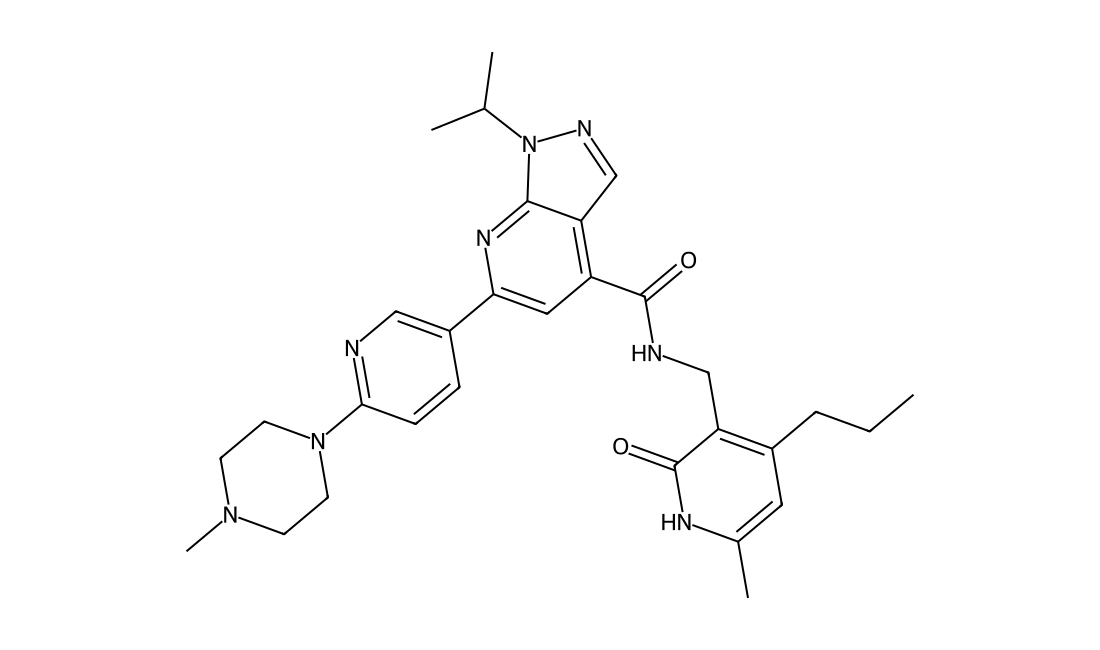
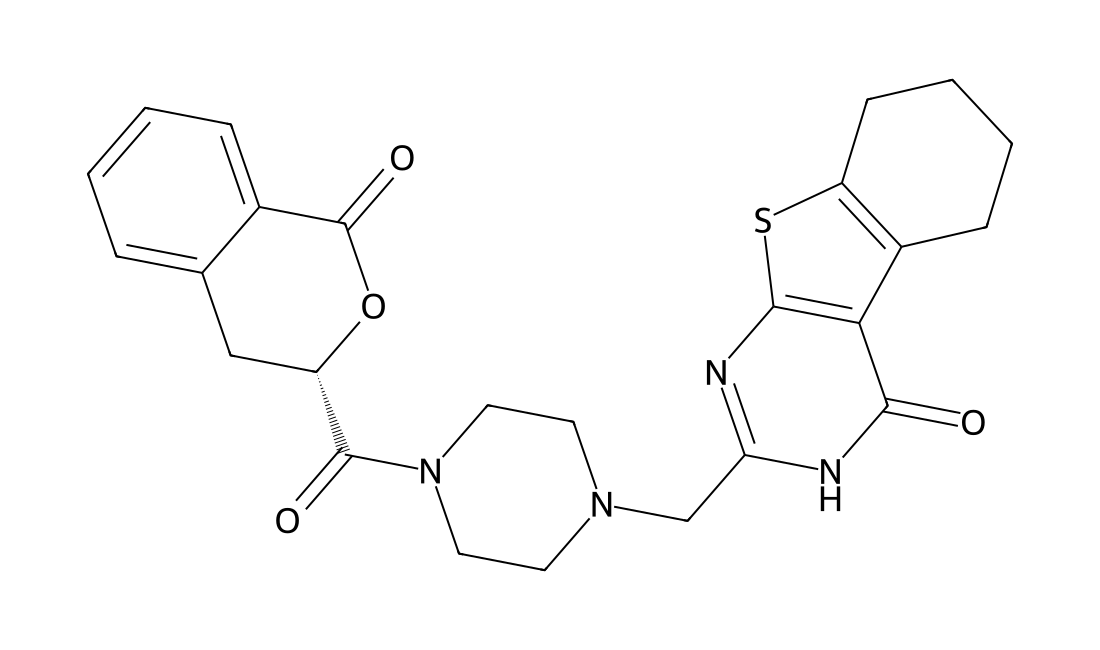
GNE-064 (compound 5) is a selective, oral and highly soluble inhibitor of the SMARCA4, SMARCA2 and PBRM1 bromodomains 5. GNE-064 inhibits SMARCA4 with an IC50 of 0.035 μM and inhibits SMARCA2 with an EC50 of 0.10 μM. GNE-064 possess Kds with 0.01, 0.016, 0.018 and 0.049 μM for SMARCA4, SMARCA2, PBRM1 bromodomains 5 and PBRM1 bromodomains 2, repectively. GNE-064 can be used as a chemical probe for the research of drug synthesis.

GNE-064 chemical structure
DC7682

MS417

CAS 916489-36-6

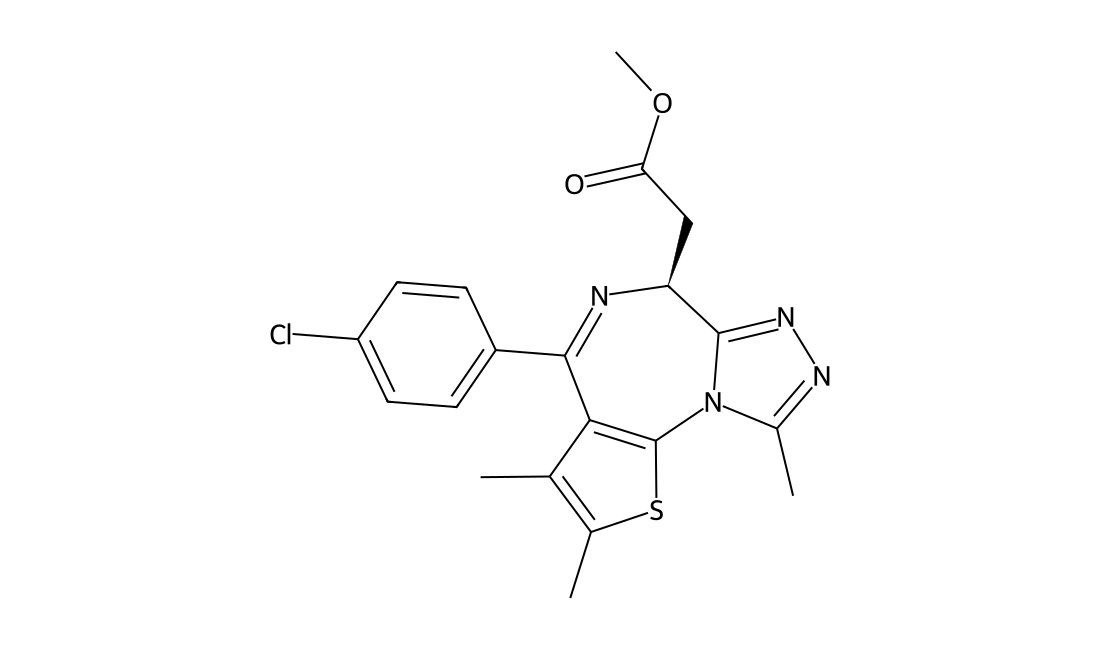
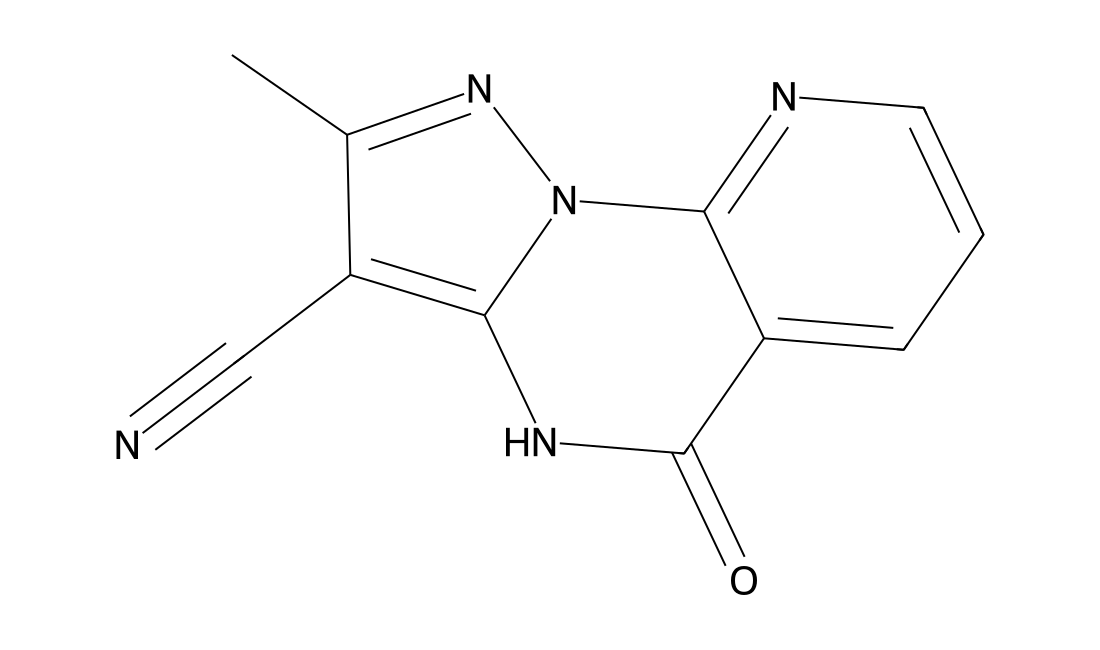
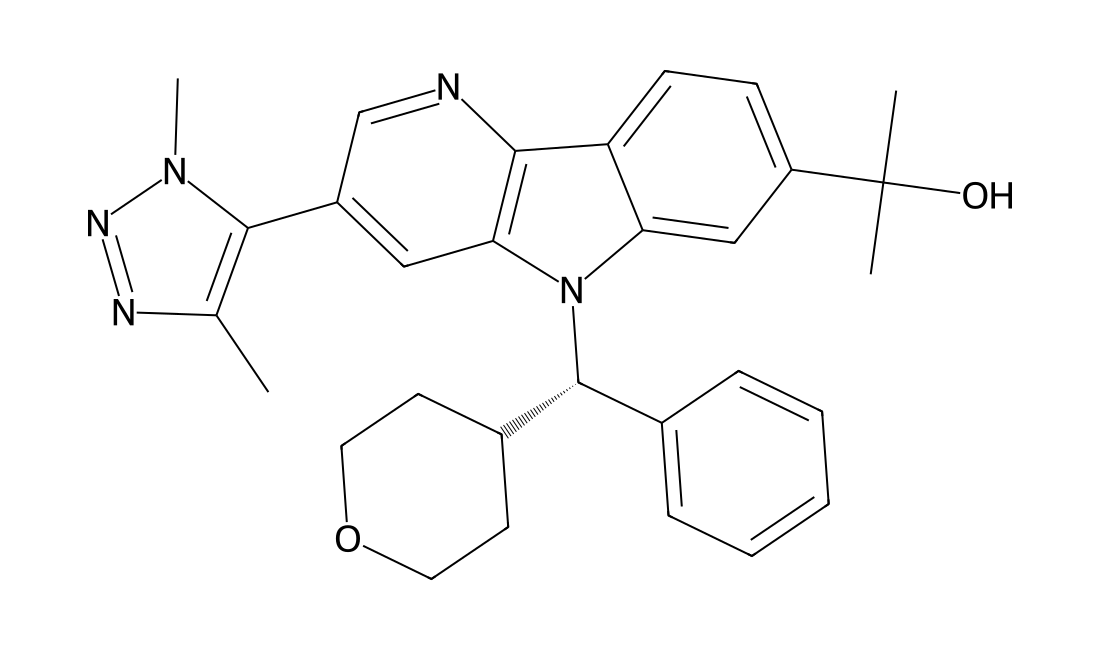
MS417 is a BET-specific BRD4 inhibitor, binds to BRD4-BD1 and BRD4-BD2 with IC50s of 30, 46 nM and Kds of 36.1, 25.4 nM, respectively, with weak selectivity at CBP BRD (IC50, 32.7 μM).

MS417 chemical structure
DC6303

Tubastatin A HCl

CAS 1310693-92-5

Tubastatin A (Hydrochloride) is a potent and selective HDAC6 inhibitor with IC50 of 15 nM in a cell-free assay, and is selective (1000-fold more) against all other isozymes except HDAC8 (57-fold more).

Tubastatin A HCl chemical structure
DC60120

QQN05022(Dot1L-IN-4)

CAS 2565705-02-2

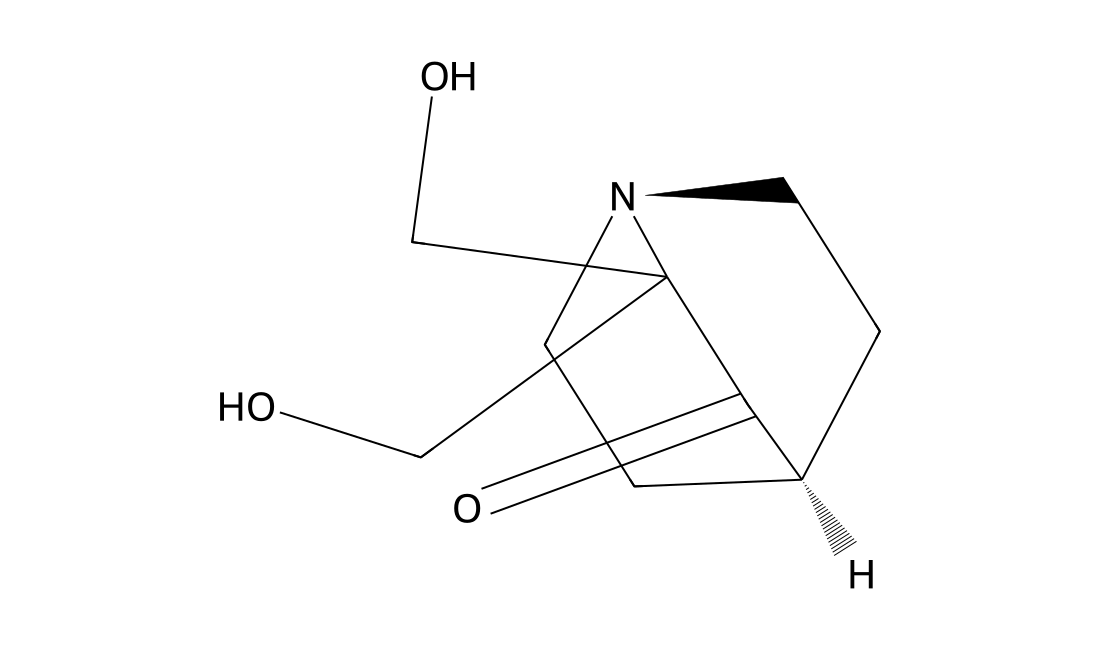
QQN05022, also known as Dot1L-IN-4 is a potent disruptor of telomeric silencing 1-like protein (DOT1L) inhibitor. This molecule was first reported in ACS Medicinal Chemistry Letters (2019), 10(12), 1655-1660. This product has no formal name at the moment. For the convenience of communication, a temporal code name was therefore proposed according to MedKoo Chemical Nomenclature.

QQN05022(Dot1L-IN-4) chemical structure
DC23372

Olinone

CAS 1770789-37-1

Olinone is a selective inhibitor for the BET BRD1 with Kd of 3.4/3.7/8.6 uM for BRD4-BrD1/BRD3-BrD1/BRD2-BrD1, respectively, shows high selectivity over BET BRD2 (Kd>300 uM).

Olinone chemical structure
DC8546

MI-136

CAS 1628316-74-4

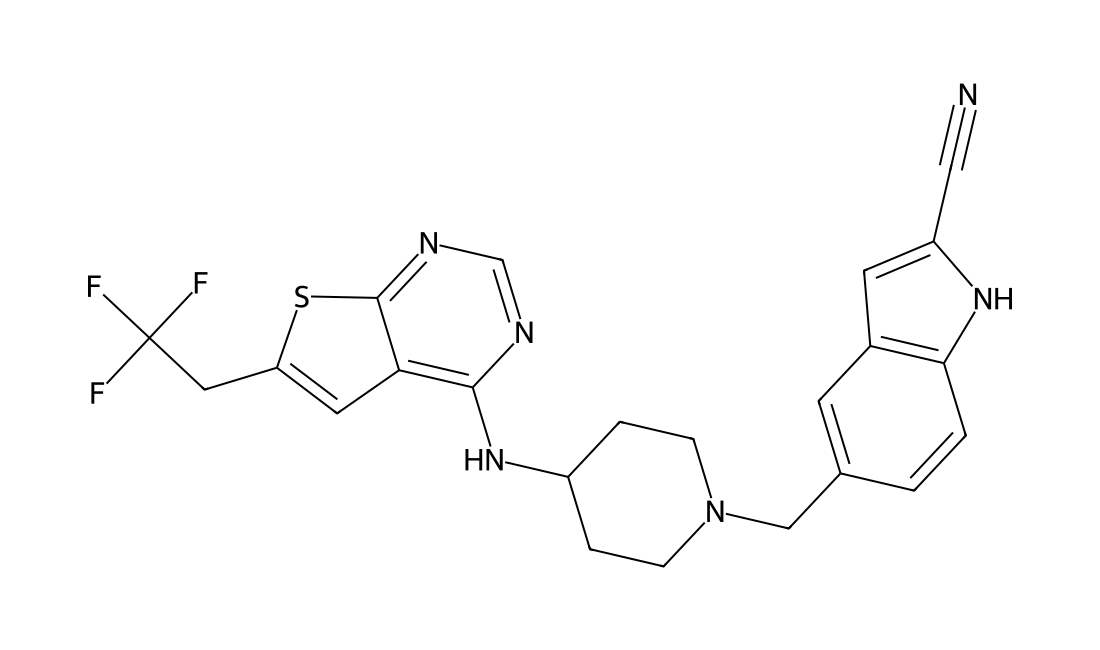
MI-136 inhibits DHT-induced expression of androgen receptor (AR) target genes. Target: androgen receptorin vitro: MI-136, a variant of a previously described inhibitor that can specifically inhibit the menin-MLL interaction. AR positive cell lines such as VCaP, LNCaP and 22RV1 are sensitive to MI-136. Treatment with MI-136 also inhibits the expression of genes that were bound to ASH2L after AR stimulation. Treatment with MI-136 induces apoptosis of VCaP cells as evidenced by PARP (cPARP) cleavage. Furthermore, treatment with MI-136 blocks DHT-induced cell proliferation in AR-dependent cell lines (LNCaP and VCaP). The effect of MI-136 on cell proliferation is similar to MDV-3100, a second-generation FDA-approved anti-androgen for patients with refractory prostate cancer. [1]in vivo: Treatment of VCaP tumor-bearing mice with MI-136 (40mg/kg) led to a modest but significant reduction in tumor volume with no effect on mouse body weight. [1]

MI-136 chemical structure
DC12562

LEM-14

CAS 1814881-70-3

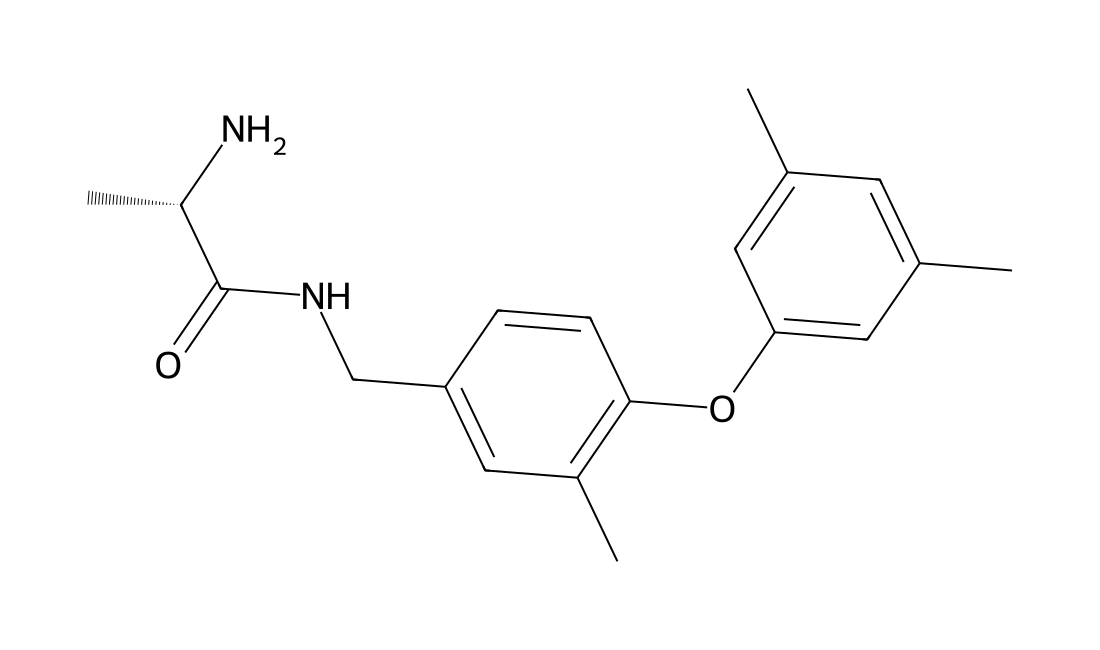
LEM-14 is a specific inhibitor of histone lysine methyltransferase NSD2 (MMSET/WHSC1) with in vitro IC50 of 132 uM, and that is inactive against the closely related NSD1 and NSD3..

LEM-14 chemical structure
DC10609

BMS-986158

CAS 1800340-40-2

BMS-986158 is an inhibitor of the bromodomain and extra-terminal (BET) proteins. BMS-986158 is an inhibitor of the bromodomain (BRD) and extra-terminal domain (BET) family of proteins, with potential antineoplastic activity. Upon administration, the BET inhibitor BMS-986158 binds to the acetyl-lysine binding site in the BRD of BET proteins, thereby preventing the interaction between BET proteins and acetylated histones. This disrupts chromatin remodeling and prevents the expression of certain growth-promoting genes, resulting in an inhibition of tumor cell growth.

BMS-986158 chemical structure
DC11014

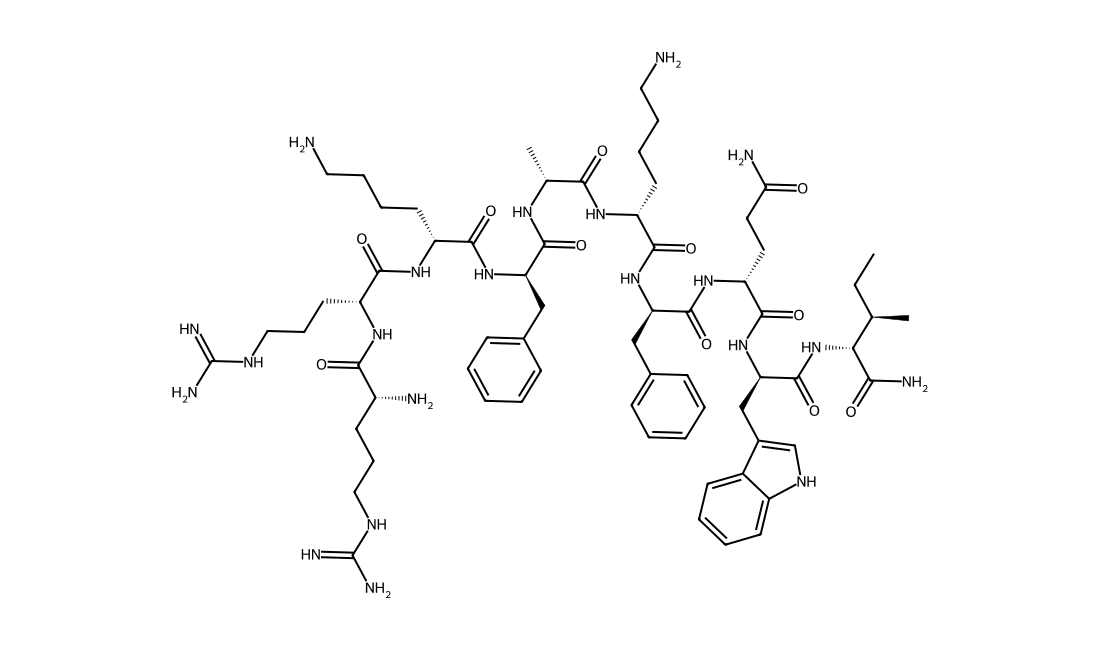
SALL4 peptide FFW

SALL4 peptide FFW (RRKFAKFQWI, FFW peptide) is a potent therapeutic SALL4 peptide antagonist of SALL4-NURD (nucleosome remodeling deacetylase) interaction with target affinity of 23 nM; reverses Transcription Repression by SALL4-RBBp4, disrupts the SALL4-NuRD complex resulted in unidirectional up-regulation of transcripts, turning SALL4 from a dual transcription repressor-activator mode to singular transcription activator mode; displays significant antitumor effects, inhibiting tumor growth by 85% in xenograft mouse models of HCC.

SALL4 peptide FFW chemical structure
DC10190

TPOP146

CAS 2018300-62-2

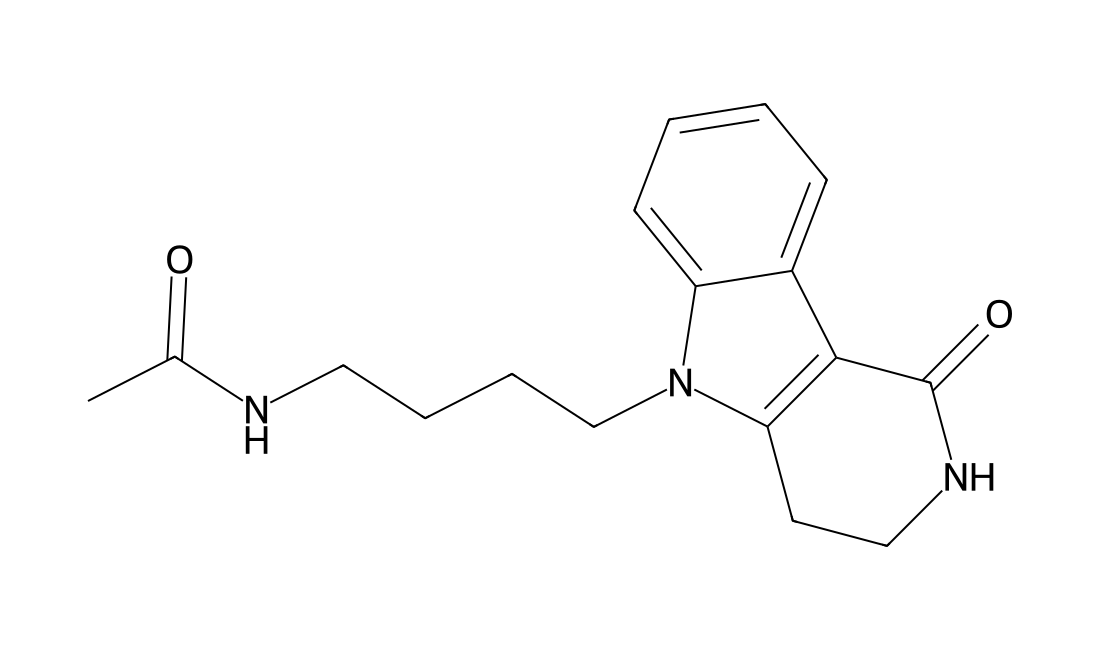
Exposure to 1 μM TPOP146 results in a significant decrease of recovery half-life that is comparable to the construct that contained the bromodomain inactivating mutation N1168F, demonstrating that TPOP146 targets the CBP bromodomain in the nucleus and is capable of competing with acetyl-lysine mediated interactions of the CBP bromodomain in cellular environments.

TPOP146 chemical structure
DC8476

ACY-738

CAS 1375465-91-0

ACY-738 is a potent, selective and orally-bioavailable HDAC6 inhibitor, with an IC50s of 1.7 nM; ACY-738 also inhibits HDAC1, HDAC2, and HDAC3, with IC50s of 94, 128, and 218 nM.

ACY-738 chemical structure
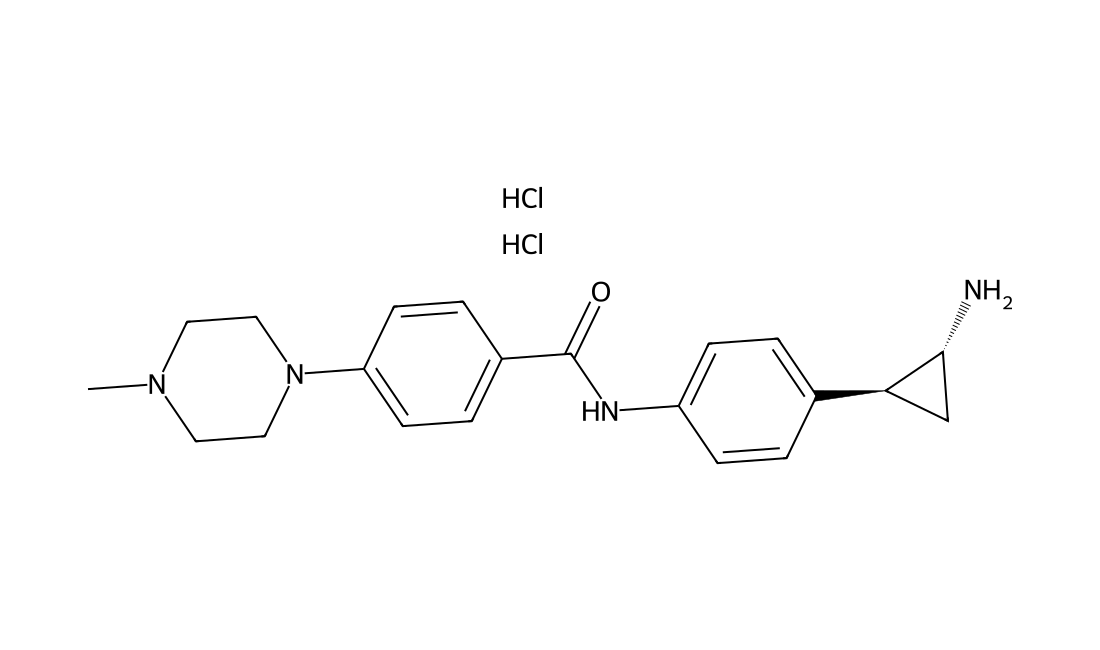
DC10413

DDP-38003 dihydrochloride

CAS 1831167-98-6

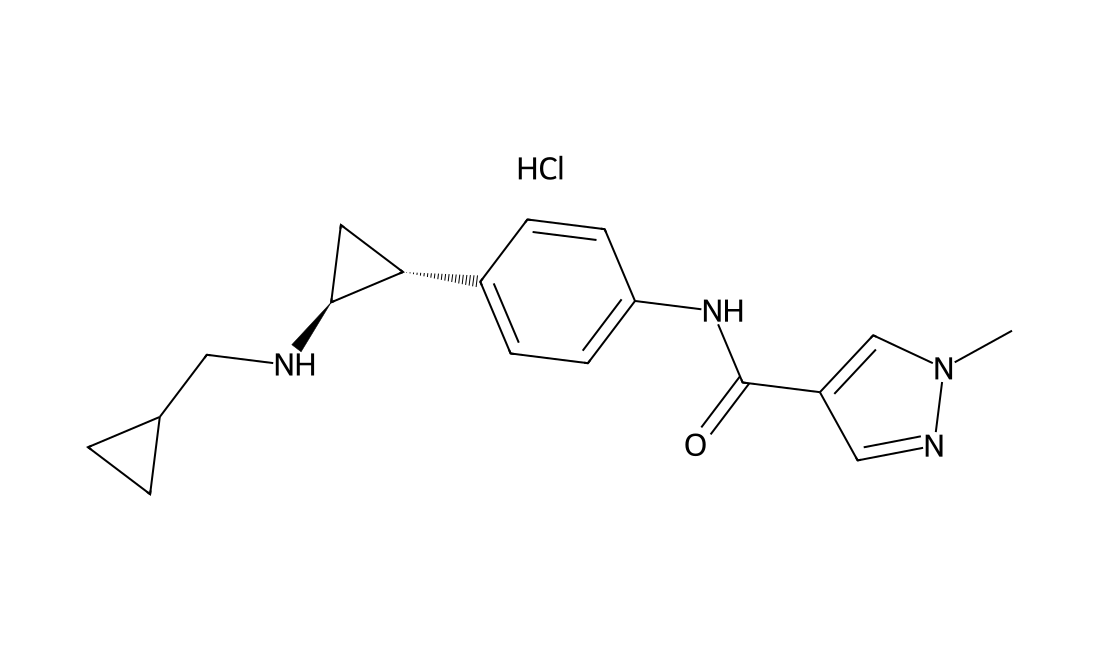
DDP-38003 inhibits KDM1A with an IC50 of 84 nM. DDP-38003 is more active in reducing the colony forming ability and in inducing thedifferentiation of THP-1 cells compared to the 1R, 2S analogue.DDP-38003 exhibits in vivo efficacy after oral administration, determining a 62% increased survival in mouse leukemia models with evidence of KDM1A inhibition. The half life of DDP-38003 is 8 h. A significant dose dependent increase of mice survival is obtained by DDP-38003 treatment. The survival rate increases 35% and 62% at the dose of 11.25 and 22.50 mg/kg, respectively. DDP-38003 is a potential oral anticancer agent.

DDP-38003 dihydrochloride chemical structure
DC12280

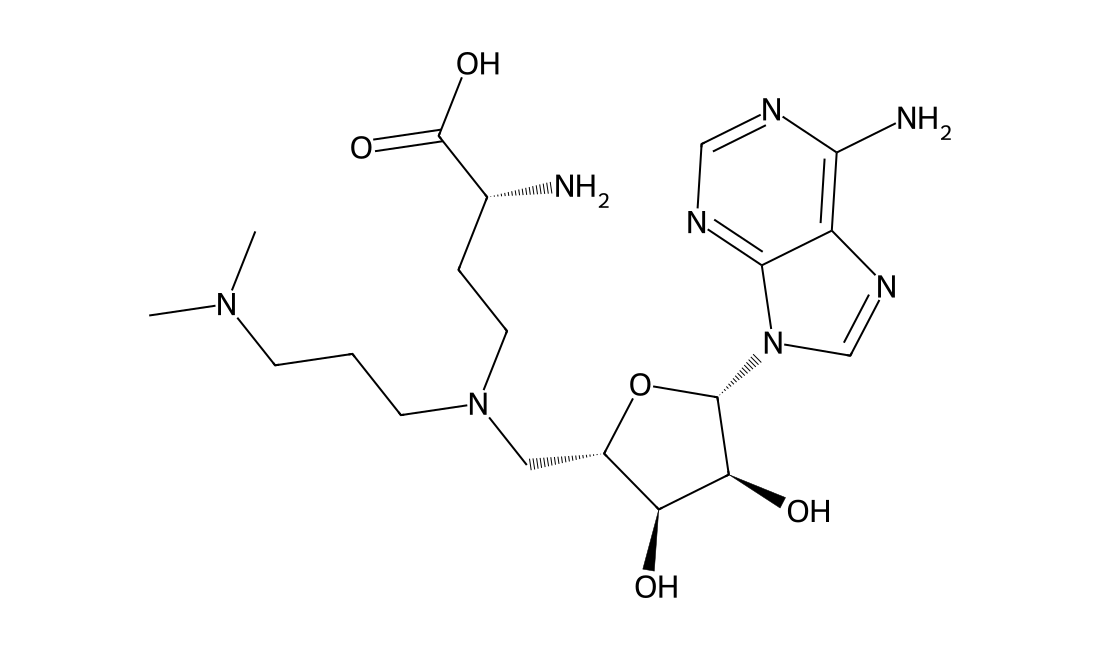
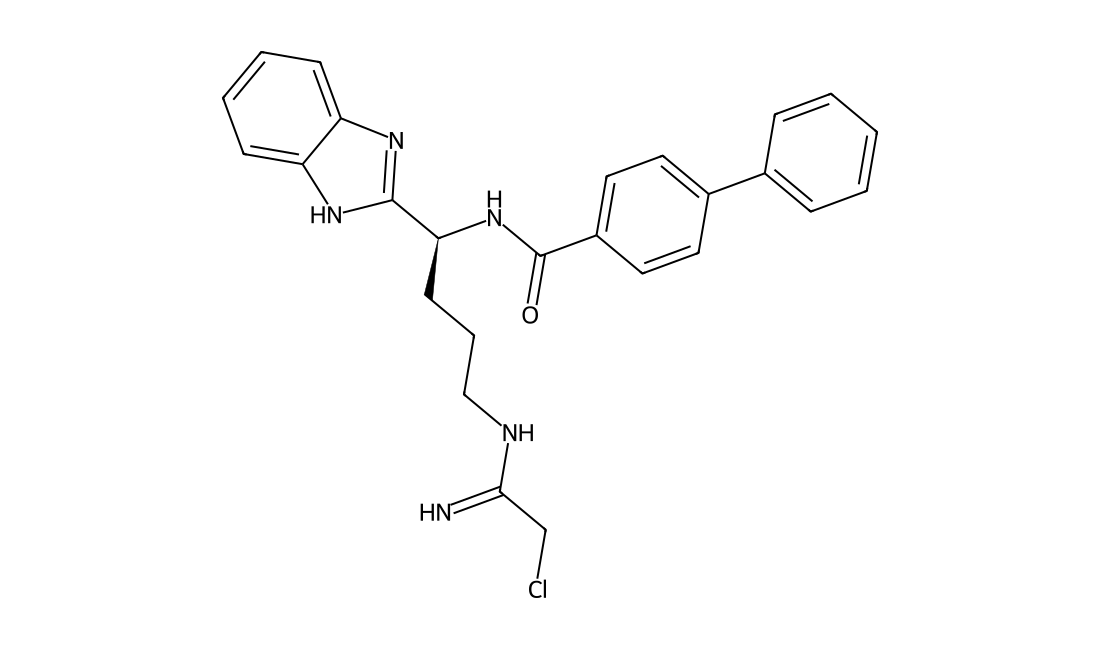
BB-Cl-Amidine

CAS 1802637-39-3

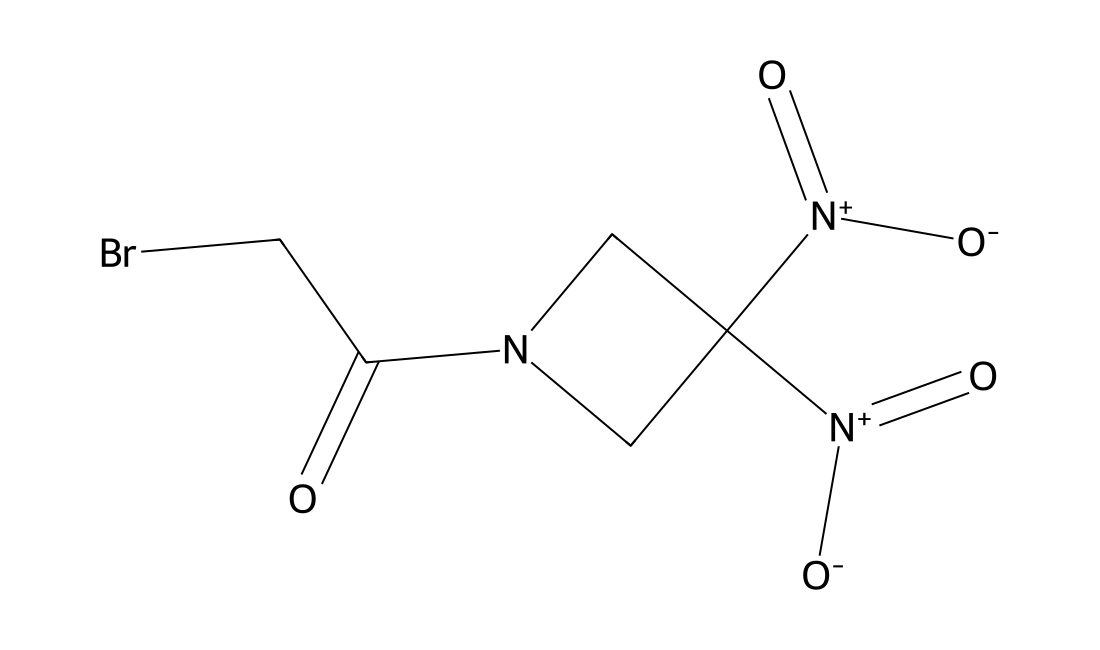
In Vitro Cl-amidine and BB-Cl-amidine show similar in vitro potencies and selectivities; however, the cellular potency of BB-Cl-amidine is increased by more than 20-fold, evidenced by decreased EC50 values obtained from viability studies with U2OS osteosarcoma cells (8.8±0.6 μM vs >200 μM for Cl-amidine). Cl-amidine and BB-Cl-amidine significantly inhibit NET formation by MRL/lpr neutrophils. In Vivo Treatment with BB-Cl-amidine subtly reduces splenomegaly in MRL/lpr mice, while there is a trend towards increased circulating levels of anti-NET antibodies with PAD inhibitor treatment. However, neither PAD inhibitor affected body weight or total IgG levels. Indeed, treatment with both Cl-amidine and BB-Cl-amidine significantly improves endothelium-dependent vasorelaxation. The BB-Cl-amidine group also shows a strong trend towards downregulation of IRGs. Treatment with either Cl-amidine or BB-Cl-amidine significantly improves muzzle alopecia, in many cases preventing it entirely.

BB-Cl-Amidine chemical structure
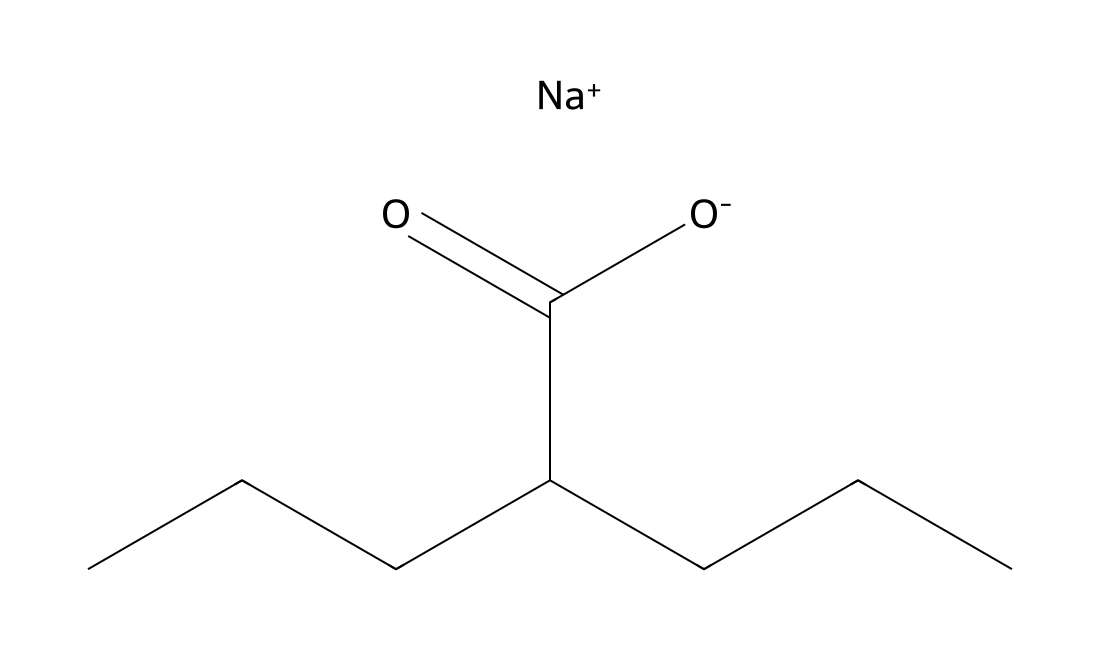
DC22358

Valproic acid sodium salt

CAS 1069-66-5

A HDAC inhibitor that selectively inhibits the catalytic activity of class I HDACs, and induces proteasomal degradation of HDAC2; induces differentiation of carcinoma cells, transformed hematopoietic progenitor cells and leukemic blasts from AML patients; reduces tumor growth and metastasis formation in animal model.MigraineApproved

Valproic acid sodium salt chemical structure
Browse target & topic index A–Z (366)
11β-HSD (1)15-PGDH (2)5-HT Receptor (16)Acetyl-CoA Carboxylase (ACC) (3)Acetylcholinesterase (AChE) (2)Ack1 (TNK2) (1)Acyltransferase (1)ADC Cytotoxin (6)ADCs Linker/Click Chemistry (5)Adenosine Receptor (9)Adenylate Cyclase (2)Adrenergic Receptor (11)Akt (12)Alcoholism (2)Aldehyde Dehydrogenase (ALDH) (6)Allergy (5)Alzheimer Disease (13)Aminopeptidase (1)AMPK (8)Amyloids (4)Anaplastic Lymphoma Kinase (ALK) (9)Androgen Receptor (AR) (11)Anemia (4)Angiotensin Receptor (4)Antibody/Protein labeling dyes (1)Antifolate (2)Anxiety (1)Apoptosis Inducer (3)Arginase (1)Arp2/3 complex (1)Aryl hydrocarbon Receptor (AhR) (1)Asthma (5)Atherosclerosis (2)ATM/ATR (8)Aurora Kinase (10)Autophagy (6)Autophagy-related Protein (Atg) (2)Autotaxin (2)Bacterial (26)Bacterial Infection (17)Bcl-2 (14)Bcr-Abl (5)BCRP (1)Beta-catenin (4)Beta-secretase (BACE) (4)Blood Cancer (91)BMI-1 (1)Bone Cancer (6)Brain Cancer (6)Breast Cancer (30)Bromodomain (22)BTK (10)c-Fms (CSF1R) (5)c-Fos/AP-1 (1)c-Kit (6)c-Met (HGFR) (11)c-Myc (2)Calcium Channel (4)Calcium-sensing Receptor (CaSR) (1)CaMK (4)Cannabinoid Receptor (6)Carbonic Anhydrase (1)Carboxypeptidase (1)Casein Kinase (6)Caspase (4)Cathepsin (6)Cdc2-like Kinase (CLK) (1)CETP (2)CFTR (7)Checkpoint Kinase (Chk) (8)Chemokine Receptor (CCR and CXCR) (14)Chemotherapeutic Agents (19)Chloride Channel (1)CMV (2)CMV Infection (2)Colon Cancer (9)Complement System (1)COPD (3)CREB/CBP (2)CRF Receptor (2)CRISPR/Cas9 (1)Cushing Disease (1)Cyclin-dependent Kinase (CDK) (39)Cyclooxygenase (COX) (4)Cytochrome P450 (CYPs) (5)Depression (2)Dermatitis (2)Deubiquitinase (DUB) (7)Diabetes (20)Dipeptidyl Peptidase (DPP) (3)Discoidin Domain Receptor (DDR) (1)DNA Alkylator/Crosslinker (10)DNA Methyltransferase (DNMT) (1)DNA Repair Protein (1)DNA-PK (2)DNA/RNA Synthesis (5)Dopamine beta-hydroxylase (1)Dopamine Receptor (7)Drug Metabolite (1)Drug-Linker Conjugates (11)Dyes (4)DYRK (1)Dyslipidemia (9)E3 Ligase Ligand (6)E3 Ligase Ligand-Linker Conjugate (1)E3 Ubiquitin Ligase (4)Ebola Virus Infection (1)EGFR (32)Elastase (2)Endothelin Receptor (5)Enzymes substrates (13)Epigenetic Reader Domain (3)Epilepsy (4)ERK (4)Estrogen Receptor/ERR (13)Eukaryotic Initiation Factor (eIF) (2)Exportin-1 (CRM1,XPO1) (2)FABP (1)Factor Xa (5)Farnesoid X Receptor (FXR) (5)Farnesyl transferase (FTase) (1)Ferroptosis (6)FGFR (15)Fibrosis (5)FLT3 (6)Focal Adhesion Kinase (FAK) (11)Foxo1 (1)Free Fatty Acid Receptor (FFAR) (5)Fungal (2)Fungal Infection (1)GABA Receptor (13)Galectin (1)Gastric Cancer (8)Ghrelin Receptor (GHSR) (3)Glucagon Receptor (4)Glucokinase (2)Glucose Transporter (GLUT) (2)Glutamate Transporter (2)GPCR (1)GPER (GPR30) (1)GPR139 (1)GPR183 (EBI2) (2)GPR39 (1)GPR55 (1)GPR84 (1)GRK (GPCRK) (2)Growth Hormone Deficiency (2)GSK-3 (8)Guanylate Cyclase (3)HBV (1)HBV Infection (1)HCN Channel (2)HCV (8)HCV Infection (9)HDAC (38)Heart Arrhythmia (2)Heart Failure (5)Heat Shock Protein (HSP) (15)Hedgehog (Hh) (1)HIF/HIF Prolyl-hydroxylase (8)Histamine Receptor (6)Histone Acetyltransferase (HAT) (5)Histone Demethylase (11)Histone Methyltransferase (HMTase) (31)HIV (12)HIV Infection (11)HMG-CoA Reductase (HMGCR) (3)HSV (1)HSV Infection (1)Hypercholesterolemia (1)Hyperparathyroidism (1)Hypertension (8)IAP (1)IGF-1R (3)iGluR (15)Indoleamine 2,3-Dioxygenase (IDO) (4)Infection (1)Influenza (6)Influenza Virus (6)Insulin Receptor (2)Integrin (6)Interleukin Receptor (1)IRAK (2)IRE1 (4)Irritable Bowel Syndrome (2)Ischemia (1)Isocitrate Dehydrogenase (IDH) (5)ITK (1)IκB kinase (IKK) (7)JAK (32)JNK (3)Keap1-Nrf2 (6)Kidney Cancer (10)Kinesin (5)Kruppel-like Factor (KLF) (1)Kynurenine 3-Monooxygenase (KMO) (1)Leukotriene Receptor (1)LIM Kinase (LIMK) (3)Lipids fragment (1)Liver Cancer (6)Liver X Receptor (LXR) (3)LRRK2 (9)Lung Cancer (39)Lysophospholipid Receptor (12)LYTACs (3)mAChR (9)MALT1 (2)MAP4K (1)Matrix Metalloproteinase (MMP) (10)MDM2-p53 (9)MEK (MAP2K) (14)MEKK (MAP3K) (1)Melanocortin Receptor (2)MELK (1)mGluR (7)MicroRNA (1)Microtubule/Tubulin (5)Mineralocorticoid Receptor (MLR) (1)MITF (1)Mixed Lineage Kinase (MLK) (3)MNK (2)Molecular Glues (13)Monoamine Transporter (5)Monocarboxylate Transporter (MCT) (1)Monopolar Spindle 1 (Mps1/TTK) (3)mTOR (13)Multiple Sclerosis (6)Myosin (1)Na-K-Cl Cotransporter (NKCC) (2)nAChR (2)NADPH Oxidase (NOX) (2)NAMPT (3)Natural products (37)Neprilysin (1)Neurokinin Receptor (3)Neuropeptide Y Receptor (3)NF-κB (5)Nitric Oxide Synthase (NOS) (1)NOD-like Receptor (NLR) (3)Notch (2)Nucleoside Antimetabolite/Analog (10)Nur77 (NR4A1) (1)Obesity (1)Oct3/4 (1)Opioid Receptor (5)Orexin Receptor (7)Osteoporosis (2)Ovarian Cancer (14)Oxytocin Receptor (OXTR) (2)P-glycoprotein (P-gp) (3)p21-activated Kinase (PAK) (1)P2X Receptor (2)P2Y Receptor (1)p38 MAPK (10)p97/VCP (1)Pain (12)Pancreatic Cancer (10)Parasite (5)Parasite Infection (2)Parkinson Disease (2)PARP (19)PCSK9 (1)PD-1/PD-L1 (4)PDGFR (4)PDK1 (2)PEGn (1)PERK (2)PGE synthase (2)Phosphodiesterase (PDE) (9)Phospholipase (4)PI3K (32)PI4K (2)Piezo Channel (1)PIKfyve (3)Pim (9)PKC (12)PKD (1)Plasminogen Activator Inhibitor-1 (PAI-1) (3)Polo-like Kinase (PLK) (4)Porcupine (3)Potassium Channel (13)PPAR (13)Pregnane X Receptor (PXR) (1)Progesterone Receptor (2)Prostaglandin Receptor (11)Prostate Cancer (7)PROTACs (35)Protease-activated Receptor (PAR) (3)Proteasome (12)Protein Disulfide Isomerase (PDI) (1)Protein Phosphatase/PTP (6)Proton Pump (1)Psoriasis (5)RAD51 (1)Radioligand precursors (15)Raf (18)RAR/RXR (3)Ras (17)Renin (2)RET Tyrosine Kinase (c-RET) (3)Rheumatoid Arthritis (16)Ribosomal S6 Kinase (RSK) (5)RIG-I-like Receptor (RLR) (2)RIP kinase (7)ROCK (12)ROR (2)RSV (4)RSV Infection (3)RUNX1-CBFβ (1)S-nitrosoglutathione reductase (GSNOR) (1)Saccharides and Glycosides (1)Salt Inducible Kinase (SIK) (2)SARS-CoV (16)SARS-CoV Infection (34)Schizophrenia (4)Sexual Dysfunction (1)SGLT (4)Sigma Receptor (4)Sirtuin (9)Skin Cancer (13)Sleep Disorder (7)SMN2 Modulator (1)Smoothened (Smo) (9)Sodium Channel (12)Solid Tumors (35)Somatostatin Receptor (2)Sphingosine kinase (SphK) (2)Src (7)STAT (5)Stearoyl-CoA Desaturase (SCD) (1)Steatohepatitis (7)Sterol lipids (1)STING (14)Syk (6)T Cell Receptor (TCR) (1)TAK1 (2)TAM Receptor (Tyro3-Axl-Mer) (4)Taste Receptor (1)Telomerase (2)TGF beta Receptor (TGFBR) (12)Thrombin (3)Thrombosis (13)Thyroid Cancer (1)Thyroid Hormone Receptor (THR) (1)Thyrotropin Receptor (2)TNIK (1)Toll-like Receptor (TLR) (2)TOPK (1)Topoisomerase (11)TRAIL (1)Translocator Protein (TSPO) (1)Trk Receptor (4)TRP Channel (13)Tryptophan Hydroxylase (TPH) (1)Ubiquitin-activating Enzyme (E1) (2)Ubiquitin-conjugating Enzyme (E2) (2)Ulcer (1)ULK (3)Vasopressin Receptor (2)VEGFR (25)Vitamin D Receptor (VDR) (3)Wee1 (1)WNK Kinase (1)Wnt (5)Yes-associated Protein (YAP) (4)γ-secretase (5)

Cart

Request quotation