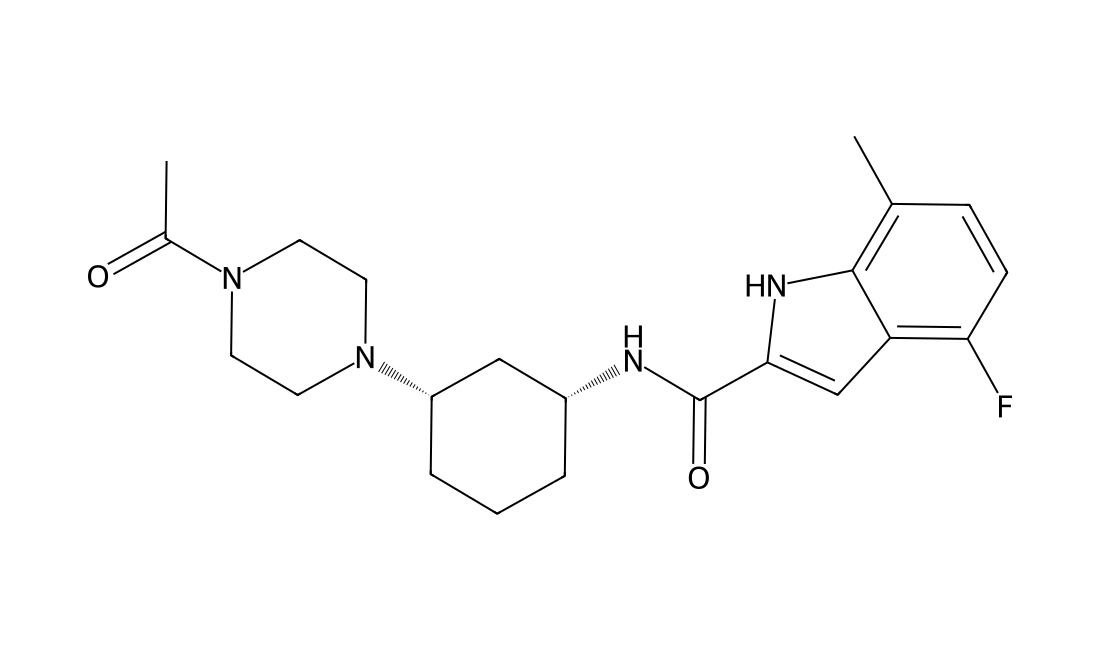
MYC inhibitor DC-34
CAS 1966107-70-9
MYC inhibitor DC-34 is a potent small molecule that selectively inhibits MYC at the transcriptional level only when a G-quadruplex (G4) is present in the promoter, binds to MYC G4 with Kd of 9.4 uM.

Chromatin, transcription and epigenetic regulation.
Products may appear in more than one category. Counts refer to distinct catalog numbers within each category.
Other Research Tools (75) · Additional reagents, building blocks and specialized research tools.
Combine a keyword, research category and target to narrow the product list.
Loading catalog filters…
CAS 1966107-70-9
MYC inhibitor DC-34 is a potent small molecule that selectively inhibits MYC at the transcriptional level only when a G-quadruplex (G4) is present in the promoter, binds to MYC G4 with Kd of 9.4 uM.
CAS 681282-09-7
MYCMI-6 (NSC354961) is a selective, high affinity inhibitor of MYC-MAX interaction, blocks MYC-driven transcription and binds selectively to the MYC bHLHZip domain with Kd of 1.6 uM in SPR assay.
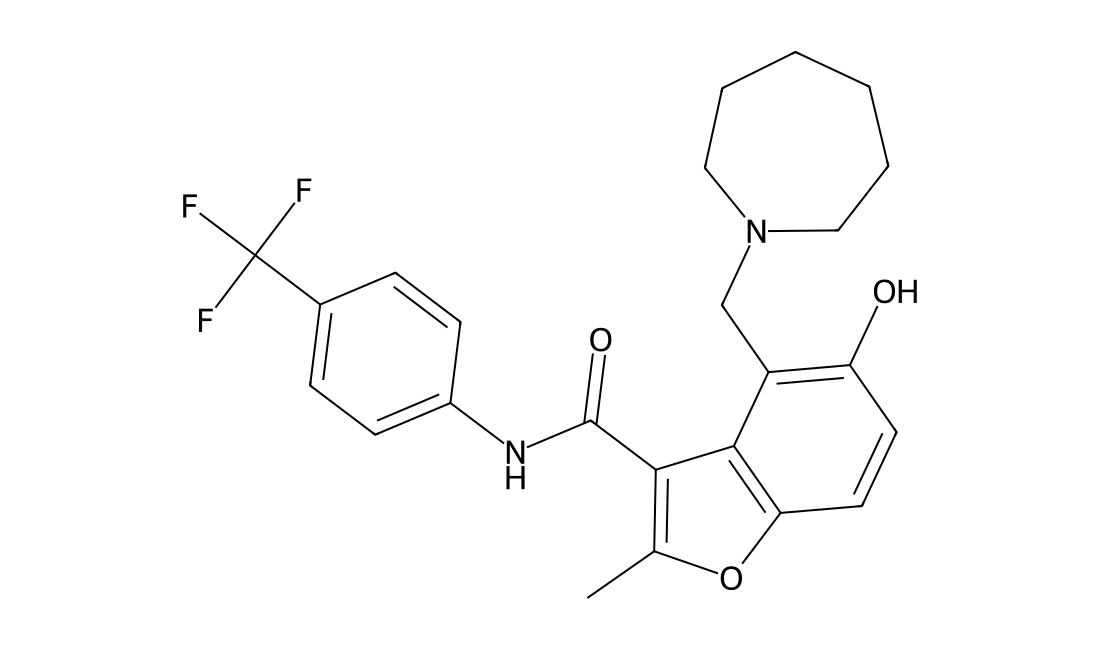
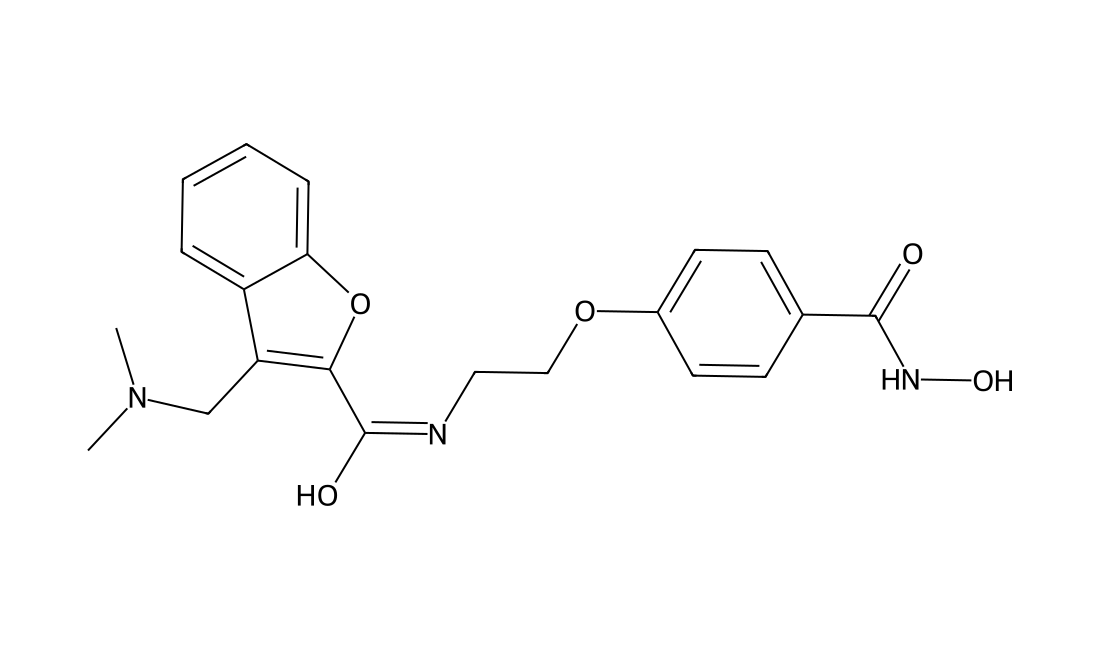
CAS 783355-60-2
Abexinostat (CRA 024781) is a novel pan-HDAC inhibitor mostly targeting HDAC1 with Ki of 7 nM.
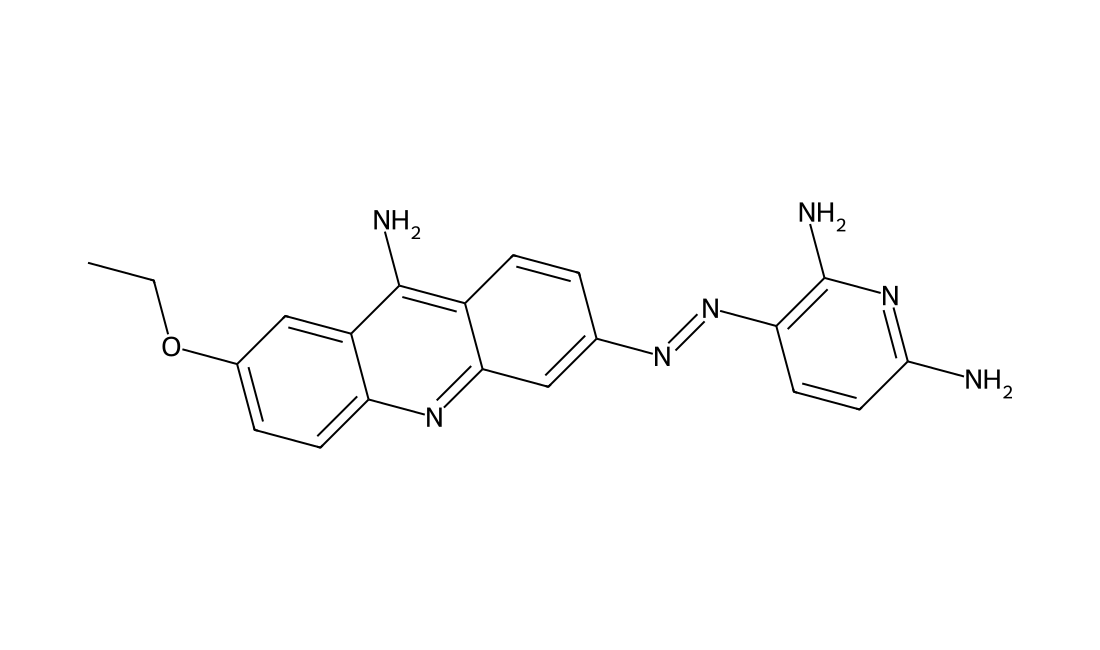
CAS 1550053-02-5
BRD3308 is a potent, selective HDAC3 inhibitor with IC50 of 54 nM, displays >20-fold selectivity over HDAC1 and HDAC2, >500-fold selectivity over other HDAC isoforms.
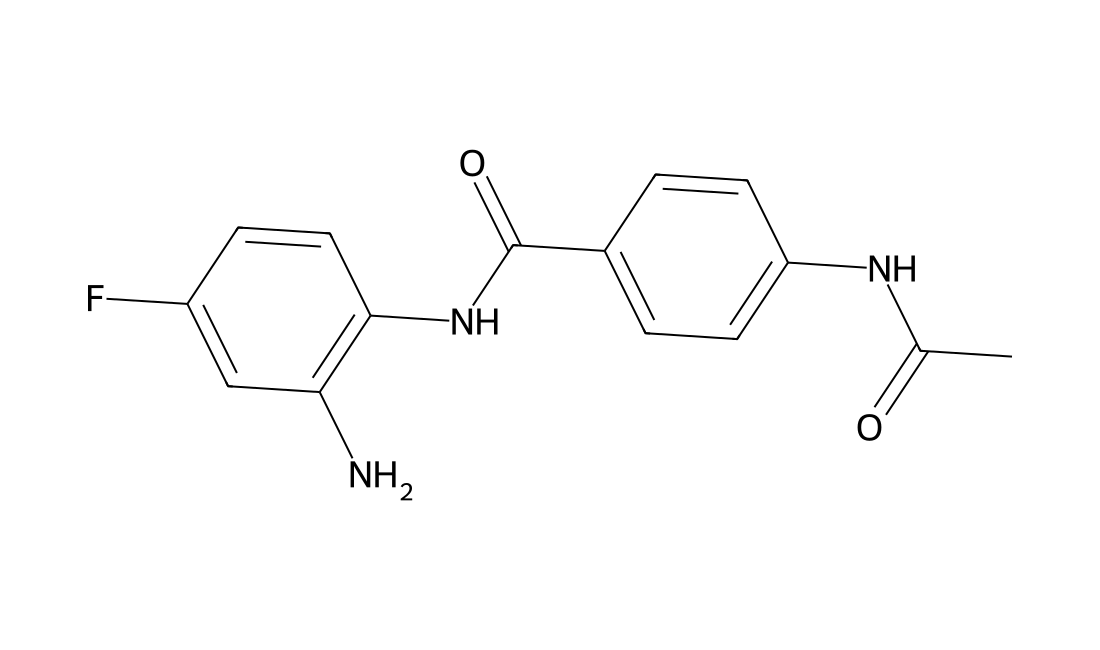
CAS 2243736-45-8
FB23-2 is a potent, selective inhibitor of the mRNA N 6-methyladenosine (m 6A) demethylase FTO, directly bind to FTO, inhibits FTO demethylation of m6 A in RNA in vitro with IC50 of 2.6 uM.
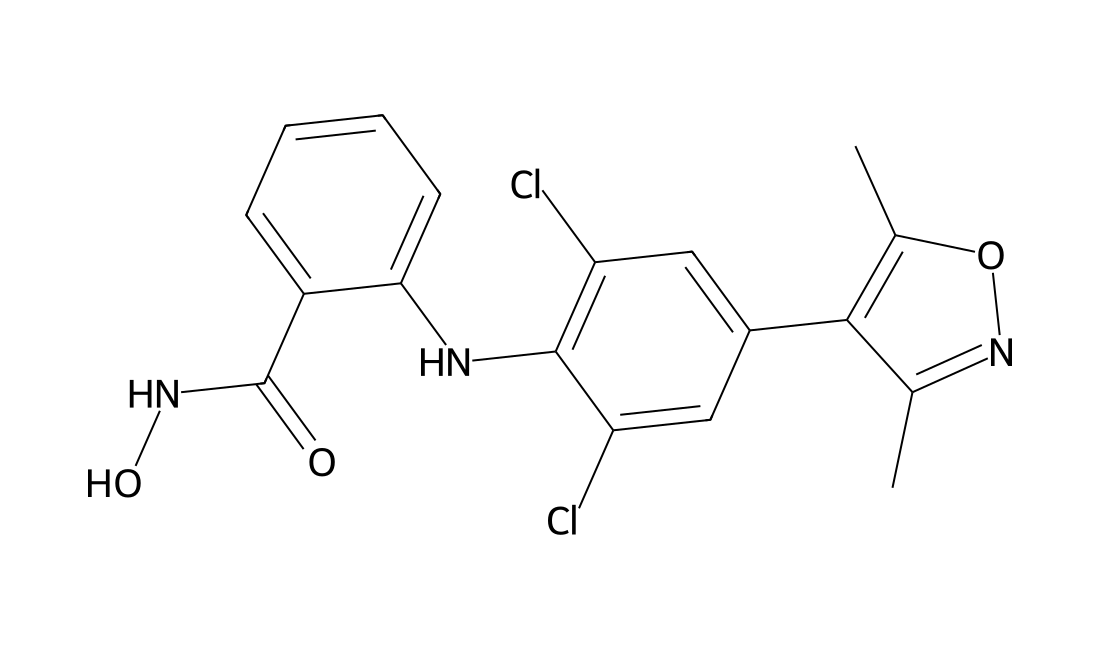
CAS 1596348-32-1
KDM5-C70 is the cell-permeable derivative of KDM5-C49, potent, selective and cell permeable KDM5 inhibitor with IC50 of 0.3, 0.3 and 0.58 uM for KDM5A, B and C, respectively.
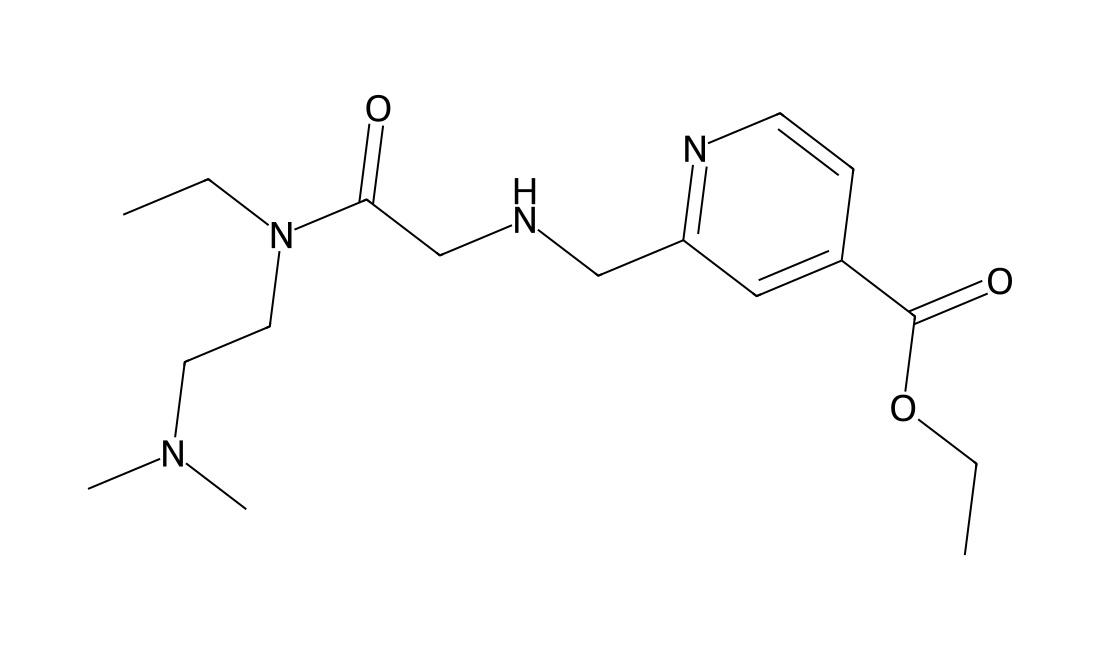
CAS 1628210-26-3
KDM5-IN-1 is a potent, selective and orally bioavailable KDM5 inhibitor with an IC50 of 15.1 nM.
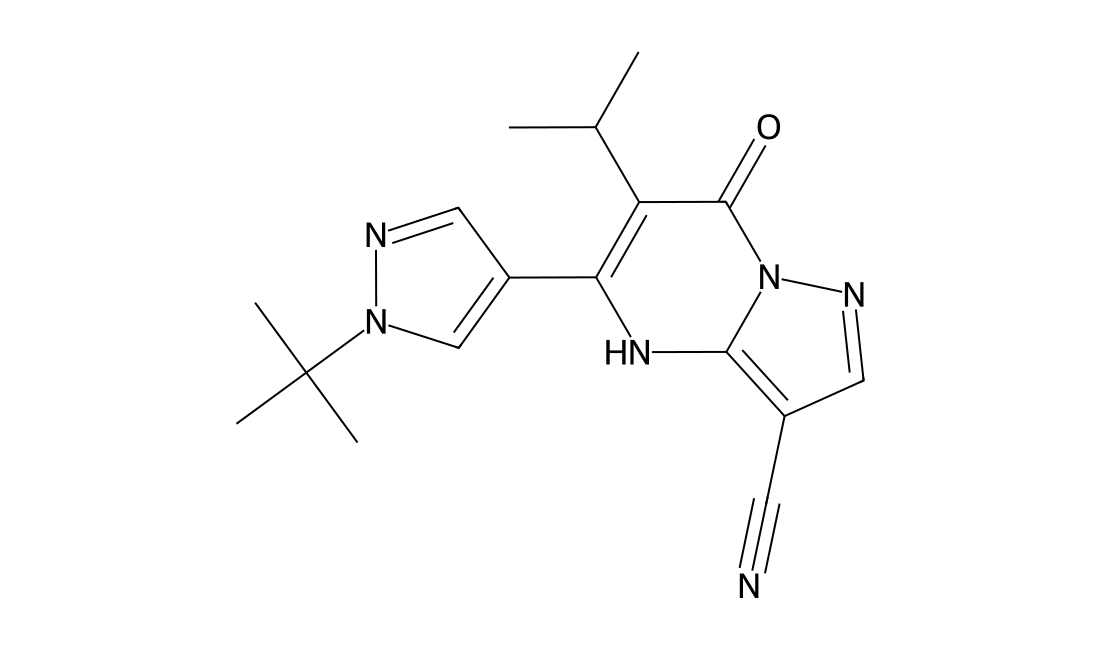
CAS 1820889-23-3
INCB057643 is a BET inhibitor that binds to the acetylated lysine recognition motifs found in the BRD of BET proteins, thereby preventing the interaction between the BET proteins and acetylated lysines on histones.
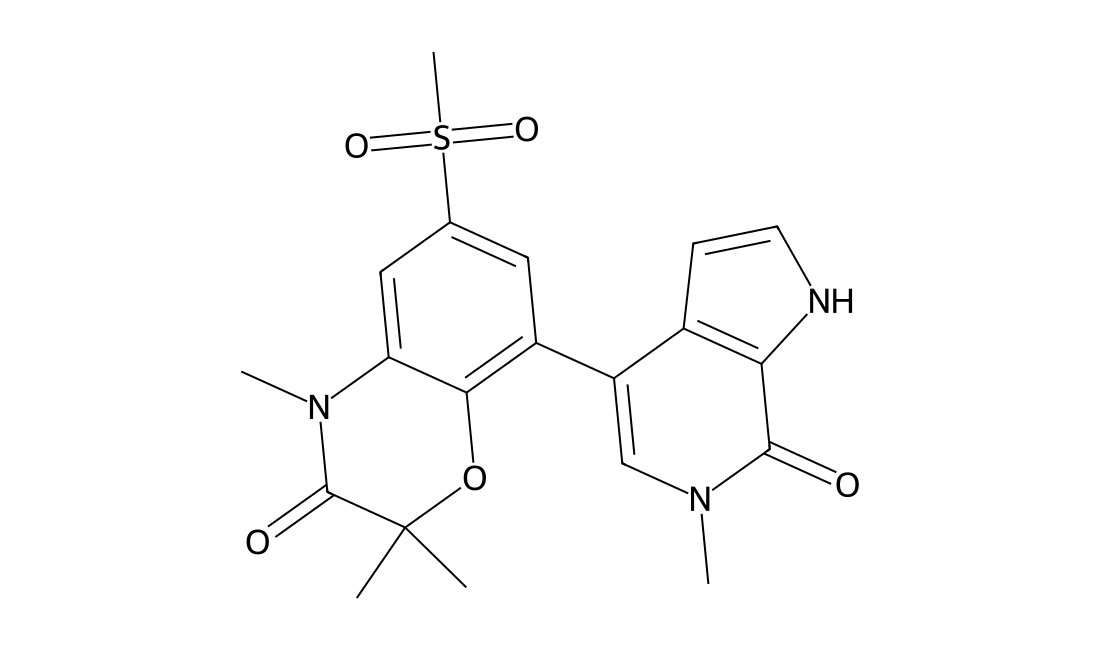
CAS 1807758-81-1
SIRT7 inhibitor 97491, a potent SIRT7 inhibitor with an IC50 of 325 nM, reduces deacetylase activity of SIRT7 in a dose-dependent manner. SIRT7 inhibitor 97491 prevents tumor progression by increasing p53 stability through acetylation at K373/382. SIRT7 inhibitor 97491 promotes apoptosis through caspase pathway..
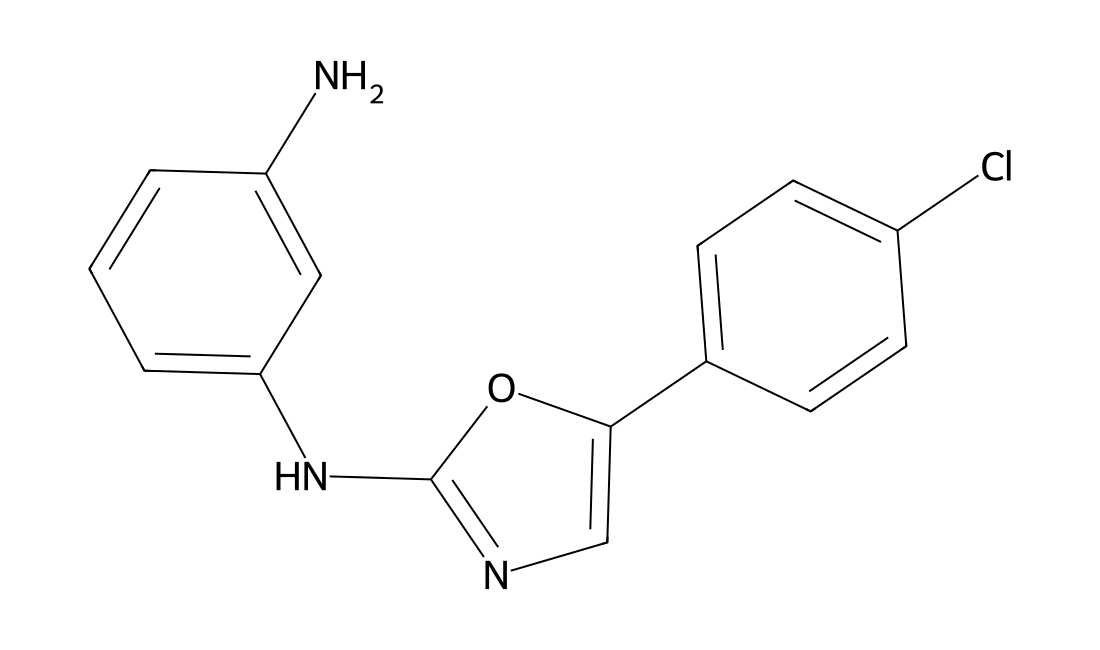
CAS 2243736-35-6
FB23 is a potent and selective FTO demethylase inhibitor with an IC50 of 60 nM. FB23 directly binds to FTO and selectively inhibits FTO's mRNA N6-methyladenosine (m6A) demethylase activity.
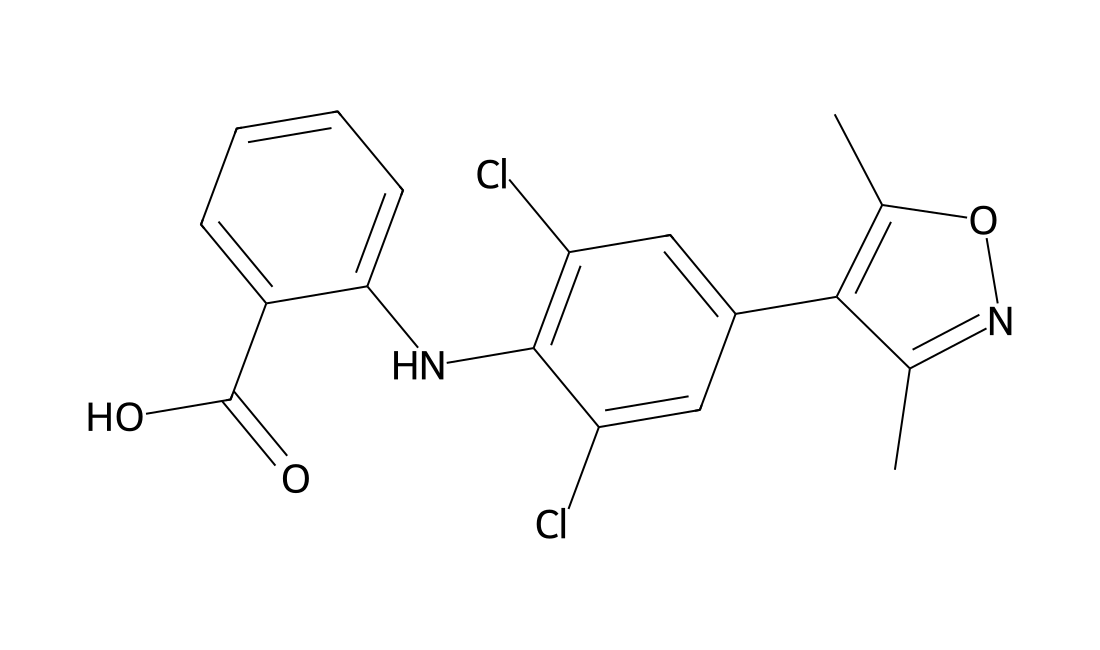
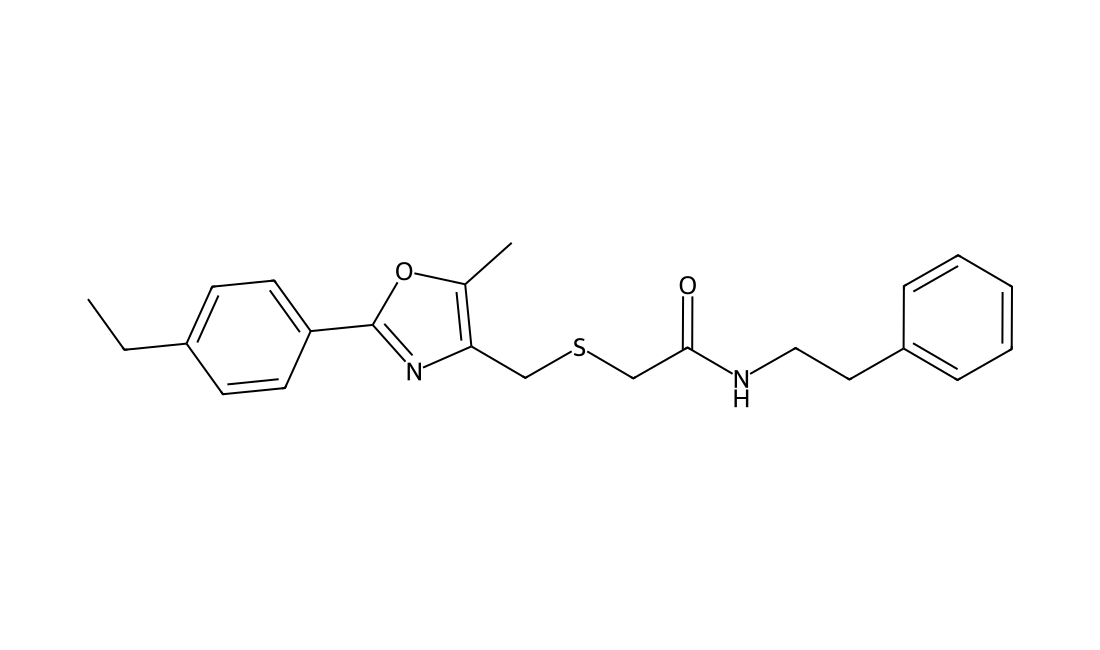
CAS 53995-62-3
PFI-90 is a selective inhibitor of the histone demethylase KDM3B. PFI-90 induces apoptosis and cell differentiation resulting in delayed tumor progression in vivo.
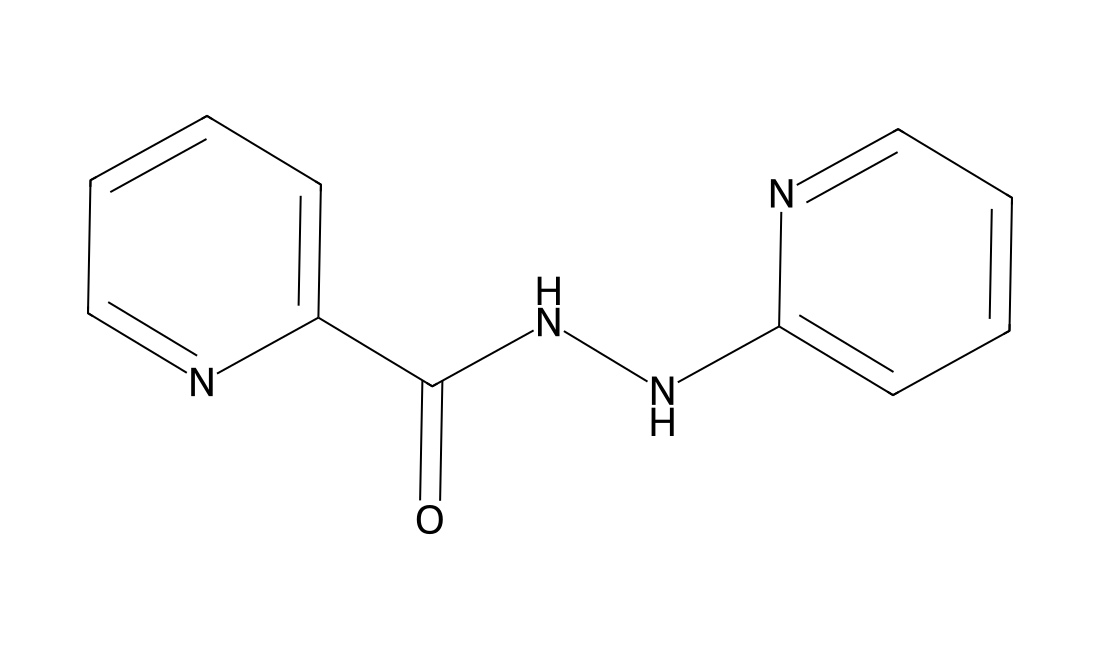
CAS 358721-70-7
UBCS039 is the first synthetic, specific Sirtuin 6 (SIRT6) activator, inducing autophagy in human tumor cells, with an EC50 of 38 μM.
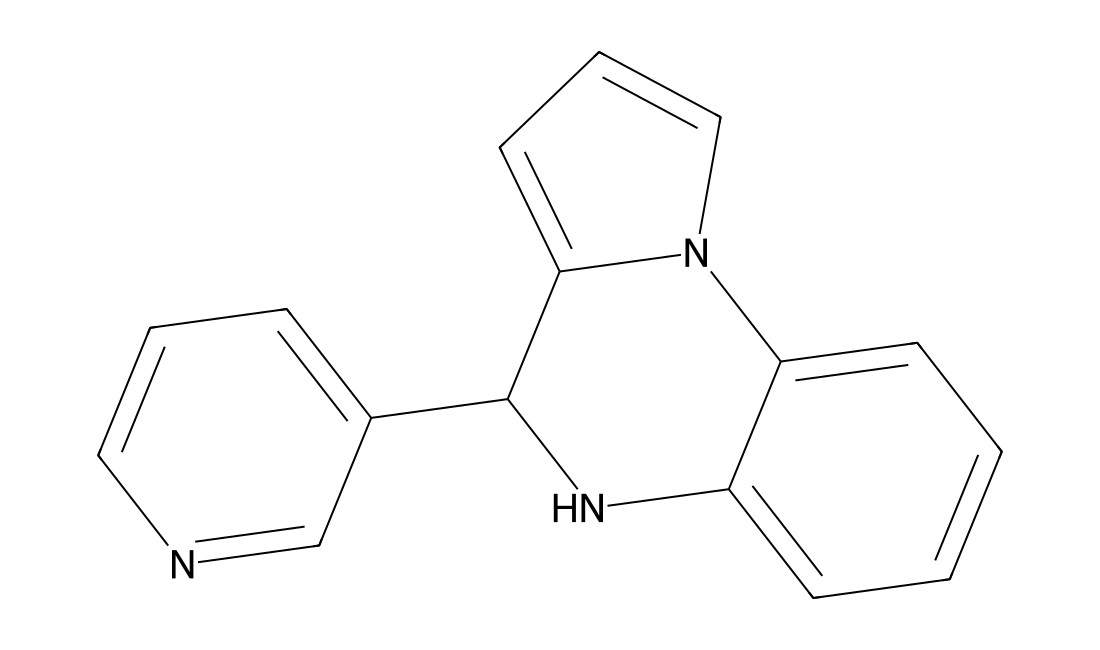
CAS 890643-16-0
DC-05 is a selective, non-nucleoside DNA methyltransferase DNMT1 inhibitor with IC50 of 10.3 uM, displays 3.6-fold selectivity over PRMT1 and >15-fold over DNMT3A, DNMT3B, G9a, SUV39H1, MLL1, SET7/9..
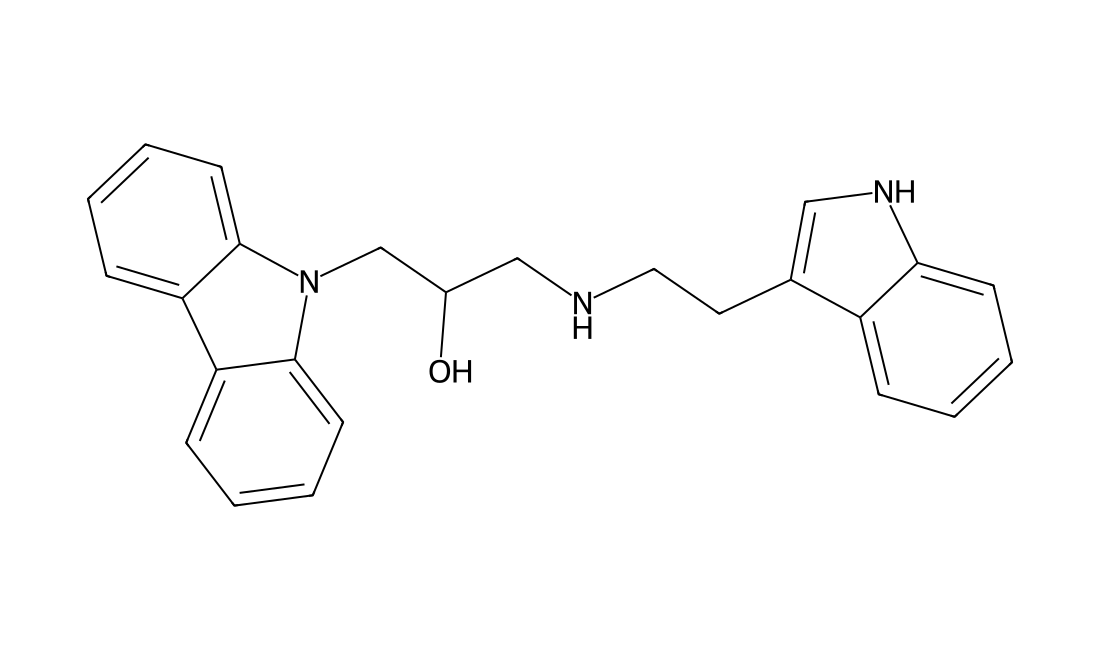
CAS 2070015-25-5
EPZ020411 is a potent, selective PRMT6 inhibitor with IC50 of 10 nM, displays 10-fold and 20-fold selectivity over PRMT1/8, and >100-fold over other histone methyltransferases (PRMT3/4/5/7); dose-dependently decreases H3R2 methylation A375 cell line with IC50 of 0.637 uM, with no affect levels of PRMT6 expression; exhibits good bioavailability following subcutaneous dosing in rats making it a suitable tool for potential in vivo target validation studies.
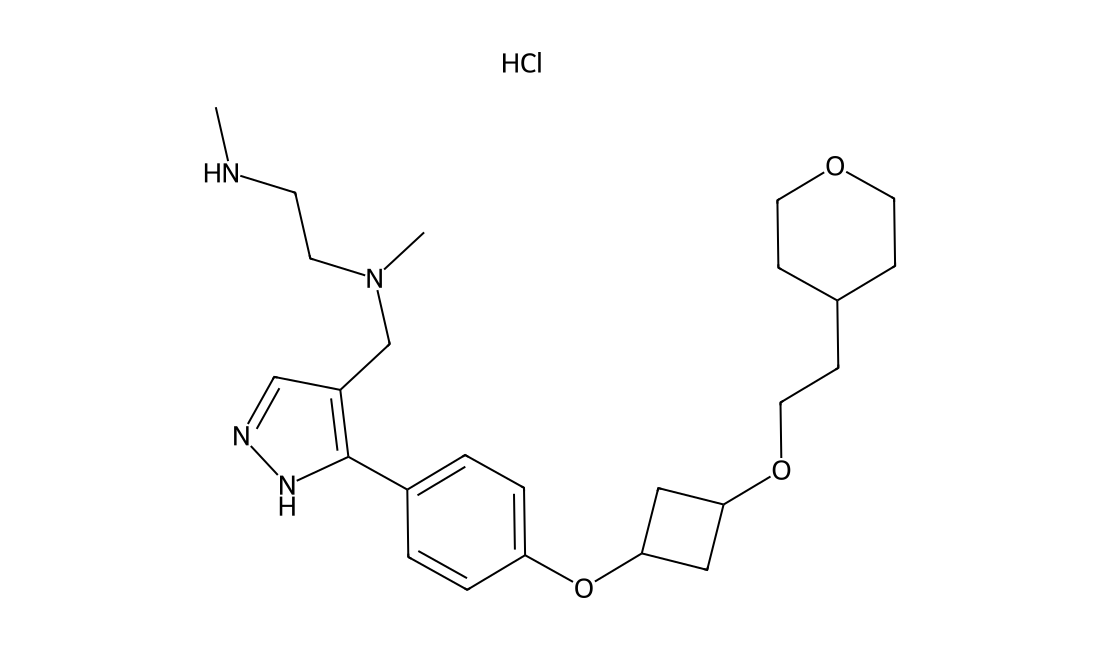
CAS 1598383-41-5
A potent, selective, orally bioavailable inhibitor of EZH2 with Ki of < 3 nM; equipotently inhibits mutant and wild-type EZH2, displays >15-fold selectivity over EZH1 and >3000-fold selectivity over other HMTs; demonstrates significant tumor growth inhibition in a mouse xenograft model of human B cell lymphoma.Blood CancerPreclinical
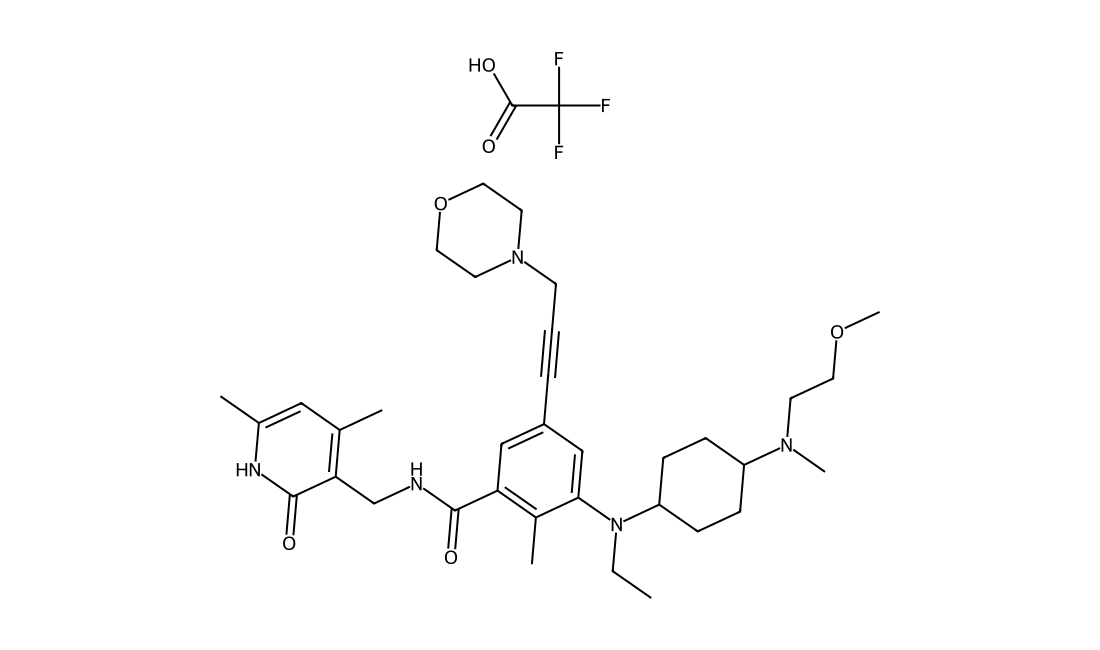
CAS 1832671-96-1
In Vitro Y06036 (0.001-100 nM, 96 hours for LNCaP, C4-2B, and 22Rv1 cells; 144 hours for VCaP cells) exhibits low micromolar or nanomolar potencies (IC50: 0.29-2.6 μΜ) in the four androgen receptor (AR)-positive prostate cancer cell lines LNCaP, C4-2B, 22Rv1, and VCaP. Treatment of 22Rv1 cells with Y06036 (1, 2, 4, 8, and 16 μM, 48 hours) results in significant down-regulation of both full-length (AR-fl) and AR variants levels. In Vivo Y06036 (50 mg/kg, i.p. injection, 5 times per week, 25 days) demonstrates therapeutic effects in a C4-2B CRPC xenograft tumor model in mice. Y06036 is well tolerated in the treated mice, based on the weight of the animal body and their general behavior.
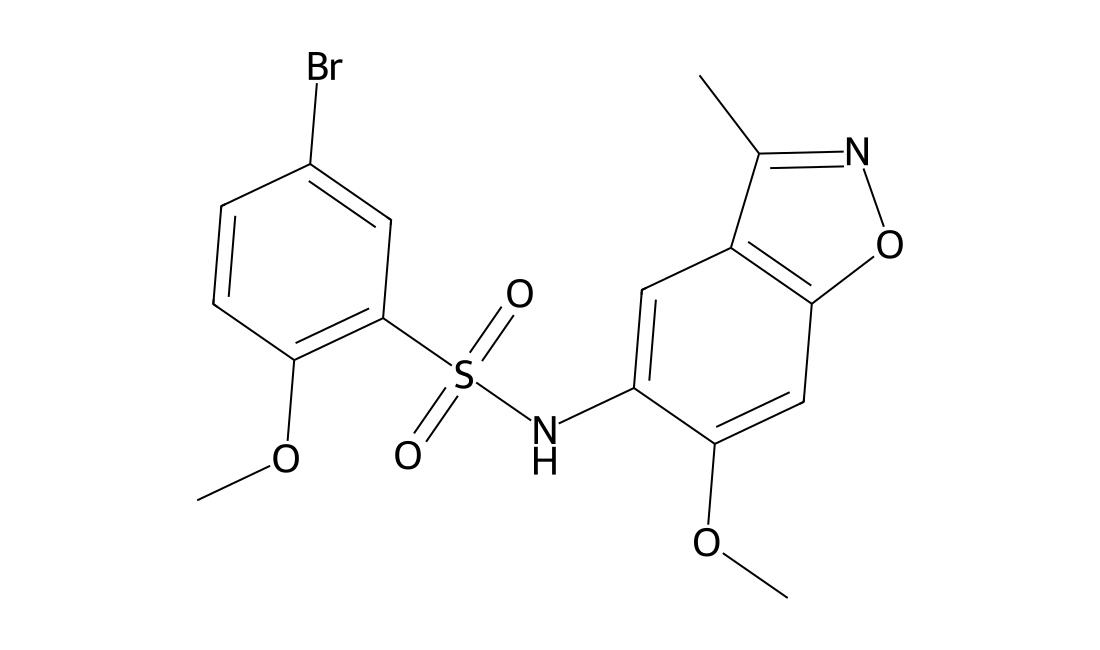
CAS 1206731-57-8
WT161 selectively inhibits HDAC6 and dramatically increases levels of acetylated α-tubulin (Ac-α-tubulin) with little effect on global lysine acetylation. WT161 induces significant toxicity in all multiple myeloma cell lines tested, with IC50s between 1.5 and 4.7 µM . WT161 in combination with bortezomib triggers significant accumulation of polyubiquitinated proteins and cell stress, followed by caspase activation and apoptosis. More importantly, this combination treatment is effective in bortezomib-resistant cells and in the presence of bone marrow stromal cells, which have been shown to mediate multiple myeloma cell drug resistance.WT161 shows toxicity at 100 mg/kg i.p., but WT161 is well tolerated at 50 mg/kg i.p.. Bortezomib combined with WT161 demonstrates a significant antitumor effect.
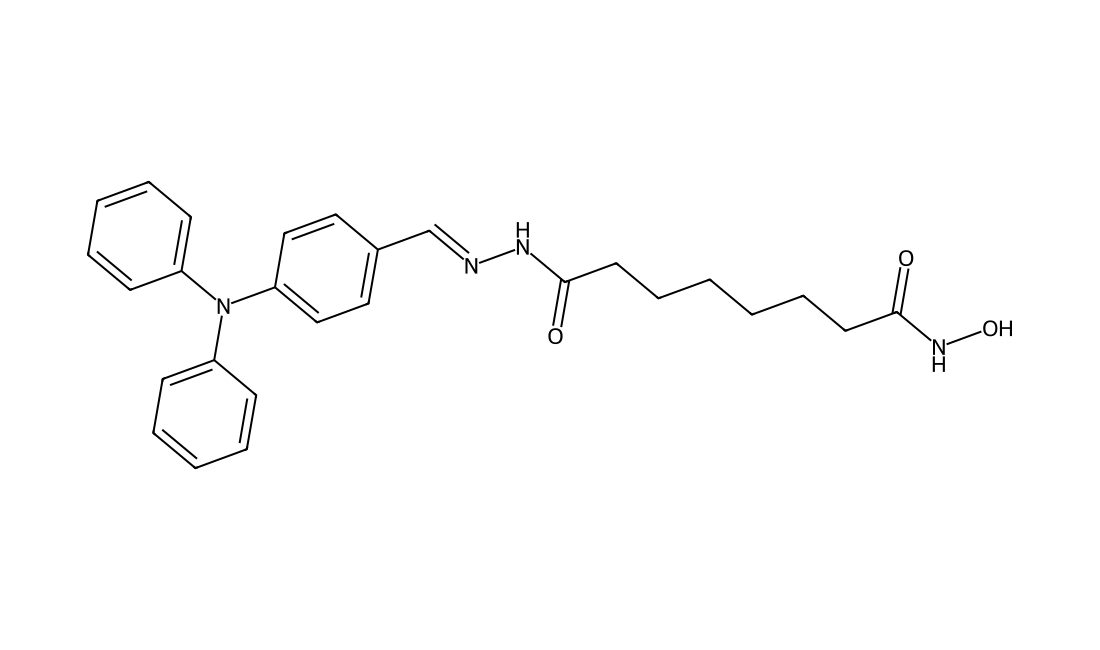
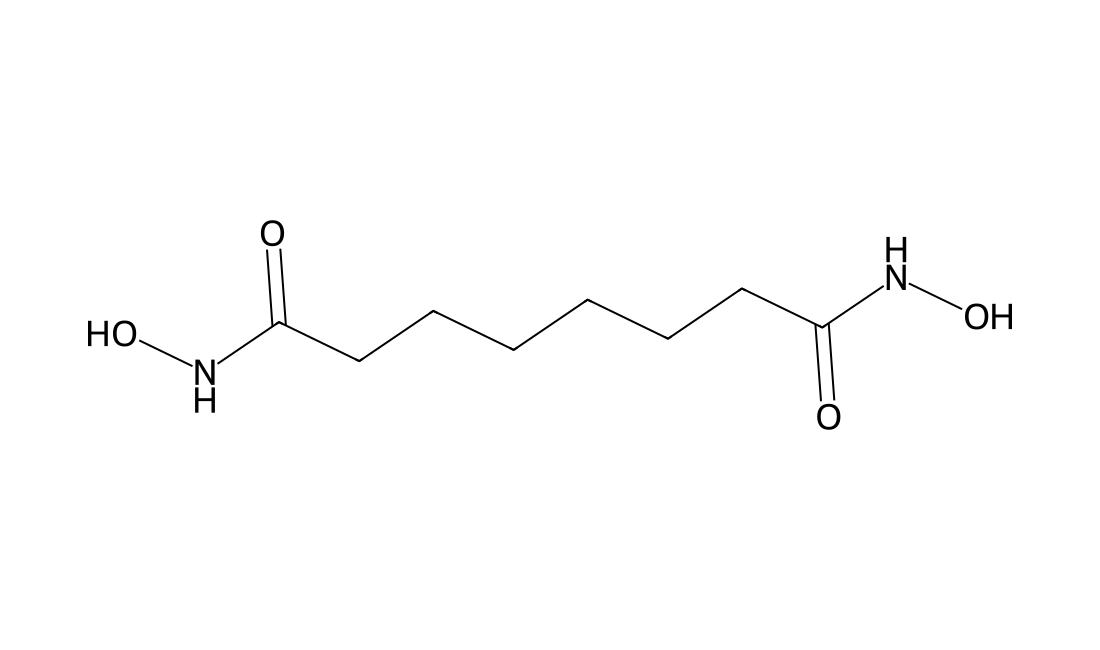
CAS 38937-66-5
Suberohydroxamic acid is a competitive HDAC inhibitor with IC50 values of 0.25 and 0.3 μM for HDAC1 and HDAC3 respectively.
CAS 1187075-34-8
Resminostat [HCl] is acting as a potent inhibitor of recombinant HDAC 1, 3 and 6 isoenzymes with a substrate competitive binding mode. It can induce hyperacetylation of histone H4 in MM cells. Low micromolar concentrations of resminostat abrogates cell growth and strongly induces apoptosis in MM cell lines (OPM-2, NCI-H929, U266 ) as well as primary MM cells. At 1 μM, resminostat inhibits proliferation and induces G0/G1 cell cycle arrest in OPM-2, NCI-H929, U266 MM cell lines accompanied with decreased levels of cyclin D1, cdc25a, Cdk4 and pRb as well as upregulation of p21. Resminostat decreases phosphorylation of 4E-BP1 and p70S6k indicating an interference with Akt pathway signalling. Treatment with resminostat results in increased protein levels of Bim and Bax and decreases levels of Bcl-xL. Caspases 3, 8 and 9 are activated by resminostat. Furthermore, synergistic effects are observed For combinations of resminostat with melphalan and the proteasome inhibitors bortezomib and S-2209. Oral resminostat at 600 mg QD continuously d1−5 in a 14 day cycle is well-tolerated. Resminostat shows a favourable PK profile, with high bioavailability and low inter-pt variability. The apparent t 1/2 of oral resminostat ranged from 2.7 to 4.4 hours. The modulation of plasma biomarkers further indicates drug activity. For the detailed information of Resminostat, the solubility of Resminostat in water, the solubility of Resminostat in DMSO, the solubility of Resminostat in PBS buffer, the animal experiment (test) of Resminostat, the cell expriment (test) of Resminostat, the in vivo, in vitro and clinical trial test of Resminostat, the EC50, IC50,and Affinity of Resminostat, Please contact DC Chemicals.
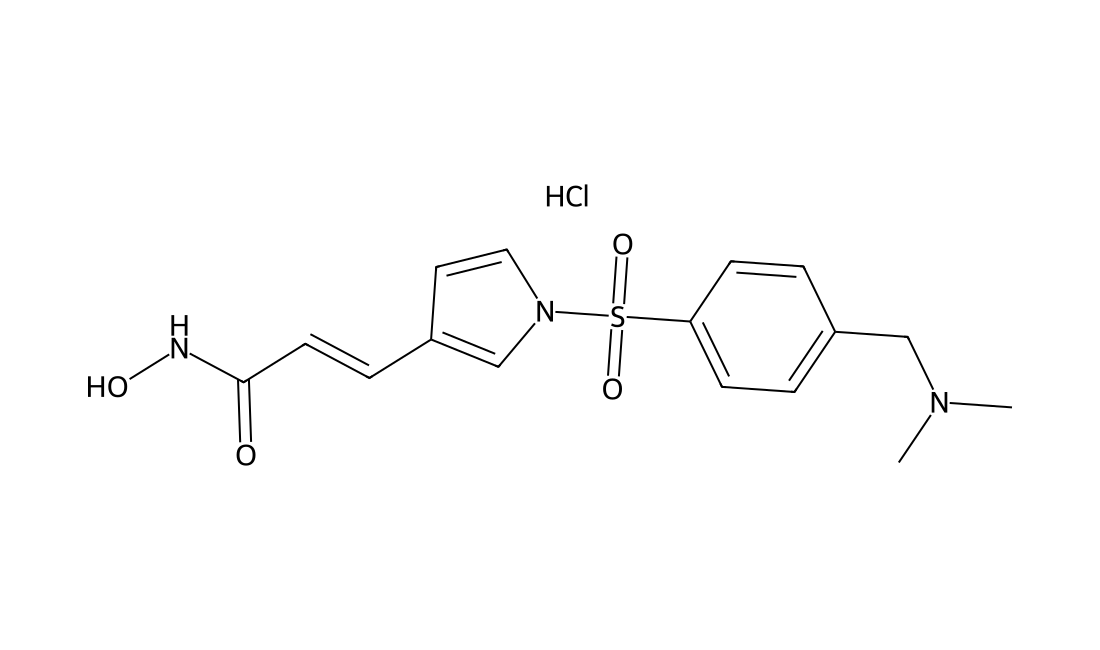
CAS 1616287-82-1
In vitro: PF-06726304 displays very potent EZH2 biochemical inhibition as well as good activity in the cell H3K27Me3 reduction and antiproliferation effect. In vivo: PF-06726304 displays robust in vivo antitumor growth activity and dose-dependent de-repression of EZH2 target genes. PF-06726304 displays good efficacy in a diffuse large B-cell lymphoma Karpas-422 tumor model and exhibited on-target pharmacodynamic effects in vivo.
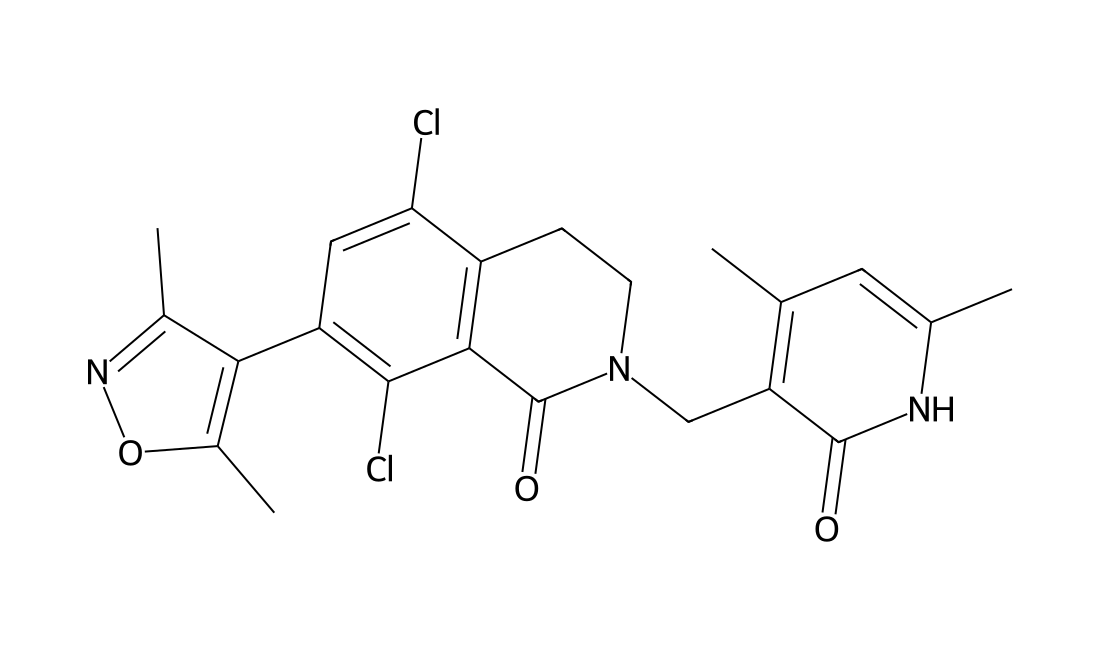
CAS 864814-88-0
A potent inhibitor of HDAC1/3/6 with IC50s of 43-72 nM; induces hyperacetylation of histone H4 and apoptosis in MM cell lines (IC50=2.5-3 uM); decreases levels of cyclin D1, cdc25a, Cdk4 and pRb as well as upregulation of p21; downregulates phosphorylation of 4E-BP1 and p70S6k.Liver CancerPhase 2 Clinical
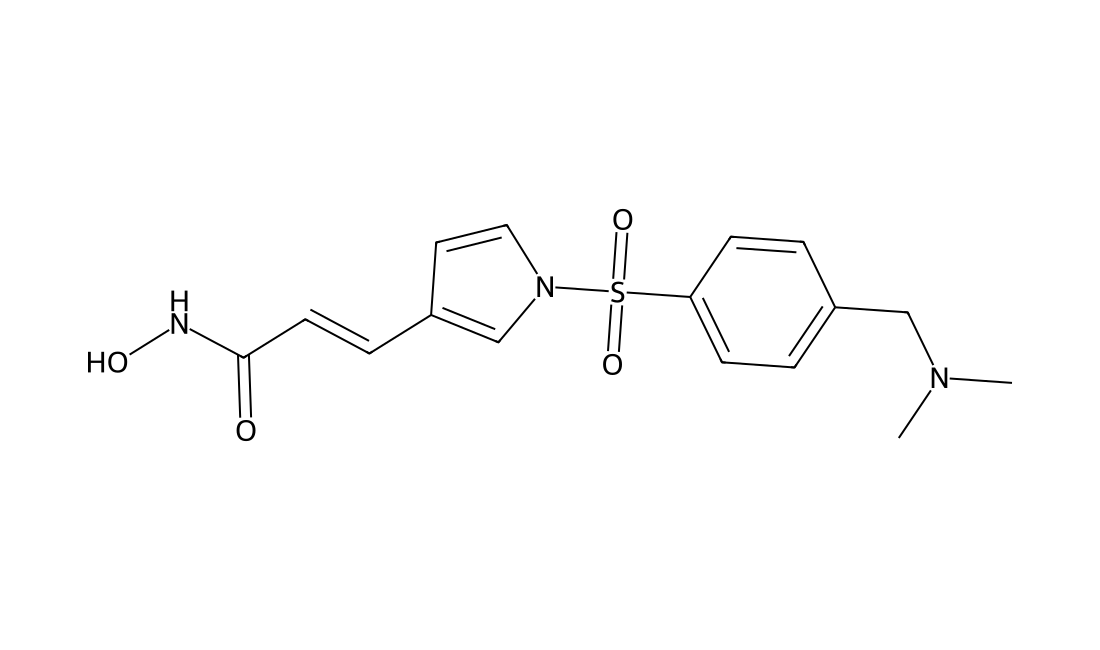
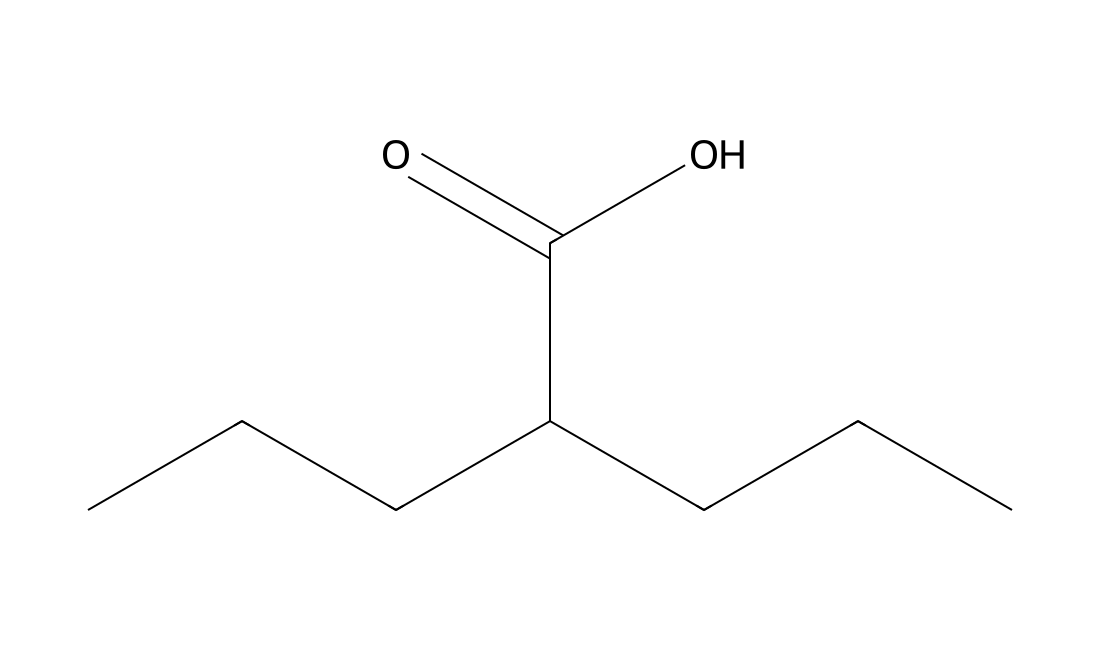
CAS 99-66-1
A HDAC inhibitor that selectively inhibits the catalytic activity of class I HDACs, and induces proteasomal degradation of HDAC2; induces differentiation of carcinoma cells, transformed hematopoietic progenitor cells and leukemic blasts from AML patients; reduces tumor growth and metastasis formation in animal model.MigraineApproved
CAS 910462-43-0
In HeLa cells, 4SC-202 induces hyperacetylation of histone H3 with EC50 of 1.1 μM. 4SC-202 induces a G2/M cell cycle arrest by interfering with the normal development of the mitotic spindle and causing collapsed spindle apparatus and multiple nucleation centres. In addition, 4SC-202 shows a broad anti-proliferative activity towards human cancer cell lines with a mean IC50 of 0.7 μM. In vivo, 4SC-202 has a high oral bioavailability, and shows high metabolic stability and a low plasma clearance. 4SC-202 (120 mg/kg p.o.) shows pronounced and robust anti-tumor activity in both A549 NSCLC xenograft and RKO27 colon carcinoma model. For the detailed information of 4SC-202, the solubility of 4SC-202 in water, the solubility of 4SC-202 in DMSO, the solubility of 4SC-202 in PBS buffer, the animal experiment (test) of 4SC-202, the cell expriment (test) of 4SC-202, the in vivo, in vitro and clinical trial test of 4SC-202, the EC50, IC50,and affinity,of 4SC-202, For the detailed information of 4SC-202, the solubility of 4SC-202 in water, the solubility of 4SC-202 in DMSO, the solubility of 4SC-202 in PBS buffer, the animal experiment (test) of 4SC-202, the cell expriment (test) of 4SC-202, the in vivo, in vitro and clinical trial test of 4SC-202, the EC50, IC50,and affinity,of 4SC-202, Please contact DC Chemicals.
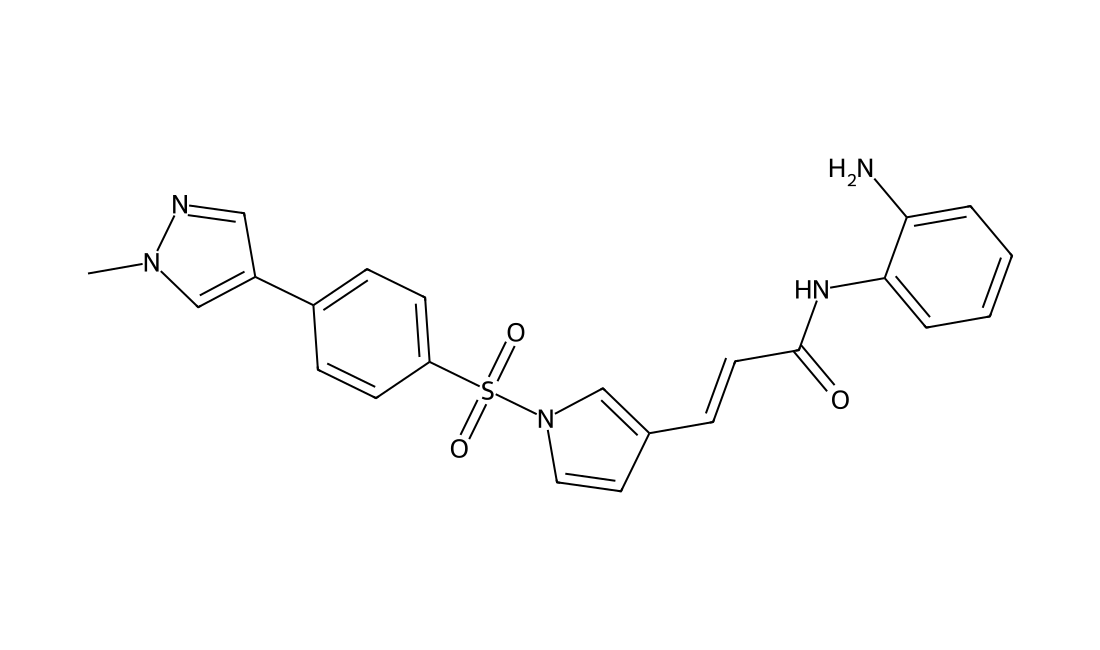
CAS 476-66-4
For the detailed information of Ellagic acid, the solubility of Ellagic acid in water, the solubility of Ellagic acid in DMSO, the solubility of Ellagic acid in PBS buffer, the animal experiment(test) (test) of Ellagic acid, the cell expriment (test) of Ellagic acid, the in vivo, in vitro and clinical trial test of Ellagic acid, the EC50, IC50,and Affinity of Ellagic acid,, please contact DC Chemicals.
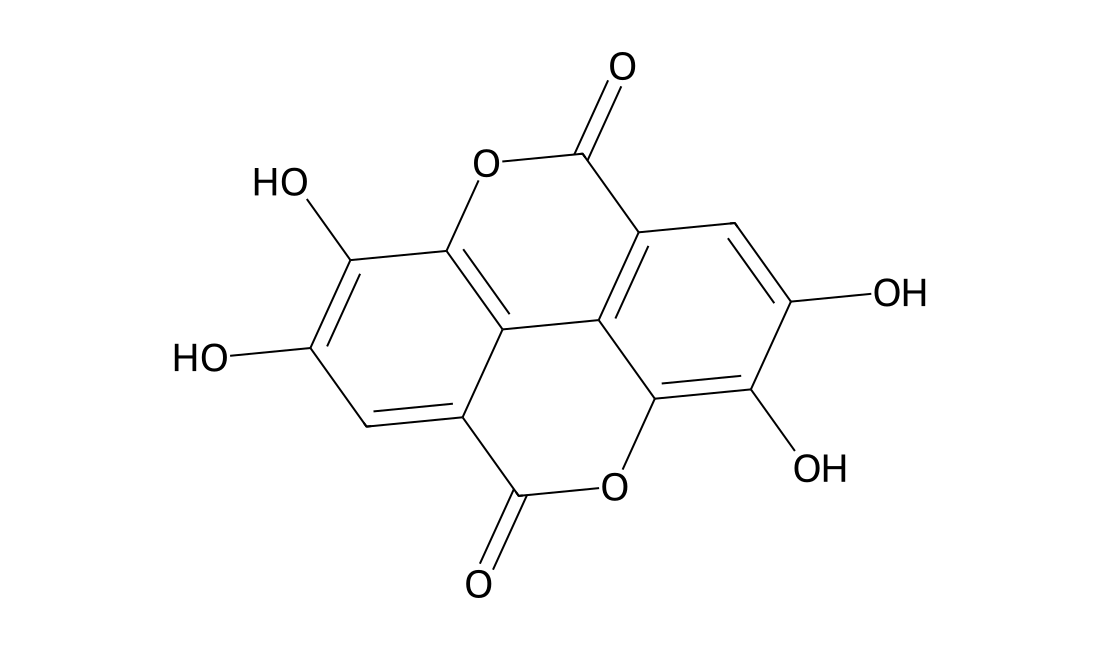
CAS 1404562-17-9
BRD6688 is a selective HDAC2 inhibitor. It acts by enhancing the learning and memory processes.
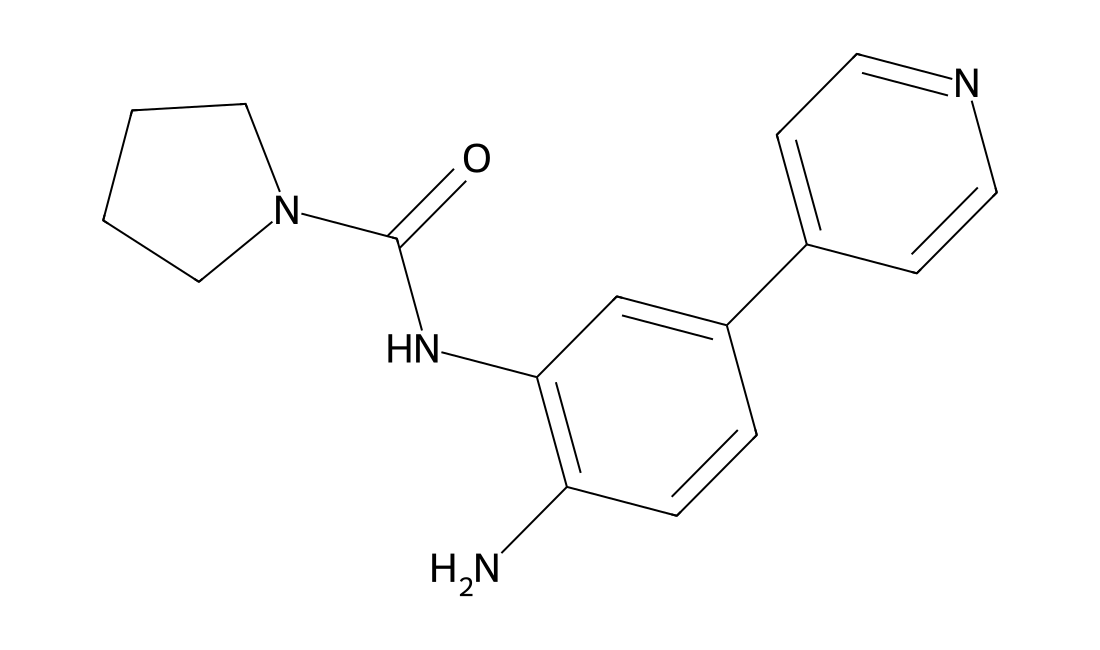
CAS 90093-40-6
Novel Selective Histone Deacetylase 6 (HDAC6) Inhibitor with the Ability to Potentiate Immunotherapy in Melanoma Models
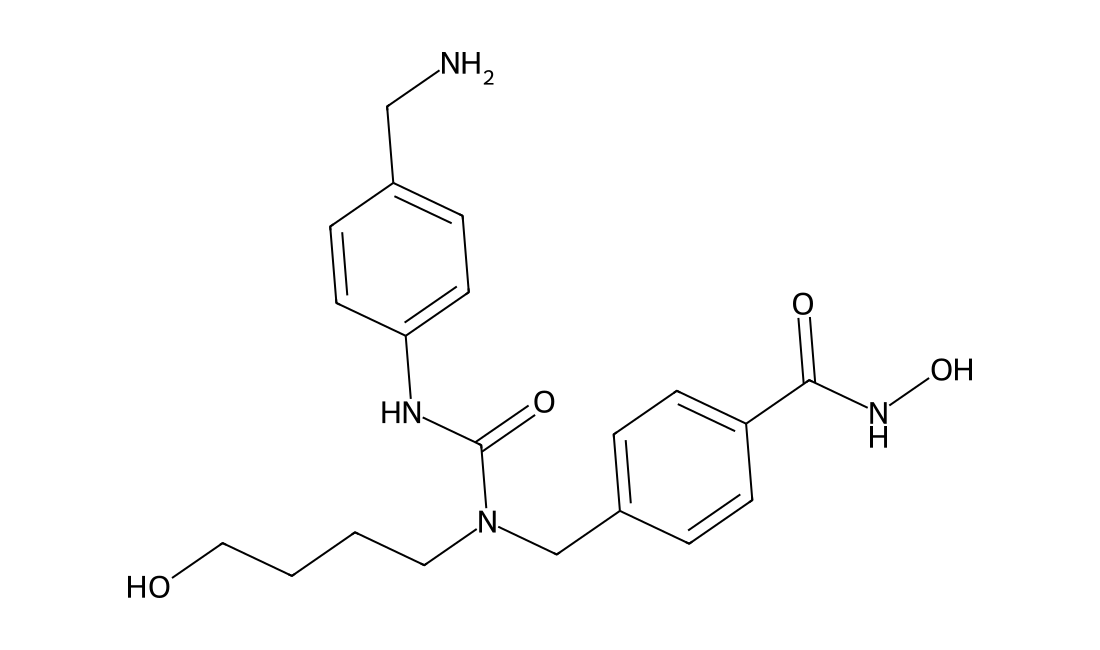
CAS 1252003-13-6
HDAC-IN-4 is a selective HDAC6 and HDAC10 inhibitor with pIC50s of 7.2 and 6.8 in BRET assay, respectively. Antitumoral activity.
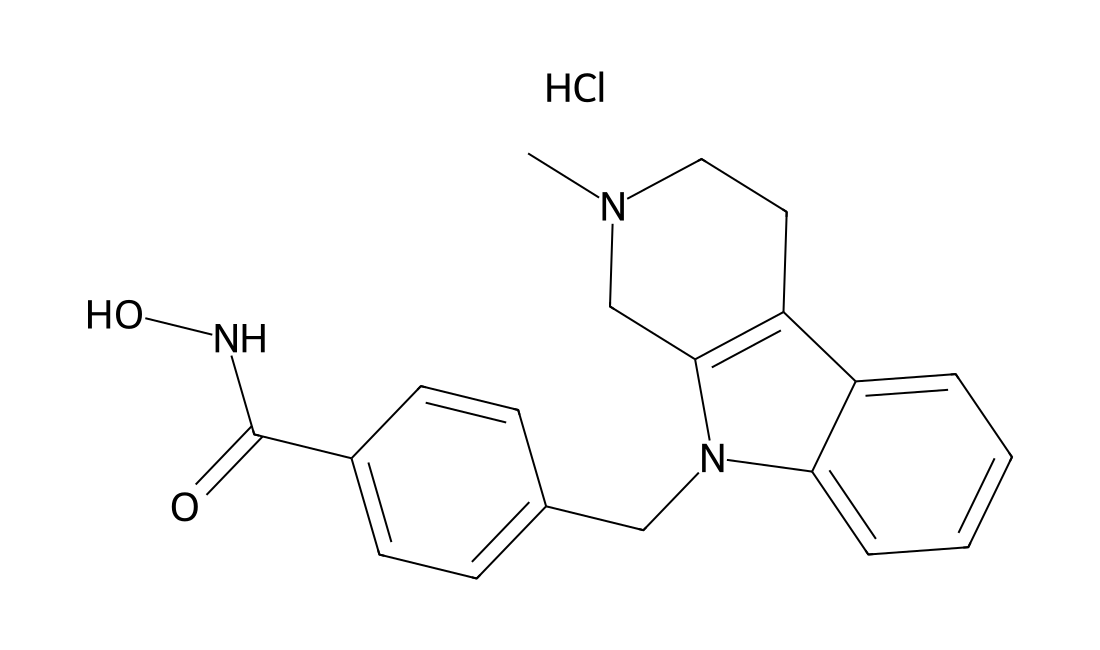
CAS 2095432-59-8
MS 049 is a potent, selective, and cell-active dual inhibitor of PRMT4 and PRMT6 with IC 50 of 34 nM and 43 nM respectively.
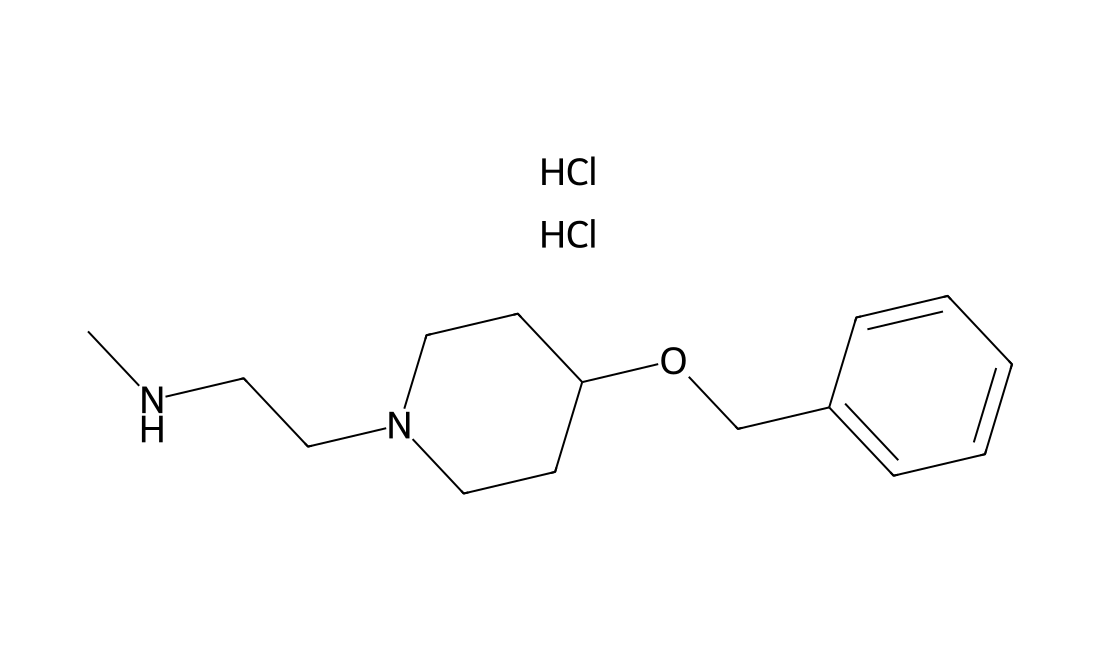
CAS 2044953-70-8
Seclidemstat (SP-2577) mesylate is a potent noncompetitive and reversible KDM1A (LSD1) inhibitor (Ki=31 nM, IC50=13 nM). Seclidemstat mesylate promotes antitumor immunity in switch/sucrose nonfermentable (SWI/SNF) complex mutated ovarian cancer, as well as inhibit virus production, viral DNA replication, and late gene expression. Seclidemstat mesylate can be used for the research of Ewing Sarcoma.
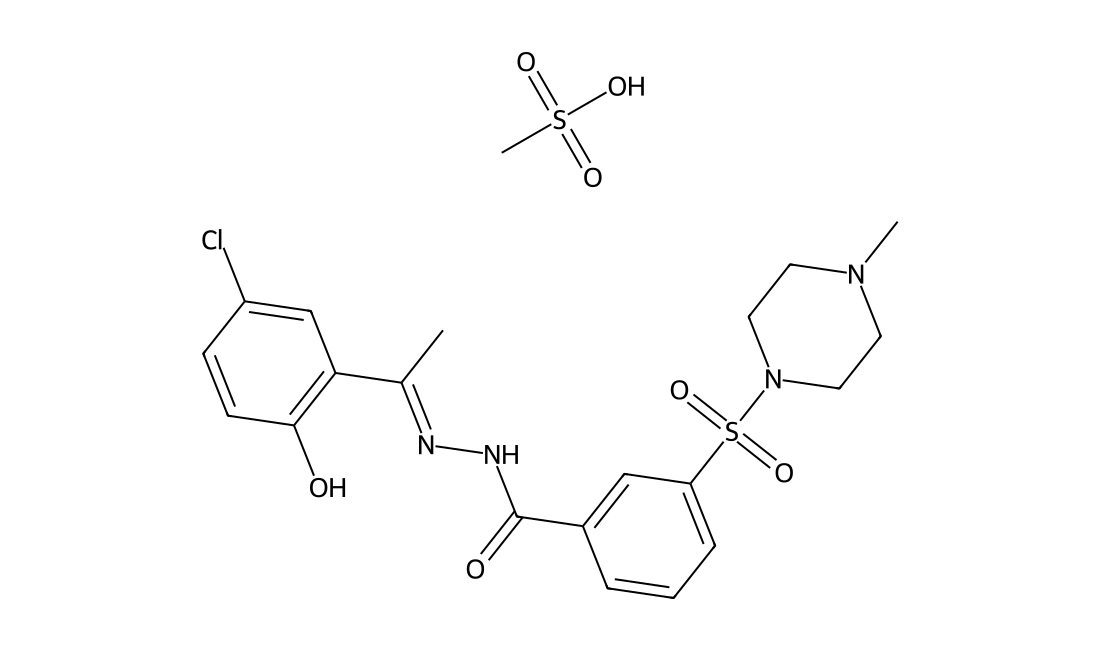
CAS 1236199-60-2
EDO-S101 is a pan HDAC inhibitor; inhibits HDAC1, HDAC2 and HDAC3 with IC50 values of 9, 9 and 25 nM, respectively.
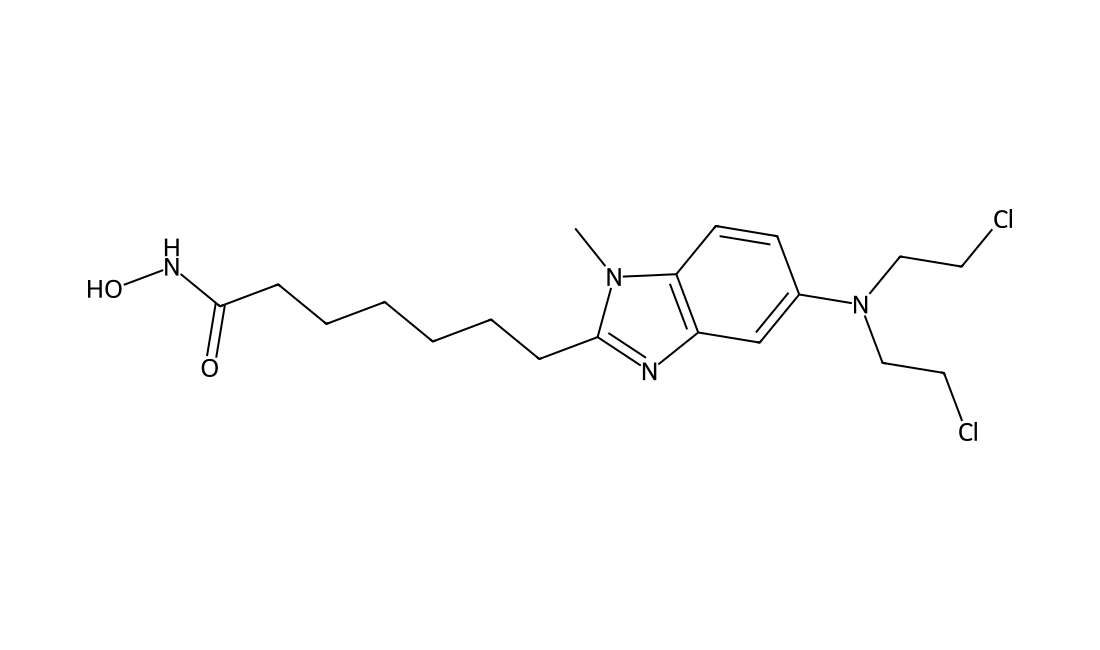
CAS 1403764-72-6
PFI-1 is a selective BET (bromodomain-containing protein) inhibitor for BRD4 with IC50 of 0.22 μM in a cell-free assay.
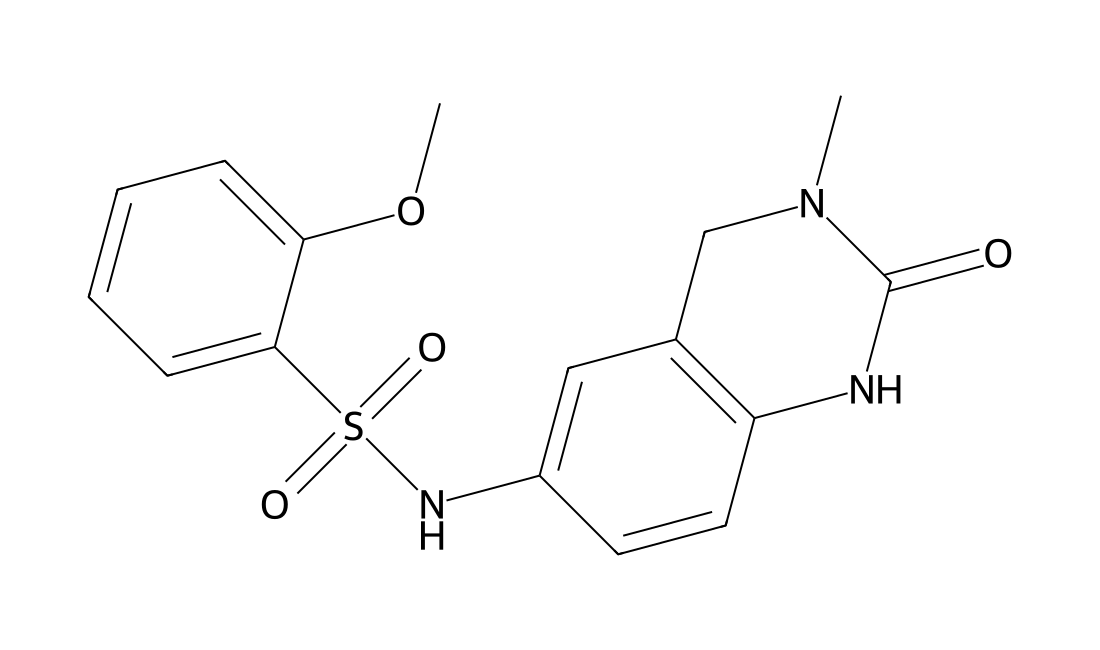
CAS 708219-39-0
FPH1 (BRD-6125) is a small molecule, which promotes expansion of iPS-derived hepatocytes.
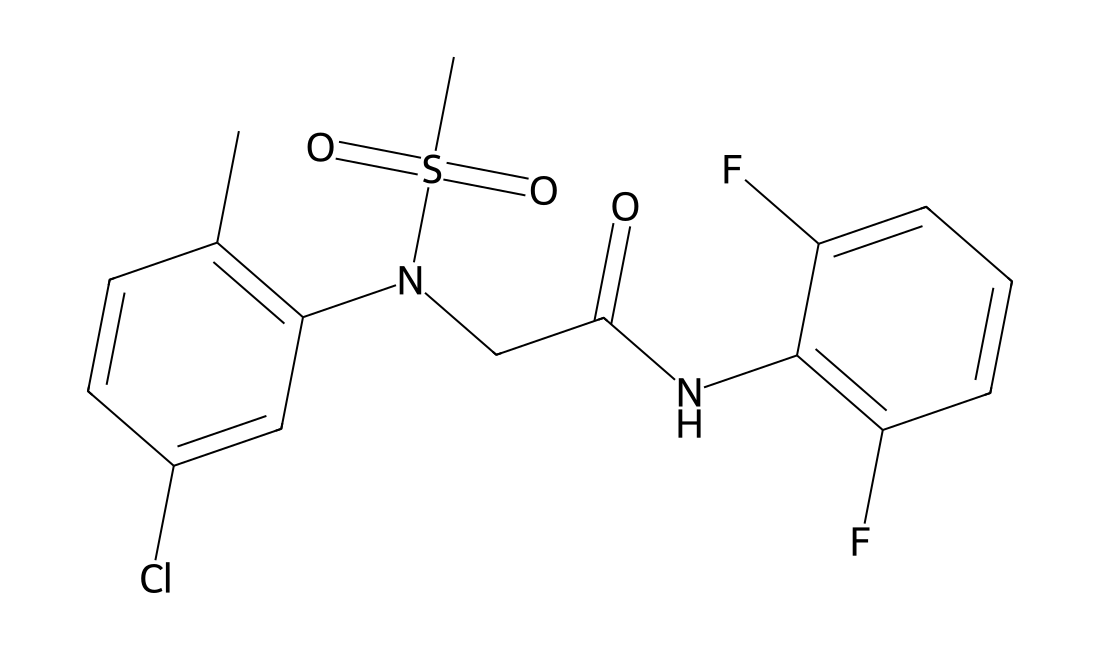
CAS 537034-15-4
HDAC inhibitor IV is a cell-permeable pimeloylanilide compound that acts as a FXN- (frataxin gene) specific HDAC (histone deacetylase) inhibitor. Reverses the silencing of FXN transcription in FRDA (Friedreich's ataxia) cells (~3-fold increase of FXN mRNA at 5 µM in primary FRDA lymphocytes and ~3-fold frataxin expression in FRDA cell line at 2.5 µM) due to hypoacetylation of histones H3 and H4 by increasing acetylation at H3K14, H4K5 and H4K12, without significant changes in acetylation at H3K9, H4K8 and H4K16. In comparison, Trichostatin-A and SAHA, two other commonly used HDAC inhibitors, exhibit no effect on FXN transcription.
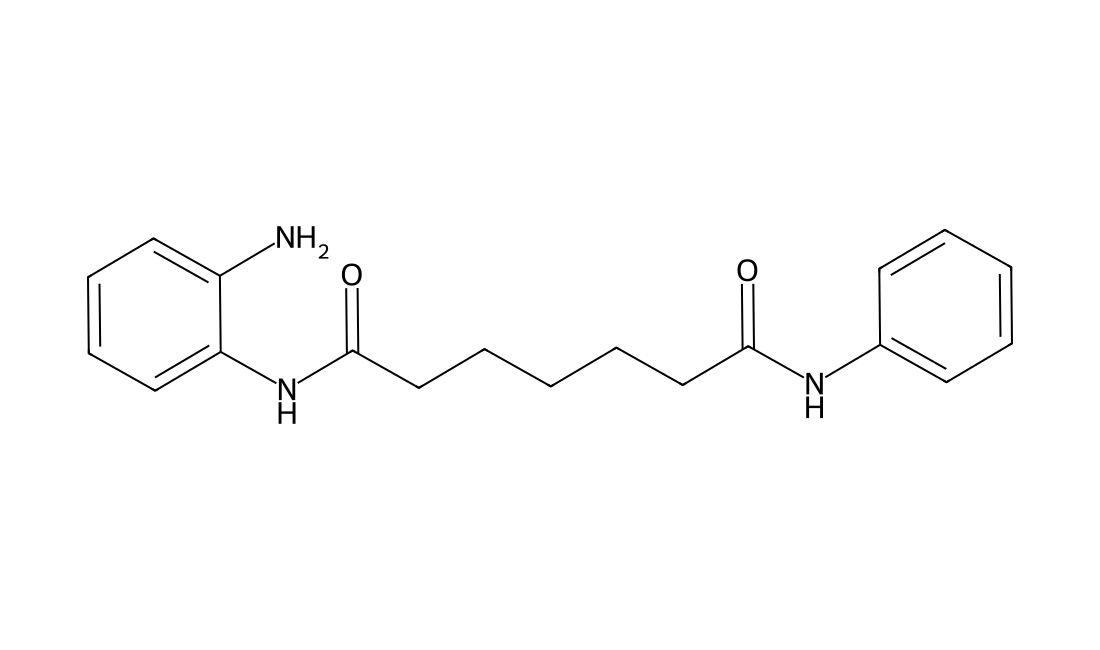
CAS 1889279-16-6
A-485 is a potent and selective catalytic inhibitor of p300/CBP with IC50s of 9.8 nM and 2.6 nM for p300 and CBP, respectively.
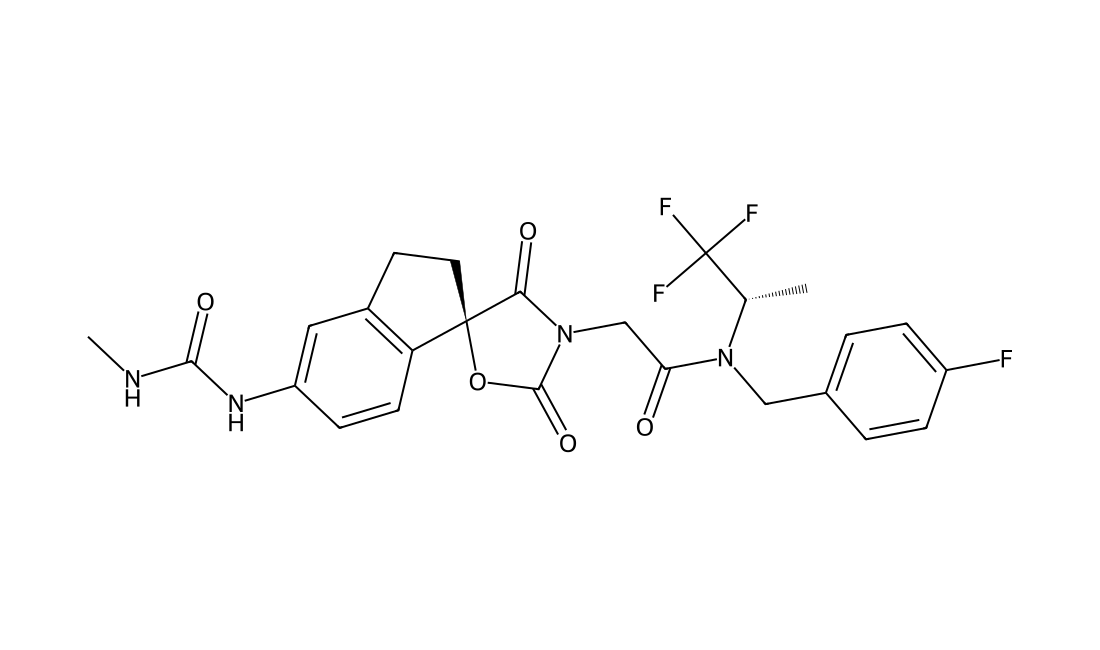
CAS 1418308-27-6
EI1 is a potent and selective small molecule inhibitor of EZH2 with IC50 values of 15 nM and 13 nM for wild type EZH2 and EZH2 Y641F mutant, respectively. IC50 Value: 15±2 nM (EZH2 wild type); 13±3 nM (EZH2 Y641F mutant type) For the detailed information of EI-1, the solubility of EI-1 in water, the solubility of EI-1 in DMSO, the solubility of EI-1 in PBS buffer, the animal experiment (test) of EI-1, the cell expriment (test) of EI-1, the in vivo, in vitro and clinical trial test of EI-1, the EC50, IC50,and affinity,of EI-1, Please contact DC Chemicals.
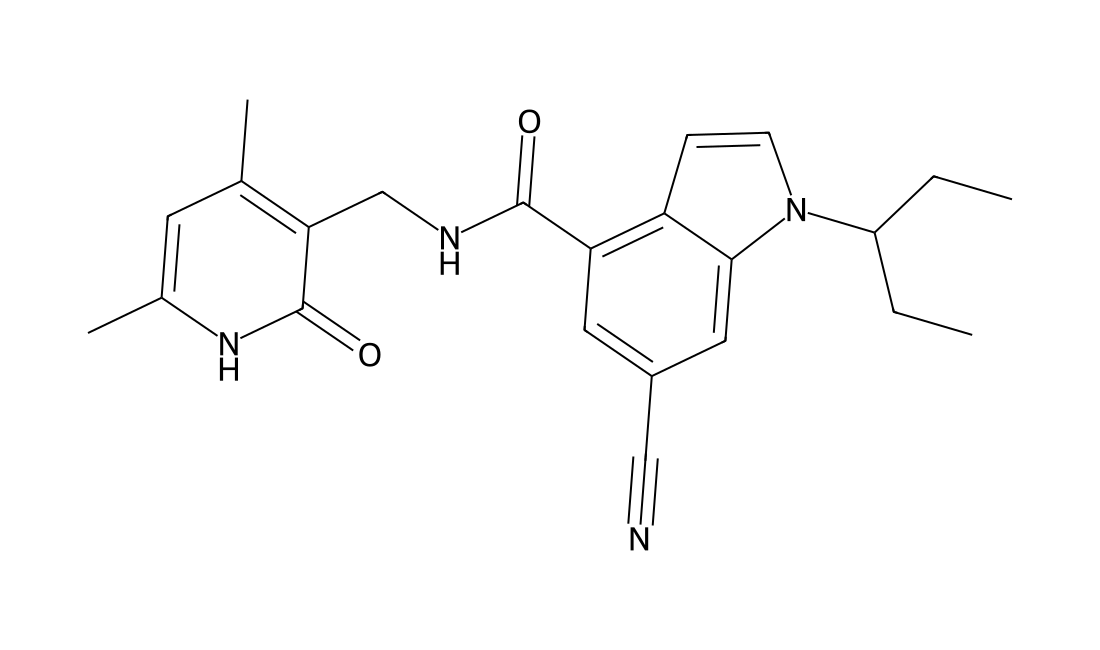
CAS 2972712-63-1
KA2507 hydrochloride is a potent and highly selective inhibitor of HDAC6 (IC50=2.5 nM) with no significant toxicities. KA2507 hydrochloride shows antitumor efficacy and immune modulatory effects.
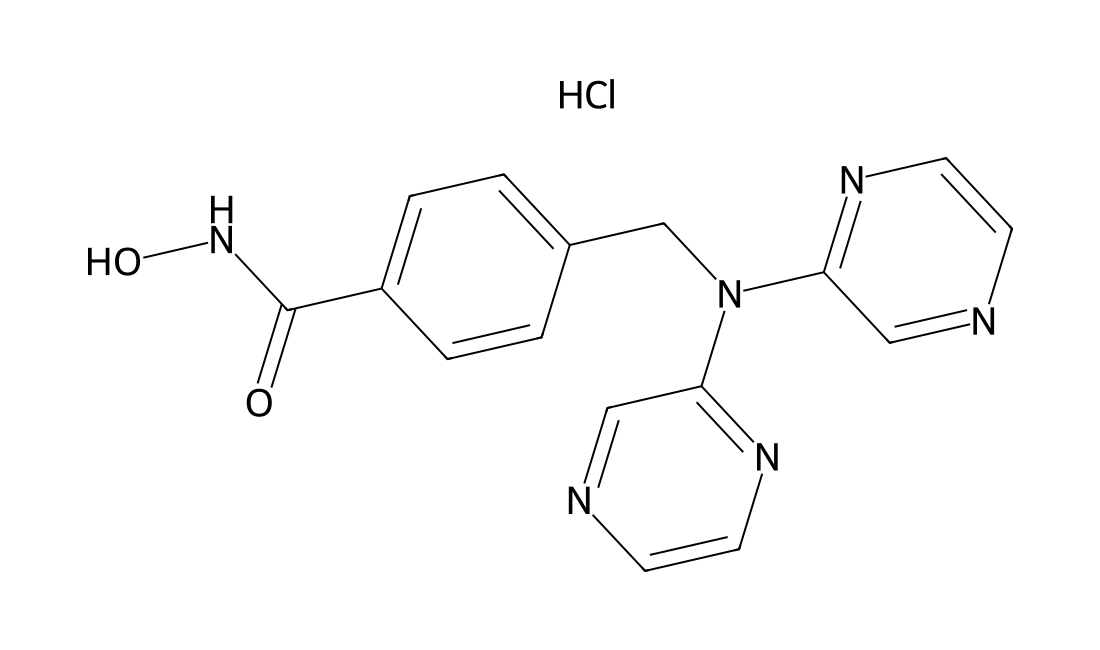
CAS 1640282-31-0
I-CBP112 is a specific and potent acetyl-lysine competitive protein-protein interaction inhibitor, that targets the CBP/p300 bromodomains.
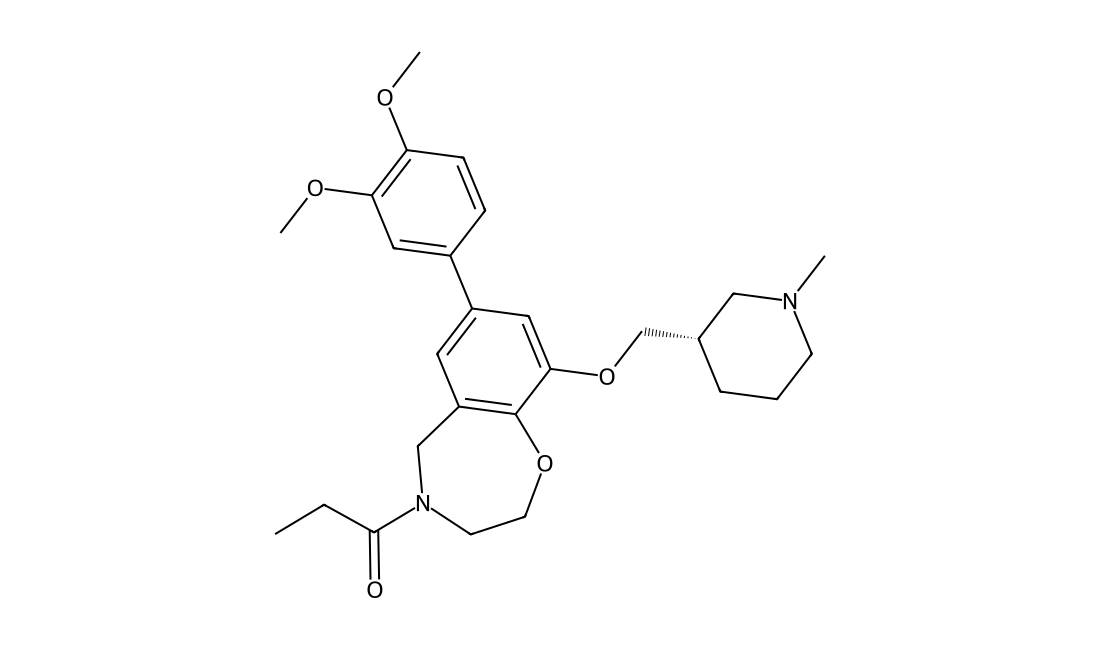
CAS 1396772-26-1
EPZ005687 is a potent and selective inhibitor of EZH2 with Ki of 24 nM, and has 50-fold selectivity against EZH1 and 500-fold selectivity against 15 other protein methyltransferases.
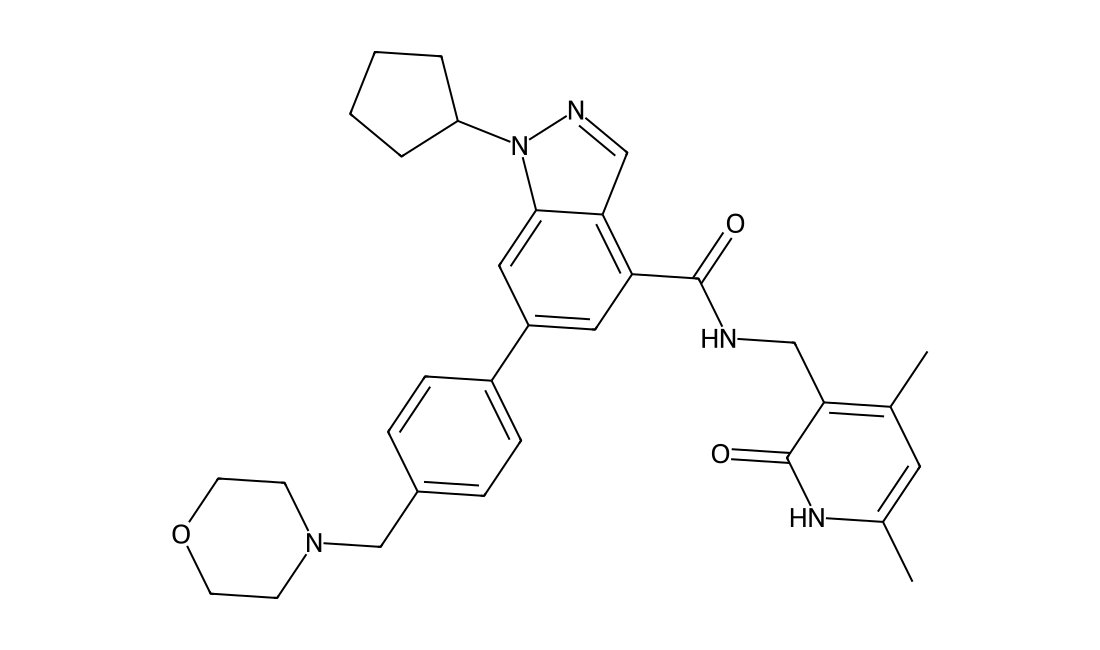
CAS 102052-95-9
3-Deazaneplanocin A (DZNep) is a histone methyltransferase inhibitor; decreases global DNA methylation. Blocks EZH2 activity and trimethylation of lysine 27 on histone H3 in vitro. Induces apoptotic cell death in cancer cells and inhibits s-adenosylhomocysteine (SAH) hydrolase. Enhances Oct 4 expression in chemically induced pluripotent stem cells (CiPSCs).For the detailed information of 3-Deazaneplanocin A (DZNep), the solubility of 3-Deazaneplanocin A (DZNep) in water, the solubility of 3-Deazaneplanocin A (DZNep) in DMSO, the solubility of 3-Deazaneplanocin A (DZNep) in PBS buffer, the animal experiment (test) of 3-Deazaneplanocin A (DZNep), the cell expriment (test) of 3-Deazaneplanocin A (DZNep), the in vivo, in vitro and clinical trial test of 3-Deazaneplanocin A (DZNep), the EC50, IC50,and Affinity of 3-Deazaneplanocin A (DZNep), Please contact DC Chemicals.
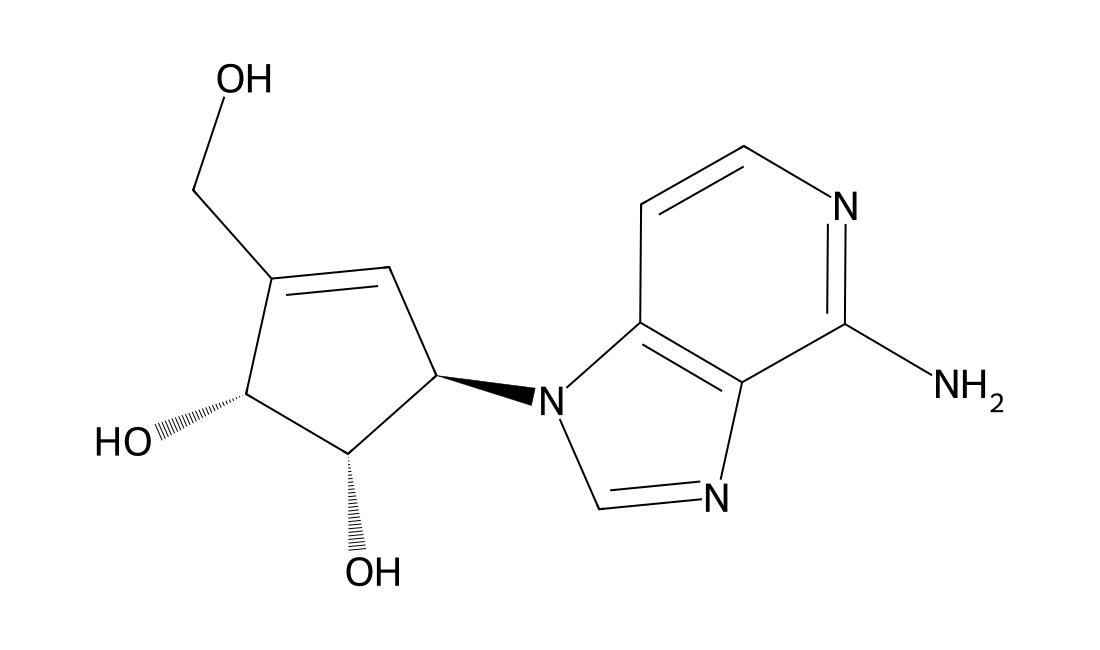
CAS 2134675-36-6
Ziftomenib is a menin-MLL interaction inhibitor with antitumor activities (WO2017161028A1, compound 151).
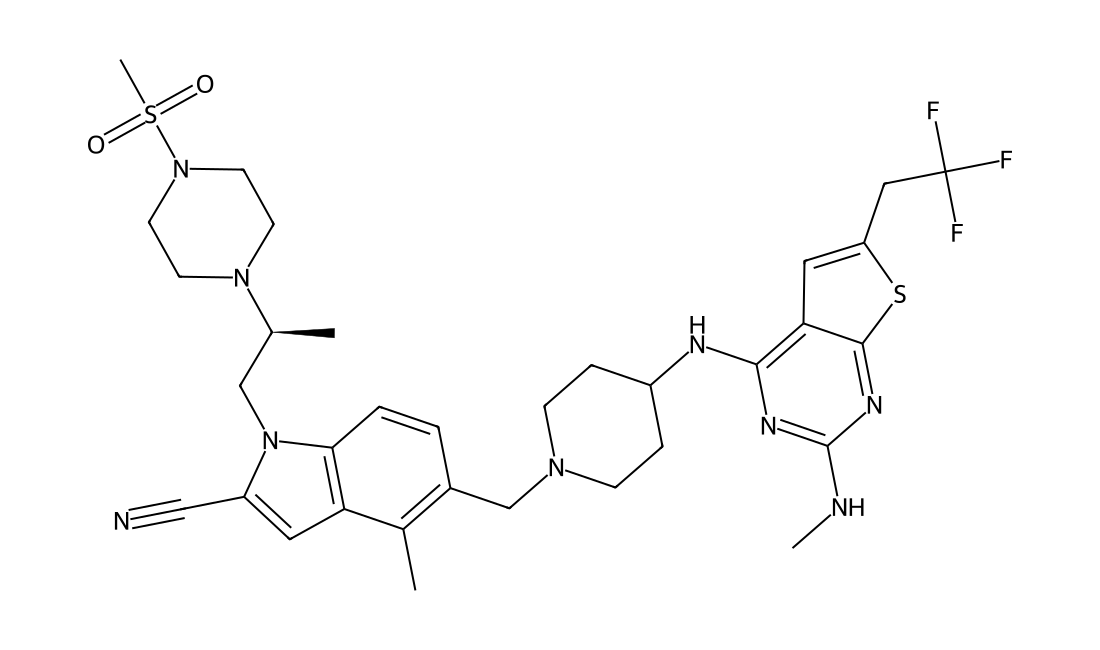
CAS 2306193-61-1
VZ185 (VZ-185) is a potent, fast and selective, VHL-based dual degrader probe (PROTAC) of BRD9 and BRD7 with DC50 of 1.8 and 4.5 nM, respectively; induces strong and rapid degradation of of BRD9, BRD7 in a time- and dose-dependent manner after treatment of RI-1 cells, also shows a DC50 between 2-8 nM for BRD9 in a panel of other human cancer cell lines (EOL-1, A-204).
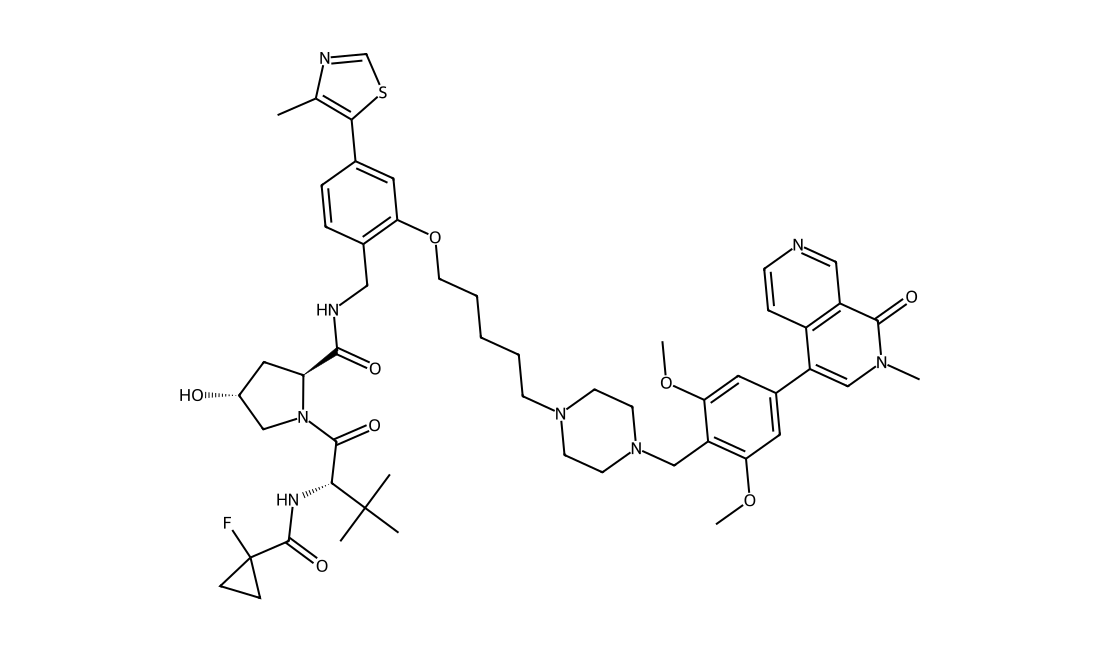
CAS 1628830-21-6
EZM 2302 is an inhibitor of coactivator-associated arginine methyltransferase 1 (CARM1) with an IC50 of 6 nM.
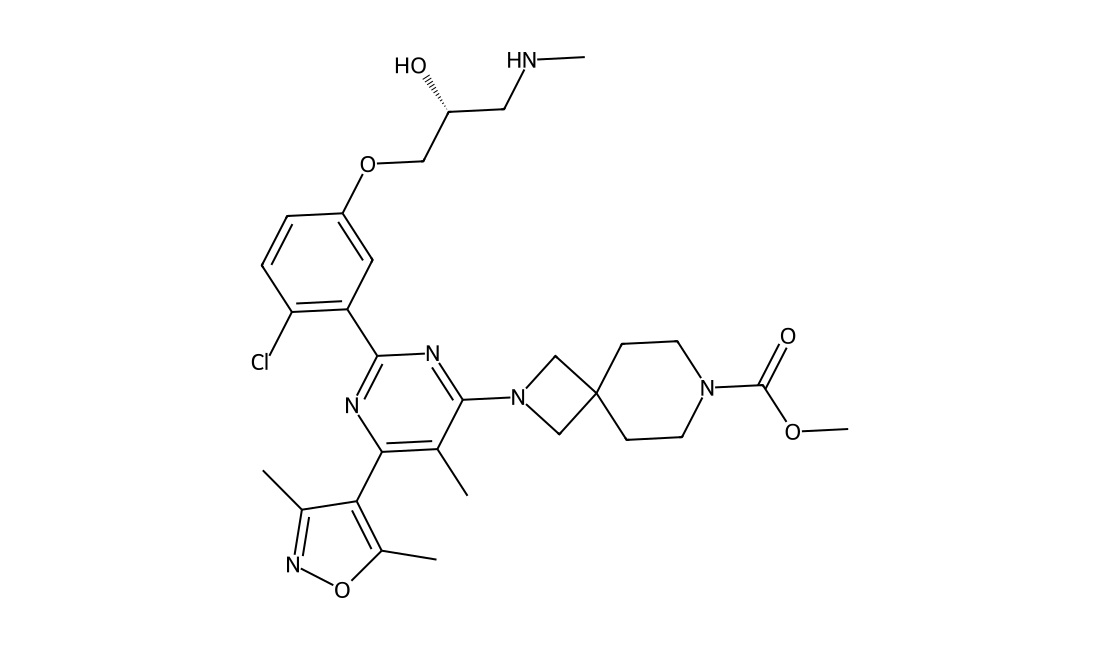
CAS 1808951-93-0
LP99 is the first potent and selective BRD7/9 bromodomain inhibitor with Kd of 99 nM for BRD9; inhibits IL‐6 secretion from THP‐1 cells in a dose‐dependent manner; decreases BRET for both BRD7 and BRD9 in both the H3.3 and H4 systems in a dose‐dependent manner, with cellular IC50 values in the low micromolar range for both histones.
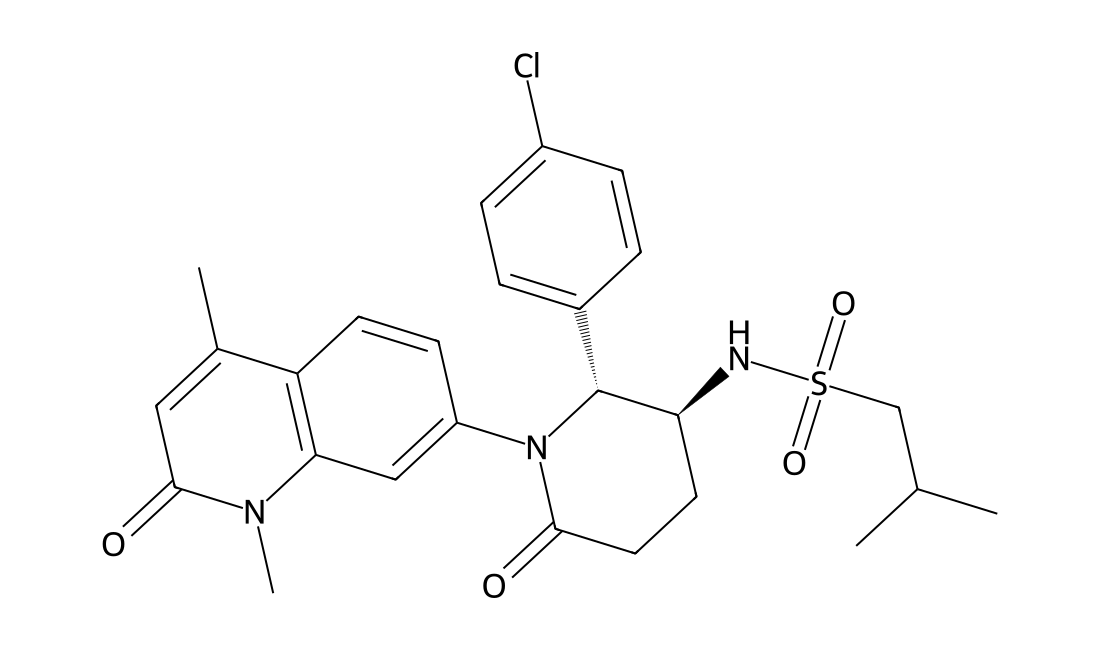
CAS 1357647-78-9
BRD-K98645985 is a class of 12-membered macrolactam and a BAF (Brg/Brahma-associated factors) transcriptional repression inhibitor with an EC50 of ~2.37 µM. BRD-K98645985 binds ARID1A-specific BAF complexes, prevents nucleosomal positioning, and potently reverses HIV-1 latency, and without T cell activation or toxicity[1].
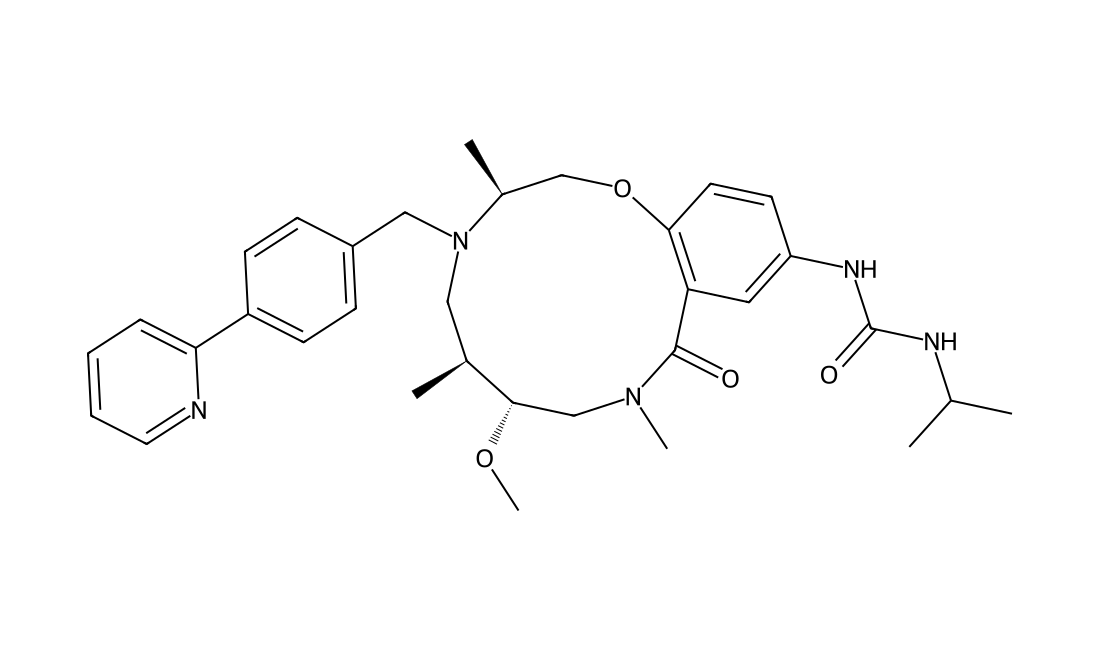
CAS 1883545-52-5
MM-102 (HMTase Inhibitor IX) TFA is a potent WDR5/MLL interaction inhibitor, achieves IC50 = 2.4 nM with an estimated Ki < 1 nM in WDR5 binding assay, which is >200 times more potent than the ARA peptide.
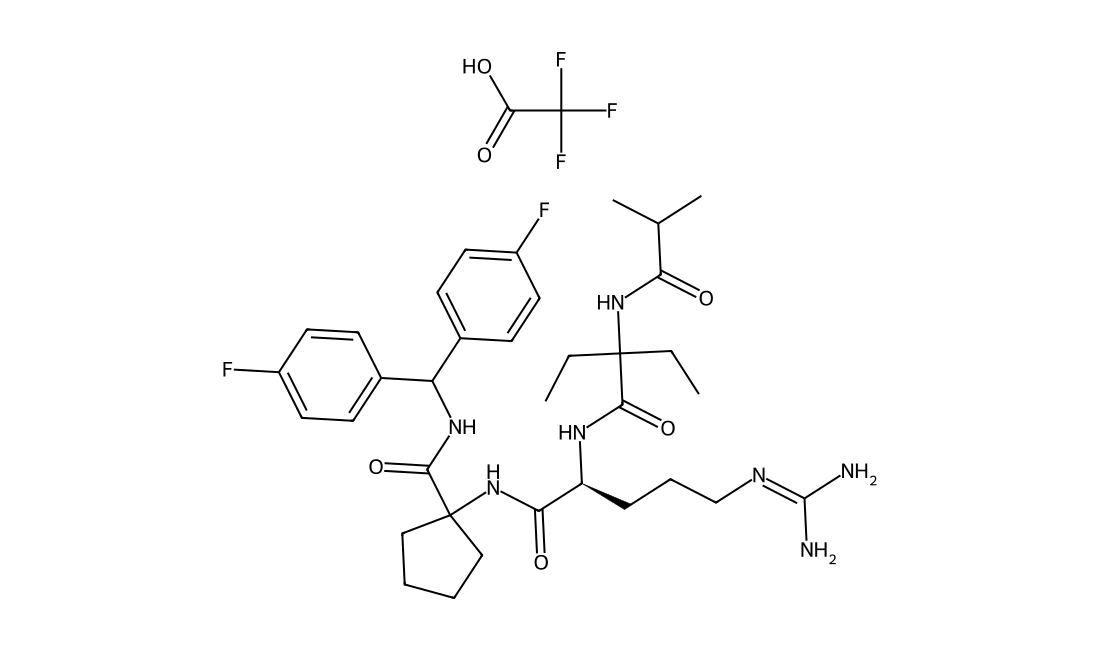
CAS 1887237-54-8
I-BET567 is a potent and oral active inhibitor of pan-BET candidate with pIC50s of 6.9 and 7.2 for BRD4 BD1 and BD2, respectively. I-BET567 has been demonstrated efficacy in mouse models of oncology and inflammation.
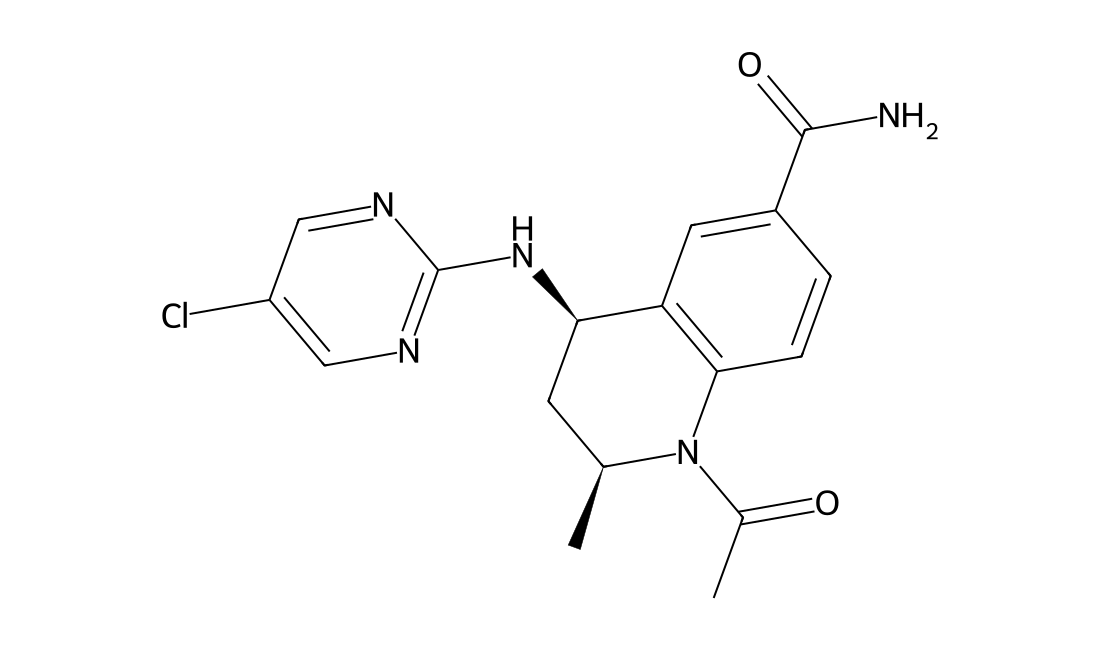
CAS 2411748-50-8
EZM0414 is a potent, selective, and orally bioavailable inhibitor of Histone-lysine N-methyltransferase SETD2.