Home/Small Molecules/Cell Biology & Intracellular Transport

Cell Biology & Intracellular Transport

Cytoskeletal dynamics, endocytosis, vesicle trafficking, organelle function and cell differentiation.

Browse all research categories

Browse by research category

Products may appear in more than one category. Counts refer to distinct catalog numbers within each category.

Other Research Tools (75) · Additional reagents, building blocks and specialized research tools.

Cell Biology & Intracellular Transport products

Combine a keyword, research category and target to narrow the product list.

Loading catalog filters…

181 products · Showing 145–181

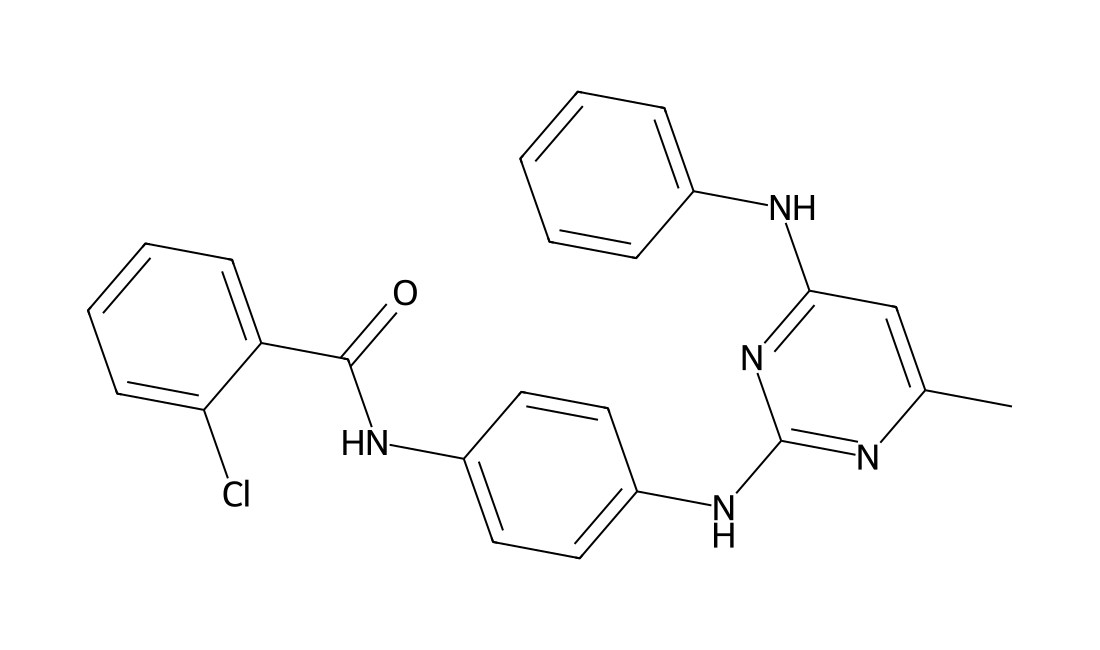
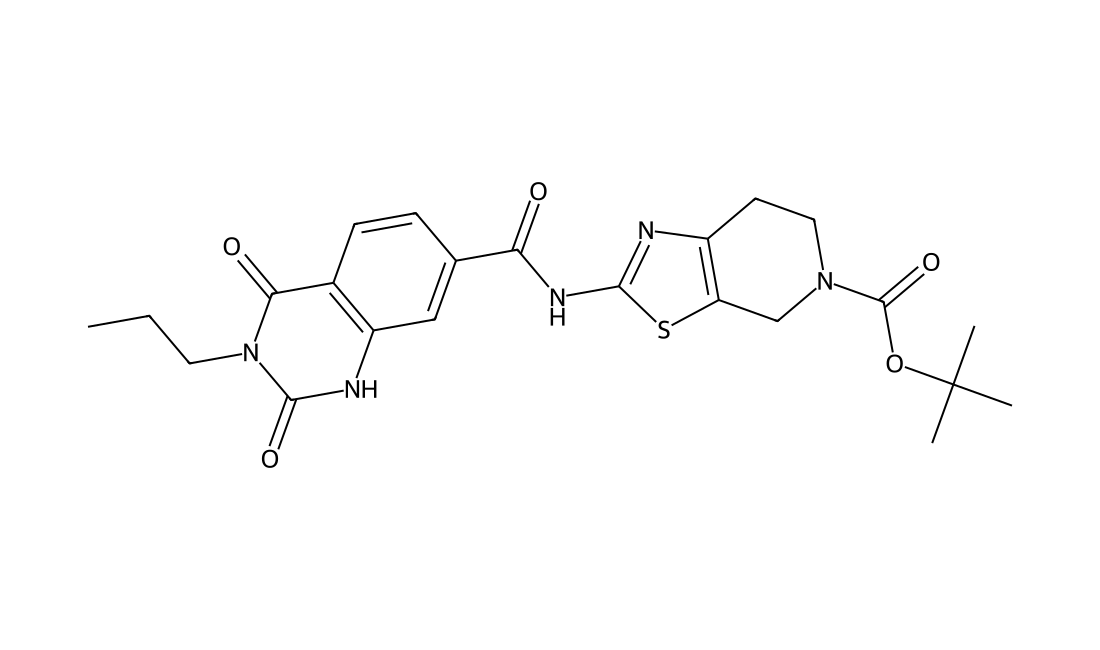
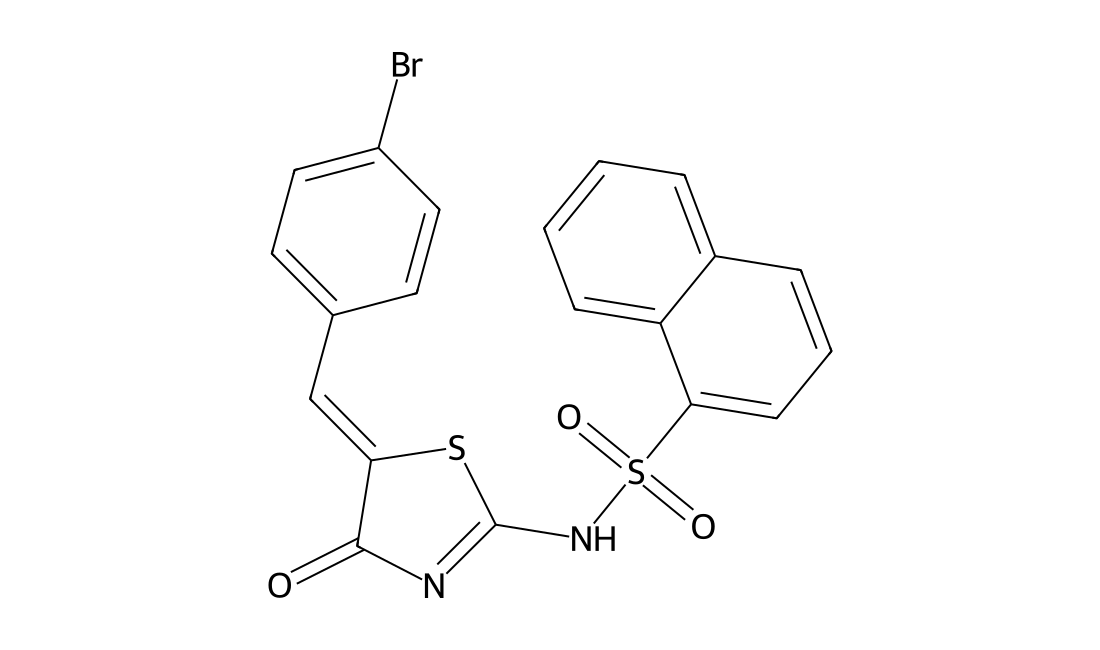
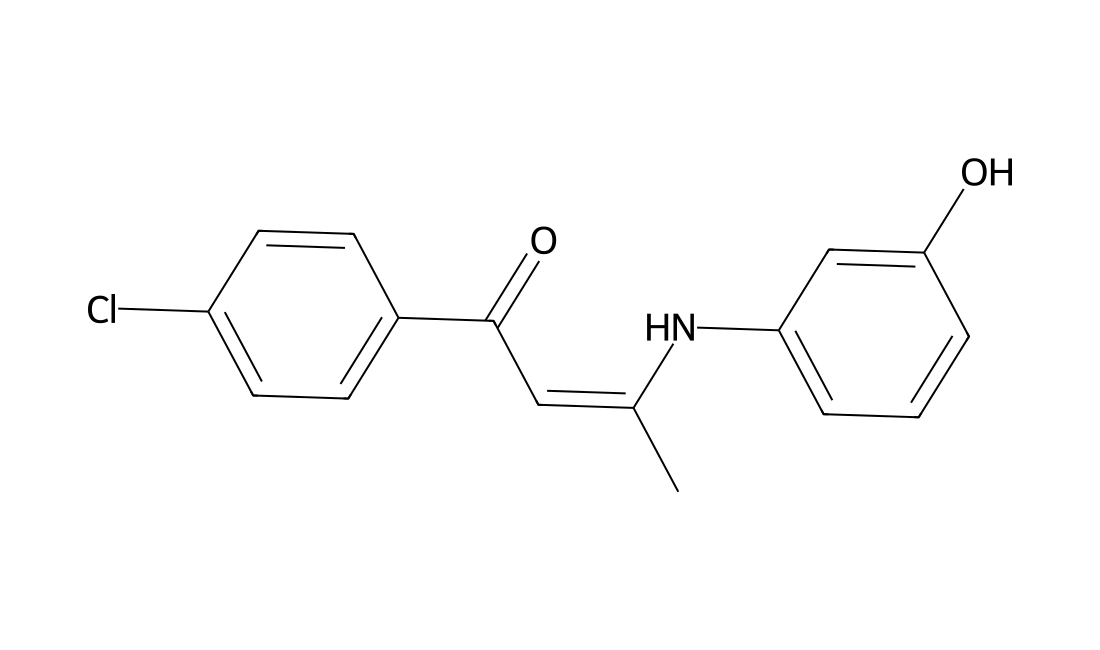
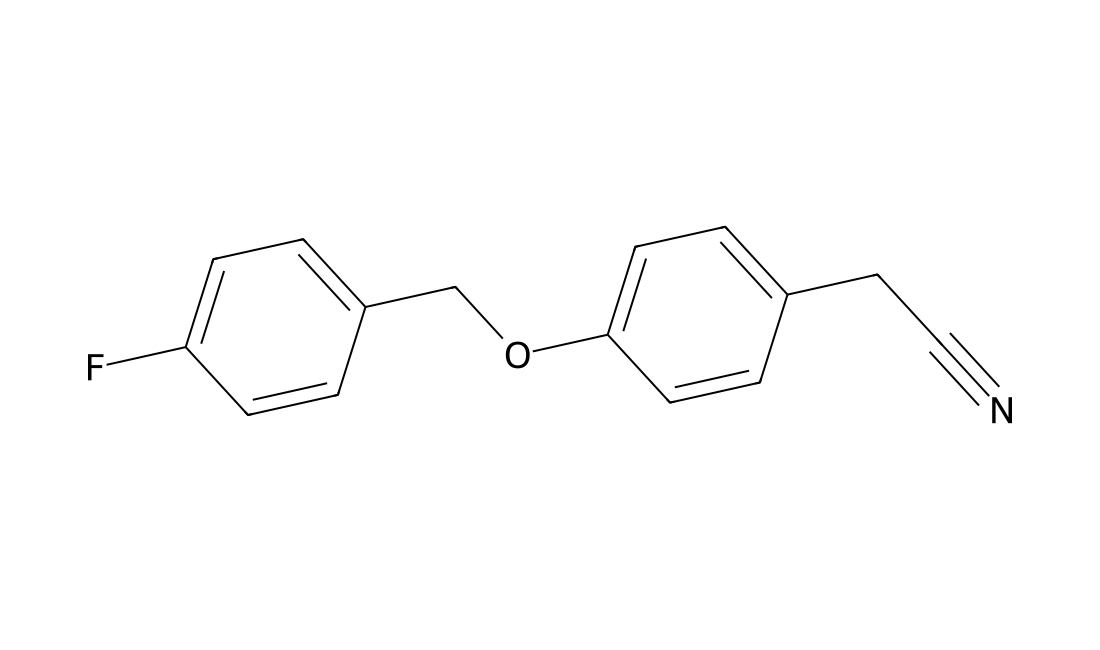
DC44831

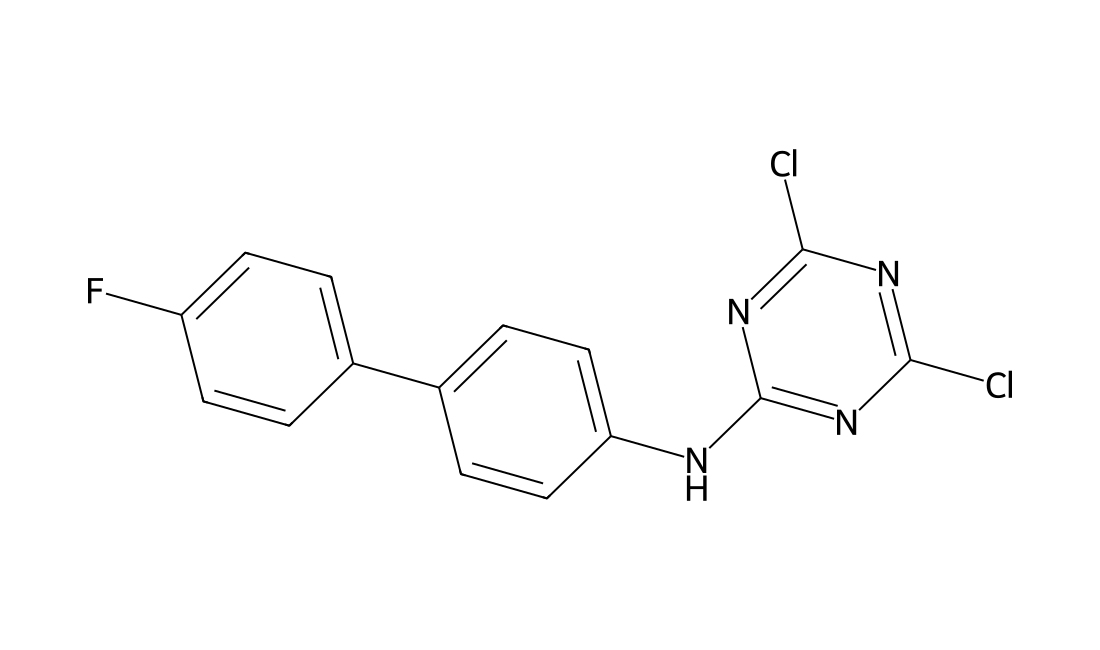
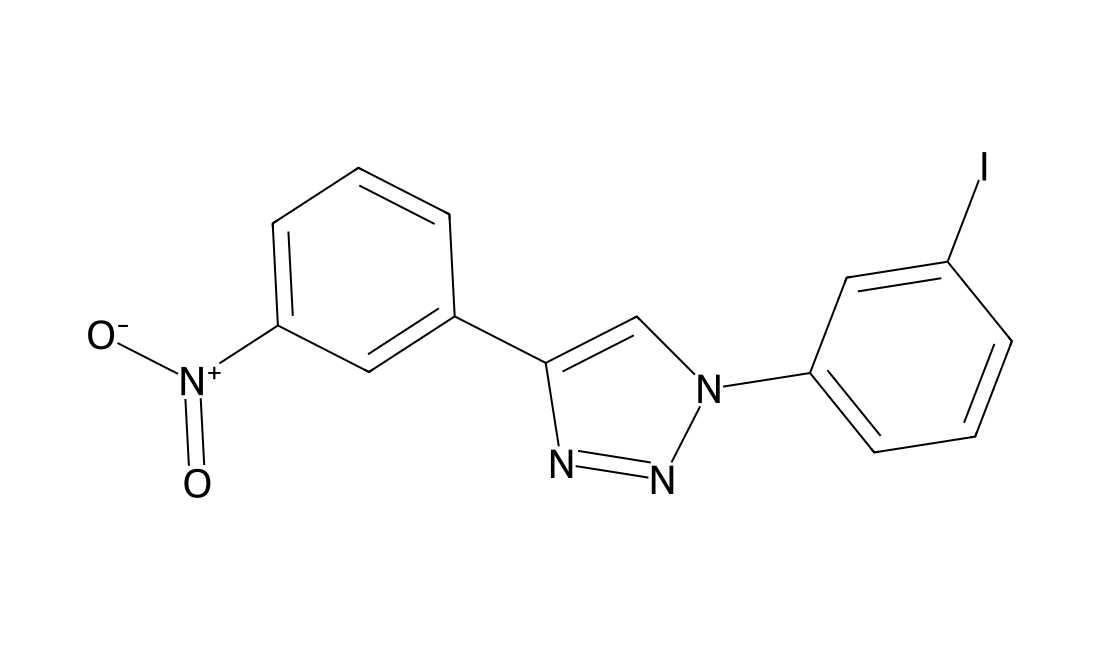
MCU-i4

CAS 371924-24-2

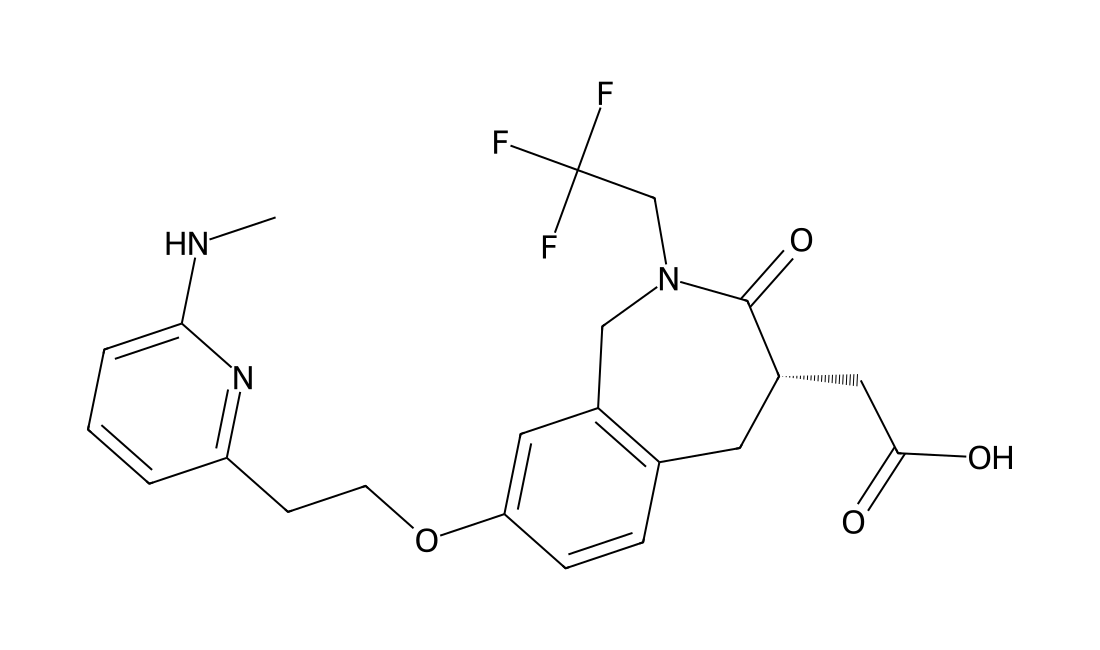
MCU-i4 is a negative modulator of the mitochondrial calcium uniporter (MCU) complex that directly binds a specific cleft in MICU1 and decreases mitochondrial Ca2+ influx.,MCU-i4 decreases mitochondrial Ca2+ influx. Docking simulations reveal that MCU-i4 directly binds a specific cleft in MICU1, a key element of the MCU complex that controls channel gating. Accordingly, in MICU1-silenced or deleted cells, the inhibitory effect of MCU-i4 is lost. Moreover, MCU-i4 fails to inhibit mitochondrial Ca2+ uptake in cells expressing a MICU1 mutated in the critical amino acids that forge the predicted binding cleft.1

MCU-i4 chemical structure
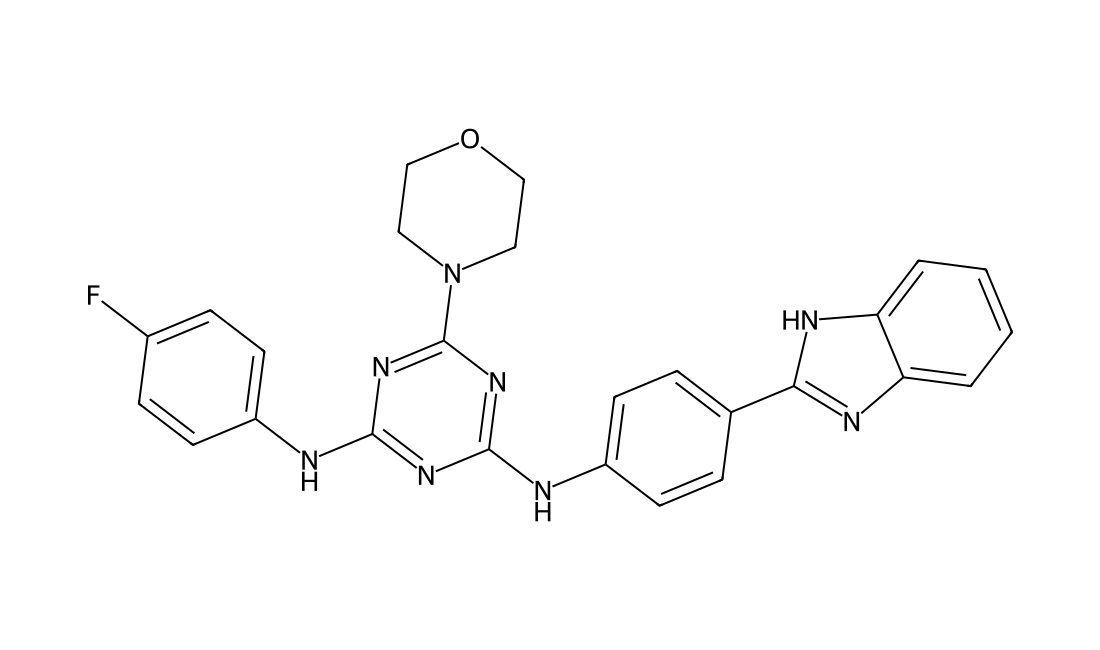
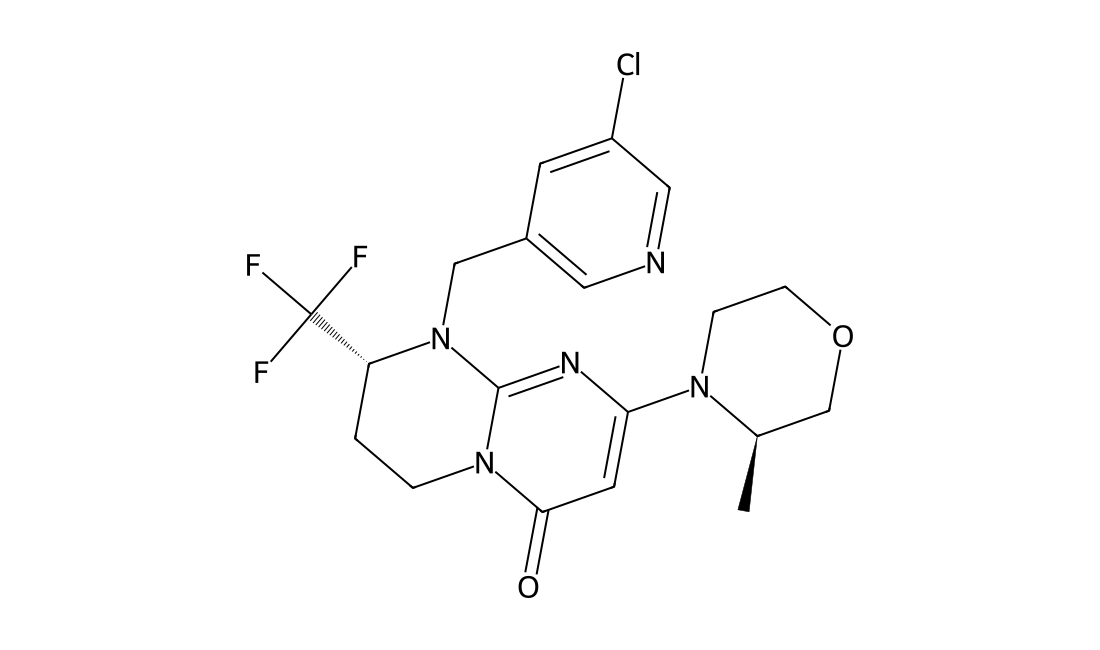
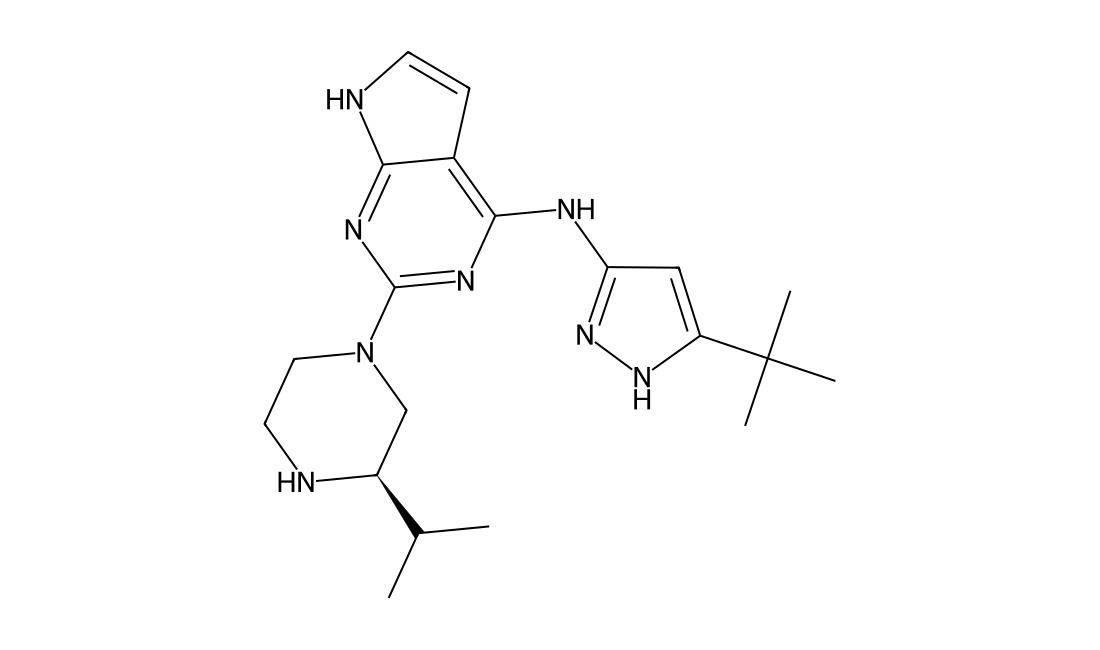
DC60201

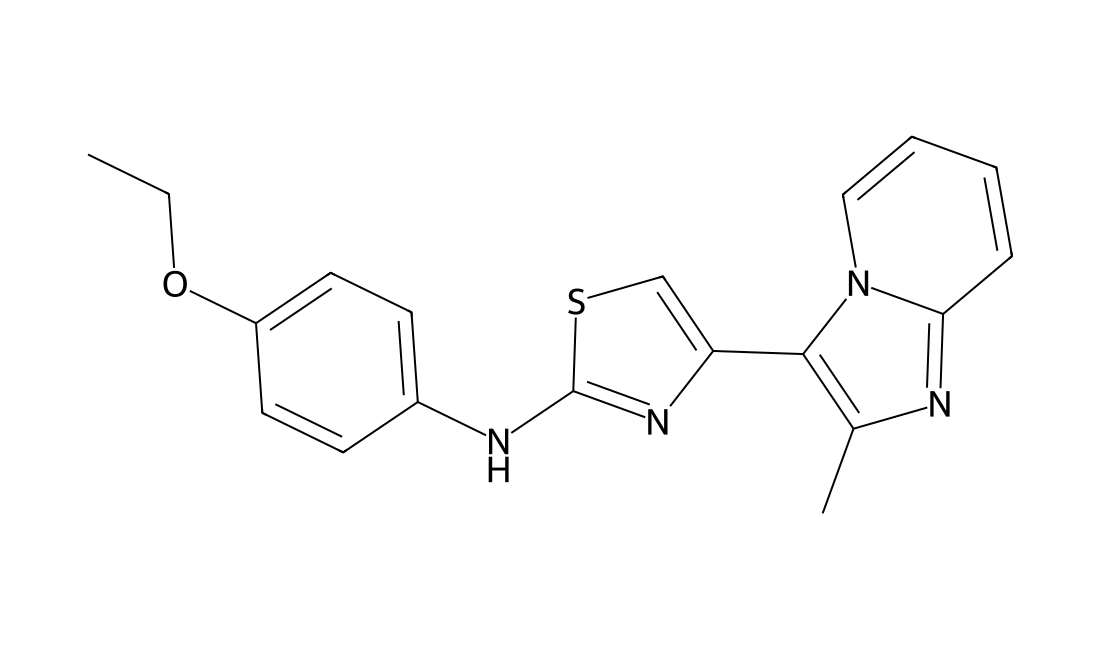
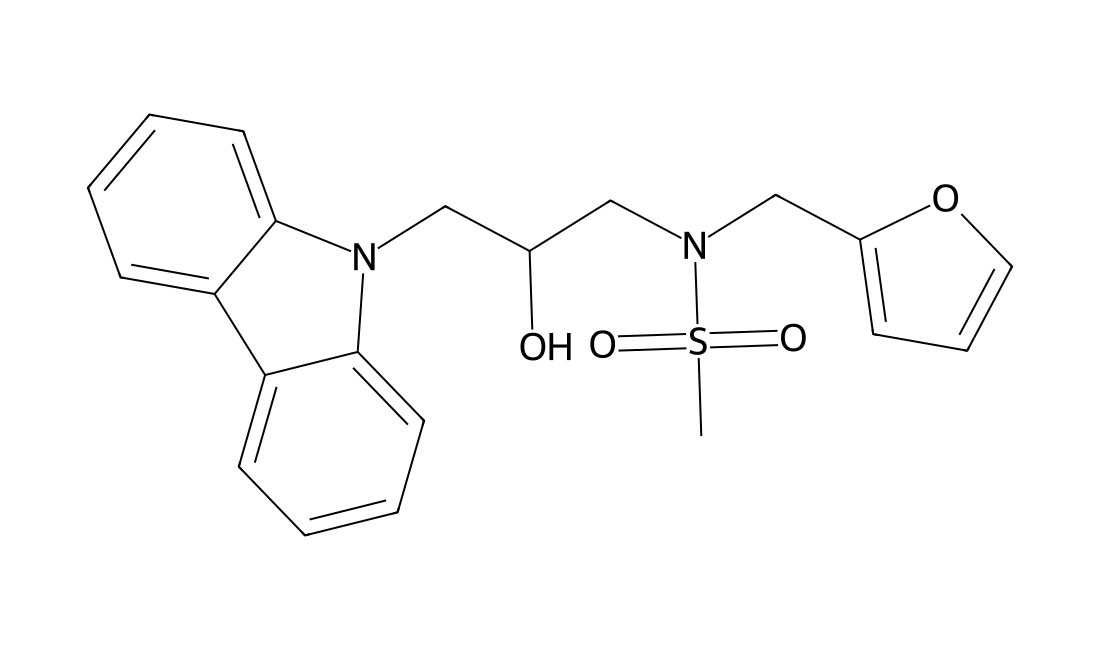
SR 18662

CAS 2505001-62-5

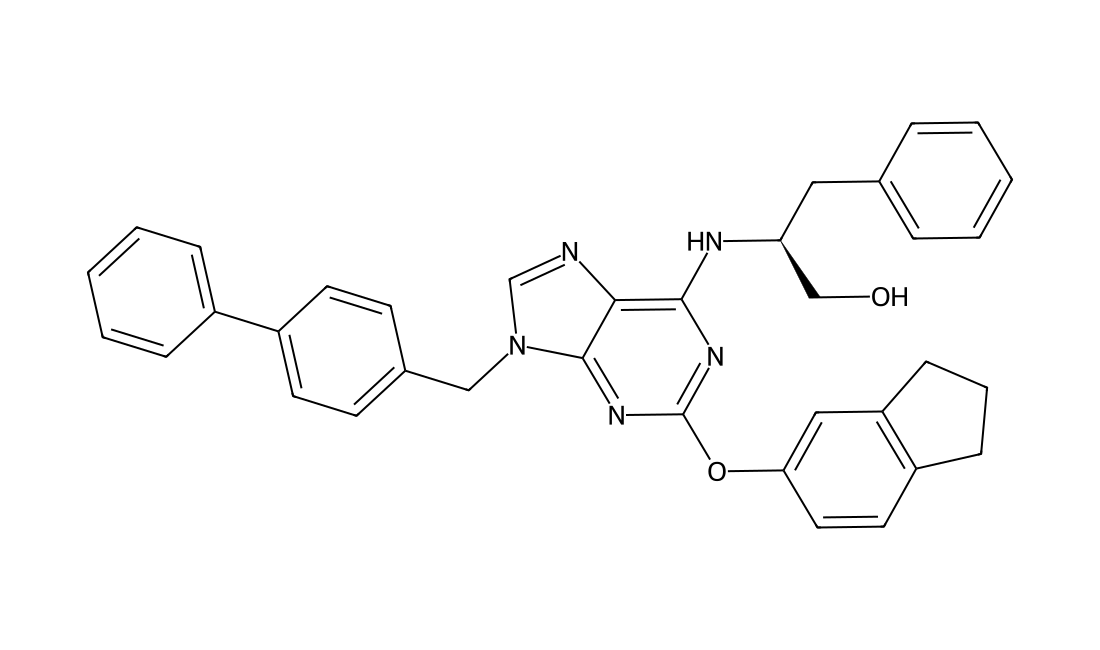
SR18662 is an optimized anticancel agent based on ML264. SR18662 Efficiently Inhibits the Growth of Colorectal Cancer In Vitro and In Vivo. SR18662 showed improved efficacy in reducing the viability of multiple colorectal cancer cell lines. Flow cytometry analysis following SR18662 treatment showed an increase in cells captured in either S or G2-M phases of the cell cycle and a significant increase in the number of apoptotic cells, the latter a unique property compared with ML264 or SR15006. SR18662 treatment also reduces the expression of cyclins and components of the MAPK and WNT signaling pathways.

SR 18662 chemical structure
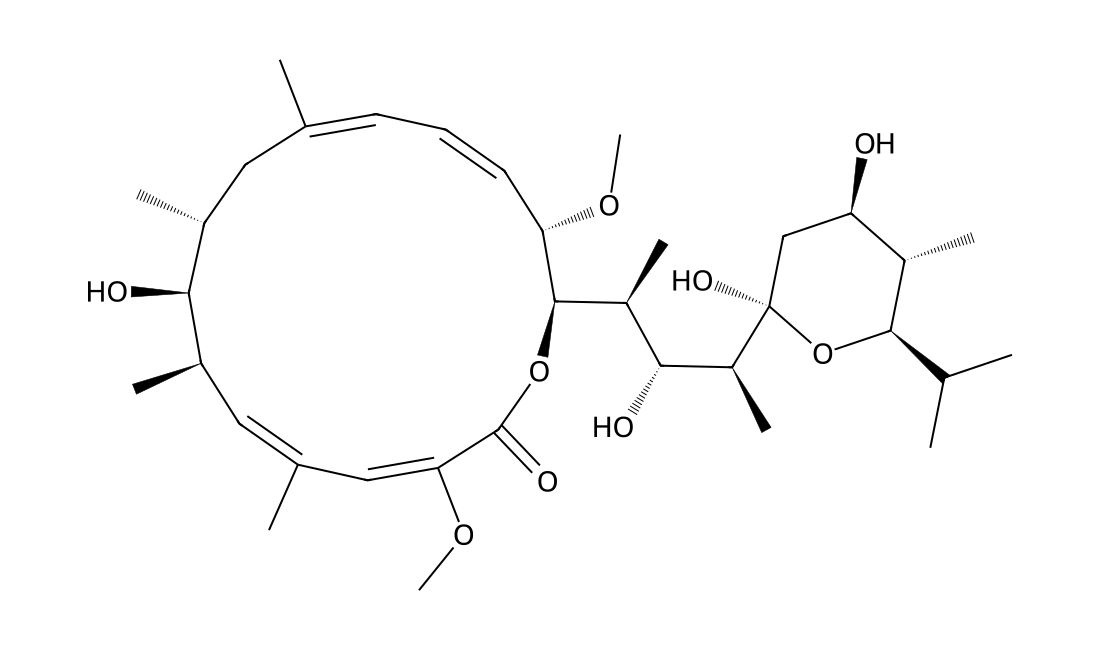
DC21865

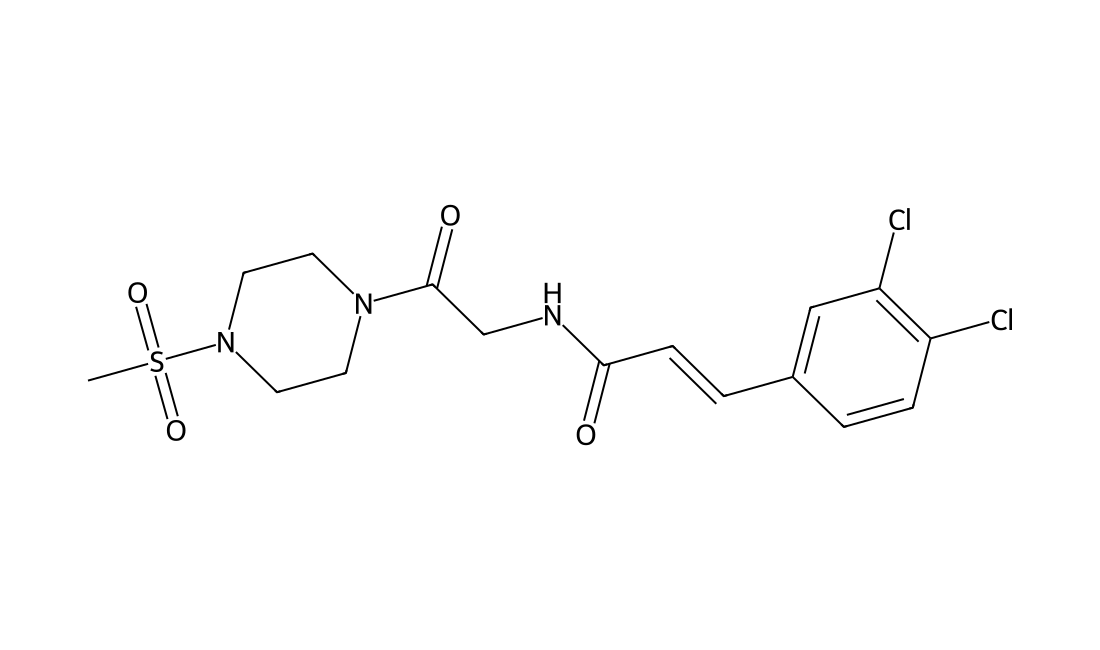
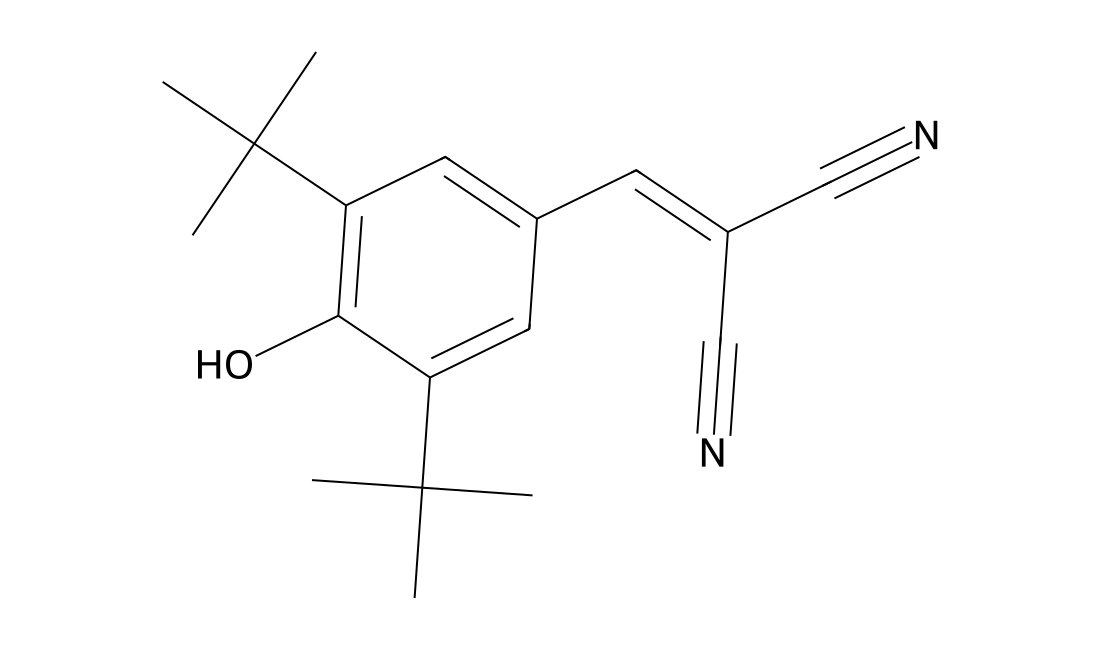
Aumitin

CAS 946293-78-3

Aumitin is a novel potent autophagy inhibitor with IC50 of 124 and 244 nM against starvation- and rapamycin- induced autophagy respectively, targets mitochondrial complex I; inhibits LC3 lipidation, and p62 degradation by starvation- as well as rapamycin-induced autophagy dose-dependently in MCF7-LC3 cells, suggesting inhibition of autophagic flux; inhibits mitochondrial respiration by targeting complex I with IC50 of 0.11 uM in HeLa cells; Aumitin is a new tool compound for interrogating autophagy and mitochondrial respiration by means of complex I inhibition.

Aumitin chemical structure
DC11786

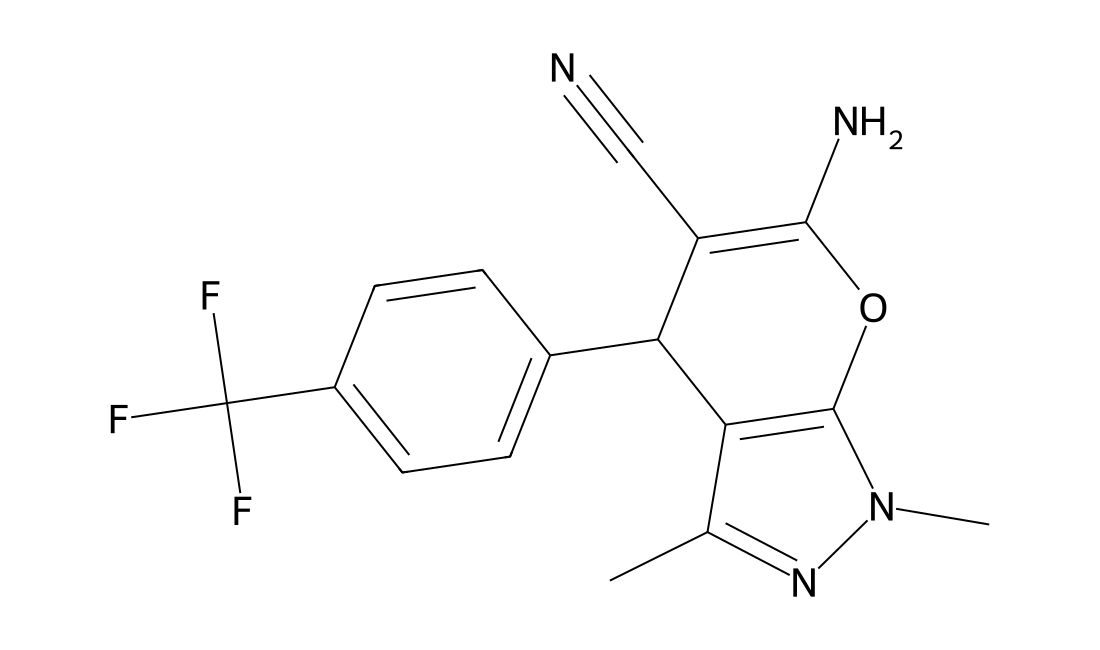
THPN

CAS 100079-26-3

A potent nuclear receptor TR3 (Nur77)-specific targeting compound that can induce melanoma autophagy through a mitochondrial signaling pathway; binds TR3 to facilitate the interaction with Nix, induces TR3 localization to MIM; significantly represses tumor growth in xenograft mouse model; a chemical probe to study TR3-mediated signal transduction pathway.

THPN chemical structure
DC11645

Pitstop 2

CAS 1419320-73-2

A small molecule inhibitor of clathrin terminal domain and inhibits clathrin-mediated endocytosis; inhibits endocytosis of transferrin receptor, a CDE cargo protein, but not affect endocytosis of shiga toxin; traps HeLa cells in metaphase through loss of mitotic spindle integrity and activation of the spindle assembly checkpoint, a useful tool for investigating clathrin spindle dynamics.

Pitstop 2 chemical structure
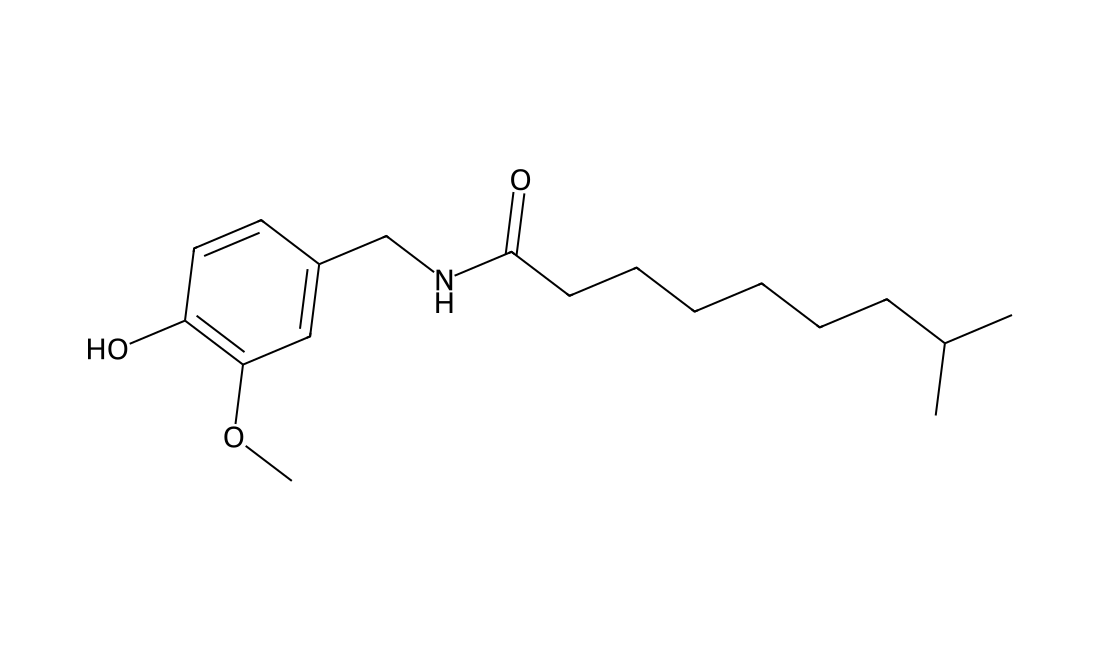
DC23085

Dihydrocapsaicin

CAS 19408-84-5

For the detailed information of Dihydrocapsaicin, the solubility of Dihydrocapsaicin in water, the solubility of Dihydrocapsaicin in DMSO, the solubility of Dihydrocapsaicin in PBS buffer, the animal experiment(test) (test) of Dihydrocapsaicin, the cell expriment (test) of Dihydrocapsaicin, the in vivo, in vitro and clinical trial test of Dihydrocapsaicin, the EC50, IC50,and Affinity of Dihydrocapsaicin,, please contact DC Chemicals.

Dihydrocapsaicin chemical structure
DC24017

SMER-18

CAS 944153-47-3

A small molecule autophagy enhancer that induces autophagy independently of rapamycin in mammalian cells and enhances the clearance of autophagy substrates such as mutant huntingtin and A53T alpha-synuclein; reduces toxicity in Huntington's disease models.

SMER-18 chemical structure
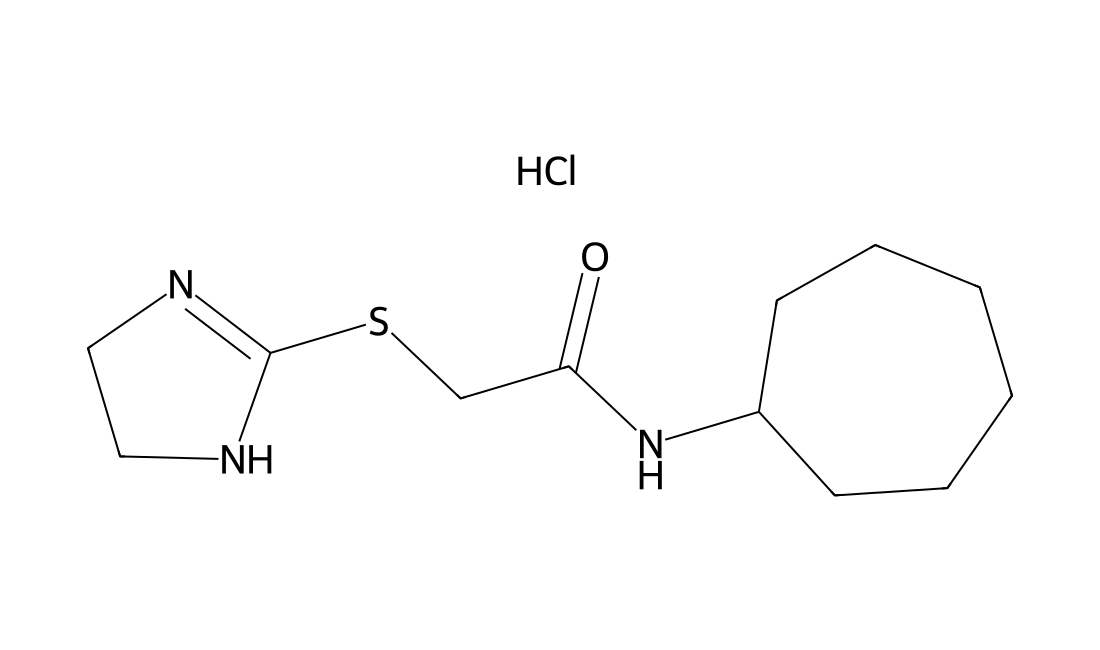
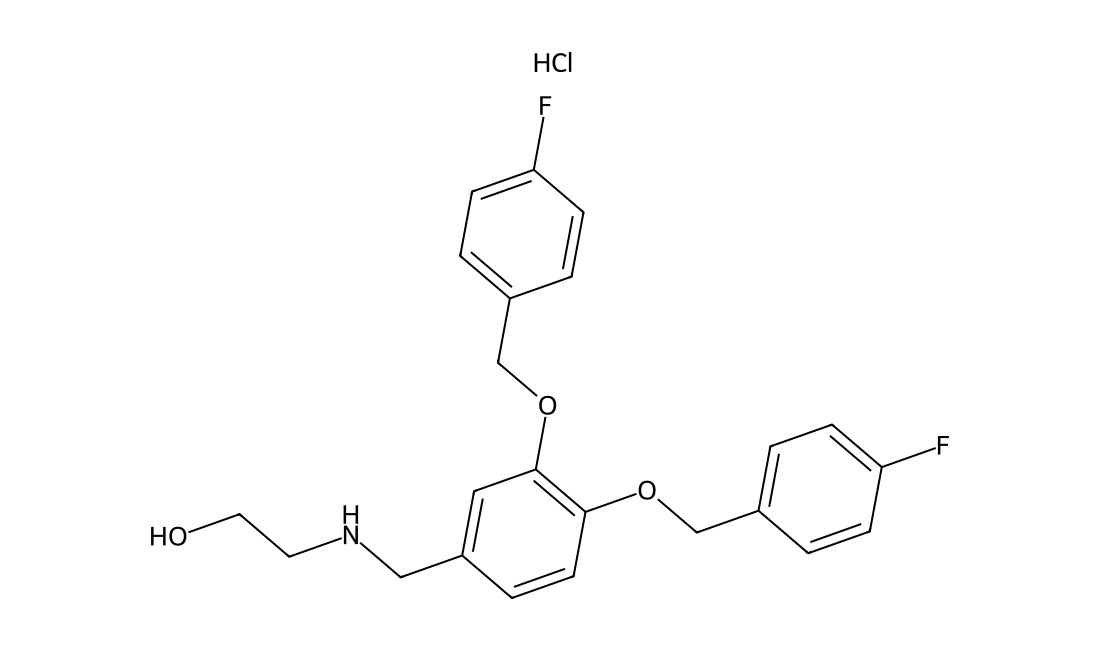
DC45531

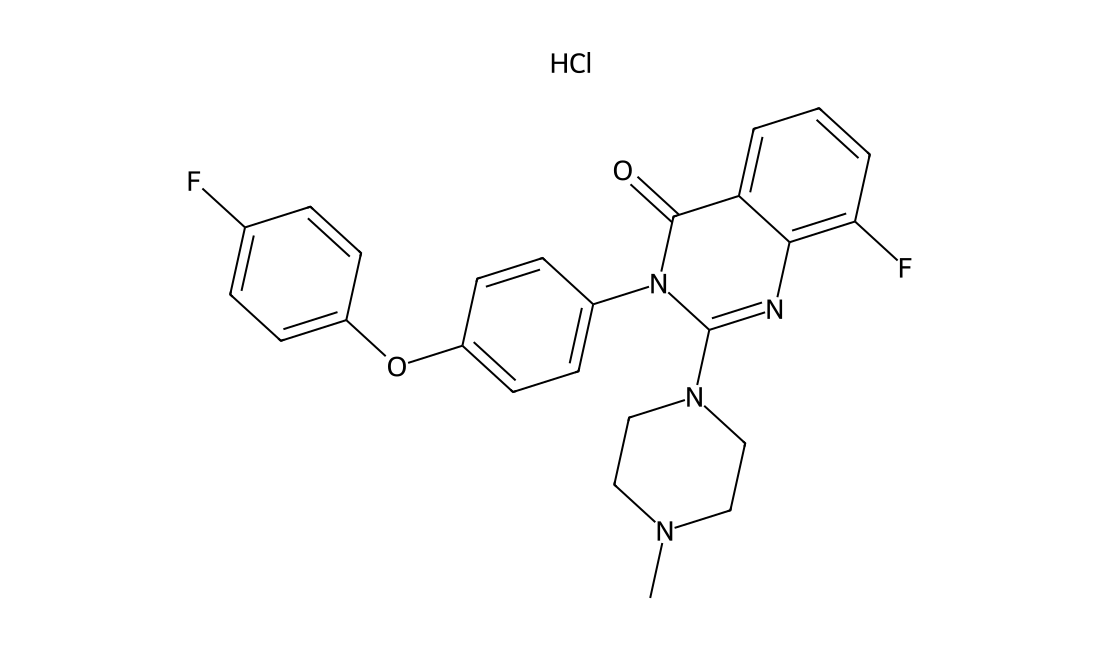
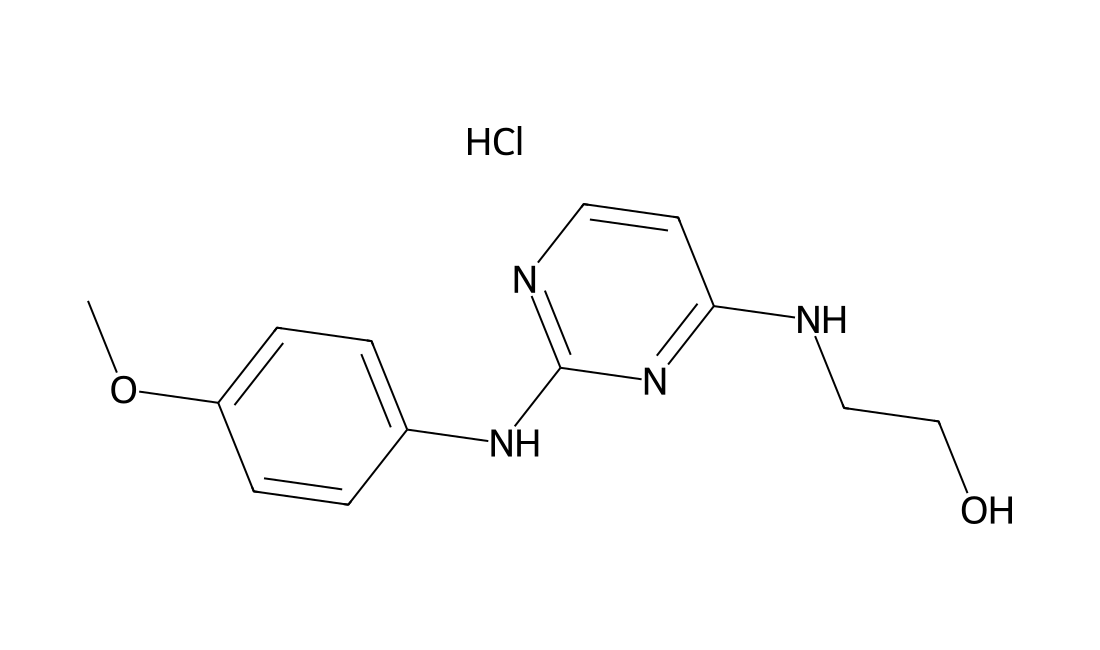
ICCB-19 hydrochloride

CAS 1803605-68-6

ICCB-19 hydrochloride is an inhibitor of TNFRSF1A Associated Via Death Domain (TRADD) with IC50 of 1.12 μM and 2.01 μM for protecting Velcade-induced apoptosis in Jurkat cells and protecting RDA in MEFs, respectively. ICCB-19 indirectly inhibits Receptor-interacting serine/threonine-protein kinase 1 (RIPK1). ICCB-19 effectively induces autophagy.

ICCB-19 hydrochloride chemical structure
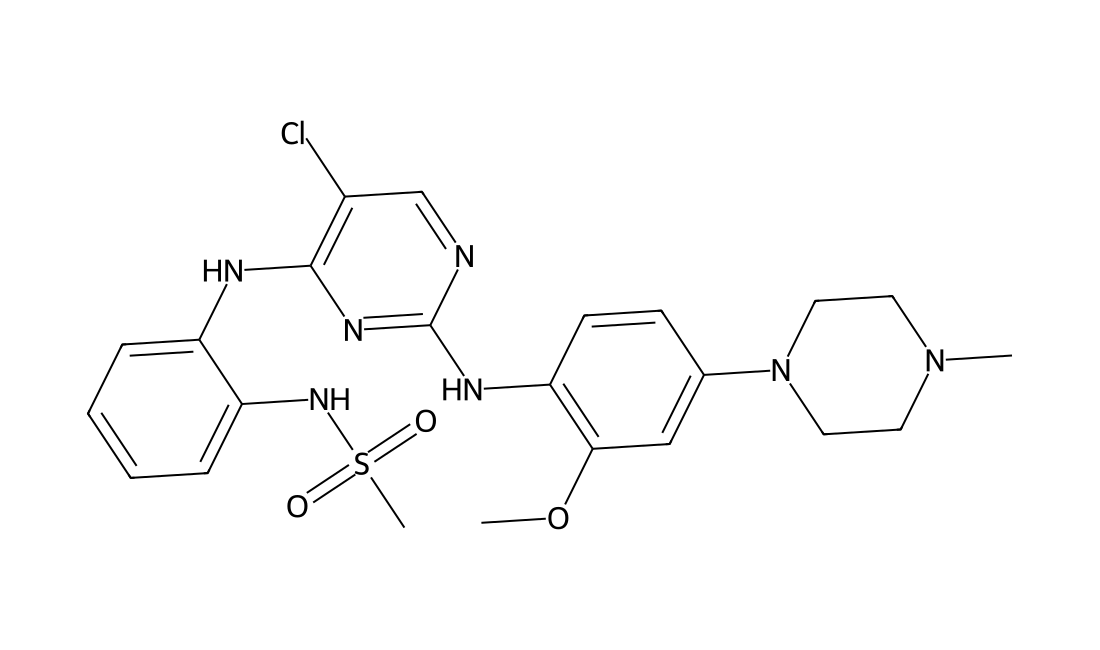
DC60758

ZX-29

CAS 2254805-62-2

ZX-29 is a potent and selective ALK inhibitor with an IC50 of 2.1 nM, 1.3 nM and 3.9 nM for ALK, ALK L1196M and ALK G1202R mutations, respectively. ZX-29 is inactive against EGFR. ZX-29 induces apoptosis by inducing endoplasmic reticulum (ER) stress and overcomes cell resistance caused by an ALK mutation. ZX-29 also induces protective autophagy and has antitumor effect.

ZX-29 chemical structure
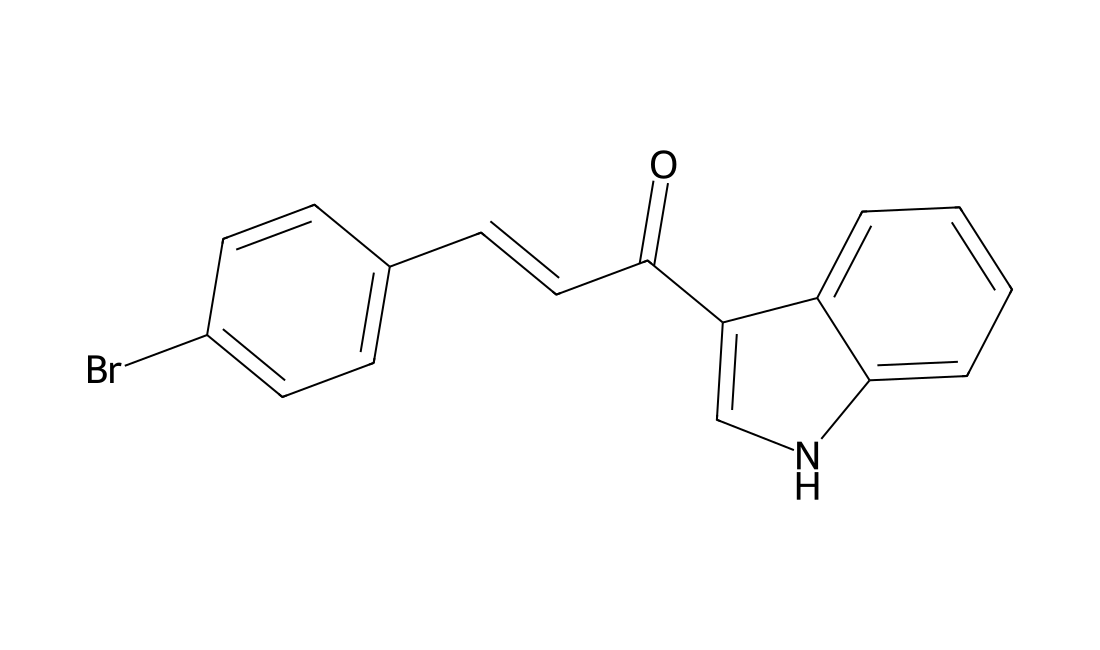
DC66363

MAO-B-IN-26

CAS 38470-71-2

MAO-B-IN-26 (Compound IC9) is a MAO-B and acetylcholinesterase inhibitor. MAO-B-IN-26 protects SH?SY5Y cells against Aβ induced cytotoxicity, morphological changes, ROS generation and membrane damage. MAO-B-IN-26 also inhibits Aβ induced autophagy and apoptosis. MAO-B-IN-26 can be used as a neuroprotective agent against Alzheimer’s disease.

MAO-B-IN-26 chemical structure
DC12331

XRK3F2

CAS 2375193-43-2

In Vitro The presence of XRK3F2 during MM-preOB co-cultures prevents Runx2 suppression at both d0 and d4. Furthermore, XRK3F2 blocks MM-induced upregulation of Gfi1. XRK3F2 blocks the induction of Gfi1 mRNA in BMSC in both treatment conditions. In contrast, XRK3F2 prevents both MM1.S CM and TNFα plus IL7-mediated Runx2 suppression. Further, the pro-inflammatory and myeloma pro-survival factor IL6 mRNA is also reduced by XRK3F2 treatment. In addition, XRK3F2 also prevents TNFα-mediated upregulation of Gfi1 and rescues inhibition of Runx2 in MC4 preOB. XRK3F2 prevents MM-induced GFI1 occupancy at the Runx2-P1 promoter. XRK3F2 treatment significantly rescues the H3K9ac levels at Runx2 in MM patient hBMSC and XRK3F2 can rescue early steps in osteogenesis.

XRK3F2 chemical structure
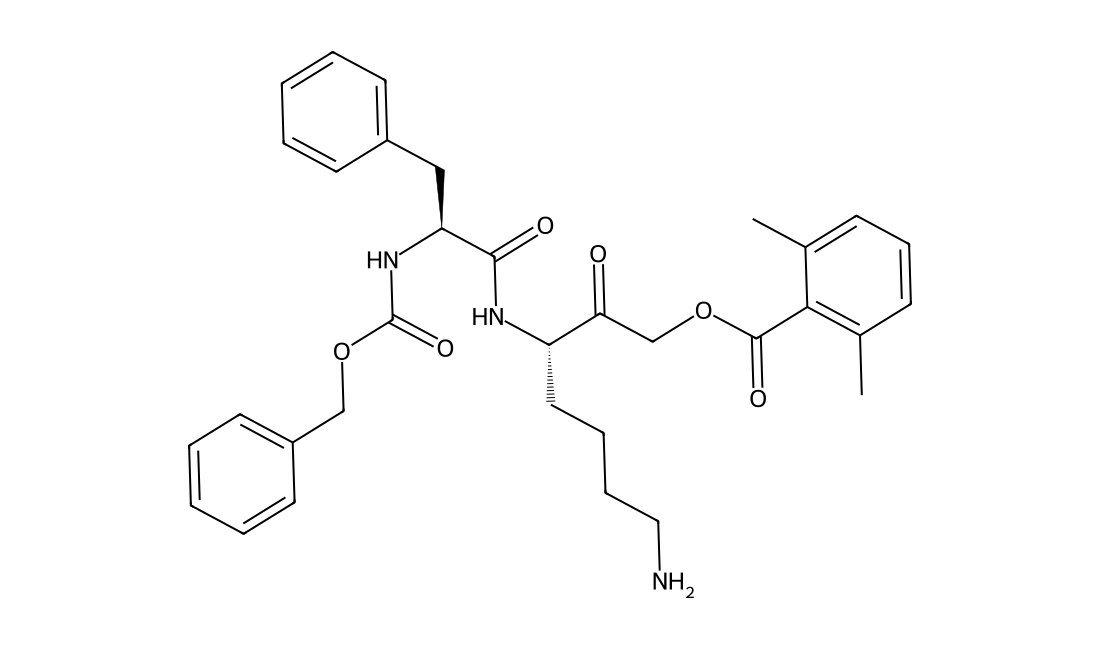
DC22975

GB111-NH2

CAS 956479-18-8

GB111-NH2 (Z-Phe-Lys-AOMK) is a novel cysteine cathepsin inhibitor that blocks the activity of cathepsins B, L and S. GB111-NH2 (Z-Phe-Lys-AOMK) inhibits autophagy and increases oxidative stress, specifically trigger macrophage cell death.

GB111-NH2 chemical structure
DC10194

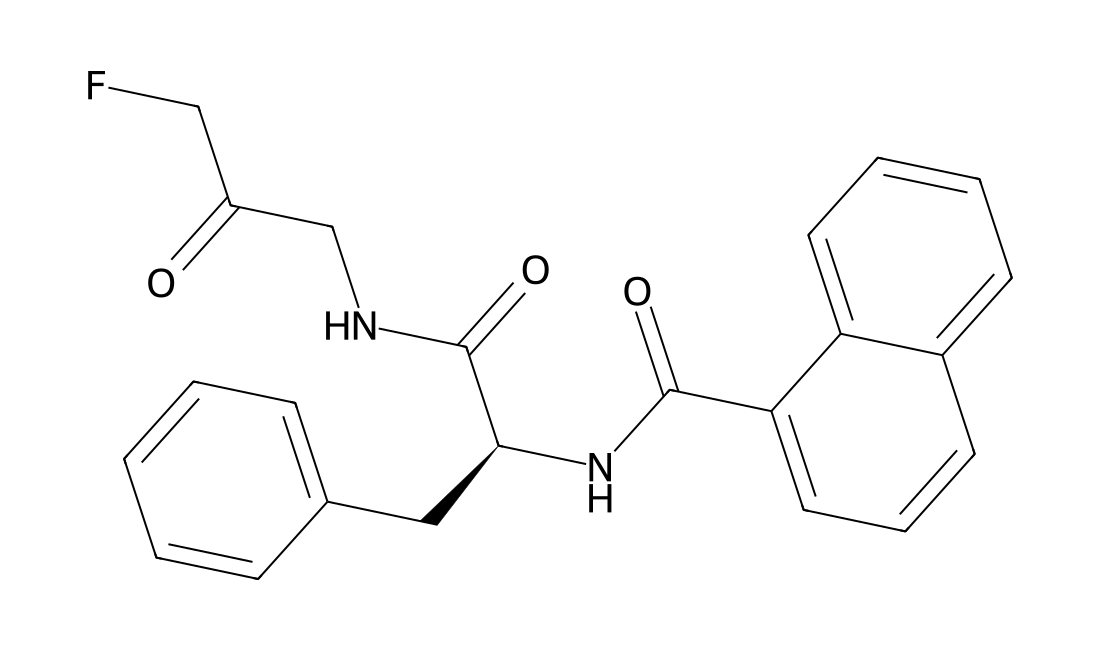
FMK 9a

CAS 1955550-51-2

ATG4B or autophagin-1 is a cysteine protease that cleaves ATG8 family proteins. ATG4B plays essential roles in the autophagosome formation and the autophagy pathway. FMK 9a shows strong inhibition of ATG4B, with IC50 values of 80 and 73 nM in the TR-FRET and cellular-based LRA assays, respectively. LC−MS/MS study indicates that FMK 9a forms an irreversible covalent bond with the more reactive thiol group of Cys74 located at the catalytic site of ATG4B and thus inactivates ATG4B proteolytic activity.FMK 9a shows moderate solubility (LYSA: 41 μg/mL) and high human and mouse liver microsome clearances of 13.9 and 70 mL/kg per minute.

FMK 9a chemical structure
DC60075

OUN67600(TRPV4 agonist-1)

CAS 2314467-60-0

OUN67600, is a Novel Transient Receptor Potential Vanilloid 4 (TRPV4) Agonist as Regulators of Chondrogenic Differentiation. OUN67600 was first reported by Atobe et al (compound 36 in J Med Chem. 2019 Feb 14;62(3):1468-1483). OUN67600 has CAS#2314467-60-0, no formal name. For the convenience of scientific communication, we named it as OUN67600 (combined from Inchi key plus CAS#) according to Hodoodo Chemical Nomenclature.

OUN67600(TRPV4 agonist-1) chemical structure
DC20006

LCL521

CAS 1226851-11-1

In Vitro LCL521 (1 µM) acts as a potent inhibitor of cellular ACDase activity, whereas 10 µM LCL521 has an additional, decreases affect on the α-form of this enzyme. LCL521 (10µM) causes a time-dependent (1 hours and 5 hours) decrease of the α-ACDase form in MCF7 cells.

LCL521 chemical structure
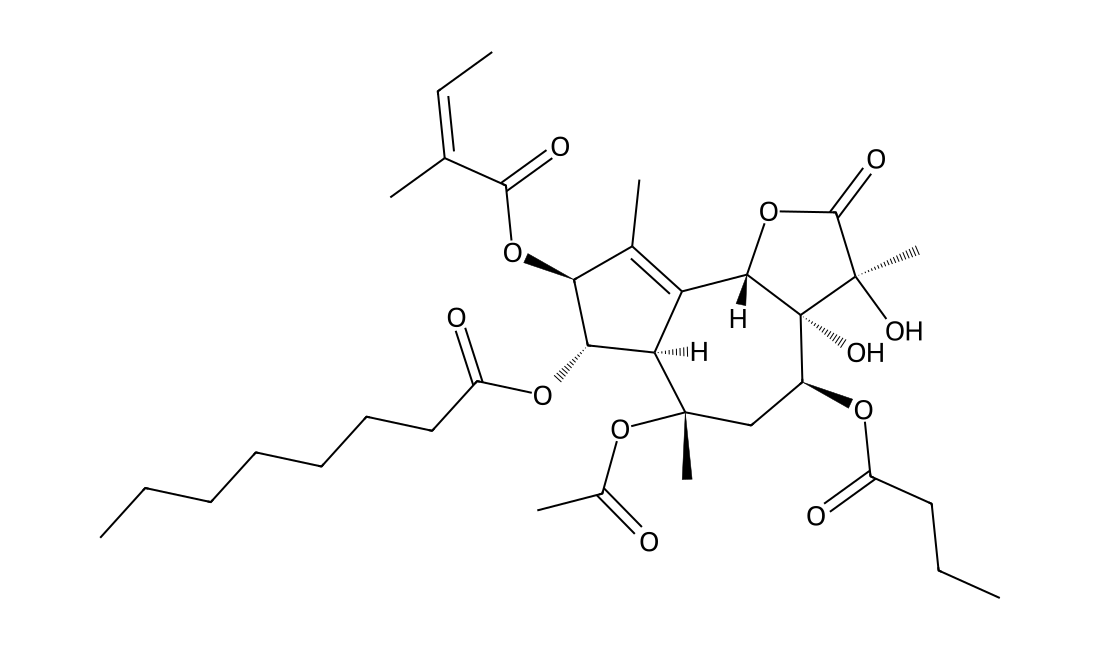
DC12070

Thapsigargin

CAS 67526-95-8

In Vitro Thapsigargin inhibits Ca2+ entry into human neutrophil granulocytes[1]. Thapsigargin inhibits the carbachol-evoked [Ca2+]i-transients with (IC50=0.353 nM) or without (IC50=0.448 nM) a KCl-prestimulation, but an additional small component, with a much lower sensitivity (IC50=4814 nM), is observed in the absence of a KCl-prestimulation. In contrast, the KCl-evoked [Ca2+]i-transients displayed only one component with a very low sensitivity to Thapsigargin in both absence (IC50=3343 nM) and presence (IC50=6858 nM) of a carbachol-prestimulation[2]. To determine whether hepatitis B virus (HBV) affects cell survival and apoptosis, the HepG2.2.15 and HepG2 cells are treated with 500 nM Thapsigargin (TG) or PBS for 24, 48, 72 and 96 h and cell proliferation is detected using the MTT assay. Thapsigargin inhibitscell growth in a time-dependent manner, especially in the HepG2 cells, for which 64% cell growth is inhibited at 96 h compared with 45% in the HepG2.2.15 cells (P<0.001). Similarly, at 24, 48 and 72 h, greater inhibition is observed for the HepG2 cells than for HepG2.2.15 cells. In Vivo To assess endoplasmic reticulum (ER) stress in vivo, interperitoneal injection of either Thapsigargin (TG; 0.5 ug/g/body weight) or Tunicamycin (TUN; 1 ug/g/body weight) is performed in mice. Thapsigargin at a dose of 0.5 ug/g/body weight is safe and does not elicit any adverse effects on survival in these mice. The induction of ER stress in the liver and adipose tissue of mice treated with either Thapsigargin or TUN is then examined, by assessing the expression of key ER stress and UPR markers. Both Thapsigargin and TUN treatment in mice results in significant expression of ER stress markers ATF6 and eIF2α in adipose tissue (p<0.05).

Thapsigargin chemical structure
DC26007

Spastazoline

CAS 2351882-11-4

Spastazoline is a potent and selective spastin (a microtubule-severing AAA protein) inhibitor, with an IC50 of 99 nM for Human spastin. Spastazoline shows no effect on ATPase activity of a recombinant human VPS4.

Spastazoline chemical structure
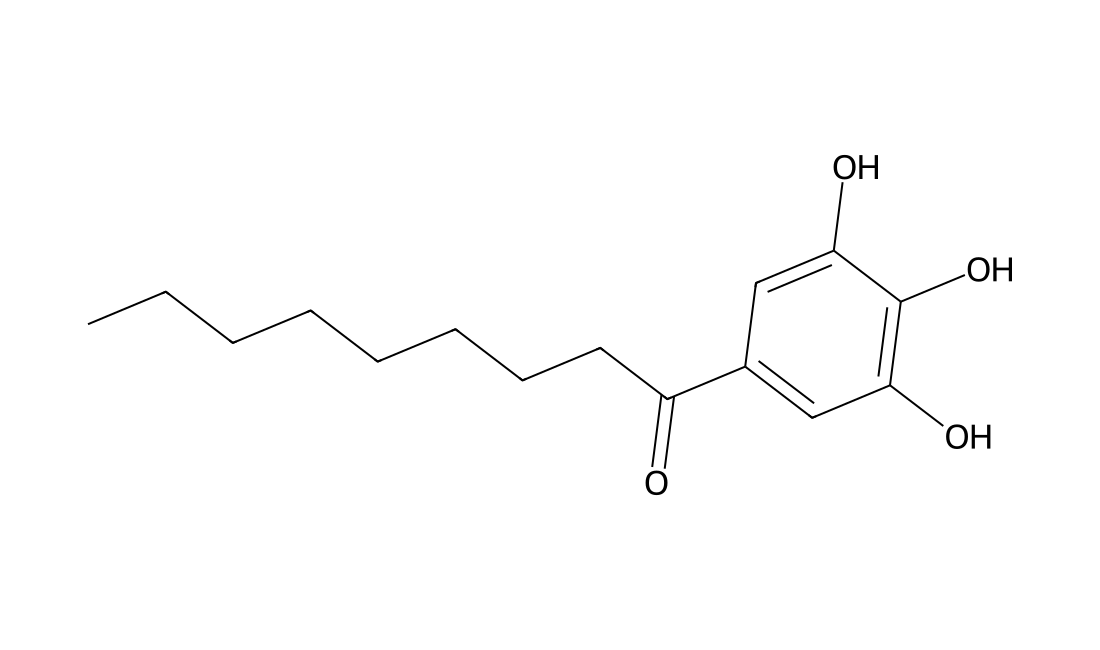
DC8417

SB273005

CAS 205678-31-5

In vitro, SB273005 inhibits human osteoclast-mediated bone resorption with IC50 of 11 nM. In blood containing MDA-MB-231 cells, a combination of SB273005 and lamifiban inhibits tumor cell adhesion to vascular extracellular matrix (ECM). In rat models of bone resorption and osteoporosis, SB273005 (30 mg/kg, p.o.) inhibits the parathyroid hormone-stimulated calcemic response, and inhibits bone loss. In rat with adjuvant-induced arthritis, SB273005 (60 mg/kg, p.o.) significantly reduces the symptoms of adjuvant-induced arthritis. SB273005 (1000 mg/kg/day, p.o.) causes acute, transient necrosis of vascular smooth muscle cell (VSMC) in aorta and renal arteries of mice. In pregnant mice, SB273005 reverses the reduction of Th1 cell-produced IL-2 levels and the increase of Th2 cell-derived IL-10 levels. [5] For the detailed information of SB273005, the solubility of SB273005 in water, the solubility of SB273005 in DMSO, the solubility of SB273005 in PBS buffer, the animal experiment (test) of SB273005, the cell expriment (test) of SB273005, the in vivo, in vitro and clinical trial test of SB273005, the EC50, IC50,and affinity,of SB273005, For the detailed information of SB273005, the solubility of SB273005 in water, the solubility of SB273005 in DMSO, the solubility of SB273005 in PBS buffer, the animal experiment (test) of SB273005, the cell expriment (test) of SB273005, the in vivo, in vitro and clinical trial test of SB273005, the EC50, IC50,and affinity,of SB273005, Please contact DC Chemicals.

SB273005 chemical structure
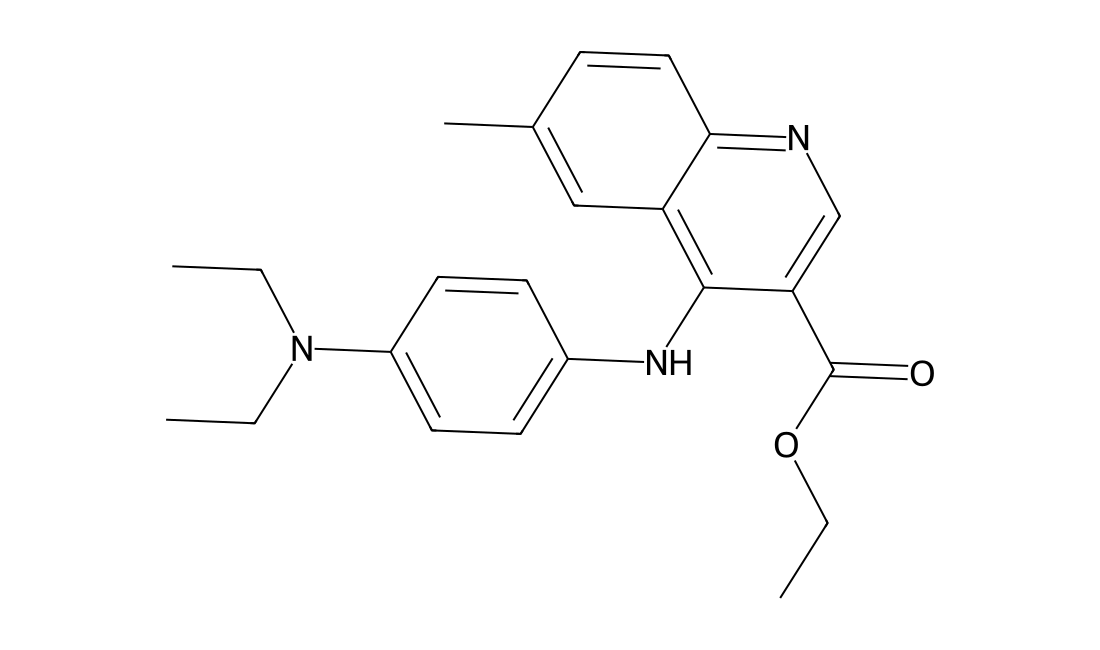
DC5139

QS 11 (QS11,BML-WN117)

CAS 944328-88-5

QS 11 is a GTPase activating protein of ADP-ribosylation factor 1 (ARFGAP1) inhibitor. Modulates ARF-GTP levels and synergizes with the Wnt/β-catenin signaling pathway to upregulate β-catenin nuclear translocation. Also reduces in vitro migration of metastatic human breast cancer cells.For the detailed information of QS 11 (QS11,BML-WN117), the solubility of QS 11 (QS11,BML-WN117) in water, the solubility of QS 11 (QS11,BML-WN117) in DMSO, the solubility of QS 11 (QS11,BML-WN117) in PBS buffer, the animal experiment (test) of QS 11 (QS11,BML-WN117), the cell expriment (test) of QS 11 (QS11,BML-WN117), the in vivo, in vitro and clinical trial test of QS 11 (QS11,BML-WN117), the EC50, IC50,and Affinity of QS 11 (QS11,BML-WN117), Please contact DC Chemicals.
QS 11 (QS11,BML-WN117) chemical structure
DC11343

MMP-2/MMP-9 Inhibitor III

CAS 244082-19-7

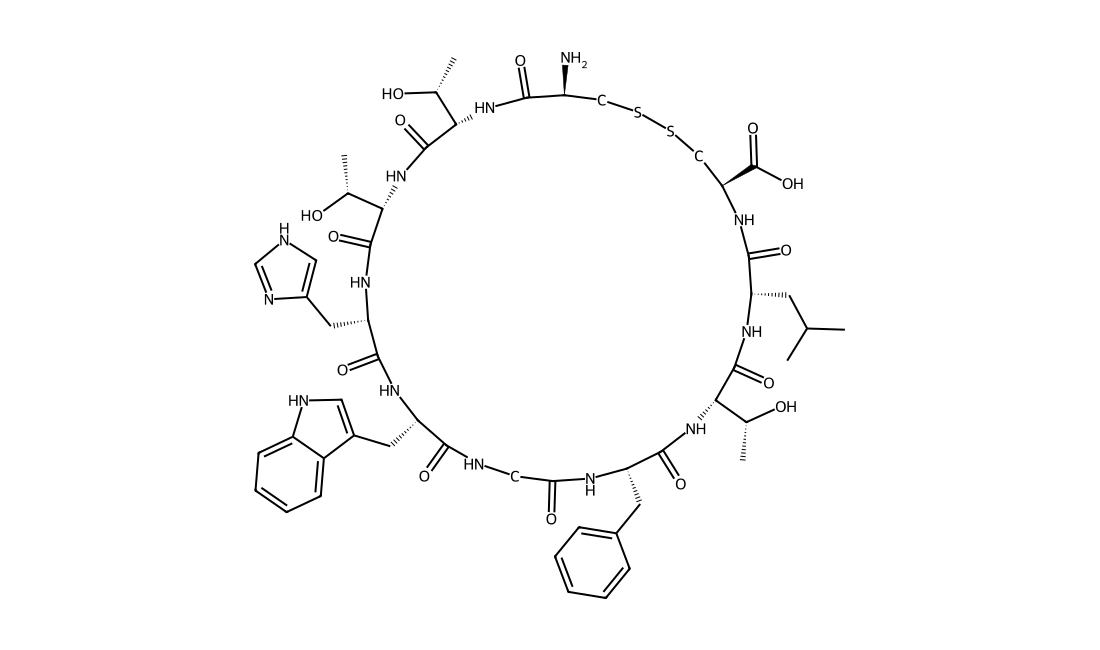
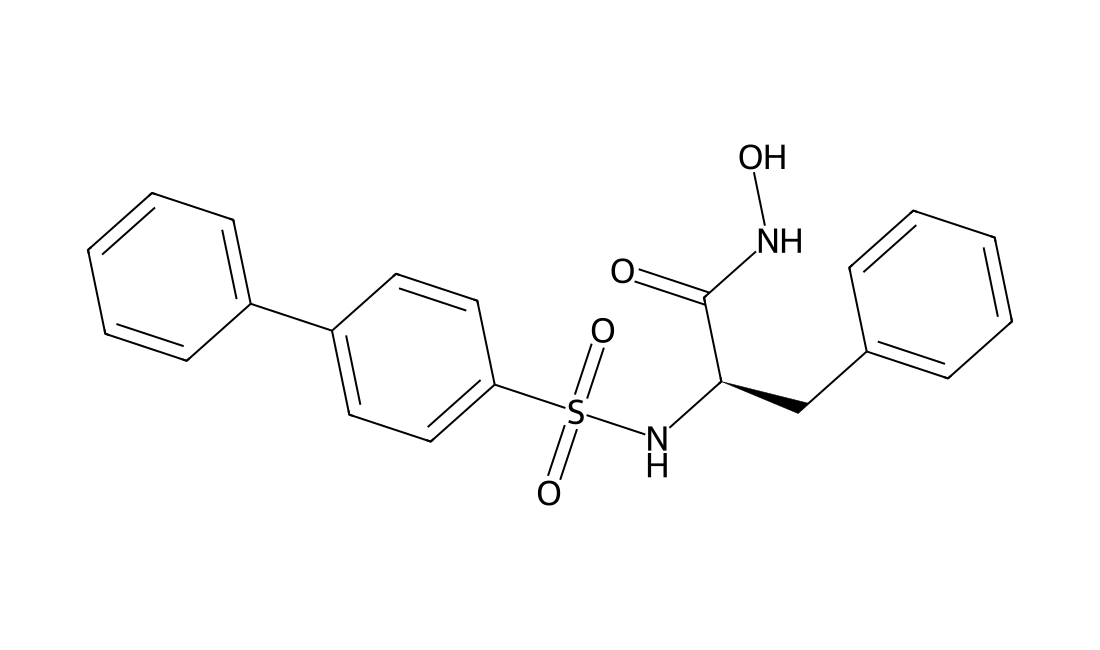
MMP-2/MMP-9 inhibitor III is a cyclic peptide inhibitor of matrix metalloproteinase-2 (MMP-2) and MMP-9 (IC50s = 10-20 μM for both).It is selective for MMP-2 and MMP-9 over MT1-MMP, MMP-8, and MMP-13 as well as the serine proteases trypsin-2, neutrophil elastase, and cathepsin G when used at a concentration of 500 μM. MMP-2/MMP-9 inhibitor III reduces migration of HT1080 fibrosarcoma, C8161 melanoma, SK-OV-3 ovarian carcinoma, and KS1767 Kaposi's sarcoma cells in vitro. Pretreatment with MMP-2/MMP-9 inhibitor III delays tumor formation in an MDA-MB-435 mouse xenograft model. MMP-2/MMP-9 inhibitor III (100-200 μg per animal) also prevents growth of established tumors in MDA-MB-435 and KS1767 mouse xenograft models.
MMP-2/MMP-9 Inhibitor III chemical structure
DC8968

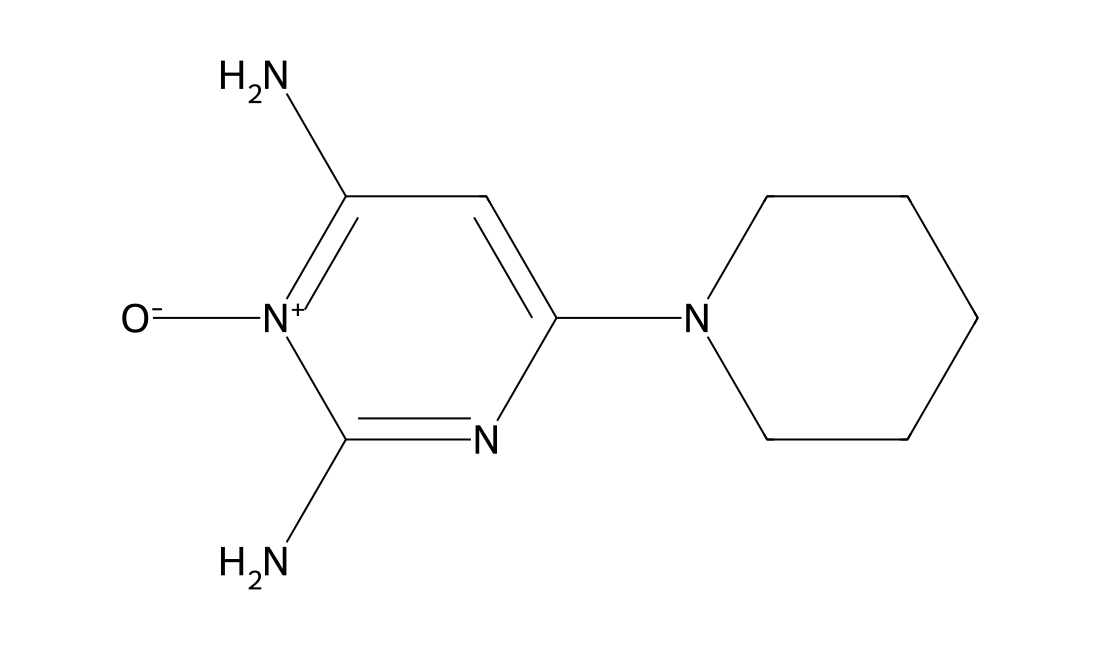
Minoxidil

CAS 38304-91-5

Minoxidil(U 10858) is an antihypertensive vasodilator medication.Minoxidil, a potent antihypertensive agent, induces generalized hypertrichosis when administered systemically, or localized hair regrowth when applied topically to sites of severe alopecia areata. The pharmacologic mechanisms by which minoxidil stimulates hair growth are unknown. This study was designed to examine whether minoxidil has direct effects on neonatal murine epidermal cells in culture. In the presence of minoxidil, cultures showed a marked dose-dependent second peak of DNA synthesis 8-10 days after culture initiation. In addition, two morphologically distinct cell types appeared. Indirect immunofluorescence staining with keratin-specific antibody revealed cytoplasmic keratin fibers, suggesting the epidermal origin of these cells. Our experiments demonstrate that minoxidil can affect epidermal cells in culture by altering their growth pattern and phenotypic appearance. Finite doses of minoxidil (2%, w/v) in formulations containing varying amounts of ethanol, propylene glycol (PG), and water (60:20:20, 80:20:0, and 0:80:20 by volume, respectively) were used. Minoxidil in SC (by tape stripping), appendages (by cyanoacrylate casting), and receptor fluid was determined by liquid scintillation counting. At early times (30 min, 2 h), ethanol-containing formulations (60:20:20 and 80:20:0) caused significantly greater minoxidil retention in SC and appendages, compared to the formulation lacking ethanol (0:80:20). A significant increase in minoxidil receptor penetration occurred with the PG-rich 0:80:20 formulation after 12 h.
Minoxidil chemical structure
DC21520

P62-mediated mitophagy inducer

CAS 1809031-84-2

P62-mediated mitophagy inducer (PMI) is a small molecule p62-mediated mitophagy inducer that activates mitophagy without recruiting Parkin or collapsing membrane potential and retains activity in cells devoid of a fully functional PINK1/Parkin pathway; induces doubling NQO1 activity at 1 uM, and upregulates Nrf2 and ARE-dependent antioxidant genes; increases the expression and signaling of the autophagic adaptor molecule P62/SQSTM1 and forces mitochondria into autophagy; disrupts the Nrf2-Keap1 interaction.

P62-mediated mitophagy inducer chemical structure
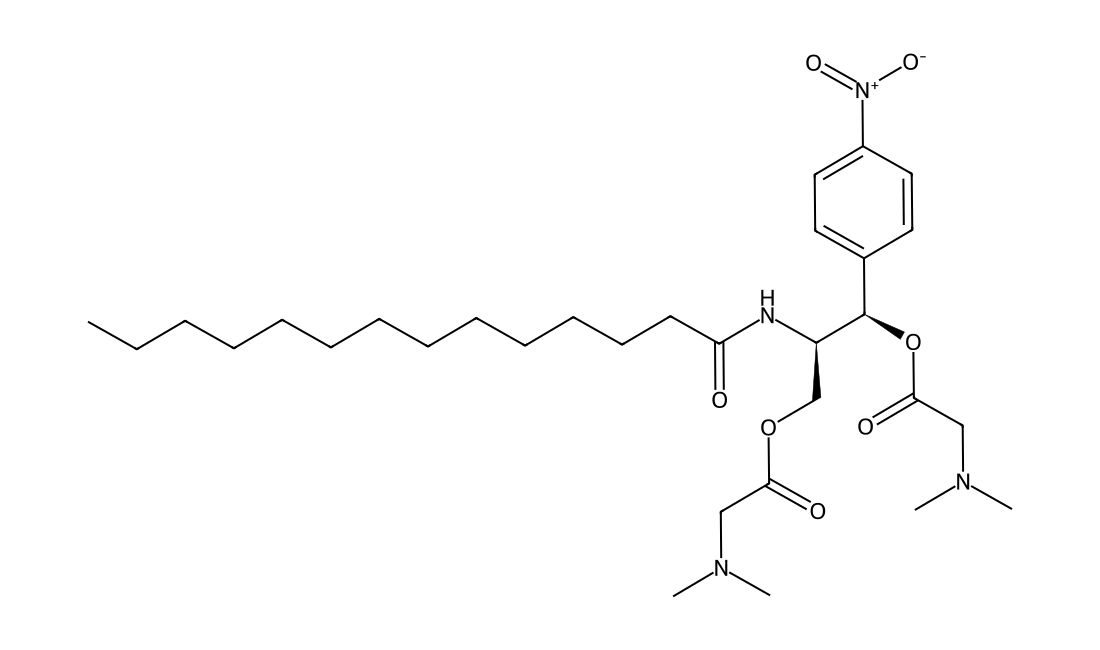
DC24127

Cardiogenol C hydrochloride

CAS 1049741-55-0

Cardiogenol C is a small cell-permeable molecule that selectively and efficiently induce mouse embryonic stem cells (ESCs) to differentiate into cardiomyocytes with EC50 of 0.1 uM; induces cardiac differentiation in P19 and in P19Cl6 cells, also induces hair bulge progenitor cells (HBPCs) to express transcription factors GATA4, Nkx2.5 and Tbx5, Cardiogenol C might exert its effect by activating the Wnt signaling pathway through the suppression of Kremen1.

Cardiogenol C hydrochloride chemical structure
DC12360

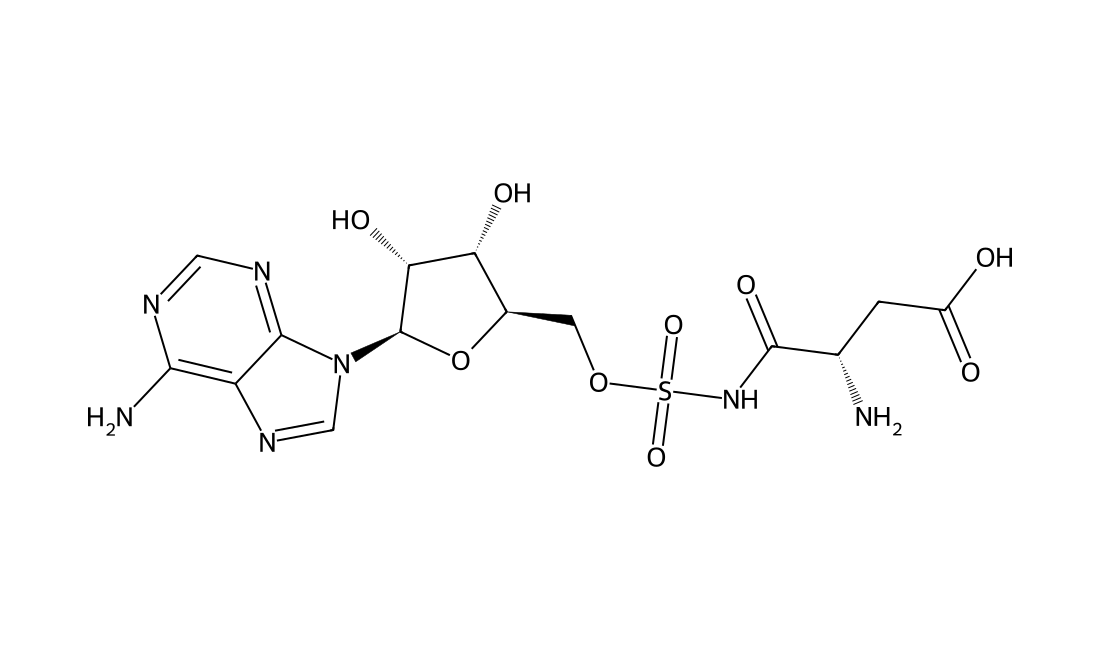
Asp-AMS

CAS 828288-98-8

In Vitro Asp-AMS is a 500-fold stronger competitive inhibitor of the mitochondrial enzyme than aspartol-AMP (10 nM) and a 35-fold lower competitor of human and bovine cyt-AspRSs (300 nM). Asp-AMS is a strong inhibitor with Ki in the nanomolar (nM) range. Asp-AMS has also the highest inhibitory effect for the mitochondrial enzyme. Asp-AMS is the most active inhibitor with Ki values in the nanomolar range, with a stronger effect on bacterial AspRSs (E. coli and P. aeruginosa) than on human cytosolic AspRS.

Asp-AMS chemical structure
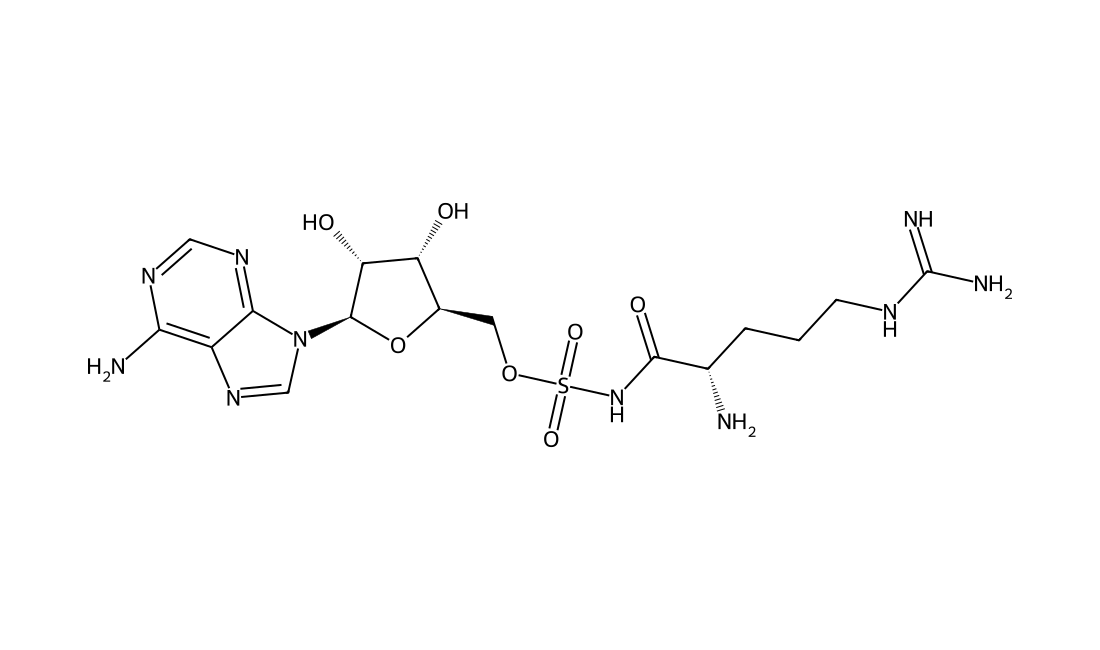
DC12359

Arg-AMS

CAS 301351-95-1

Arg-AMS is a potent nanomolar inhibitor of arginyl tRNA synthetase, which displays tightly bound inhibitory characteristics for the A-domains in non-ribosomal peptide synthetases (NRPS) enzymes.

Arg-AMS chemical structure
DC23910

Microcystin-LR

CAS 101043-37-2

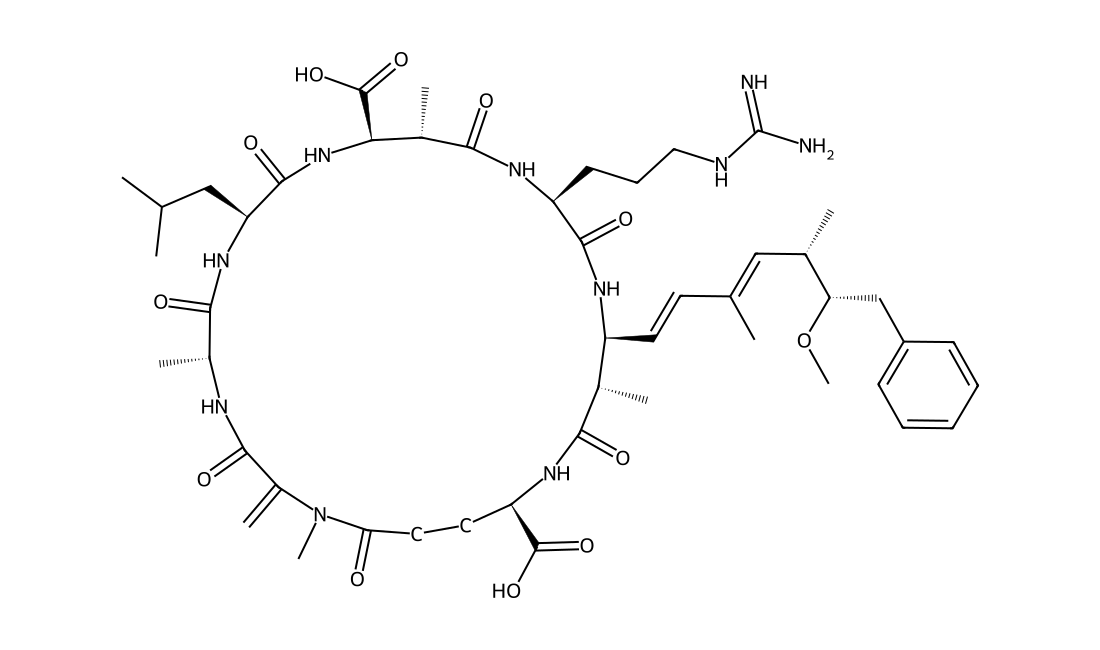
A potent, selective inhibitor of protein phosphatase 2A (PP2A) with IC50 of 0.04 nM; completely inhibits PP2A without affecting PP1 when used at a concentration of 0.5 nM, at least 10 times more potent as serine/threonine PP inhibitors than okadaic acid; PP1 IC50 is about 1.7 nM; shows cytotoxic activity against pancreatic cancer cells; also induces MMP-13 expression, promotes colorectal cancer invasion and migration.

Microcystin-LR chemical structure
Browse target & topic index A–Z (366)
11β-HSD (1)15-PGDH (2)5-HT Receptor (16)Acetyl-CoA Carboxylase (ACC) (3)Acetylcholinesterase (AChE) (2)Ack1 (TNK2) (1)Acyltransferase (1)ADC Cytotoxin (6)ADCs Linker/Click Chemistry (5)Adenosine Receptor (9)Adenylate Cyclase (2)Adrenergic Receptor (11)Akt (12)Alcoholism (2)Aldehyde Dehydrogenase (ALDH) (6)Allergy (5)Alzheimer Disease (13)Aminopeptidase (1)AMPK (8)Amyloids (4)Anaplastic Lymphoma Kinase (ALK) (9)Androgen Receptor (AR) (11)Anemia (4)Angiotensin Receptor (4)Antibody/Protein labeling dyes (1)Antifolate (2)Anxiety (1)Apoptosis Inducer (3)Arginase (1)Arp2/3 complex (1)Aryl hydrocarbon Receptor (AhR) (1)Asthma (5)Atherosclerosis (2)ATM/ATR (8)Aurora Kinase (10)Autophagy (6)Autophagy-related Protein (Atg) (2)Autotaxin (2)Bacterial (26)Bacterial Infection (17)Bcl-2 (14)Bcr-Abl (5)BCRP (1)Beta-catenin (4)Beta-secretase (BACE) (4)Blood Cancer (91)BMI-1 (1)Bone Cancer (6)Brain Cancer (6)Breast Cancer (30)Bromodomain (22)BTK (10)c-Fms (CSF1R) (5)c-Fos/AP-1 (1)c-Kit (6)c-Met (HGFR) (11)c-Myc (2)Calcium Channel (4)Calcium-sensing Receptor (CaSR) (1)CaMK (4)Cannabinoid Receptor (6)Carbonic Anhydrase (1)Carboxypeptidase (1)Casein Kinase (6)Caspase (4)Cathepsin (6)Cdc2-like Kinase (CLK) (1)CETP (2)CFTR (7)Checkpoint Kinase (Chk) (8)Chemokine Receptor (CCR and CXCR) (14)Chemotherapeutic Agents (19)Chloride Channel (1)CMV (2)CMV Infection (2)Colon Cancer (9)Complement System (1)COPD (3)CREB/CBP (2)CRF Receptor (2)CRISPR/Cas9 (1)Cushing Disease (1)Cyclin-dependent Kinase (CDK) (39)Cyclooxygenase (COX) (4)Cytochrome P450 (CYPs) (5)Depression (2)Dermatitis (2)Deubiquitinase (DUB) (7)Diabetes (20)Dipeptidyl Peptidase (DPP) (3)Discoidin Domain Receptor (DDR) (1)DNA Alkylator/Crosslinker (10)DNA Methyltransferase (DNMT) (1)DNA Repair Protein (1)DNA-PK (2)DNA/RNA Synthesis (5)Dopamine beta-hydroxylase (1)Dopamine Receptor (7)Drug Metabolite (1)Drug-Linker Conjugates (11)Dyes (4)DYRK (1)Dyslipidemia (9)E3 Ligase Ligand (6)E3 Ligase Ligand-Linker Conjugate (1)E3 Ubiquitin Ligase (4)Ebola Virus Infection (1)EGFR (32)Elastase (2)Endothelin Receptor (5)Enzymes substrates (13)Epigenetic Reader Domain (3)Epilepsy (4)ERK (4)Estrogen Receptor/ERR (13)Eukaryotic Initiation Factor (eIF) (2)Exportin-1 (CRM1,XPO1) (2)FABP (1)Factor Xa (5)Farnesoid X Receptor (FXR) (5)Farnesyl transferase (FTase) (1)Ferroptosis (6)FGFR (15)Fibrosis (5)FLT3 (6)Focal Adhesion Kinase (FAK) (11)Foxo1 (1)Free Fatty Acid Receptor (FFAR) (5)Fungal (2)Fungal Infection (1)GABA Receptor (13)Galectin (1)Gastric Cancer (8)Ghrelin Receptor (GHSR) (3)Glucagon Receptor (4)Glucokinase (2)Glucose Transporter (GLUT) (2)Glutamate Transporter (2)GPCR (1)GPER (GPR30) (1)GPR139 (1)GPR183 (EBI2) (2)GPR39 (1)GPR55 (1)GPR84 (1)GRK (GPCRK) (2)Growth Hormone Deficiency (2)GSK-3 (8)Guanylate Cyclase (3)HBV (1)HBV Infection (1)HCN Channel (2)HCV (8)HCV Infection (9)HDAC (38)Heart Arrhythmia (2)Heart Failure (5)Heat Shock Protein (HSP) (15)Hedgehog (Hh) (1)HIF/HIF Prolyl-hydroxylase (8)Histamine Receptor (6)Histone Acetyltransferase (HAT) (5)Histone Demethylase (11)Histone Methyltransferase (HMTase) (31)HIV (12)HIV Infection (11)HMG-CoA Reductase (HMGCR) (3)HSV (1)HSV Infection (1)Hypercholesterolemia (1)Hyperparathyroidism (1)Hypertension (8)IAP (1)IGF-1R (3)iGluR (15)Indoleamine 2,3-Dioxygenase (IDO) (4)Infection (1)Influenza (6)Influenza Virus (6)Insulin Receptor (2)Integrin (6)Interleukin Receptor (1)IRAK (2)IRE1 (4)Irritable Bowel Syndrome (2)Ischemia (1)Isocitrate Dehydrogenase (IDH) (5)ITK (1)IκB kinase (IKK) (7)JAK (32)JNK (3)Keap1-Nrf2 (6)Kidney Cancer (10)Kinesin (5)Kruppel-like Factor (KLF) (1)Kynurenine 3-Monooxygenase (KMO) (1)Leukotriene Receptor (1)LIM Kinase (LIMK) (3)Lipids fragment (1)Liver Cancer (6)Liver X Receptor (LXR) (3)LRRK2 (9)Lung Cancer (39)Lysophospholipid Receptor (12)LYTACs (3)mAChR (9)MALT1 (2)MAP4K (1)Matrix Metalloproteinase (MMP) (10)MDM2-p53 (9)MEK (MAP2K) (14)MEKK (MAP3K) (1)Melanocortin Receptor (2)MELK (1)mGluR (7)MicroRNA (1)Microtubule/Tubulin (5)Mineralocorticoid Receptor (MLR) (1)MITF (1)Mixed Lineage Kinase (MLK) (3)MNK (2)Molecular Glues (13)Monoamine Transporter (5)Monocarboxylate Transporter (MCT) (1)Monopolar Spindle 1 (Mps1/TTK) (3)mTOR (13)Multiple Sclerosis (6)Myosin (1)Na-K-Cl Cotransporter (NKCC) (2)nAChR (2)NADPH Oxidase (NOX) (2)NAMPT (3)Natural products (37)Neprilysin (1)Neurokinin Receptor (3)Neuropeptide Y Receptor (3)NF-κB (5)Nitric Oxide Synthase (NOS) (1)NOD-like Receptor (NLR) (3)Notch (2)Nucleoside Antimetabolite/Analog (10)Nur77 (NR4A1) (1)Obesity (1)Oct3/4 (1)Opioid Receptor (5)Orexin Receptor (7)Osteoporosis (2)Ovarian Cancer (14)Oxytocin Receptor (OXTR) (2)P-glycoprotein (P-gp) (3)p21-activated Kinase (PAK) (1)P2X Receptor (2)P2Y Receptor (1)p38 MAPK (10)p97/VCP (1)Pain (12)Pancreatic Cancer (10)Parasite (5)Parasite Infection (2)Parkinson Disease (2)PARP (19)PCSK9 (1)PD-1/PD-L1 (4)PDGFR (4)PDK1 (2)PEGn (1)PERK (2)PGE synthase (2)Phosphodiesterase (PDE) (9)Phospholipase (4)PI3K (32)PI4K (2)Piezo Channel (1)PIKfyve (3)Pim (9)PKC (12)PKD (1)Plasminogen Activator Inhibitor-1 (PAI-1) (3)Polo-like Kinase (PLK) (4)Porcupine (3)Potassium Channel (13)PPAR (13)Pregnane X Receptor (PXR) (1)Progesterone Receptor (2)Prostaglandin Receptor (11)Prostate Cancer (7)PROTACs (35)Protease-activated Receptor (PAR) (3)Proteasome (12)Protein Disulfide Isomerase (PDI) (1)Protein Phosphatase/PTP (6)Proton Pump (1)Psoriasis (5)RAD51 (1)Radioligand precursors (15)Raf (18)RAR/RXR (3)Ras (17)Renin (2)RET Tyrosine Kinase (c-RET) (3)Rheumatoid Arthritis (16)Ribosomal S6 Kinase (RSK) (5)RIG-I-like Receptor (RLR) (2)RIP kinase (7)ROCK (12)ROR (2)RSV (4)RSV Infection (3)RUNX1-CBFβ (1)S-nitrosoglutathione reductase (GSNOR) (1)Saccharides and Glycosides (1)Salt Inducible Kinase (SIK) (2)SARS-CoV (16)SARS-CoV Infection (34)Schizophrenia (4)Sexual Dysfunction (1)SGLT (4)Sigma Receptor (4)Sirtuin (9)Skin Cancer (13)Sleep Disorder (7)SMN2 Modulator (1)Smoothened (Smo) (9)Sodium Channel (12)Solid Tumors (35)Somatostatin Receptor (2)Sphingosine kinase (SphK) (2)Src (7)STAT (5)Stearoyl-CoA Desaturase (SCD) (1)Steatohepatitis (7)Sterol lipids (1)STING (14)Syk (6)T Cell Receptor (TCR) (1)TAK1 (2)TAM Receptor (Tyro3-Axl-Mer) (4)Taste Receptor (1)Telomerase (2)TGF beta Receptor (TGFBR) (12)Thrombin (3)Thrombosis (13)Thyroid Cancer (1)Thyroid Hormone Receptor (THR) (1)Thyrotropin Receptor (2)TNIK (1)Toll-like Receptor (TLR) (2)TOPK (1)Topoisomerase (11)TRAIL (1)Translocator Protein (TSPO) (1)Trk Receptor (4)TRP Channel (13)Tryptophan Hydroxylase (TPH) (1)Ubiquitin-activating Enzyme (E1) (2)Ubiquitin-conjugating Enzyme (E2) (2)Ulcer (1)ULK (3)Vasopressin Receptor (2)VEGFR (25)Vitamin D Receptor (VDR) (3)Wee1 (1)WNK Kinase (1)Wnt (5)Yes-associated Protein (YAP) (4)γ-secretase (5)

Cart

Request quotation