
DNA Damage, Repair & Cell Cycle
DNA replication, repair, mitosis and cell-cycle regulation.
Browse all research categories
Browse by research category
Products may appear in more than one category. Counts refer to distinct catalog numbers within each category.
Kinases & Cell Signaling1,548 products →938 products →Epigenetics & Gene Regulation410 products →277 products →DNA Damage, Repair & Cell Cycle342 products →228 products →Cell Death & Autophagy233 products →117 products →Protein Degradation & Proteostasis252 products →178 products →Immunology & Inflammation515 products →297 products →Neuroscience793 products →363 products →GPCRs & Receptor Biology1,219 products →428 products →Ion Channels & Transporters373 products →196 products →Metabolism & Endocrinology697 products →404 products →Cardiovascular & Hematology264 products →141 products →Anti-infectives453 products →205 products →Cancer Research1,049 products →532 products →ADCs & Bioconjugation61 products →38 products →Probes & Assay Reagents150 products →82 products →Natural Products424 products →73 products →Cell Biology & Intracellular Transport181 products →61 products →
Other Research Tools (75) · Additional reagents, building blocks and specialized research tools.
DNA Damage, Repair & Cell Cycle products
Combine a keyword, research category and target to narrow the product list.
Loading catalog filters…
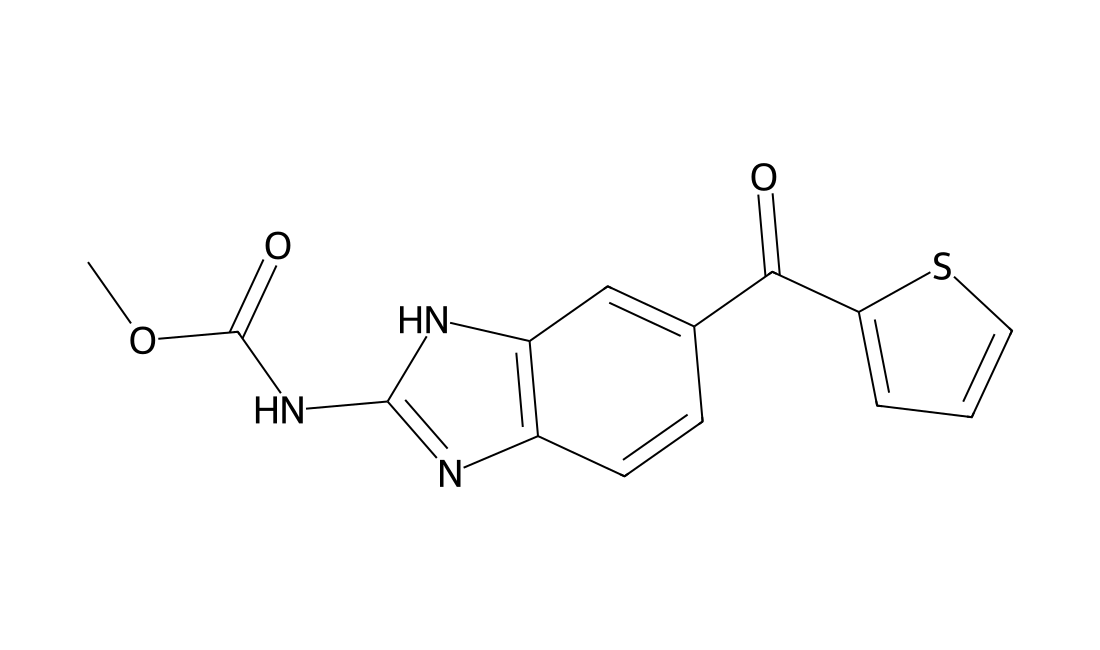
Nocodazole
CAS 31430-18-9
Nocodazole is a rapidly-reversible inhibitor of microtubule. Nocodazole binds to β-tubulin and disrupts microtubule assembly/disassembly dynamics, which prevents mitosis and induces apoptosis in tumor cells.
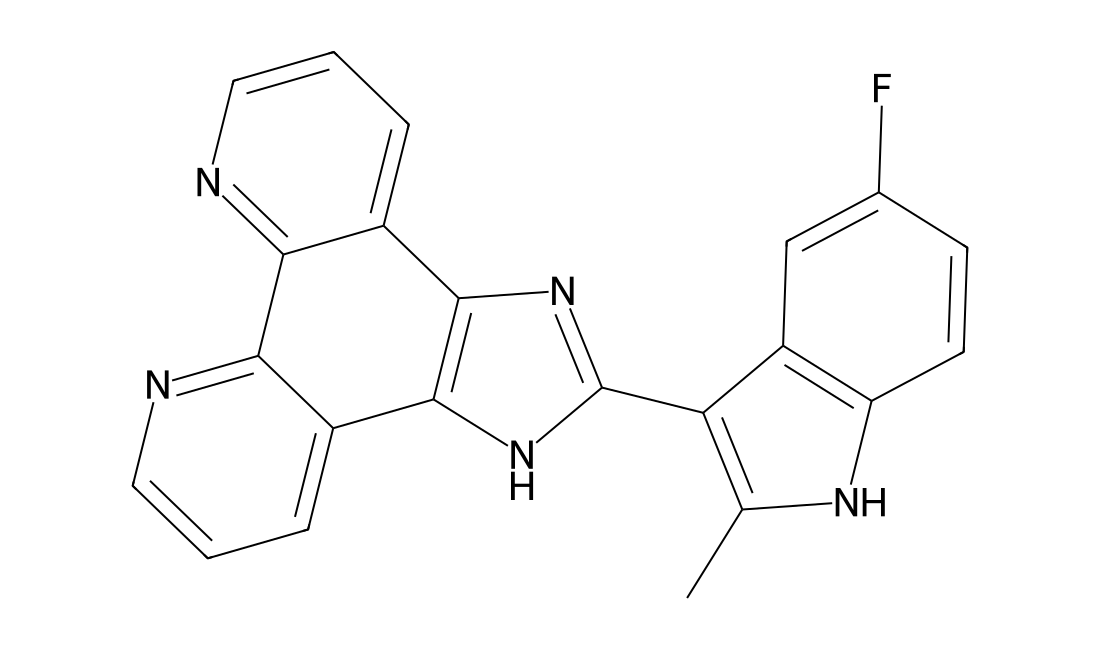
APTO-253
CAS 916151-99-0
APTO-253 is a novel small molecule with potent anti-tumor activity in cancer cells via induction of the gene that expresses the Krüppel-like factor 4 (KLF4) master transcription factor, leading to cell cycle inhibition and programmed cell death.in vitro: APTO-253 demonstrats potent and selective growth inhibition of a variety of solid tumor cell lines, including colon cancer, non-small cell lung cancer (NSCLC), prostate cancer and melanoma, with IC50 values of 0.04- 2.6 μM. APTO-253 demonstrats even great potency of growth inhibitory activity against leukemia cell lines, including AML, ALL and chronic myeloid leukemia (CML), as well as non-Hodgkin's lymphoma (NHL) cell lines, with IC50 values ranging from 7 nM - 0.3 μM. in vivo: Nonclinical pharmacology studies have demonstrated that APTO-253 exerts in vivoanti-tumor activity in solid tumors and hematologic cancers.
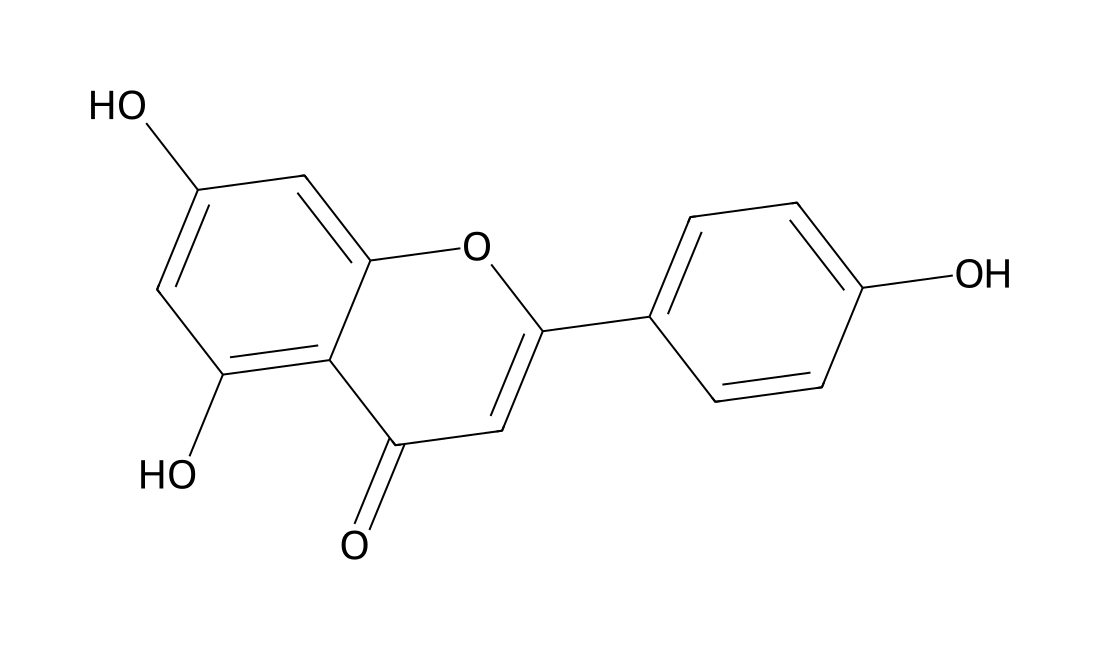
Apigenin
CAS 520-36-5
A plant flavonoid that has been found to inhibit cell proliferation by arresting the cell cycle at the G2/M phase. Inhibition of growth through cell cycle arrest and induction of apoptosis appear to be related to induction of p53.Inhibits PMA-mediated tumor promotion by inhibiting protein kinase C1 and the resulting suppression of oncogene expression. It has also been reported to inhibit topoisomerase I-catalyzed DNA re-ligation and enhance gap junctional intercellular communication.
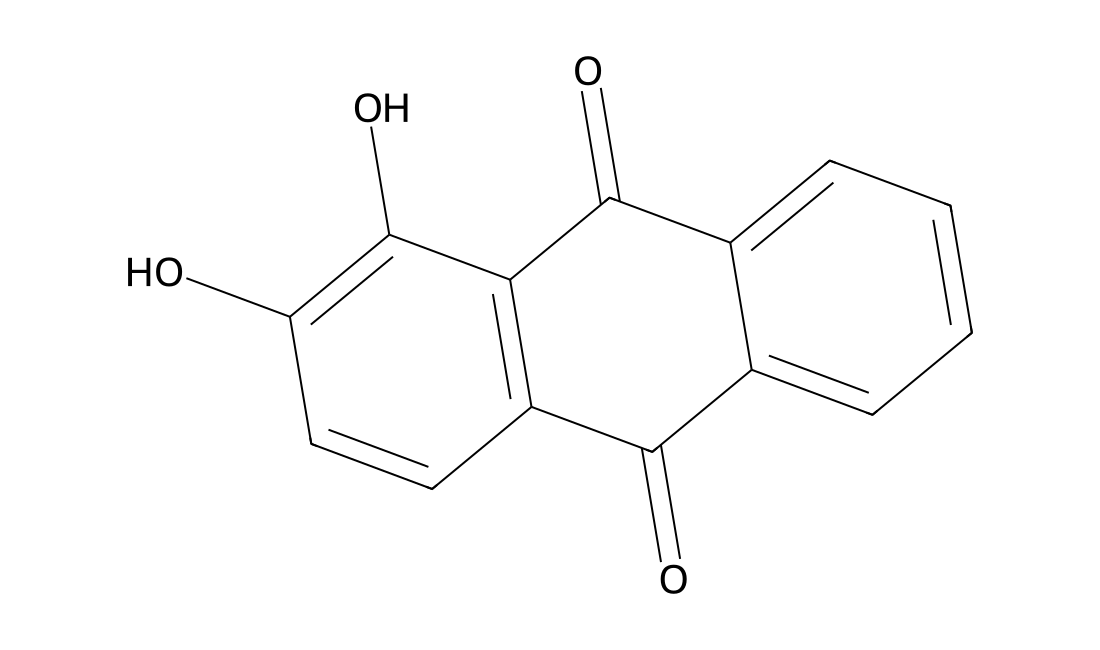
Alizarin
CAS 72-48-0
For the detailed information of Alizarin, the solubility of Alizarin in water, the solubility of Alizarin in DMSO, the solubility of Alizarin in PBS buffer, the animal experiment(test) (test) of Alizarin, the cell expriment (test) of Alizarin, the in vivo, in vitro and clinical trial test of Alizarin, the EC50, IC50,and Affinity of Alizarin,, please contact DC Chemicals.
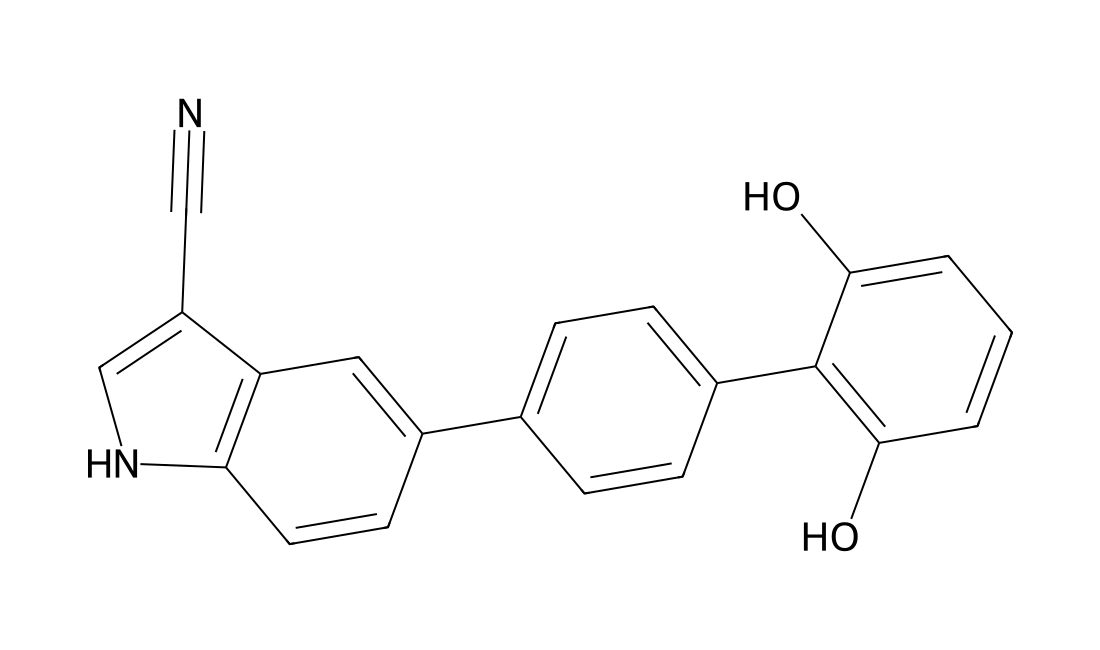
MT 63-78
CAS 1179347-65-9
MT 63-78 is a specific and potent direct AMPK activator with an EC50 of 25 μM. MT 63–78 also induces cell mitotic arrest and apoptosis. MT 63-78 blocks prostate cancer growth by inhibiting the lipogenesis and mTORC1 pathways. MT 63-78 has antitumor effects[1].
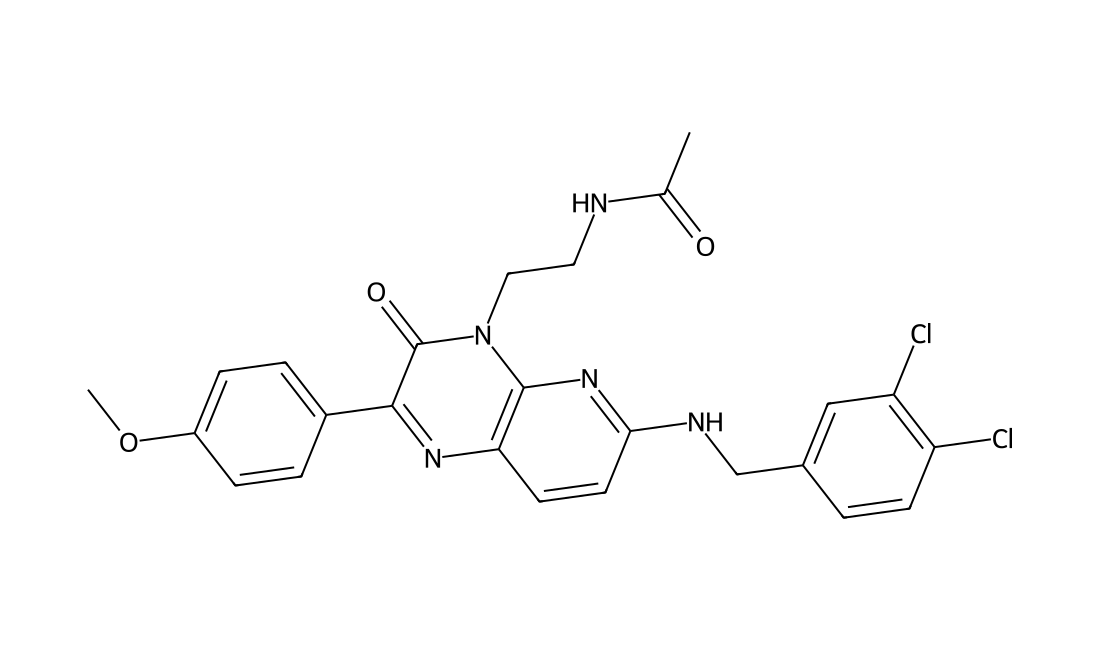
CVT-11127
CAS 1018674-83-3
CVT-11127 functions as a potent inhibitor of stearoyl-CoA desaturase (SCD), demonstrating significant biological activity. This compound triggers apoptotic pathways and effectively halts cell cycle progression at the G1/S transition phase. Due to these mechanisms of action, CVT-11127 shows promise as a candidate for lung cancer research.
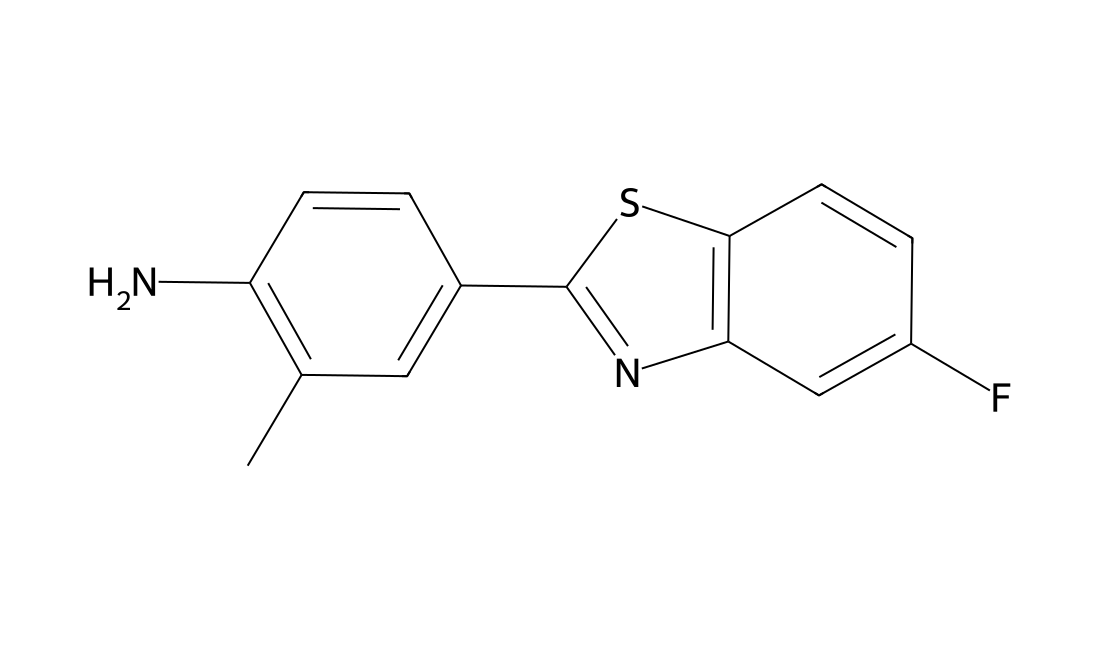
5F 203
CAS 260443-89-8
A potent, selective antitumour agent through activation the aryl hydrocarbon receptor (AhR) pathway; causes MCF-7 sensitive cells to arrest in G(1) and S phase, and induces DNA adduct formation, in contrast to AhR-deficient AH(R100) variant MCF-7 cells, induces CYP1A1 and CYP1B1 transcription; L-lysylamide prodrug Phortress (NSC 710305) demonstrats antitumor activity in vivo.
FiVe1
CAS 932359-76-7
FiVe1 is a vimentin binding small molecule that promotes vimentin disorganization and phosphorylation during metaphase, causes mitotic catastrophe, multinucleation, and the loss of stemness in cancer cells.
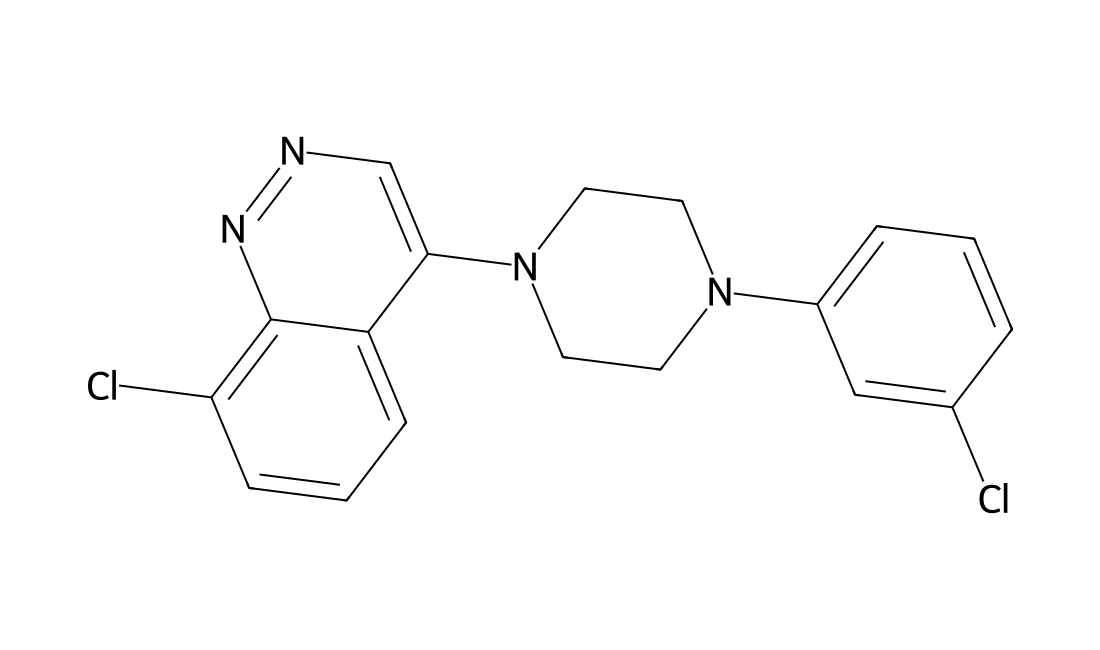
SNS-314
CAS 1057249-41-8
SNS-314 is a synthetic small molecule Aurora kinase (AK) inhibitor with potential antineoplastic activity. Aurora kinase inhibitor SNS-314 selectively binds to and inhibits AKs A and B, which may result in the inhibition of cellular division and proliferation in tumor cells that overexpress AKs. AKs are serine-threonine kinases that play essential roles in mitotic checkpoint control during mitosis.
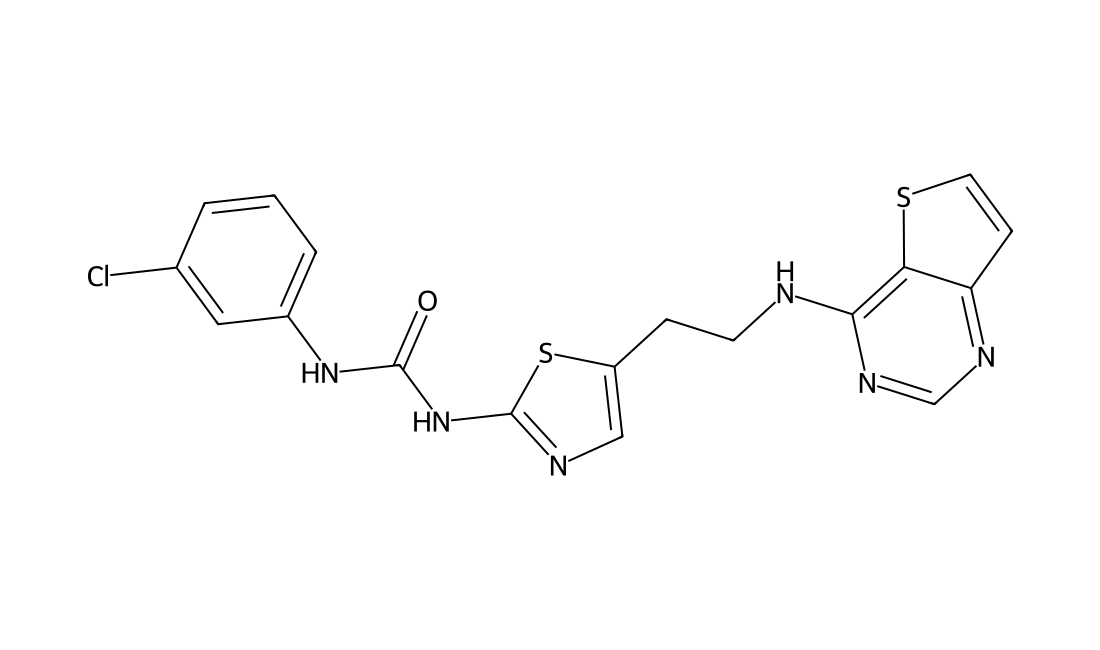
Verubulin hydrochloride
CAS 827031-83-4
Verubulin hydrochloride(MPC 6827 hydrochloride) is a microtubule destabilizer and vascular disrupting agent that achieve high brain concentration relative to plasma in animals.
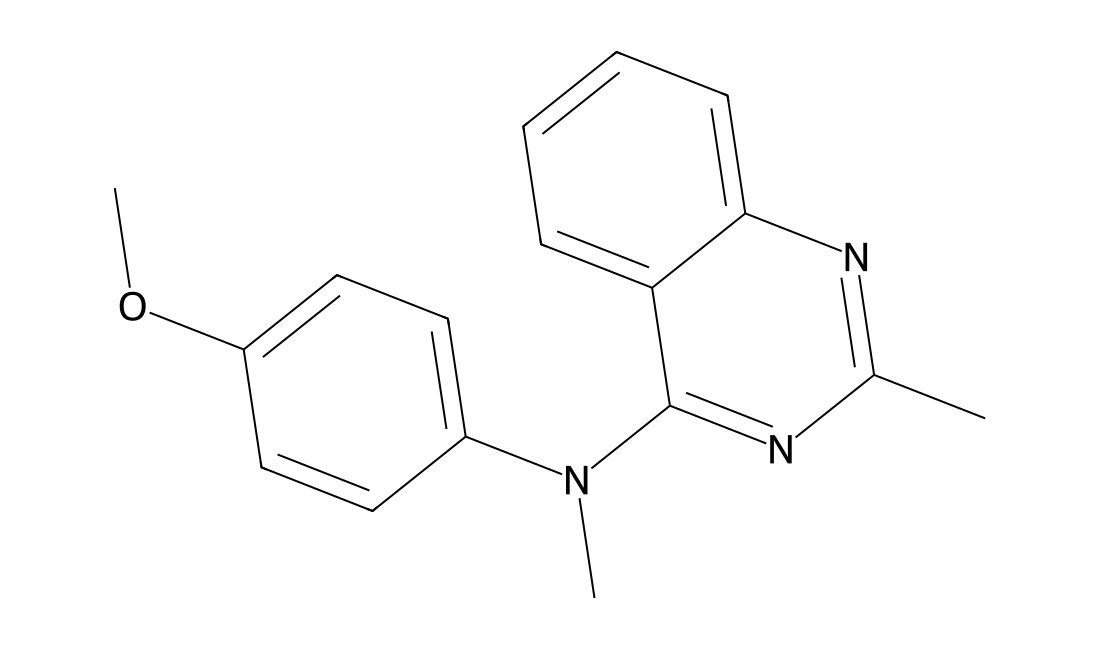
QBS(CU242)
CAS 16082-64-7
NUN82647, also known as QBS or 2-Amino-N-quinolin-8-yl-benzenesulfonamide, is an Inhibitor of cell cycle at G2 phase; apoptosis inducer. NUN82647 has CAS#16082-64-7, and inchi key: NIOOKXAMJQVDGB-UHFFFAOYSA-N. According to Hodoodo Chemical Nomenclature, It is named: NUN-82647.
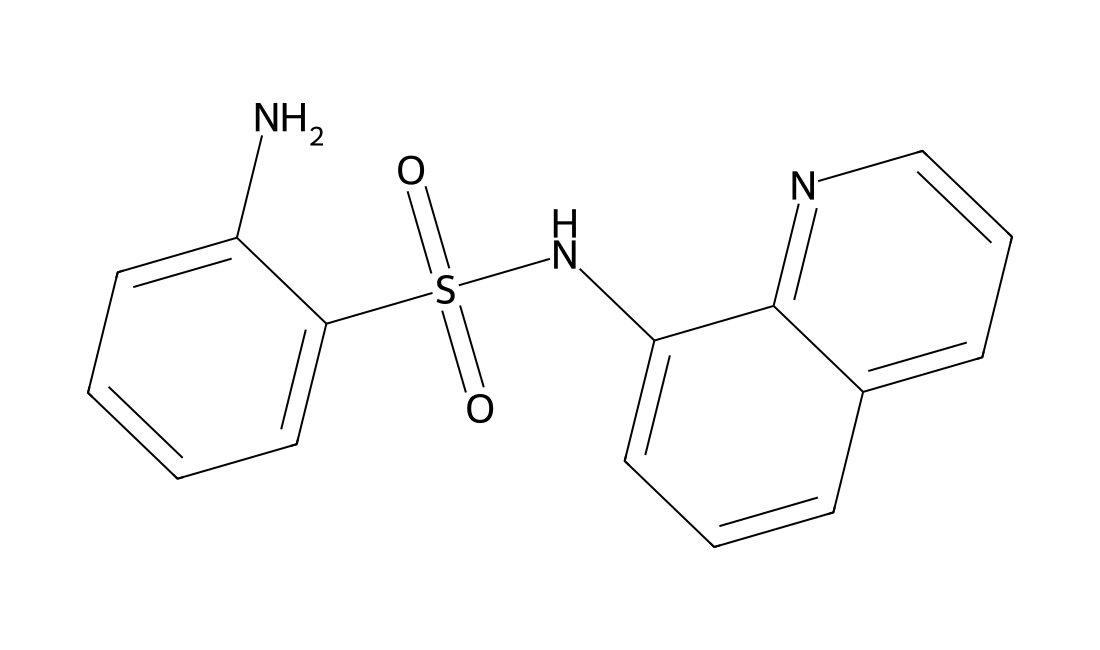
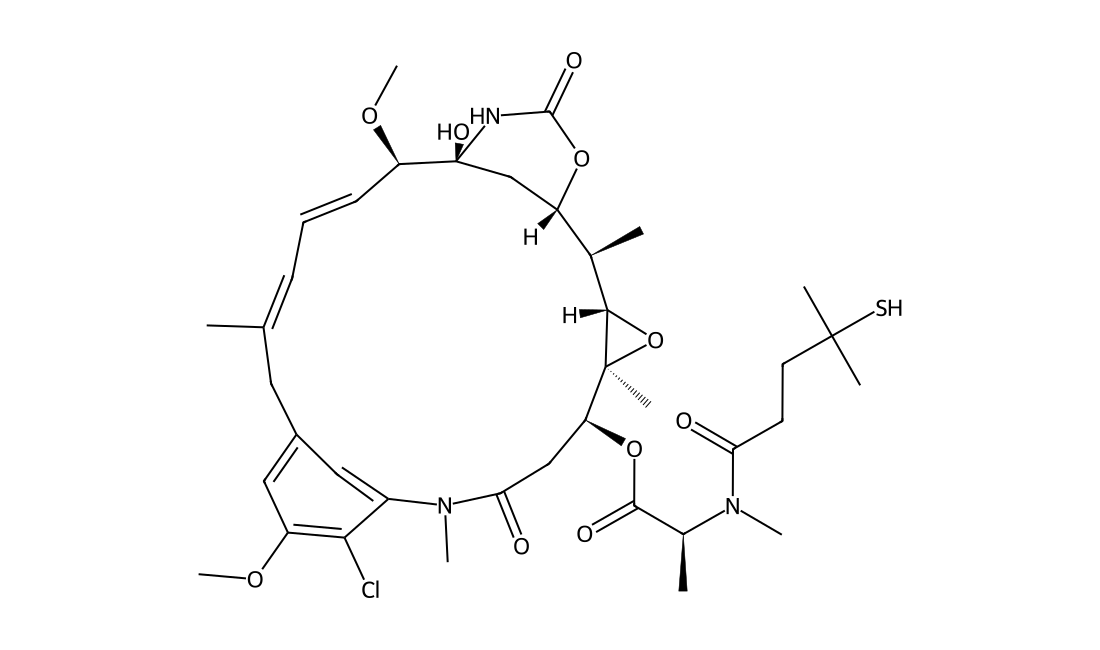
DM4
CAS 218168-58-2
DM4 is is an antitubulin agent that inhibit cell division. DM4 can be used in the preparation of antibody drug conjugate.
SR31527
CAS 311814-78-5
SR31527 is a novel allosteric Kinesin-like protein KIFC1 inhibitor that inhibits microtubule-stimulated KIFC1 ATPase activity with IC50 of 6.6 uM, binds directly to KIFC1 with Kd of 25.4 nM; prevents bipolar clustering of extra centrosomes in TNBC cells and significantly reducesTNBC cell colony formation and viability (MDA-MB-231, BT549 and MDA-MB-435s cells IC50=20-30 uM), with less toxicity to normal fibroblasts.
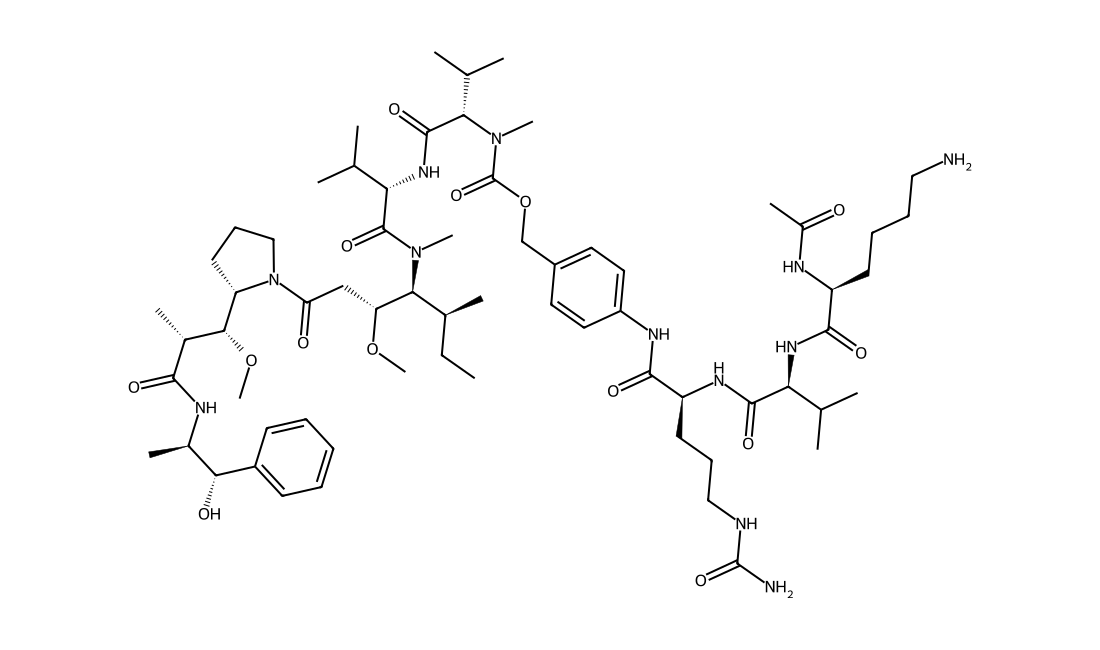
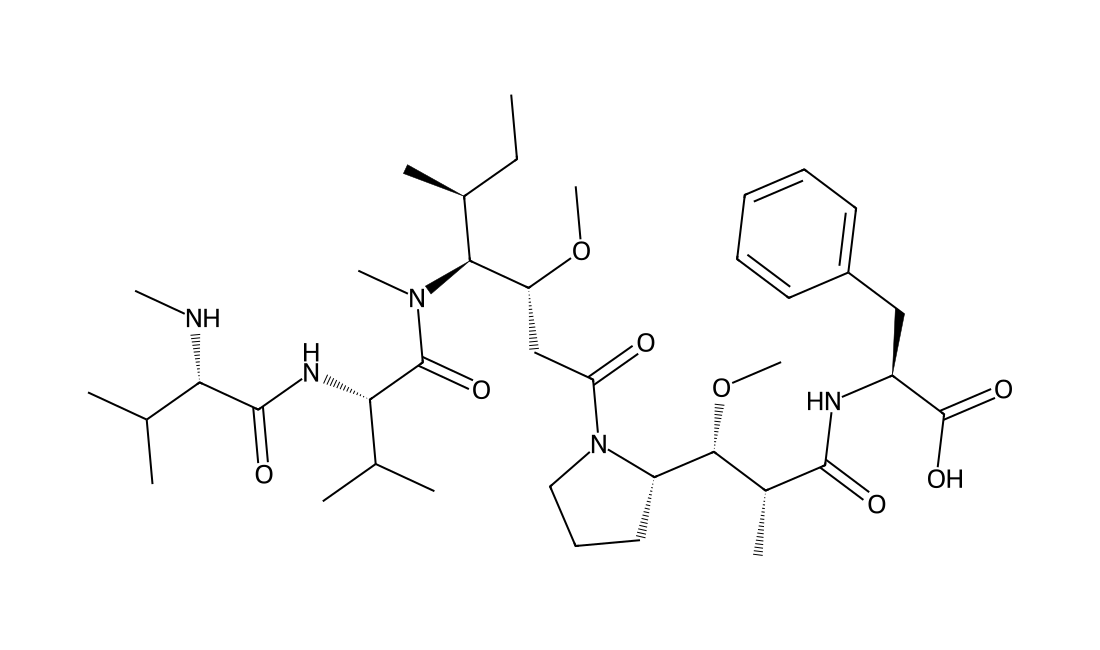
Ac-Lys-Val-Cit-PABC-MMAE
CAS 1650569-89-3
Ac-Lys-Val-Cit-PABC-MMAE is a drug-linker conjugate for ADC. Ac-Lys-Val-Cit-PABC-MMAE contains the ADC linker (peptide Ac-Lys-Val-Cit-PABC) and a potent tubulin polymerization inhibitor MMAE.
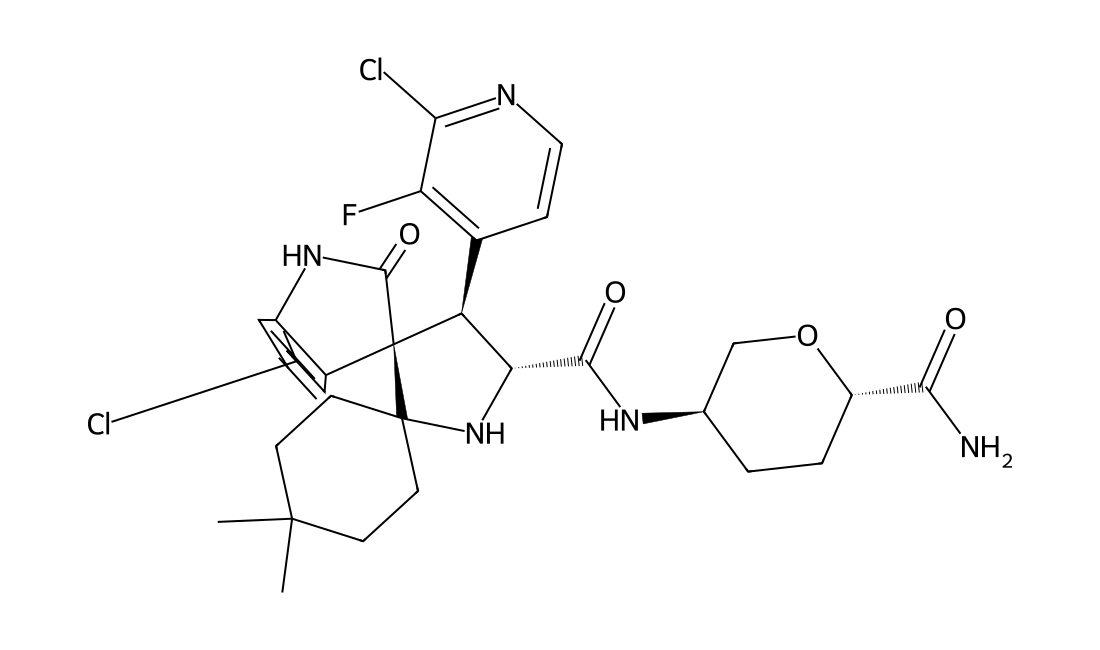
Milademetan
CAS 1398568-47-2
DS-3032b is a potent, selective, orally available MDM2-p53 inhibitor with potential antineoplastic activity; binds to, and prevents the binding of MDM2 protein to the transcriptional activation domain of the tumor suppressor protein p53; restores p53 signaling and leads to the p53-mediated induction of tumor cell apoptosis.
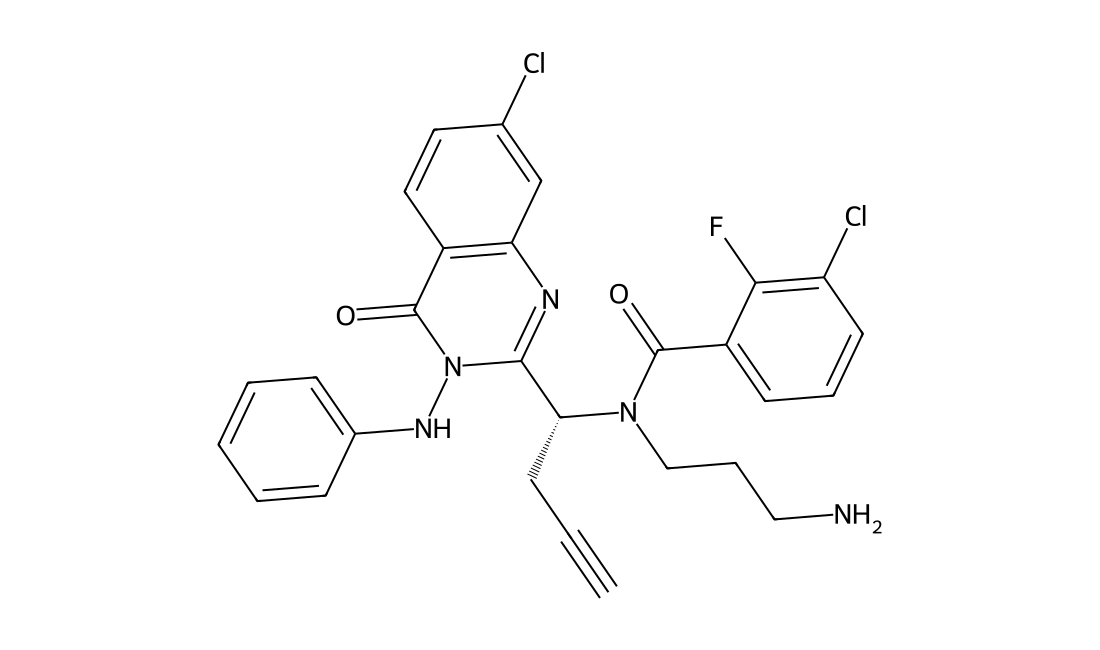
ARQ 621
CAS 1095253-39-6
ARQ 621 demonstrates anti-tumor activity against a wide range of human cancer cell lines in vitro, including colon, lung, endometrial, bladder, and hematologic cancer cell lines, with significantly less cytotoxicity against hematopoietic cells. ARQ 621, as a novel clinical stage drug candidate, inhibits a number of xenografts grown in athymic mice, such as pancreatic, breast, prostate, and ovarian carcinomas with no hematological changes. Furthermore, for ARQ 621, there is no envidence of bone marrow toxicity in pre-clinical mouse efficacy models or safety studies in rats and dogs. For the detailed information of ARQ 621, the solubility of ARQ 621 in water, the solubility of ARQ 621 in DMSO, the solubility of ARQ 621 in PBS buffer, the animal experiment (test) of ARQ 621, the cell expriment (test) of ARQ 621, the in vivo, in vitro and clinical trial test of ARQ 621, the EC50, IC50,and affinity,of ARQ 621, Please contact DC Chemicals.
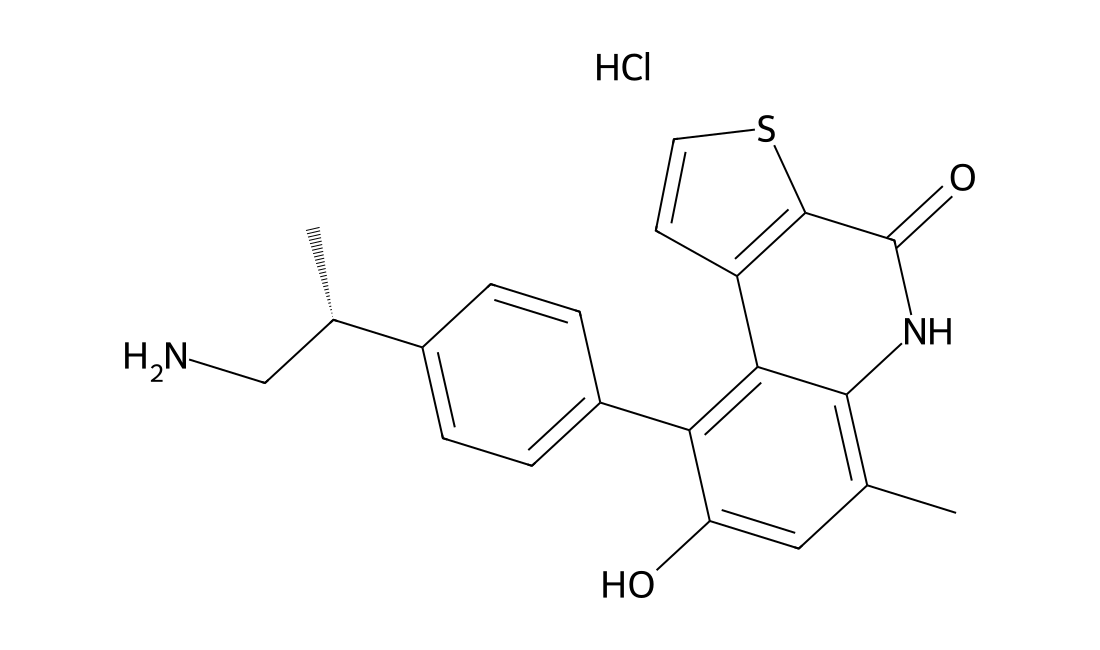
OTS514 hydrochloride
CAS 2319647-76-0
OTS514 hydrochloride is a highly potent TOPK inhibitor, which inhibits TOPK kinase activity with a median inhibitory concentration (IC50) value of 2.6 nM. OTS514 hydrochloride strongly suppresses the growth of TOPK-positive cancer cells. OTS514 hydrochloride induces cell cycle arrest and apoptosis.
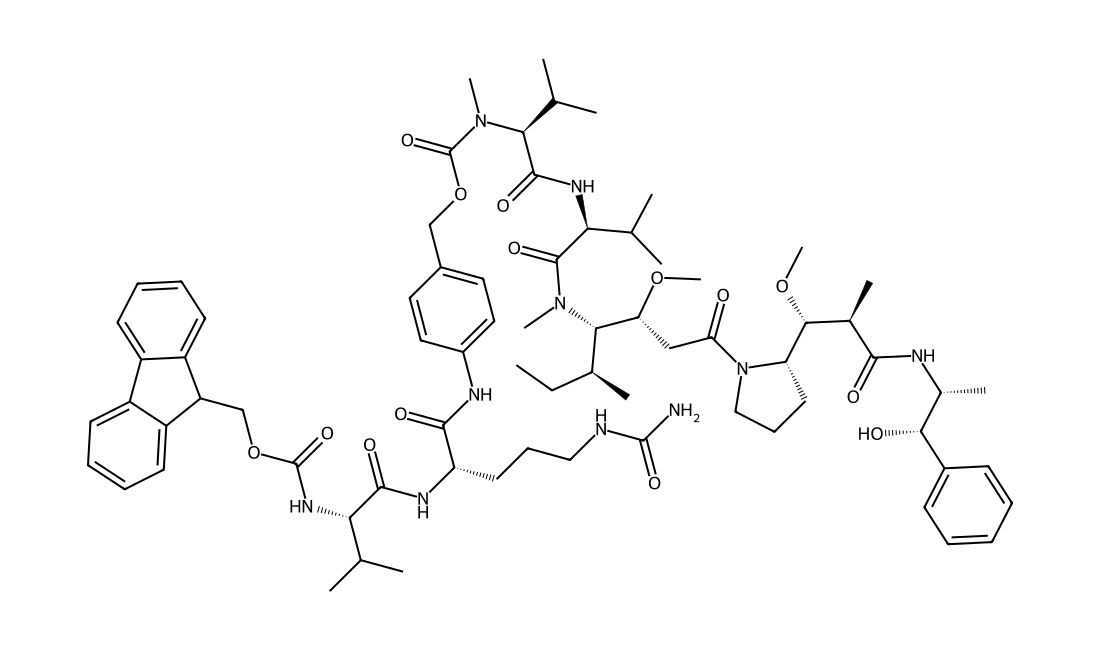
Fmoc-Val-Cit-PAB-MMAE
CAS 1350456-56-2
Fmoc-Val-Cit-PAB-MMAE consists the ADCs linker (Fmoc-Val-Cit-PAB) and potent tubulin inhibitor (MMAE). Fmoc-Val-Cit-PAB-MMAE is a agent-linker conjugate for ADC.
IC-261(SU-5607)
CAS 186611-52-9
IC261 is a selective, ATP-competitive CK1 inhibitor, with IC50s of 1 μM, 1 μM, 16 μM for Ckiδ, Ckiε and Ckiα1, respectively.
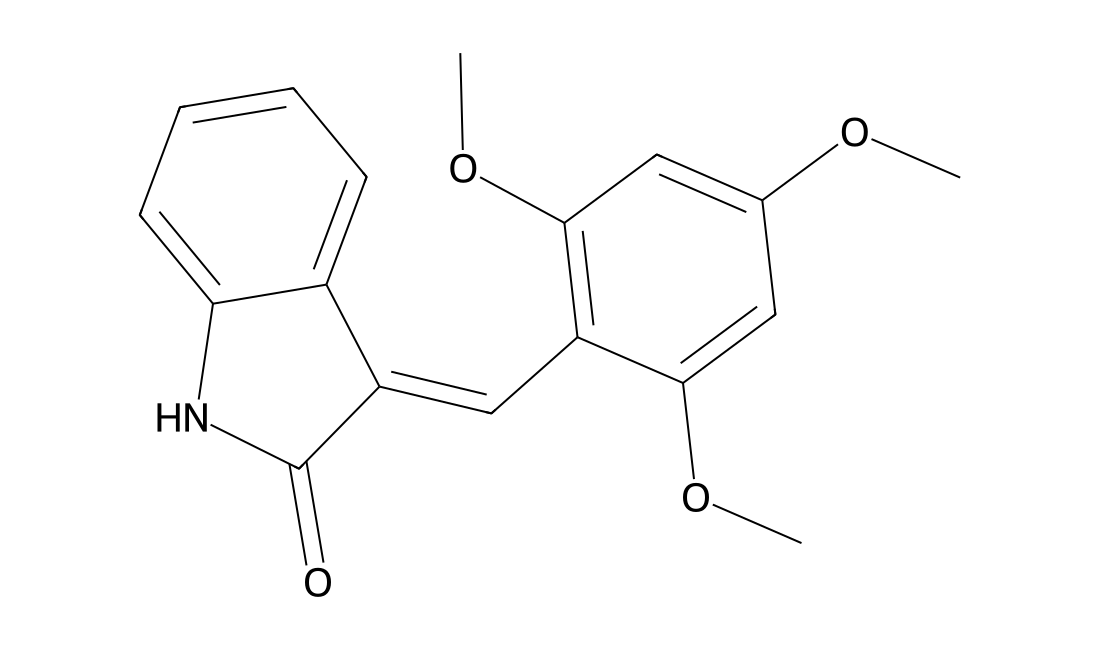
CFI-400945
CAS 1338806-73-7
CFI-400945 is a potent, highly selective PLK4 inhibitor with Ki of 0.26 nM and IC50 of 2.8 nM, does not significantly inhibits PLK1/2/3 at 50 uM; causes dysregulated centriole duplication, mitotic defects, and cell death in multiple cancer cell lines (A549 GI50=5 nM, OVCAR-3 GI50=18 nM); significantly inhibits human cancer xenografts; causes polyploidy, growth inhibition, and apoptotic death of murine and human lung cancer cells, despite expression of mutated KRAS or p53, produces supernumerary centrosomes and mitotic defects in lung cancer cells.
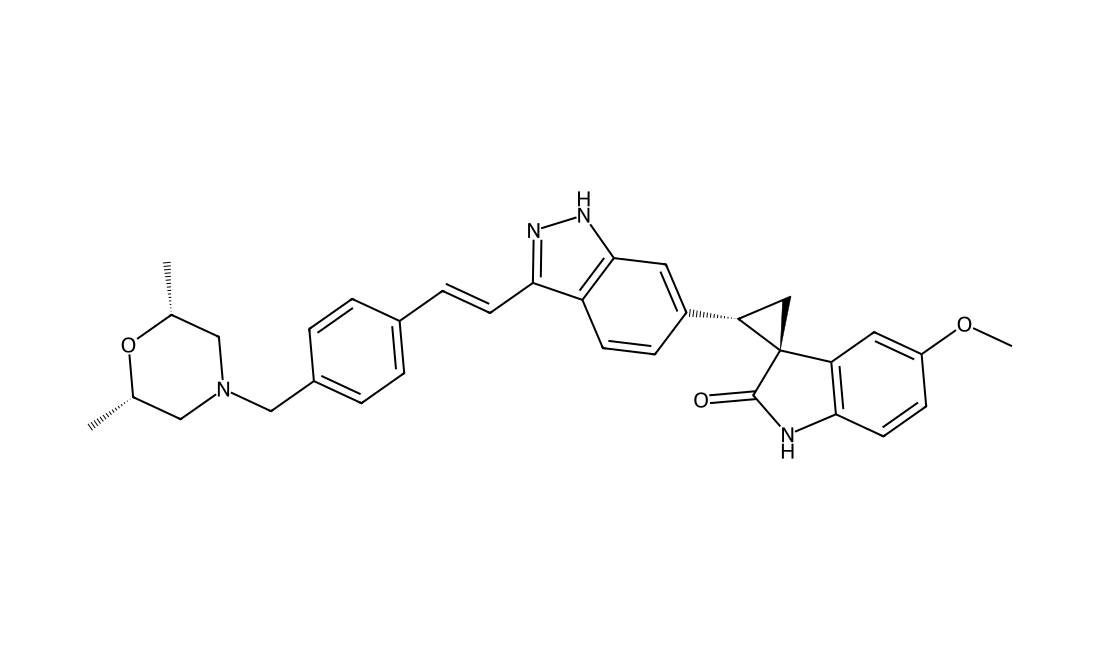
Propidium Iodide
CAS 25535-16-4
Propidium Iodide is a fluorescent intercalating agent that can be used to stain cells. Propidium Iodide is used as a DNA stain in flow cytometry to evaluate cell viability or DNA content in cell cycle analysis, and in microscopy to visualise the nucleus and other DNA-containing organelles. Propidium Iodide cannot cross the membrane of live cells, making it useful to differentiate necrotic, apoptotic and healthy cells.
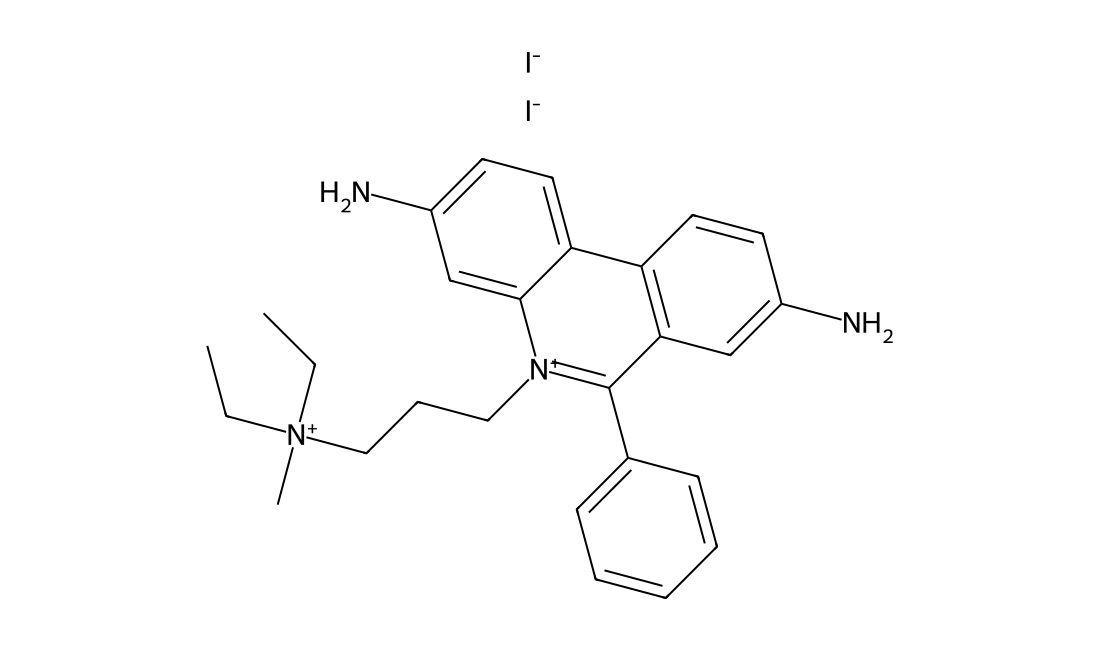
MAP4343
CAS 511-26-2
MAP4343 is the 3-methylether derivative of Pregnenolone. MAP4343 binds in vitro to microtubule-associated protein 2 (MAP2), stimulates the polymerization of tubulin, enhances the extension of neurites and protects neurons against neurotoxic agents.
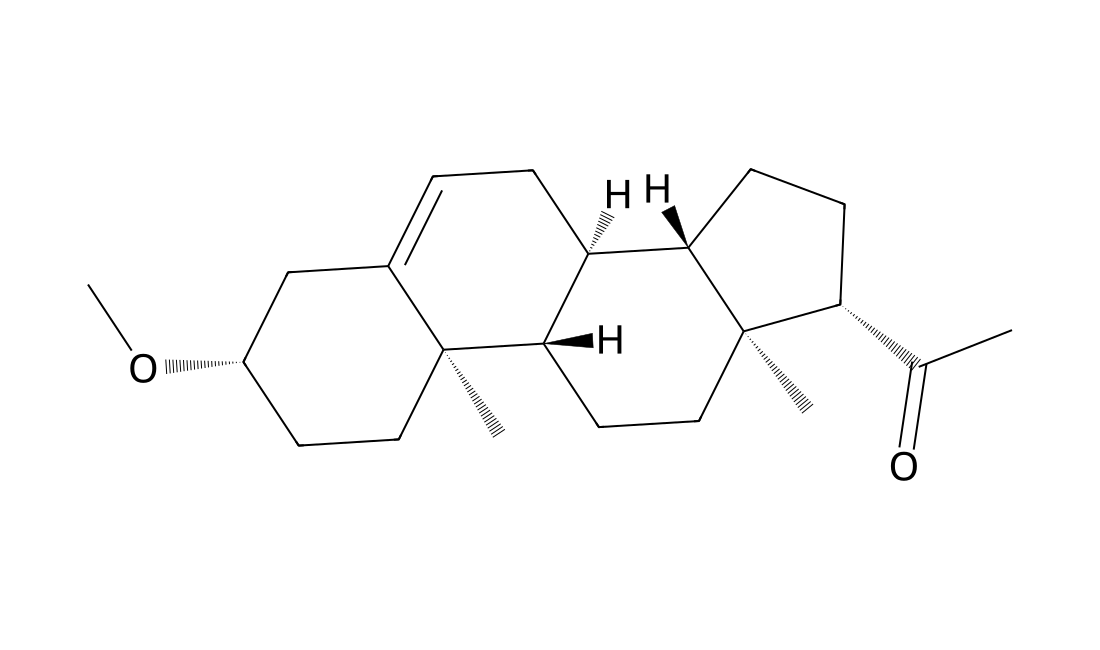
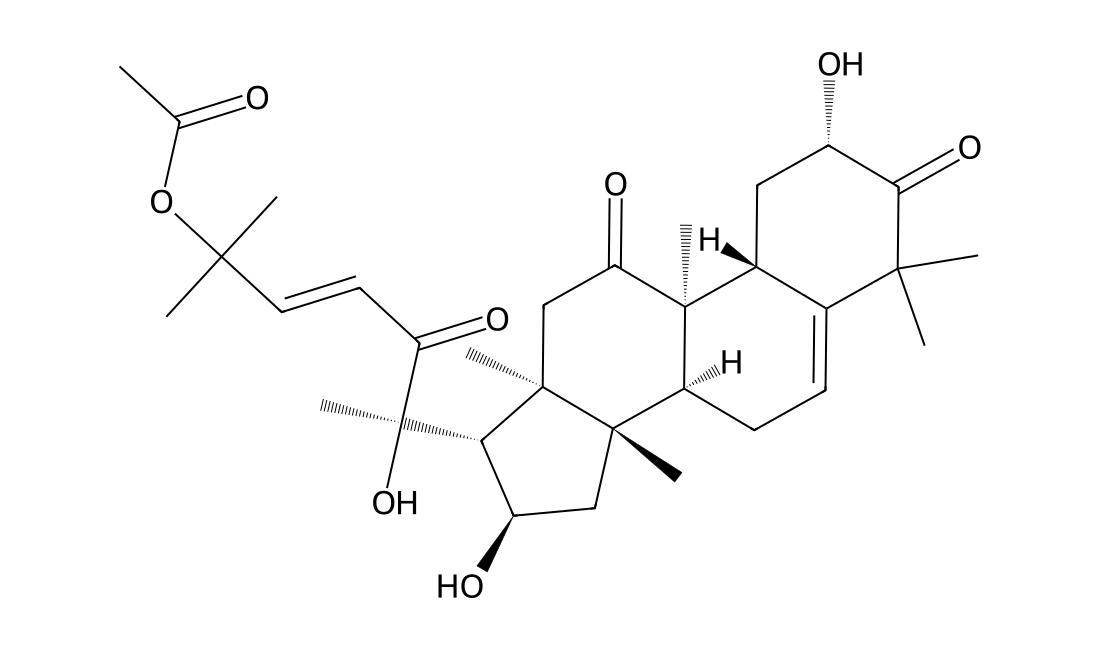
cucurbitacin B
CAS 6199-67-3
Cucurbitacin B belongs to a class of highly oxidized tetracyclic triterpenoids; could repress cancer cell progression.
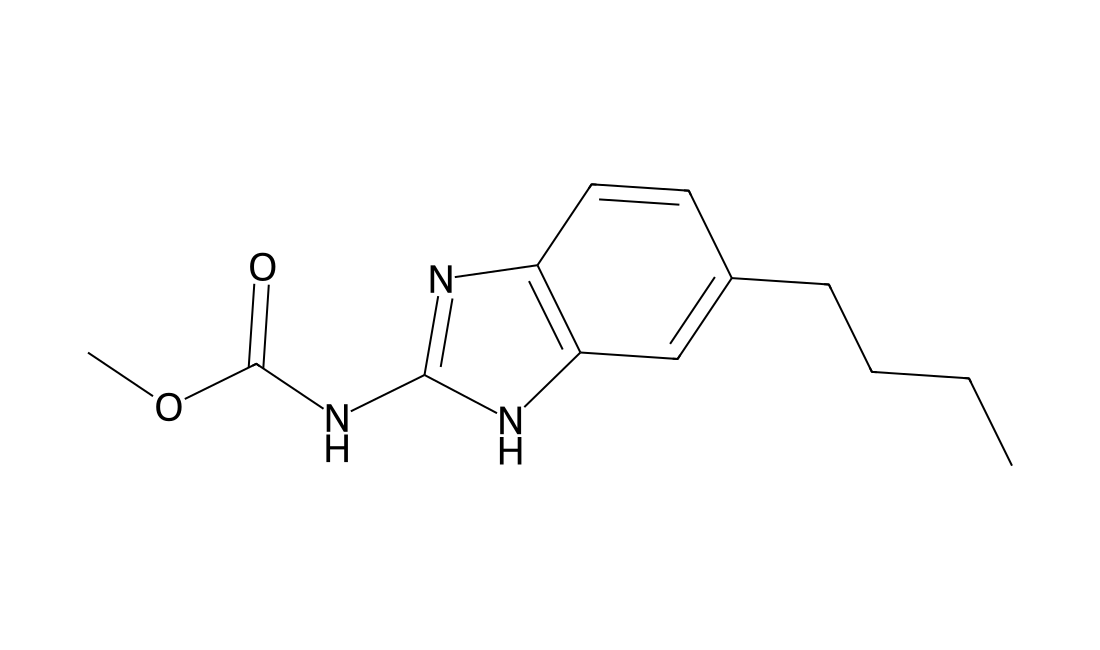
Parbendazole
CAS 14255-87-9
Parbendazole is an anthelmintic drug. Parbendazole is a potent inhibitor of microtubule assembly, destabilizes tubulin and exhibits a broad-spectrum anthelmintic activity.
Debio 0123
CAS 2243882-74-6
Debio 0123 (Debio0123) is a potent, orally available, and highly selective Wee1 kinase inhibitor with IC50 of 0.8 nM, Ki of 0.1 nM.Debio 0123 is highly selective to Wee1 on 465 selected kinases in a cellfree system, does not inhibit Plk1 and Plk2, as also reported in recent publications for AZD1775.Debio 0123 exhibits in vitro growth inhibition activity in a broad number of human cancer cell lines (IC50= 0.109 to 7.08 uM).Debio 0123 prevent CDC2 / Cdk1 phosphorylation, induces γH2AX and enhances phosphorylation of histone H3.Debio 0123 induces apoptosis through mitotic catastrophe following cell cycle progression despite accumulation of unrepaired DNA damage both in vitro and in vivo.
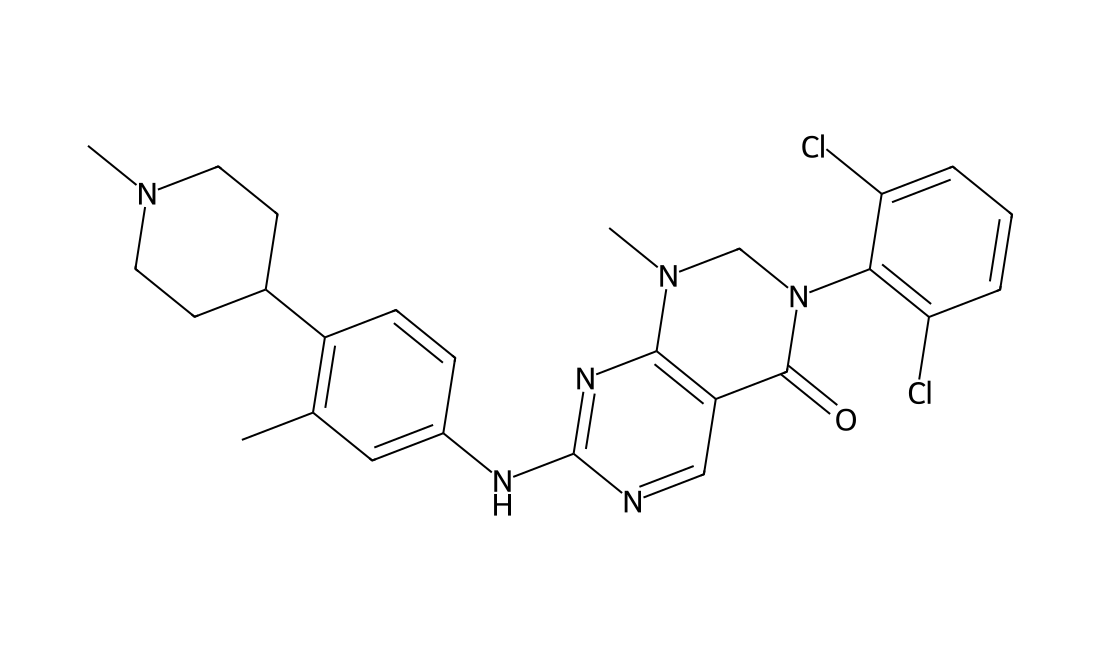
felezonexor(SL-801)
CAS 1076235-04-5
CBS9106 (SL-801) is a reversible oral CRM1 inhibitor with CRM1 degrading and antitumor activities[1].
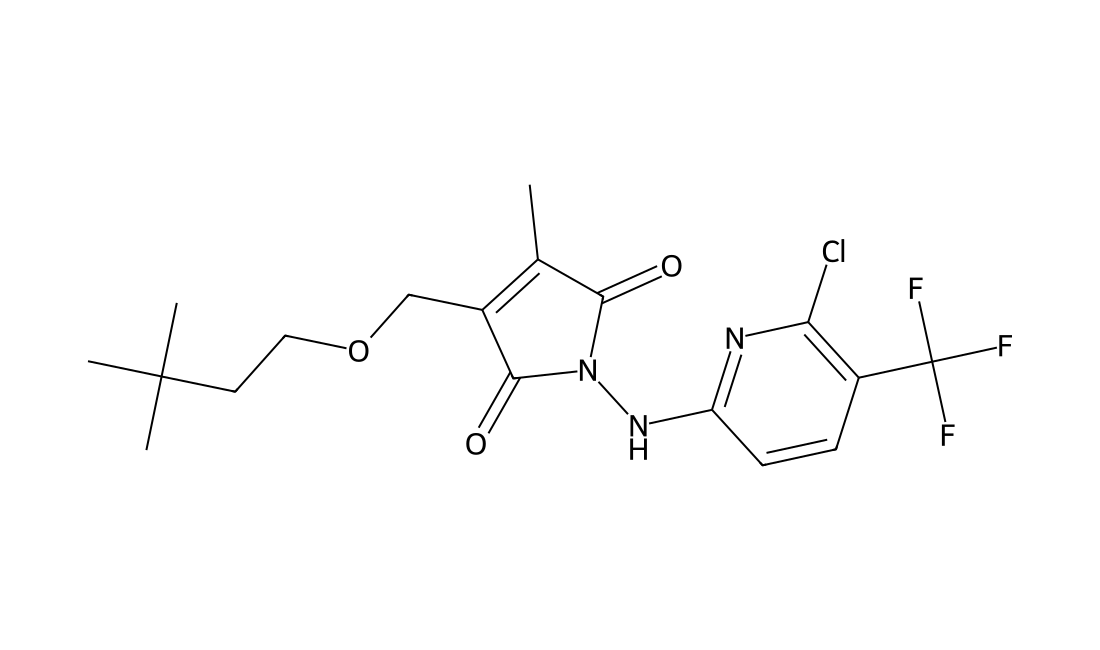
Cdc7-IN-5
CAS 1402057-86-6
Cdc7-IN-5 (compound I-B) is a potent Cdc7 kinase inhibitor extracted from patent WO2019165473A1, compound I-B. Cdc7 is a serine-threonine protein kinase enzyme which is essential for the initiation of DNA replication in the cell cycle.
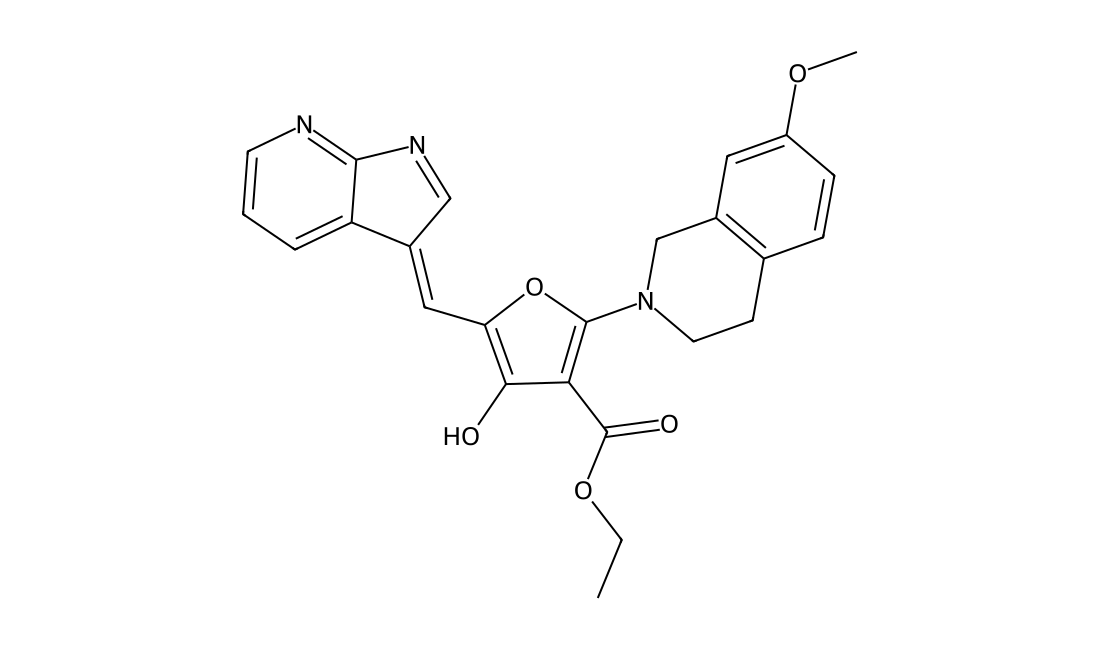
CCB 02
CAS 2100864-57-9
CCB02 (CCB 02) is a specific small molecule inhibitor of CPAP-tubulin interaction with IC50 of 0.689 uM in AlphaScreen assay, selectively binds at the CPAP binding site of tubulin; does not inhibits a panel of cell cycle- and centrosome-related kinases; impairs proliferation of cells with centrosome amplification, activates extra centrosomes to nucleate enhanced numbers of microtubules prior to mitosis, causes cells to undergo centrosome de-clustering, prolonged multipolar mitosis, and cell death; demonstrates broad anti-invasive activity in various cancer models, including tyrosine kinase inhibitor (TKI)-resistant EGFR-mutant NSCLC.
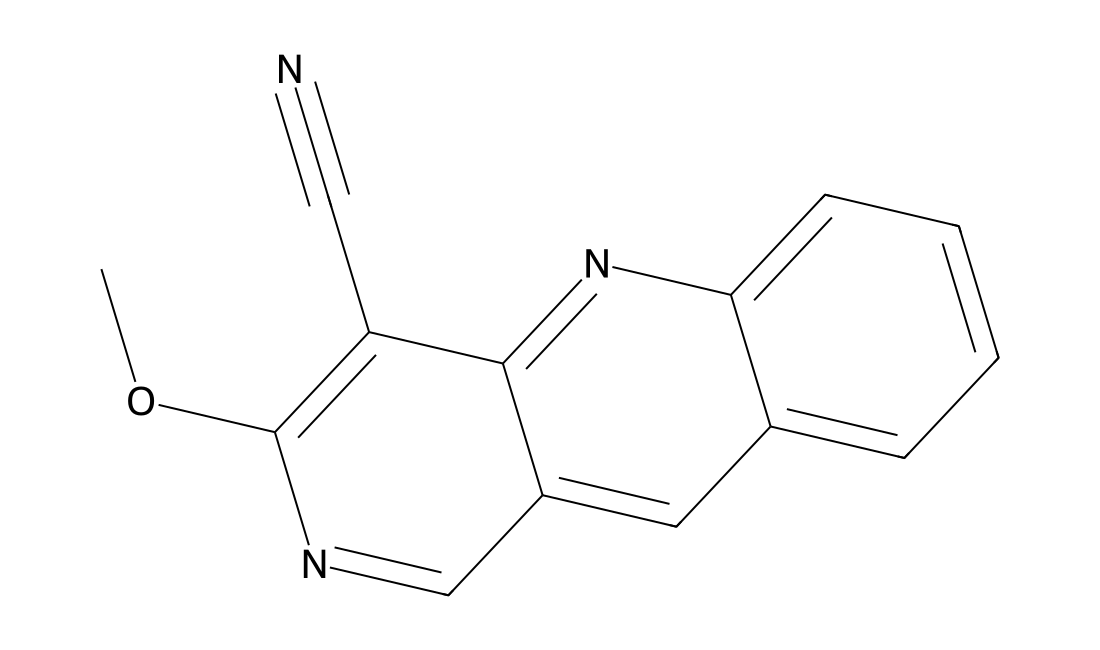
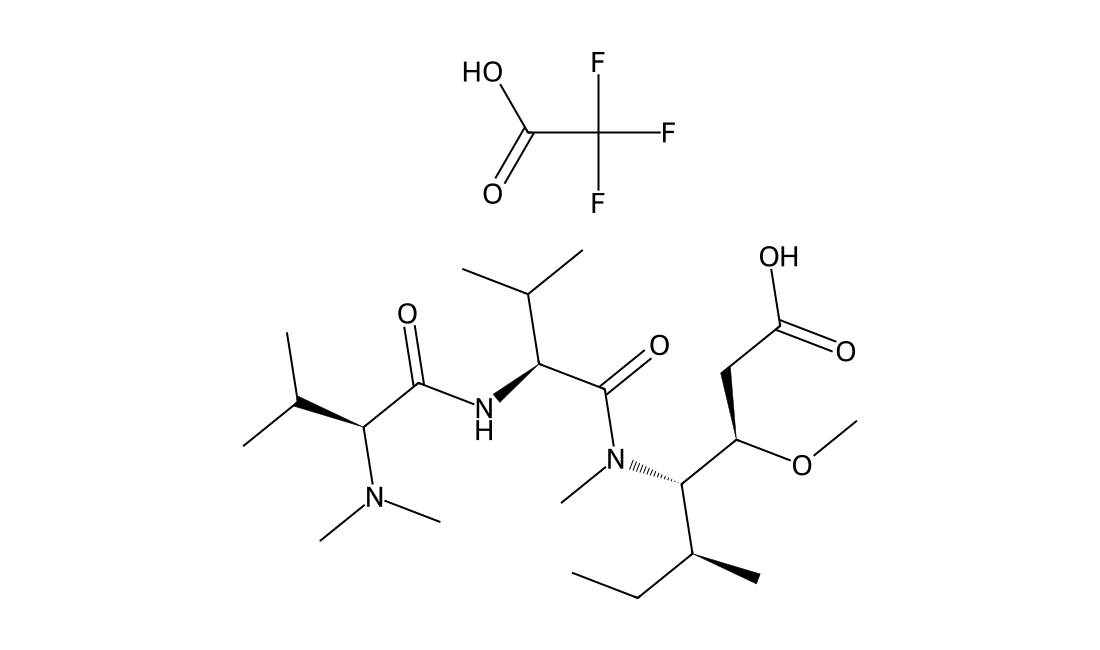
Dov-Val-Dil-OH
CAS 133120-90-8
Dov-Val-Dil-OH is a useful chemical intermediate for synthesis of auristatin-related compounds, such as Monomethyl auristatin E (MMAE), Auristatins are antimitotic agents which inhibits cell division by blocking the polymerisation of tubulin.
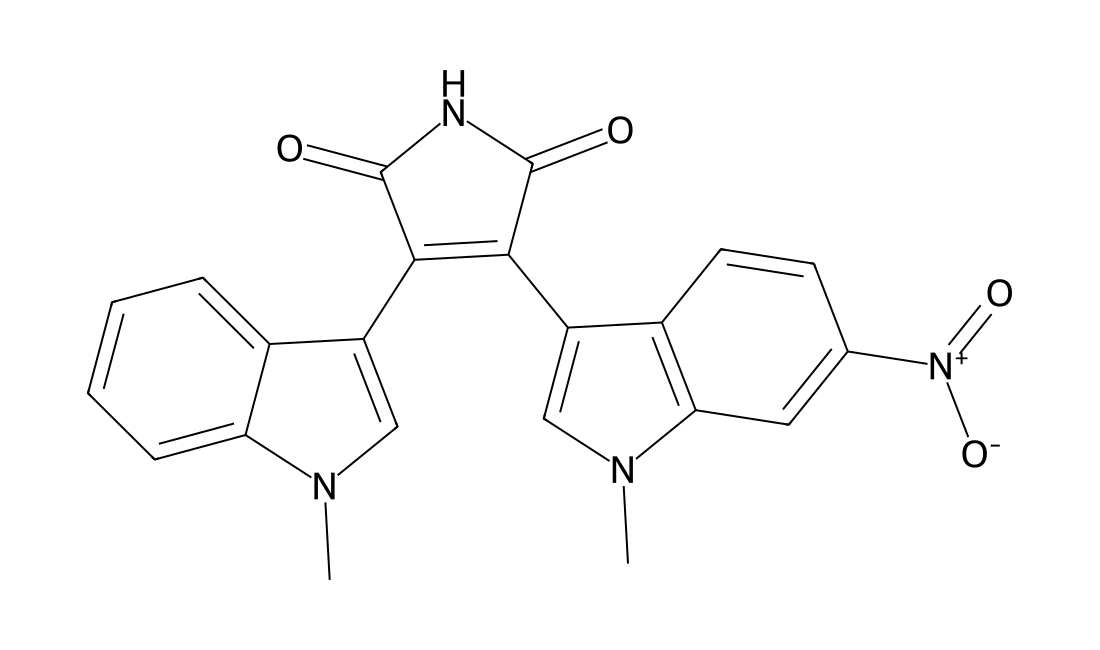
MKC-1
CAS 125313-92-0
MKC-1 is an orally bioavailable, small-molecule, bisindolylmaleimide cell cycle inhibitor with potential antineoplastic activity. MKC-1 and its metabolites inhibit tubulin polymerization, blocking the formation of the mitotic spindle, which may result in cell cycle arrest at the G2/M phase and apoptosis.
MMAD
CAS 203849-91-6
MMAD is a potent tubulin inhibitor, is a toxin payload in antibody drug conjugates (ADCs).
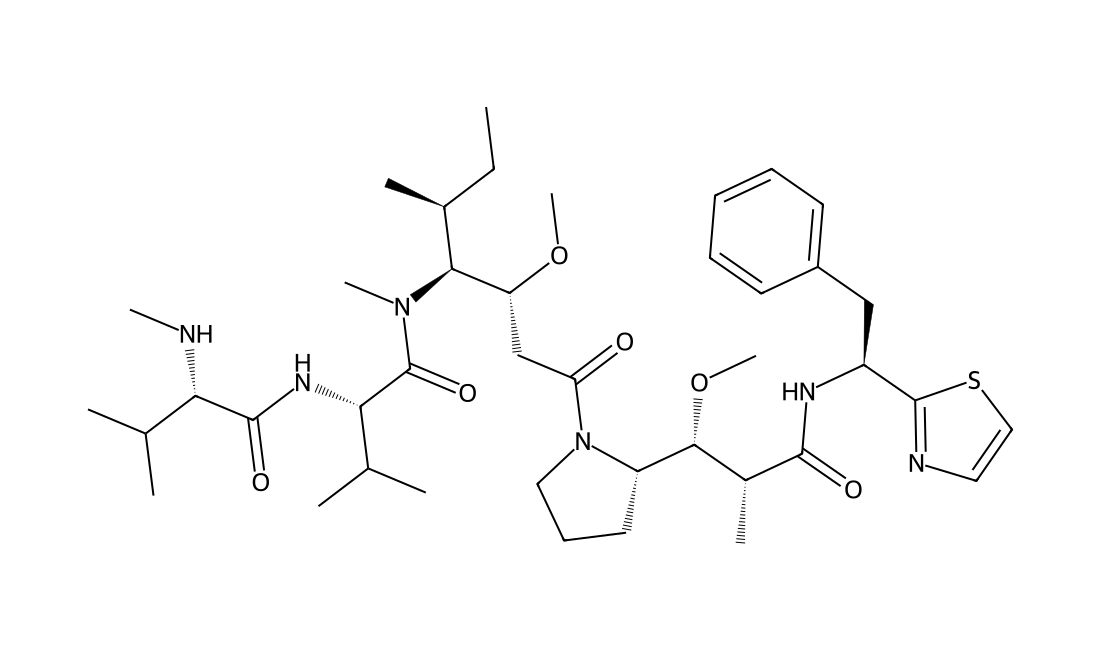
Ombrabulin
CAS 181816-48-8
Ombrabulin is a derivative of CA-4 phosphate, which is known to exhibit antivascular effects through selective disruption of the tubulin cytoskeleton of endothelial cells.
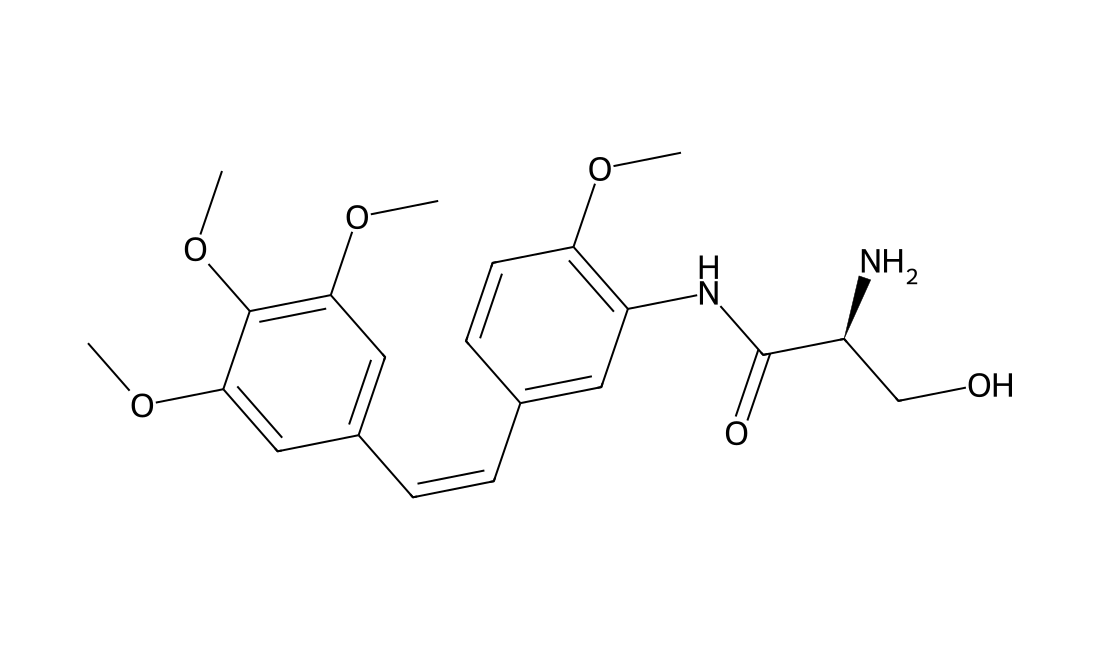
Tubulysin A
CAS 205304-86-5
Tubulysin A(TubA) is a myxobacterial product that can function as an antiangiogenic agent in many in vitro assays; anti-microtubule, anti-mitotic, an apoptosis inducer, anticancer, anti-angiogenic, and antiproliferative.Tubulysin A is a novel antibiotic, which is anti-microtubule, anti-mitotic, apoptosis inducer, anticancer, anti-angiogenic, and antiproliferative. Tubulysins are cytotoxic peptides, which include 9 members (A-I). Tubulysin A has potential application as an anticancer agent. It arrests cells in the G2/M phase. Tubulysin A inhibits polymerization more efficiently than vinblastine and induces depolymerization of isolated microtubules. Tubulysin A has potent cytostatic effects on various tumor cell lines with IC50 in the picomolar range.
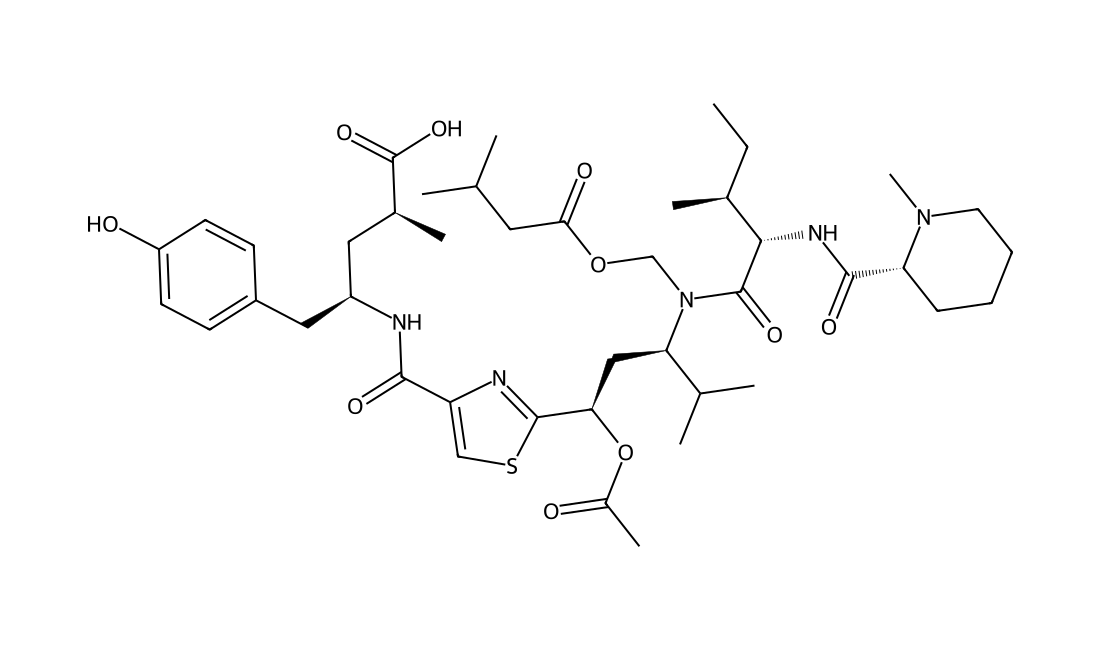
PF0477736
CAS 952021-60-2
PF 477736 is a potent, selective ATP-competitive inhibitor of Chk1, with a Ki of 0.49 nM, 100-fold selectivity versus Chk2 (Ki, 47 nM).
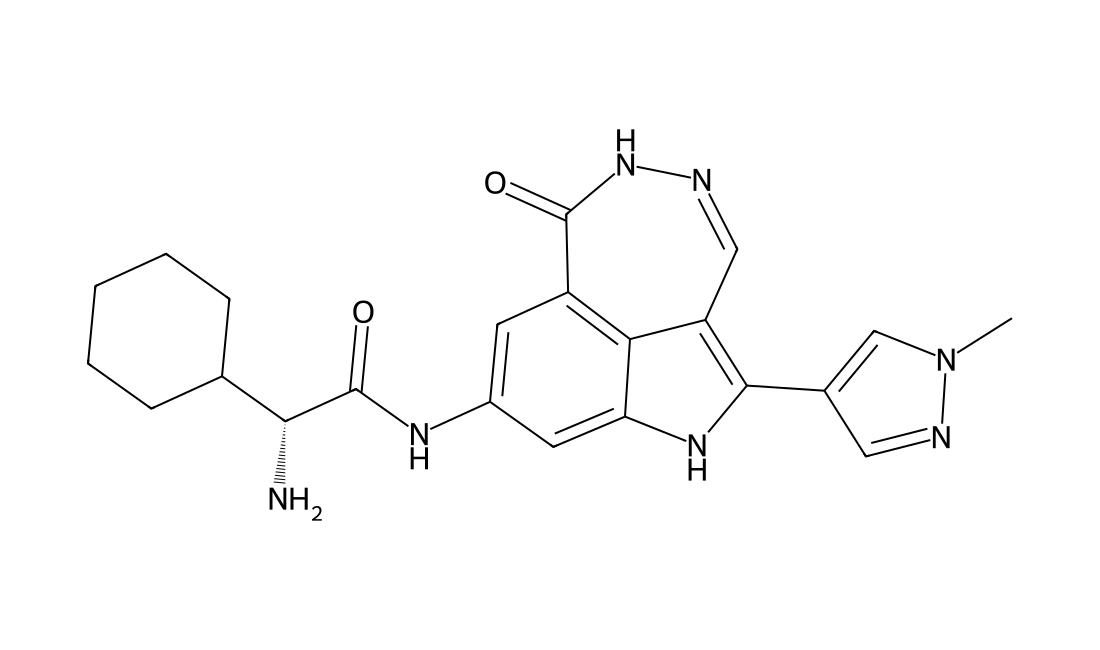
MMAF
CAS 745017-94-1
MMAF (Monomethylauristatin F) is an antitubulin agent that inhibit cell division; inhibits H3397 cell growth with an IC50 of 105 nM.
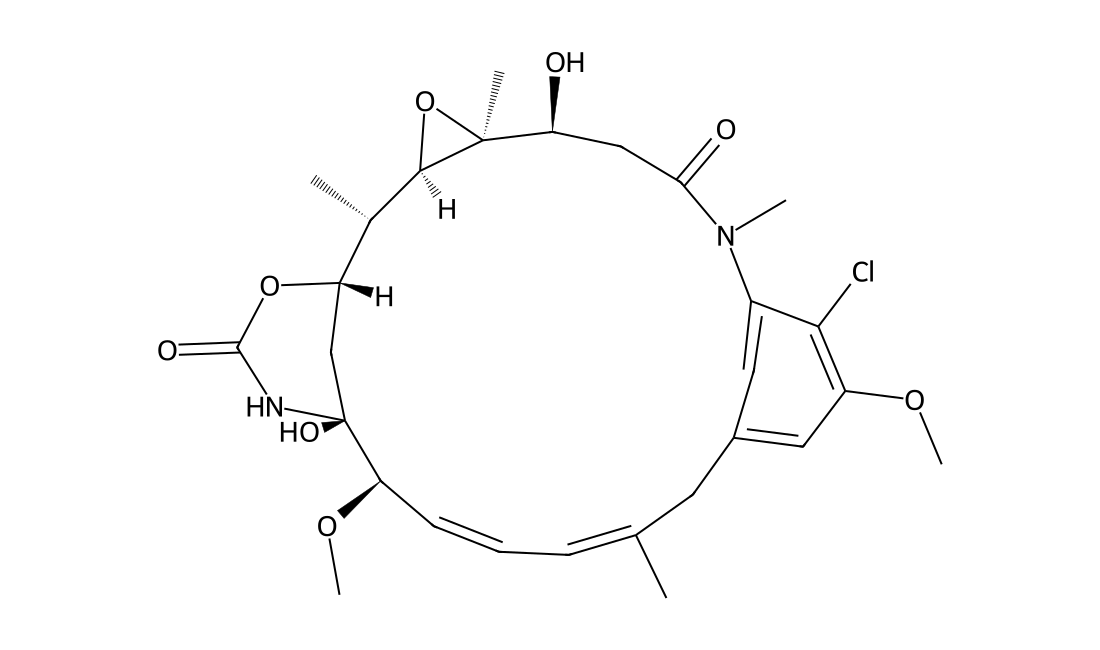
Maytansinol(Ansamitocin P-0)
CAS 57103-68-1
Maytansinol inhibits microtubule assembly and induces microtubule disassembly in vitro.
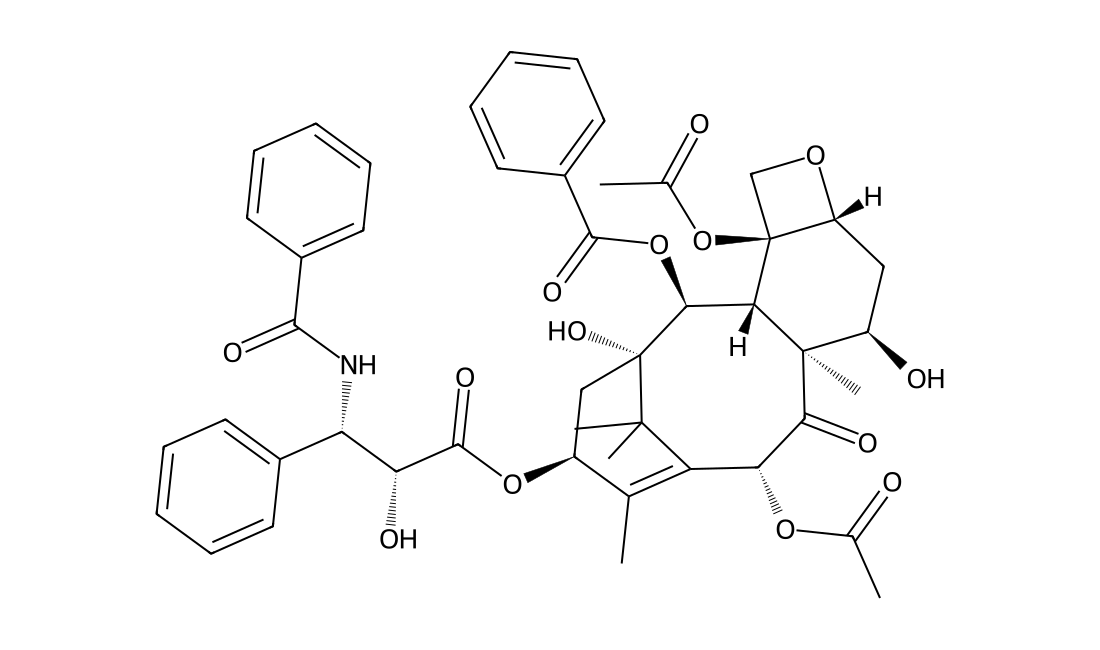
7-Epipaclitaxel
CAS 105454-04-4
7-epi-Taxol is an active metabolite of taxol, with activity comparable to that of taxol against cell replication, promoting microtubule bundle formation and against microtubule depolymerization.
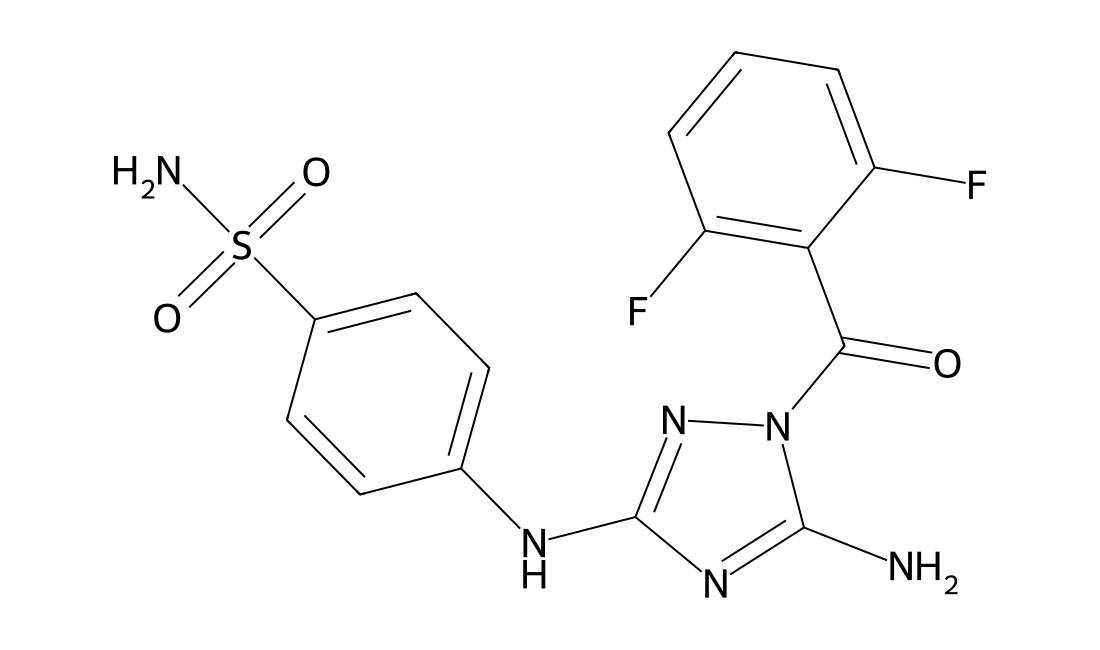
JNJ-7706621
CAS 443797-96-4
JNJ-7706621 is a potent aurora kinase inhibitor, and also inhibits CDK1 and CDK2, with IC50s of 9, 3, 11, and 15 nM for CDK1, CDK2, Aurora-A and Aurora-B, respectively.
L67
CAS 325970-71-6
L67 is a novel, competitive human DNA ligase inhibitor, inhibits DNA ligases I and III with IC50 of 10 μM and 10 μM.IC50 value: 10 μM [1]Target: DNA ligasesin vitro: L67 significantly increases the cytotoxicity of DNA damaging agents.[1] L67 also inhibits cell proliferation. [2]
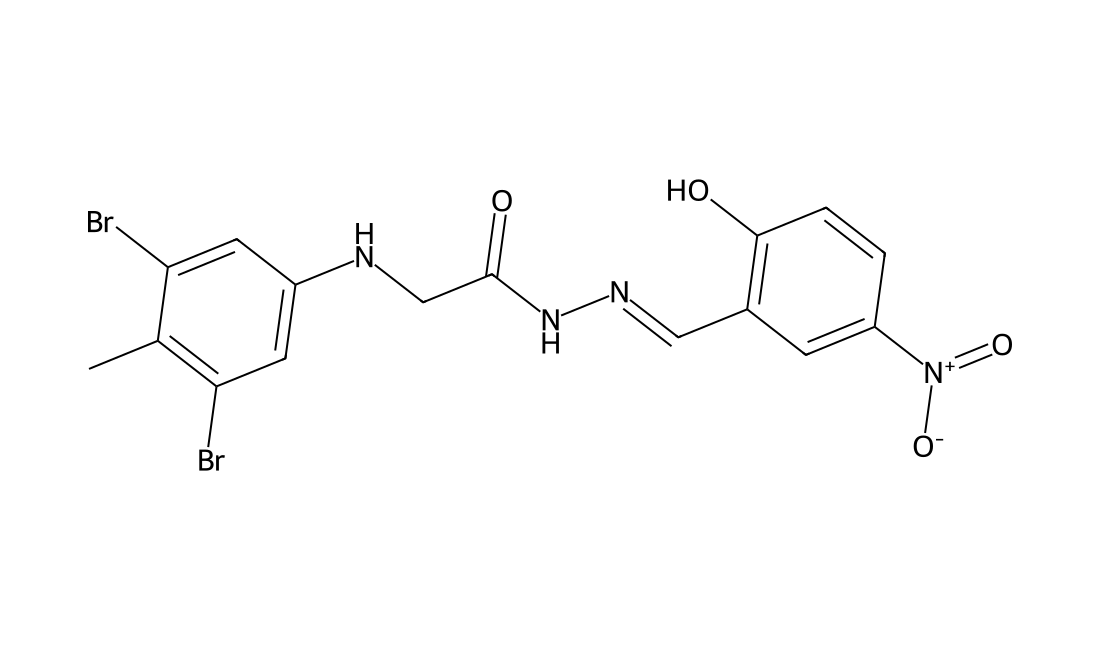
LY3177833
CAS 1627696-51-8
LY3177833 is an CDC7 and pMCM2 inhibitor extracted from patent US 20140275131and patent WO 2014143601 A1 compound example 4; has IC50 values of 3.3 nM and 290 nM, respectively.
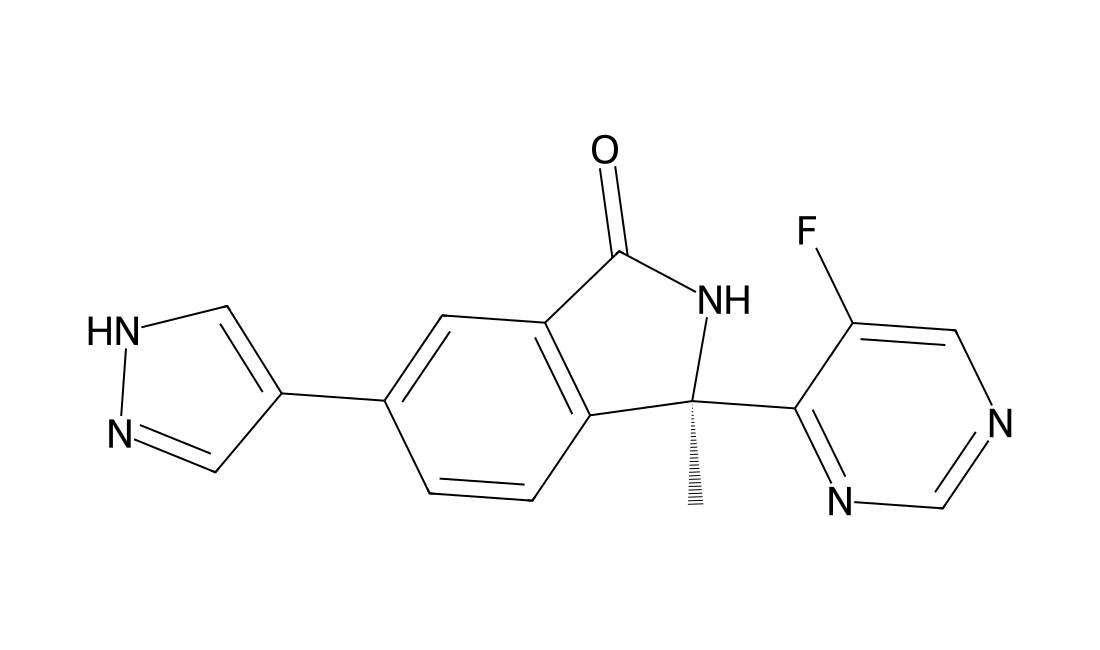
GUN94110
CAS 1092794-11-0
GUN94110 is a WEE1 kinase inhibitors useful in treatment of cancer and other proliferative diseases. GUN94110 was reported in WO 2019028008. This product has no formal name at the moment.
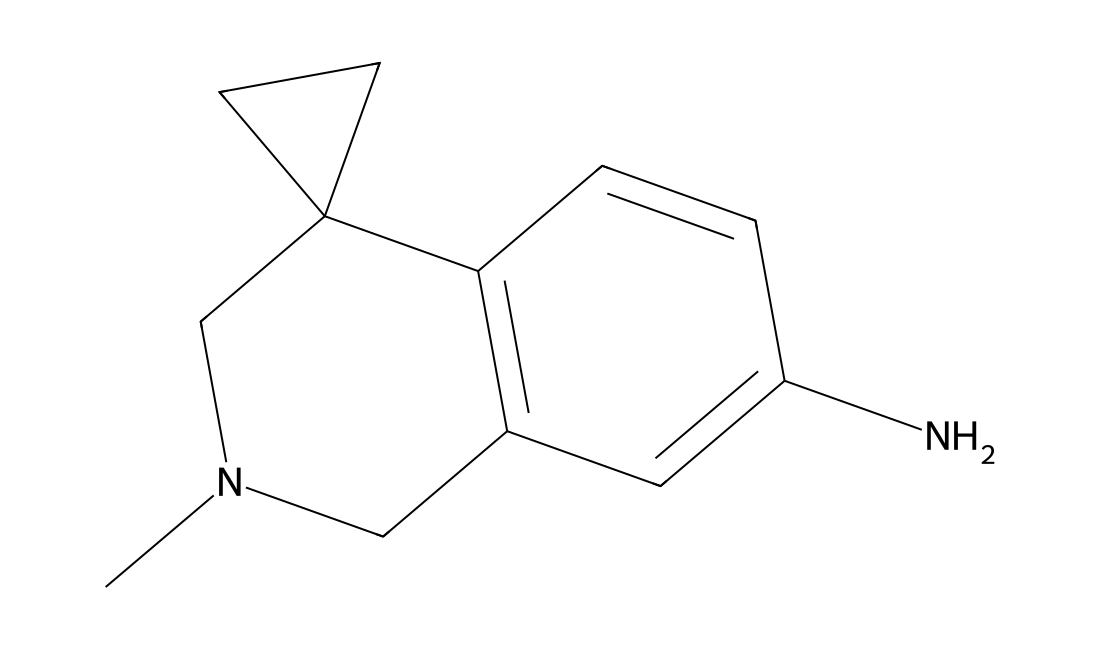
GDC-0575
CAS 1196504-54-7
GDC-0575, also known as ARRY-575 and RG7741, is a potent and selective inhibitor of cell cycle checkpoint kinase 1 (Chk1) with an IC50 of 1.2 nM. Chk1 inhibitor GDC-0575 specifically binds to and inhibits Chk1; this may result in tumor cells bypassing Chk1-dependent cell cycle arrest in the S and G2/M phases, which permits the cells to undergo DNA repair prior to entry into mitosis.
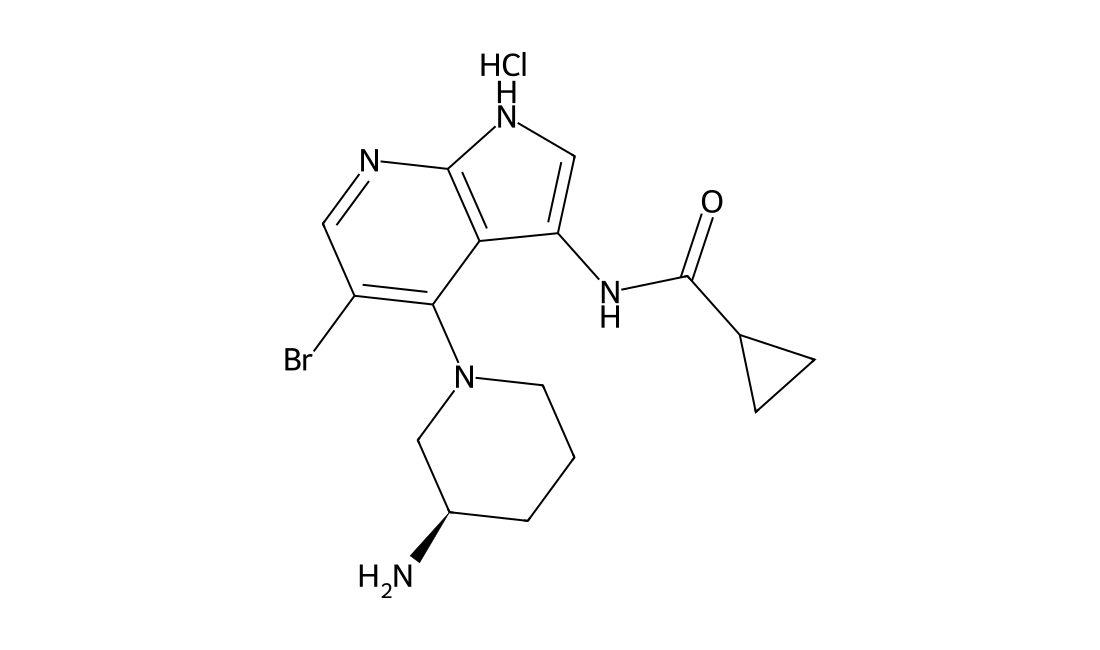
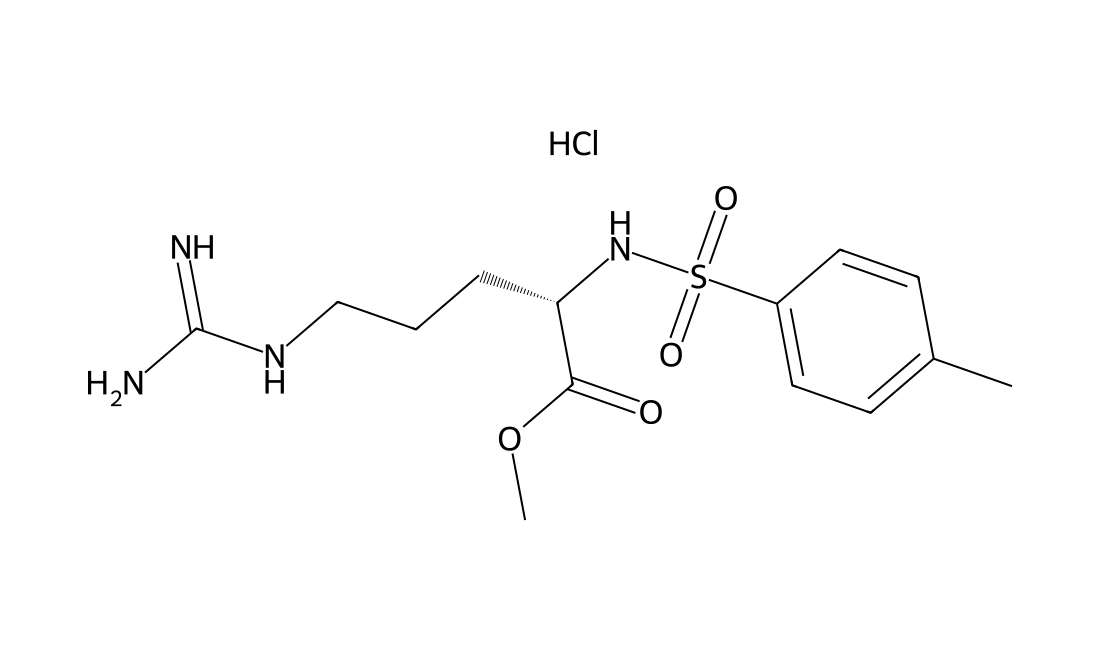
TAME hydrochloride
CAS 1784-03-8
In Vitro TAME shows inhibitory effect on APC activation when added to mitotic Xenopus extract. TAME (1-200 μM) inhibits Cdc20 association with mitotic APC and also inhibits Cdh1 association with interphase APC. TAME significantly inhibits crosslinking of the IR peptide to Cdc27 and Cdc16 but only slightly reduces crosslinking to Cdc23 and Apc7 at 20 µM; TAME strongly inhibits crosslinking to all APC subunits at 200 µM. TAME also inhibits binding of wild type Cdc20 to the APC, but not binding of a ΔIR mutant. TAME (200 μM) induces Cdc20 dissociation from the APC in mitotic Xenopus extract calls for APC-dependent ubiquitination. TAME induces Cdc20 dissociation from the APC by promoting Cdc20 ubiquitination, but the dissociation can be suppresses by Cyclin B1. TAME terminates cyclin B1 ubiquitination prematurely. TAME interacts with ATP by β and γ phosphate and the adenine ring of ATP. TAME in combination with the Mg(II) ion accelerates the ATP hydrolysis process.
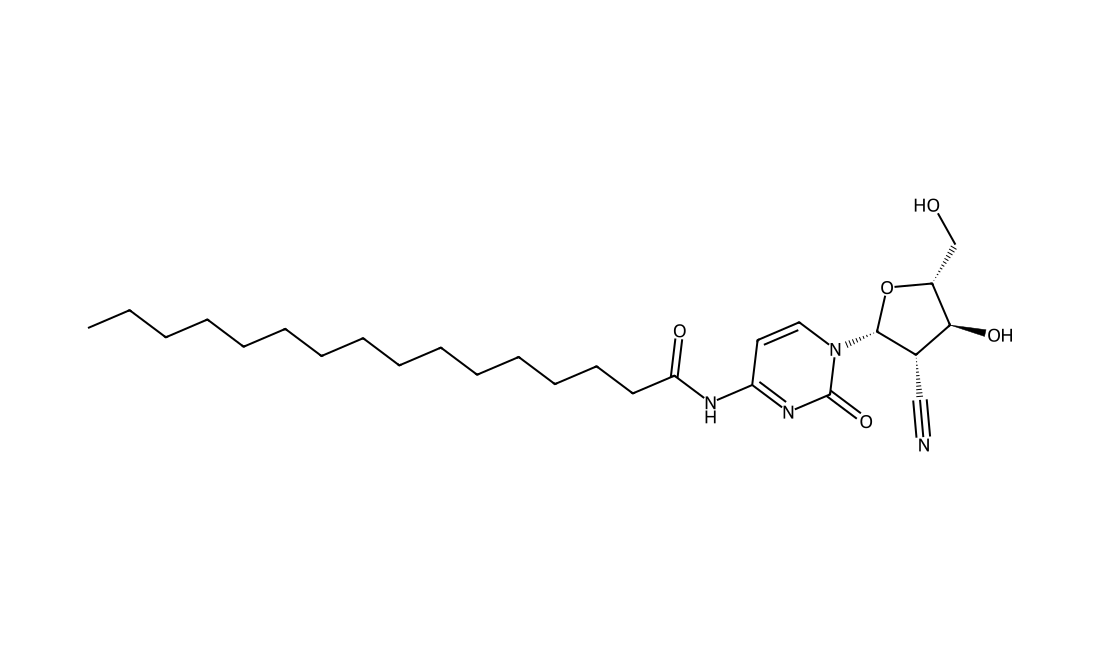
Sapacitabine (CYC682)
CAS 151823-14-2
Sapacitabine is unique in that it is an orally available nucleoside analog prodrug of CNDAC that acts through a dual mechanism. As a prodrug, it exhibits the therapeutic effect upon being metabolized; CNDAC lasts longer in the bloodstream by being metabolized from sapacitibine than by being directly administered. The compound interferes with DNA synthesis by causing single-strand DNA breaks due to CNDAC being incorporated into DNA during replication or repair,then inducing arrest of the cell division cycle at G2 phase.oth sapacitabine and its major metabolite, CNDAC, have demonstrated potent anti-tumor activity in both blood and solid tumors in preclinical studies. In a liver metastatic mouse model, sapacitabine was shown to be superior to gemcitabine (Gemzar; Lilly) or 5-FU, two widely used nucleoside analogs, in delaying the onset and growth of liver metastasis.
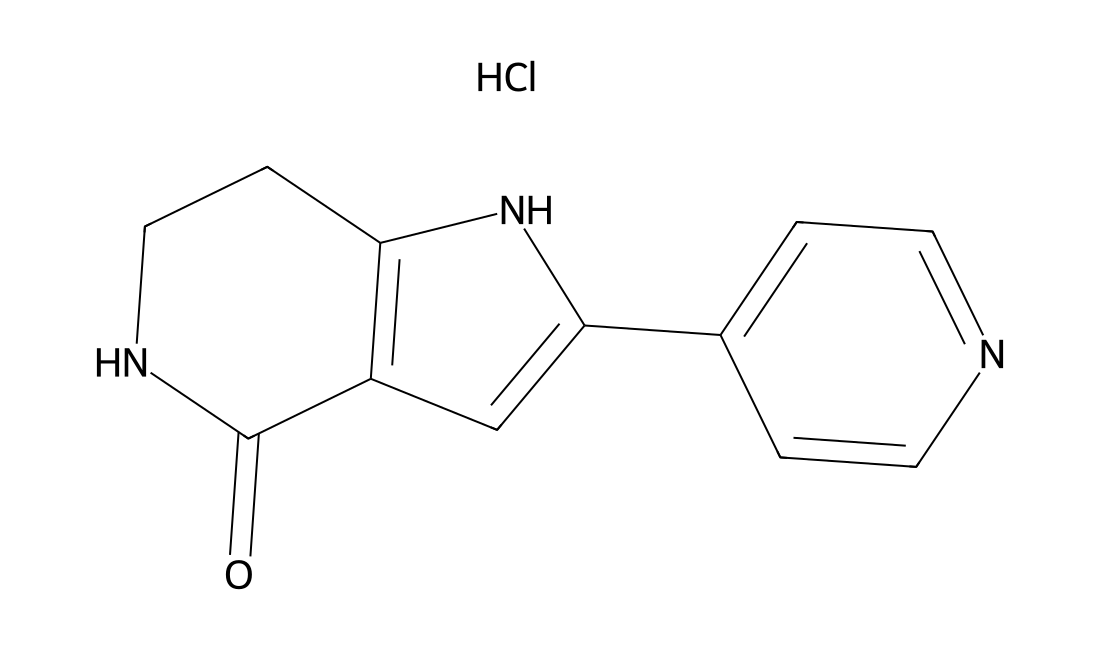
PHA-767491 (hydrochloride)
CAS 942425-68-5
PHA-767491 (CAY10572) Hcl is a potent, ATP-competitive dual Cdc7/Cdk9 inhibitor with IC50 values of 10/34 nM. in vitro: PHA-767491 displays approximately 20-fold selectivity for Cdk1, Cdk2 and GSK3-β, 50-fold selectivity for MK2 and Cdk5 and 100-fold selectivity for PLK1 and CHK2. PHA-767491 inhibits cell proliferation in a variety of human cell lines with IC50 of 0.86 μM for SF-268 to 5.87 μM for K562, and significantly induces apoptosis in a p53-independent manner in almost all cell lines in contrast with 5-FU or gemcitabine which only works in a few of cell lines. Unlike current DNA synthesis inhibitors, PHA-767491 treatment at 5 μM blocks the initiation of DNA replication but not replication fork progression, due to specific inhibition of Cdc7 kinase and Mcm2 phosphorylation at the Cdc7-dependent Ser40 site. The direct mitochondrial dependent pro-apoptosis effect of PHA-767491 is also observed when applied at 1 μM in quiescent chronic lymphocytic leukemia (CLL) cells through the similar mechanism with EC50 of 0.34-0.97 μM. While in proliferating CLL cells stimulated by CD154 and interleukin-4, PHA-767491 treatment at 5 μM abolishes DNA synthesis by inhibiting Cdc7 rather than triggering cell death. The up-regulated Mcl-1 levels in ABT-737-resistant OCI-LY1 and SU-DHL-4 cells can be significantly decreased by PHA-767491 treatment at 3 μM possibly due to the inhibition of Cdk9, leading to the restoration of the sensitivity to ABT-737. in vivo: Administration of PHA-767491 twice a day for 5 days significantly inhibits the growth of HL60 xenograft in a dose-dependent manner with TGI of 50% and 92% at dose of 20 mg/kg and 30 mg/kg, respectively, the effect of which is also marked in A2780, Mx-1, and HCT-116 xenograft models as well as the DMBA-induced mammary carcinomas, and correlates with Cdc7 inhibition and subsequently decreased phosphorylation of Mcm2 at the Cdc7-dependent site Ser40.
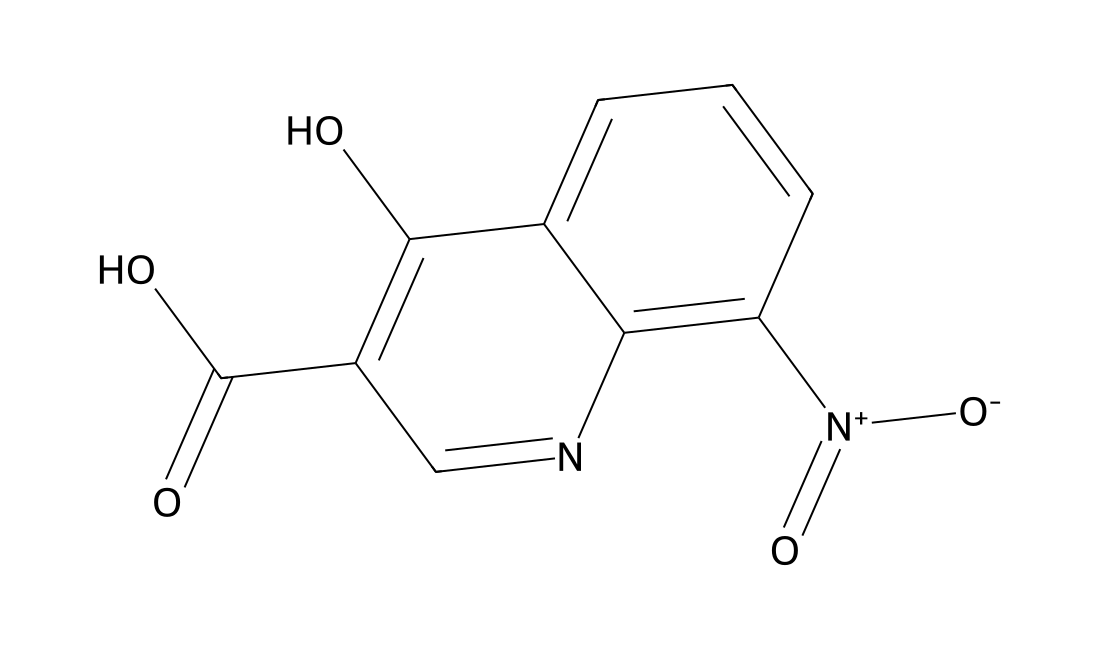
NSC 15765
CAS 35973-25-2
NSC 15765 (Compound C5, DNA2 inhibitor C5) is an effective, selective and competitive inhibitor of DNA2 nuclease with IC50 of 20 uM; poorly inhibits the activities of the other two nucleases, FEN1 and EXO1; suppresses resection-related homology directed repair (HDR) and single-stand annealing (SSA) and causes accumulation of phosphorylated RPA foci, and inhibits restart of stalled DNA replication forks and over-resection of nascent DNA in cells defective in fork protection; exhibits cytotoxicity against a panel of 18 cell lines with IC50 of 7-70 uM; sensitizes cells to PARP inhibitor MK-4827; also sensitizes cells to CPT and synergizes with PARP inhibitors; also can mimics DNA2 knockout and synergistically kills cancer cells when combined with an ATR inhibitor.
Browse target & topic index A–Z (366)
11β-HSD (1)15-PGDH (2)5-HT Receptor (16)Acetyl-CoA Carboxylase (ACC) (3)Acetylcholinesterase (AChE) (2)Ack1 (TNK2) (1)Acyltransferase (1)ADC Cytotoxin (6)ADCs Linker/Click Chemistry (5)Adenosine Receptor (9)Adenylate Cyclase (2)Adrenergic Receptor (11)Akt (12)Alcoholism (2)Aldehyde Dehydrogenase (ALDH) (6)Allergy (5)Alzheimer Disease (13)Aminopeptidase (1)AMPK (8)Amyloids (4)Anaplastic Lymphoma Kinase (ALK) (9)Androgen Receptor (AR) (11)Anemia (4)Angiotensin Receptor (4)Antibody/Protein labeling dyes (1)Antifolate (2)Anxiety (1)Apoptosis Inducer (3)Arginase (1)Arp2/3 complex (1)Aryl hydrocarbon Receptor (AhR) (1)Asthma (5)Atherosclerosis (2)ATM/ATR (8)Aurora Kinase (10)Autophagy (6)Autophagy-related Protein (Atg) (2)Autotaxin (2)Bacterial (26)Bacterial Infection (17)Bcl-2 (14)Bcr-Abl (5)BCRP (1)Beta-catenin (4)Beta-secretase (BACE) (4)Blood Cancer (91)BMI-1 (1)Bone Cancer (6)Brain Cancer (6)Breast Cancer (30)Bromodomain (22)BTK (10)c-Fms (CSF1R) (5)c-Fos/AP-1 (1)c-Kit (6)c-Met (HGFR) (11)c-Myc (2)Calcium Channel (4)Calcium-sensing Receptor (CaSR) (1)CaMK (4)Cannabinoid Receptor (6)Carbonic Anhydrase (1)Carboxypeptidase (1)Casein Kinase (6)Caspase (4)Cathepsin (6)Cdc2-like Kinase (CLK) (1)CETP (2)CFTR (7)Checkpoint Kinase (Chk) (8)Chemokine Receptor (CCR and CXCR) (14)Chemotherapeutic Agents (19)Chloride Channel (1)CMV (2)CMV Infection (2)Colon Cancer (9)Complement System (1)COPD (3)CREB/CBP (2)CRF Receptor (2)CRISPR/Cas9 (1)Cushing Disease (1)Cyclin-dependent Kinase (CDK) (39)Cyclooxygenase (COX) (4)Cytochrome P450 (CYPs) (5)Depression (2)Dermatitis (2)Deubiquitinase (DUB) (7)Diabetes (20)Dipeptidyl Peptidase (DPP) (3)Discoidin Domain Receptor (DDR) (1)DNA Alkylator/Crosslinker (10)DNA Methyltransferase (DNMT) (1)DNA Repair Protein (1)DNA-PK (2)DNA/RNA Synthesis (5)Dopamine beta-hydroxylase (1)Dopamine Receptor (7)Drug Metabolite (1)Drug-Linker Conjugates (11)Dyes (4)DYRK (1)Dyslipidemia (9)E3 Ligase Ligand (6)E3 Ligase Ligand-Linker Conjugate (1)E3 Ubiquitin Ligase (4)Ebola Virus Infection (1)EGFR (32)Elastase (2)Endothelin Receptor (5)Enzymes substrates (13)Epigenetic Reader Domain (3)Epilepsy (4)ERK (4)Estrogen Receptor/ERR (13)Eukaryotic Initiation Factor (eIF) (2)Exportin-1 (CRM1,XPO1) (2)FABP (1)Factor Xa (5)Farnesoid X Receptor (FXR) (5)Farnesyl transferase (FTase) (1)Ferroptosis (6)FGFR (15)Fibrosis (5)FLT3 (6)Focal Adhesion Kinase (FAK) (11)Foxo1 (1)Free Fatty Acid Receptor (FFAR) (5)Fungal (2)Fungal Infection (1)GABA Receptor (13)Galectin (1)Gastric Cancer (8)Ghrelin Receptor (GHSR) (3)Glucagon Receptor (4)Glucokinase (2)Glucose Transporter (GLUT) (2)Glutamate Transporter (2)GPCR (1)GPER (GPR30) (1)GPR139 (1)GPR183 (EBI2) (2)GPR39 (1)GPR55 (1)GPR84 (1)GRK (GPCRK) (2)Growth Hormone Deficiency (2)GSK-3 (8)Guanylate Cyclase (3)HBV (1)HBV Infection (1)HCN Channel (2)HCV (8)HCV Infection (9)HDAC (38)Heart Arrhythmia (2)Heart Failure (5)Heat Shock Protein (HSP) (15)Hedgehog (Hh) (1)HIF/HIF Prolyl-hydroxylase (8)Histamine Receptor (6)Histone Acetyltransferase (HAT) (5)Histone Demethylase (11)Histone Methyltransferase (HMTase) (31)HIV (12)HIV Infection (11)HMG-CoA Reductase (HMGCR) (3)HSV (1)HSV Infection (1)Hypercholesterolemia (1)Hyperparathyroidism (1)Hypertension (8)IAP (1)IGF-1R (3)iGluR (15)Indoleamine 2,3-Dioxygenase (IDO) (4)Infection (1)Influenza (6)Influenza Virus (6)Insulin Receptor (2)Integrin (6)Interleukin Receptor (1)IRAK (2)IRE1 (4)Irritable Bowel Syndrome (2)Ischemia (1)Isocitrate Dehydrogenase (IDH) (5)ITK (1)IκB kinase (IKK) (7)JAK (32)JNK (3)Keap1-Nrf2 (6)Kidney Cancer (10)Kinesin (5)Kruppel-like Factor (KLF) (1)Kynurenine 3-Monooxygenase (KMO) (1)Leukotriene Receptor (1)LIM Kinase (LIMK) (3)Lipids fragment (1)Liver Cancer (6)Liver X Receptor (LXR) (3)LRRK2 (9)Lung Cancer (39)Lysophospholipid Receptor (12)LYTACs (3)mAChR (9)MALT1 (2)MAP4K (1)Matrix Metalloproteinase (MMP) (10)MDM2-p53 (9)MEK (MAP2K) (14)MEKK (MAP3K) (1)Melanocortin Receptor (2)MELK (1)mGluR (7)MicroRNA (1)Microtubule/Tubulin (5)Mineralocorticoid Receptor (MLR) (1)MITF (1)Mixed Lineage Kinase (MLK) (3)MNK (2)Molecular Glues (13)Monoamine Transporter (5)Monocarboxylate Transporter (MCT) (1)Monopolar Spindle 1 (Mps1/TTK) (3)mTOR (13)Multiple Sclerosis (6)Myosin (1)Na-K-Cl Cotransporter (NKCC) (2)nAChR (2)NADPH Oxidase (NOX) (2)NAMPT (3)Natural products (37)Neprilysin (1)Neurokinin Receptor (3)Neuropeptide Y Receptor (3)NF-κB (5)Nitric Oxide Synthase (NOS) (1)NOD-like Receptor (NLR) (3)Notch (2)Nucleoside Antimetabolite/Analog (10)Nur77 (NR4A1) (1)Obesity (1)Oct3/4 (1)Opioid Receptor (5)Orexin Receptor (7)Osteoporosis (2)Ovarian Cancer (14)Oxytocin Receptor (OXTR) (2)P-glycoprotein (P-gp) (3)p21-activated Kinase (PAK) (1)P2X Receptor (2)P2Y Receptor (1)p38 MAPK (10)p97/VCP (1)Pain (12)Pancreatic Cancer (10)Parasite (5)Parasite Infection (2)Parkinson Disease (2)PARP (19)PCSK9 (1)PD-1/PD-L1 (4)PDGFR (4)PDK1 (2)PEGn (1)PERK (2)PGE synthase (2)Phosphodiesterase (PDE) (9)Phospholipase (4)PI3K (32)PI4K (2)Piezo Channel (1)PIKfyve (3)Pim (9)PKC (12)PKD (1)Plasminogen Activator Inhibitor-1 (PAI-1) (3)Polo-like Kinase (PLK) (4)Porcupine (3)Potassium Channel (13)PPAR (13)Pregnane X Receptor (PXR) (1)Progesterone Receptor (2)Prostaglandin Receptor (11)Prostate Cancer (7)PROTACs (35)Protease-activated Receptor (PAR) (3)Proteasome (12)Protein Disulfide Isomerase (PDI) (1)Protein Phosphatase/PTP (6)Proton Pump (1)Psoriasis (5)RAD51 (1)Radioligand precursors (15)Raf (18)RAR/RXR (3)Ras (17)Renin (2)RET Tyrosine Kinase (c-RET) (3)Rheumatoid Arthritis (16)Ribosomal S6 Kinase (RSK) (5)RIG-I-like Receptor (RLR) (2)RIP kinase (7)ROCK (12)ROR (2)RSV (4)RSV Infection (3)RUNX1-CBFβ (1)S-nitrosoglutathione reductase (GSNOR) (1)Saccharides and Glycosides (1)Salt Inducible Kinase (SIK) (2)SARS-CoV (16)SARS-CoV Infection (34)Schizophrenia (4)Sexual Dysfunction (1)SGLT (4)Sigma Receptor (4)Sirtuin (9)Skin Cancer (13)Sleep Disorder (7)SMN2 Modulator (1)Smoothened (Smo) (9)Sodium Channel (12)Solid Tumors (35)Somatostatin Receptor (2)Sphingosine kinase (SphK) (2)Src (7)STAT (5)Stearoyl-CoA Desaturase (SCD) (1)Steatohepatitis (7)Sterol lipids (1)STING (14)Syk (6)T Cell Receptor (TCR) (1)TAK1 (2)TAM Receptor (Tyro3-Axl-Mer) (4)Taste Receptor (1)Telomerase (2)TGF beta Receptor (TGFBR) (12)Thrombin (3)Thrombosis (13)Thyroid Cancer (1)Thyroid Hormone Receptor (THR) (1)Thyrotropin Receptor (2)TNIK (1)Toll-like Receptor (TLR) (2)TOPK (1)Topoisomerase (11)TRAIL (1)Translocator Protein (TSPO) (1)Trk Receptor (4)TRP Channel (13)Tryptophan Hydroxylase (TPH) (1)Ubiquitin-activating Enzyme (E1) (2)Ubiquitin-conjugating Enzyme (E2) (2)Ulcer (1)ULK (3)Vasopressin Receptor (2)VEGFR (25)Vitamin D Receptor (VDR) (3)Wee1 (1)WNK Kinase (1)Wnt (5)Yes-associated Protein (YAP) (4)γ-secretase (5)