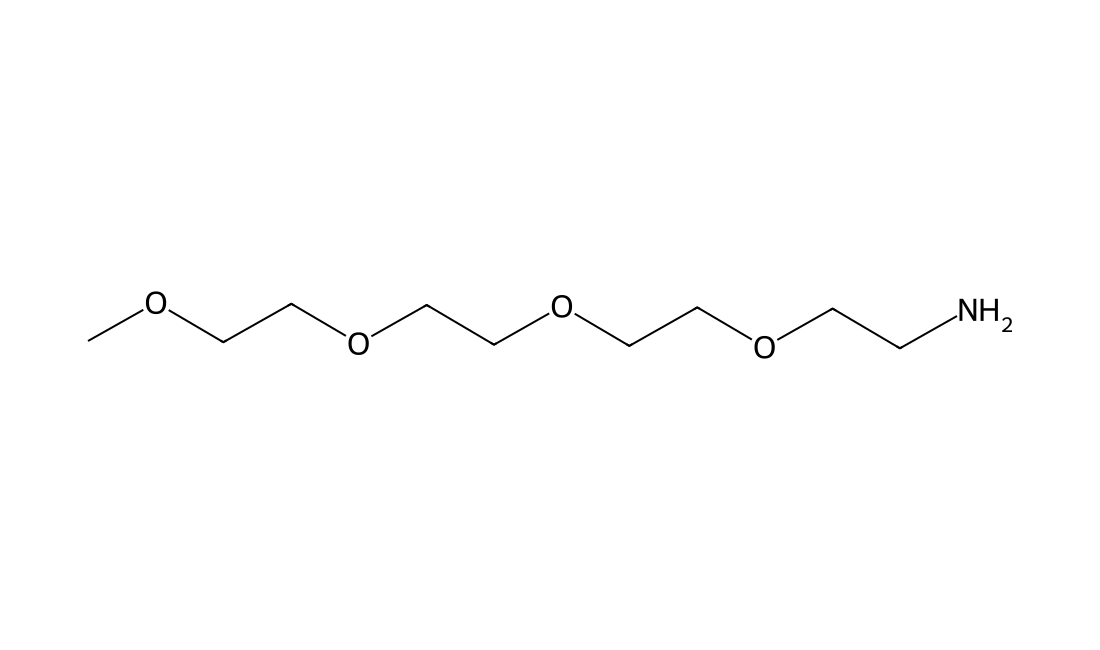
m-PEG4-Amine
CAS 85030-56-4
m-PEG4-Amine is a cleavable ADC linker used in the synthesis of antibody-drug conjugates (ADCs)[1].

ADC payloads, linkers, drug-linker conjugates and conjugation reagents.
Products may appear in more than one category. Counts refer to distinct catalog numbers within each category.
Other Research Tools (75) · Additional reagents, building blocks and specialized research tools.
Combine a keyword, research category and target to narrow the product list.
Loading catalog filters…
CAS 85030-56-4
m-PEG4-Amine is a cleavable ADC linker used in the synthesis of antibody-drug conjugates (ADCs)[1].
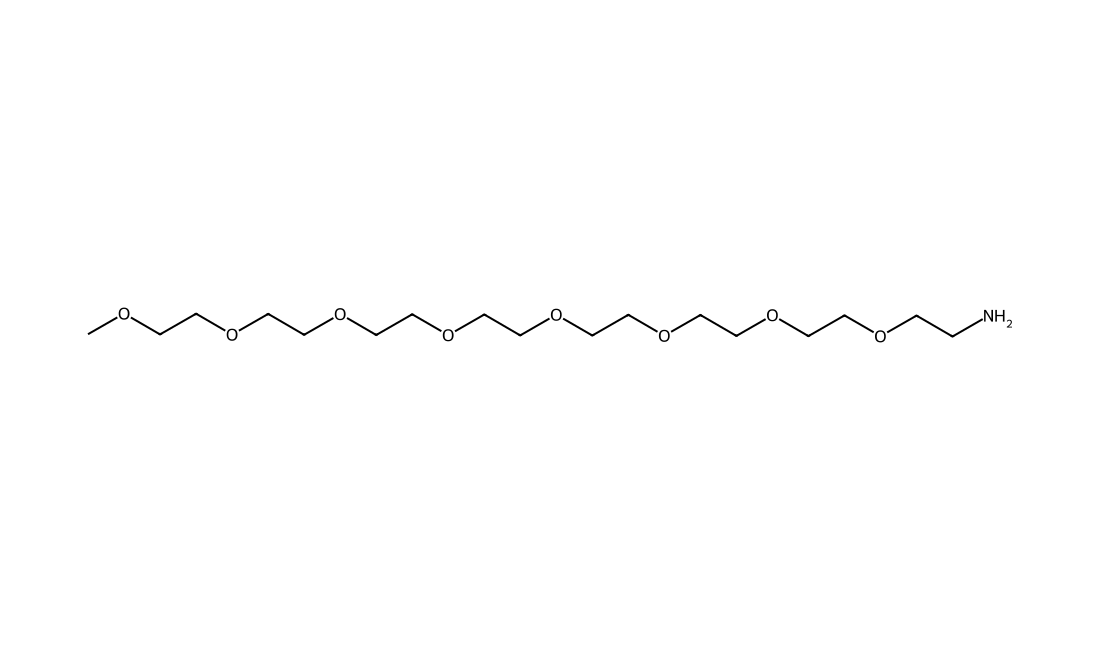
CAS 869718-81-0
m-PEG8-Amine is a cleavable ADC linker used in the synthesis of antibody-drug conjugates (ADCs)[1].
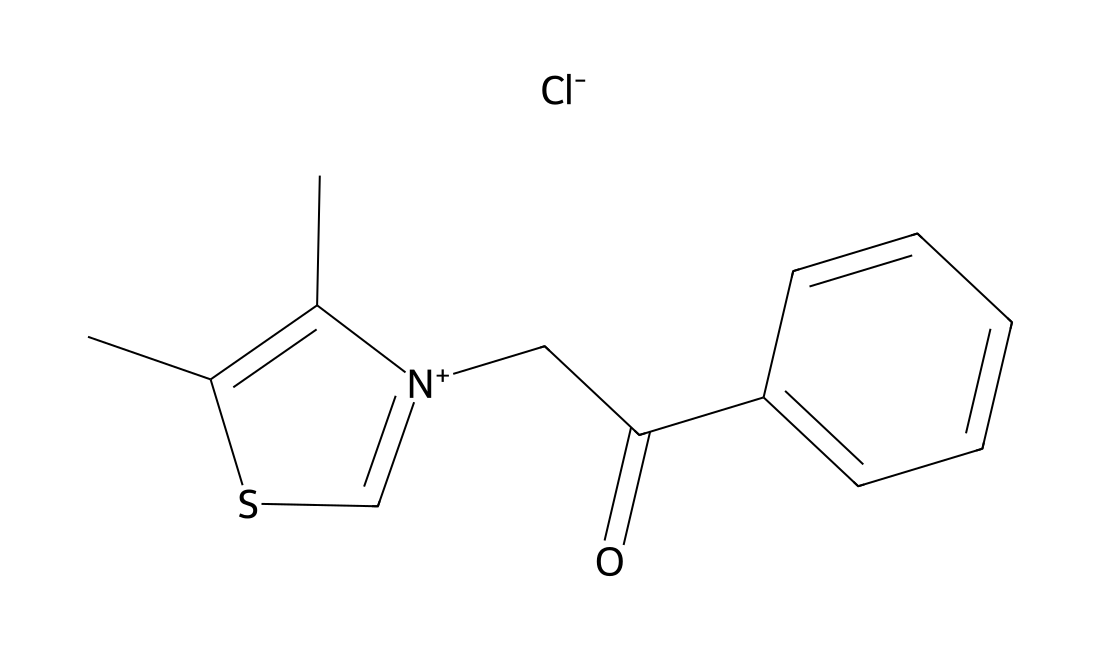
CAS 341028-37-3
Alagebrium Chloride, identified as ALT711, emerged as a pioneering pharmaceutical candidate developed by Alteon, Inc. It marked the first clinical attempt to address the crosslinks formed by advanced glycation endproducts (AGEs), a key factor in the aging process. By targeting and disrupting these crosslinks, Alagebrium aims to counteract the stiffening of blood vessel walls, a condition linked to hypertension, cardiovascular disorders, and various age-related degenerative issues caused by protein crosslinking. Clinical studies have demonstrated its efficacy in lowering systolic blood pressure and offering therapeutic advantages for individuals with diastolic dysfunction.
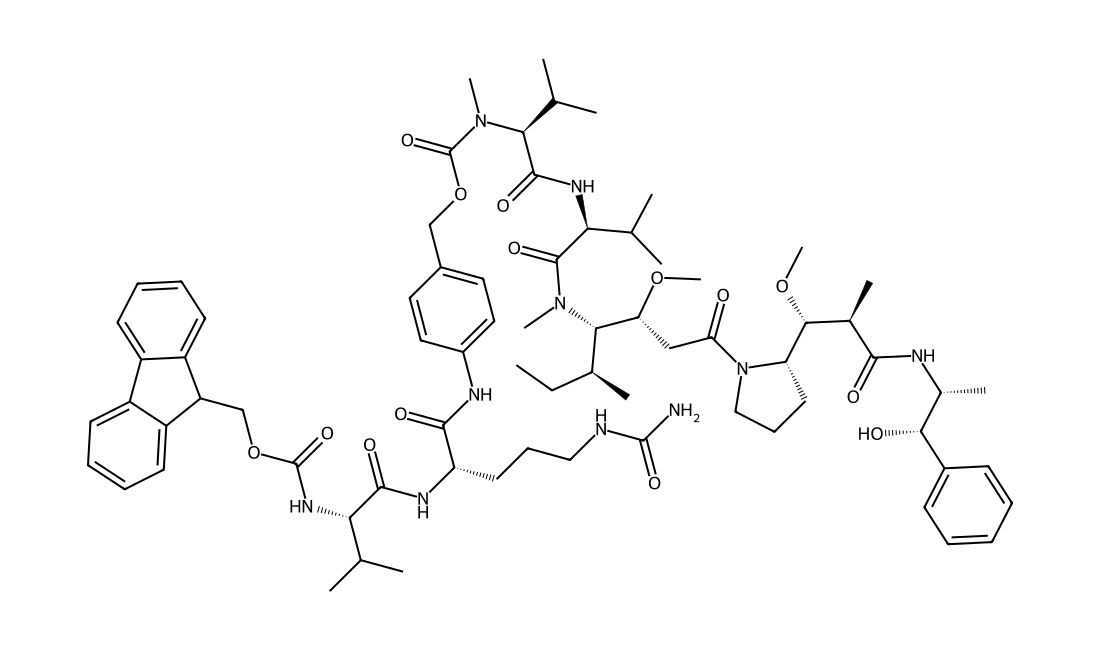
CAS 1350456-56-2
Fmoc-Val-Cit-PAB-MMAE consists the ADCs linker (Fmoc-Val-Cit-PAB) and potent tubulin inhibitor (MMAE). Fmoc-Val-Cit-PAB-MMAE is a agent-linker conjugate for ADC.
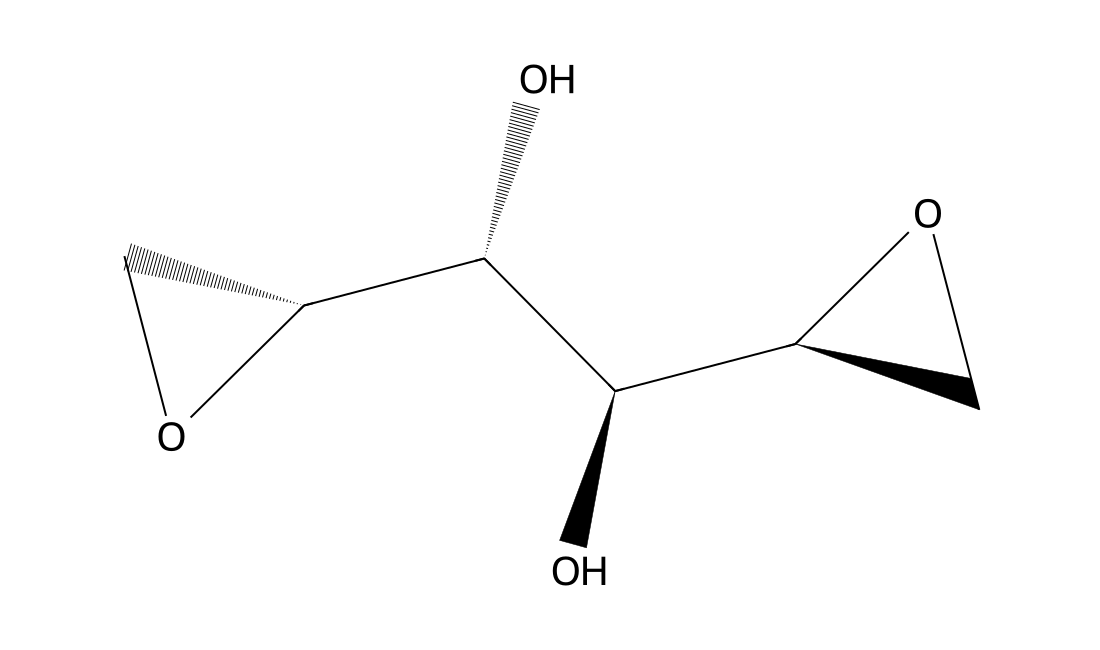
CAS 23261-20-3
VAL-083 is a bi-functional alkylating agent, with potential antineoplastic activity. Upon administration, VAL-083 crosses the blood brain barrier (BBB) and appears to be selective for tumor cells. This agent alkylates and crosslinks DNA which ultimately leads to a reduction in cancer cell proliferation. In addition, VAL-083 does not show cross-resistance to other conventional chemotherapeutic agents and has a long half-life in the brain.
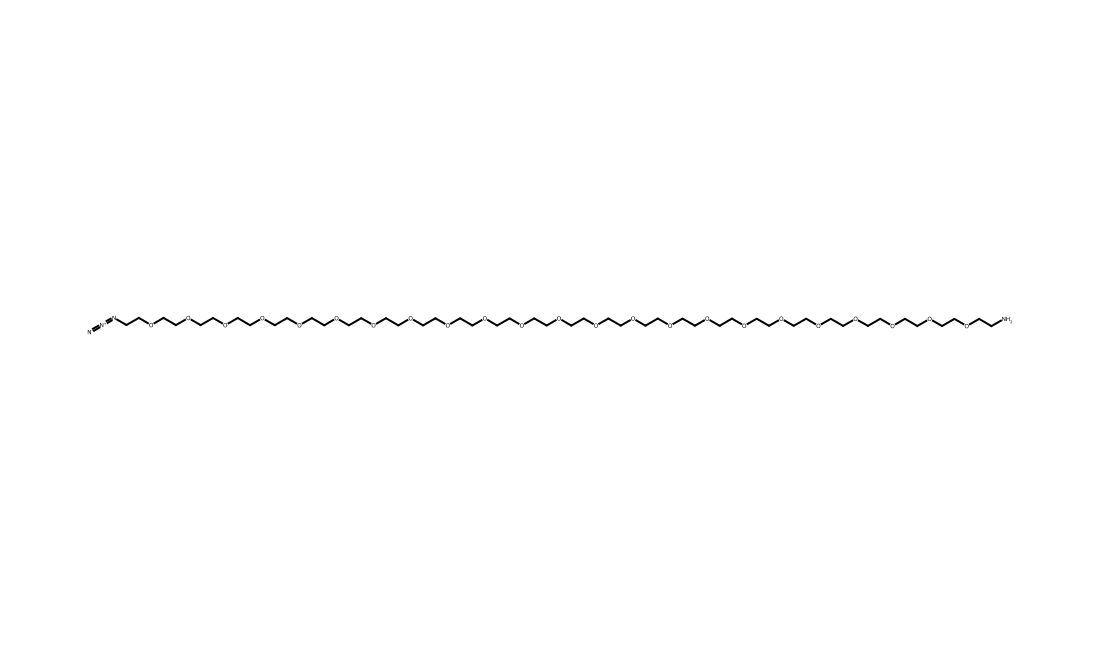
CAS 749244-38-0
Azido-PEG23 amine is a PEG derivative containing an amino group with an azide group. The amino group is reactive with carboxylic acids, activated NHS esters, carbonyls (ketone, aldehyde) etc. The azide group can react with alkyne, BCN, DBCO via Click Chemistry to yield a stable triazole linkage. PEG Linkers may be useful in the development of antibody drug conjugates.
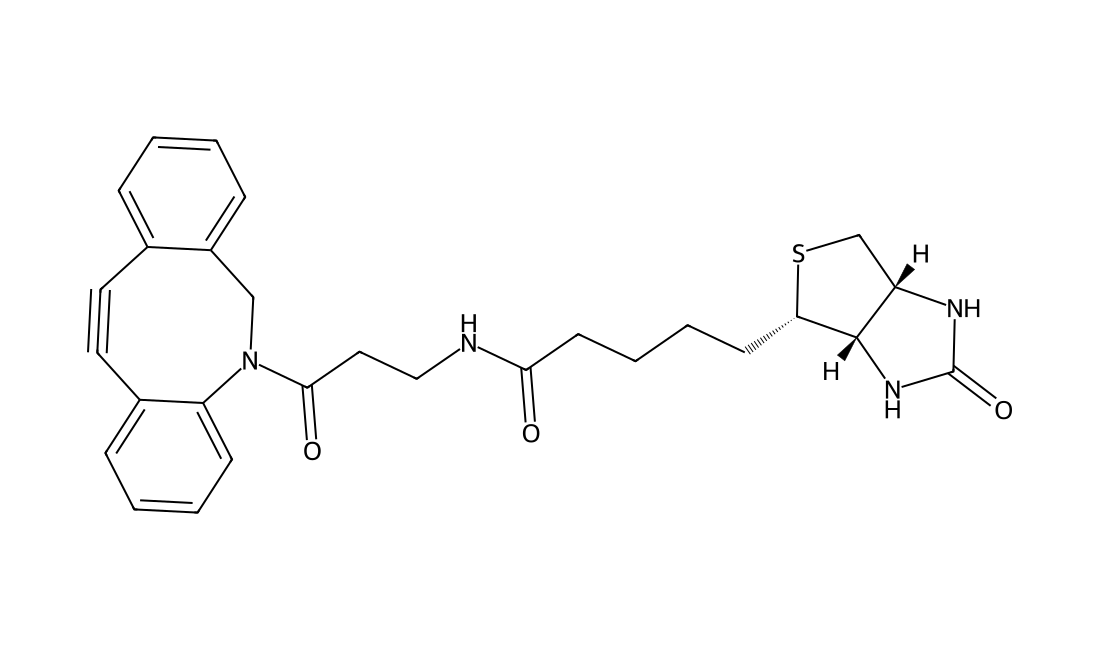
CAS 1418217-95-4
DBCO-Biotin is a Click Chemistry intermidate used for antibody-drug conjugates.
CAS 1032678-42-4
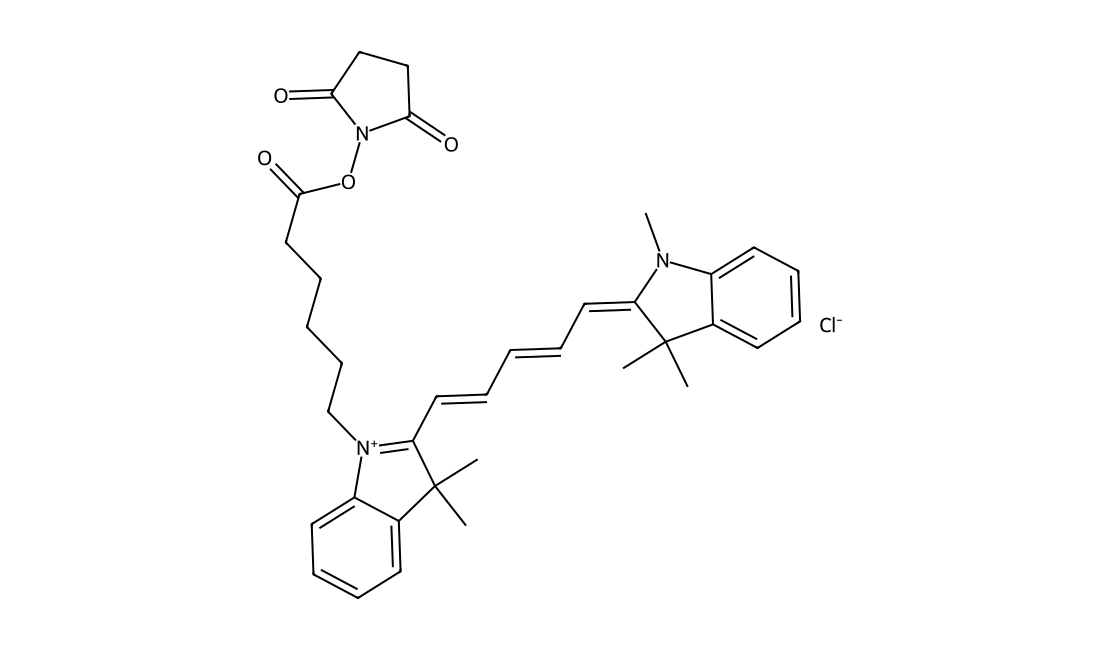
Cyanine5 NHS ester chloride is a red emitting fluorescent dye for labeling of amino-groups in peptides, proteins, and oligonucleotides[1].
CAS 1686147-55-6
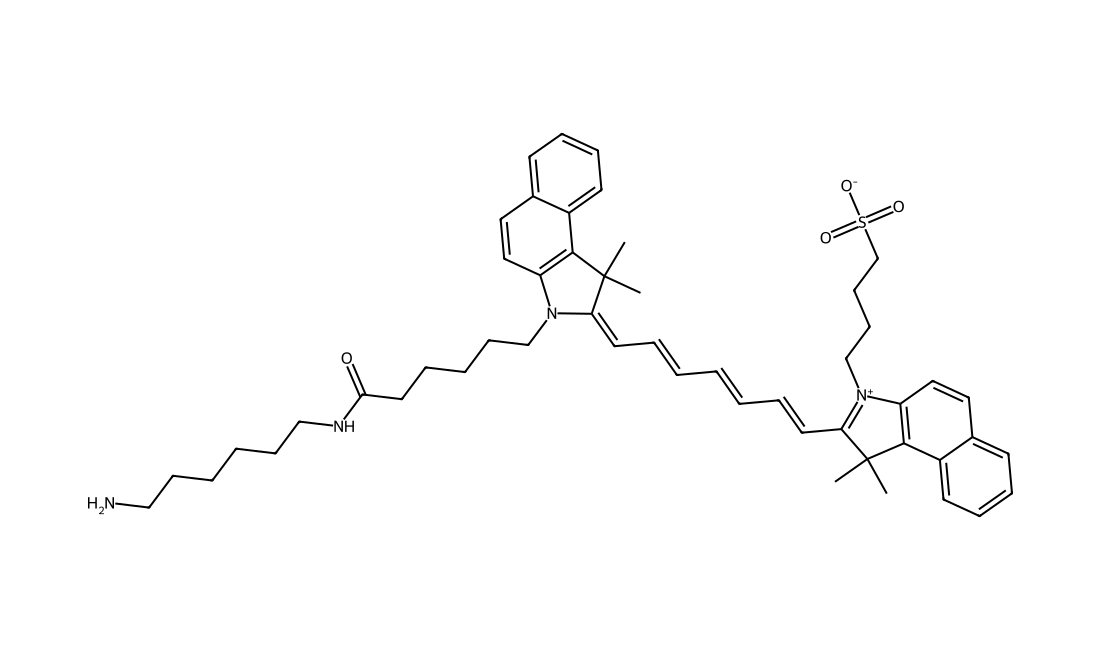
ICG amine, as a near-infrared fluorescent probe, binds to amino acid residues without condensing agents. ICG is a tricarbocyanine dye[1].
CAS 756487-18-0
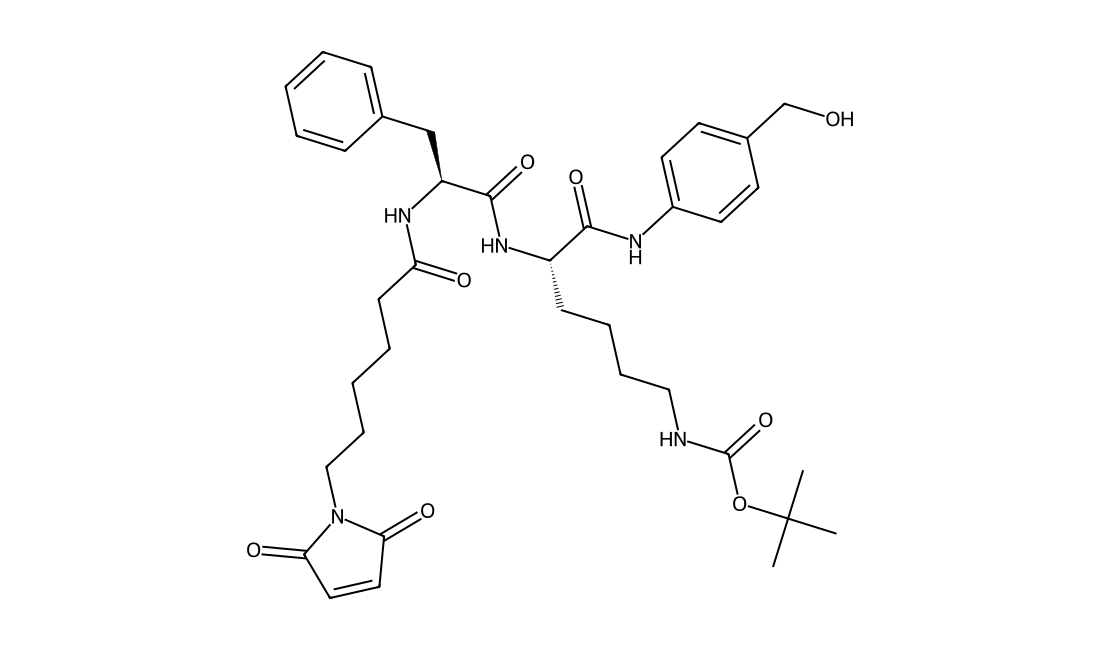
TKN87180 is a Hydrolyzable linker for making ADC conjugate. TKN87180 was first reported in Bioorganic & Medicinal Chemistry Letters (2004), 14(16), 4323-4327. This product has not formal name. For the convenience of scientific communication, we named it by combining its Inchi key (3 letters from the first letter of each section) with the last 5 digits of its CAS number or its molecule weight if its CAS number is not available.
CAS 1984862-48-7
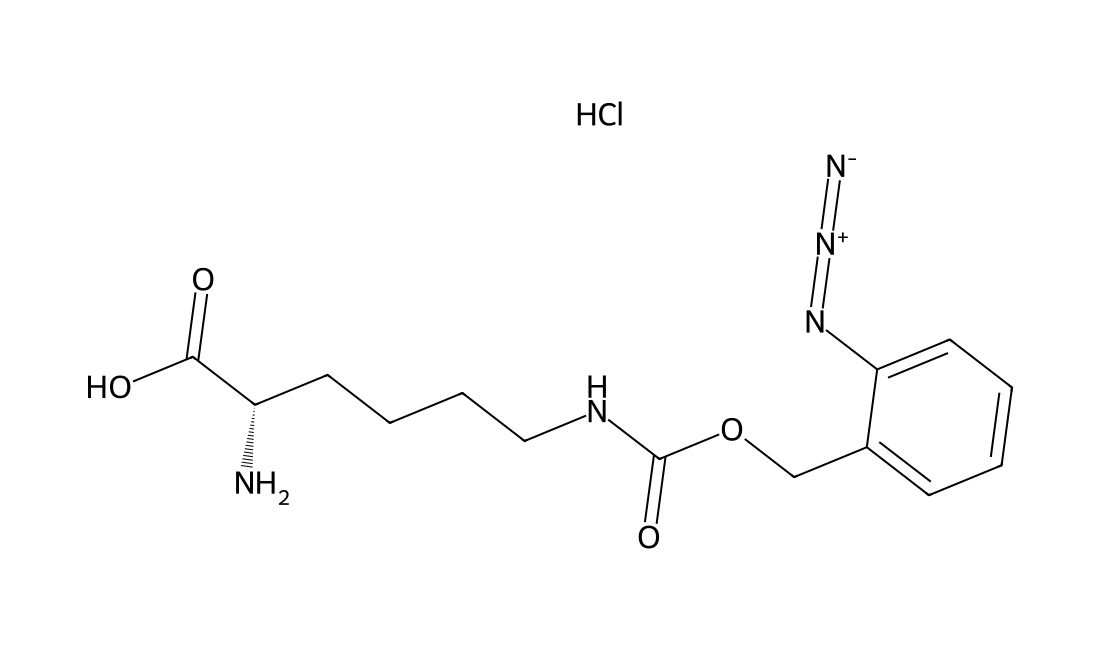
A synthetic amino acid that fuctions as a small molecule switch for activation of protein function through the site-specific incorporation; a small-molecule-removable protecting group into the protein of interest using a pyrrolysyl transfer RNA synthetase/tRNACUA pair in mammalian cells; can be applied to the conditional control of several cellular processes, including bioluminescence (luciferase), fluorescence (enhanced green fluorescent protein), protein translocation (nuclear localization sequence), DNA recombination (Cre) and gene editing (Cas9).
CAS 101917-30-0
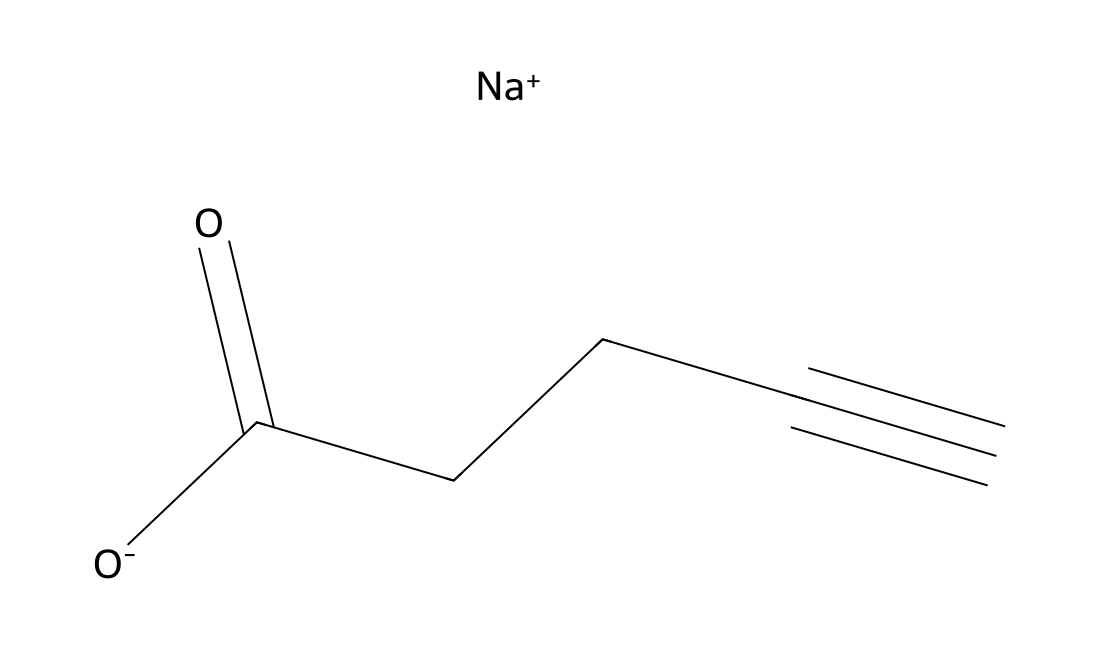
sodium 4-pentynoate is a alkynylacetate analogue; can be metabolically incorporated onto cellular proteins through biosynthetic mechanisms for profiling of acetylated proteins in diverse cell types.
CAS 106139-15-5
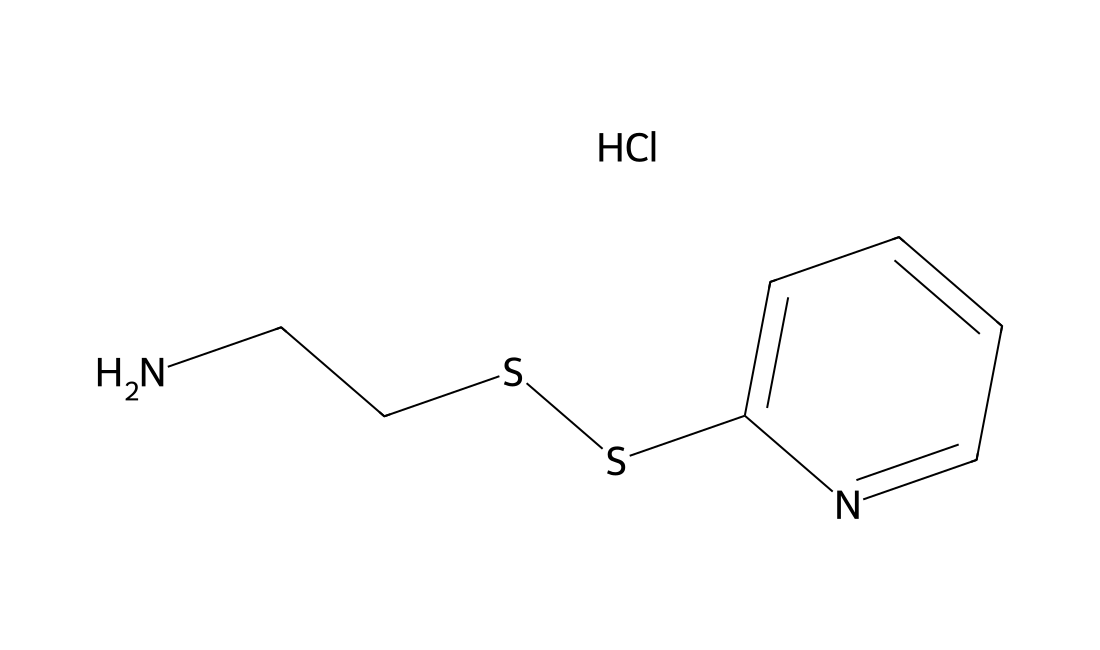
2-(Pyridyldithio)ethylamine hydrochloride can be used in the preparation of a drug-octreotide conjugate.