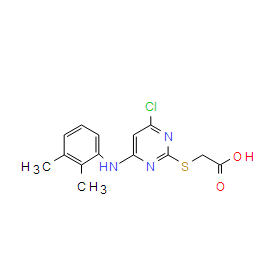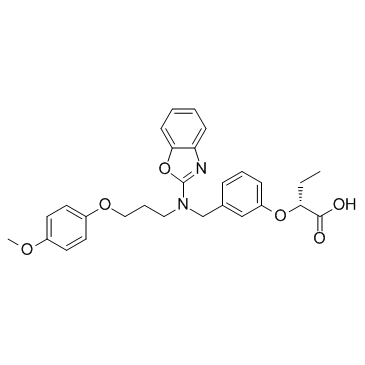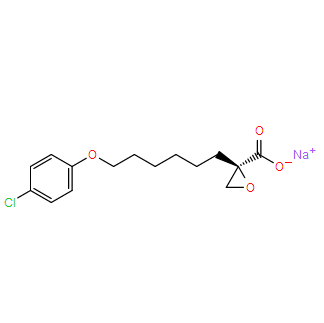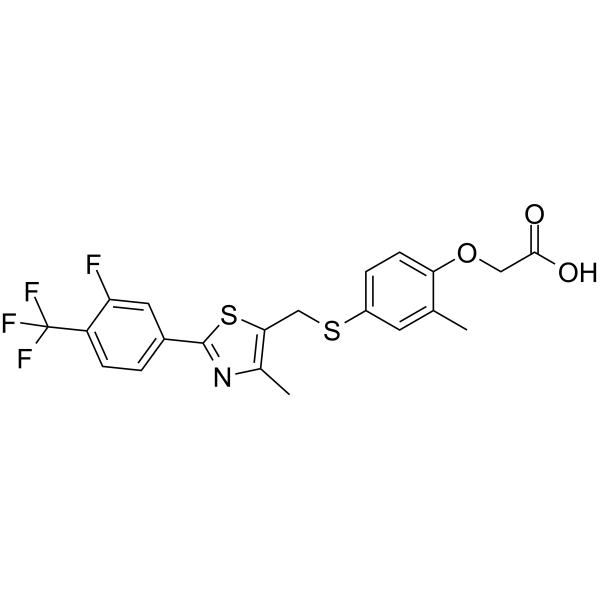
Biological Activity
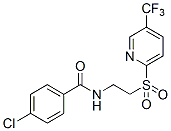
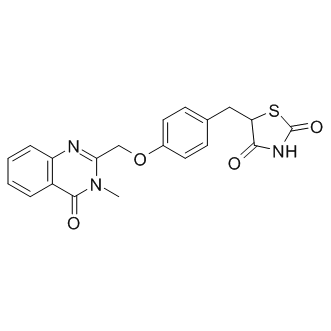
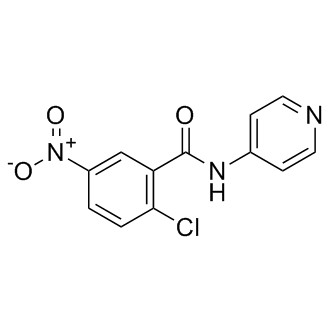
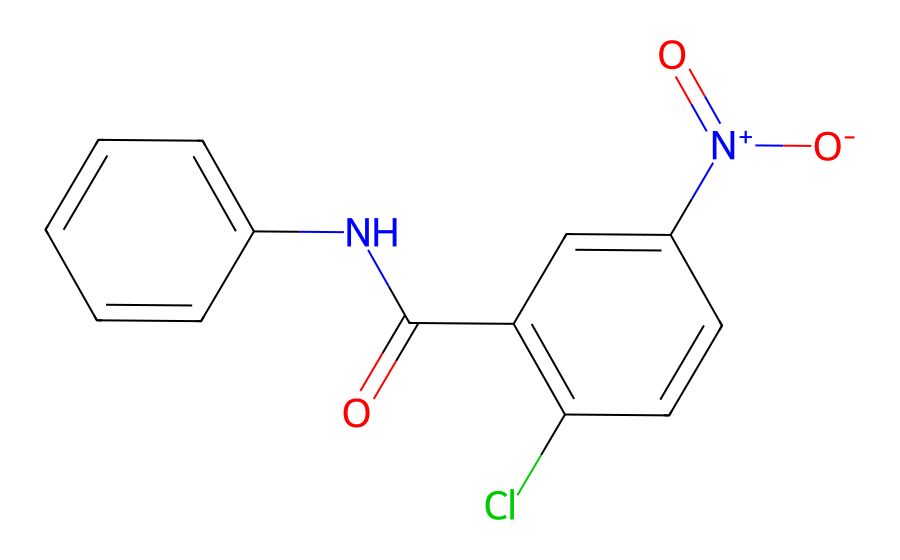
GW9662 is a potent and selective PPARγ antagonist with an IC50 of 3.3 nM, showing 10 and 1000-fold selectivity over PPARα and PPARδ, respectively.
In Vitro
GW9662 inhibits radioligand binding to PPARγ, PPARα, and PPARδ with pIC50s of 8.48±0.27 (IC50=3.3 nM; n=10), 7.49±0.17 (IC50=32 nM; n=9), and 5.69±0.17 (IC50=2000 nM; n=3), respectively. GW9662 has nanomolar IC50 versus PPARγ and is 10- and 600-fold less potent in binding experiments using PPARα and PPARδ, respectively. In cell-based reporter assays, GW9662 is a potent and selective antagonist of full-length PPARγ[1]. Co-treatment with both 50 μM Rosiglitazone and 10 μM GW9662 results in statistically lower viable cell numbers after 7 days when compared to treatment with either 50 μM rosiglitazone (P=0.001) or 10 μM GW9662 (P=0.01) alone[2].
In Vivo
Bone marrow (BM) nucleated cell counts in both BADGE- and GW9662(1 mg/kg, i.p.)-treated mice are significantly higher than counts in the aplastic anemia (AA) group[3]. GW9662 (1 mg/kg, i.p.) largely attenuates the renoprotective effects of Lipopolysaccharide (LPS) in the rat[4].
References & source
Published experimental findings depend on the model and assay conditions. They do not guarantee equivalent performance in every application. For laboratory research use only.