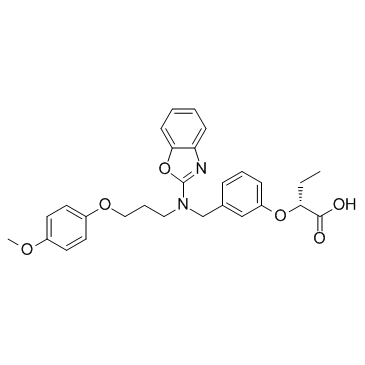
Pemafibrate chemical structure
Chemical structureResearch use only
CAT. NO. DC11360Featured

Pemafibrate

Pack Sizes & Prices

TotalUS$450
We match the best price and quality on market.
Product overview

Description & Application

Pemafibrate is a potent PPARα agonist, with EC50s of 1 nM, 1.10 μM and 1.58 μM for h-PPARα, h-PPARγ and h-PPARδ, respectively, and possesses lipid-lowering effect.

ParameterValue
Chemical Name(R)-2-(3-((benzo[d]oxazol-2-yl(3-(4-methoxyphenoxy)propyl)amino)methyl)phenoxy)butanoic acid
CAS No.848259-27-8
SynonymsK-877; K877; K 877; (R)-K 13675; (R)-K13675; (R)K-13675; Pemafibrate
FormulaC28H30N2O6
M.Wt490.56
SMILESCOC1=CC=C(OCCCN(C2=NC(C=CC=C3)=C3O2)CC4=CC(O[C@H](CC)C(O)=O)=CC=C4)C=C1
Purity>98%
Storage2 years -20°C Powder, 2 weeks 4°C in DMSO, 6 months -80°C in DMSO

Biological Activity

Pemafibrate is a potent PPARα agonist, with EC50s of 1 nM, 1.10 μM and 1.58 μM for h-PPARα, h-PPARγ and h-PPARδ, respectively, and possesses lipid-lowering effect.

In Vitro

Pemafibrate is a potent PPARα agonist, with EC50s of 1 nM, 1.10 μM and 1.58 μM for h-PPARα, h-PPARγ and h-PPARδ, respectively. Pemafibrate is more than 1000 fold selective towards PPARα than PPARγ and PPARδ[1].

In Vivo

Pemafibrate (3 mg/kg, p.o.) increases plasma h-apoA-I in human apoA-I (h-apoA-I) transgenic mice, and shows higher levels of plasma h-apoA-I than fenofibrate at 300 mg/kg[1]. Pemafibrate (0.03 mg/kg) decreases levels of triglycerides and aspartate aminotransferase (AST) in PEMA-L (db/db) mice. Pemafibrate (0.1 mg/kg) not only shows such effects but increases liver weight in PEMA-H (db/db) mice. Pemafibrate enhances the pathogenesis in a rodent model of nonalcoholic steatohepatitis (NASH). Pemafibrate significantlly reduces the grade of hepatocyte ballooning in PEMA-H mice. Furthermore, Pemafibrate modulates lipid turnover and induces uncoupling protein 3 (UCP 3) expression in the liver[2]. Pemafibrate (K-877, 0.0005%) contained in high-fat diet (HFD) inhibits the body weight gain in mice. Pemafibrate significantly decreases the abundance of triglyceride (TG)-rich lipoproteins, including remnants, in postprandial plasma of mice. Pemafibrate also decreases intestinal mRNA expression of ApoB and Npc1l1[3].

References & source

DC Chemicals original product information

Published experimental findings depend on the model and assay conditions. They do not guarantee equivalent performance in every application. For laboratory research use only.
Product documentation

Refer to the certificate supplied with your lot for batch-specific release results.

Handling guide

2 years -20°C Powder, 2 weeks 4°C in DMSO, 6 months -80°C in DMSO

Solution calculator

Related research products

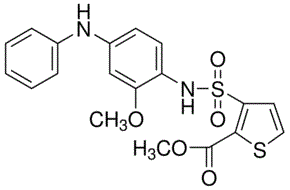
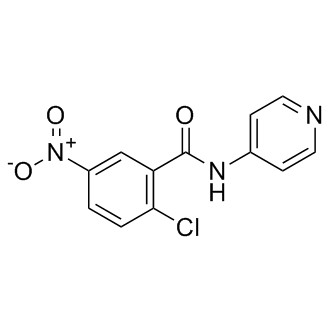
GSK3787 chemical structureDC1035

GSK3787

GSK3787 is a selective and irreversible peroxisome proliferator-activated receptor δ (PPARδ) antagonist with pIC50 of 6.6.

View activity & prices
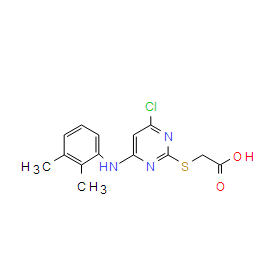
WY14643 (Pirinixic Acid) chemical structureDC1034

WY14643 (Pirinixic Acid)

Pirinixic acid (Wy-14643) is a potent agonist of PPARα, with EC50s of 0.63 μM, 32 μM for murine PPARα and PPARγ, and 5.0 μM, 60 μM, 35 μM for human PPARα, PPARγ and PPARδ, respectively.

View activity & prices
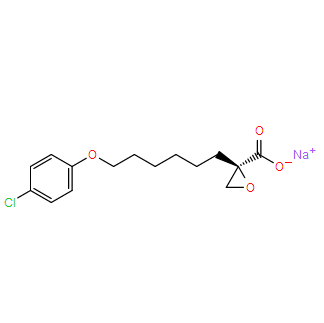
R(+)-Etomoxir (sodium salt) chemical structureDC7412

R(+)-Etomoxir (sodium salt)

(R)-Etomoxir sodium salt is the R-form of Etomoxir sodium salt, acts as an inhibitorof carnitine palmitoyltransferase I (CPT-I), and inhibits palmitate β-oxidation in human, rat and guinea pig.

View activity & prices
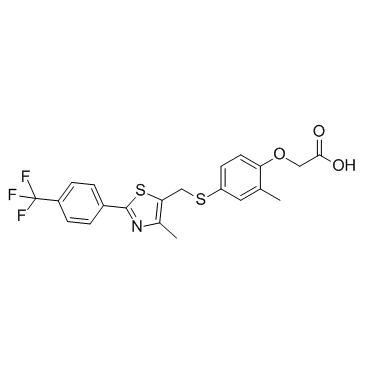
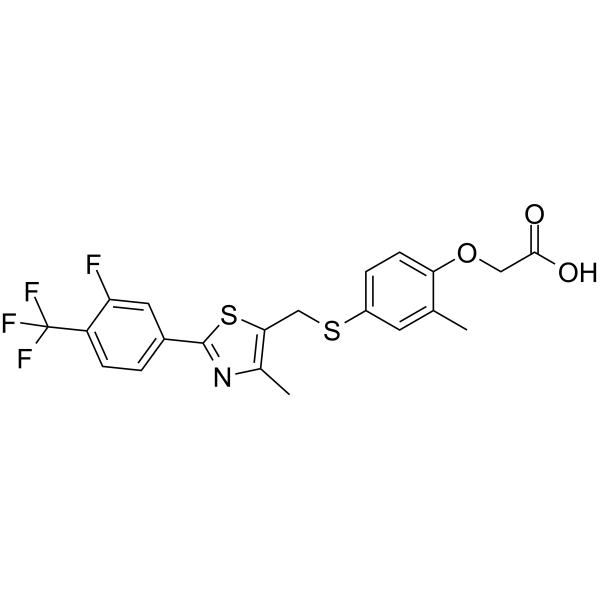
GW0742 chemical structureDC9904

GW0742

GW0742 is a high affinity PPAR β/δ agonist with an IC50 of 1 nM for human PPARδ, and EC50s of 1 nM, 1.1 μM and 2 μM for human PPARδ, PPARα, and PPARγ, respectively.

View activity & prices
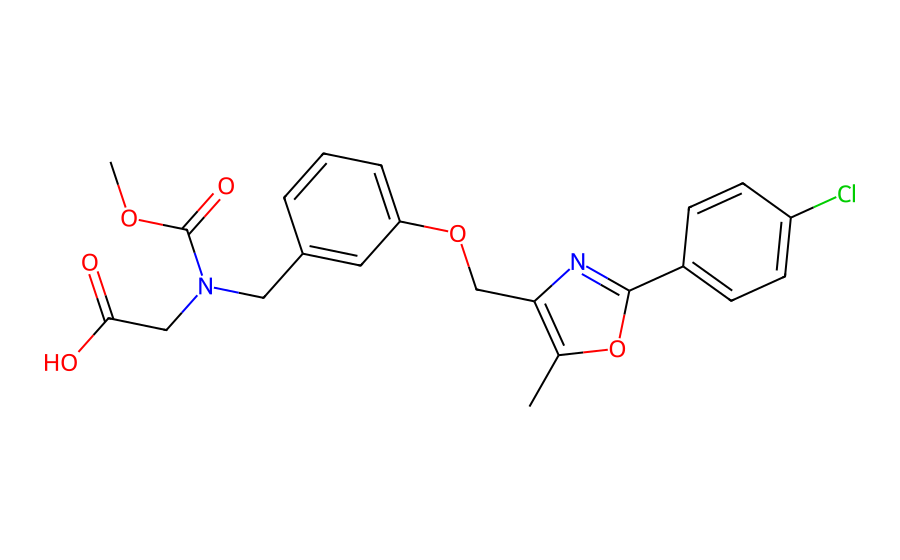
BMS-687453 chemical structureDC9252

BMS-687453

BMS-687453 is a potent and selective PPARα agonist, with an EC50 and IC50 of 10 nM and 260 nM for human PPARα and 4100 nM and >15000 nM for PPARγ in PPAR-GAL4 transactivation assays.

View activity & prices

Cart

Request quotation