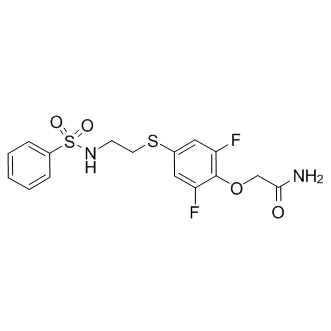
PEPA chemical structure
Chemical structureResearch use only
CAT. NO. DC7989Featured

PEPA

Pack Sizes & Prices

TotalUS$504
We match the best price and quality on market.
Product overview

Description & Application

PEPA is an allosteric modulator of AMPA receptors; binds to the GluA2o and GluA3o LBDs and can be utilized as an indicator of AMPA receptor heterogeneity.

ParameterValue
Chemical Name2-[2,6-Difluoro-4-[[2-[(phenylsulfonyl)amino]ethyl]thio]phenoxy]acetamide
CAS No.141286-78-4
FormulaC16H16F2N2O4S2
M.Wt402.44
SMILESFC1=CC(SCCNS(C2=CC=CC=C2)(=O)=O)=CC(F)=C1OCC(N)=O
Purity>98%
Storage2 years -20°C Powder, 2 weeks 4°C in DMSO, 6 months -80°C in DMSO

Biological Activity

PEPA is an allosteric modulator of AMPA receptors; binds to the GluA2o and GluA3o LBDs and can be utilized as an indicator of AMPA receptor heterogeneity.

In Vitro

PEPA dose-dependently potentiated AMPA-induced increase of [Ca2+]i. In 90% (72 out of 80) of the cells in which cyclothiazide acts, PEPA potentiated the increased [Ca2+]i induced by AMPA with pronounced cell-to-cell variation in rat hippocampal cultures [1]. PEPA bound to the binding domains of the GluA2 and GluA3 flop isoforms of AMPA receptors [2]. coapplication of AMPA with PEPA protected hippocampal CA1 neurons from brain ischemia-induced death. Coapplication of AMPA with PEPA could prevent downregulated expression of GluR2 subunit caused by ischemia and increase BDNF expression via Lyn-ERK1/2-CREB signaling [4].

In Vivo

PEPA (3, 10, 30mg/kg body weight) or vehicle was intraperitoneally administered into stressed mice once before the first extinction session. The significant decrease of the freezing response in the extinction sessions was only seen in the 30mg/kg PEPA-administered stressed mice, compared with vehicle-administered stressed mice [3].

References & source

DC Chemicals original product information

Published experimental findings depend on the model and assay conditions. They do not guarantee equivalent performance in every application. For laboratory research use only.
Product documentation

Refer to the certificate supplied with your lot for batch-specific release results.

Handling guide

2 years -20°C Powder, 2 weeks 4°C in DMSO, 6 months -80°C in DMSO

Solution calculator

Related research products

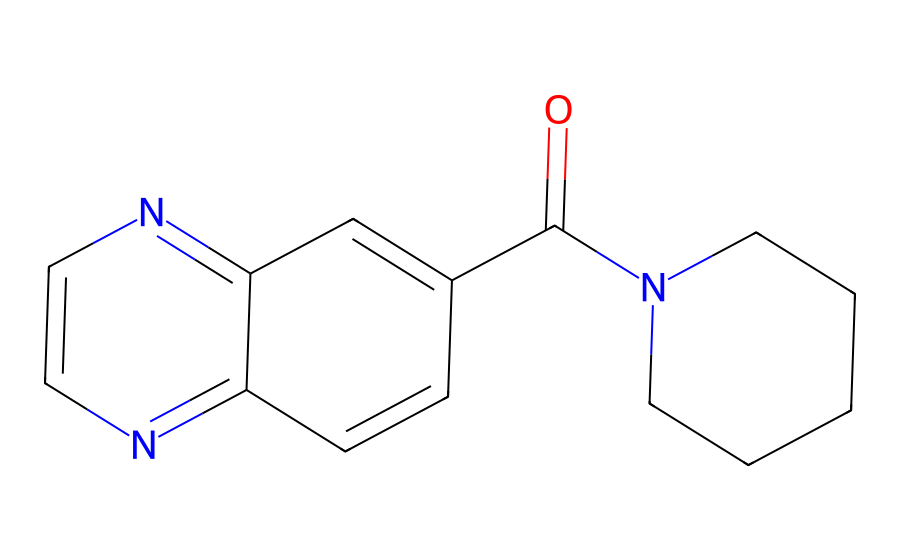
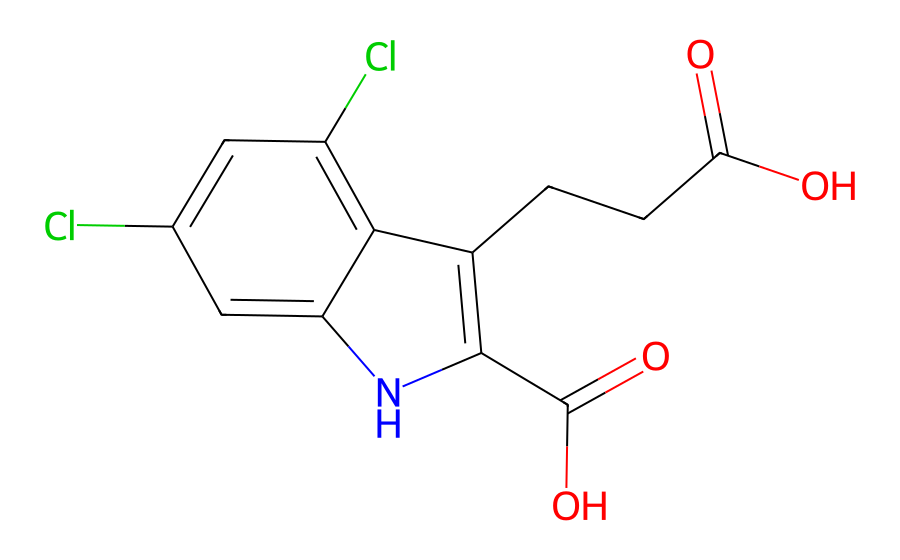
MDL 29951 chemical structureDC7194

MDL 29951

MDL-29951 is a novel glycine antagonist of NMDA receptor activation, with Ki of 0.14 μM for [3H]glycine binding in vitro and in vivo.

View activity & prices
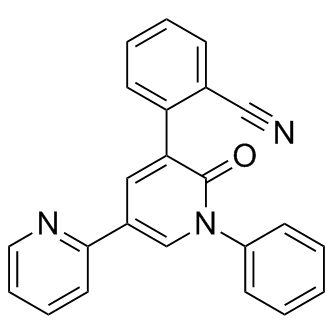
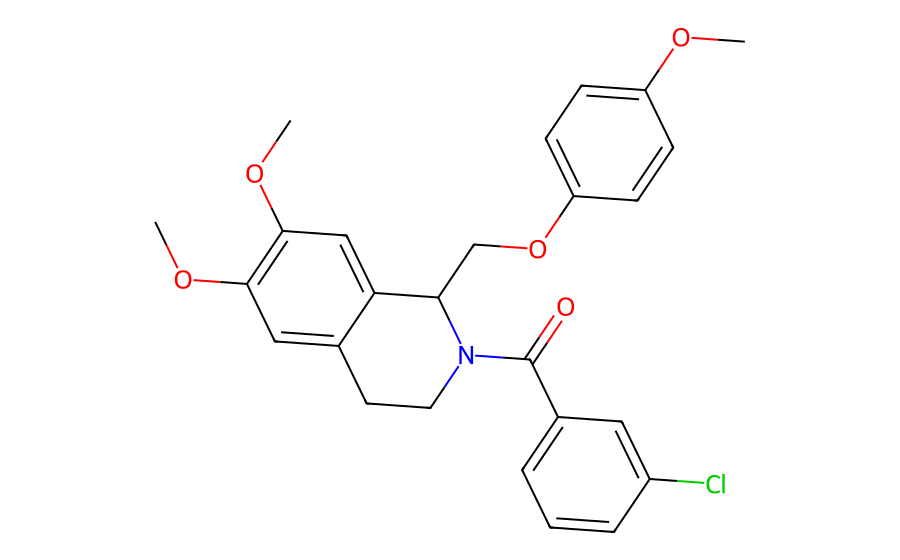
CIQ chemical structureDC8156

CIQ

CIQ is a subunit-selective potentiator of NMDA receptors containing the NR2C or NR2D subunit. IC50 value: 2.7 μM (EC50, for NR2C) and 2.8 μM (EC50, NR2D)Target: NMDA receptorCIQ increases channel opening frequency of…

View activity & prices
BDP-12(Ampalex) chemical structureDC5075

BDP-12(Ampalex)

Ampalex (Ampakine CX516; CX516; BDP 12) is an ampakine and nootropic that acts as an AMPA receptor positive allosteric modulator as a treatment for Alzheimer's disease, schizophrenia and mild cognitive impairment (MCI).

View activity & prices
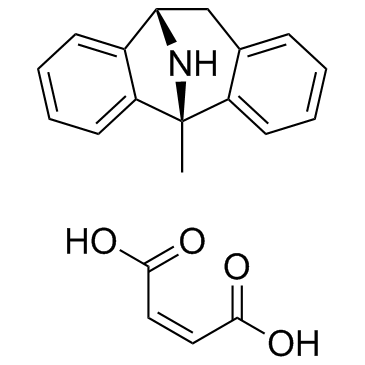
Perampanel(E2007) chemical structureDC7226

Perampanel(E2007)

Perampanel(E2007; ER 155055-90) is a selective noncompetitive AMPA-type glutamate receptor antagonist which has demonstrated anticonvulsant activity in experimental seizure models and antiepileptic activity in clinical…

View activity & prices
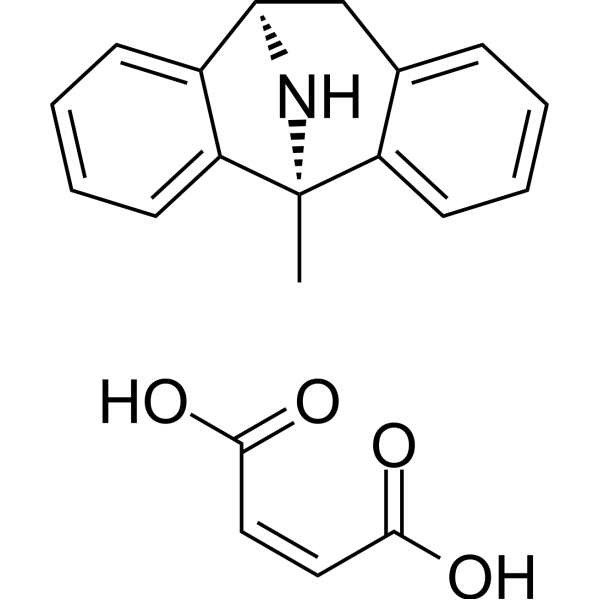
DNQX chemical structureDC10672

DNQX

DNQX is a AMPA receptor antagonists.target: AMPA receptorIn vitro: DNQX, added 2 h after cell plating, induces a dose-dependent neurotoxicity.

View activity & prices
DNQX disodium salt chemical structureDC10673

DNQX disodium salt

DNQX (FG 9041) disodium salt, a quinoxaline derivative, is a selective, potent competitive non-NMDA glutamate receptor antagonist (IC50s = 0.5, 2 and 40 μM for AMPA, kainate and NMDA receptors, respectively)[1].

View activity & prices

Cart

Request quotation