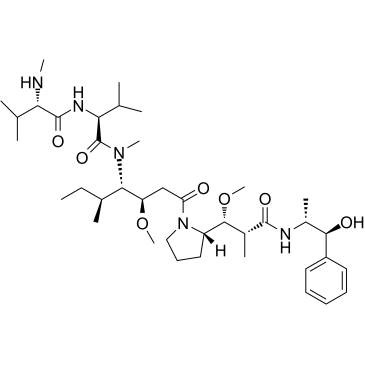
Monomethyl auristatin E (vedotin) chemical structure
Chemical structureResearch use only
CAT. NO. DC7021Featured

Monomethyl auristatin E (vedotin)

Pack Sizes & Prices

TotalUS$500
We match the best price and quality on market.
Product overview

Description & Application

Monomethyl auristatin E (MMAE) is a synthetic derivative of dolastatin 10 and functions as a potent mitotic inhibitor by inhibiting tubulin polymerization. MMAE is widely used as a cytotoxic component of antibody-drug conjugates (ADCs) to treat several different cancer types.

ParameterValue
Chemical Name(S)-N-((3R,4S,5S)-1-((S)-2-((1R,2R)-3-(((1R,2R)-1-Hydroxy-1-phenylpropan-2-yl)amino)-1-methoxy-2-methyl-3-oxopropyl)pyrrolidin-1-yl)-3-methoxy-5-methyl-1-oxohe;[3H]-Vedotin;MMAE;MMAE(Monomethyl Auristain E);MONOMETHYL AURISTATIN E;Vedotin;N-Methyl-L-valyl
CAS No.474645-27-7
SynonymsMMAE, SGD-1010
FormulaC39H67N5O7
M.Wt717.97859120369
SMILESCN[C@H](C(N[C@H](C(N(C([C@@H](CC(N1CCC[C@H]1[C@@H]([C@H](C(N[C@@H]([C@H](C1C=CC=CC=1)O)C)=O)C)OC)=O)OC)[C@H](CC)C)C)=O)C(C)C)=O)C(C)C
Purity>98%
Storage2 years -20°C Powder, 2 weeks 4°C in DMSO, 6 months -80°C in DMSO

Biological Activity

Monomethyl auristatin E (MMAE) is a synthetic derivative of dolastatin 10 and functions as a potent mitotic inhibitor by inhibiting tubulin polymerization. MMAE is widely used as a cytotoxic component of antibody-drug conjugates (ADCs) to treat several different cancer types.

In Vitro

Monomethyl auristatin E (MMAE) is efficiently released from SGN-35 within CD30+ cancer cells and, due to its membrane permeability, is able to exert cytotoxic activity on bystander cells[1]. MMAE sensitizes colorectal and pancreatic cancer cells to IR in a schedule and dose dependent manner correlating with mitotic arrest. Radiosensitization is evidenced by decreased clonogenic survival and increased DNA double strand breaks in irradiated cells[2].

In Vivo

Monomethyl auristatin E (MMAE) in combination with IR results in tumor growth delay, tumor-targeted ACPP-cRGD-MMAE with IR produces a more robust and significantly prolongs tumor regression in xenograft models[2].

References & source

DC Chemicals original product information

Published experimental findings depend on the model and assay conditions. They do not guarantee equivalent performance in every application. For laboratory research use only.
Product documentation

Refer to the certificate supplied with your lot for batch-specific release results.

Handling guide

2 years -20°C Powder, 2 weeks 4°C in DMSO, 6 months -80°C in DMSO

Solution calculator

Related research products

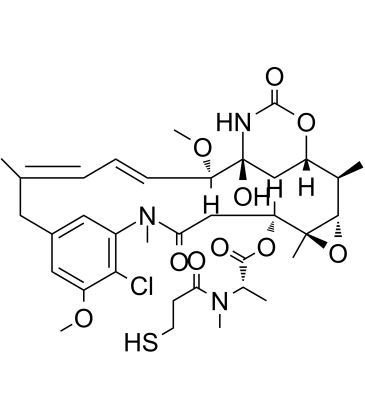
DM-1(Mertansine) chemical structureDC8540

DM-1(Mertansine)

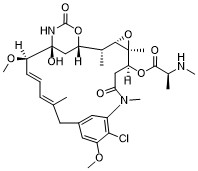
Mertansine (DM1) is a microtubulin inhibitor which binds at the tips of microtubules and suppresses the dynamicity of microtubules.. Mertansine is an antibody-conjugatable maytansinoid that was developed to overcome…

View activity & prices
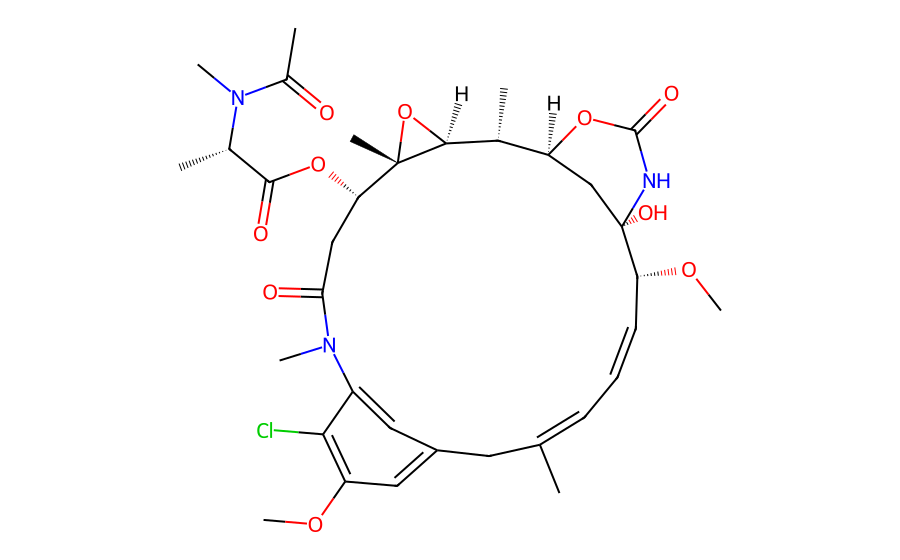
Maytansine chemical structureDC28020

Maytansine

Maytansine is a highly potent microtubule-targeted compound that induces mitotic arrest and kills tumor cells at subnanomolar concentrations[1].

View activity & prices
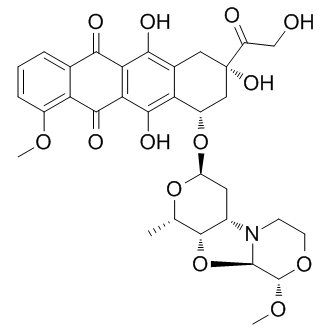
PNU159682 chemical structureDC7648

PNU159682

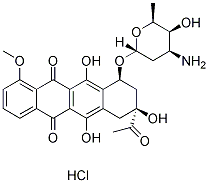
PNU-159682, a highly potent metabolite of the anthracycline nemorubicin with outstanding cytotoxicity, is a potent ADCs cytotoxin.

View activity & prices
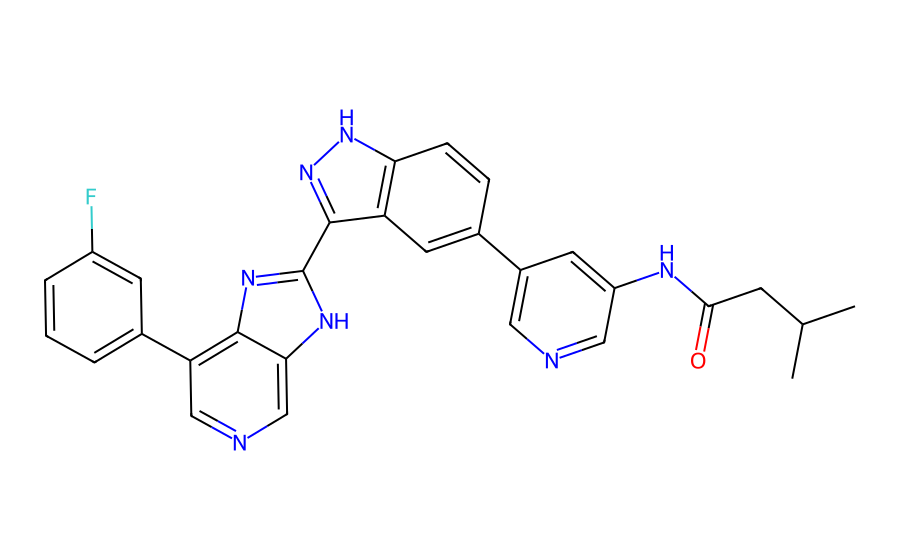
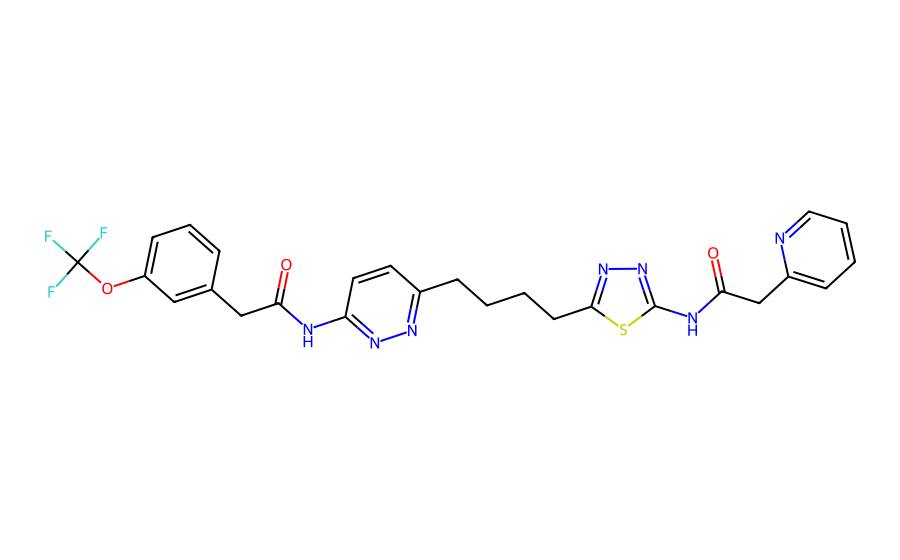
Adavivint chemical structureDC11886

Adavivint

Adavivint is a potent and selective inhibitor of canonical Wnt signaling, with an EC50 of 19.5 nM via a high-throughput TCF/LEF-reporter assay in SW480 colon cancer cells.

View activity & prices
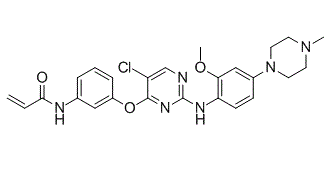
WZ4002 chemical structureDC5090

WZ4002

WZ4002 is a mutant selective EGFR inhibitor with IC50s of 2, 8, 3 and 2 nM for EGFRL858R, EGFRL858R/T790M, EGFRE746_A750 and EGFRE746_A750/T790M, respectively.

View activity & prices
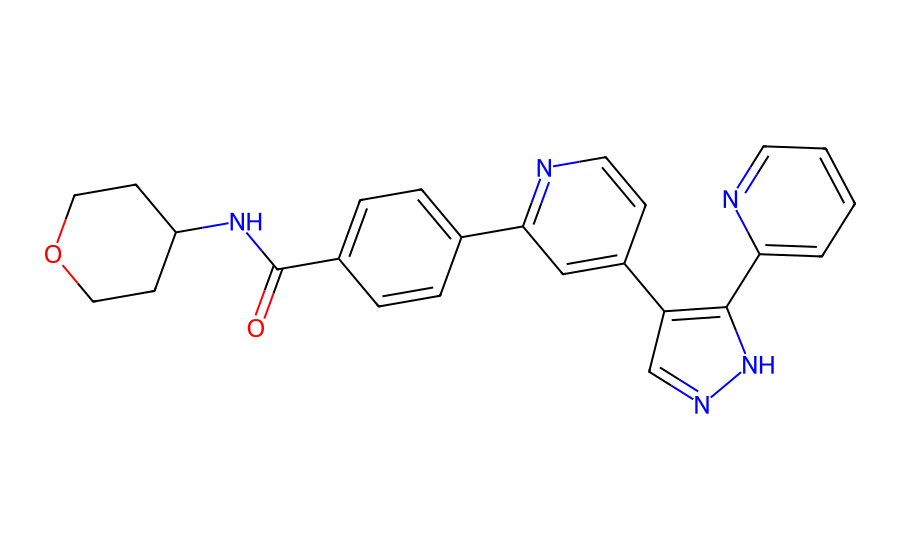
GW788388 chemical structureDC7146

GW788388

GW788388 is a potent and selective inhibitor of ALK5 with IC50 of 18 nM, and also inhibits TGF-β type II receptor and activin type II receptor activities, without inhibiting BMP type II receptor.

View activity & prices

Cart

Request quotation