Biological Activity
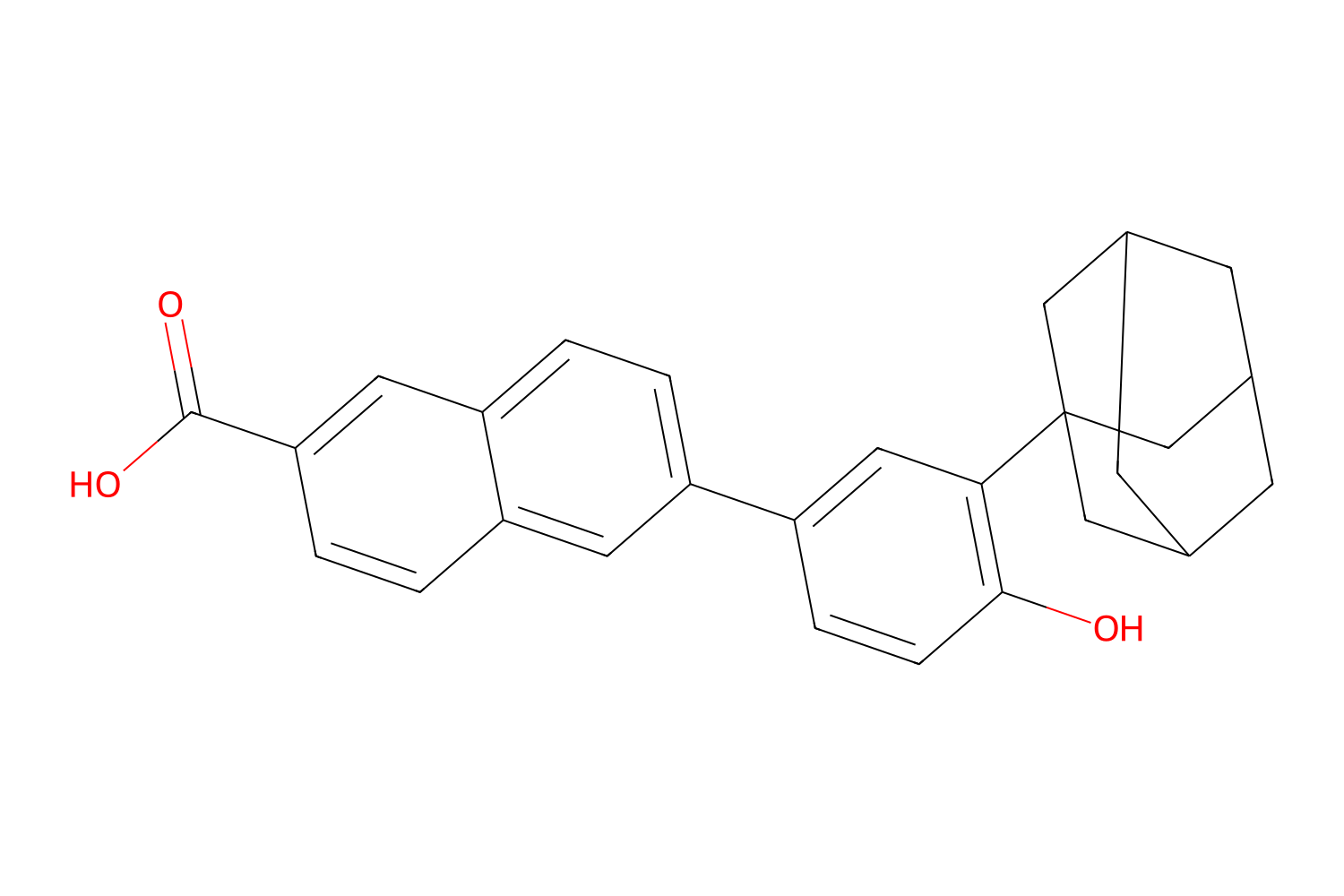
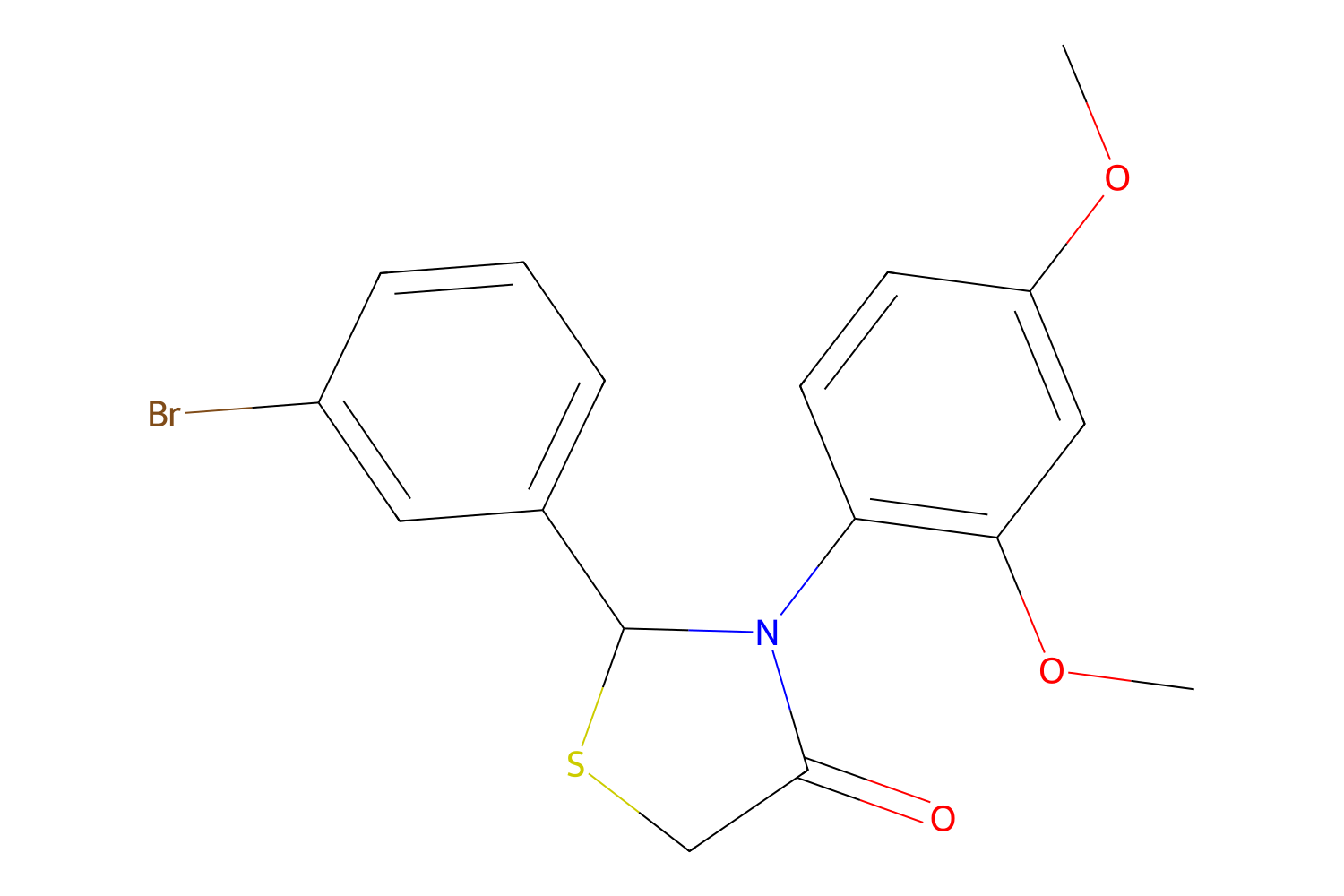
CK-869 is an Arp2/3 complex inhibitor for branched-actin and cytoskeletal research, with reported microtubule-related off-target effects. CK-869 occupied a pocket on Arp3 and destabilized the activated short-pitch Arp3–Arp2 interface.
In Vitro
| Endpoint | Model / conditions / source | Reported result |
|---|---|---|
| Arp3 binding | Biochemical/structural Arp2/3-complex study. [1] | CK-869 occupied a pocket on Arp3 and destabilized the activated short-pitch Arp3–Arp2 interface. |
| Actin nucleation | Branched actin-filament assembly assays. [1] | Inhibited nucleation by preventing an activating conformational arrangement. |
| Comparison with CK-666 | Same primary mechanistic study. [1] | CK-666 instead stabilized the inactive complex; the two compounds should not be assumed to act identically. |
| Off-target concern | Independent cytoskeletal study. [2] | CK-869 also suppressed microtubule assembly. Changes in cell shape or migration therefore require orthogonal interpretation. |
In Vivo
No compound-specific animal efficacy result is established by the sources summarized here.
Interpretation
Cell-shape or motility changes cannot be attributed to Arp2/3 inhibition alone without appropriate controls.
Original studies
References
- Hetrick B, et al. Small molecules CK-666 and CK-869 inhibit actin-related protein 2/3 complex by blocking an activating conformational change. Chemistry & biology (2013).
- Use of CK-548 and CK-869 as Arp2/3 complex inhibitors directly suppresses microtubule assembly both in vitro and in vivo. Biochemical and biophysical research communications (2018).