6-Shogaol chemical structure
Chemical structureResearch use only
CAT. NO. DCJ-038Featured

6-Shogaol

Pack Sizes & Prices

TotalUS$280
We match the best price and quality on market.
Product overview

Description & Application

6-shogaol, an active compound isolated from Ginger (Zingiber officinale Rosc), exhibits a variety of biological activities including anticancer, anti-inflammation, and anti-oxidation.

ParameterValue
CAS No.555-66-8
FormulaC17H24O3
M.Wt276.37
SMILESOC1=CC=C(CCC(/C=C/CCCCC)=O)C=C1OC
Purity>98%, Standard References Grade
Storage4°C for 1 year, -20°C for more than 2 years

Biological Activity

6-shogaol, an active compound isolated from Ginger (Zingiber officinale Rosc), exhibits a variety of biological activities including anticancer, anti-inflammation, and anti-oxidation.

In Vitro

6-shogaol has anticancer activity against several cell lines[1]. 6-shogaol is identified to be cytotoxic in various cell lines, with KB (IC50=7.4±2.2 μM) and HL60 (IC50=7.9±2.0 μM) cells most susceptible to 6-shogaol[2]. 6-shogaol (IC50=8 μM) has much stronger growth inhibitory effects than 6-gingerol (IC50=150 μM) on HCT-116 human colon cancer cells[3]. 6-shogaol stimulates phosphorylations of mitogen-activated protein kinases (MAPKs) such as ERK, JNK, and p38. Moreover, the 6-shogaol-induced expressions of Nrf2 and HO-1 are attenuated by treatments of SB202190 (a p38 specific inhibitor) and LY294002 (an Akt specific inhibitor)[4].

In Vivo

The 6-shogaol decreases the diethylnitrosamine (DEN)-mediated elevations of serum aspartate transaminase and alanine transaminase as well as the DEN-induced hepatic lipid peroxidation. Inductions of Nrf2 and HO-1 by 6-shogaol are also confirmed in the mice. The administration of 6-shogaol to the mice also restores the DEN-reduced activity and protein expression of hepatic antioxidant enzymes such as superoxide dismutase, glutathione peroxidase and catalase[4].

Cell Assay

The effects of 6-shogaol on the viability of HepG2 cells are determined by a MTT assay after 24 h treatment. The data are expressed as percent cell viability compared to that of control. The concentrations of the treatments 6-shogaol varied from 10 to 100 μg/mL[4].

Animal Administration

Mice: Male Balb/c mice are treated with 6-shogaol-rich ginger extracts (10 and 100 mg/kg b.w.) or silymarin (100 mg/kg b.w.), a positive control, and challenged with diethyl-nitrosoamine (DEN, 30 mg/kg b.w.) 3 days per week for 3 weeks[4].

References & source

[1]. Semwal RB, et al. Gingerols and shogaols: Important nutraceutical principles from ginger. Phytochemistry. 2015 Sep;117:554-68.

[2]. Peng F, et al. Cytotoxic, cytoprotective and antioxidant effects of isolated phenolic compounds from fresh ginger. Fitoterapia. 2012 Apr;83(3):568-85.

[3]. Sang S, et al. Increased growth inhibitory effects on human cancer cells and anti-inflammatory potency of shogaols from Zingiber officinale relative to gingerols. J Agric Food Chem. 2009 Nov 25;57(22):10645-50.

[4]. Bak MJ, et al. 6-shogaol-rich extract from ginger up-regulated the antioxidant defense systems in cells and mice. Molecules. 2012 Jul 4;17(7):8037-55.

DC Chemicals original product information

Published experimental findings depend on the model and assay conditions. They do not guarantee equivalent performance in every application. For laboratory research use only.
Product documentation

Refer to the certificate supplied with your lot for batch-specific release results.

Handling guide

4°C for 1 year, -20°C for more than 2 years

Solution calculator

Related research products

Dacarbazine chemical structureDCD-027

Dacarbazine

For the detailed information of Dacarbazine, the solubility of Dacarbazine in water, the solubility of Dacarbazine in DMSO, the solubility of Dacarbazine in PBS buffer, the animal experiment(test) (test) of…

View activity & prices
Eupalinolide B chemical structureDCY-155

Eupalinolide B

Eupalinolide B is a germacrane sesquiterpene isolated from Eupatorium lindleyanum. Eupalinolide B demonstrates potent cytotoxicity against A-549, BGC-823 and HL-60 tumour cell lines[1].

View activity & prices
Oridonin chemical structureDCD-031

Oridonin

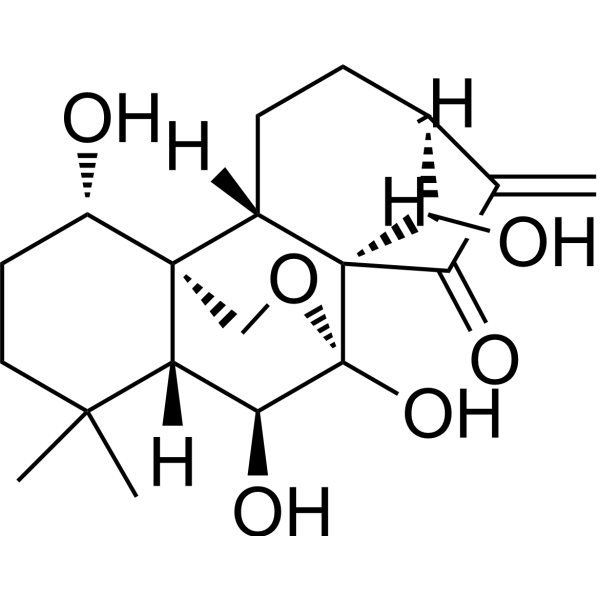
Oridonin, a diterpenoid isolated from Rabdosia rubescens, acts as an inhibitor of AKT, with IC50s of 8.4 and 8.9 μM for AKT1 and AKT2; Oridonin possesses anti-tumor, anti-bacterial and anti-inflammatory effects.

View activity & prices
Lycopene chemical structureDCF-003

Lycopene

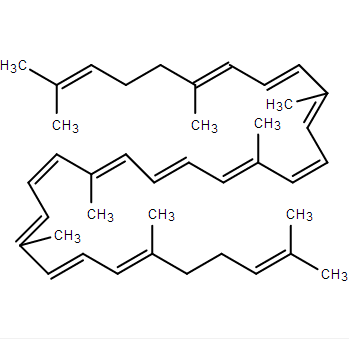
Lycopene is naturally occurring carotenoids found in tomato, tomato products, and in other red fruits and vegetables; exhibits antioxidant effects.

View activity & prices
L-Stepholidine chemical structureDCZ-059

L-Stepholidine

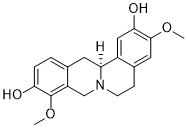
L-Stepholidine (Stepholidine), an alkaloid extract of the Chinese herb Stephania intermedia, is the first compound known to exhibit mixed dopamine D1 receptor agonist/D2 antagonist properties. L-Stepholidine…

View activity & prices
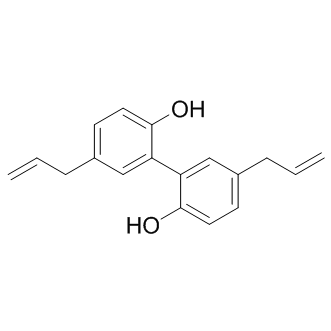
Magnolol chemical structureDCH-004

Magnolol

Magnolol, a natural lignan isolated from the stem bark of Magnolia officinalis, is a dual agonist of both RXRα and PPARγ, with EC50 values of 10.4 µM and 17.7 µM, respectively.

View activity & prices
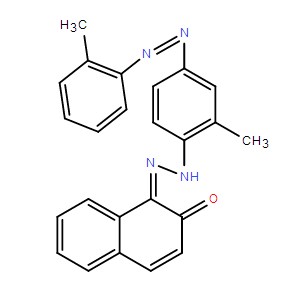
Sudan IV;Solvent Red 24 chemical structureDCS-042

Sudan IV;Solvent Red 24

For the detailed information of Sudan IV;Solvent Red 24, the solubility of Sudan IV;Solvent Red 24 in water, the solubility of Sudan IV;Solvent Red 24 in DMSO, the solubility of Sudan IV;Solvent Red 24 in PBS buffer,…

View activity & prices

Cart

Request quotation