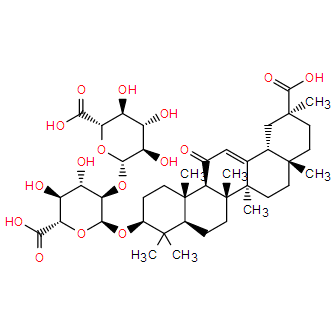
Glycyrrhizic acid chemical structure
Chemical structureResearch use only
CAT. NO. DCG-004Featured

Glycyrrhizic acid

Pack Sizes & Prices

TotalUS$280
We match the best price and quality on market.
Product overview

Description & Application

Glycyrrhizic acid is a triterpenoid saponinl, acting as a direct HMGB1 antagonist, with anti-tumor, anti-diabetic activities.

ParameterValue
CAS No.1405-86-3
FormulaC42H62O16
M.Wt822.93
SMILESC[C@@]([C@@](CC[C@](CC1)(C)[C@@]2([H])C[C@@]1(C)C(O)=O)(C)C2=C3)(CC4)[C@@](C3=O)([H])[C@]5(C)[C@]4([H])C(C)(C)[C@@H](O[C@@H](O[C@@H]6C(O)=O)[C@@H]([C@@H](O)[C@@H]6O)O[C@@H]7O[C@H](C(O)=O)[C@@H](O)[C@H](O)[C@H]7O)CC5
Purity>98%, Standard References Grade
Storage4°C for 1 year, -20°C for more than 2 years

Biological Activity

Glycyrrhizic acid is a triterpenoid saponinl, acting as a direct HMGB1 antagonist, with anti-tumor, anti-diabetic activities.

In Vitro

Glycyrrhizic acid shows a series of anti-cancer-related pharmacological activities, such as broad-spectrum anti-cancer ability, resistance to the tissue toxicity caused by chemotherapy and radiation, drug absorption enhancing effects and anti-multidrug resistance (MDR) mechanisms, as a carrier material in drug delivery systems[1]. In intestinal NCI-H716 cells that secretes GLP-1, Glycyrrhizic acid promotes GLP-1 secretion with a marked elevation of calcium levels. Glycyrrhizic acid can enhance GLP-1 secretion through TGR5 activation[2].

In Vivo

In type 1-like diabetic rats induced by streptozotocin (STZ-treated rats), Glycyrrhizic acid increases the level of plasma GLP-1, which is blocked by triamterene at a dose sufficient to inhibit Takeda G-protein-coupled receptor 5 (TGR5)[1]. Glycyrrhizic acid (Glycyrrhizic acid; 50 mg/kg, i.p.) significantly decreases the levels of TgAb, HMGB1, TNF-α, IL-6, IL-1β in mice[3].

Animal Administration

Mice[3] NOD.H-2h4 mice are fed in the animal house until 4 weeks of age. A total of 24 male mice are then randomly separated into three different groups (n=8 per group). Mice in the control group are given sterile water without supplement. Mice in the iodine supplement (NaI) group are given 0.005% NaI in the drinking water. Mice in the NaI+Glycyrrhizic acid group are treated with 50 mg/kg Glycyrrhizic acid once daily for 4 weeks, administered via intraperitoneal injection after 8 weeks of iodine supplementation. Thyroid tissues are removed surgically under anesthesia, washed with cold saline, blotted on filter paper and weighed using an electronic balance. The thyroid gland tissues are then stored at -80°C until use[3].

References & source

[1]. Su X, et al. Glycyrrhizic acid: A promising carrier material for anticancer therapy. Biomed Pharmacother. 2017 Sep 5;95:670-678

[2]. Wang LY, et al. Glycyrrhizic acid increases glucagon like peptide-1 secretion via TGR5 activation in type 1-like diabetic rats. Biomed Pharmacother. 2017 Sep 4;95:599-604.

[3]. Li C, et al. Glycyrrhizin, a Direct HMGB1 Antagonist, Ameliorates Inflammatory Infiltration in a Model of Autoimmune Thyroiditis via Inhibition of TLR2-HMGB1 Signaling. Thyroid. 2017 May;27(5):722-731.

DC Chemicals original product information

Published experimental findings depend on the model and assay conditions. They do not guarantee equivalent performance in every application. For laboratory research use only.
Product documentation

Refer to the certificate supplied with your lot for batch-specific release results.

Handling guide

4°C for 1 year, -20°C for more than 2 years

Solution calculator

Related research products

Dacarbazine chemical structureDCD-027

Dacarbazine

For the detailed information of Dacarbazine, the solubility of Dacarbazine in water, the solubility of Dacarbazine in DMSO, the solubility of Dacarbazine in PBS buffer, the animal experiment(test) (test) of…

View activity & prices
Eupalinolide B chemical structureDCY-155

Eupalinolide B

Eupalinolide B is a germacrane sesquiterpene isolated from Eupatorium lindleyanum. Eupalinolide B demonstrates potent cytotoxicity against A-549, BGC-823 and HL-60 tumour cell lines[1].

View activity & prices
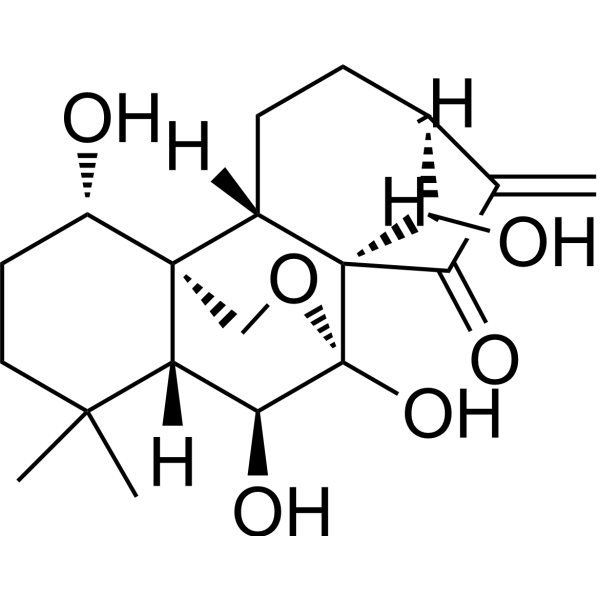
Oridonin chemical structureDCD-031

Oridonin

Oridonin, a diterpenoid isolated from Rabdosia rubescens, acts as an inhibitor of AKT, with IC50s of 8.4 and 8.9 μM for AKT1 and AKT2; Oridonin possesses anti-tumor, anti-bacterial and anti-inflammatory effects.

View activity & prices
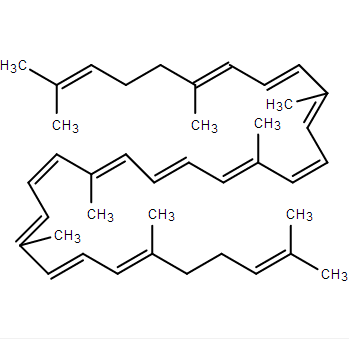
Lycopene chemical structureDCF-003

Lycopene

Lycopene is naturally occurring carotenoids found in tomato, tomato products, and in other red fruits and vegetables; exhibits antioxidant effects.

View activity & prices
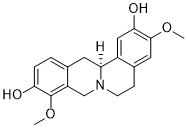
L-Stepholidine chemical structureDCZ-059

L-Stepholidine

L-Stepholidine (Stepholidine), an alkaloid extract of the Chinese herb Stephania intermedia, is the first compound known to exhibit mixed dopamine D1 receptor agonist/D2 antagonist properties. L-Stepholidine…

View activity & prices
Magnolol chemical structureDCH-004

Magnolol

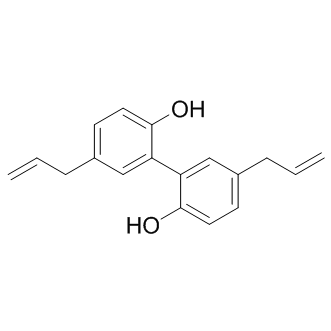
Magnolol, a natural lignan isolated from the stem bark of Magnolia officinalis, is a dual agonist of both RXRα and PPARγ, with EC50 values of 10.4 µM and 17.7 µM, respectively.

View activity & prices
Sudan IV;Solvent Red 24 chemical structureDCS-042

Sudan IV;Solvent Red 24

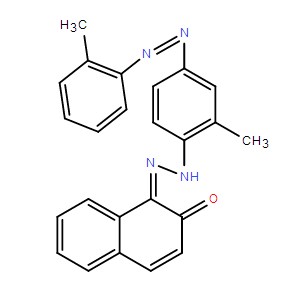
For the detailed information of Sudan IV;Solvent Red 24, the solubility of Sudan IV;Solvent Red 24 in water, the solubility of Sudan IV;Solvent Red 24 in DMSO, the solubility of Sudan IV;Solvent Red 24 in PBS buffer,…

View activity & prices

Cart

Request quotation