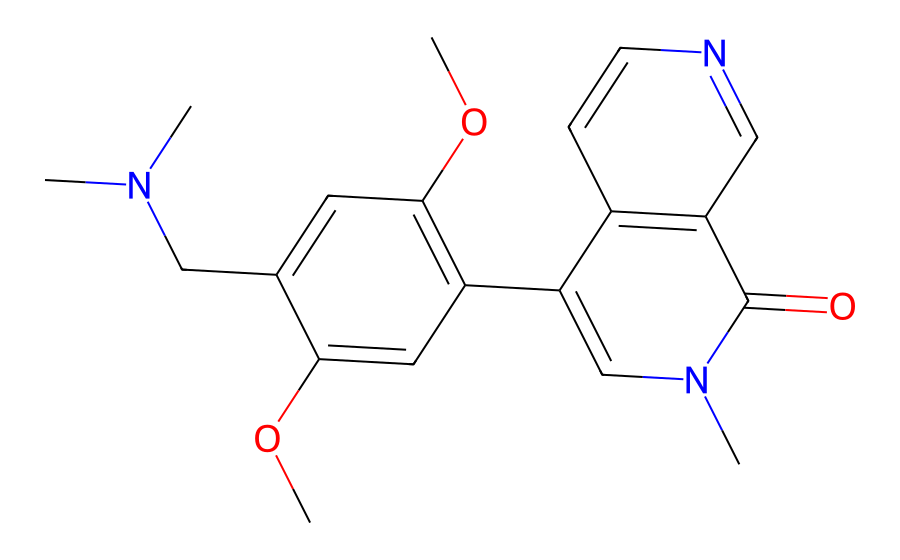
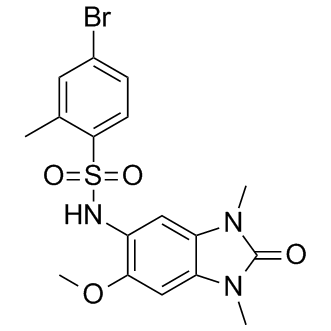
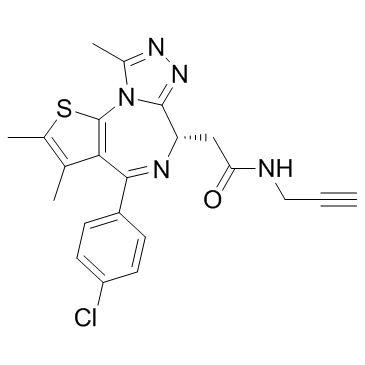
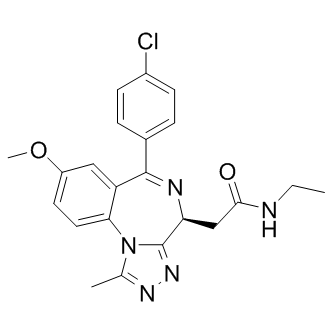
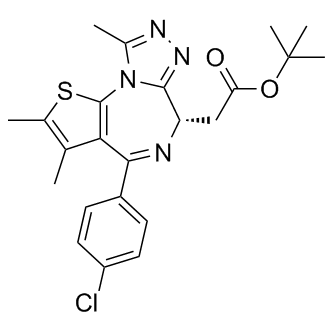
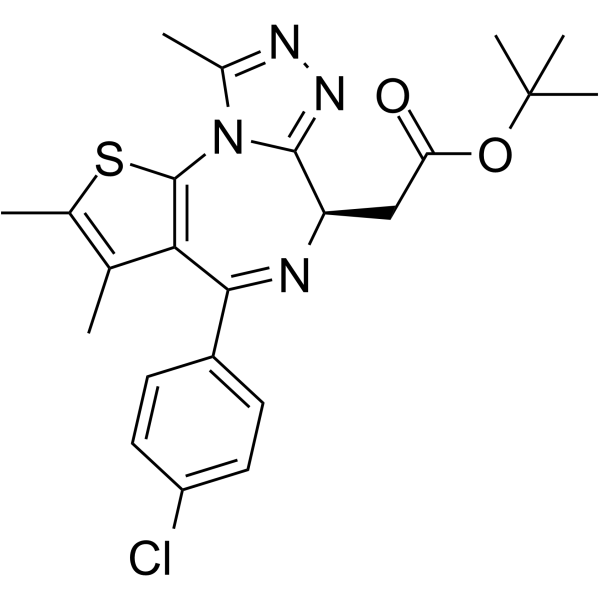
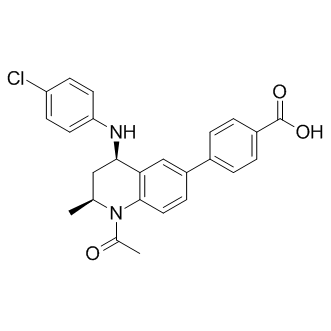
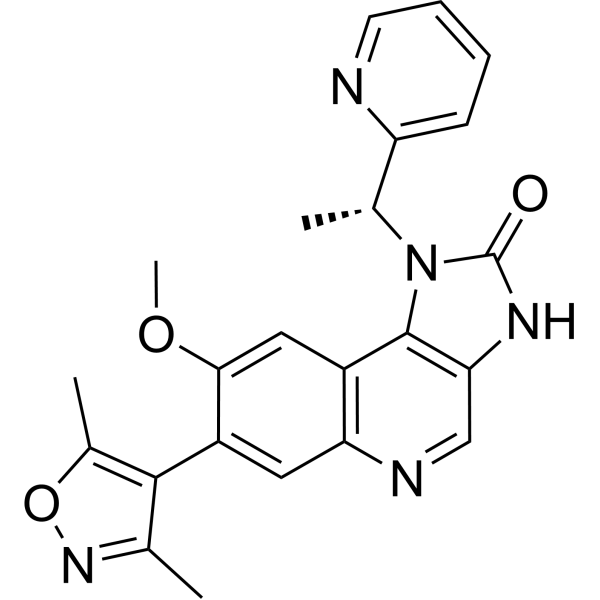
BI-9564 is a selective, and cell-permeable BRD9 BD inhibitor, with Kd of 5.9 nM for BRD9, and IC50 of > 100 μM for BET family.
In Vitro
BI-9564 (<5 μM) shows no activity against 324 kinases, and at 10 μM, an inhibition >40% is observed for only 2 out of 55 GPCRs. BI-9564 has antiproliferative effect on human acute myeloid eosinophilic leukemia cell line EOL-1, with EC50 of 800 nM[1]. BI-9564 shows Kd of 73 nM for BRD7, and is >10-fold more selective for BRD9 over the highly homologues bromodomain BRD7, which has been implied as a tumor suppressor and is down-regulated in cancer cells[2].
In Vivo
BI-9564 (180 mg/kg, p.o.) shows attractive ADME/PK profiles for in vivo proof-of-concept studies. BI-9564 results in a modest but significant additional survival benefit of 2 days compared to survival of the control group in a xenograft model of human AML[1].
Published experimental findings depend on the model and assay conditions. They do not guarantee equivalent performance in every application. For laboratory research use only.
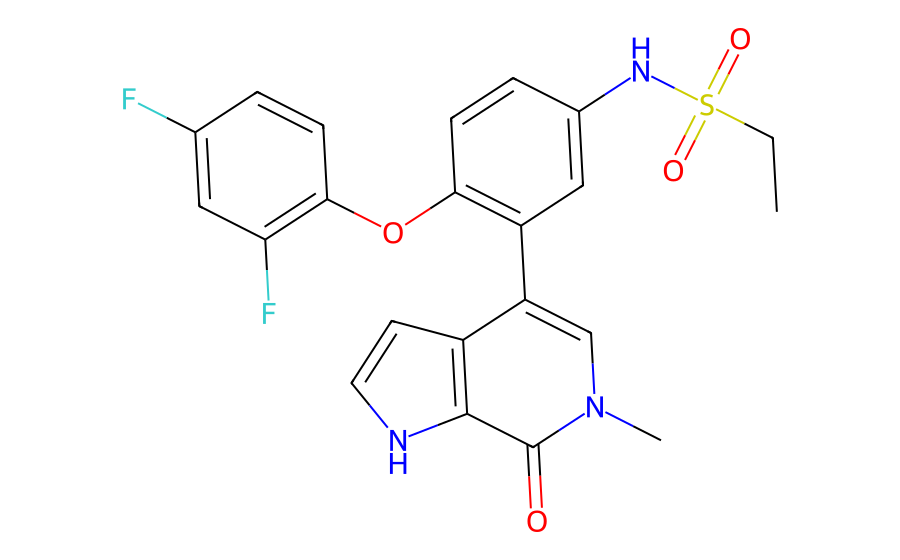
Mivebresib is a potent and orally available bromodomain and extraterminal domain (BET) bromodomain inhibitor. Mivebresib binds to BRD4 with a Ki of 1.5 nM.
GSK1324726A is a novel, potent, and selective inhibitor of BET proteins with high affinity to BRD2 (IC50=41 nM), BRD3 (IC50=31 nM), and BRD4 (IC50=22 nM).