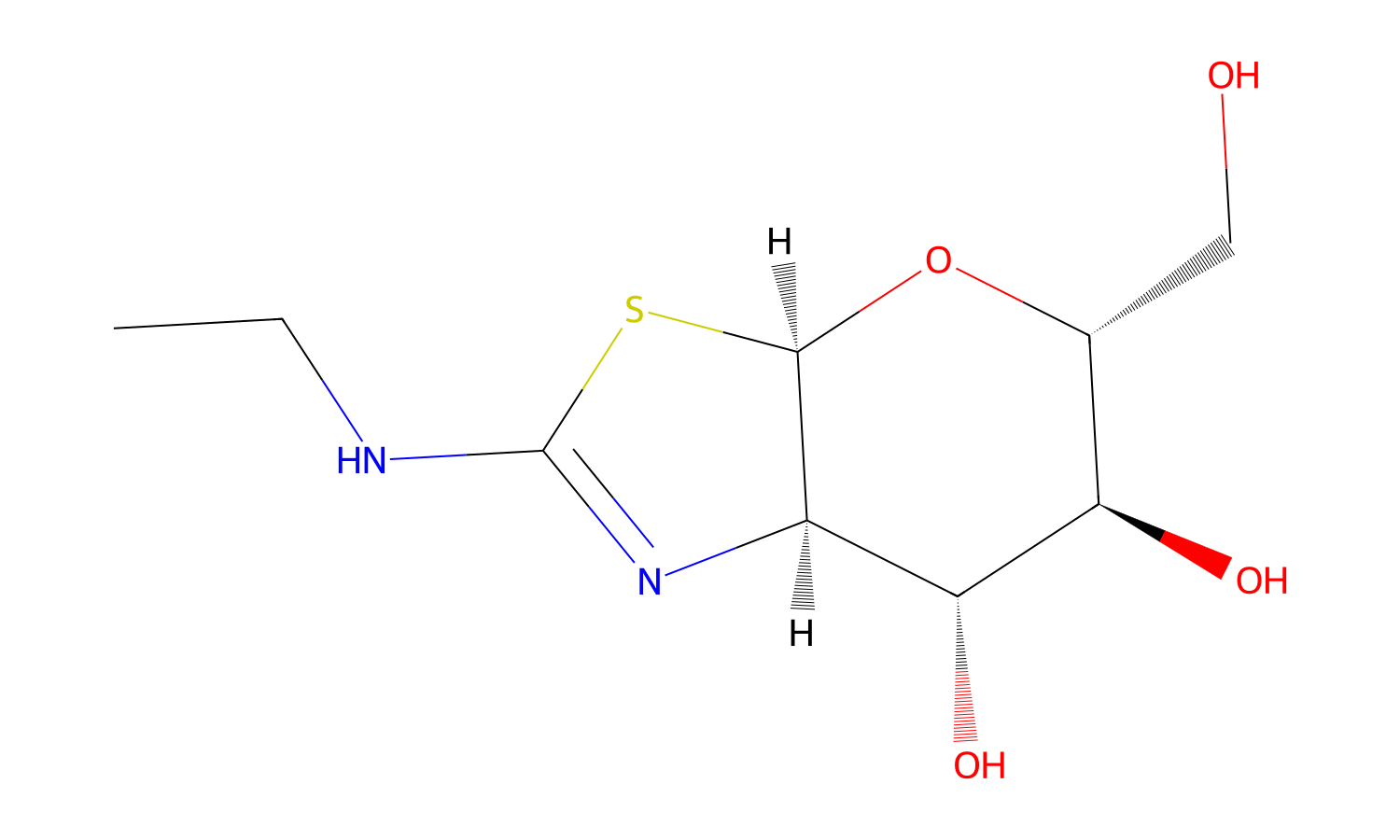
Thiamet G chemical structure
Chemical structureResearch use onlyView full-size structure
CAT. NO. DC8759Featured

Thiamet G

Pack Sizes & Prices

TotalUS$380
We match the best price and quality on market.
Product overview

Description & Application

Thiamet-G is a potent and selective inhibitor of OGA, which acts to remove O-GlcNAc from modified proteins, with Ki of 20 nM for human OGA.

ParameterValue
Chemical NameThiamet G
CAS No.1009816-48-1
FormulaC9H16N2O4S
M.Wt248.30
SMILESCCNC1=N[C@@H]2[C@@H](O)[C@H](O)[C@@H](CO)O[C@@H]2S1
Purity>98%
Storage2 years -20°C Powder, 2 weeks 4°C in DMSO, 6 months -80°C in DMSO

Chemical identity references

Biological Activity

Thiamet-G is a potent and selective inhibitor of OGA, which acts to remove O-GlcNAc from modified proteins, with Ki of 20 nM for human OGA.

In Vitro

Thiamet G (1 μM) induces a clear increase in the accumulation of O-GlcNAcylated proteins of ATDC5 cells. O-GlcNAc accumulation induced by Thiamet G also evokes a clear increase in the activity of these MMPs. Thiamet G (1 μM) induces the phosphorylation of JNK, ERK, and p38 but not phosphorylation of Akt[2]. Thiamet G (0.1-10 μM) does not significantly affect the cell viability. Thiamet G decreases phosphorylation of tau and alters the microtubule dynamics[3].

In Vivo

Thiamet G (500 mg/kg/d) increases global and tau O-GlcNAc and reduces neurodegeneration. Thiamet G-treated group has 1.4-fold more motor neurons and hinders tau-driven neurodegeneration within this transgenic model. Thiamet G treatment therefore has no detectable effect on mice lacking the P301L transgene, indicating that prevention of neurodegeneration and weight loss is mediated by Thiamet G treatment only in the context of the P301L transgene. In Thiamet G-treated mice, the O-GlcNAc increases in the brain and spinal cord tissues[1]. Thiamet G (20 mg/kg, i.p.) increases O-GlcNAc levels in brain, liver, and knee of the C57BL/6 mice in a dose-dependent manner[2].

References & source

DC Chemicals original product information

Published experimental findings depend on the model and assay conditions. They do not guarantee equivalent performance in every application. For laboratory research use only.
Product documentation

Refer to the certificate supplied with your lot for batch-specific release results.

Handling guide

2 years -20°C Powder, 2 weeks 4°C in DMSO, 6 months -80°C in DMSO

Solution calculator

Related research products

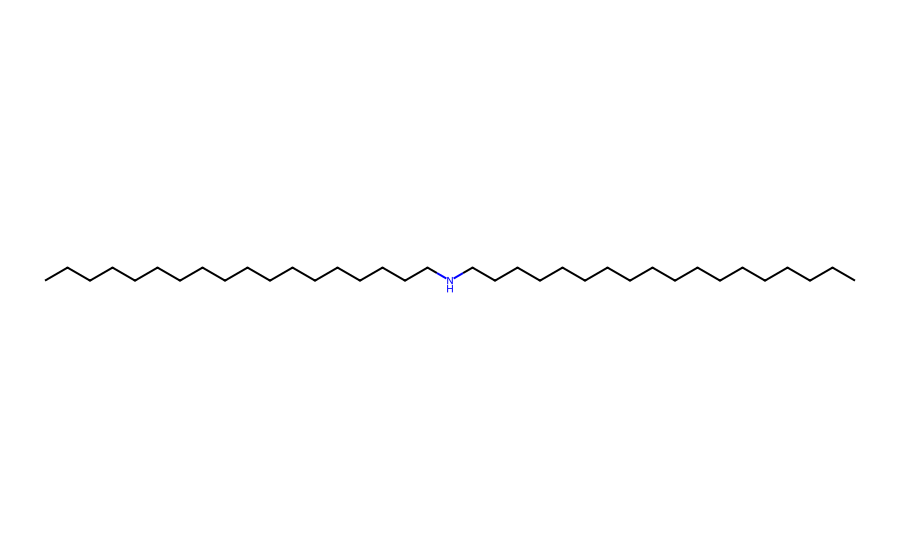
Dioctadecylamine(DODA) chemical structureDC71695

Dioctadecylamine(DODA)

Dioctadecylamine (DODA) is a secondary amine that has been shown to self-organize in plate-like structures in aqueous solution. Dioctadecylamine exhibits sufficiently hydrophobic properties of nanoparticles and good…

View activity & prices
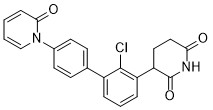
MRT6160 chemical structureDC60676

MRT6160

MRT-6160 represents a groundbreaking molecular glue degrader designed to selectively target VAV1, achieving its proteasomal degradation with a DC50 value of 7 nM. This innovative compound showcases its unique mechanism…

View activity & prices
K RAS INHIBITOR-12 chemical structureDC7793

K RAS INHIBITOR-12

K-Ras(G12C) inhibitor 12 is a K-Ras(G12C) inhibitor, the half-maximum effective concentration (EC50) for K-Ras(G12C) inhibitor 12 in H1792 cells is 0.32 μM.Binding of K-Ras(G12C) inhibitor 12 to K-Ras(G12C) disrupts…

View activity & prices
Arbidol HCl (Umifenovir) chemical structureDCAPI1051

Arbidol HCl (Umifenovir)

Arbidol (Umifenovir) hydrochloride is an broad-spectrum antiviral chemical agent which can inhibit cell entry of enveloped viruses by blocking viral fusion with host cell membrane

View activity & prices
K145 (hydrochloride) chemical structureDC9625

K145 (hydrochloride)

K145 is a selective SphK2 inhibitor with an IC50 of 4.30±0.06 μM , while no inhibition of SphK1 at concentrations up to 10 μM.IC50 value: 4.3 uM [1]Target: SphK2in vitro: K145 inhibited the activity of SphK2 in a…

View activity & prices
Reversine chemical structureDC7260

Reversine

Reversine is a novel class of ATP-competitive Aurora kinase inhibitor with IC50s of 400, 500 and 400 nM for Aurora A, Aurora B and Aurora C, respectively.

View activity & prices
ND-646 chemical structureDC9810

ND-646

ND-646 is an orally bioavailable and steric inhibitor of acetyl-CoA carboxylase (ACC) with IC50s of 3.5 nM and 4.1 nM for recombinant hACC1 and hACC2, respectively.

View activity & prices

Cart

Request quotation