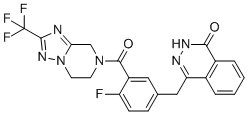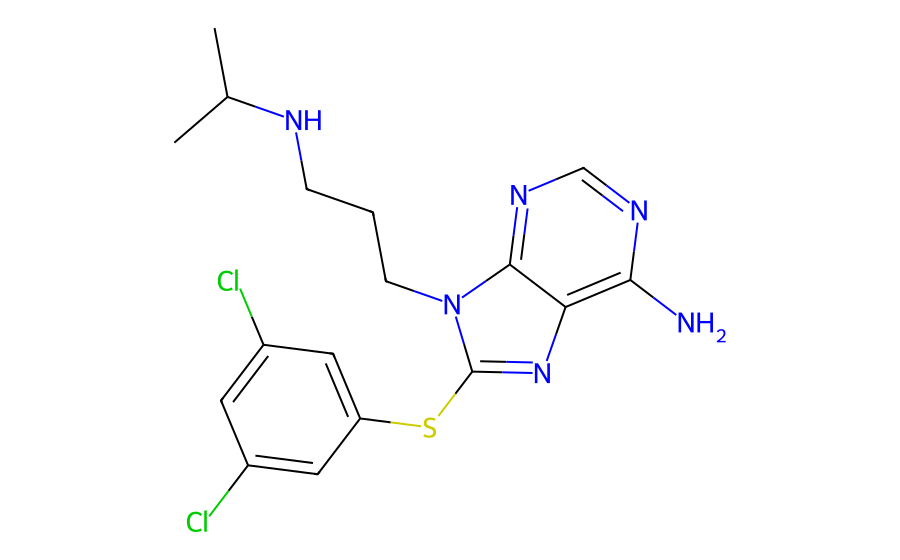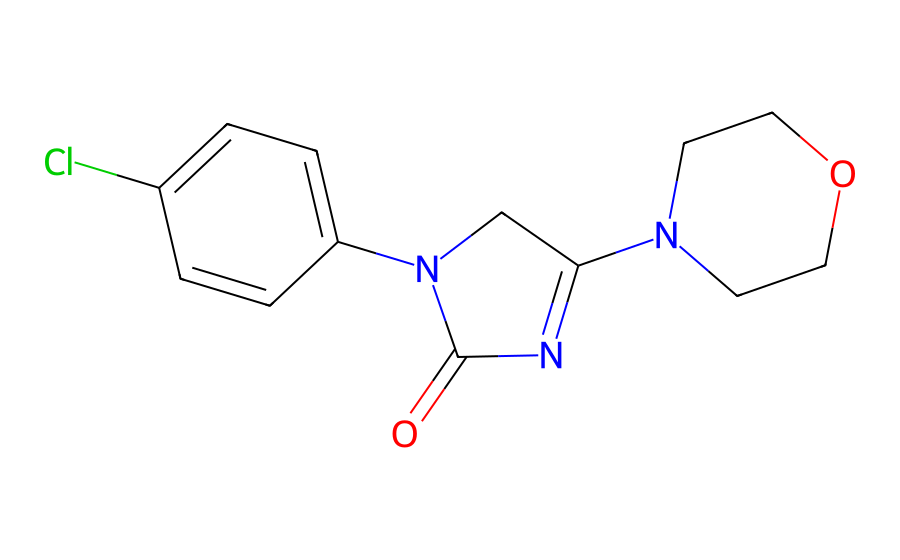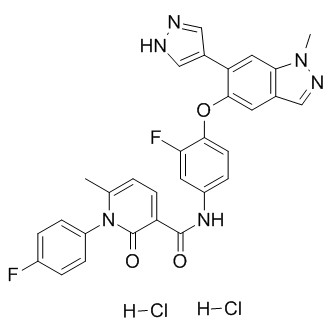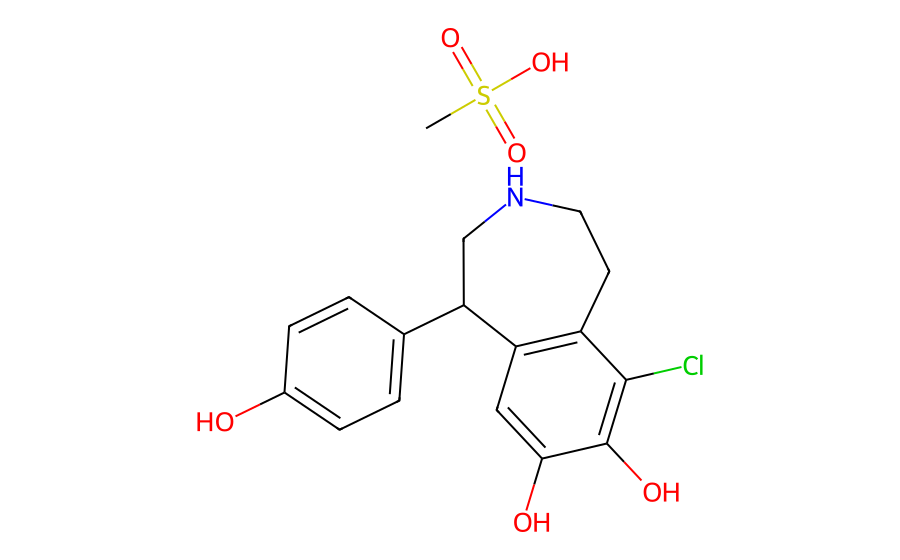
Biological Activity
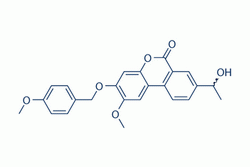
Palomid 529 is a potent inhibitor of mTORC1 and mTORC2 complexes.
In Vitro
Palomid 529 (P529) inhibits both VEGF-driven (IC50, 20 nM) and bFGF-driven (IC50, 30 nM) endothelial cell proliferation and retained the ability to induce endothelial cell apoptosis[1]. Palomid 529 (RES-529) is a PI3K/AKT/mTOR pathway inhibitor that interferes with the pathway through both mTOR complex 1 (mTORC1) and mTOR complex 2 (mTORC2) dissociation. Palomid 529 inhibits mTORC1/mTORC2 activity in various cancer cell lines, as noted by decreased phosphorylation of substrates including ribosomal protein S6, 4E-BP1, and AKT, leading to cell growth inhibition and death, with activity generally in the range of 5-15 μM. At 10 μM concentrations, Palomid 529 reduces the binding of 0.5 nM [3H]estradiol to estrogen receptor (ER)α and ERβ by 3% or less. Palomid 529 inhibits both VEGF-stimulated and β fibroblast growth factor-stimulated HUVEC cell proliferation with IC50 of ~10 and 30 nM, respectively. Treatment of HUVEC cells with Palomid 529 also results in a four-fold induction of apoptosis on the basis of DNA fragmentation. Growth inhibition is observed with Palomid 529 treatment in various cancer cell lines from the National Cancer Institute-60 (NCI-60) tumor panel, with IC50 ranges of 5-15 μM for central nervous system cancer cells and 5-30 μM for prostate cancer cells[2]. Palomid 529 (P529) results in a dose- and time-dependent decrease in Akt activity in PC3, LnCaP, and 22rv1 cells as evidenced by a reduced phosphorylation of Akt (Ser473). Similar results are observed in all PCa cells with similar enzymatic IC50s of about 0.2 μM. Palomid 529 inhibits the cell proliferation of neoplastic cells at different extent (IC50s ranged from 5 to 28 μM), whereas very few effects are observed in non-neoplastic BPH1 and EPN cells. Treatment with Palomid 529 results in a concentration-dependent reduction in viable/proliferating tumor cells compared with non-neoplastic BPH1 and EPN cells. IC50s range from 5 to 28 μM[3].
In Vivo
Palomid 529 (200 mg/kg/2d) inhibits C6V10 glioma tumor growth in nude mice following i.p. dosing. Analysis of signaling within the tumor lysates reveals that Palomid 529 (P529) also reduces AktS473 but not AktT308 signaling[1]. Palomid 529 (RES-529) has shown antitumor activity in a variety of mouse models, including those for glioblastoma, and prostate and breast cancer. In a C6V10 glioblastoma subcutaneous xenograft model, mice pretreated with Palomid 529 (200 mg/kg/2 days, intraperitoneal) 1 week before and for 3 weeks after a tumor cell injection showed an ~70% decrease in tumor volume compared with the control. In another glioblastoma tumor model using human U87 cells, mice treated with micronized Palomid 529 3 days after a tumor cell injection showed a reduction in tumor growth by ~78 and 29% with 50 and 25 mg/kg/2 days, intraperitoneal, Palomid 529, respectively, after 24 days compared with the control[2]. Palomid 529 (P529) is able to reduce tumor growth in a dose-dependent manner both in PC3 and 22rv1 xenografts. A 10, 47.6, and 59.3% reduction of tumor mass is demonstrated in mice bearing PC3 xenografts receiving 50, 100, and 200 mg/kg Palomid 529 respectively and a 9, 38.7, and 51.5% reduction of tumor mass in mice bearing 22rv1 xenografts receiving 50, 100, and 200 mg/kg Palomid 529 respectively[3].
References & source
Published experimental findings depend on the model and assay conditions. They do not guarantee equivalent performance in every application. For laboratory research use only.