Biological Activity
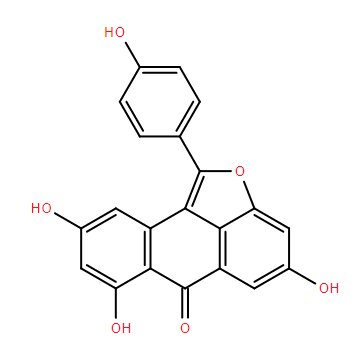
Diptoindonesin G is an HSP90 modulator for chaperone biology and endocrine-resistant breast-cancer research. ERα decreased concentration-dependently; 10 µM produced a reported 72.8% reduction versus vehicle.
In Vitro
| Endpoint | Model / conditions / source | Reported result |
|---|---|---|
| ERα degradation | MCF7 cells; diptoindonesin G 0.1–10 µM for 24 h. [1], Fig. 1 | ERα decreased concentration-dependently; 10 µM produced a reported 72.8% reduction versus vehicle. |
| Transcriptional response | T47D cells; 1–32 µM for 24 h. [1] | GREB1, PGR and MYC transcripts decreased in a concentration-dependent manner. |
| Proteasome dependence | ER-positive cells, including CHIP-depleted or deficient models. [1] | ER degradation involved the 26S proteasome and did not strictly require CHIP under the tested conditions. |
In Vivo
No compound-specific animal efficacy result is established by the sources summarized here.
Compound and Evidence Context
| Endpoint | Model / conditions / source | Reported result |
|---|---|---|
| Analogue distinction | Diptoindonesin G versus deoxy-diptoindonesin G. [1] | Binding measurements made with the deoxy analogue are not assigned to the parent product. The mechanism is distinct from direct ER ligand binding. |
Interpretation
These effects arise through HSP90 modulation; the compound was not described as a direct ER ligand-binding-domain inhibitor.