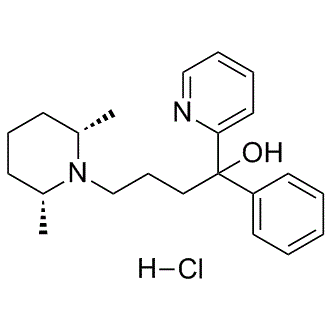
Pirmenol hydrochloride chemical structure
Chemical structureResearch use only
CAT. NO. DC10012Featured

Pirmenol hydrochloride

Pack Sizes & Prices

TotalUS$550
We match the best price and quality on market.
Product overview

Description & Application

Pirmenol hydrochloride inhibits IK.ACh by blocking muscarinic receptors. The IC50 of Pirmenol for inhibition of Carbachol-induced IK.ACh is 0.1 μM.

ParameterValue
Chemical NamePirmenol hydrochloride, CI-845, Pimenol, Pimavar
CAS No.61477-94-9
SynonymsPirmenol hydrochloride, CI-845, Pimenol, Pimavar
FormulaC22H31ClN2O
M.Wt374.95
SMILESC[C@@H]1CCC[C@@H](N1CCCC(C2=CC=CC=C2)(C3=CC=CC=N3)O)C.Cl
Purity>98%
Storage2 years -20°C Powder, 2 weeks 4°C in DMSO, 6 months -80°C in DMSO

Biological Activity

Pirmenol hydrochloride inhibits IK.ACh by blocking muscarinic receptors. The IC50 of Pirmenol for inhibition of Carbachol-induced IK.ACh is 0.1 μM.

In Vitro

Pirmenol inhibits the carbachol-induced IK.ACh in a concentration-dependent manner. Pirmenol also inhibits the GTPγS-induced current although the concentrations of Pirmenol needed to inhibit the GTPγS-induced current are much higher than those to inhibit the carbachol-induced IK.ACh. The IC50 of Pirmenol for inhibition of the GTPγS-induced currents is 30 μM. The inhibitory effect of Pirmenol on these IK.ACh is almost completely reversible and the outward current reappeared upon washout of Pirmenol. Pirmenol on the muscarinic acetylcholine receptor-operated K+ current (IK.ACh) in atrial cells and on experimental atrial fibrillation in isolated guinea-pig hearts. In isolated atrial myocytes, Pirmenol concentration dependently inhibits the IK.ACh induced by carbachol or intracellular loading of GTPγS. In Langendorff-perfused hearts Pirmenol reverses the carbachol-induced decreases in effective refractory periods and atrial fibrillation threshold[1].

In Vivo

The pyridine-methanol derivative Pirmenol hydrochloride is a new antiarrhythmic agent. Single-dose studies in rodents demonstrate a 10- to 15-fold difference between the po and iv LD50 values. In rats, the po LD50 is 359.9 mg/kg and the iv LD50 is 23.6 mg/kg. Mice LD50 values are 215.5 and 20.8 mg/kg for po and iv routes, respectively. Short-term subacute iv toxicity studies in rats (2.5, 5.0, and 7.5 mg/kg) and dogs (2.5, 5, and 10 mg/kg) for 4 weeks elicite minimal reactions. Cardiac effects in dogs include drug related increases in heart rate, increases QRS duration, shortening of ST interval without evidence of cardiac tissue damage and mild local reaction at the injection site. Orally, Pirmenol is well tolerated for 13 weeks in rats receiving 25, 50, and 100 mg/kg/day while dogs given 5, 10, and 15 mg/kg/day shows anticholinergic effects at high levels (dryness of mucosae, body tremors). Heart rates are significantly accelerated only at the beginning of the study and QRS changes are seen with wide individual variations. No drug-related tissue changes are elicited in these species. Teratology studies in rats (50, 100, and 150 mg/kg) and in rabbits (10, 25, and 50 mg/kg) show no overt effect on organogenesis but embryotoxicity is seen at 150 mg/kg in rats[2].

References & source

DC Chemicals original product information

Published experimental findings depend on the model and assay conditions. They do not guarantee equivalent performance in every application. For laboratory research use only.
Product documentation

Refer to the certificate supplied with your lot for batch-specific release results.

Handling guide

2 years -20°C Powder, 2 weeks 4°C in DMSO, 6 months -80°C in DMSO

Solution calculator

Related research products

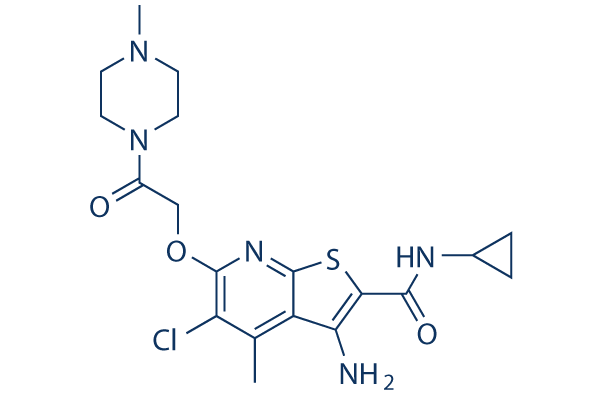
Emraclidine chemical structureDC46844

Emraclidine

Emraclidine is a muscarinic M4 receptor positive allosteric modulator (WO2018002760, compound 11). Emraclidine can be used for the research of neurological diseases.

View activity & prices
VU0357017 chemical structureDC9255

VU0357017

VU0357017 hydrochloride is a highly selective M1 agonists that appear to act at an allosteric site to activate the receptor (EC50 = 477 ± 172 nM; pEC50 = 6.37 ± 0.15).

View activity & prices
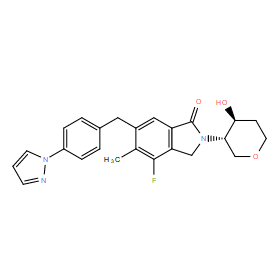
TAK-071 chemical structureDC11208

TAK-071

TAK-071 is a novel muscarinic acetylcholine receptor 1 (M1R) positive allosteric modulator. EC50 of TAK-071 M1R agonist activities is 520 nM[1].

View activity & prices
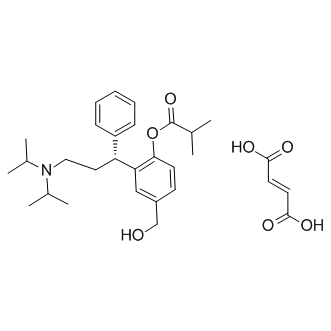
Fesoterodine fumarate chemical structureDC8912

Fesoterodine fumarate

Fesoterodine Fumarate is an antimuscarinic agent and is rapidly de-esterified to its active metabolite 5-hydroxymethyl tolterodine that is a muscarinic receptor antagonist.IC50 value:Target: mAChRFesoterodine has the…

View activity & prices
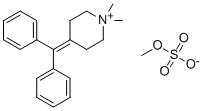
Diphemanil methylsulfate chemical structureDCAPI1702

Diphemanil methylsulfate

Diphemanil methylsulfate is a quaternary ammonium anticholinergic. It binds muscarinic acetycholine receptors and thereby decreases secretory excretion of stomach acids as well as saliva and sweat.

View activity & prices
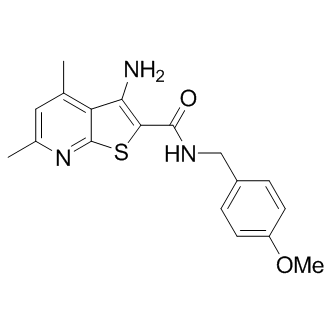
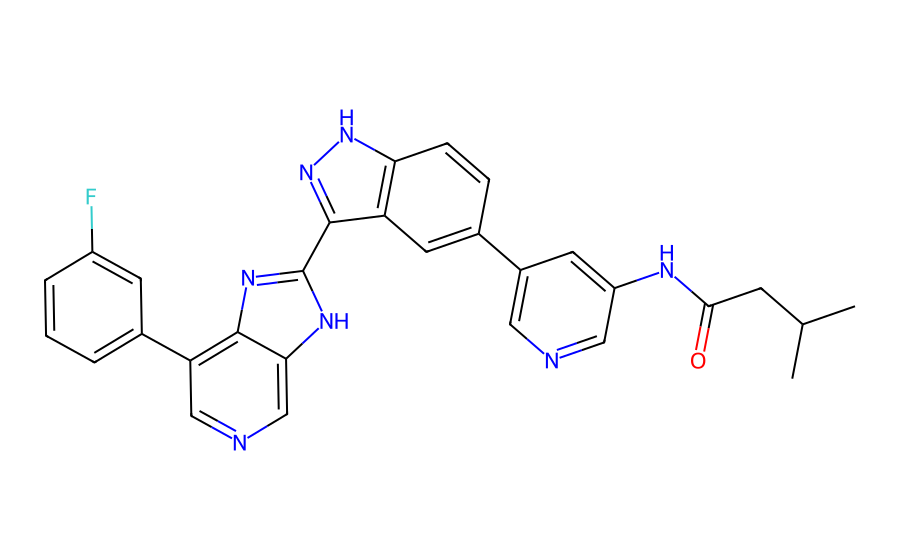
Adavivint chemical structureDC11886

Adavivint

Adavivint is a potent and selective inhibitor of canonical Wnt signaling, with an EC50 of 19.5 nM via a high-throughput TCF/LEF-reporter assay in SW480 colon cancer cells.

View activity & prices
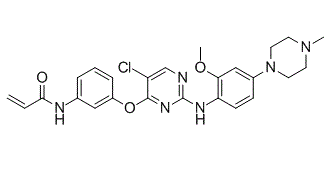
WZ4002 chemical structureDC5090

WZ4002

WZ4002 is a mutant selective EGFR inhibitor with IC50s of 2, 8, 3 and 2 nM for EGFRL858R, EGFRL858R/T790M, EGFRE746_A750 and EGFRE746_A750/T790M, respectively.

View activity & prices
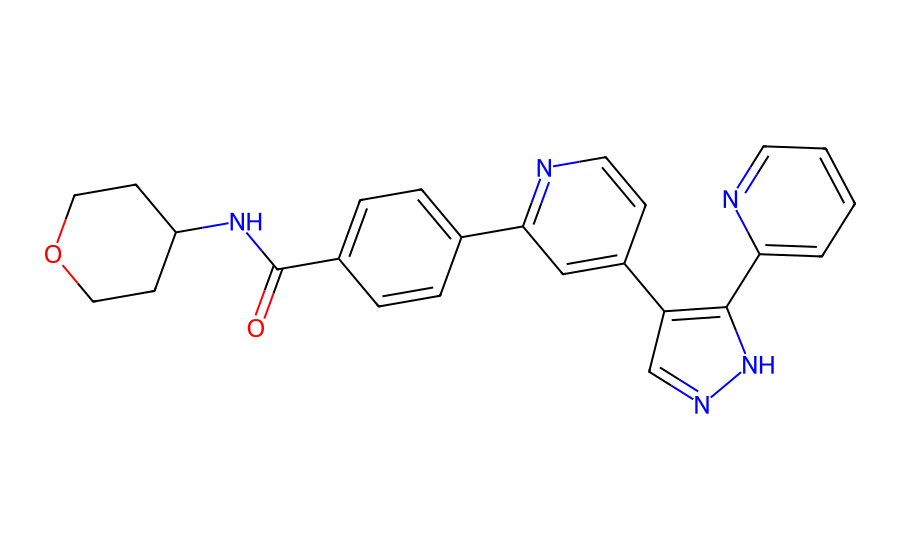
GW788388 chemical structureDC7146

GW788388

GW788388 is a potent and selective inhibitor of ALK5 with IC50 of 18 nM, and also inhibits TGF-β type II receptor and activin type II receptor activities, without inhibiting BMP type II receptor.

View activity & prices

Cart

Request quotation