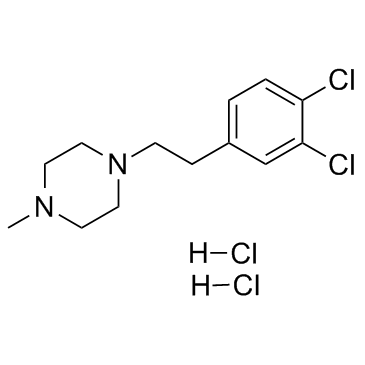
BD1063 dihydrochloride (DC10280) chemical structure
Chemical structureResearch use only
CAT. NO. DC10280Featured

BD1063 dihydrochloride

Pack size & price

USD
Ready-made solution
Total$300
We match the best price and quality on market.
Product overview

Description & Application

BD1063 dihydrochloride is a sigma-1 receptor antagonist used to study nociplastic pain and glial responses.

ParameterValue
Chemical Name1-[2-(3,4-dichlorophenyl)ethyl]-4-methyl-piperazine, dihydrochloride
CAS No.206996-13-6
Synonyms206996-13-6 (HCl), 150208-28-9 (free base),
FormulaC13H20Cl4N2
M.Wt346.117
SMILESCN1CCN(CCC2=CC=C(Cl)C(Cl)=C2)CC1.[H]Cl.[H]Cl
PurityOn request
Storage2 years -20°C Powder, 2 weeks 4°C in DMSO, 6 months -80°C in DMSO
Sigma-1 receptor · Literature evidence

Biological Activity

BD1063 dihydrochloride is a sigma-1 receptor antagonist used to study nociplastic pain and glial responses. Effective doses differed by model: 25–60 mg/kg in the reserpine model and 40–60 mg/kg in the acidic-saline model; 40 mg/kg produced the maximal reported response in both.

In Vitro

No separate compound-specific cell or biochemical result is available from the sources summarized here.

In Vivo

EndpointModel / conditions / sourceReported result
Acute antiallodynic activityFemale ICR-CD1 mice; reserpine-induced myalgia or acidic-saline pain model; 15–60 mg/kg intraperitoneally, assessed at 30 min. [1], ResultsEffective doses differed by model: 25–60 mg/kg in the reserpine model and 40–60 mg/kg in the acidic-saline model; 40 mg/kg produced the maximal reported response in both.
Repeated treatmentBD1063 40 mg/kg intraperitoneally twice daily, 6 h apart, for 14 days; pregabalin comparator arm. [1], MethodsReduced established mechanical hypersensitivity, with effects extending beyond the treatment period.
Glial responseSpinal-cord astrocyte and microglial markers. [1]Behavioral improvement was accompanied by lower spinal gliosis.

Compound and Evidence Context

EndpointModel / conditions / sourceReported result
Endpoint distinctionAcute dose-response and repeated-treatment experiments. [1]The tested doses are animal-study exposures, not clinical doses. The study does not establish a comprehensive systemic toxicity profile.

Interpretation

These are mouse-model observations and do not establish efficacy in human fibromyalgia.
Original studies

References

  1. Álvarez-Pérez B, et al. Long-Lasting Nociplastic Pain Modulation by Repeated Administration of Sigma-1 Receptor Antagonist BD1063 in Fibromyalgia-like Mouse Models. International journal of molecular sciences (2022).

Product documentation

Refer to the certificate supplied with your lot for batch-specific release results.

Handling guide

2 years -20°C Powder, 2 weeks 4°C in DMSO, 6 months -80°C in DMSO

For additional quantities or product documentation, contact info@dcchemicals.com.

Related research products

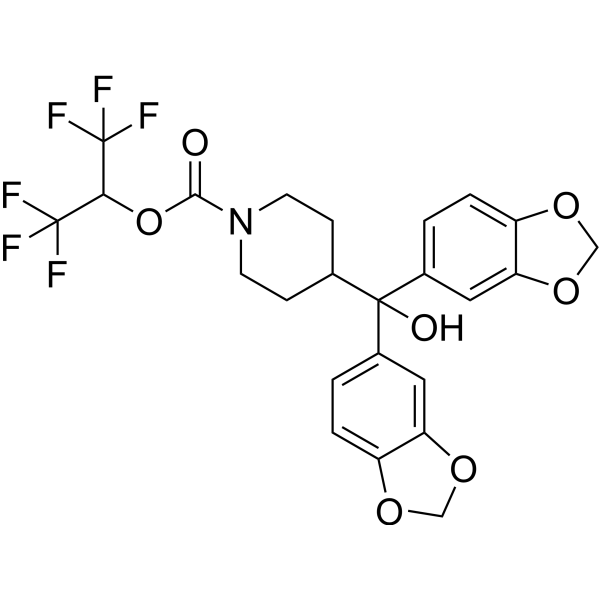
Anle138b chemical structureDC10168

Anle138b

Anle138b is an aggregation-modulating research compound studied in α-synucleinopathies. Published mouse data connect reduced oligomer burden with neuronal and motor outcomes.

View activity & prices
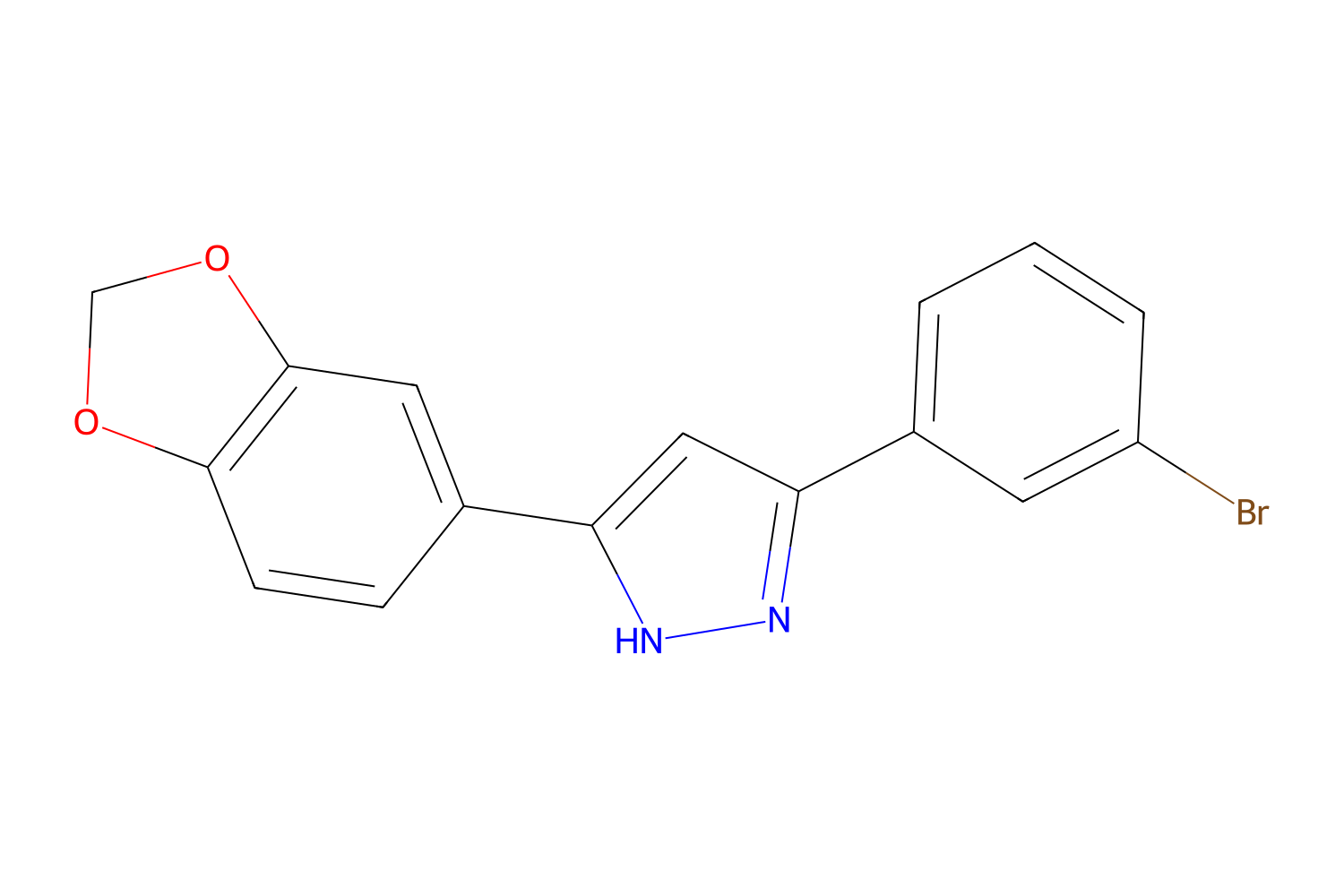
KML-29 chemical structureDC10536

KML-29

KML-29 is a selective MAGL inhibitor used to investigate endocannabinoid metabolism, inflammatory pain and neuropathic pain.

View activity & prices

Cart

Request quotation