For research use only. We do not sell to patients.
← All classifications
Target cells

Lipids for T-cell Delivery

Compare RNA delivery to primary T cells in vivo and ex vivo. Each study identifies the lipid, formulation context, cell population and delivery setting.

22 products currently listedResearch-use products only
Evidence noteCategory membership indicates research relevance. Organ targeting, cell specificity and performance must be verified from the formulation and study conditions cited for each product.
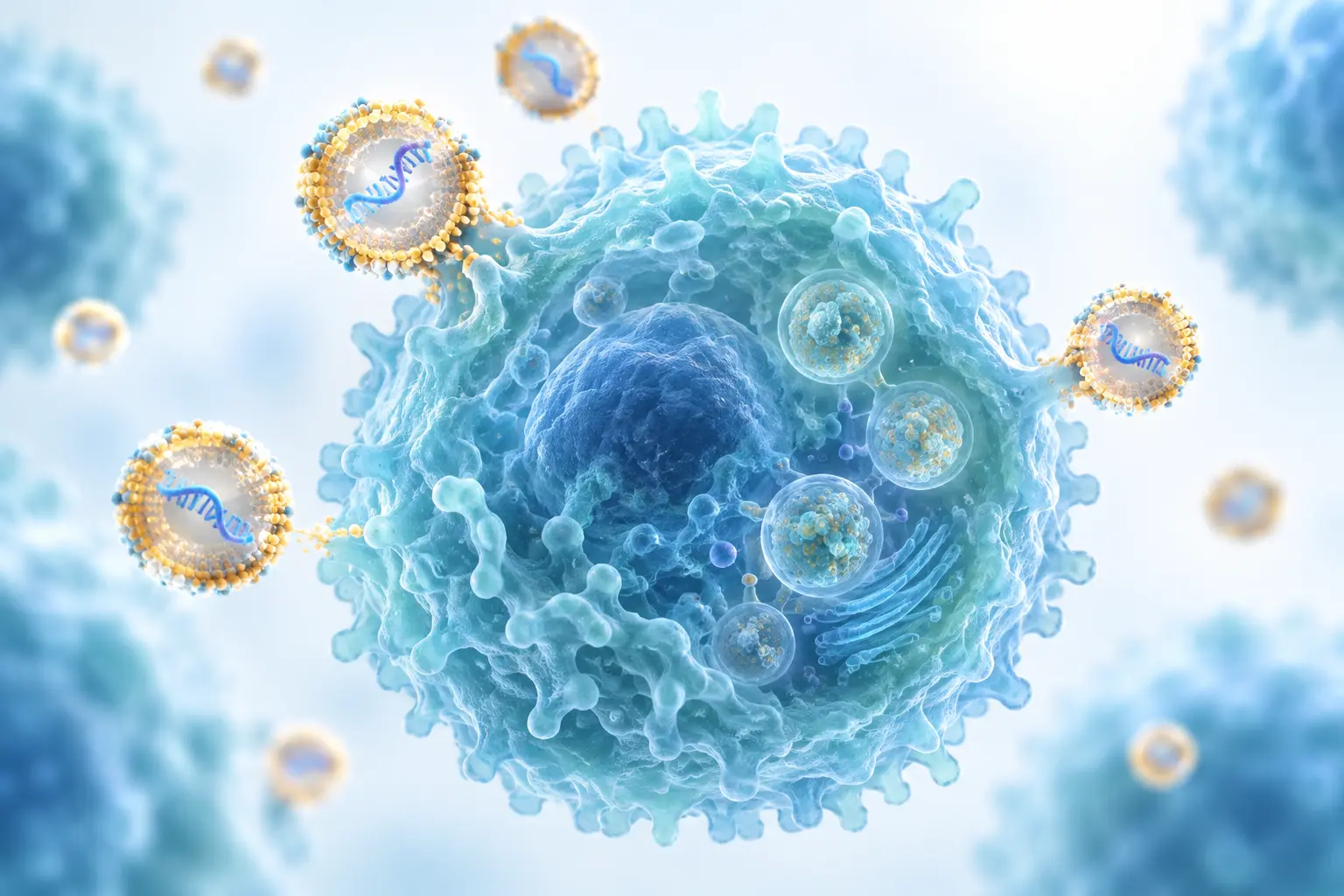
Conceptual RNA delivery to a T lymphocyte
About this lipid class

Lipids for T-cell Delivery in LNP research

Ionizable lipids are central components of many lipid nanoparticle systems for nucleic-acid delivery. During formulation they contribute to cargo association and particle assembly. Lipids designed to remain comparatively neutral near physiological pH can become protonated under acidic endosomal conditions, which may support membrane interaction and cytosolic cargo release.

DC Chemicals provides research-use lipids for candidate screening, formulation development and mechanistic studies. Our capabilities include complex lipid synthesis, purification, analytical release and process-development support; product-specific commercial specifications remain separate from any literature-reported formulation or biological performance.

Proprietary innovation · Co-development · GMP

From proprietary lipid design to GMP-grade custom synthesis

DC Chemicals has independently developed ionizable-lipid structures supported by company-owned intellectual property, and selected proprietary lipid programs have advanced to GMP-stage development.

We welcome joint development with customers—from molecular design and lipid synthesis through route and process development. We can also support custom synthesis of GMP-grade ionizable lipids to agreed technical specifications and quality requirements.

Discuss a co-development project →
Proprietary ionizable-lipid structuresCollaborative molecular designCustom lipid synthesisProcess development and scale-upGMP-grade project support
Browse this category

Lipids for T-cell Delivery

22 products · 20 per page
Cat. No.Product NameField of ApplicationChemical Structure
Price on request

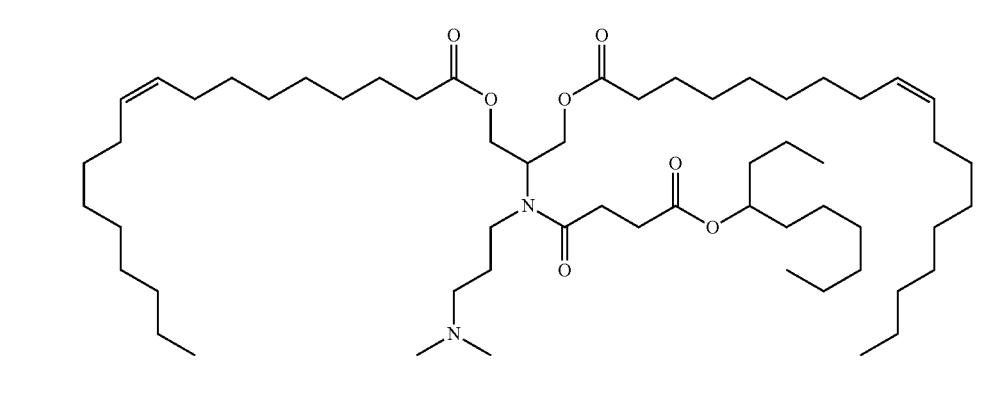
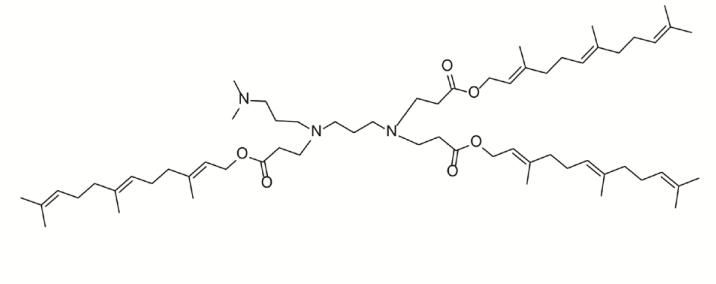
Lipid 6 is a literature-reported ionizable lipid for ex vivo mRNA delivery to primary human T cells. In Gao et al. (2026), LNPs containing Lipid 6 generated MUC1-CAR T cells that were assessed against MUC1-positive cancer cell lines in vitro.

Lipid 6 chemical structure
CICL-207Featured

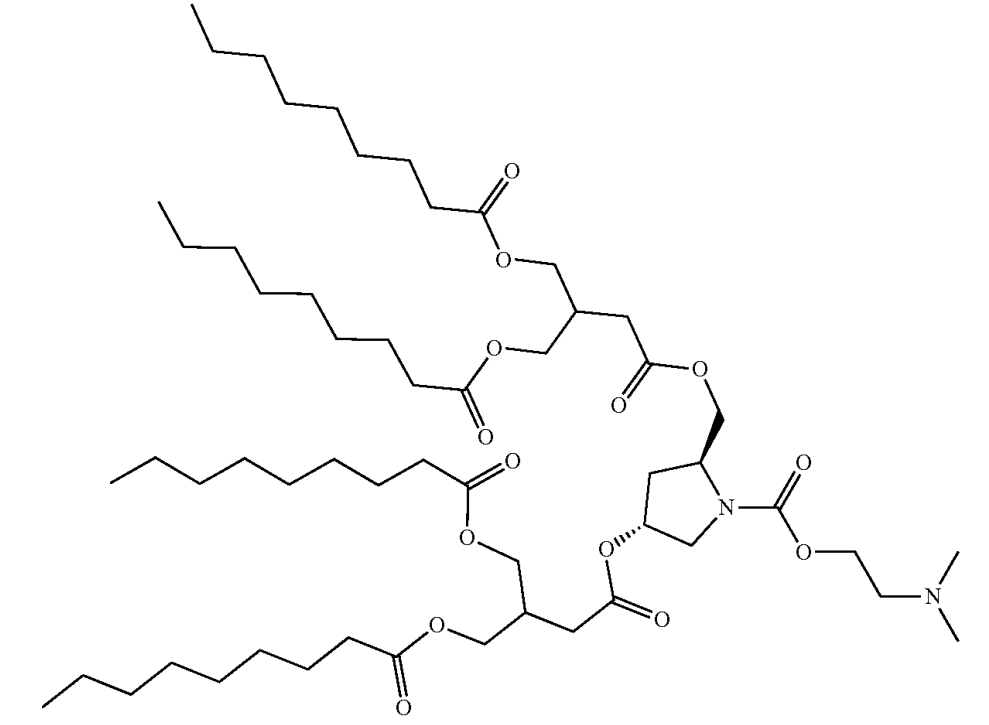
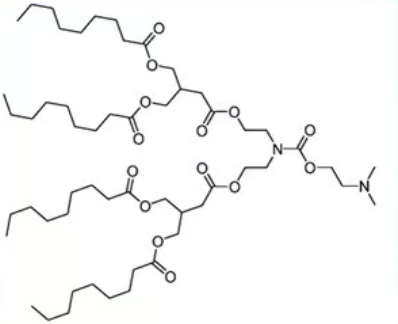
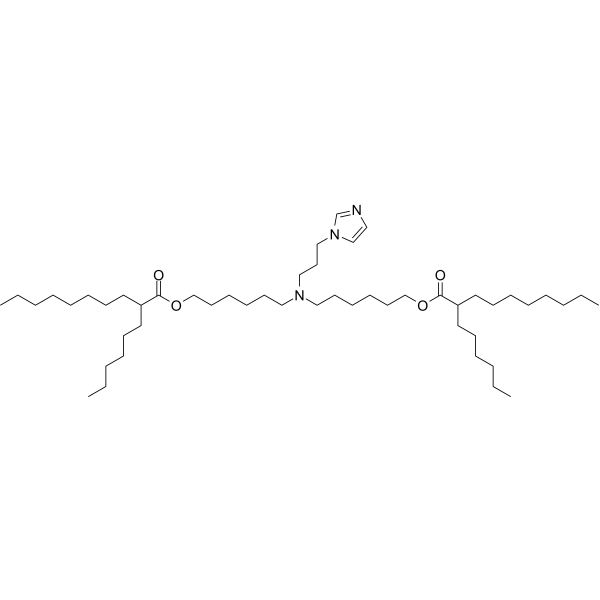
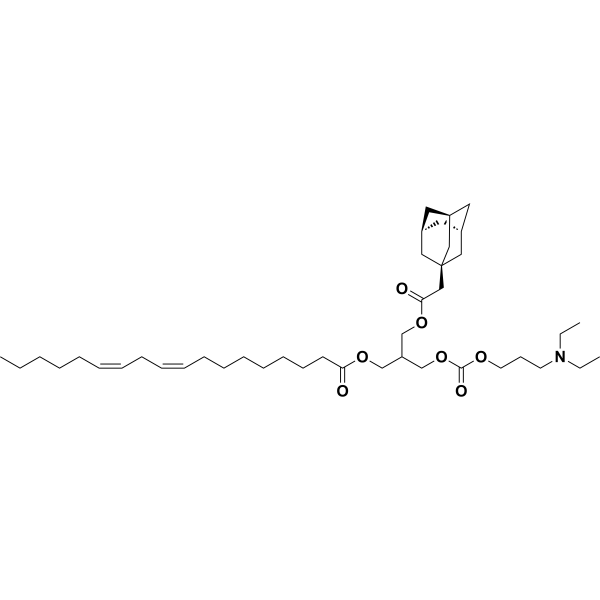
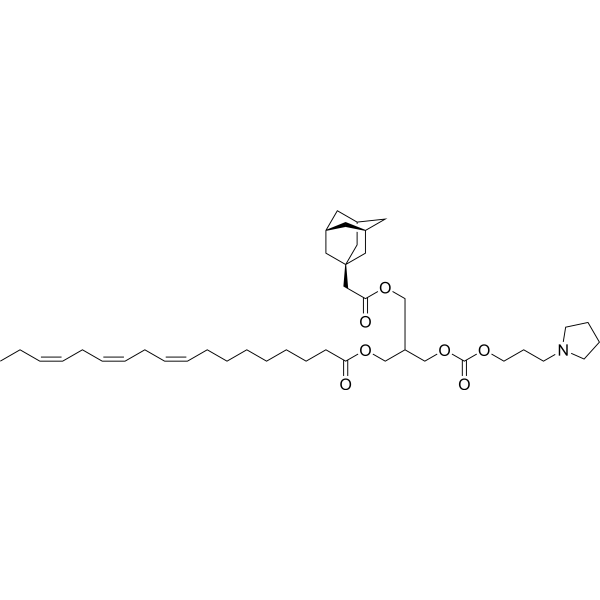
CICL 207 is structurally optimized based on Lipid CICL-1. CICL207​​ is a constrained ionizable cationic lipid designed for lipid nanoparticle (LNP) delivery systems developed by Capstan. Its structure features a ​​rigid cyclic backbone​​ (e.g., pyrrolidine-derived core) paired with a ​​tertiary amine group​​ that ionizes at acidic pH (pKa ~6.5–7.0), enhancing endosomal escape. The lipid includes ​​asymmetric hydrophobic tails​​ (likely C14–C18 alkyl/ester chains) to stabilize LNP membranes and improve nucleic acid encapsulation. Integrated into LNPs (e.g., 58% CICL-207, 10% DSPC, 30.5% cholesterol, PEG-lipids), it enables targeted delivery to T cells (anti-CD5/CD8 tLNPs) with ​​high transfection efficiency​​ (spleen T cells >70% mCherry+), ​​reduced liver uptake​​, and ​​low toxicity​​ (no significant ALT/AST elevation in rats). Its constrained design balances stability, tissue specificity, and biocompatibility for gene therapy applications.CICL 207 (F50) significantly outperforms CICL-1 by delivering dramatically enhanced target cell transfection with reduced off-target effects. It achieves >50% transfection efficiency in splenic T-cells—nearly double that of CICL-1—while slashing off-target expression in liver cells to <5% (versus >15% for CICL-1. This precision translates to superior therapeutic outcomes: CICL-207 enables ~95% B-cell depletion in CAR-T applications, far exceeding CICL-1 ’s ~60% efficacy. Critically, it maintains an exceptional safety profile, showing no significant liver toxicity or inflammatory cytokine elevation even at high doses. Furthermore, CICL-207 demonstrates 2-fold higher transfection efficiency in hematopoietic stem cells, enabling robust gene editing. Its optimized pKa (~6.5) and constrained amine structure enhance endosomal escape while minimizing Kupffer cell uptake, making it ideal for targeted therapeutics requiring both potency and safety.​

CICL-207 chemical structure
Lipid PL40Featured

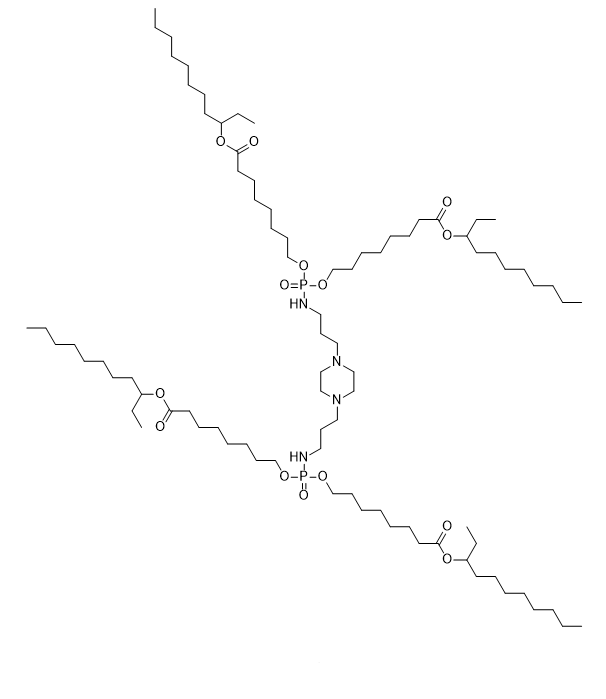
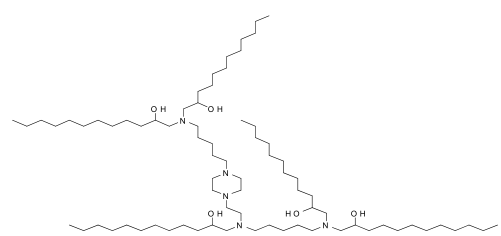
PL-40​​ is a ​​cardiolipin-mimetic ionizable lipid​​ engineered for high-efficiency, antibody-free mRNA delivery to T cells. PL 40 LNPs exhibit a mean particle size of ​​120 nm​​, zeta potential of ​​-5.19 mV​​, and >80% mRNA encapsulation efficiency, with excellent plasma stability (≤5% size change after 6h in serum). Cryo-TEM reveals ​​polyhedral nanoparticles​​ with phase-separated domains, while SAXS confirms tight mRNA packing (d-spacing: ​​~3 nm​​ vs. 6.64 nm in conventional LNPs). AFM demonstrates exceptional rigidity (high bending modulus), enabling T cell-selective uptake via actin-mediated endocytosis (>2× higher than ALC0315 LNPs).In primary human T cells, PL40 LNPs achieve ​​>90% transfection​​ at 0.5 μg mRNA dose and sustain >100× higher luciferase expression than benchmark lipids. When delivering circular RNA, they extend protein expression ​​>5 days​​ with superior spleen tropism (spleen:liver ratio = ​​2.63​​). Crucially, they reprogram T cells into functional CAR-Ts in vivo without antibody conjugation, evading exhaustion markers (no Tim-3/PD-1 upregulation). Therapeutically, PL40-based uPAR-targeted CAR mRNA reduces liver fibrosis (​​collagen↓50%​​, ALT↓50%) and rheumatoid arthritis severity (​​clinical scores↓60%​​) by clearing senescent cells. Humanized anti-uPAR CARs delivered via PL40 show near-complete cytotoxicity (>95%) against uPAR+ cells, underscoring clinical translatability.

Lipid PL40 chemical structure

Lipid 15 is the lead ionizable cationic lipid (ICL) for CD8-targeted mRNA-LNPs. As the core LNP component, Lipid 15 yields ~100 nm uniform particles with near-neutral surface charge at physiological pH, while becoming strongly cationic in acidic endosomes—reducing hepatic off-target uptake and enabling efficient endosomal escape to release mRNA. Versus other ICL candidates, Lipid 15 achieves far higher mRNA transfection efficiency in primary human CD8⁺ T cells, supports robust transient CAR expression, and triggers minimal cytokine release in immunogenicity assays. It retains structural and functional stability after freeze storage. When formulated into anti-CD8 VHH-conjugated LNPs carrying CD22 CAR mRNA, Lipid 15 drives specific in vivo reprogramming of circulating CD8⁺ T cells into functional CAR-T cells, delivering potent tumor suppression in humanized hematological malignancy models without overt toxicity.

Sanofi Lipid 15 chemical structure

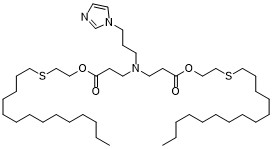
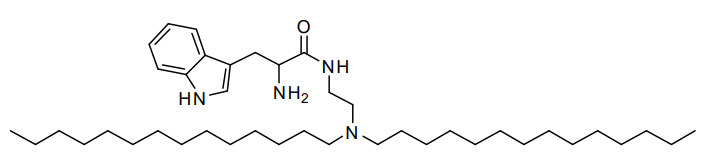
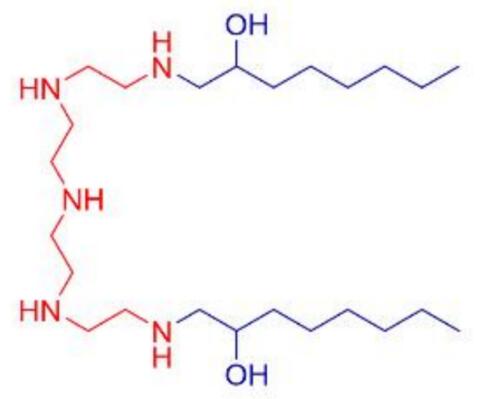
Trp-L1-T4 is a novel tryptophan-derived ionizable lipid that serves as the core functional component of the optimized lipid nanoparticle (TLNP/RLNP) platform. Its primary function is to enable the efficient encapsulation and in vivo delivery of self-amplifying RNA (saRNA) cargo. Specifically, it facilitates high transfection efficiency and cytosolic release of the RNA payload in target follicular helper T (Tfh) cells, with minimal cytotoxicity. This capability is crucial for reprogramming pathogenic Tfh cells into regulatory CAR-Tfh cells, forming the foundation of the study's therapeutic strategy.

Lipid Trp-L1-T4 chemical structure
113-AA-C8C14Featured

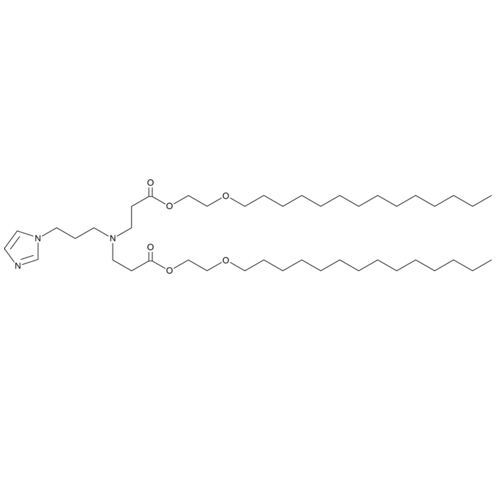
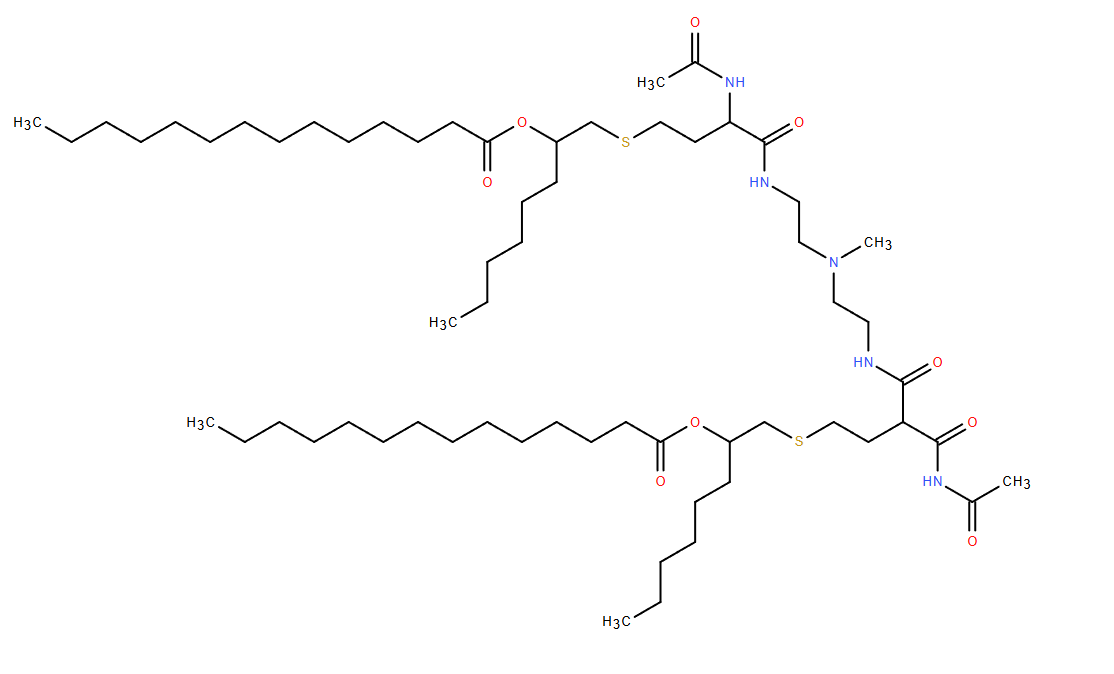
113-AA-C8C14 is a spleen-tropic ionizable lipid with inherent splenic organ selectivity. Its formulated LNPs drastically reduce off-target liver uptake and drive 57-fold higher mRNA expression in spleen versus benchmark LNPs. It preferentially delivers nucleic acids to splenic immune cells like macrophages and T lymphocytes, supporting in vivo CAR-T engineering and mRNA vaccine research with minimal accumulation in other visceral organs.

113-AA-C8C14 chemical structure

Lipid 6 is the lead ionizable lipid among eight candidates screened by Gao et al. for mRNA delivery to primary human immune cells. Lipid 6 LNPs were used to generate MUC1-CAR T cells ex vivo and to assess their cytotoxicity against MUC1-positive cancer cell lines in vitro. Mouse reporter-mRNA expression was studied separately; in vivo antitumor efficacy of the CAR T cells was not established.

Lipid 6 chemical structure

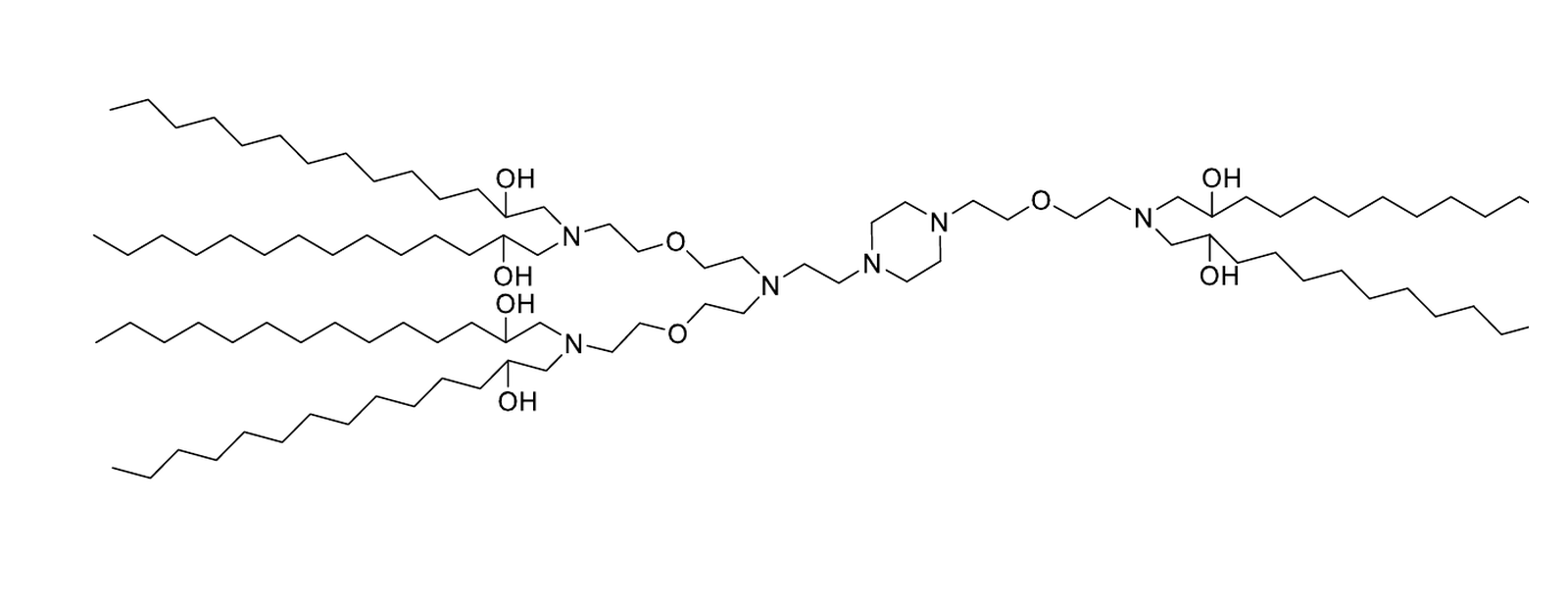
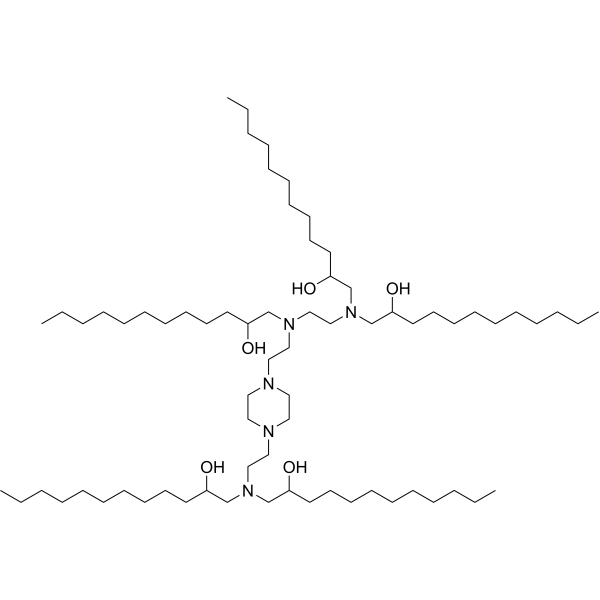
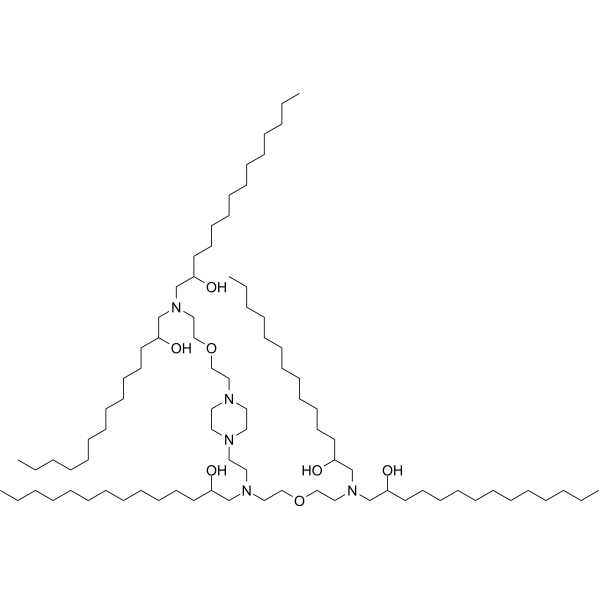
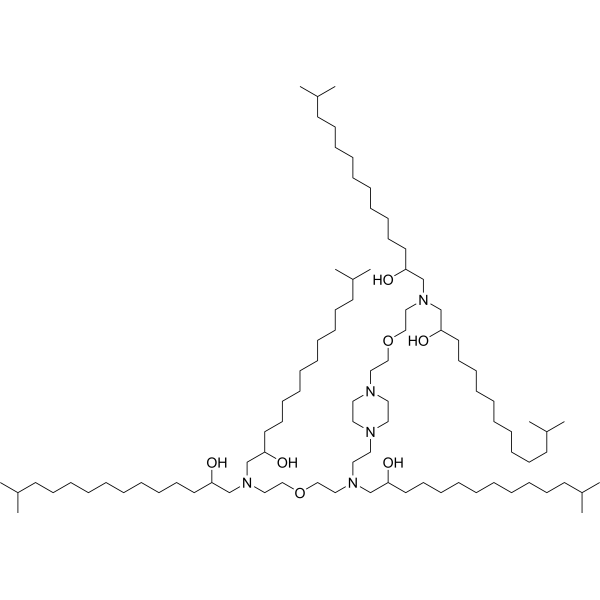
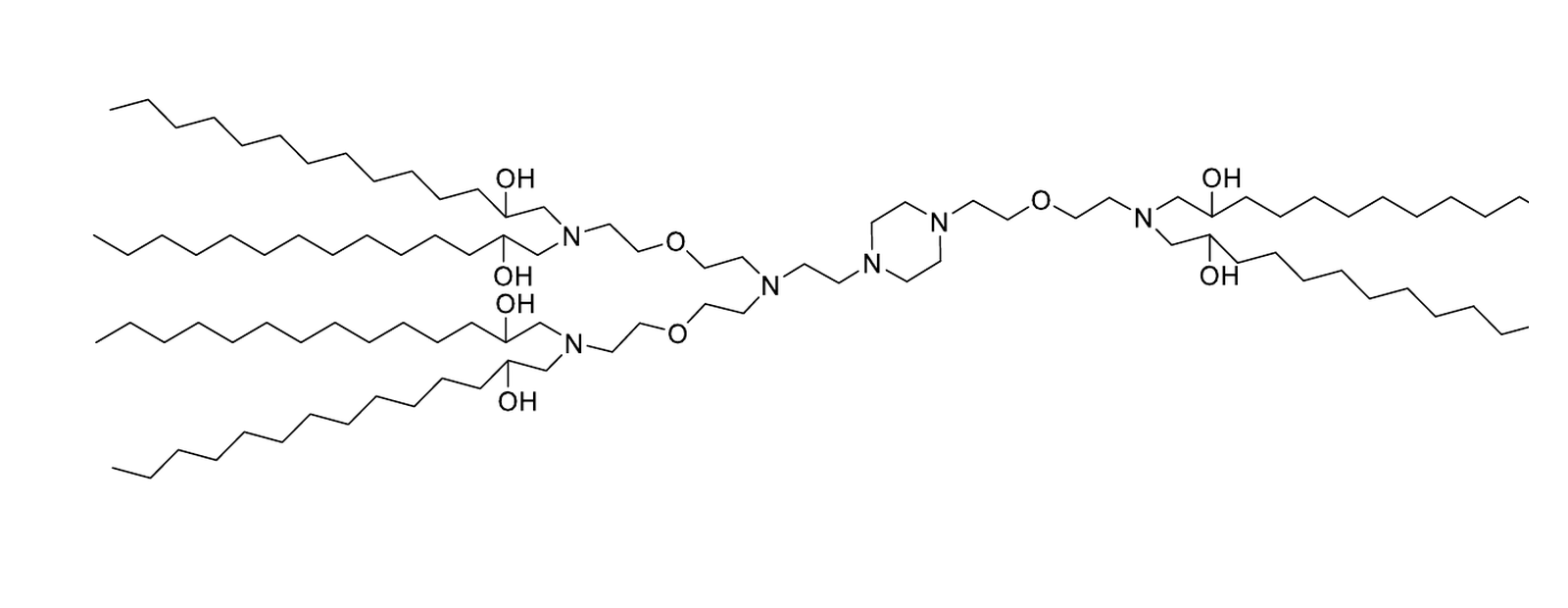
​​L829​​ is a ​​novel ionizable cationic lipid​​ specifically engineered for ​​targeted lipid nanoparticles (tLNPs)​​ that enables efficient in vivo delivery of mRNA payloads to ​​CD8+ T cells​​. Designed to overcome limitations of conventional LNPs, L829 significantly ​​reduces off-target delivery to the liver​​ and exhibits ​​rapid clearance​​ compared to benchmark lipids like ALC-0315, while demonstrating ​​enhanced biodegradability and tolerability​​ in rodent and primate models. When incorporated into CD8-targeted tLNPs, L829 enables ​​preferential transfection of CD8+ T cells​​ over other immune subsets, facilitating the generation of functional ​​anti-CD19 or anti-CD20 CAR T cells directly *in vivo​​*. These tLNP-engineered CAR T cells mediate ​​rapid, deep B-cell depletion​​ in humanized mice and cynomolgus monkeys, with repopulating B cells exhibiting a naïve phenotype suggestive of immune reset. By eliminating the need for ex vivo manufacturing or lymphodepleting chemotherapy, the L829-tLNP platform represents a ​​safer, scalable approach​​ for accessible CAR T therapy in oncology and autoimmune diseases.

​​L829 chemical structure

Study context & references

LipidDelivery setting & functional evidenceSource & study details
Ex vivo primary T-cell delivery
Lipid 6 (Gao et al., 2026)
DCL0005
Ex vivo primary human T-cell transfection
Ex vivo mRNA delivery to primary human T cells; MUC1-CAR expression and antigen-dependent cytotoxicity were measured in vitro. Mouse reporter delivery is a separate experiment.
[1] Source
Figs. 3–6; SI Table S2
C12-200
DC58046
Ex vivo activated primary human CD4+ T-cell transfection
C12-200 LNPs were a reporter-mRNA transfection benchmark in activated primary human CD4+ T cells ex vivo. This does not assign the study's C14-A1 Foxp3 engineering results to C12-200.
[2] Source
Fig. 2B–D; SI Fig. S1; Results, primary human CD4+ T-cell screen
C14-4
DC59010
Ex vivo primary human T-cell transfection
C14-4 LNPs delivered anti-CD19 CAR mRNA to primary human T cells ex vivo; the engineered cells killed target leukemia cells in vitro. Crude and purified lipid formulations were compared separately.
[3] Source
Figs. 4–6; primary human T-cell transfection and cytotoxicity assays
76-O17Se
DC60494
Ex vivo primary human CD8+ T-cell transfection
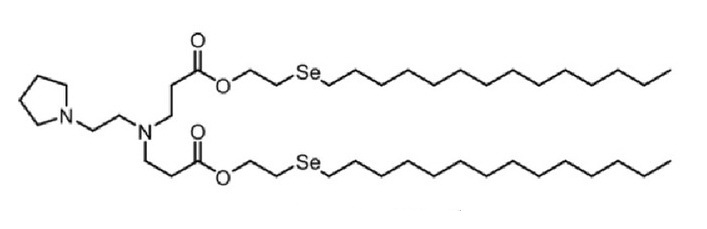
76-O17Se delivered anti-CD19 CAR-eGFP mRNA to primary human CD8+ T cells ex vivo. Expression and cell viability must be interpreted together.
[4] Source
SI Figs. S5A–C and S6
C14-A1
DC60499
Ex vivo primary human CD4+ T-cell transfection
C14-A1 LNPs delivered Foxp3 mRNA to primary human CD4+ T cells ex vivo and generated transient immunosuppressive FP3T cells.
[2] Source
Figs. 2–4
C12-A1
DC60503
Ex vivo primary human CD4+ T-cell transfection
C12-A1 LNPs supported reporter mRNA expression in primary human CD4+ T cells ex vivo. The downstream Foxp3 engineering experiments used C14-A1, not C12-A1.
[2] Source
Fig. 2B–D; SI Fig. S1
93-O17O
DC82105
Ex vivo primary T-cell transfection
93-O17O supported reporter mRNA expression in the ex vivo primary T-cell screen. In vivo results for 93-O17S must not be assigned to this oxygen-tail analogue.
[5] Source
Fig. 3C, initial primary-T-cell screen
E10i-494
DC13101
Ex vivo activated primary human T-cell transfection
E10i-494 BEND LNPs delivered reporter mRNA to activated primary human T cells ex vivo. The study's hepatic gene-editing results belong to different lipid/formulation experiments.
[6] Source
Fig. 7
Lipid 6
DC68234
Ex vivo primary human T-cell transfection
Ex vivo mRNA delivery to primary human T cells; MUC1-CAR expression and antigen-dependent cytotoxicity were measured in vitro. Mouse reporter delivery is a separate experiment.
[1] Source
Figs. 3–6; SI Table S2
In vivo primary T-cell delivery
CICL-207
DC67515
Intravenous
CICL-207 LNPs conjugated to anti-CD5 antibody delivered mCherry mRNA to splenic T cells after intravenous administration in mice. Targeting depends on the antibody-functionalized formulation.
[7] Source
Example 66, Fig. 1A; anti-CD5 tLNP, mouse tail-vein dose, splenic T-cell mCherry expression
CICL-1 (L829)
DC99010
Intravenous
CICL-1/L829 LNPs conjugated to anti-CD5 antibody delivered mCherry mRNA to splenic T cells after intravenous administration in mice. Targeting depends on the antibody-functionalized formulation.
[7] Source
Example 66, Fig. 1A; anti-CD5 tLNP, mouse tail-vein dose, splenic T-cell mCherry expression
Lipid H5T5
DC60925
Intravenous
Mouse IV study: H5T5 LNPs supported splenic reporter expression and CAR expression across several splenic immune-cell populations.
[8] Source
Figure 3A–F
Lipid 10a-26
DC82209
Intravenous
Lipid 26 LNPs supported Cre circular-RNA expression in splenic T-cell populations in Ai9 mice; this is broader immune-cell delivery rather than T-cell-exclusive targeting.
[9] Source
Paragraphs [0861]–[0862], Fig. 45A–C
Lipid 11-A-M
DC65619
Intravenous
Mouse IV study: 11-A-M nanoparticles supported GFP silencing in splenic T cells at 0.5 mg/kg siRNA.
[10] Source
Figure 4C–D
113-AA-C8C14
DC60942
Intravenous
The B-2 formulation of 113-AA-C8C14 was used for systemic CD19-CAR mRNA delivery and T-cell engineering in mice. Its activity is formulation-specific.
[11] Source
Main CAR-T experiments; SI Fig. S12
TE-EP8-S
DC60578
Intravenous
Systemic mouse study: one-component TE-EP8-S nanoparticles supported functional mRNA delivery to splenic T cells.
[12] Source
Abstract; Figure 4 Cre/lox reporter assay
1-A-N
DC67121
Intravenous
1-A-N LNPs carrying siCD45 produced significant CD45 silencing in mouse splenic T cells after systemic administration.
[10] Source
SI Fig. S7D,E
​​L829
DC60860
Intravenous
CICL-1/L829 LNPs conjugated to anti-CD5 antibody delivered mCherry mRNA to splenic T cells after intravenous administration in mice. Targeting depends on the antibody-functionalized formulation.
[7] Source
Example 66, Fig. 1A; anti-CD5 tLNP, mouse tail-vein dose, splenic T-cell mCherry expression
In vivo and ex vivo primary T-cell delivery
Lipid PL40
DC67553
Intravenous; ex vivo primary T-cell transfection
PL40 LNPs delivered reporter and uPAR CAR RNA to T cells, including systemic in vivo CAR-T experiments; primary human T-cell transfection was tested separately.
[13] Source
Figs. 1F, 2C, 4–6
Sanofi Lipid 15
DC67601
Intravenous; primary human PBMC assays
Anti-CD8 VHH-functionalized Lipid 15 LNPs delivered CD22-CAR mRNA to primary human CD8+ T cells and reprogrammed CD8+ T cells in humanized mice. Targeting depends on the complete formulation.
[14] Source
Targeted T-cell assays and in vivo CAR experiments
93-O17S
DC53130
Intravenous; ex vivo primary T-cell assays
93-O17S LNPs delivered Cre mRNA in mice, producing reporter recombination in splenic CD4+ and CD8+ T cells; ex vivo primary T-cell reporter delivery was also measured.
[5] Source
Figs. 3C, 10C and T-cell Cre-recombination results
Lipid Trp-L1-T4
DC68057
Intravenous; primary mouse Tfh assays
Trp-L1-T4-based, CXCR5-antibody-functionalized RLNPs supported saRNA expression and CAR reprogramming in follicular helper T cells. Selectivity also depends on the RNA design.
[15] Source
Main Fig. 3B,C,I,J and in vivo treatment experiments

In vivo and ex vivo results refer to the specified primary T-cell population and formulation. Antibody targeting or other formulation features are stated where required.

References (15)
  1. Gao et al. Lipid-based mRNA chimeric antigen receptor T cells for enhanced in vitro antitumor activity
  2. mRNA Lipid Nanoparticles for Ex Vivo Engineering of Immunosuppressive T Cells for Autoimmunity Therapies
  3. Ionizable Lipid Nanoparticle-Mediated mRNA Delivery for Human CAR T Cell Engineering
  4. In Vitro Engineering Chimeric Antigen Receptor Macrophages and T Cells by Lipid Nanoparticle-Mediated mRNA Delivery
  5. Imidazole-based synthetic lipidoids for in vivo mRNA delivery into immune cells
  6. Branched endosomal disruptor (BEND) lipids mediate delivery of mRNA and CRISPR-Cas9 ribonucleoprotein complex for hepatic gene editing and T cell engineering
  7. US20250127728A1
  8. Lipid nanoparticle-mediated in vivo generation of pan-CAR immune cells for solid tumor immunotherapy
  9. Circular RNA compositions and methods
  10. Constrained nanoparticles deliver siRNA and sgRNA to T cells in vivo without targeting ligands
  11. β-Hydroxy Thioether-Derived Ionizable Lipids for Spleen-Tropic mRNA Delivery and In Vivo Chimeric Antigen Receptor T Cell Engineering
  12. One-Component Cationic Lipids for Systemic mRNA Delivery to Splenic T Cells
  13. Cardiolipin-mimic lipid nanoparticles without antibody modification delivered senolytic in vivo CAR-T therapy for inflamm-aging
  14. Reprogramming CD22 CAR-T cells in vivo using CD8-targeted mRNA-LNPs to treat hematological malignancies
  15. In vivo CAR-Tfh cell reprogramming restores tolerance in a mouse model of autoimmune hepatitis