
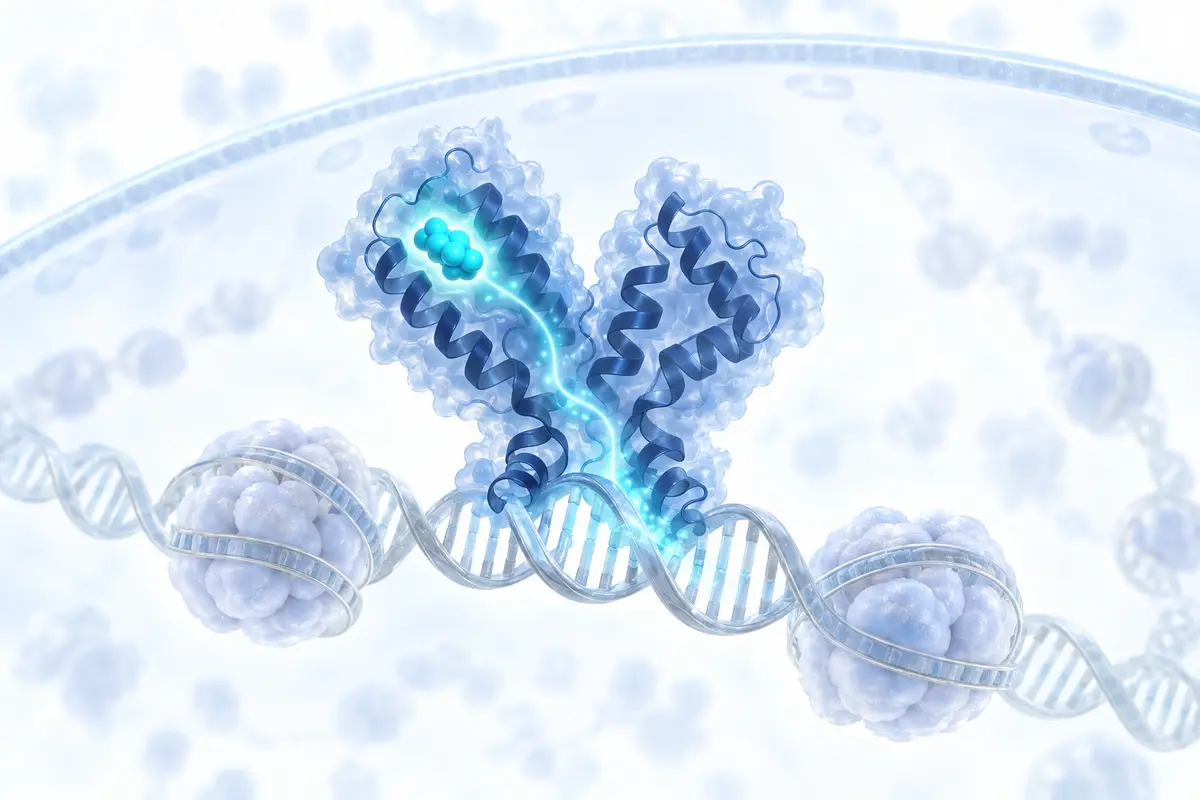
9(10)-Nitrooleate(NOA)is an endogenous nitrated fatty acid that functions as a highly efficient bioactive molecule. Its primary role is the specific inhibition of the STING protein, a key inflammatory signaling sensor within cells. When STING is aberrantly activated, it can trigger a severe inflammatory response, leading to cellular damage.Mechanistically, NOA acts as an electrophile, capable of covalently modifying specific cysteine residues on the STING protein, thereby effectively blocking its ability to activate downstream signaling pathways. This inhibitory action establishes NOA as a potent endogenous anti-inflammatory agent. In practical application, loading NOA into delivery systems, such as lipid nanoparticles, equips them with an intrinsic "molecular fire extinguisher." It significantly mitigates the acute inflammatory response triggered by delivered cargo, effectively transforming otherwise toxic delivery vehicles into safe platforms. The core value of NOA lies in its ability to provide exceptional safety without compromising the functional expression of therapeutic payloads, offering a crucial safeguard for achieving long-term treatments.
-Nitrooleate.gif)